Hello, I am Dr. Peter C. Kang.
Today, I would like to share the case of a patient who underwent revision rhinoplasty to correct nasal deformities caused by multiple previous surgeries and to achieve a more defined aesthetic.
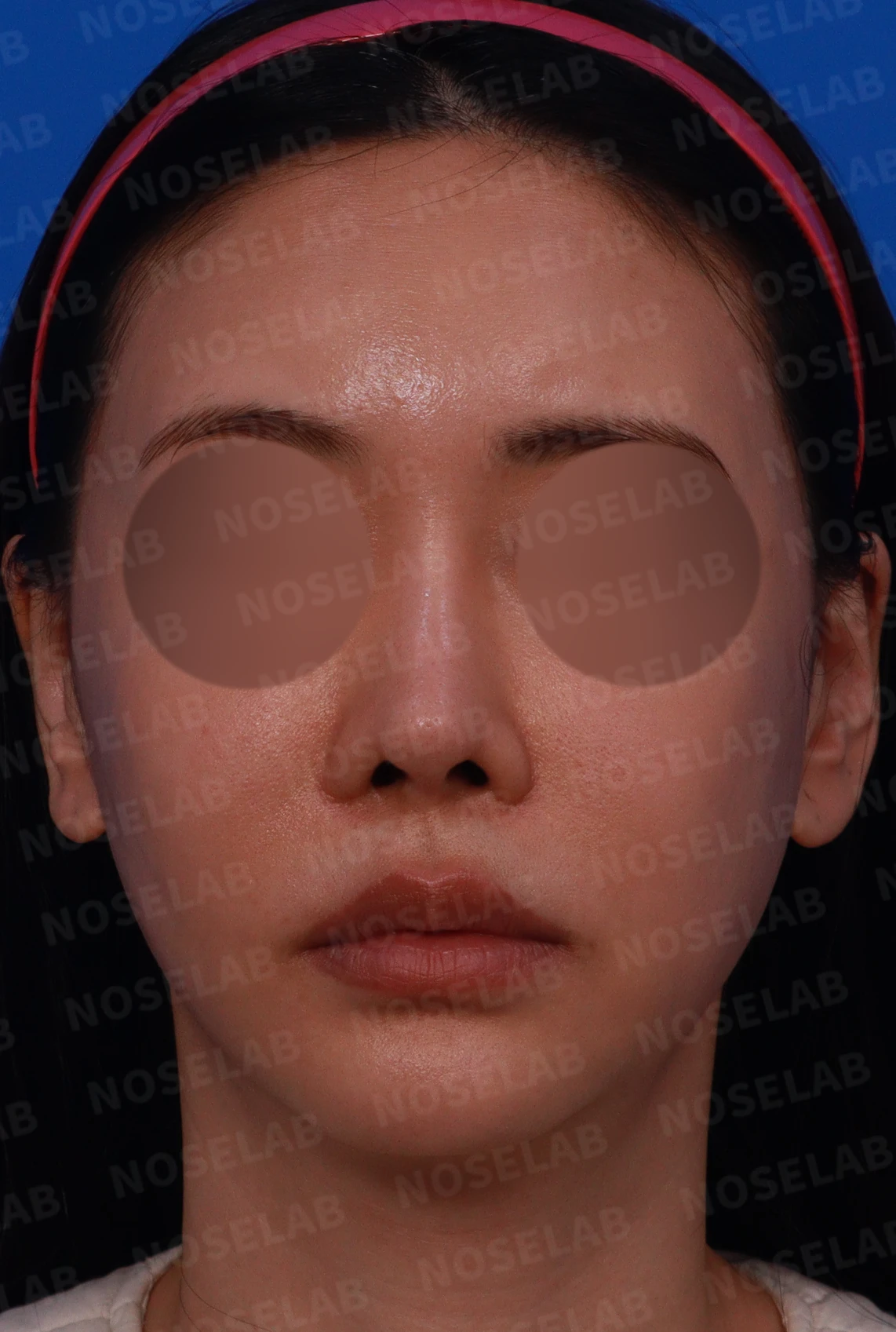
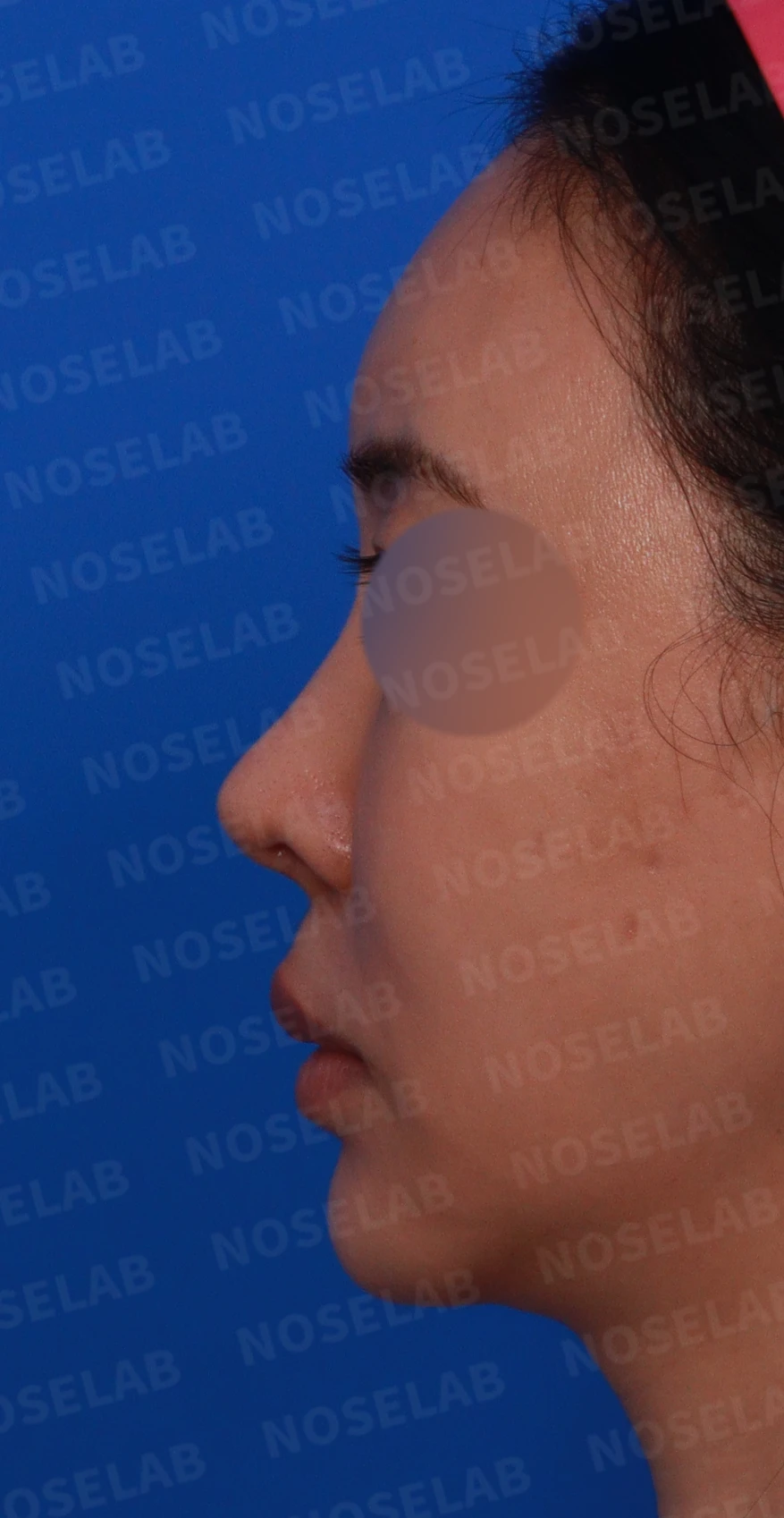
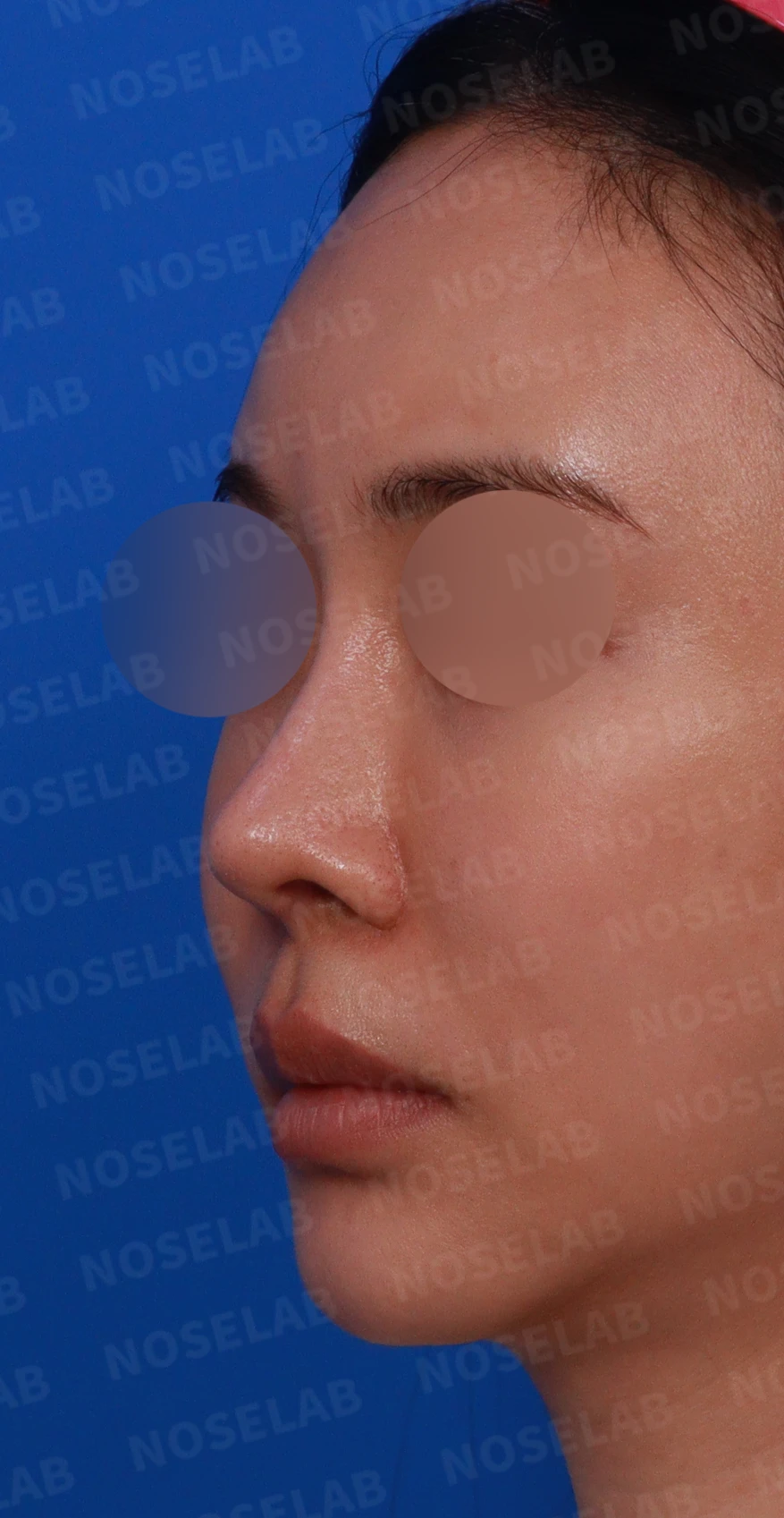
Front, left profile, and oblique views during design consultation
📍 Surgical history
?
8 years ago: Revision rhinoplasty
September 2019: Revision rhinoplasty (nasal deformity developed - bulbous nose + drooping tip)
2020: Donor rib cartilage and silicone implant
2021: Ear cartilage
January 2024: Autologous rib cartilage + silicone implant
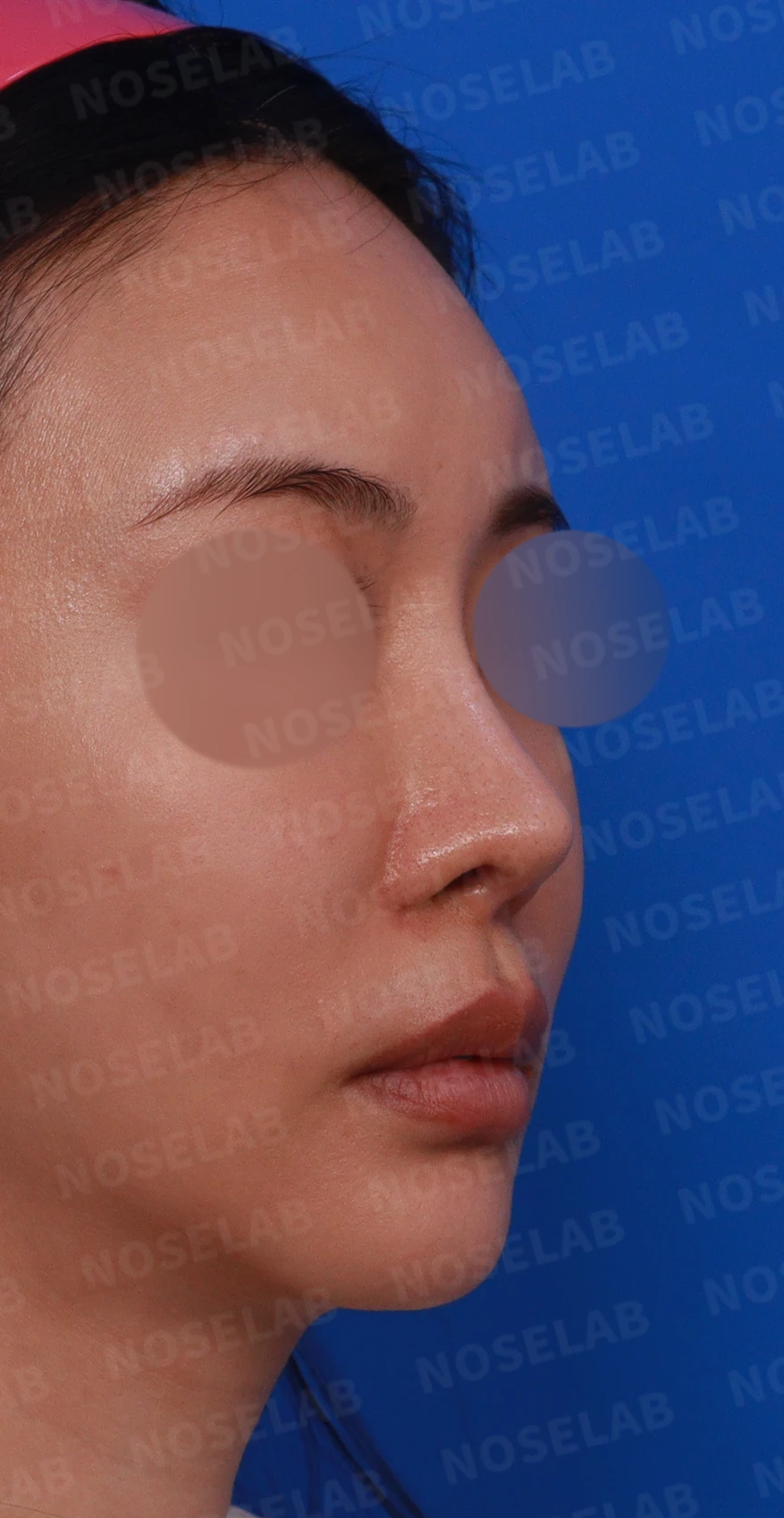
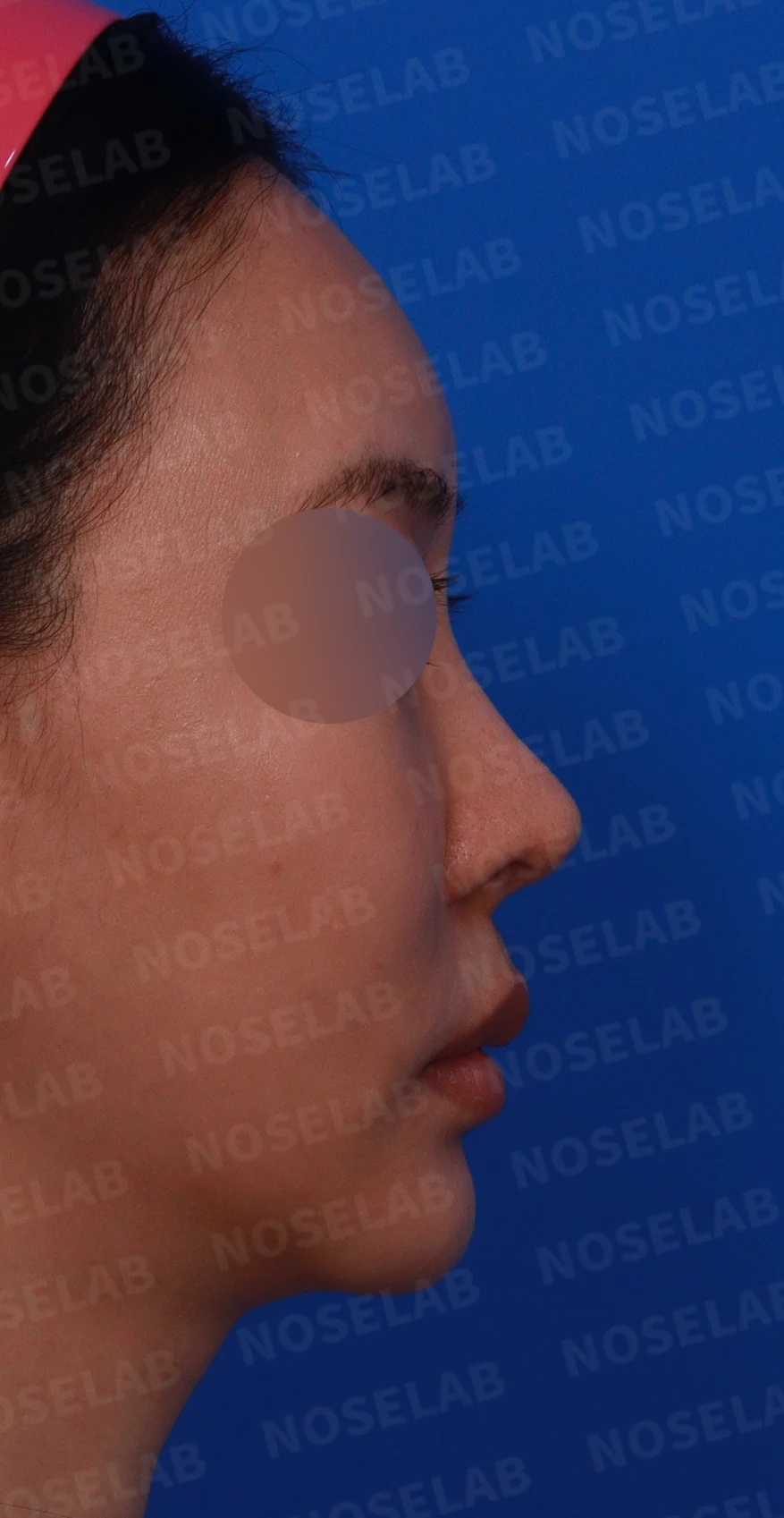
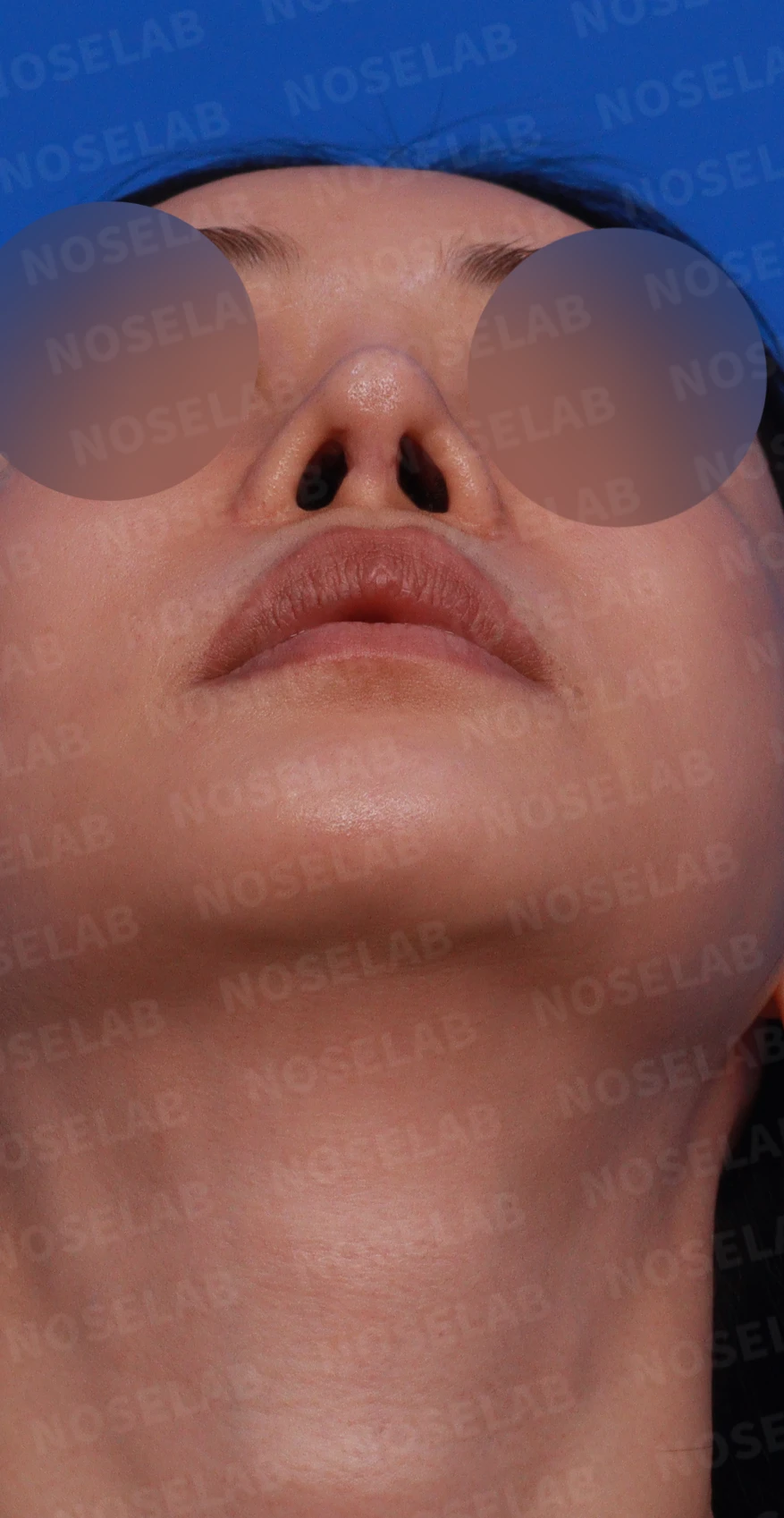
Right profile, oblique, and nostril views during design consultation
The patient's requests
Improve excessive nostril show on the front view
Desire to raise the nasal tip
Improve height in the glabella region
Address lack of volume on the left side of the nasal bridge
Desires a natural outcome without an operated look on the front view
Prefers a nose with well-defined volume
*During thorough preoperative evaluation and detailed examination, structural changes and functional issues from previous surgeries were identified, with weakened tip support and asymmetry noted as the primary areas for improvement.
💉 Surgical procedure details
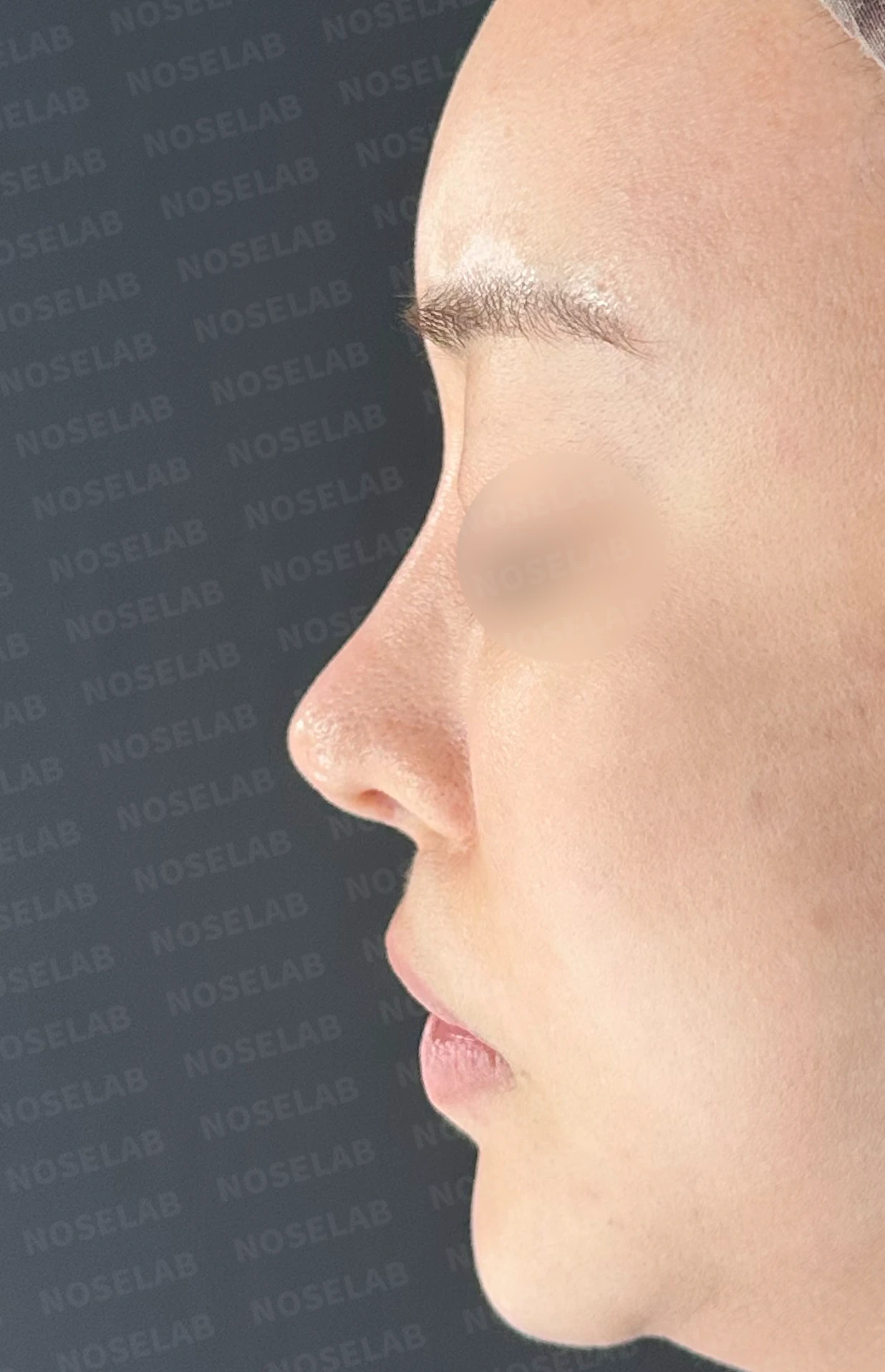
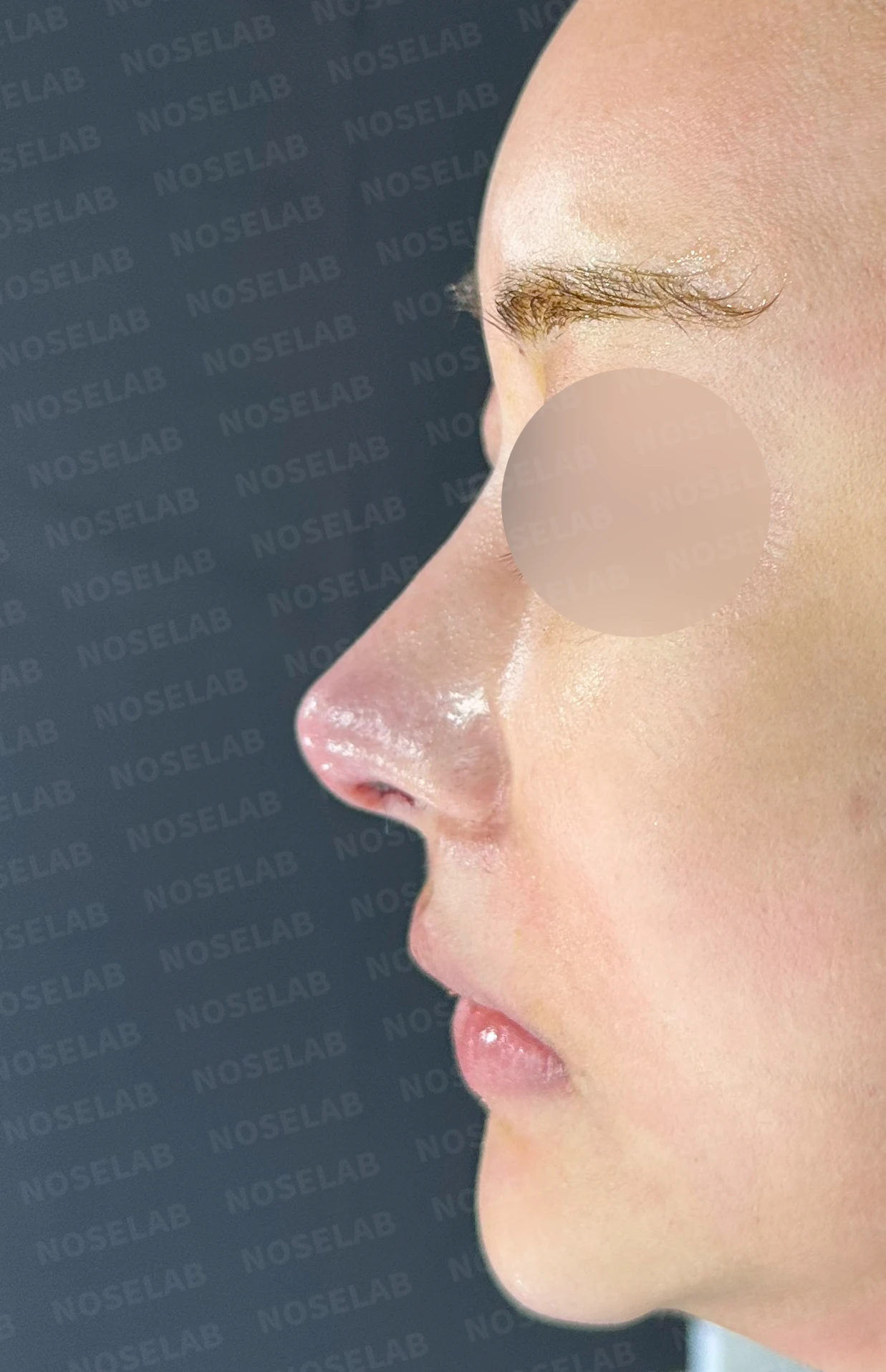
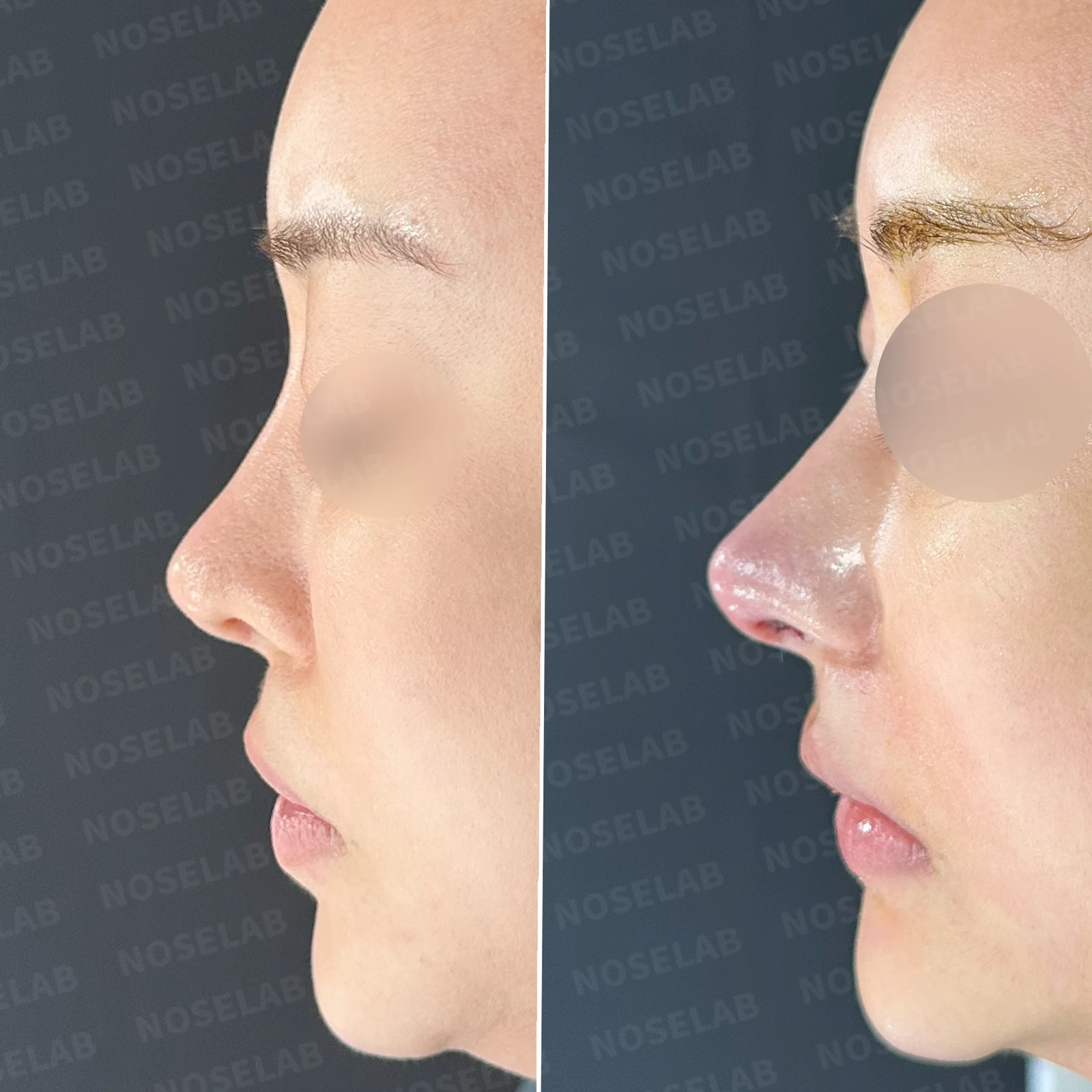
Before surgery / Day 0 immediately after surgery Photos taken immediately after surgery show swelling and may differ from the final result.
1. Structural reconstruction
Recycled the existing autologous rib cartilage
Supplemented with donor rib cartilage
Reinforced the nasal tip support strut
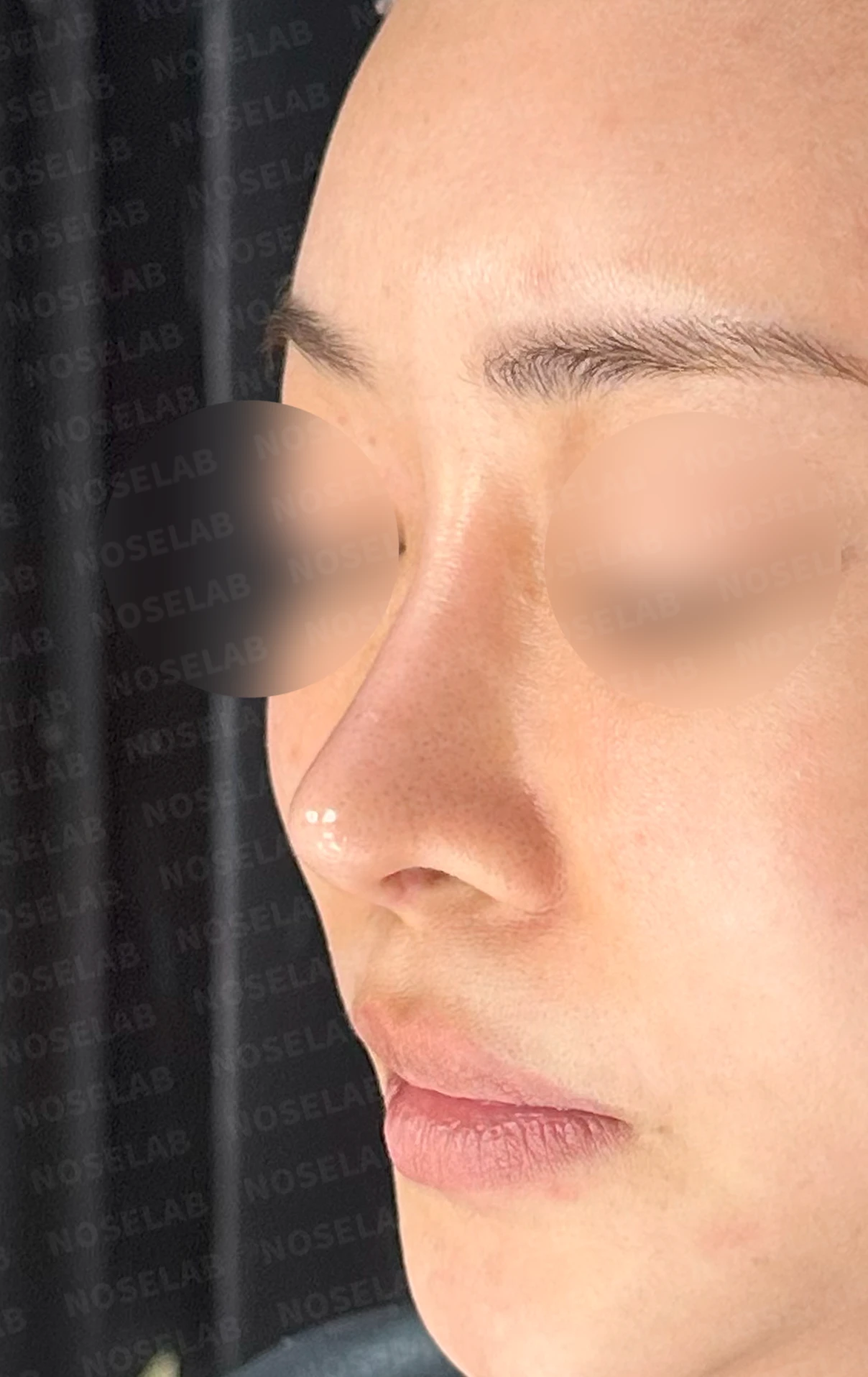
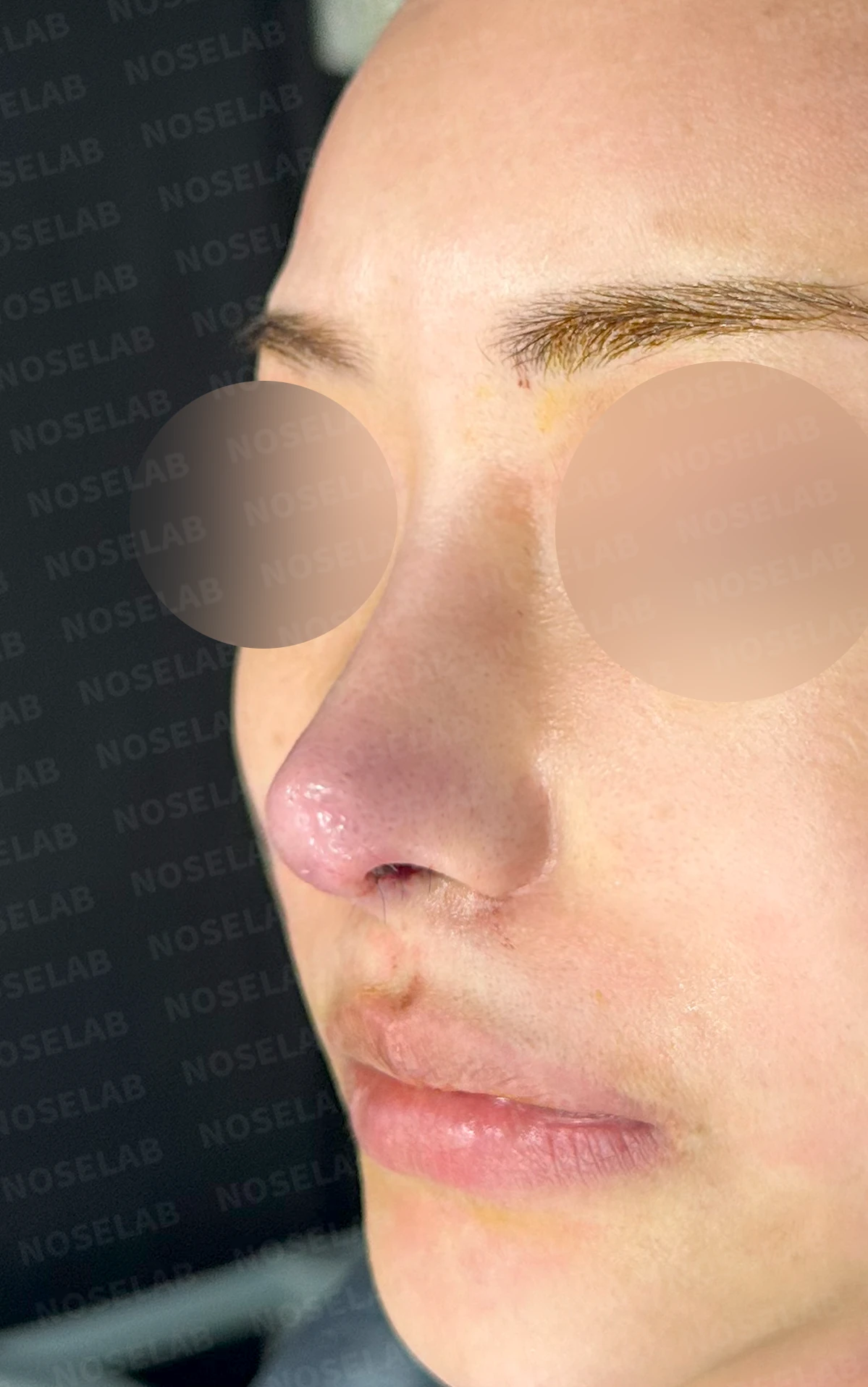
Before surgery / Day 0 immediately after surgery Photos taken immediately after surgery show swelling and may differ from the final result.
2. Improving symmetry
Balanced the nasal tip while taking into account alar asymmetry caused by previous alar reduction
Carefully adjusted columellar height
Refined the nasal bridge line, reinforcing depressed areas with cartilage and dermal grafts
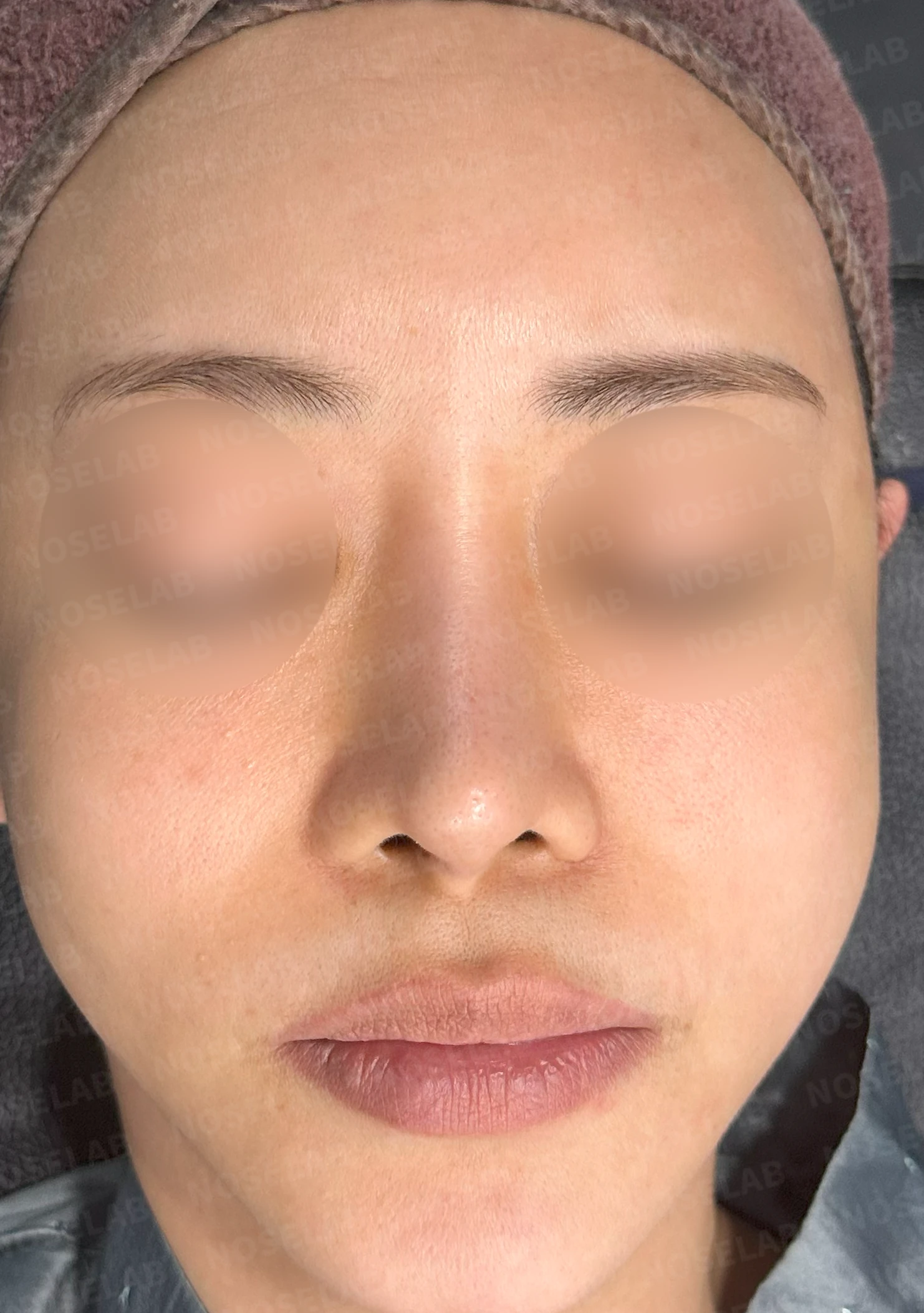
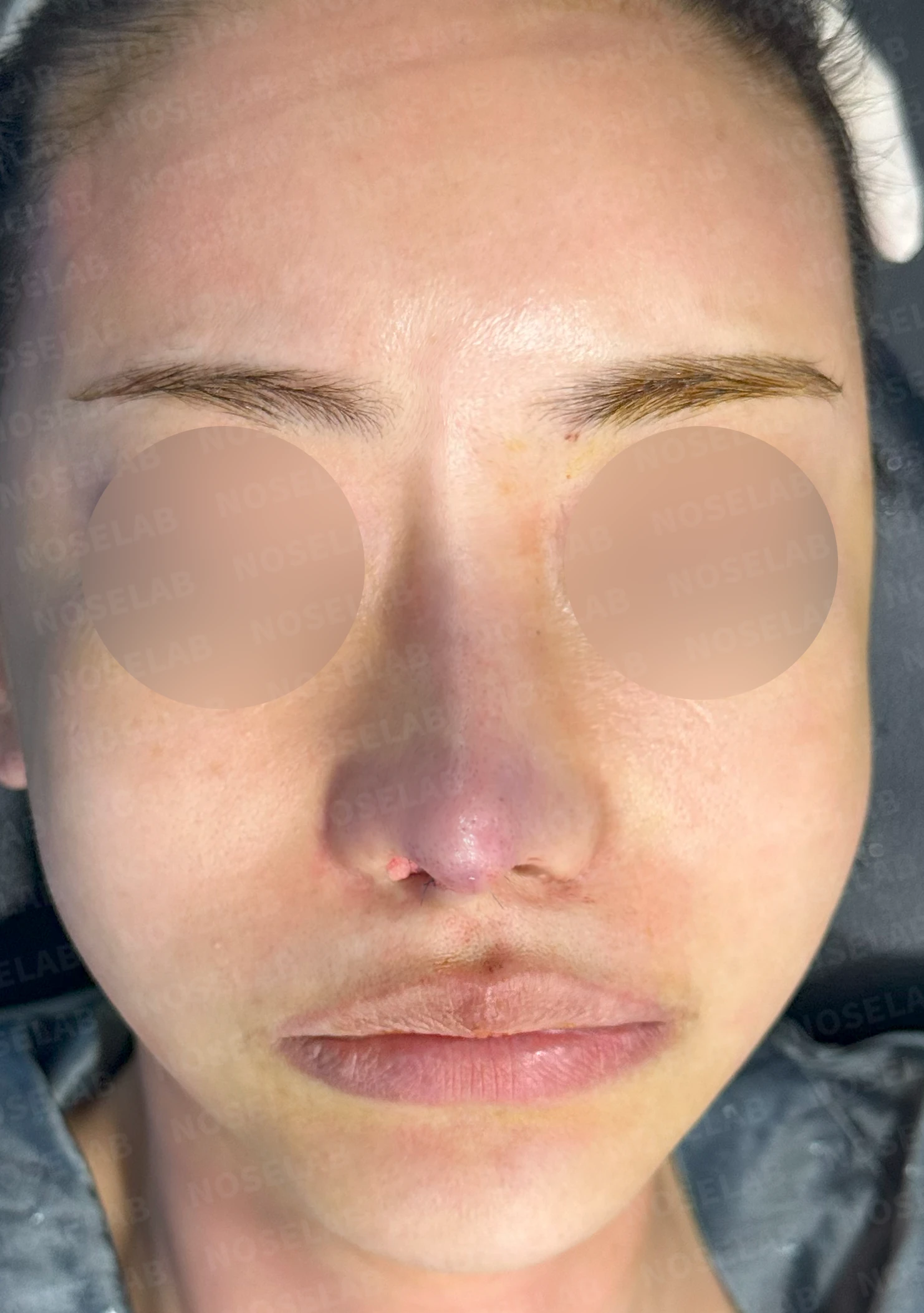
Before surgery / Day 0 immediately after surgery Photos taken immediately after surgery show swelling and may differ from the final result.
3. Enhancing functional stability
Performed bilateral nostril correction
Reinforced the soft triangle area using a composite skin graft
Applied a skin graft to the columellar region
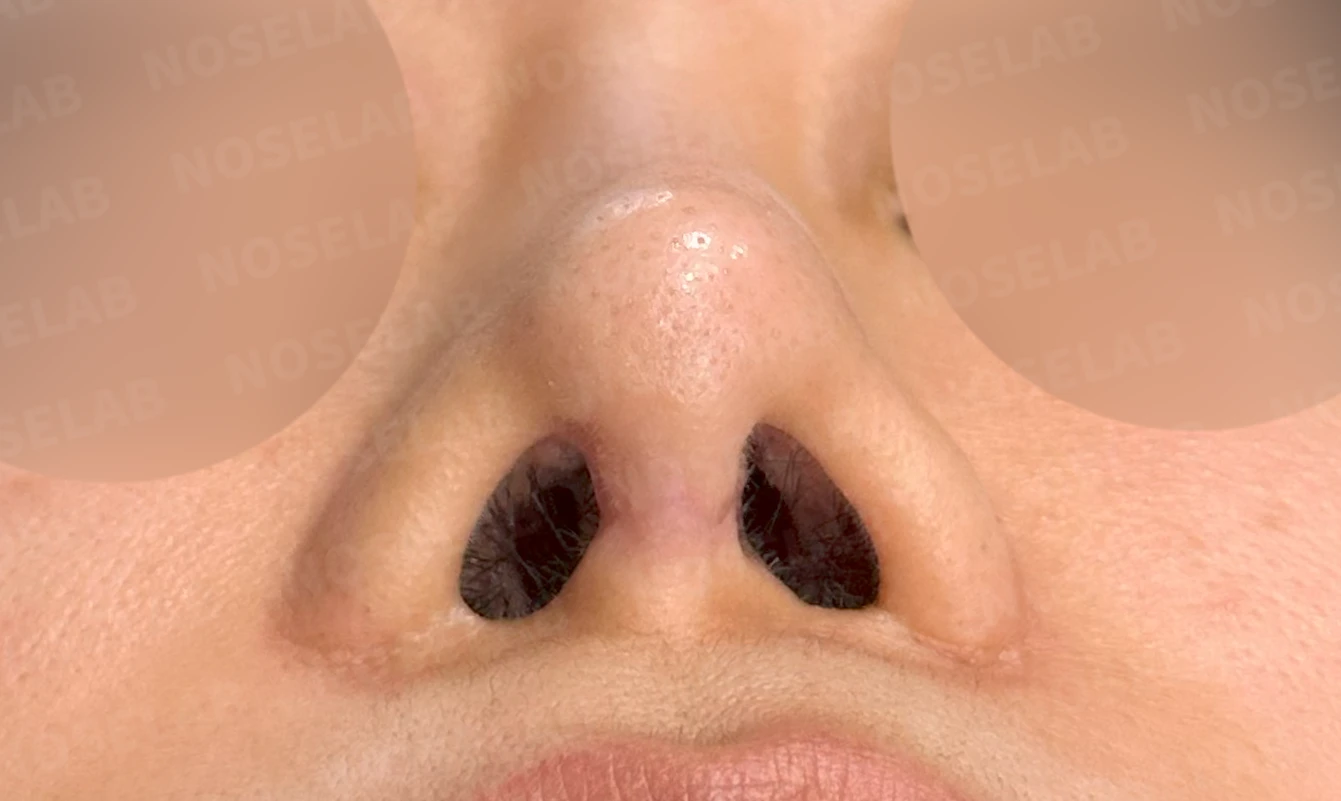
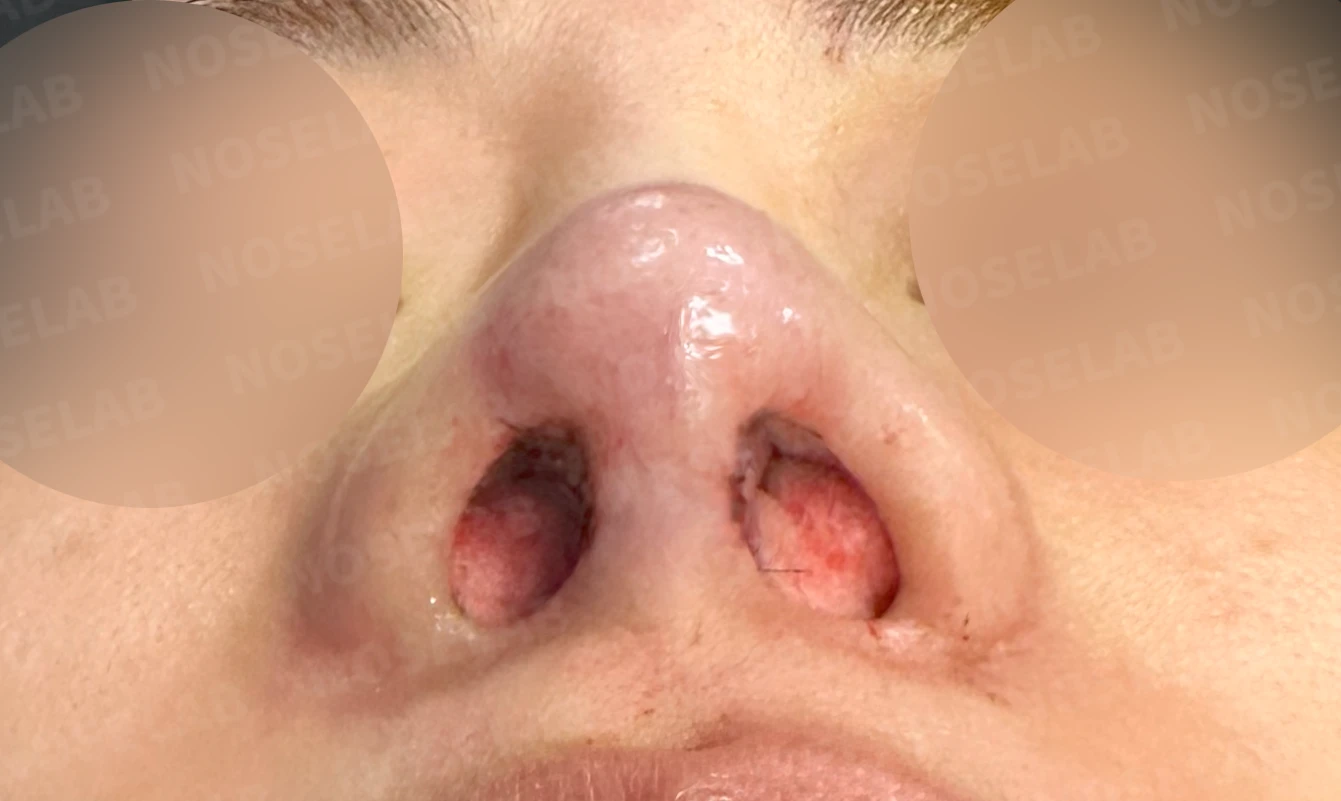
Before surgery / Day 0 immediately after surgery Photos taken immediately after surgery show swelling and may differ from the final result.
👨⚕️ Specialist's assessment
This case required resolving complex issues caused by multiple previous surgeries. When the number of previous surgeries is high, I generally recommend focusing on a stable structure and a natural shape. However, the patient's preferences were clear, so we worked to achieve the desired contour while keeping safety the top priority. In particular, structural stability was established by appropriately utilizing autologous and donor tissues, leading to a pleasing aesthetic result.
This was Dr. Peter C. Kang. Thank you.
Thank you.
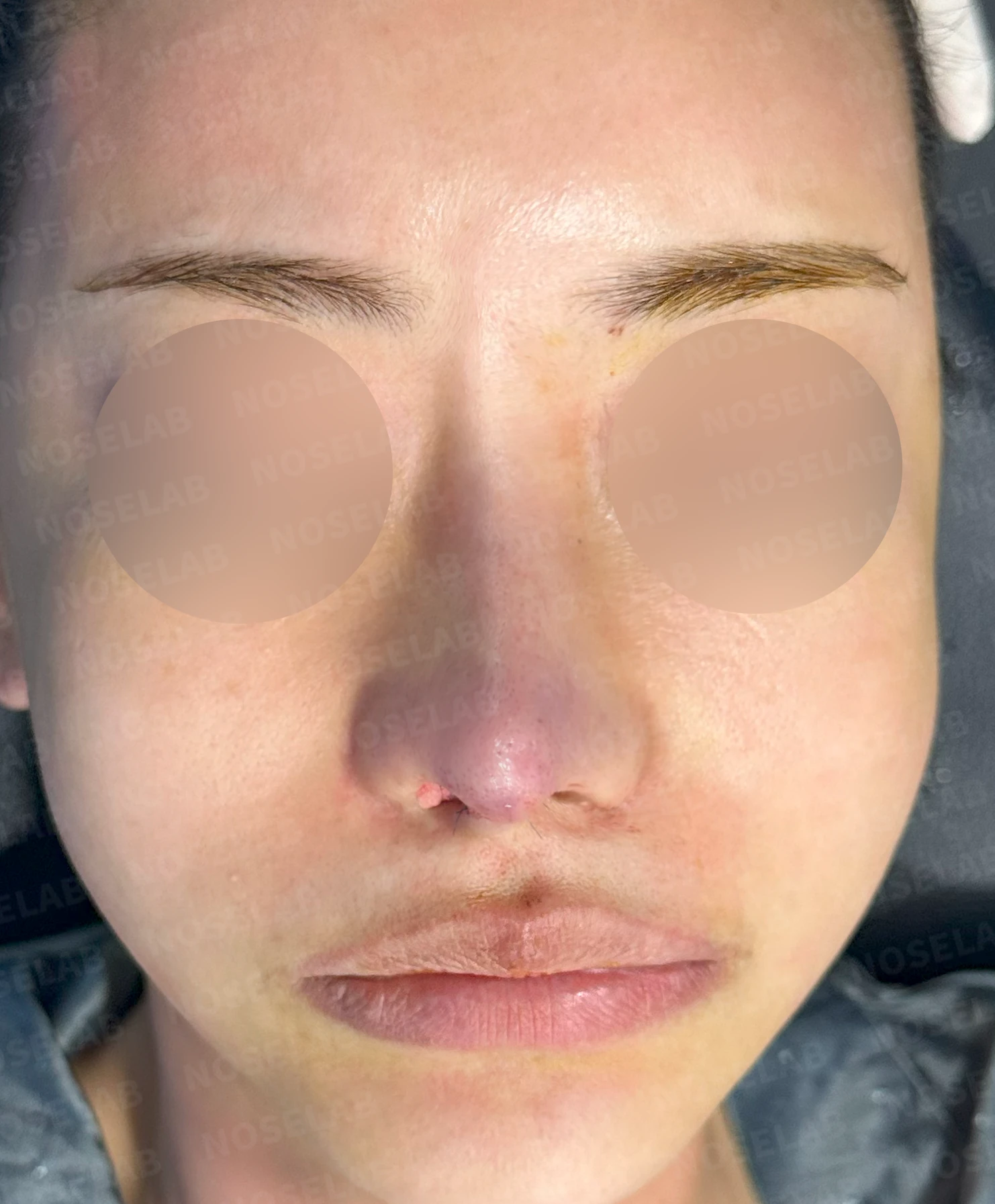
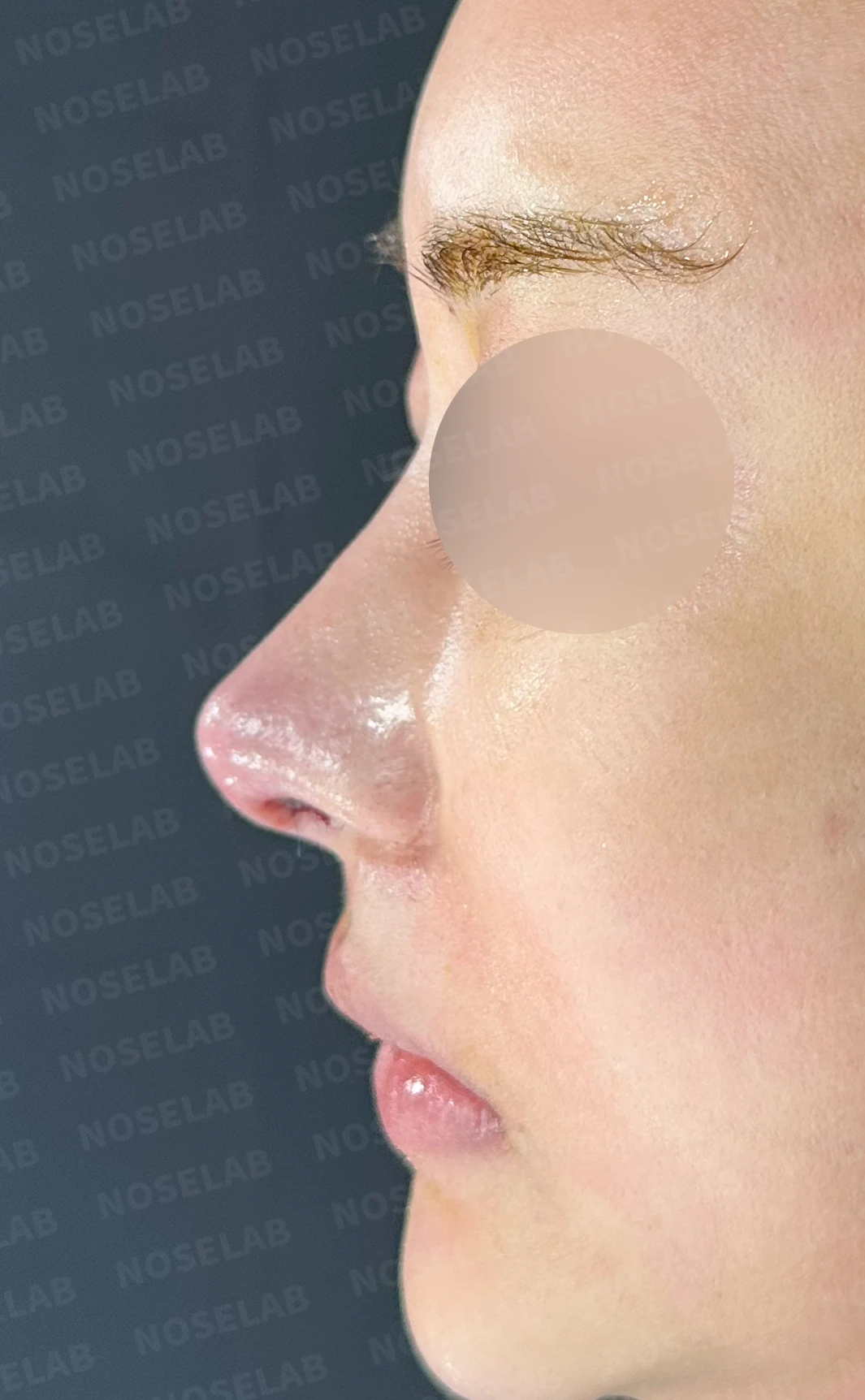
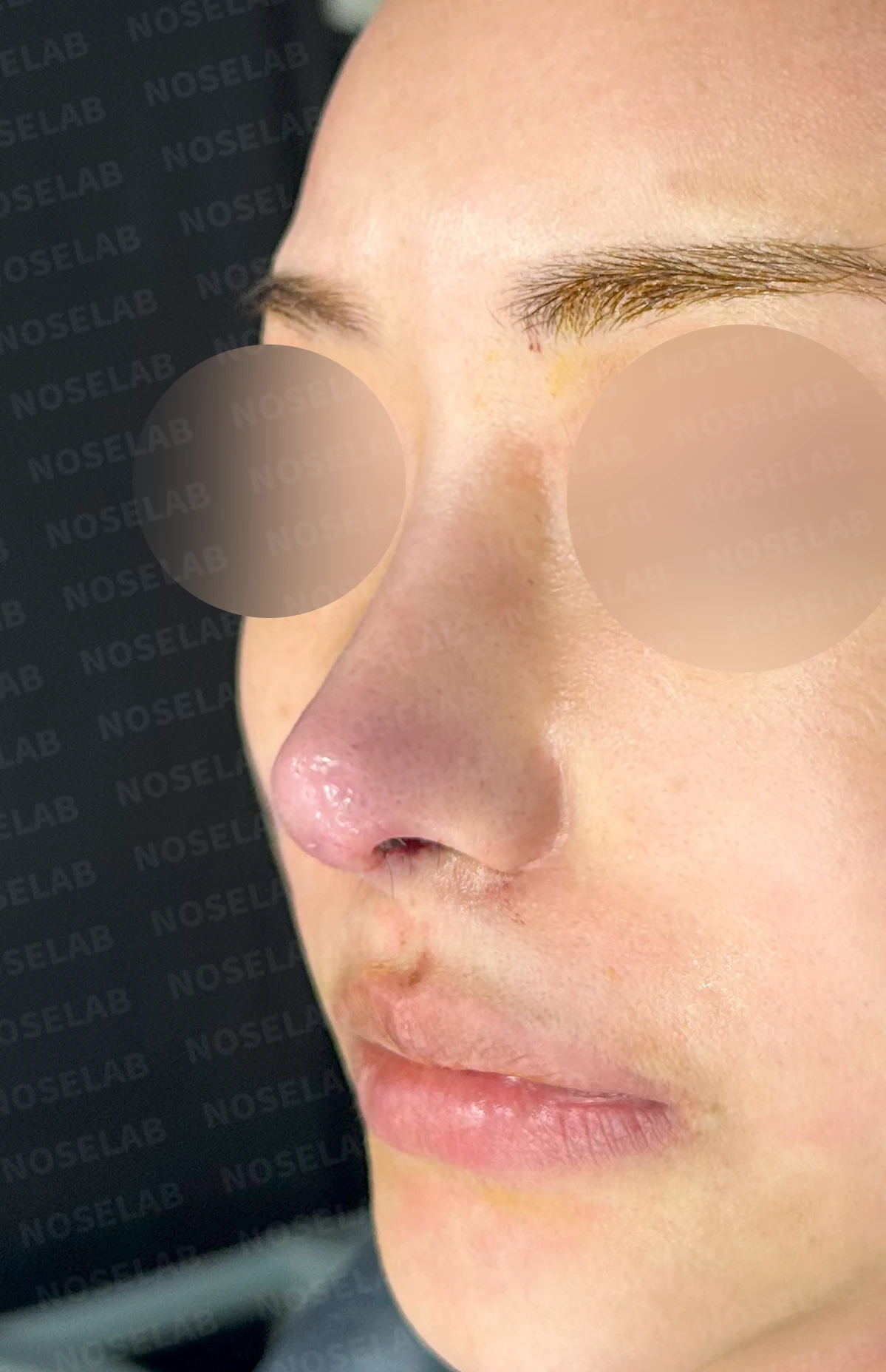
Front, oblique, and profile views on day 0 immediately after surgery Photos taken immediately after surgery show swelling and may differ from the final result.
Nostril view on day 0 immediately after surgery Photos taken immediately after surgery show swelling and may differ from the final result.
#closedrhinoplasty #revisionrhinoplasty #tiprhinoplasty #bulbousnoserevision #naturalrhinoplasty #customrhinoplasty

Limitations and risks
When autologous rib cartilage is used, scarring and pain may remain at the donor site on the chest, and pneumothorax (pleural injury) can occur rarely. Over time, the grafted cartilage may warp or undergo partial resorption.
When using donor rib cartilage, long-term follow-up is necessary because the grafted cartilage may resorb or warp.
Common potential risks include infection, bleeding, asymmetry, scarring, skin necrosis, and insufficient improvement; results vary depending on individual skin condition and previous surgical history.