Hello, I am Dr. Peter C. Kang.
Today, I will introduce a case where various issues caused by donor rib cartilage resorption and scar tissue were resolved through autologous rib cartilage reconstruction.
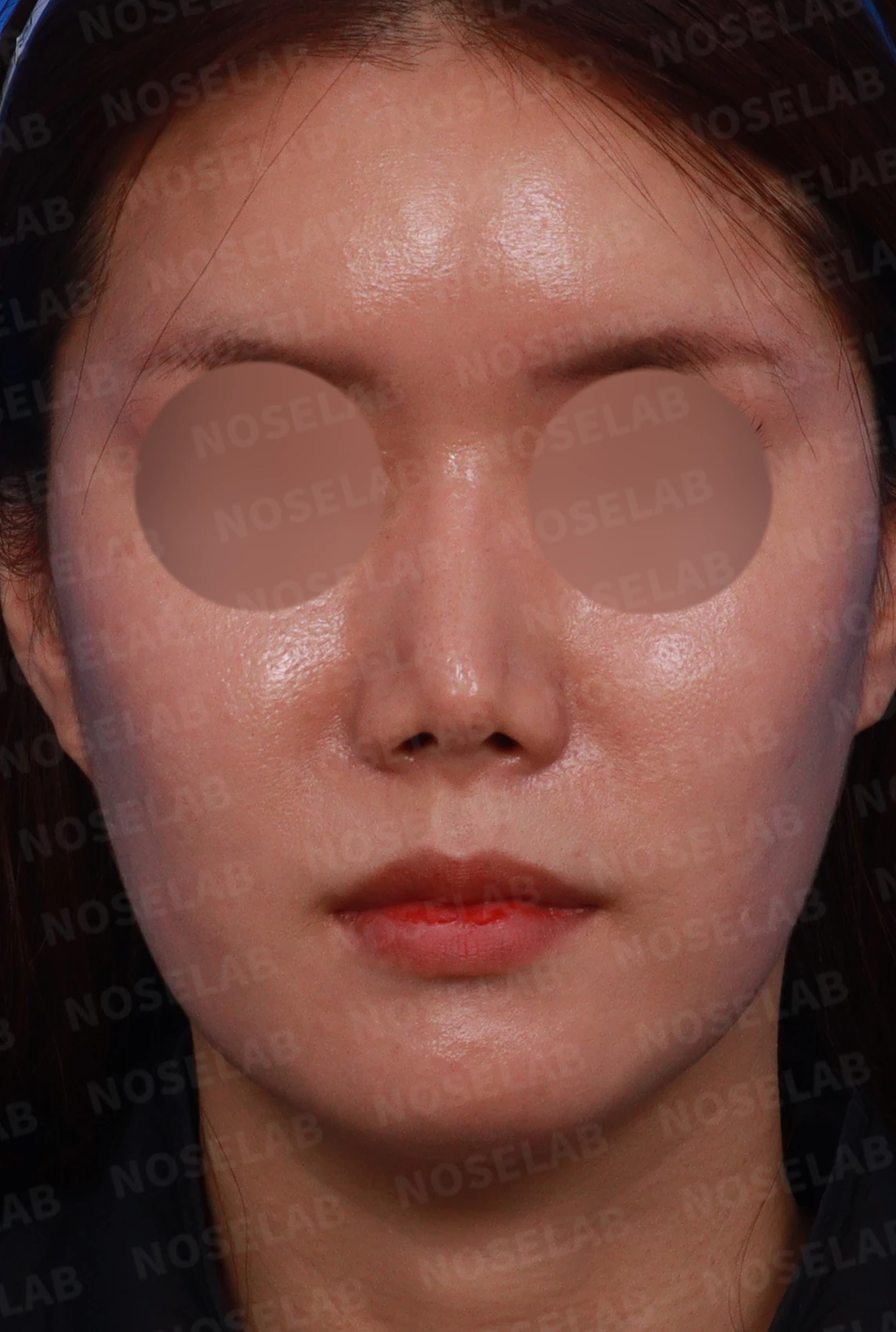
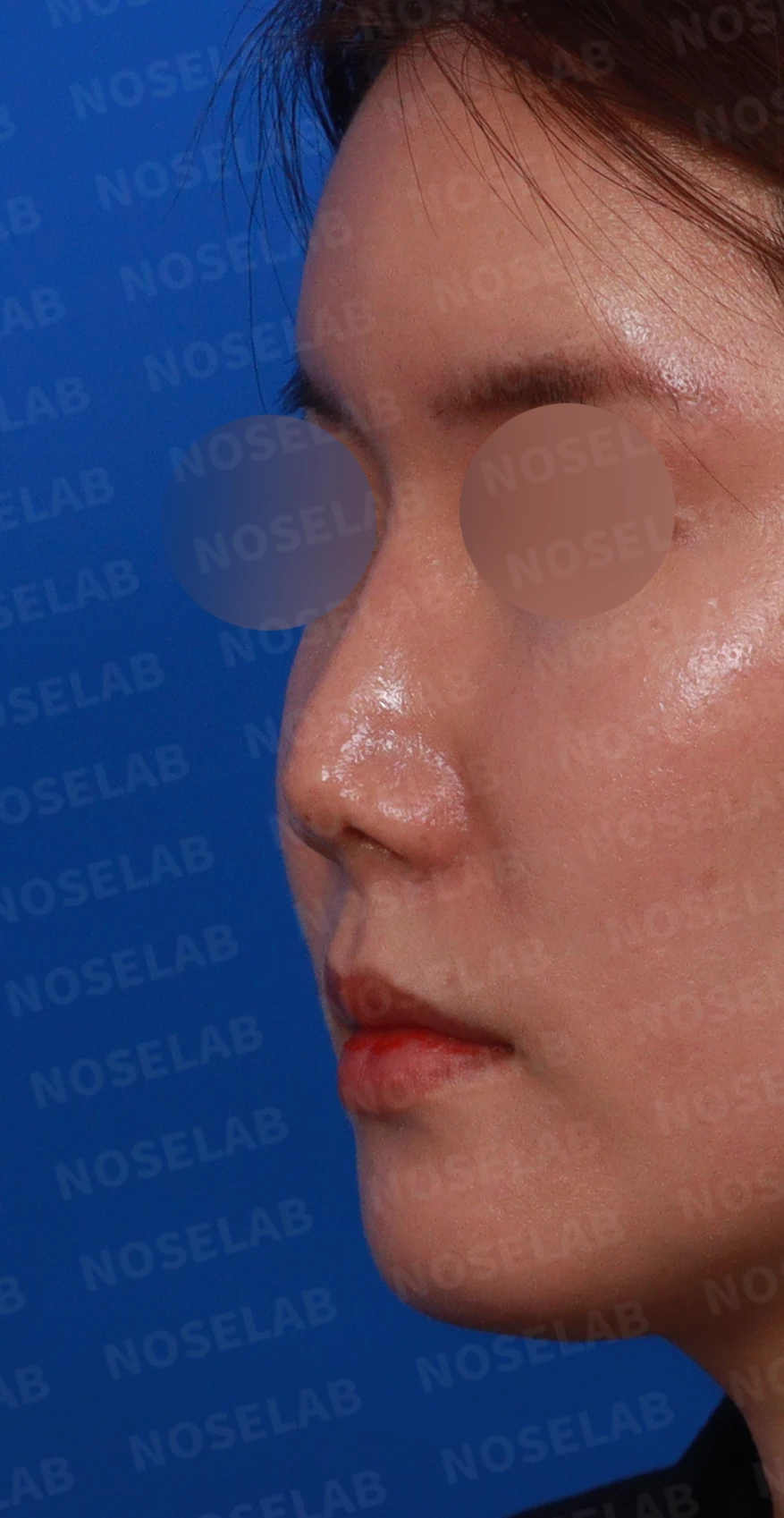
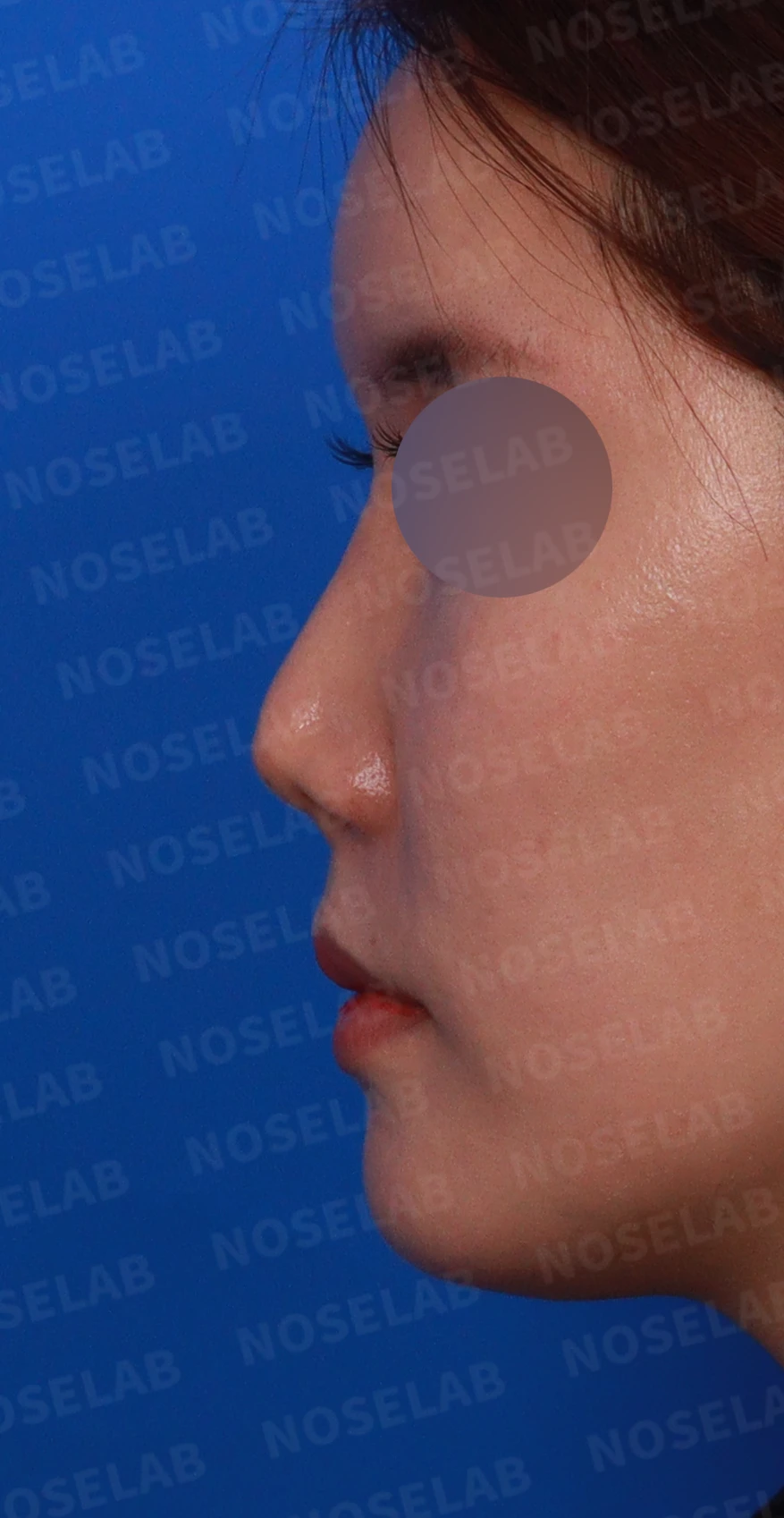
Design consultation front, oblique, and left profile views
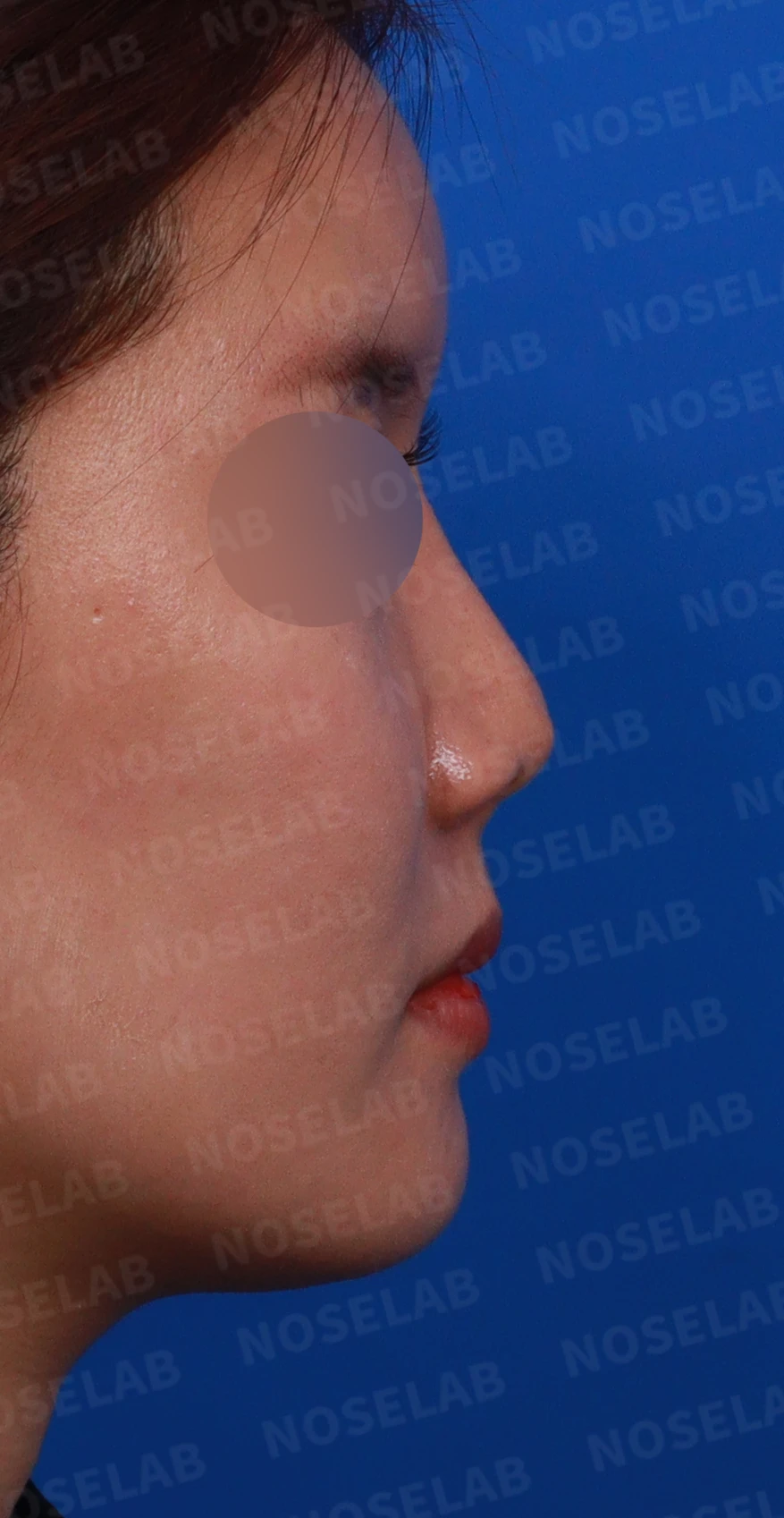
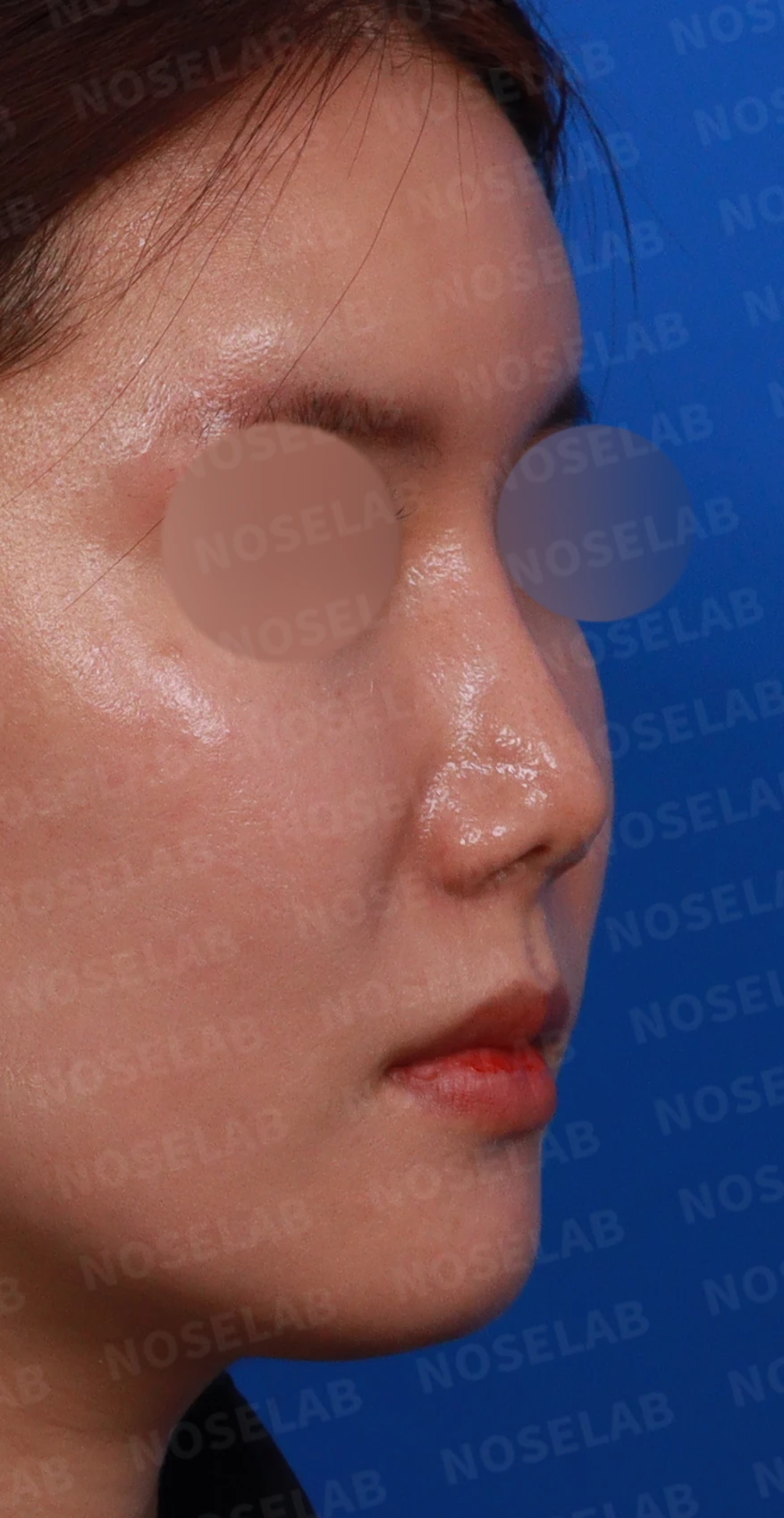
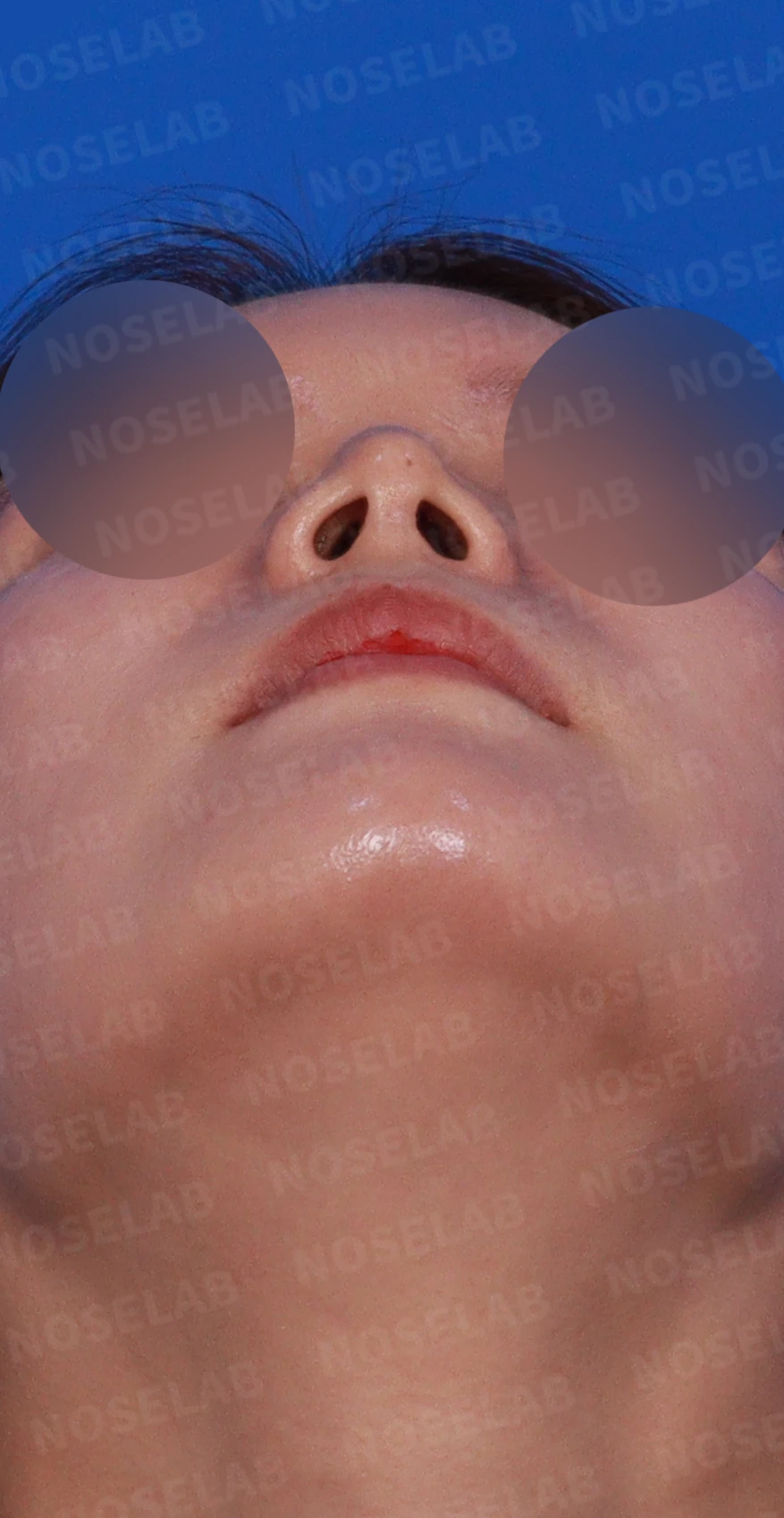
Design consultation right profile, oblique, and nostril views
📍 Surgical history
First: Use of donor rib cartilage → Development of inflammation
2018: Surgery using silicone implant + ear cartilage + donor rib cartilage
🔎 Initial consultation findings
Problems caused by donor rib cartilage resorption
Nasal tip became smaller
Nose became short again
Structural concerns
Both alae appear pinched
Nasal tip appears drooping
Excessive nostril show
Nostril asymmetry
Upturned appearance due to an increased nasolabial angle
Skin issues
Uneven surface on the nasal bridge due to scar tissue
✨ Patient's requests
Resolving problems caused by donor rib cartilage resorption
Correction of pinched alae
Improvement in irregular nasal bridge
Natural nasal shape
💉 Surgical procedure details
Structural reconstruction
Septal extension using autologous rib cartilage
Reconstruction of both lower lateral cartilages with autologous rib cartilage
Correction of pinched alae
Correction of the nasolabial angle
Surface improvement
Smoothing the uneven nasal bridge with cartilage and a dermal graft
Refining the irregular surface caused by scar tissue
Overall shape improvement
Enlarging the shrunken nasal tip
Lengthening the shortened nose
Improvement of a drooping tip
Correcting the upturned appearance
✅ Surgical results
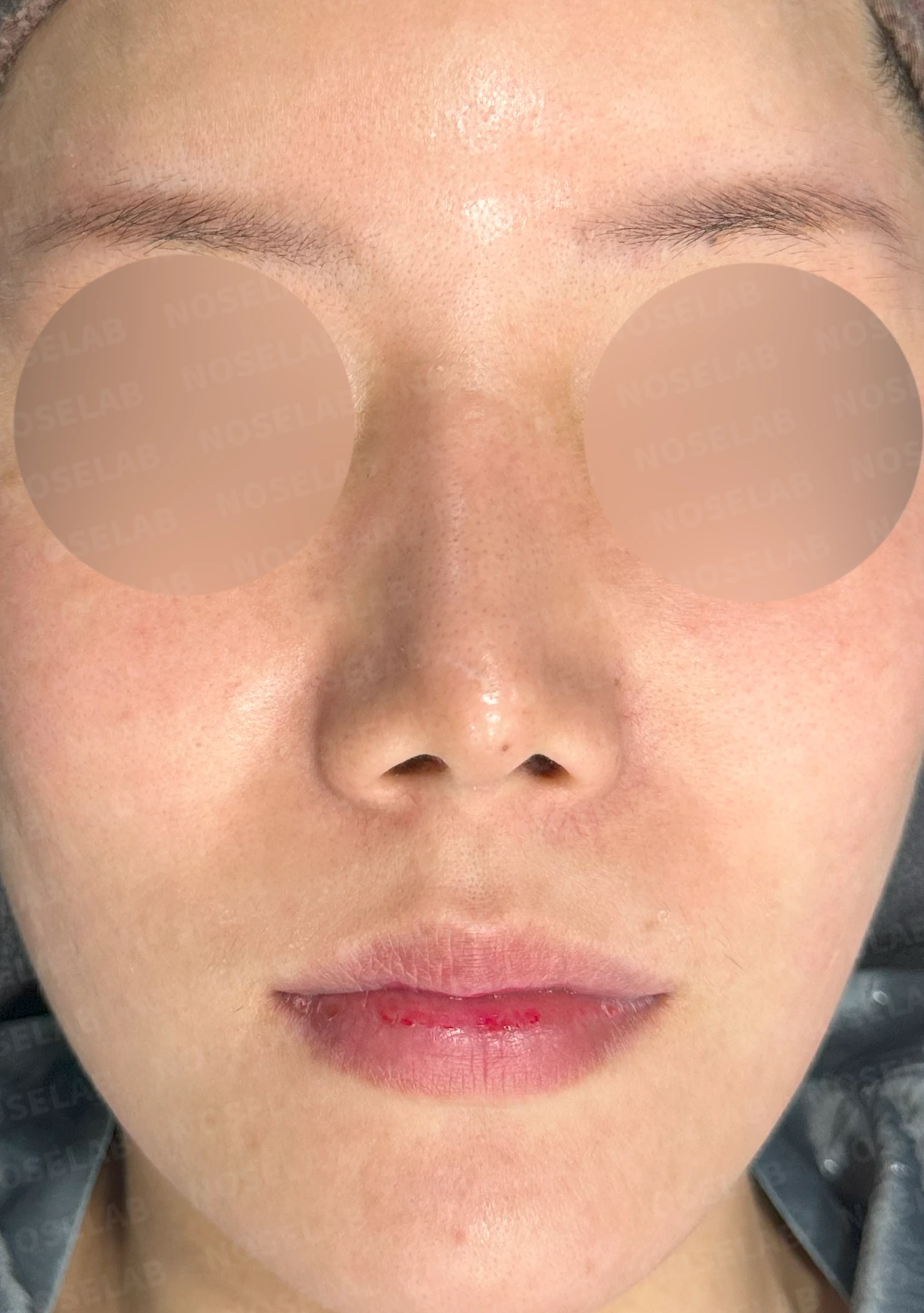
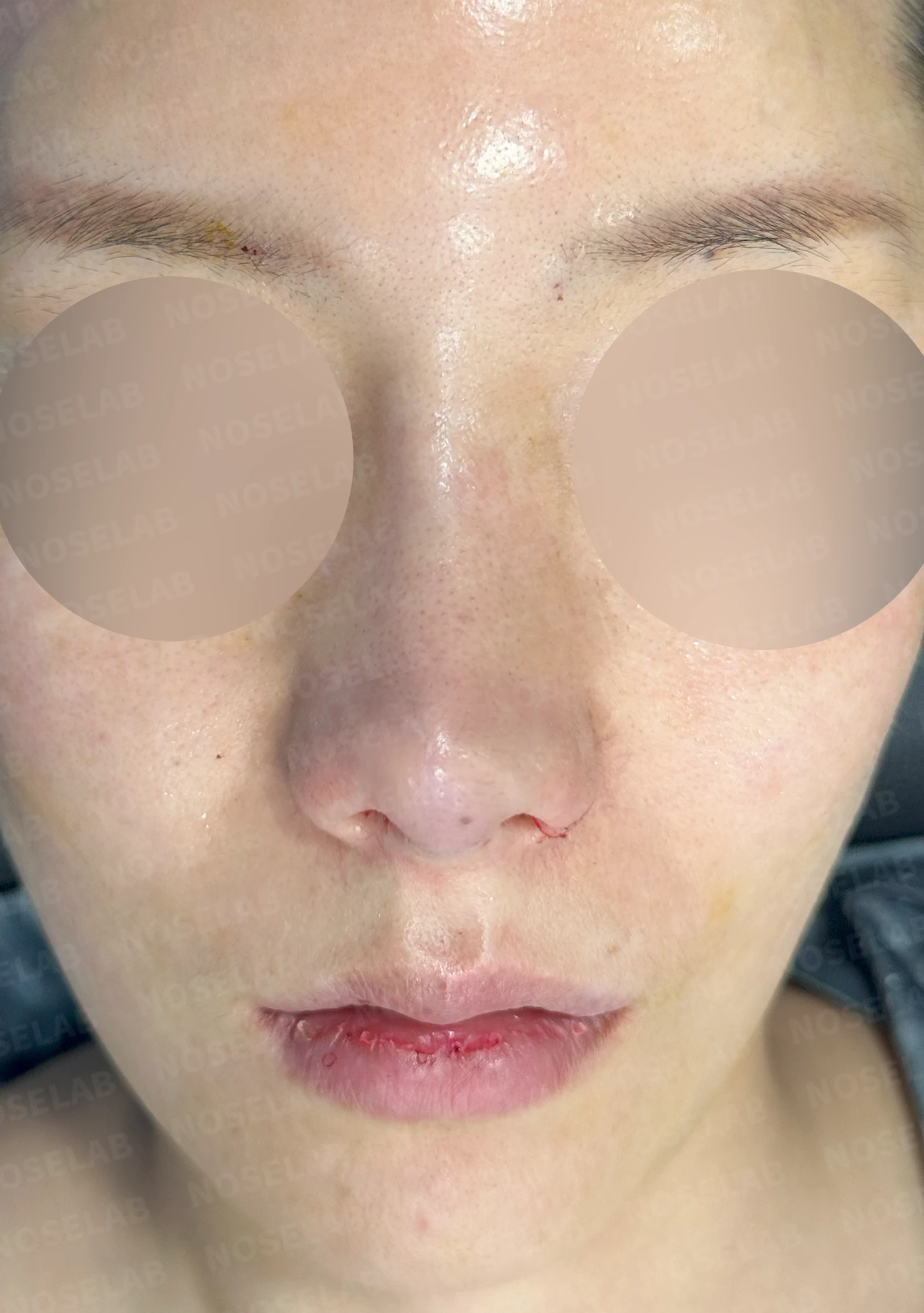
Before surgery / Day 0 immediately after surgery Photos taken immediately after surgery show swelling and may differ from the final result.
Front view
Pinched alae naturally improved
Nasal tip restored to an appropriate size
Balanced nostril shape
Smoothed bridge surface
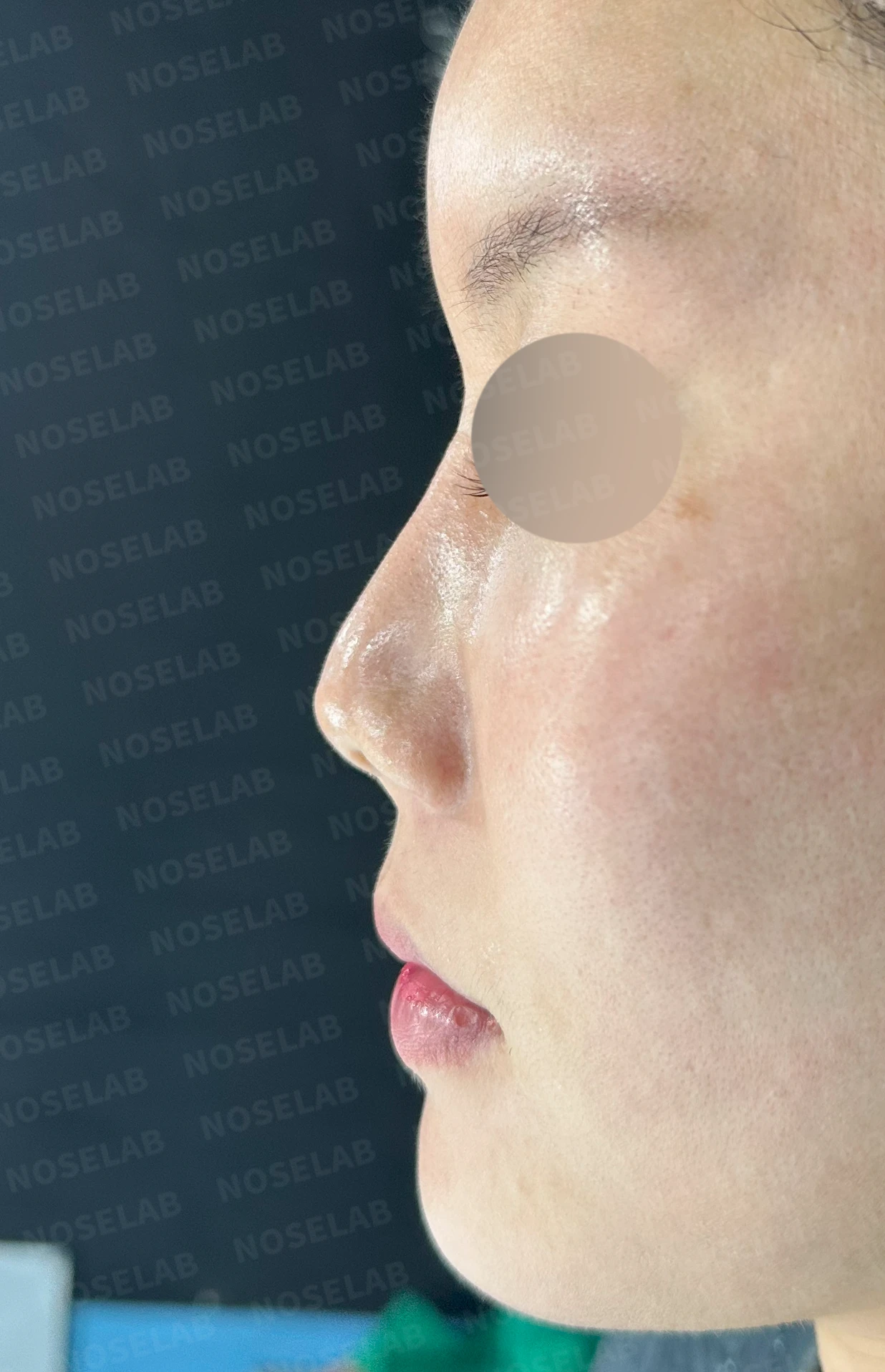
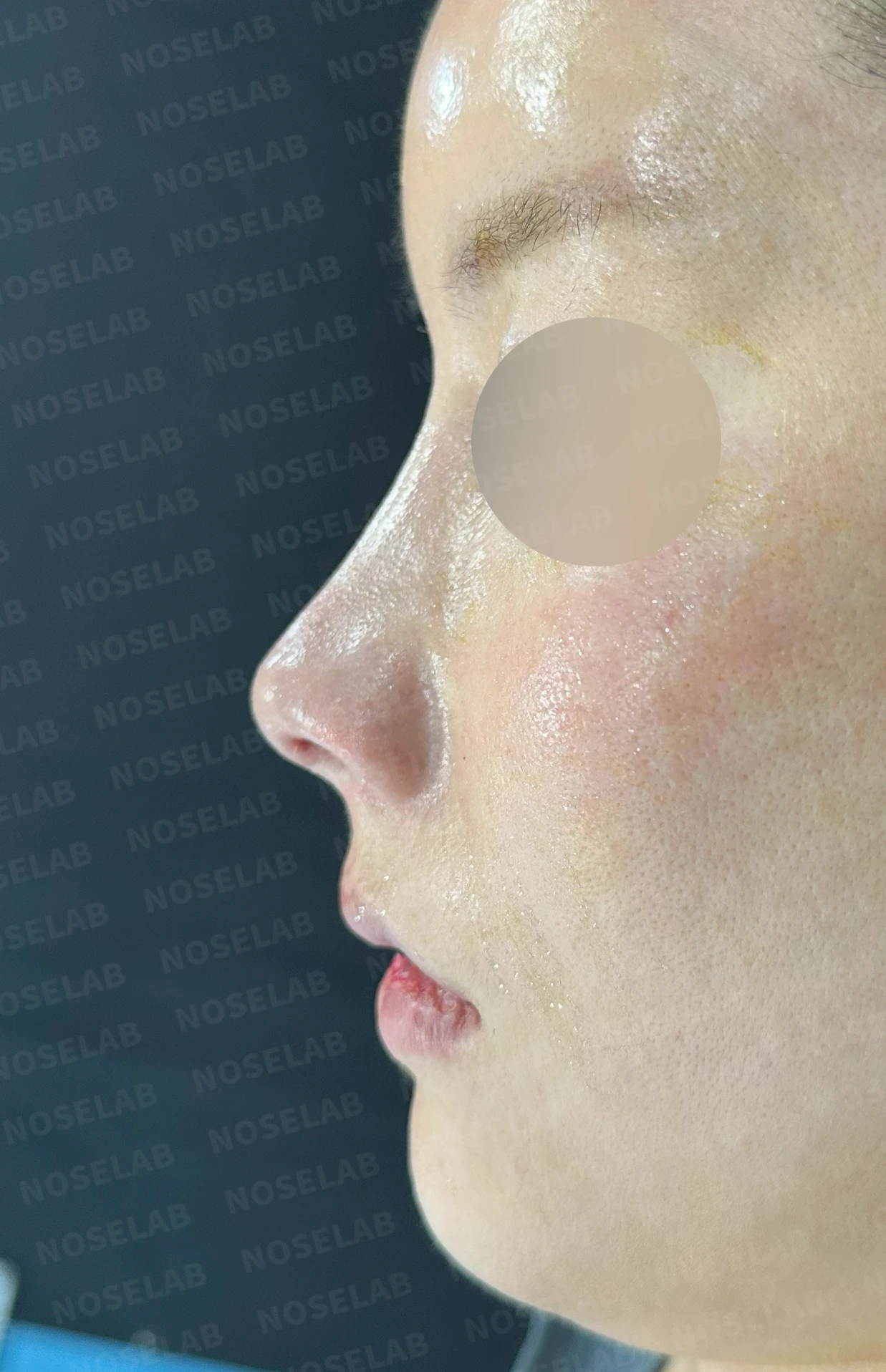
Before surgery / Day 0 immediately after surgery Photos taken immediately after surgery show swelling and may differ from the final result.
Profile view
Restored nasal length
Improved tip position
Appropriate nasolabial angle
Improvement in the upturned appearance
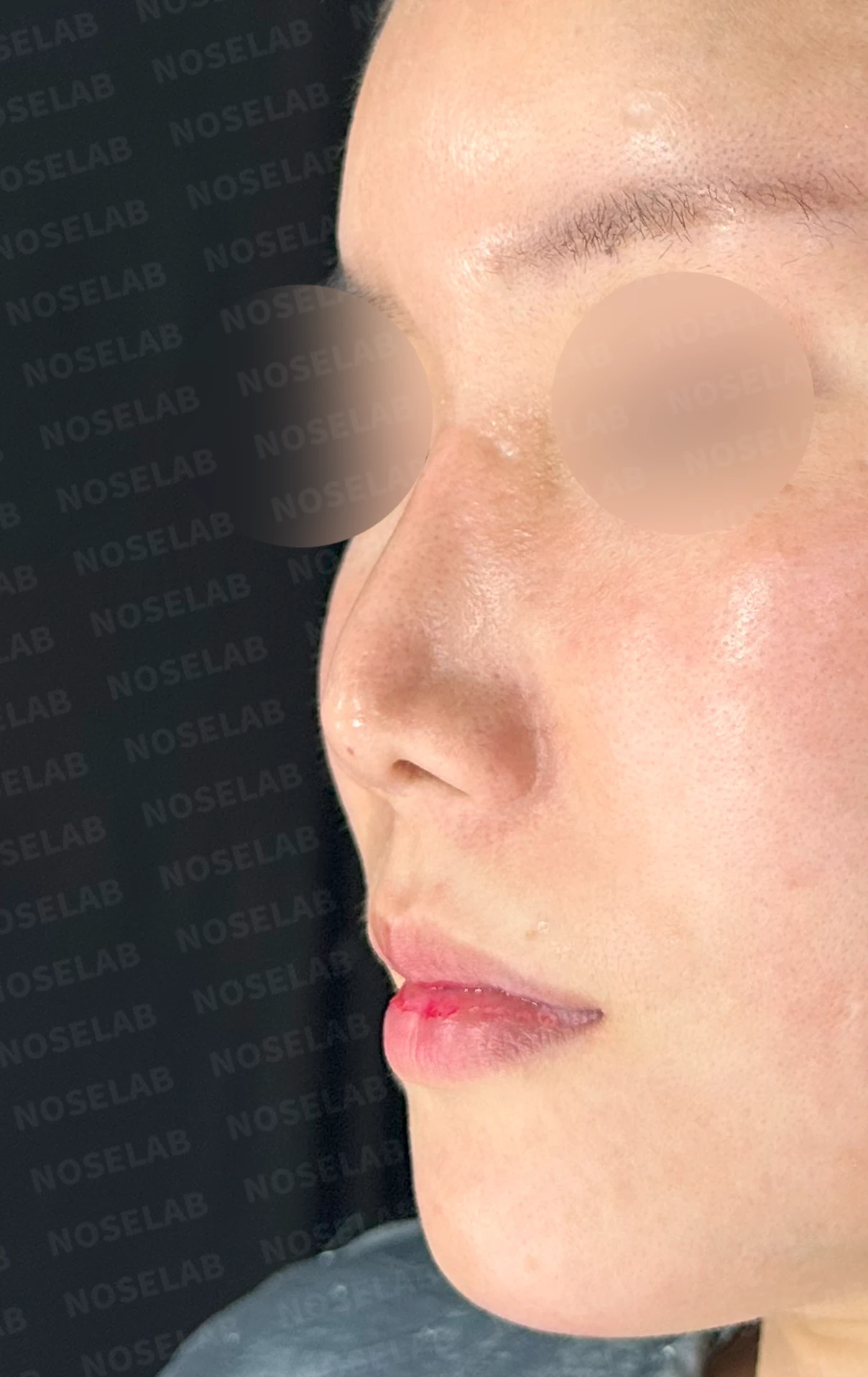
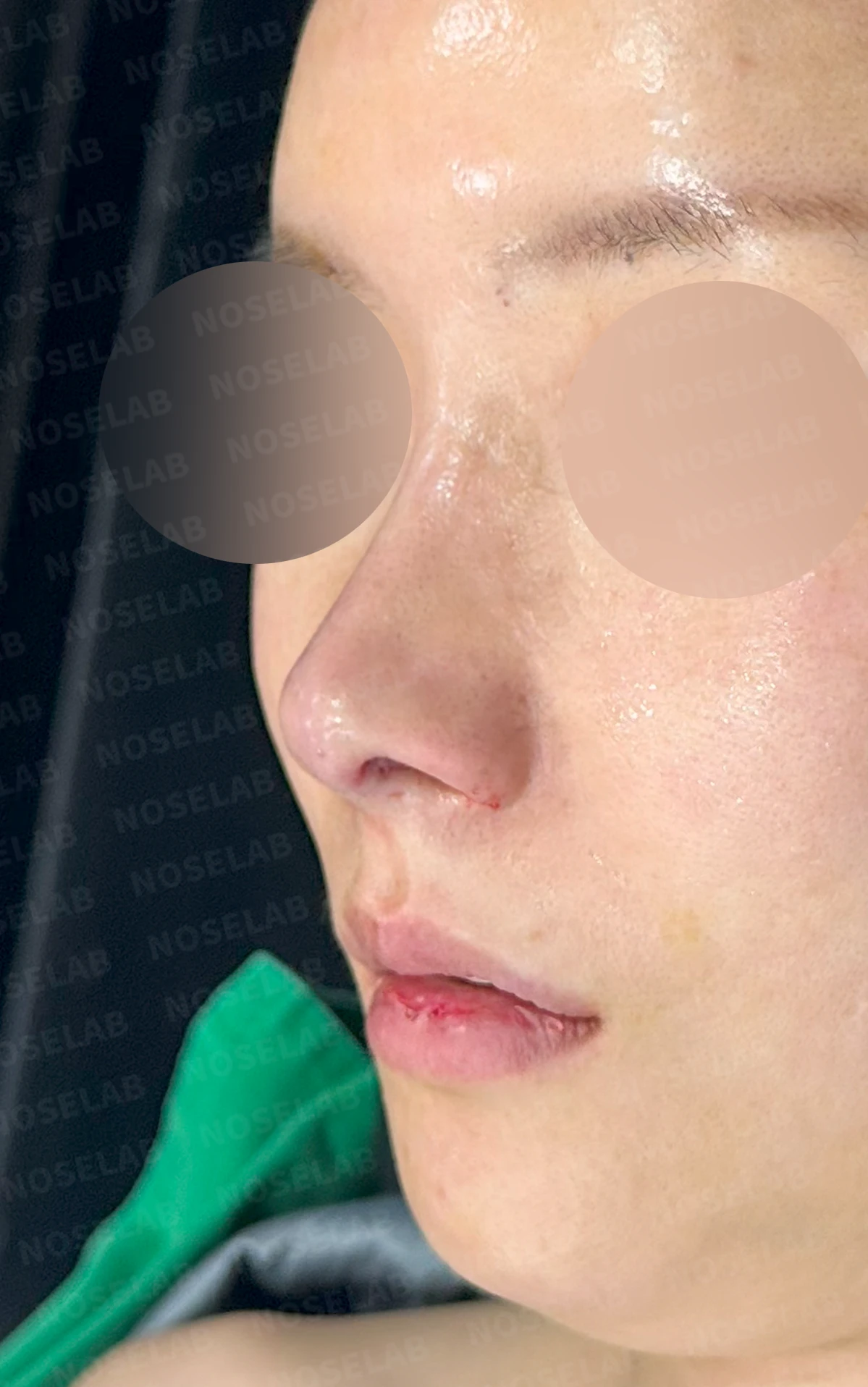
Before surgery / Day 0 immediately after surgery Photos taken immediately after surgery show swelling and may differ from the final result.
Overall
Natural nasal shape
Harmonious overall proportions
Stable structure
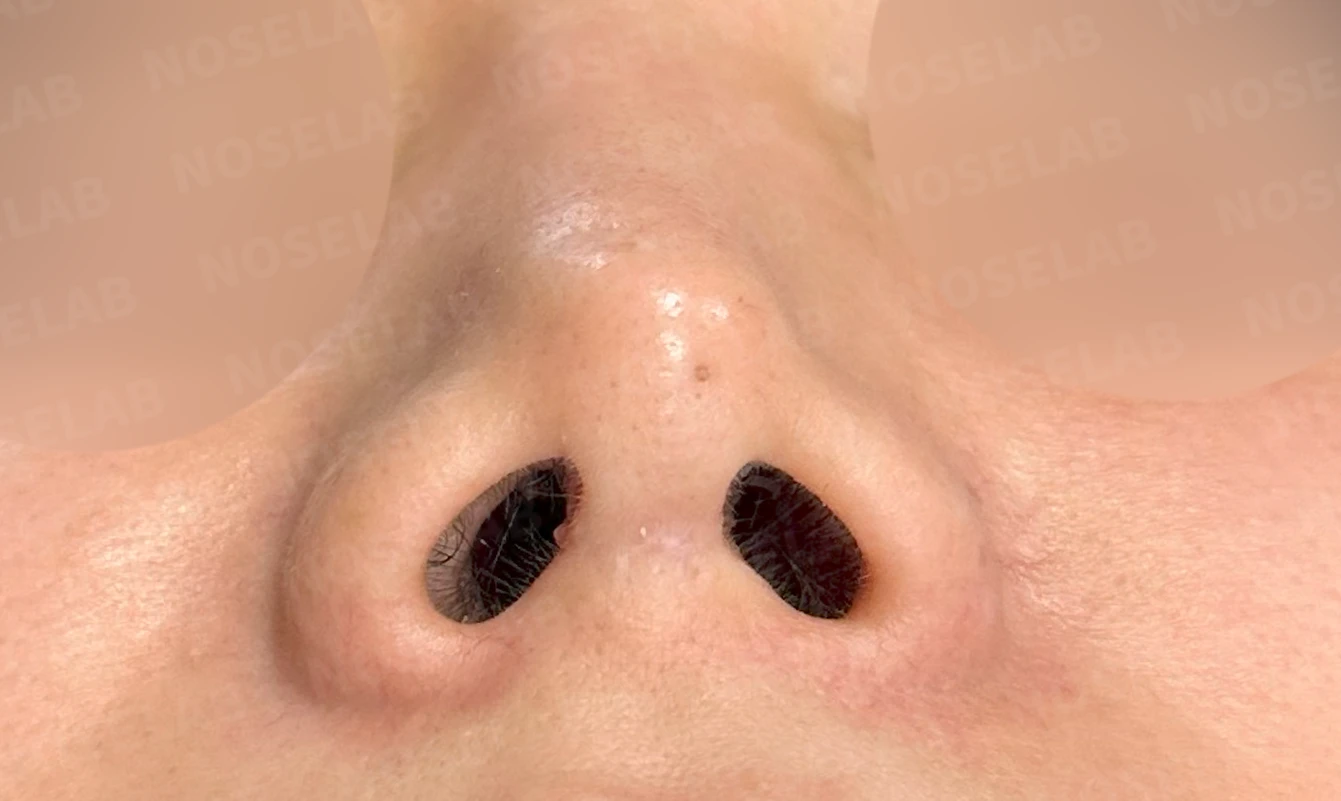
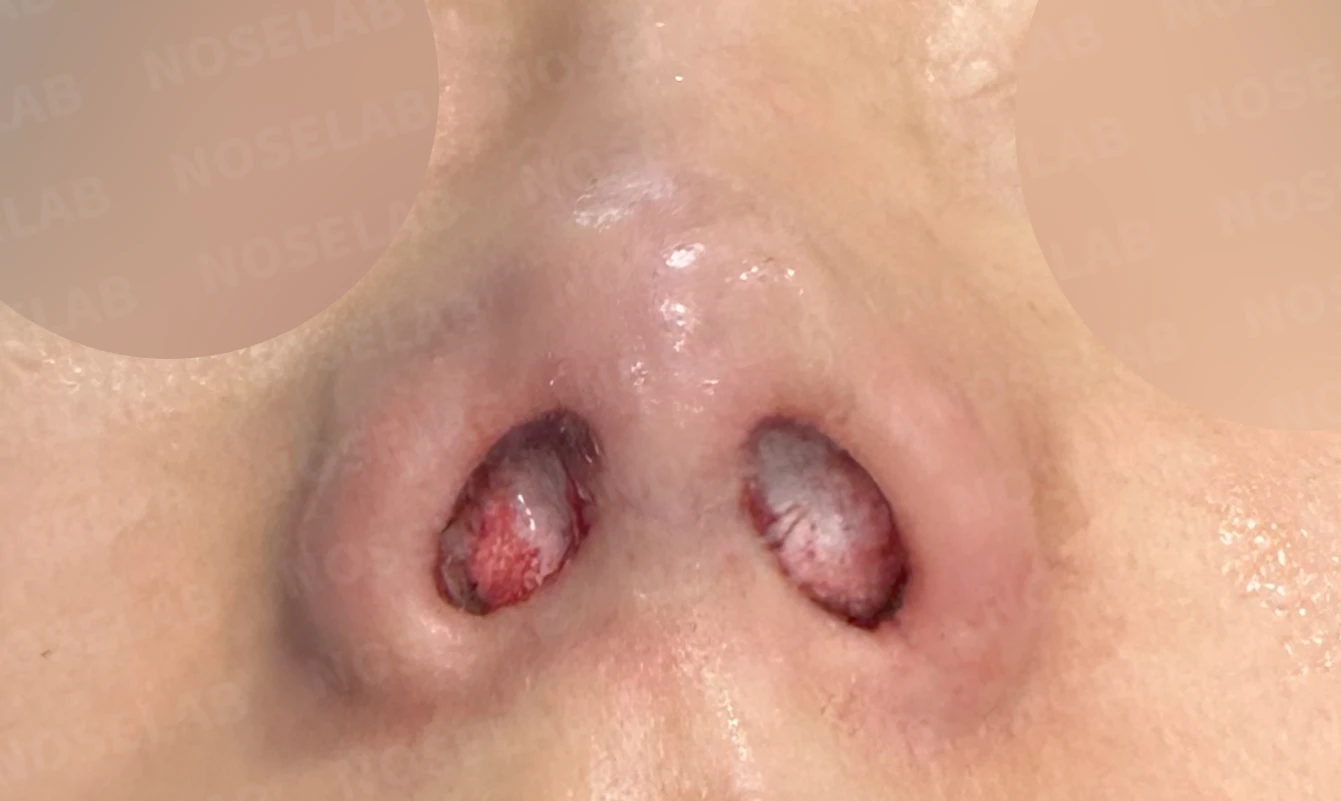
Before surgery / Day 0 immediately after surgery Photos taken immediately after surgery show swelling and may differ from the final result.
👨⚕️ Specialist's assessment
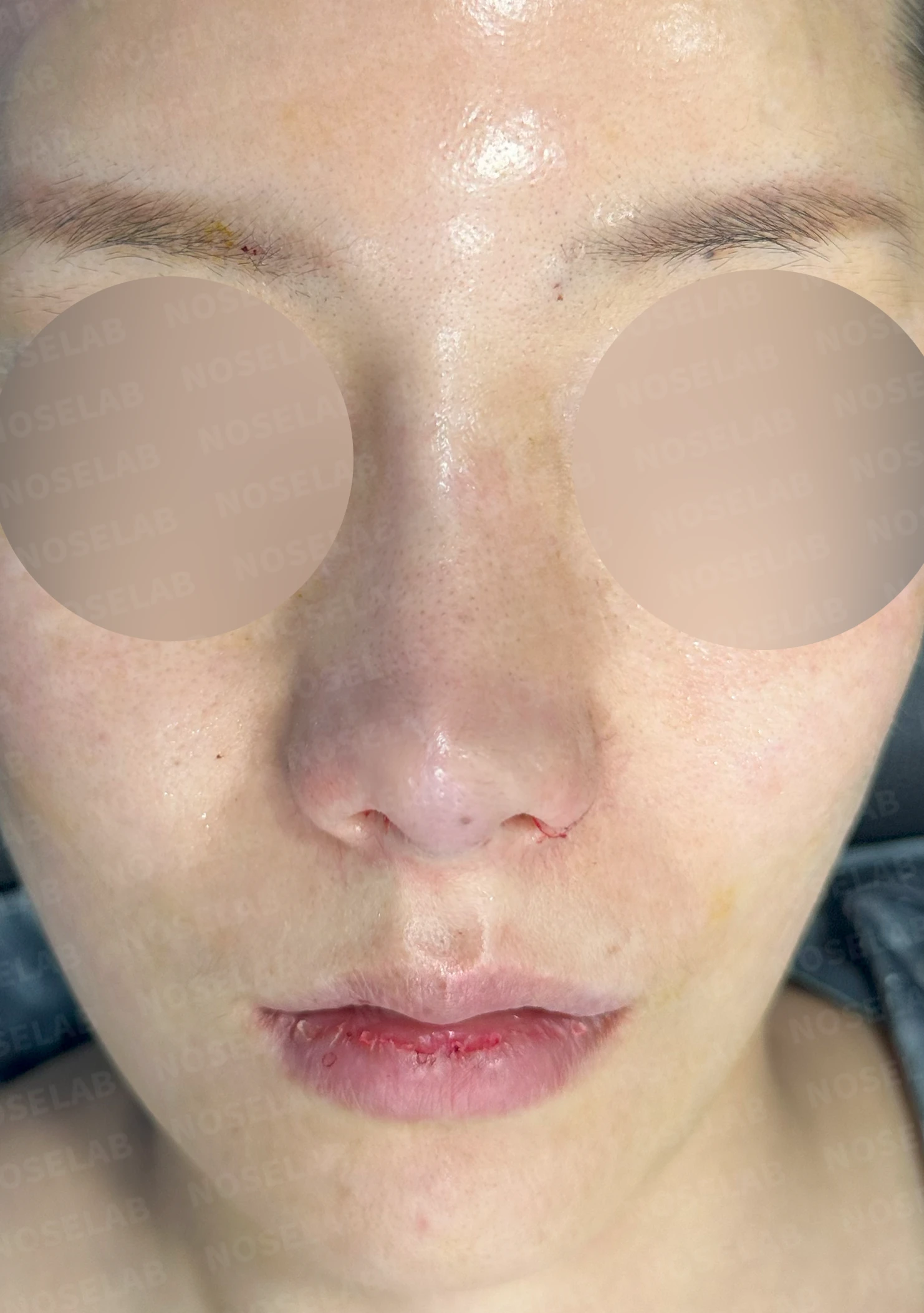
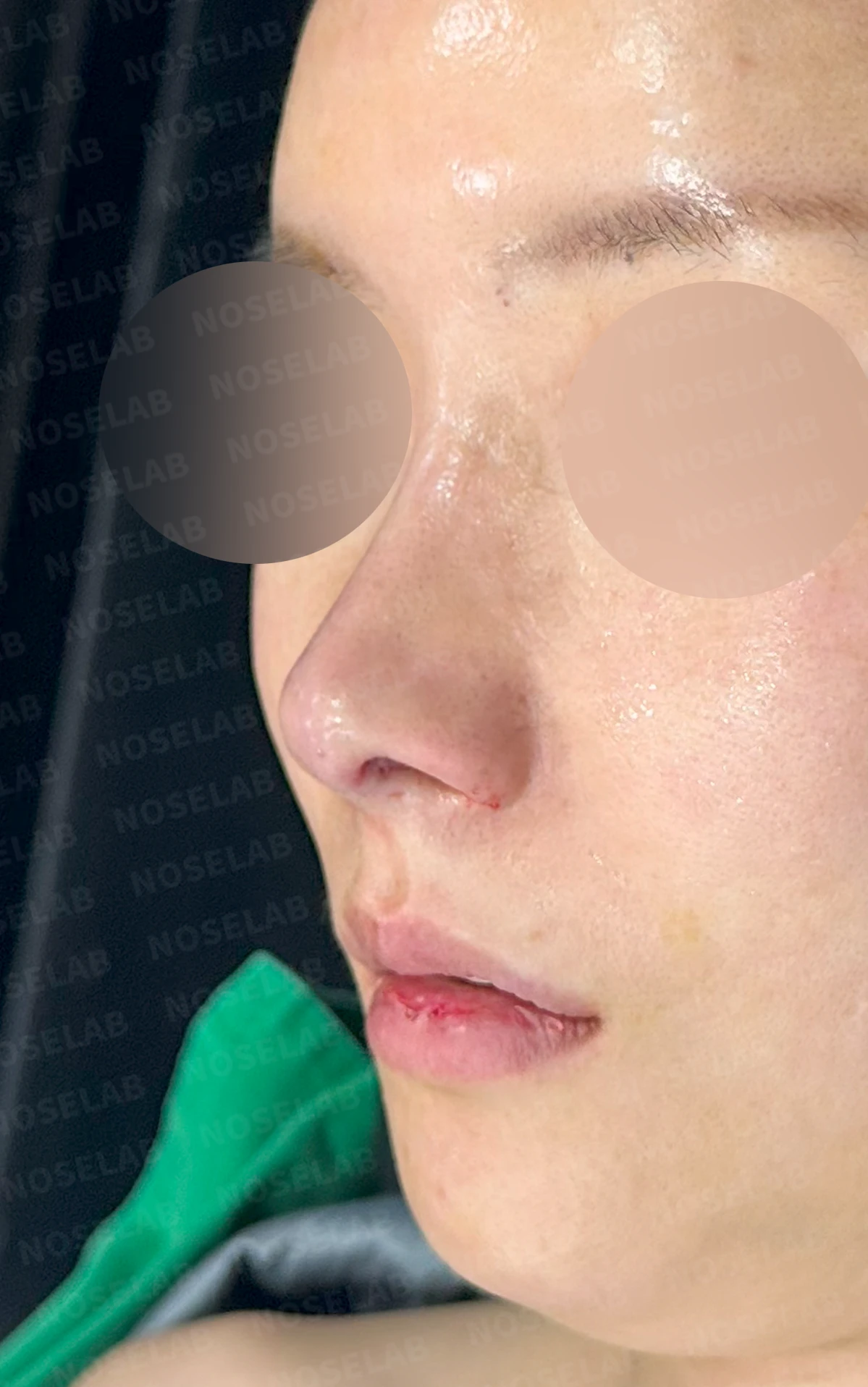
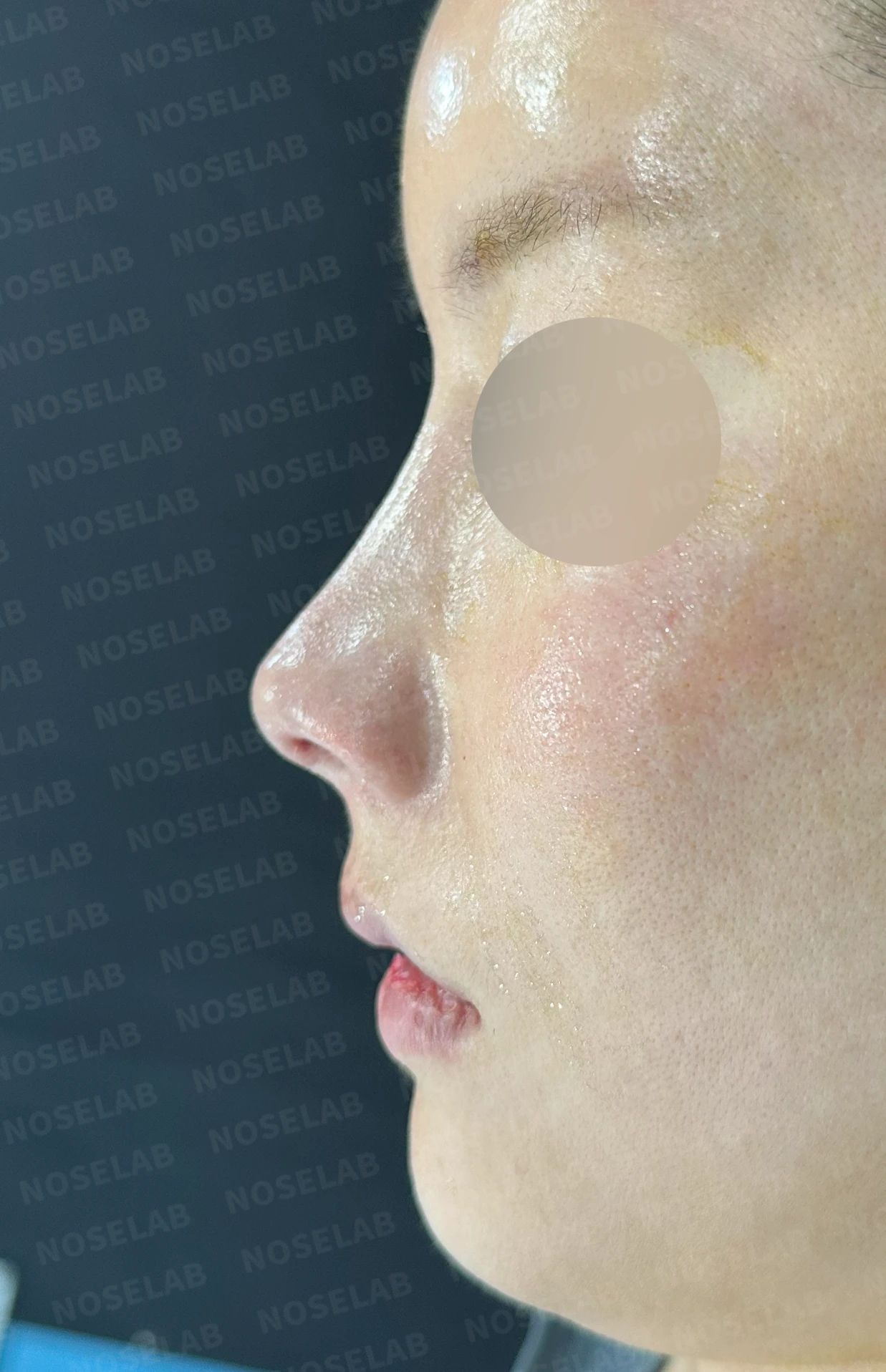
Day 0 immediately after surgery: front, profile, and oblique viewsImmediate postoperative photos show swelling and may differ from the final outcome.
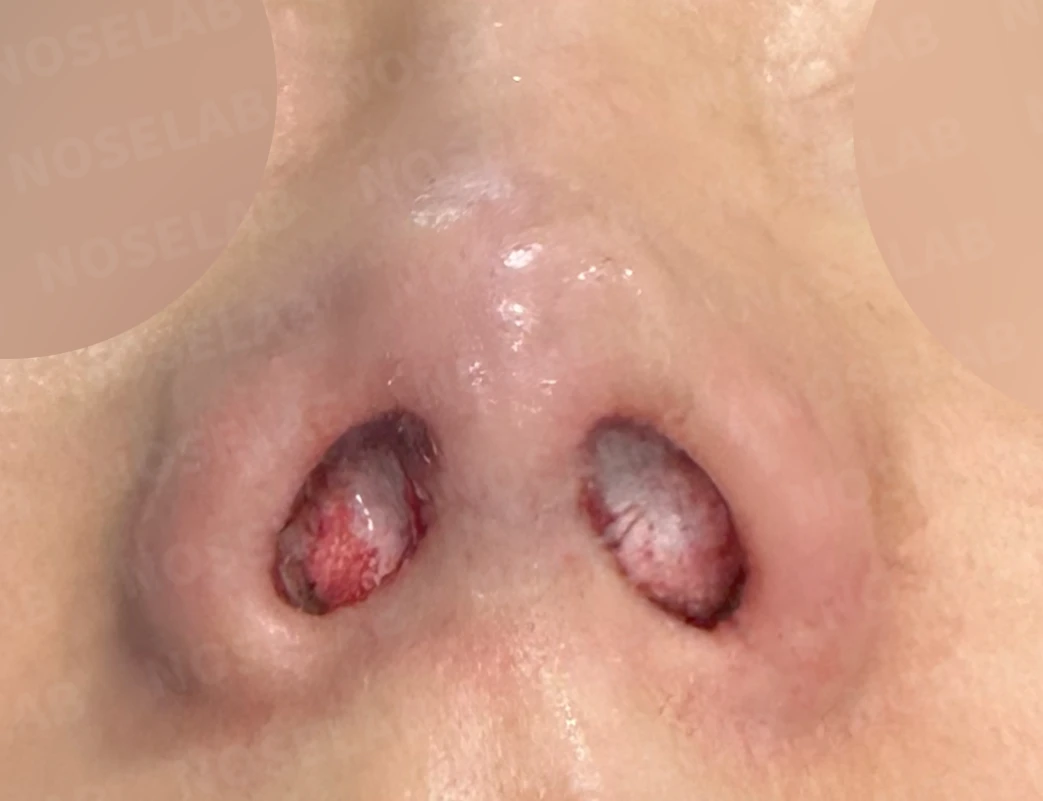
Nostril view on day 0 immediately after surgery Photos taken immediately after surgery show swelling and may differ from the final result.
In this case, the patient had experienced inflammation after using donor rib cartilage and underwent revision rhinoplasty including donor rib cartilage; over time, shape deformities developed due to the resorption of the donor rib cartilage.
The primary issue was that the nasal tip had shrunk and the nose had shortened again due to donor rib cartilage resorption. In addition, the alae appeared pinched on both sides, excessive nostril show was present, and asymmetry had developed. On the nasal bridge, scar tissue from previous surgeries remained, creating an uneven surface.
To address these complex issues, I chose a comprehensive reconstructive approach using autologous rib cartilage. First, I reconstructed both lower lateral cartilages with autologous rib cartilage to naturally improve the pinched appearance of the alae. Unlike donor rib cartilage, autologous rib cartilage has minimal resorption and supports a stable result over the long term, making it the most critical choice for this reconstruction.
The shrunken nasal tip was addressed through septal extension using autologous rib cartilage, which also allowed us to restore the length of the nose. The upturned appearance caused by a drooping tip and an increased nasolabial angle was also effectively improved through nasolabial angle correction.
In particular, the uneven area on the nasal bridge was smoothed out into a natural contour by combining cartilage and a dermal graft. This was an issue that could not easily be resolved with an implant alone, requiring a customized approach tailored to the patient's tissues.
As a result, the various problems caused by donor rib cartilage resorption were fundamentally resolved through autologous rib cartilage reconstruction, achieving an overall natural and balanced nasal shape. Furthermore, using autologous rib cartilage secured long-term stability, so the patient can expect to maintain a consistently satisfying result.
This has been Dr. Peter C. Kang, medical director.
Thank you.
#closedrhinoplasty #donorribcartilageresorption #autologousribcartilagereconstruction #alarreconstruction #customrhinoplasty

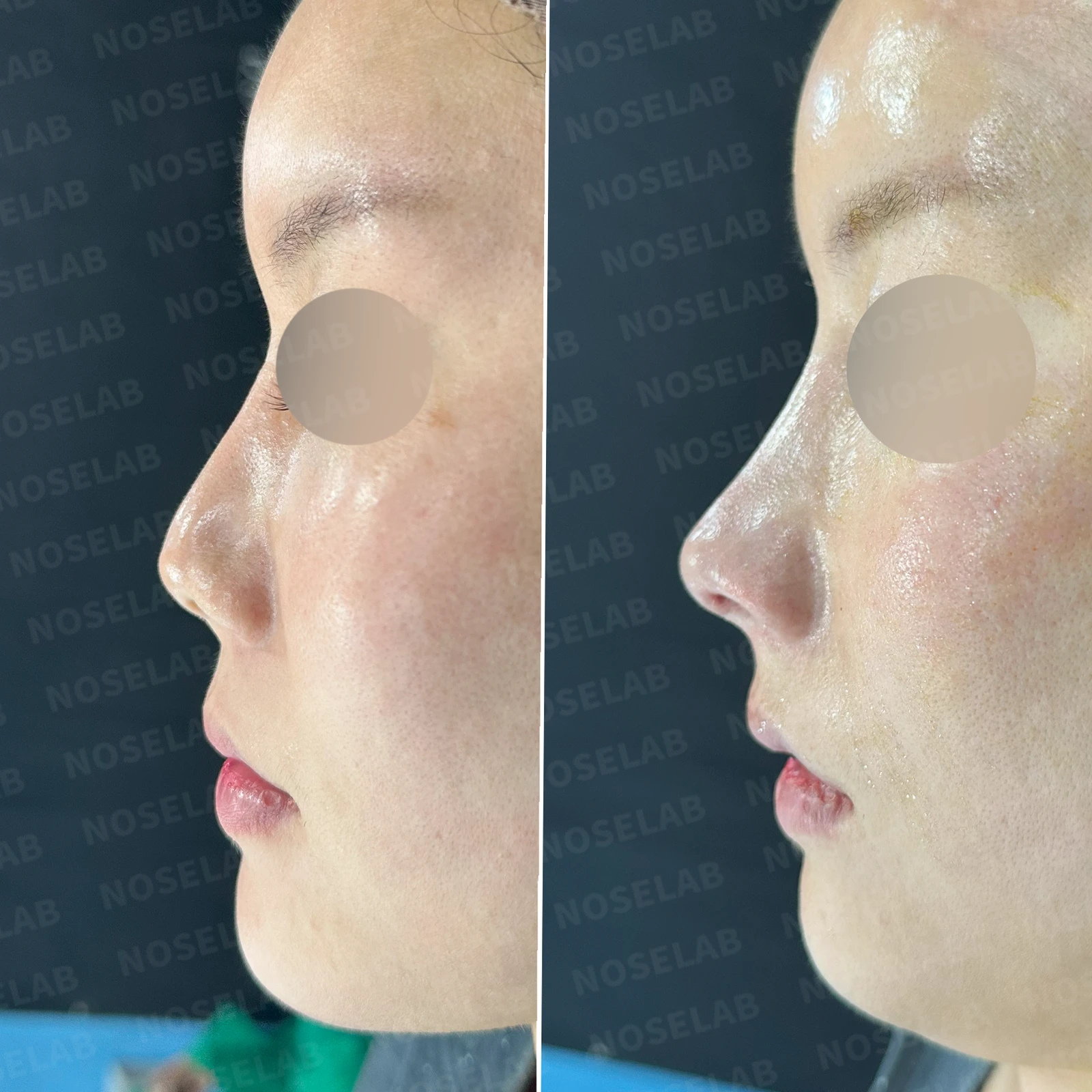
Limitations and risks
When autologous rib cartilage is used, scarring and pain may remain at the donor site on the chest, and pneumothorax (pleural injury) can occur rarely. Over time, the grafted cartilage may warp or undergo partial resorption.
When using donor rib cartilage, long-term follow-up is necessary because the grafted cartilage may resorb or warp.
When the septum is corrected at the same time, nasal obstruction may persist or recur, and in rare cases, septal perforation or changes in smell may occur.
Common potential risks include infection, bleeding, asymmetry, scarring, skin necrosis, and insufficient improvement; results vary depending on individual skin condition and previous surgical history.