Hello, I am Dr. Peter C. Kang.
Today, I would like to share a case of autologous rib cartilage reconstruction for a patient who had long struggled with an upturned nose.
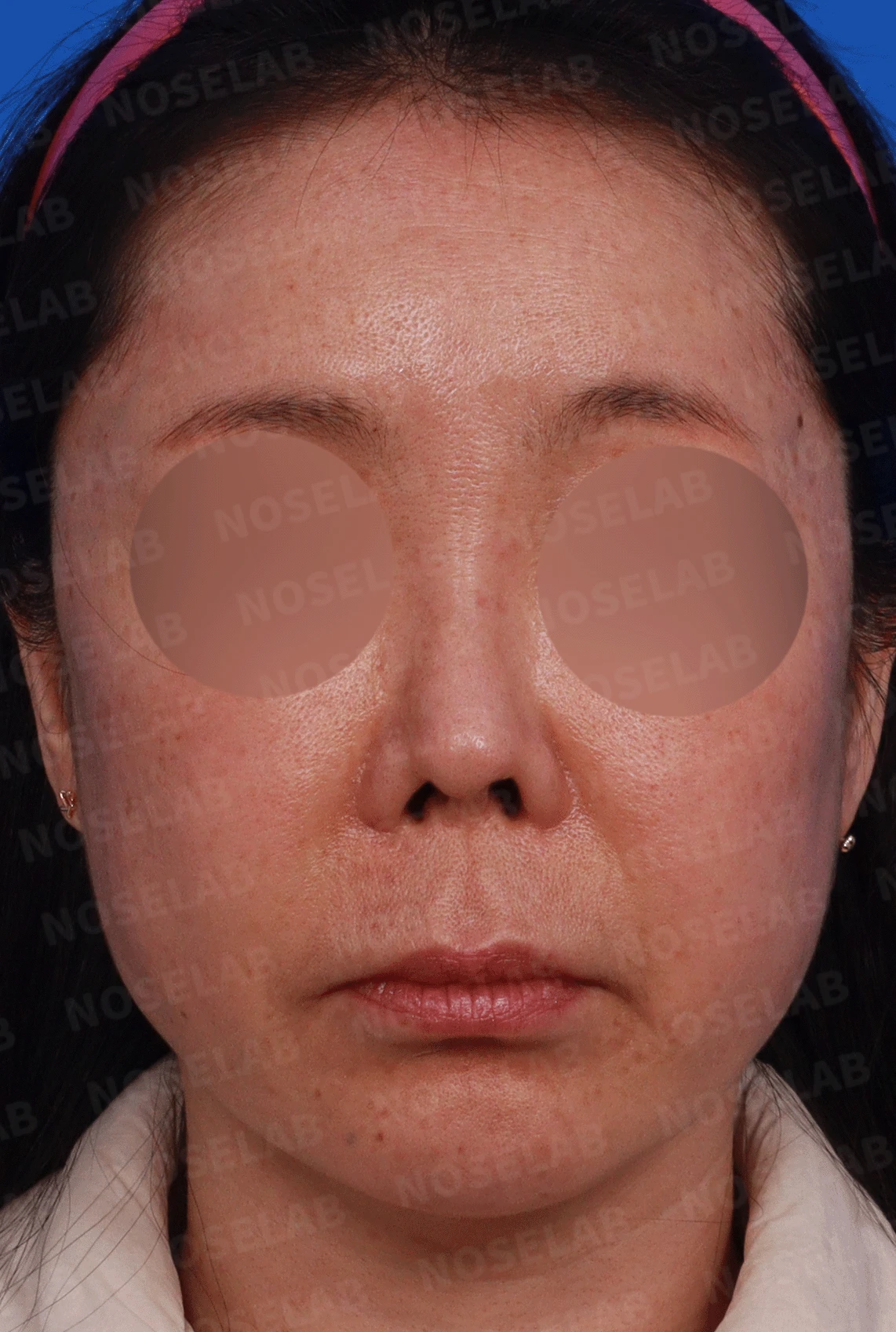
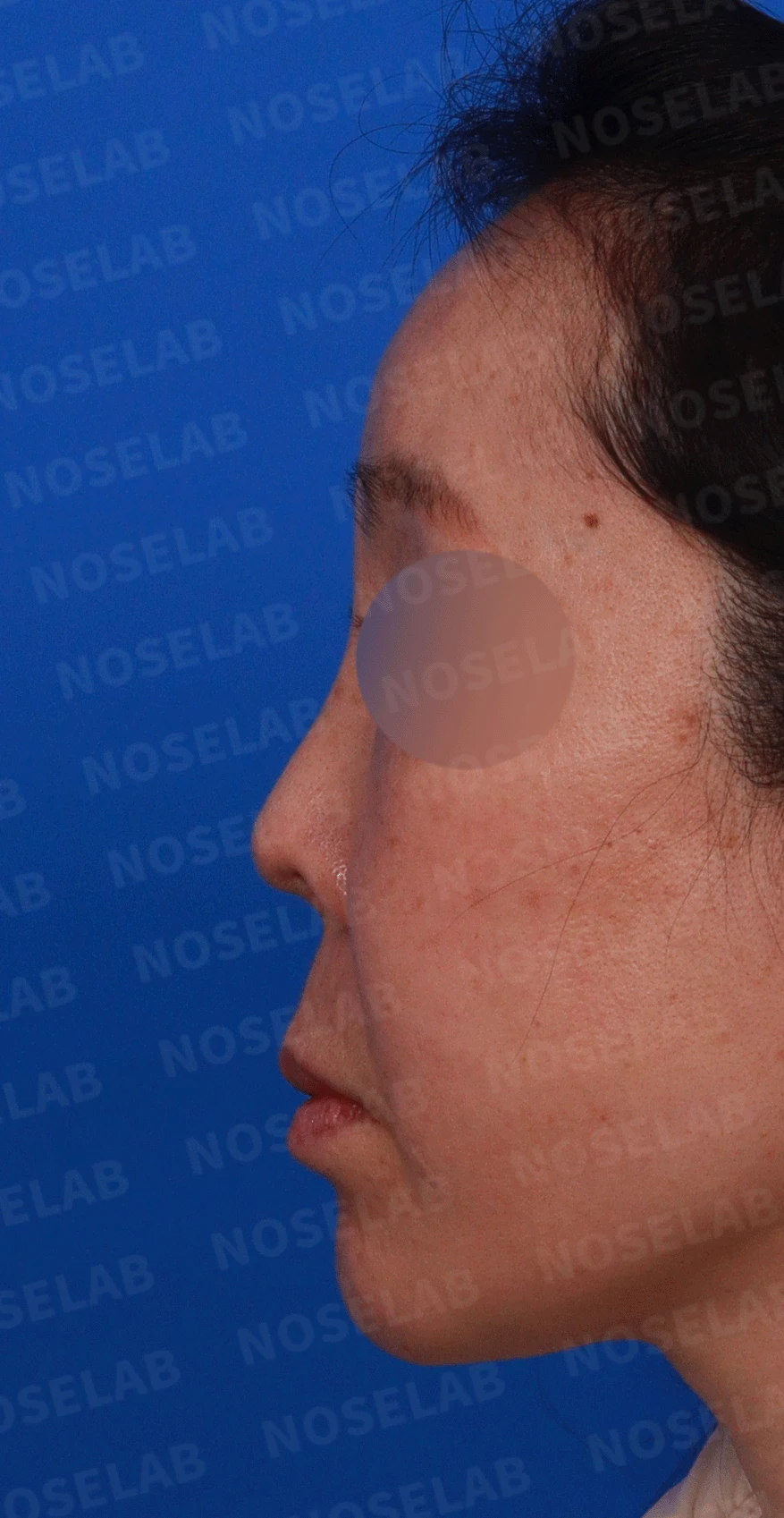
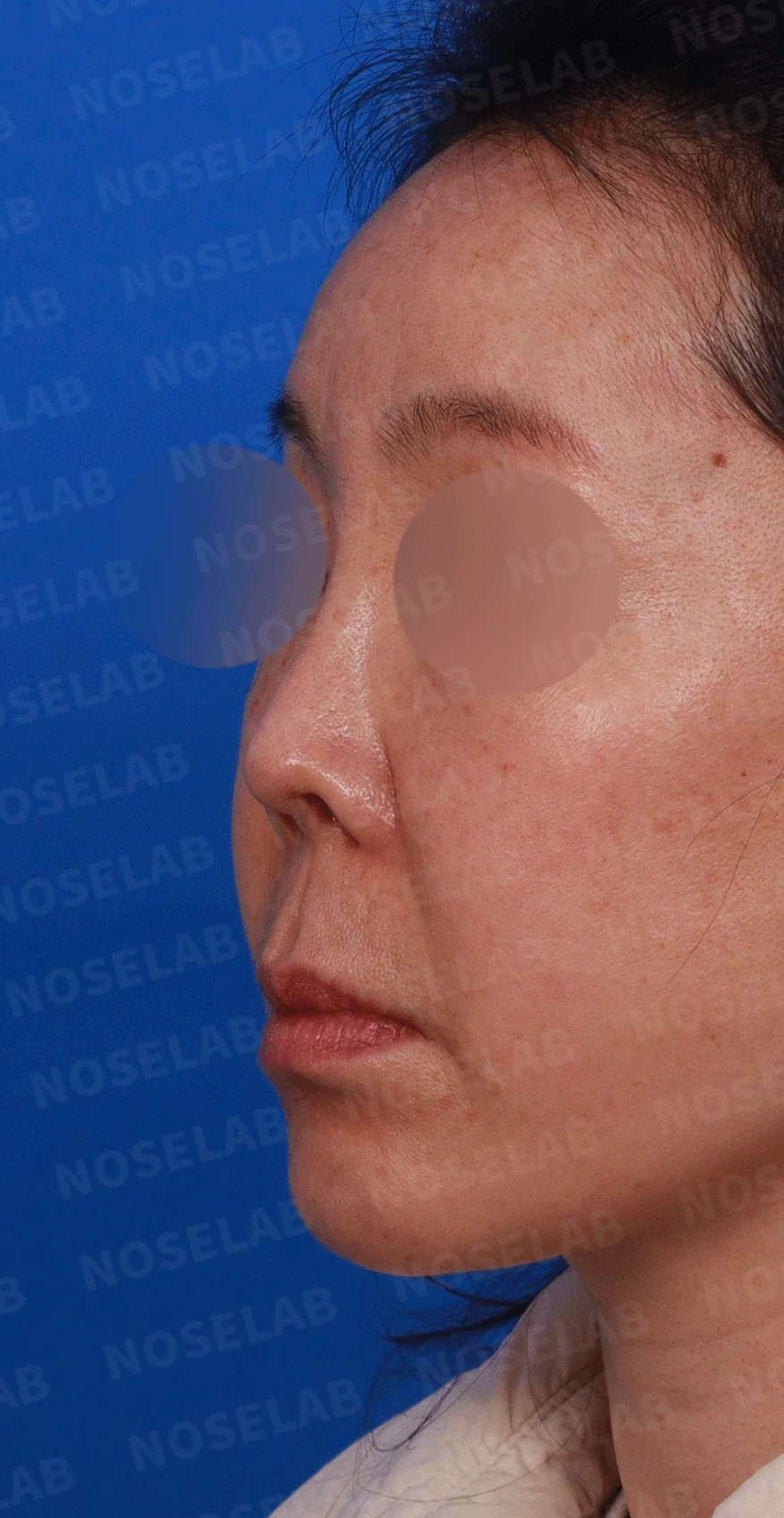
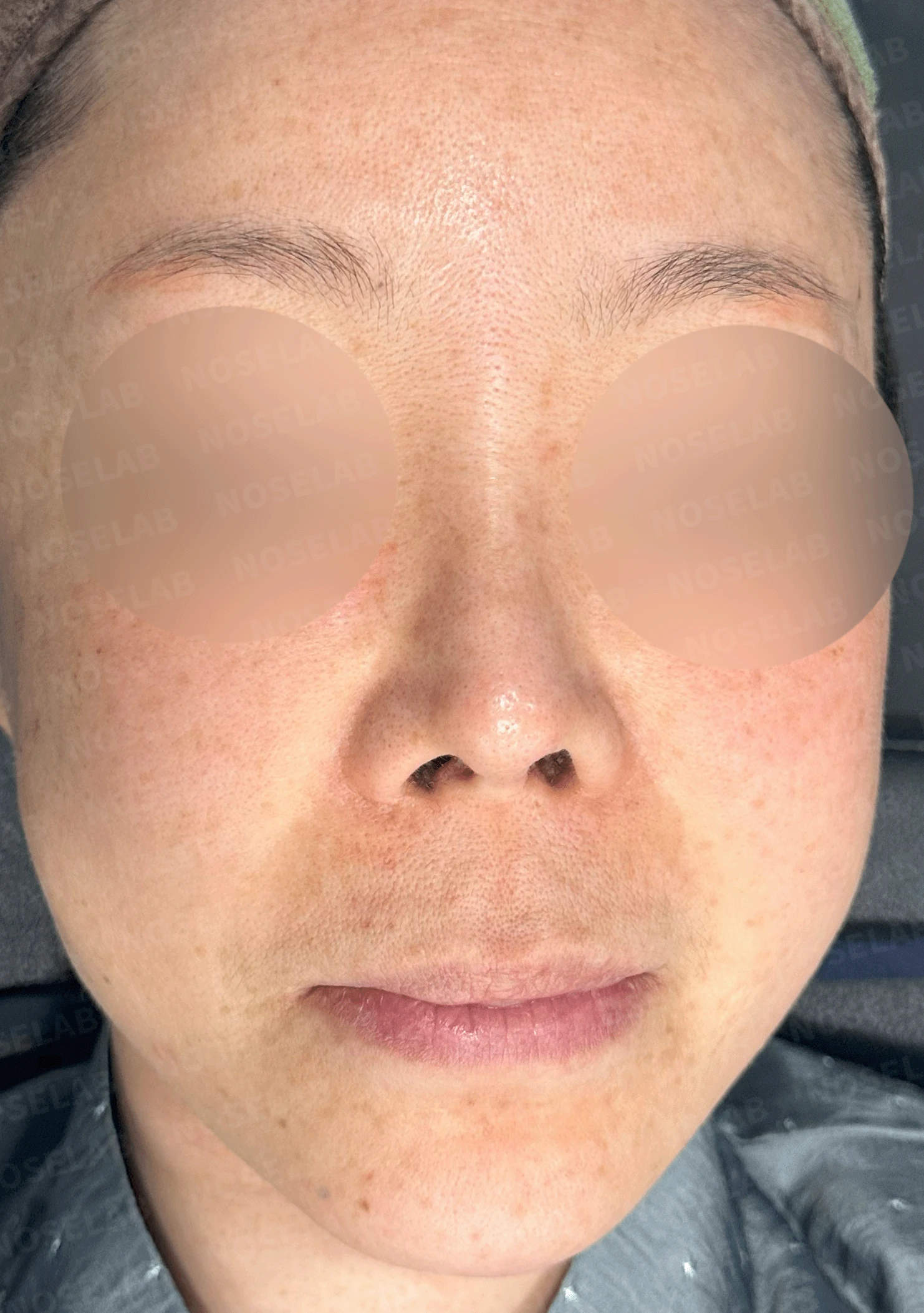
Front, left profile, and oblique views during design consultation
📍Surgical history
18 years ago: Surgery with Alloderm + silicone implant + ear cartilage (suspected Alloderm inflammation, leading to an upturned nose)
17 years ago: Surgery with septal cartilage + ear cartilage + silicone implant (upturned nose persisted even after 6 months)
6 months later: Silicone implant removal
3 months later: Revision surgery with silicone implant + cartilage
🔎 Initial consultation findings
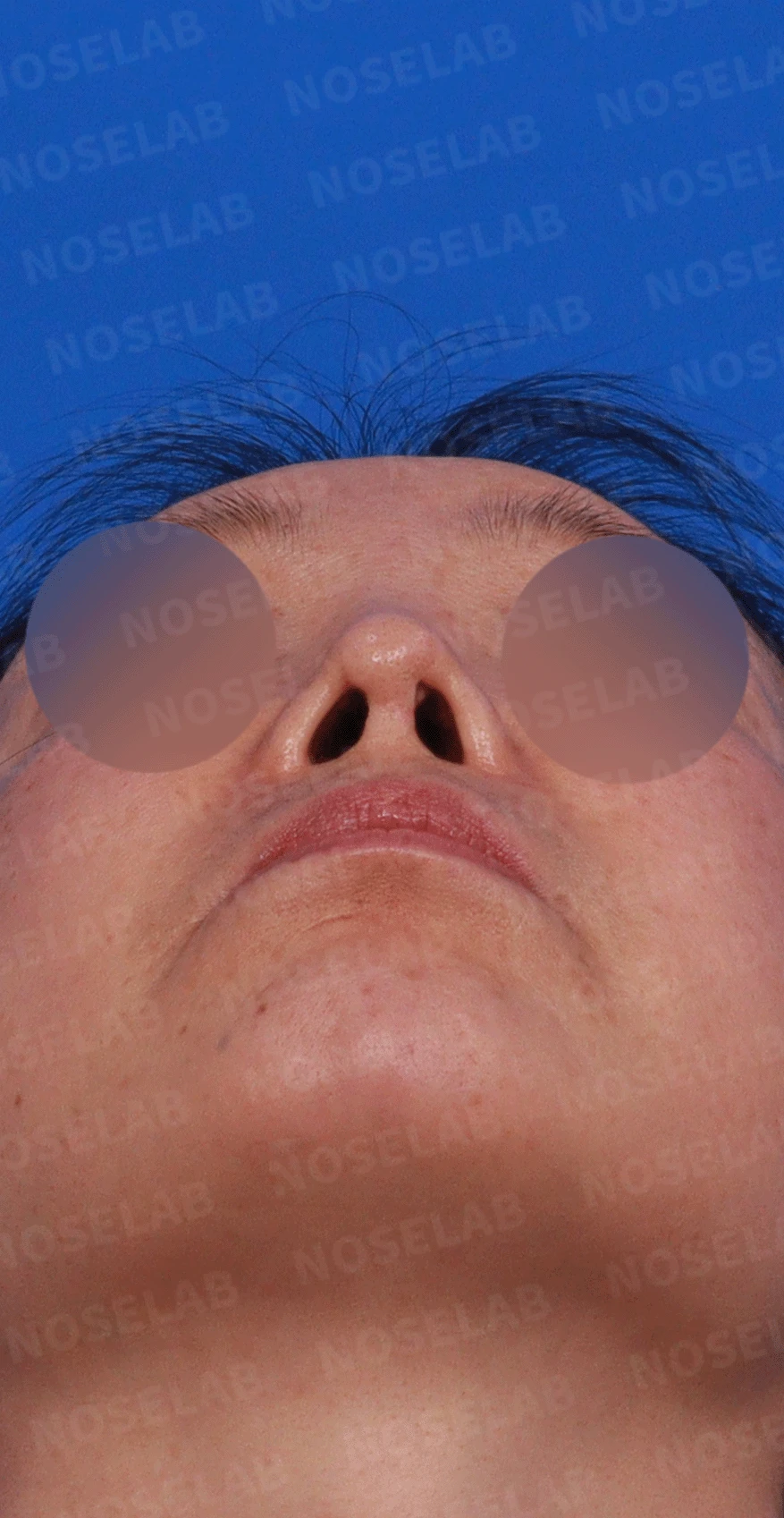
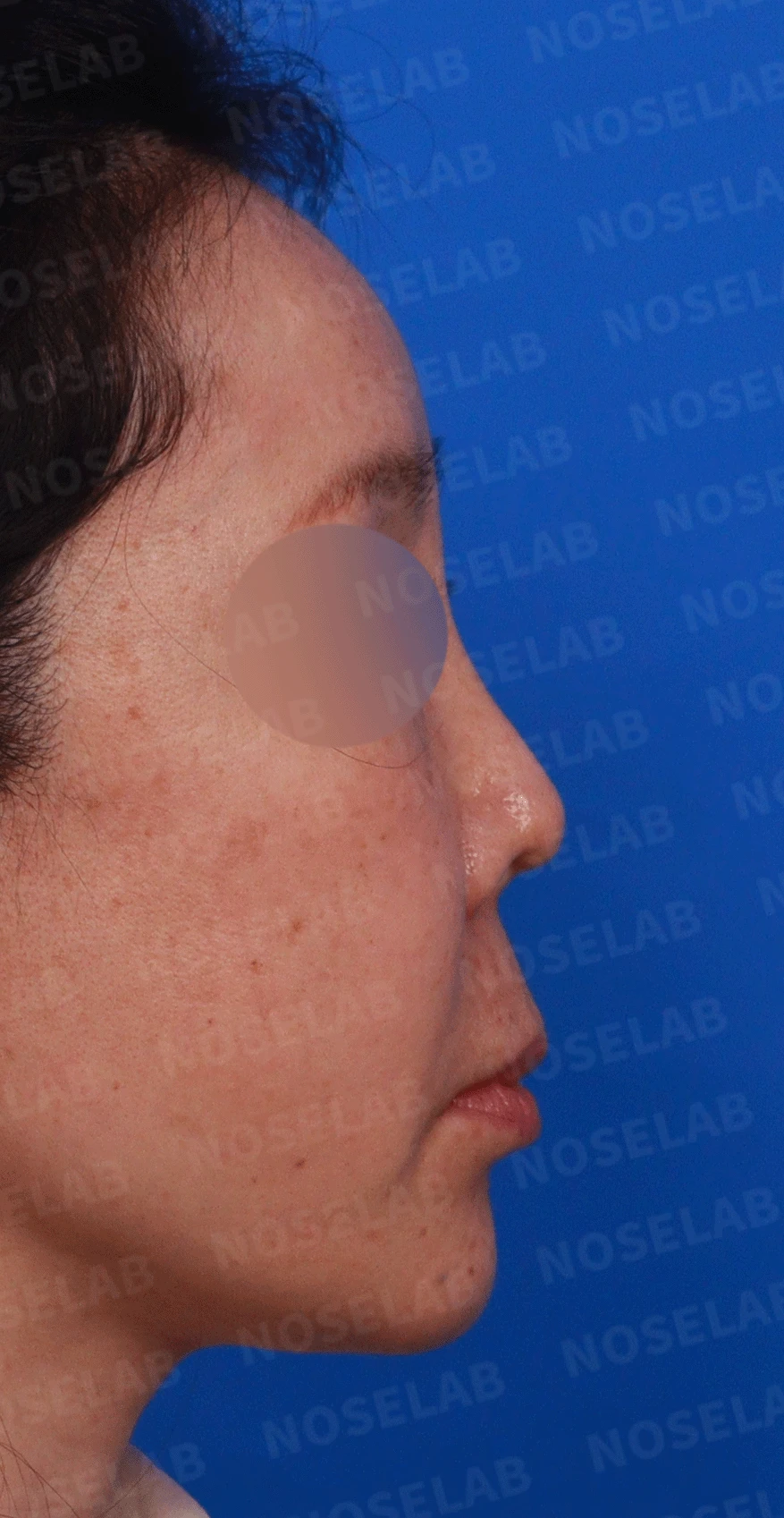
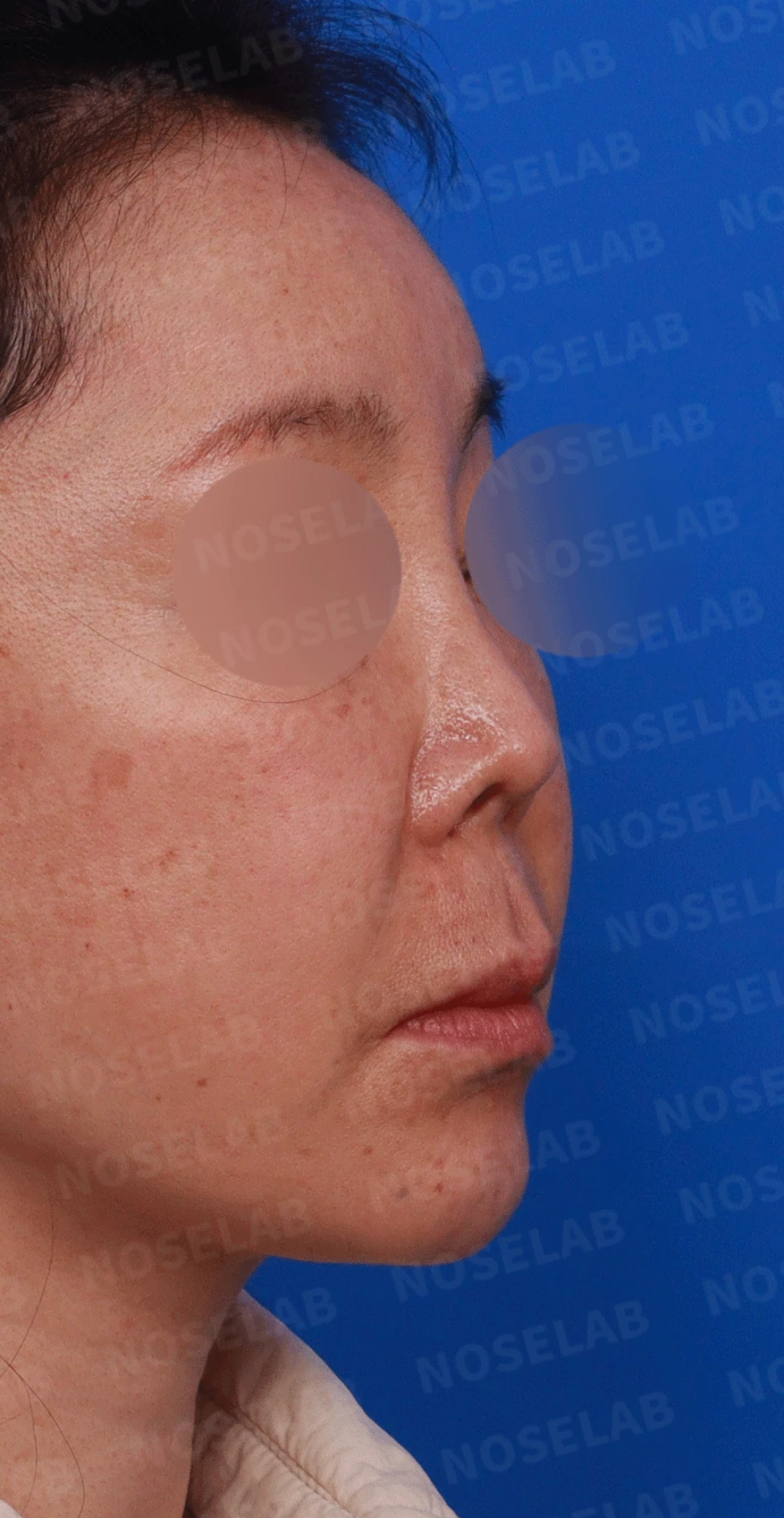
Front view
Upturned-looking nose
Nostril asymmetry
Deviated nose
2. Profile view
Short and upturned nose
High radix starting point
Retracted columella
Philtrum appears long
Protruding mouth findings
3. Oblique view
Short and upturned nose
Elongated-looking philtrum
Protruding mouth findings
4. Nostril view
Nostril asymmetry
Columella deviated to the left
Scar tissue on the upper left columella
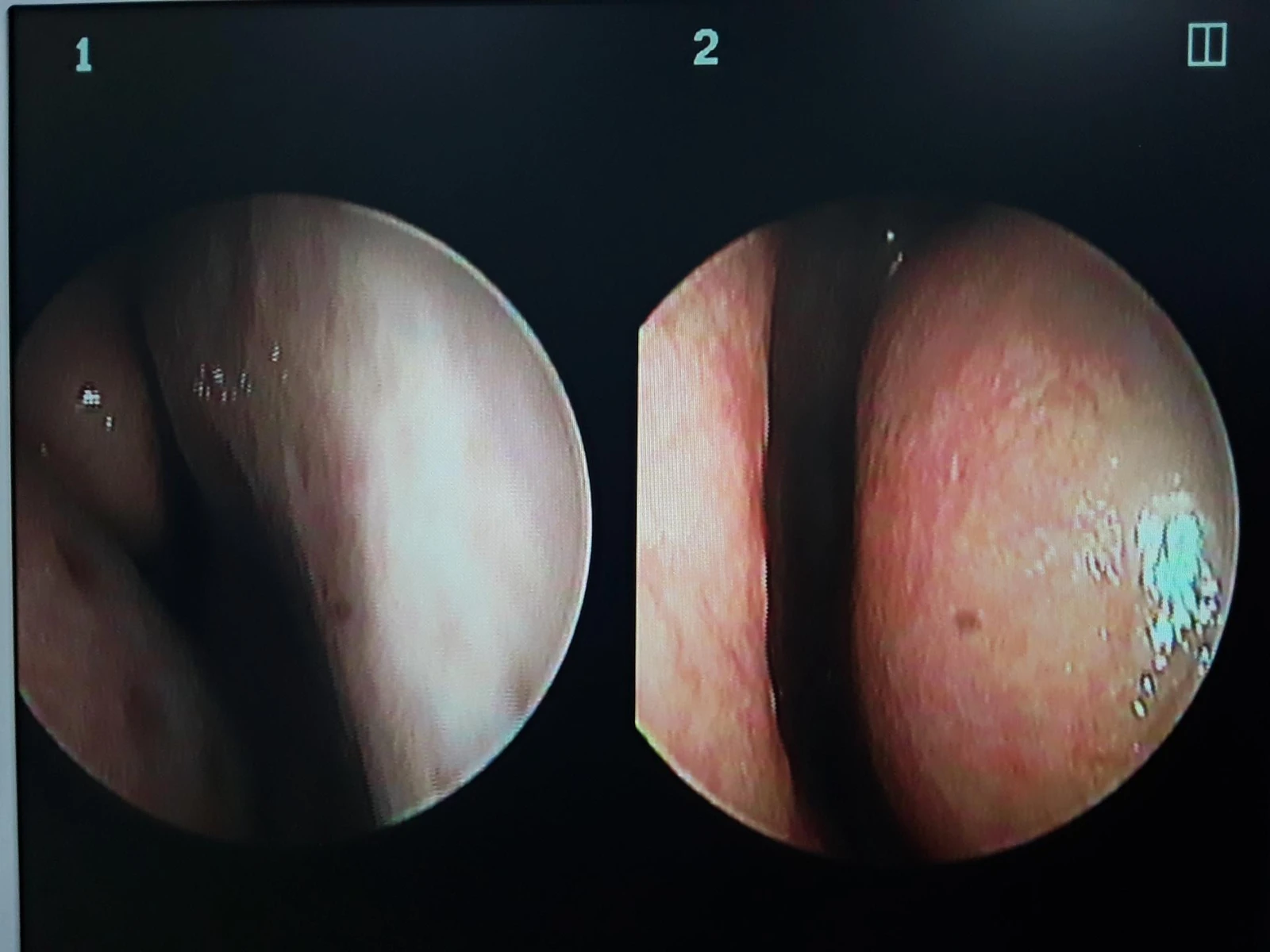
Nasal endoscopy photos
ℹ️ Special notes
Allergy to cephalosporin antibiotics
Worsened rhinitis after rhinoplasty
Appears like a contracted nose
✨ Patient's requests
Correction of the upturned nose (reduced nostril show)
Natural result
💉 Surgical procedure details
Evaluation of findings
Confirmation that more than 2/3 of both lower lateral cartilages were removed in previous surgeries
Confirmed columellar retraction and an acute nasolabial angle
Scar tissue on the left columella
2. Structural reconstruction
Lower lateral cartilage reconstruction using autologous rib cartilage
Correction of the upturned nose via septal extension
Lowering the columella
3. Shape improvement
Improvement of protruding mouth through nasolabial angle correction
Naturally lowering the radix at the glabella
Correction of nostril asymmetry
✅ Surgical results
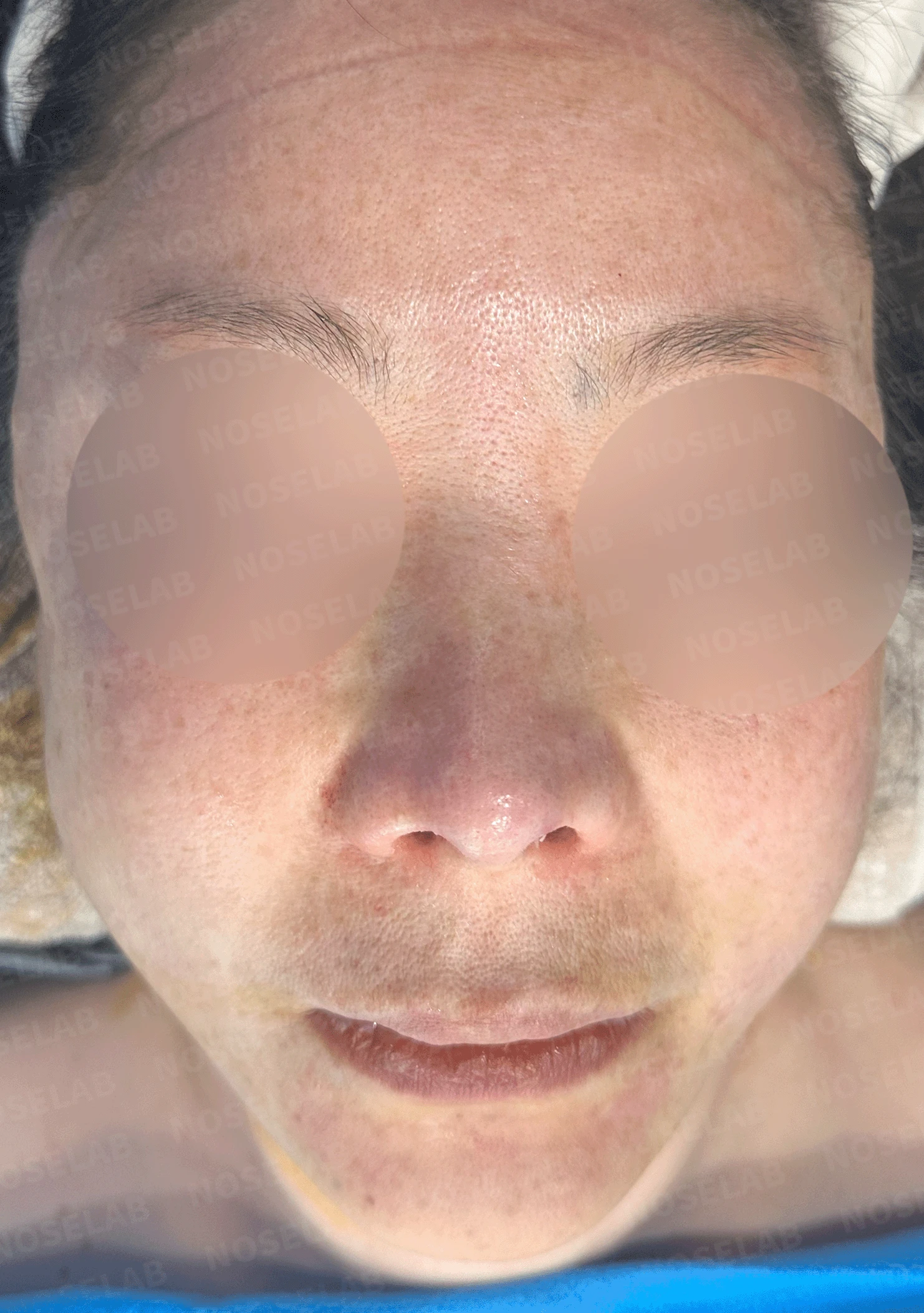
Before surgery / Day 0 immediately after surgery Photos taken immediately after surgery show swelling and may differ from the final result.
Front view
Reduction of nostril show
Improvement of asymmetry
Straightened nasal line
Correction of an upturned nose
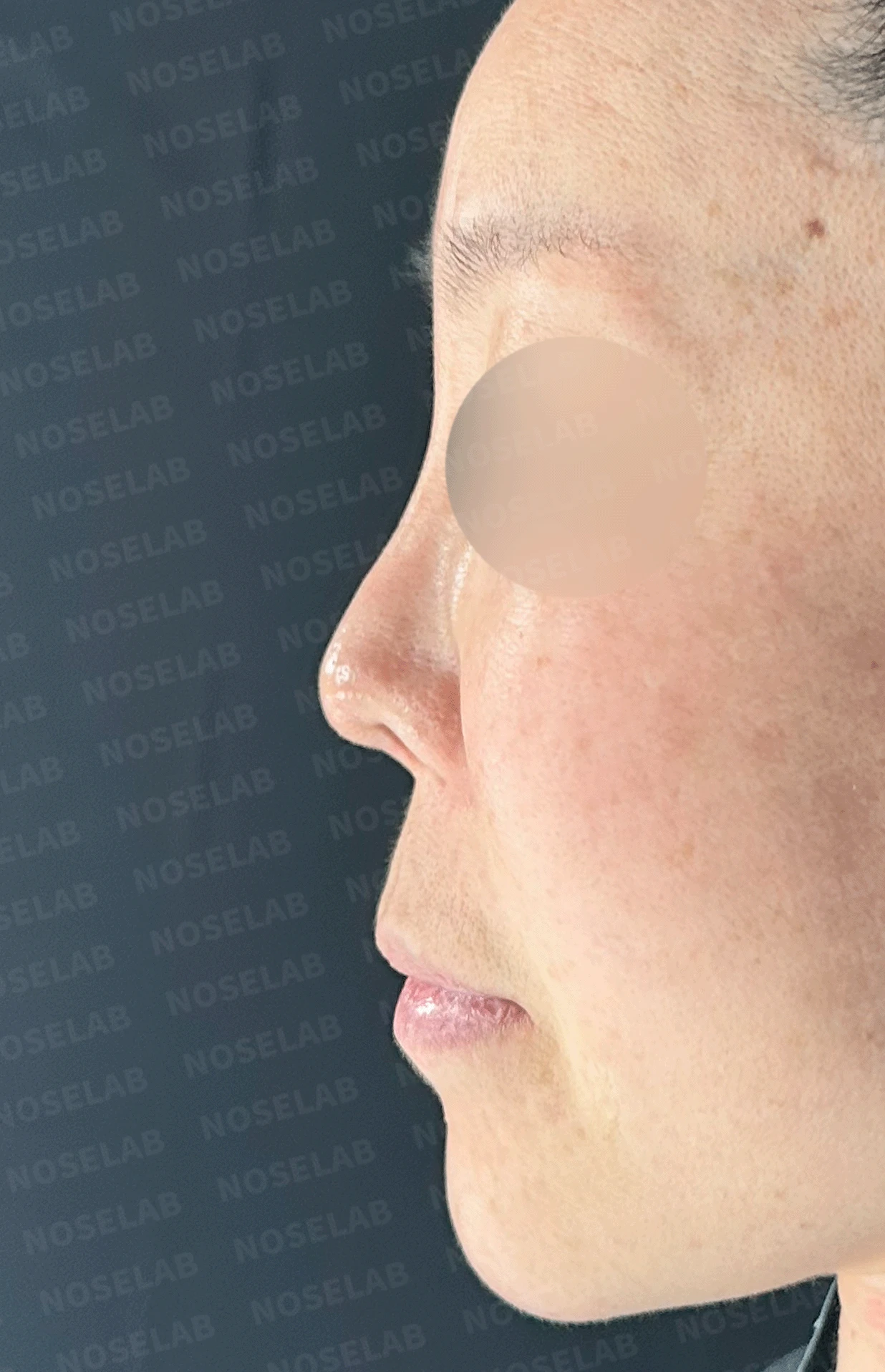
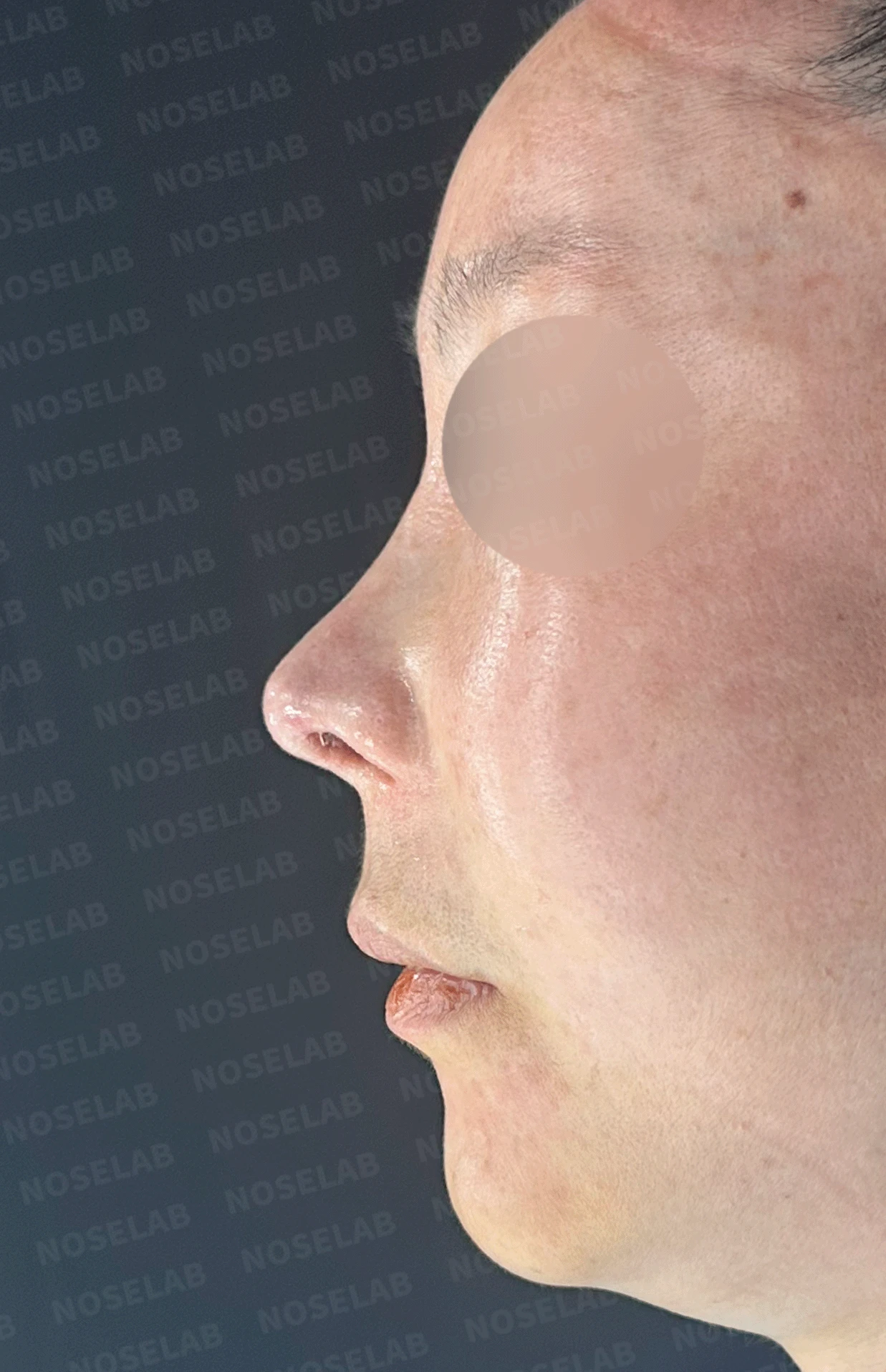
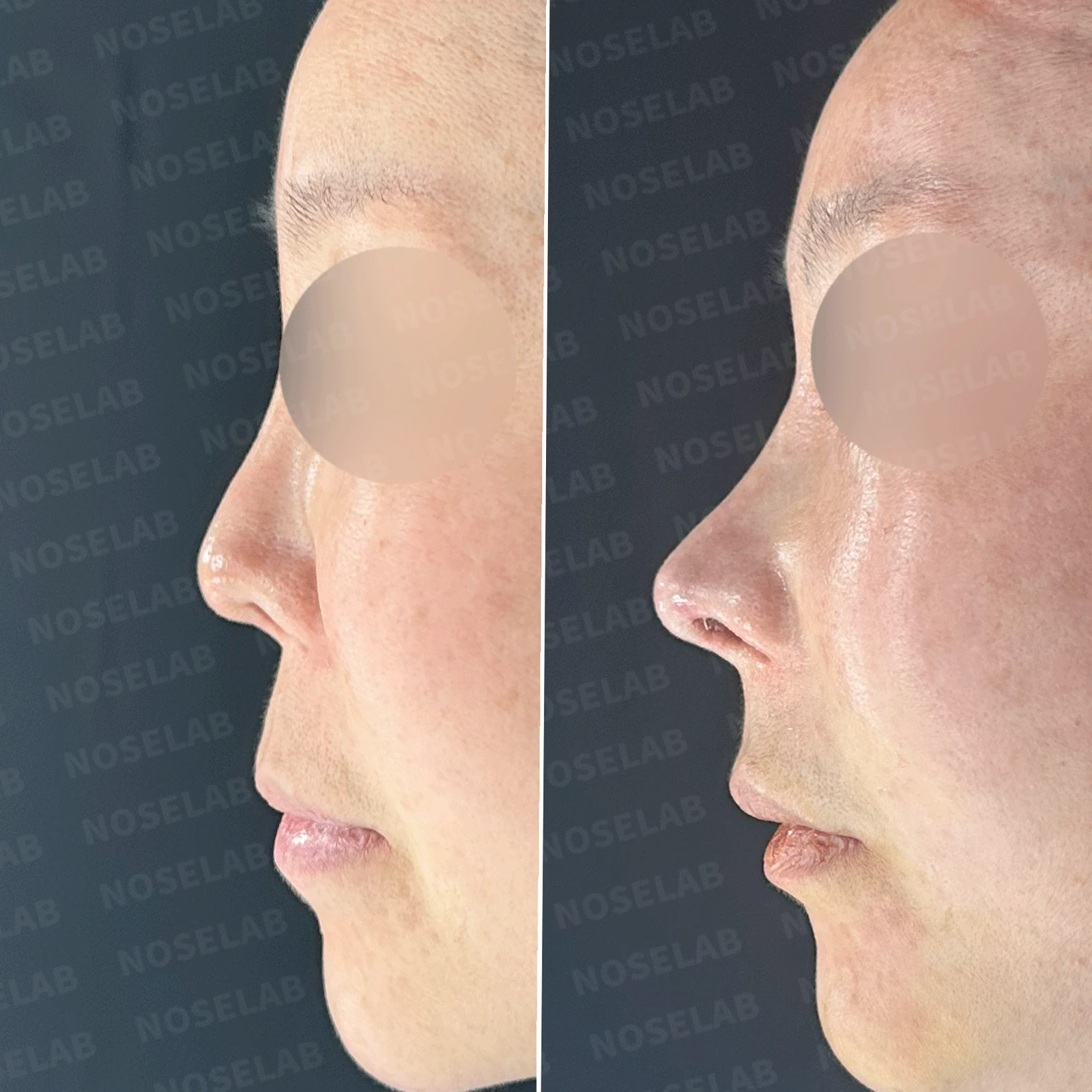
Before surgery / Day 0 immediately after surgery Photos taken immediately after surgery show swelling and may differ from the final result.
2. Profile view
Natural radix position
More natural columella shape
Improved nasolabial angle
Philtrum appears less elongated
Improvement of protruding mouth
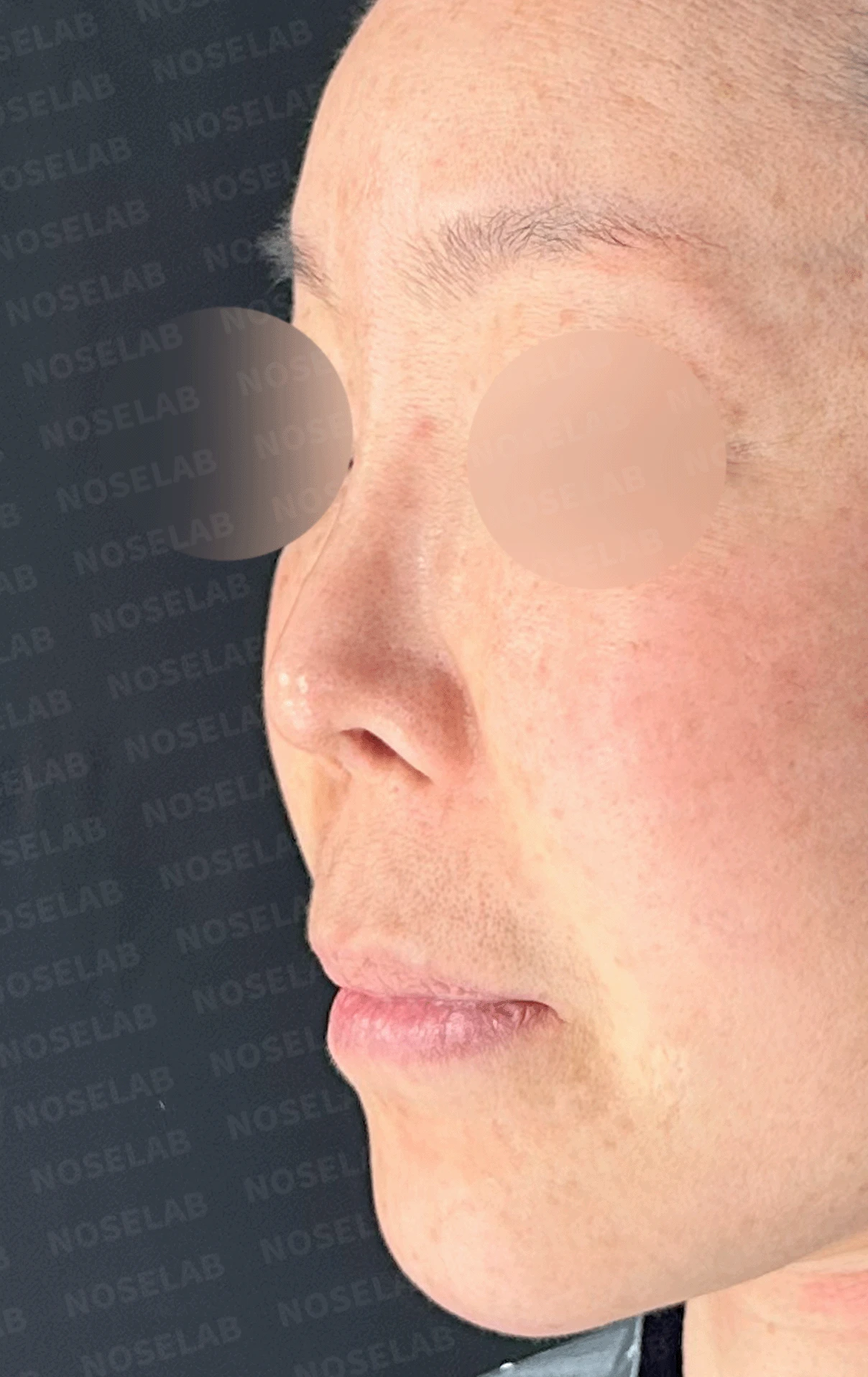
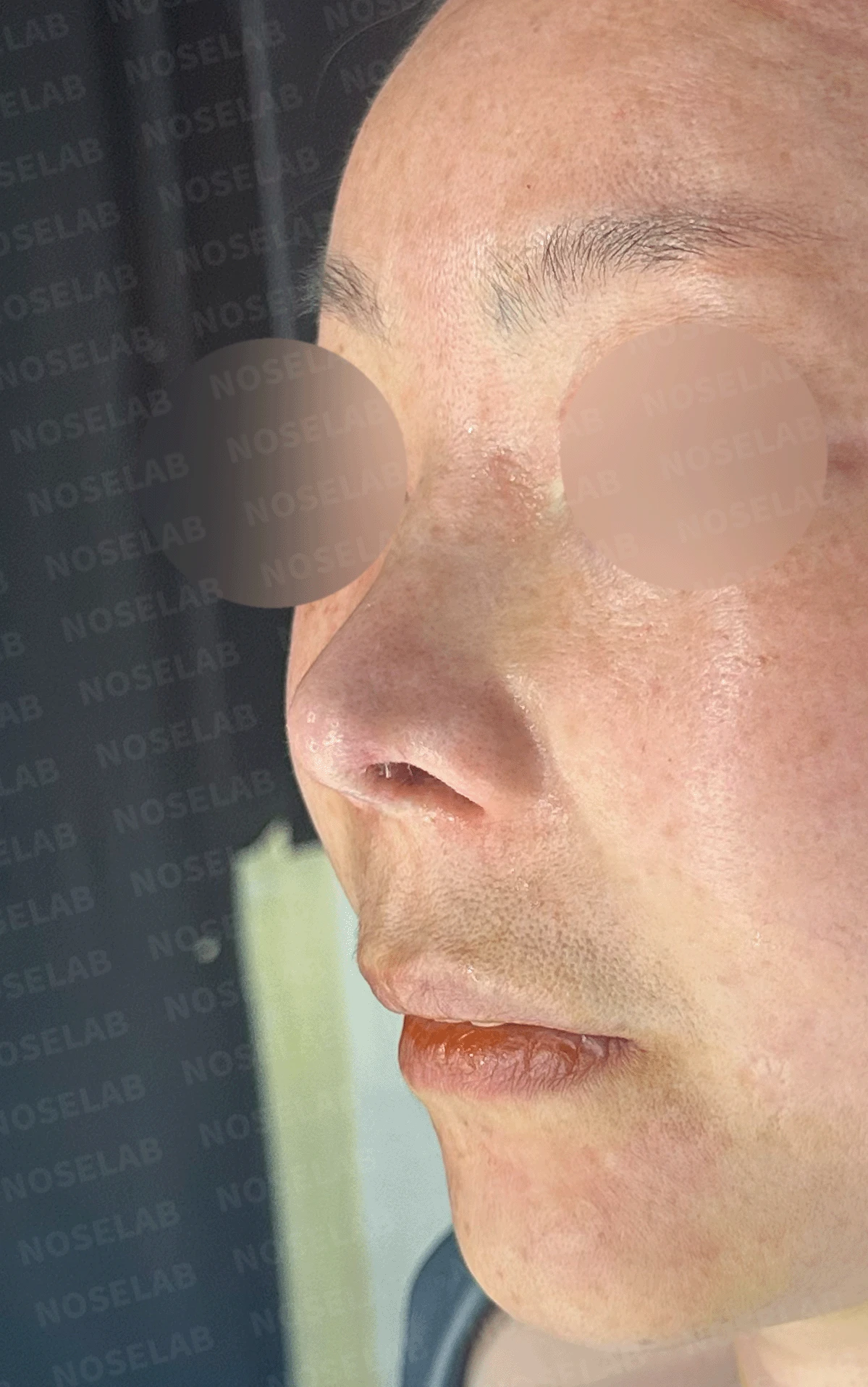
Before surgery / Day 0 immediately after surgery Photos taken immediately after surgery show swelling and may differ from the final result.
3. Nostrils
Balanced nostril asymmetry
Straightened columella
Scar tissue appears reduced
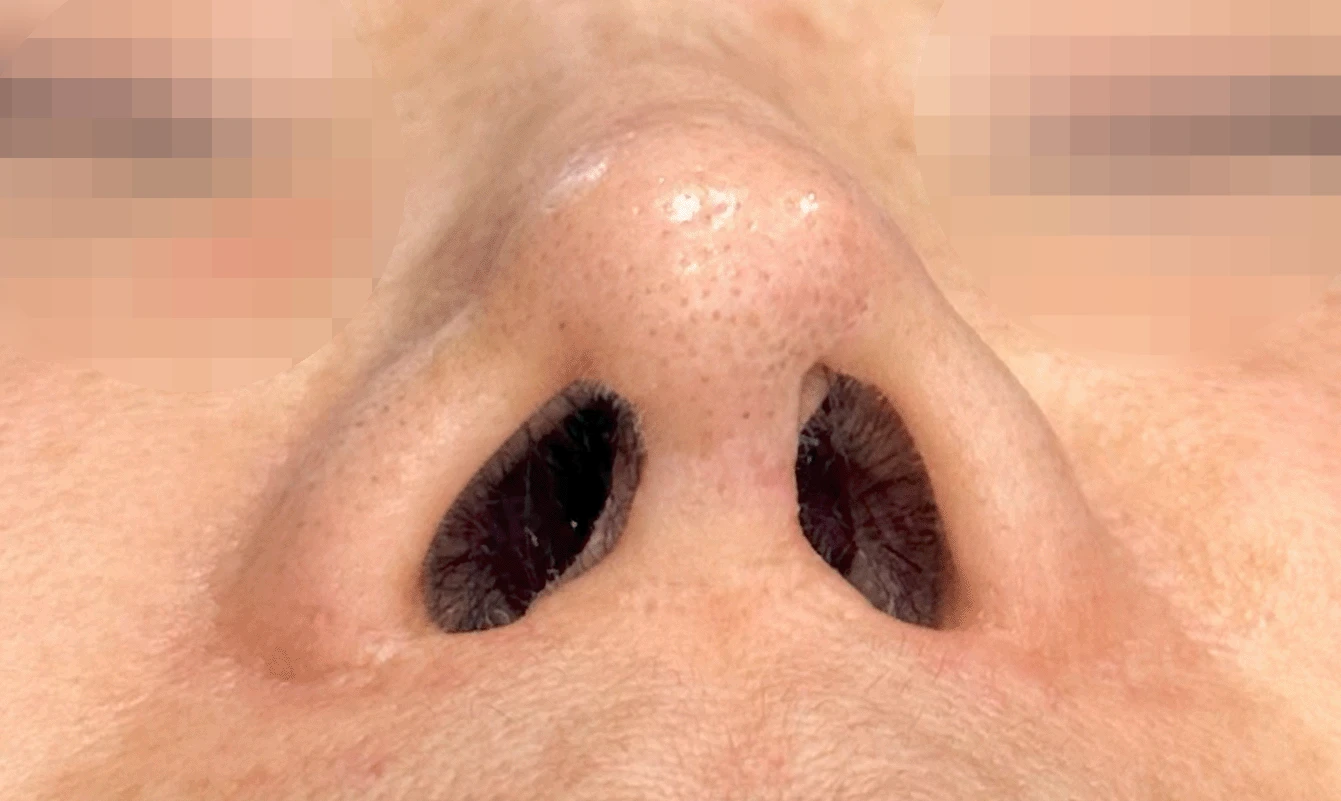
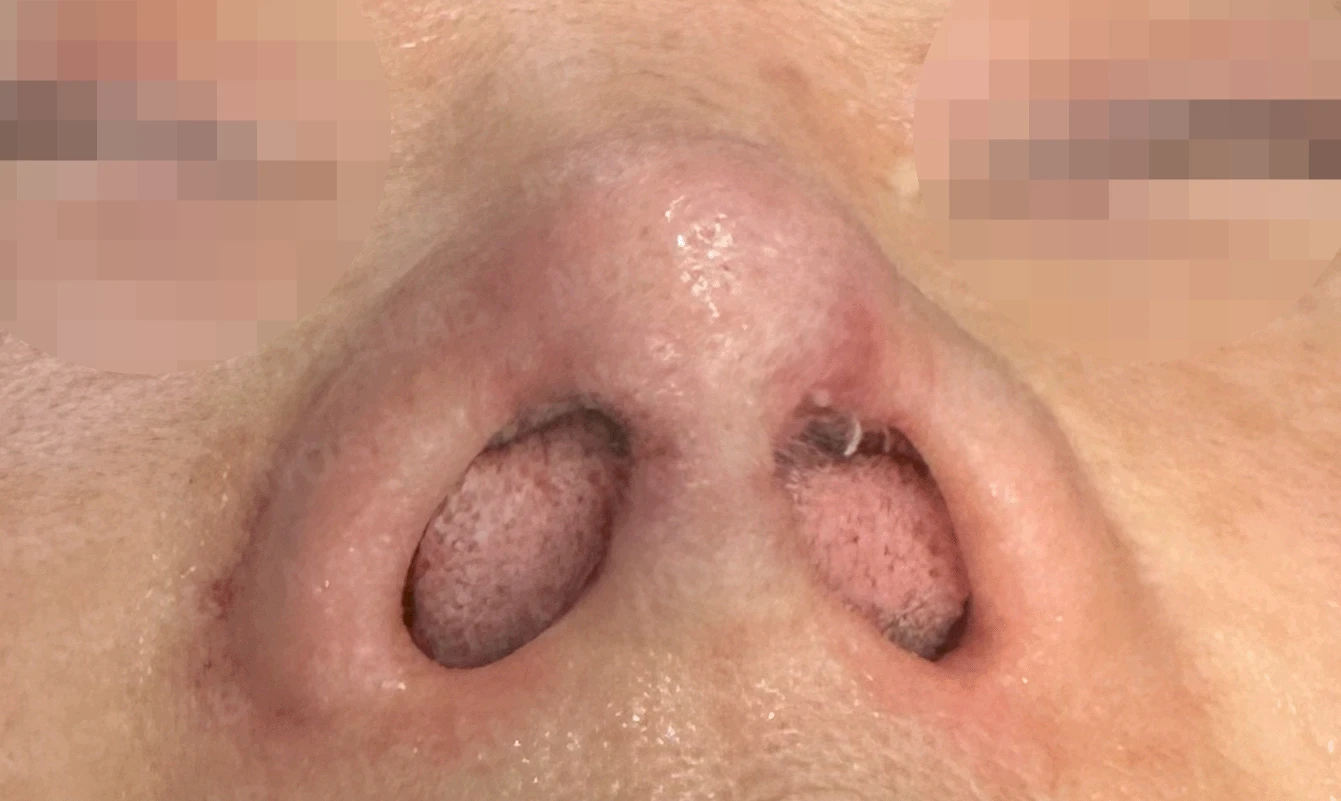
Before surgery / Day 0 immediately after surgery Photos taken immediately after surgery show swelling and may differ from the final result.
👨⚕️ Specialist's assessment
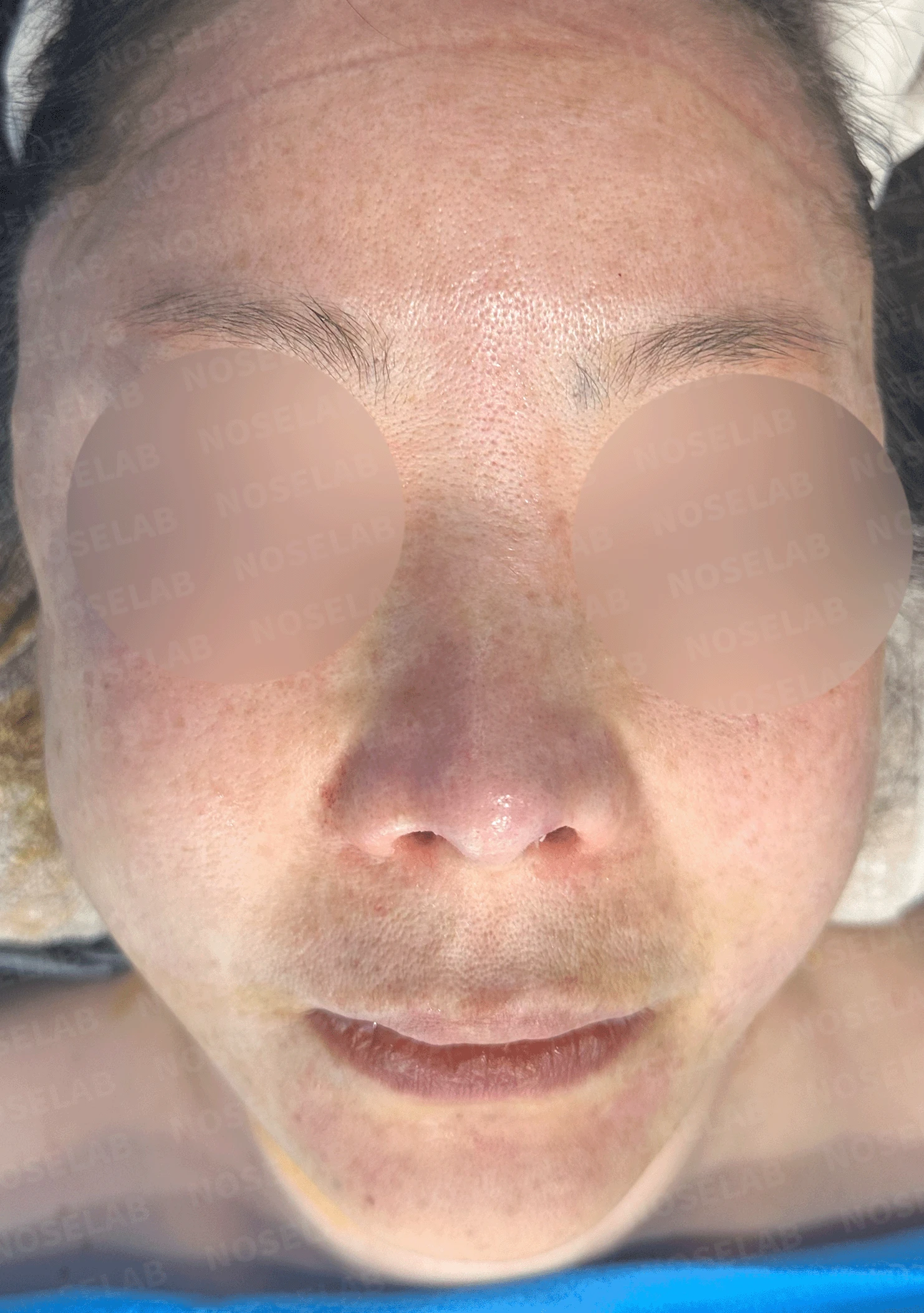
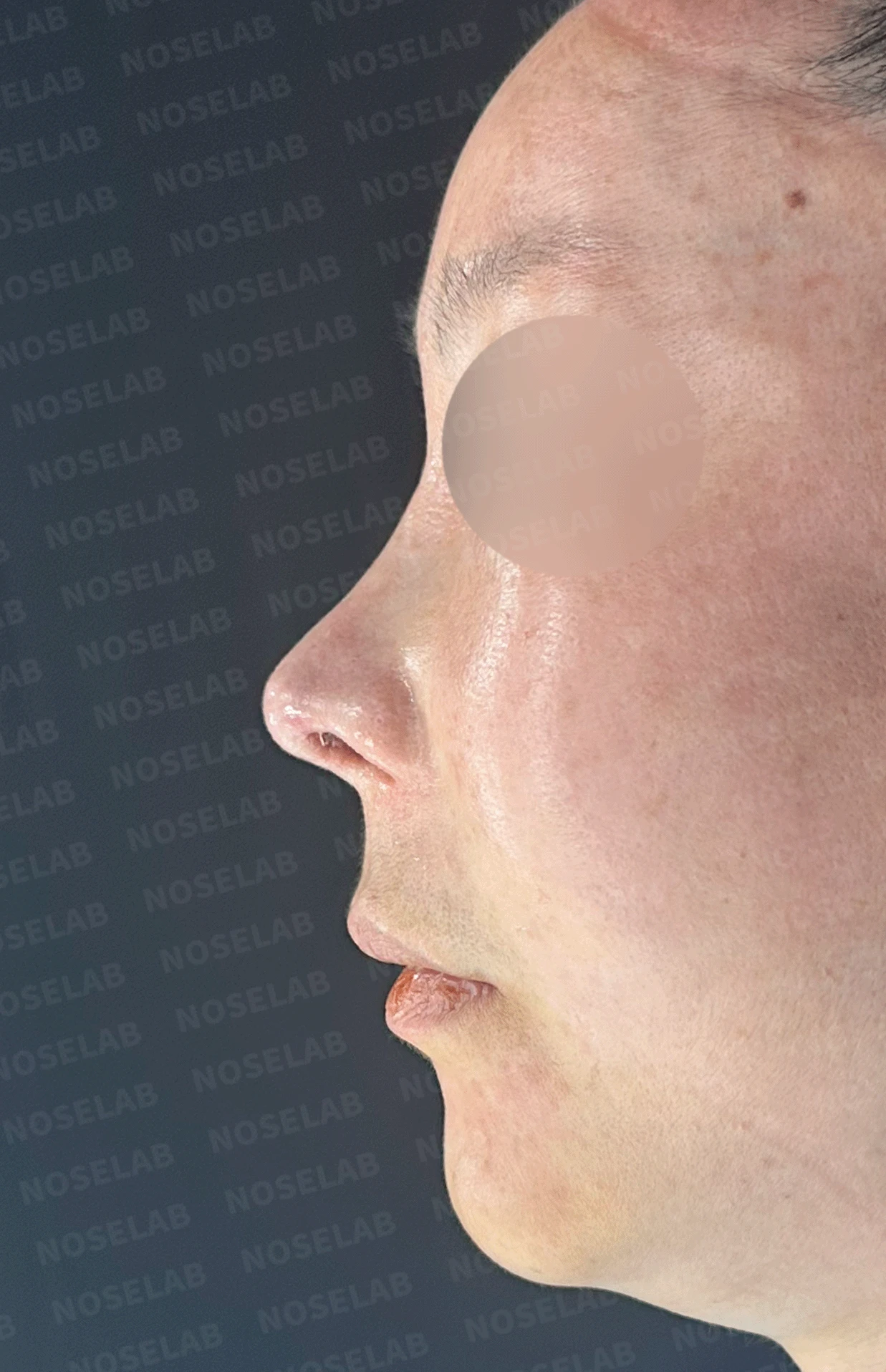
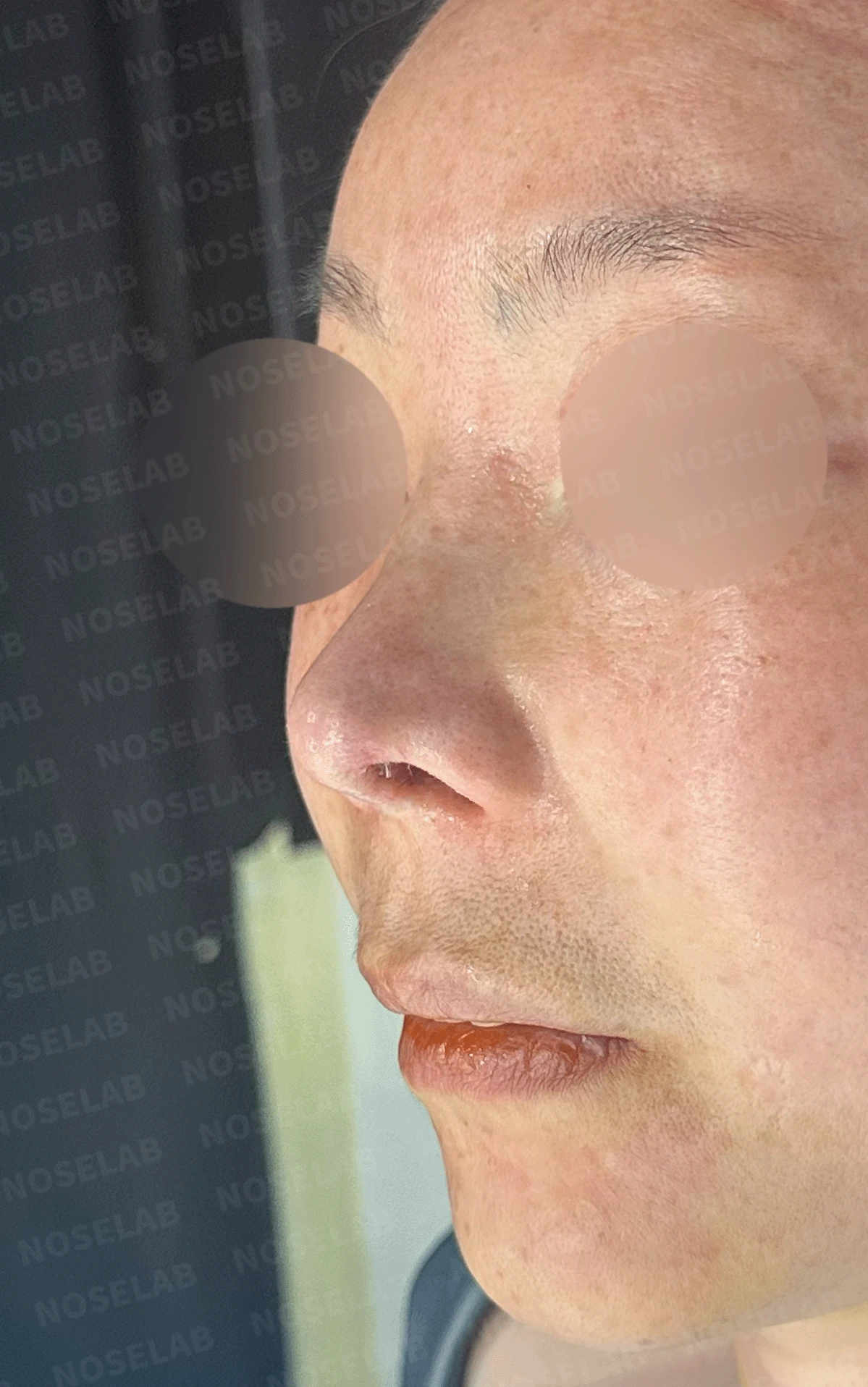
Front, profile, and oblique views immediately after surgery on day 0 Photos taken immediately after surgery show swelling and may differ from the final result.
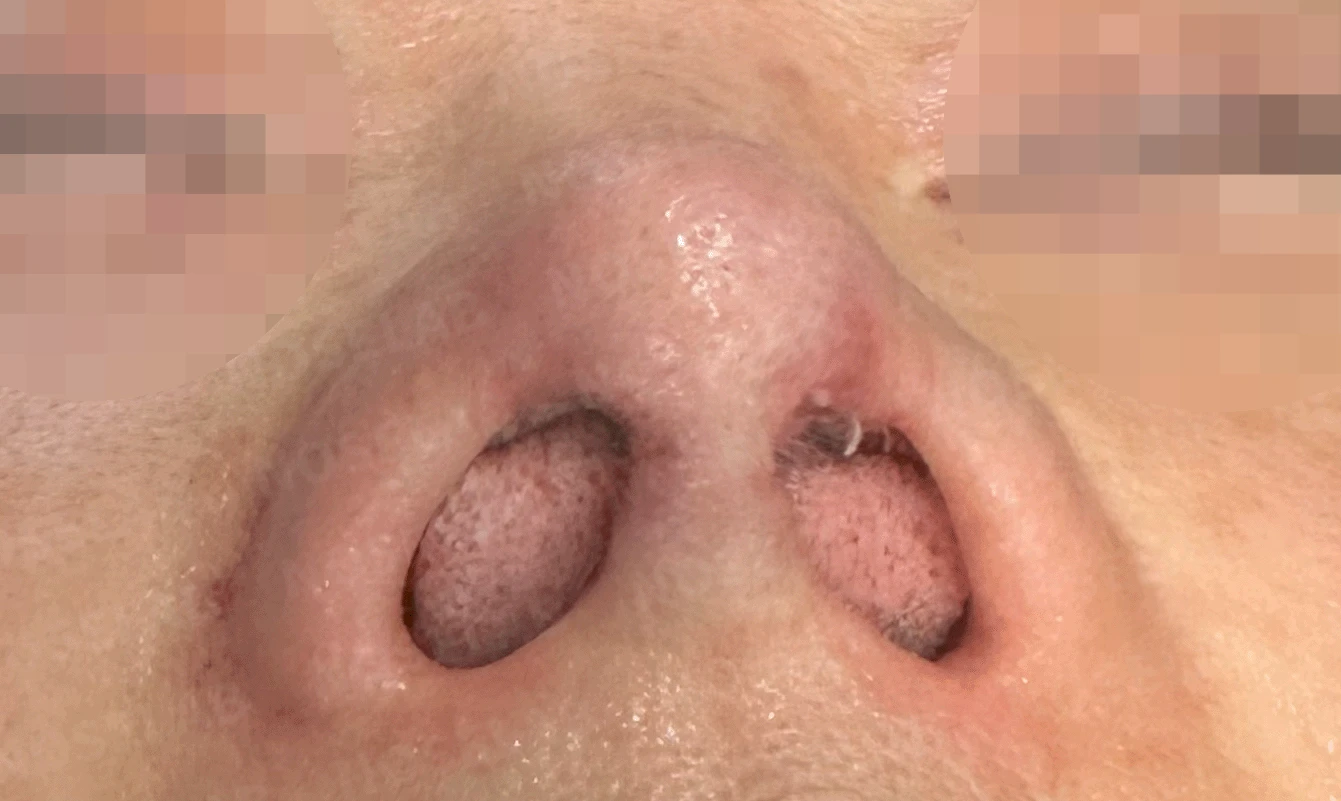
Nostril view on day 0 immediately after surgery Photos taken immediately after surgery show swelling and may differ from the final result.
This was a case where the patient had undergone several rhinoplasty surgeries over a long period of 18 years, yet struggled with an upturned nose and retracted columella that never improved. Upon examination during surgery, it was confirmed that more than 2/3 of both lower lateral cartilages had been removed, which weakened the supporting structure and caused the upturned nose.
Although the patient mistook this for a contracted nose, it was actually a deformity resulting from damage to normal cartilage structures. Using autologous rib cartilage, the lower lateral cartilages were reconstructed and septal extension was performed to correct the upturned nose. In addition, the columella was lowered naturally, improving the nasolabial angle and addressing the appearance of a protruding mouth.
Because the patient had an allergy to cephalosporin antibiotics, special care was taken in medication selection, and surgery was conducted while also taking into account the patient's pre-existing aggravated rhinitis symptoms.
This was Dr. Peter C. Kang. Thank you.
Thank you.
#closedrhinoplasty #revisionrhinoplasty #upturnednosecorrection #autologousribcartilage #customrhinoplasty

Limitations and risks
When autologous rib cartilage is used, scarring and pain may remain at the donor site on the chest, and pneumothorax (pleural injury) can occur rarely. Over time, the grafted cartilage may warp or undergo partial resorption.
When revising after implant removal, contracture may progress again after removal, the nasal height and length may decrease, and staged surgery may be necessary depending on the skin condition.
When the septum is corrected at the same time, nasal obstruction may persist or recur, and in rare cases, septal perforation or changes in smell may occur.
Common potential risks include infection, bleeding, asymmetry, scarring, skin necrosis, and insufficient improvement; results vary depending on individual skin condition and previous surgical history.