Hello, I am Dr. Peter C. Kang.
Today, I would like to introduce the case of a patient who visited our clinic because concerns regarding the profile line and bulbous tip remained unresolved despite multiple prior nose surgeries.
🔍 Surgical history
The patient had a history of undergoing 3 previous nose surgeries.
In the first surgery, the patient underwent rhinoplasty using an L-shaped silicone implant and ear cartilage along with alar reduction. This was followed by revision rhinoplasty using a silicone implant and mesh. Finally, the patient underwent another revision using donor rib cartilage and a silicone implant, but was unable to achieve a satisfactory result.
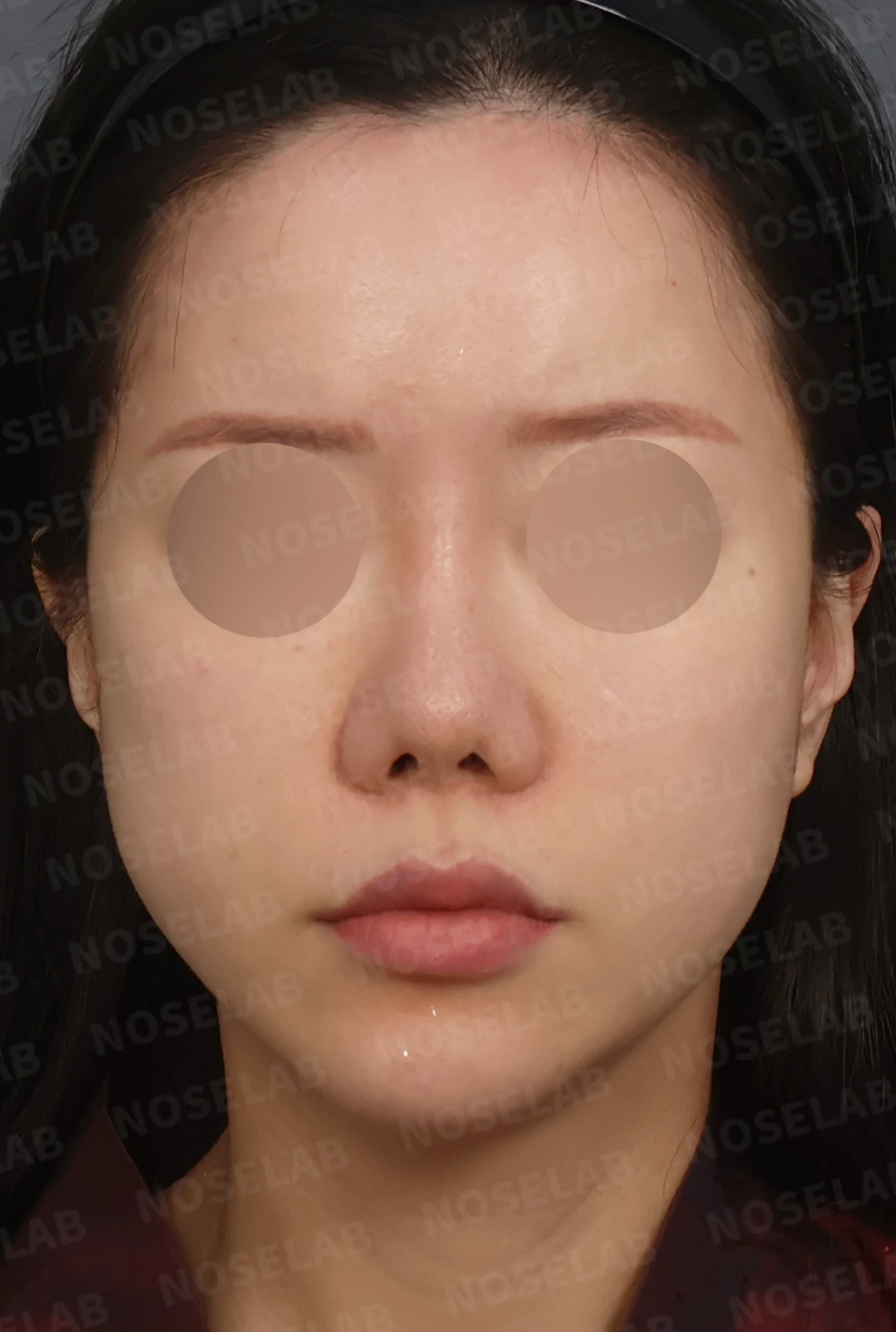
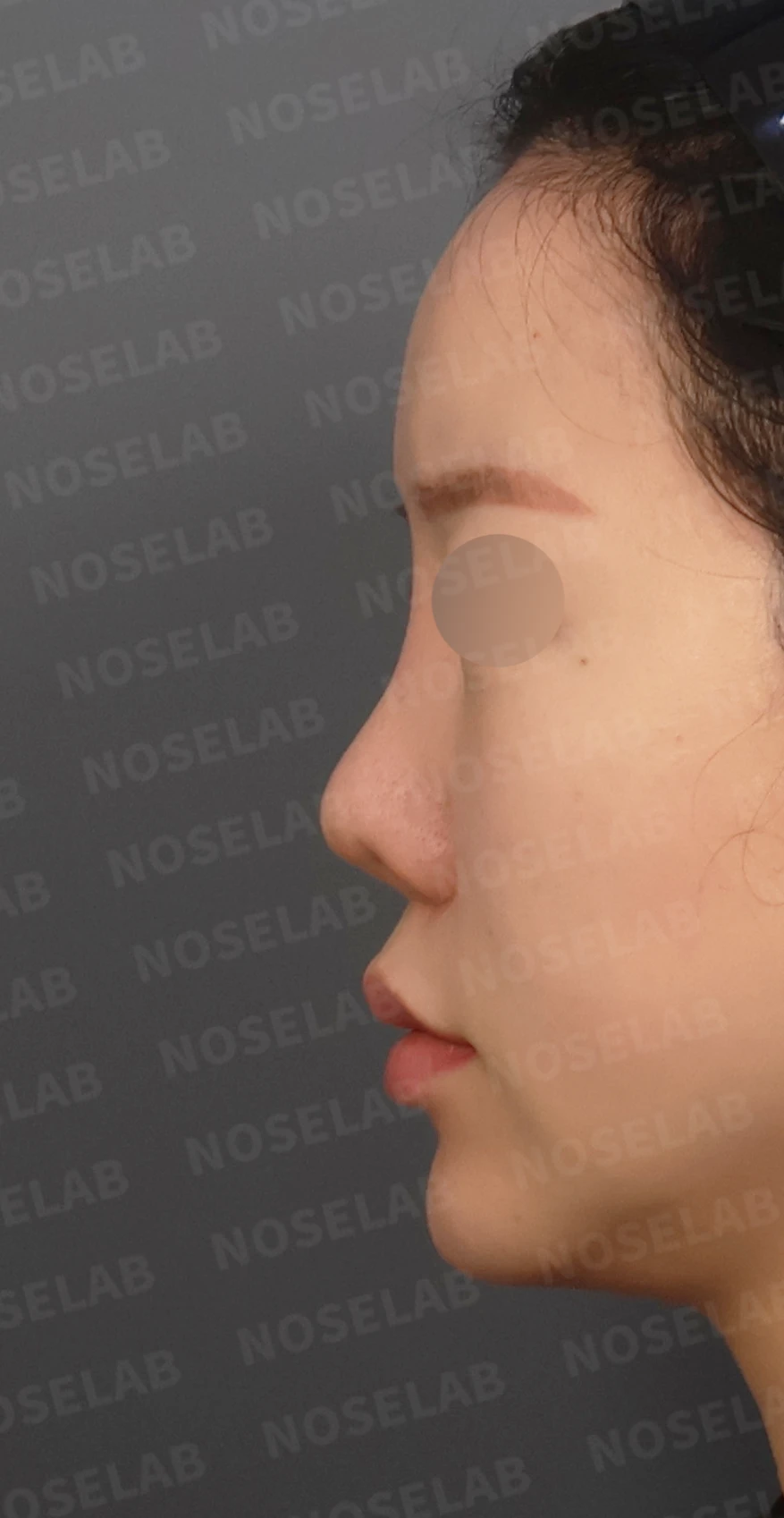
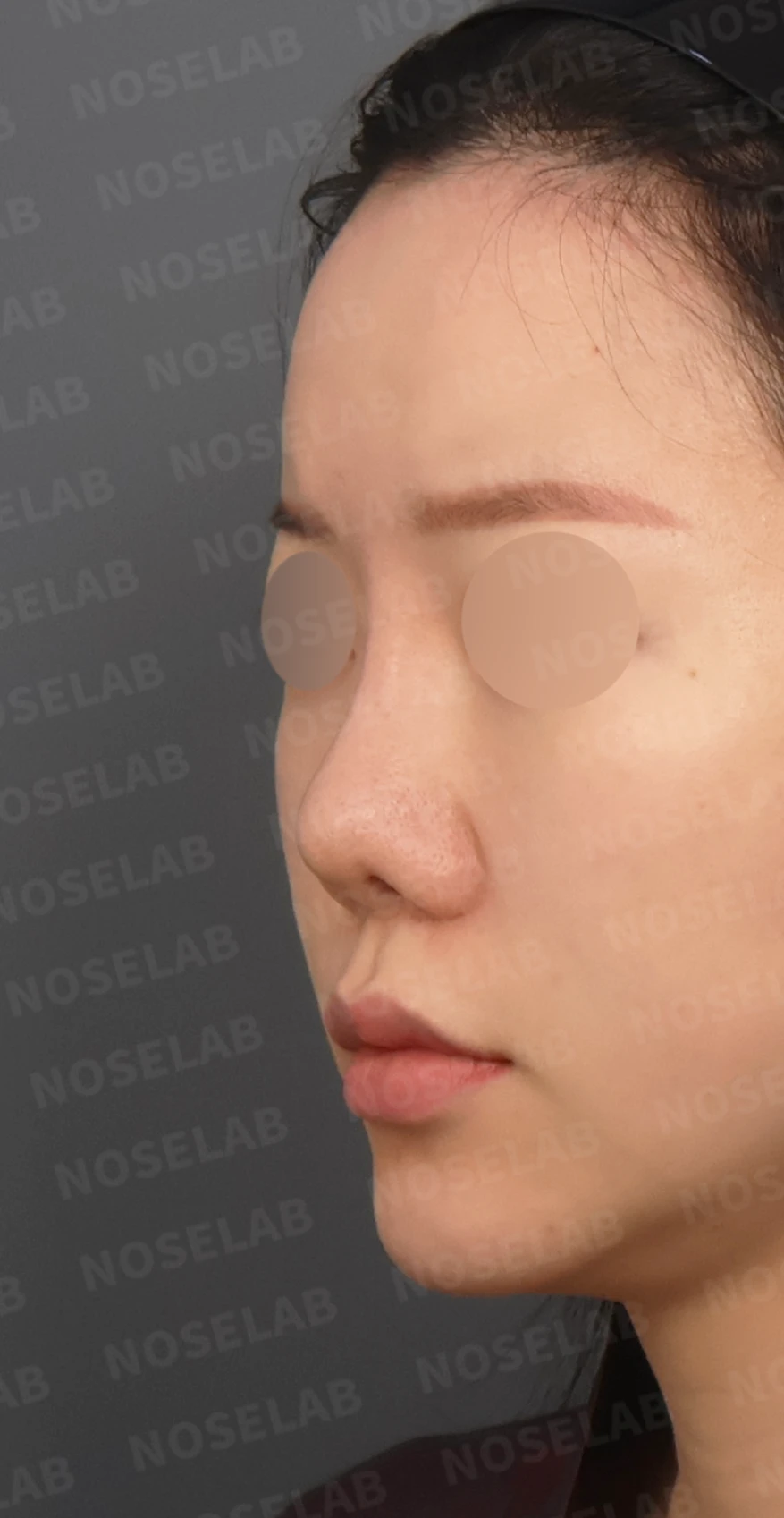
Front, left profile, and oblique views during design consultation.
💉 Patient requests
The patient's primary concerns were as follows:
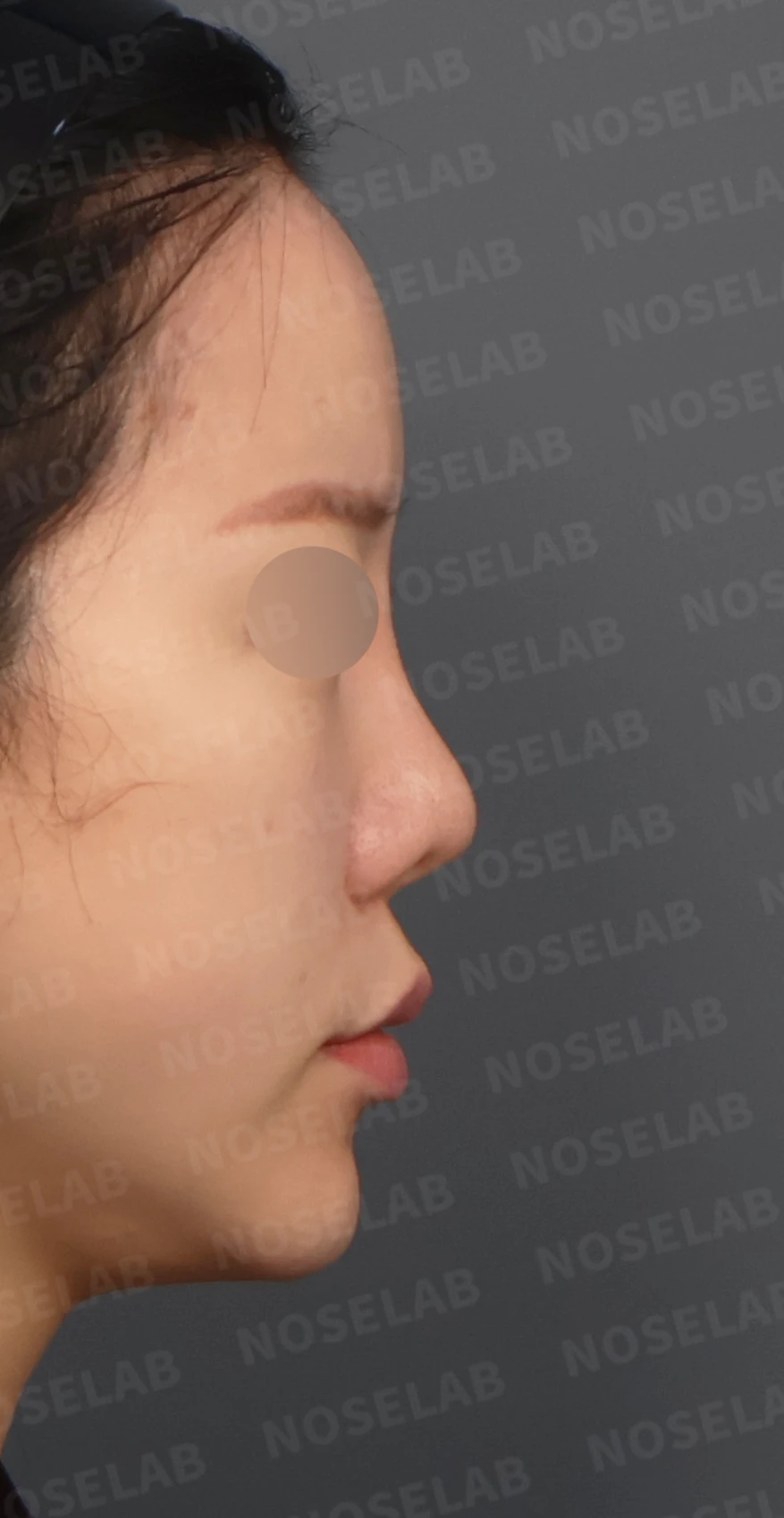
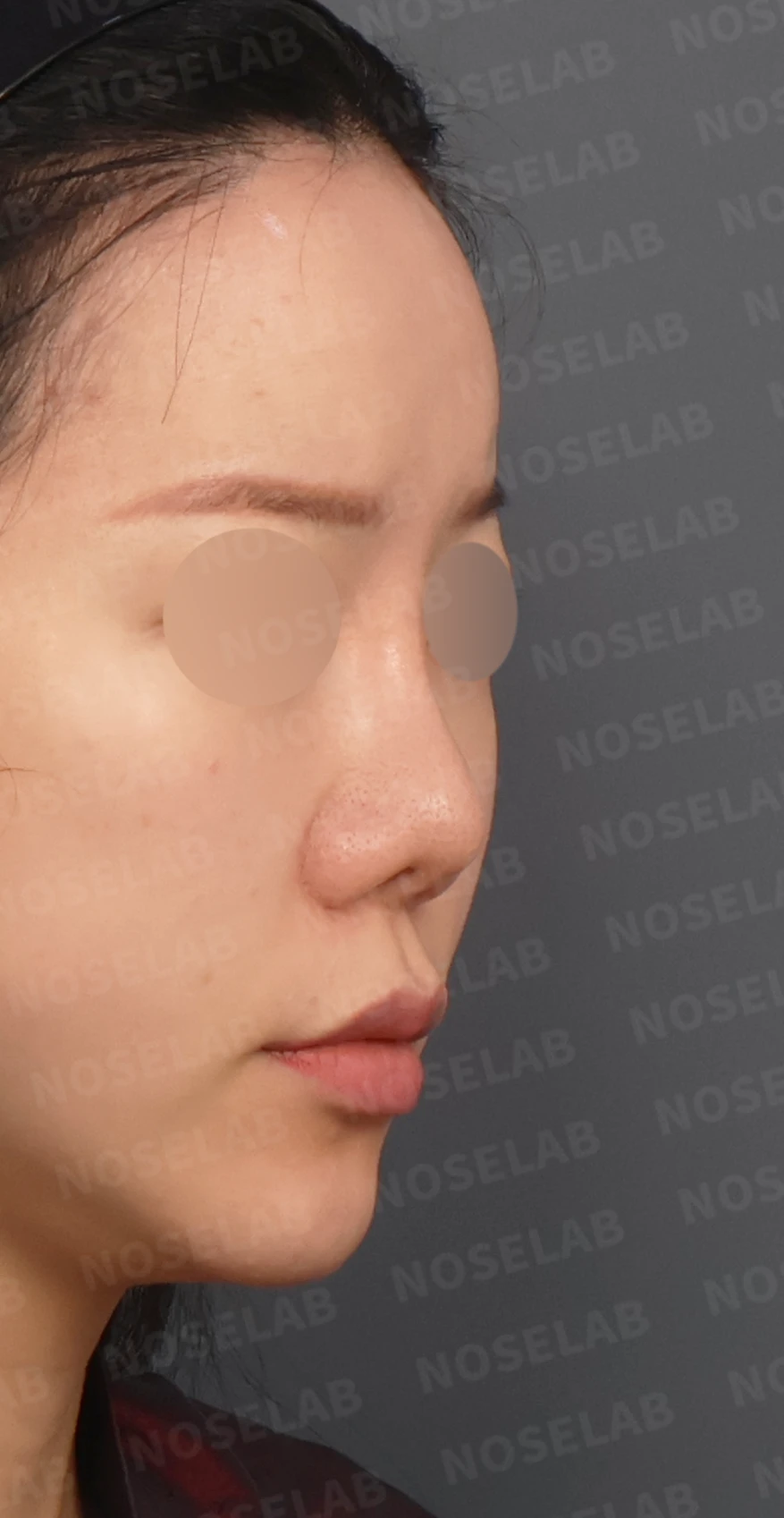
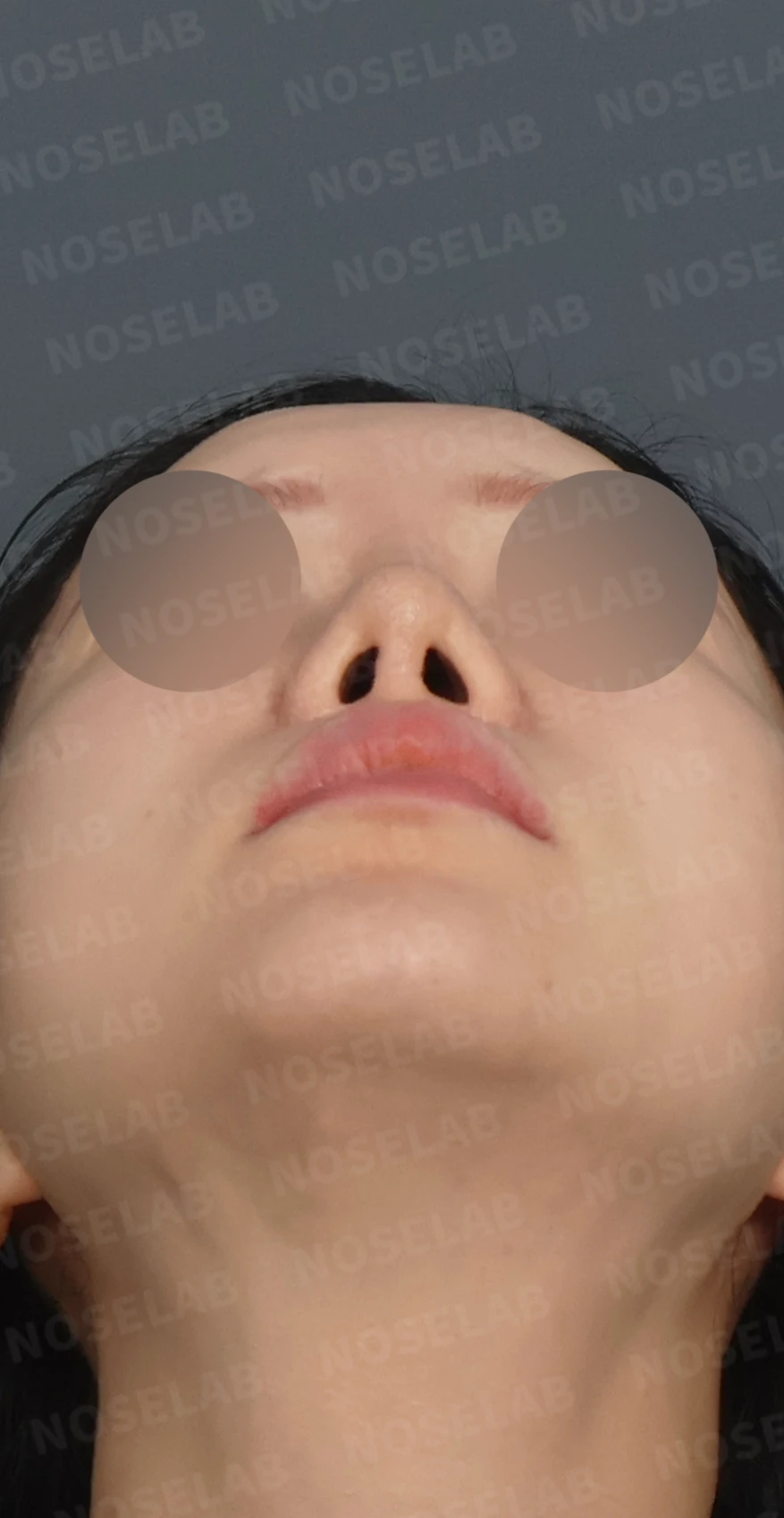
Right profile, oblique, and nostril views during design consultation.
Improving the profile line and correcting the bulbous tip
Correcting the retracted columella and short-looking nose
Correcting an excessively high radix
A refined, feminine straight bridge line
The patient had previously been told that further correction would be difficult due to a lack of available skin envelope, making this a case that required a particularly delicate approach.
🔧 Surgical plan and procedure
Upon diagnosis, excessive harvest in previous surgeries left almost no remaining septal cartilage. Accordingly, the following surgical plan was established.
1. Septal reconstruction using autologous rib cartilage
Reinforcing deficient septal cartilage with autologous rib cartilage
Firmly reconstructing the nasal tip support framework
2. Correction of the nasal radix starting point
Naturally lowering the excessively high radix
Creating a nasal line in harmony with the face
3. Nasolabial angle correction
Refining the nasal tip shape
Improving the nasal tip angle seen from the profile view
🌟 Surgical results
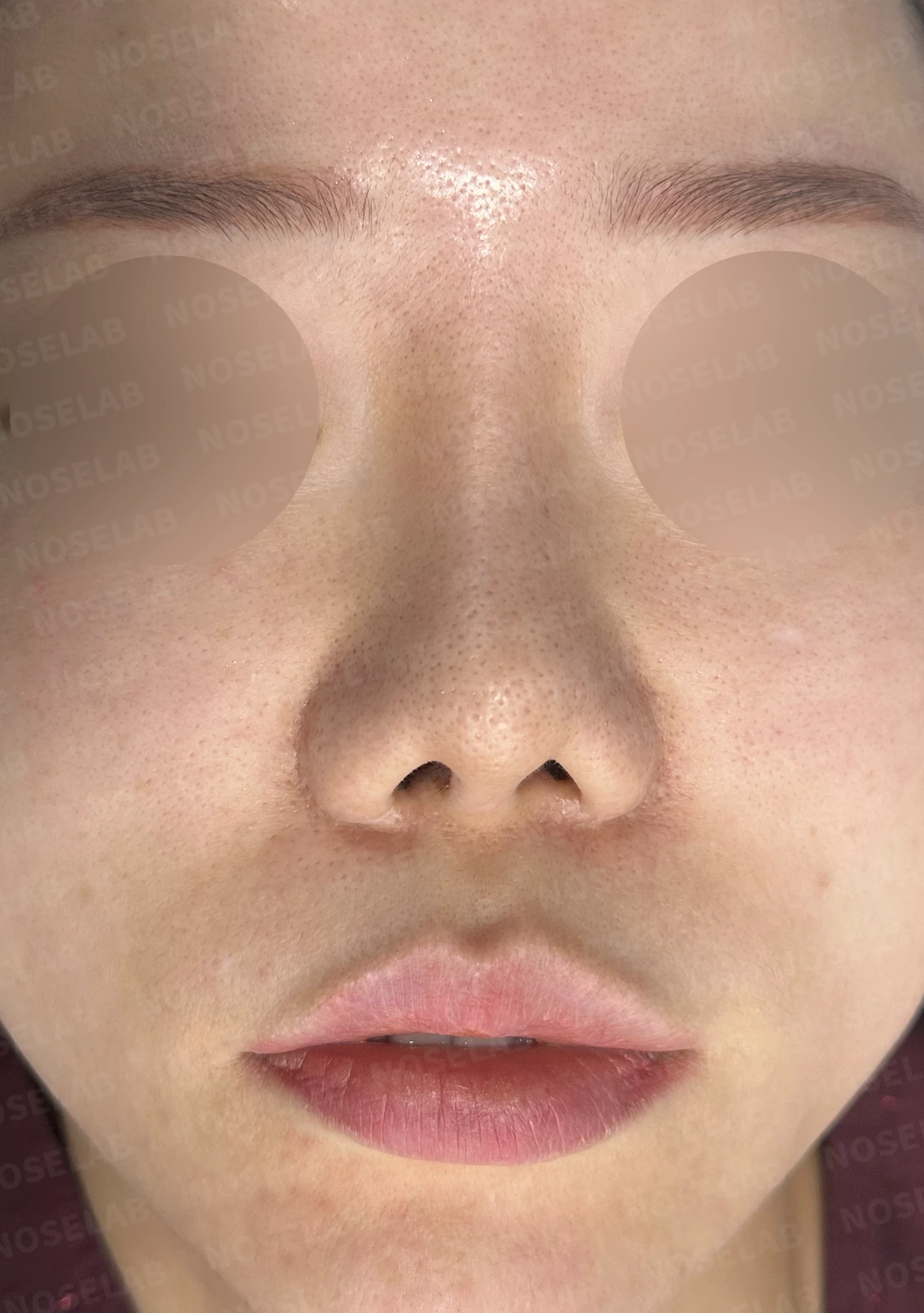
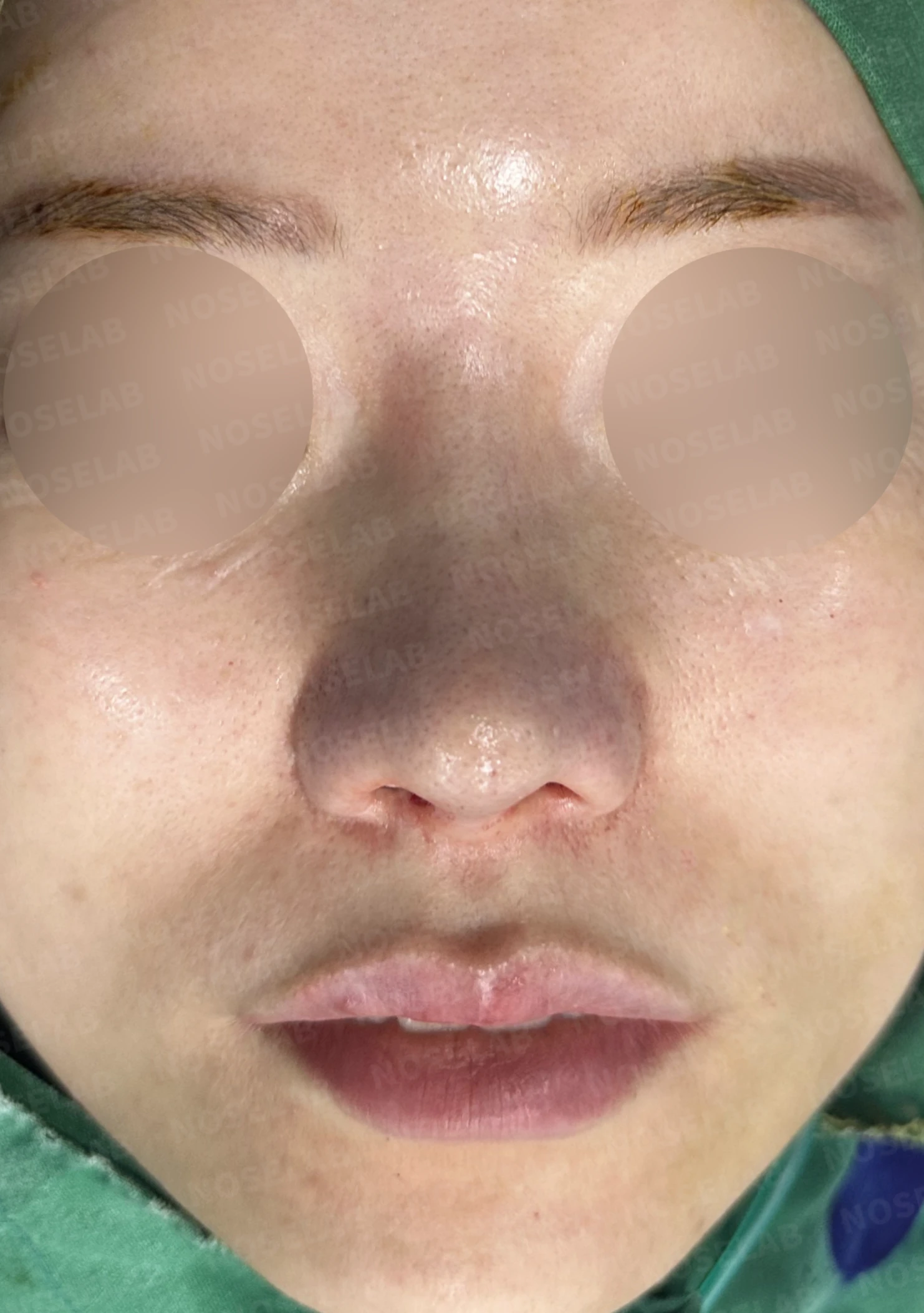
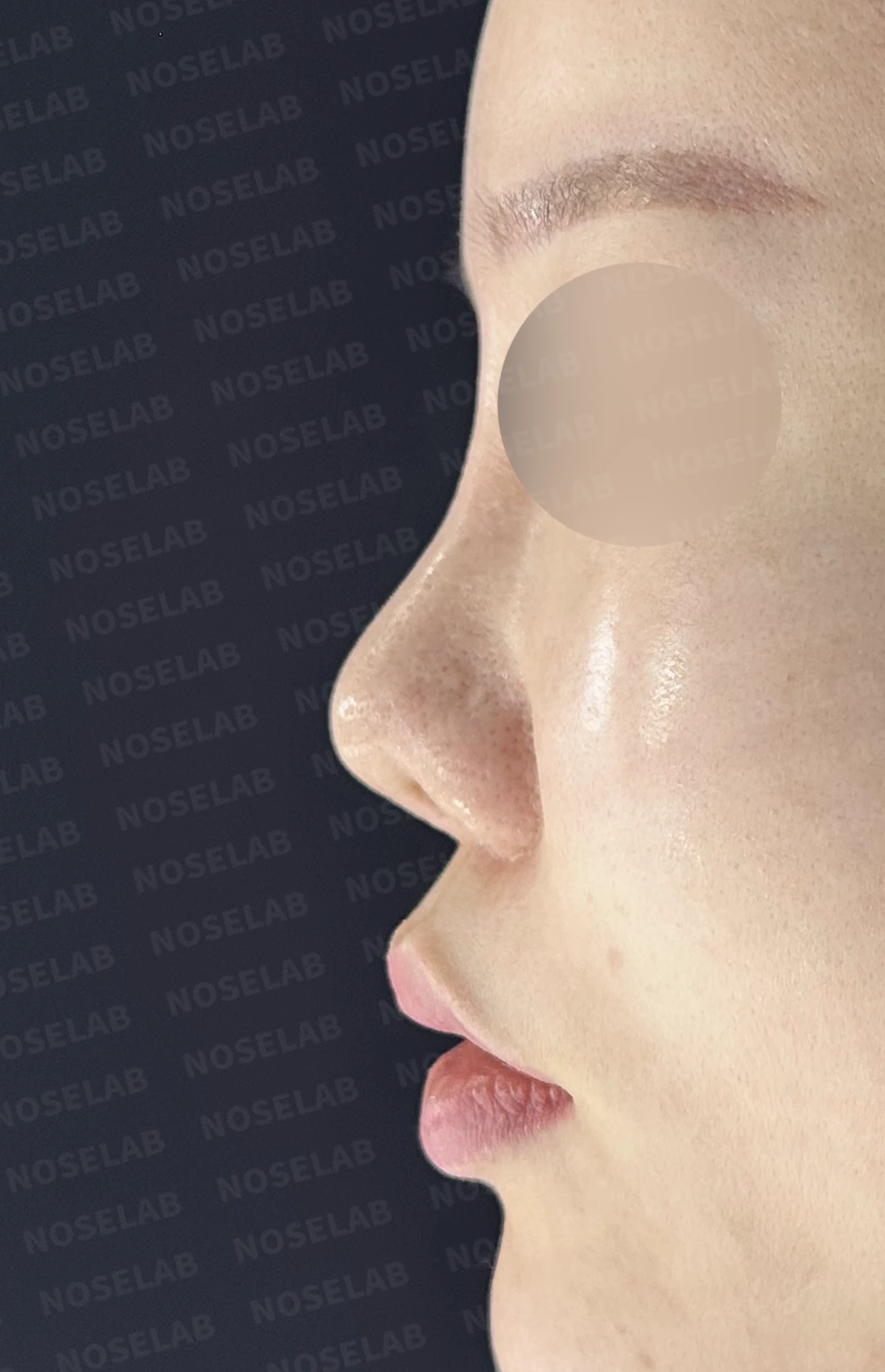
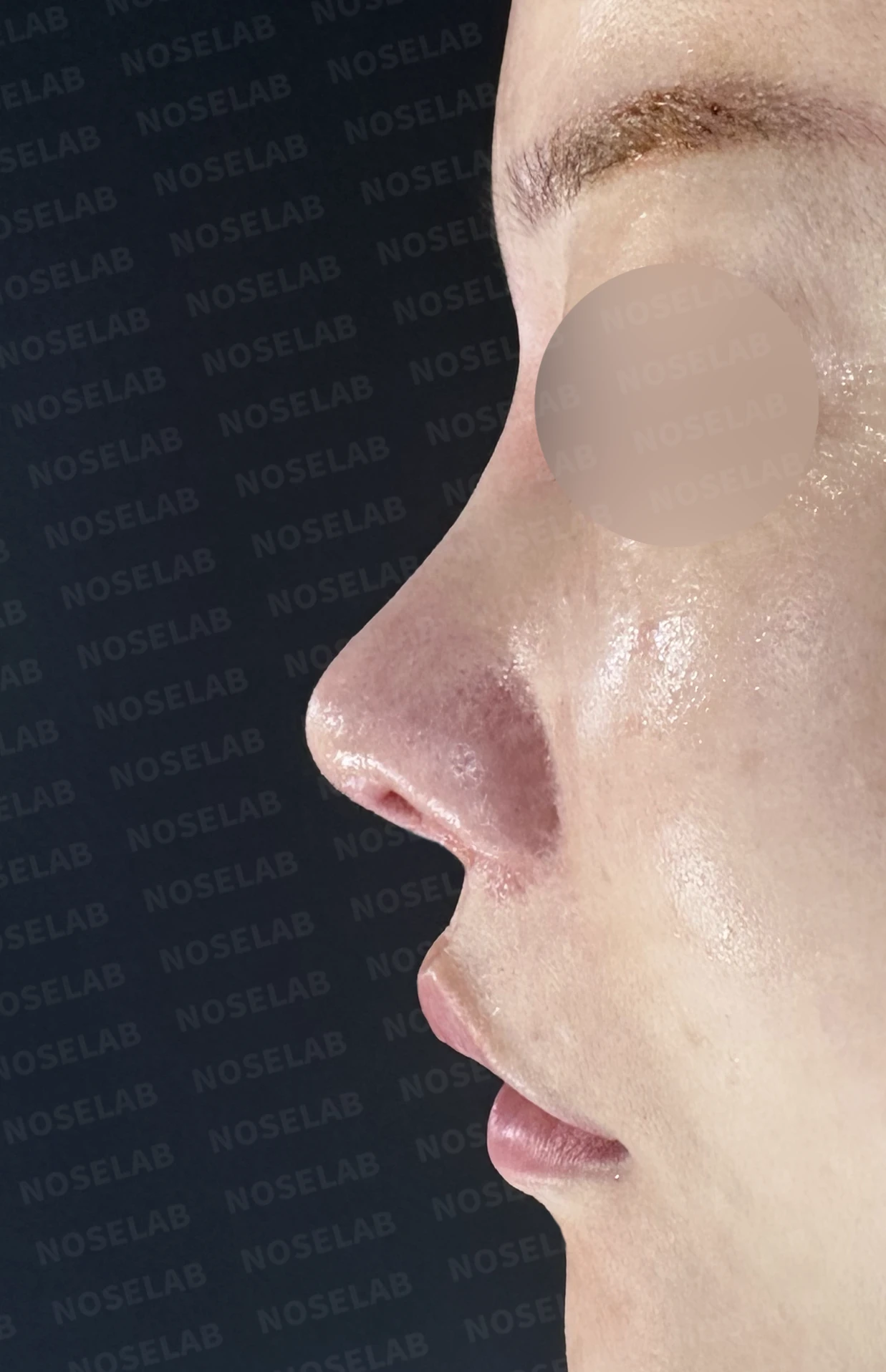
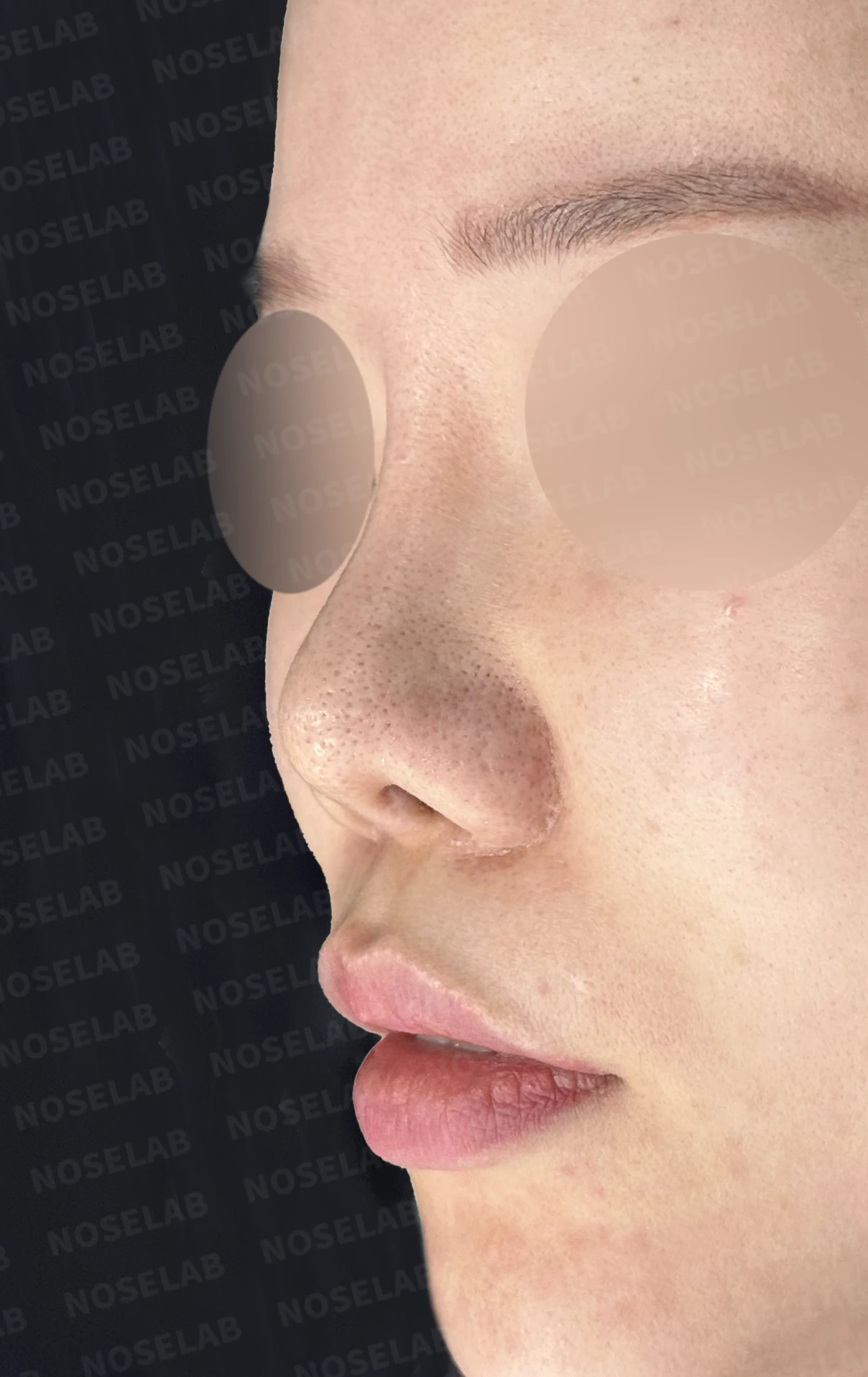
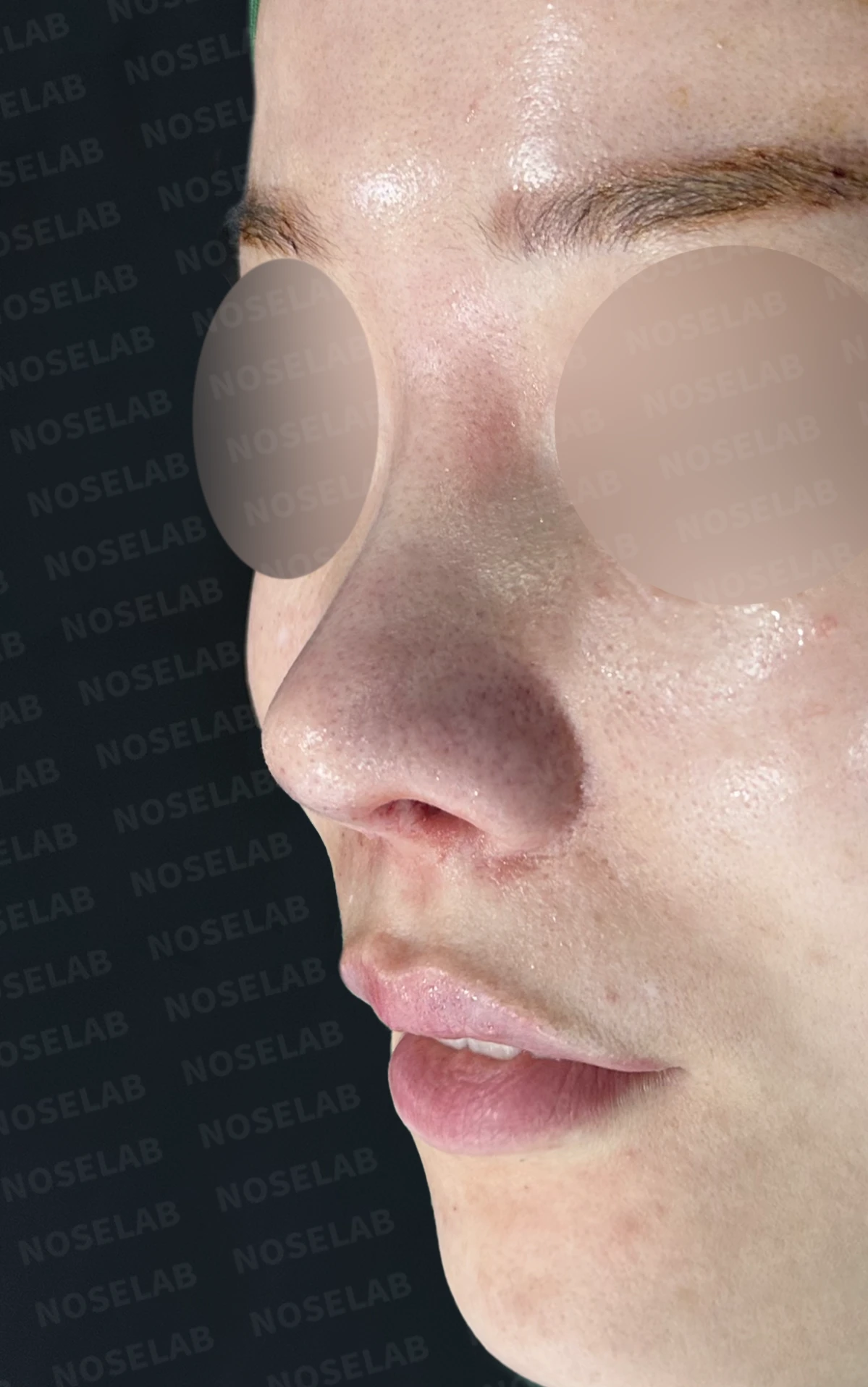
Before surgery / Day 0 immediately after surgery Photos taken immediately after surgery show swelling and may differ from the final result.
Front view changes:
Natural correction of the blunt, bulbous tip
Overall balanced nasal shape
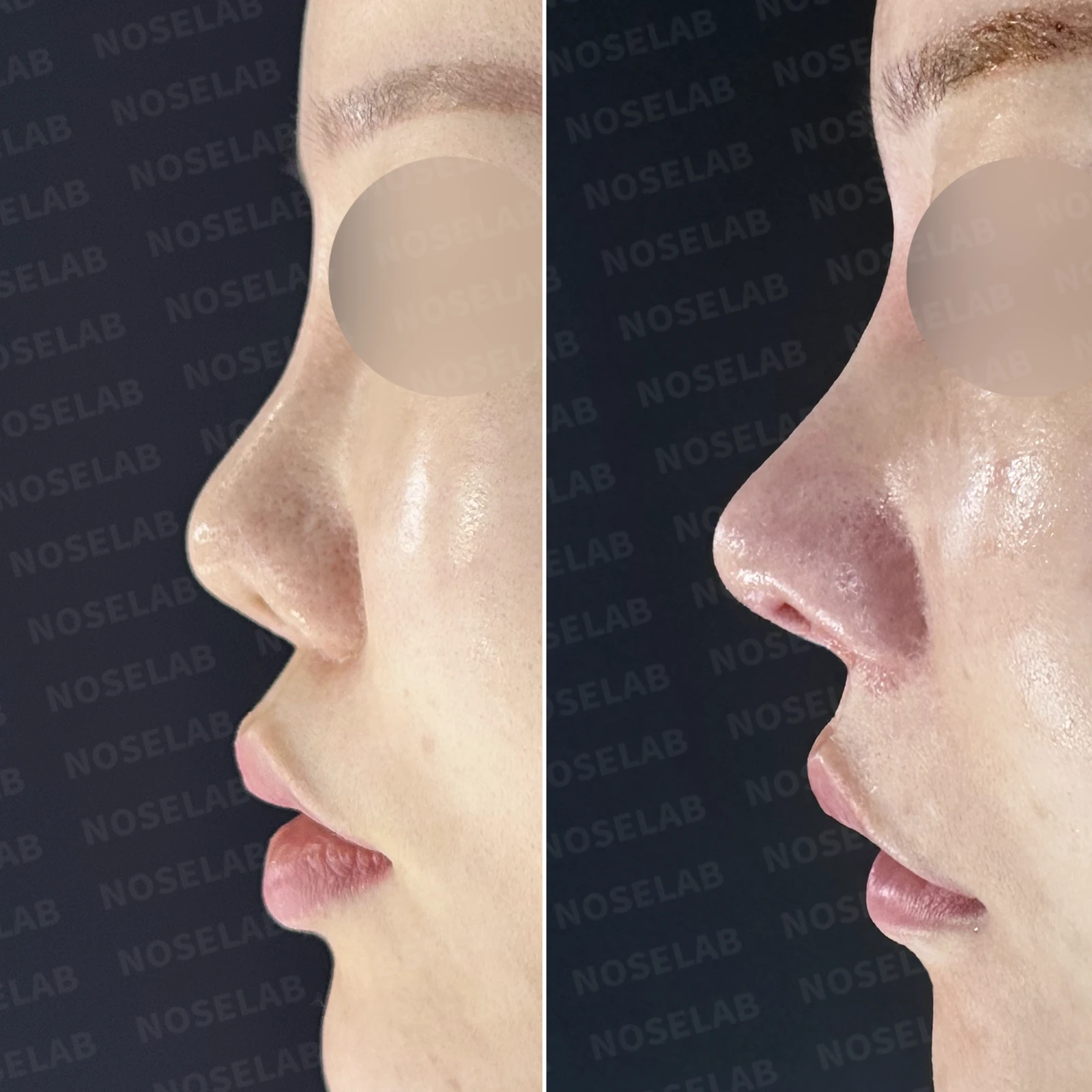
Before surgery / Day 0 immediately after surgery Photos taken immediately after surgery show swelling and may differ from the final result.
Profile view changes
The radix is naturally lowered
Feminine straight bridge line achieved
A refined nasal tip silhouette achieved through nasolabial angle correction
Before surgery / Day 0 immediately after surgery Photos taken immediately after surgery show swelling and may differ from the final result.
Changes in nostril shape
Improvement of the retracted columella
Securing adequate nasal length for a previously short-looking nose
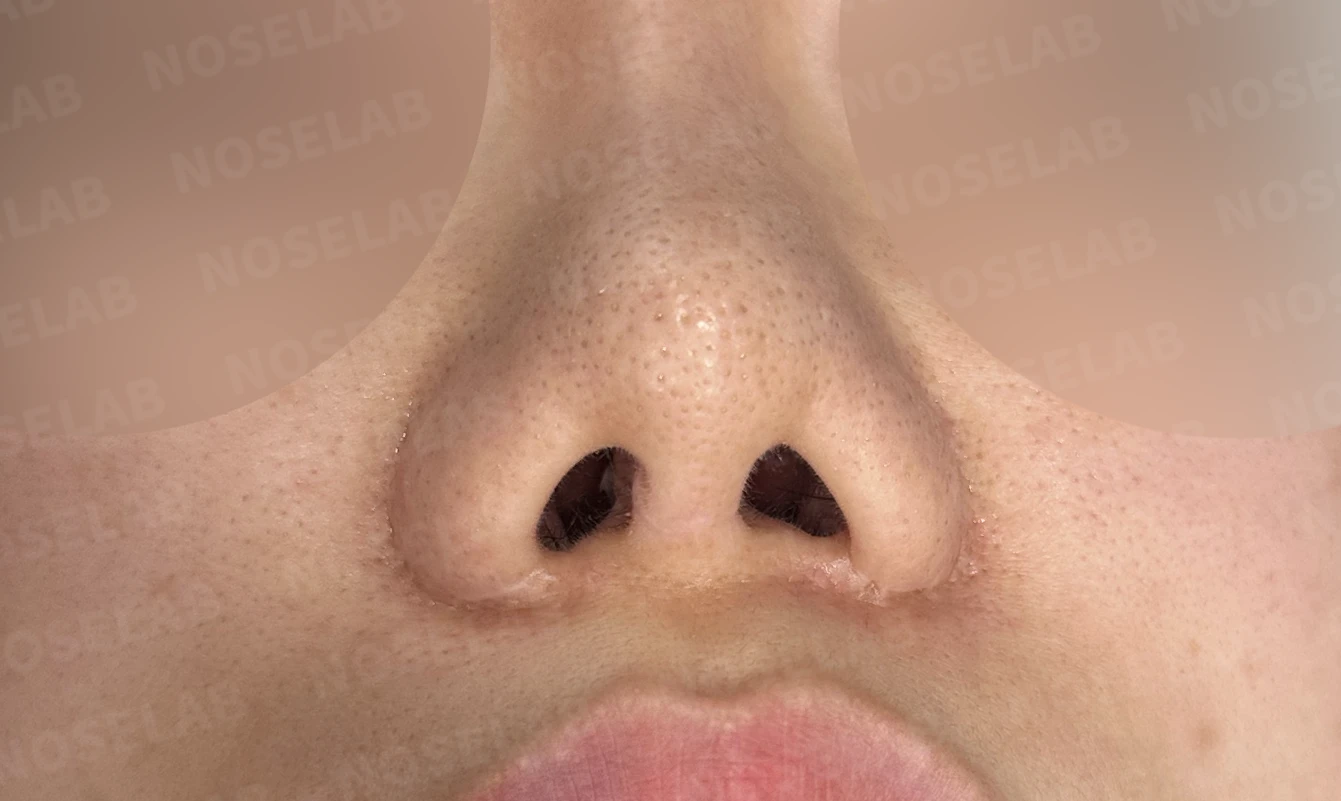
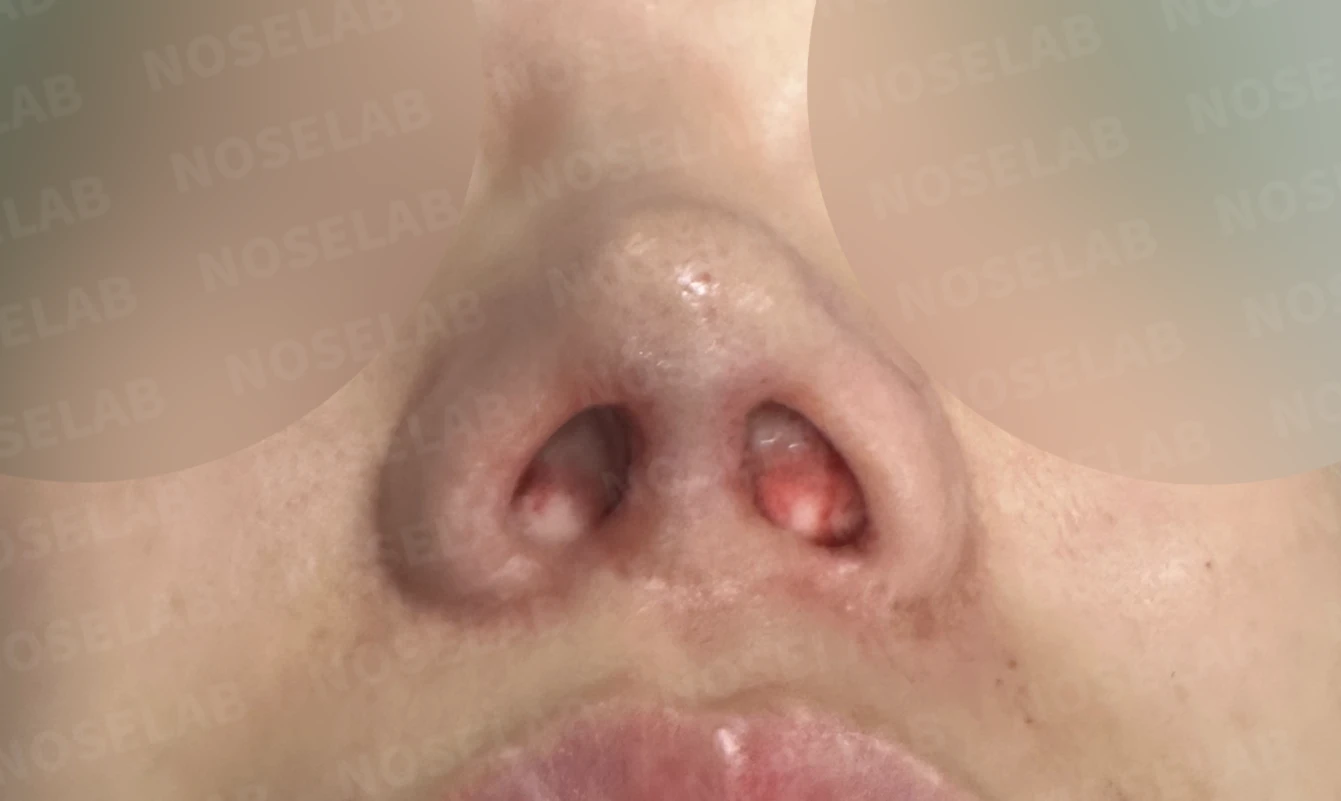
Before surgery / Day 0 immediately after surgery Photos taken immediately after surgery show swelling and may differ from the final result.
💡 Specialist opinion
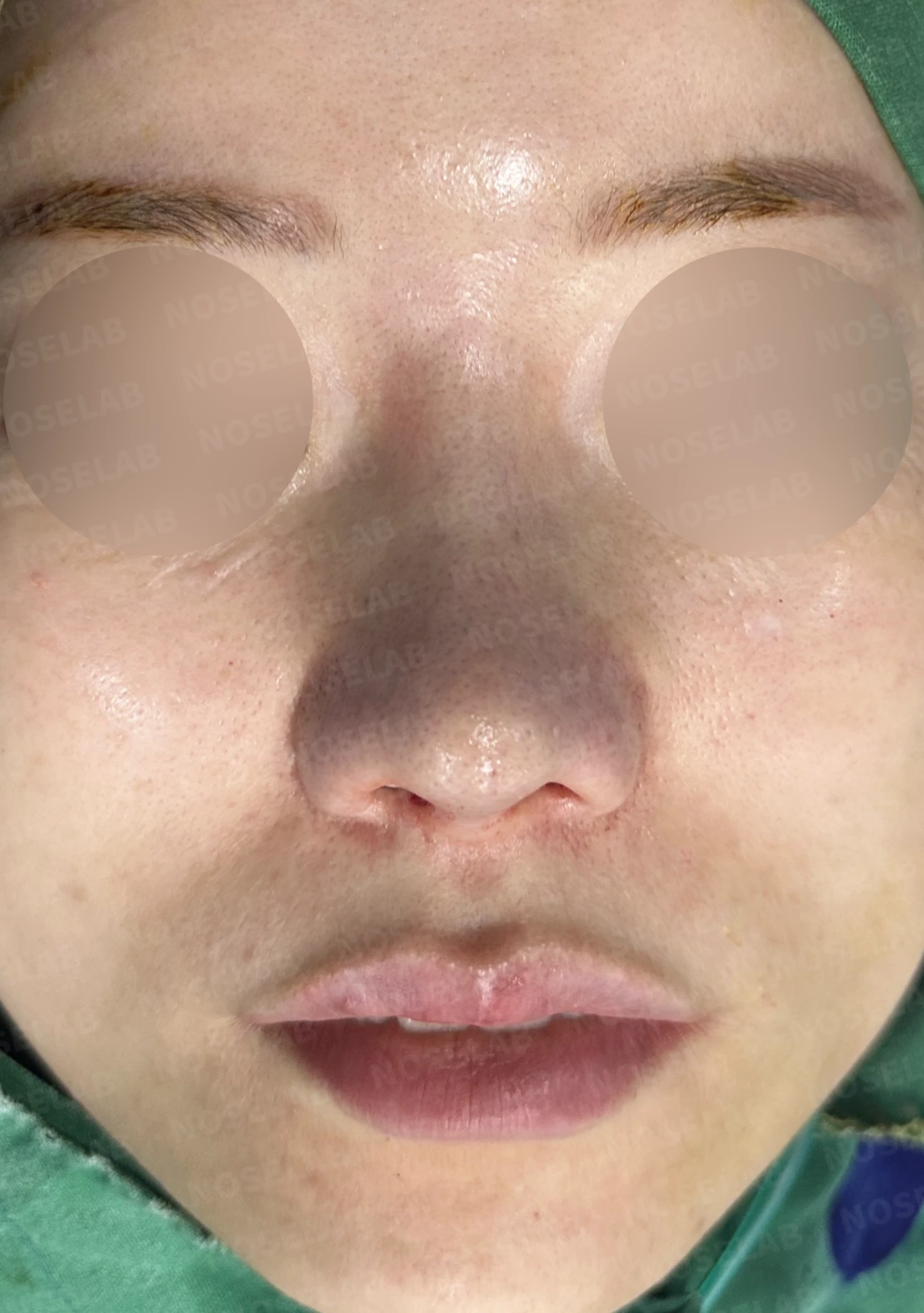
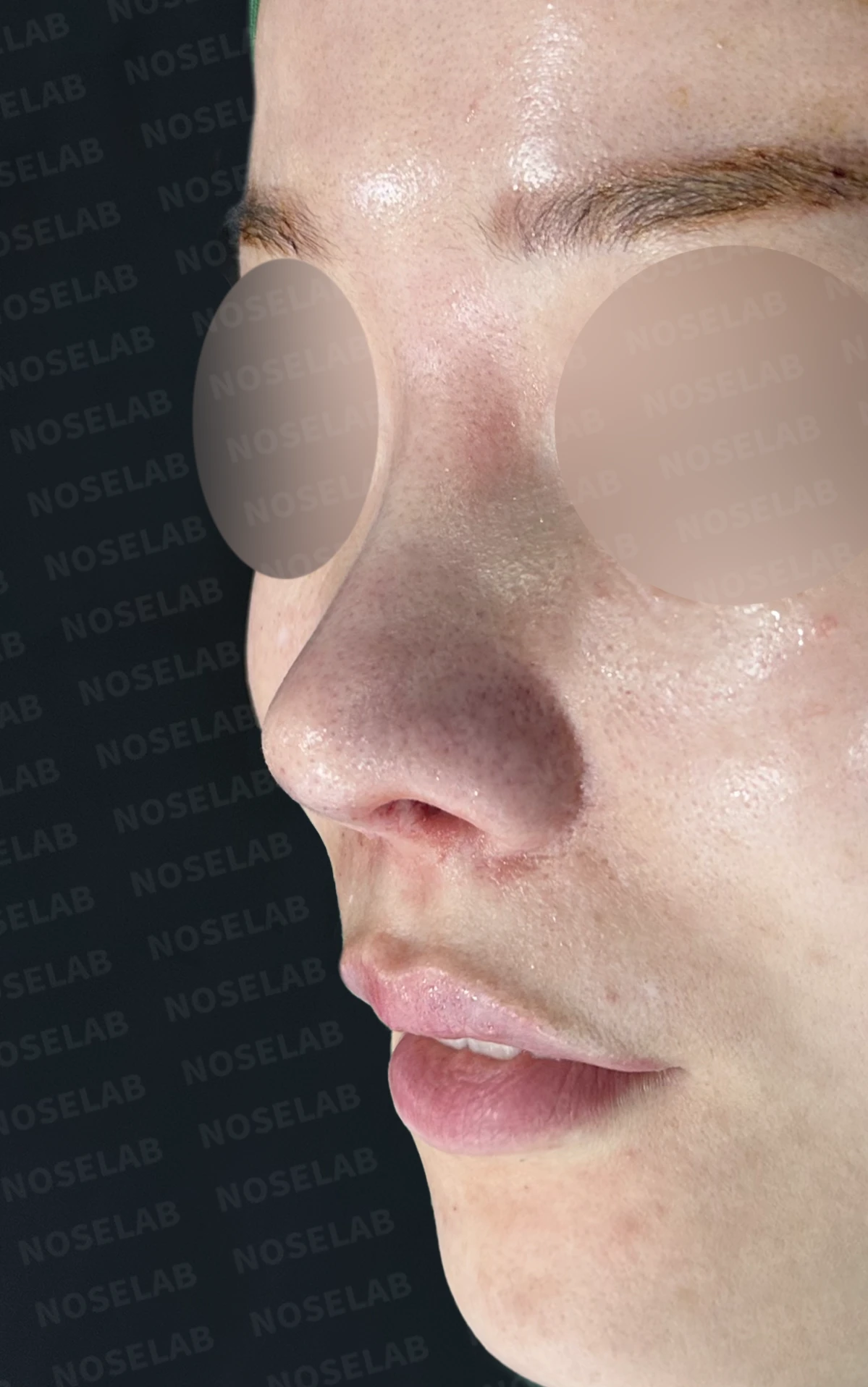
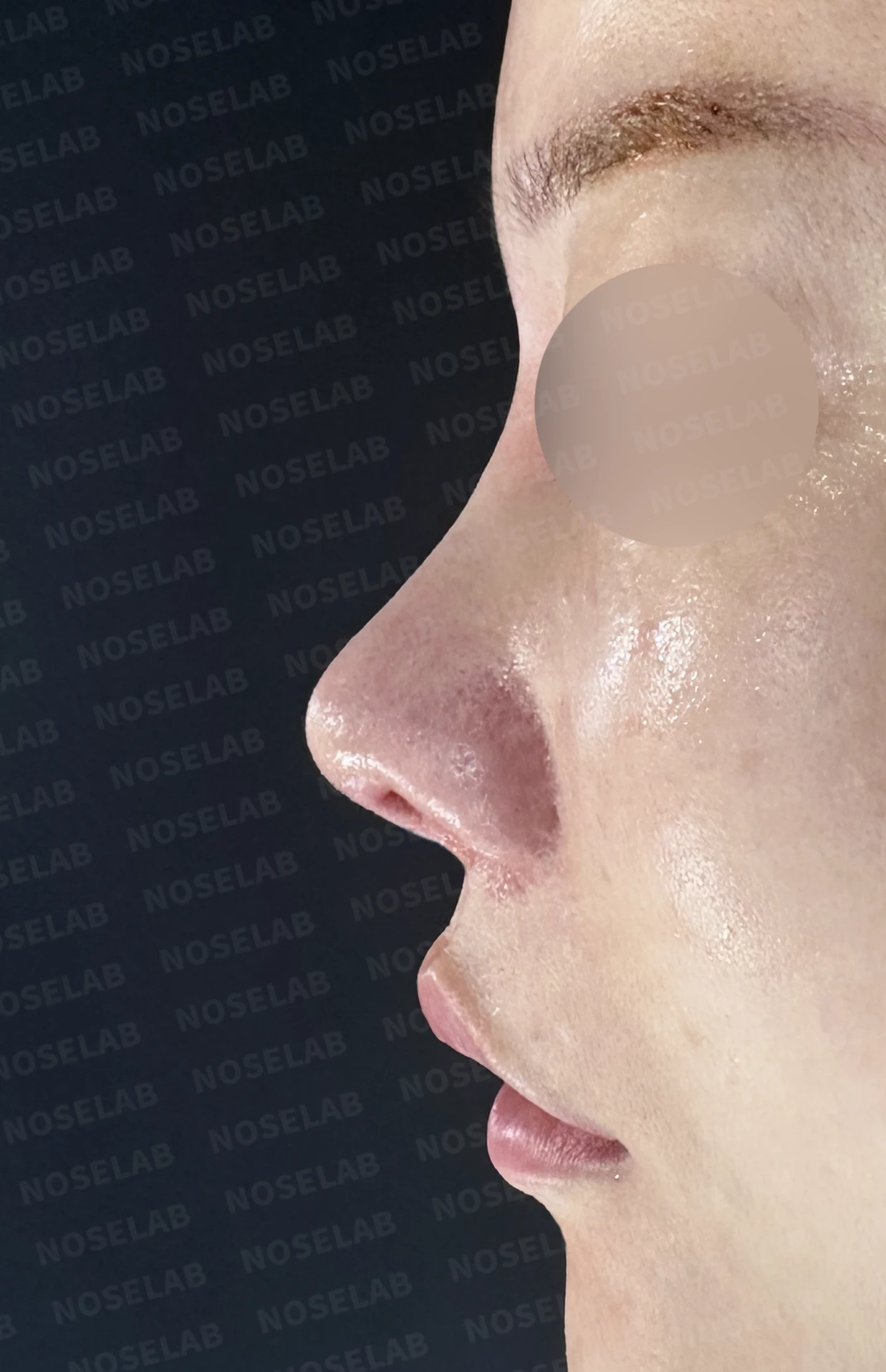
Front, oblique, and profile views on day 0 immediately after surgery. Photos taken immediately after surgery show swelling and may differ from the final result.
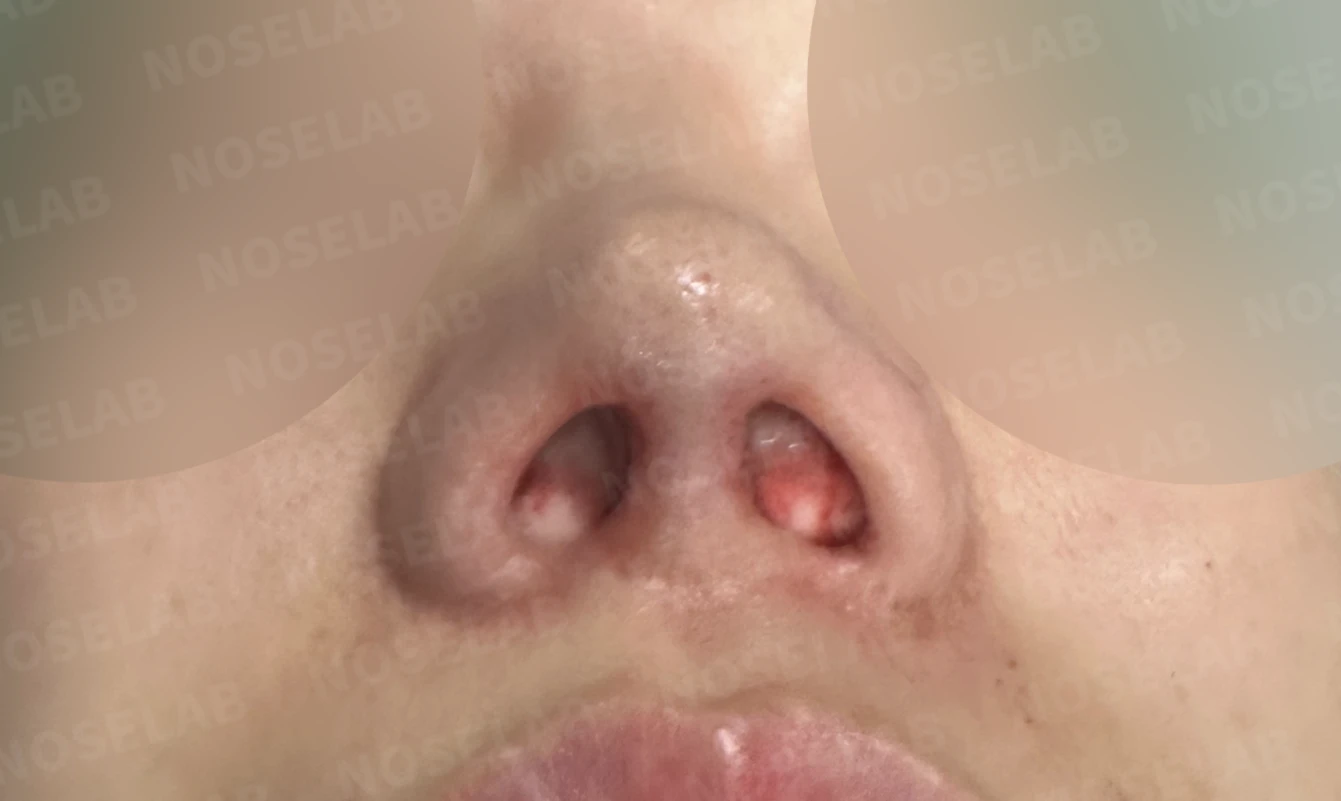
Nostril view on day 0 immediately after surgery. Photos taken immediately after surgery show swelling and may differ from the final result.
In patients who have undergone multiple surgeries, it is common that insufficient septal cartilage remains. In such circumstances, reconstructing the deficient support structure using autologous rib cartilage is important for a stable result.
In this type of case, by firmly reconstructing the weakened septum using autologous rib cartilage while concurrently adjusting the radix and nasolabial angle, we were able to create the refined nasal line desired by the patient. Especially in revision rhinoplasty, accurately assessing the condition of existing tissues and selecting the appropriate materials and surgical methods are central to achieving a successful outcome.
This was Dr. Peter C. Kang. Thank you.
#closedrhinoplasty #closedrevisionrhinoplasty #bulboustipcorrection #autologousribcartilage #revisionrhinoplasty #shortnosecorrection #nasolabialanglecorrection #septalreconstruction

Limitations and risks
When autologous rib cartilage is used, scarring and pain may remain at the donor site on the chest, and pneumothorax (pleural injury) can occur rarely. Over time, the grafted cartilage may warp or undergo partial resorption.
When using donor rib cartilage, long-term follow-up is necessary because the grafted cartilage may resorb or warp.
When the septum is corrected at the same time, nasal obstruction may persist or recur, and in rare cases, septal perforation or changes in smell may occur.
Common potential risks include infection, bleeding, asymmetry, scarring, skin necrosis, and insufficient improvement; results vary depending on individual skin condition and previous surgical history.