Hello, I am Dr. Peter C. Kang.
Today, I would like to share the case of a patient whose pinched nose and unexpectedly discovered Medpor after repeated surgeries were resolved using autologous rib cartilage.
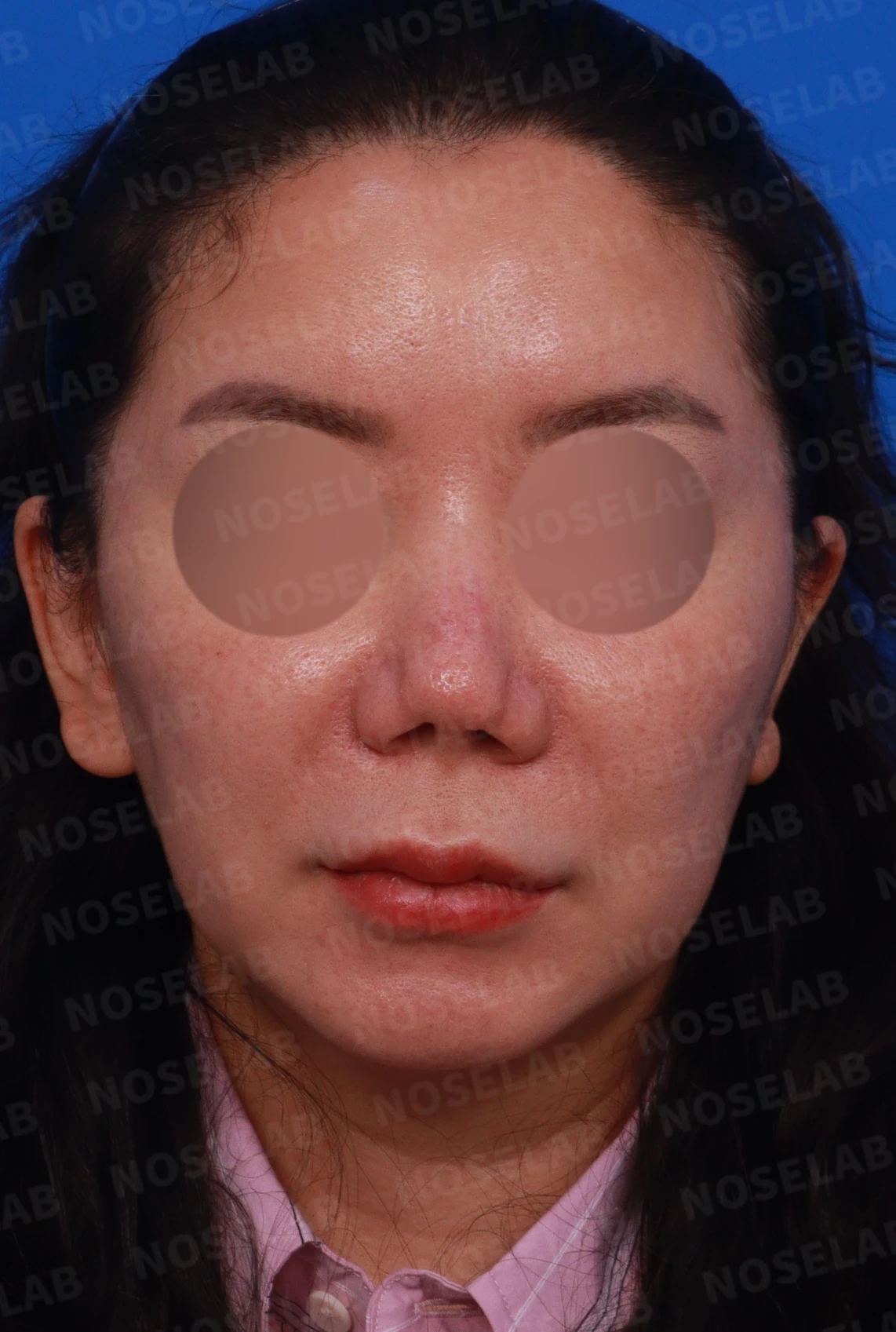
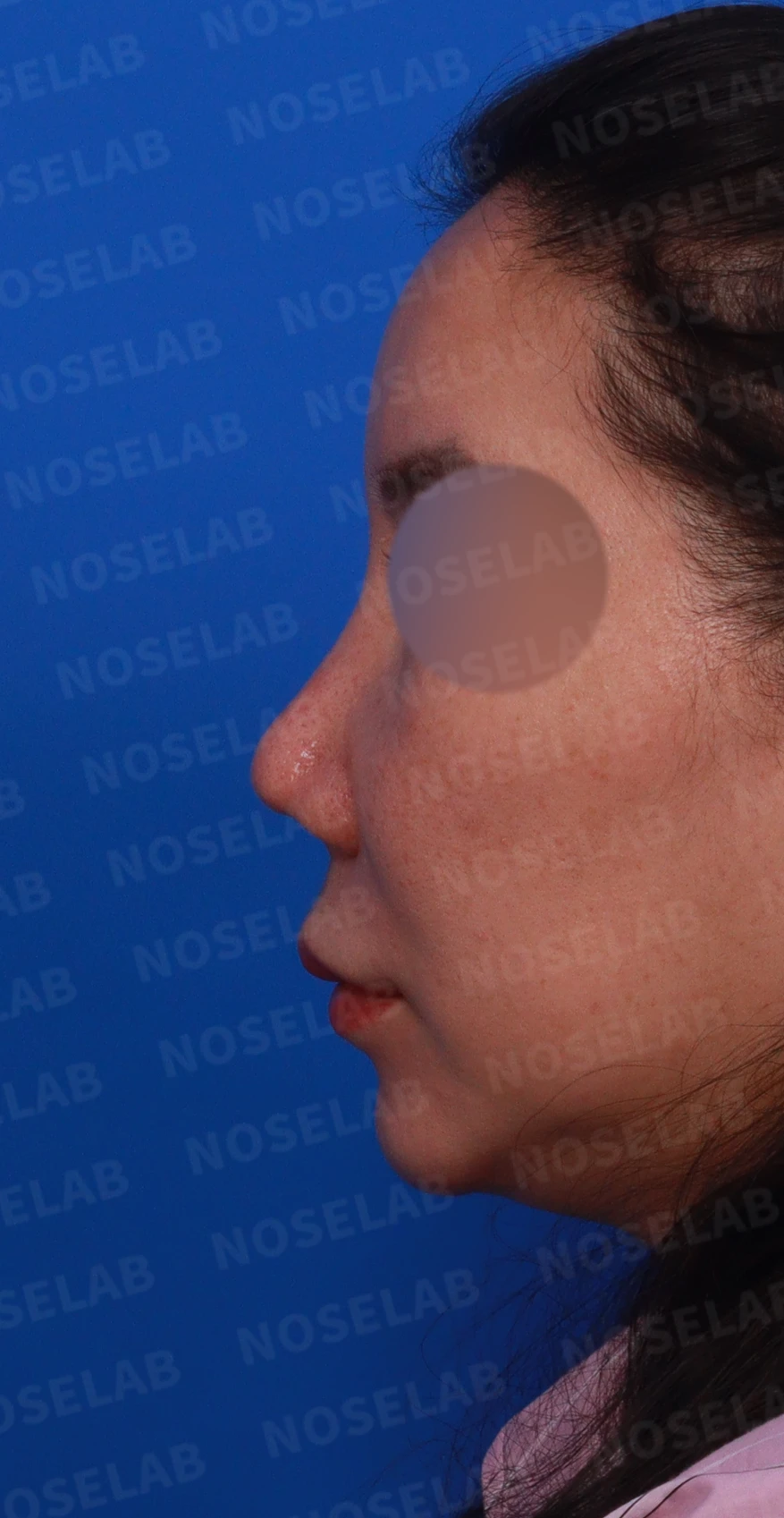
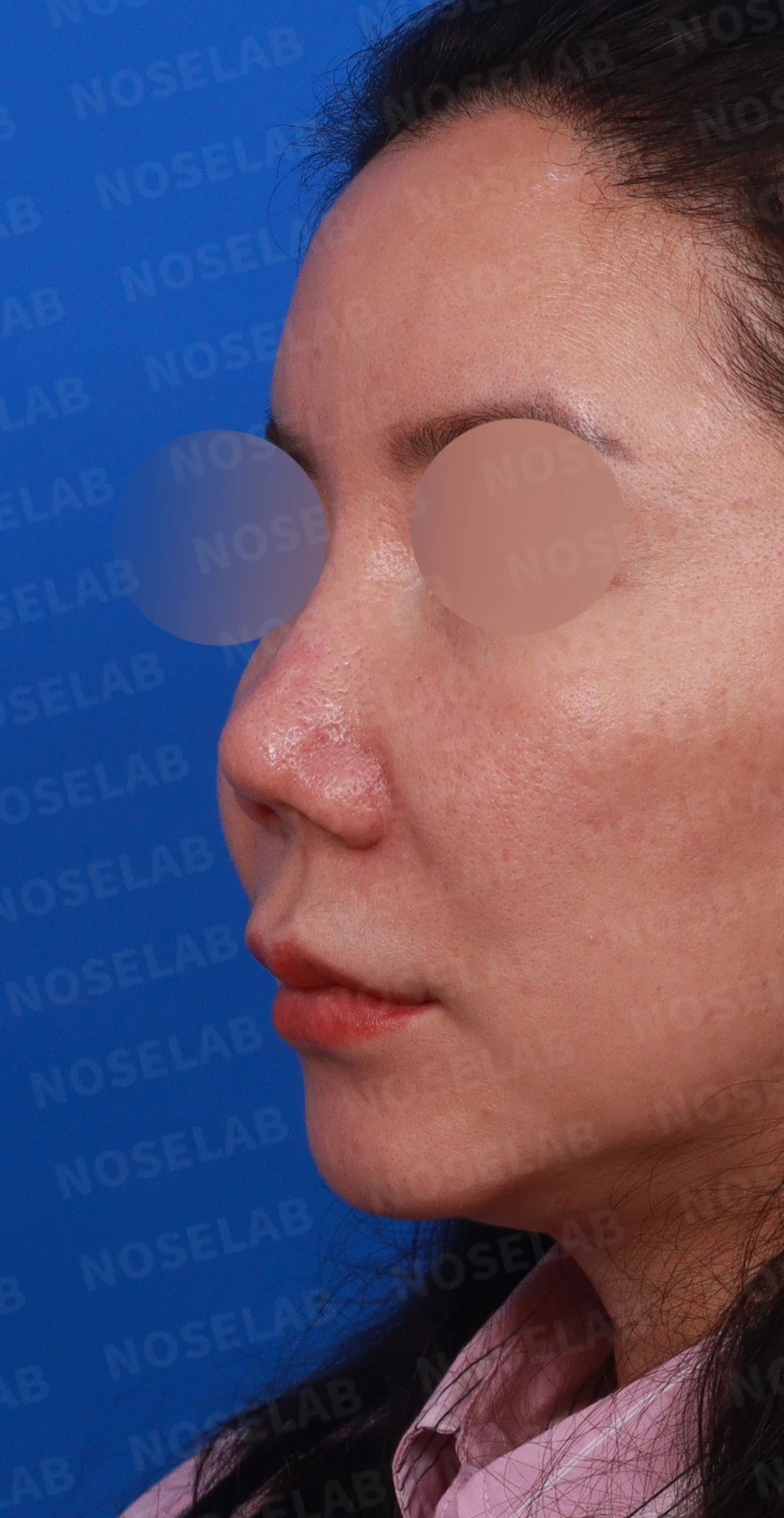
Front, left profile, and oblique views during design consultation
📍 Surgical history
15 years ago: silicone implant + ear cartilage surgery
7 years ago: silicone implant + ear cartilage surgery
5 years ago: silicone implant + ear cartilage surgery (unclear whether septal cartilage was used)
🔎 Initial consultation findings
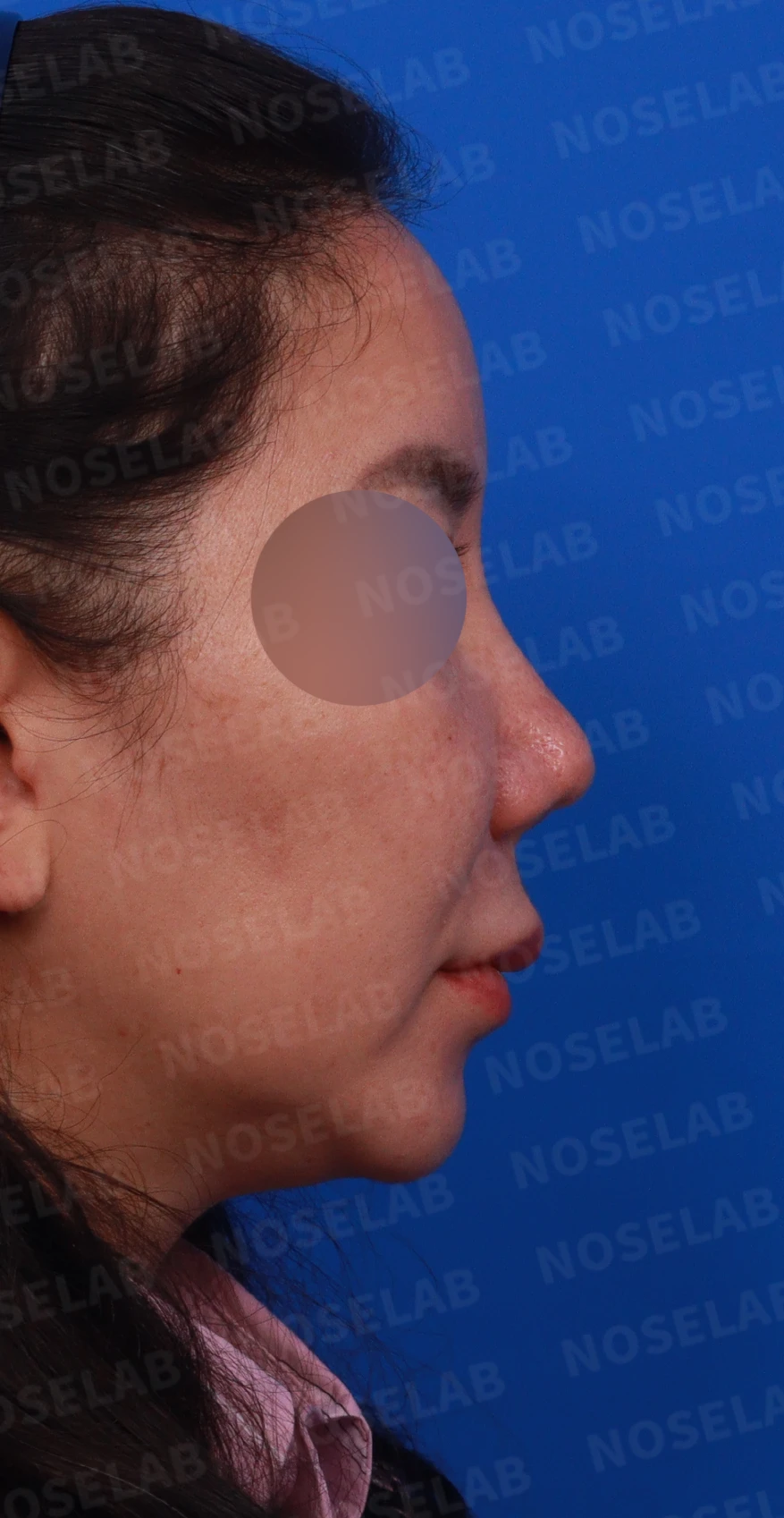
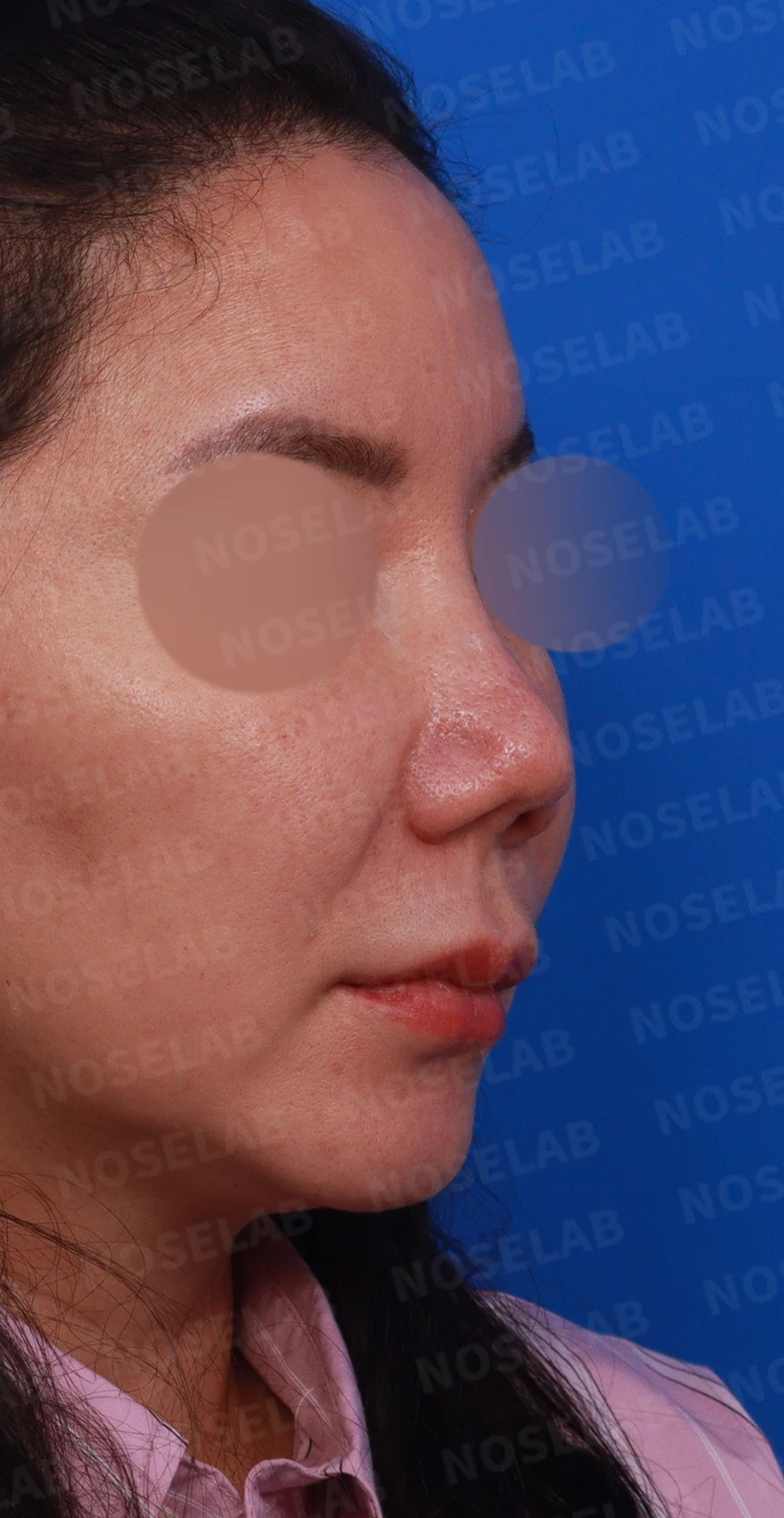
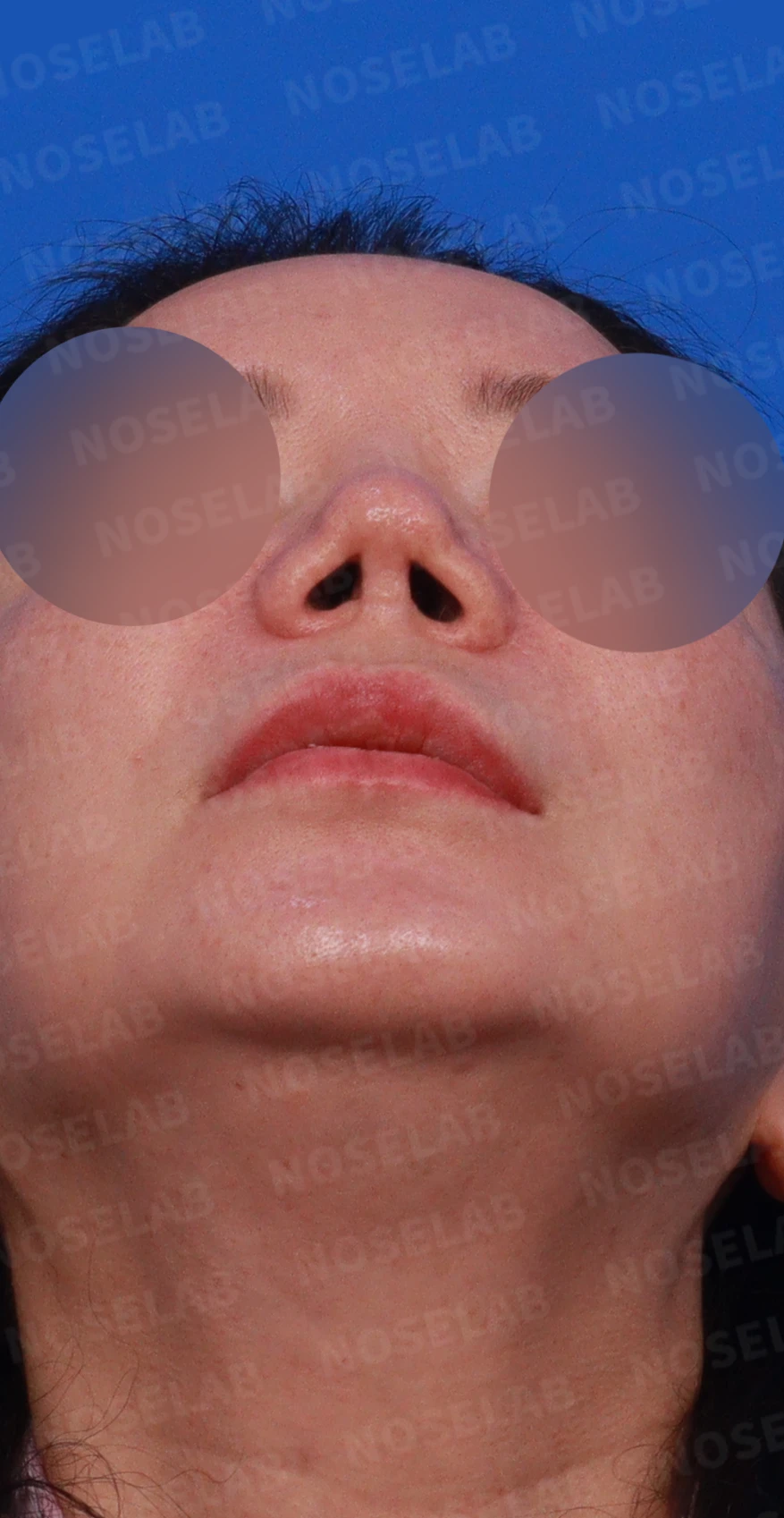
Design consultation: right oblique, profile, and basal (nostril) views
Front view
Pinched nasal tip shape
Short columella
Depressed nasal tip, alae appearing heavily lowered
Flat appearance of the nasal bridge
2. Profile view
High radix
Blunt nasal tip
Retracted, non-visible columella
3. Function
Nasal obstruction
Rhinitis symptoms
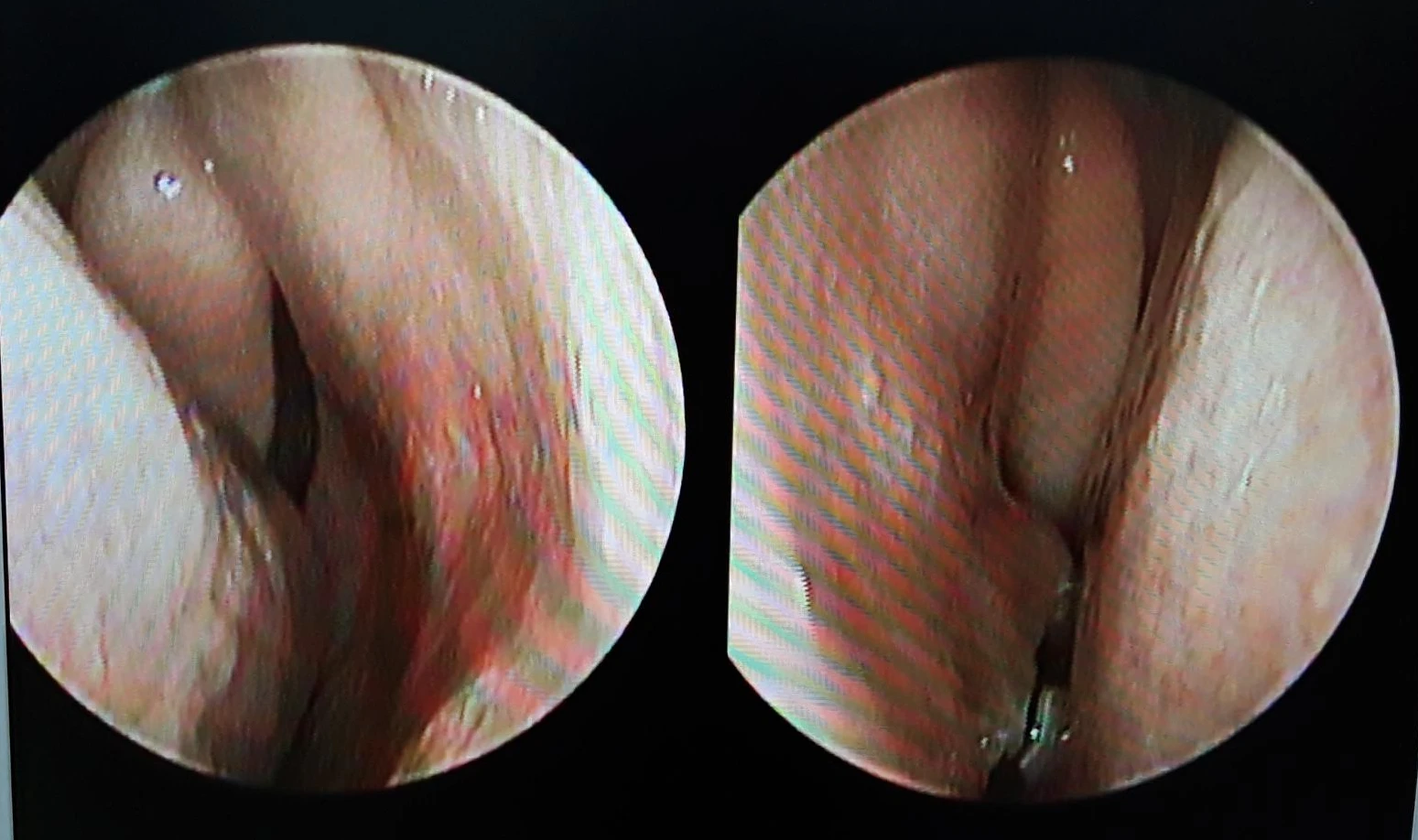
Deviated septum and hypertrophic rhinitis confirmed via nasal endoscopy
✨ Patient's requests
Slender nasal shape
Correction of the pinched areas (top priority)
Desire to lower the columella so it becomes visible
Nasal shape that does not look overly long
💉 Surgical procedure details
Unexpected findings
Medpor identified in the columella and removed
Removal of contracted scar tissue in the nasal tip
Confirmed that almost no lower lateral (alar) cartilage remained
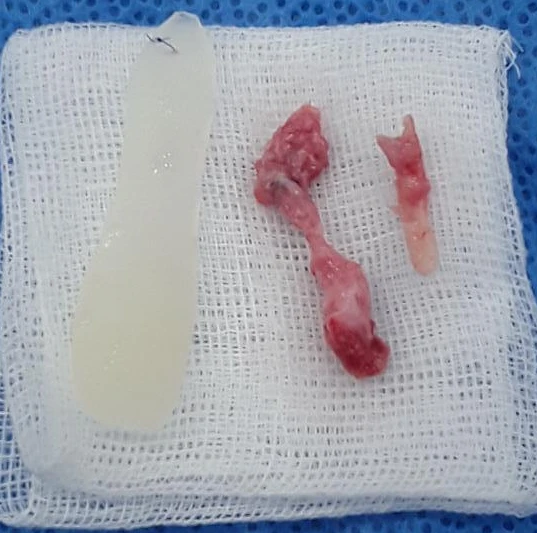
Photo of the removed silicone implant, foreign materials, and Medpor
2. Structural reconstruction
Lower lateral cartilage reconstruction using autologous rib cartilage
Septal reconstruction using autologous rib cartilage for the excessively harvested septum
3. Shape improvement
Lowering the radix
Improvement of the pinched nose
Lowering the short columella
Correction of the nasolabial angle
Correction of nostril shape
✅ Surgical results
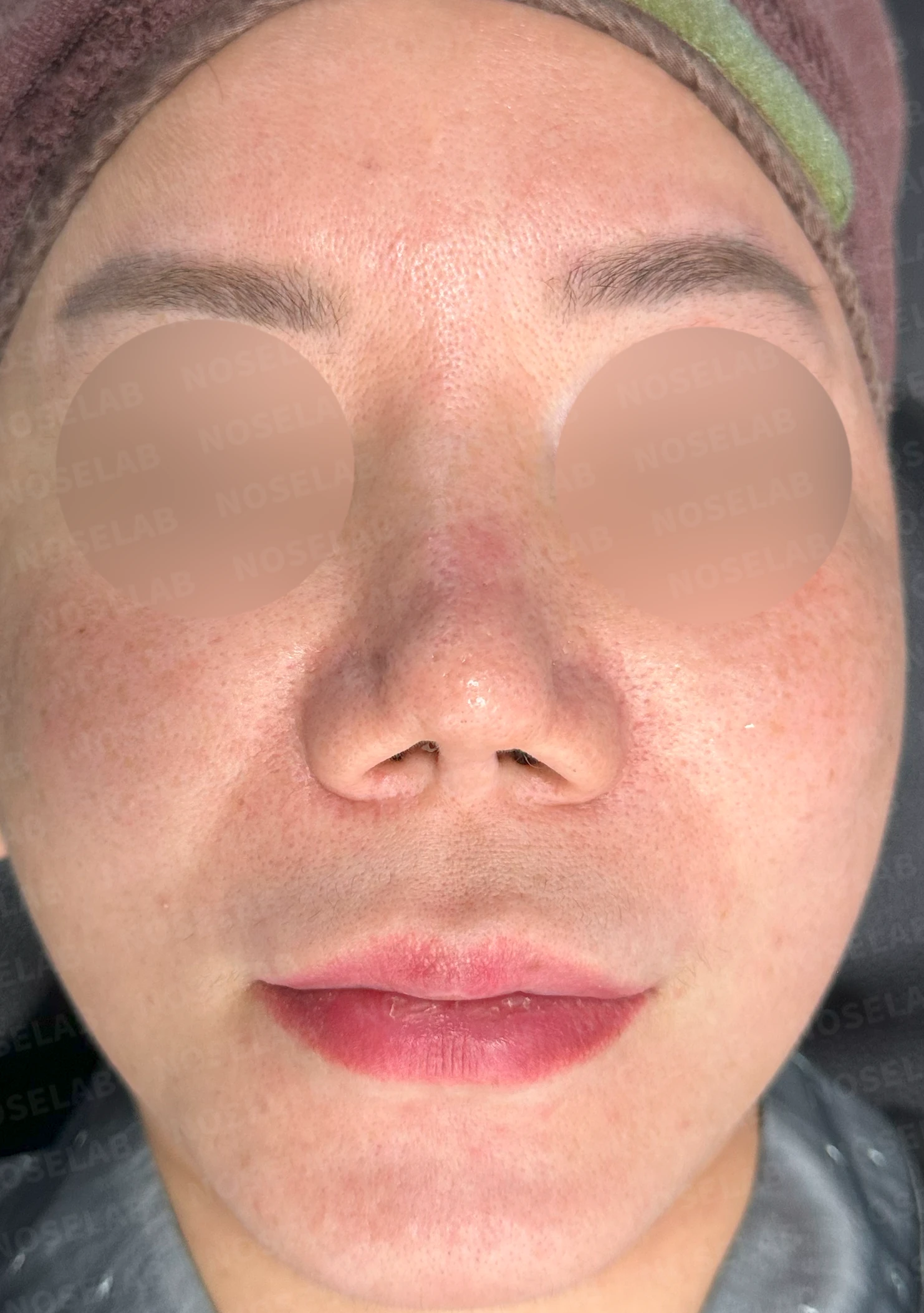
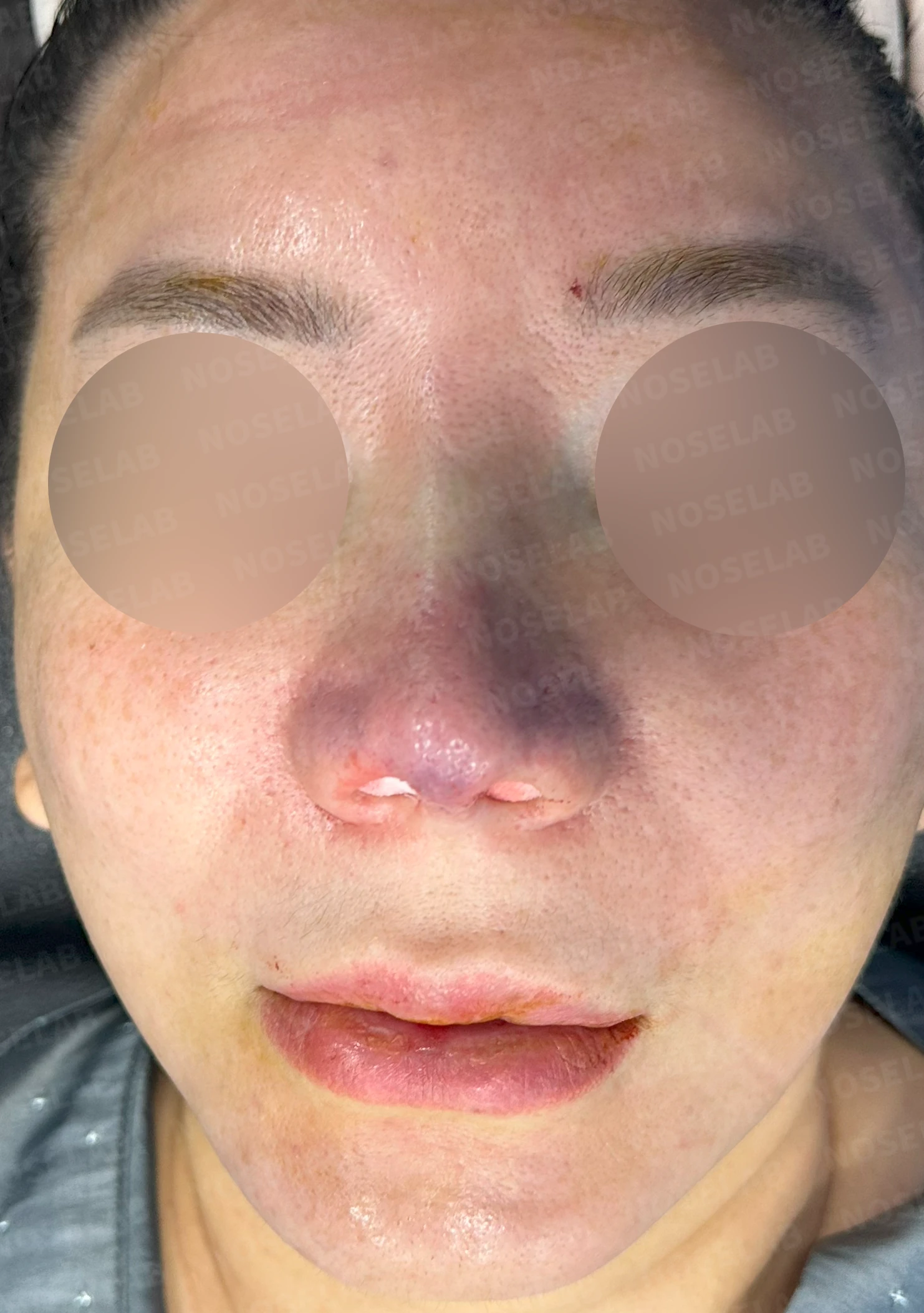
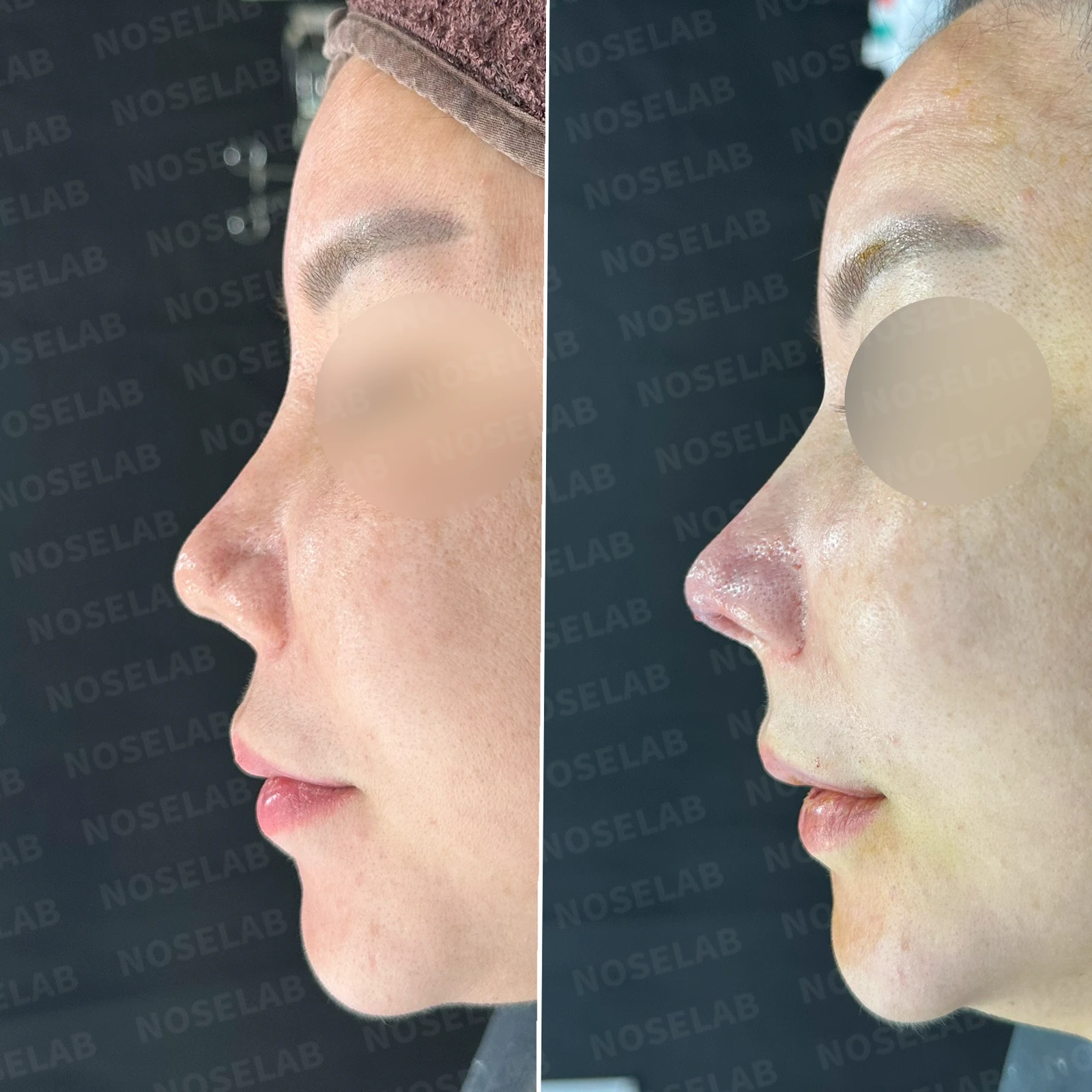
Before surgery / Day 0 immediately after surgery Photos taken immediately after surgery show swelling and may differ from the final result.
Front view
Significant improvement in the pinched alar areas
Nasal tip and columella lowered naturally
Broad, spread nasal bridge refined
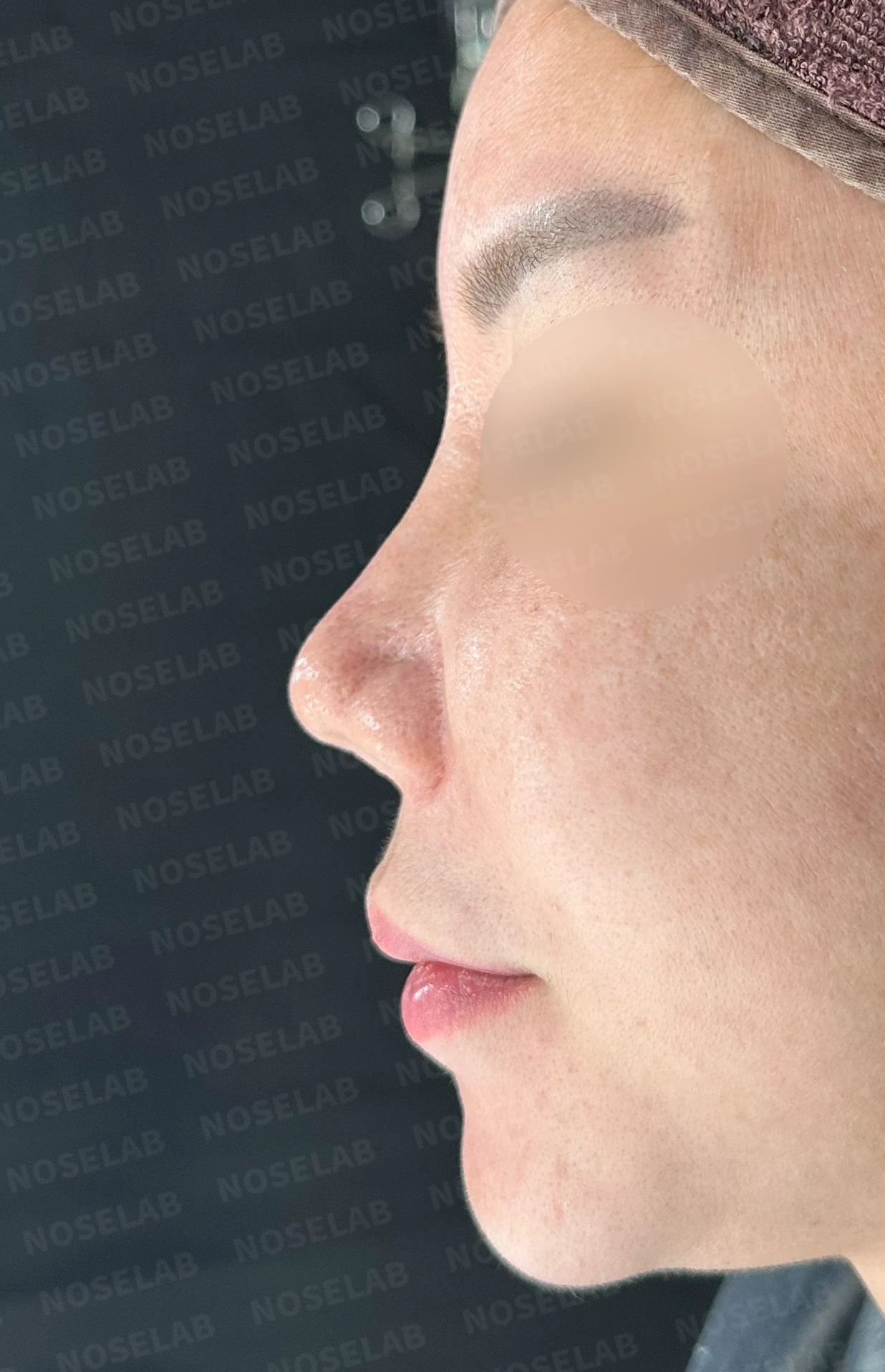
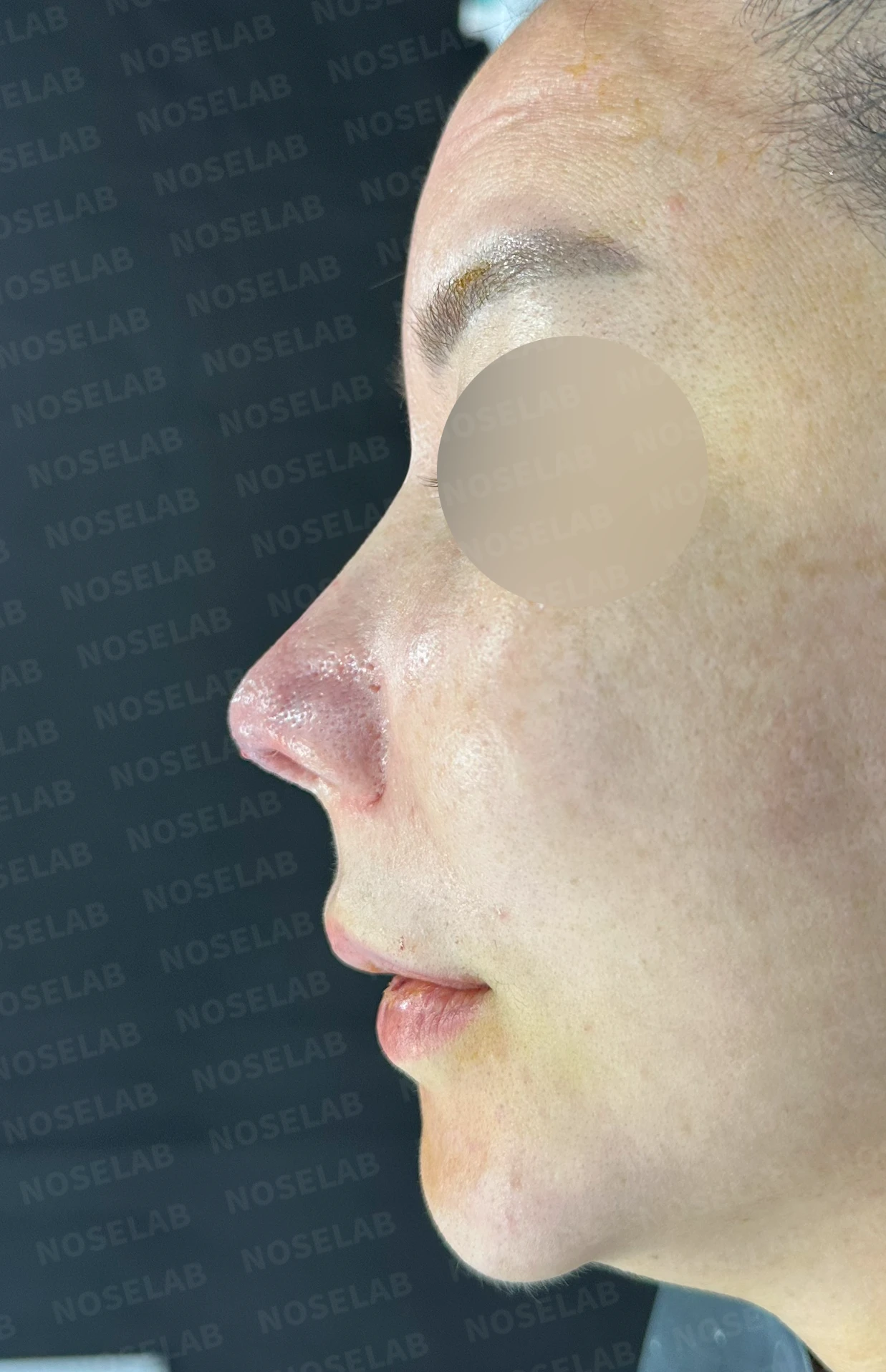
Before surgery / Day 0 immediately after surgery Photos taken immediately after surgery show swelling and may differ from the final result.
2. Profile view
Radix starting point lowered
Drooping nasal tip appearance improved
Columellar line became natural
Harmonious overall proportions
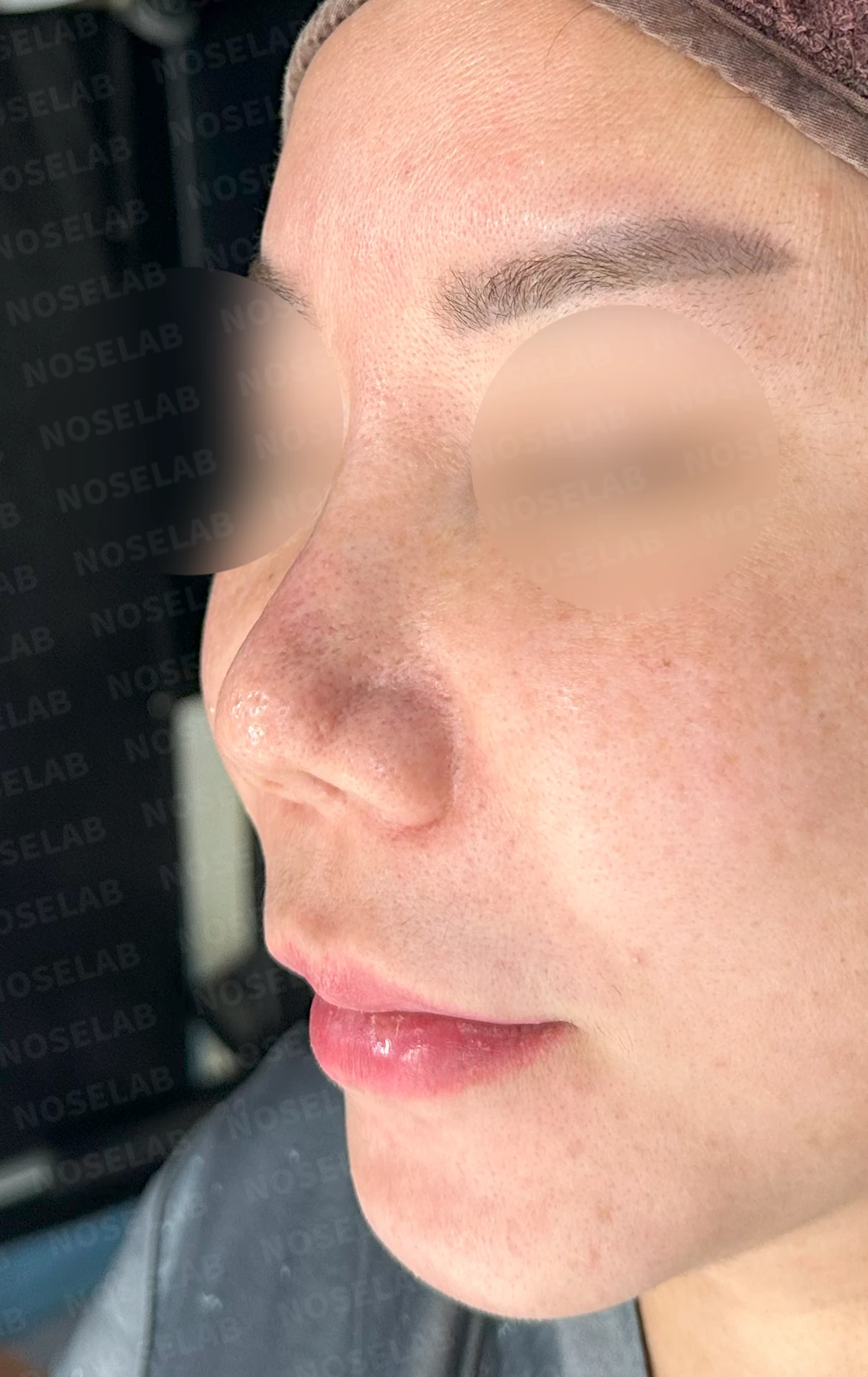
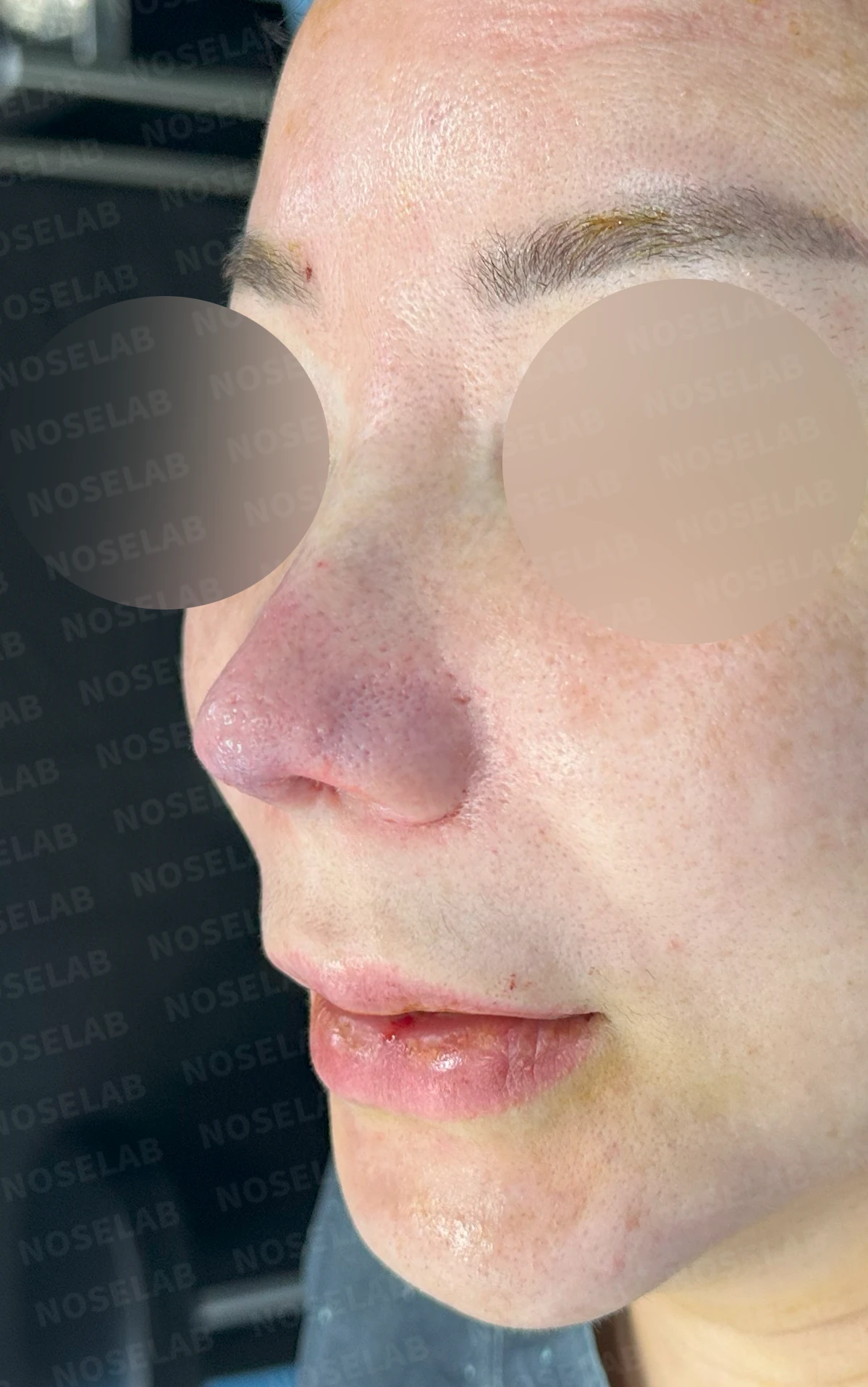
Before surgery / Day 0 immediately after surgery Photos taken immediately after surgery show swelling and may differ from the final result.
3. Nostrils
Improved nostril asymmetry
Nostril shape became much more natural
Pinched areas along the alae significantly filled out
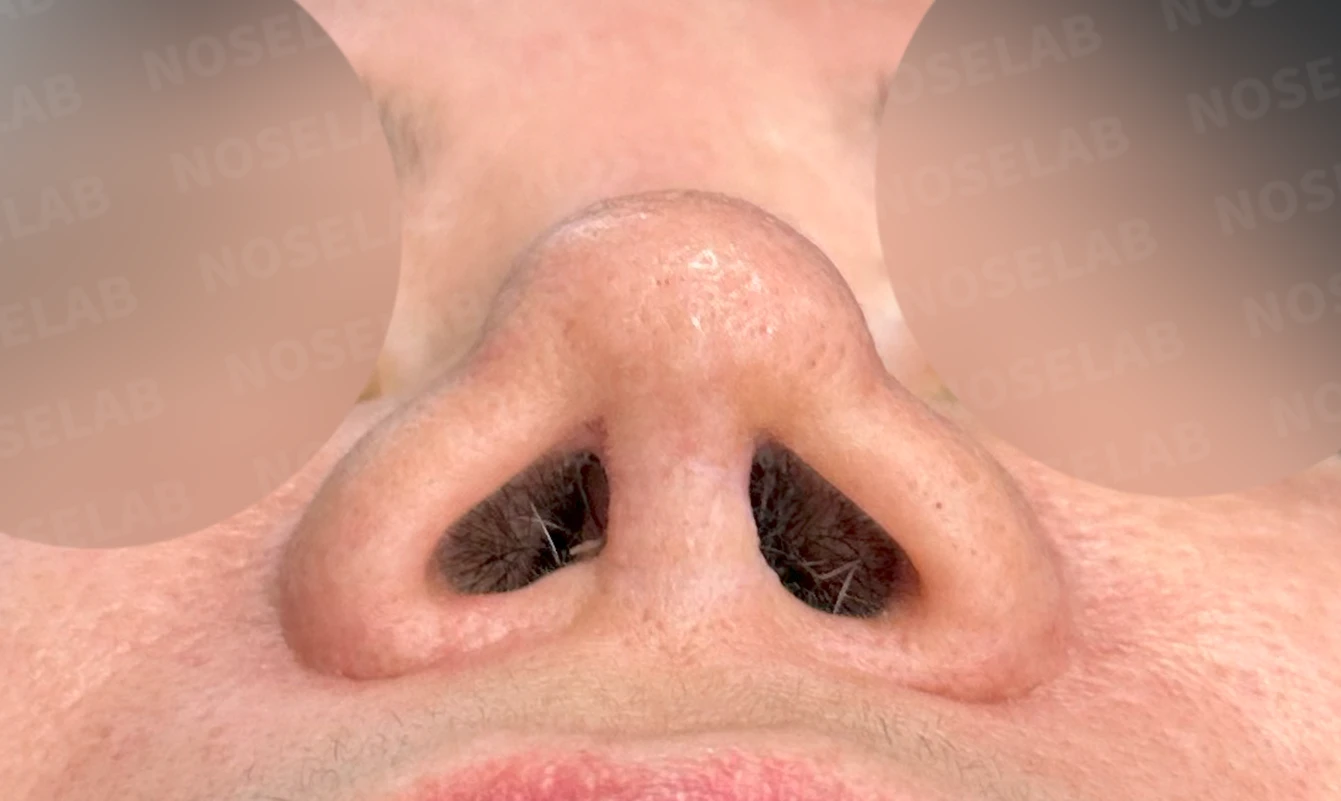
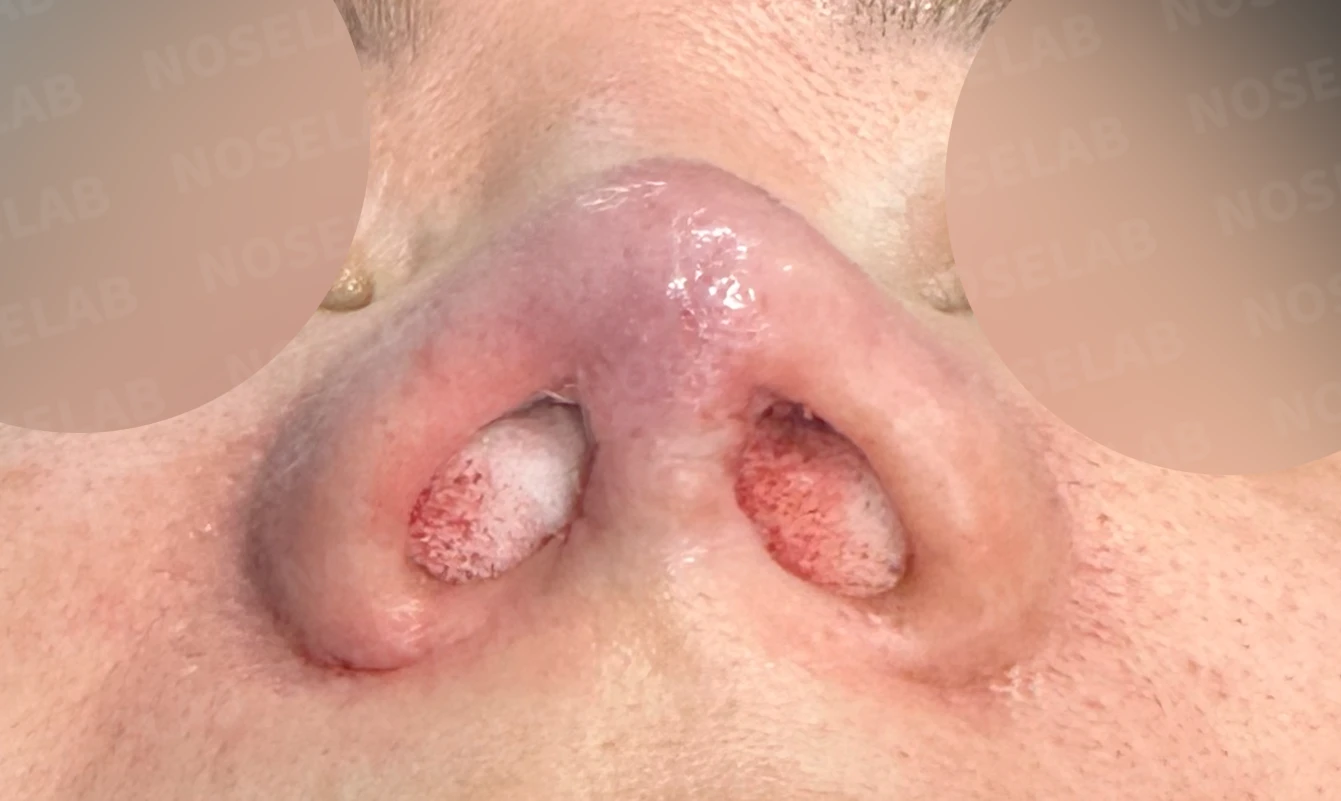
Before surgery / Day 0 immediately after surgery Photos taken immediately after surgery show swelling and may differ from the final result.
4. Function
Deviated septal cartilage corrected
Hypertrophic inferior turbinate significantly reduced in size, with expected relief of rhinitis symptoms
Expected improvement in nasal obstruction
👨⚕️ Specialist's assessment
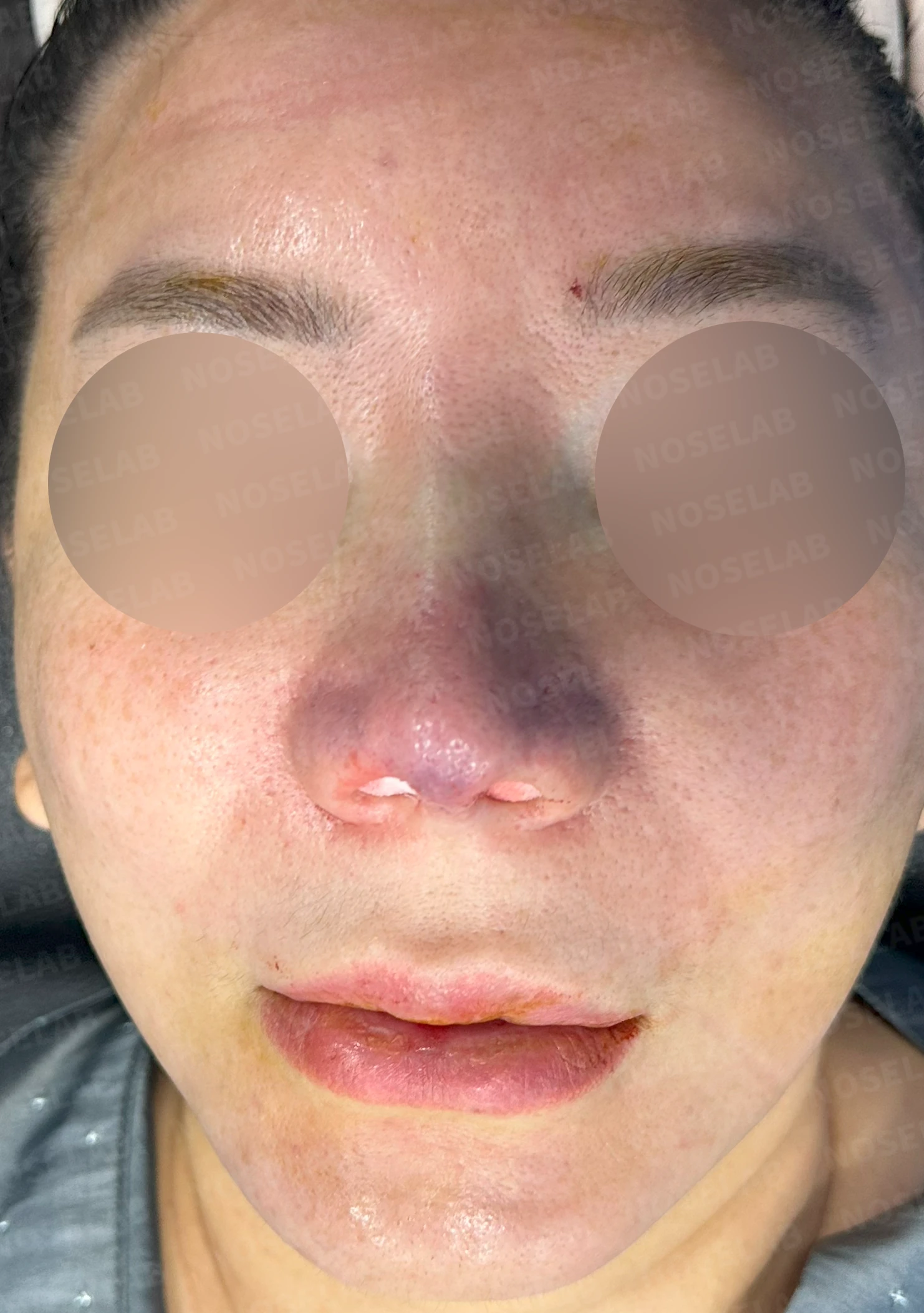
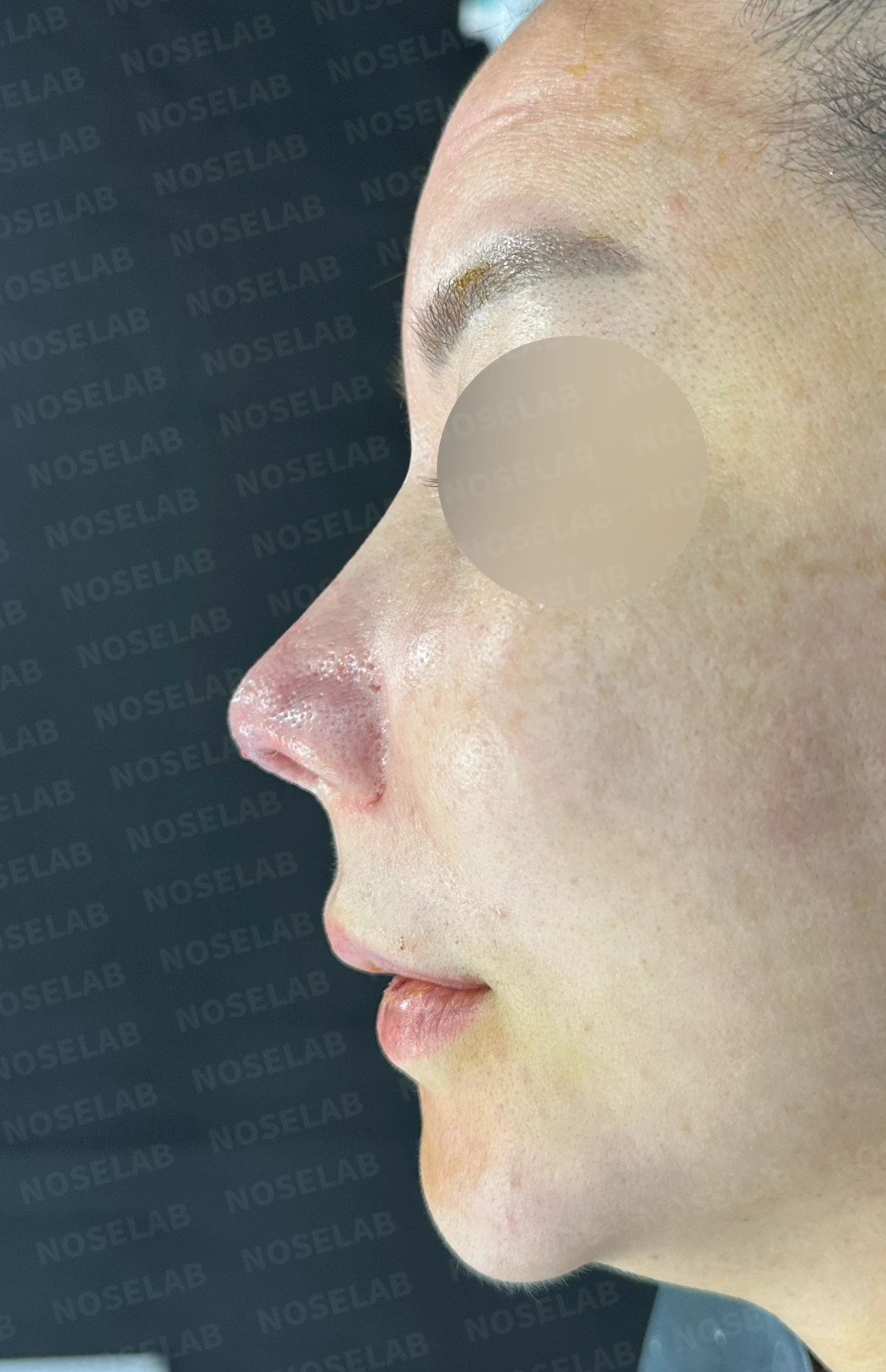
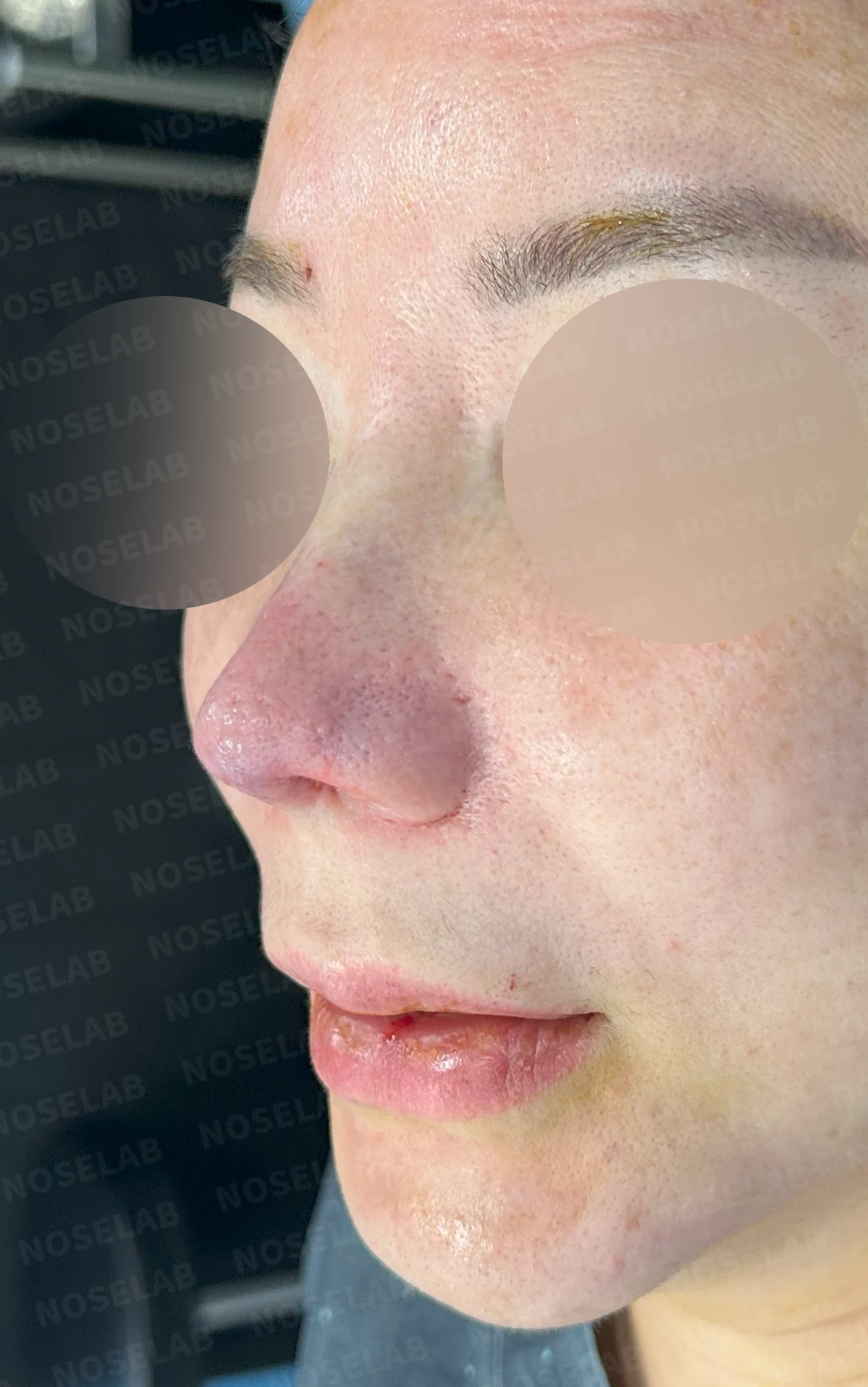
Front, profile, and oblique views immediately after surgery on day 0 Photos taken immediately after surgery show swelling and may differ from the final result.
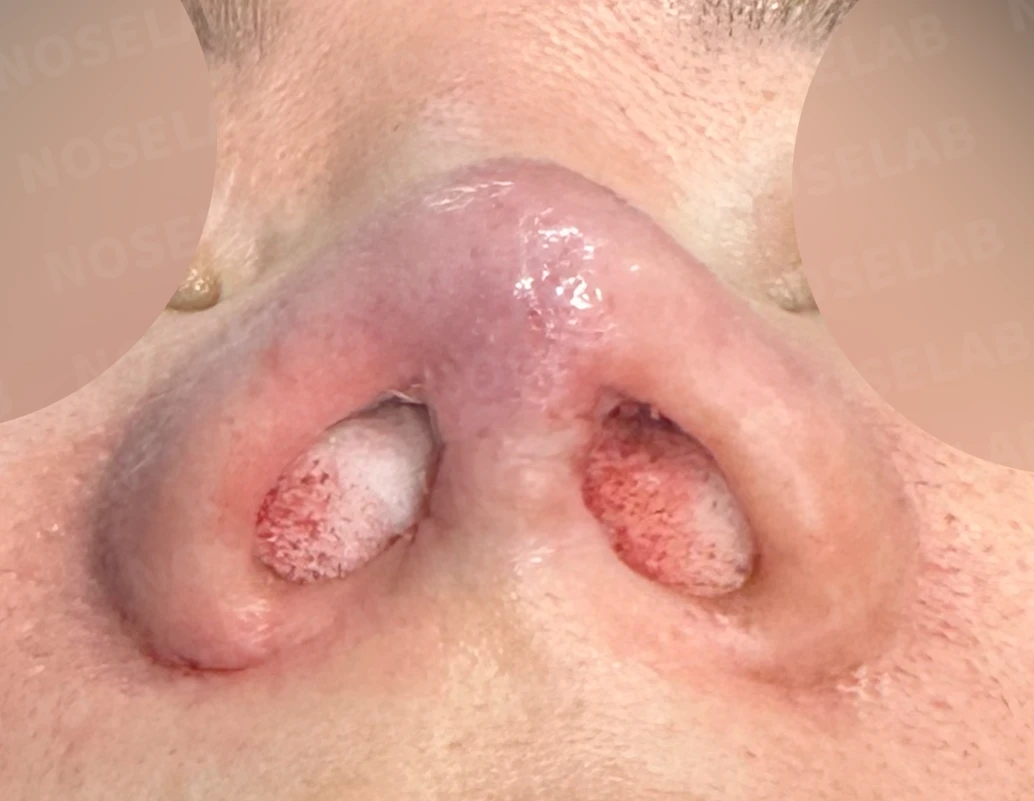
Nostril view on day 0 immediately after surgery Photos taken immediately after surgery show swelling and may differ from the final result.
This was a complex case involving an unexpected intraoperative finding of Medpor and severe cartilage deficiency. In addition to contracted scar tissue found at the nasal tip, almost no alar cartilage remained, and the septal cartilage had been excessively harvested previously.
Using autologous rib cartilage, the deficient alar cartilages and septum were fully reconstructed, with particular focus on correcting the pinched nasal tip, which was the patient's primary concern. The short columella was lowered naturally, and overall proportions were balanced to achieve a slender nasal contour without making the nose appear long.
This was Dr. Peter C. Kang. Thank you.
Thank you.
#closedrhinoplasty #revisionrhinoplasty #medporremoval #pinchednosecorrection #customrhinoplasty

Limitations and risks
When autologous rib cartilage is used, scarring and pain may remain at the donor site on the chest, and pneumothorax (pleural injury) can occur rarely. Over time, the grafted cartilage may warp or undergo partial resorption.
When revising after implant removal, contracture may progress again after removal, the nasal height and length may decrease, and staged surgery may be necessary depending on the skin condition.
When the septum is corrected at the same time, nasal obstruction may persist or recur, and in rare cases, septal perforation or changes in smell may occur.
Common potential risks include infection, bleeding, asymmetry, scarring, skin necrosis, and insufficient improvement; results vary depending on individual skin condition and previous surgical history.