Hello, I am Dr. Peter C. Kang.
Today, I would like to introduce a rhinoplasty case in which a nose deformed after double-jaw surgery was corrected.
This patient visited our clinic dissatisfied with their nasal shape after undergoing multiple rhinoplasties and double-jaw surgery.
1. Design consultation
Analysis of preoperative condition:
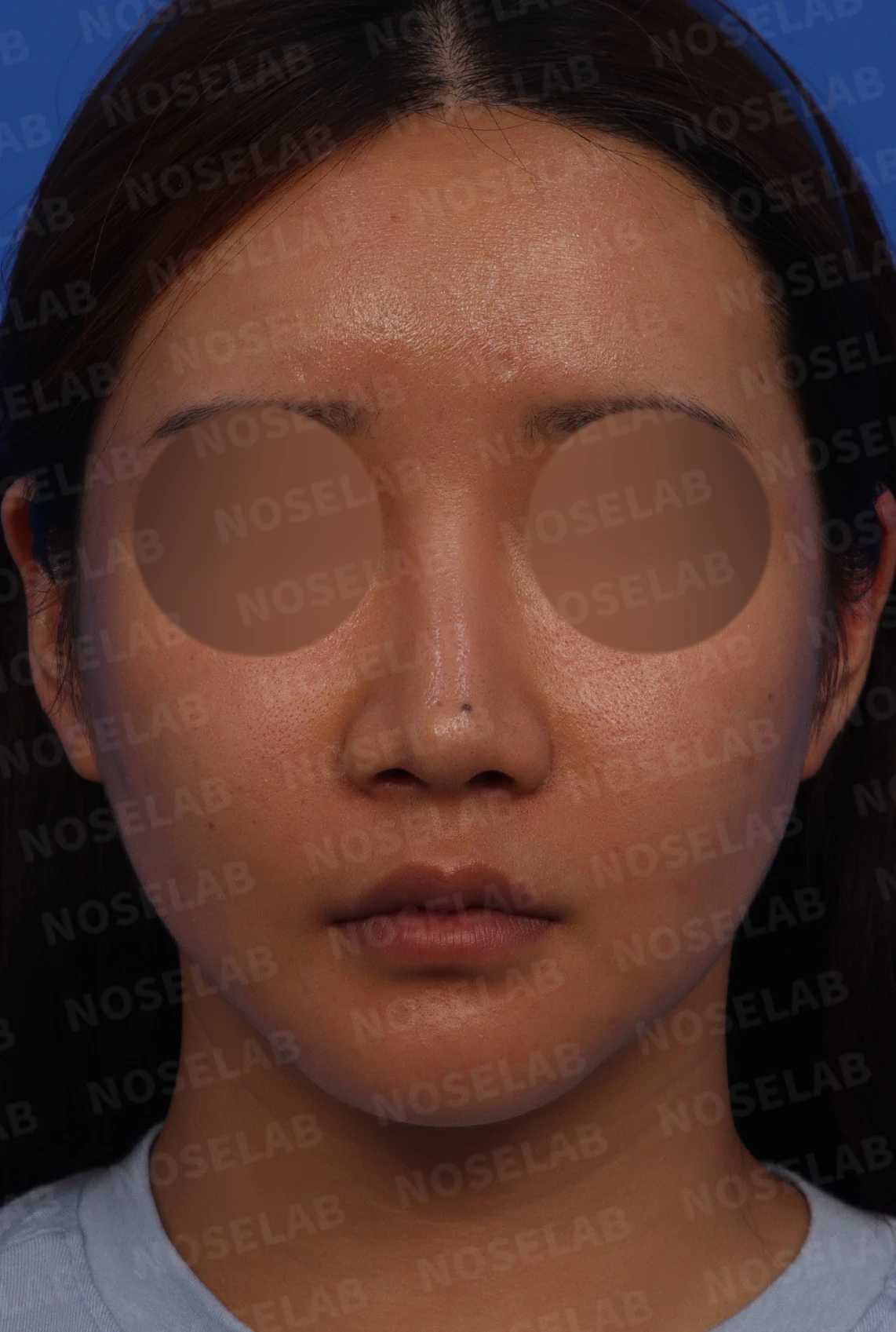
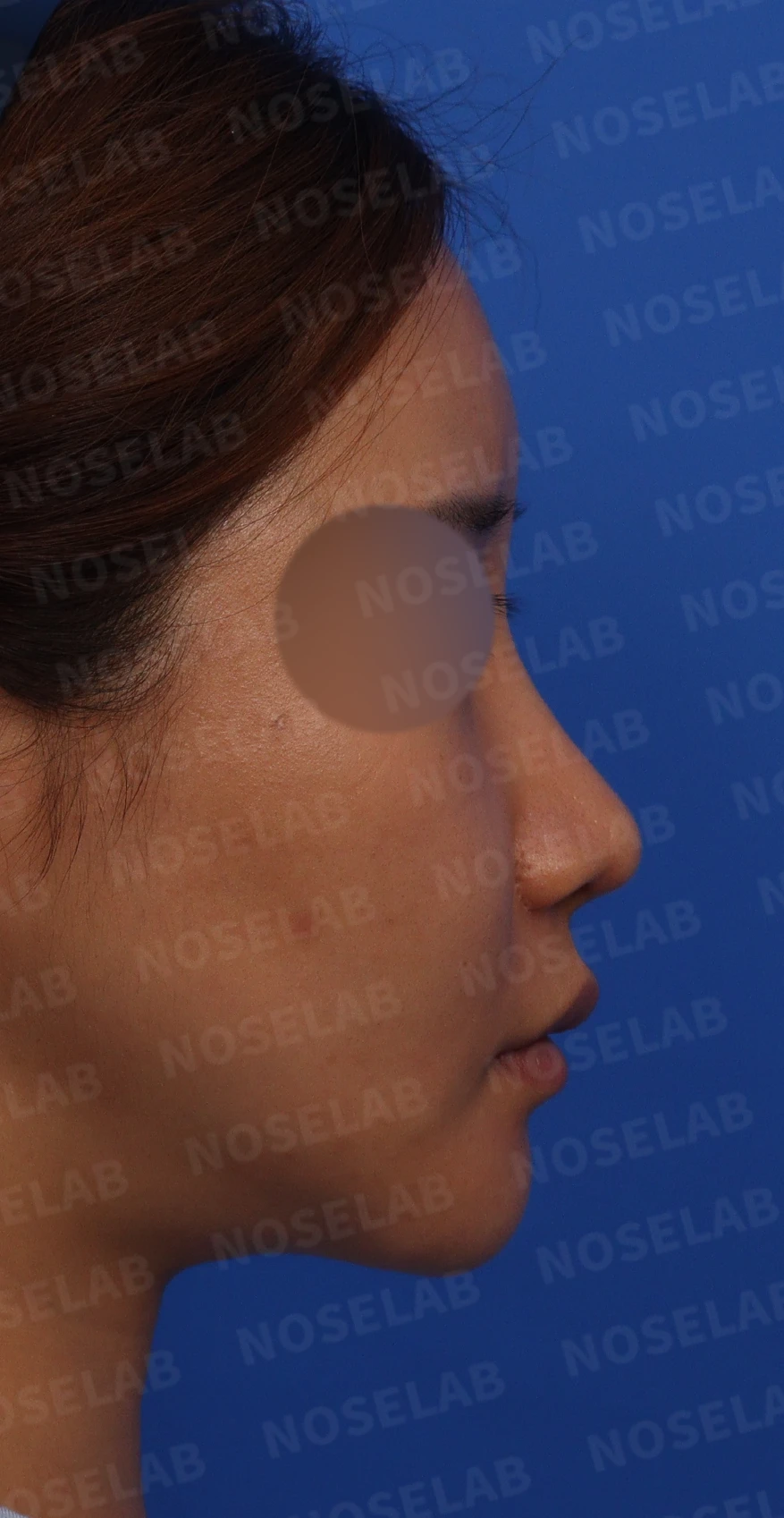
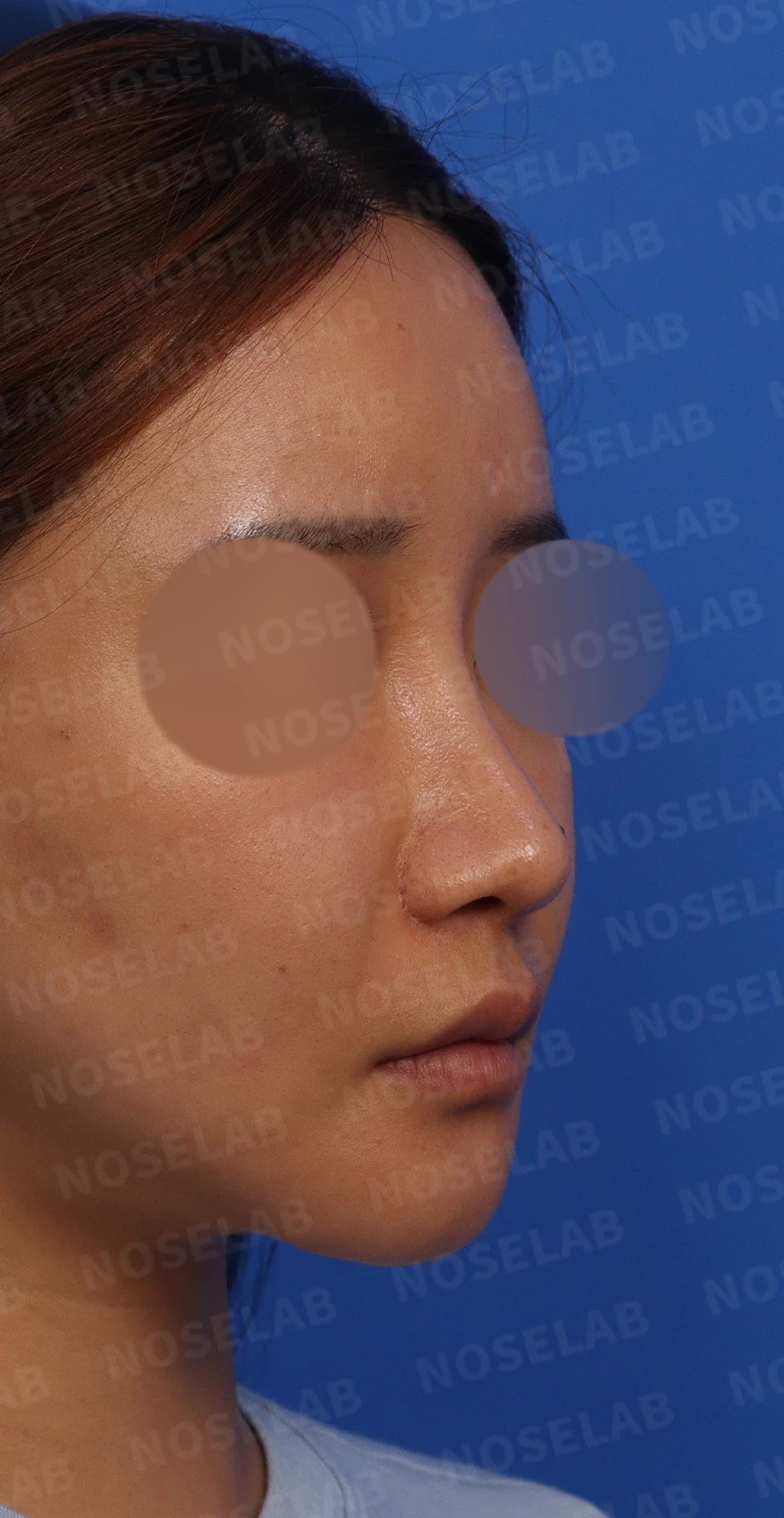
Front, profile, and oblique views
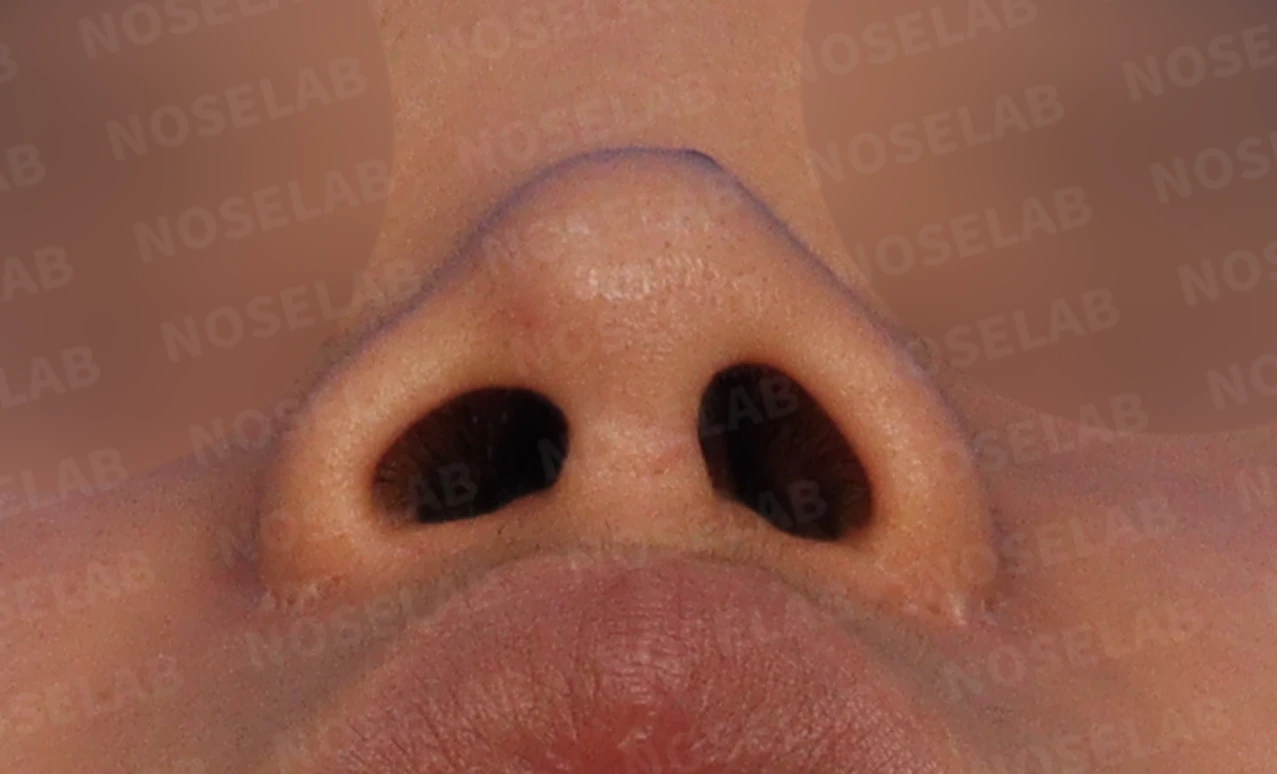
Base view (nostril) photo
Front view:
- The nose appeared deviated to the right (the implant had shifted to the right)
- Severe alar asymmetry (secondary to two previous alar reductions)
- The radix appears high
- The nasal tip appeared flared (wide, spread-out tip)
- The nose appears long overall
Profile view:
- The nasal tip appears drooping
- The radix is high
- A protruding mouth was still noted even after double-jaw surgery
Oblique view:
- Nasal deviation and excessive length became more prominent
- Alar asymmetry was clearly visible
Nostrils:
- Severe nostril asymmetry
- The right nasal sill was significantly flared
Additional examination findings:
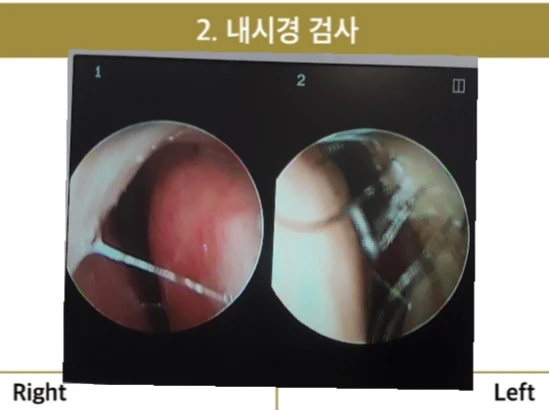
- Symptoms of left-sided nasal obstruction
- Nasal endoscopy and CT scans revealed septal cartilage deviation to the left
The patient's surgical history:
- 2014: Septal cartilage + ear cartilage + alar reduction
- 2018: Autologous rib cartilage + alar reduction
- 2022: Double-jaw surgery
Patient's main requests:
1. Relief of left-sided nasal obstruction
2. Reduction of nasal width
3. Correction of the long nose
4. A high, well-defined nasal shape
2. Surgical plan and procedure details
a) Autologous rib cartilage harvest and grafting:
- Fresh autologous rib cartilage was harvested and used for septal reconstruction
- Previously placed autologous rib cartilage (very thin and small) was reused to reconstruct the lower lateral cartilages
b) Septal reconstruction and septoplasty:
- Restoration of the anterior nasal spine area that had been resected during double-jaw surgery
- Rigid fixation of the detached inferior margin of the septal cartilage to the maxilla
- This process was the most challenging and crucial step
c) Lower lateral cartilage reconstruction:
- Both damaged lower lateral cartilages were reconstructed using the existing autologous rib cartilage
- Repositioning and securely suturing the lower lateral cartilages at the midline to correct nostril asymmetry
d) Nasal bridge implant exchange:
- Removal of the existing dorsal implant
- Insertion of a new silicone implant with a lowered radix
e) Nasolabial angle correction:
- Removal of the existing paranasal (cat) implant
- Nasolabial angle correction using autologous rib cartilage
f) Nasal sill reduction: improvement of the flared nose
- Reducing the right nasal sill to balance the bilateral nostril shapes
- Reducing the overall nasal sill width
3. Before-and-after photo comparison
Comparing photos taken immediately after surgery on day 0 shows the following improvements: Photos taken immediately after surgery show swelling and may differ from the final result.
Front view:
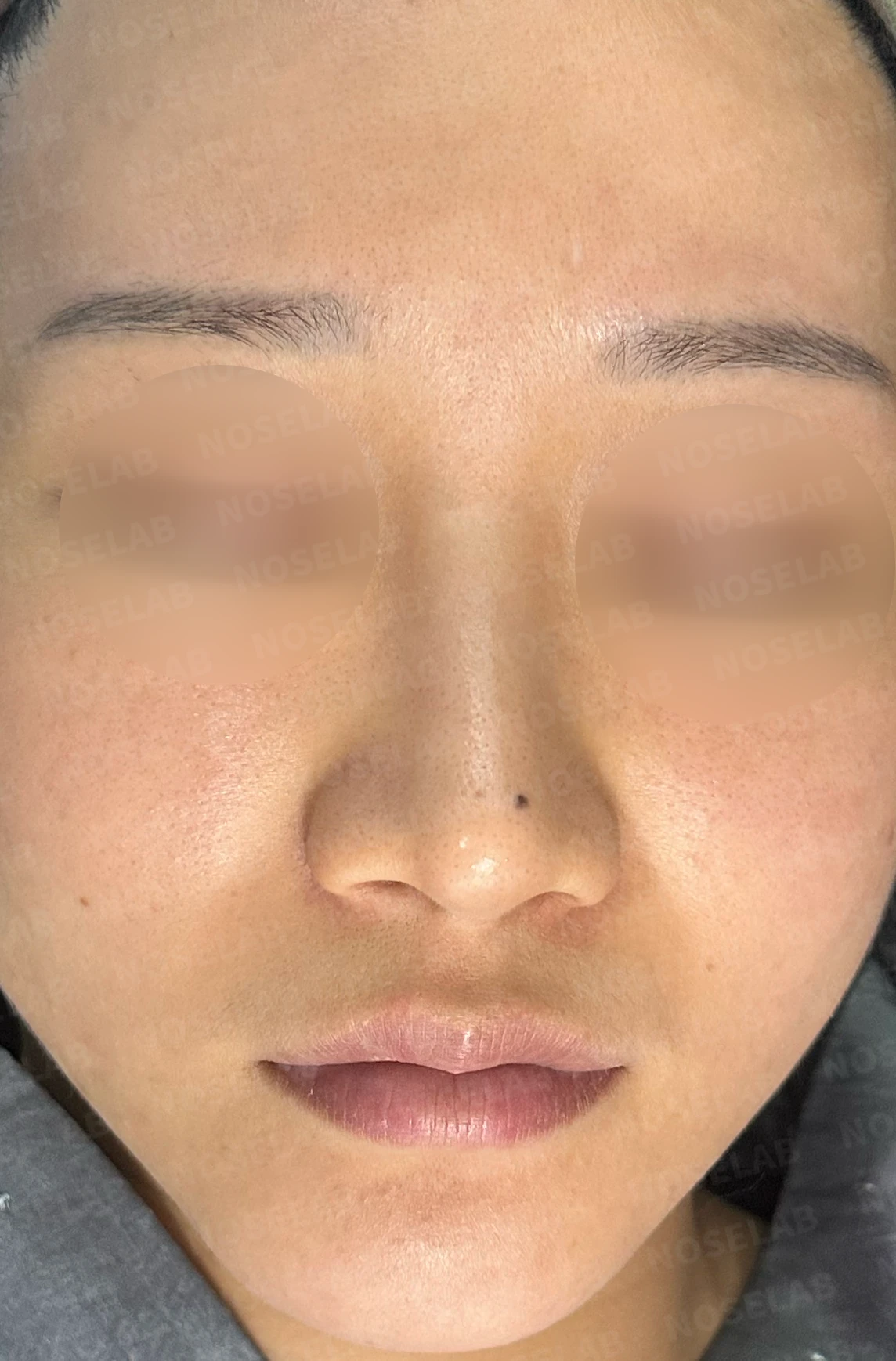
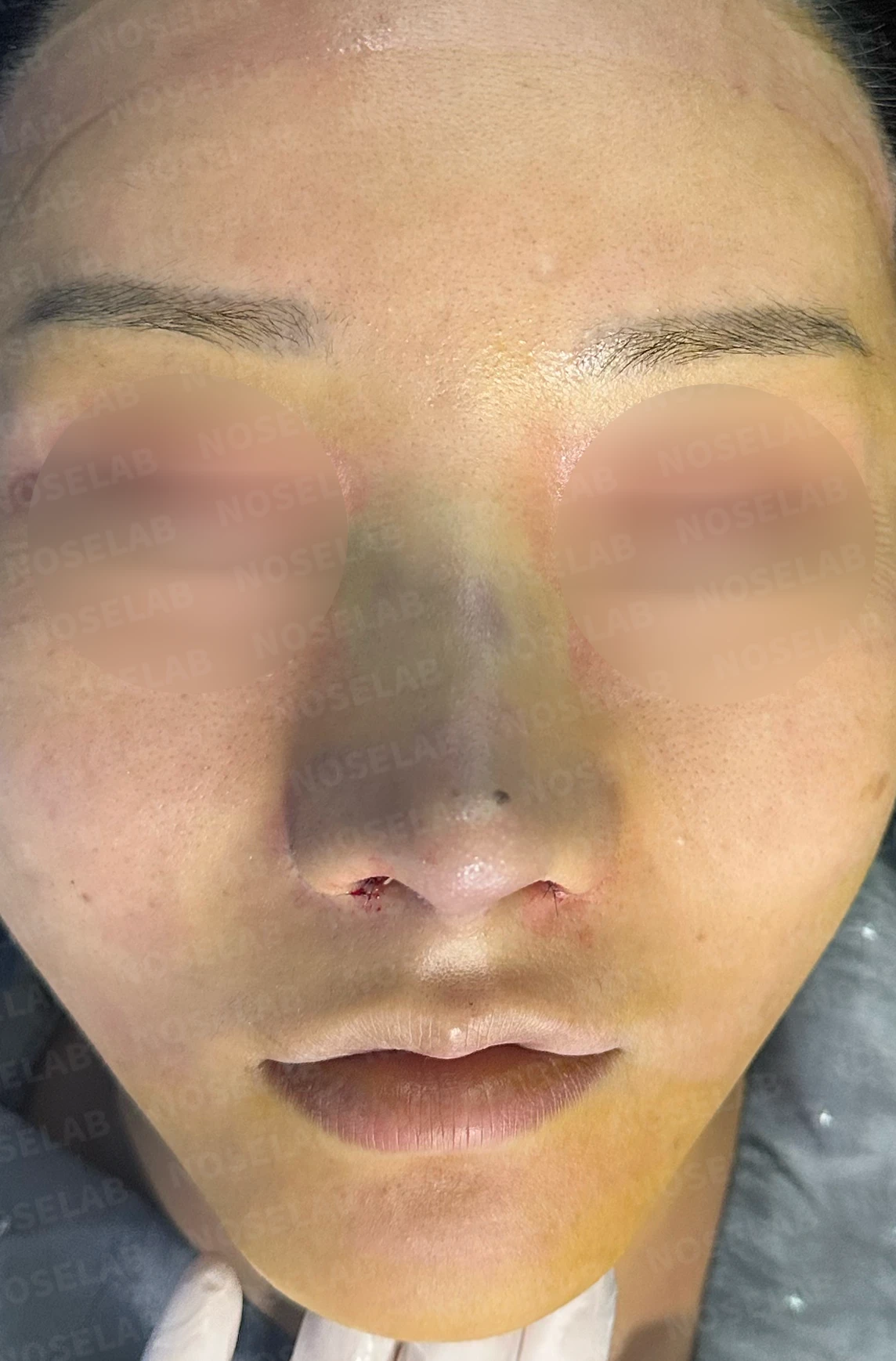
Before surgery / Day 0 immediately after surgery Photos taken immediately after surgery show swelling and may differ from the final result.
- The nose, which tilted to the right, was straightened.
- The severe alar asymmetry was improved.
- The radix, which appeared high, was lowered naturally.
- The overall long-looking nose was adjusted to an appropriate length.
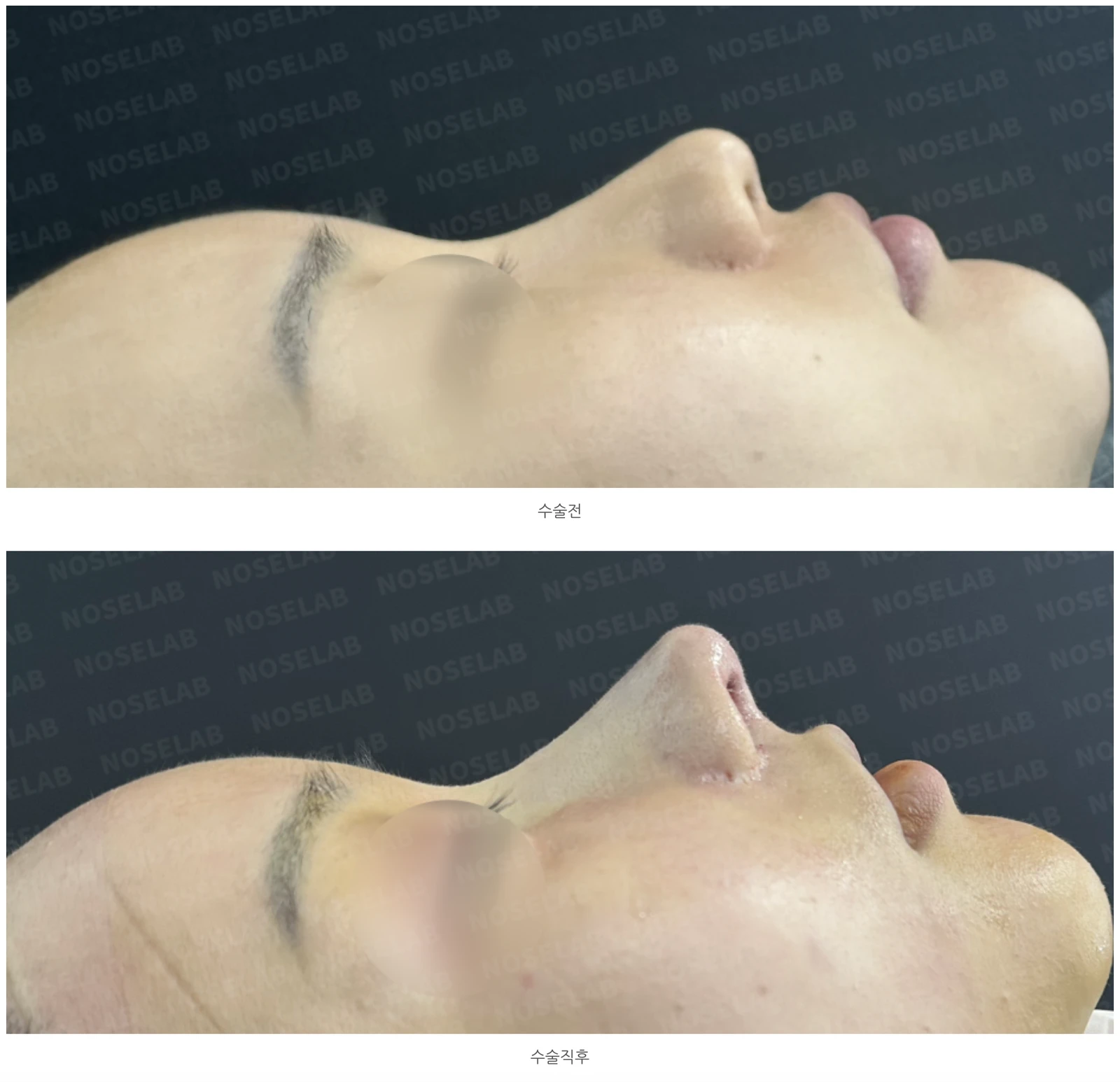
Profile view:
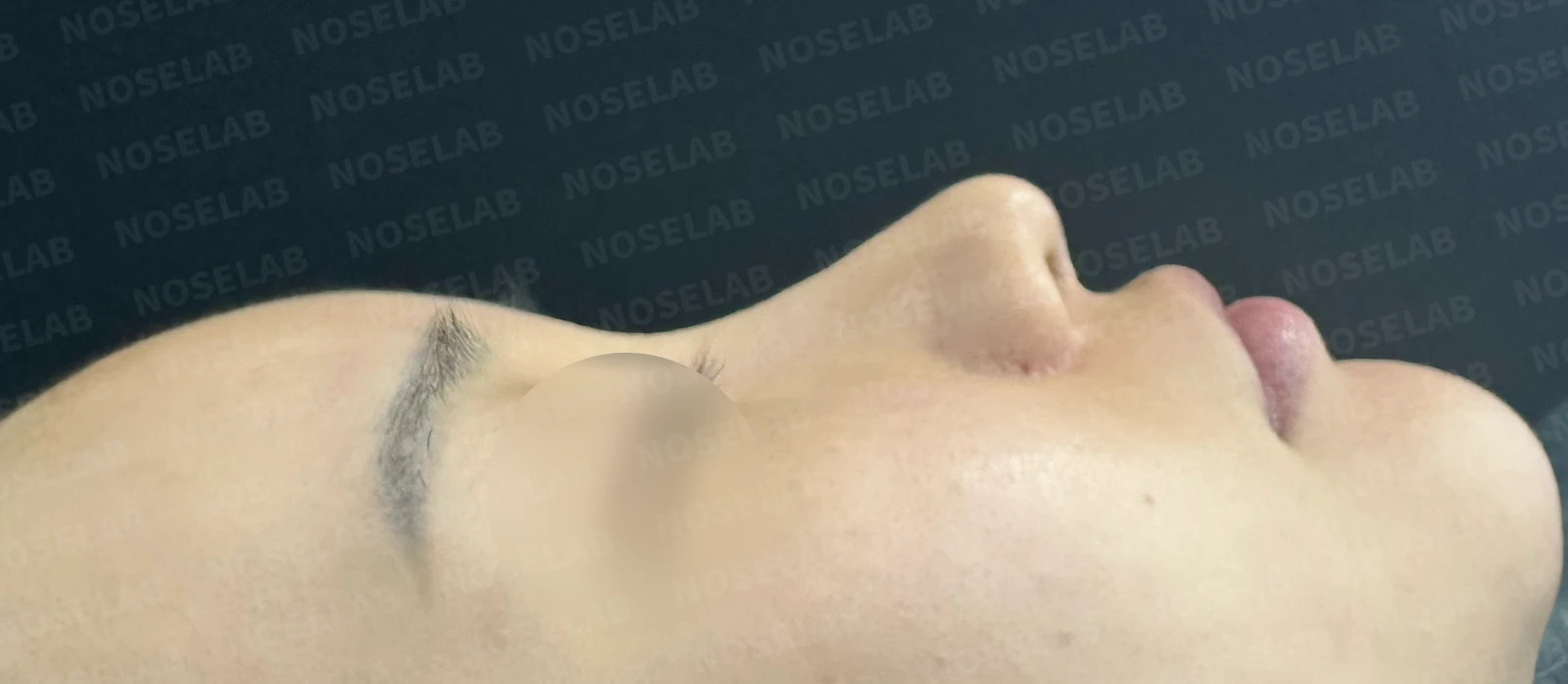
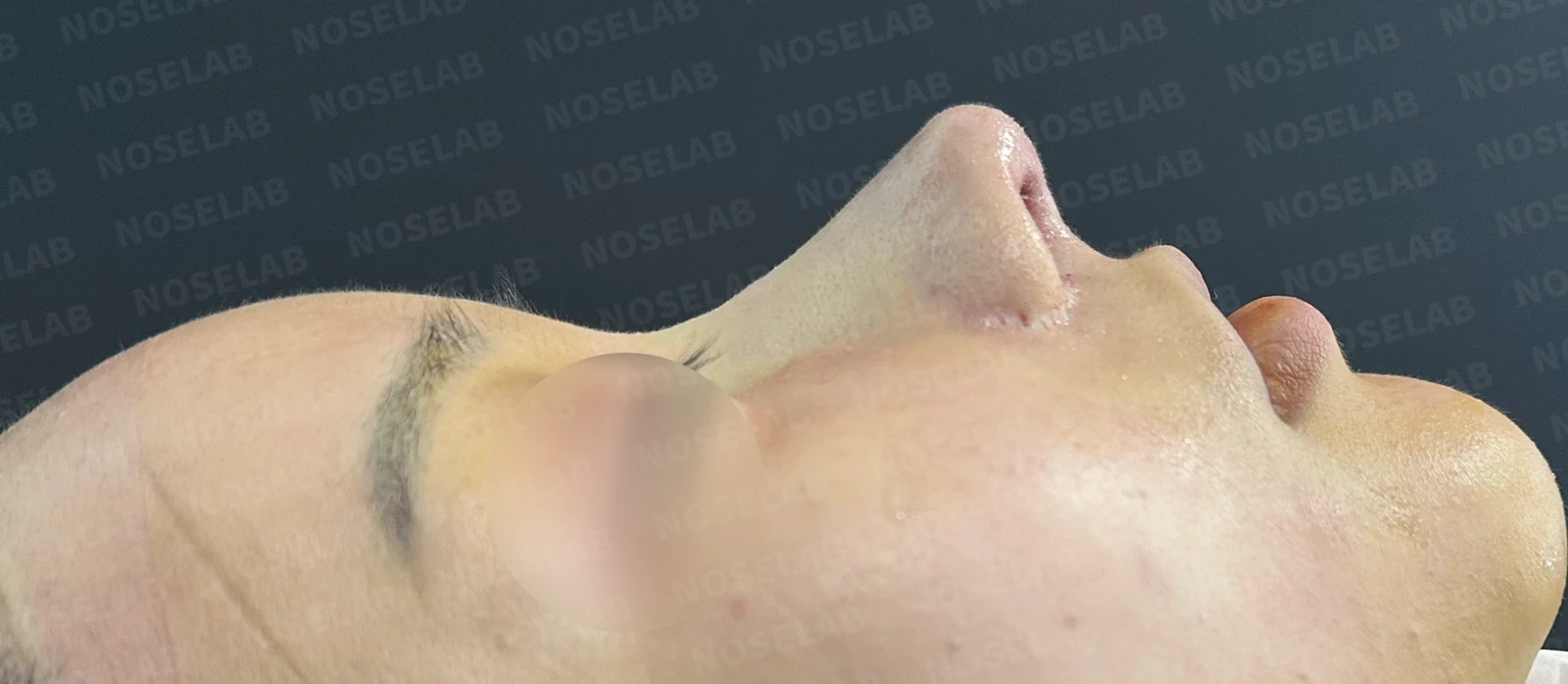
Before surgery / Day 0 immediately after surgery Photos taken immediately after surgery show swelling and may differ from the final result.
- The drooping tip was elevated and projected.
- Lowering the radix created a more natural profile.
- The appearance of a protruding mouth improved, enhancing overall facial balance.
Oblique view:
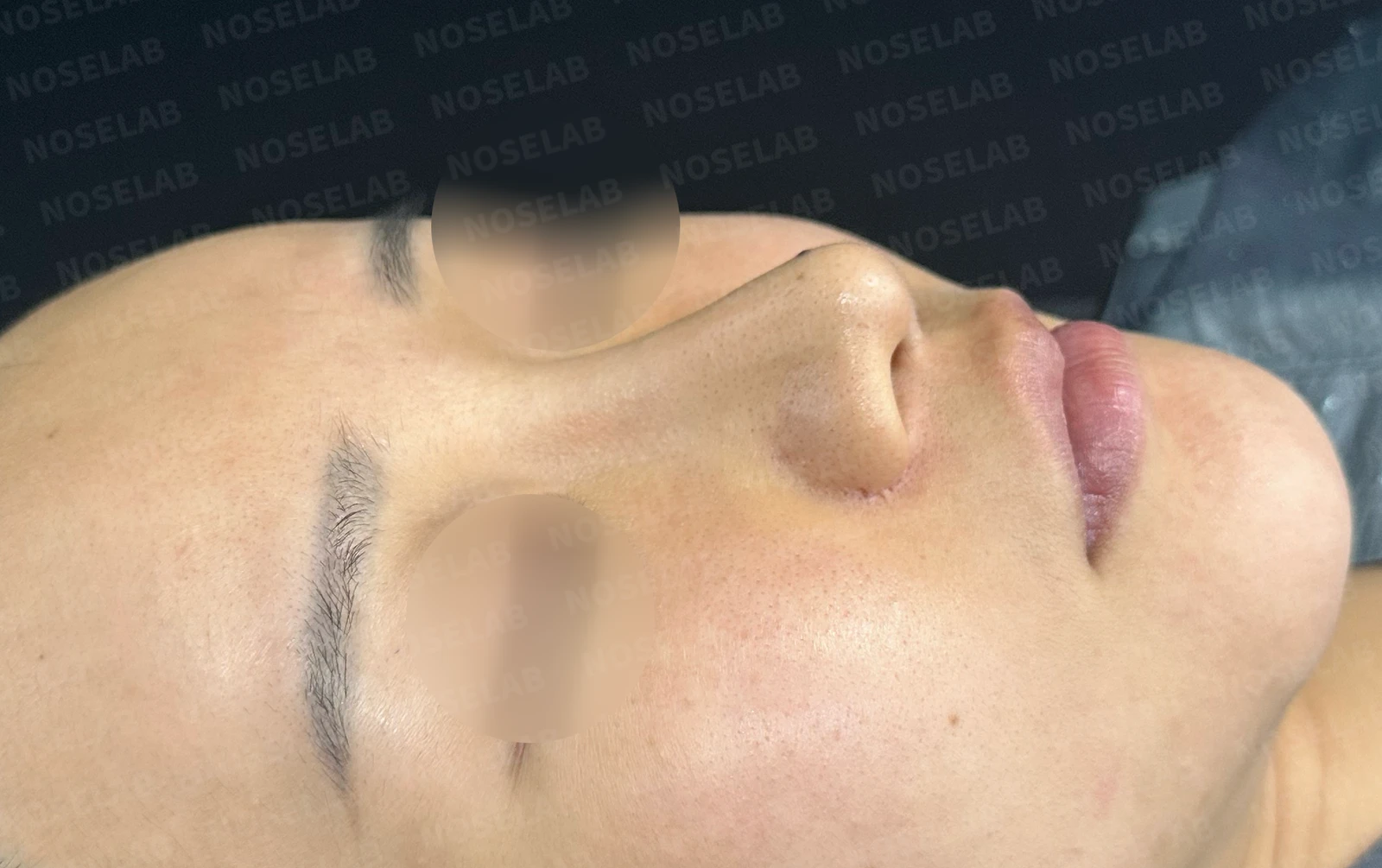
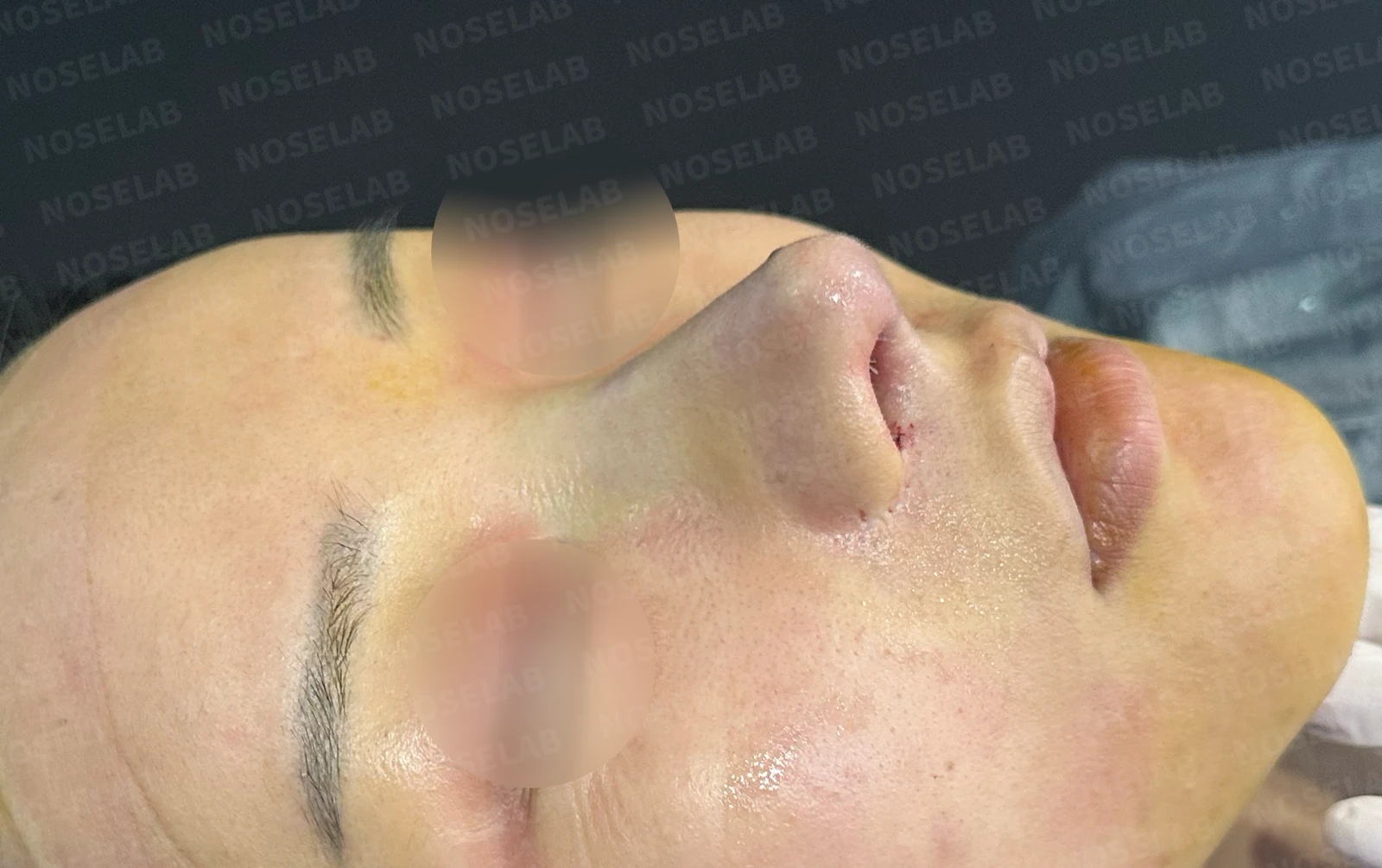
Before surgery / Day 0 immediately after surgery Photos taken immediately after surgery show swelling and may differ from the final result.
- Nasal deviation was corrected, showing a smooth line.
- The appearance of the protruding mouth improved.
Nostrils:
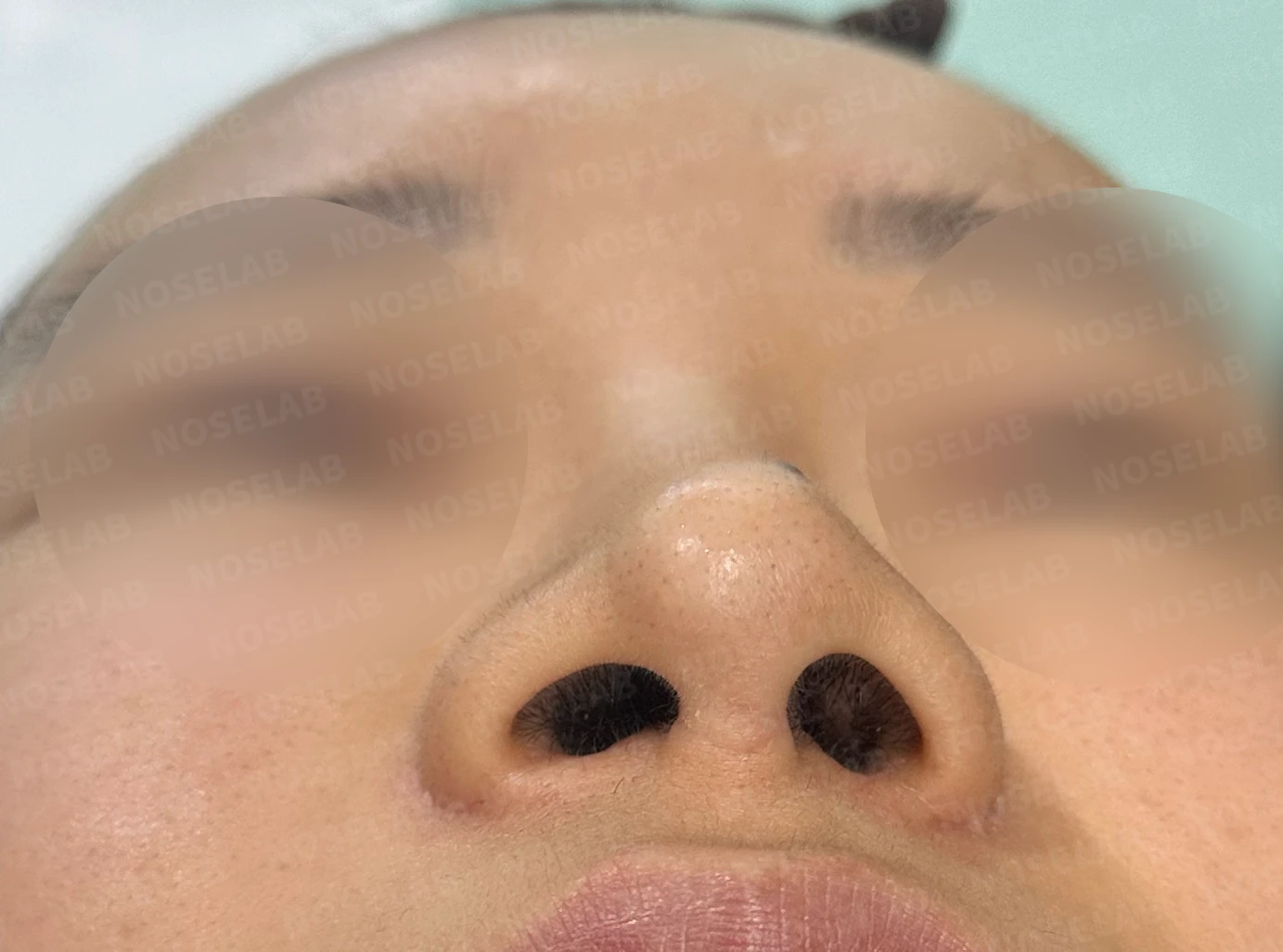
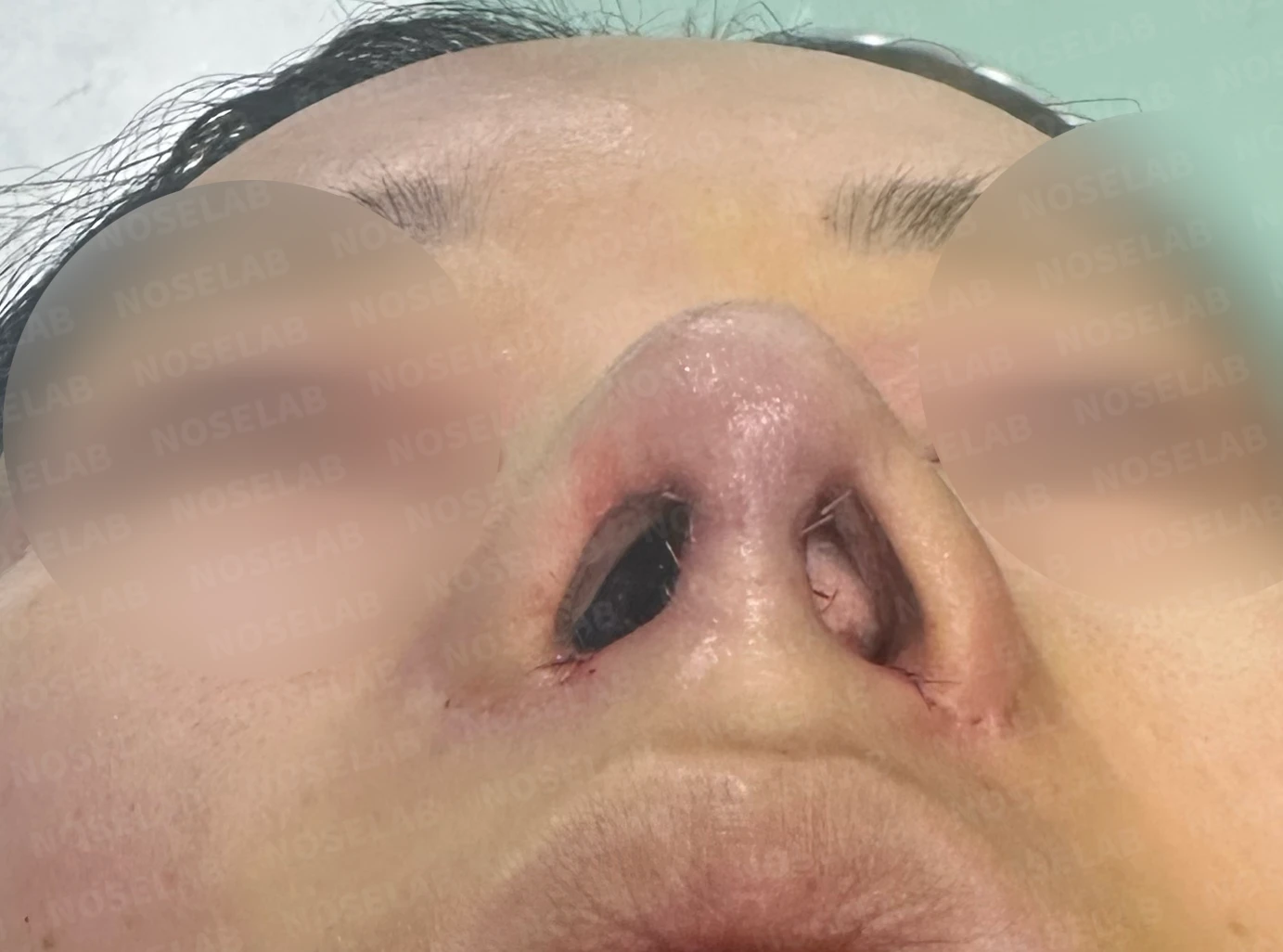
Before surgery / Day 0 immediately after surgery Photos taken immediately after surgery show swelling and may differ from the final result.
- Severe nostril asymmetry improved significantly.
- Flaring of the right nasal sill was reduced, improving left-right balance.
4. Photos taken immediately after surgery
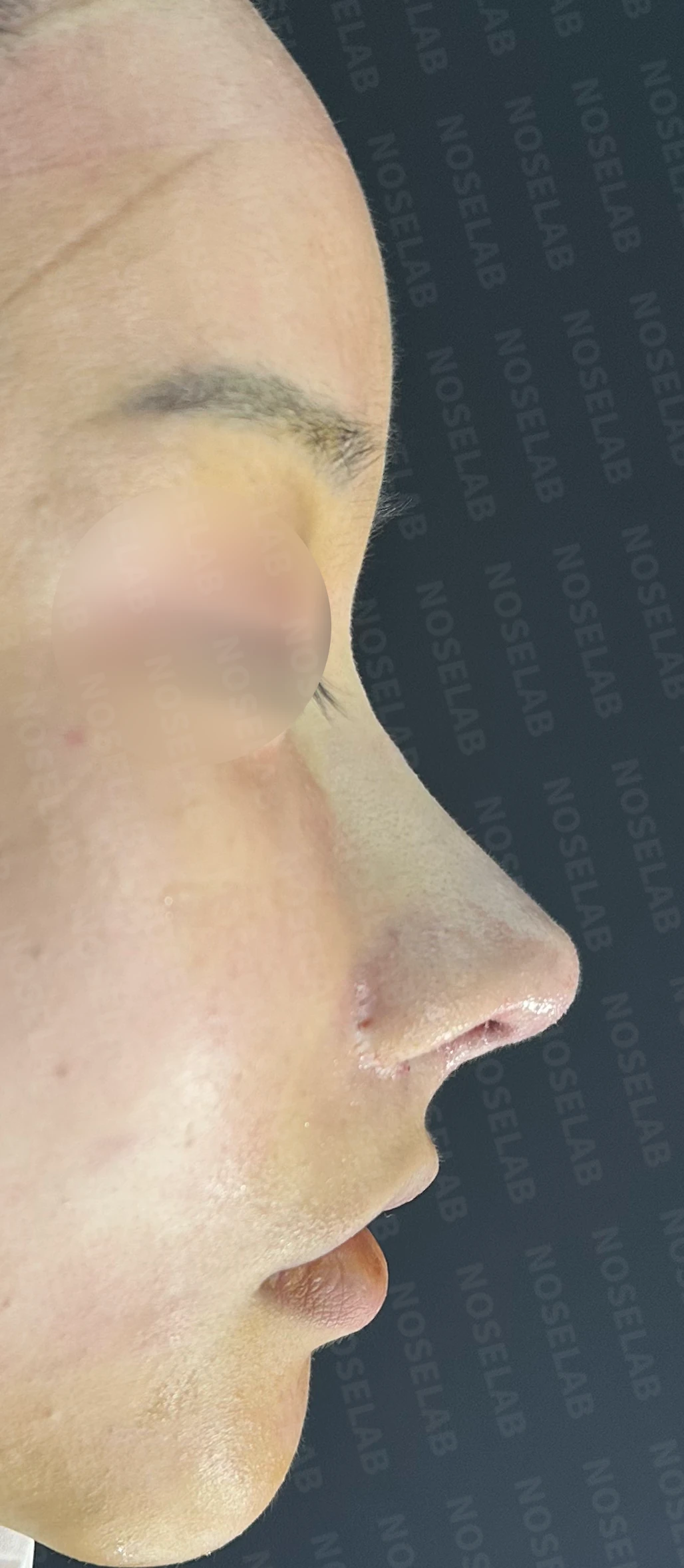
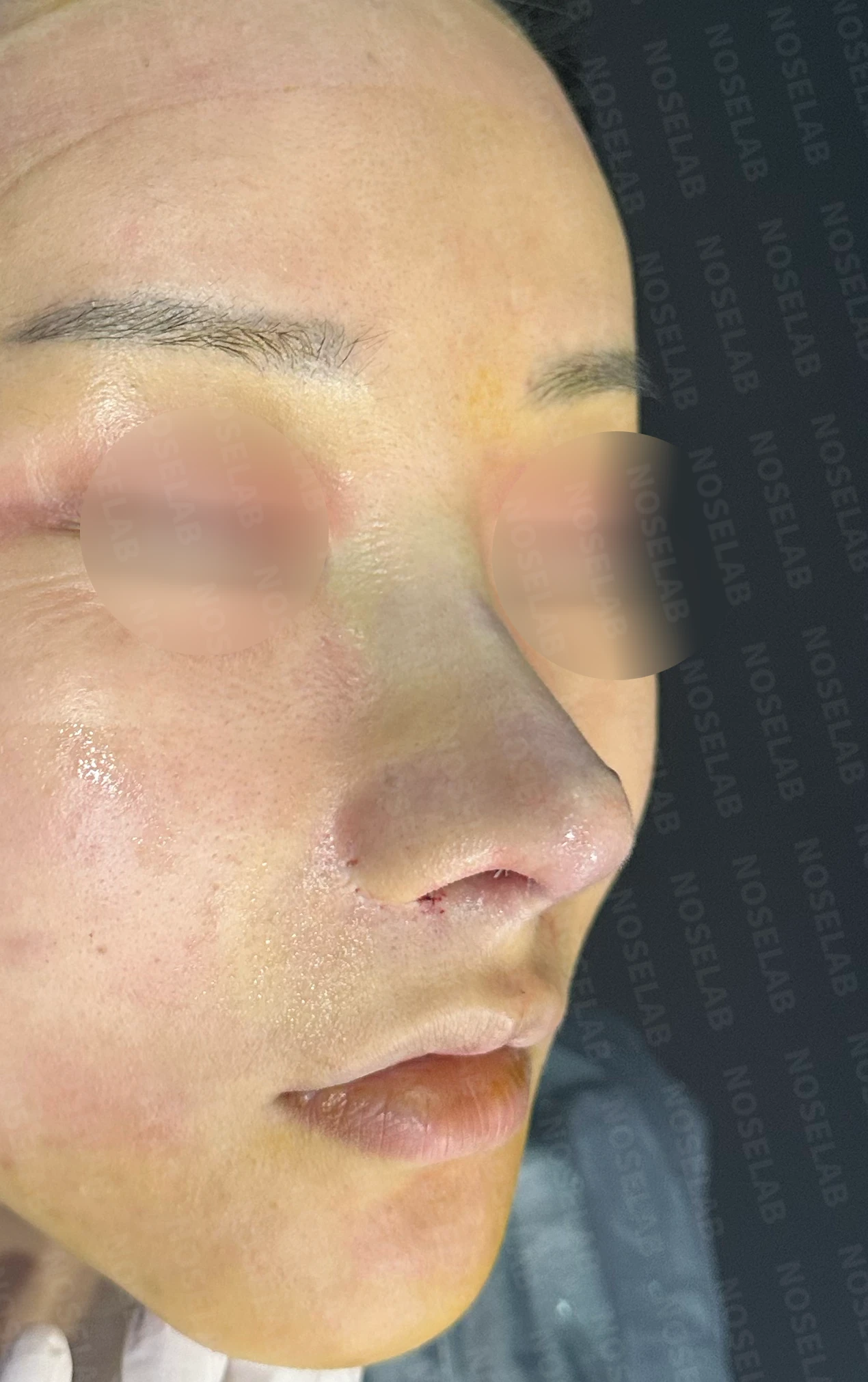
Immediately after surgery (Day 0) front, profile, and oblique viewsImmediate postoperative photos show swelling and may differ from the final result.
Nostril view on day 0 immediately after surgery Photos taken immediately after surgery show swelling and may differ from the final result.
5. Conclusion
The difficulty of rhinoplasty following double-jaw surgery can vary significantly depending on the orthognathic surgical technique. In cases like this patient, where the inferior margin of the septal cartilage is completely detached from the maxilla and the anterior nasal spine has been fully removed, the surgical complexity increases substantially.
In such instances, structural support for the nasal tip is compromised, which can lead to progressive worsening of the nasal shape over time. Septal reconstruction becomes essential, and this restorative procedure itself is highly intricate and time-intensive.
While not all post-double-jaw rhinoplasties are this complex, certain cases demand advanced surgical expertise. In this case as well, multiple complex issues had to be addressed concurrently, including septal reconstruction, lower lateral cartilage restoration, and nasal sill reduction.
In particular, achieving stable fixation of the septal cartilage to the maxilla during septal reconstruction was the core objective of this operation. Completing this step successfully secured structural stability for the nose and allowed us to achieve the elevated, well-defined shape the patient desired.
Securing an adequate volume of cartilage by combining the reused existing rib cartilage with newly harvested autologous rib cartilage was also crucial to achieving good results. This allowed us to carry out septal reconstruction, lower lateral cartilage restoration, and nasolabial angle correction across multiple structural sites.
It is also worth noting that reducing the nasal sill and balancing the nostrils improved overall nasal harmony and symmetry. This plays an important role not only in cosmetic enhancement but also in functional nasal breathing.
6. Conclusion
I hope this case is helpful to those considering rhinoplasty after double-jaw surgery. Rhinoplasty following orthognathic surgery can be more complex and demanding than conventional rhinoplasty, requiring a meticulous approach. It is therefore essential to consult with and undergo surgery by a specialist with extensive experience in rhinoplasty after double-jaw surgery.
Drawing on anatomical knowledge and extensive surgical experience as a board-certified otolaryngologist, I perform a wide range of complex rhinoplasties, including cases following double-jaw surgery. Through a comprehensive approach that considers both functional and aesthetic aspects of the nose, we remain dedicated to delivering satisfying results for our patients.
I will be with you every step of the way to achieve a beautiful and healthy nose.
This was Dr. Peter C. Kang. Thank you.
Thank you.
#rhinoplastyafterdoublejawsurgery #nasalreconstruction #septalreconstruction #autologousribcartilagegraft #closedrhinoplasty #revisionrhinoplasty #flarednose #entrhinoplasty #rhinoplastywithsafetyinmind #nasalbridgecorrection #tiprhinoplasty #nostrilcorrection #nasalobstructionrelief #protrudingmouthcorrection #rhinoplasty

Limitations and risks
When autologous rib cartilage is used, scarring and pain may remain at the donor site on the chest, and pneumothorax (pleural injury) can occur rarely. Over time, the grafted cartilage may warp or undergo partial resorption.
When revising after implant removal, contracture may progress again after removal, the nasal height and length may decrease, and staged surgery may be necessary depending on the skin condition.
When the septum is corrected at the same time, nasal obstruction may persist or recur, and in rare cases, septal perforation or changes in smell may occur.
Common potential risks include infection, bleeding, asymmetry, scarring, skin necrosis, and insufficient improvement; results vary depending on individual skin condition and previous surgical history.