Hello, I am Dr. Peter C. Kang.
Today, I would like to introduce the case of a patient who visited our clinic after prolonged concerns about an upturned and deviated nose. Because the patient had faced complications during autologous rib cartilage harvesting in a previous surgery, this case required a meticulous approach planned with safety in mind using donor rib cartilage.
🔍 Surgical history
The patient had undergone two prior nasal surgeries.
Approximately 10 years ago: Nasal tip plasty using septal cartilage (experienced heavy bleeding during surgery)
Approximately 2 years ago: Revision rhinoplasty using autologous rib cartilage (developed a pneumothorax during rib cartilage harvest and received inpatient care)
Because a pneumothorax occurred during autologous rib cartilage harvest in the second surgery, the patient strongly preferred donor rib cartilage instead of autologous rib cartilage for this procedure.
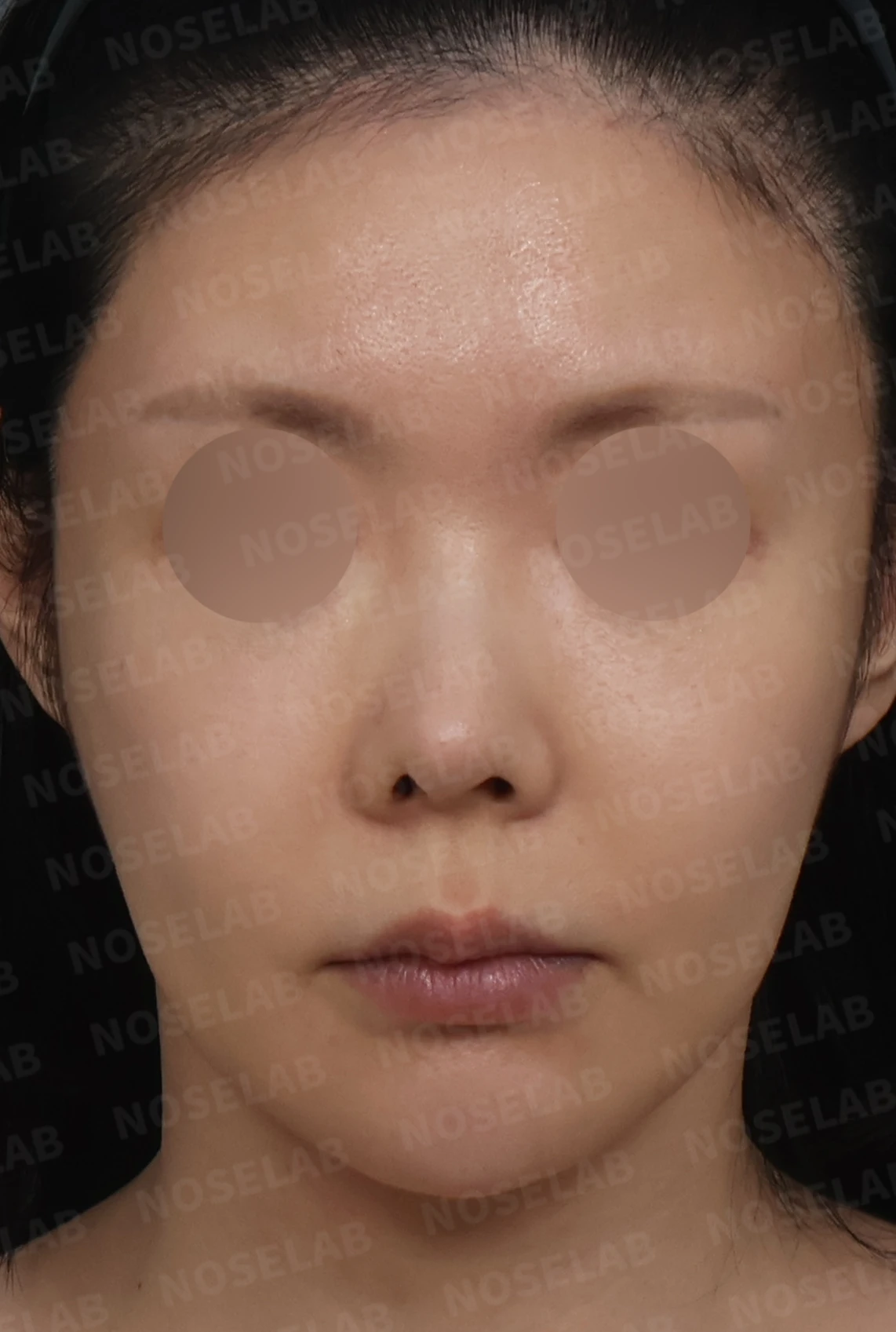
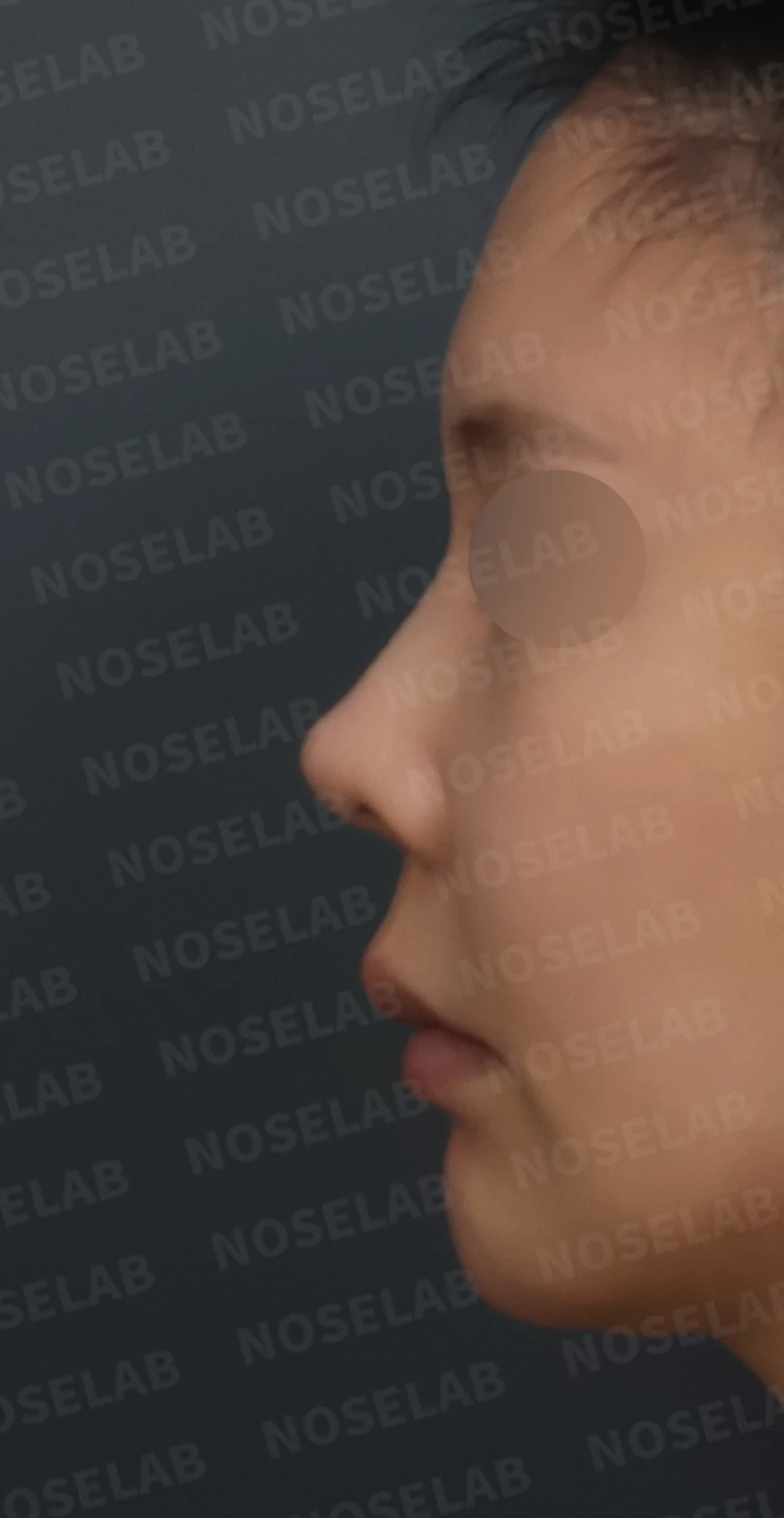
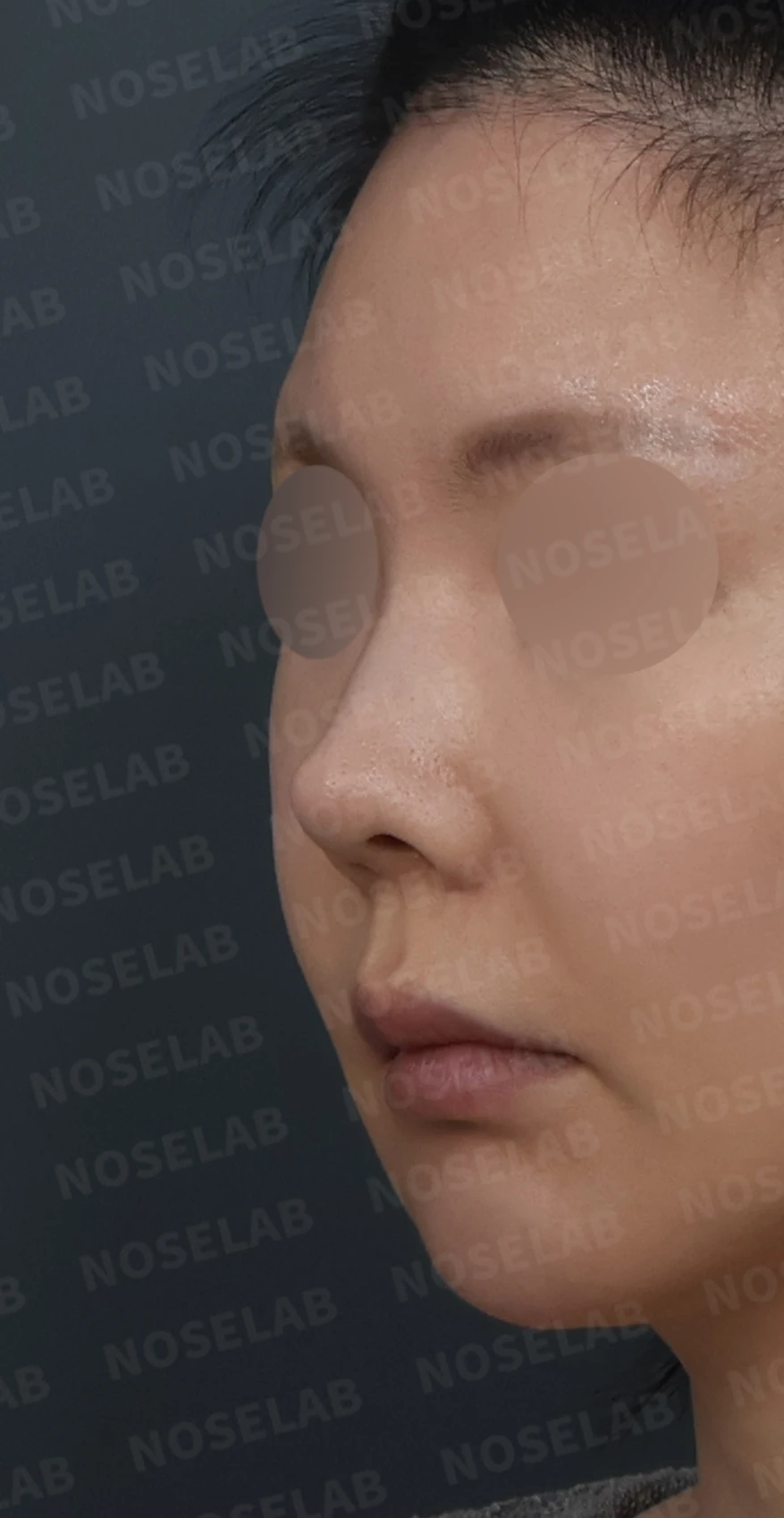
Front, left profile, and oblique views during design consultation.
💉 Patient requests
Improvement of the upturned appearance
Correction of crooked nose
Natural outcome without an implant (silicone)
Burden regarding autologous rib cartilage harvesting → Desired use of donor rib cartilage
Natural nasal tip line through nasolabial angle correction
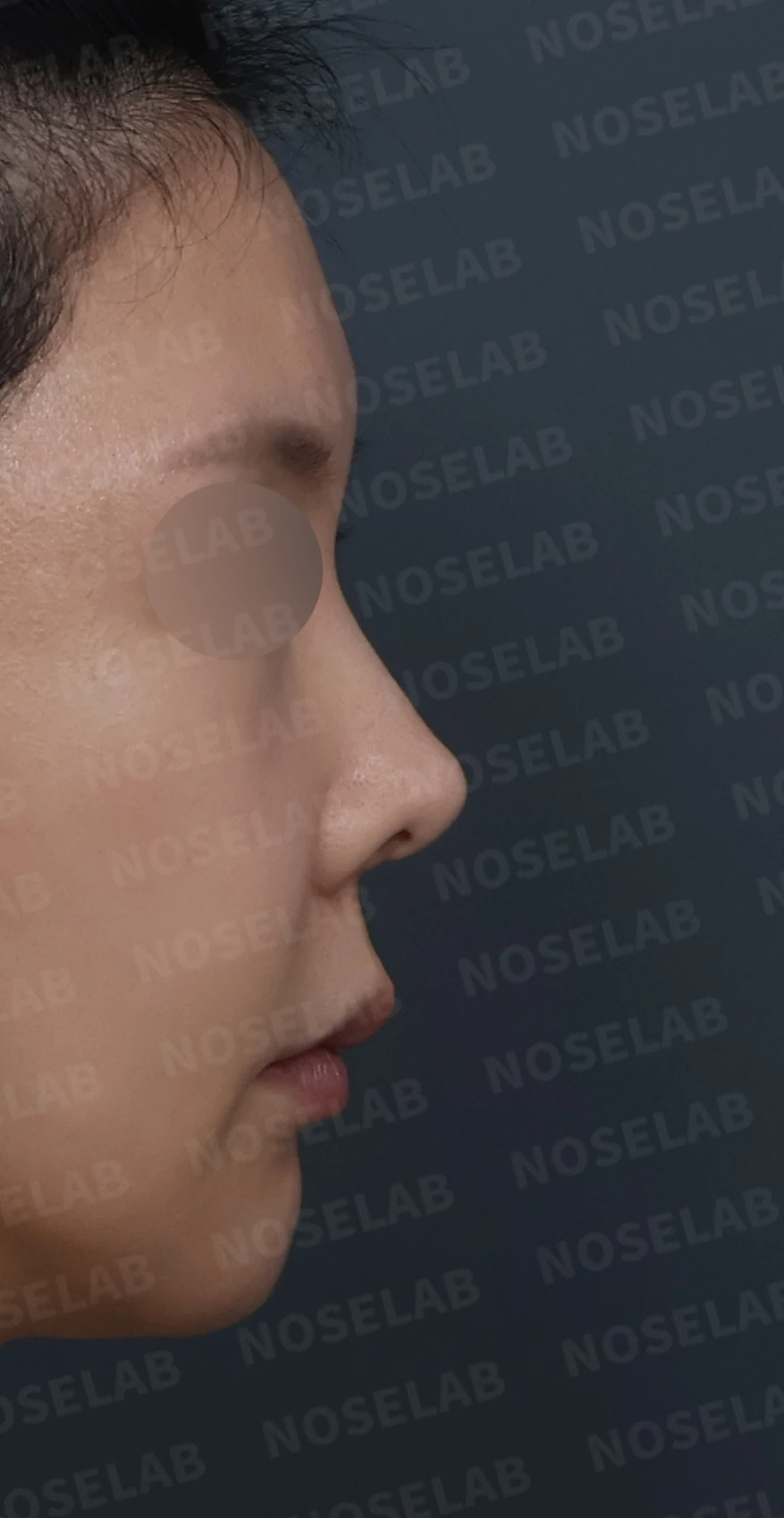
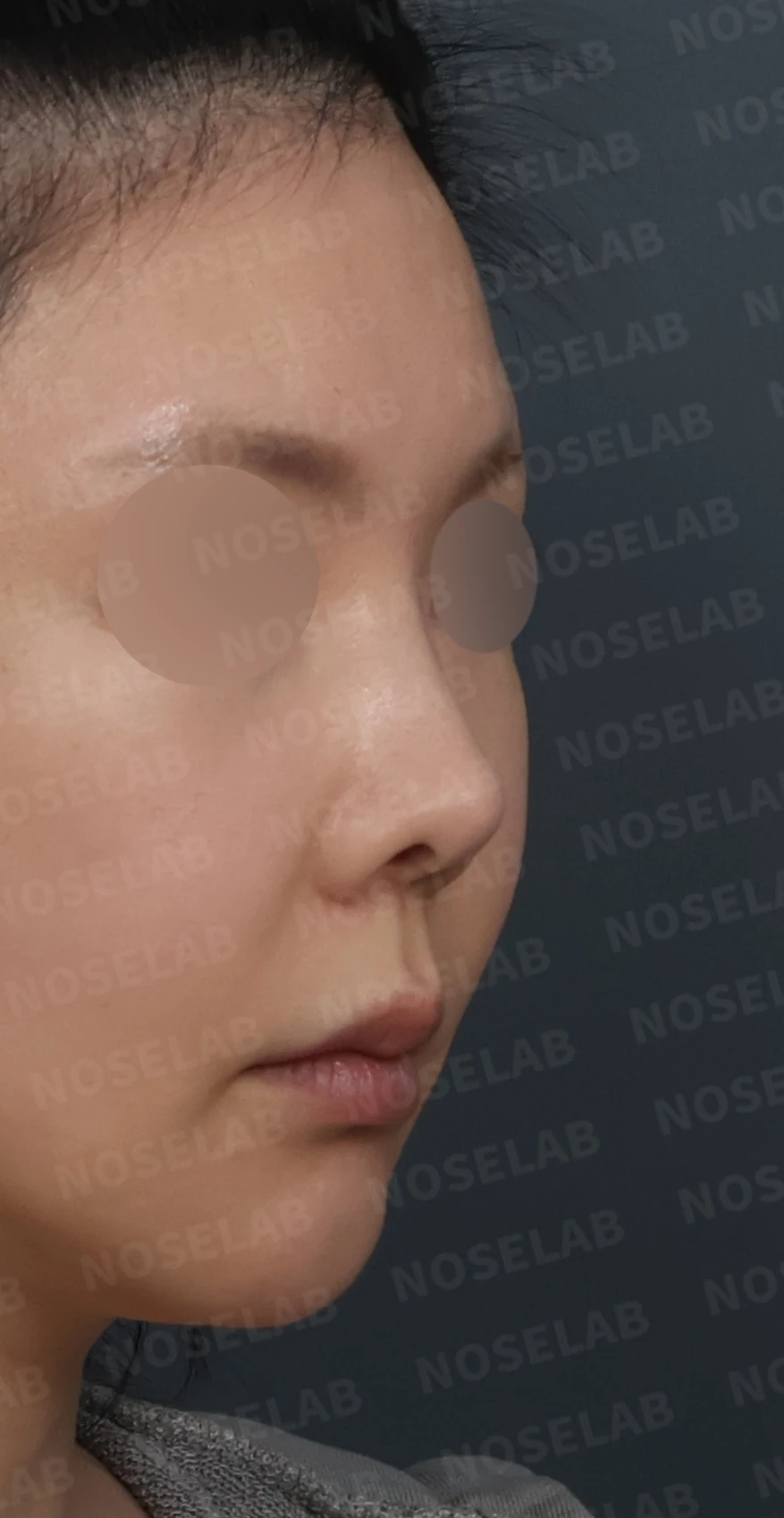
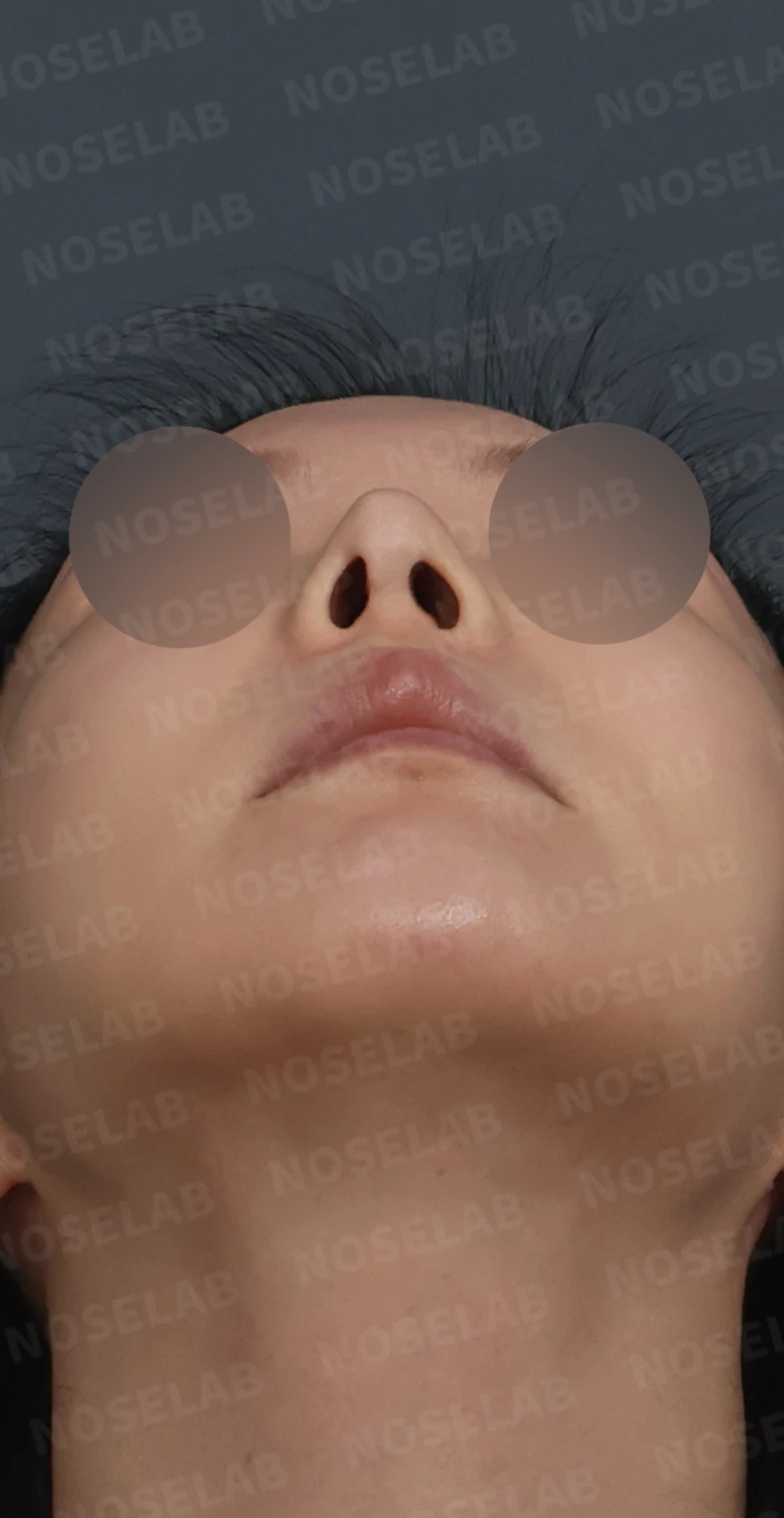
Right profile, oblique, and nostril views during design consultation.
🔧 Surgical plan and procedure
Taking into overall account the patient's requests and previous surgical history, the surgery proceeded as follows.
1. Nasal tip reconstruction using donor rib cartilage
For this patient, who carried psychological trauma from autologous rib cartilage harvesting, donor rib cartilage was used as the primary material. Concurrently, the autologous rib cartilage placed during the previous surgery was carefully removed with minimal damage and repurposed as secondary material to realign the nasal tip.
2. Natural tip contouring and nasolabial angle correction
The upturned nasal tip was naturally lowered, creating a smooth line rather than a sharp point. The columellar width was slightly broadened to allow the columella to sit naturally lower, and the nasolabial angle was corrected to around 95 degrees to produce a refined profile line.
3. Asymmetry correction and nasal bridge contouring
The right nasal bone, which protruded and made the overall nose appear deviated, was delicately contoured. Additionally, to improve nostril asymmetry visible from the front, lowering of the nostril rim was performed using an additional cartilage graft on the right lower lateral cartilage.
🌟 Surgical results
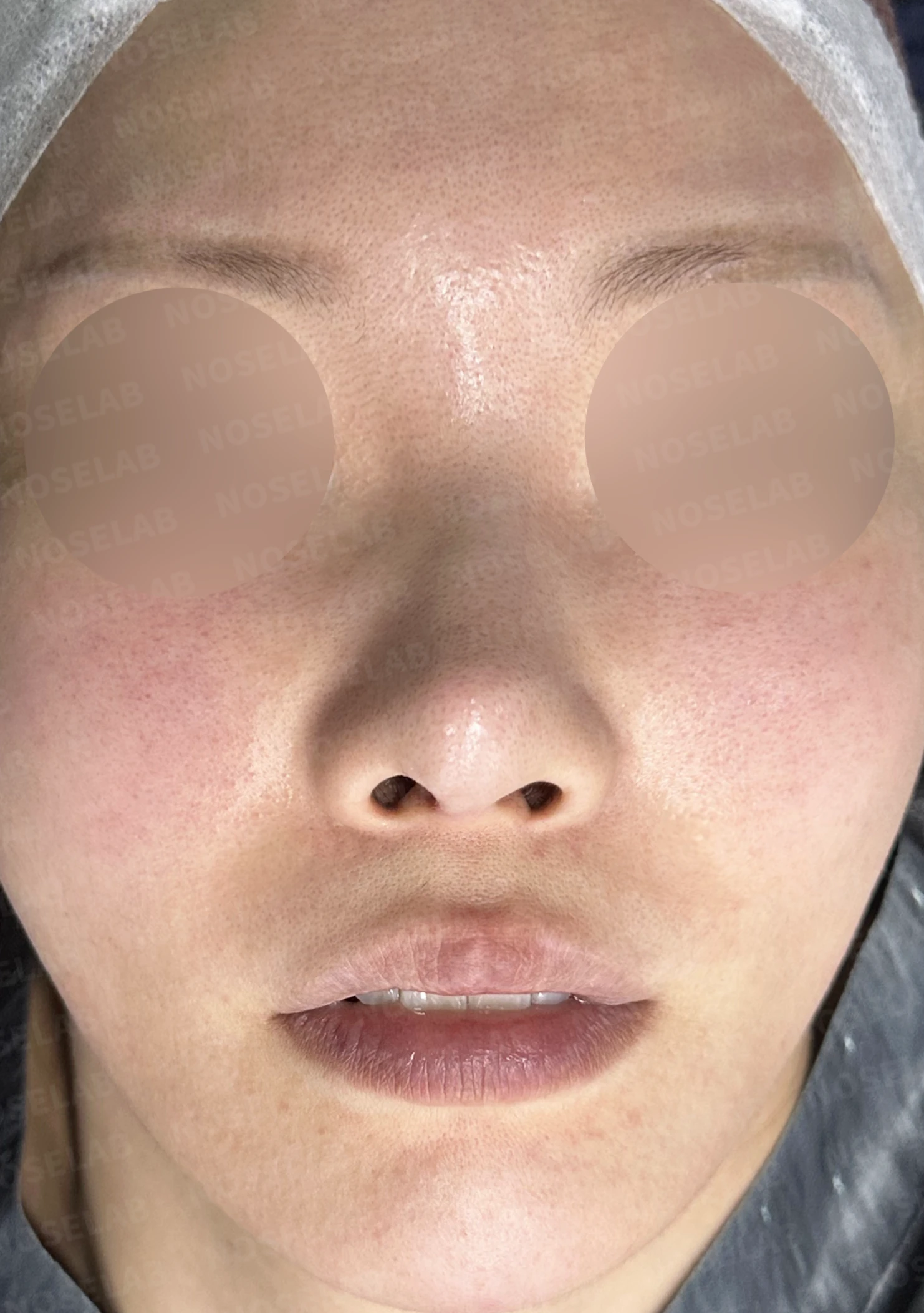
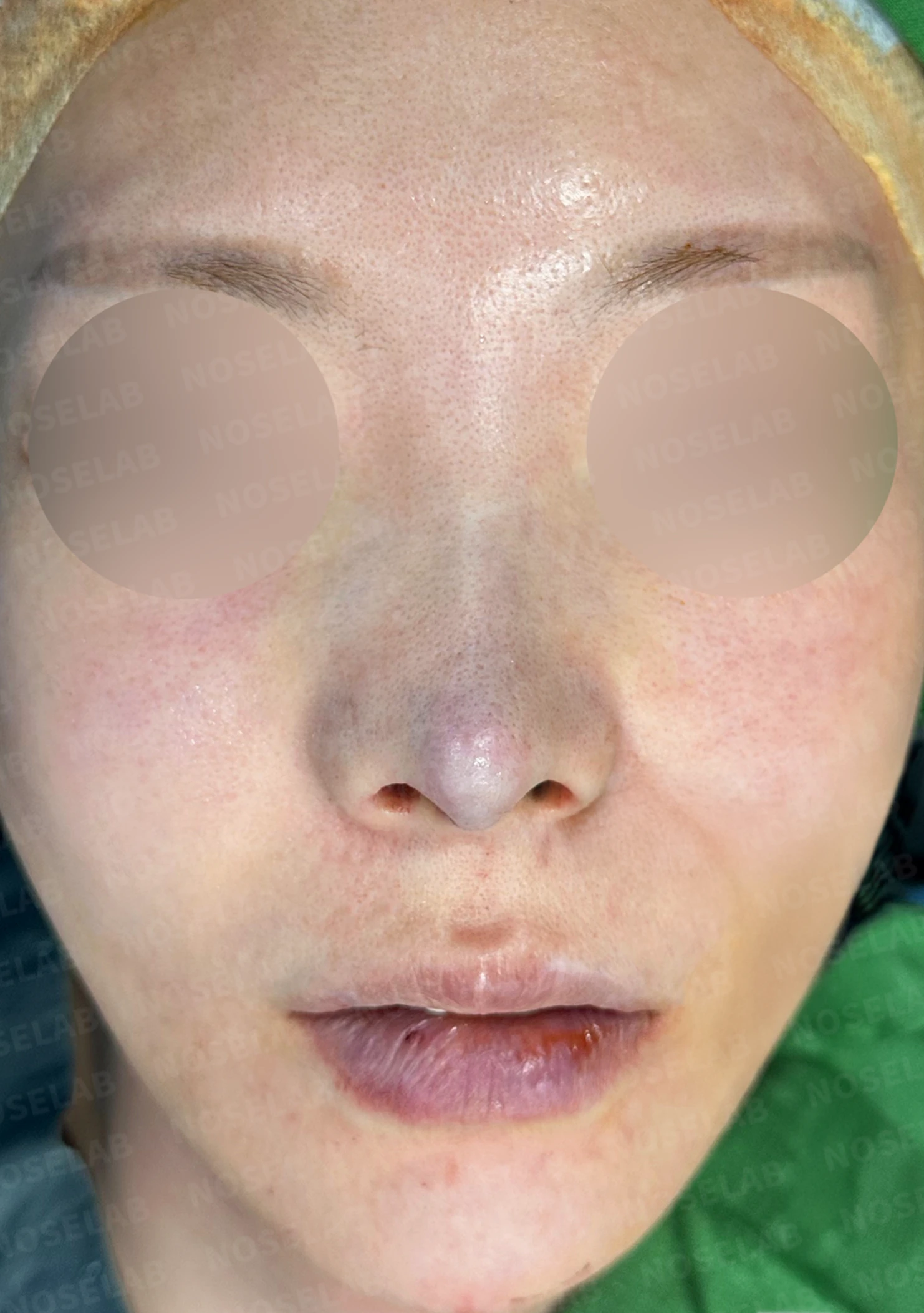
Before surgery / Day 0 immediately after surgery Photos taken immediately after surgery show swelling and may differ from the final result.
Front view changes:
The previously crooked bridge line was corrected into a straight alignment
Nostril asymmetry noticeably corrected
The nasal tip transitioned into a natural, soft shape
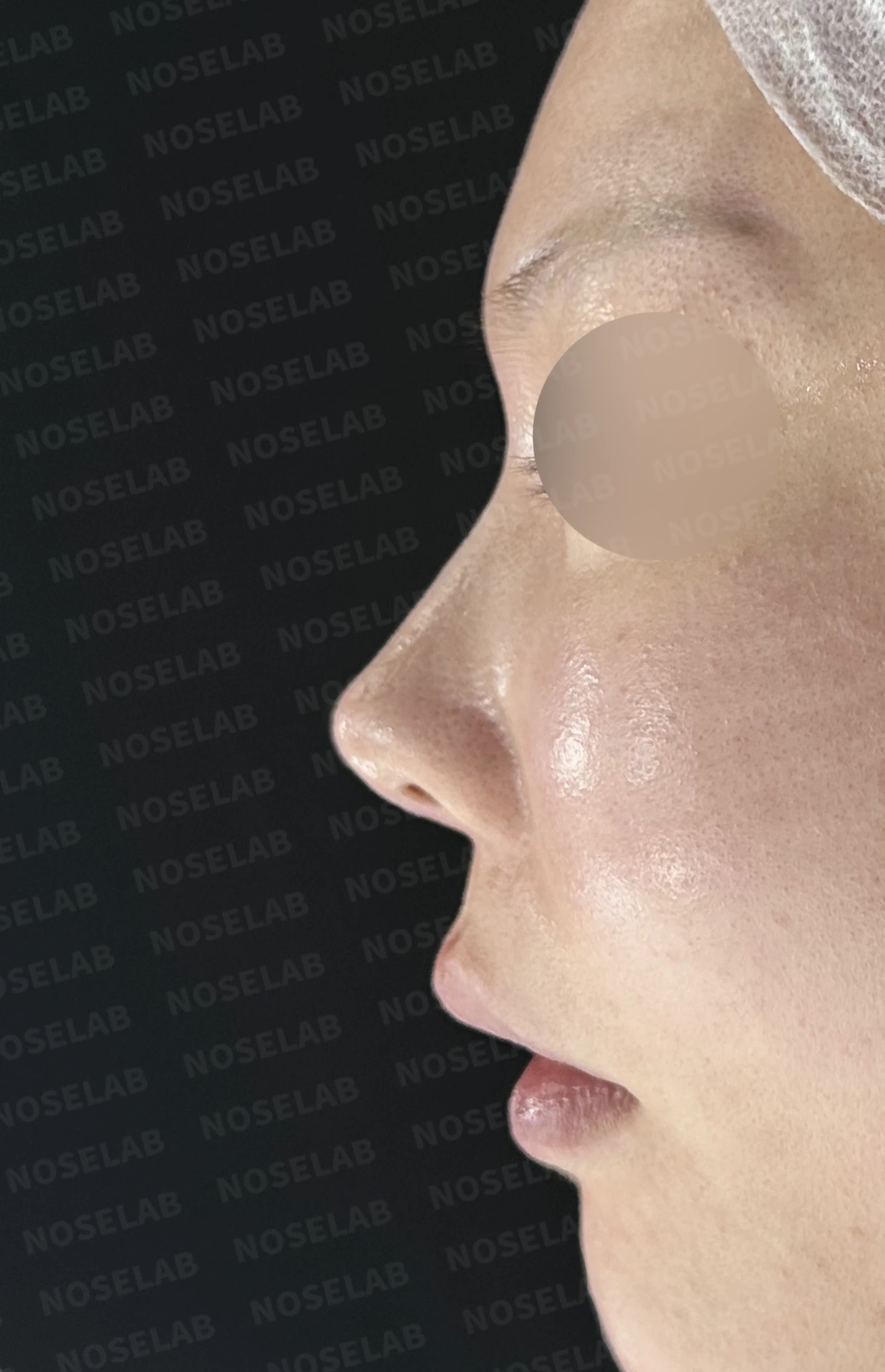
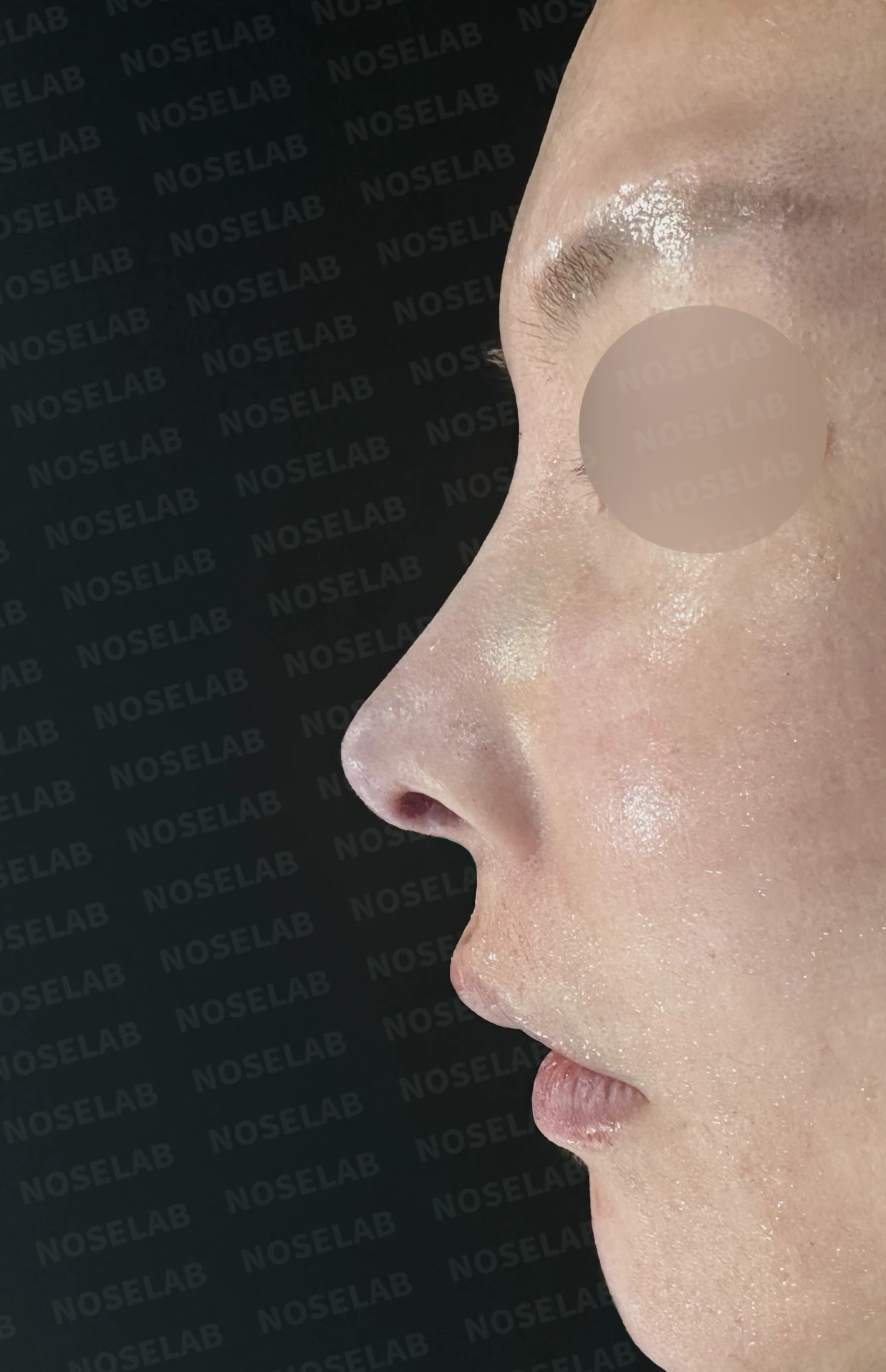
Before surgery / Day 0 immediately after surgery Photos taken immediately after surgery show swelling and may differ from the final result.
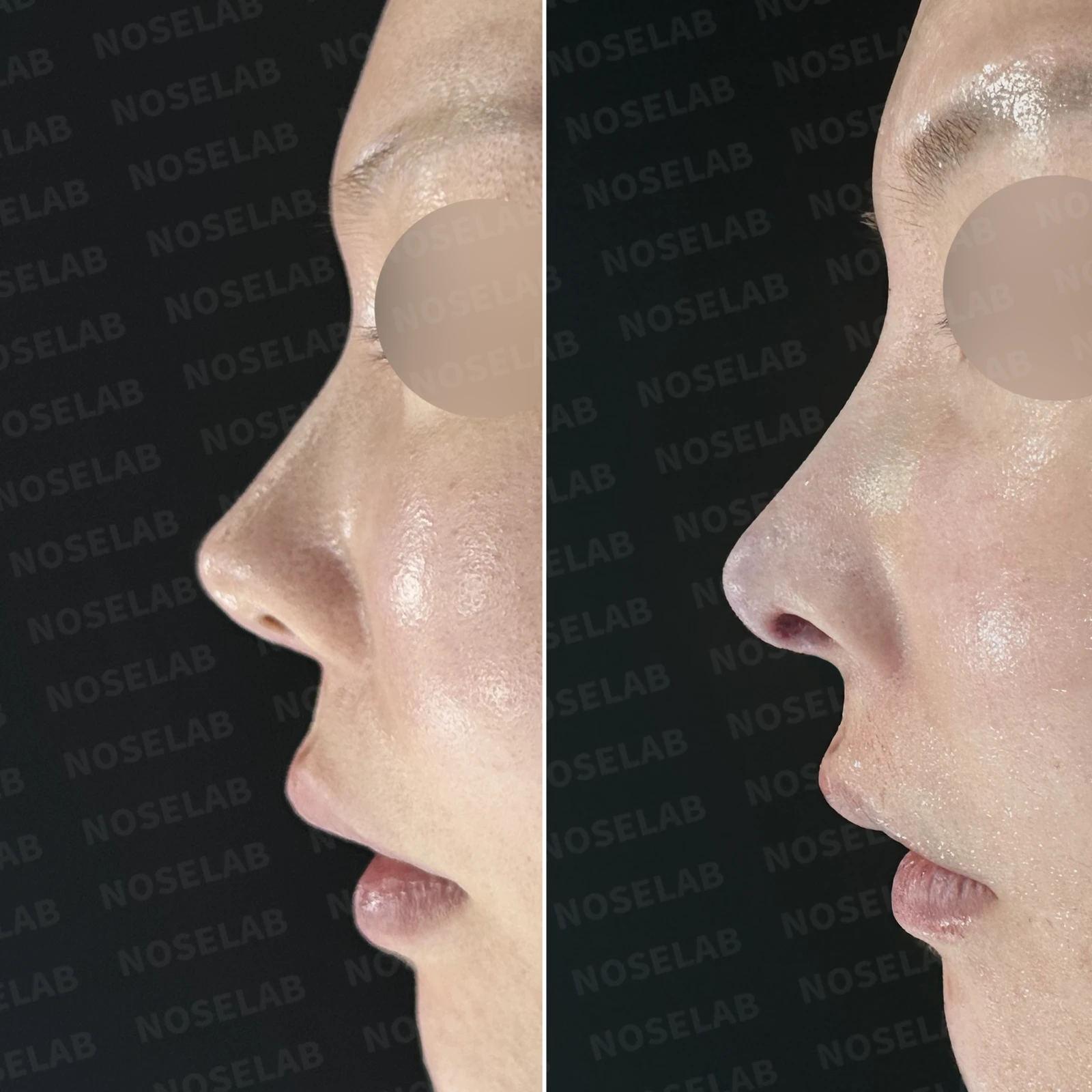
Profile view changes:
The upturned tip was naturally lowered
Nasolabial angle appropriately corrected, completing a refined profile
A natural and stable nasal line achieved without implants
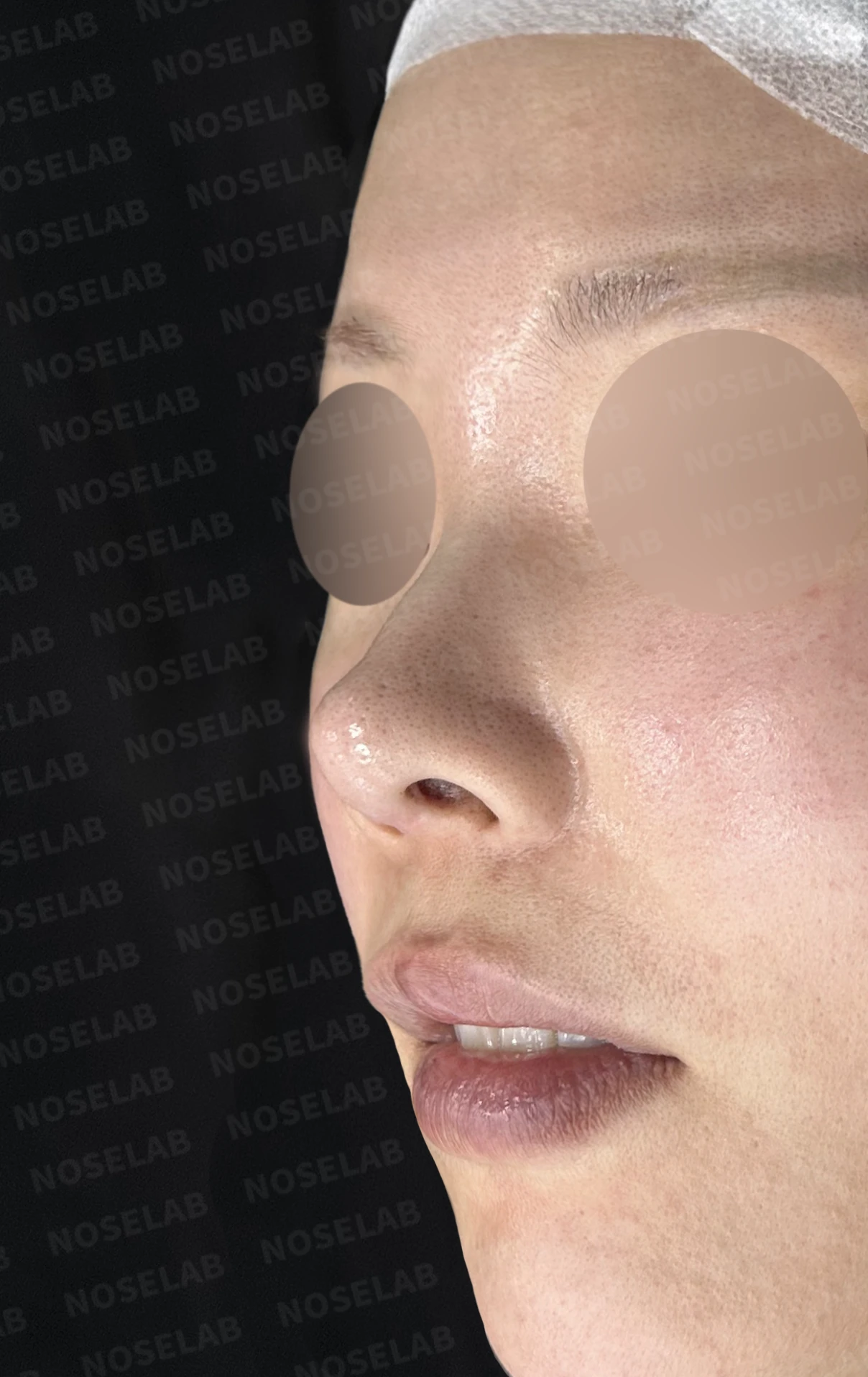
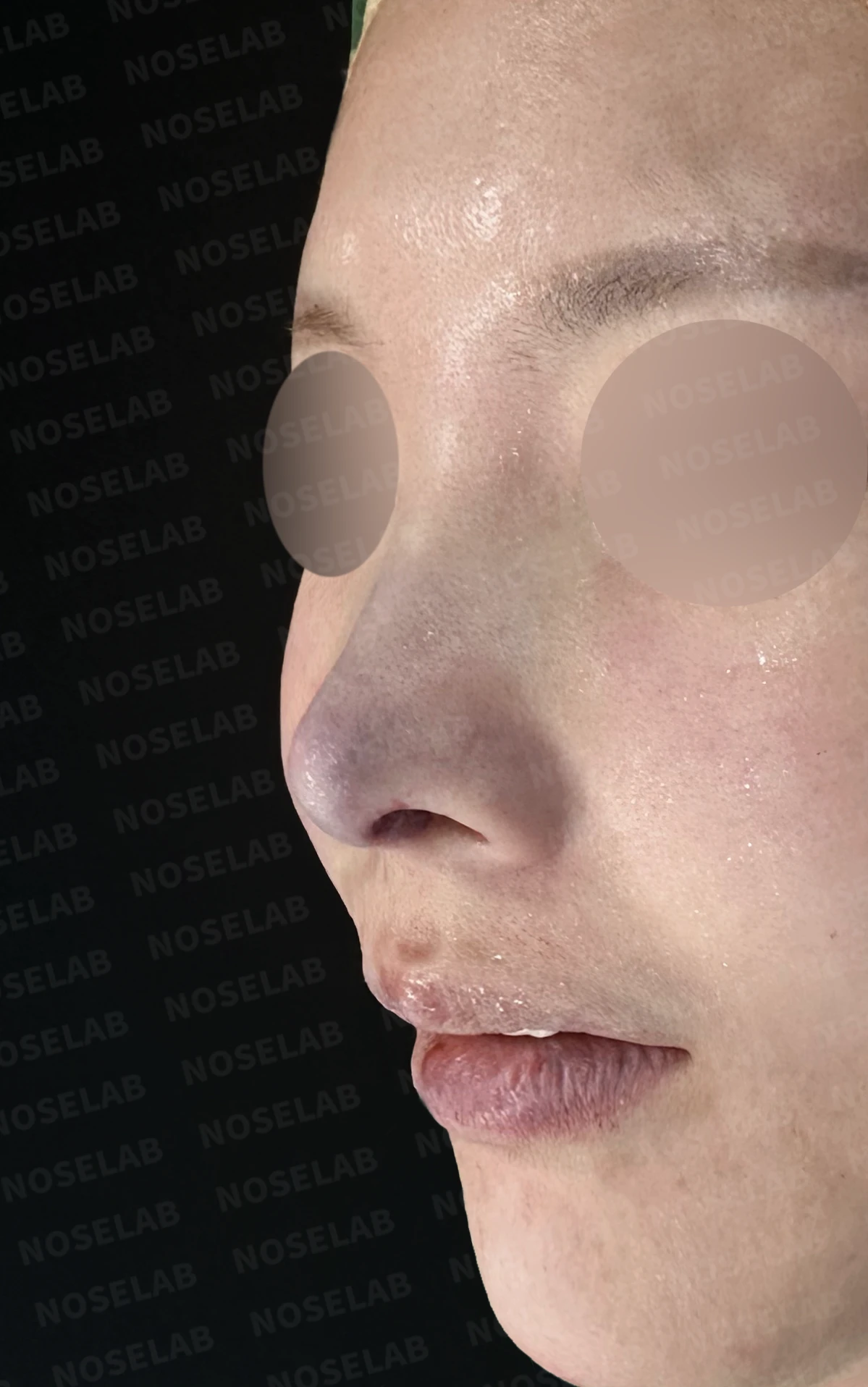
Before surgery / Day 0 immediately after surgery Photos taken immediately after surgery show swelling and may differ from the final result.
Nostril view changes:
Difference in size between the left and right nostrils improved
Balanced nostril shape as the columella descends naturally
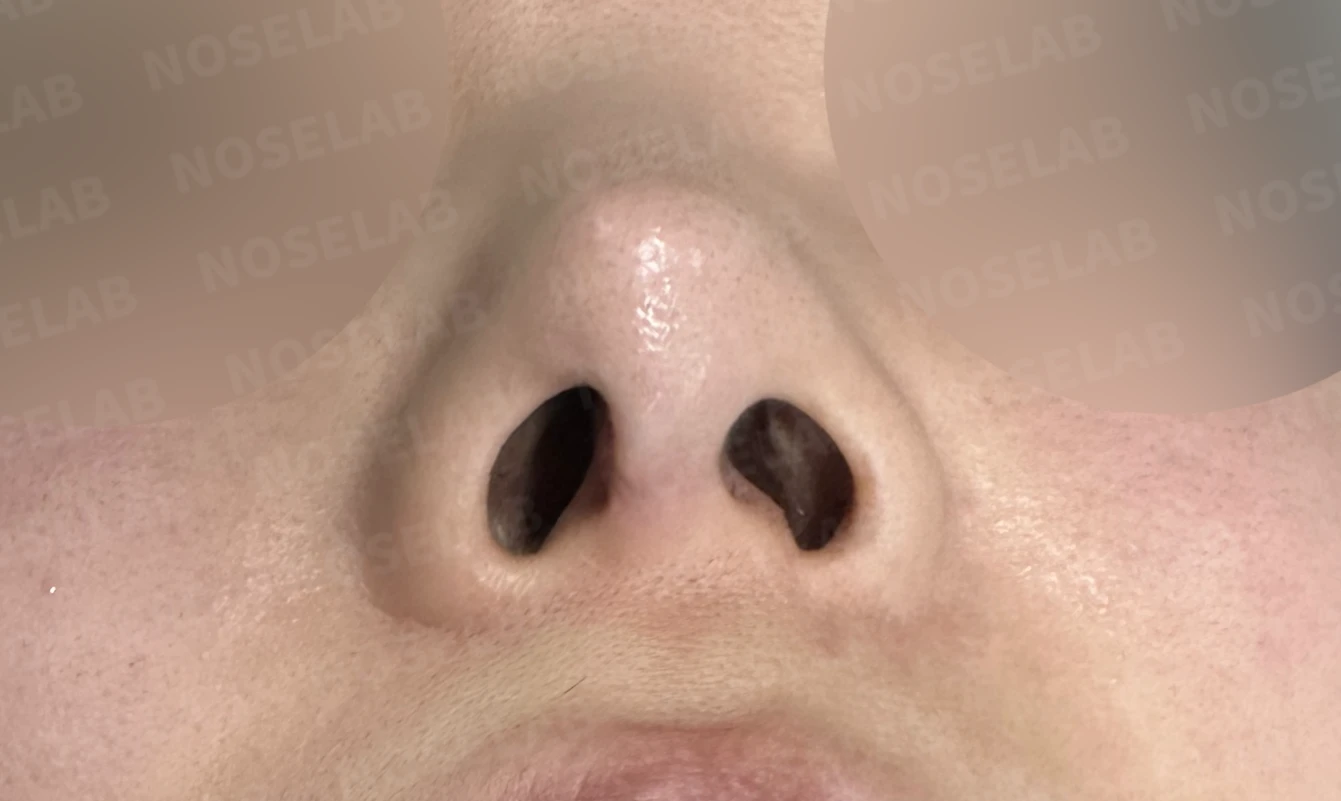
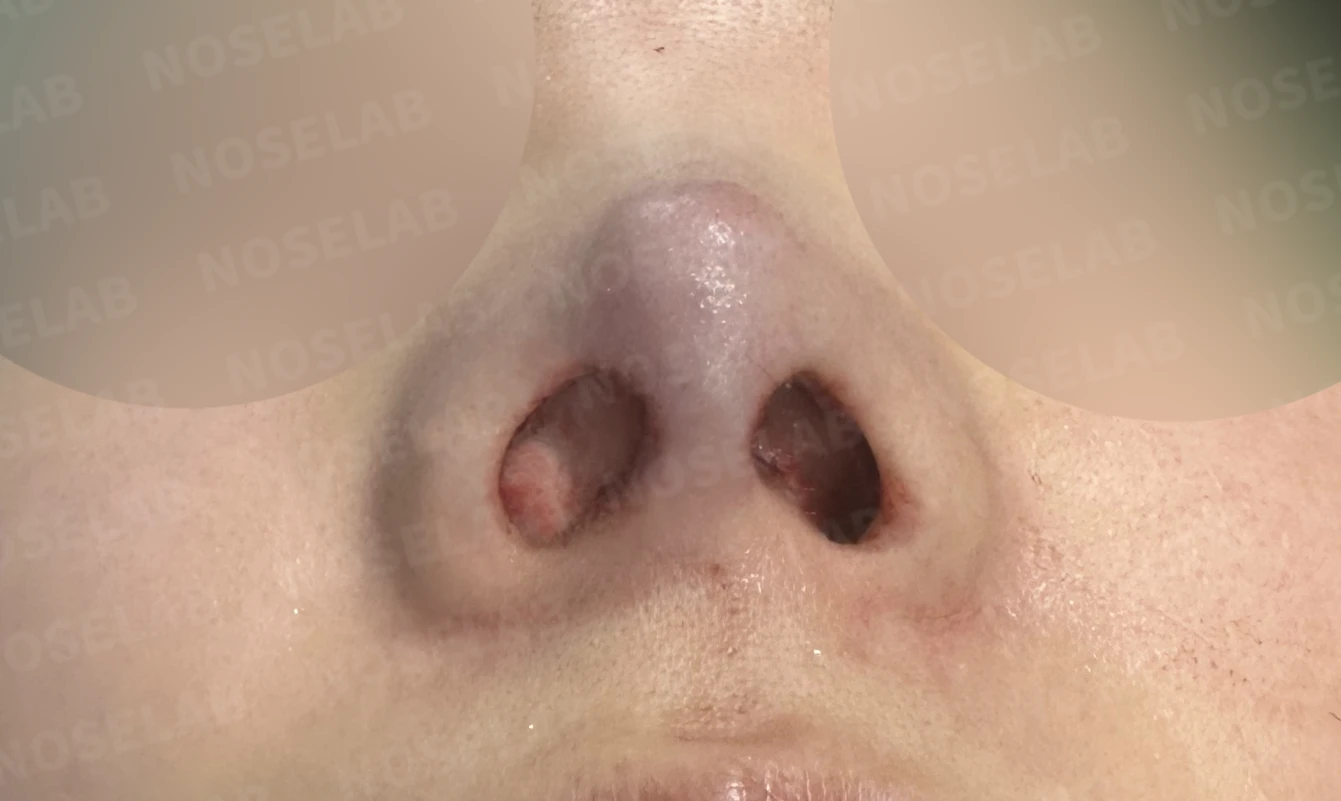
Before surgery / Day 0 immediately after surgery Photos taken immediately after surgery show swelling and may differ from the final result.
💡 Specialist opinion
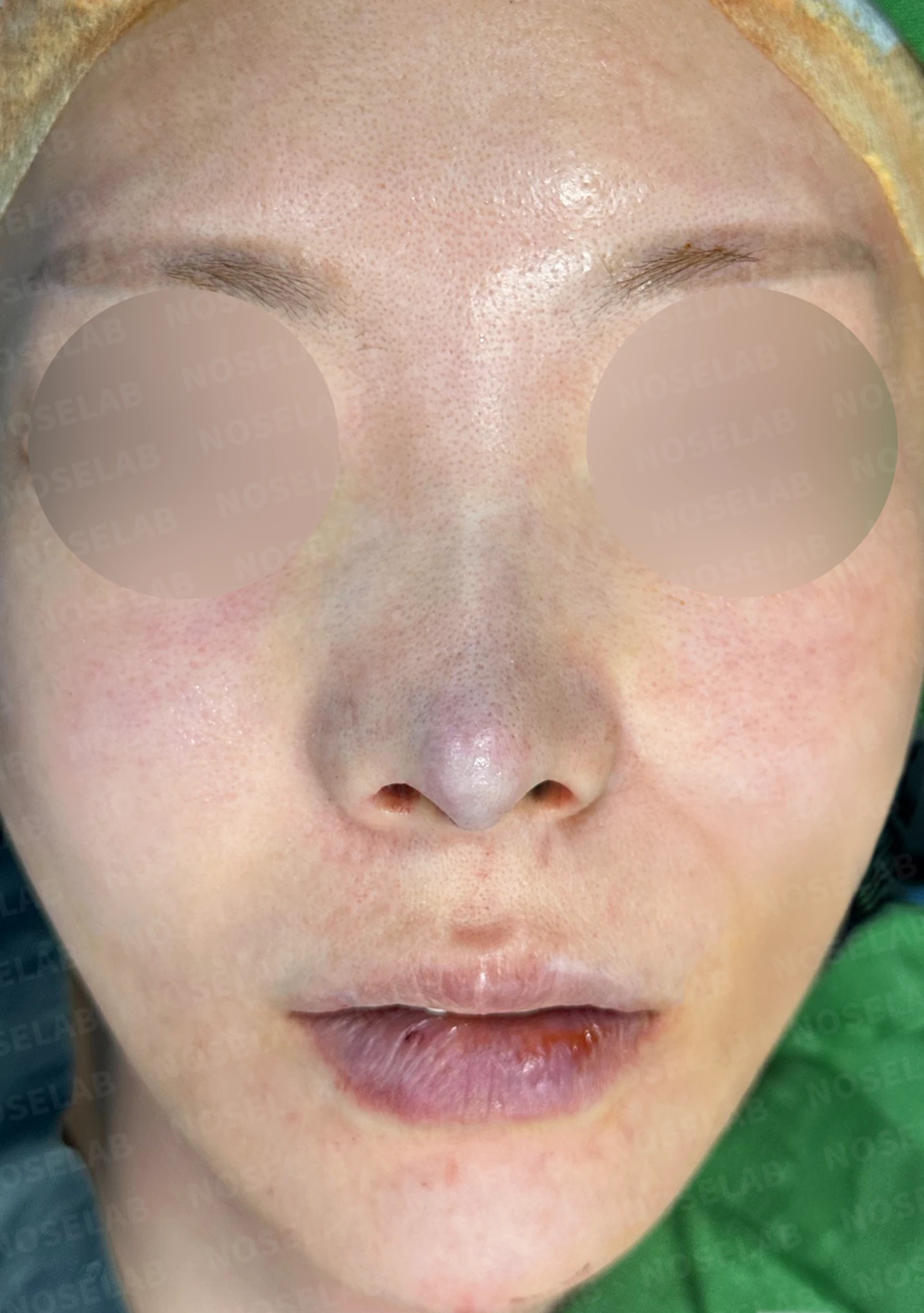
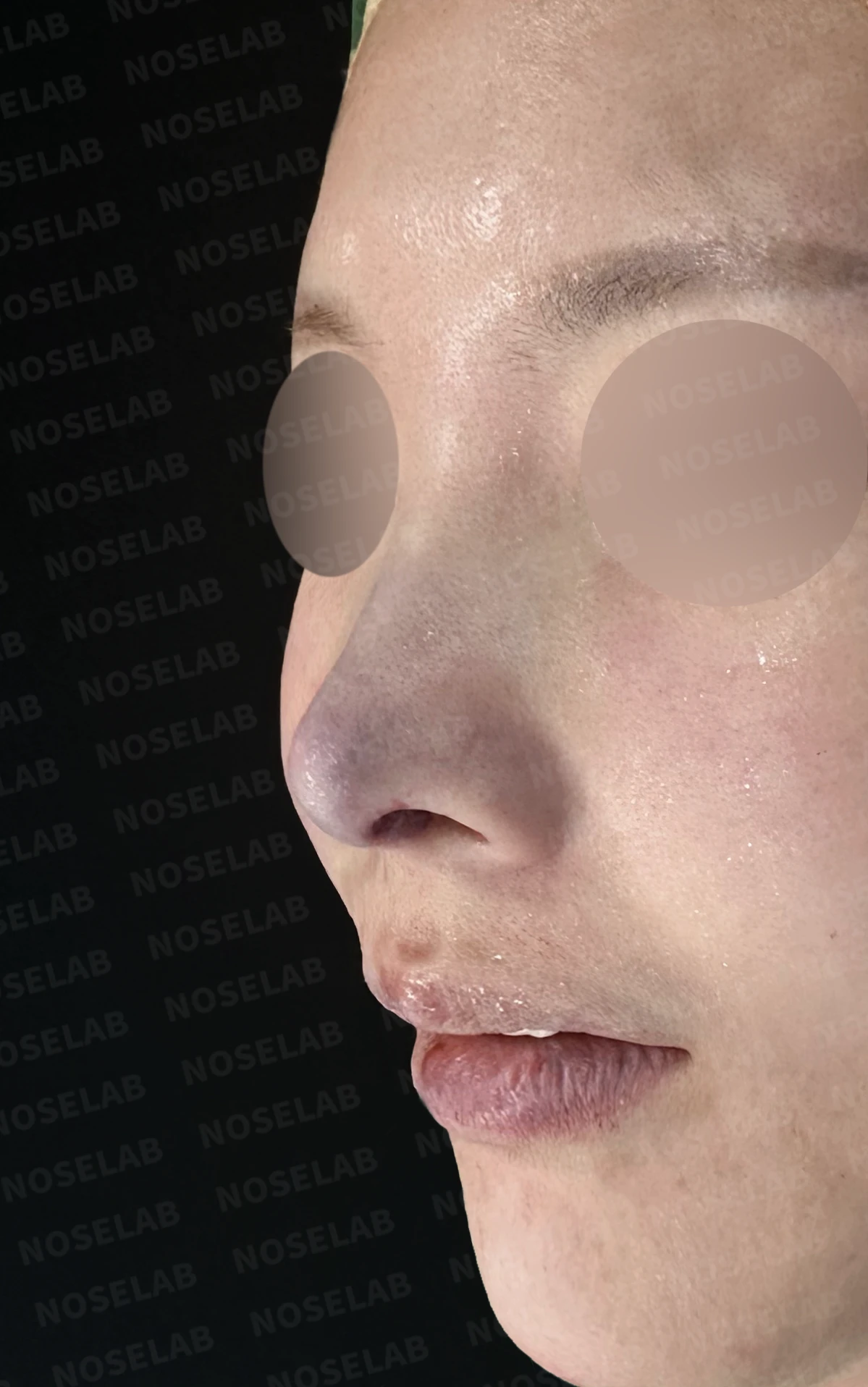
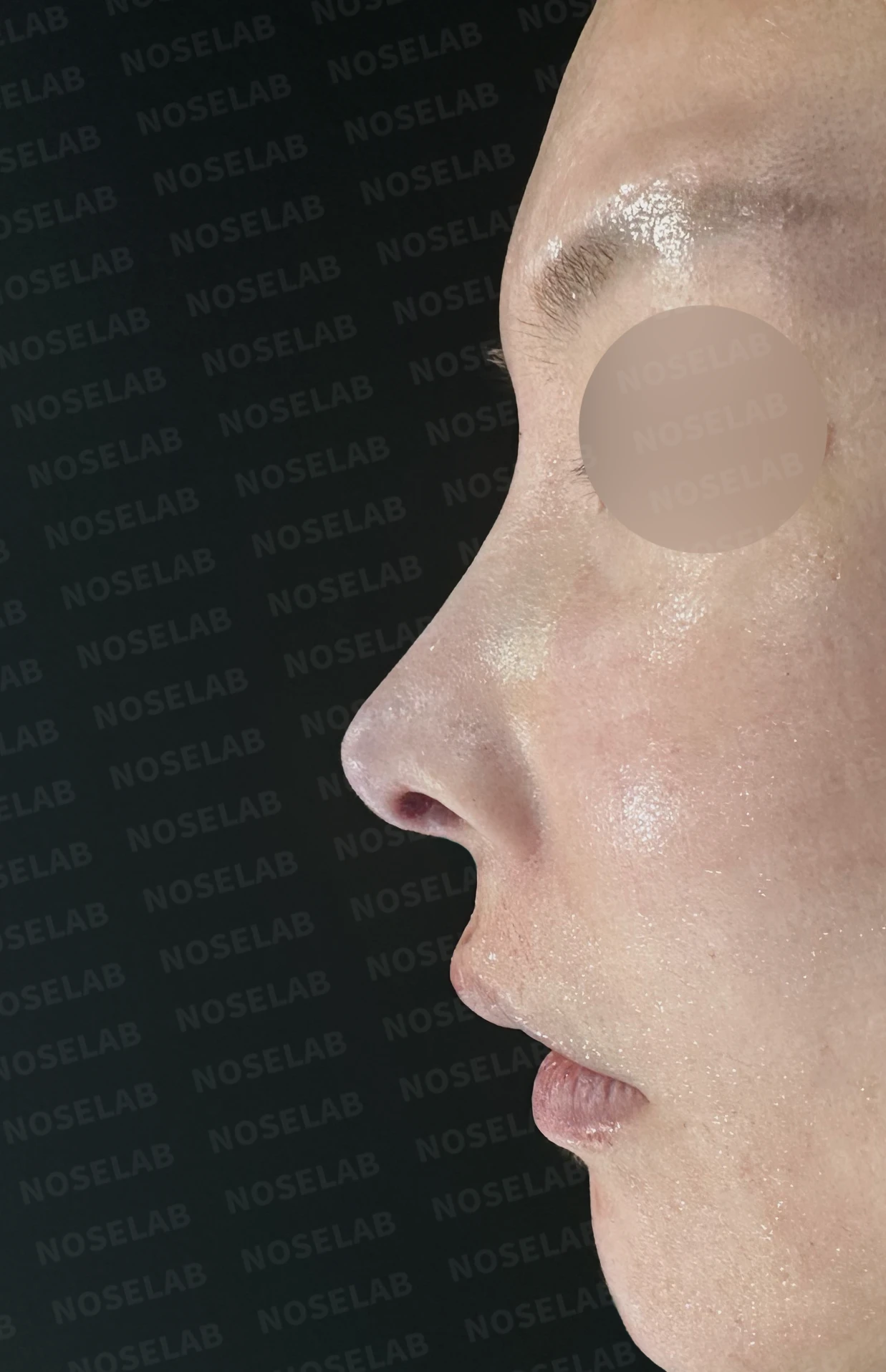
Day 0 immediately after surgery: front, oblique, and profile viewsPhotos taken immediately after surgery show swelling and may differ from the final result.
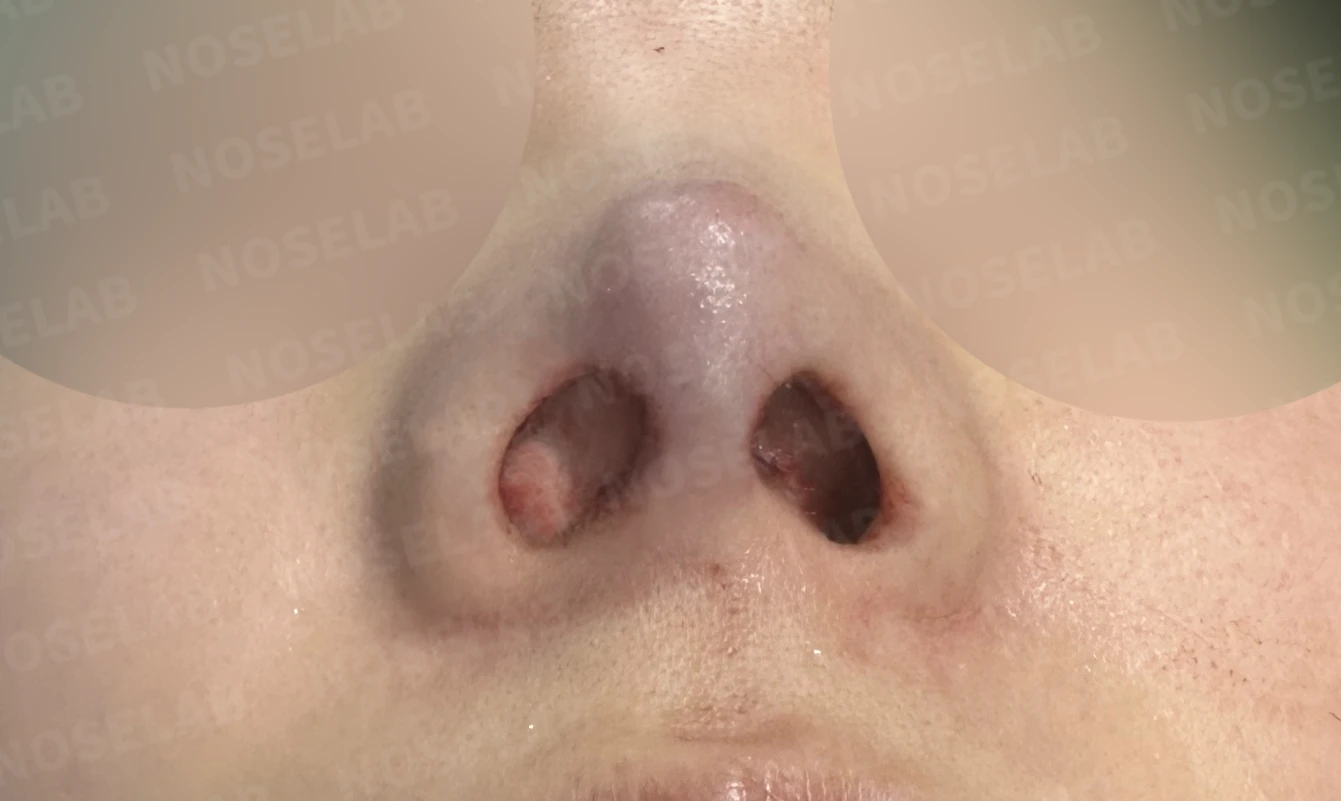
Day 0 immediately after surgery: nostril viewPhotos taken immediately after surgery show swelling and may differ from the final result.
In revision rhinoplasty, accurately assessing tissues and structural anatomy altered by prior surgeries is essential. In this case, having two prior surgical interventions and having experienced a pneumothorax during autologous rib cartilage harvesting imposed a significant emotional burden on the patient.
Donor rib cartilage can serve as a dependable alternative for such patients. It provides an adequate volume of cartilage without an autologous harvest procedure, satisfying both surgical stability and the patient's peace of mind. In addition, carefully repurposing the existing autologous rib cartilage secured an array of materials.
Implant-free surgery offers the advantage of natural results without the risk of implant-related side effects. However, because structural support and contouring must be achieved using cartilage alone, meticulous surgical planning and substantial experience are required.
We aim to deliver personalized surgical care tailored to each patient's individual condition and goals. I hope this case provides helpful insight for those facing similar concerns.
This was Dr. Peter C. Kang. Thank you.
#closedrhinoplasty #closedrevisionrhinoplasty #donorribcartilage #implantfreerhinoplasty #upturnednosecorrection #deviatednosecorrection #revisionrhinoplasty #nasolabialanglecorrection #nostrilasymmetry #tiprhinoplasty

Limitations and risks
When autologous rib cartilage is used, scarring and pain may remain at the donor site on the chest, and pneumothorax (pleural injury) can occur rarely. Over time, the grafted cartilage may warp or undergo partial resorption.
When using donor rib cartilage, long-term follow-up is necessary because the grafted cartilage may resorb or warp.
When the septum is corrected at the same time, nasal obstruction may persist or recur, and in rare cases, septal perforation or changes in smell may occur.
Common potential risks include infection, bleeding, asymmetry, scarring, skin necrosis, and insufficient improvement; results vary depending on individual skin condition and previous surgical history.