Hello, I am Dr. Peter C. Kang.
Today, I would like to introduce a revision rhinoplasty case of a patient who visited our clinic after developing contracture following a previous surgery.
🔍 Surgical history
7 years ago: Rhinoplasty using a silicone implant and septal cartilage
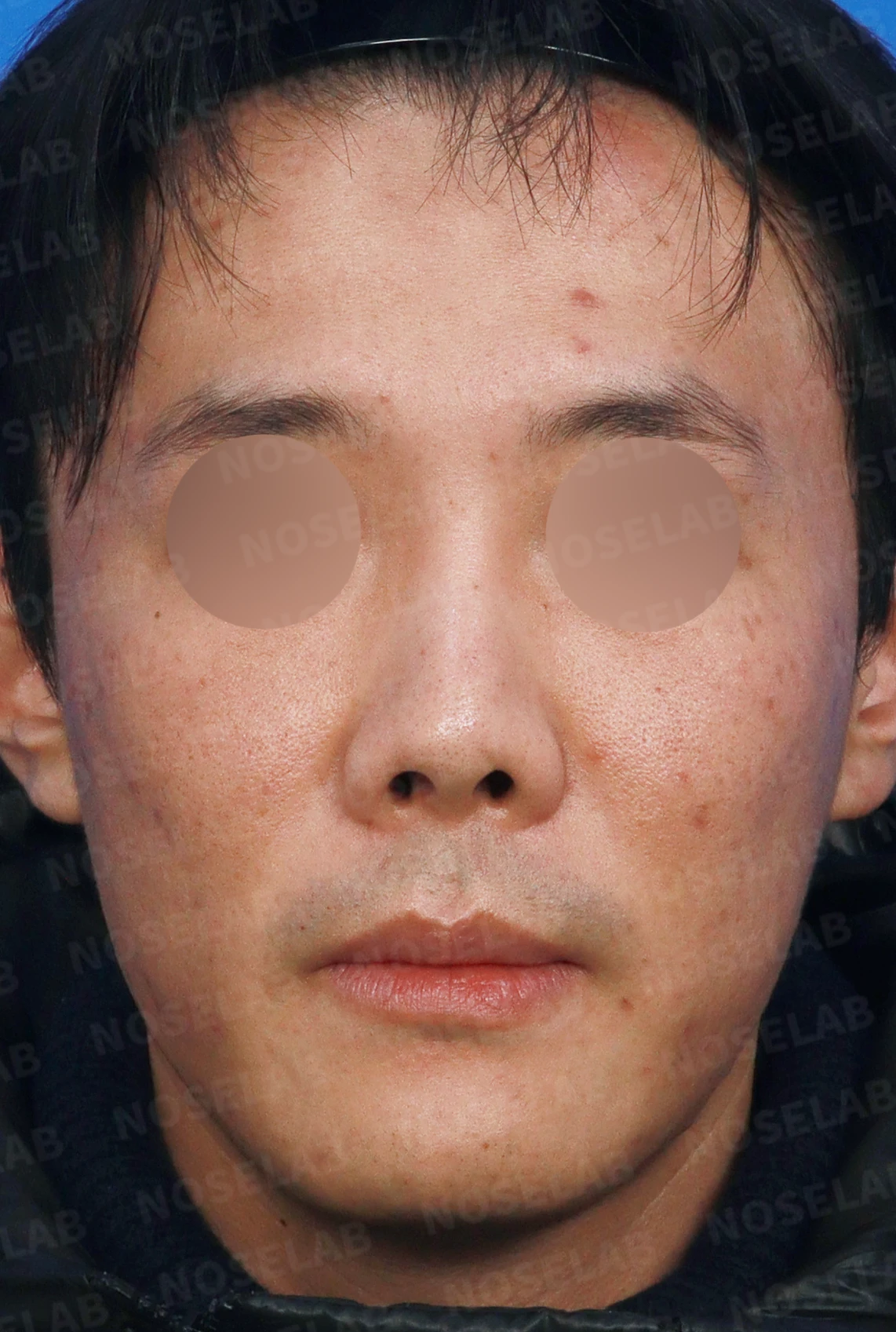
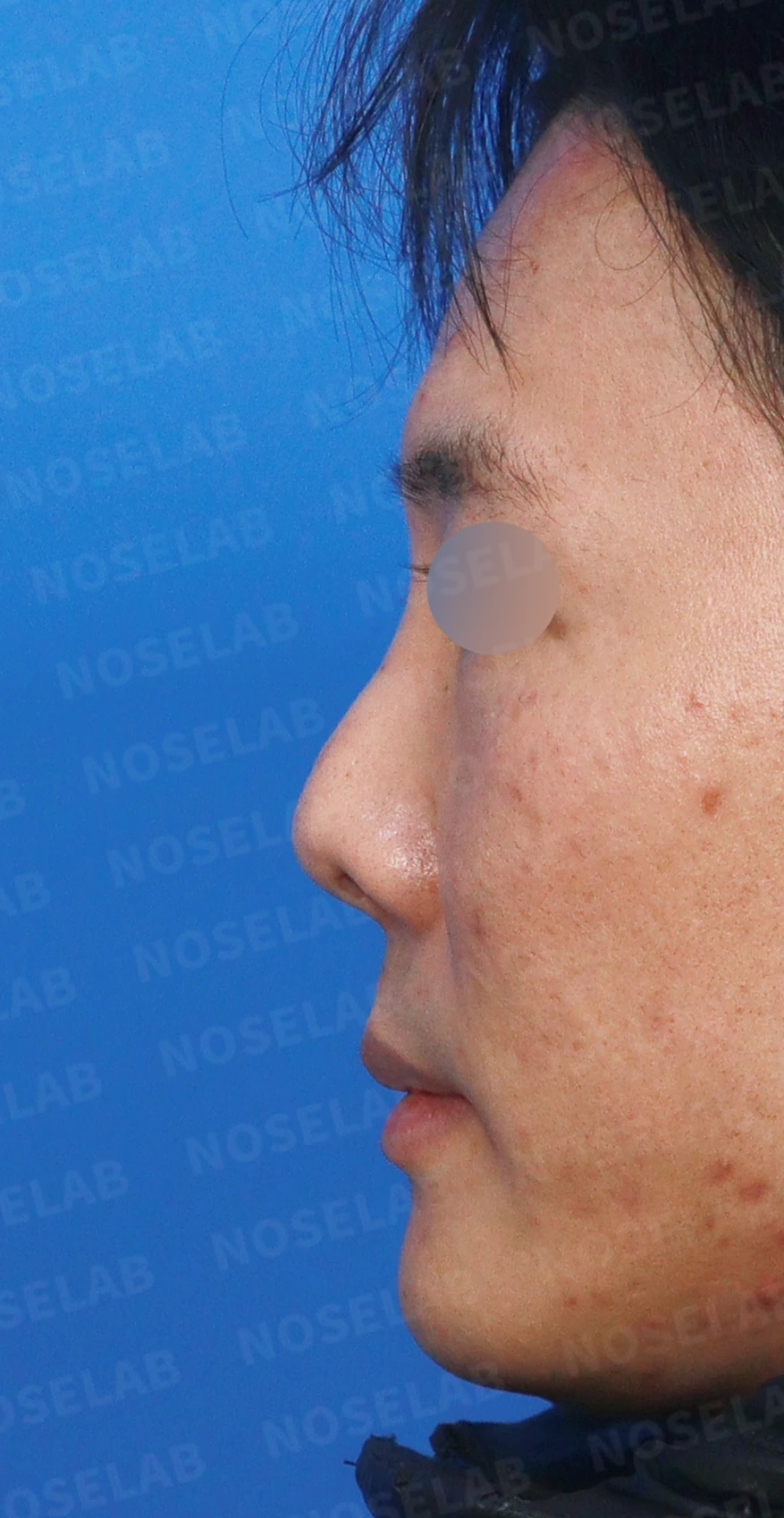
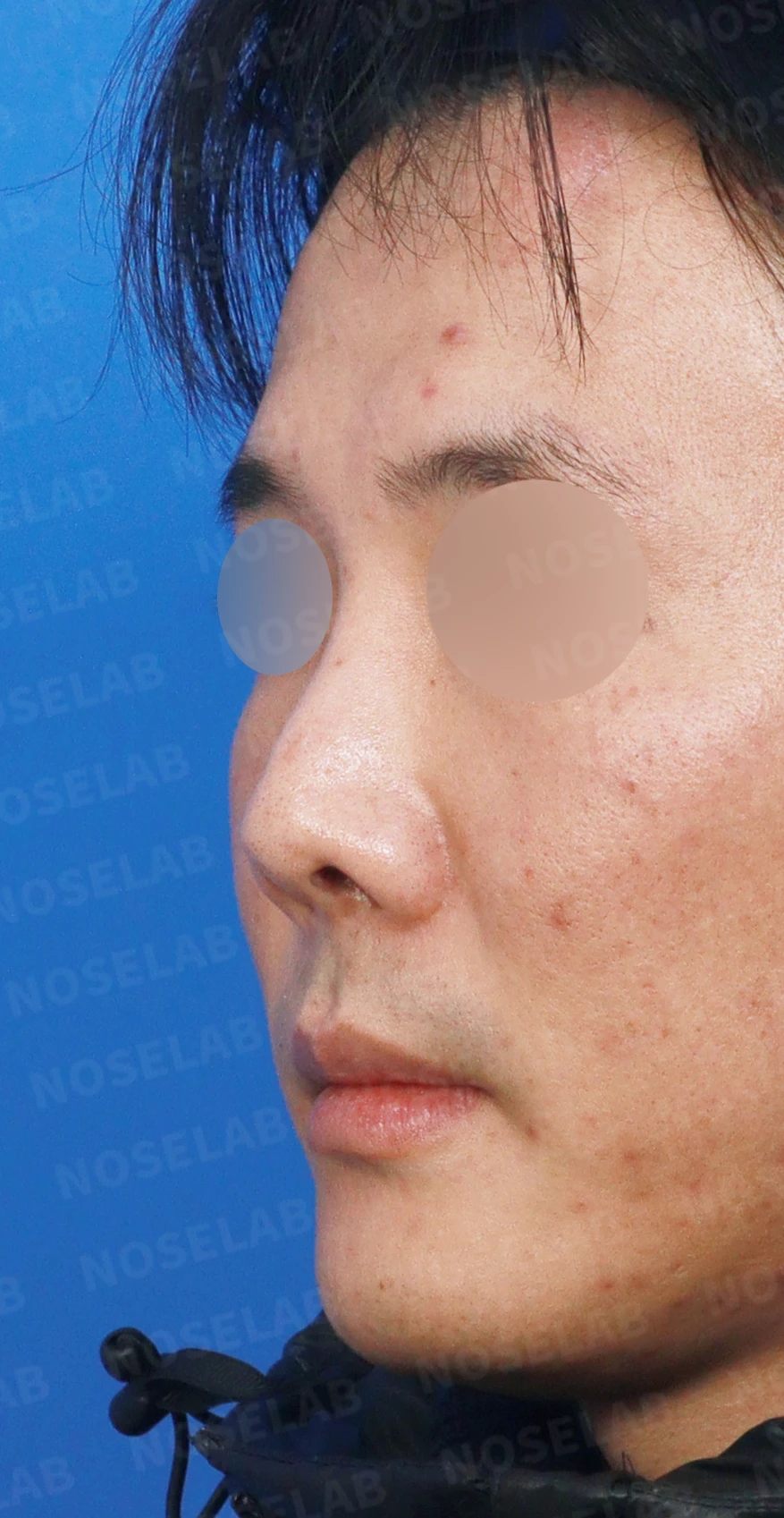
Front, left profile, and oblique views during design consultation.
💉 Patient requests
As time passed after the previous surgery, contracture developed, leaving the patient with several concerns.
Main requests:
Revision rhinoplasty planned with safety in mind using autologous rib cartilage
Improvement of upturned nose
Correction of crooked nose
Lowering the columella to reduce nostril show
Correction of the nasolabial angle
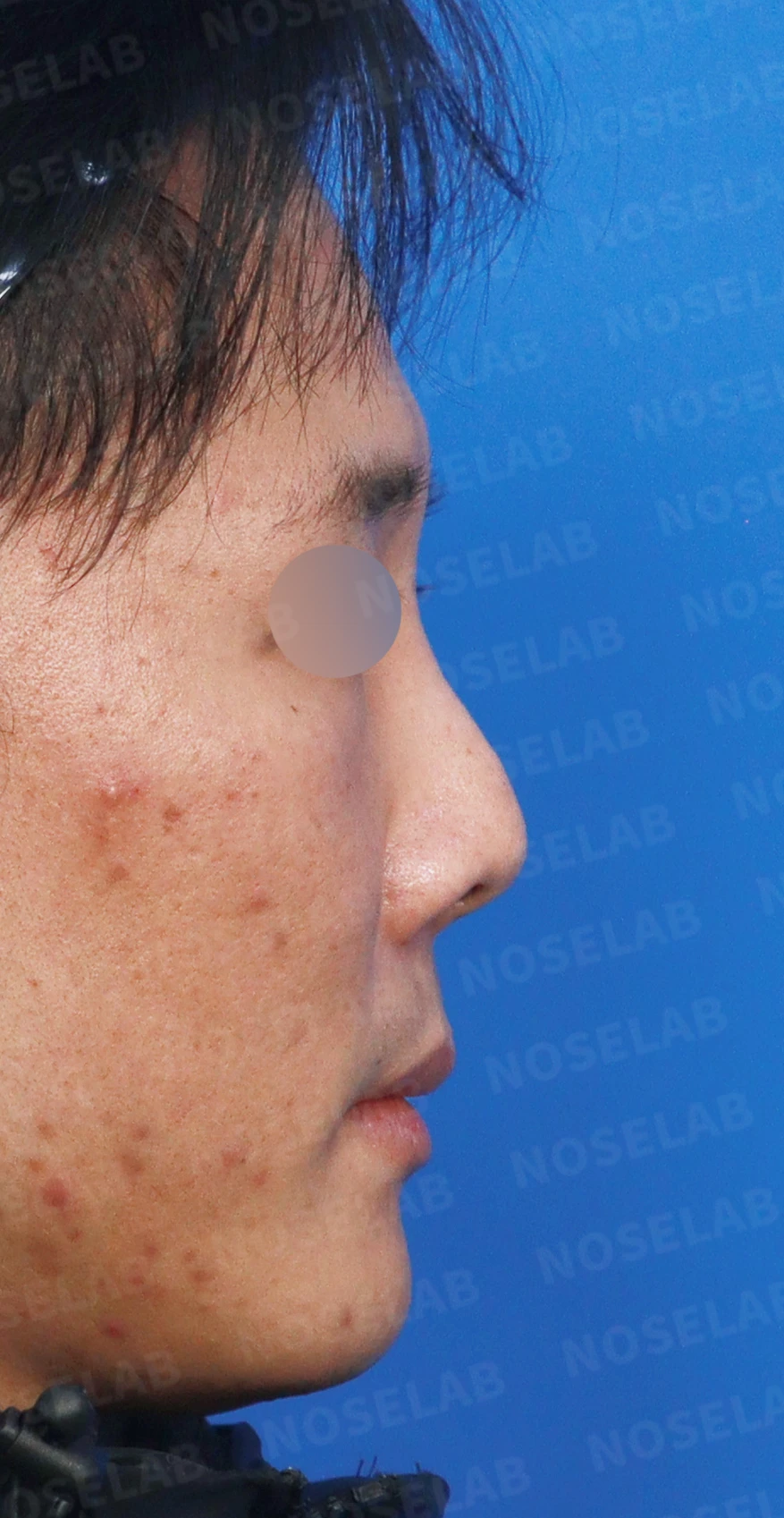
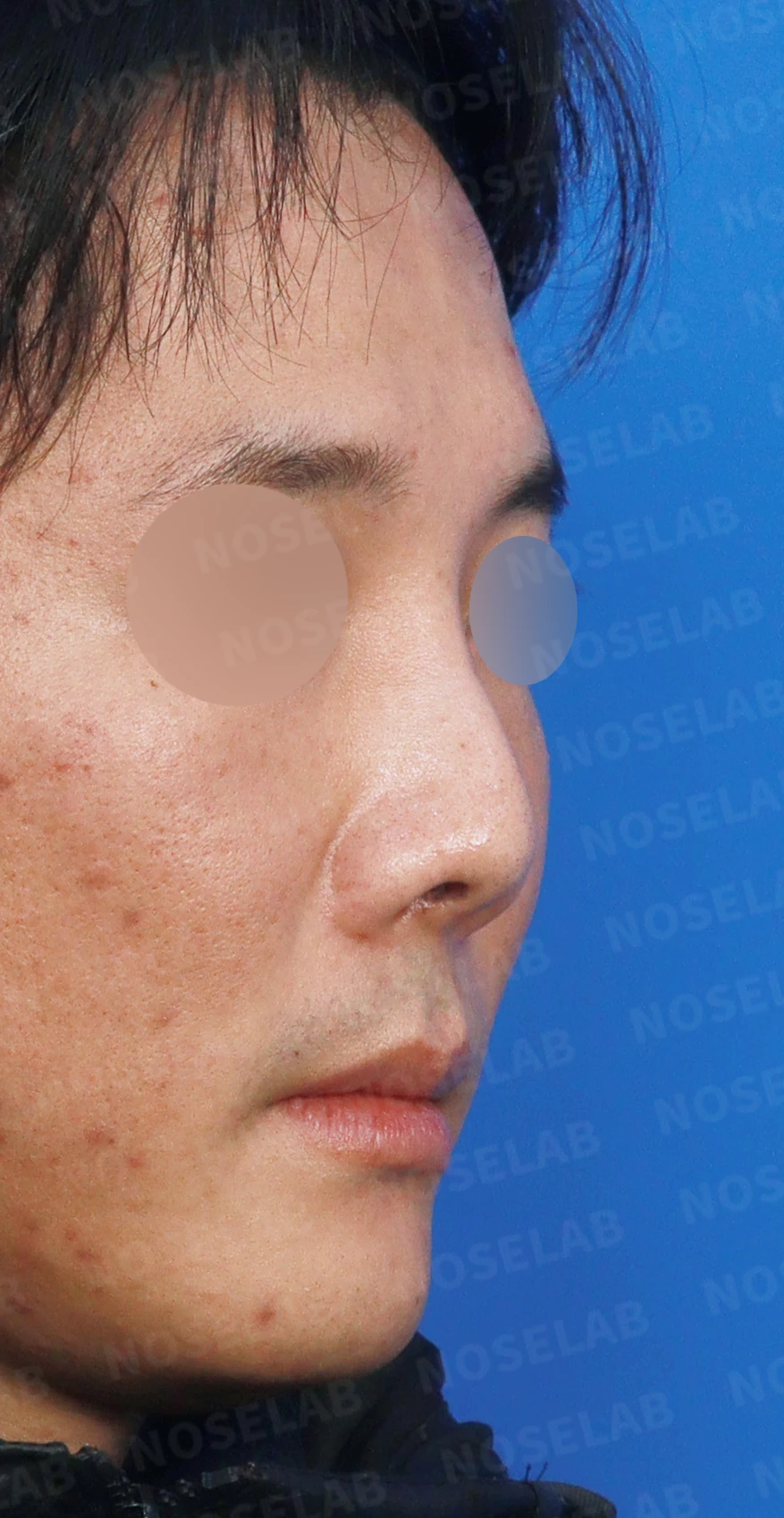
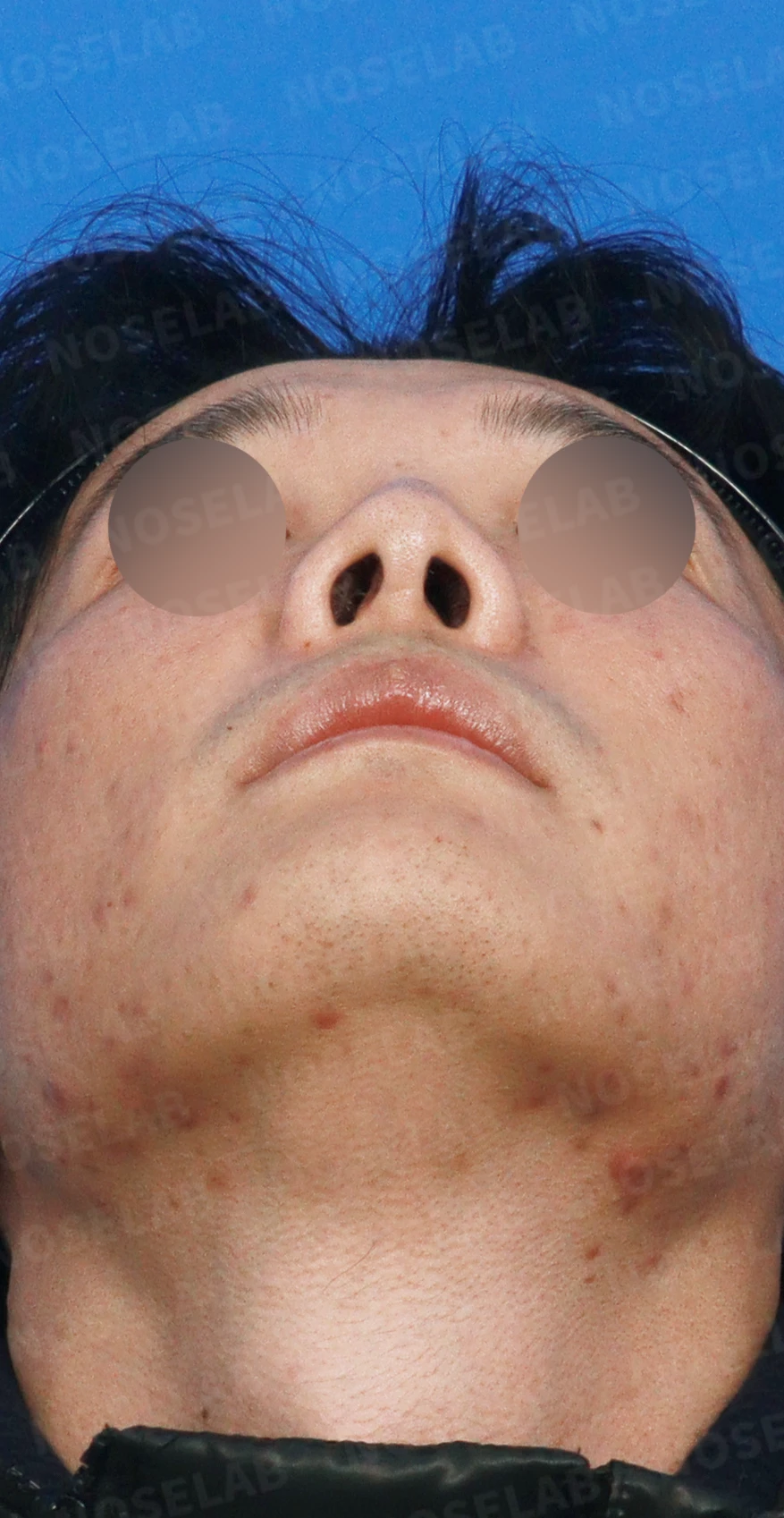
Right profile, oblique, and nostril views during design consultation.
🔧 Surgical plan and procedure
1. Removal of contracted tissue
The most crucial step in this surgery was the thorough removal of contracted tissue. Because the contracture had progressed substantially, the contracted skin and fibrotic tissue were meticulously removed.
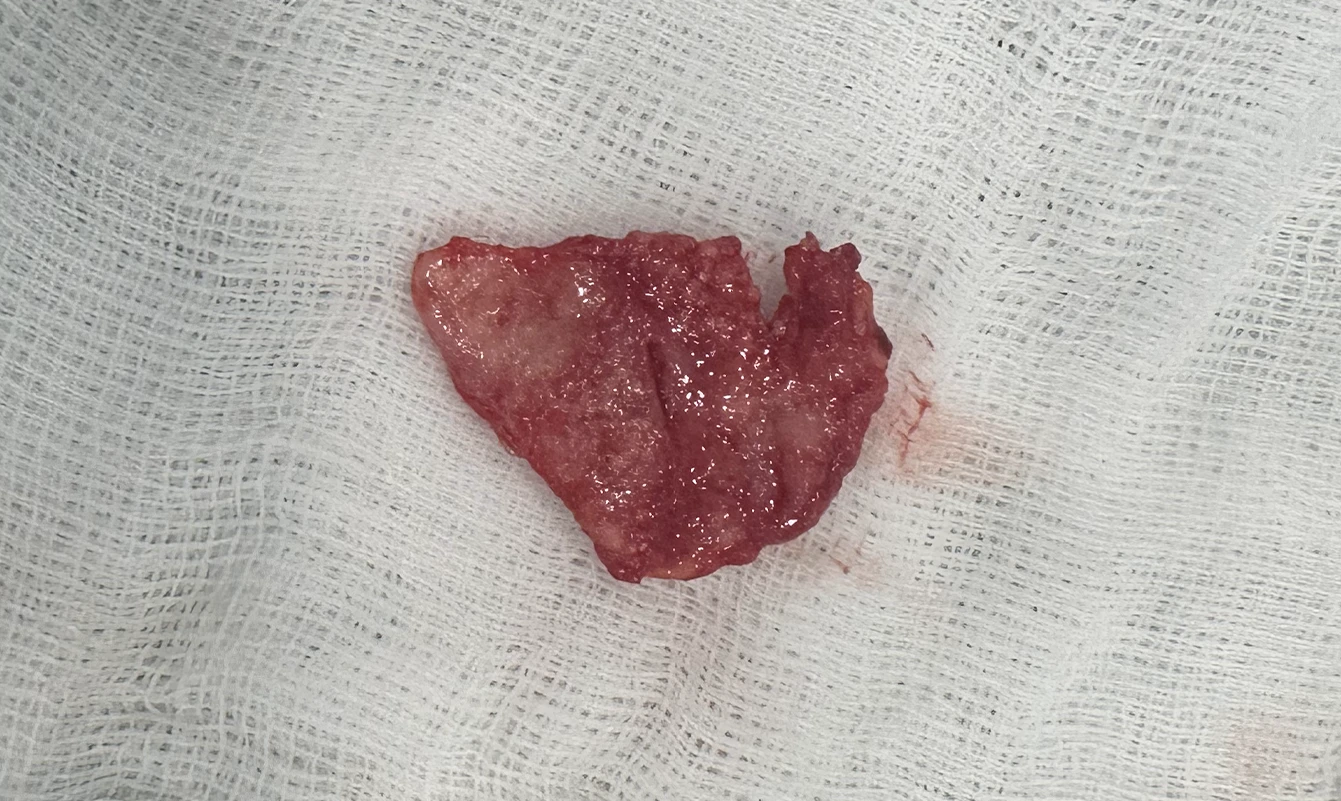
Removed foreign material
Due to this process, swelling may be slightly more pronounced and the recovery period longer compared to other patients, but it is an essential step to prevent recurrent contracture and expand the contracted skin.
2. Nasal tip reconstruction using autologous rib cartilage
Autologous rib cartilage was harvested to reconstruct the nasal tip anew.
Advantages of autologous rib cartilage:
No tissue rejection because it is autologous tissue
Minimizing the risk of recurrent contracture
Maintaining tip shape over the long term with strong structural support
Effective for correcting an upturned nose and columellar position
3. Silicone implant replacement
For the nasal bridge, a new silicone implant was carved with precision to match the patient's nasal structure. While straightening the deviated nasal bridge, a natural line was created.
4. Correction of nasolabial angle
The columella was lowered to reduce nostril show, establishing a natural nasolabial angle when viewed from the profile.
🌟 Surgical results
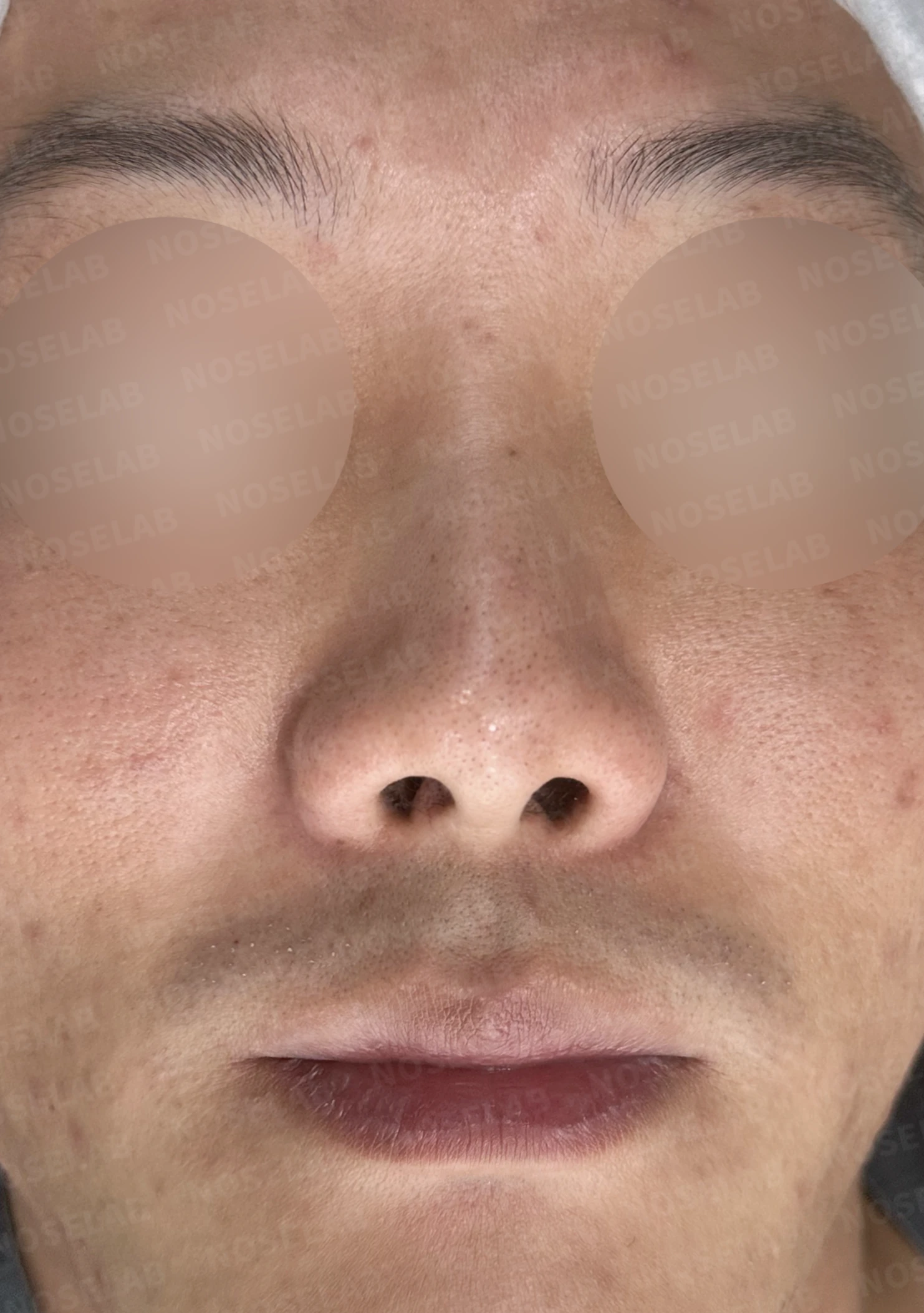
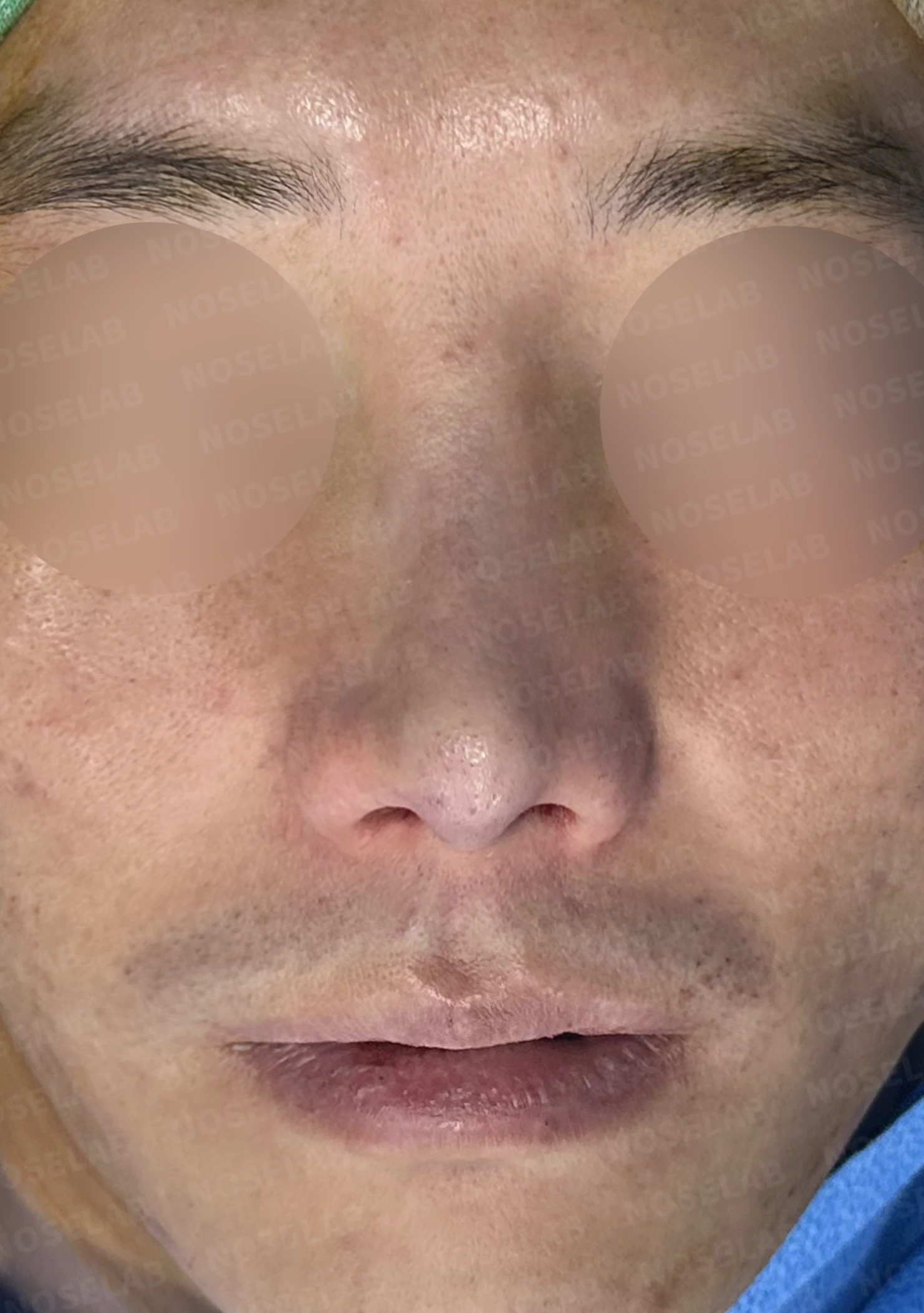
Before surgery / Day 0 immediately after surgery Photos taken immediately after surgery show swelling and may differ from the final result.
Front view changes:
The deviated nasal bridge was straightened
Securing overall nasal symmetry
Natural bridge line
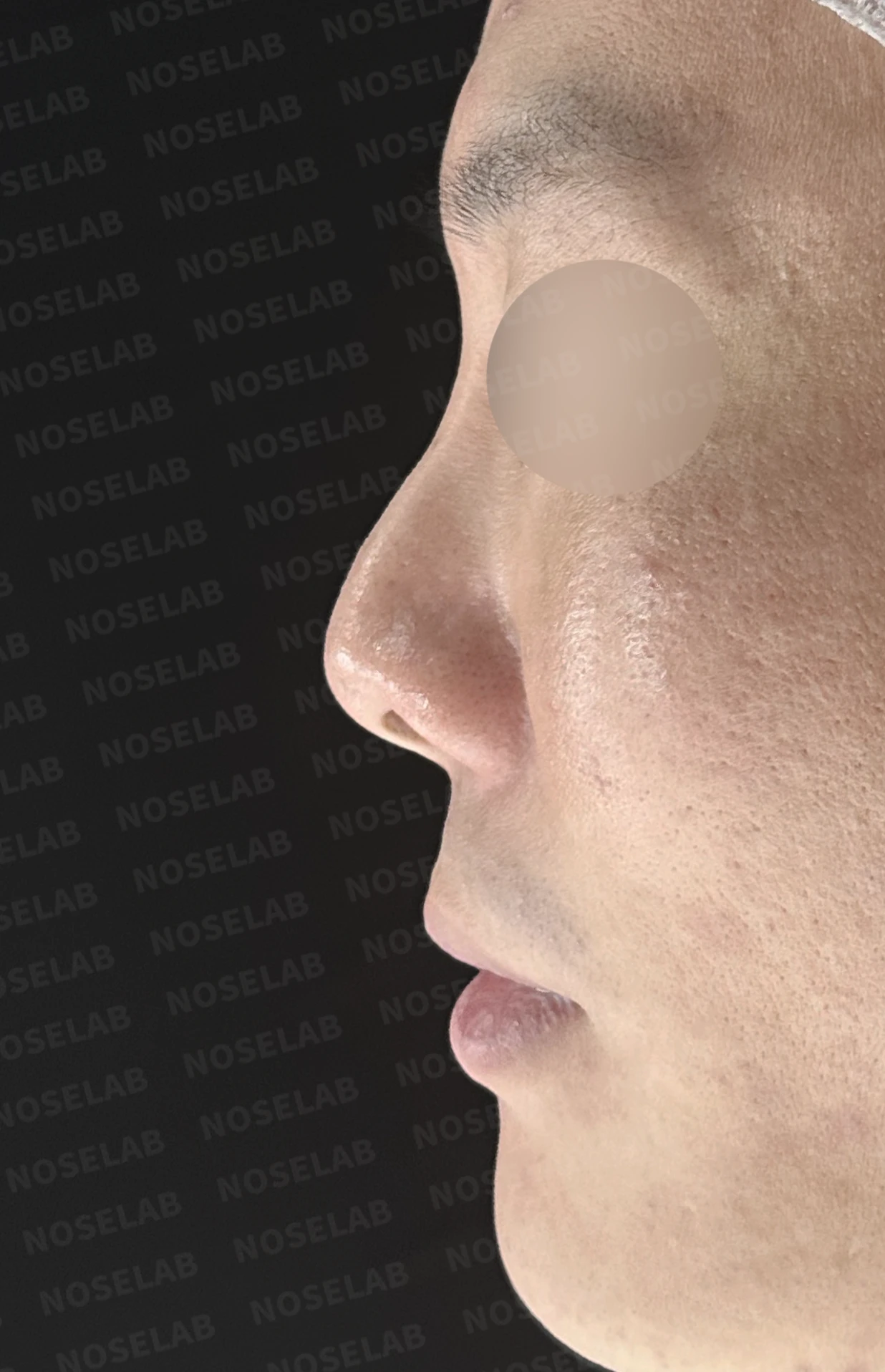
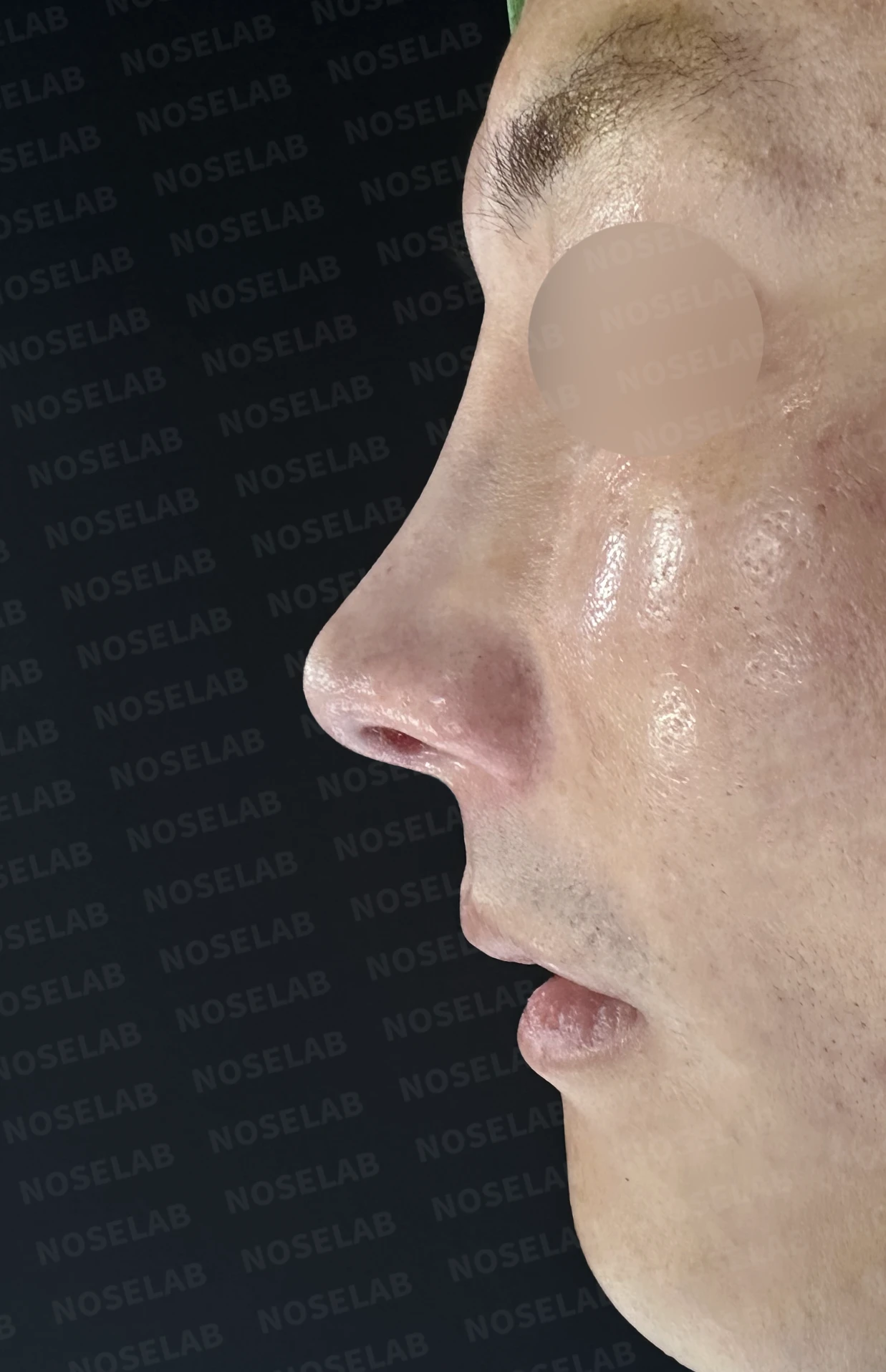
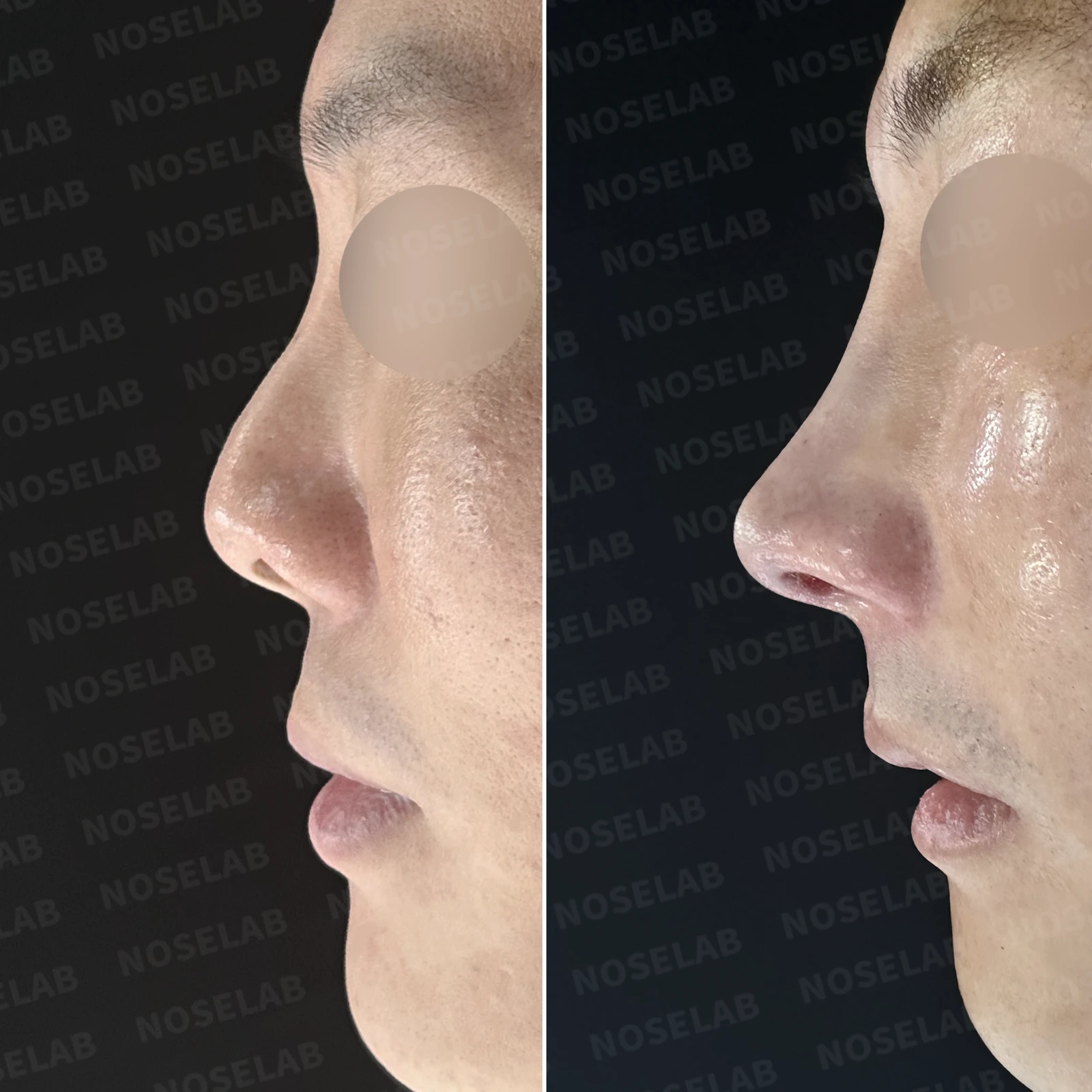
Before surgery / Day 0 immediately after surgery Photos taken immediately after surgery show swelling and may differ from the final result.
Profile view changes:
The upturned nasal tip was lowered naturally
Refined profile line with an improved nasolabial angle
Balanced nasal shape through columellar repositioning
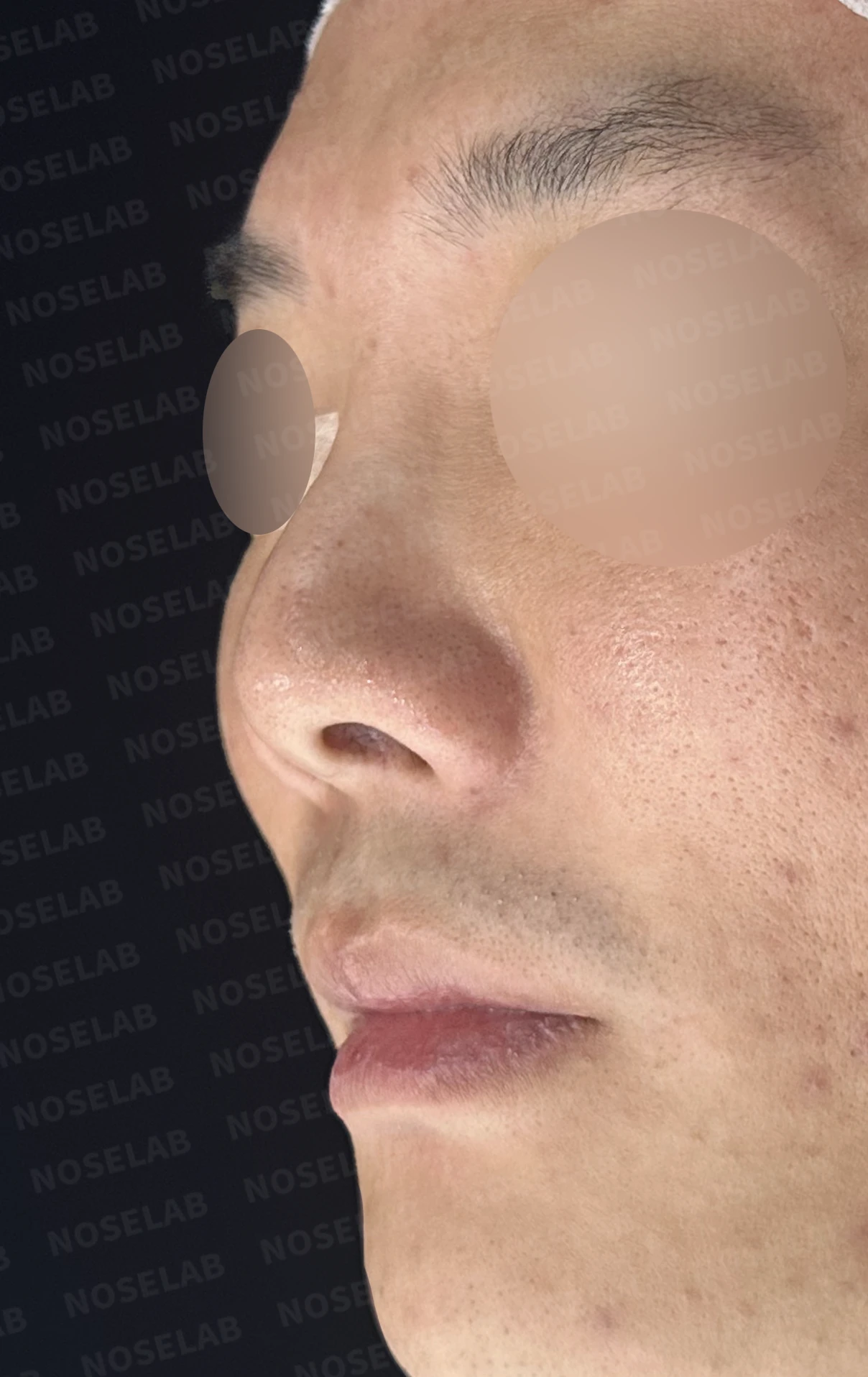
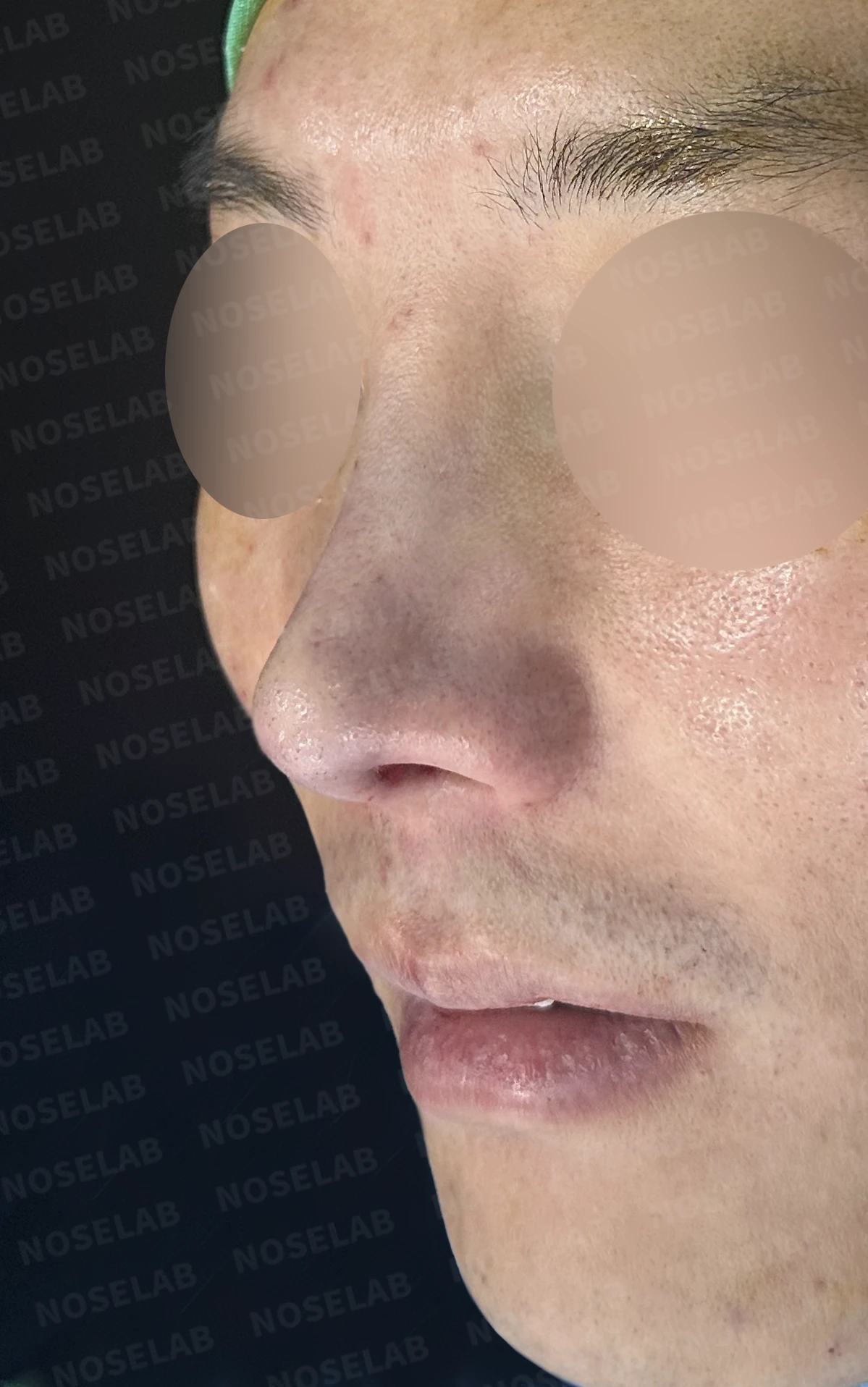
Before surgery / Day 0 immediately after surgery Photos taken immediately after surgery show swelling and may differ from the final result.
Nostril view changes:
Nostril show is reduced
Stable shape achieved by lowering the columella
Improvement of left-right symmetry
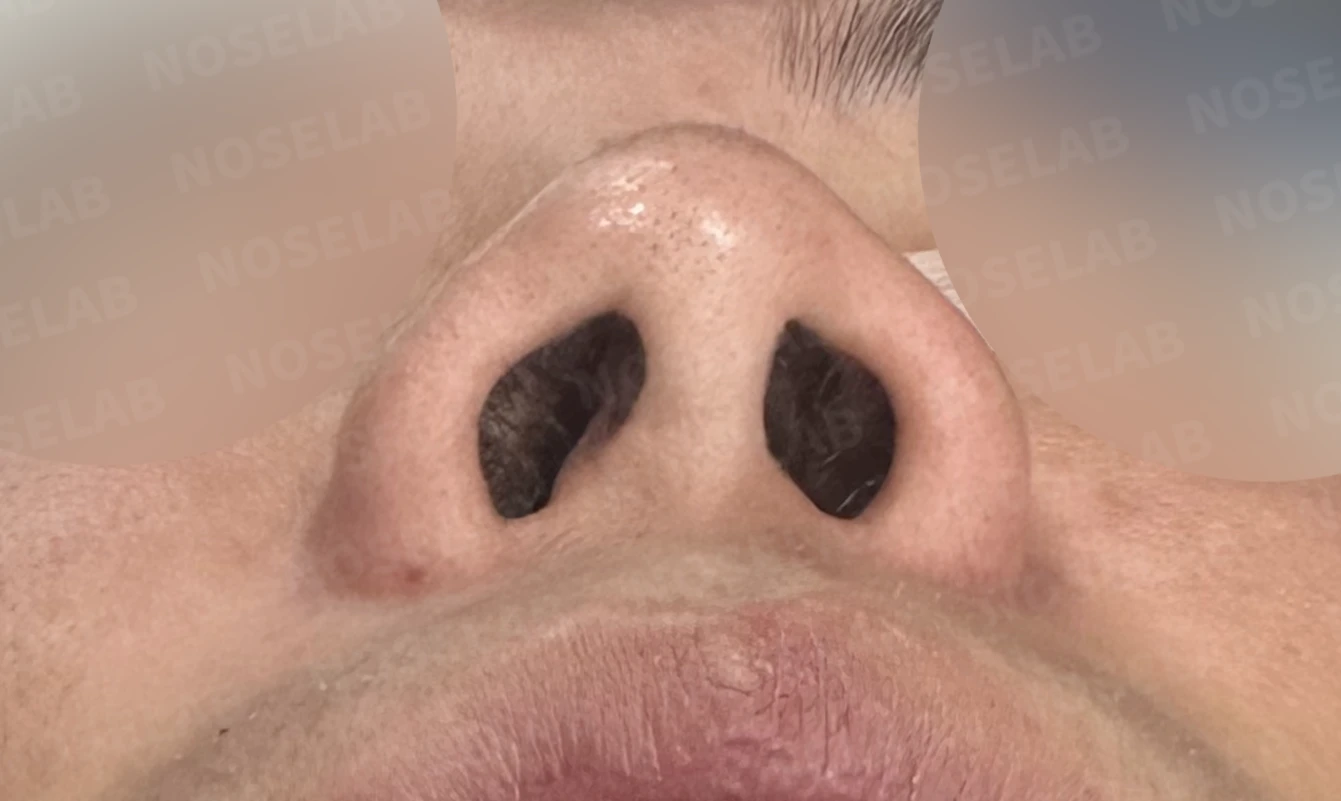
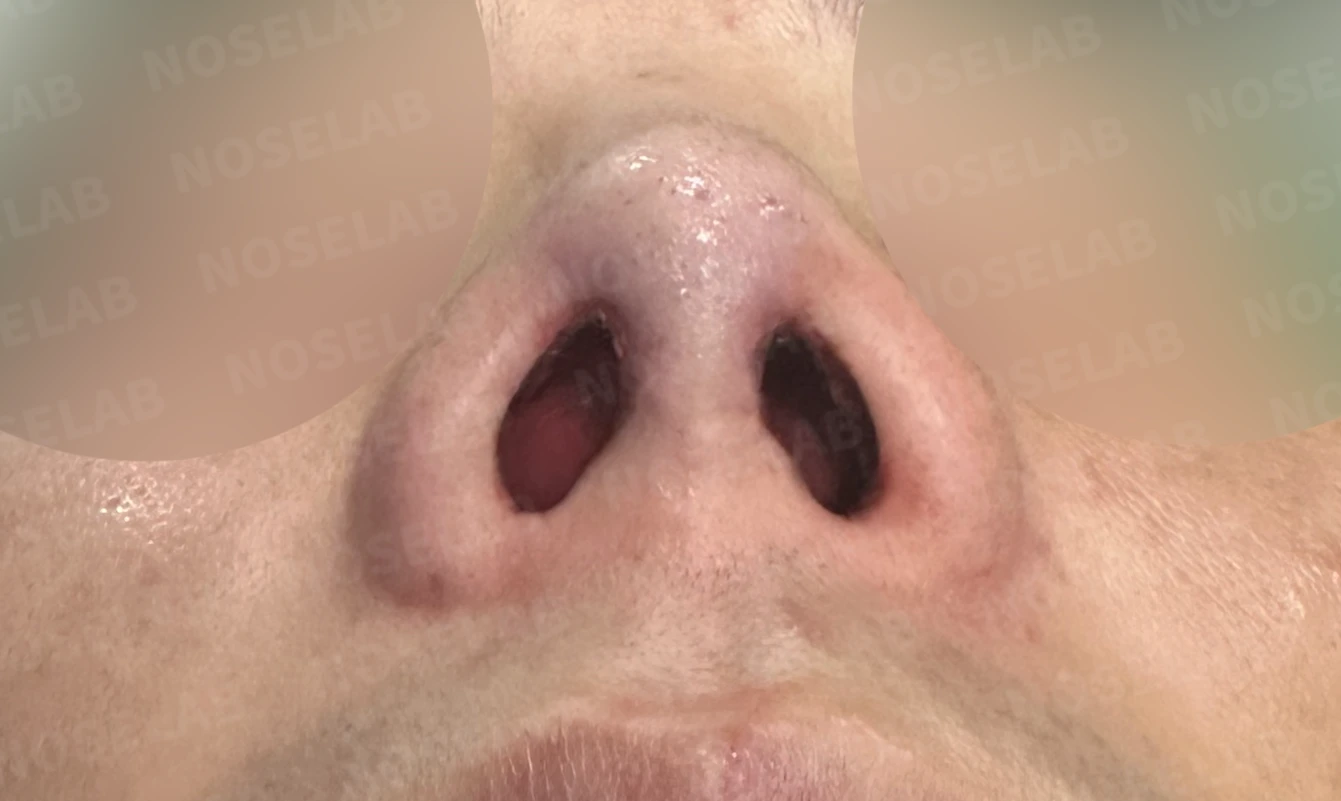
Before surgery / Day 0 immediately after surgery Photos taken immediately after surgery show swelling and may differ from the final result.
💡 Specialist opinion
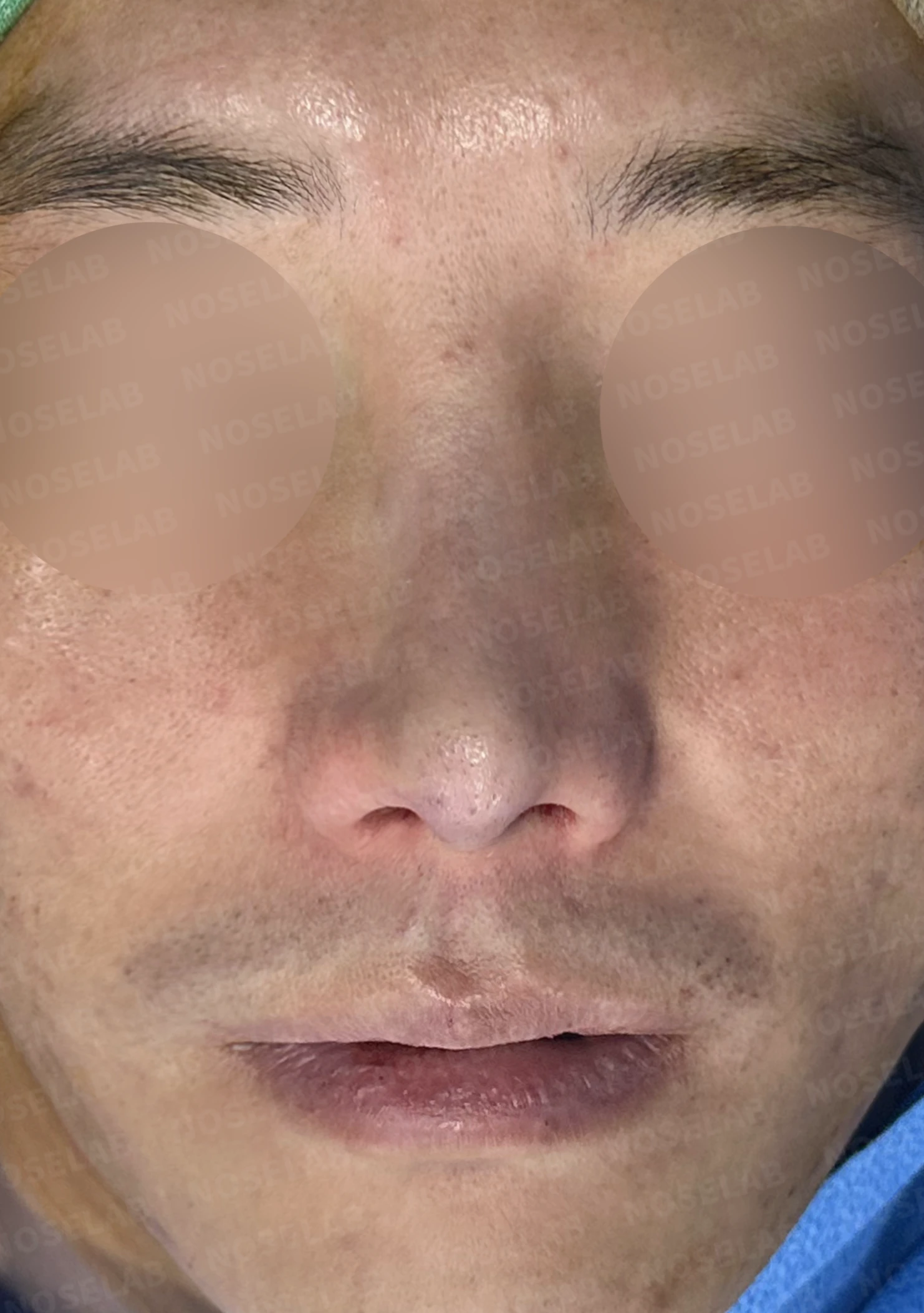
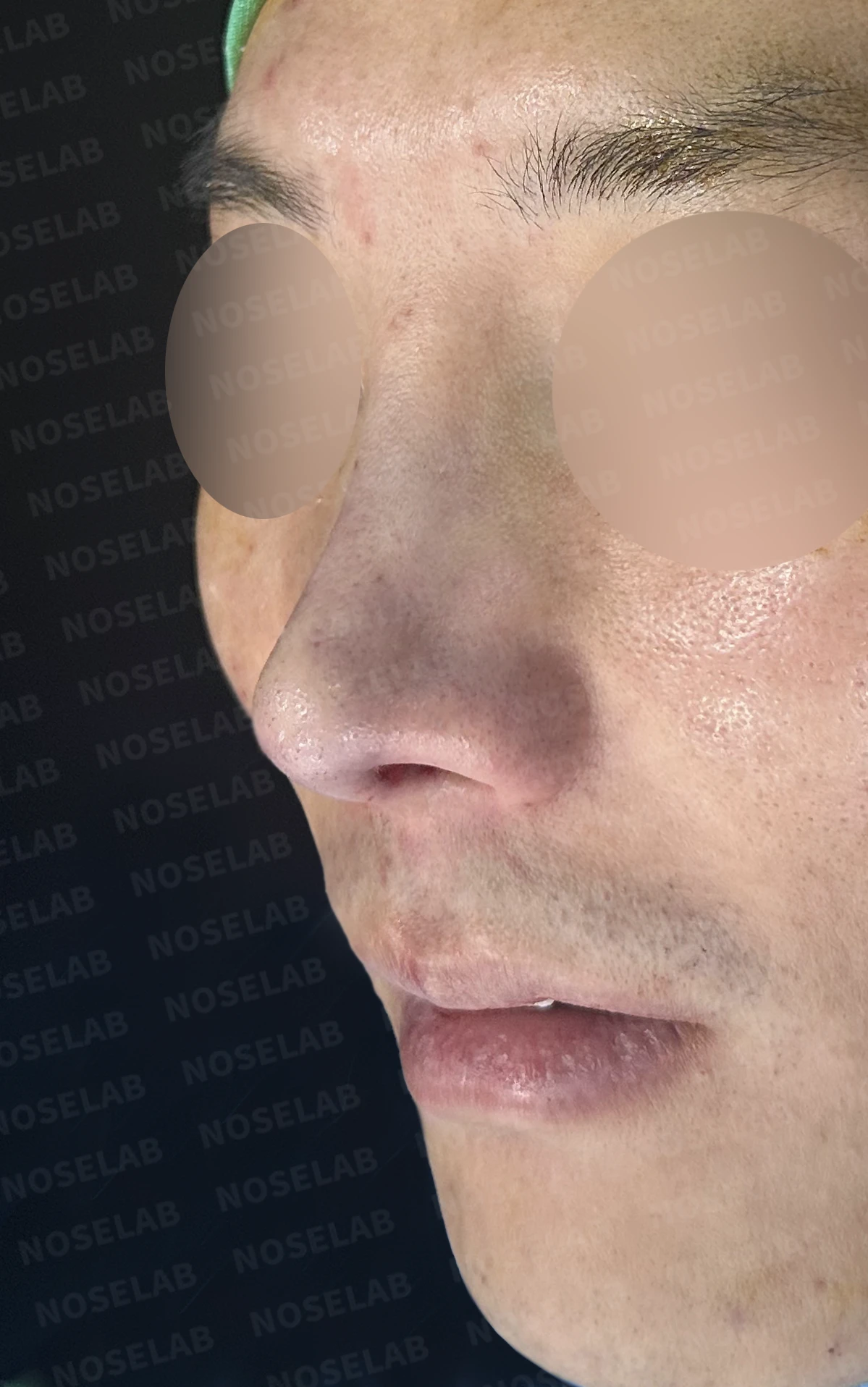
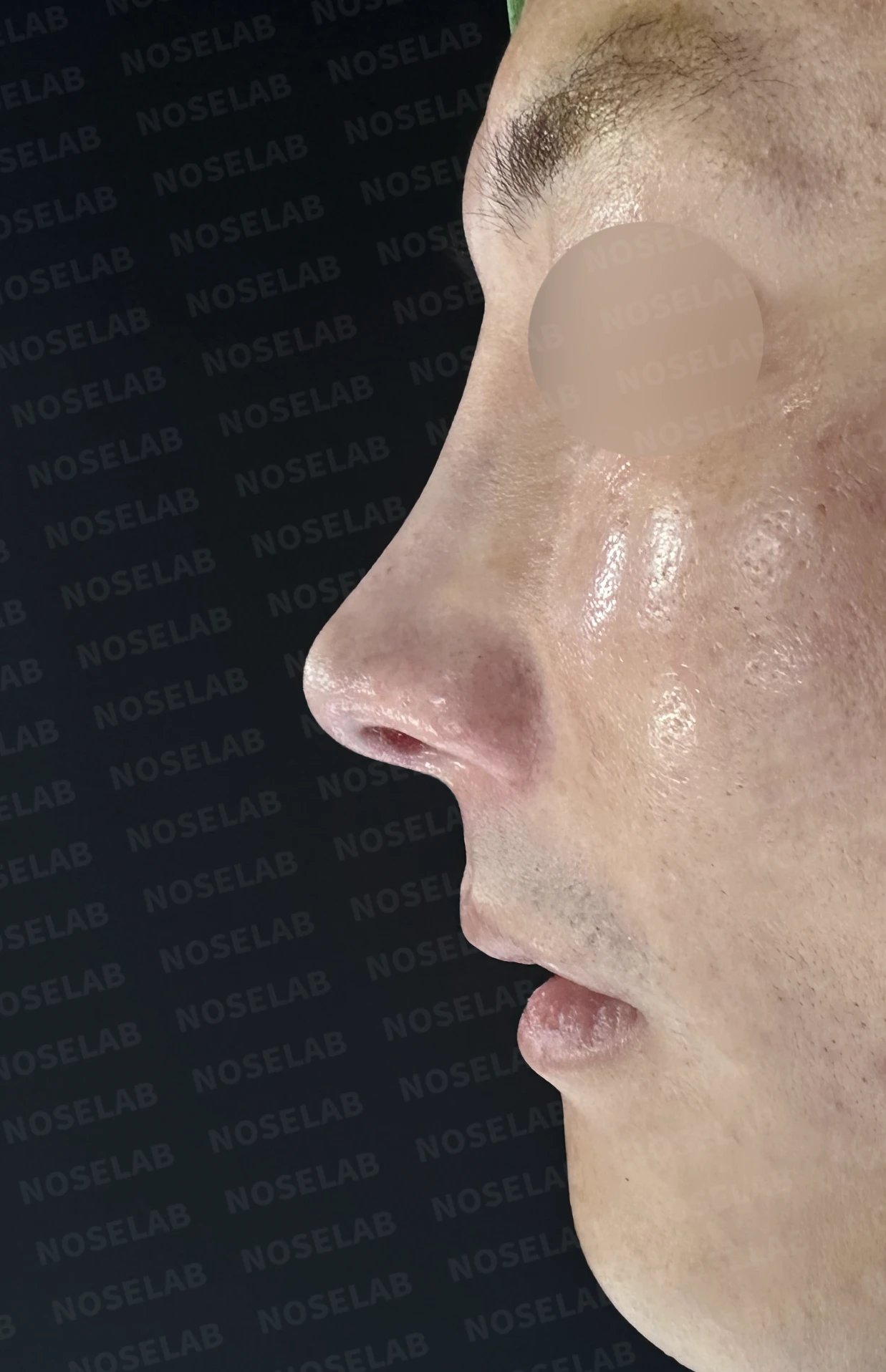
Front, oblique, and profile views on day 0 immediately after surgery. Photos taken immediately after surgery show swelling and may differ from the final result.
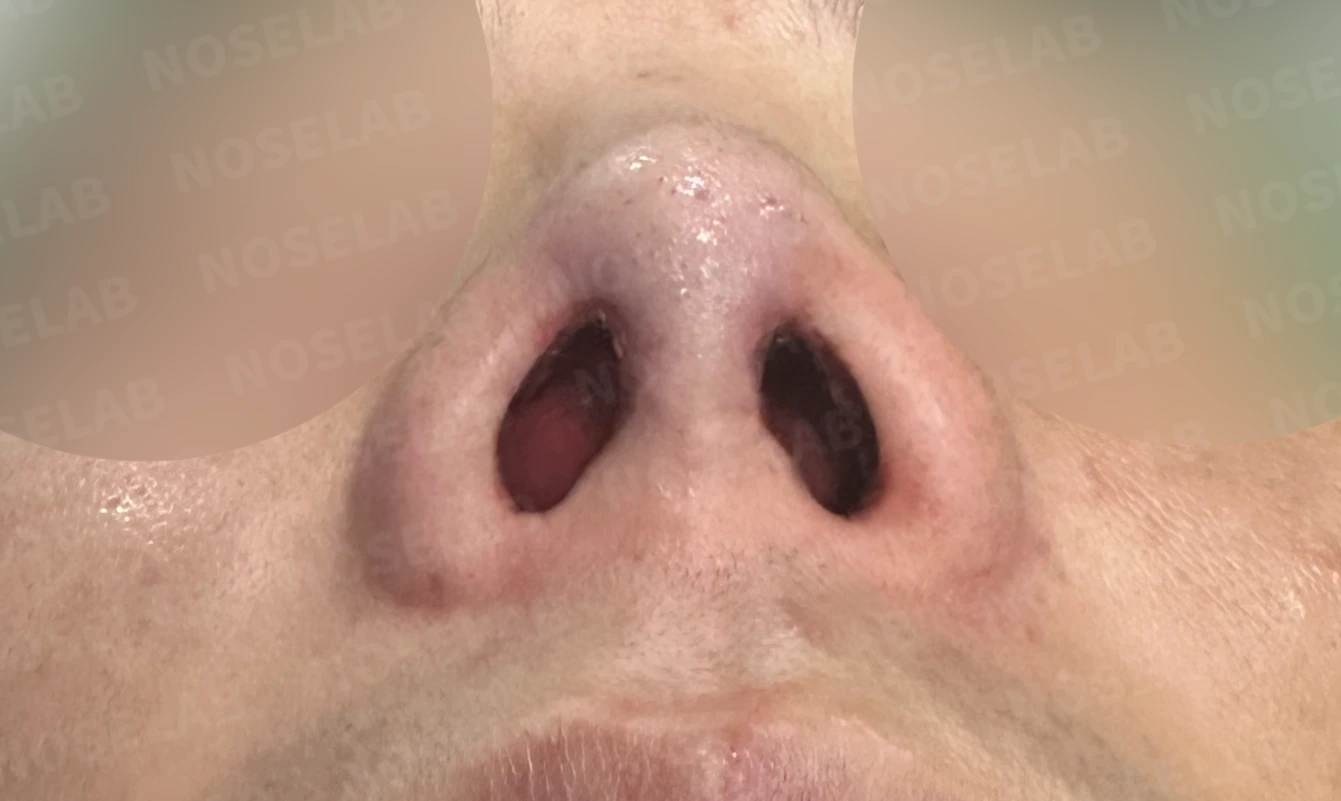
Nostril view on day 0 immediately after surgery. Photos taken immediately after surgery show swelling and may differ from the final result.
Revision rhinoplasty for a contracted nose requires a much more meticulous approach than standard revision rhinoplasty. Contracture is a phenomenon where the capsule around the implant thickens and contracts, altering the shape of the nose, and it cannot be resolved simply by replacing the implant.
In this type of case, we minimized the risk of recurrent contracture by thoroughly removing the contracted tissue and reconstructing the nasal tip with autologous rib cartilage. Although swelling may be temporarily more noticeable during the removal of contracted tissue, this is an essential step to sufficiently stretch the contracted skin and establish a healthy tissue environment.
Reconstruction using autologous tissue supports a stable long-term result, and the upturned nose and excessive nostril show that concerned the patient were also improved. This has been Dr. Peter C. Kang, Medical Director. Thank you.
#closedrhinoplasty #closedrevisionrhinoplasty #autologousribcartilage #revisionrhinoplasty #contracturecorrection #upturnednosecorrection #nasolabialanglecorrection #crookednosecorrection #nostrilasymmetry

Limitations and risks
When autologous rib cartilage is used, scarring and pain may remain at the donor site on the chest, and pneumothorax (pleural injury) can occur rarely. Over time, the grafted cartilage may warp or undergo partial resorption.
When revising after implant removal, contracture may progress again after removal, the nasal height and length may decrease, and staged surgery may be necessary depending on the skin condition.
When the septum is corrected at the same time, nasal obstruction may persist or recur, and in rare cases, septal perforation or changes in smell may occur.
Common potential risks include infection, bleeding, asymmetry, scarring, skin necrosis, and insufficient improvement; results vary depending on individual skin condition and previous surgical history.