Hello, I am Dr. Peter C. Kang.
Today, I would like to introduce a revision rhinoplasty case of a patient who presented with a crooked nose, a blunt bulbous nose, nostril asymmetry, and severe bilateral nasal obstruction despite having undergone double jaw surgery and two prior rhinoplasties. It was a complex and demanding revision case requiring improvements in both function and aesthetics.
🔍 Surgical history
5 to 6 years ago: Double jaw surgery
January 2023: First rhinoplasty (silicone implant + autologous rib cartilage + rhinitis surgery)
July 2023: Custom bridge implant replacement
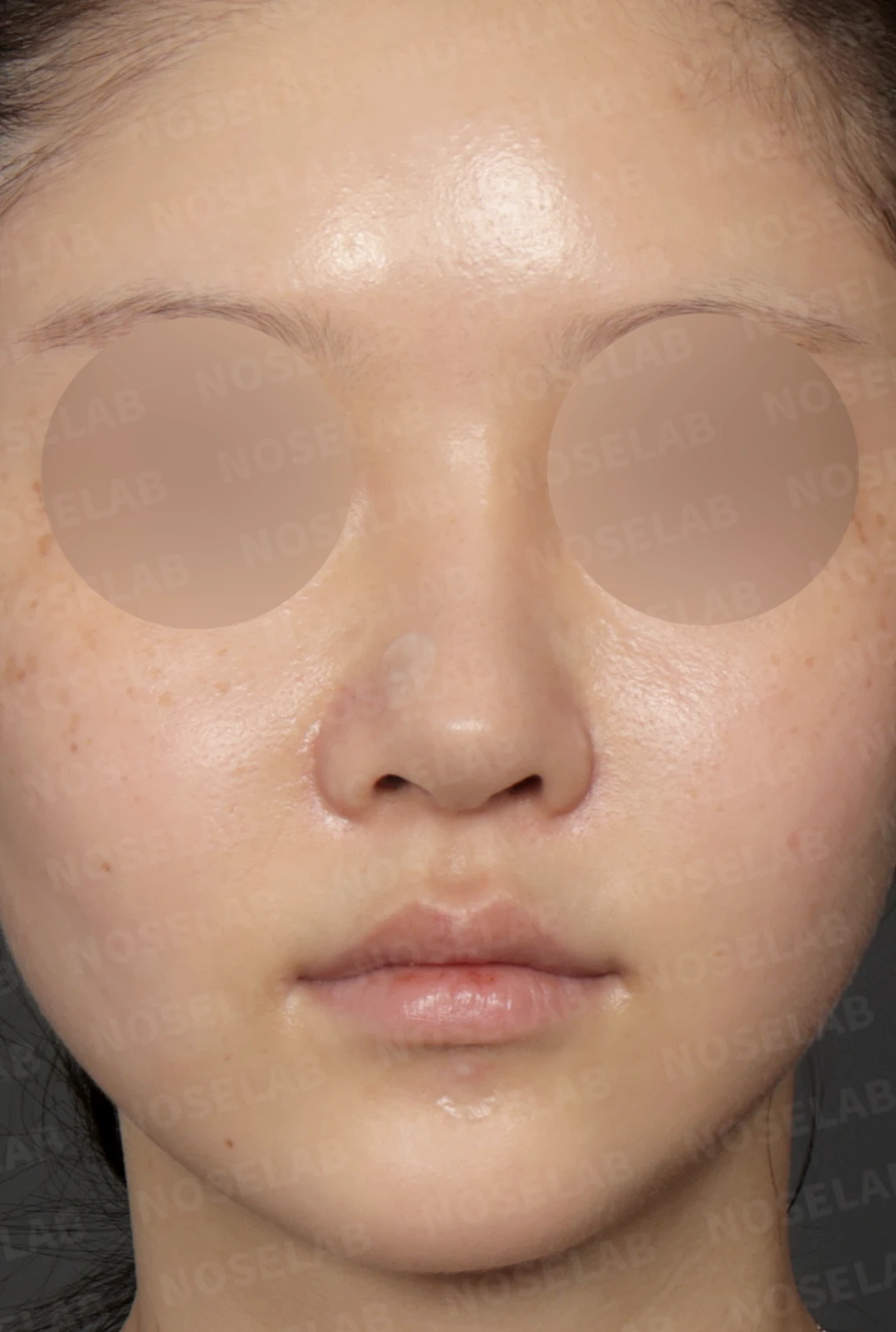
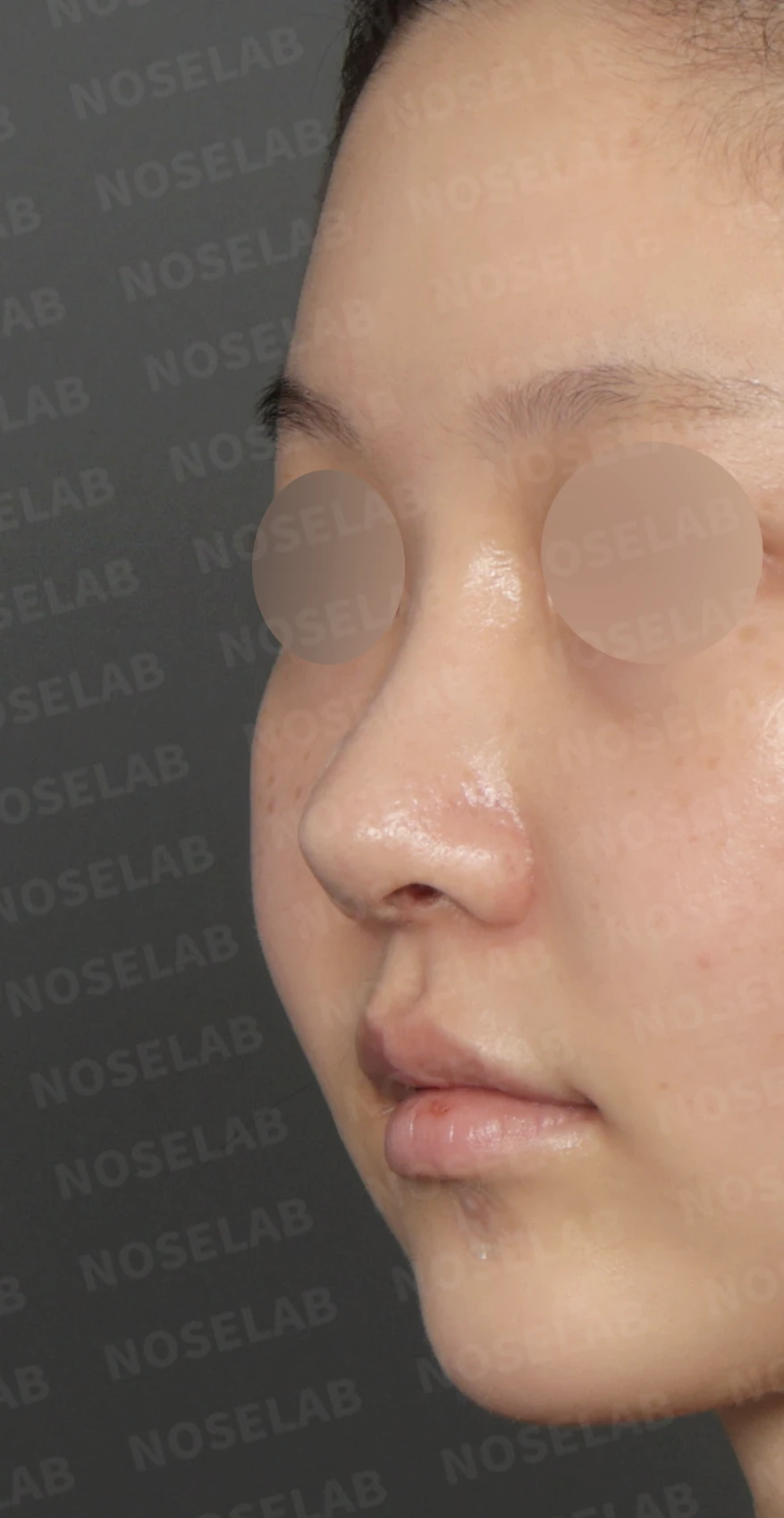
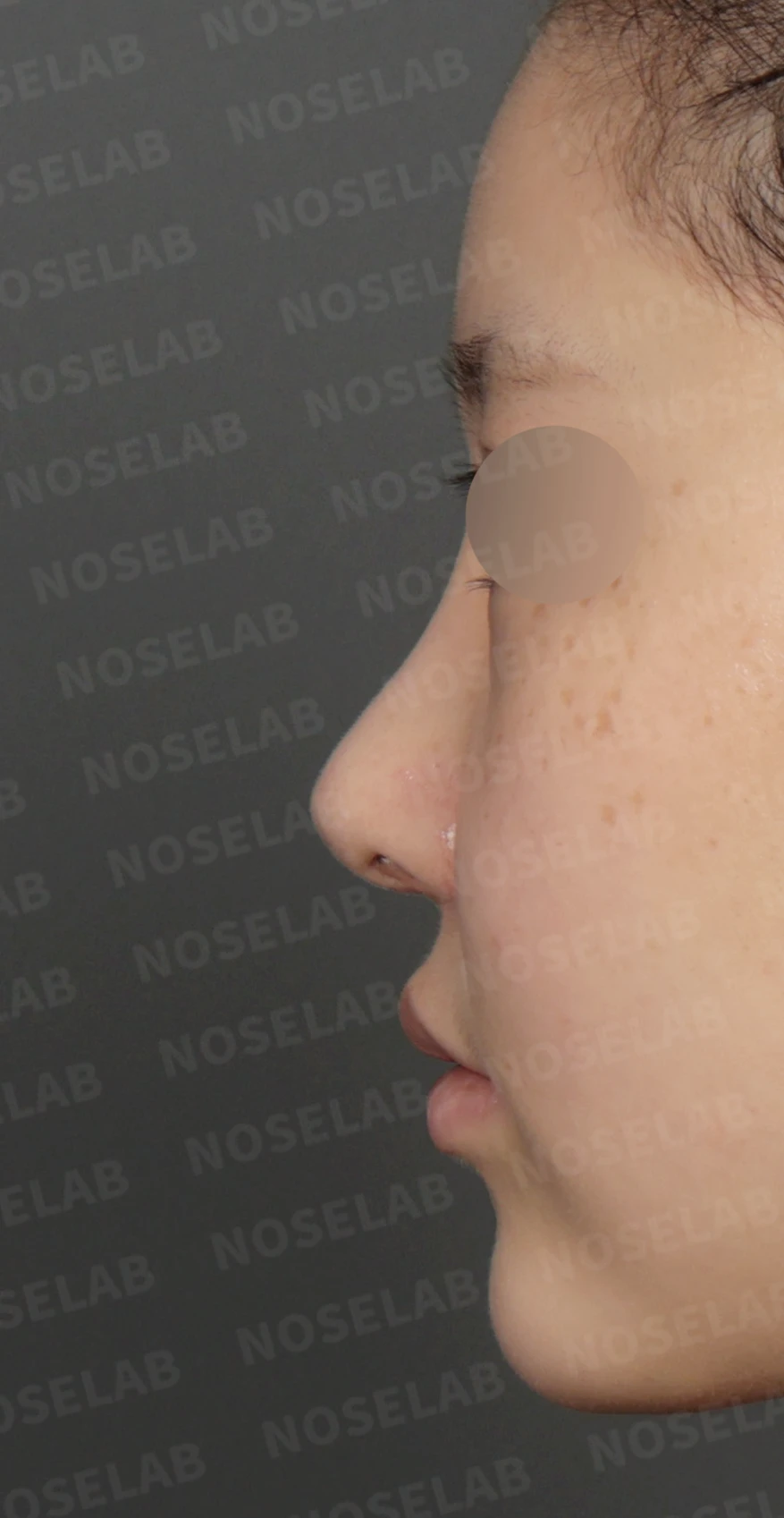
Design consultation photos: front, oblique, and profile views.
💉 Patient requests
Correction of the nasal bridge deviated to the left and the tilted columella
Improvement of the blunt, wide bulbous tip
Correction of nostril asymmetry
Relief of severe bilateral nasal obstruction
Achieving a natural and well-balanced nasal line
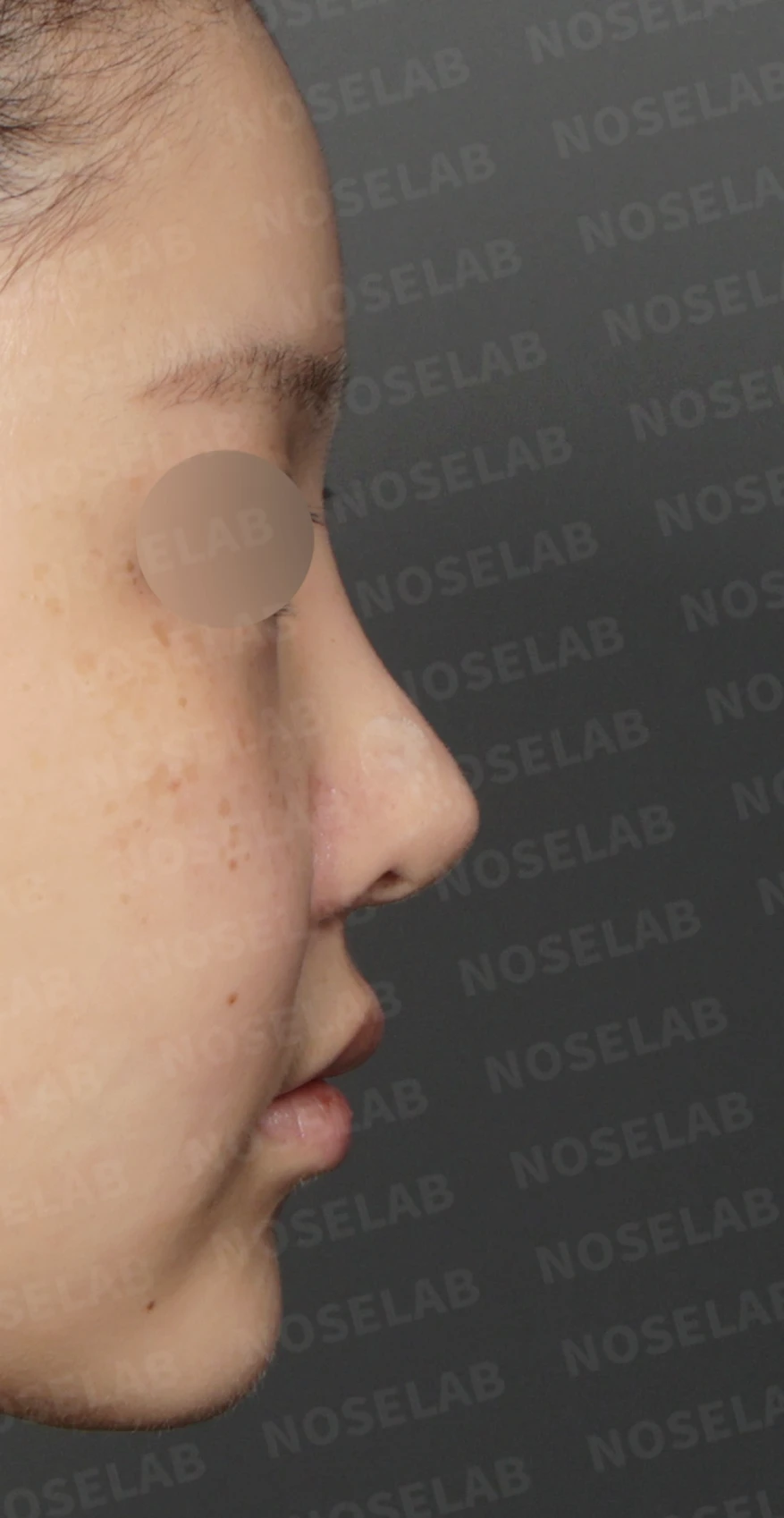
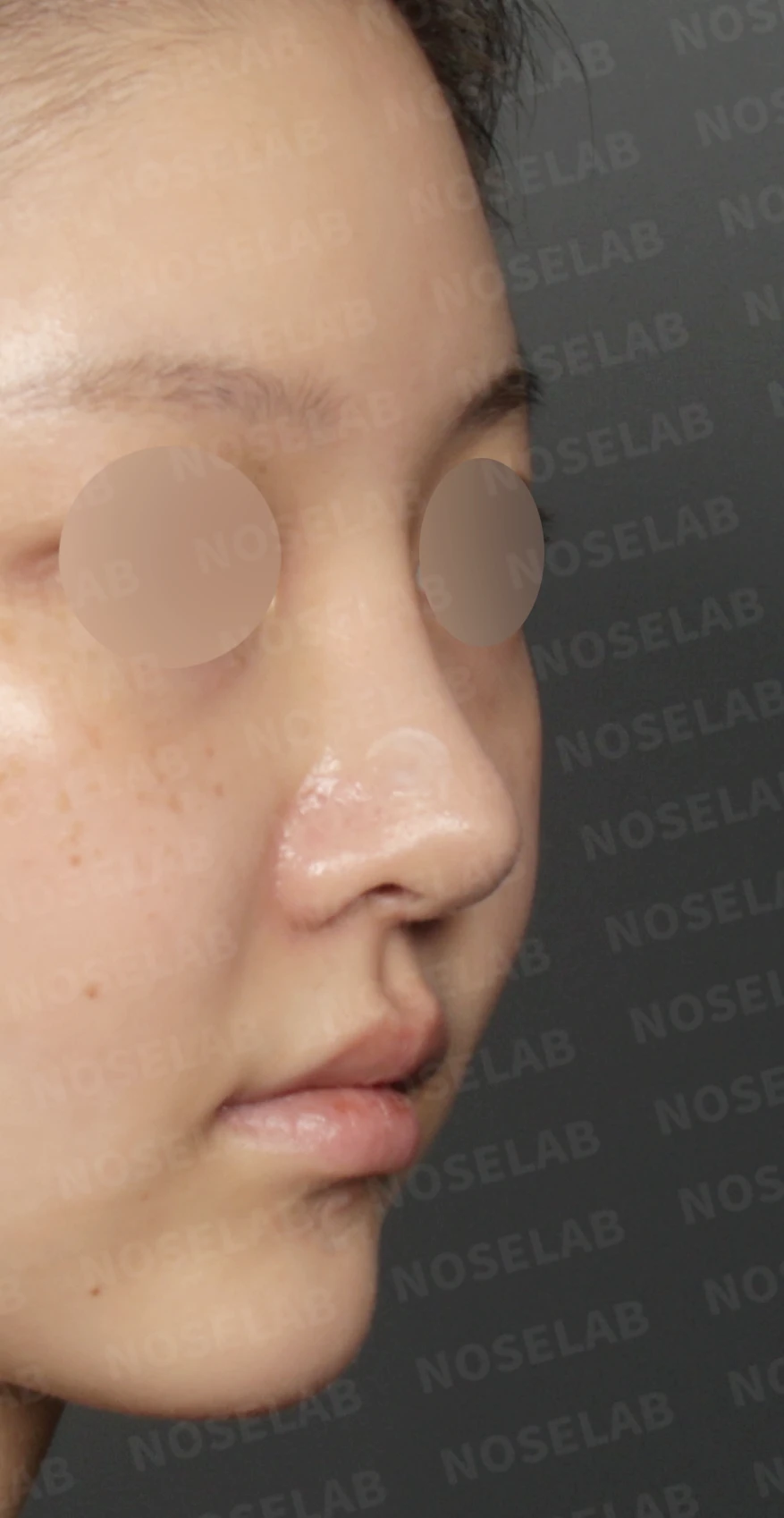
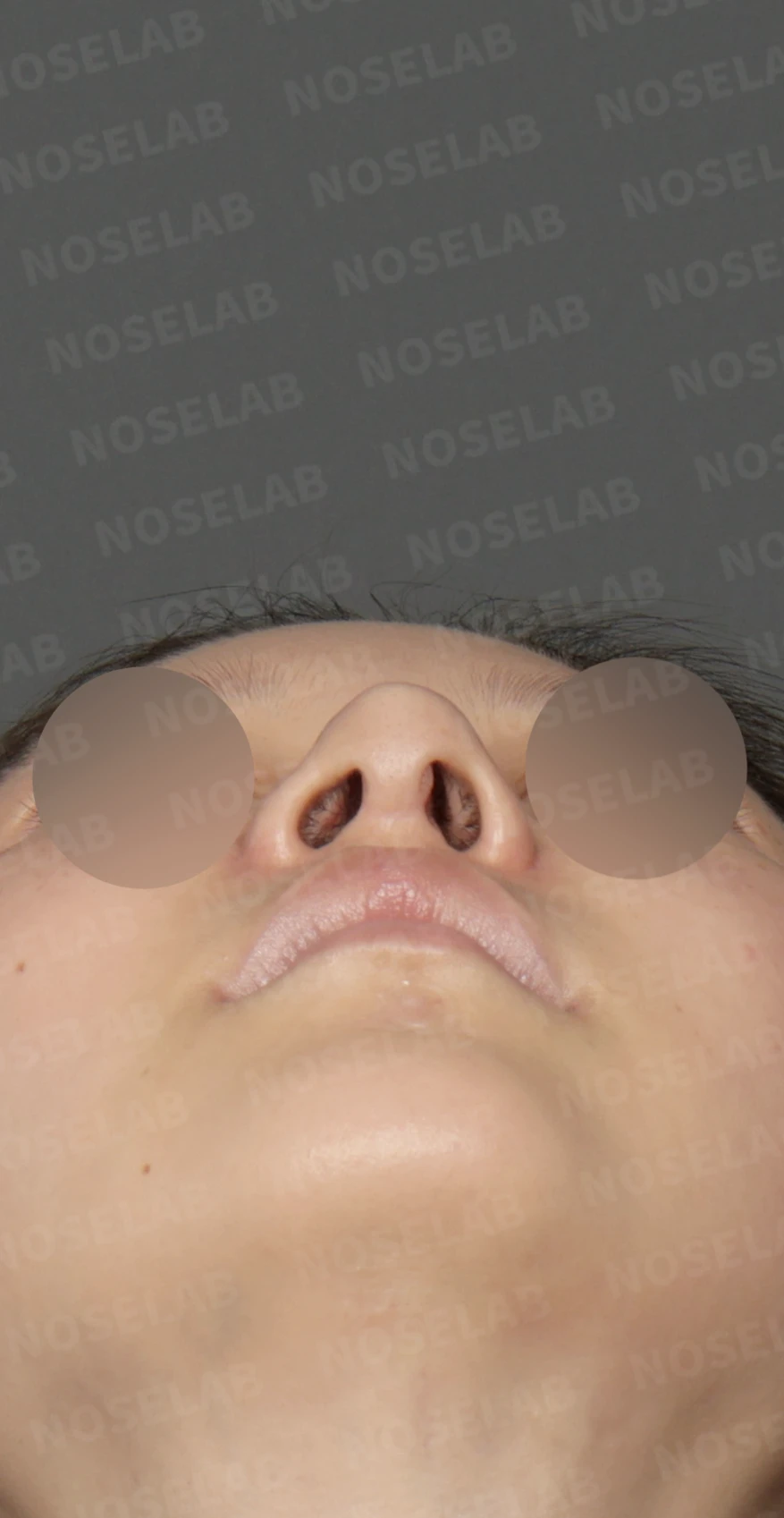
Right profile, oblique, and nostril views during design consultation.
🔧 Surgical plan and procedure
1. Septal reconstruction using autologous rib cartilage
Restoration of the septal cartilage damaged by double jaw surgery
Correction of the columella tilted to the left
Securing structural support for the nasal tip
2. Structural correction of the bulbous nose
Adjusting skin thickness by removing part of the subcutaneous tissue and scar tissue
Repositioning of lower lateral cartilage
Narrowing the spread nasal tip through cartilage suturing
3. Functional nasal surgery to relieve nasal obstruction
Septoplasty performed
Rhinitis surgery performed simultaneously
Resolution of bilateral nasal obstruction
4. Nasal bridge implant replacement
Removal of the existing custom implant that had shifted and curved to the left
Insertion of a new silicone implant precisely carved to fit the nasal bone
5. Lateral nasal bone osteotomy
Correction of nasal bone asymmetry
Restoration of left-right symmetry
🌟 Surgical results
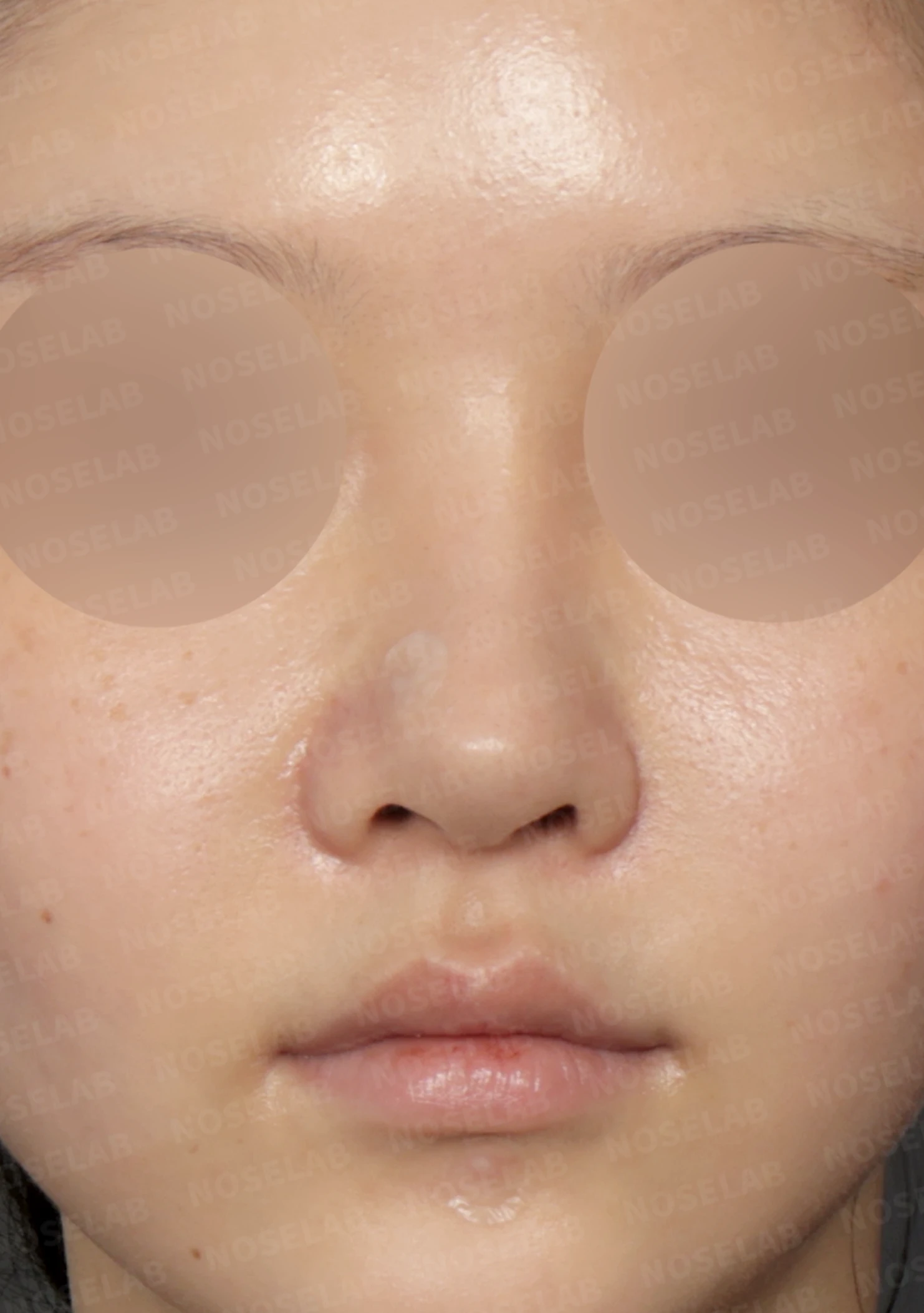
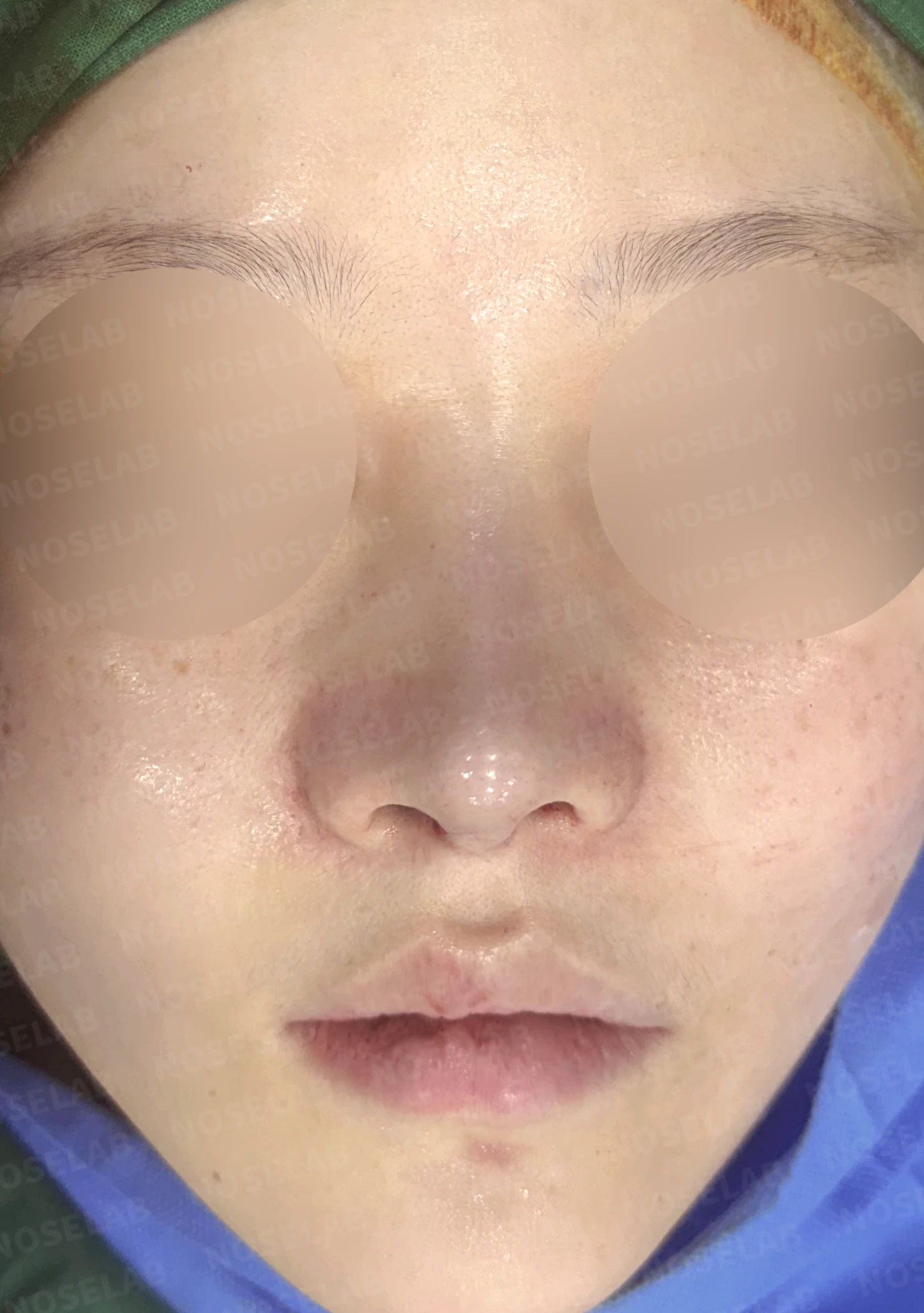
Before surgery / Day 0 immediately after surgery Photos taken immediately after surgery show swelling and may differ from the final result.
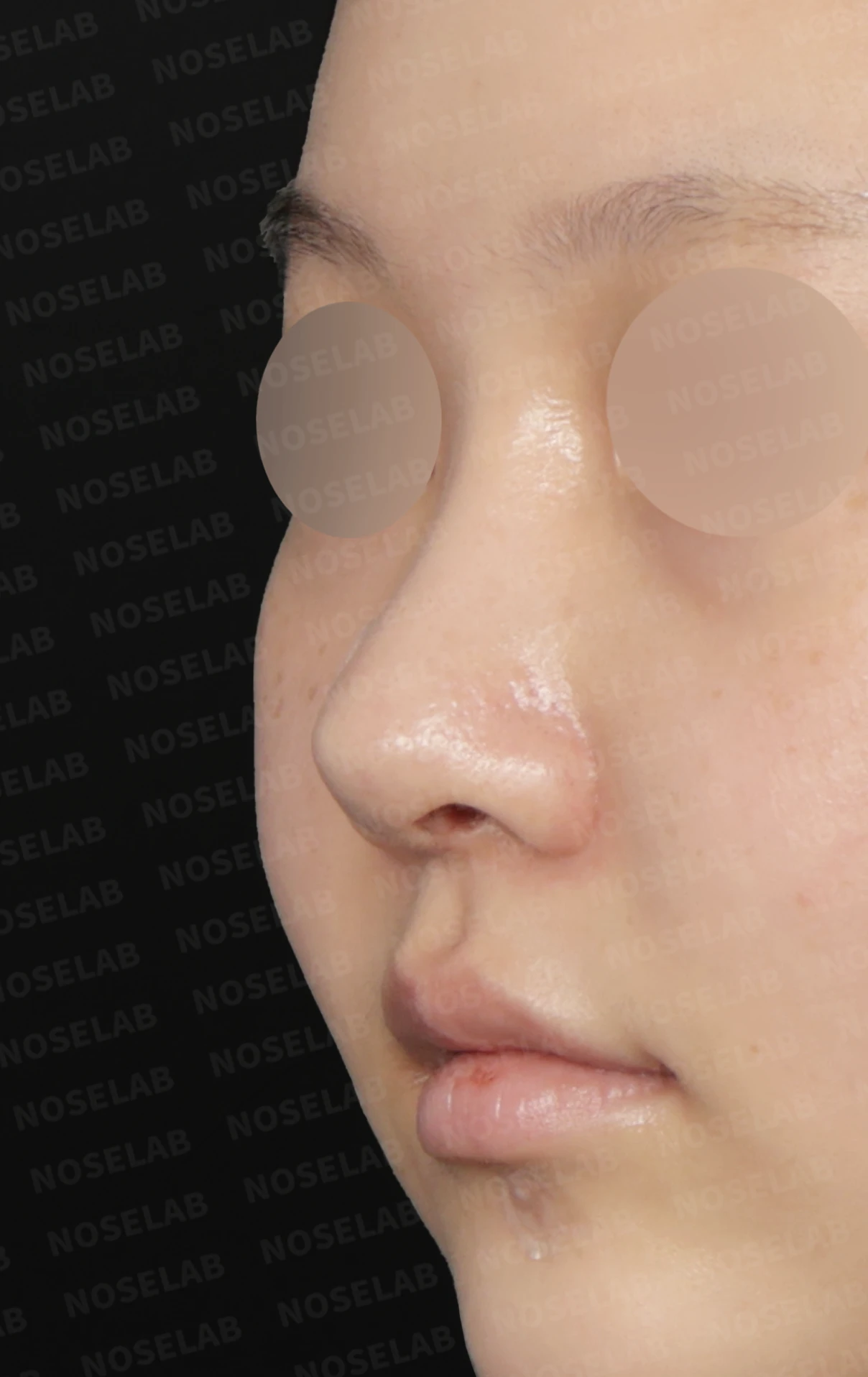
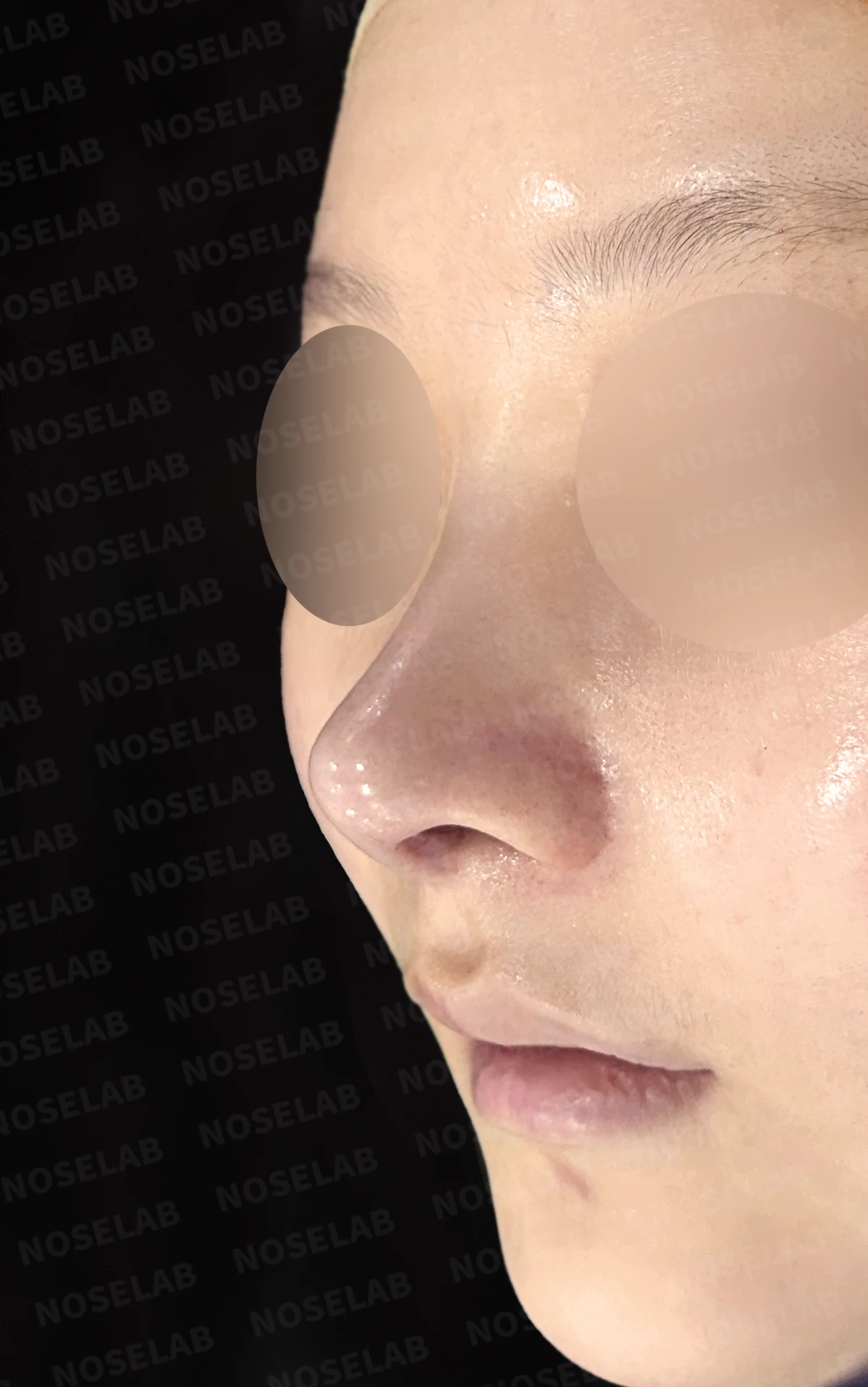
Front view changes:
The previously crooked nasal bridge is neatly aligned
The blunt and wide nasal tip appears well-defined
Achieving bilateral symmetry
Before surgery / Day 0 immediately after surgery Photos taken immediately after surgery show swelling and may differ from the final result.
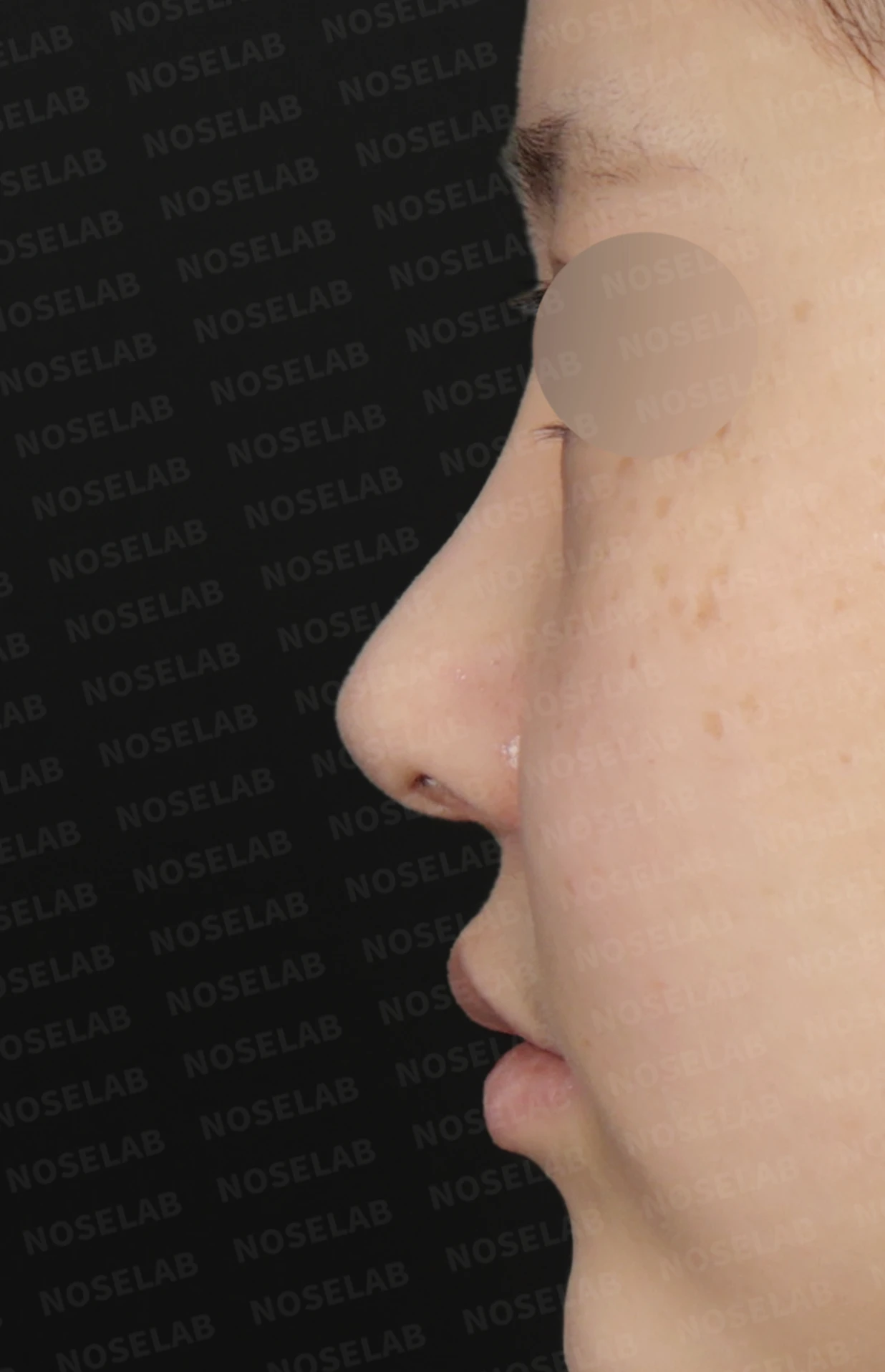
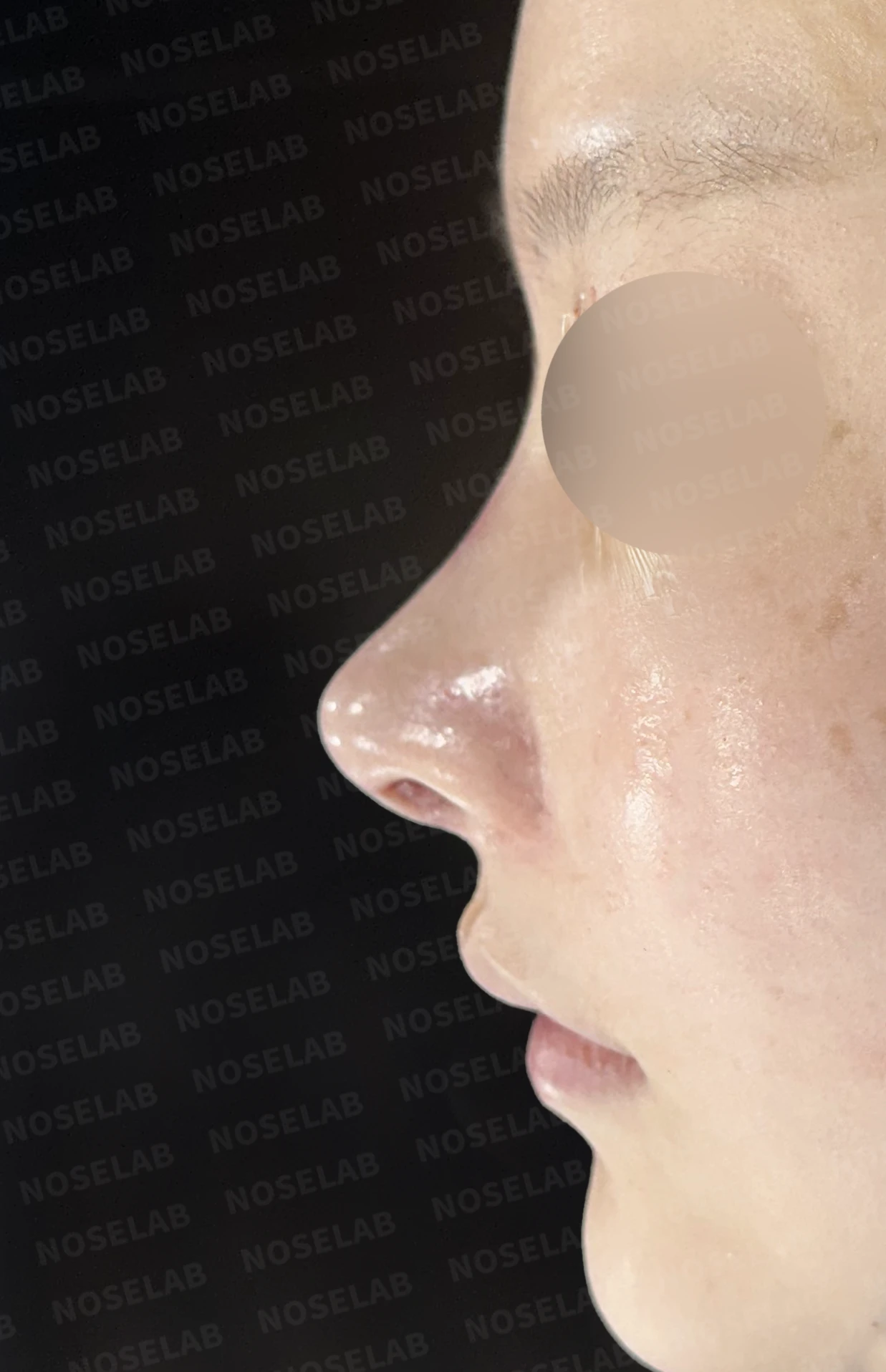
Profile view changes:
Securing stable support for the nasal tip
A natural straight bridge line
Improvement in the distorted dorsal line caused by the deviated implant
Before surgery / Day 0 immediately after surgery Photos taken immediately after surgery show swelling and may differ from the final result.
Nostril view changes:
Correction of the columella that was tilted to the left
Improvement of nostril asymmetry
A balanced nostril shape
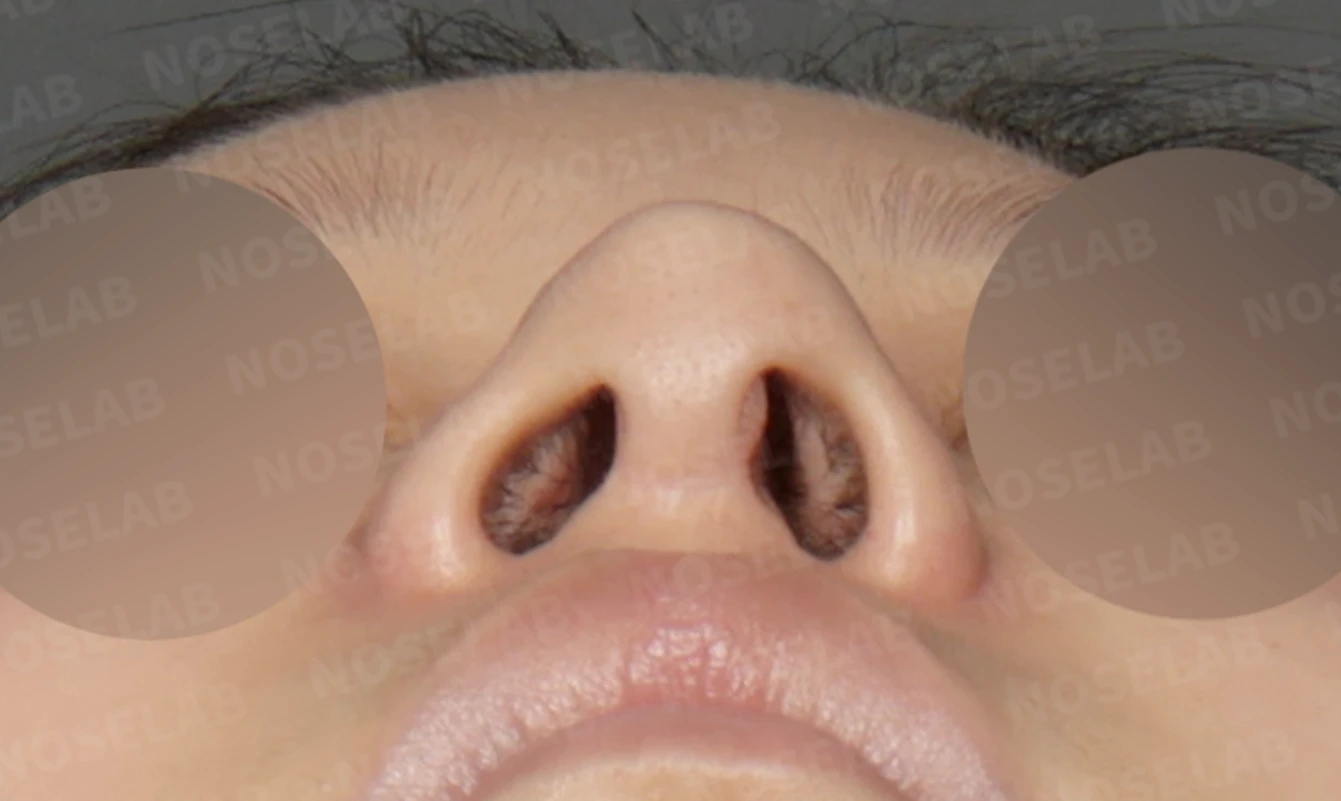
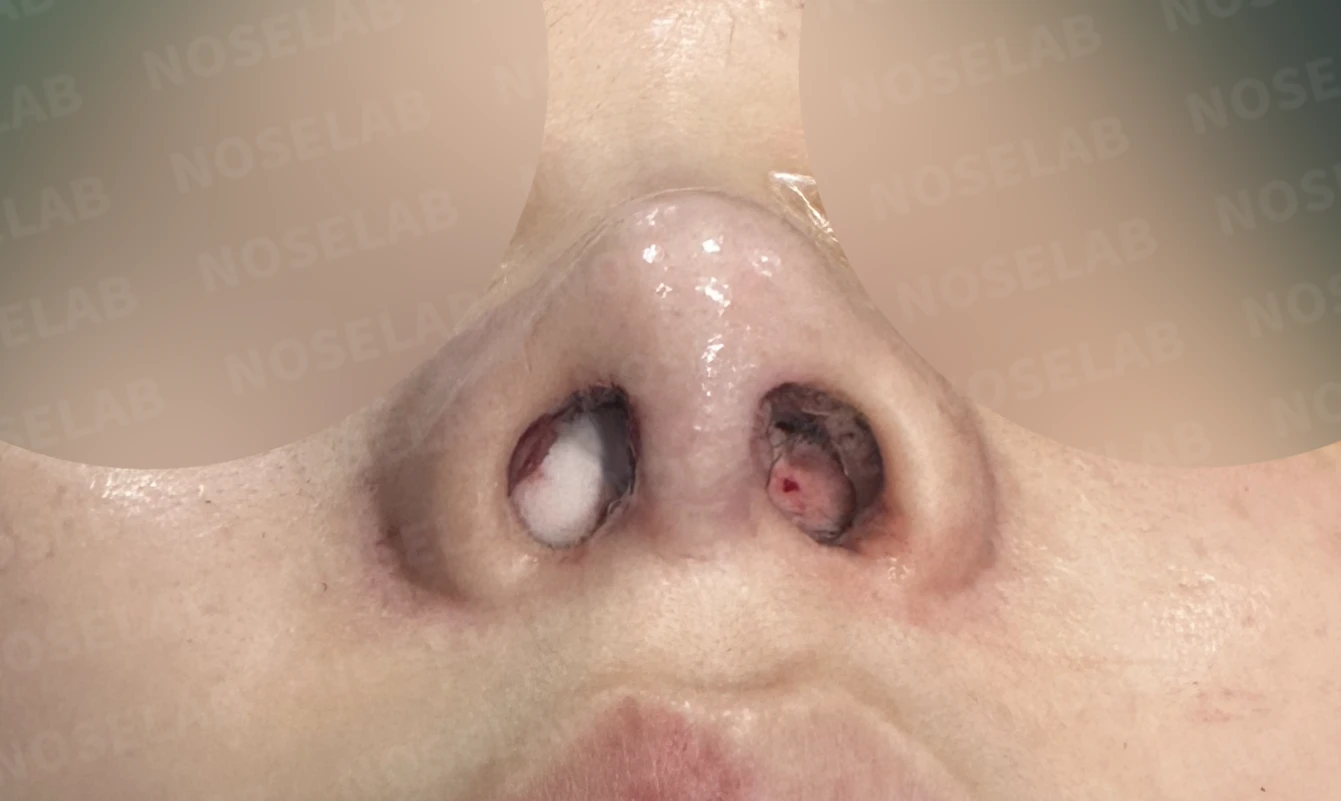
Before surgery / Day 0 immediately after surgery Photos taken immediately after surgery show swelling and may differ from the final result.
💡 Specialist opinion
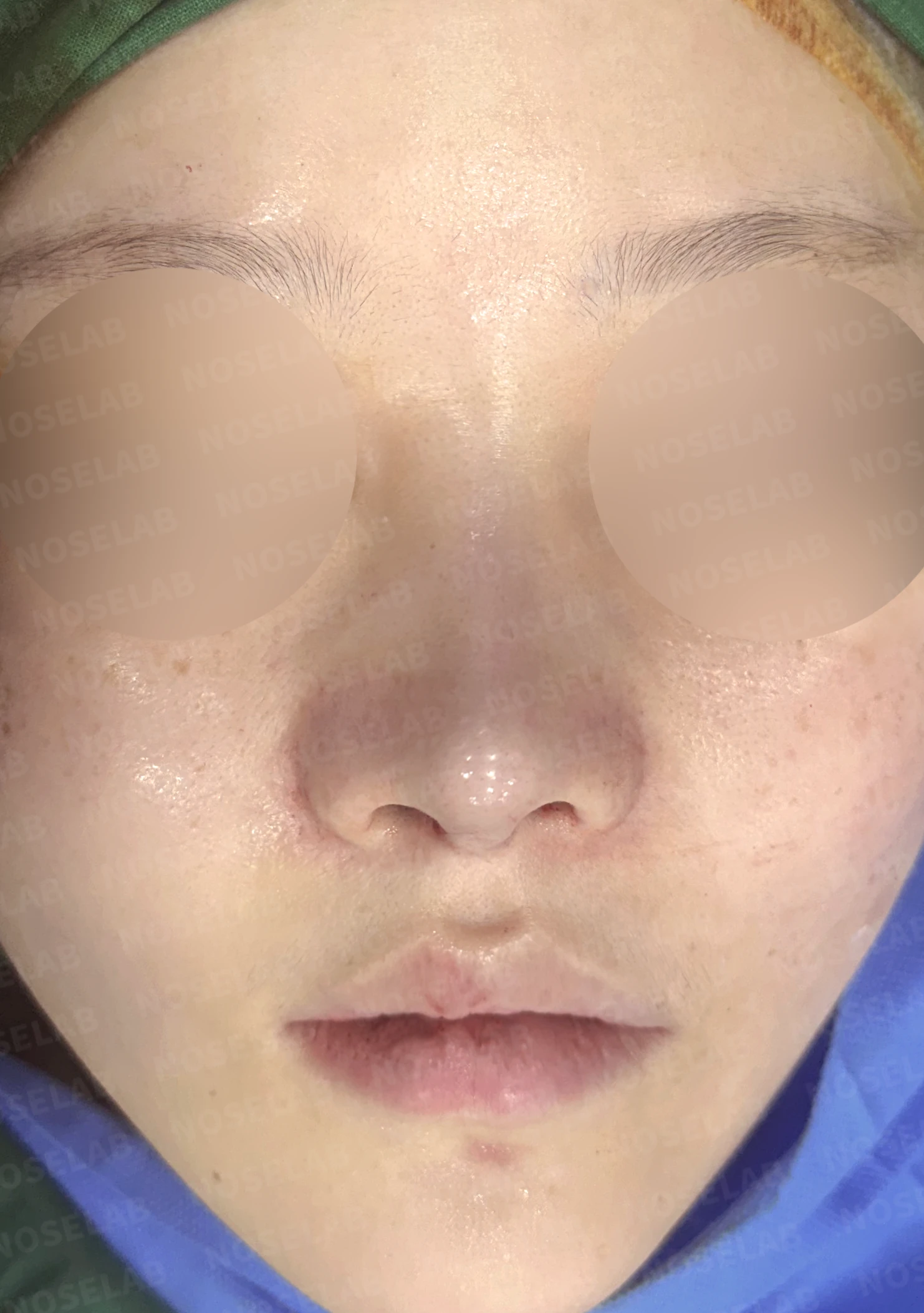
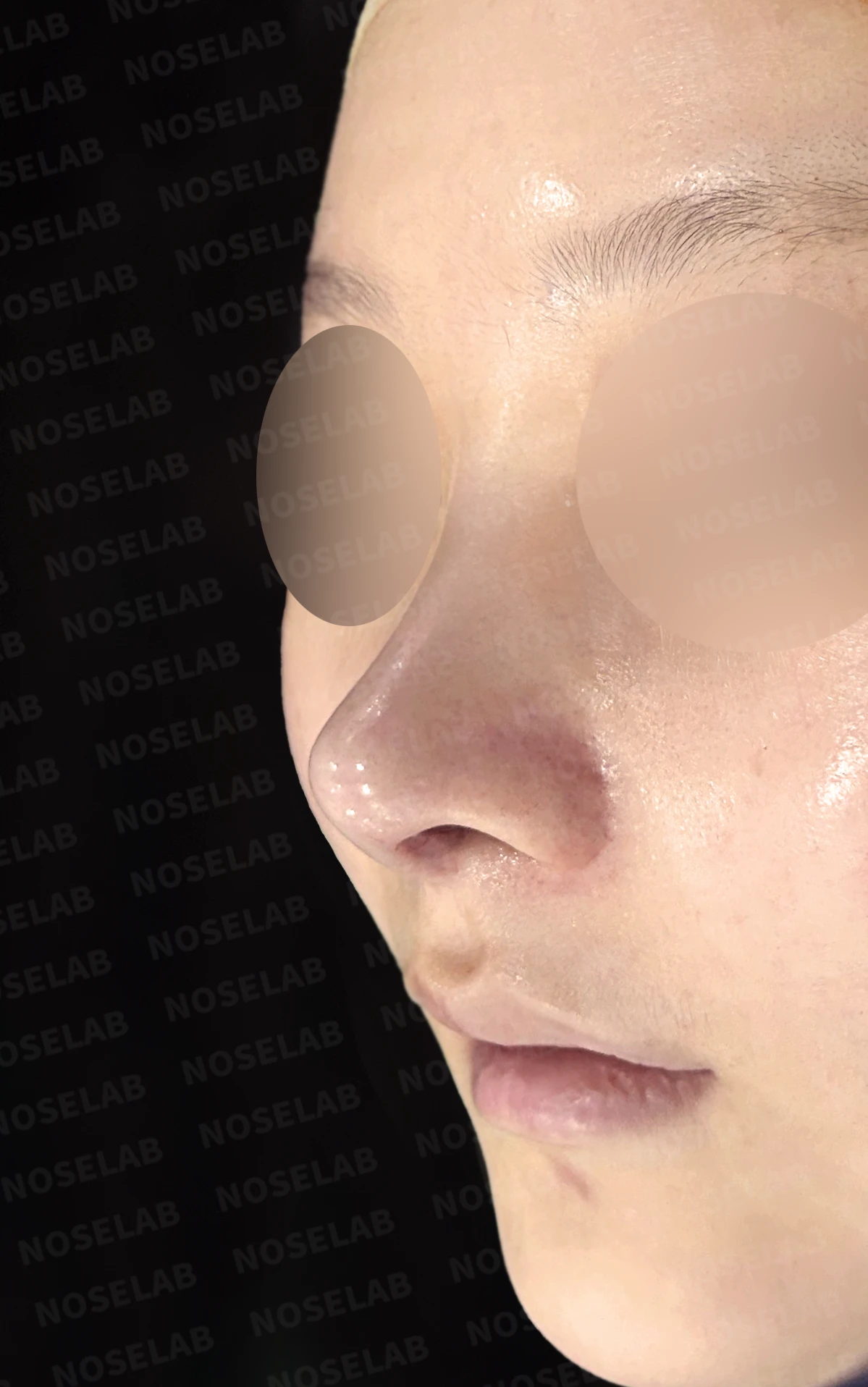
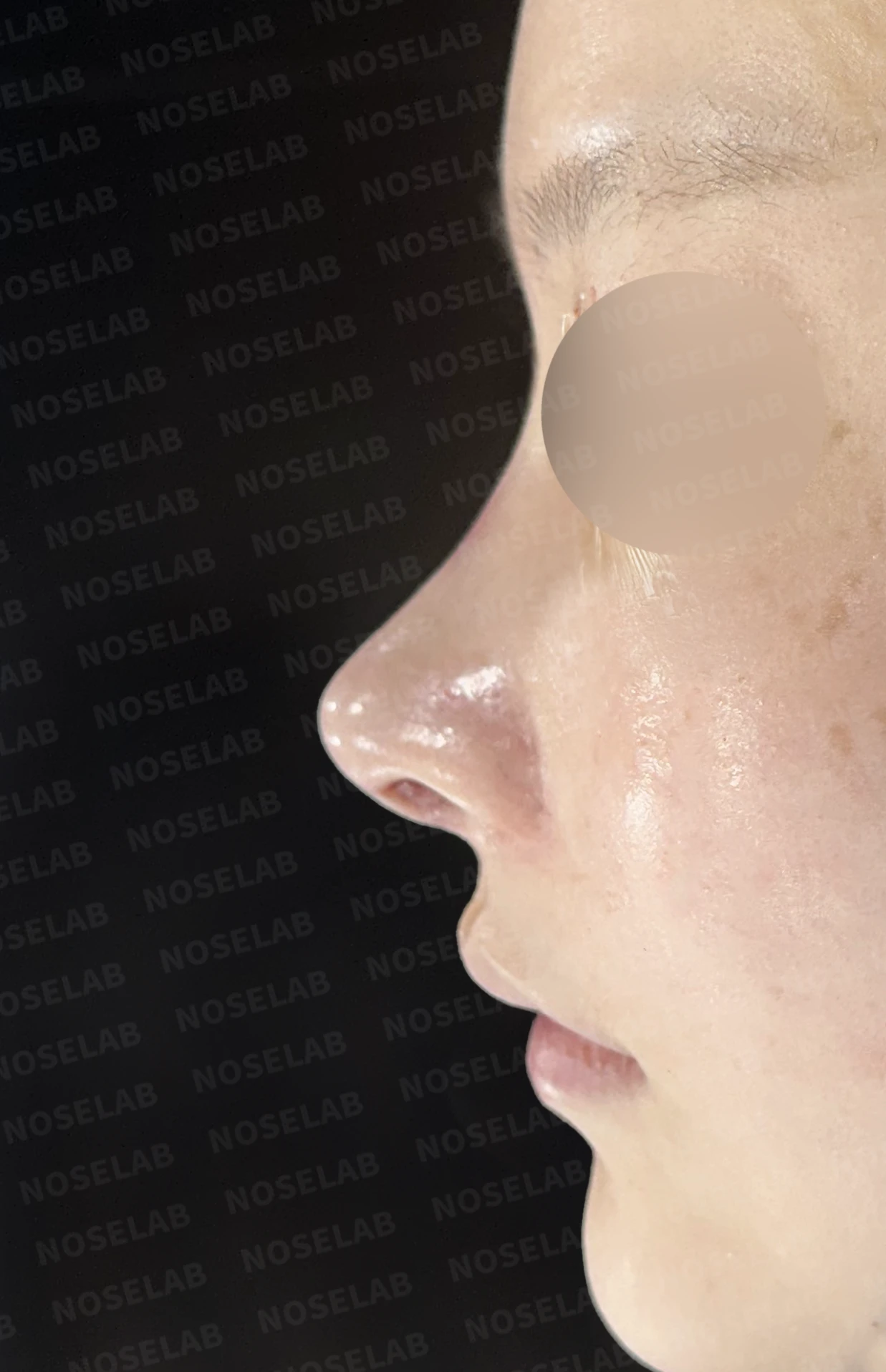
Front, oblique, and profile views on day 0 immediately after surgery. Photos taken immediately after surgery show swelling and may differ from the final result.
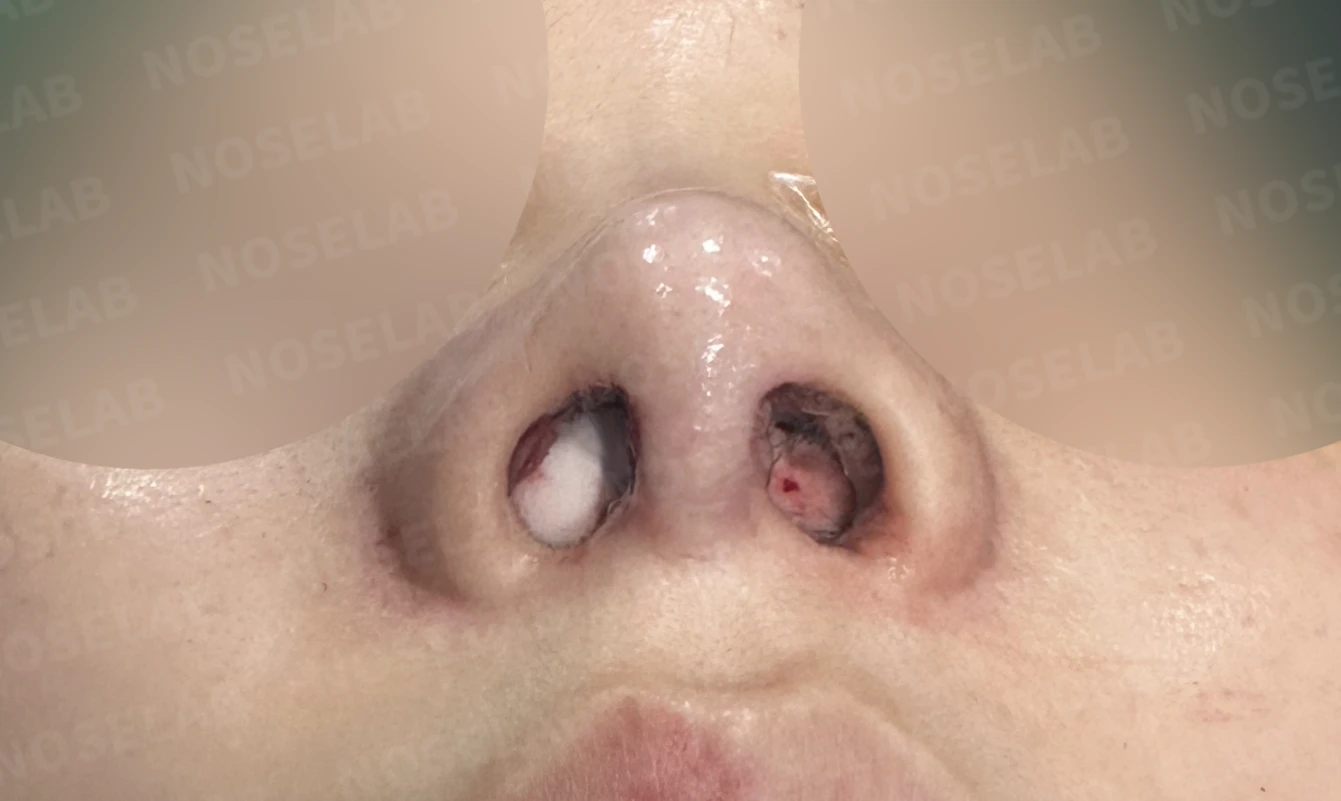
Nostril view on day 0 immediately after surgery. Photos taken immediately after surgery show swelling and may differ from the final result.
This was a complex revision case combined with a history of two prior rhinoplasties and double jaw surgery. During the double jaw surgery, the septal cartilage had been severely damaged, and even the anterior nasal spine at the nasal floor was reshaped asymmetrically, making septal reconstruction particularly challenging.
In such complex revision cases, septal reconstruction using autologous rib cartilage is the most stable option. Because it uses the patient's own cartilage, rejection reactions are low, and it provides sufficient strength and length to secure not only tip support but also a renewed foundation for the overall nasal structure.
In bulbous tip correction, one must address skin thickness alongside cartilage work. Only after properly trimming subcutaneous tissue and scar tissue, while simultaneously performing lower lateral cartilage repositioning and cartilage suturing, can a defined yet natural nasal tip line be achieved.
Additionally, the patient had a bleeding tendency, which resulted in a relatively high amount of bleeding during surgery. In such cases, meticulous hemostasis and careful tissue protection are required, and the procedure must proceed with safety as the top priority, even if the operative time is somewhat prolonged.
Revision rhinoplasty requires a customized surgical plan that comprehensively takes into account the patient's tissue condition, previous surgical history, and functional problems. NOSELAB will always do its best to provide safe and satisfying results, even in challenging revision cases.
This was Dr. Peter C. Kang. Thank you.
#revisionrhinoplasty #autologousribcartilage #septalreconstruction #bulboustipcorrection #crookednosecorrection #nostrilasymmetry #nasalobstructionsurgery #septoplasty #closedrhinoplasty #closedrevisionrhinoplasty

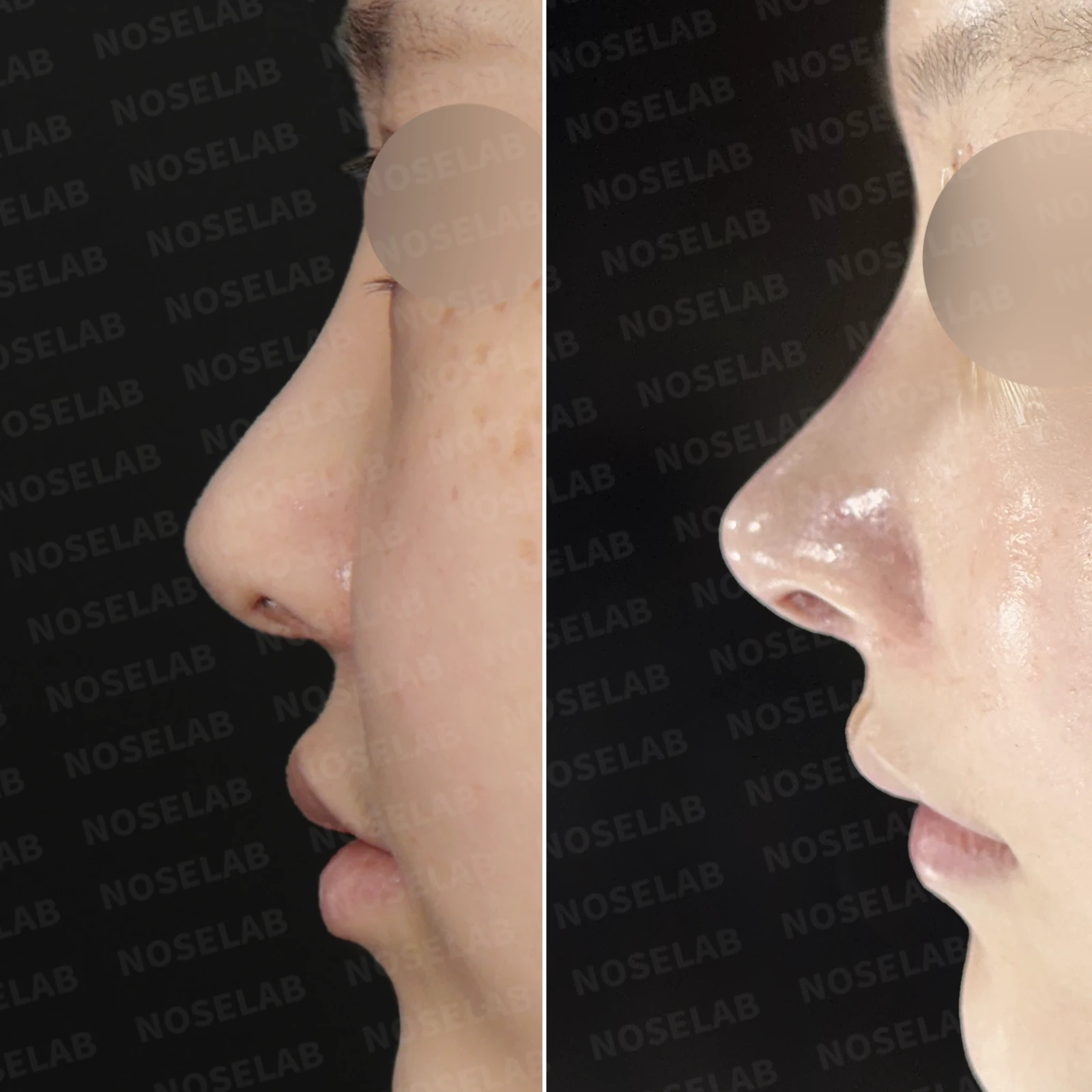
Limitations and risks
When autologous rib cartilage is used, scarring and pain may remain at the donor site on the chest, and pneumothorax (pleural injury) can occur rarely. Over time, the grafted cartilage may warp or undergo partial resorption.
When revising after implant removal, contracture may progress again after removal, the nasal height and length may decrease, and staged surgery may be necessary depending on the skin condition.
When the septum is corrected at the same time, nasal obstruction may persist or recur, and in rare cases, septal perforation or changes in smell may occur.
Common potential risks include infection, bleeding, asymmetry, scarring, skin necrosis, and insufficient improvement; results vary depending on individual skin condition and previous surgical history.