Hello, I am Dr. Peter C. Kang.
Today, I would like to share the case of a patient who visited our clinic with concerns about a crooked nose and a widened nasal tip after undergoing several previous nasal procedures.
🔍 Surgical history
13 years ago: Rhinoplasty
8 years ago: Rhinoplasty and alar reduction using donor rib cartilage and a silicone implant
3 years ago: Revision rhinoplasty using donor rib cartilage and a silicone implant
Over the course of three surgeries, recurring compression of the nasal tip had emerged, accompanied by postoperative nasal obstruction.
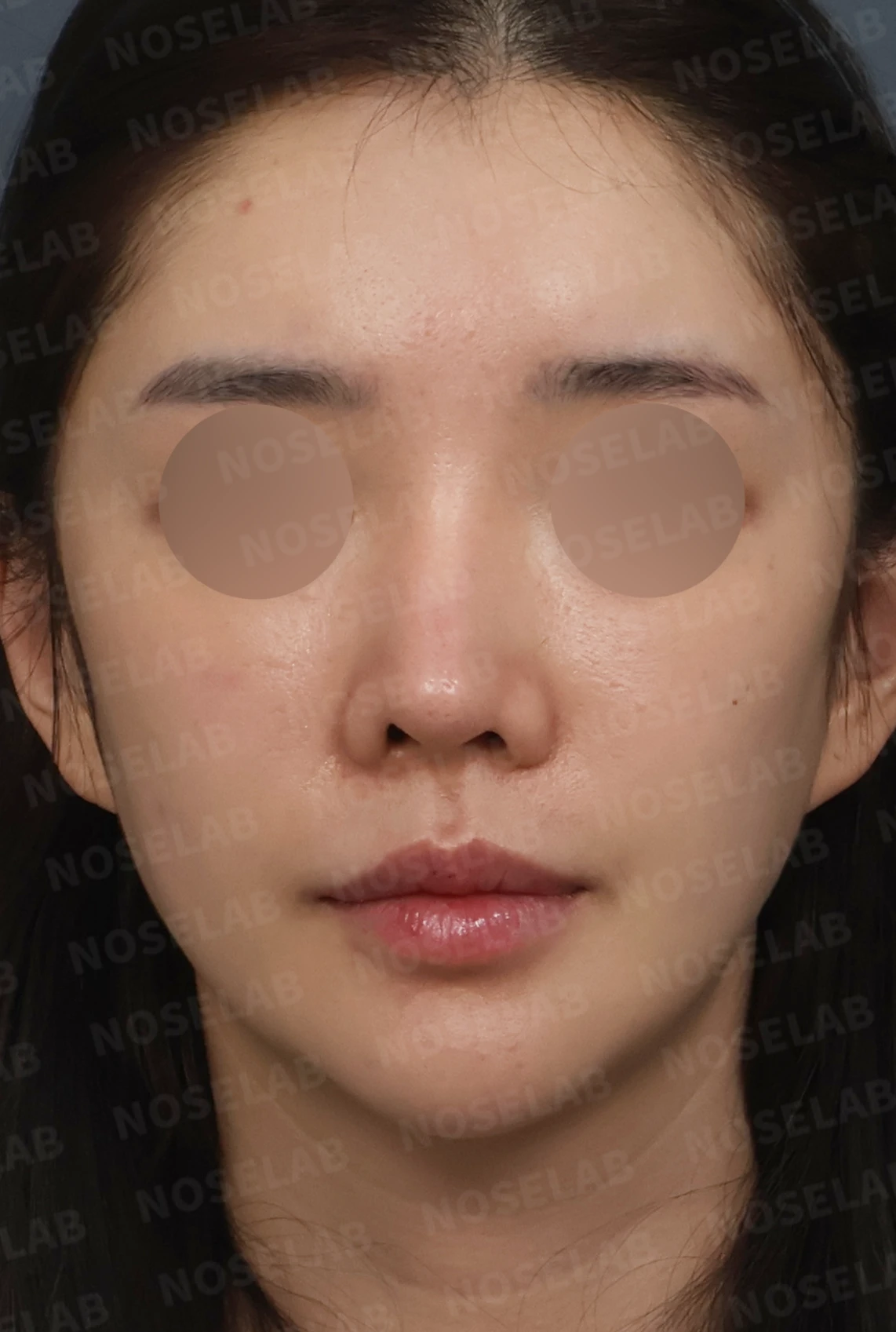
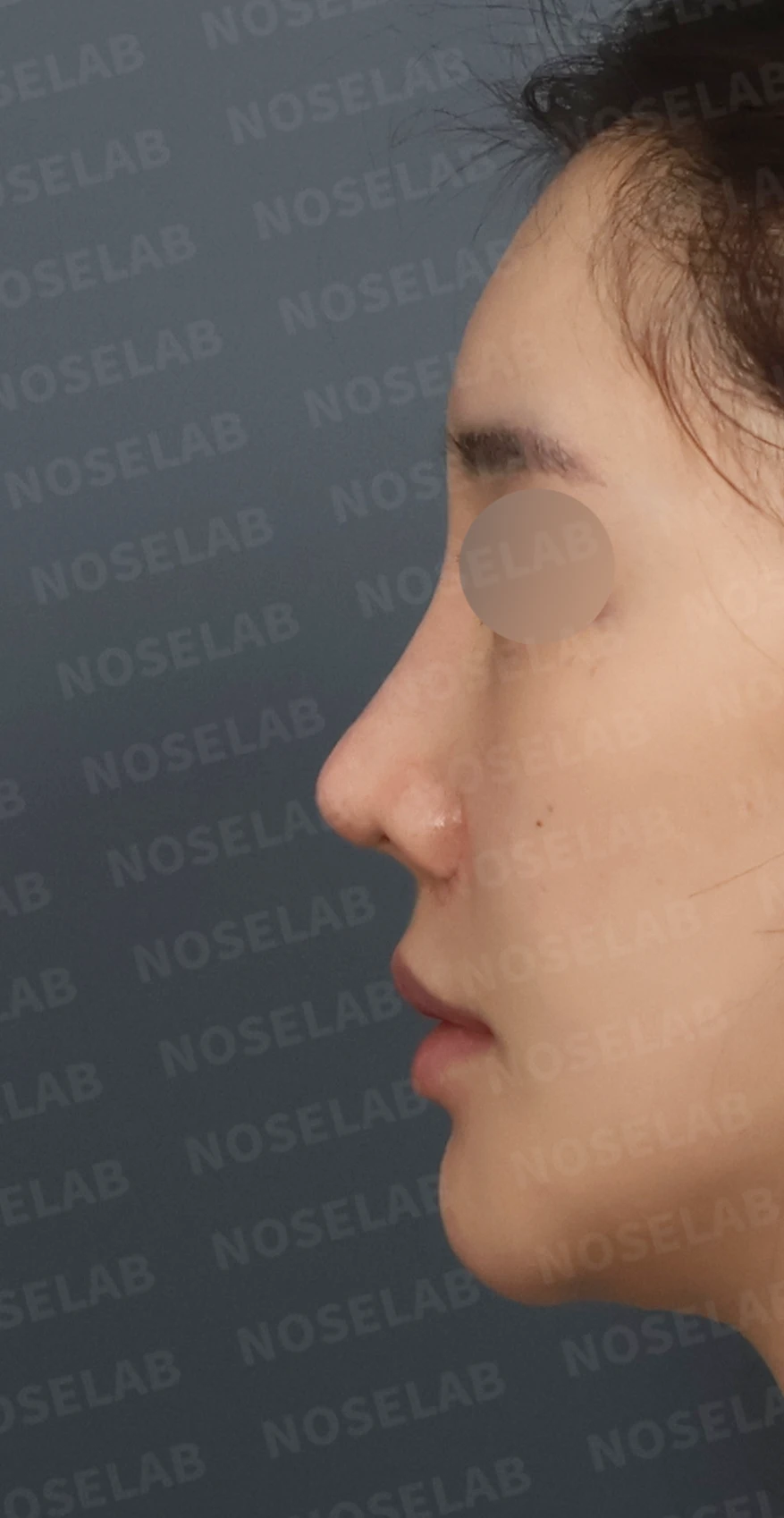
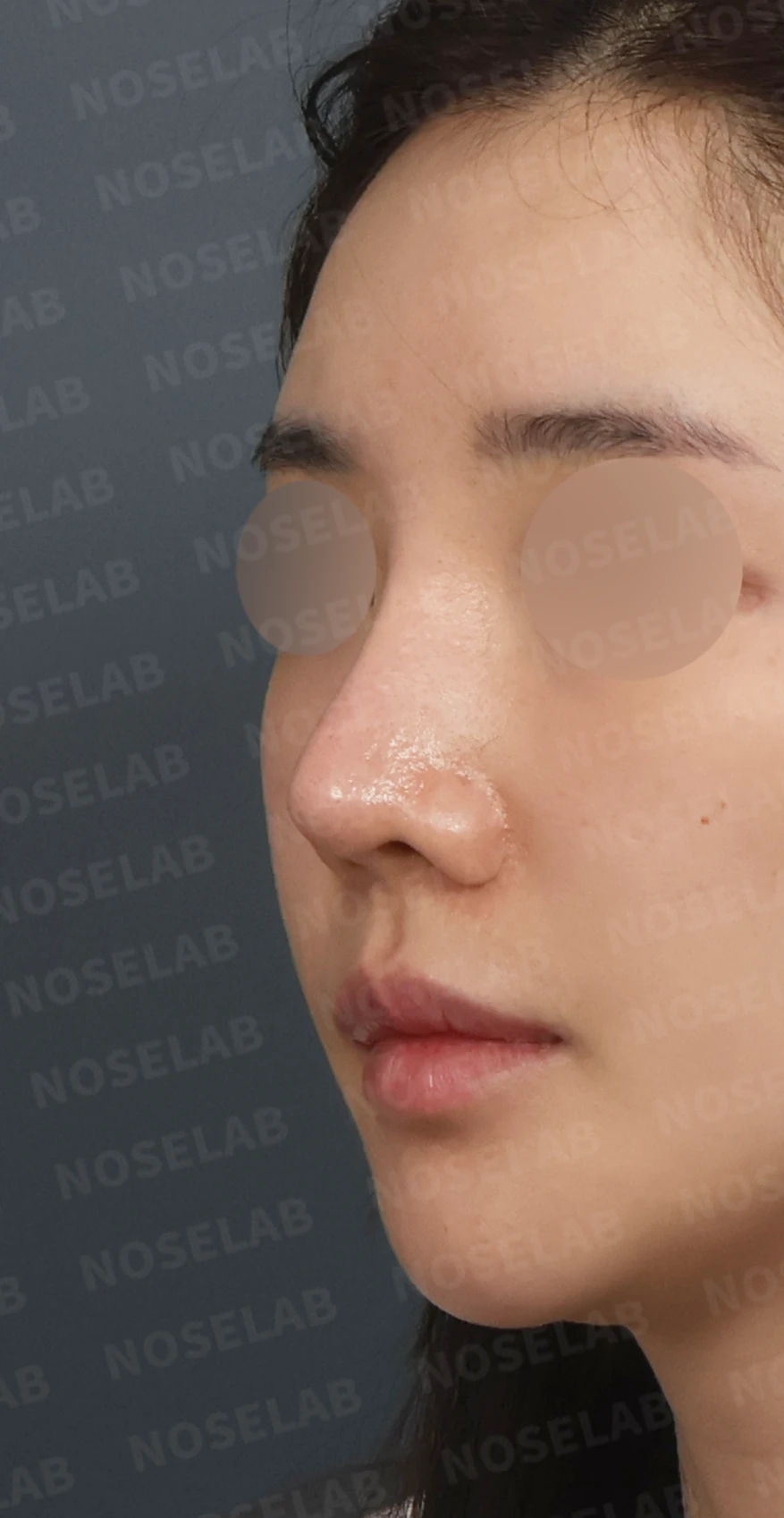
Front, left profile, and oblique views during design consultation.
💉 Patient requests
The patient visited with the following concerns:
Correction of crooked nose
Correction of a widened, spread-out nasal appearance
Natural straight bridge line
A harmonious nose that complements the face
A refined look without an overly sharp nasal tip
Improvement in nasal obstruction symptoms
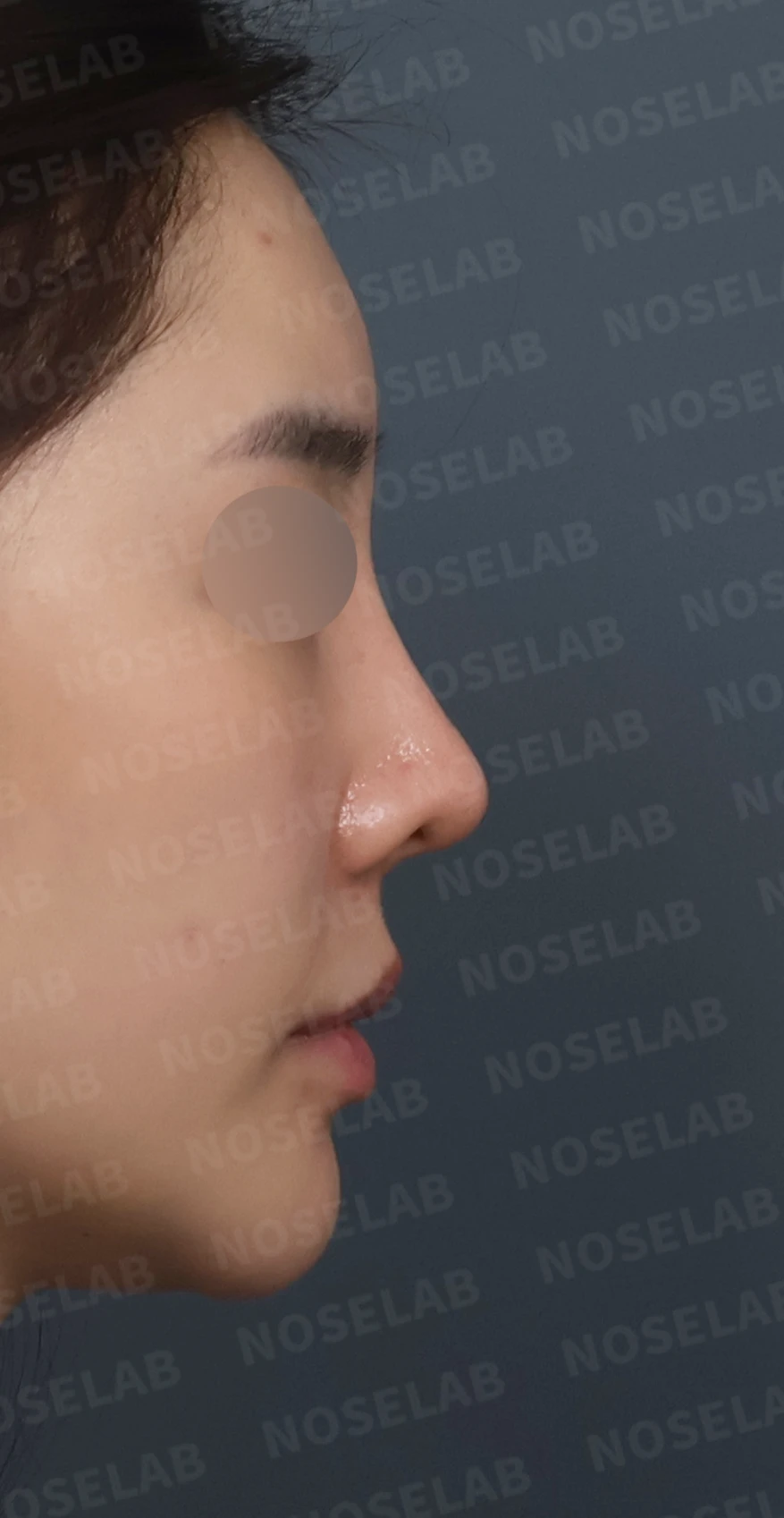
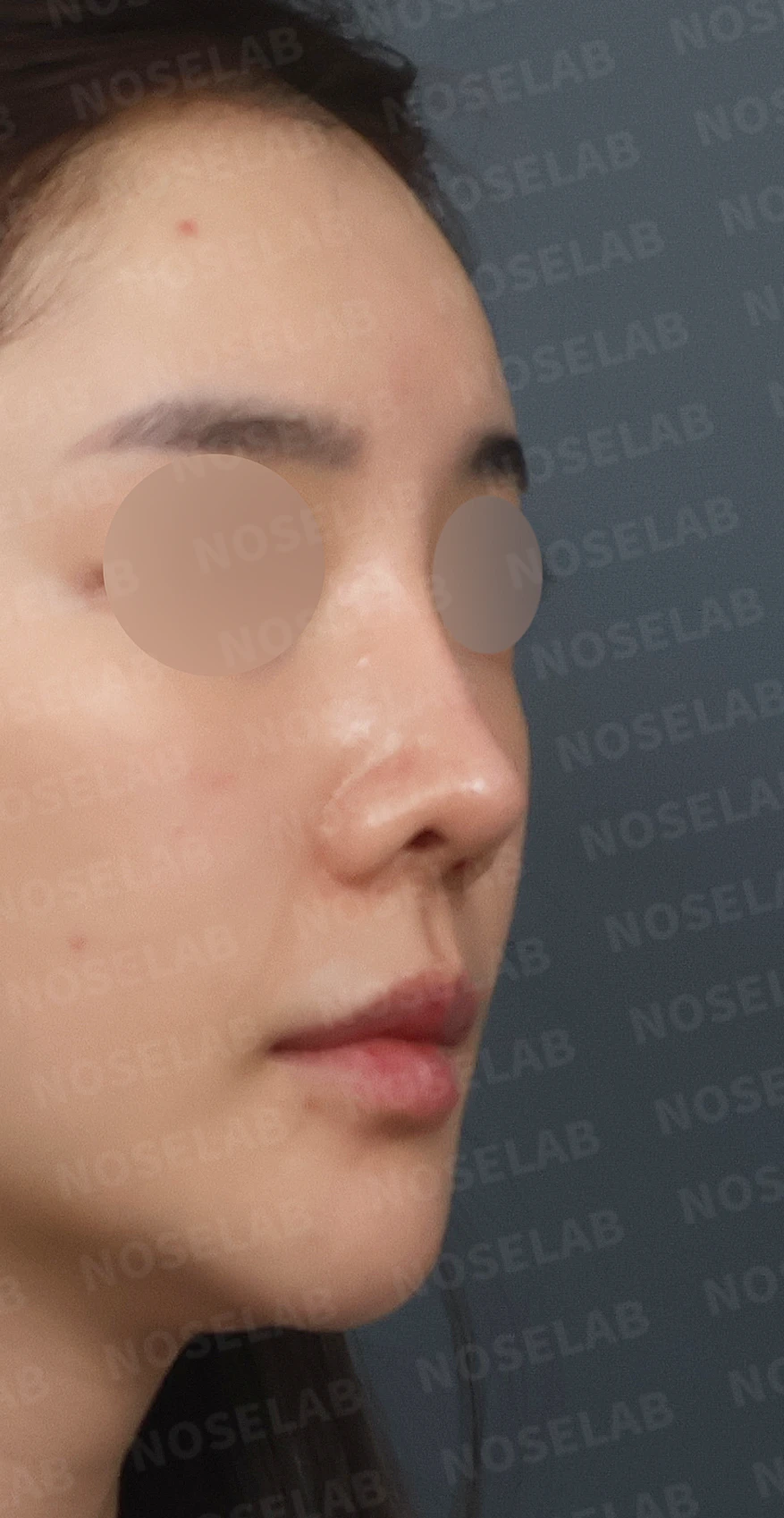
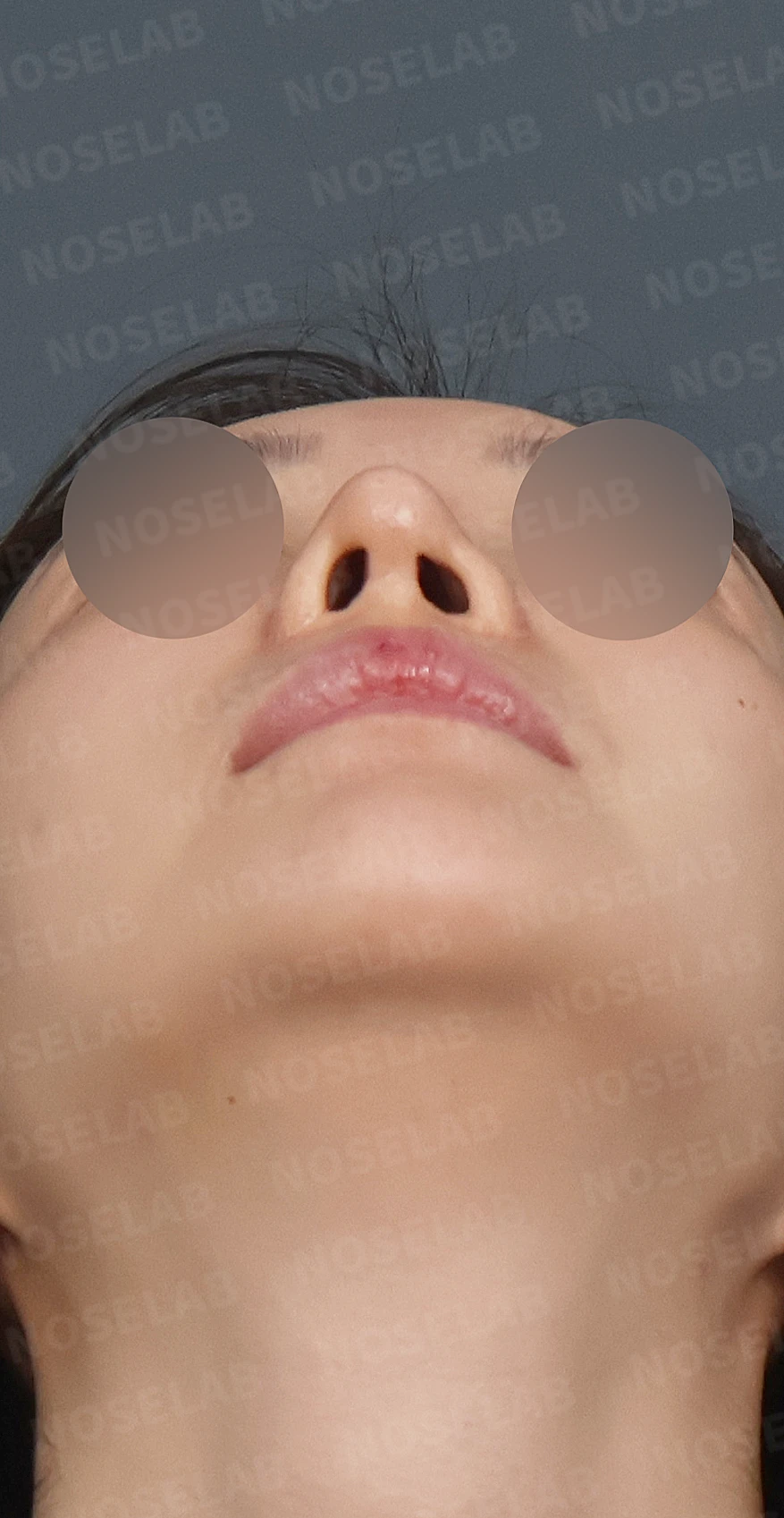
Right profile, oblique, and nostril views during design consultation.
🔧 Surgical plan and procedure
Surgical findings revealed severe damage to the septal cartilage caused by prior surgeries. In addition, the right lower lateral cartilage was almost completely missing, making structural reconstruction essential.
1. Septal cartilage reconstruction using autologous rib cartilage
Stable reconstruction of the damaged septal cartilage using autologous rib cartilage
Securing a stable support structure for the nasal tip
2. Reconstruction of the right lower lateral cartilage
Reconstruction of the missing right lower lateral cartilage using autologous rib cartilage
Restoration of nasal tip symmetry and shape
3. Implant replacement
Removal of existing silicone implant
Lowering the radix and carving a new implant tailored to the nasal bone before placement
Formation of a natural bridge line
4. Correction of nasolabial angle
Improvement of the profile silhouette
5. Functional improvement
Improvement of nasal obstruction through septal correction and inferior turbinate reduction
🌟 Surgical results
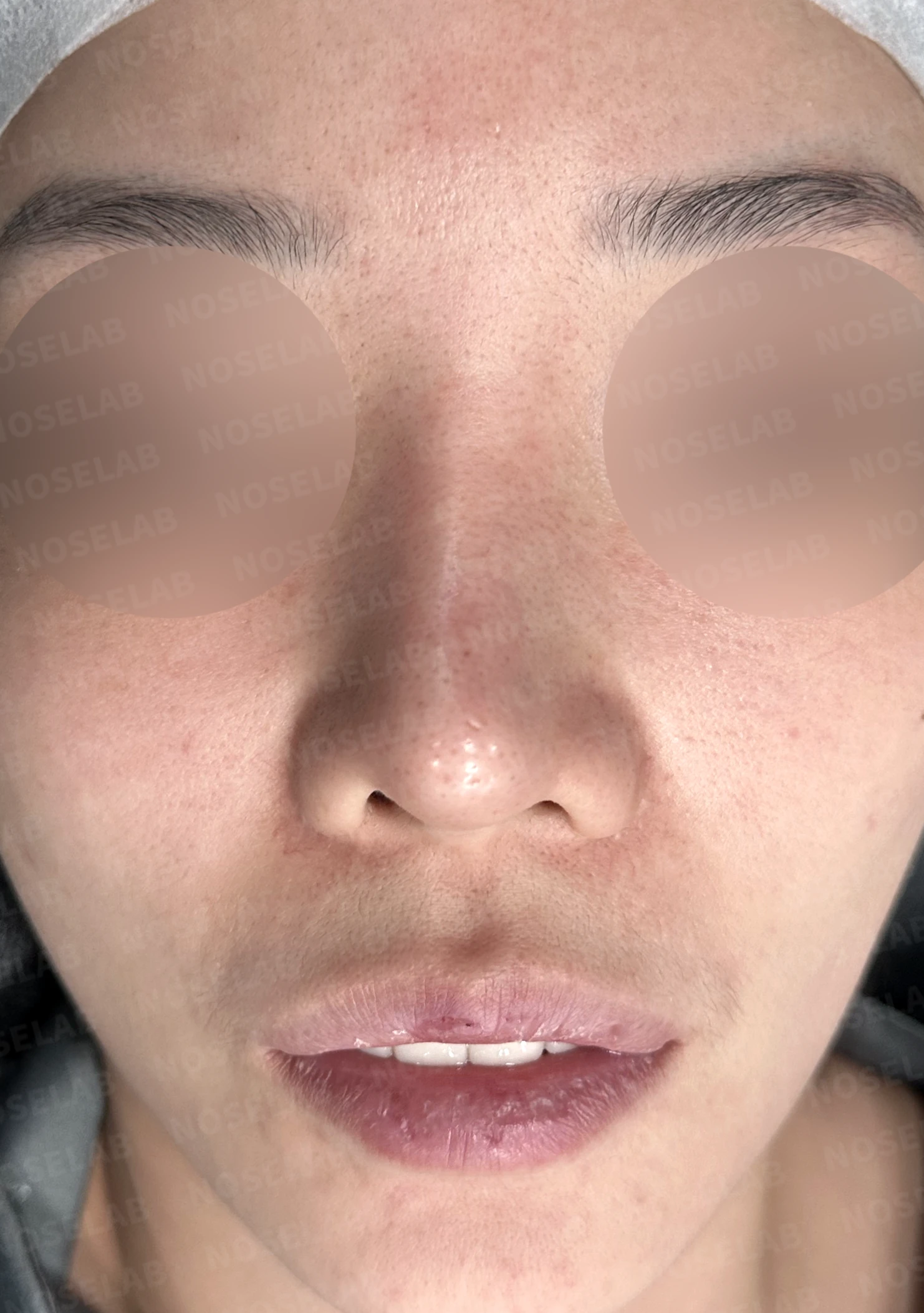
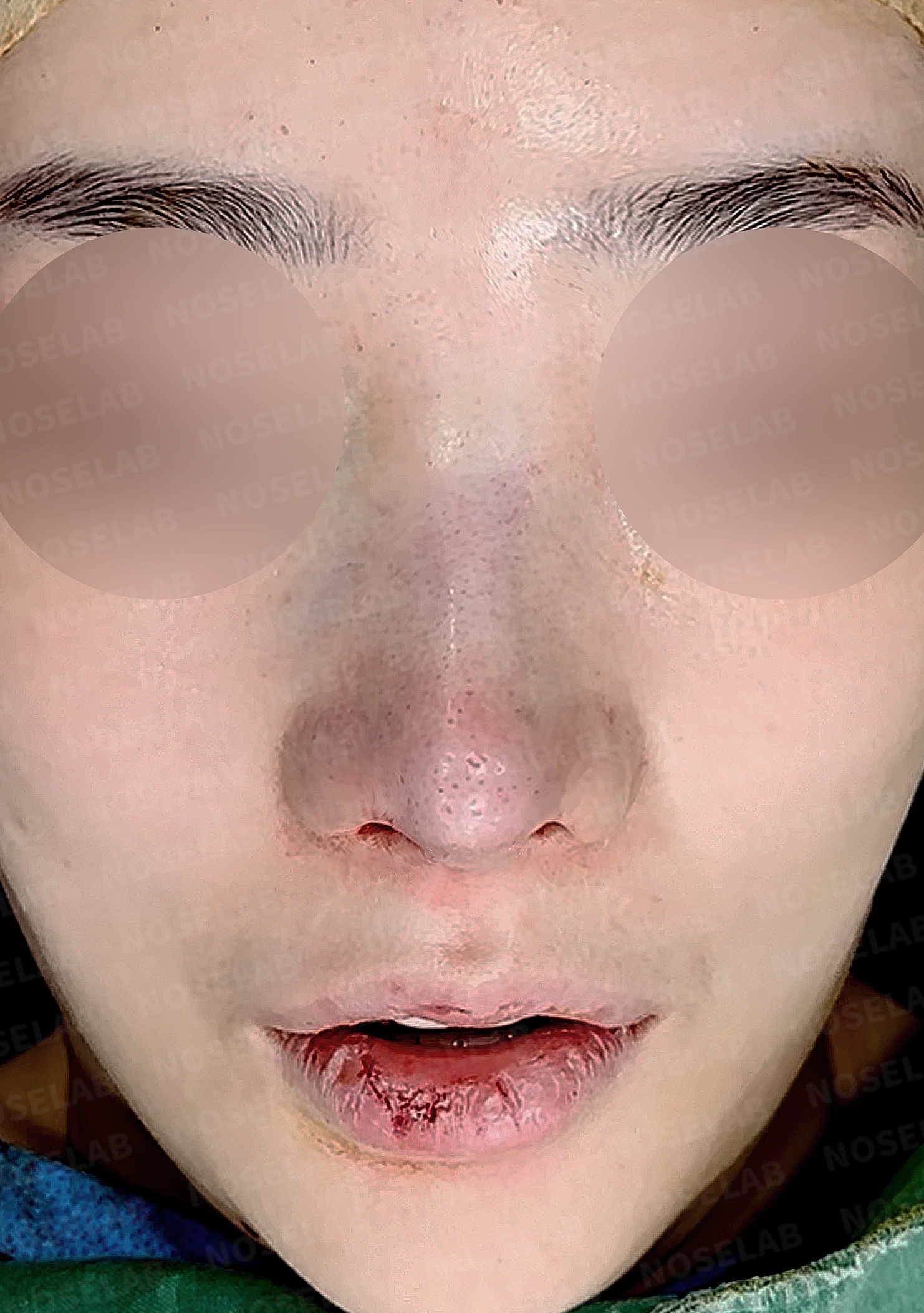
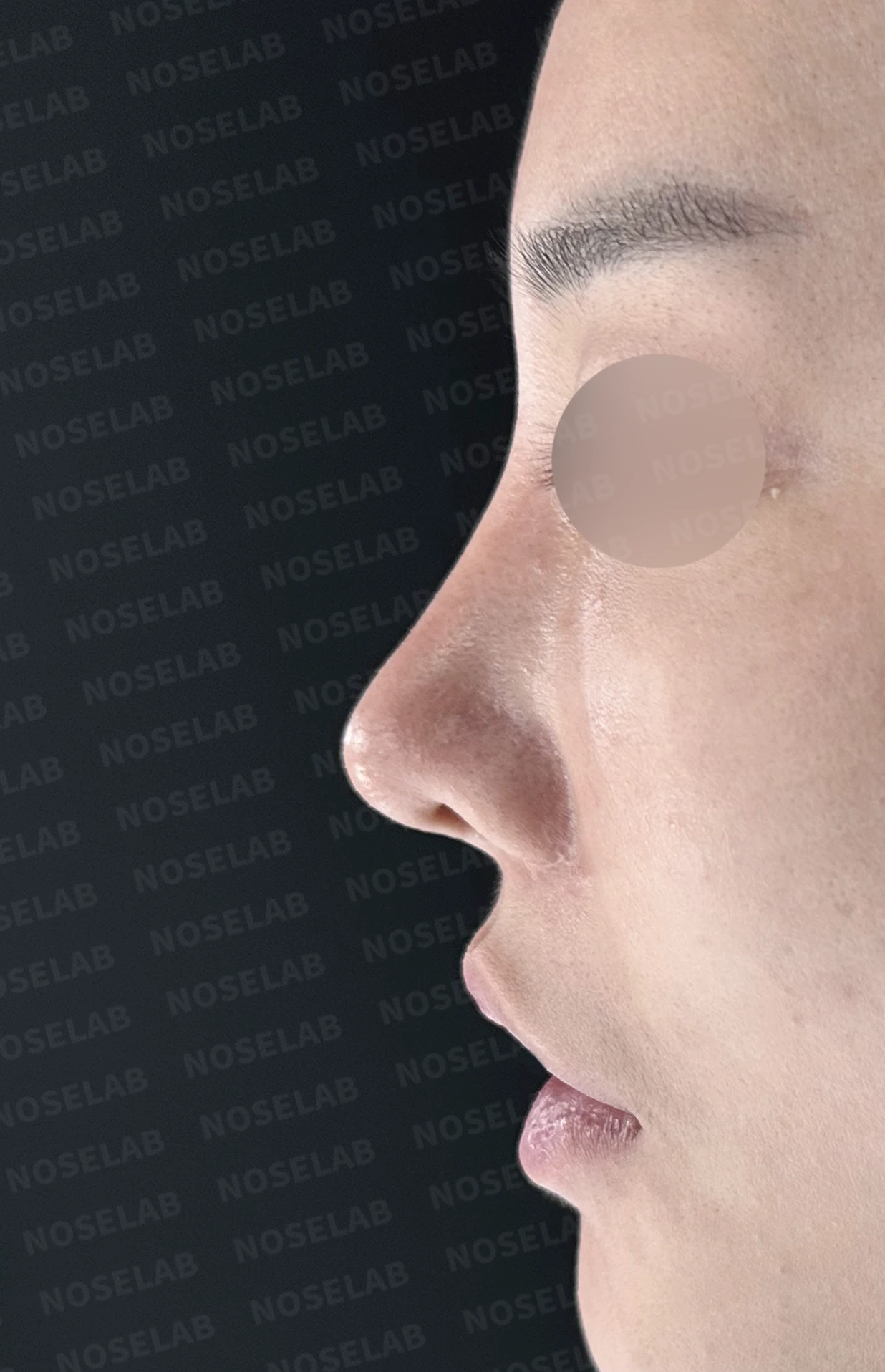
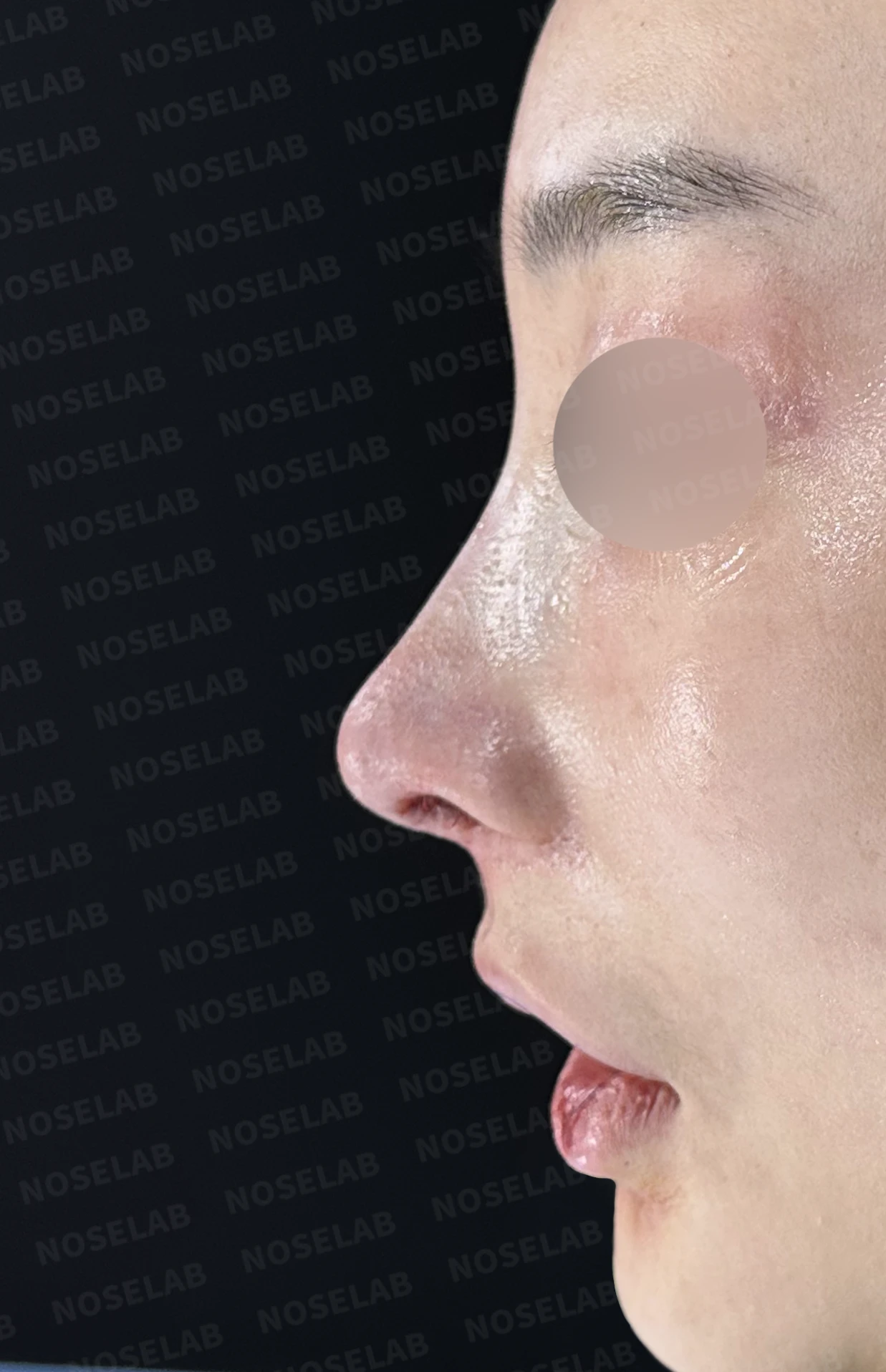
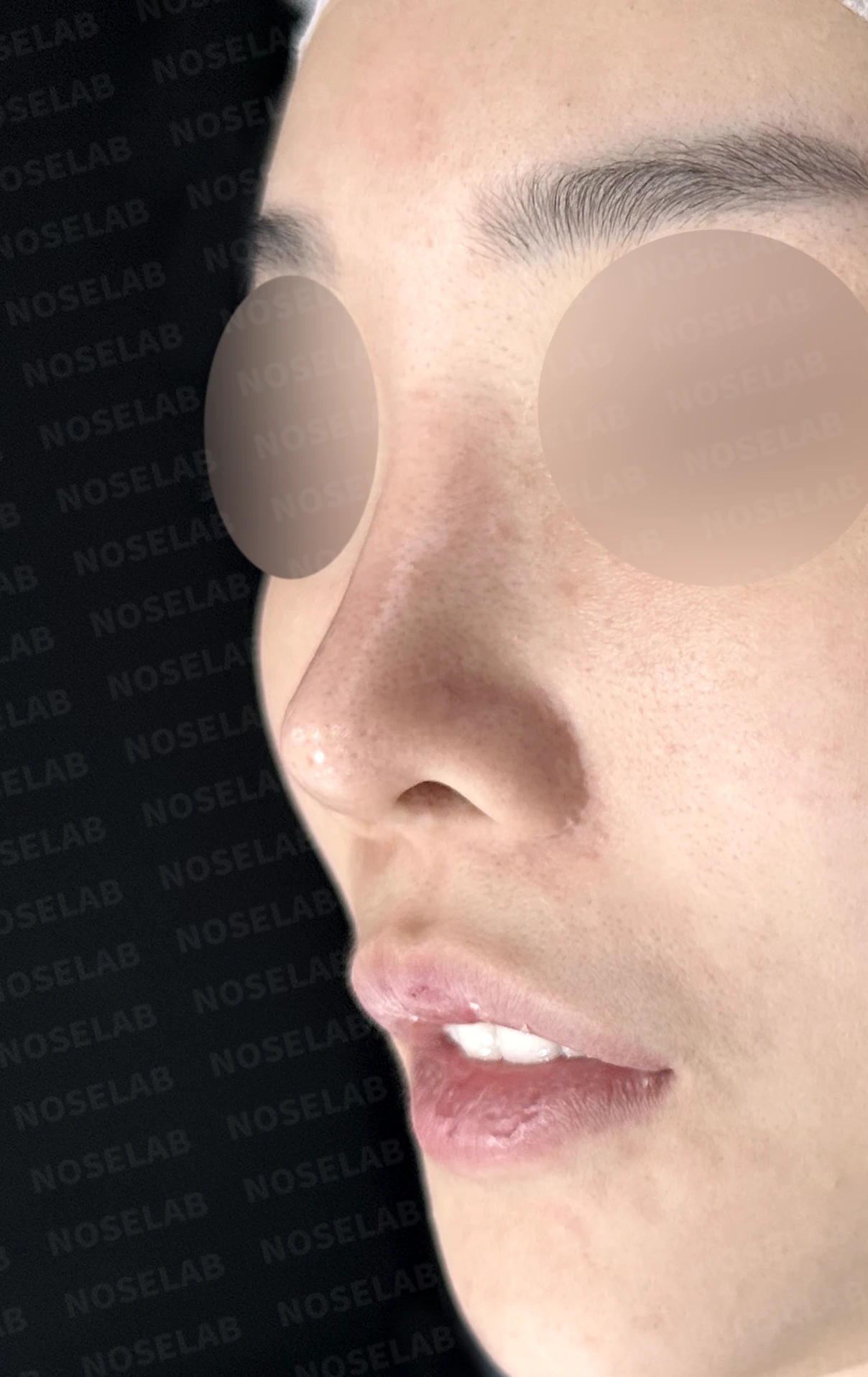
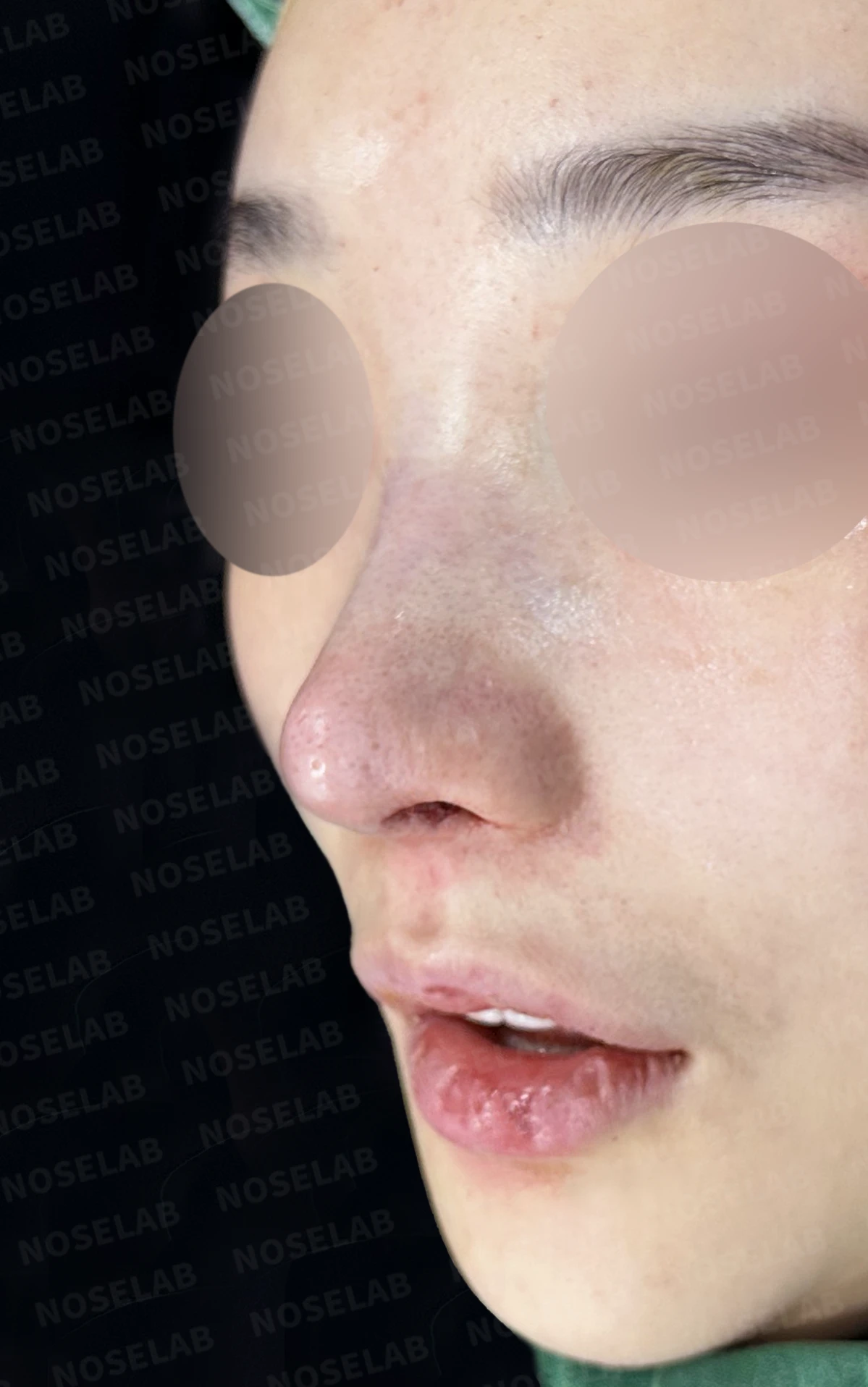
Before surgery / Day 0 immediately after surgery Photos taken immediately after surgery show swelling and may differ from the final result.
Front view changes:
The crooked nose was straightened
The previously widened nasal tip was gathered into a refined shape
A natural nasal line in harmony with the facial features
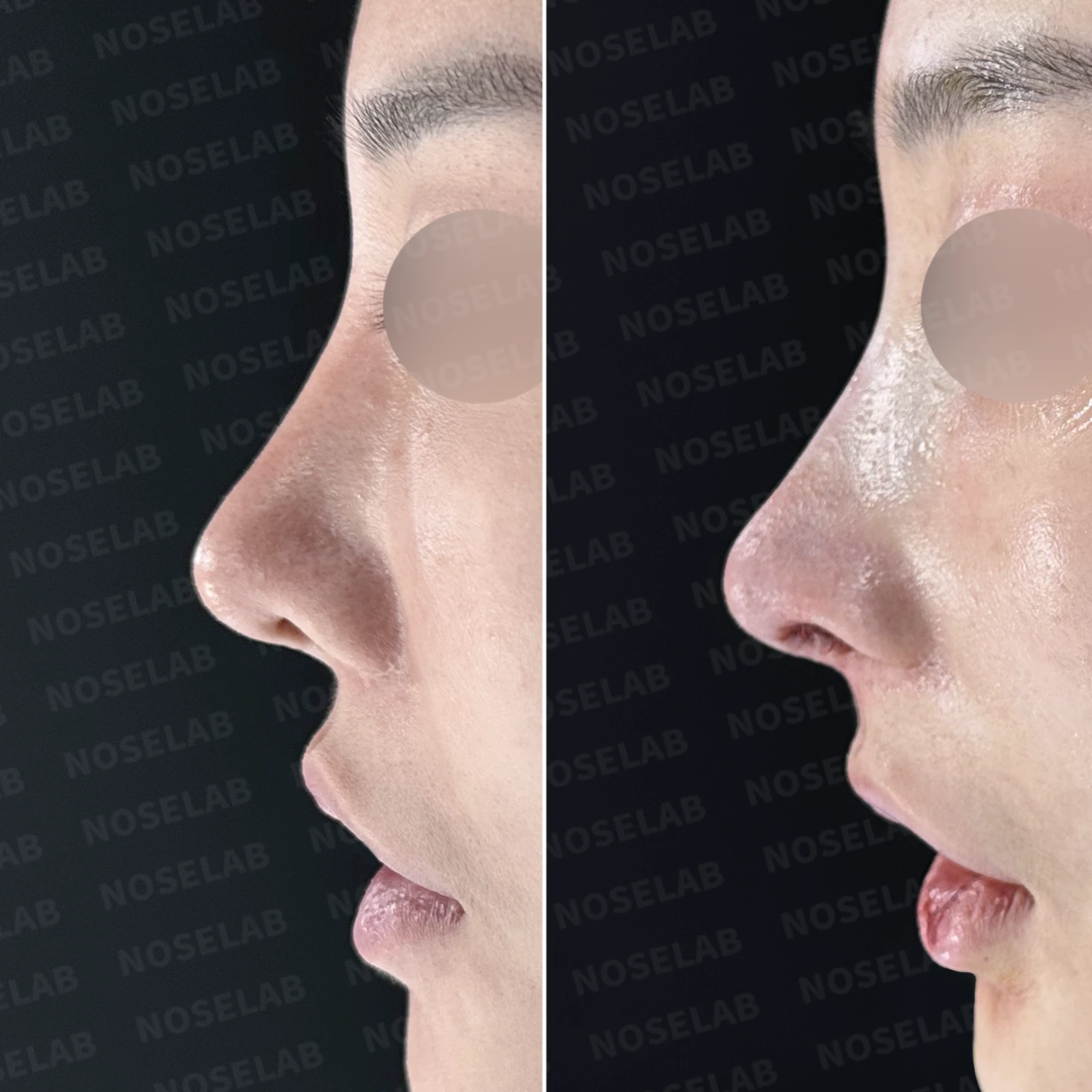
Before surgery / Day 0 immediately after surgery Photos taken immediately after surgery show swelling and may differ from the final result.
Profile view changes:
Creation of a refined straight bridge line
A clean profile achieved through nasolabial angle correction
Natural bridge height created by adjusting the radix
Before surgery / Day 0 immediately after surgery Photos taken immediately after surgery show swelling and may differ from the final result.
Nostril view changes:
Restoration of symmetry in an asymmetrical nasal tip
An overall stable nasal tip shape
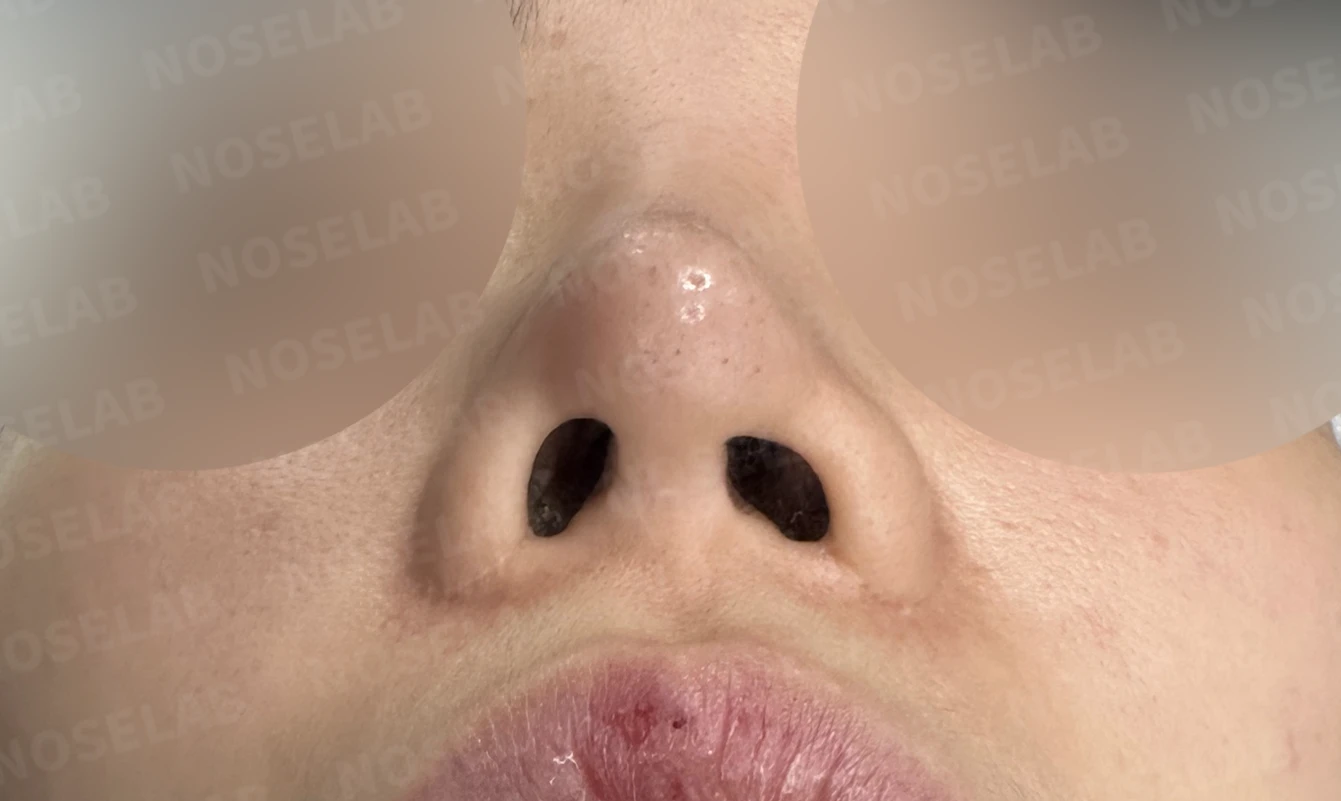
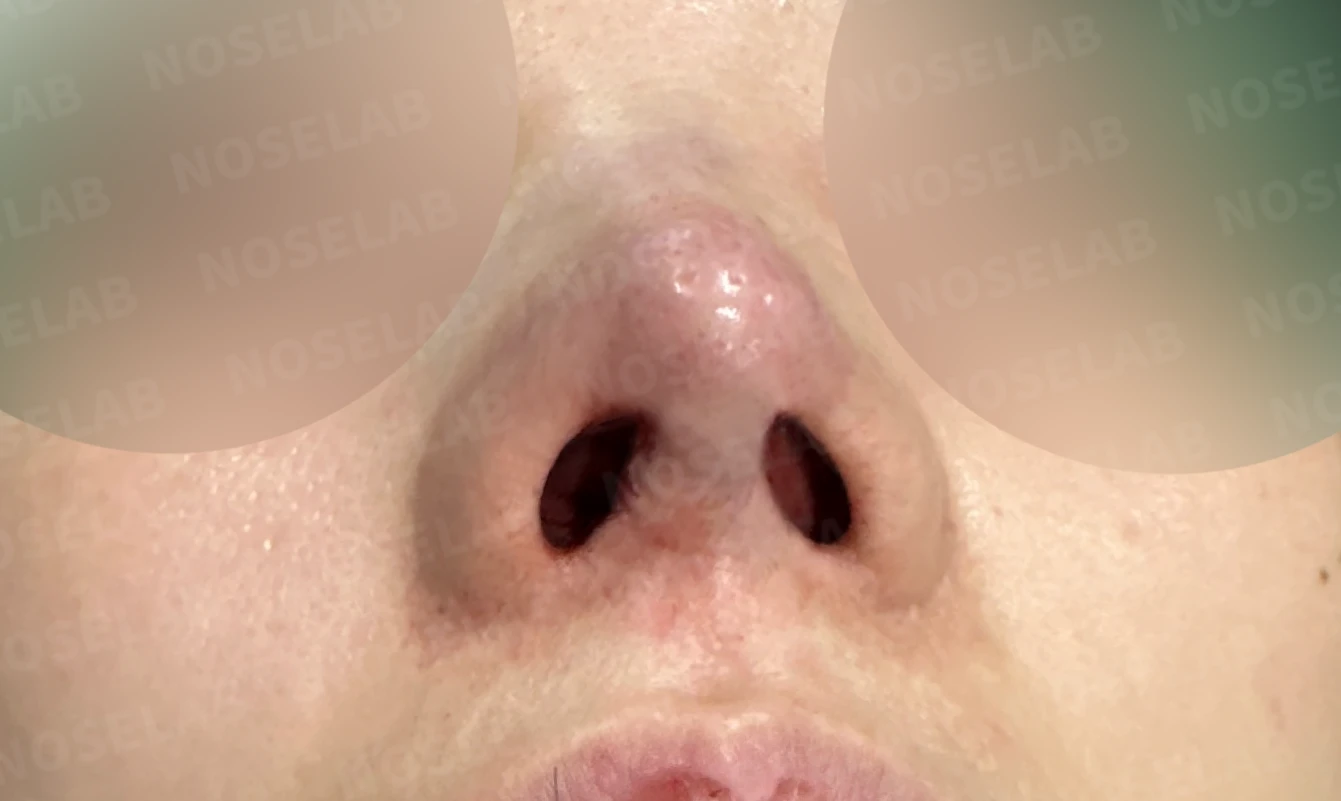
Before surgery / Day 0 immediately after surgery Photos taken immediately after surgery show swelling and may differ from the final result.
💡 Specialist opinion
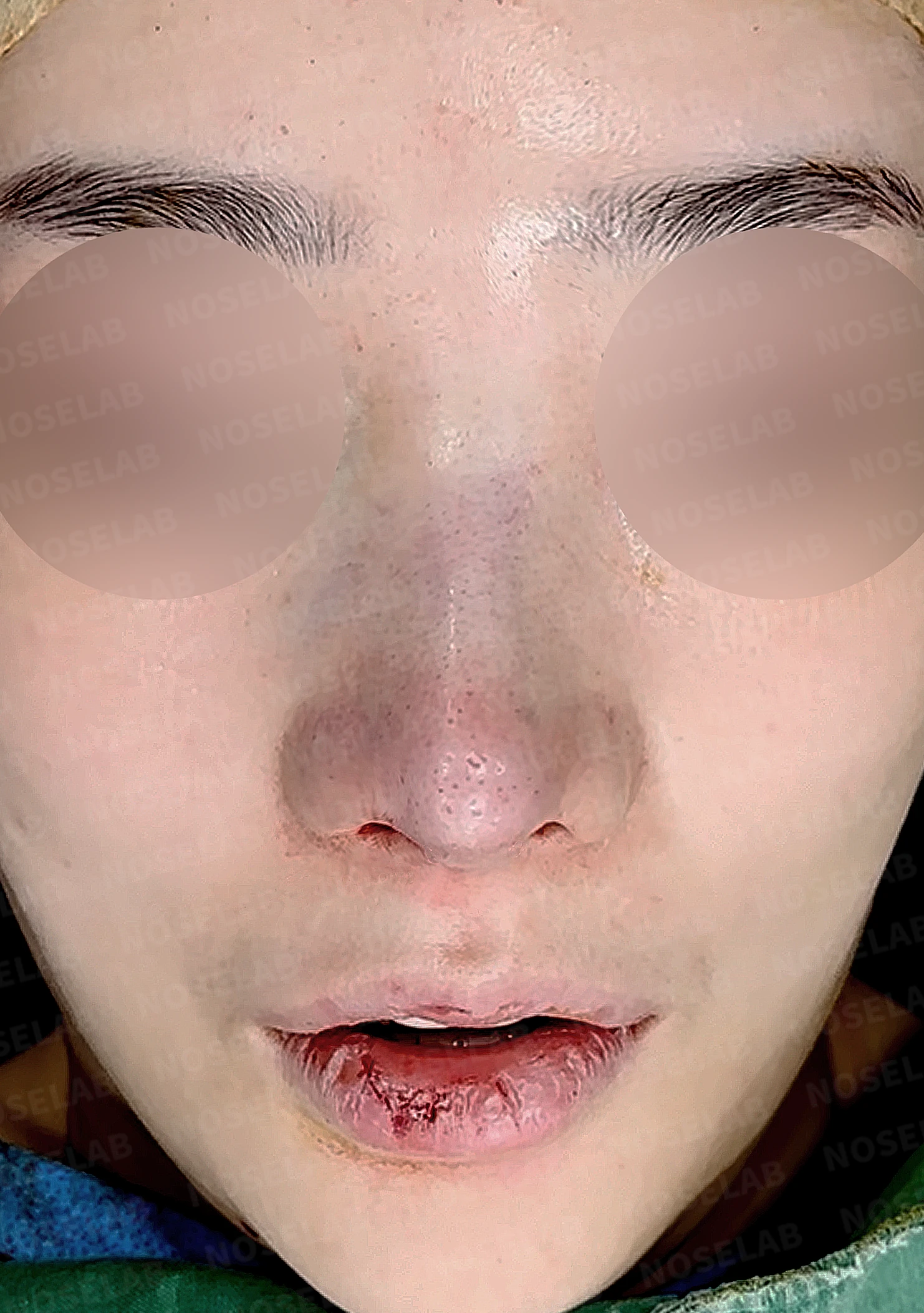
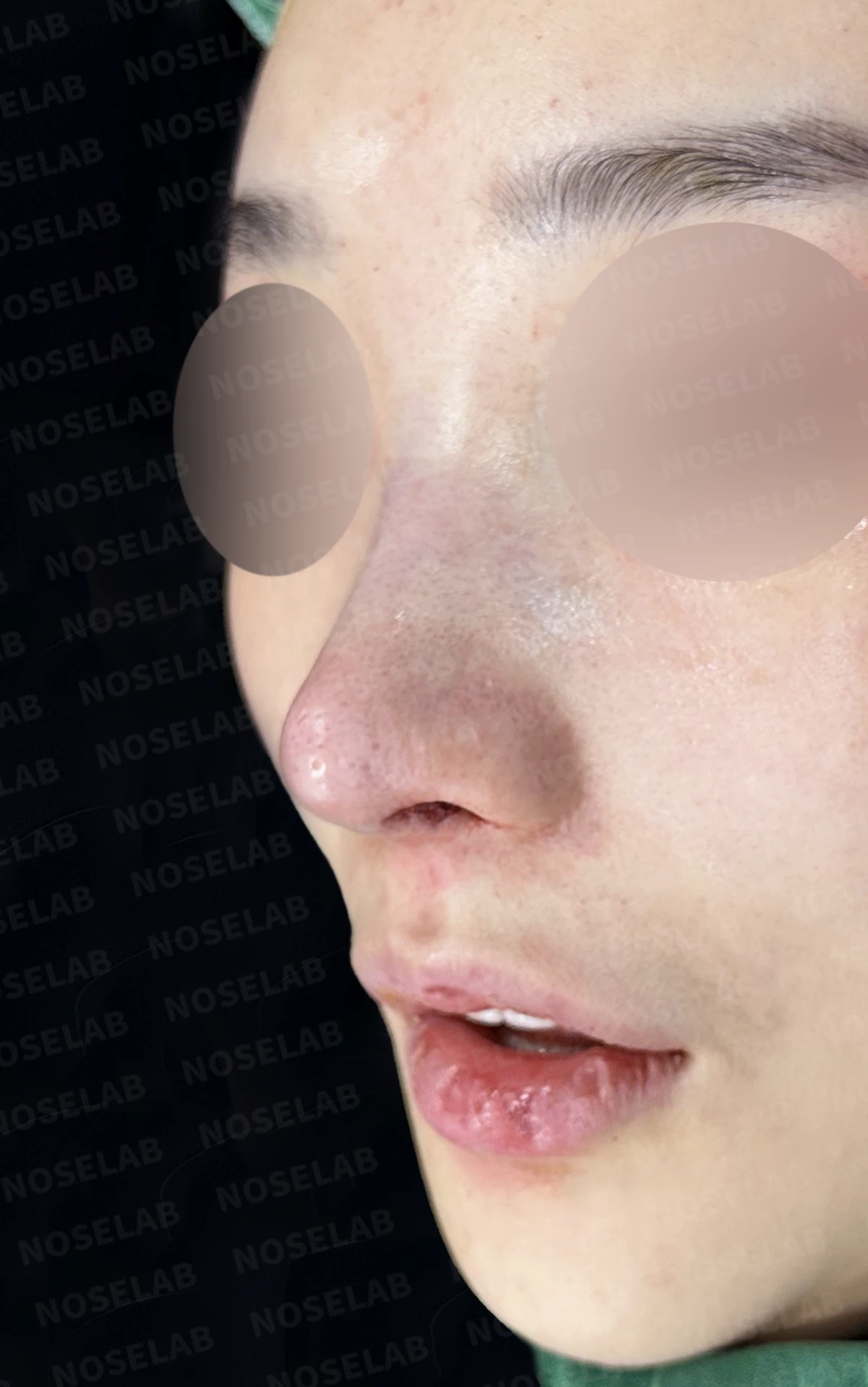
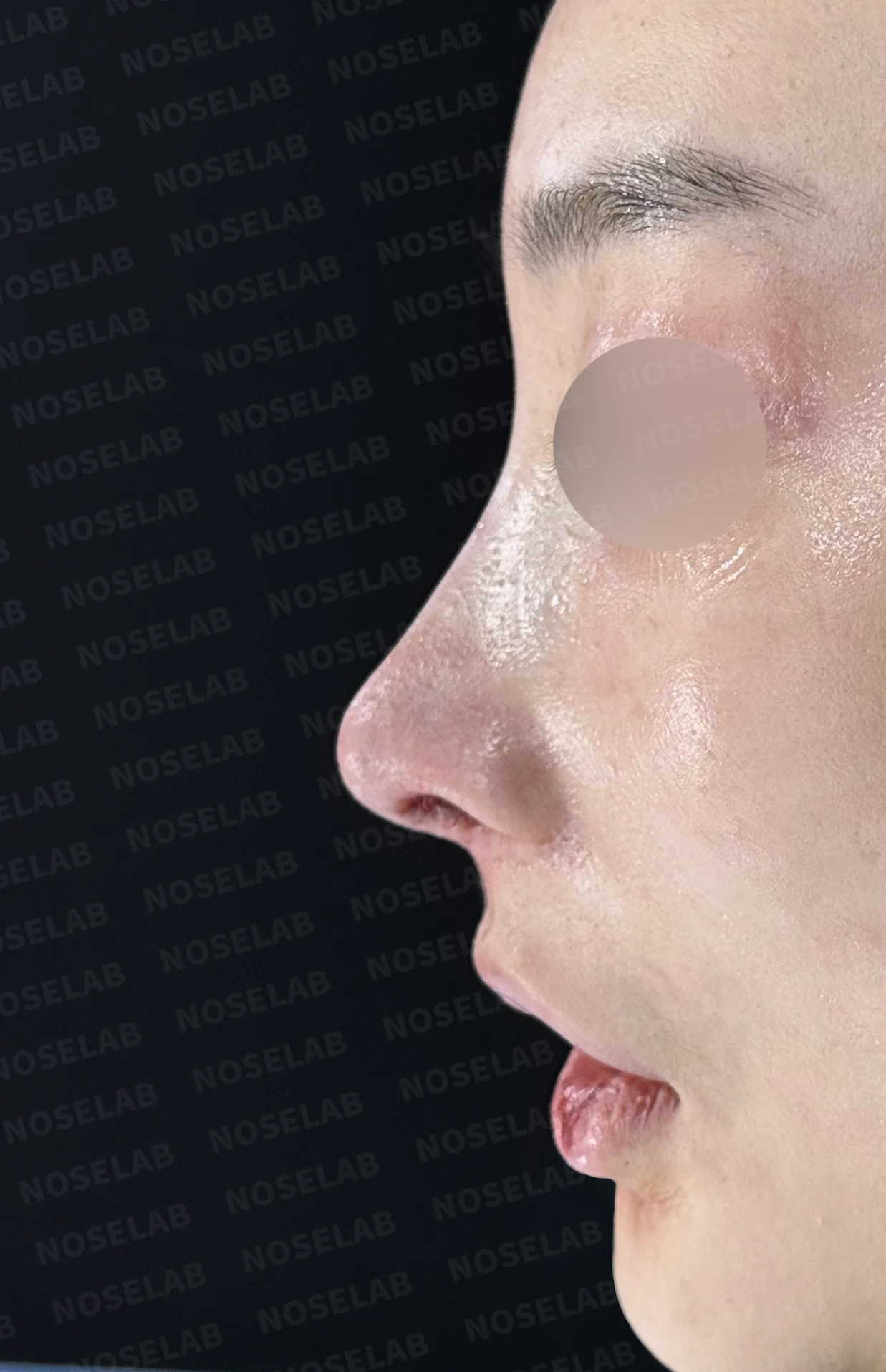
Front, oblique, and profile views on day 0 immediately after surgery. Photos taken immediately after surgery show swelling and may differ from the final result.
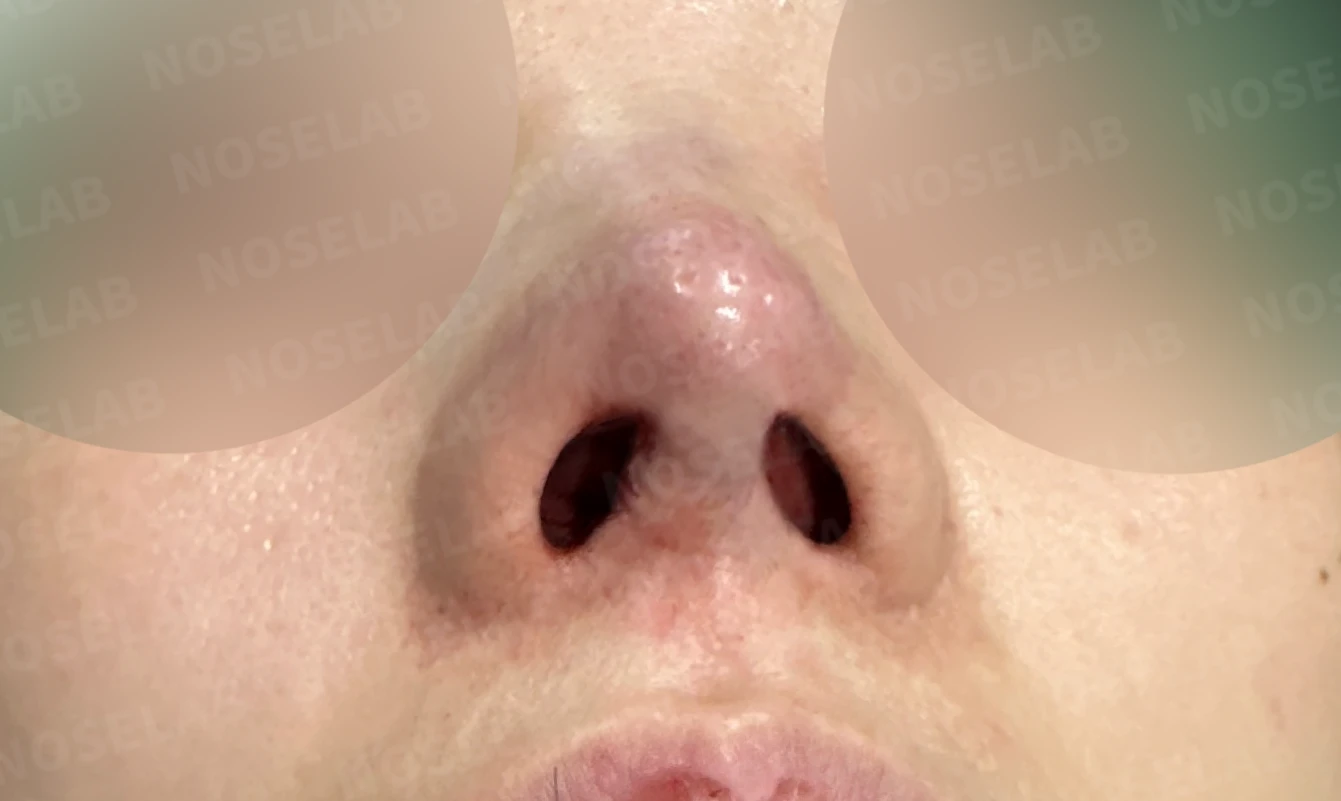
Nostril view on day 0 immediately after surgery. Photos taken immediately after surgery show swelling and may differ from the final result.
In patients who have undergone multiple procedures, cumulative damage to internal structures is common. In this case as well, damage to both the septal cartilage and lower lateral cartilage was quite advanced, making structural reconstruction essential rather than simple minor correction.
Autologous rib cartilage provides sufficient volume and rigidity in revision situations, making it a reliable material to reconstruct damaged structures stably. In particular, when lower lateral cartilage is missing, reconstruction using autologous tissue can support stable long-term results.
Addressing functional concerns such as nasal obstruction at the same time is vital to achieving both aesthetic satisfaction and functional improvement. I hope this case serves as helpful reference for those with similar concerns.
This was Dr. Peter C. Kang. Thank you.
#closedrhinoplasty #closedrevisionrhinoplasty #crookednosecorrection #widenednosecorrection #autologousribcartilage #revisionrhinoplasty #straightbridgeline #nasolabialanglecorrection #nasalobstructionsurgery #lowerlateralcartilagereconstruction #septalreconstruction

Limitations and risks
When autologous rib cartilage is used, scarring and pain may remain at the donor site on the chest, and pneumothorax (pleural injury) can occur rarely. Over time, the grafted cartilage may warp or undergo partial resorption.
When using donor rib cartilage, long-term follow-up is necessary because the grafted cartilage may resorb or warp.
When revising after implant removal, contracture may progress again after removal, the nasal height and length may decrease, and staged surgery may be necessary depending on the skin condition.
When the septum is corrected at the same time, nasal obstruction may persist or recur, and in rare cases, septal perforation or changes in smell may occur.
Common potential risks include infection, bleeding, asymmetry, scarring, skin necrosis, and insufficient improvement; results vary depending on individual skin condition and previous surgical history.