1. Preoperative consultation
The patient visited our clinic to correct a bulbous and drooping tip, a retracted columella, and nostril asymmetry. There was considerable nostril show from the front, and the patient most particularly wished to improve the peaked, excessive visibility of the nostrils on the frontal view.
2. Surgical plan
Because the overall shape of the nose appeared quite unnatural, we planned a natural yet defined contour. To reduce nostril show from the front, alar rim lowering was planned, and lateral osteotomy was scheduled to address the deviated nasal bridge. Although we planned to correct as much of the nostril asymmetry caused by a prior alar reduction as possible, there would be inherent limitations.
3. Surgical findings
The overall condition of the nose was much worse than expected, so the surgery took about 2 times longer than scheduled. In this type of case, damage to the septal cartilage and lower lateral (alar) cartilage is very severe, so I performed a full reconstruction using autologous rib cartilage. At a previous clinic, they had extensively harvested and used the innermost cartilage of the septum, including part of the bone, and at the next clinic, they harvested and used the anterior portion of the septal cartilage as graft material, leaving almost no septal cartilage behind.
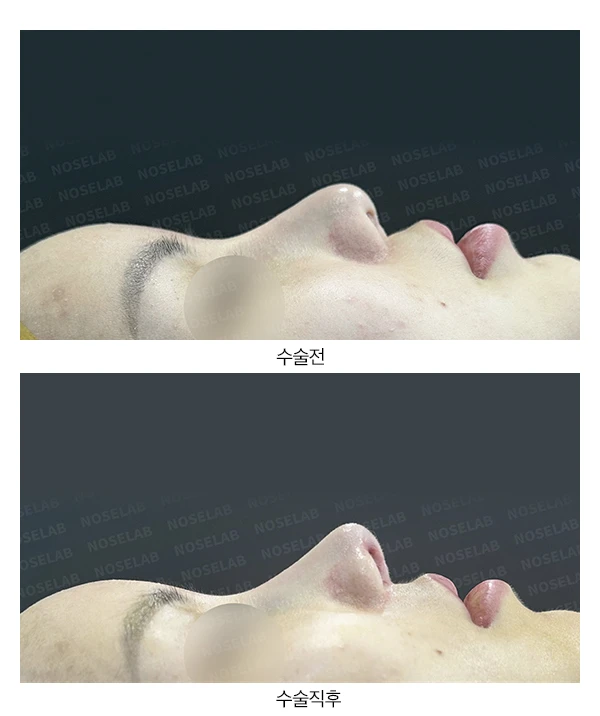
4. Photos immediately after surgery (Day 0) Immediate postoperative photos show swelling and may differ from the final result.
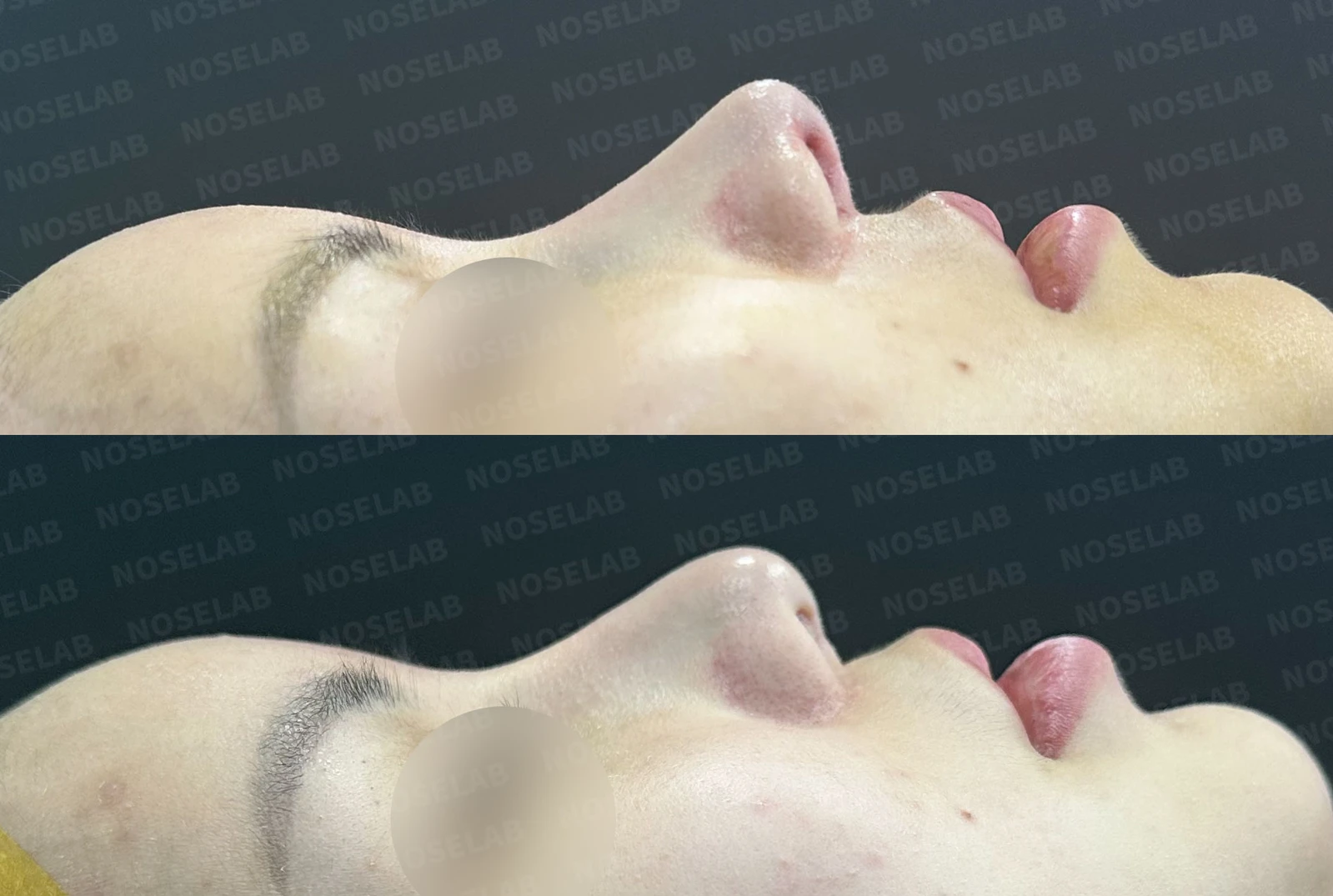
Before surgery / Day 0 immediately after surgery Photos taken immediately after surgery show swelling and may differ from the final result.
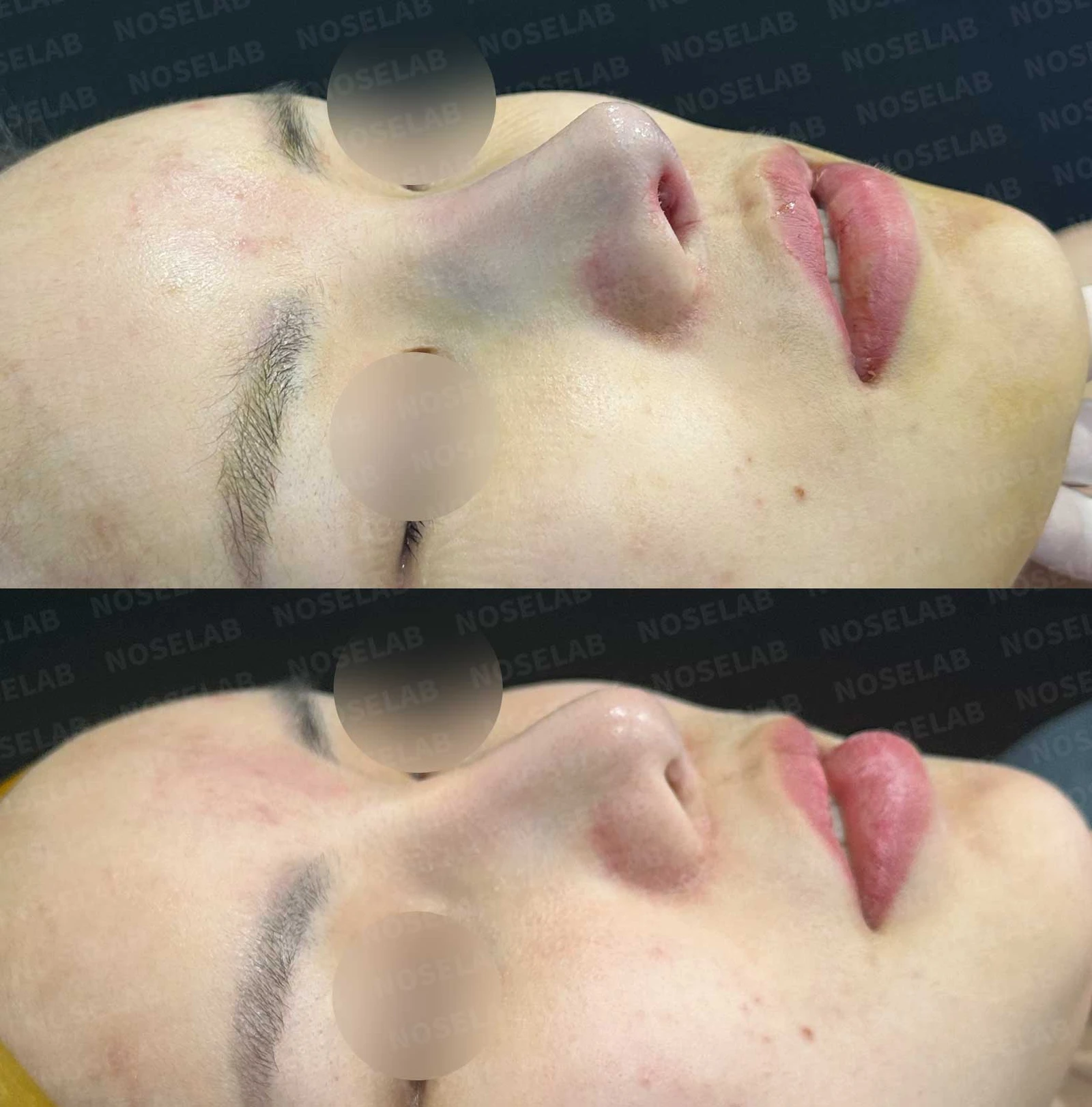
Before surgery / Day 0 immediately after surgery Photos taken immediately after surgery show swelling and may differ from the final result.
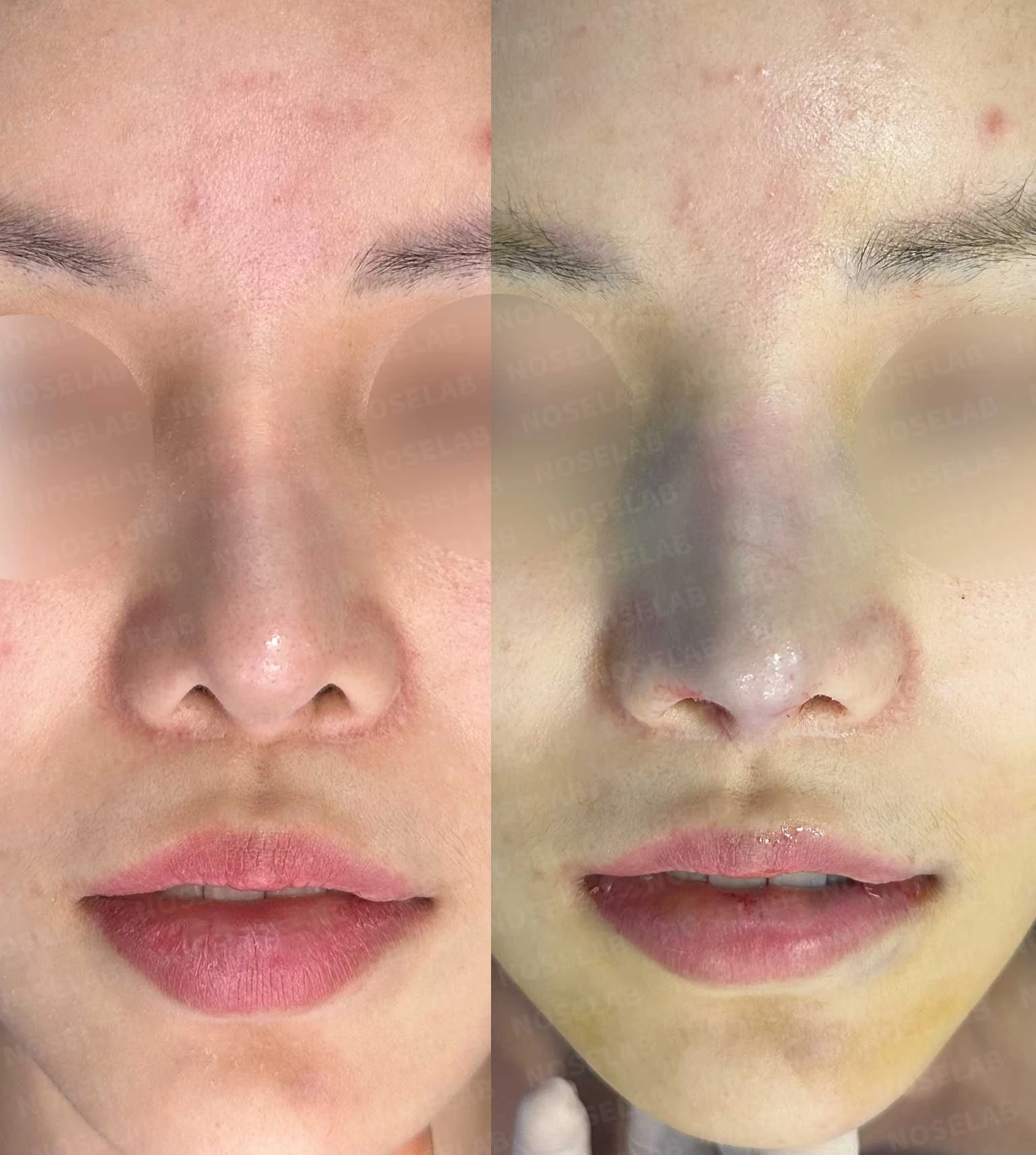
Before surgery / Day 0 immediately after surgery Photos taken immediately after surgery show swelling and may differ from the final result.
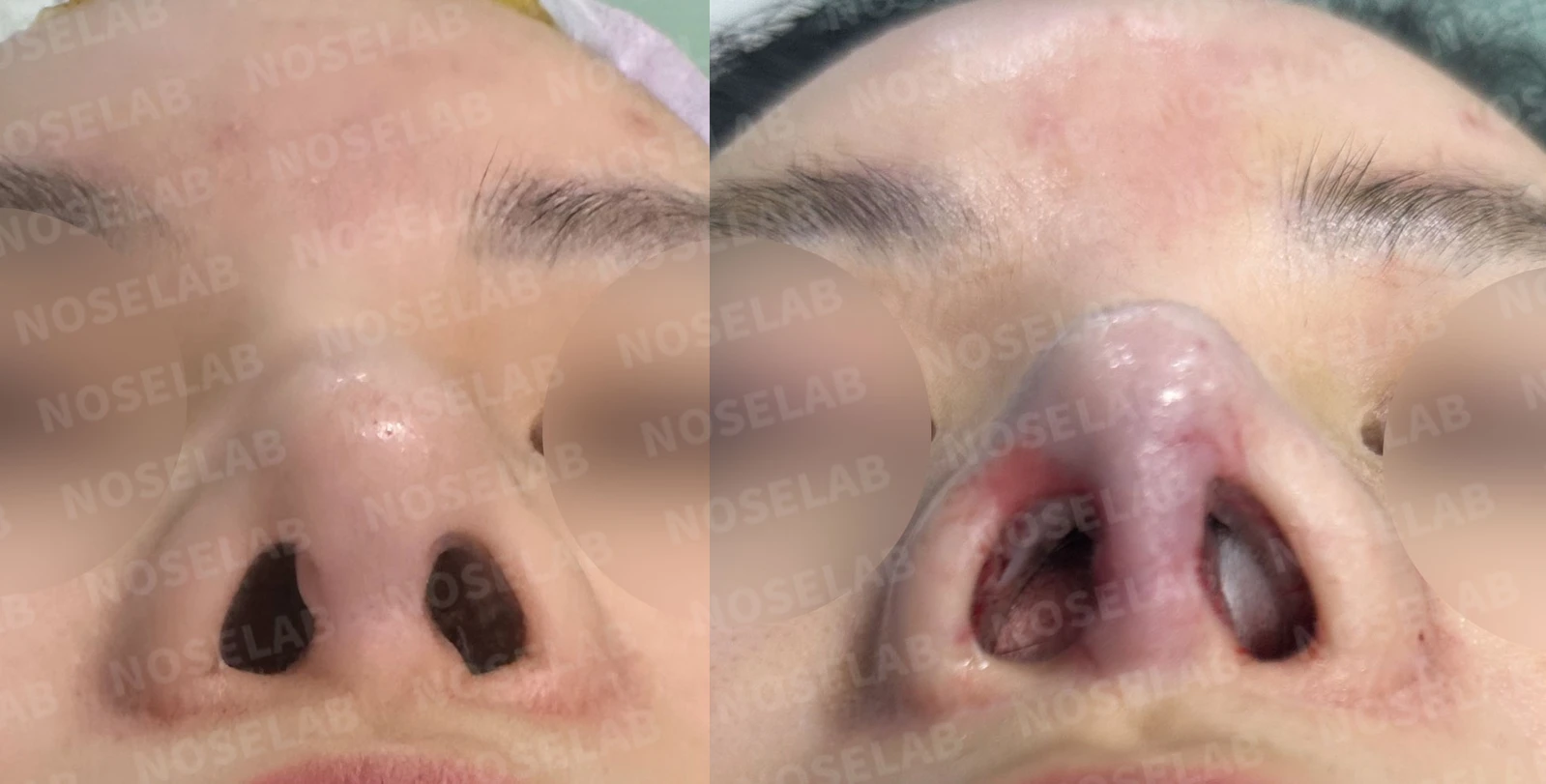
Before surgery / Day 0 immediately after surgery Photos taken immediately after surgery show swelling and may differ from the final result.
5. Conclusion
Septal cartilage damage is seen very frequently in revision rhinoplasty. Damage to the septal cartilage causes gradual changes in tip shape over time. Furthermore, it can lead to a deviated columella and nostril asymmetry. The septal cartilage is also a critical structure for nasal function. In this case, because the septal cartilage was severely damaged, reconstructing it required substantial surgical time; however, it was of great significance in preventing future structural and aesthetic collapse.
NOSELAB Clinic
Limitations and risks
When autologous rib cartilage is used, scarring and pain may remain at the donor site on the chest, and pneumothorax (pleural injury) can occur rarely. Over time, the grafted cartilage may warp or undergo partial resorption.
When the septum is corrected at the same time, nasal obstruction may persist or recur, and in rare cases, septal perforation or changes in smell may occur.
Common potential risks include infection, bleeding, asymmetry, scarring, skin necrosis, and insufficient improvement; results vary depending on individual skin condition and previous surgical history.