English日本語简体中文
Skip to main content
Dr. Peter C. Kang's Rhinoplasty Stories
PrologueBlogMy thoughtsNasal obstructionSurgical journalSurgical photos
About the surgeon

Pinched nose and alar retraction: assessing nostrils and surrounding tissue together

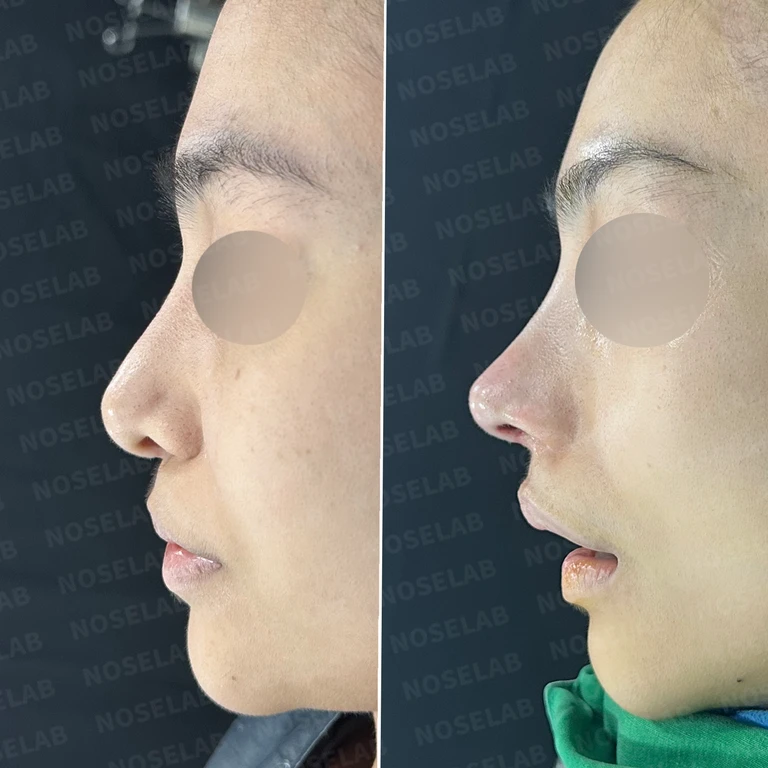
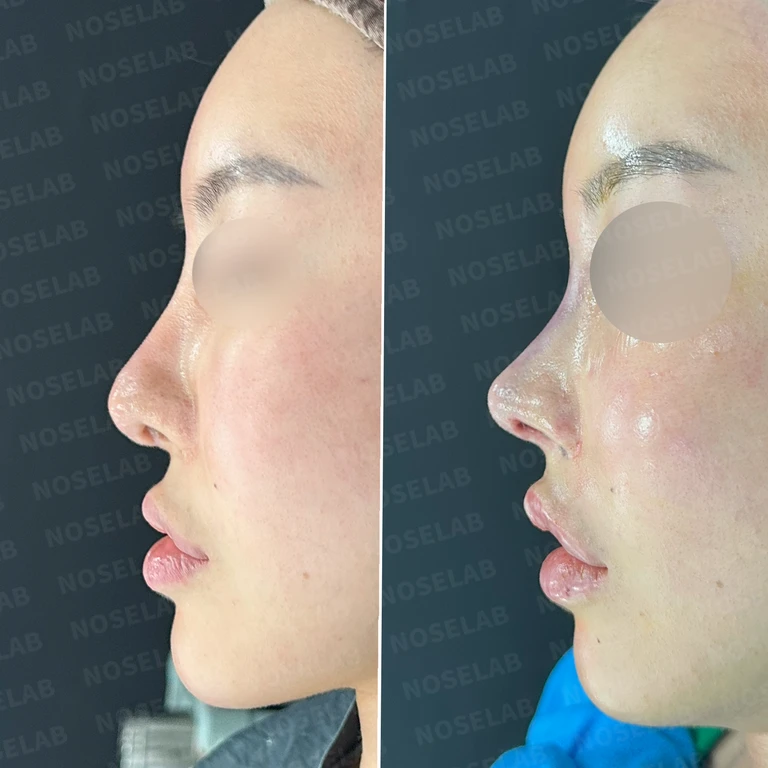
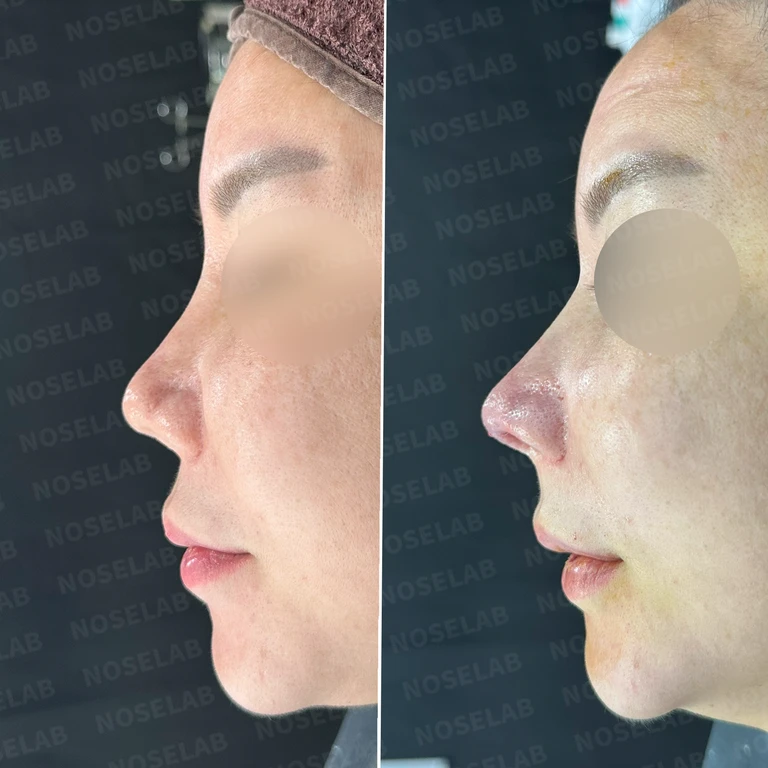
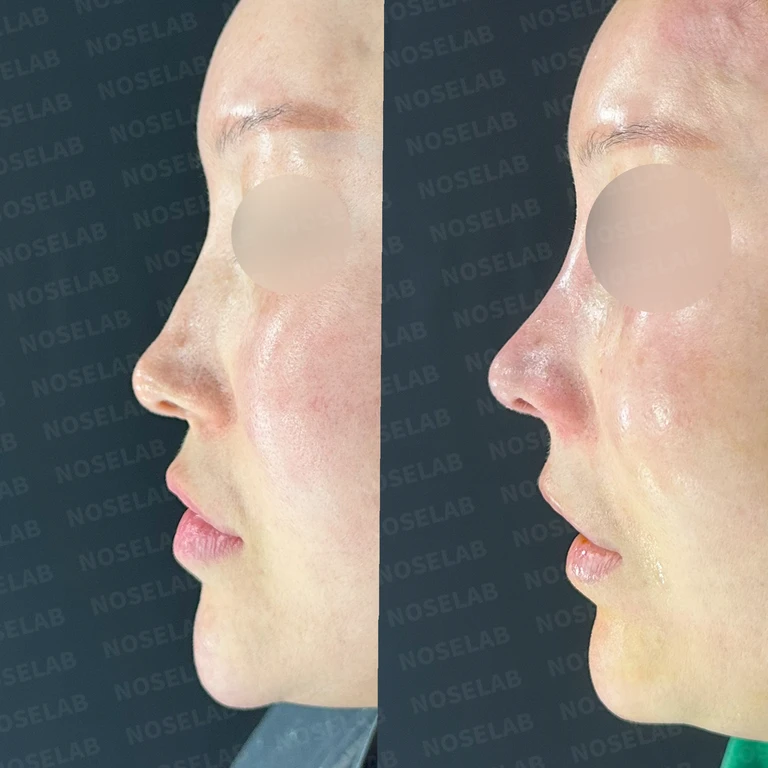
When discussing a pinched nose, it helps to examine both depressions around the alae and the shape of the nostrils. One record describes a pinched left nostril, skin adhesions and depressions around the alar wing, and columellar retraction occurring together. Another patient presented with bilaterally pinched alae along with depressions on both sides of the nasal bridge.

In both cases, simply saying the alae were small does not fully describe their preoperative condition. The original notes also mention that the anterior septum had been lost from prior surgery, weakening nasal tip support. Looking at the front and basal views together, compare which alar wing appeared retracted and how the condition of the surrounding skin and tip support was documented.

View before-and-after cases ↓Comprehensive rhinoplasty guide

Searching for surgical cases matching your criteria.
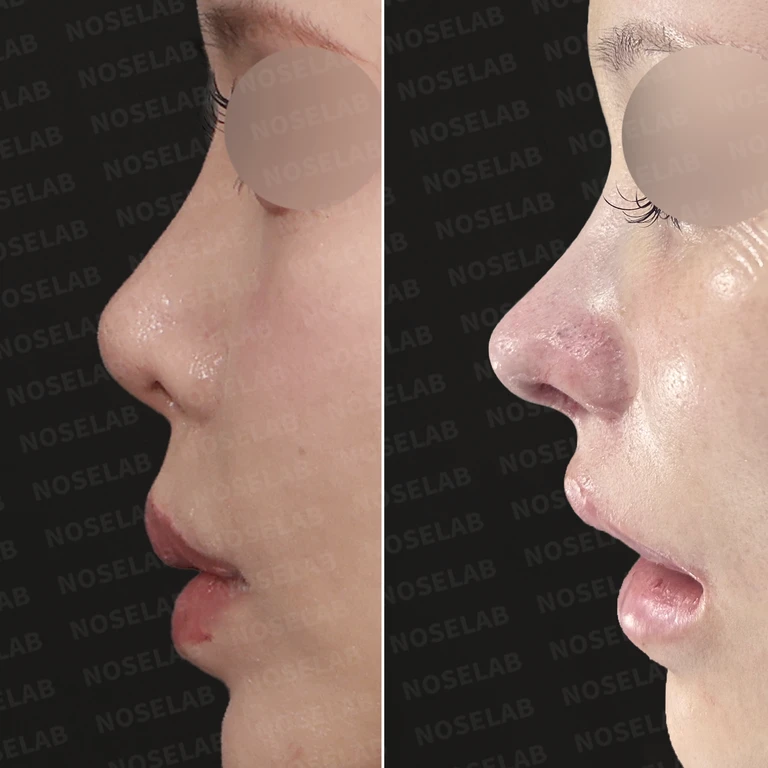
Why rib cartilage reconstruction is needed when the septum is weak, even in primary rhinoplasty — Before-and-after comparison
Before-and-after comparison

Why rib cartilage reconstruction is needed when the septum is weak, even in primary rhinoplasty

A case of correcting a short, upturned nasal tip and a pinched nostril caused by congenital septal cartilage weakness. Autologous rib cartilage was used to reconstruct the septum and lower lateral cartilage, combined with lowering the nostril rim and lateral osteotomy.

Preoperative condition · Postoperative record
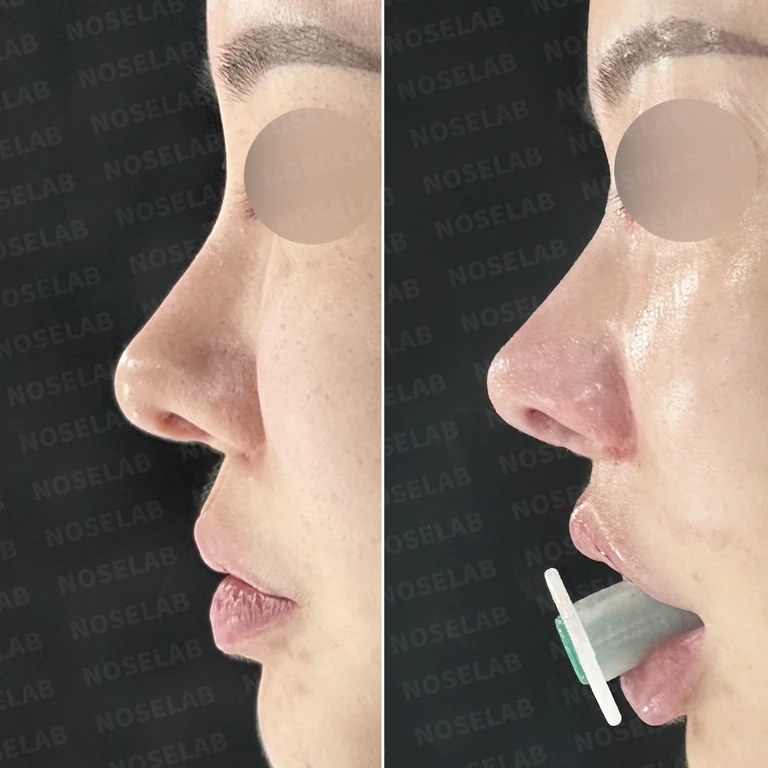
Why the nose looks long and the nostrils look pinched after multiple rhinoplasties — Before-and-after comparison
Before-and-after comparison

Why the nose looks long and the nostrils look pinched after multiple rhinoplasties

Lost lower lateral cartilage was reconstructed using autologous rib cartilage, and asymmetric, pinched nostrils were corrected. By lowering the radix, the appearance of a long nose was reduced, and surgery for rhinitis and nasal valve stenosis was performed concurrently.

Preoperative condition · Postoperative record
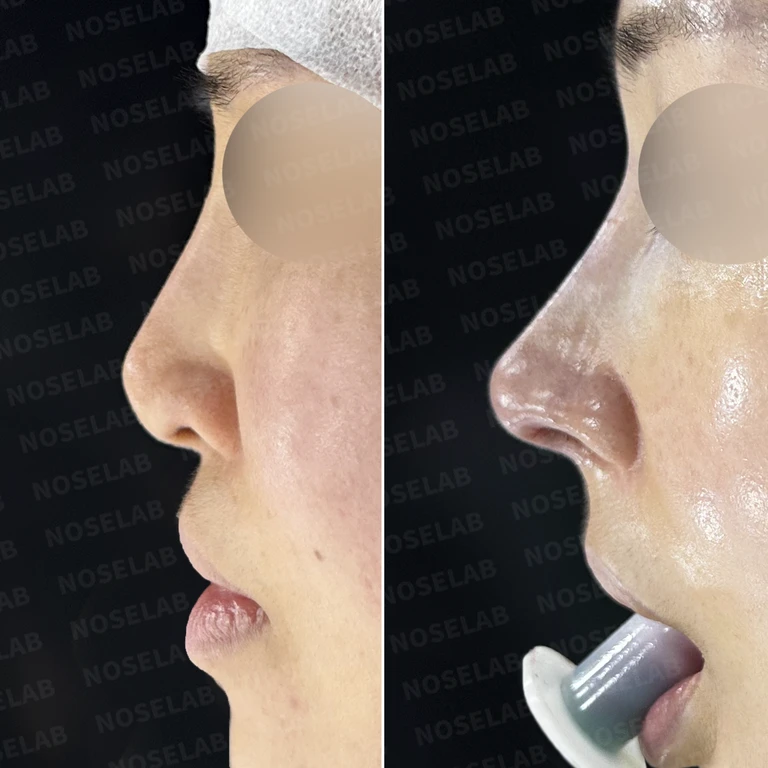
Why implants show through and nostrils look M-shaped, and how to reconstruct them — Before-and-after comparison
Before-and-after comparison

Why implants show through and nostrils look M-shaped, and how to reconstruct them

Implant show-through at the nasal tip and thinned skin were reinforced with donor dermis, and foreign substances were removed. The nasal tip was reconstructed using autologous rib cartilage, along with dragon nose correction and lateral osteotomy.

Preoperative condition · Postoperative record
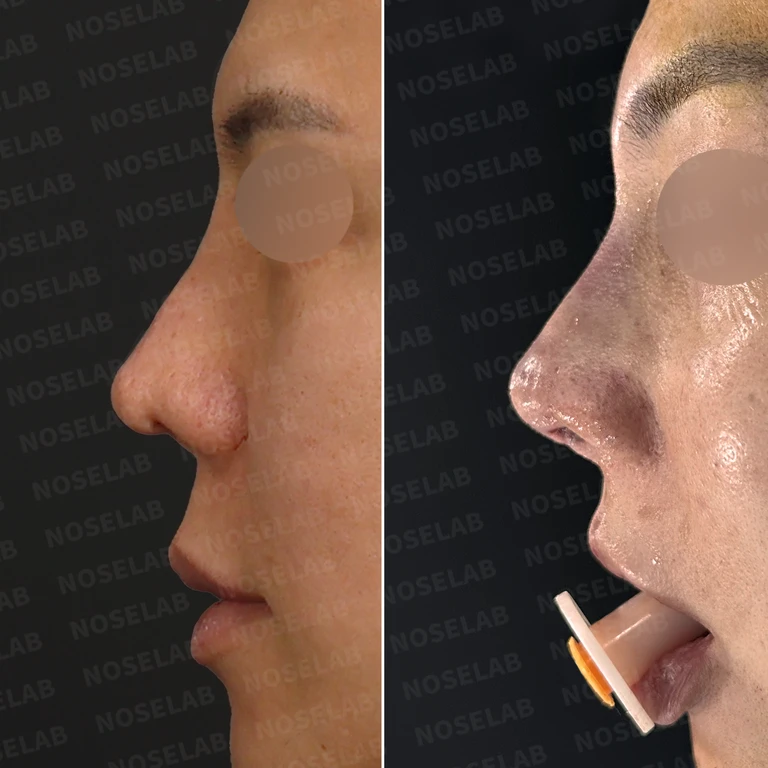
Why contracture remains in multiply operated noses: Reconstructing the columella and support framework — Before-and-after comparison
Before-and-after comparison

Why contracture remains in multiply operated noses: Reconstructing the columella and support framework

Contracture and septal defect resulting from repeated surgeries were reconstructed using autologous rib cartilage. For the retracted columella, retroauricular free skin flap grafting and perichondrium grafting were performed to restore its shape.

Preoperative condition · Postoperative record
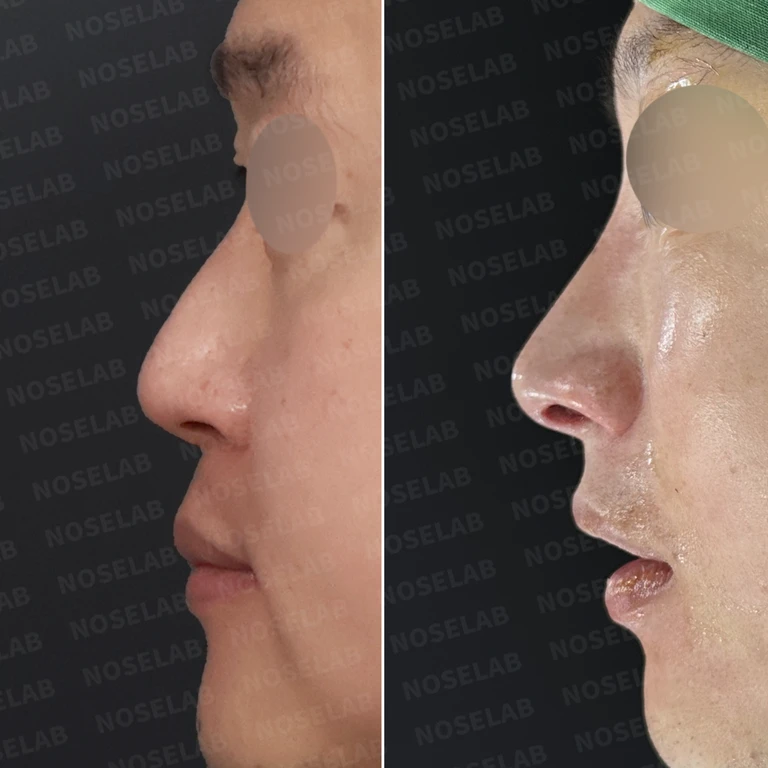
Nasal obstruction from a severely deviated septum: why cartilage reconstruction is necessary — Before-and-after comparison
Before-and-after comparison

Nasal obstruction from a severely deviated septum: why cartilage reconstruction is necessary

In a primary rhinoplasty patient, a severely deviated septum was reconstructed using autologous rib cartilage, and hypertrophied inferior turbinates were reduced. Dermis was grafted into the depressed alar region, and the nasolabial angle was adjusted.

Preoperative condition

Why the nasal tip turns upward when the septum is lost, and how to reconstruct the septum with autologous rib cartilage — Before-and-after comparison
Before-and-after comparison

Why the nasal tip turns upward when the septum is lost, and how to reconstruct the septum with autologous rib cartilage

Septal support lost in previous surgeries was reconstructed with autologous rib cartilage, and pinched alae and depressed nasal bridge areas were reinforced to correct an upturned nasal tip and nostril show.

Preoperative condition · Postoperative record
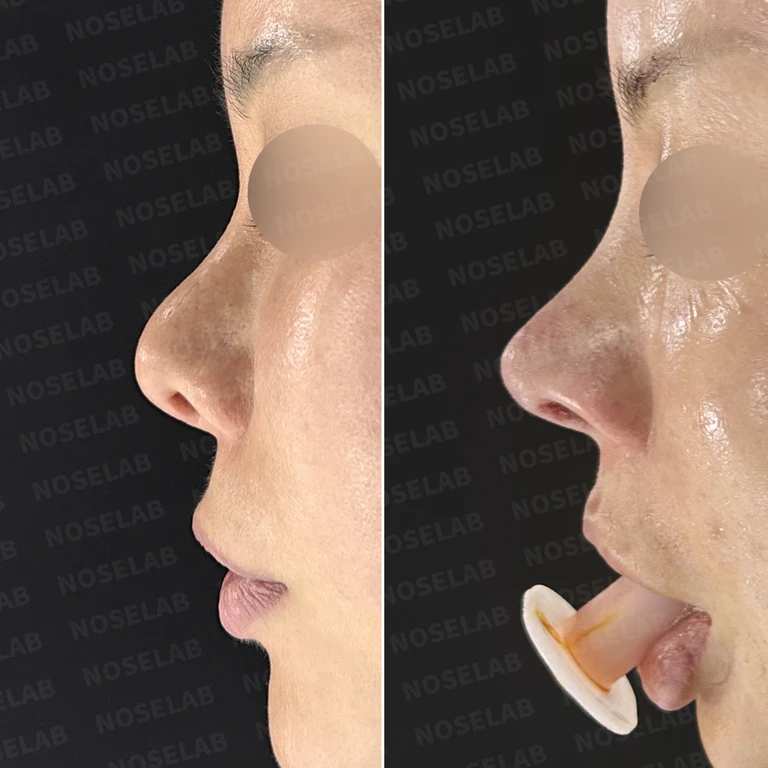
Why the columella retracts and the alar rim looks pinched after rhinoplasty, and how autologous rib cartilage reconstruction is performed — Before-and-after comparison
Before-and-after comparison

Why the columella retracts and the alar rim looks pinched after rhinoplasty, and how autologous rib cartilage reconstruction is performed

In a patient presenting with columellar retraction and a pinched right alar rim following rhinoplasty with silicone and donor rib cartilage, the existing materials were removed and reconstruction of the septum and alar cartilage was performed using autologous rib cartilage.

Preoperative condition · Postoperative record
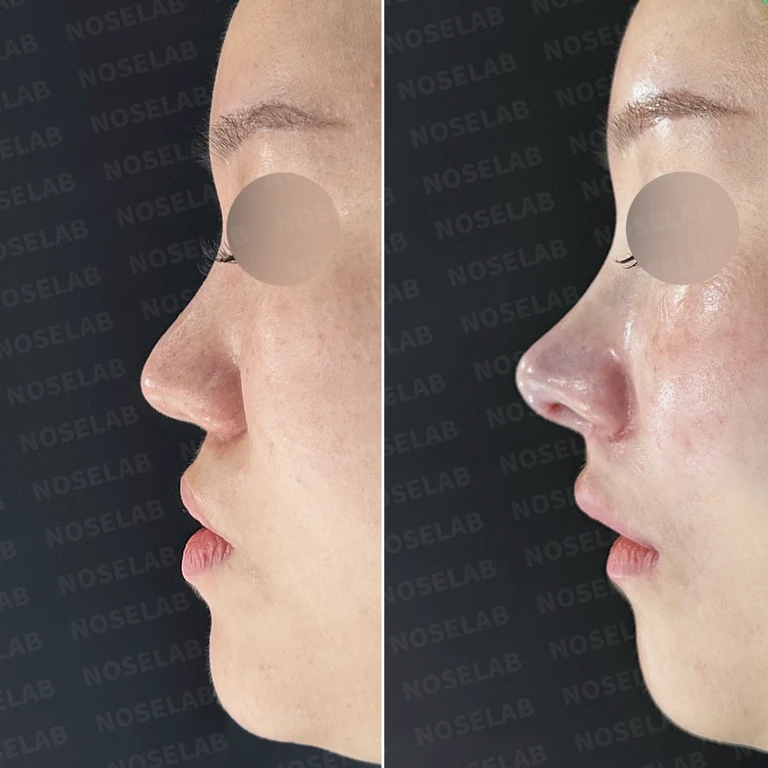
Why an upturned nose and unilaterally pinched nostril occur, and how implant-free reconstruction is performed — Before-and-after comparison
Before-and-after comparison

Why an upturned nose and unilaterally pinched nostril occur, and how implant-free reconstruction is performed

An upturned nose and pinched nostril caused by multiple prior surgeries were corrected after removing artificial dermis, performing implant-free bridge augmentation with donor rib cartilage and septal cartilage, and using a skin-cartilage composite graft on the right nostril.

Preoperative condition · Postoperative record
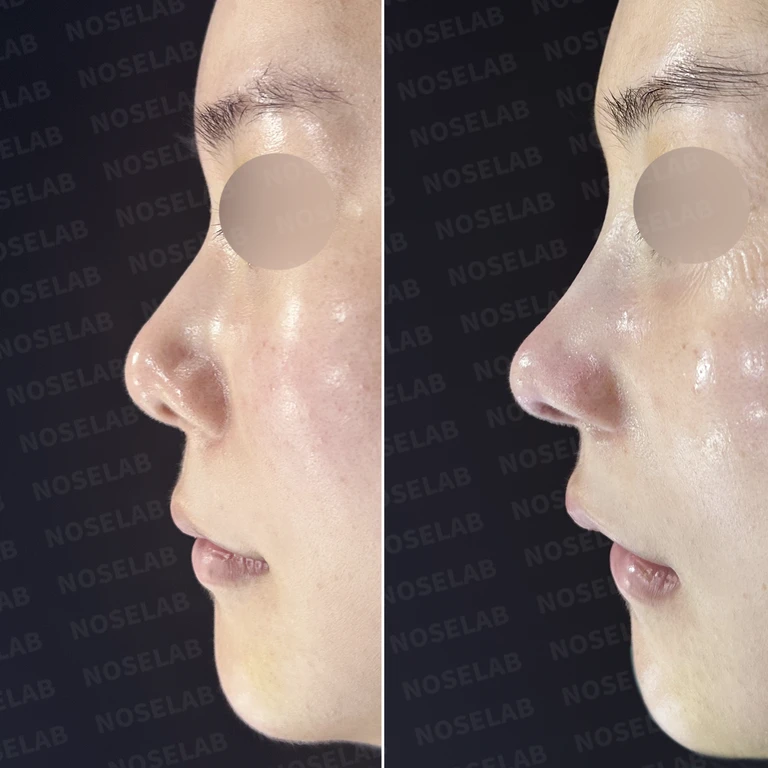
Why a septum collapsing to one side causes a crooked nose and blocked breathing, and how to reconstruct it with autologous rib cartilage — Before-and-after comparison
Before-and-after comparison

Why a septum collapsing to one side causes a crooked nose and blocked breathing, and how to reconstruct it with autologous rib cartilage

After two prior surgeries, a septum collapsed to the right, a depressed alar wing, and a mucosal defect were corrected through autologous rib cartilage septal reconstruction, perichondrium grafting, and re-carving of the silicone implant.

Preoperative condition

Why the nasal tip droops and spreads when smiling after rhinoplasty: foreign material removal and tip correction methods — Before-and-after comparison
Before-and-after comparison

Why the nasal tip droops and spreads when smiling after rhinoplasty: foreign material removal and tip correction methods

A case of nasal tip drooping, a pinched look, and tip spreading after nasal filler injection and silicone rhinoplasty 7 years ago. Foreign materials and the silicone implant were removed, and the nasolabial angle was corrected while reinforcing tip support.

Preoperative condition · Postoperative record
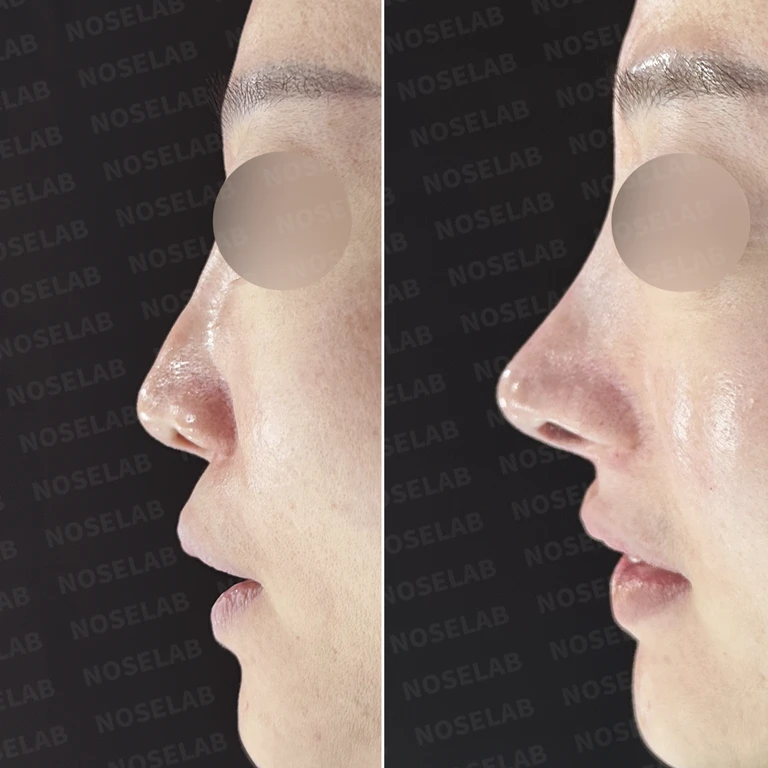
Why infection recurs after rhinoplasty: treatment of inflammation and staged reconstruction — Before-and-after comparison
Before-and-after comparison

Why infection recurs after rhinoplasty: treatment of inflammation and staged reconstruction

In a patient presenting with mucosal perforation and contracture deformity caused by implant infection, inflamed tissue was debrided and irrigated, followed by staged septal reconstruction.

Preoperative condition

Why a paranasal implant migrates into the nasal cavity causing breathing obstruction, and how to reconstruct it — Before-and-after comparison
Before-and-after comparison

Why a paranasal implant migrates into the nasal cavity causing breathing obstruction, and how to reconstruct it

We removed an old paranasal implant that had migrated into the nasal cavity and obstructed breathing, and completely reconstructed the damaged septum and lower lateral cartilages using autologous rib cartilage, improving both breathing function and nasal appearance.

Preoperative condition · Postoperative record
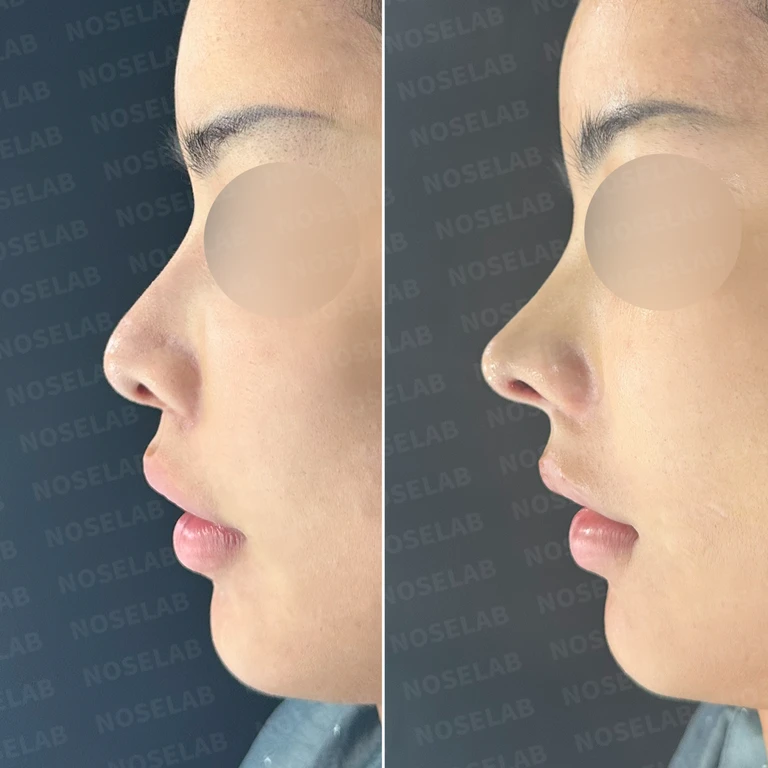
How the nose changes when donor rib cartilage is resorbed, and how autologous rib cartilage reconstruction is performed — Before-and-after comparison
Before-and-after comparison

How the nose changes when donor rib cartilage is resorbed, and how autologous rib cartilage reconstruction is performed

For a patient whose nasal tip had shrunk, whose alae appeared pinched, and whose nasal bridge developed scarring due to donor rib cartilage resorption, we performed alar reconstruction with autologous rib cartilage, septal extension, and cartilage and dermal graft reinforcement.

Preoperative condition · Postoperative record
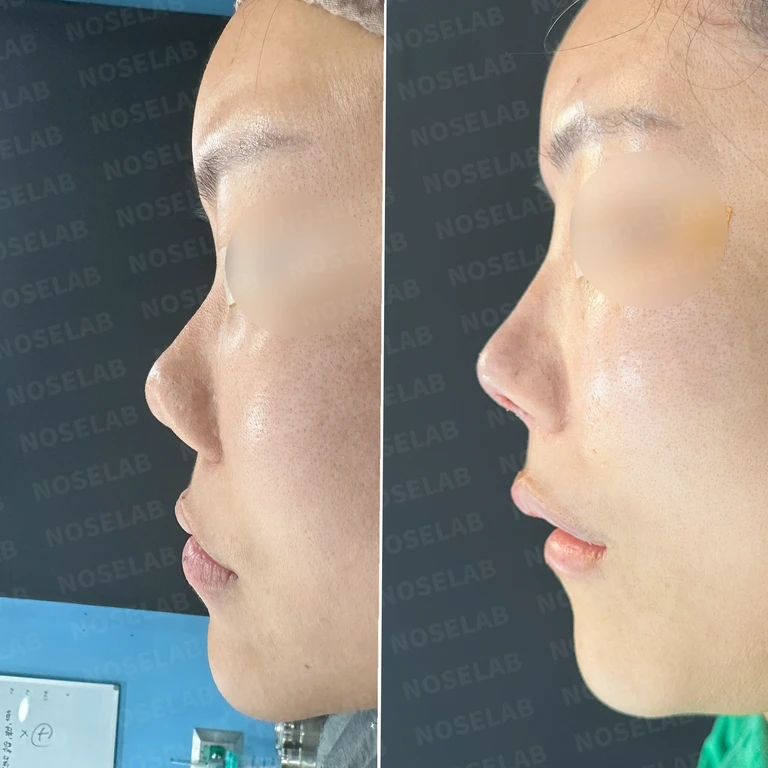
Why nostrils narrow after illegal injections by unlicensed practitioners, and methods for removal and reconstruction — Before-and-after comparison
Before-and-after comparison

Why nostrils narrow after illegal injections by unlicensed practitioners, and methods for removal and reconstruction

In a patient who developed nostril stenosis and a drooping tip from illegal injections administered by an unlicensed practitioner 20 years ago, we removed the foreign material and reconstructed the septum and lower lateral cartilage using autologous rib cartilage to improve the nasal shape.

Preoperative condition

Why the columella droops severely into an arrow nose, and rib cartilage reconstruction methods — Before-and-after comparison
Before-and-after comparison

Why the columella droops severely into an arrow nose, and rib cartilage reconstruction methods

For a patient presenting with a severely drooping columella, an arrow nose, and nostril asymmetry after previous surgeries, autologous rib cartilage septal extension and lower lateral cartilage repositioning were performed to improve tip drooping and asymmetry.

Preoperative condition · Postoperative record
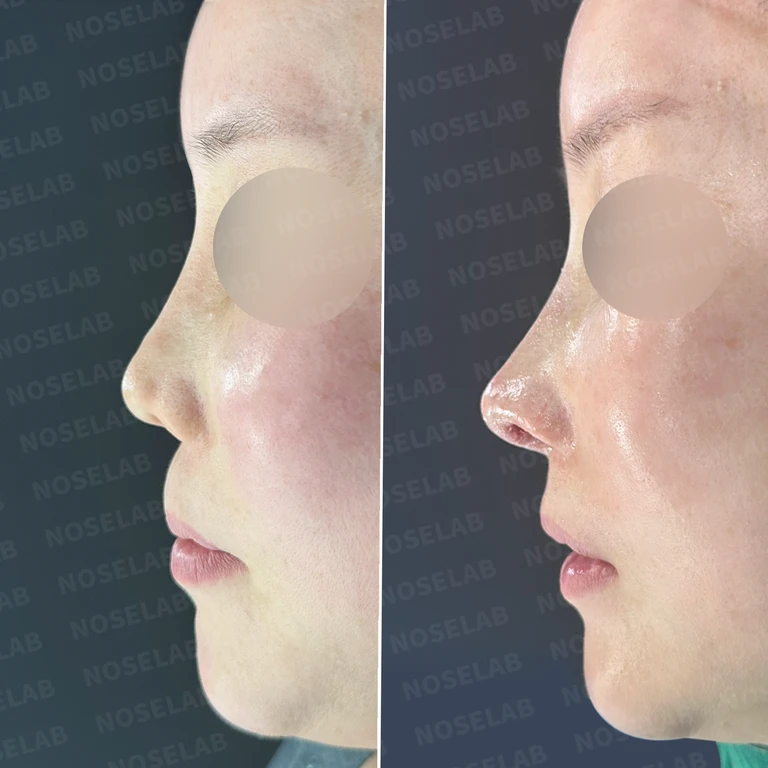
Why contracture and a crooked nose occur after repeated revision rhinoplasty, and how they are corrected — Before-and-after comparison
Before-and-after comparison

Why contracture and a crooked nose occur after repeated revision rhinoplasty, and how they are corrected

A case of improving an upturned tip, crooked nose, and nostril asymmetry that developed after four prior nasal surgeries and filler injections, using foreign material removal, septal extension with autologous rib cartilage, and silicone implant supplementation.

Preoperative condition · Postoperative record
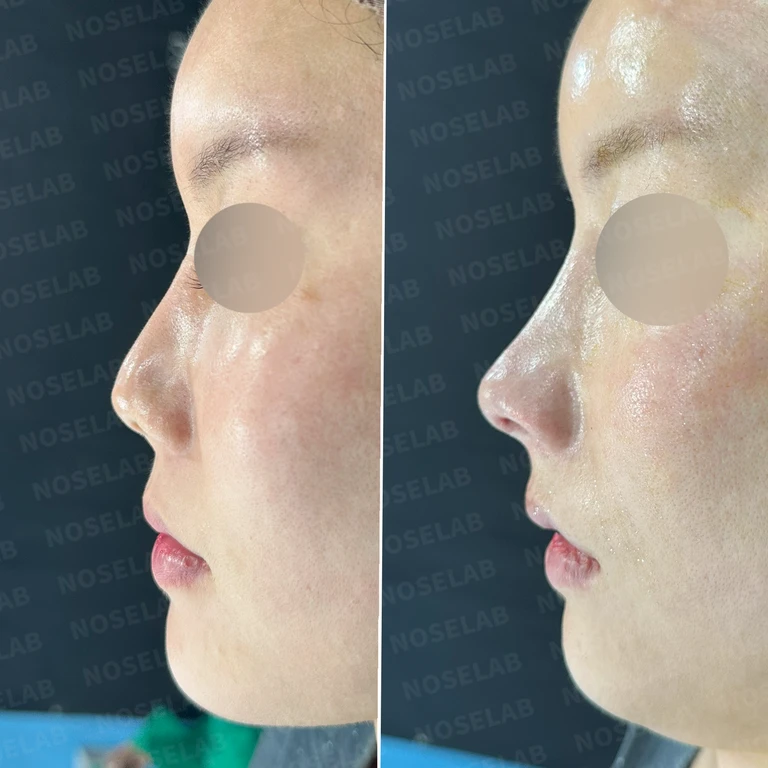
Why the nasal tip gets pinched and the columella retracts: how Medpor removal and reconstruction are performed — Before-and-after comparison
Before-and-after comparison

Why the nasal tip gets pinched and the columella retracts: how Medpor removal and reconstruction are performed

A case correcting a pinched nose caused by Medpor discovered after three surgeries and cartilage defects, through foreign material removal and full reconstruction of the alar cartilages and septum using autologous rib cartilage.

Preoperative condition · Postoperative record
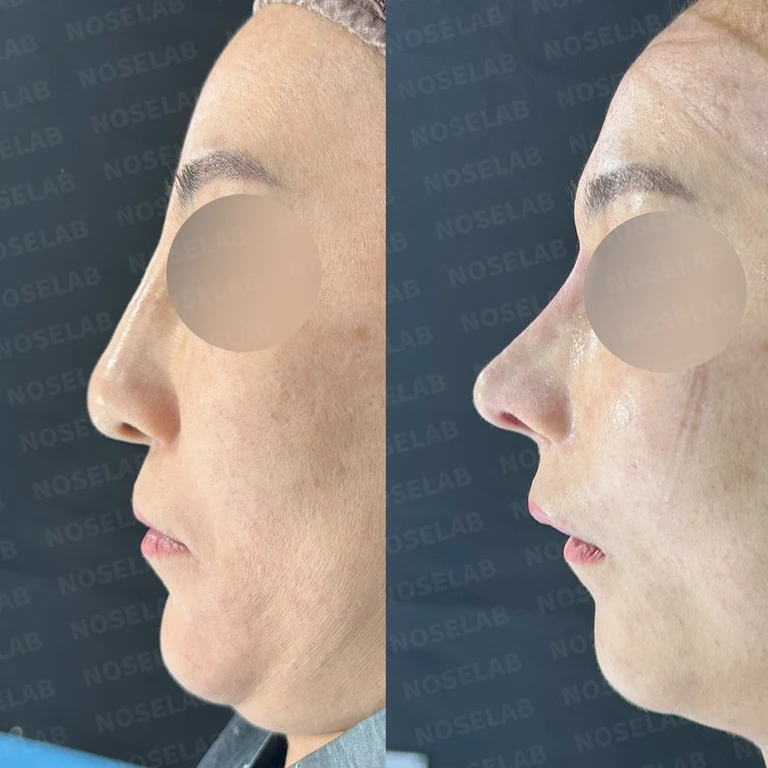
Why long-standing contracted noses and crooked noses occur together, and how reconstruction is performed — Before-and-after comparison
Before-and-after comparison

Why long-standing contracted noses and crooked noses occur together, and how reconstruction is performed

A case correcting a contracted nose, crooked nose, and pinched nostrils that developed after repeated surgeries, using silicone implant and scar tissue removal, nasal tip reconstruction with autologous rib cartilage, alar reconstruction with ear cartilage, and dermal grafting.

Preoperative condition

No search results found

Please try searching with different keywords.

Scroll to keep reading

1 / 4Next case

Common questions before reading the cases

Are cases of pinched alae the same as cases of surgically reduced alae?

This collection does not treat them as equivalent. One original record documents pinching of the left nostril with surrounding skin adhesions and indentations, while another describes bilaterally pinched alae and bridge depressions following a previous surgery. Separating a surgical history of alar reduction from the current physical finding of a pinched appearance makes it clearer what changes were actually observed.

Why is the septum mentioned in cases of pinched alae?

In one patient's record, it is noted that the anterior septum was removed during a prior surgery, which weakened support for the nasal tip and led to an upturned tip combined with bilaterally pinched alae. This article illustrates a case where external contour and internal structural support are considered together. Rather than assuming identical internal damage from external depressions alone, review the specific findings in the original text.

Related topics to explore

Nostril asymmetryExcessive nostril showScars and adhesionsInsufficient tip support

Surgical records referenced in this guide

  • How to correct a crooked nose and nostril asymmetry together
  • Why the nasal tip turns upward when the septum is lost, and how to reconstruct the septum with autologous rib cartilage
Original article

Read more records

Planning a visit to Seoul?Prepare your consultation with the NOSELAB team.

International patient guideWhatsApp ↗
Dr. Peter C. Kang's Rhinoplasty Stories
Rhinoplasty guideCases by topicDr. Peter C. KangNaver Blog ↗
View original photo
Enlarged photo
WhatsAppChat with NOSELAB↗