English日本語简体中文
Skip to main content
Dr. Peter C. Kang's Rhinoplasty Stories
PrologueBlogMy thoughtsNasal obstructionSurgical journalSurgical photos
About the surgeon

Weak tip support cases: differences between residual cartilage and structural reconstruction

A record describing insufficient nasal tip support explains the specific internal condition rather than simply stating that the tip looks low. In one patient, very little septal cartilage remained and there was a severe soft tissue defect inside the columella; I noted that we reconstructed the support structure to maintain the nasal tip shape.

Another case describes returning septal cartilage harvested during a previous surgery back to its original position to secure stability, followed by septal extension using autologous rib cartilage. This collection shows not only the addition of new material, but also how the remaining structure and previous materials were handled. Please read through while distinguishing the height and width of the nasal tip from the details of the support reconstruction.

View before-and-after cases ↓Comprehensive rhinoplasty guide

Searching for surgical cases matching your criteria.
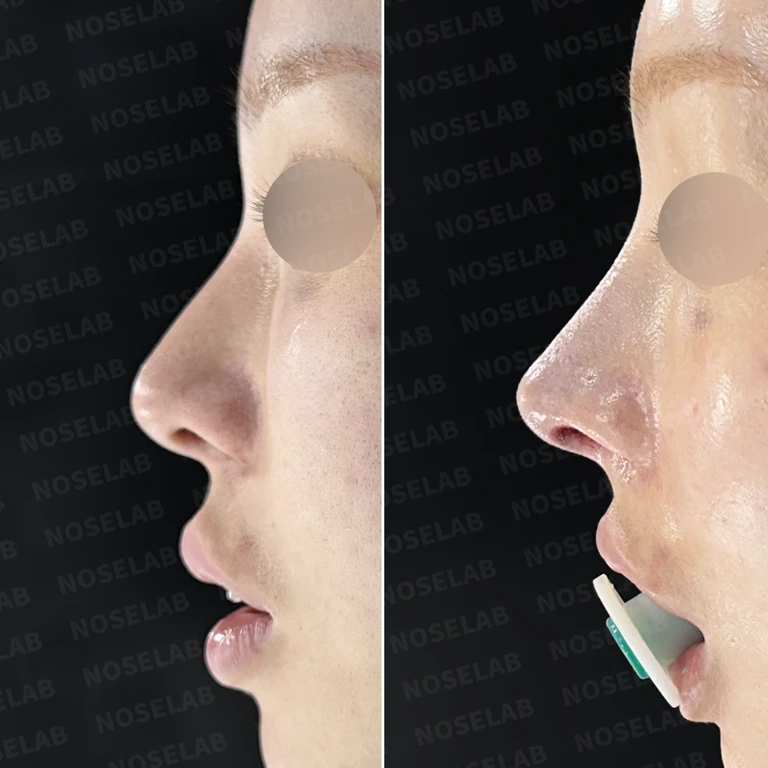
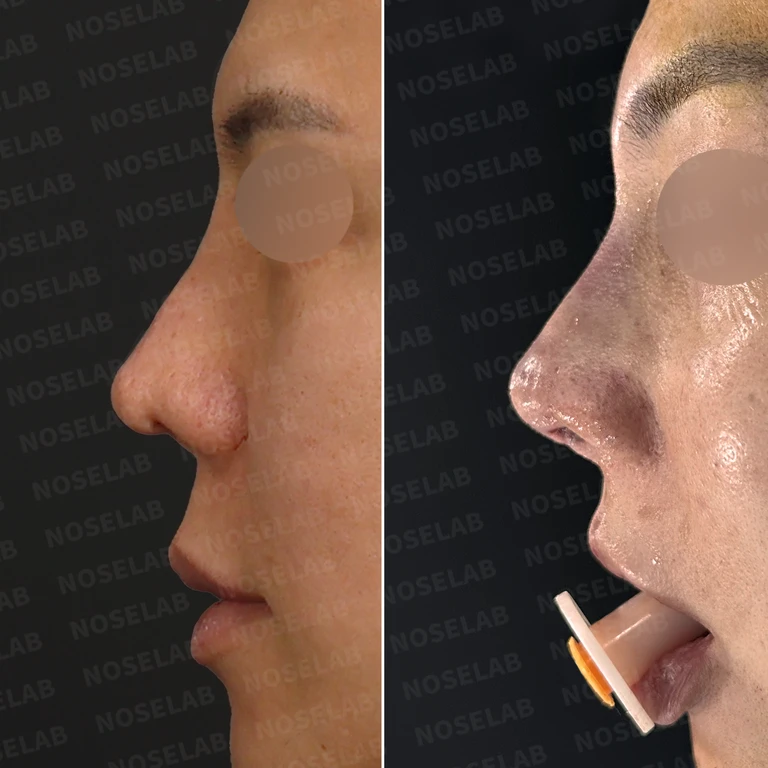
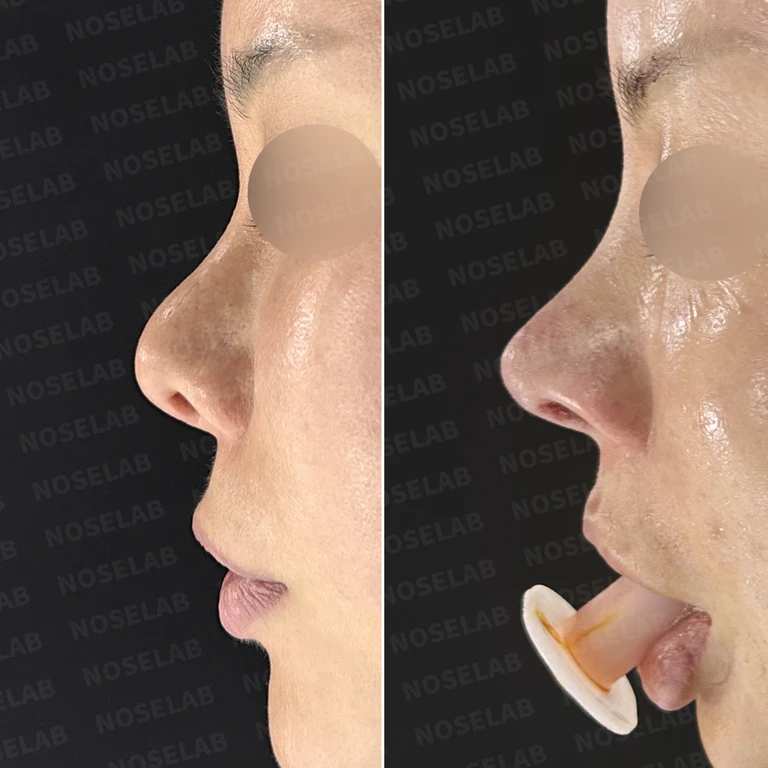
Nasal reconstruction when almost no septum remains after two nose surgeries — Before-and-after comparison
Before-and-after comparison

Nasal reconstruction when almost no septum remains after two nose surgeries

This is a case of septal cartilage deficit, nasal bone asymmetry, and nasal obstruction remaining after two surgeries. Through a closed approach, autologous rib cartilage was used for septal reconstruction, along with nasolabial angle correction, nasal bone asymmetry correction, and radix adjustment.

Preoperative condition
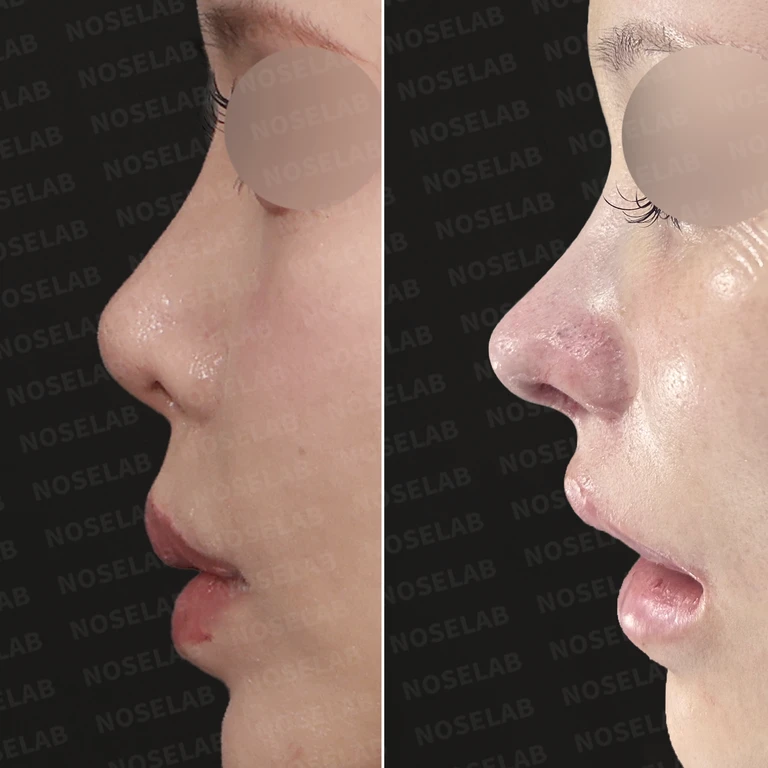
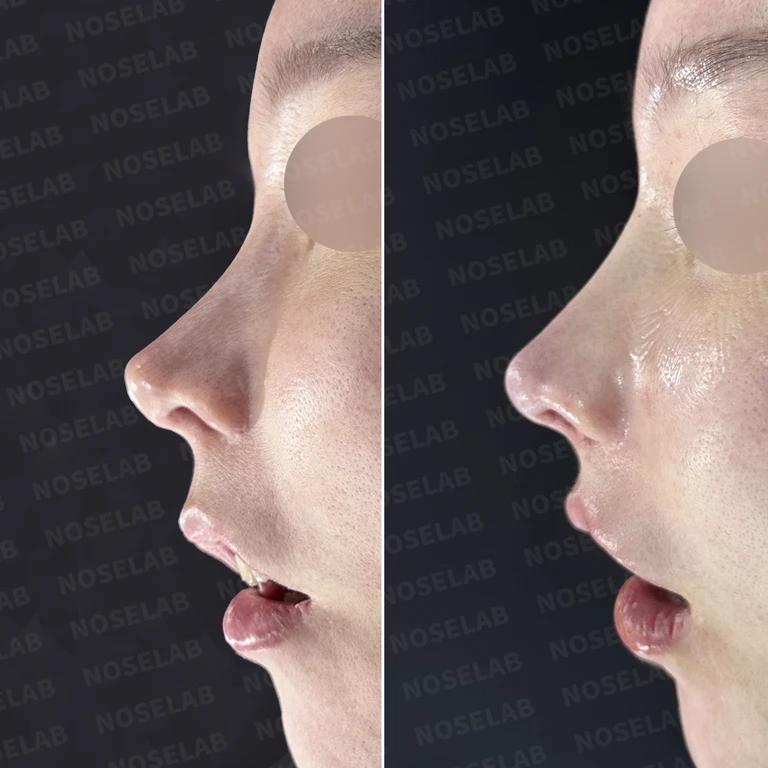
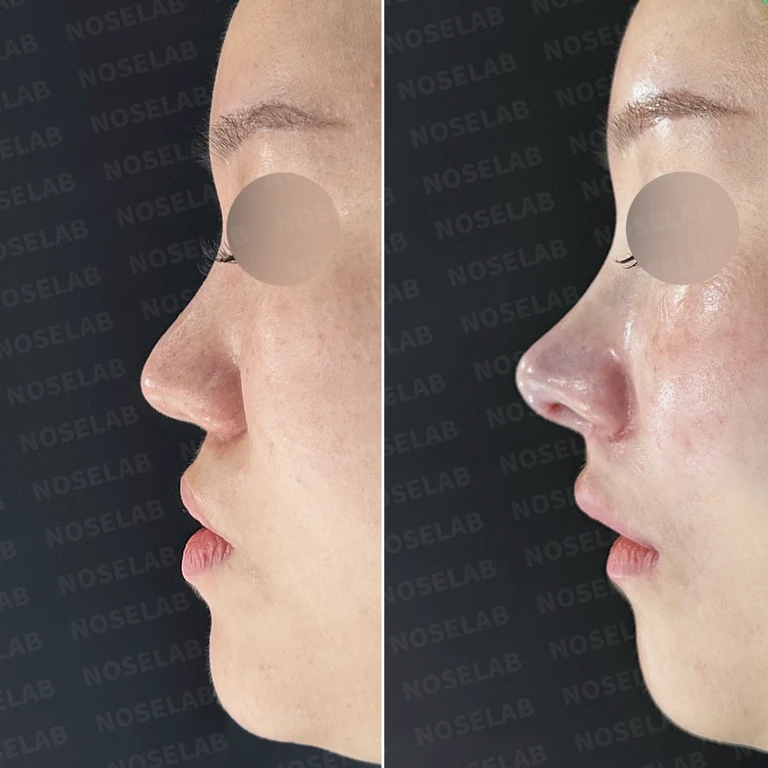
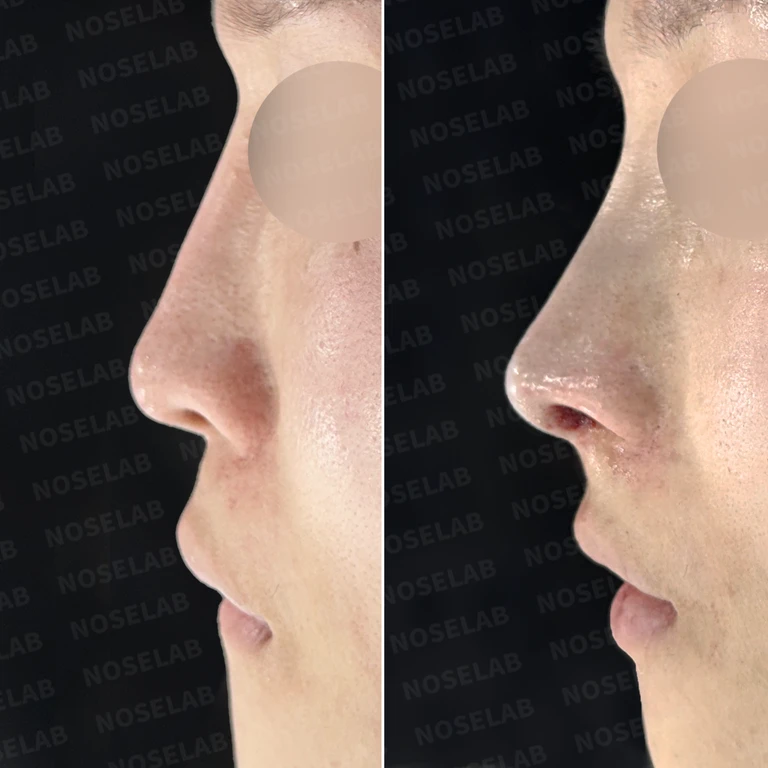
Why noses deviate and bulbous tips persist after double jaw surgery, and how rib cartilage septal reconstruction is performed — Before-and-after comparison
Before-and-after comparison

Why noses deviate and bulbous tips persist after double jaw surgery, and how rib cartilage septal reconstruction is performed

This is a case of septal damage, a deviated nasal bridge, a bulbous nose, and nasal obstruction following double jaw surgery and two prior rhinoplasties. Autologous rib cartilage septal reconstruction, cartilage repositioning, lateral osteotomy, and functional nasal surgery were performed.

Postoperative record

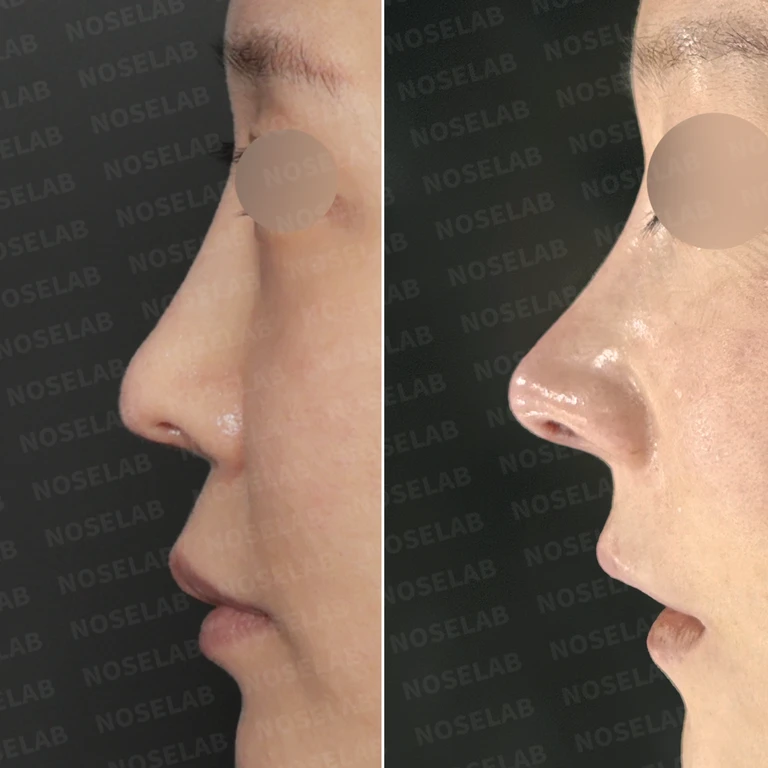
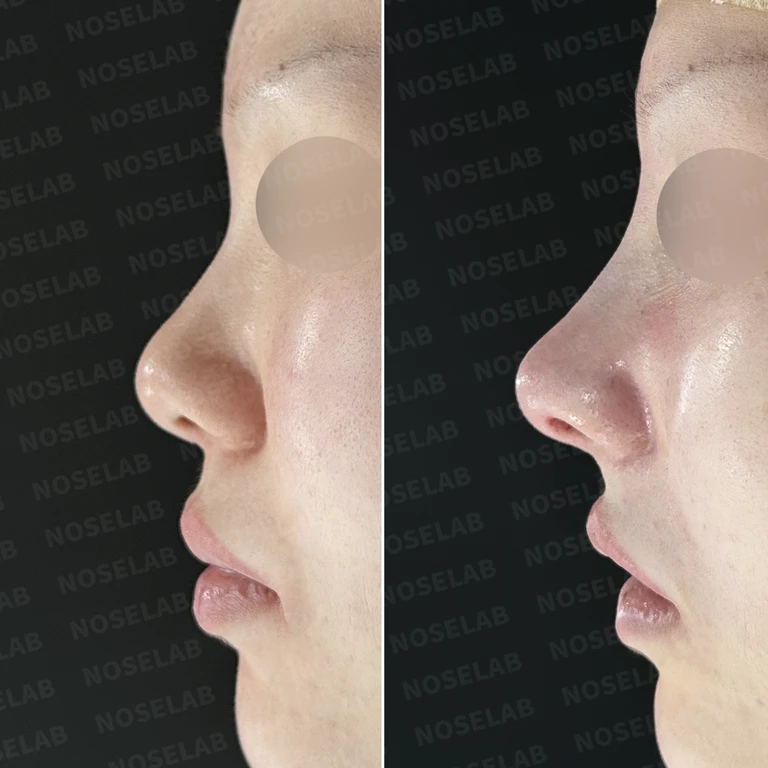
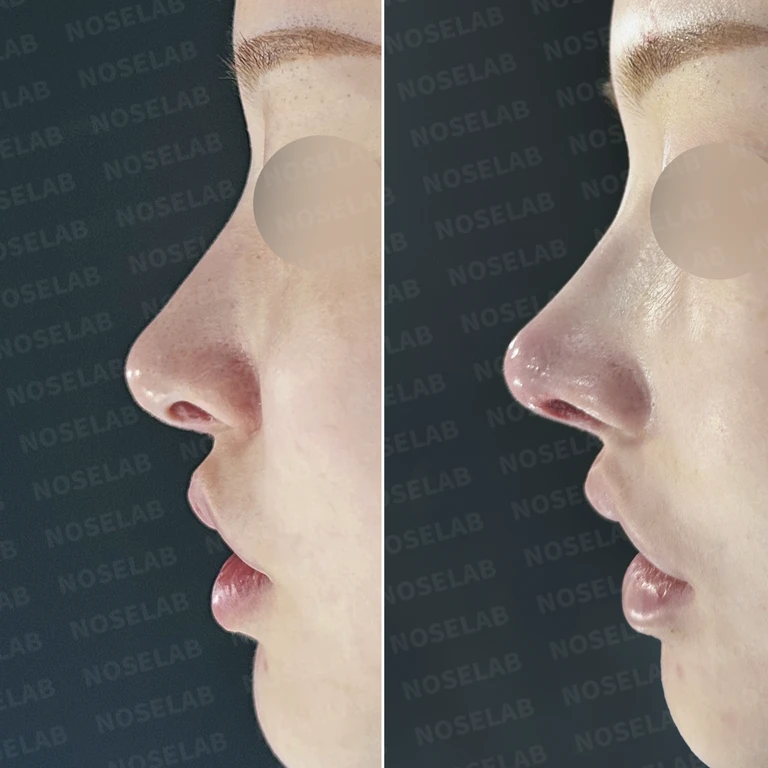
Why the nasal tip can look bulbous and crooked after rhinoplasty with ear cartilage — Before-and-after comparison
Before-and-after comparison

Why the nasal tip can look bulbous and crooked after rhinoplasty with ear cartilage

This is a revision rhinoplasty case where the patient experienced a drooping tip, a deviated septum, and nasal obstruction after previous surgery. The septum was reconstructed using autologous rib cartilage, and silicone implant replacement along with rhinitis surgery was performed using a closed approach.

Preoperative condition

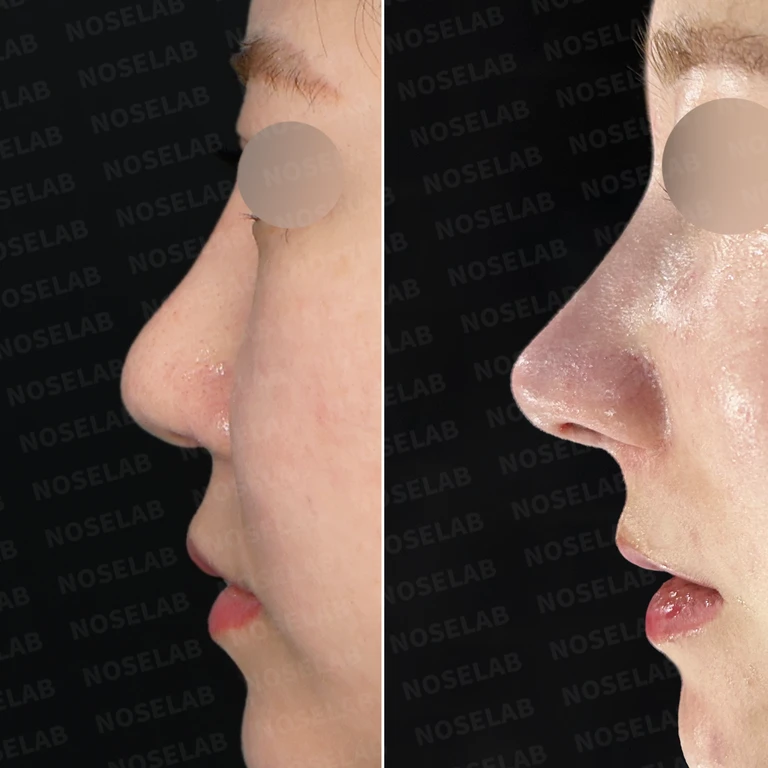
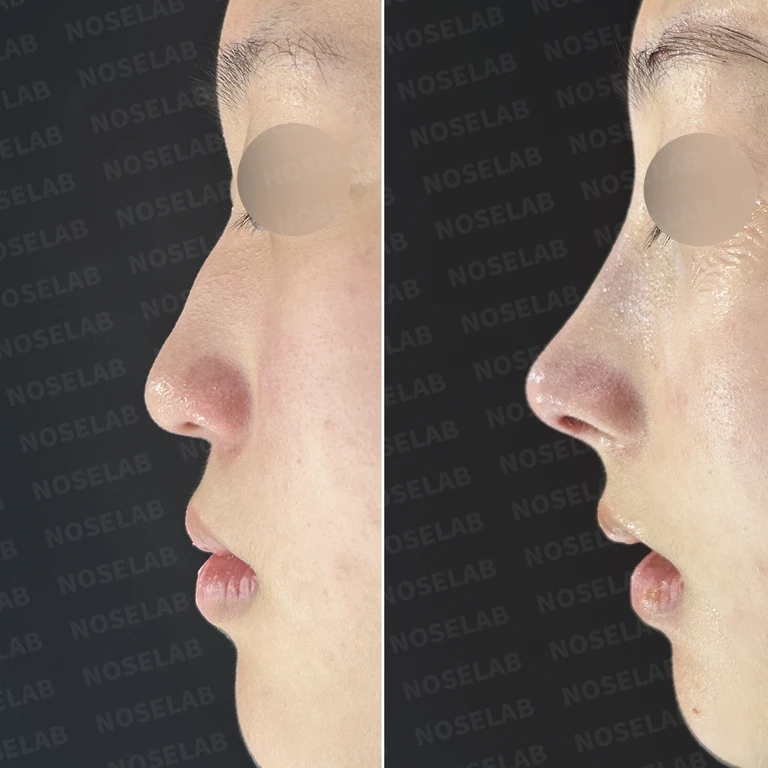
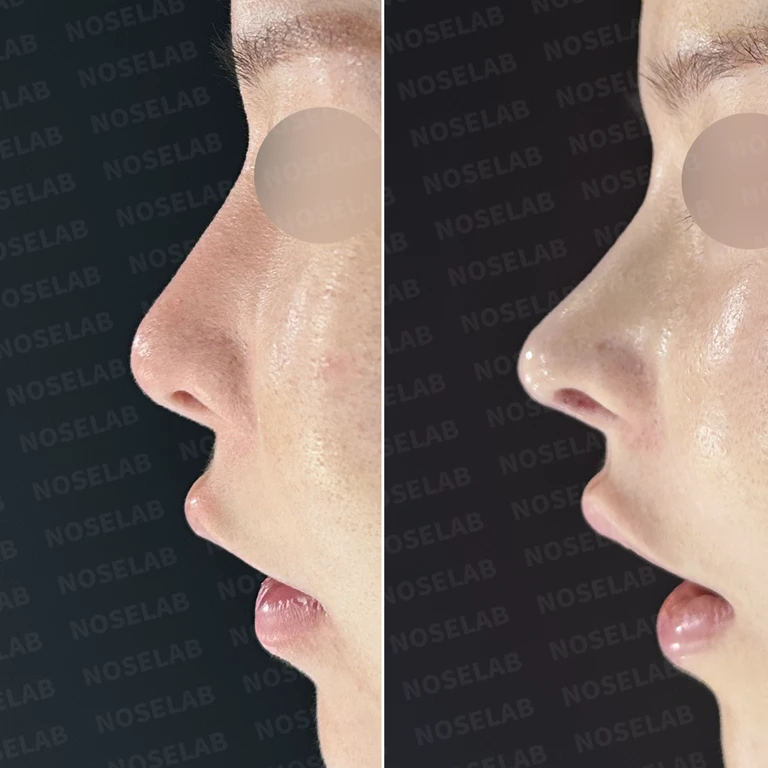
Why rib cartilage reconstruction is needed when the septum is weak, even in primary rhinoplasty — Before-and-after comparison
Before-and-after comparison

Why rib cartilage reconstruction is needed when the septum is weak, even in primary rhinoplasty

A case of correcting a short, upturned nasal tip and a pinched nostril caused by congenital septal cartilage weakness. Autologous rib cartilage was used to reconstruct the septum and lower lateral cartilage, combined with lowering the nostril rim and lateral osteotomy.

Preoperative condition · Postoperative record

Why nasal tip skin depresses and implants show through after inflammation, and how to reconstruct it — Before-and-after comparison
Before-and-after comparison

Why nasal tip skin depresses and implants show through after inflammation, and how to reconstruct it

A case where repeated surgeries and inflammation led to depressed nasal tip skin and implant show-through. The damaged skin was revised, dermal and cartilage grafts were placed, the septum was reinforced with autologous rib cartilage, and the implant was replaced.

Preoperative condition

Changes that occur when an implant is positioned high and deviated: methods for replacement and bulbous tip correction — Before-and-after comparison
Before-and-after comparison

Changes that occur when an implant is positioned high and deviated: methods for replacement and bulbous tip correction

A high, deviated silicone implant was replaced to lower the radix, and septal extension was performed using donor rib cartilage. Partial soft tissue resection, cartilage tie, and rhinitis surgery addressed the bulbous tip and nasal obstruction.

Preoperative condition

Why contracture remains in multiply operated noses: Reconstructing the columella and support framework — Before-and-after comparison
Before-and-after comparison

Why contracture remains in multiply operated noses: Reconstructing the columella and support framework

Contracture and septal defect resulting from repeated surgeries were reconstructed using autologous rib cartilage. For the retracted columella, retroauricular free skin flap grafting and perichondrium grafting were performed to restore its shape.

Preoperative condition

Why a nose operated on multiple times continues to appear upturned, and how septal reconstruction is performed — Before-and-after comparison
Before-and-after comparison

Why a nose operated on multiple times continues to appear upturned, and how septal reconstruction is performed

Following previous surgeries and double-jaw surgery, an upturned nasal tip and nostril asymmetry were precisely corrected using donor rib cartilage septal reconstruction, lower lateral cartilage restoration, and a composite dermis-fat graft to the soft triangle.

Preoperative condition

Why bulbous tip returns after tip surgery with ear cartilage and reconstruction methods — Before-and-after comparison
Before-and-after comparison

Why bulbous tip returns after tip surgery with ear cartilage and reconstruction methods

Persistent bulbous tip and upturned nasal tip after surgery with ear cartilage were addressed with autologous rib cartilage septal extension, partial scar tissue excision, cartilage repositioning, and a silicone implant.

Preoperative condition
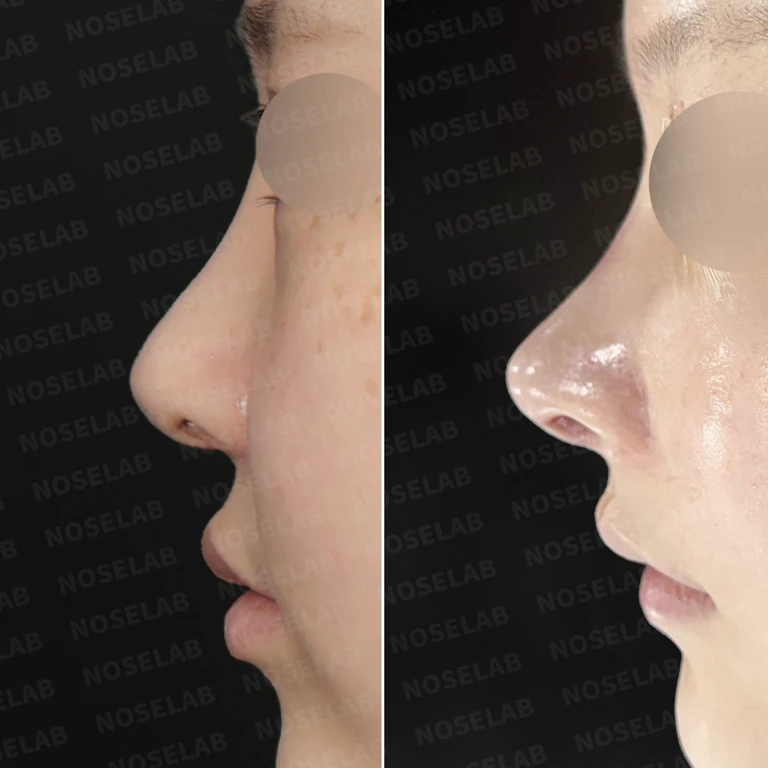
Why small lower lateral cartilages cause a drooping tip: rib cartilage reinforcement and osteotomy methods — Before-and-after comparison
Before-and-after comparison

Why small lower lateral cartilages cause a drooping tip: rib cartilage reinforcement and osteotomy methods

A drooping nasal tip and crooked dorsal hump caused by small lower lateral cartilages were refined through autologous rib cartilage support reinforcement, lateral osteotomy, a silicone implant, and nasolabial angle correction.

Preoperative condition

Why the nasal tip turns upward when the septum is lost, and how to reconstruct the septum with autologous rib cartilage — Before-and-after comparison
Before-and-after comparison

Why the nasal tip turns upward when the septum is lost, and how to reconstruct the septum with autologous rib cartilage

Septal support lost in previous surgeries was reconstructed with autologous rib cartilage, and pinched alae and depressed nasal bridge areas were reinforced to correct an upturned nasal tip and nostril show.

Preoperative condition

Why the columella retracts and the alar rim looks pinched after rhinoplasty, and how autologous rib cartilage reconstruction is performed — Before-and-after comparison
Before-and-after comparison

Why the columella retracts and the alar rim looks pinched after rhinoplasty, and how autologous rib cartilage reconstruction is performed

In a patient presenting with columellar retraction and a pinched right alar rim following rhinoplasty with silicone and donor rib cartilage, the existing materials were removed and reconstruction of the septum and alar cartilage was performed using autologous rib cartilage.

Preoperative condition

Why the septum deviates severely and becomes damaged, and how rib cartilage reconstruction is performed — Before-and-after comparison
Before-and-after comparison

Why the septum deviates severely and becomes damaged, and how rib cartilage reconstruction is performed

A severely deviated and damaged septum following previous surgery with a silicone implant and donor rib cartilage was reinforced and reconstructed using autologous rib cartilage, completing the nasal line through septal extension and nasolabial angle correction.

Postoperative record

Why the nose flattens and widens after double-jaw surgery, and septal reconstruction — Before-and-after comparison
Before-and-after comparison

Why the nose flattens and widens after double-jaw surgery, and septal reconstruction

After double-jaw surgery weakened the septum, the nose became lower and wider; we reinforced it through septal reconstruction with autologous rib cartilage and completed a smooth profile using a customized silicone implant.

Preoperative condition · Postoperative record
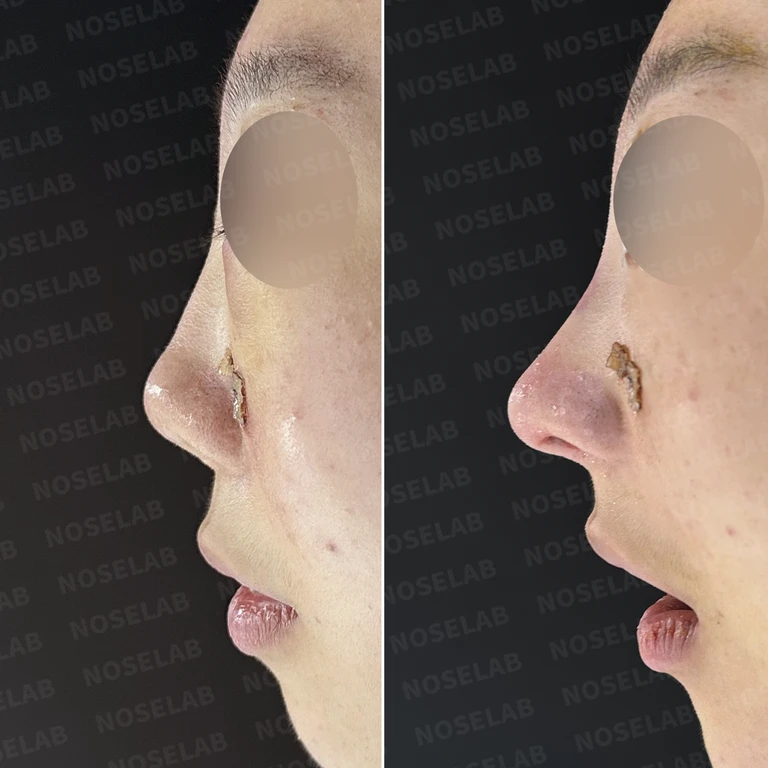
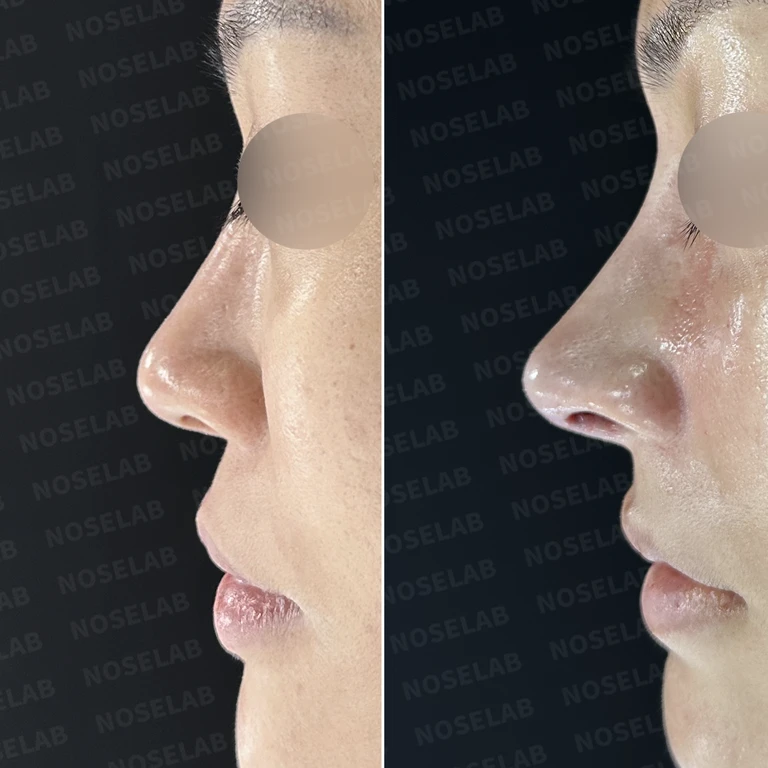
Why nasal tip support weakens in an aged implant nose and septal extension reconstruction methods — Before-and-after comparison
Before-and-after comparison

Why nasal tip support weakens in an aged implant nose and septal extension reconstruction methods

To reinforce nasal tip support weakened after a previous silicone and ear cartilage surgery, the silicone implant was customized and replaced, and a stable nasal line was established using septal extension with autologous rib cartilage.

Preoperative condition · Postoperative record
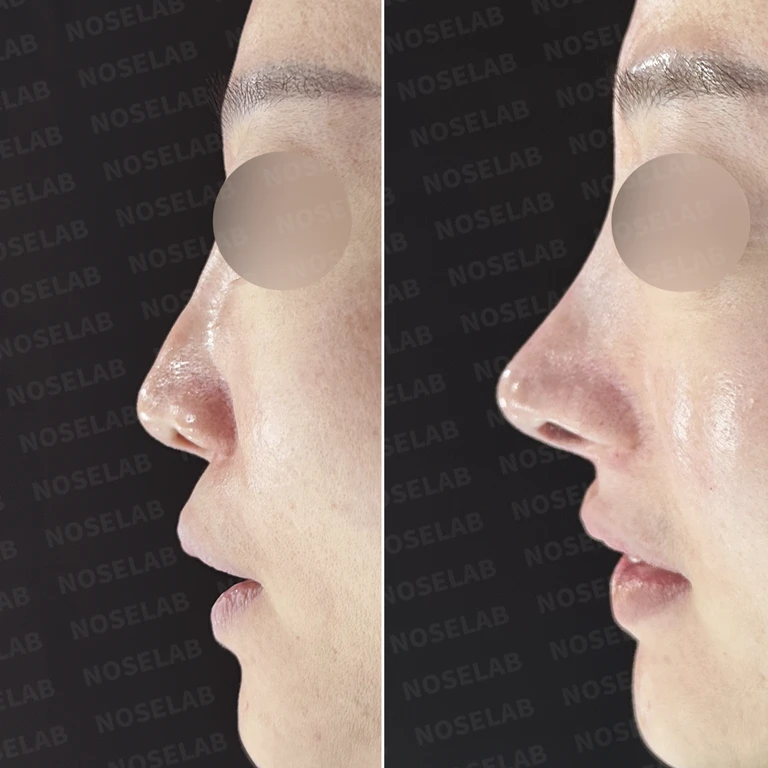
Why Medpor causes loss of the anterior septum: removal and autologous rib cartilage reconstruction — Before-and-after comparison
Before-and-after comparison

Why Medpor causes loss of the anterior septum: removal and autologous rib cartilage reconstruction

In a nose where the anterior septum was severely damaged by Medpor, foreign materials were removed, and septal reconstruction using autologous rib cartilage, silicone implant replacement, nasal sill reduction, and functional nasal surgery were performed.

Preoperative condition
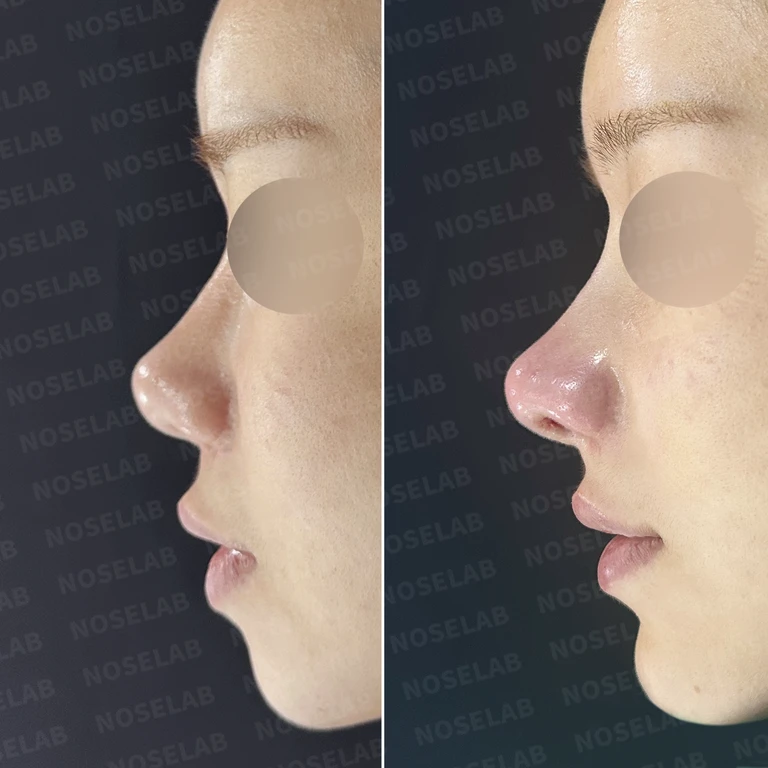
Why a septum collapsing to one side causes a crooked nose and blocked breathing, and how to reconstruct it with autologous rib cartilage — Before-and-after comparison
Before-and-after comparison

Why a septum collapsing to one side causes a crooked nose and blocked breathing, and how to reconstruct it with autologous rib cartilage

After two prior surgeries, a septum collapsed to the right, a depressed alar wing, and a mucosal defect were corrected through autologous rib cartilage septal reconstruction, perichondrium grafting, and re-carving of the silicone implant.

Preoperative condition

Why nasal obstruction and a crooked nose can persist even after multiple surgeries — Before-and-after comparison
Before-and-after comparison

Why nasal obstruction and a crooked nose can persist even after multiple surgeries

In a case of ongoing nasal obstruction with a weakened, deviated septum following multiple surgeries, structural integrity and nasal breathing were improved through septal reconstruction using autologous rib cartilage, lateral osteotomy, septoplasty, and turbinoplasty.

Preoperative condition

No search results found

Please try searching with different keywords.

Scroll to keep reading

1 / 3Next case

Common questions before reading the cases

For cases with insufficient support, is it enough to look only at how much the nasal tip was raised?

In these cases, the internal condition identified beforehand is addressed with greater importance than just the height. In one patient, almost no septum remained and there was also a severe soft tissue defect inside the columella; it is noted that both septal reconstruction and reinforcement of the defective area were performed. You can review the photos showing the changed tip height alongside the main text explaining which support structures were restored.

Are there also records of support reconstruction reusing cartilage from a previous surgery?

Yes, there are. One case explains that septal cartilage previously used as a septal extension material was returned to its original position to secure the stability of the septum. It then records that extension surgery was performed using autologous rib cartilage. By distinguishing between the repositioning of previous materials and the use of new materials, you can see differences that might be missed when simply comparing cartilage types.

Related topics to explore

Drooping tipSeptal damage and defectNasal tip reconstruction and support reinforcementSeptal reconstruction

Surgical records referenced in this guide

  • How to reconstruct a columella retracted by contracture
  • Why bulbous and flared tips persist after revision rhinoplasty: How reconstruction is performed using autologous rib cartilage
Original article

Read more records

Planning a visit to Seoul?Prepare your consultation with the NOSELAB team.

International patient guideWhatsApp ↗
Dr. Peter C. Kang's Rhinoplasty Stories
Rhinoplasty guideCases by topicDr. Peter C. KangNaver Blog ↗
View original photo
Enlarged photo
WhatsAppChat with NOSELAB↗