English日本語简体中文
Skip to main content
Dr. Peter C. Kang's Rhinoplasty Stories
PrologueBlogMy thoughtsNasal obstructionSurgical journalSurgical photos
About the surgeon

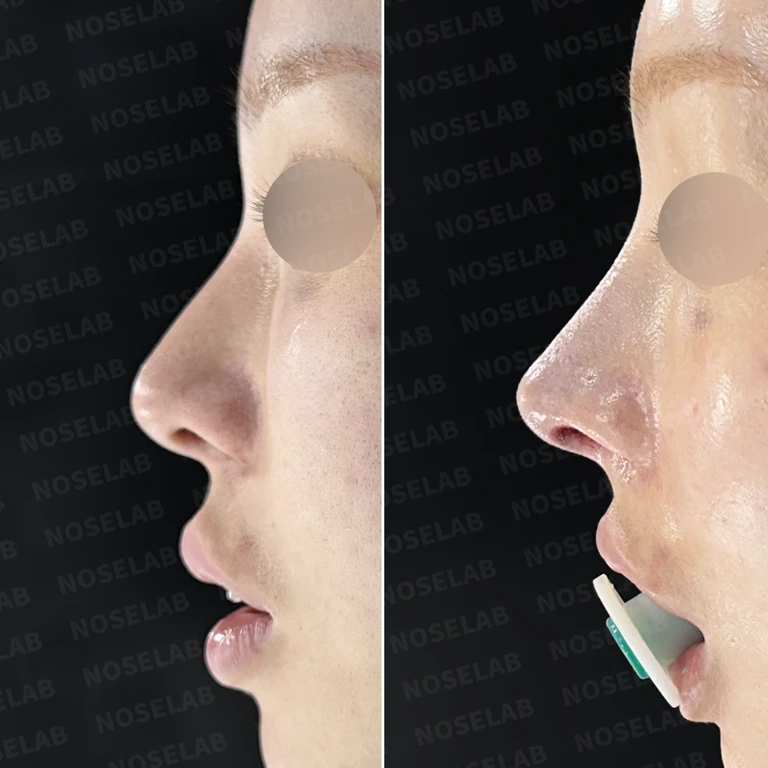
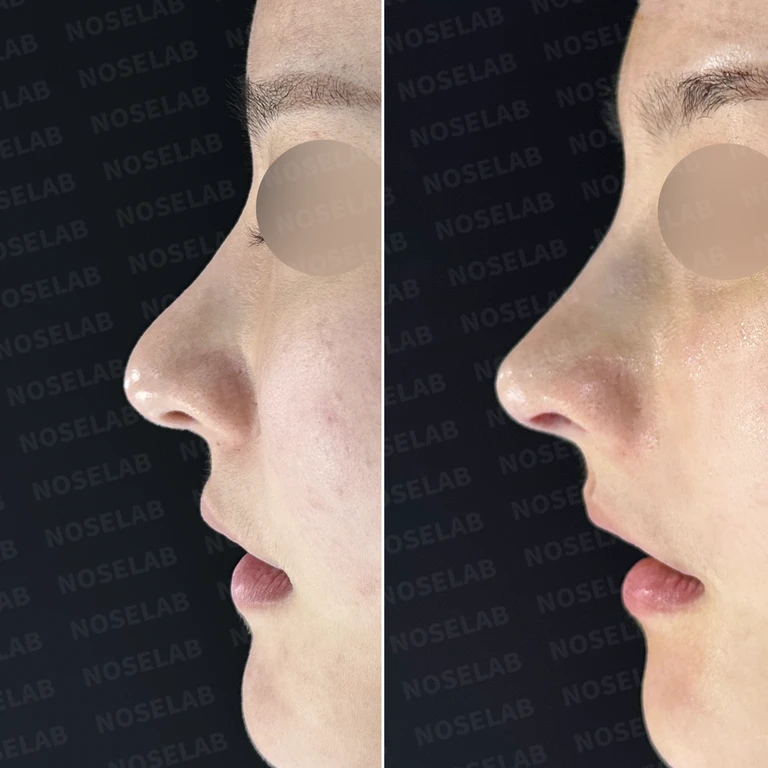
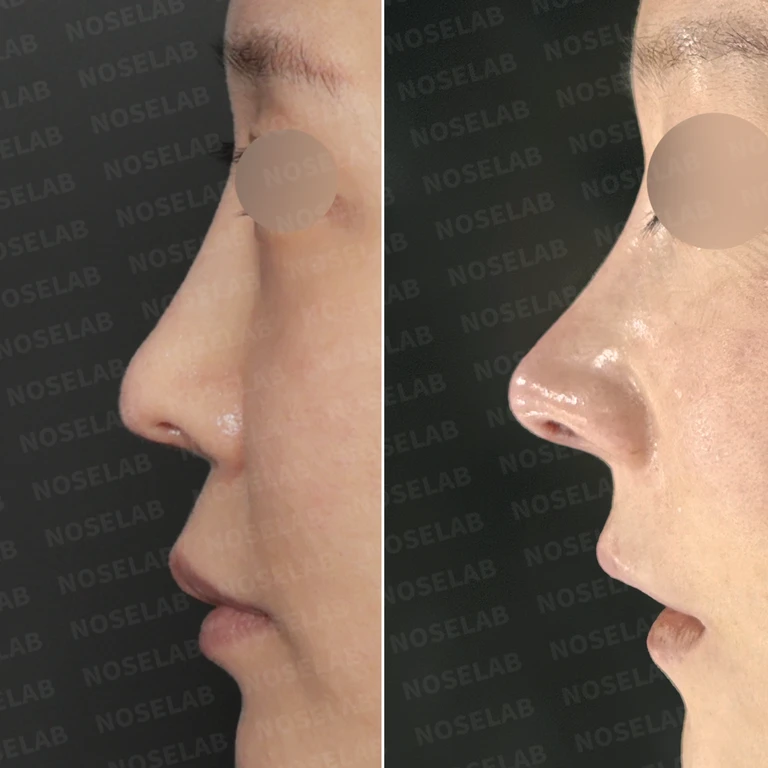
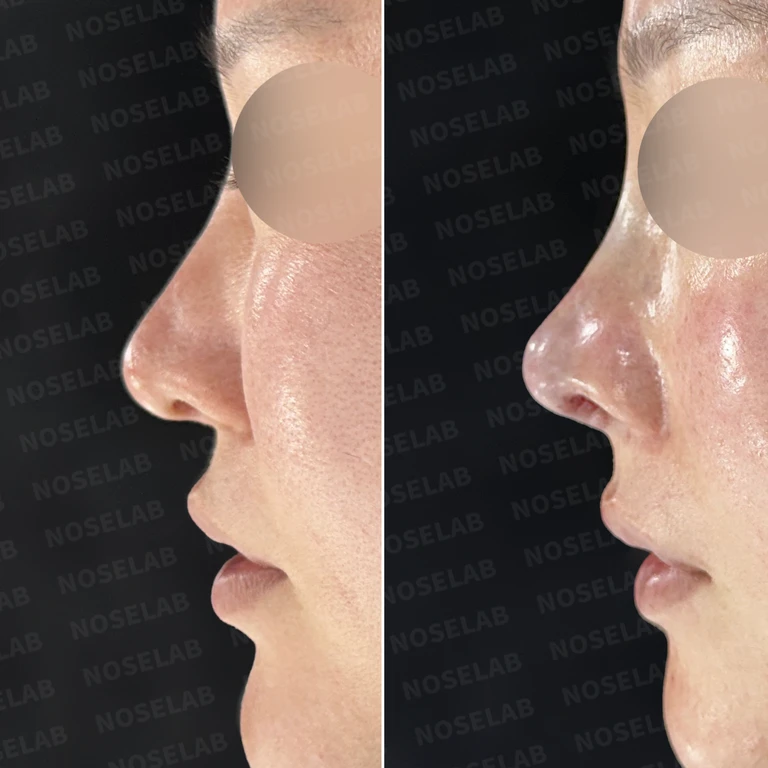
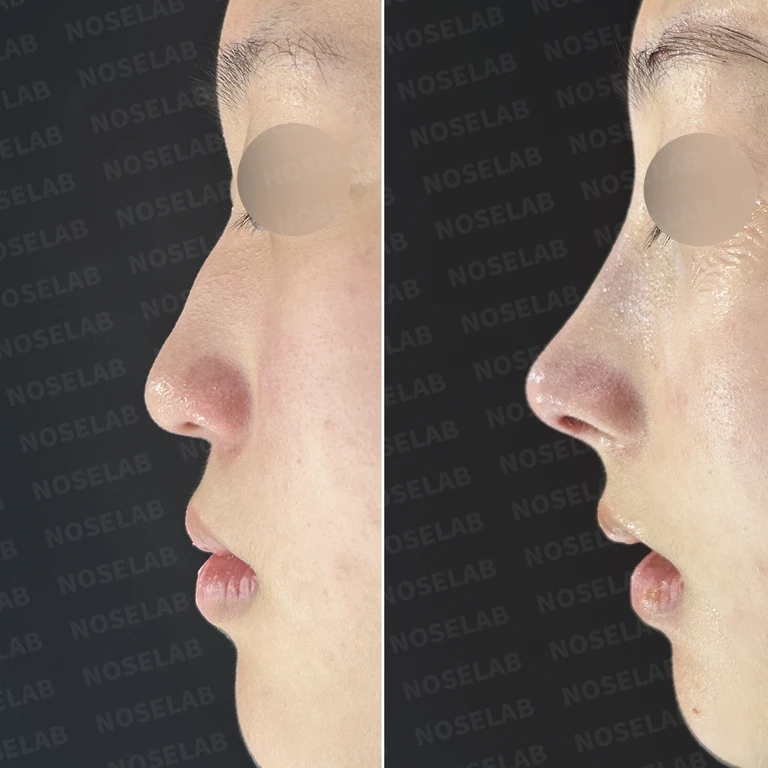
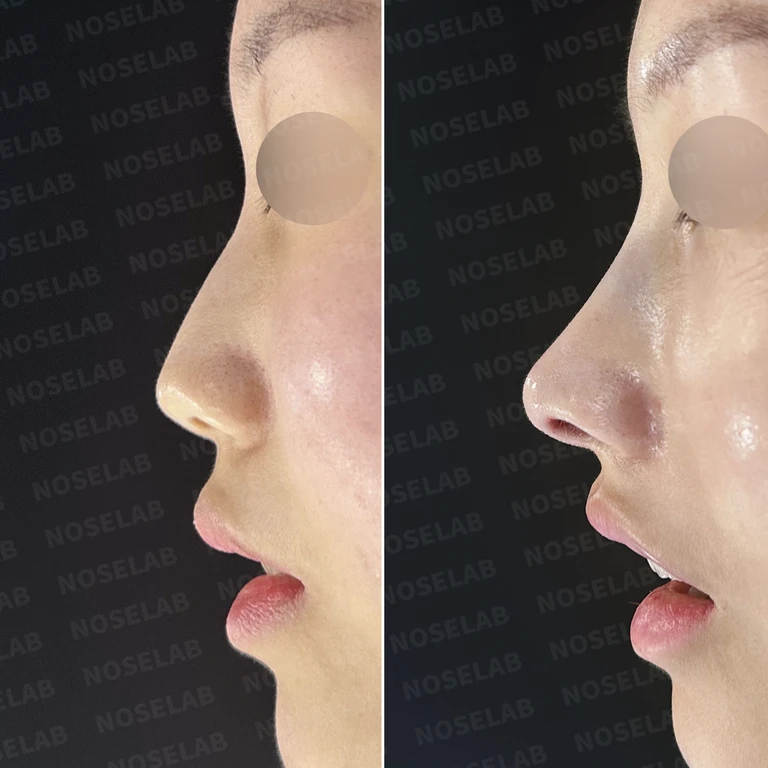
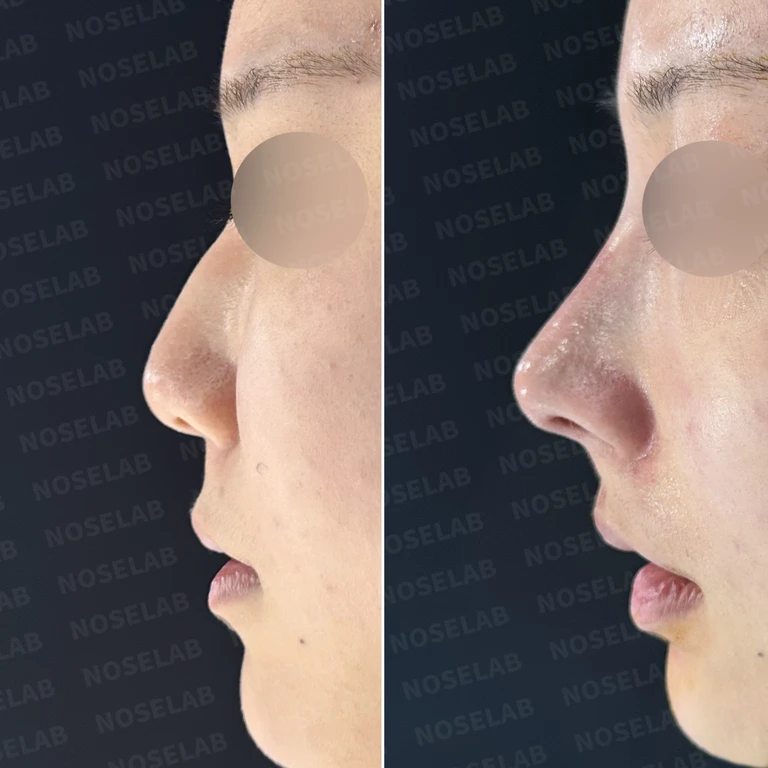
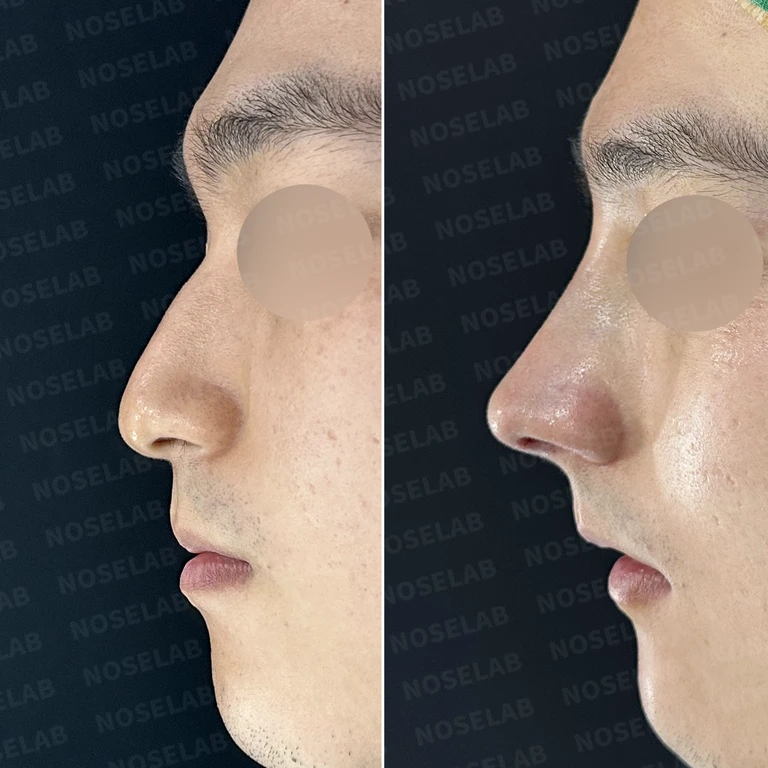
Drooping tip and hooked nose: looking beyond height to underlying structural support

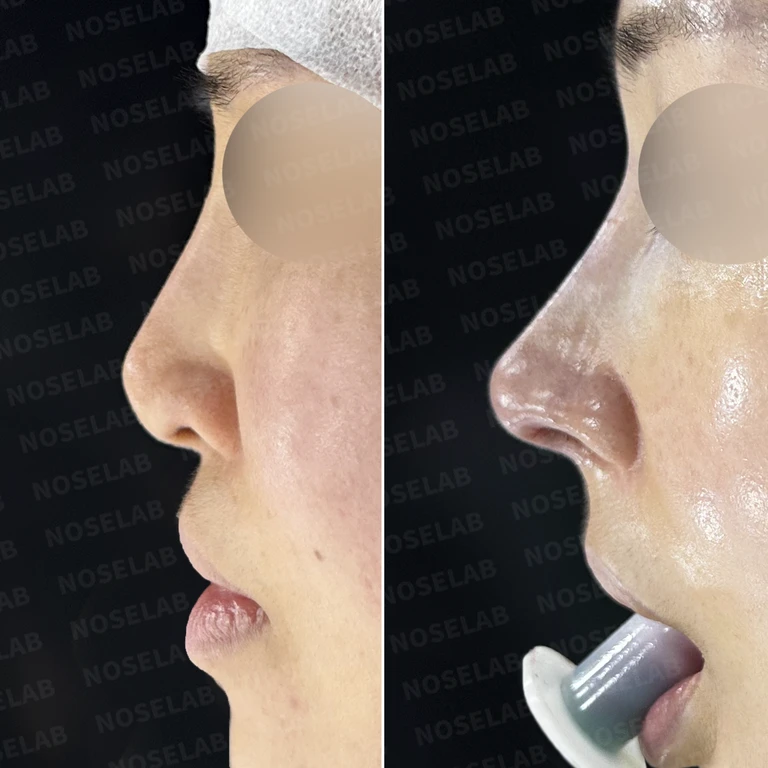
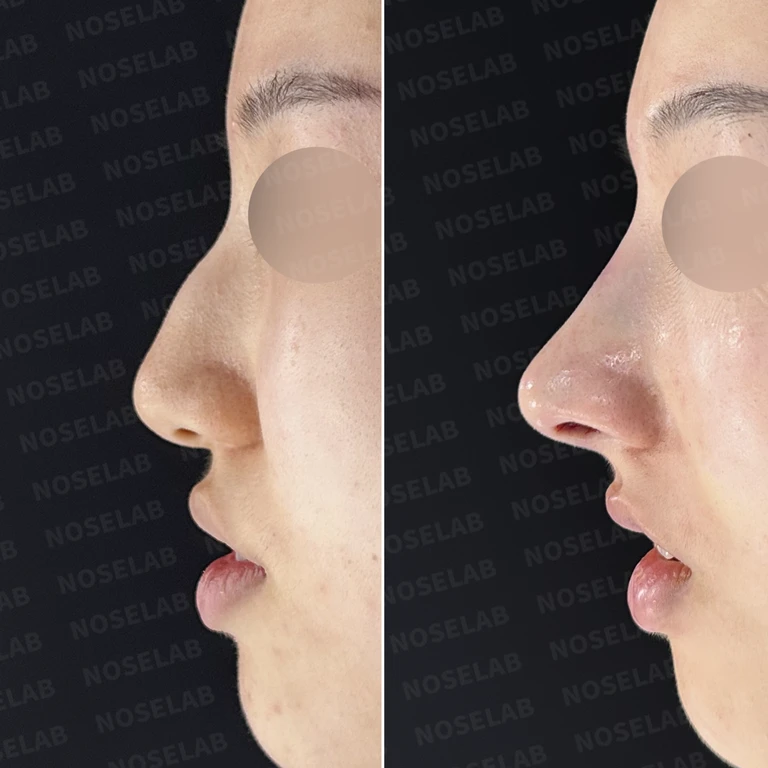
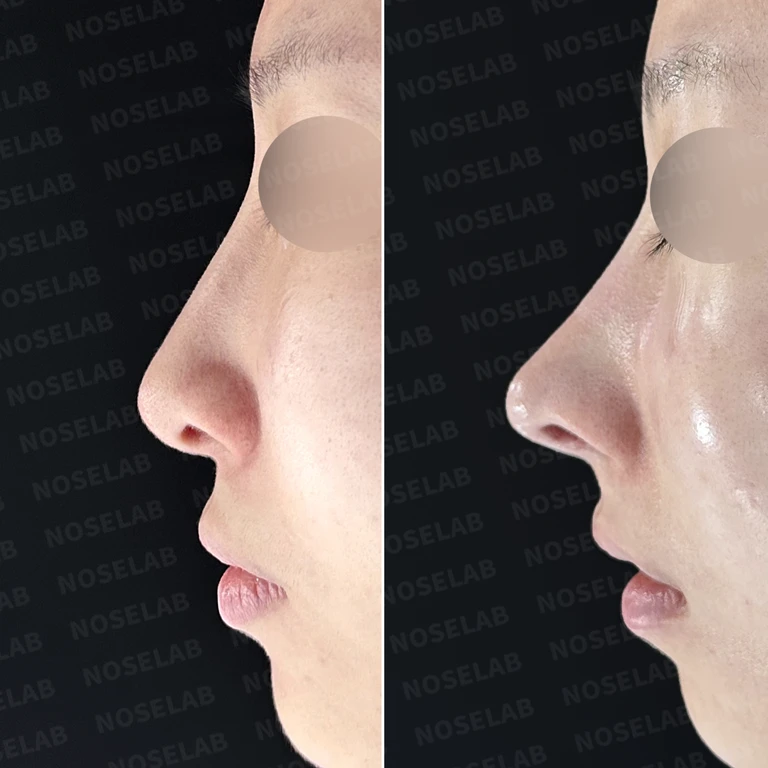
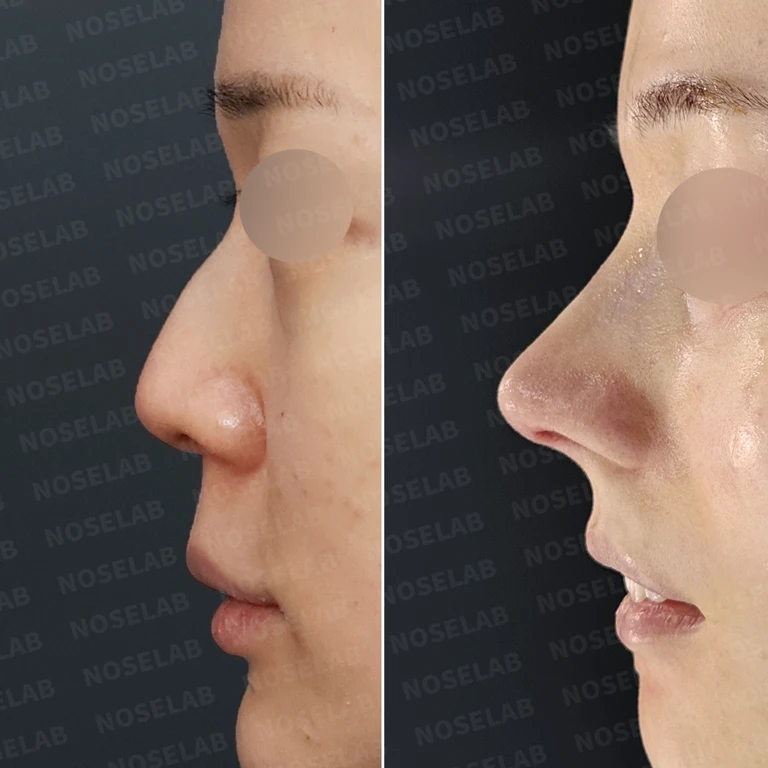
Records noting a drooping nasal tip do not always refer merely to the profile appearance. This collection includes a patient whose columella was retracted and barely visible, as well as a patient whose nasal tip drooped and deviated to the left following a prior surgery. Clinical findings differed across front, profile, and nostril views.

Especially in revision rhinoplasty cases, distinguish between previously harvested cartilage and the currently remaining support structure. One article describes correcting a long, drooping tip by reconstructing the septum with autologous rib cartilage after checking the state of previously harvested septal cartilage. The key to this case lies not only in achieving the desired height, but also in which structures were rebuilt.

View before-and-after cases ↓Comprehensive rhinoplasty guide

Searching for surgical cases matching your criteria.
Why a high radix makes the nose look long and overly prominent — Before-and-after comparison
Before-and-after comparison

Why a high radix makes the nose look long and overly prominent

Following prior surgeries, a bulbous and drooping long nose with an excessively high radix and nasal obstruction was corrected using a closed approach. Scar tissue debridement, osteotomy, nasolabial angle correction, and septoplasty were performed concurrently.

Preoperative condition
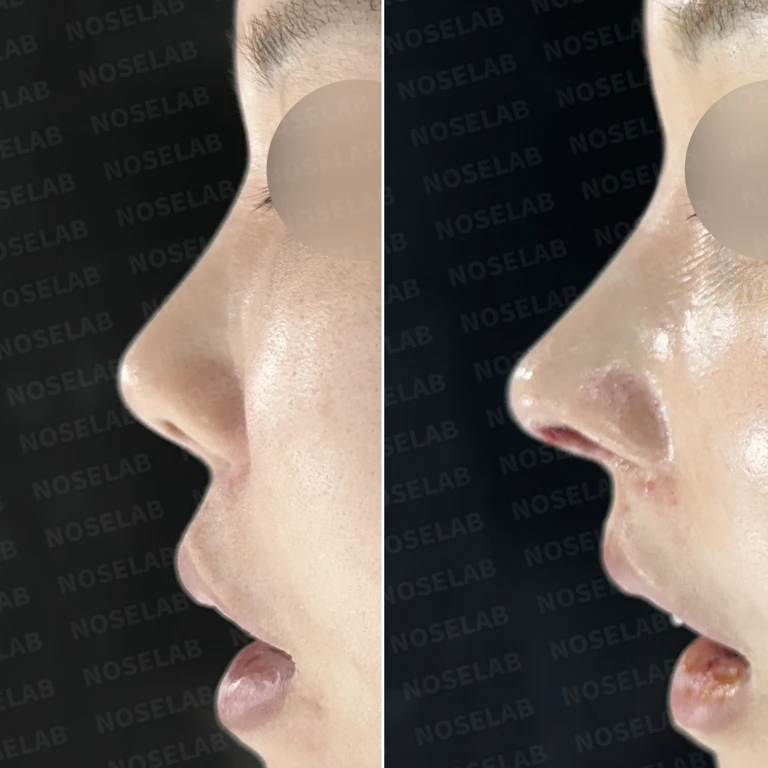
Why noses become short and upturned after multiple revision surgeries, and methods for reconstruction — Before-and-after comparison
Before-and-after comparison

Why noses become short and upturned after multiple revision surgeries, and methods for reconstruction

A case correcting an upturned nasal tip caused by loss of the septum from repeated revision surgeries. Autologous rib cartilage septal reconstruction, nasal mucosal advancement flap, silicone implant adjustment, and rhinitis surgery were performed concurrently.

Previous surgeries and procedures

Why the nasal tip can look bulbous and crooked after rhinoplasty with ear cartilage — Before-and-after comparison
Before-and-after comparison

Why the nasal tip can look bulbous and crooked after rhinoplasty with ear cartilage

This is a revision rhinoplasty case where the patient experienced a drooping tip, a deviated septum, and nasal obstruction after previous surgery. The septum was reconstructed using autologous rib cartilage, and silicone implant replacement along with rhinitis surgery was performed using a closed approach.

Preoperative condition · Postoperative record

Why the nasal tip elongates and droops years after rhinoplasty, and how to correct it — Before-and-after comparison
Before-and-after comparison

Why the nasal tip elongates and droops years after rhinoplasty, and how to correct it

A case involving a long, drooping nasal tip and nasal obstruction following previous rhinoplasty with a silicone implant and septal cartilage. The nasal tip was corrected using autologous rib cartilage, performed concurrently with septoplasty, inferior turbinate reduction, and synechia adhesiolysis.

Preoperative condition · Postoperative record

Why nasal tip skin depresses and implants show through after inflammation, and how to reconstruct it — Before-and-after comparison
Before-and-after comparison

Why nasal tip skin depresses and implants show through after inflammation, and how to reconstruct it

A case where repeated surgeries and inflammation led to depressed nasal tip skin and implant show-through. The damaged skin was revised, dermal and cartilage grafts were placed, the septum was reinforced with autologous rib cartilage, and the implant was replaced.

Postoperative record

Why a nose operated on twice looks long and drooping, and how septal reconstruction using rib cartilage is performed — Before-and-after comparison
Before-and-after comparison

Why a nose operated on twice looks long and drooping, and how septal reconstruction using rib cartilage is performed

A revision rhinoplasty case where the septum was depleted due to excessive cartilage use in prior surgeries. The septum was reconstructed using autologous rib cartilage, a cartilage fragment on the bridge was removed, and silicone implant replacement was combined with osteotomy.

Preoperative condition · Postoperative record
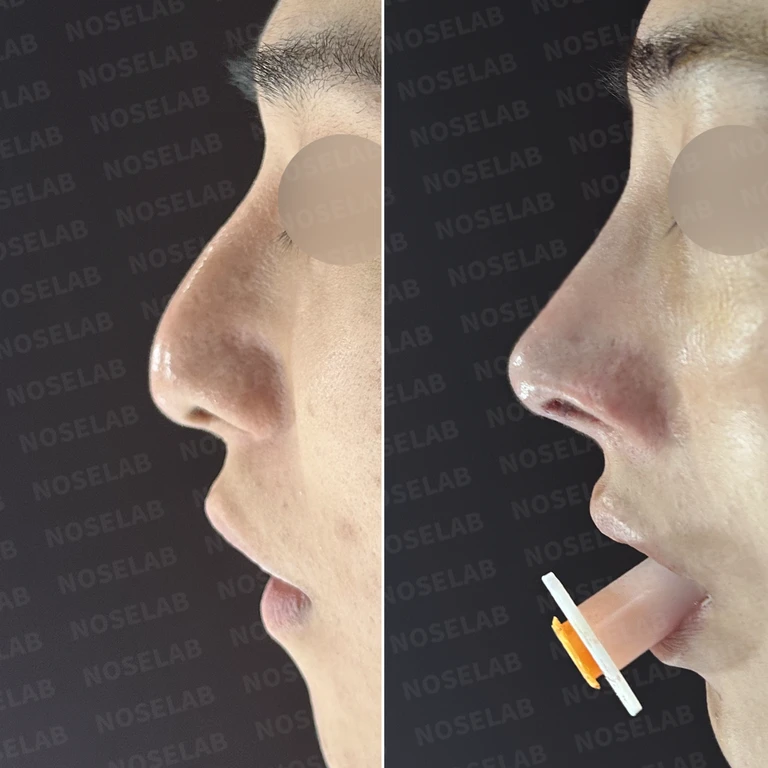
Why implants show through and nostrils look M-shaped, and how to reconstruct them — Before-and-after comparison
Before-and-after comparison

Why implants show through and nostrils look M-shaped, and how to reconstruct them

Implant show-through at the nasal tip and thinned skin were reinforced with donor dermis, and foreign substances were removed. The nasal tip was reconstructed using autologous rib cartilage, along with dragon nose correction and lateral osteotomy.

Preoperative condition · Postoperative record
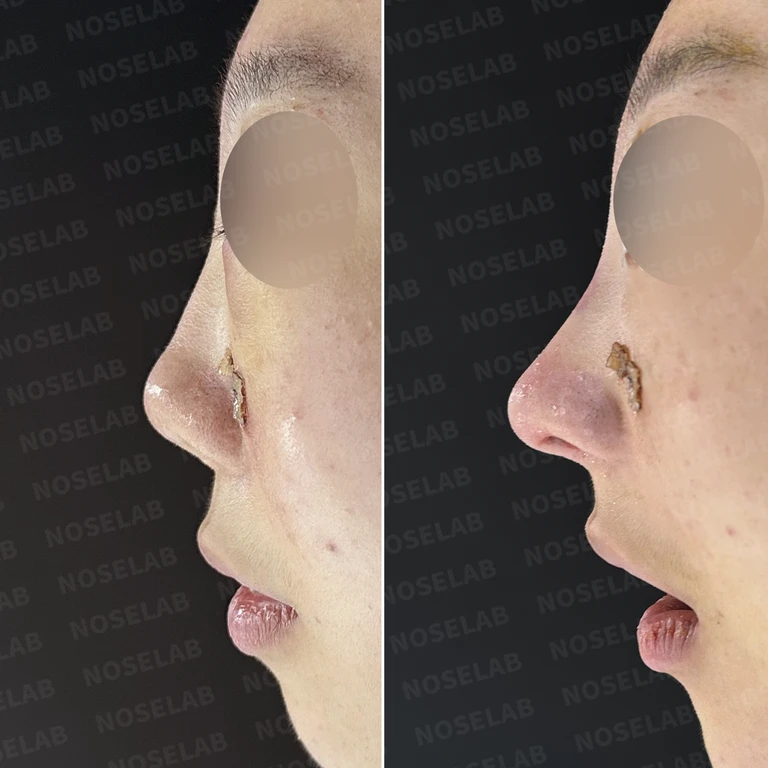
Why dorsal hump, long nose, and drooping tip appear together and how to correct them — Before-and-after comparison
Before-and-after comparison

Why dorsal hump, long nose, and drooping tip appear together and how to correct them

A protruding dorsal hump, drooping long nose, crooked nose, and nasal obstruction were addressed together using autologous rib cartilage tip support, lateral osteotomy, septoplasty for a deviated septum, and inferior turbinate surgery.

Preoperative condition · Postoperative record
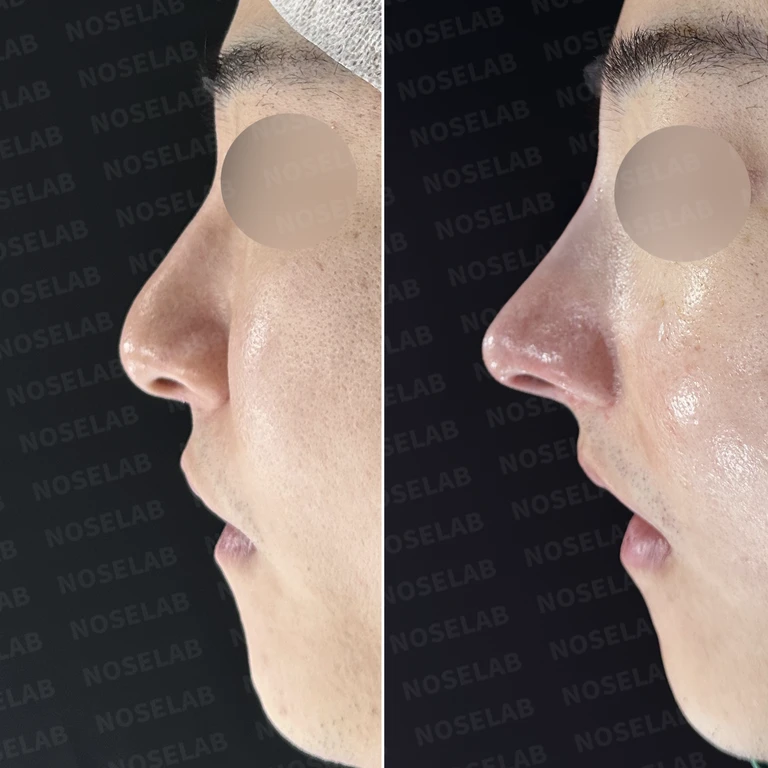
Why a nose appears long, drooping, and crooked: septal reconstruction and osteotomy — Before-and-after comparison
Before-and-after comparison

Why a nose appears long, drooping, and crooked: septal reconstruction and osteotomy

A long nose, drooping nasal tip, crooked nasal bridge, and nasal obstruction remaining after prior functional surgery were corrected using autologous rib cartilage tip plasty, partial septal reconstruction, and lateral osteotomy.

Preoperative condition

Why dorsal humps and drooping tips appear together, and how hump reduction and osteotomy are performed — Before-and-after comparison
Before-and-after comparison

Why dorsal humps and drooping tips appear together, and how hump reduction and osteotomy are performed

A dorsal hump and drooping tip were smoothly refined through a closed approach using autologous rib cartilage tip plasty, hump reduction, lateral osteotomy, and nasolabial angle correction.

Preoperative condition · Postoperative record

Why small lower lateral cartilages cause a drooping tip: rib cartilage reinforcement and osteotomy methods — Before-and-after comparison
Before-and-after comparison

Why small lower lateral cartilages cause a drooping tip: rib cartilage reinforcement and osteotomy methods

A drooping nasal tip and crooked dorsal hump caused by small lower lateral cartilages were refined through autologous rib cartilage support reinforcement, lateral osteotomy, a silicone implant, and nasolabial angle correction.

Preoperative condition · Postoperative record

Why the nasal bridge deviates and the tip appears drooping: How to correct it using only cartilage without implants — Before-and-after comparison
Before-and-after comparison

Why the nasal bridge deviates and the tip appears drooping: How to correct it using only cartilage without implants

For a patient who wanted primary rhinoplasty without artificial implants, lateral osteotomy was performed to straighten the deviated nasal bones, and donor rib cartilage and septal cartilage were used to reinforce the bridge and reshape the nasal tip.

Preoperative condition · Postoperative record

Why nasal filler cannot correct a drooping tip and dorsal hump, and the reconstruction method after removal — Before-and-after comparison
Before-and-after comparison

Why nasal filler cannot correct a drooping tip and dorsal hump, and the reconstruction method after removal

To resolve a persistent drooping tip and dorsal hump deformity after filler and PDO thread lifting, foreign material was removed, followed by nasal tip reconstruction using autologous rib cartilage, a silicone implant on the nasal bridge, and septoplasty.

Preoperative condition · Postoperative record

Why a deviated septum causes both nasal obstruction and a crooked nose, and how reconstruction is performed — Before-and-after comparison
Before-and-after comparison

Why a deviated septum causes both nasal obstruction and a crooked nose, and how reconstruction is performed

Nasal obstruction, a dorsal hump, and maxillary protrusion caused by a septum severely deviated to the left were addressed simultaneously through septal reconstruction using autologous rib cartilage, lateral osteotomy, and nasolabial angle correction.

Preoperative condition · Postoperative record

Why the nose looks long due to a drooping tip after rhinoplasty, and nasal tip reconstruction with autologous rib cartilage — Before-and-after comparison
Before-and-after comparison

Why the nose looks long due to a drooping tip after rhinoplasty, and nasal tip reconstruction with autologous rib cartilage

A case addressing a drooping, elongated nasal tip after silicone rhinoplasty and nasal filler procedures. The existing implant and residual filler were removed, the support structure was reinforced using autologous rib cartilage, and the nasolabial angle was corrected.

Preoperative condition · Postoperative record

Why nasal obstruction worsens when the septum collapses to one side — Before-and-after comparison
Before-and-after comparison

Why nasal obstruction worsens when the septum collapses to one side

For a male patient presenting with a collapsed septum, severe nasal obstruction, and a drooping tip, autologous rib cartilage septal reconstruction, septal extension, and rhinitis surgery were performed.

Preoperative condition · Postoperative record

Why Medpor causes loss of the anterior septum: removal and autologous rib cartilage reconstruction — Before-and-after comparison
Before-and-after comparison

Why Medpor causes loss of the anterior septum: removal and autologous rib cartilage reconstruction

In a nose where the anterior septum was severely damaged by Medpor, foreign materials were removed, and septal reconstruction using autologous rib cartilage, silicone implant replacement, nasal sill reduction, and functional nasal surgery were performed.

Preoperative condition · Postoperative record

Why we look at the facial axis first when correcting a nose with facial asymmetry — Before-and-after comparison
Before-and-after comparison

Why we look at the facial axis first when correcting a nose with facial asymmetry

A crooked nose, influenced by facial asymmetry, a history of orbital fracture, and facial contouring surgery, was corrected to align with the central facial axis, along with clearing existing filler and refining a drooping tip and the nasolabial angle.

Preoperative condition · Postoperative record

No search results found

Please try searching with different keywords.

Scroll to keep reading

1 / 10Next case

Common questions before reading the cases

Are there cases where both a drooping nasal tip and a retracted columella are noted?

Yes. One original post observed a drooping tip and barely visible columella from the profile view, while the basal view showed a retracted columella alongside a depressed scar from a previous open rhinoplasty. Because these notes document the same patient from multiple angles, reviewing the view from below the nostrils and columella together is more informative than relying on a single profile photograph.

Why does septal reconstruction appear alongside records of tip elevation?

In that revision rhinoplasty post, it was noted that even the bony portion of the septum had been harvested in a prior surgery and used as extension material. It then explains that septal reconstruction using autologous rib cartilage was performed concurrently. This record addresses the patient's drooping tip in connection with the underlying support structure; it does not mean that every arrow nose requires identical reconstruction.

Related topics to explore

Long noseRetracted columella / short columellaInsufficient tip supportSeptal reconstruction

Surgical records referenced in this guide

  • Columellar retraction and contracted nose: Anatomy and reconstruction methods
  • Methods for correcting a drooping and crooked nose
  • Why the nose looks bulbous and long after alar reduction, and how to correct it
Original article

Read more records

Planning a visit to Seoul?Prepare your consultation with the NOSELAB team.

International patient guideWhatsApp ↗
Dr. Peter C. Kang's Rhinoplasty Stories
Rhinoplasty guideCases by topicDr. Peter C. KangNaver Blog ↗
View original photo
Enlarged photo
WhatsAppChat with NOSELAB↗