Hello, I am Dr. Peter C. Kang.
Today, I would like to introduce the case of a patient who visited our clinic because her drooping tip and dorsal hump shape did not improve even after nasal filler and thread lifting.
🔍 Surgical history
The patient had a history of nasal trauma in childhood and later tried non-surgical methods to correct her nose.
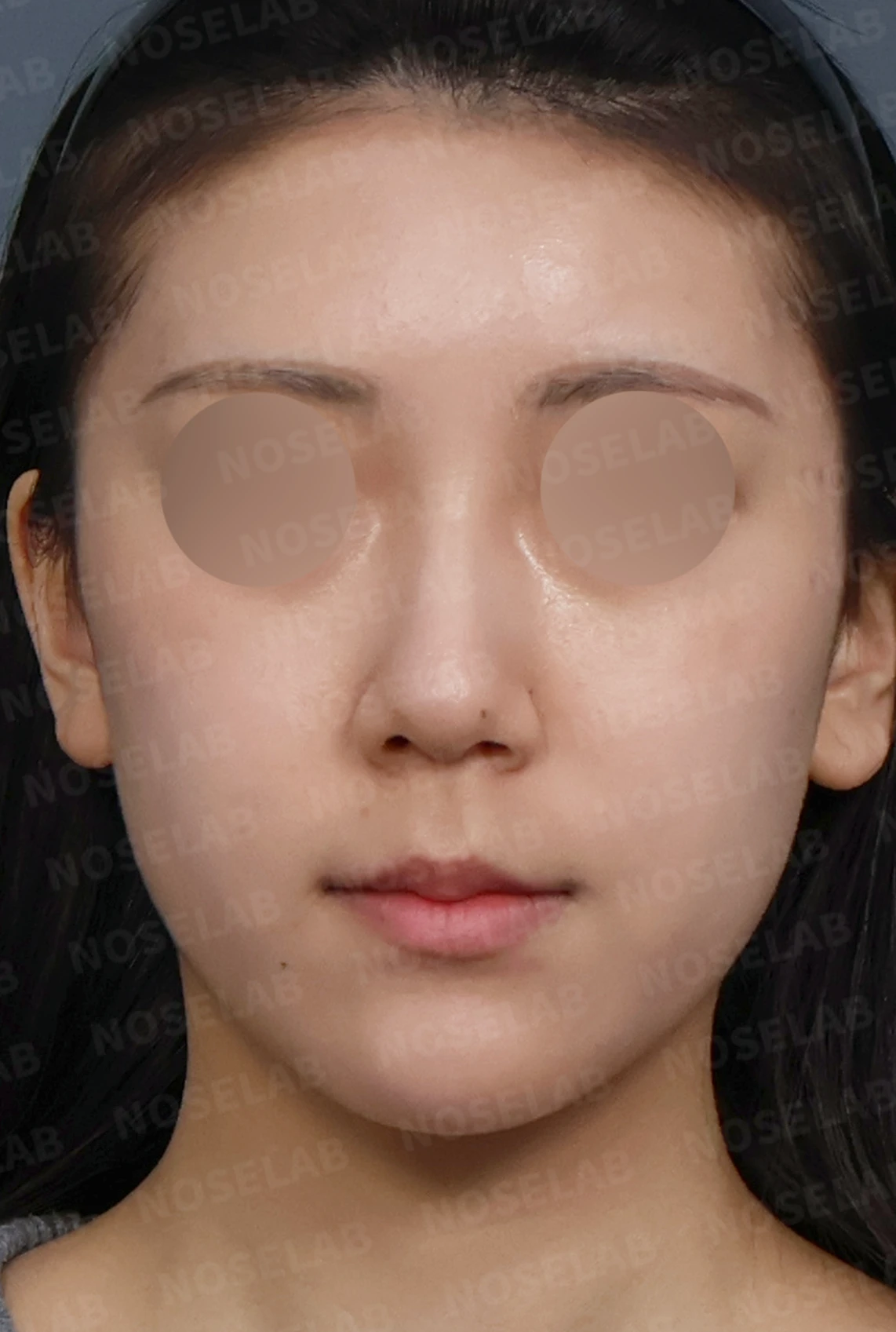
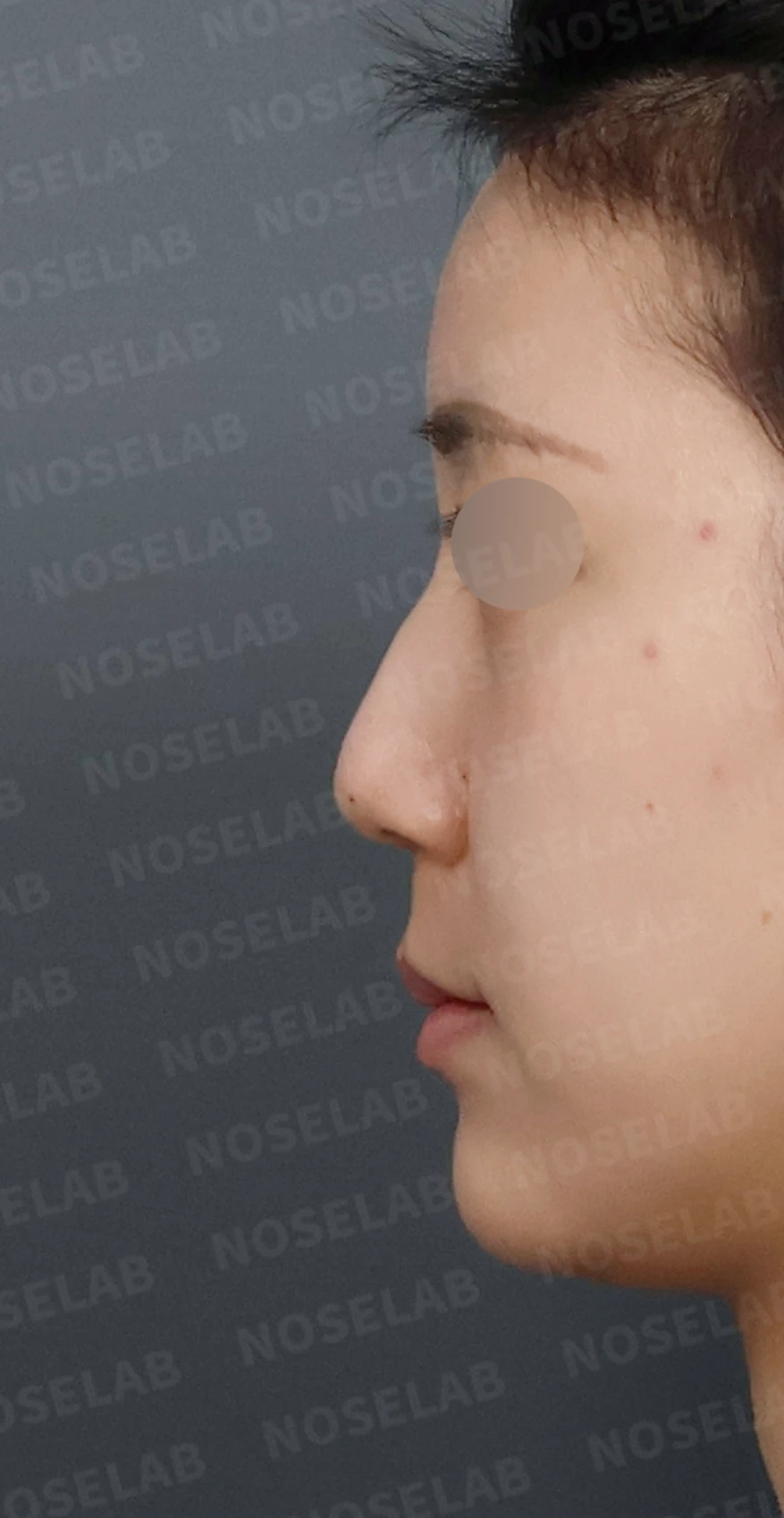
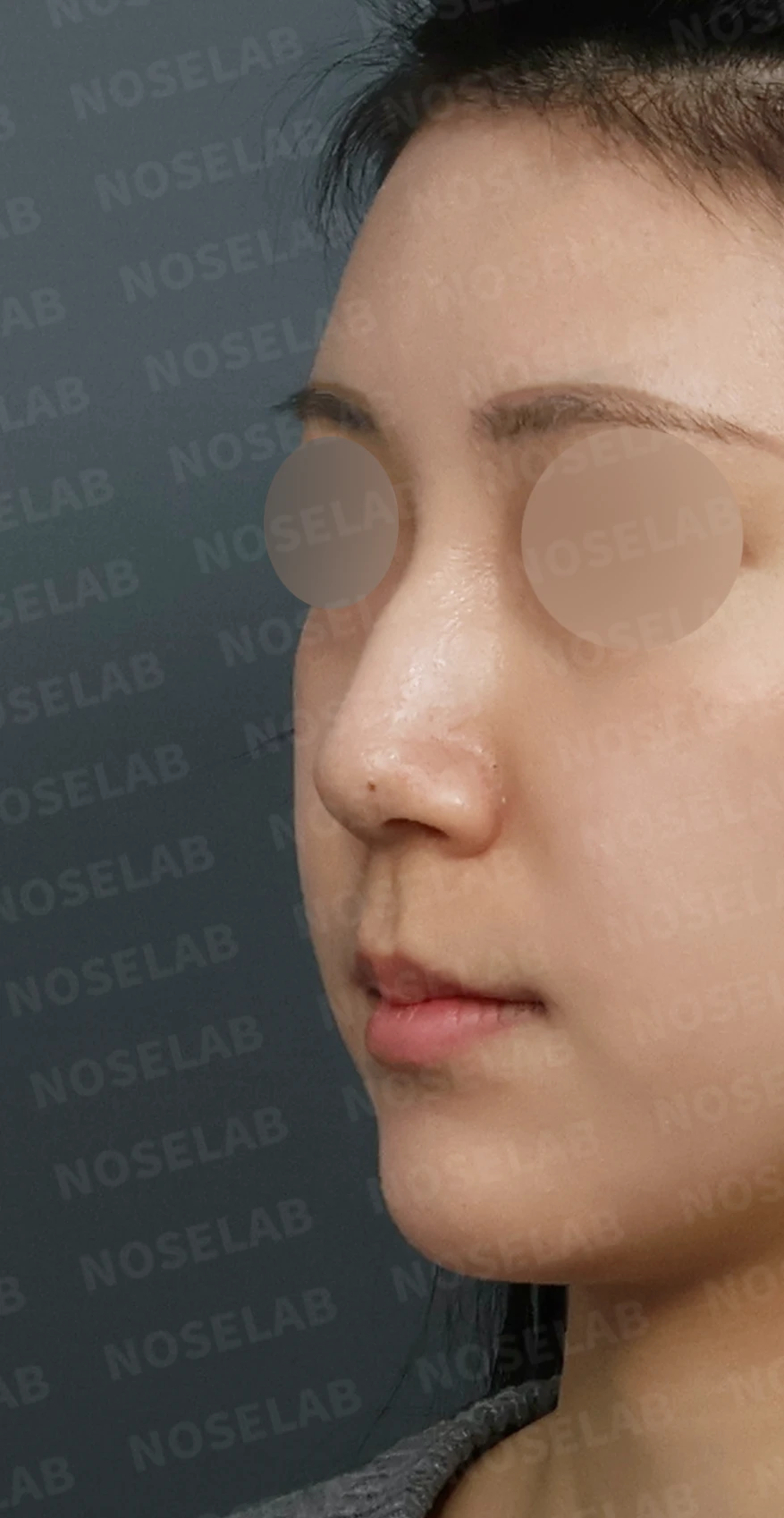
Front, left profile, and oblique views during design consultation.
Childhood: Nasal injury from a frontal impact
Approximately 2 years ago: Nasal filler procedure and PDO thread lifting
Because non-surgical procedures alone have limitations in resolving fundamental structural problems such as a drooping tip or dorsal hump shape, she decided on surgical correction.
💉 Patient requests
The patient's specific requests were as follows:
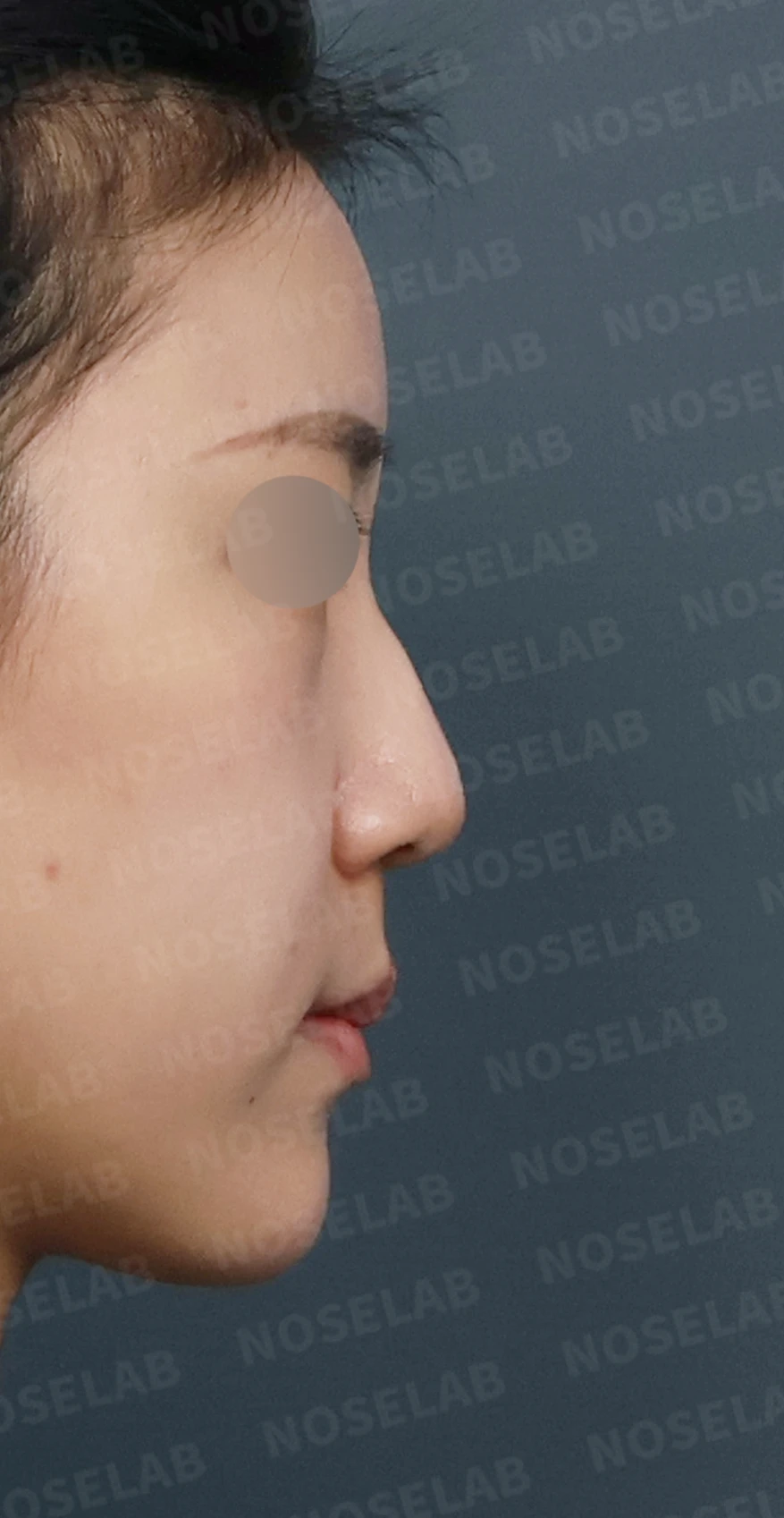
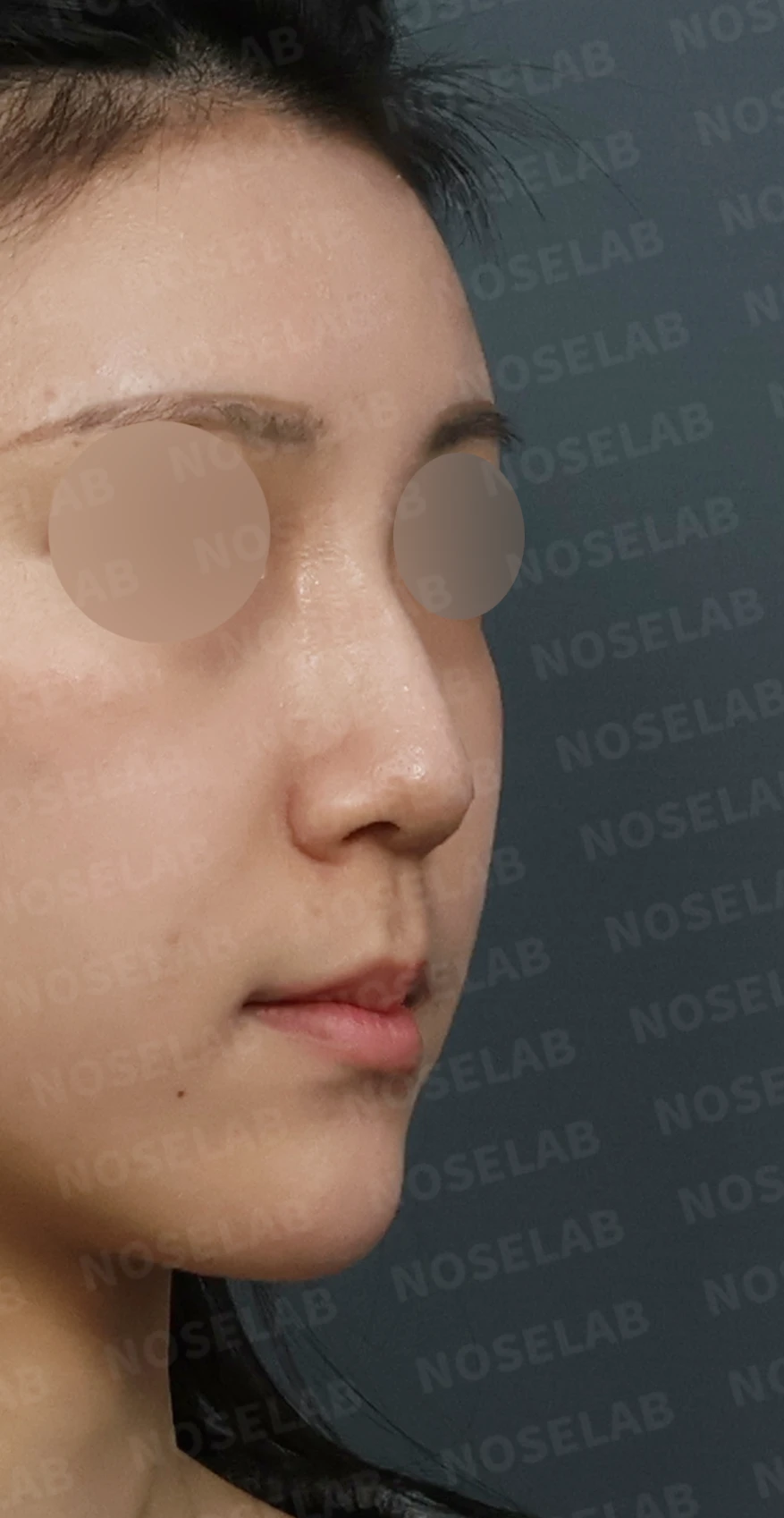
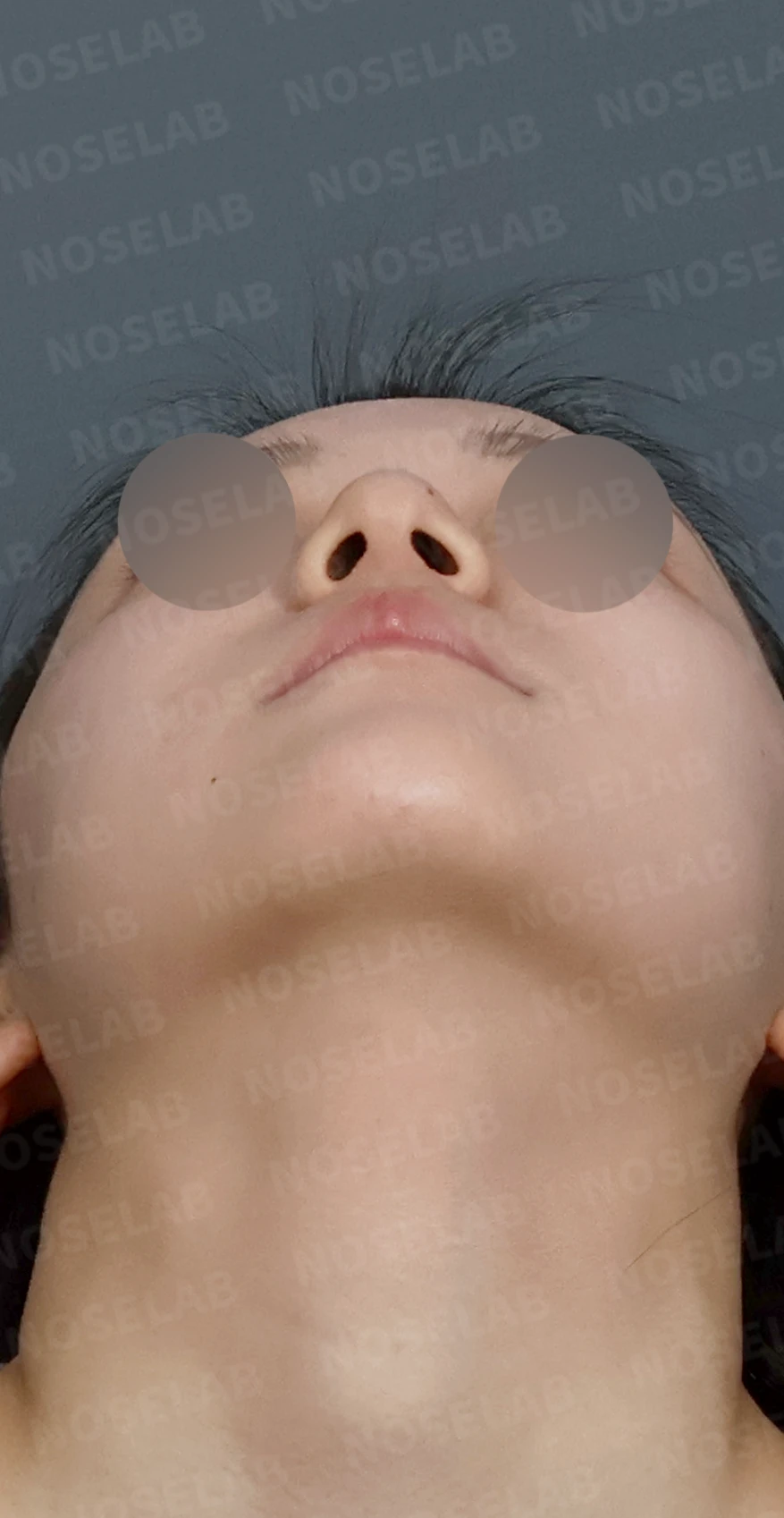
Right profile, oblique, and nostril views during design consultation.
A prominent yet natural nasal line
Improvement of the drooping nasal tip
Dorsal hump correction
Improvement in nasal obstruction (deviated septum and rhinitis symptoms)
In particular, she preferred a prominent nasal profile while maintaining a natural appearance, and she was open to the use of an implant.
🔧 Surgical plan and procedure
1. Removal of nasal filler and foreign material
Complete removal of existing nasal filler
Clearing of residual threads
Securing a clean surgical environment
2. Nasal tip plasty using autologous rib cartilage
Reinforcement of the nasal tip support framework using autologous rib cartilage
Naturally raising the drooping nasal tip
Creating a well-defined yet natural tip line
3. Nasolabial angle correction
Adjusting the nasolabial angle using autologous rib cartilage
Forming a refined nasolabial angle when viewed from the profile
4. Nasal bridge augmentation using a silicone implant
Silicone implant precisely carved to fit the nasal bone
Implant placed solely along the nasal dorsum to maintain a natural shape
Natural straight bridge line created from forehead to nasal tip
5. Septoplasty and inferior turbinate reduction
Internal nasal structures realigned by correcting the deviated septum
Rhinitis symptoms improved by reducing hypertrophied inferior turbinates
Restoration of breathing function
🌟 Surgical results
Front view changes
Elimination of the dorsal hump shape and completion of a smooth bridge line
The nasal tip is naturally elevated, creating a refined impression
Overall balanced nasal shape
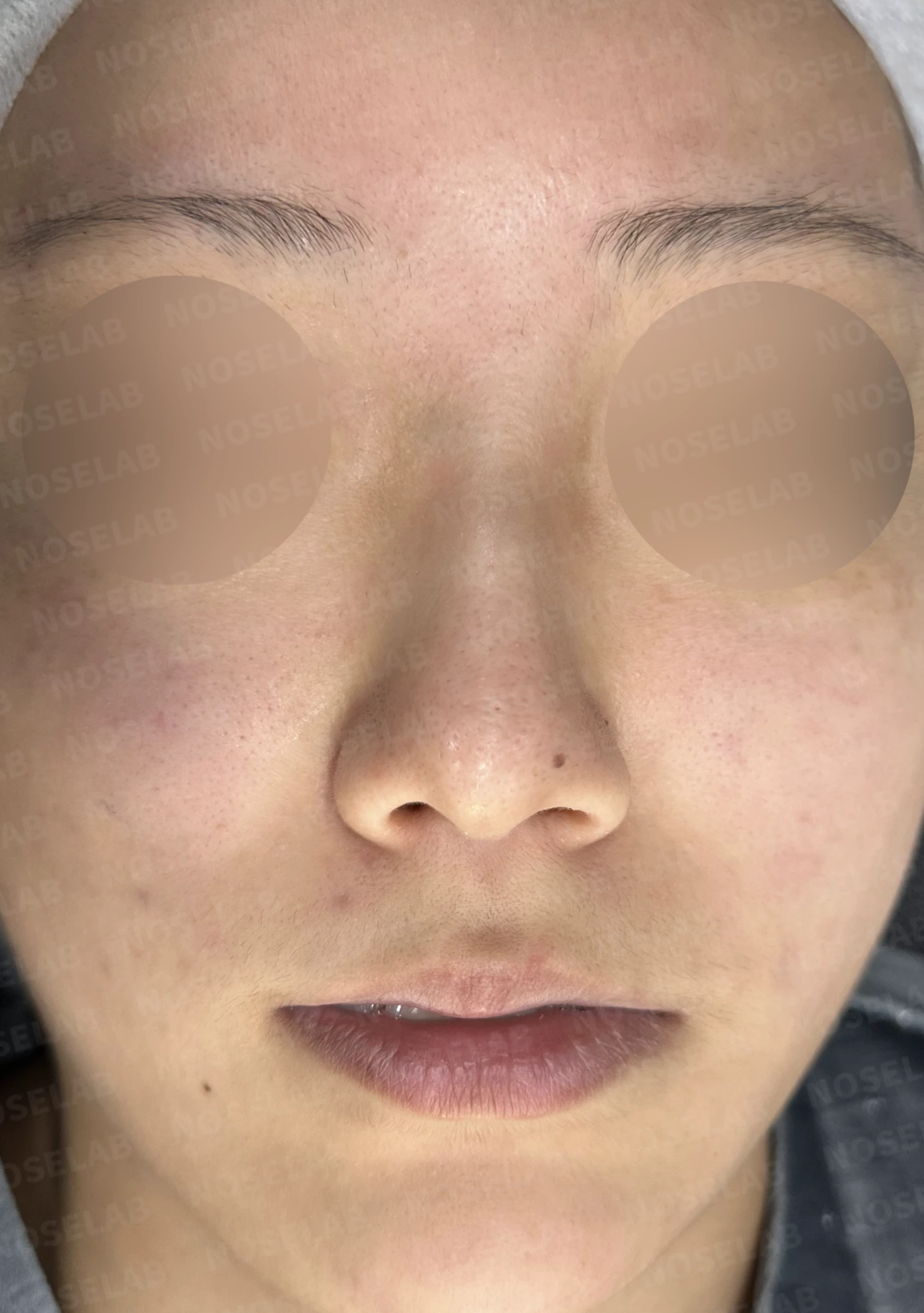
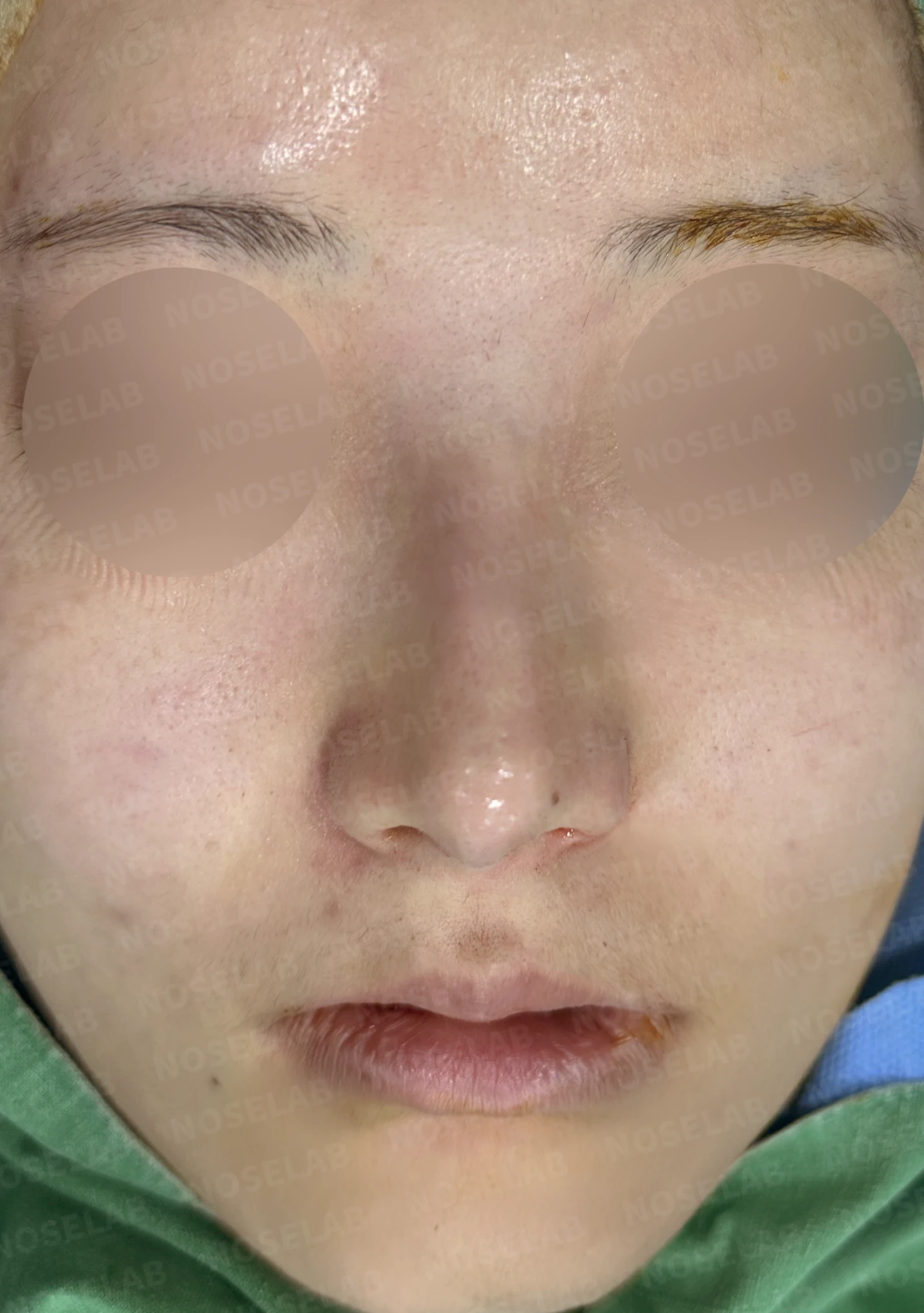
Before surgery / Day 0 immediately after surgery Photos taken immediately after surgery show swelling and may differ from the final result.
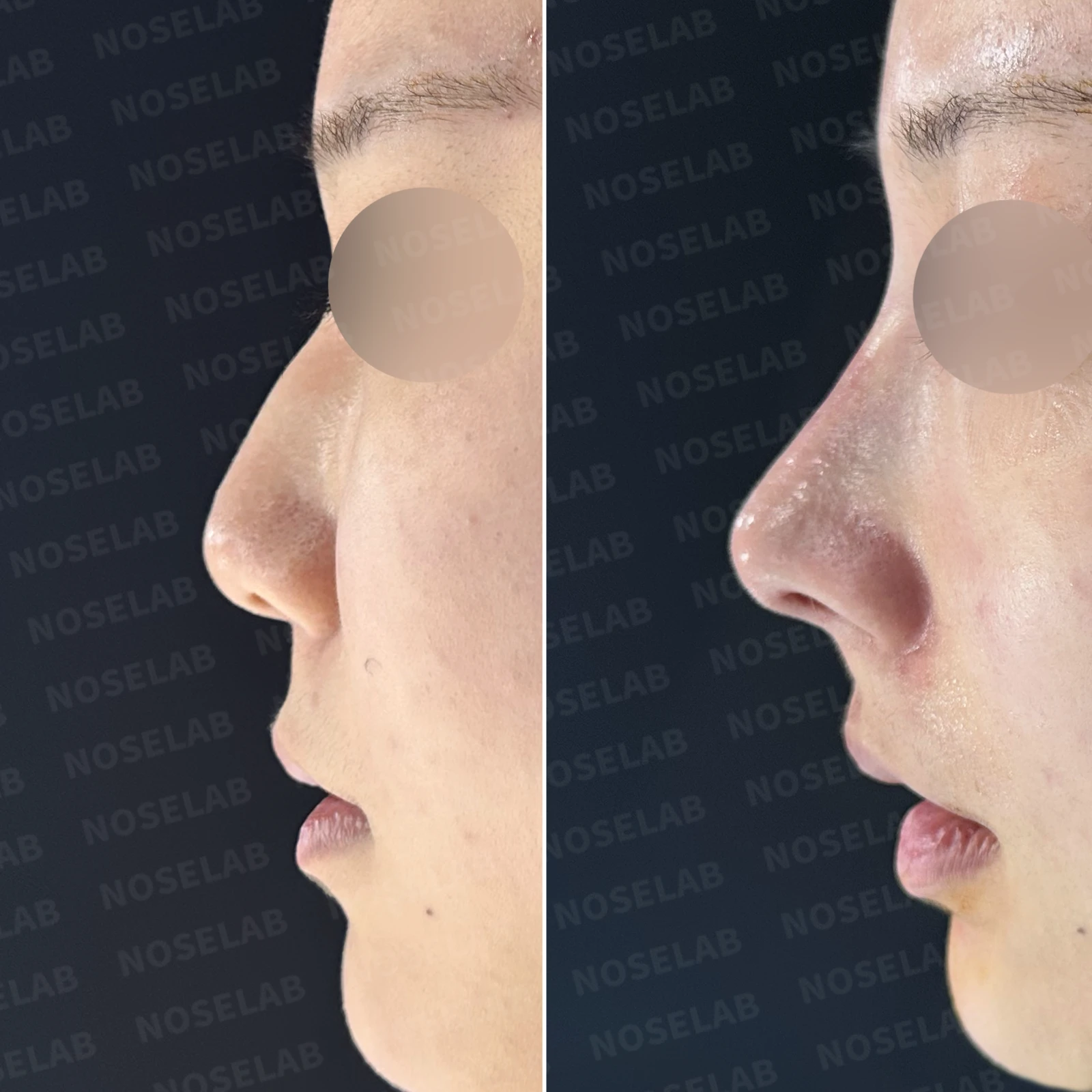
Profile view changes
The drooping nasal tip is elevated to an appropriate height
Natural straight bridge line created from forehead to nasal tip
A refined nasolabial angle achieved through angle correction
The dorsal hump area is smoothly contoured
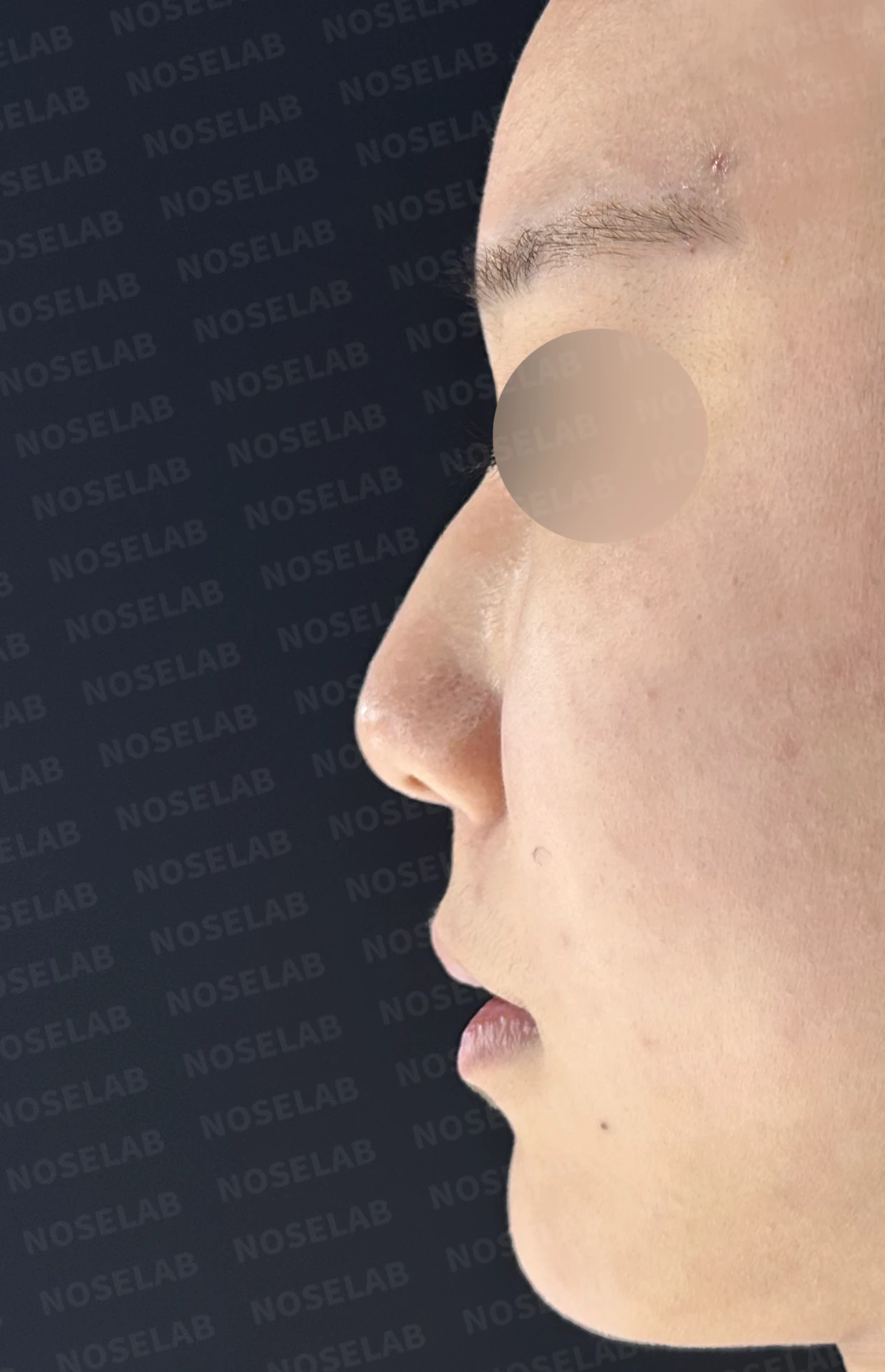
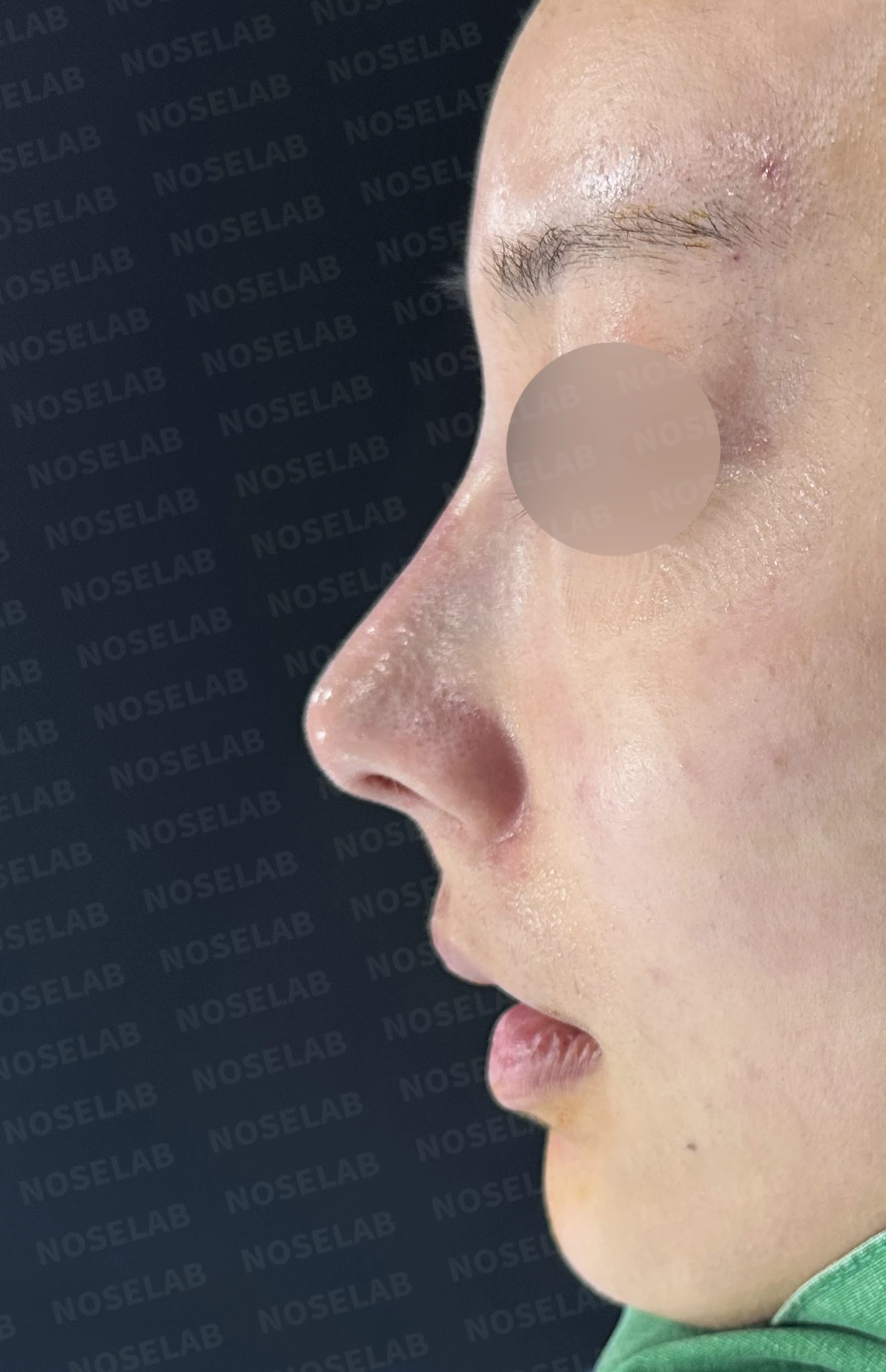
Before surgery / Day 0 immediately after surgery Photos taken immediately after surgery show swelling and may differ from the final result.
Changes on the oblique view
Natural nasal contour visible even at a 45-degree angle
A prominent yet refined tip line
Nasal shape in harmony with the overall face
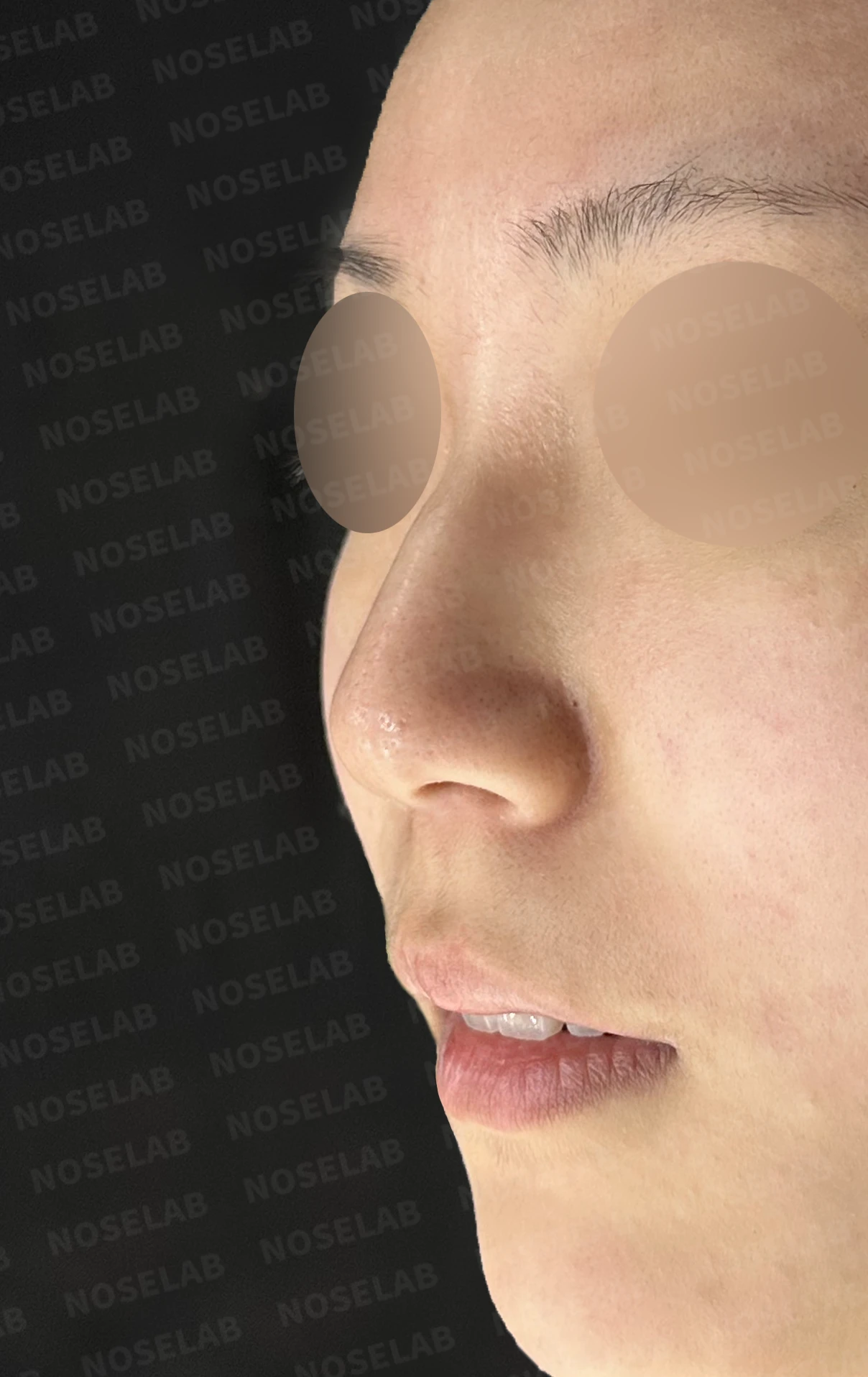
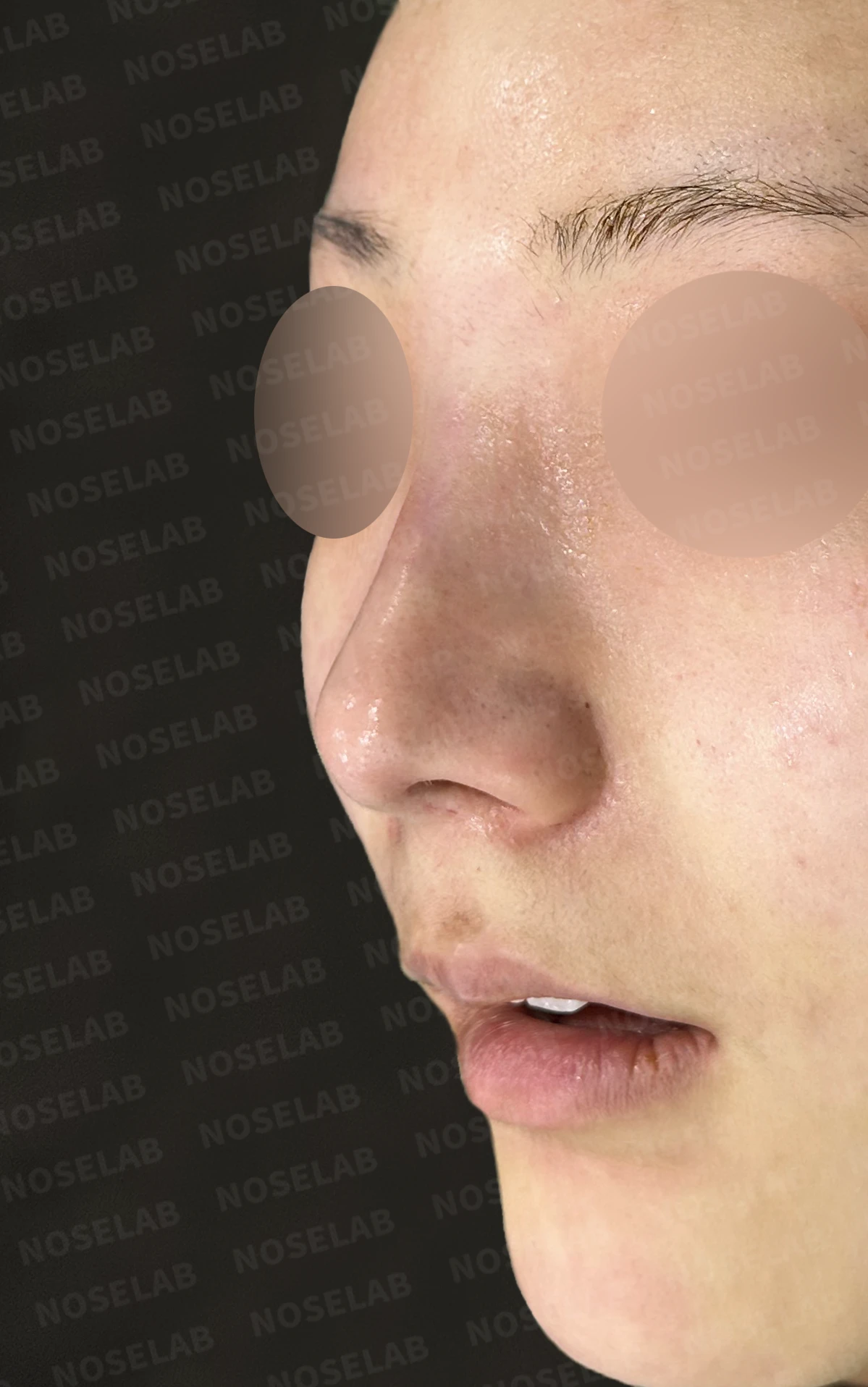
Before surgery / Day 0 immediately after surgery Photos taken immediately after surgery show swelling and may differ from the final result.
Changes in nostril shape
As the tip is elevated, the nostril shape changes naturally
Balanced, symmetric nostril shape
An overall refined nasal base line
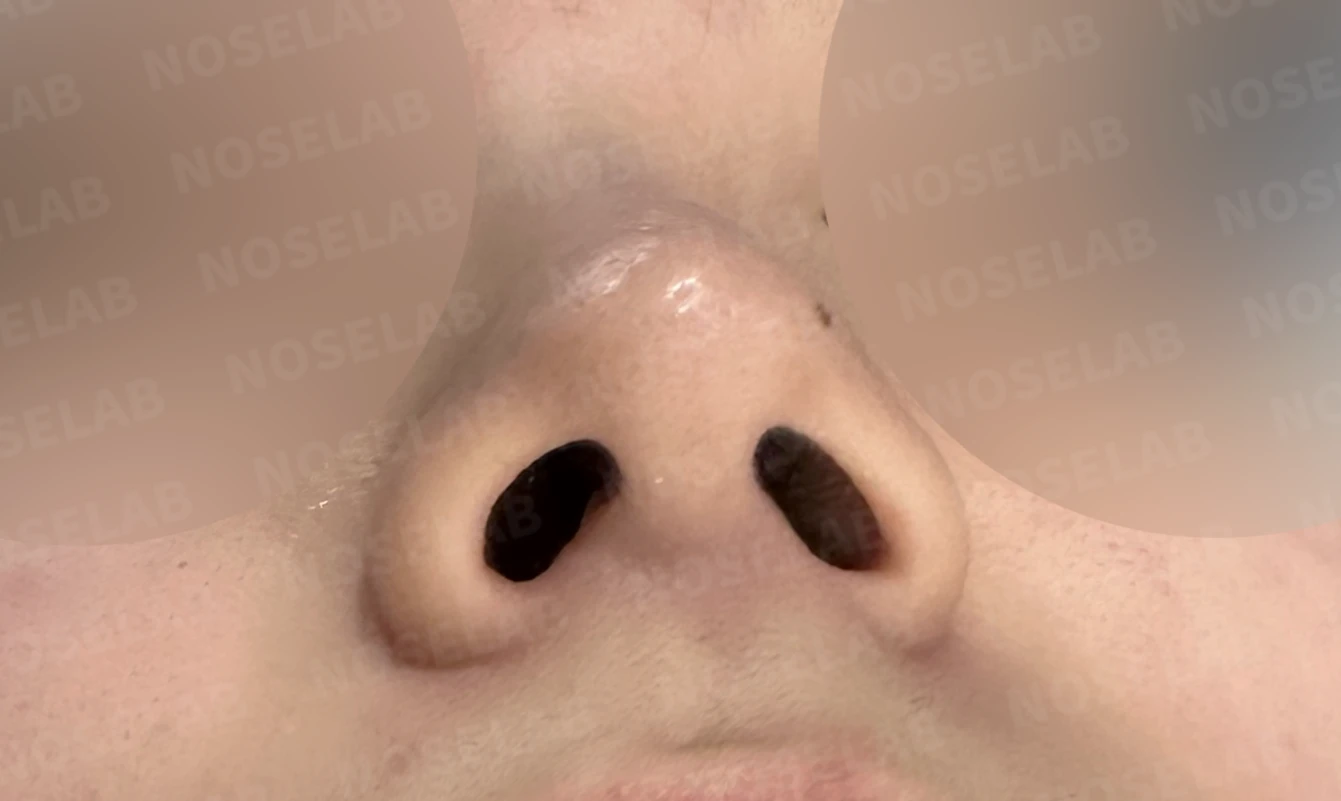
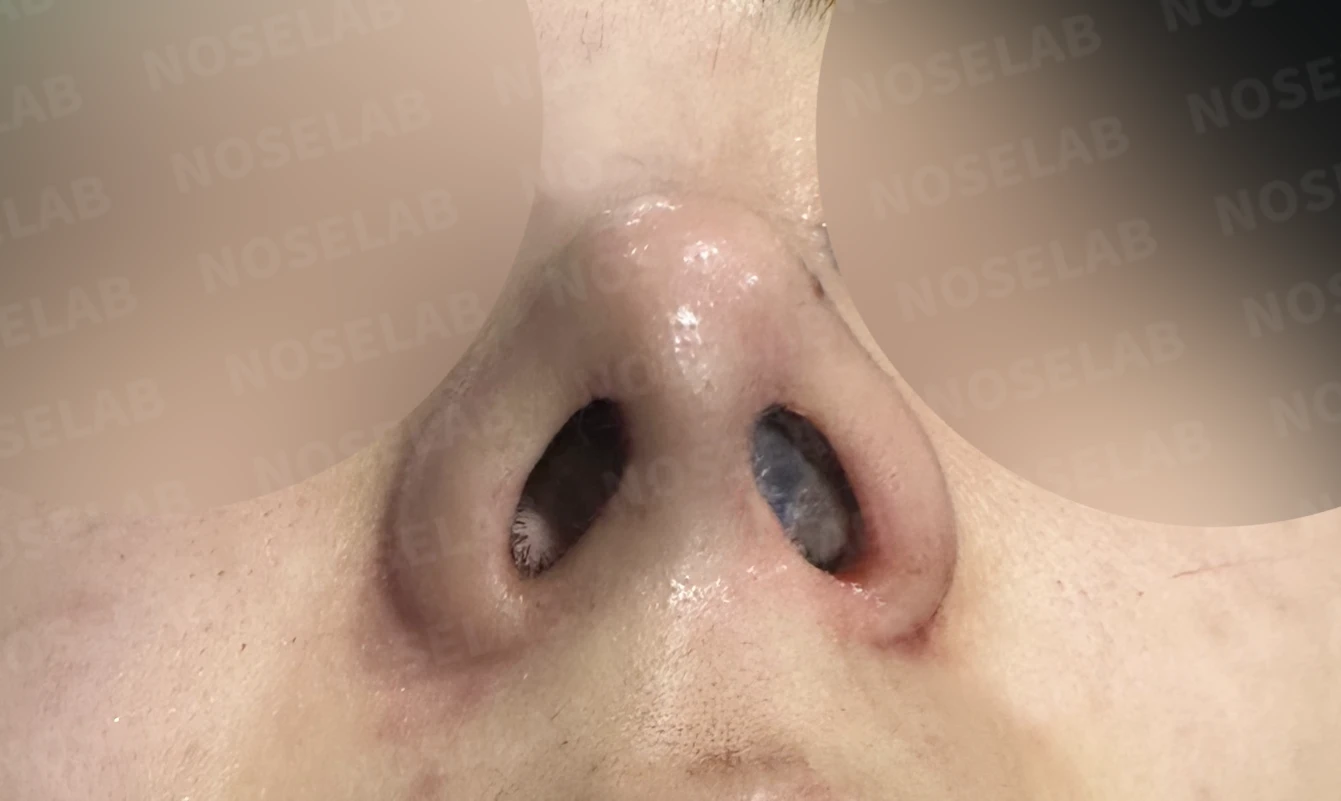
Before surgery / Day 0 immediately after surgery Photos taken immediately after surgery show swelling and may differ from the final result.
💡 Specialist opinion
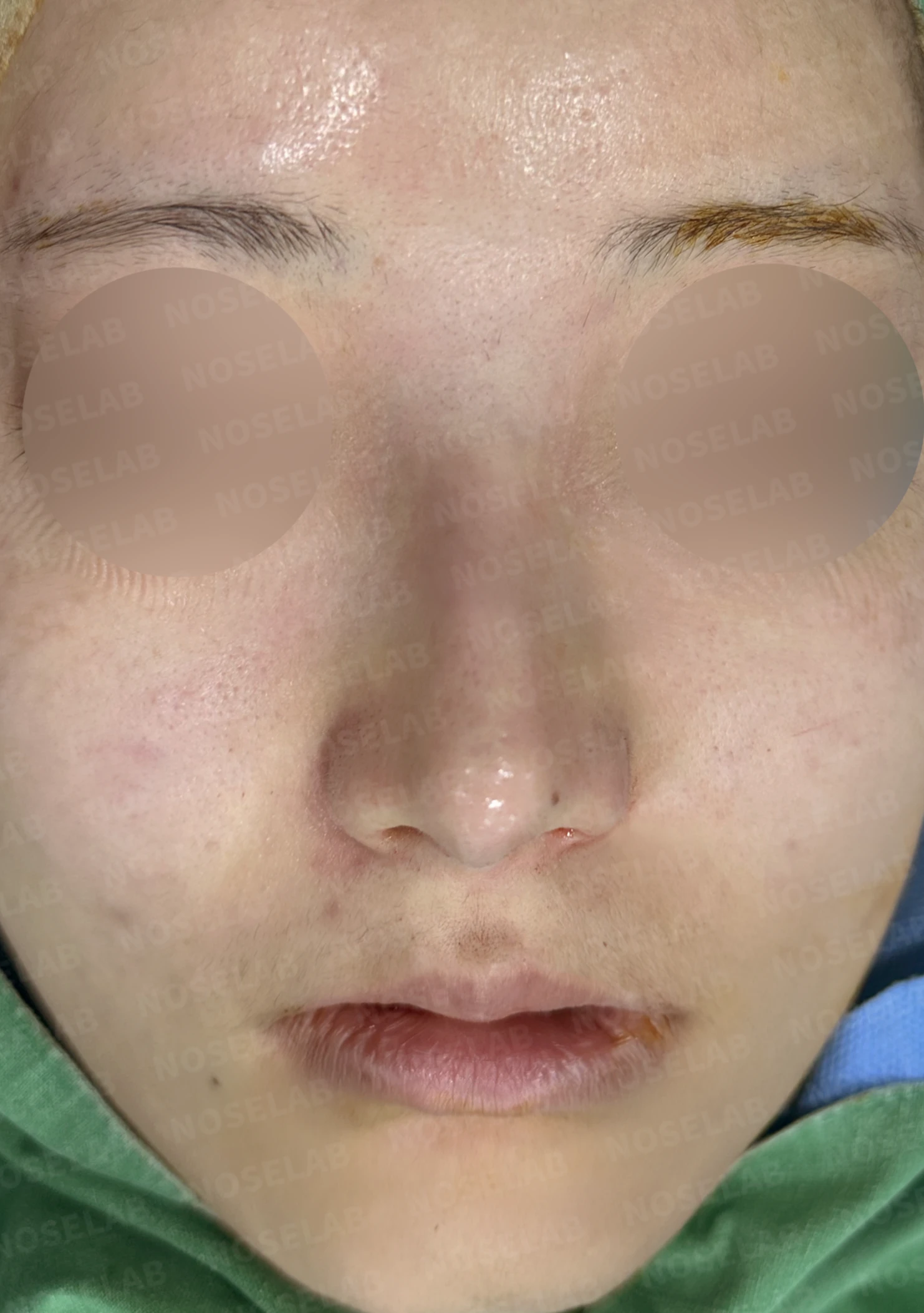
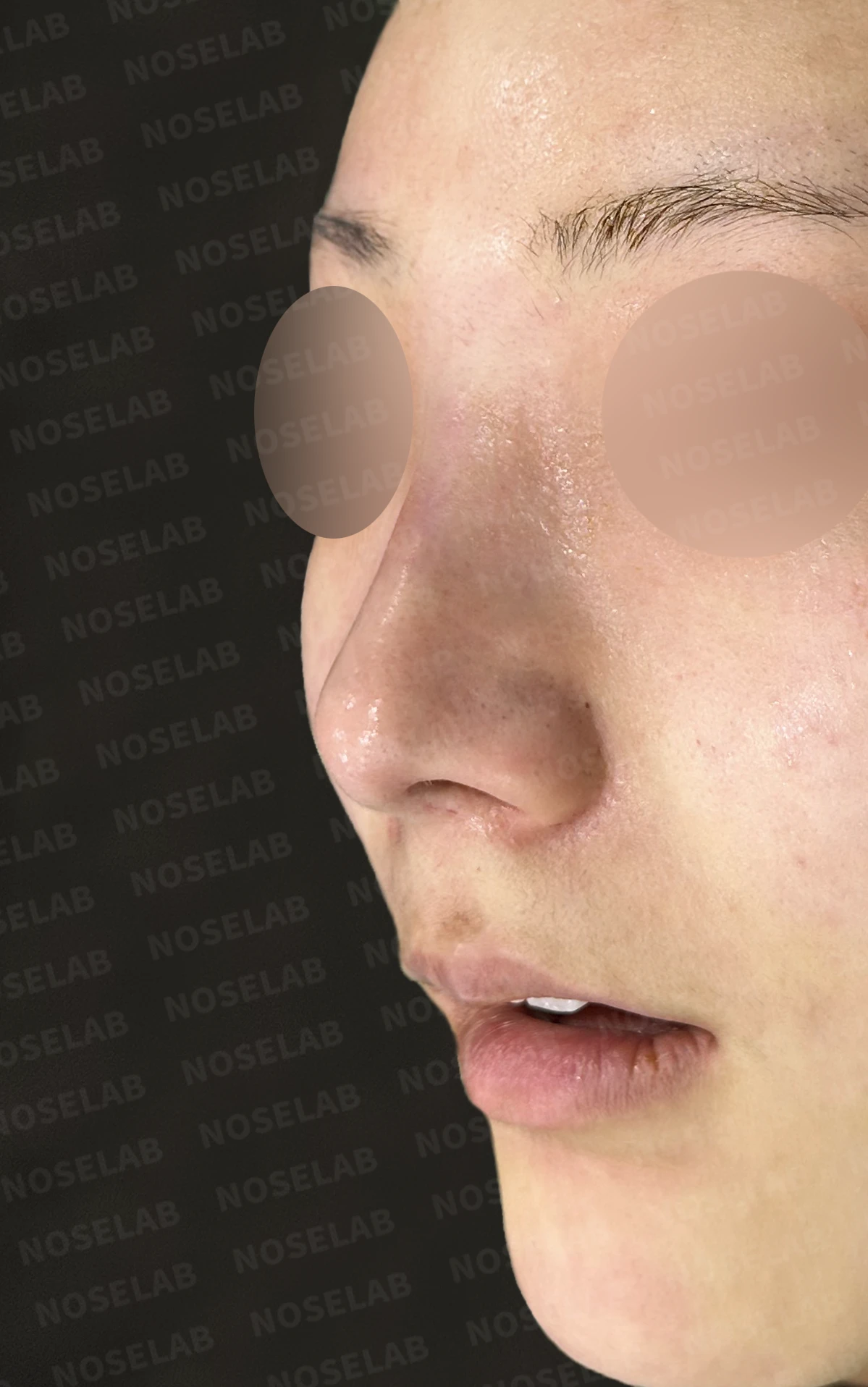
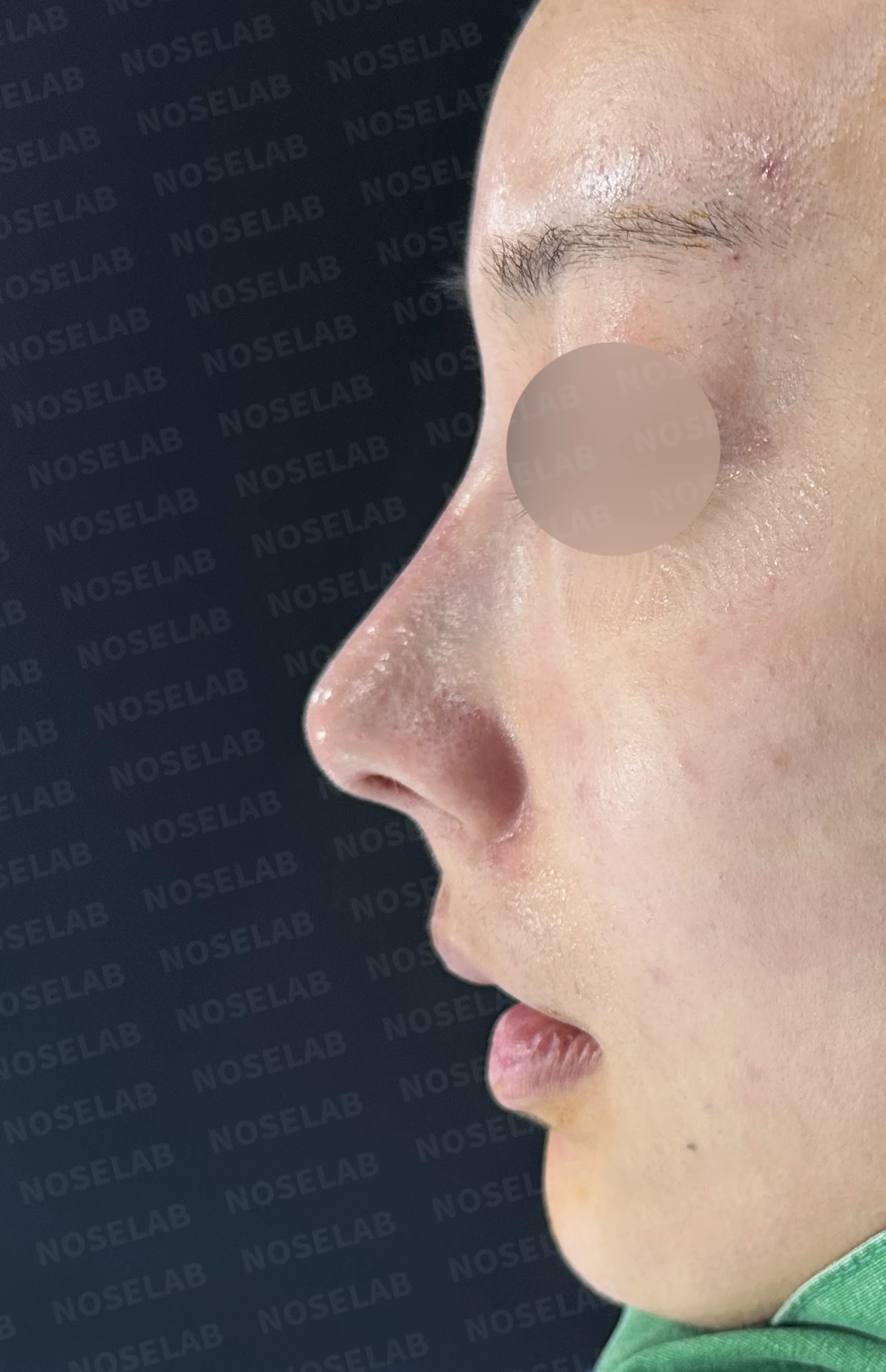
Front, oblique, and profile views on day 0 immediately after surgery. Photos taken immediately after surgery show swelling and may differ from the final result.
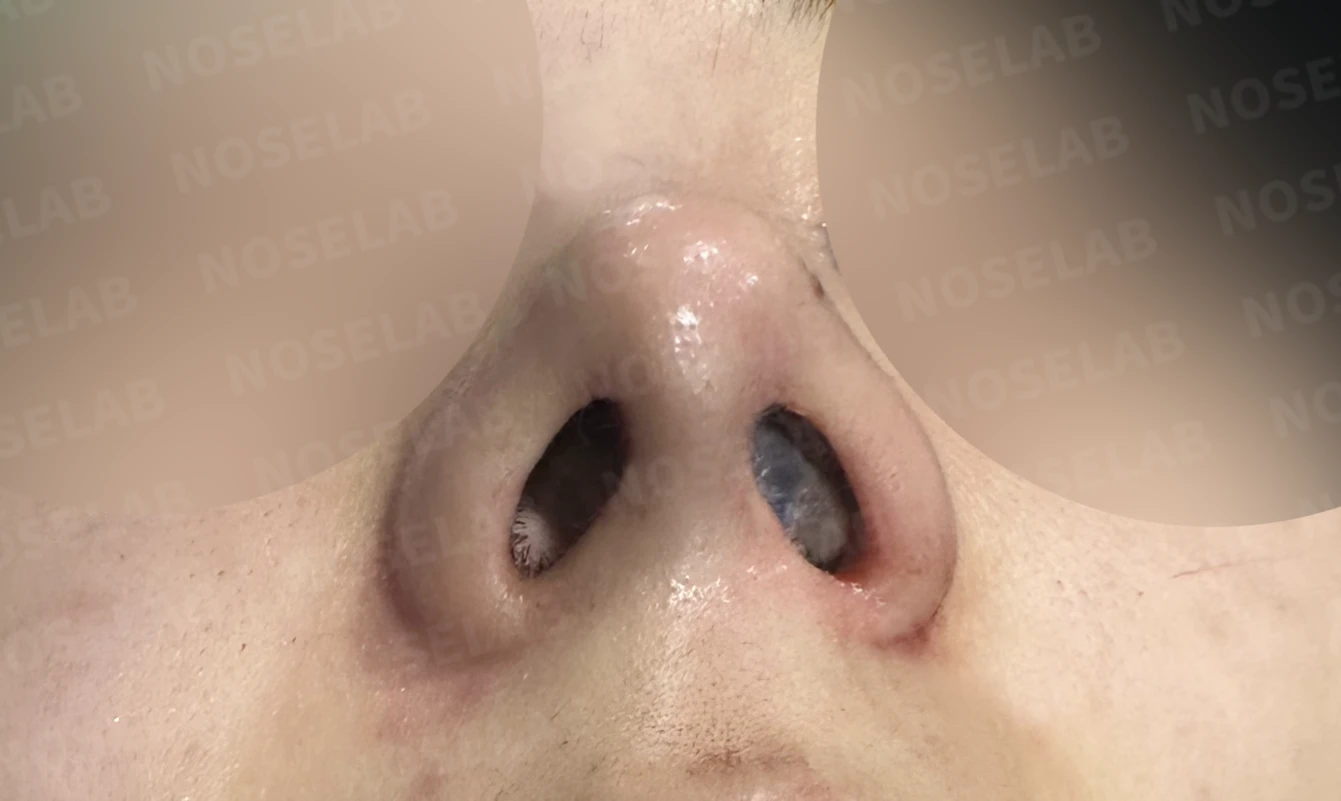
Nostril view on day 0 immediately after surgery. Photos taken immediately after surgery show swelling and may differ from the final result.
Non-surgical procedures such as nasal filler or thread lifting have the advantage of convenience, but they have limitations in fundamentally resolving structural problems such as a drooping tip or a dorsal hump. Like this patient, many decide on surgical correction when their concerns remain unresolved after non-surgical treatments.
In this surgery, the existing nasal filler was completely removed first, and then the support structure of the nasal tip was reinforced and naturally elevated using autologous rib cartilage. The nasolabial angle was also corrected with autologous rib cartilage to complete a refined profile silhouette. On the nasal bridge, a silicone implant was precisely carved to match the patient's nasal bone and placed strictly along the dorsum, creating a natural straight bridge line extending from the forehead to the nasal tip.
Additionally, the patient decided on the day of surgery to proceed with functional nasal surgery as well; septoplasty and inferior turbinate reduction were performed simultaneously to relieve nasal obstruction. Addressing functional concerns during rhinoplasty improves both aesthetics and function in a single surgery, reducing the patient's burden.
For rhinoplasty after nasal filler removal, it is important to accurately assess the condition of the existing filler and the reaction of the surrounding tissues. A surgical plan must be established by comprehensively evaluating which layer the filler is located in and how much it has affected the surrounding tissues to achieve stable and satisfactory results. Based on this detailed analysis, NOSELAB proposes the surgical method tailored to each patient's nasal condition.
I hope this has been helpful to those facing similar concerns. This has been Dr. Peter C. Kang, Medical Director. Thank you.
#closedrhinoplasty #closedrevisionrhinoplasty #fillerremoval #autologousribcartilagerhinoplasty #nasolabialanglecorrection #droopingtip #dorsalhump #deviatedseptum #nasalobstructionsurgery #straightbridgeline #prominentnose

Limitations and risks
When autologous rib cartilage is used, scarring and pain may remain at the donor site on the chest, and pneumothorax (pleural injury) can occur rarely. Over time, the grafted cartilage may warp or undergo partial resorption.
When foreign materials such as injected fillers are removed and reconstructed, contracture may recur, nasal height and length may decrease, and staged surgery may be necessary depending on the skin condition.
When the septum is corrected at the same time, nasal obstruction may persist or recur, and in rare cases, septal perforation or changes in smell may occur.
Common potential risks include infection, bleeding, asymmetry, scarring, skin necrosis, and insufficient improvement; results vary depending on individual skin condition and previous surgical history.