English日本語简体中文
Skip to main content
Dr. Peter C. Kang's Rhinoplasty Stories
PrologueBlogMy thoughtsNasal obstructionSurgical journalSurgical photos
About the surgeon

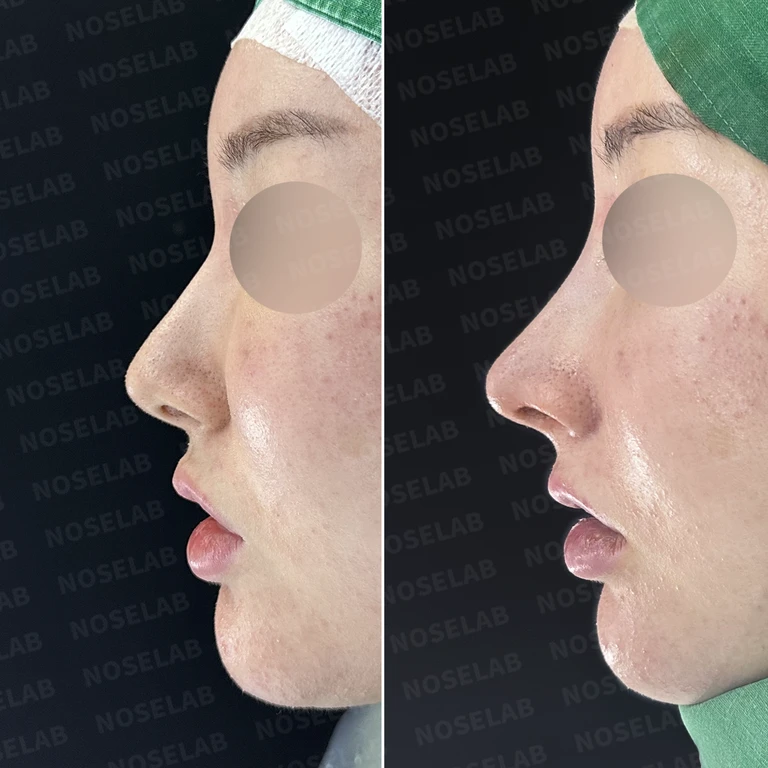
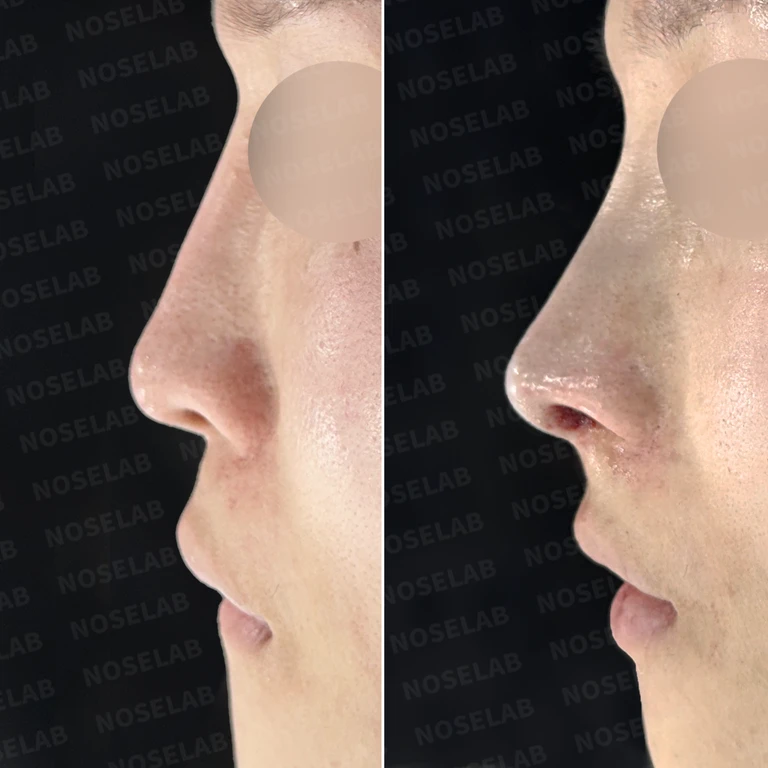
Long nose and elongated appearance: differences between tip drooping and apparent length

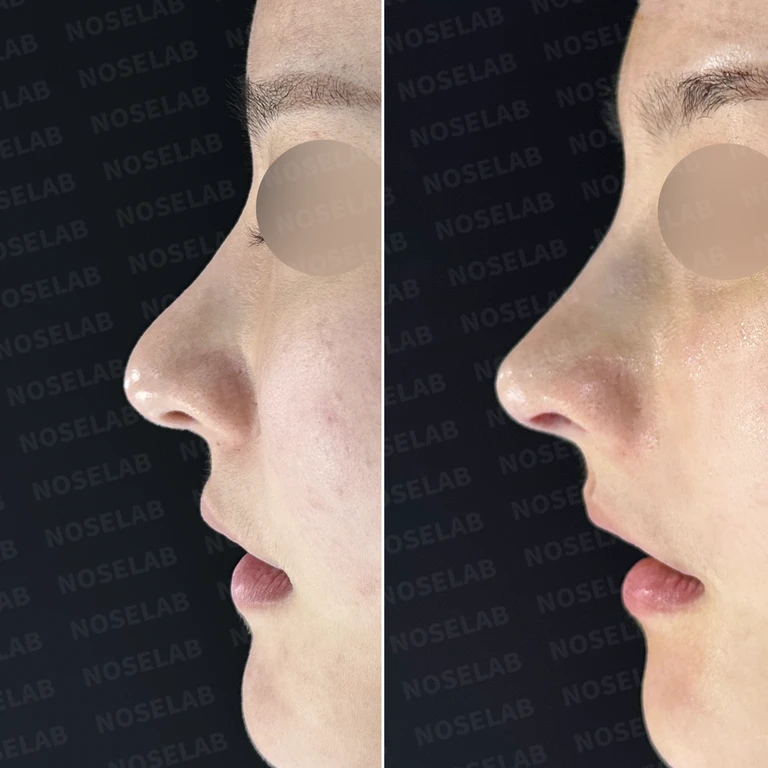
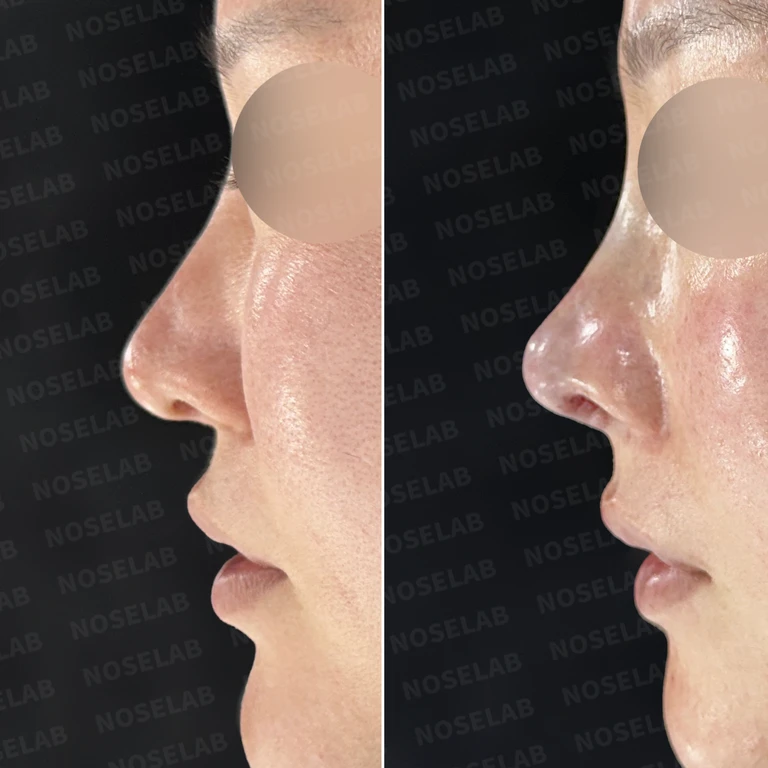
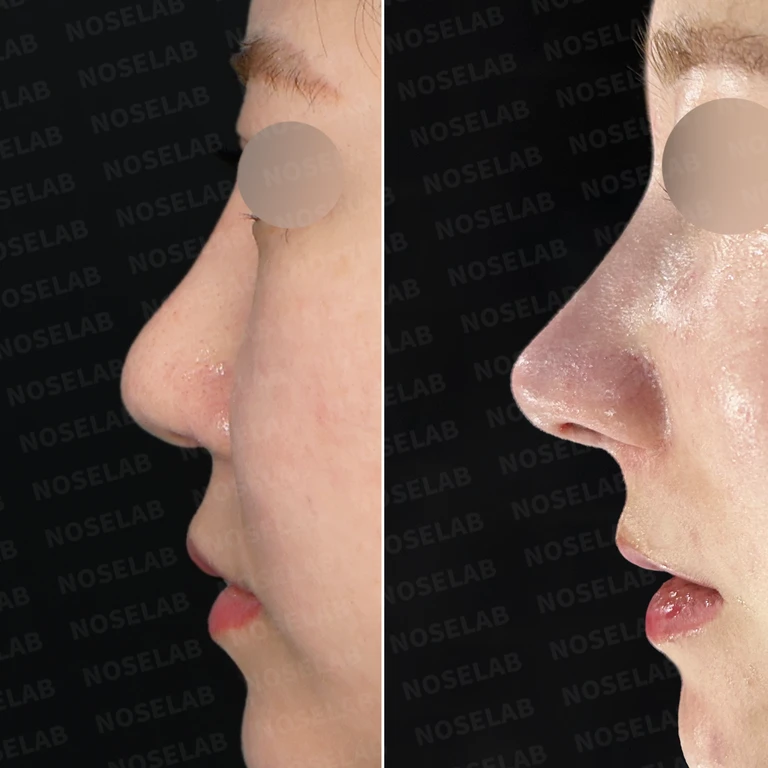
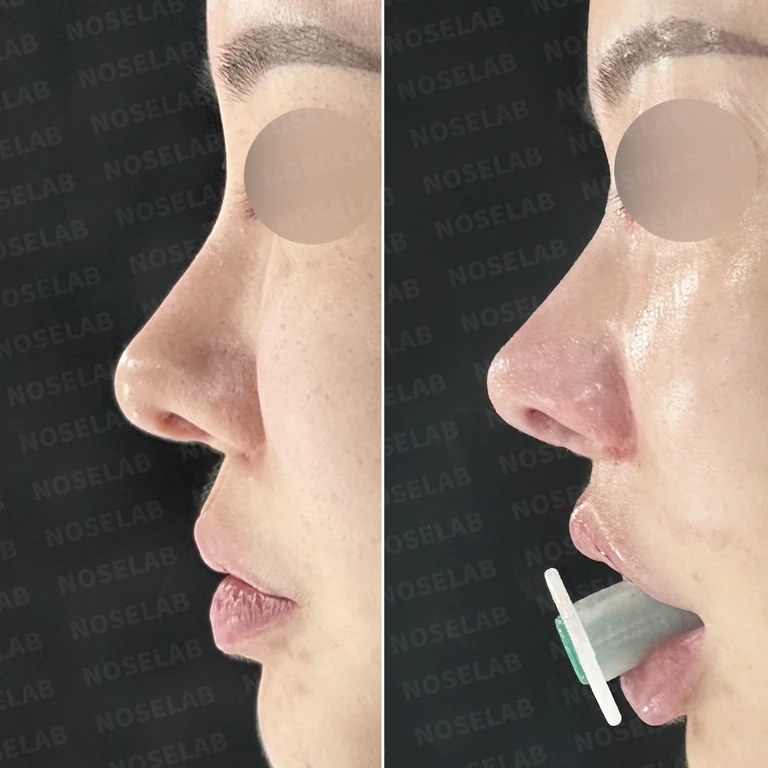
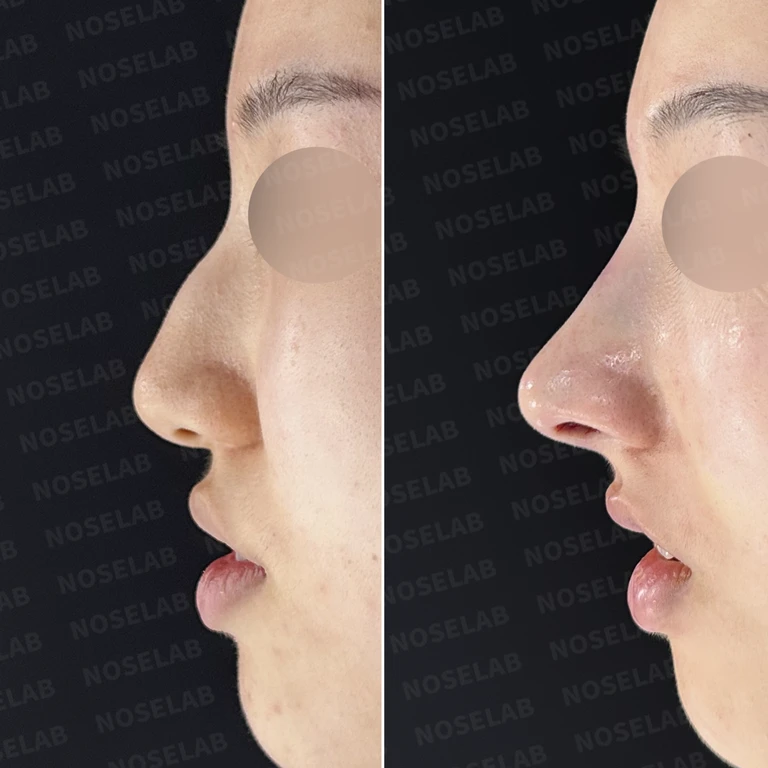
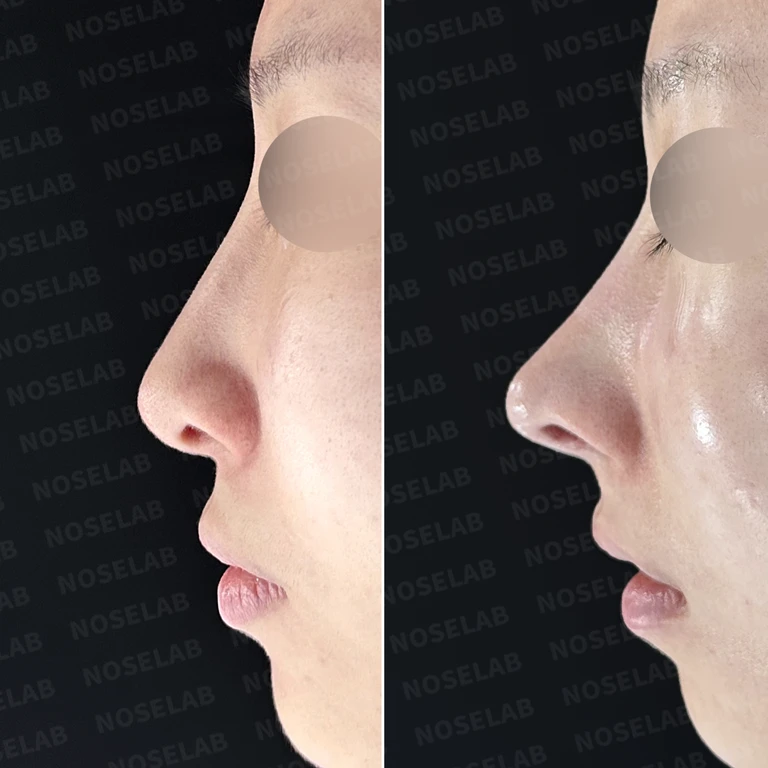
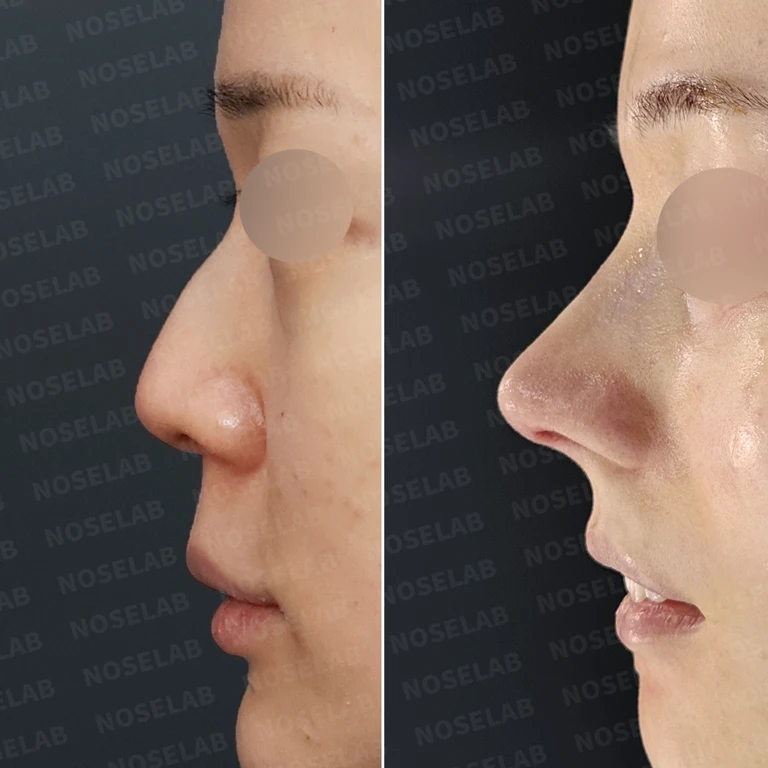
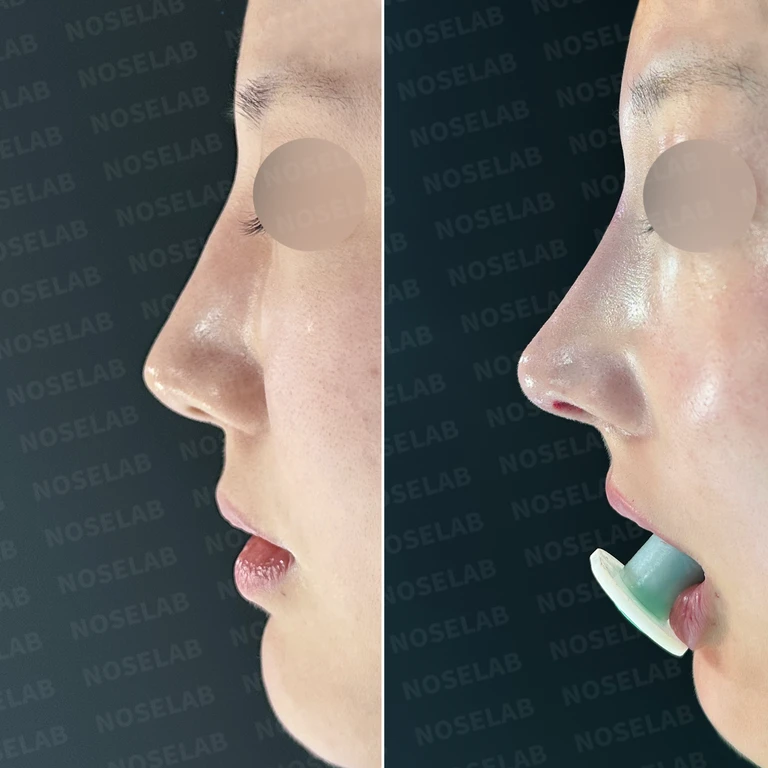
In cases addressing a long nose, the term "length" is used in different contexts. While some records describe the nasal tip gradually appearing longer and drooping after prior surgery, other records explain how supporting the nasal tip adjusted an elongated appearance. It is helpful to distinguish between the impression of length in photographs and the changes in nasal tip position described in the text.

This list includes revision cases where a long nose was accompanied by lingering deviation or a bulbous tip, as well as cases where nasal tip drooping and nasal obstruction developed over time. Follow the text to compare whether the nasal bridge was lowered, the nasal tip was supported, and how the proportions of the columella and face were addressed. Even with the shared concern of a long nose, each surgical approach varied.

View before-and-after cases ↓Comprehensive rhinoplasty guide

Searching for surgical cases matching your criteria.
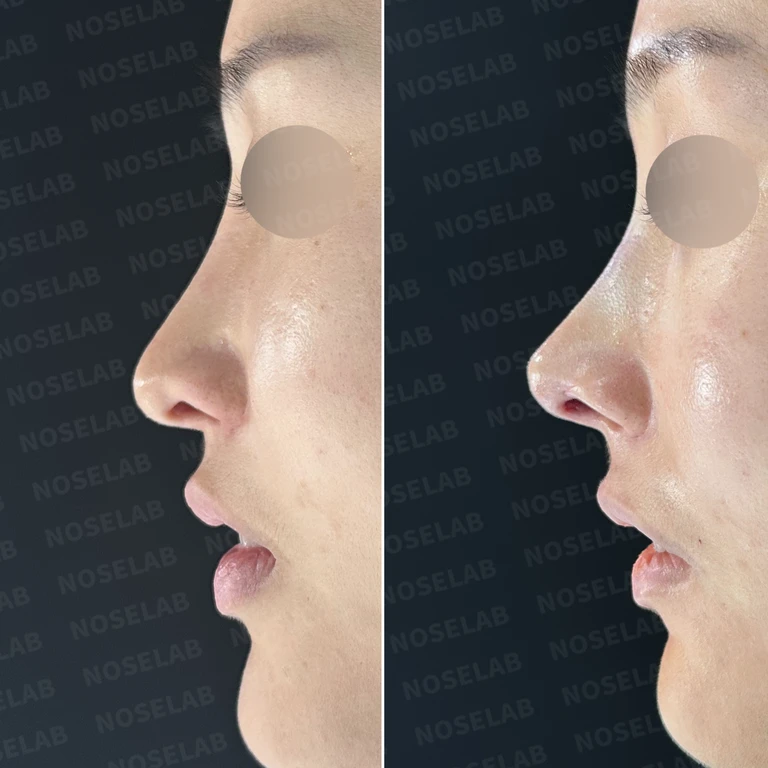
Nasal reconstruction when almost no septum remains after two nose surgeries — Before-and-after comparison
Before-and-after comparison

Nasal reconstruction when almost no septum remains after two nose surgeries

This is a case of septal cartilage deficit, nasal bone asymmetry, and nasal obstruction remaining after two surgeries. Through a closed approach, autologous rib cartilage was used for septal reconstruction, along with nasolabial angle correction, nasal bone asymmetry correction, and radix adjustment.

Preoperative condition
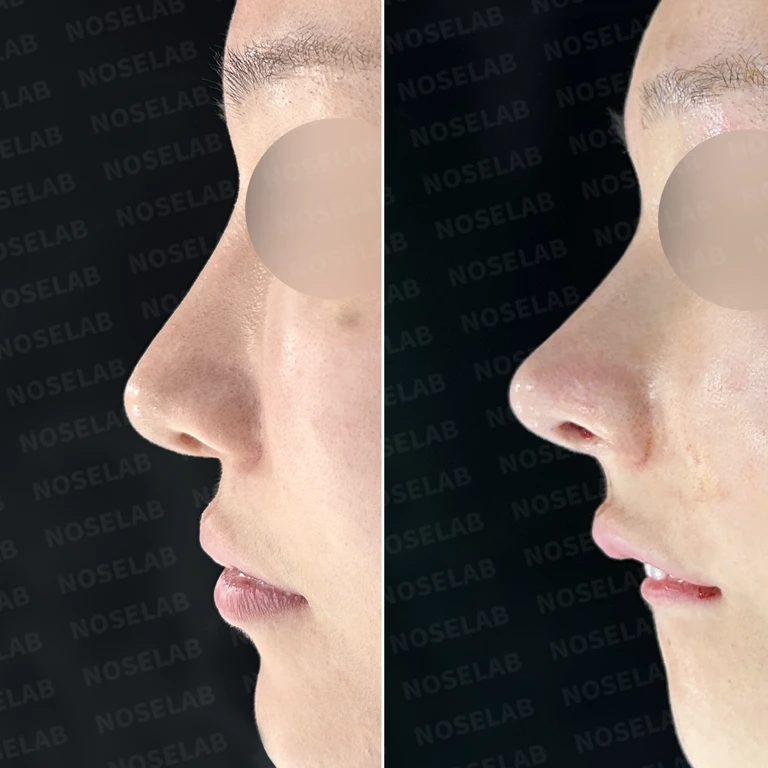
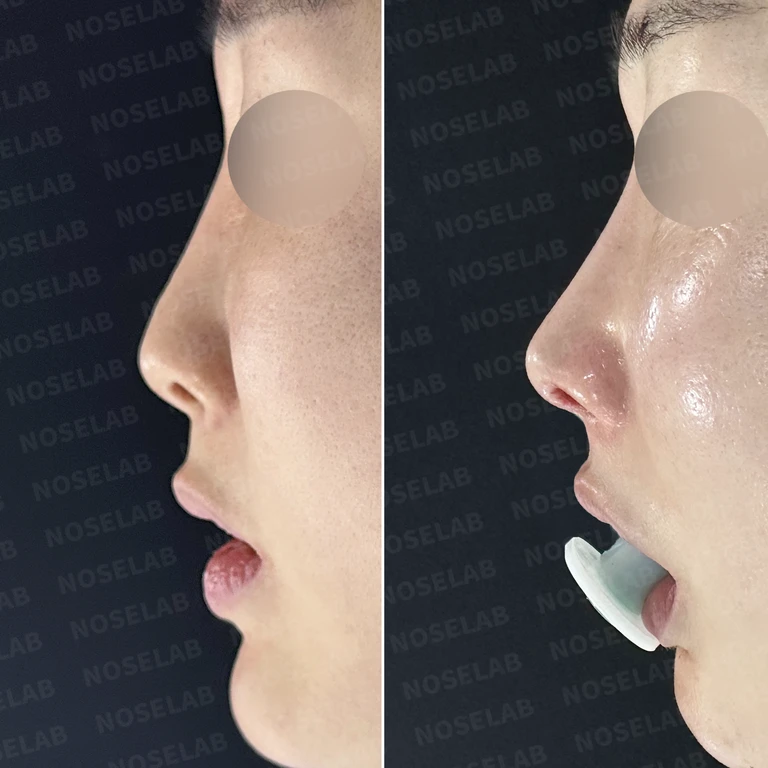
Why a high radix makes the nose look long and overly prominent — Before-and-after comparison
Before-and-after comparison

Why a high radix makes the nose look long and overly prominent

Following prior surgeries, a bulbous and drooping long nose with an excessively high radix and nasal obstruction was corrected using a closed approach. Scar tissue debridement, osteotomy, nasolabial angle correction, and septoplasty were performed concurrently.

Preoperative condition

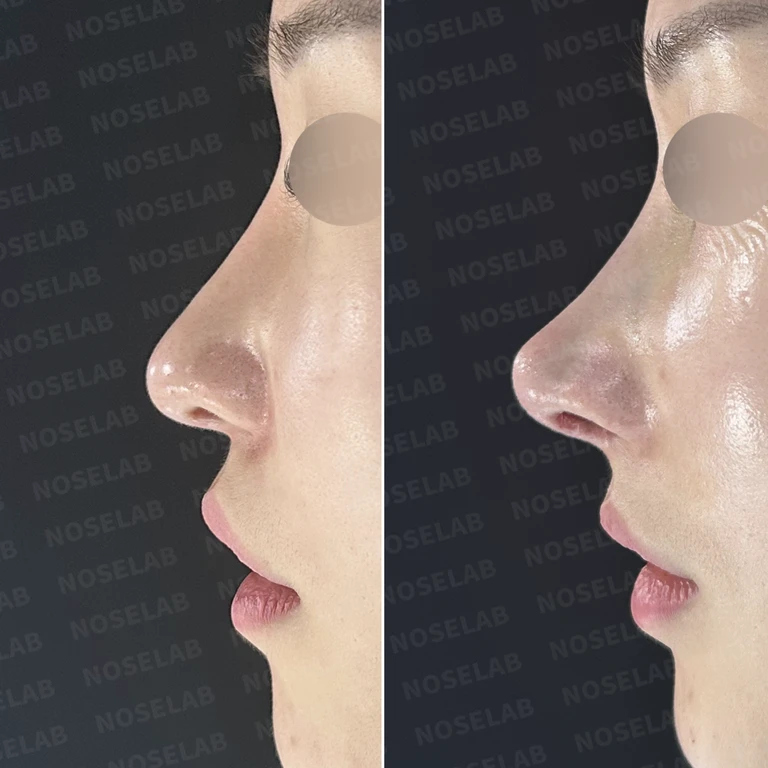
Why the nasal tip elongates and droops years after rhinoplasty, and how to correct it — Before-and-after comparison
Before-and-after comparison

Why the nasal tip elongates and droops years after rhinoplasty, and how to correct it

A case involving a long, drooping nasal tip and nasal obstruction following previous rhinoplasty with a silicone implant and septal cartilage. The nasal tip was corrected using autologous rib cartilage, performed concurrently with septoplasty, inferior turbinate reduction, and synechia adhesiolysis.

Preoperative condition · Postoperative record

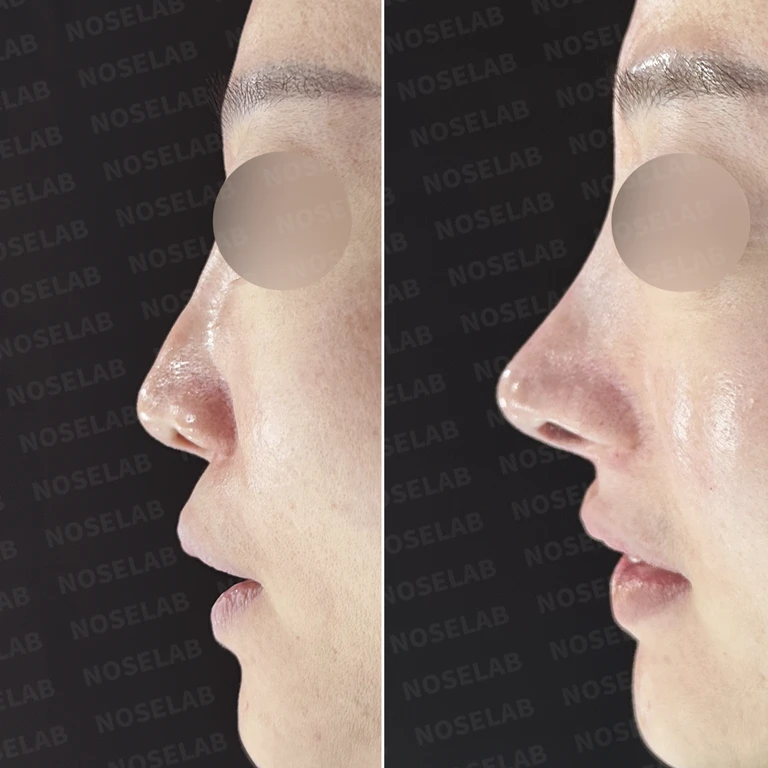
Why a nose operated on twice looks long and drooping, and how septal reconstruction using rib cartilage is performed — Before-and-after comparison
Before-and-after comparison

Why a nose operated on twice looks long and drooping, and how septal reconstruction using rib cartilage is performed

A revision rhinoplasty case where the septum was depleted due to excessive cartilage use in prior surgeries. The septum was reconstructed using autologous rib cartilage, a cartilage fragment on the bridge was removed, and silicone implant replacement was combined with osteotomy.

Preoperative condition

Changes that occur when an implant is positioned high and deviated: methods for replacement and bulbous tip correction — Before-and-after comparison
Before-and-after comparison

Changes that occur when an implant is positioned high and deviated: methods for replacement and bulbous tip correction

A high, deviated silicone implant was replaced to lower the radix, and septal extension was performed using donor rib cartilage. Partial soft tissue resection, cartilage tie, and rhinitis surgery addressed the bulbous tip and nasal obstruction.

Preoperative condition · Postoperative record

Why the nose looks long and the nostrils look pinched after multiple rhinoplasties — Before-and-after comparison
Before-and-after comparison

Why the nose looks long and the nostrils look pinched after multiple rhinoplasties

Lost lower lateral cartilage was reconstructed using autologous rib cartilage, and asymmetric, pinched nostrils were corrected. By lowering the radix, the appearance of a long nose was reduced, and surgery for rhinitis and nasal valve stenosis was performed concurrently.

Preoperative condition · Postoperative record

Why dorsal hump, long nose, and drooping tip appear together and how to correct them — Before-and-after comparison
Before-and-after comparison

Why dorsal hump, long nose, and drooping tip appear together and how to correct them

A protruding dorsal hump, drooping long nose, crooked nose, and nasal obstruction were addressed together using autologous rib cartilage tip support, lateral osteotomy, septoplasty for a deviated septum, and inferior turbinate surgery.

Preoperative condition · Postoperative record

Why a nose appears long, drooping, and crooked: septal reconstruction and osteotomy — Before-and-after comparison
Before-and-after comparison

Why a nose appears long, drooping, and crooked: septal reconstruction and osteotomy

A long nose, drooping nasal tip, crooked nasal bridge, and nasal obstruction remaining after prior functional surgery were corrected using autologous rib cartilage tip plasty, partial septal reconstruction, and lateral osteotomy.

Preoperative condition

Why dorsal humps and drooping tips appear together, and how hump reduction and osteotomy are performed — Before-and-after comparison
Before-and-after comparison

Why dorsal humps and drooping tips appear together, and how hump reduction and osteotomy are performed

A dorsal hump and drooping tip were smoothly refined through a closed approach using autologous rib cartilage tip plasty, hump reduction, lateral osteotomy, and nasolabial angle correction.

Preoperative condition

Why nasal bone deviation and dorsal humps remain after rhinoplasty: lateral osteotomy and autologous rib cartilage correction methods — Before-and-after comparison
Before-and-after comparison

Why nasal bone deviation and dorsal humps remain after rhinoplasty: lateral osteotomy and autologous rib cartilage correction methods

To correct the residual deviated nasal bone, dorsal hump, and nasal obstruction remaining after a previous silicone rhinoplasty, the existing implant was removed and lateral osteotomy, autologous rib cartilage tip plasty, and septoplasty were performed.

Preoperative condition · Postoperative record

Why the nose looks long due to a drooping tip after rhinoplasty, and nasal tip reconstruction with autologous rib cartilage — Before-and-after comparison
Before-and-after comparison

Why the nose looks long due to a drooping tip after rhinoplasty, and nasal tip reconstruction with autologous rib cartilage

A case addressing a drooping, elongated nasal tip after silicone rhinoplasty and nasal filler procedures. The existing implant and residual filler were removed, the support structure was reinforced using autologous rib cartilage, and the nasolabial angle was corrected.

Preoperative condition

Why silicone implants deviate and make the nose look long: implant replacement and rib cartilage reconstruction — Before-and-after comparison
Before-and-after comparison

Why silicone implants deviate and make the nose look long: implant replacement and rib cartilage reconstruction

Silicone implant deviation, excessive nostril show, and a high radix were corrected by removing the previous implant, reconstructing the nasal tip with autologous rib cartilage, placing a customized implant, and adjusting the nasolabial angle.

Preoperative condition

Noses with an arrow nose and bulbous tip: why we start with septal reconstruction — Before-and-after comparison
Before-and-after comparison

Noses with an arrow nose and bulbous tip: why we start with septal reconstruction

A clinical case in which a septum damaged from two previous surgeries and chronic nasal obstruction were restored using autologous rib cartilage reconstruction, septoplasty, rhinitis surgery, and bulbous tip correction.

Preoperative condition · Postoperative record

Why a septum collapsing to one side causes a crooked nose and blocked breathing, and how to reconstruct it with autologous rib cartilage — Before-and-after comparison
Before-and-after comparison

Why a septum collapsing to one side causes a crooked nose and blocked breathing, and how to reconstruct it with autologous rib cartilage

After two prior surgeries, a septum collapsed to the right, a depressed alar wing, and a mucosal defect were corrected through autologous rib cartilage septal reconstruction, perichondrium grafting, and re-carving of the silicone implant.

Preoperative condition · Postoperative record
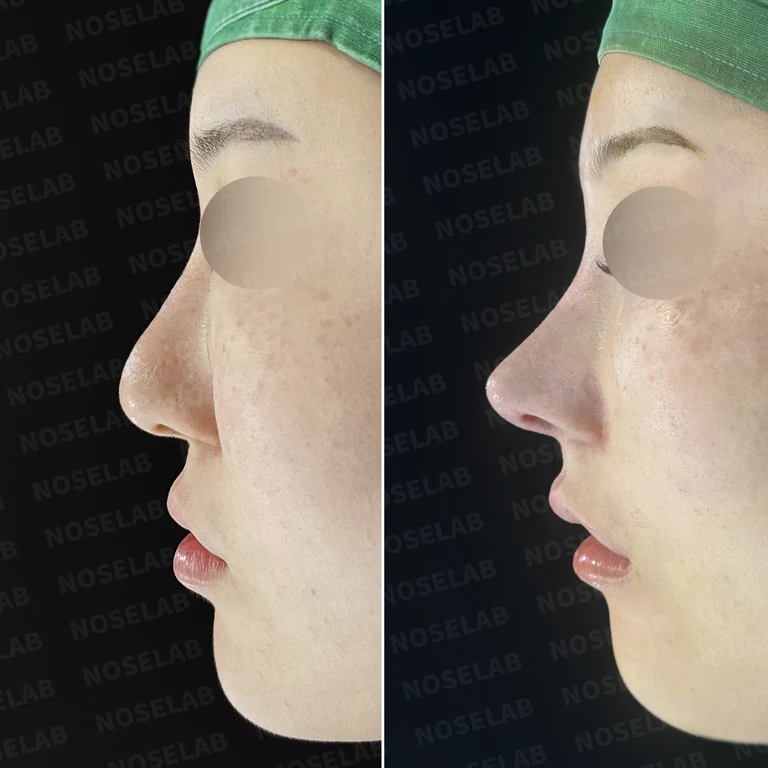
Bulbous, drooping nasal tip and an obtuse nasolabial angle: causes and correction methods — Before-and-after comparison
Before-and-after comparison

Bulbous, drooping nasal tip and an obtuse nasolabial angle: causes and correction methods

For a drooping, bulbous nasal tip, asymmetric nasal bridge, deviated septum, and rhinitis symptoms, we performed nasal tip correction using autologous rib cartilage, nasolabial angle adjustment, silicone implant replacement, septoplasty, and inferior turbinate reduction.

Preoperative condition

Why artificial dermis on the nasal bridge can remain as a dorsal hump and how it is reconstructed after removal — Before-and-after comparison
Before-and-after comparison

Why artificial dermis on the nasal bridge can remain as a dorsal hump and how it is reconstructed after removal

In a case where residual artificial dermis from a previous procedure formed a dorsal hump and weakened the septal support, the artificial dermis was dissected and removed, lateral osteotomy and dorsal hump reduction were performed, the nasal tip was reconstructed using autologous rib cartilage, and the silicone implant was replaced.

Preoperative condition

Why a bulbous, drooping nose makes the midface look long, and reconstruction methods using calcified rib cartilage — Before-and-after comparison
Before-and-after comparison

Why a bulbous, drooping nose makes the midface look long, and reconstruction methods using calcified rib cartilage

A case involving an implant from 17 years ago, residual filler, and a long, drooping nasal tip. Calcified autologous rib cartilage was harvested to correct the nasolabial angle and lower the radix starting point.

Preoperative condition · Postoperative record
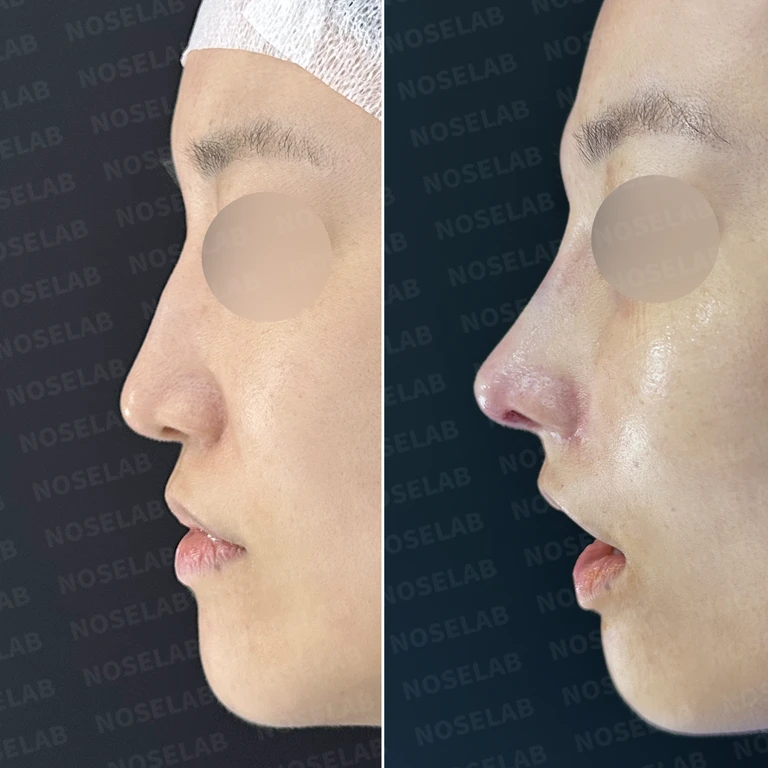
Why the nose looks long and the columella deviates: how septal extension and reconstruction are performed — Before-and-after comparison
Before-and-after comparison

Why the nose looks long and the columella deviates: how septal extension and reconstruction are performed

To improve an elongated-looking nose, nostril asymmetry, and a deviated columella, we performed autologous rib cartilage septal extension, septal reconstruction, and alar base width correction together.

Preoperative condition · Postoperative record
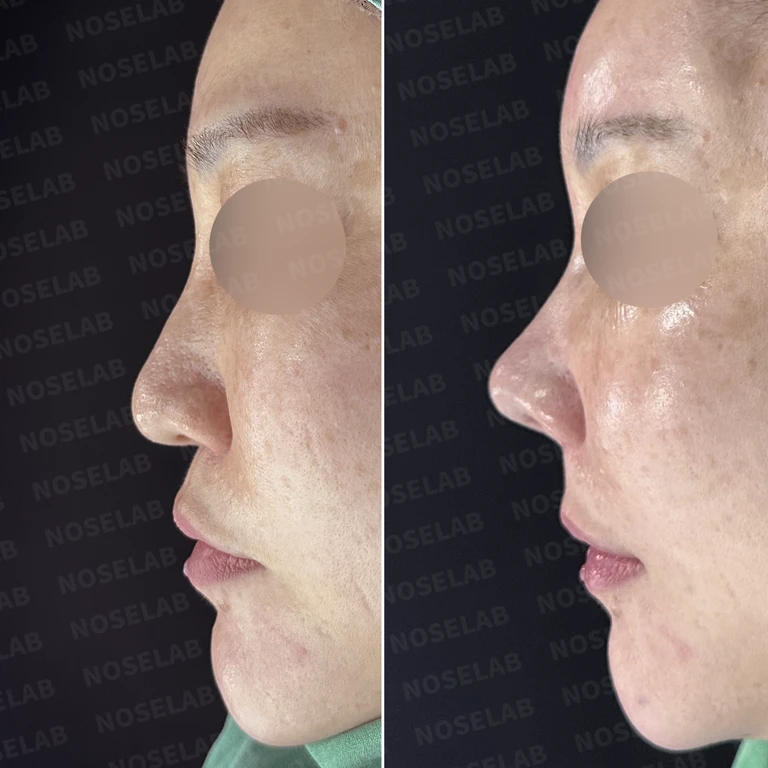
No search results found

Please try searching with different keywords.

Scroll to keep reading

1 / 5Next case

Common questions before reading the cases

Do all long nose cases involve cutting and shortening the actual nasal length?

Reading them that way can cause you to miss the actual details of surgery. One original post explains that supporting the nasal tip with autologous rib cartilage visually reduced the impression of an overly long nose. Because a change in the perception of length differs from physically resecting tissue, check the specific surgical details rather than assuming the method based solely on the impression of before-and-after photos.

Are there cases where the nasal tip appeared progressively longer after previous surgery?

Yes. There are records where, over time after surgery using a silicone implant and septal cartilage, the nasal tip appeared longer and drooped, accompanied by nasal obstruction. Another article covers a case where concerns regarding a long nose, deviation, and a bulbous tip remained after prior filler and ear cartilage procedures. You can compare changes over time alongside accompanying concerns.

Related topics to explore

Drooping tipHanging columellaFacial and midface proportion balanceNasal obstruction and breathing discomfort

Surgical records referenced in this guide

  • Why nasal bone deviation and dorsal humps remain after rhinoplasty: lateral osteotomy and autologous rib cartilage correction methods
  • Why the nasal tip elongates and droops years after rhinoplasty, and how to correct it
  • Why the nose looks deviated to one side and feels blocked at night: septal reconstruction and nasal obstruction relief
Original article

Read more records

Planning a visit to Seoul?Prepare your consultation with the NOSELAB team.

International patient guideWhatsApp ↗
Dr. Peter C. Kang's Rhinoplasty Stories
Rhinoplasty guideCases by topicDr. Peter C. KangNaver Blog ↗
View original photo
Enlarged photo
WhatsAppChat with NOSELAB↗