English日本語简体中文
Skip to main content
Dr. Peter C. Kang's Rhinoplasty Stories
PrologueBlogMy thoughtsNasal obstructionSurgical journalSurgical photos
About the surgeon

Hanging columella cases: distinguishing from tip direction

Even in cases where the columella appears to hang downward, the orientation of the nasal tip is not always the same. While some records address a long nose, dorsal hump, and drooping tip together, a primary rhinoplasty patient presented with both an upturned nasal tip and a hanging columella at the same time. It is important not to combine the appearance of the columella and the nasal tip into a single concept.

This collection serves as a reference for comparing how much of the columella shows in profile view and how the surrounding lines connect. One original case note details separate plans for elevating a drooping tip and reducing a hanging columella, while also explaining reinforcement for thin skin. By first distinguishing what is drooping downward, one can understand the surgical details more precisely.

View before-and-after cases ↓Comprehensive rhinoplasty guide

Searching for surgical cases matching your criteria.
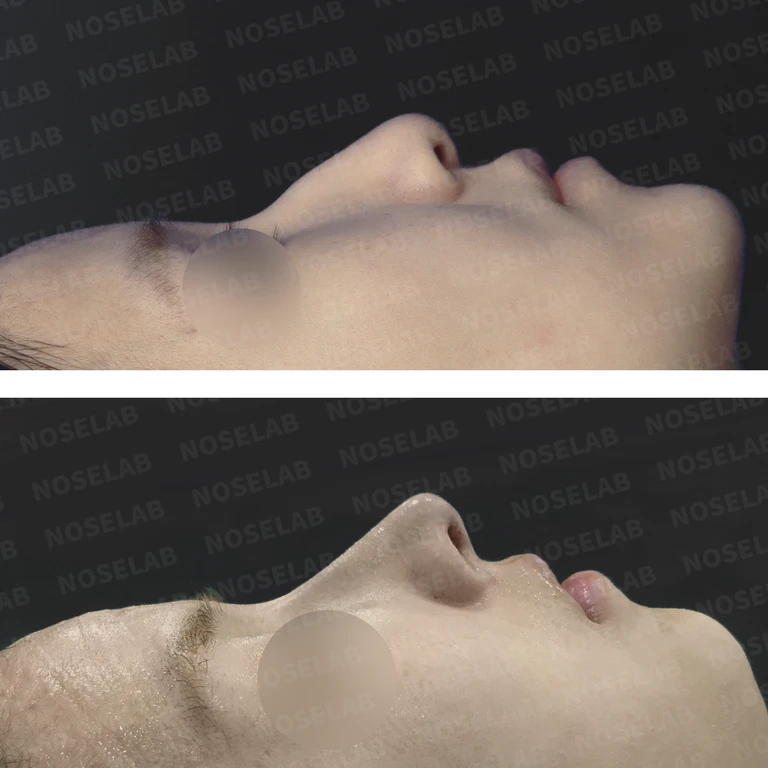
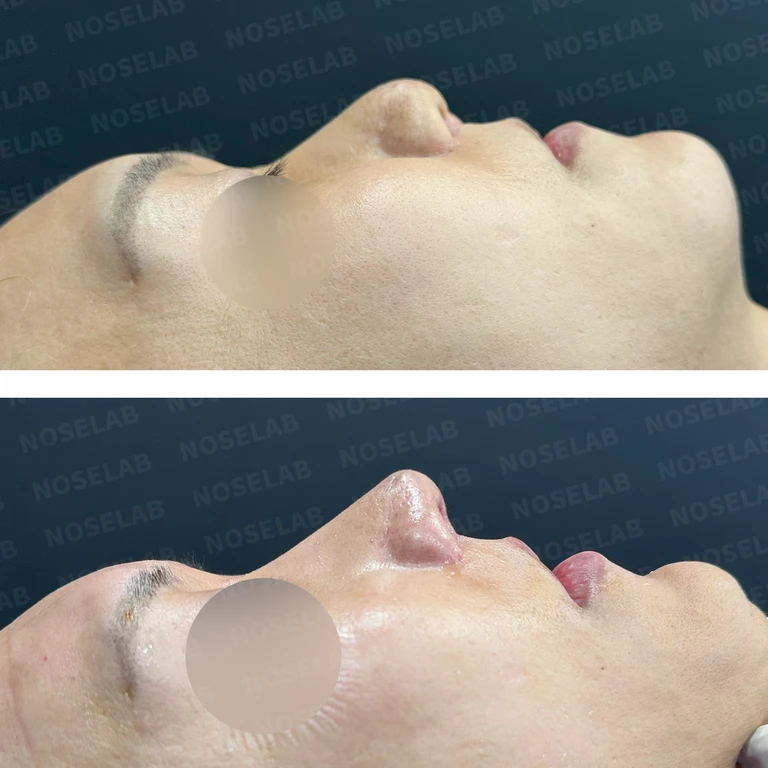
Why the nasal tip turns up and the columella droops, and how septal extension is performed — Before-and-after comparison
Before-and-after comparison

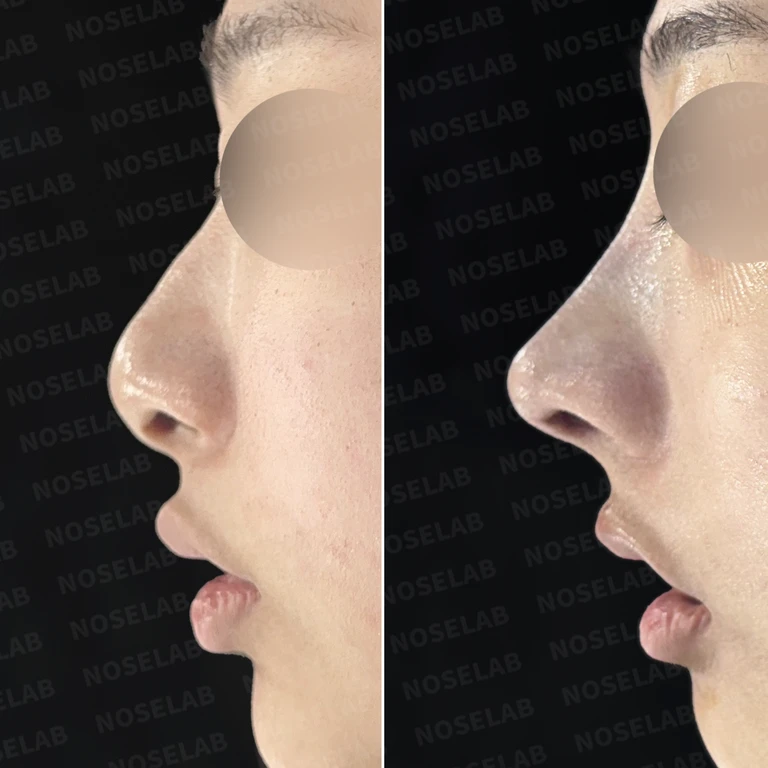
Why the nasal tip turns up and the columella droops, and how septal extension is performed

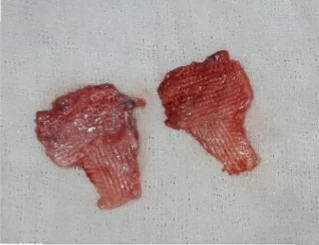
A case where a short, upturned nasal tip and a drooping columella in an unoperated nose were corrected through septal extension. A strut was built using donor rib cartilage and septal cartilage, accompanied by columellar elevation and silicone implant placement.

Preoperative condition · Postoperative record
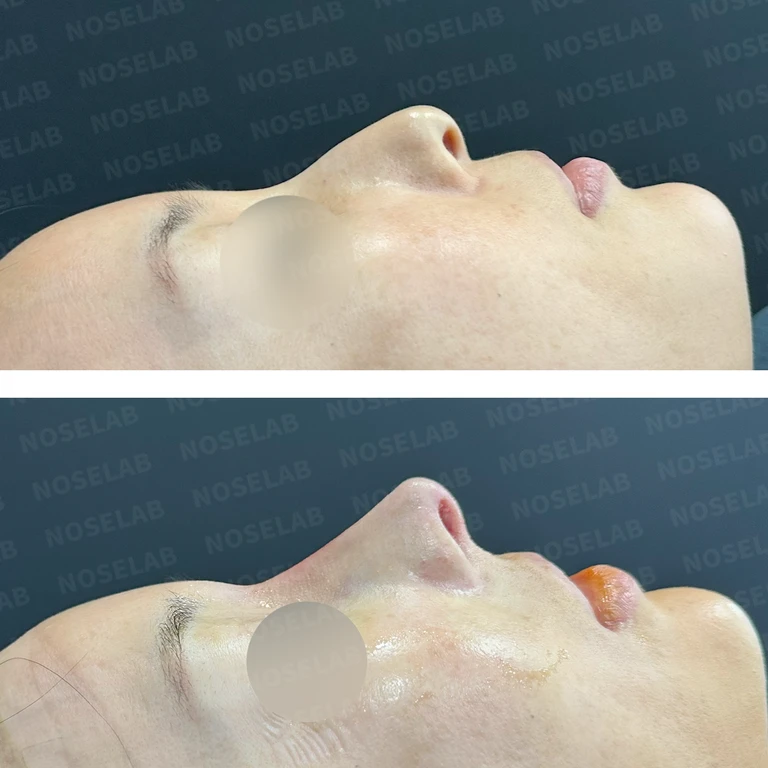
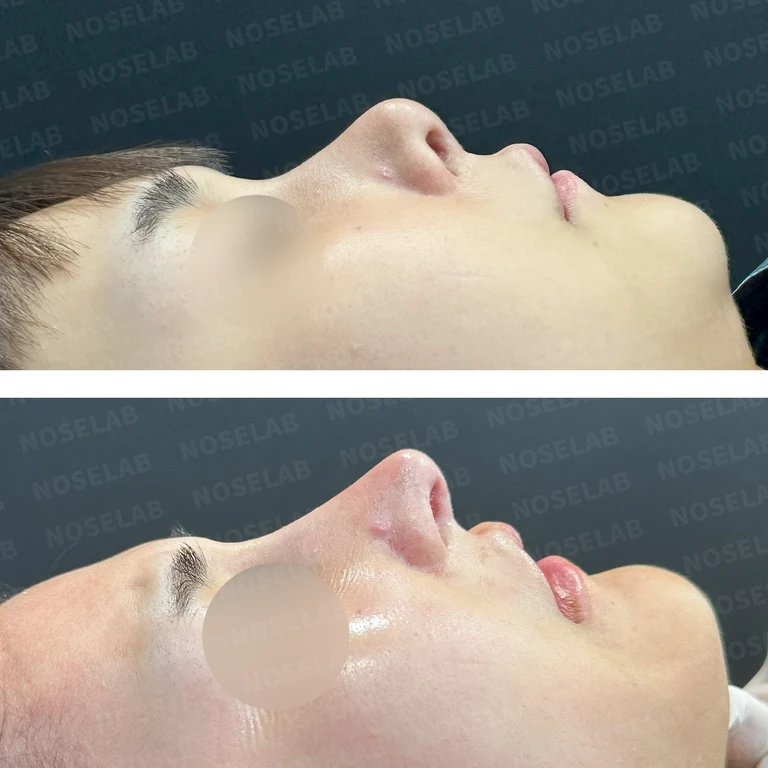
Why nostril asymmetry worsens with repeated revisions, and how to correct the columella — Before-and-after comparison
Before-and-after comparison

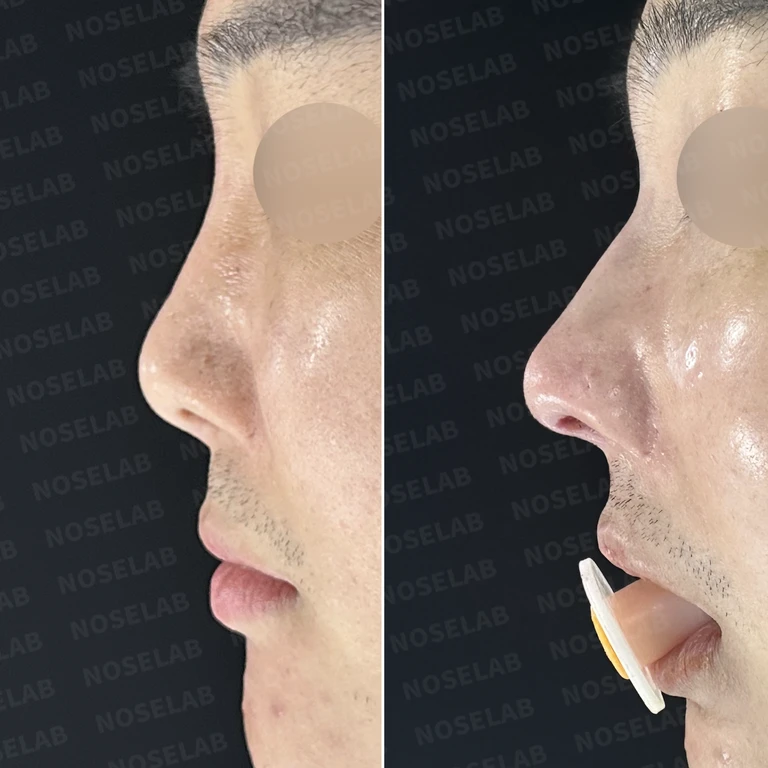
Why nostril asymmetry worsens with repeated revisions, and how to correct the columella

After 6 previous surgeries, a drooping and tilted columella, crooked nose, and nostril asymmetry were stabilized through a closed approach using autologous rib cartilage reinforcement, lateral osteotomy, and columellar alignment correction.

Preoperative condition · Postoperative record
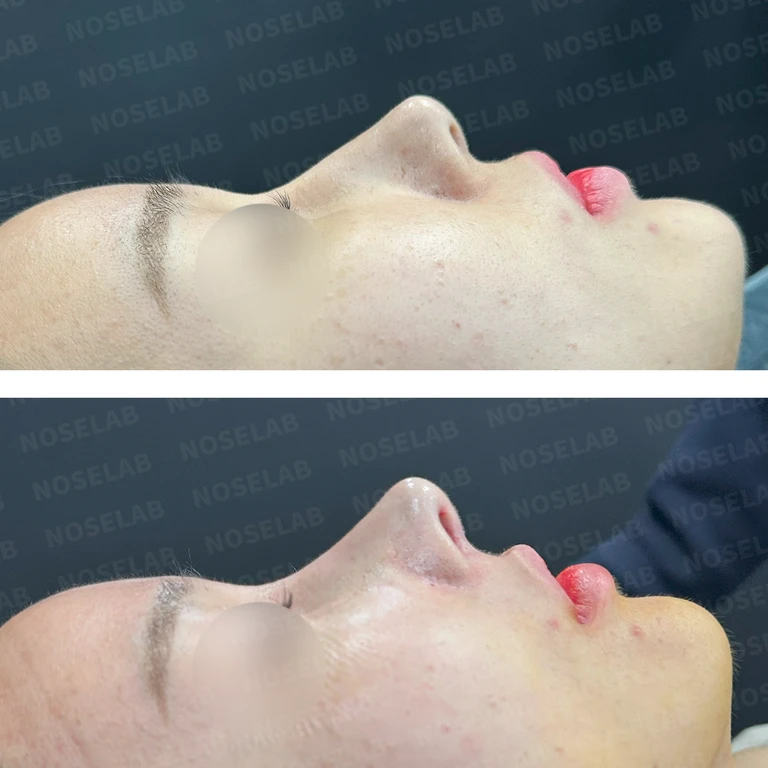
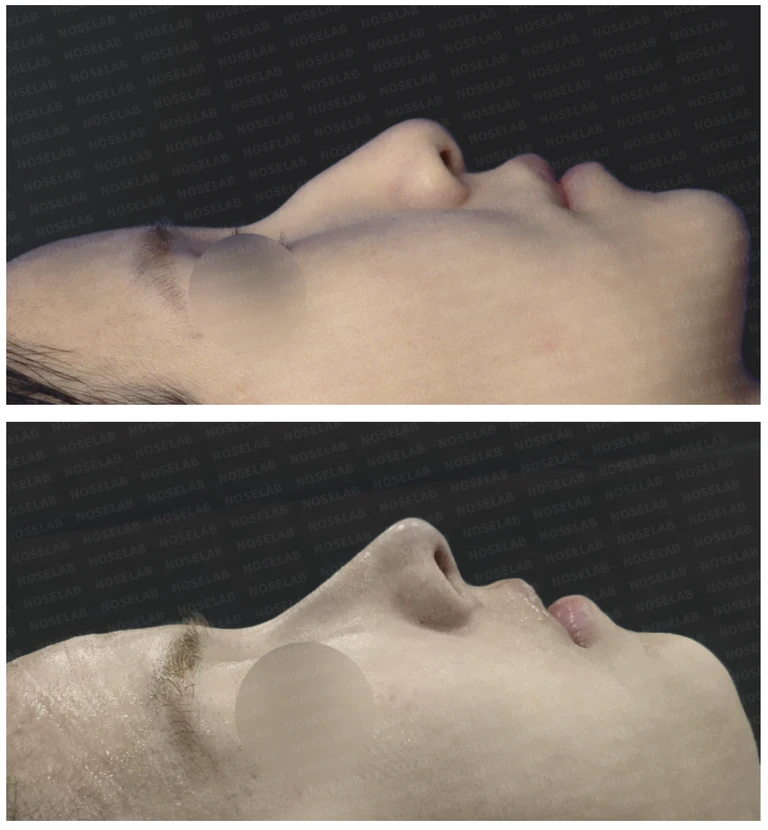
Why the columella looks long and how to reposition the nasal tip cartilage — Before-and-after comparison
Before-and-after comparison

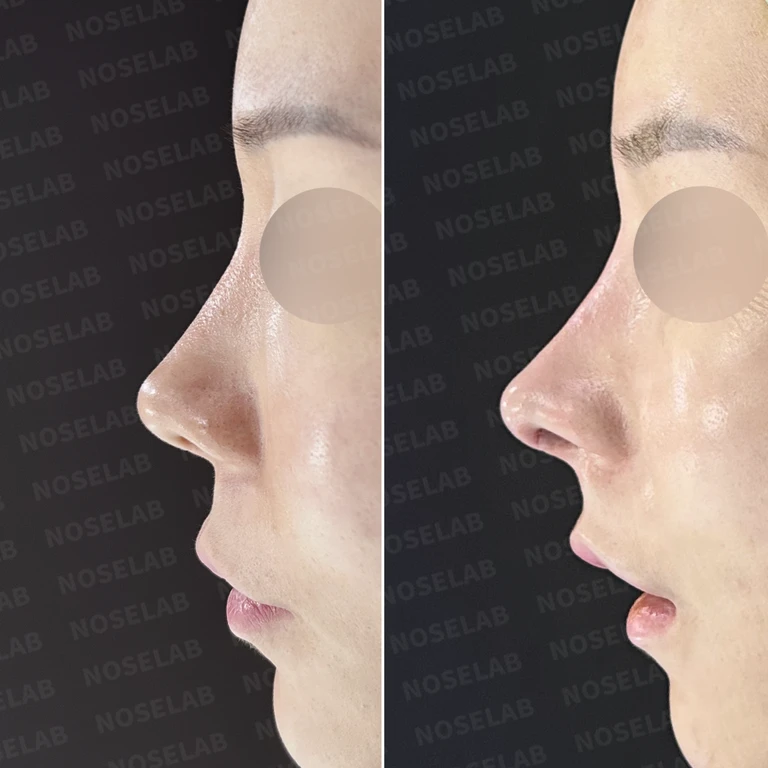
Why the columella looks long and how to reposition the nasal tip cartilage

Following prior surgery with a silicone implant and ear cartilage, the patient presented with a long, drooping columella and a crooked nose. The ear cartilage was replaced with autologous rib cartilage, the nasolabial angle was adjusted, and septal correction was performed.

Preoperative condition · Postoperative record
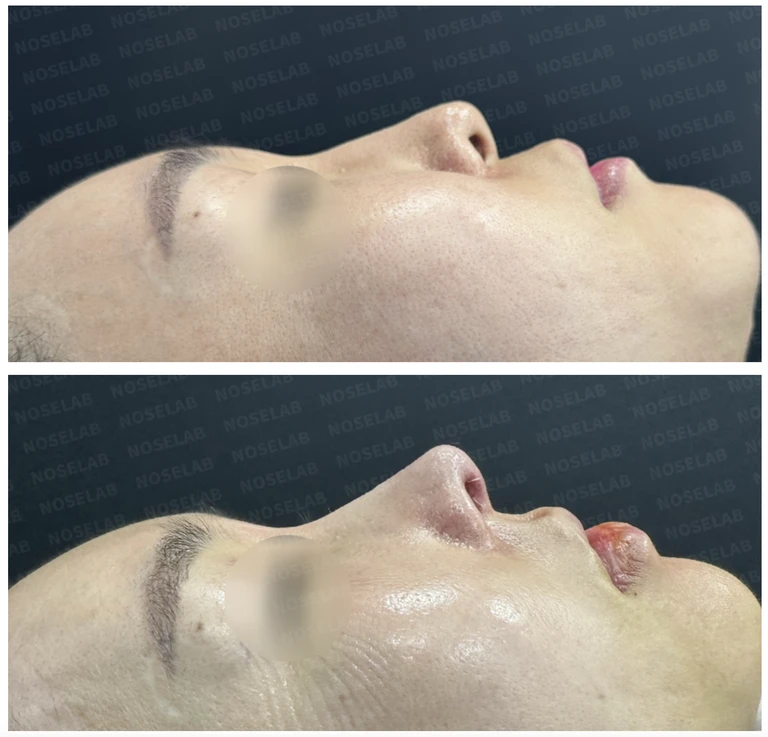
Why the columella droops and nostrils become visible: correcting a crooked nose and nostril asymmetry — Before-and-after comparison
Before-and-after comparison

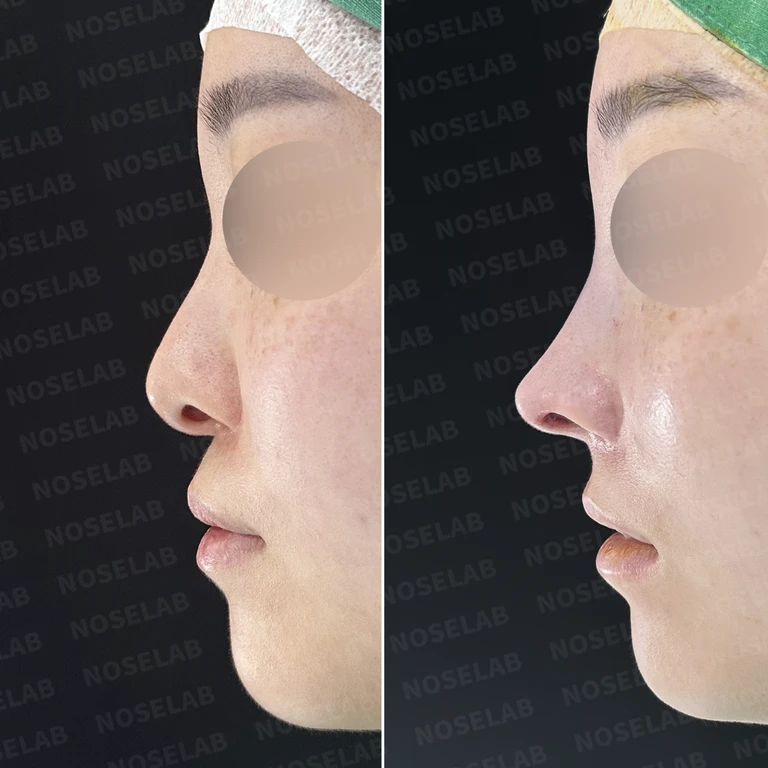
Why the columella droops and nostrils become visible: correcting a crooked nose and nostril asymmetry

A case of a drooping columella, crooked nose, and nostril show following prior filler, Misko, and silicone rhinoplasty. Autologous rib cartilage reconstruction and alar rim grafts were performed after implant removal.

Preoperative condition · Postoperative record
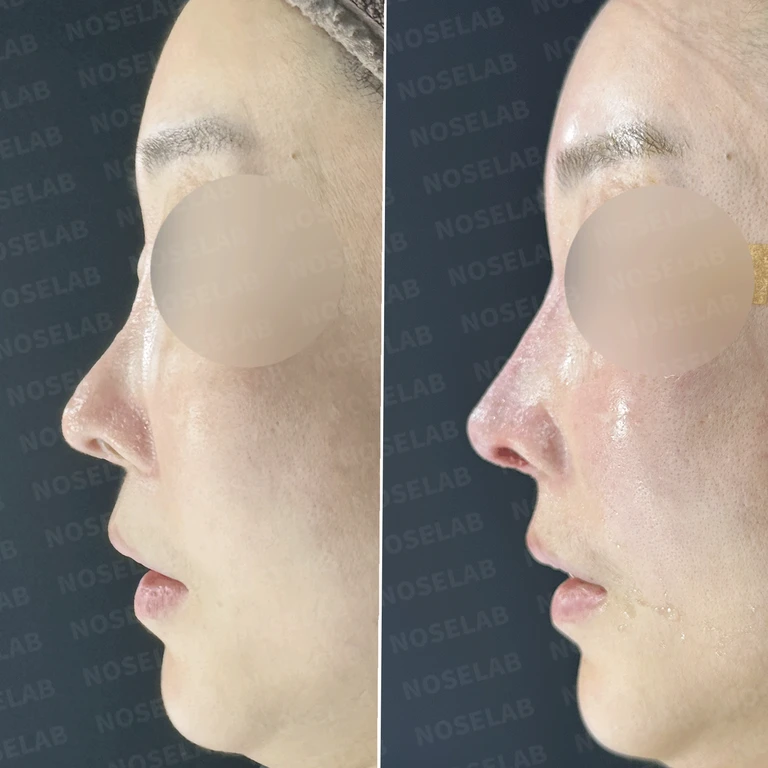
Why saddle nose and nasal valve stenosis occur after repeated revision rhinoplasty, and how total reconstruction is performed — Before-and-after comparison
Before-and-after comparison

Why saddle nose and nasal valve stenosis occur after repeated revision rhinoplasty, and how total reconstruction is performed

This is a case where the nasal bones, septum, and keystone area were damaged after repeated surgeries, causing nasal obstruction due to nasal valve stenosis. Autologous rib cartilage was used to reconstruct the nasal support structure and nasal valve, while correcting bridge depression and asymmetry.

Preoperative condition

Why the columella droops severely into an arrow nose, and rib cartilage reconstruction methods — Before-and-after comparison
Before-and-after comparison

Why the columella droops severely into an arrow nose, and rib cartilage reconstruction methods

For a patient presenting with a severely drooping columella, an arrow nose, and nostril asymmetry after previous surgeries, autologous rib cartilage septal extension and lower lateral cartilage repositioning were performed to improve tip drooping and asymmetry.

Preoperative condition · Postoperative record
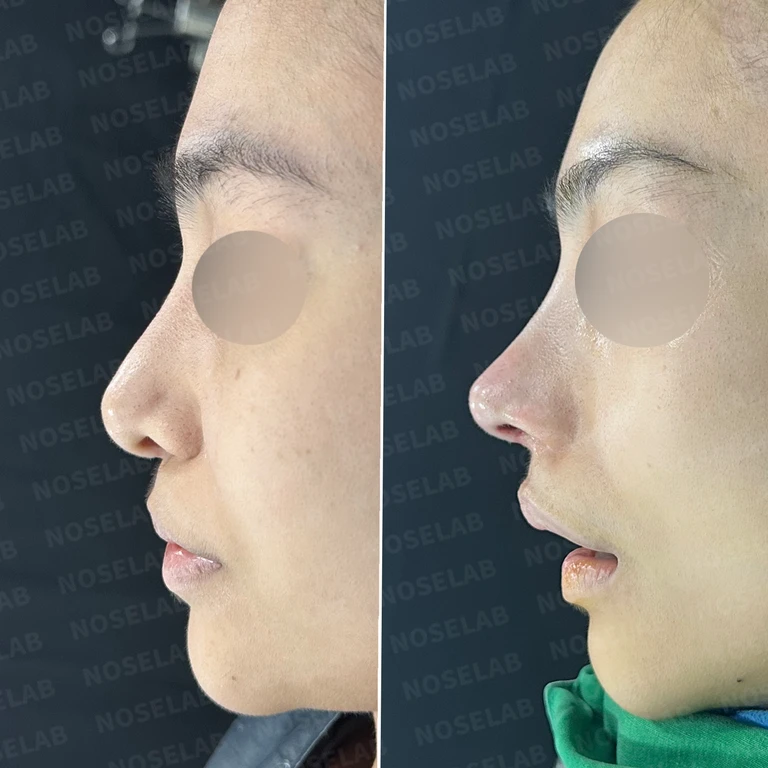
Why a nose can look crooked again after dorsal hump correction and how osteotomy revision corrects it — Before-and-after comparison
Before-and-after comparison

Why a nose can look crooked again after dorsal hump correction and how osteotomy revision corrects it

A case where a crooked nasal bone and drooping bulbous tip remaining after previous dorsal hump correction were straightened through lateral osteotomy, septal extension using autologous rib cartilage, hump rasping, and rhinitis surgery.

Preoperative condition · Postoperative record
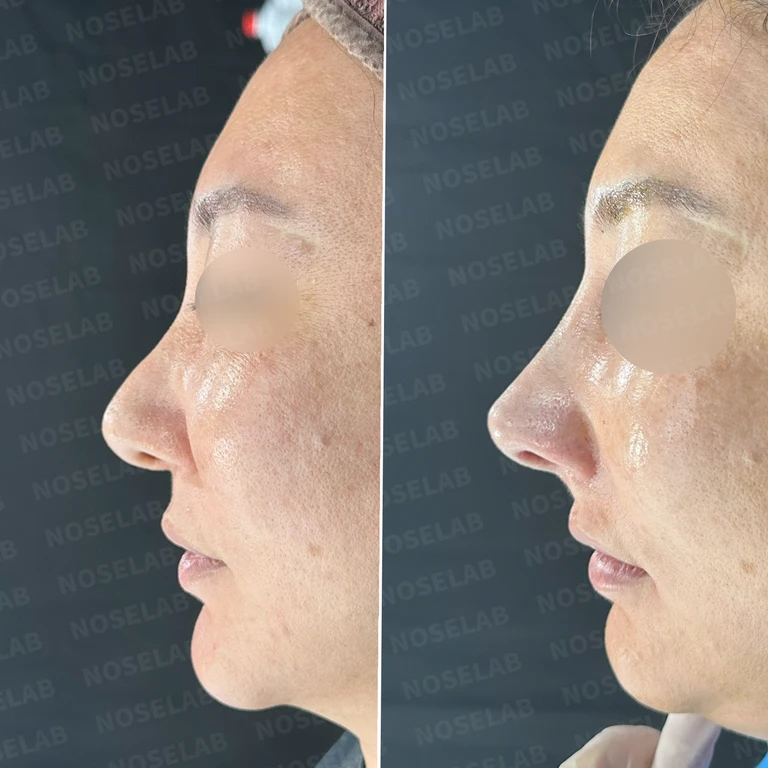
How to replace absorbed donor rib cartilage with autologous rib cartilage — Before-and-after comparison
Before-and-after comparison

How to replace absorbed donor rib cartilage with autologous rib cartilage

For a patient whose nose became crooked and drooped due to partial resorption of previously placed donor rib cartilage, we removed the absorbed cartilage and performed septal reconstruction and deviated septum correction using autologous rib cartilage.

Preoperative condition

Correction methods for bulbous and crooked noses through structural analysis — Before-and-after comparison
Before-and-after comparison

Correction methods for bulbous and crooked noses through structural analysis

Correction of a crooked nose and bulbous tip following fracture reduction and multiple prior rhinoplasties using autologous rib cartilage septal extension, lateral osteotomy, nasal sill reduction, and nasolabial angle correction.

Postoperative record

Anatomy and correction methods for a crooked nose and dorsum depression — Before-and-after comparison
Before-and-after comparison

Anatomy and correction methods for a crooked nose and dorsum depression

Dorsum depression and nasal obstruction following previous dorsal hump reduction were corrected with inferior turbinate reduction, lateral osteotomy, autologous rib cartilage extension, and implant placement.

Preoperative condition

Correction methods for a long nose and dorsal hump considering facial proportions — Before-and-after comparison
Before-and-after comparison

Correction methods for a long nose and dorsal hump considering facial proportions

A case of a 22-year-old female patient with a long nose, a dorsal hump, and rhinitis symptoms, who underwent septal extension, hump reduction, lateral osteotomy, and silicone implant insertion.

Preoperative condition

Removal of mesh inside the nose and autologous rib cartilage reconstruction — Before-and-after comparison
Before-and-after comparison

Removal of mesh inside the nose and autologous rib cartilage reconstruction

This was a case involving a blunt nasal tip, a high starting point at the glabella, and mesh foreign material following a previous surgery. Four pieces of mesh were removed, and septal reconstruction and extension were performed using autologous rib cartilage.

Preoperative condition

Crooked nose correction considering facial asymmetry — Before-and-after comparison
Before-and-after comparison

Crooked nose correction considering facial asymmetry

A case presenting facial asymmetry alongside a dorsal hump, a crooked nose, and a drooping columella. Using a closed approach, nasal tip correction with autologous rib cartilage, dorsal hump reduction, lateral osteotomy, and silicone implant placement were performed.

Preoperative condition · Postoperative record
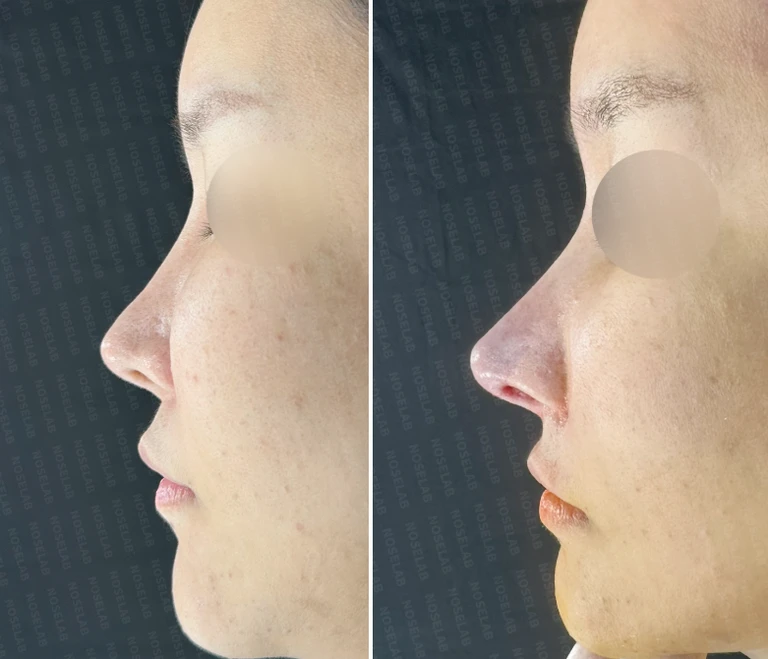
How to correct the nasal tip and bridge in a sharp upturned nose — Before-and-after comparison
Before-and-after comparison

How to correct the nasal tip and bridge in a sharp upturned nose

This is a case of previous surgery resulting in a deviated nasal bridge, an upturned nasal tip, nasolabial angle issues, and nasal obstruction. Using a closed approach with autologous rib cartilage, septal deviation correction, septal extension, and lateral osteotomy were performed.

Preoperative condition

Structure and reconstruction methods for a contracted nose after MRSA infection — Before-and-after comparison
Before-and-after comparison

Structure and reconstruction methods for a contracted nose after MRSA infection

A contracted nose with cartilage damage caused by MRSA infection was reconstructed using a closed approach with autologous rib cartilage septal reconstruction and extension, osteotomy, and lower lateral cartilage correction.

Preoperative condition

Revision rhinoplasty approach for an upturned nose caused by contracture — Before-and-after comparison
Before-and-after comparison

Revision rhinoplasty approach for an upturned nose caused by contracture

To address a contracted and upturned nose with nostril asymmetry resulting from inflammation and implant removal, stem cell therapy was performed first, followed by autologous rib cartilage septal extension, alar rim grafting, and silicone nasal bridge augmentation.

Preoperative condition

Closed rhinoplasty correction of a long nose and dorsal hump — Before-and-after comparison
Before-and-after comparison

Closed rhinoplasty correction of a long nose and dorsal hump

For a drooping arrow nose, dorsal hump, deviated septum, and hypertrophic rhinitis, lateral osteotomy, autologous septal extension graft, and inferior turbinate resection were performed using a closed approach.

Preoperative condition · Postoperative record
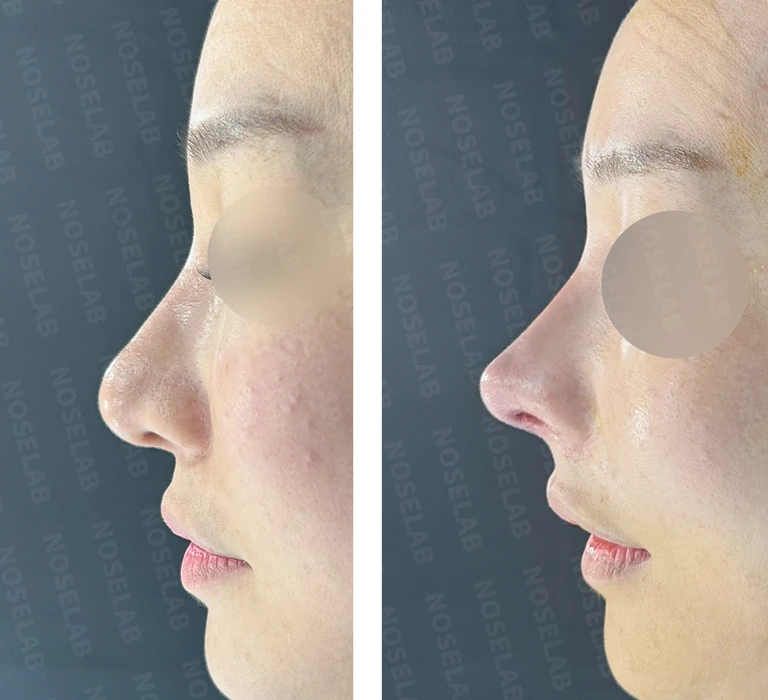
How to correct nasal length and the nasal tip together in a long nose — Before-and-after comparison
Before-and-after comparison

How to correct nasal length and the nasal tip together in a long nose

A case of a nose that appeared long with nostril asymmetry after two prior nasal surgeries, corrected using a closed approach with silicone implant replacement, autologous rib cartilage septal extension, and adjustment of the radix.

Preoperative condition · Postoperative record
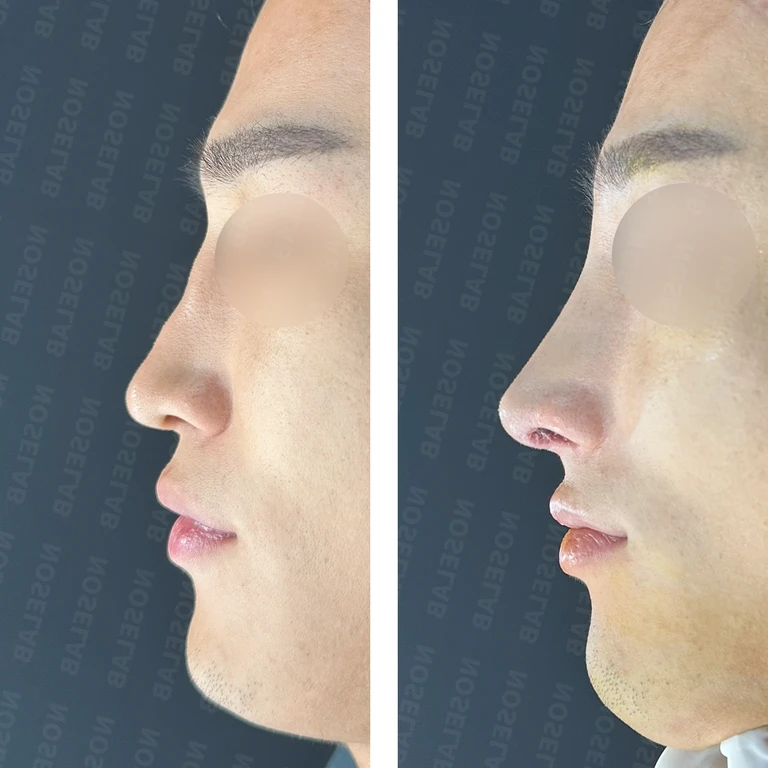
No search results found

Please try searching with different keywords.

Scroll to keep reading

1 / 2Next case

Common questions before reading the cases

Does a hanging columella mean the same thing as a drooping nasal tip?

In the surgical records, they are documented as findings in different anatomical areas. One primary surgery case explains that while the nasal tip was upturned with excessive nostril show, the columella hung downward. Therefore, assuming that the nasal tip faces the same direction based solely on columellar hanging would contradict the documented findings. Please review the front and profile descriptions in the original post together.

Are there cases where a plan to reduce the columella and a plan to elevate the nasal tip were performed together?

Yes. A case note addressing a long nose and a dorsal hump detailed separate plans to support and elevate the nasal tip with autologous rib cartilage and to reduce the hanging columella. Because the skin was thin and cartilage was showing through, a separate skin reinforcement plan was also included. This serves as an example where the nasal tip, columella, and skin were addressed as distinct components within a single profile view.

Related topics to explore

Long noseDrooping tipUpturned noseRaising the columella

Surgical records referenced in this guide

  • Revision rhinoplasty with autologous rib cartilage and columella correction for a long nose and dorsal hump
  • Why the nasal tip turns up and the columella droops, and how septal extension is performed
Original article

Read more records

Planning a visit to Seoul?Prepare your consultation with the NOSELAB team.

International patient guideWhatsApp ↗
Dr. Peter C. Kang's Rhinoplasty Stories
Rhinoplasty guideCases by topicDr. Peter C. KangNaver Blog ↗
View original photo
Enlarged photo
WhatsAppChat with NOSELAB↗