Hello, I am Dr. Peter C. Kang.
Today, I would like to introduce a case of MRSA infection-induced contracted nose correction.
This patient was undergoing a third revision surgery, having previously had alar reduction and philtrum reduction surgeries 2 times.
After the second surgery, before the stitches were removed, the patient continuously inhaled hot, humid steam into the nasal mucosa, which led to partial necrosis of the mucosa at the suture line, and through this wound, MRSA bacteria caused an infection that resulted in acute inflammation.
To treat the infection, the nasal bridge implant was removed, along with partial removal of the nasal tip cartilage, and the patient received aggressive antibiotic treatment. Afterward, the patient received stem cell injection therapy 3 times and underwent reconstruction using autologous rib cartilage.
1. Preoperative design consultation
Let us analyze the patient's preoperative condition in detail:
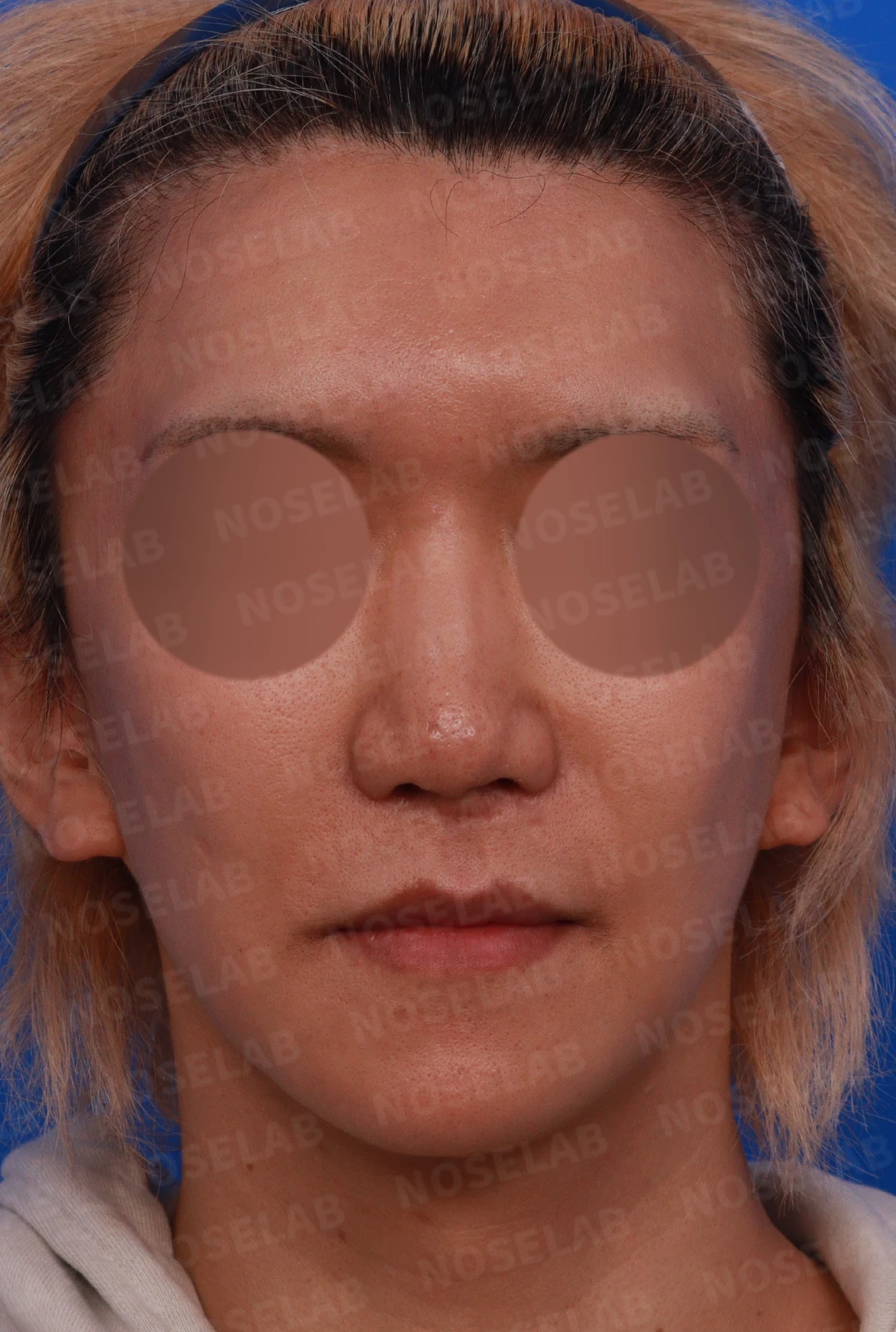
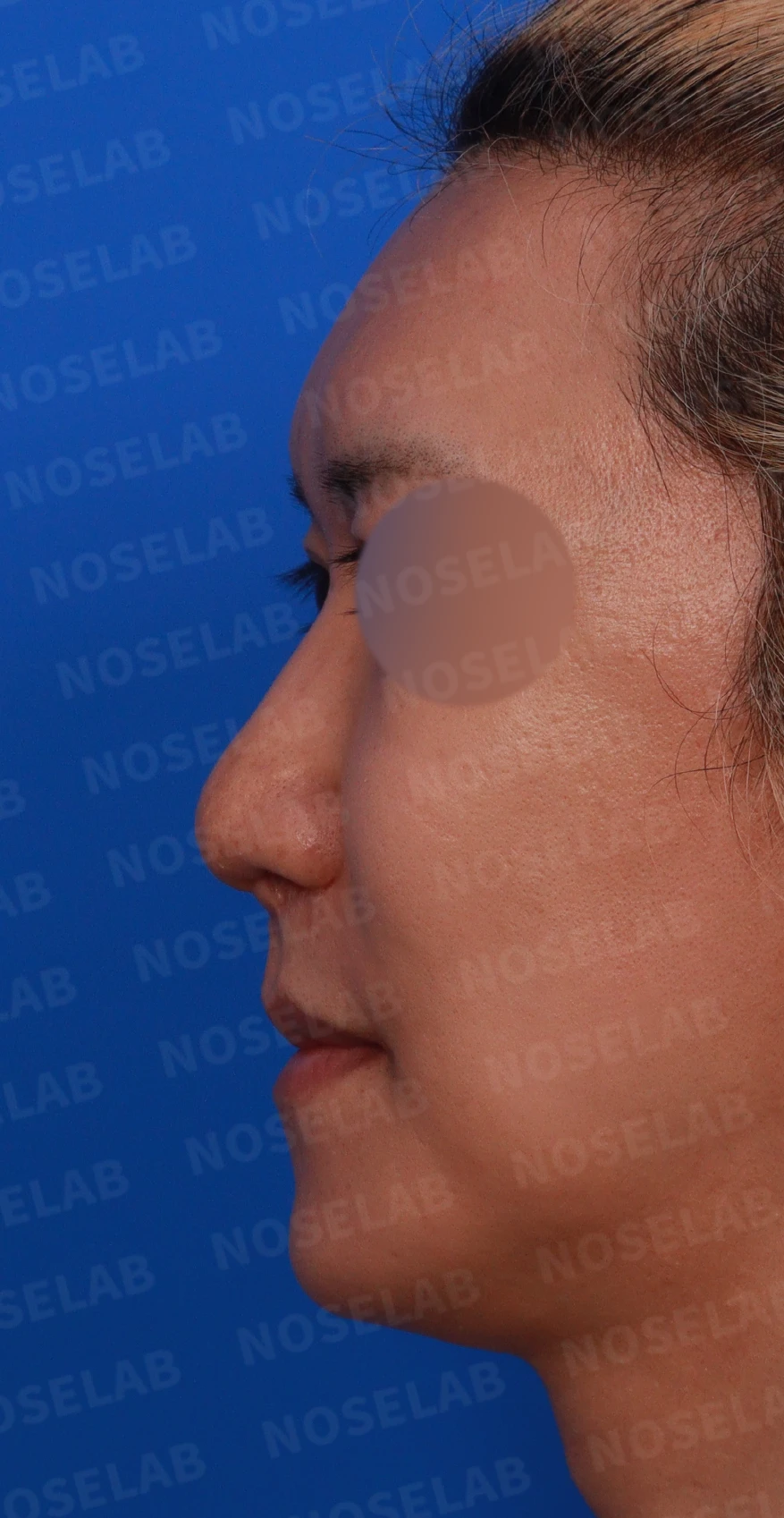
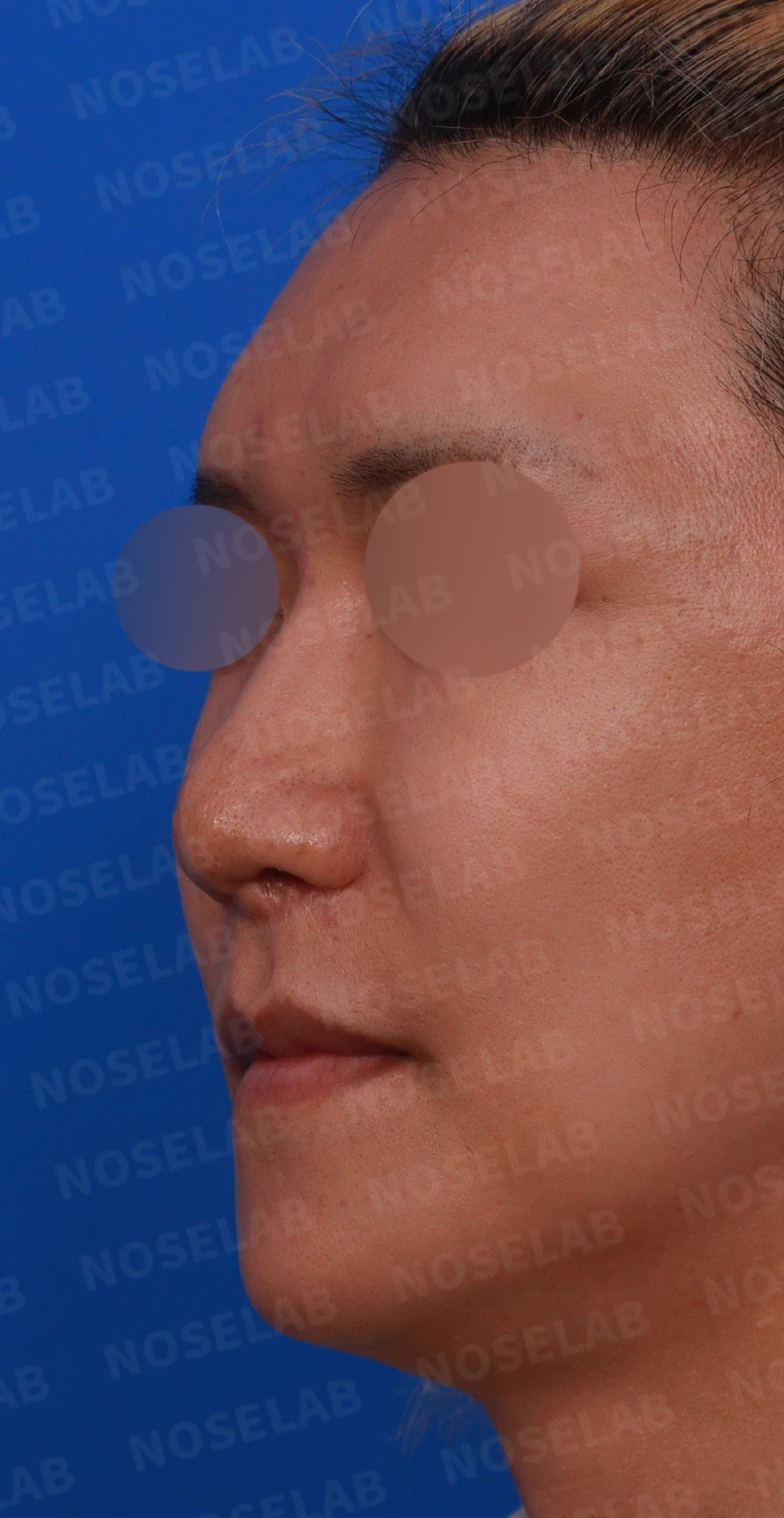
Front, left oblique, and left profile views from the preoperative design consultation
Front view:
- The nose appears wide and spread out overall
- Nostril asymmetry is evident
- The nasal bridge appears crooked
Profile view:
- The nasal tip appears drooping
- Large nasolabial angle (angle between the nose and upper lip)
- Due to two previous philtrum reduction surgeries, the transition from the columella to the philtrum appeared very unnatural
Oblique view:
- The nasal tip appears drooping
- The columella appeared retracted downward
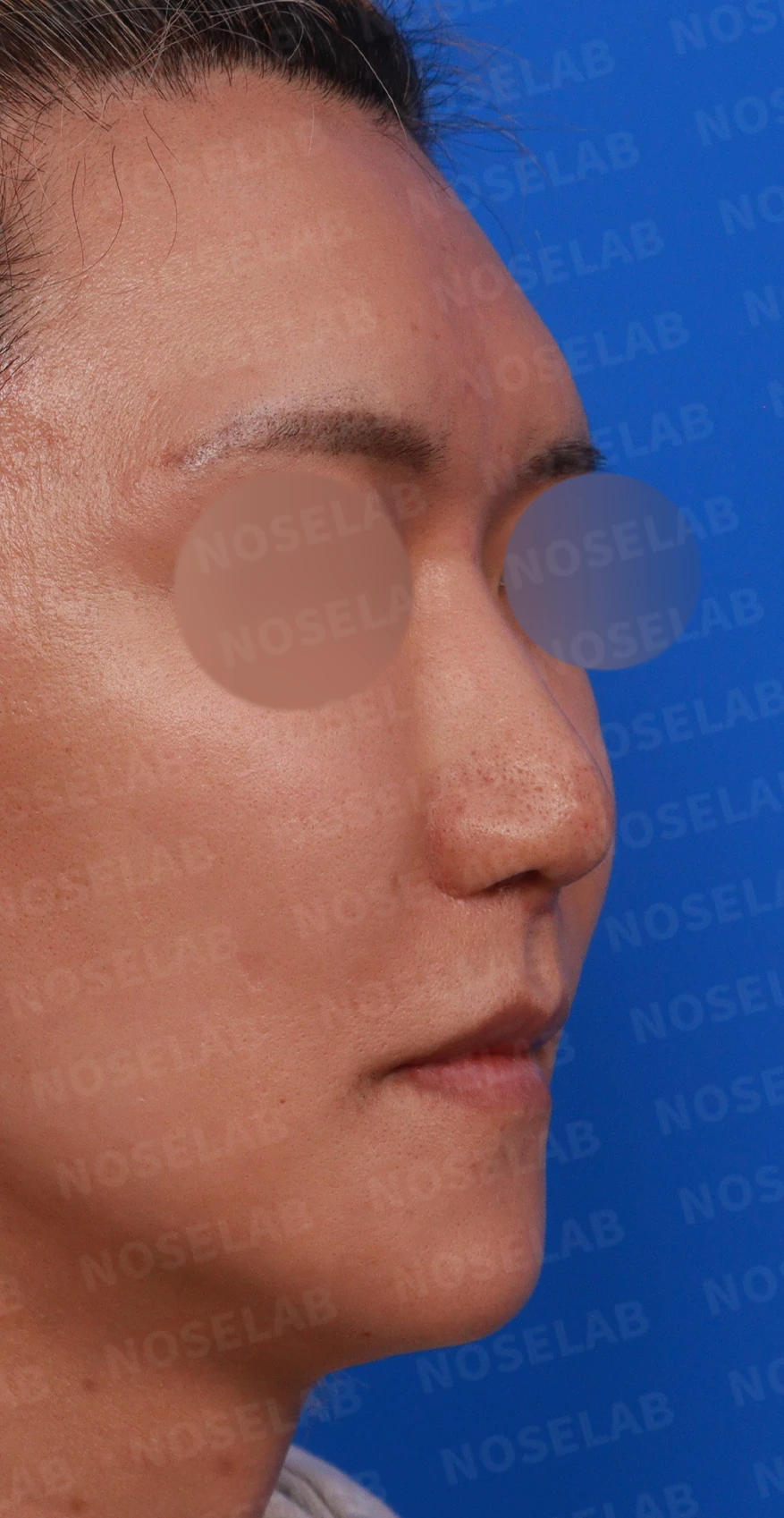
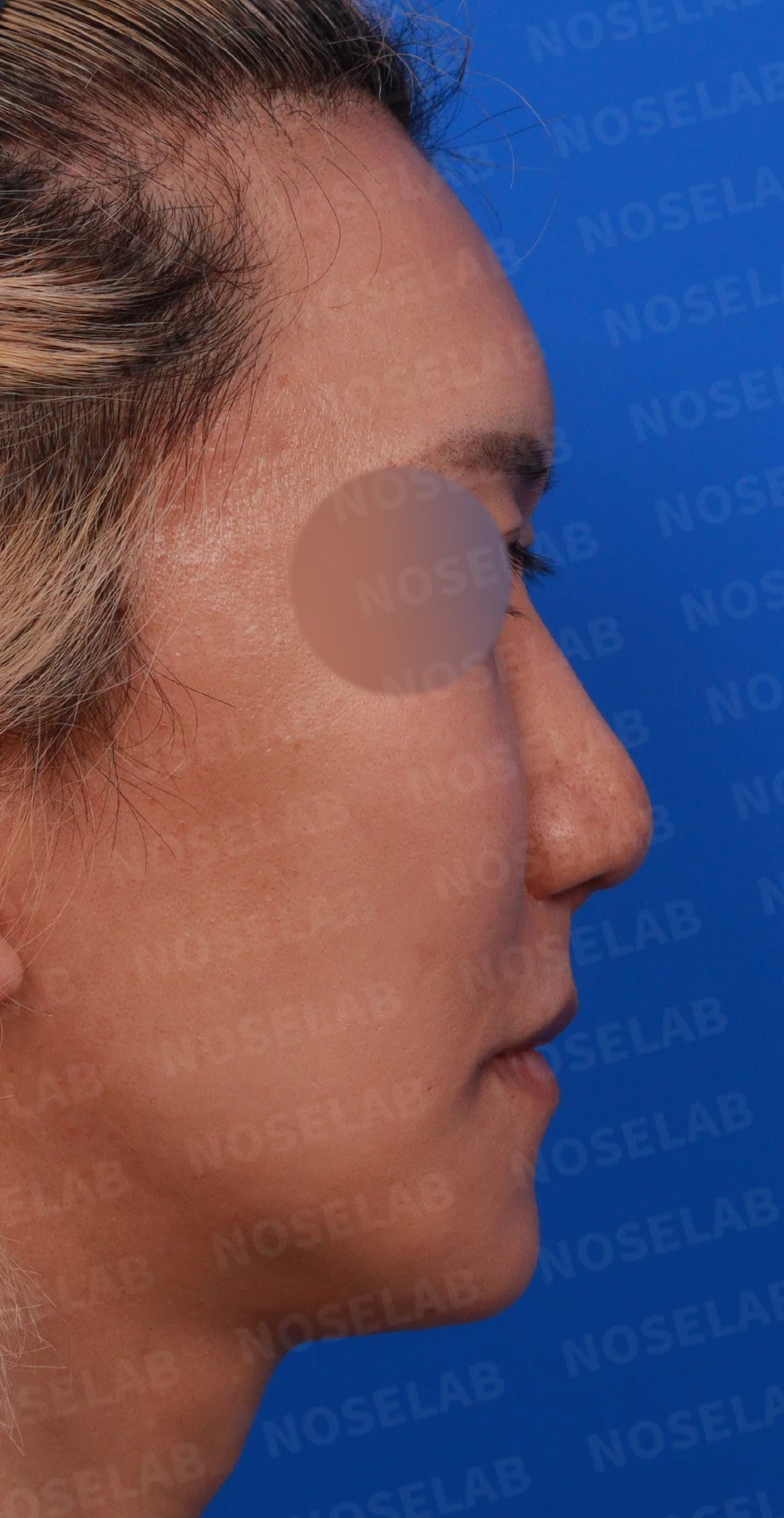
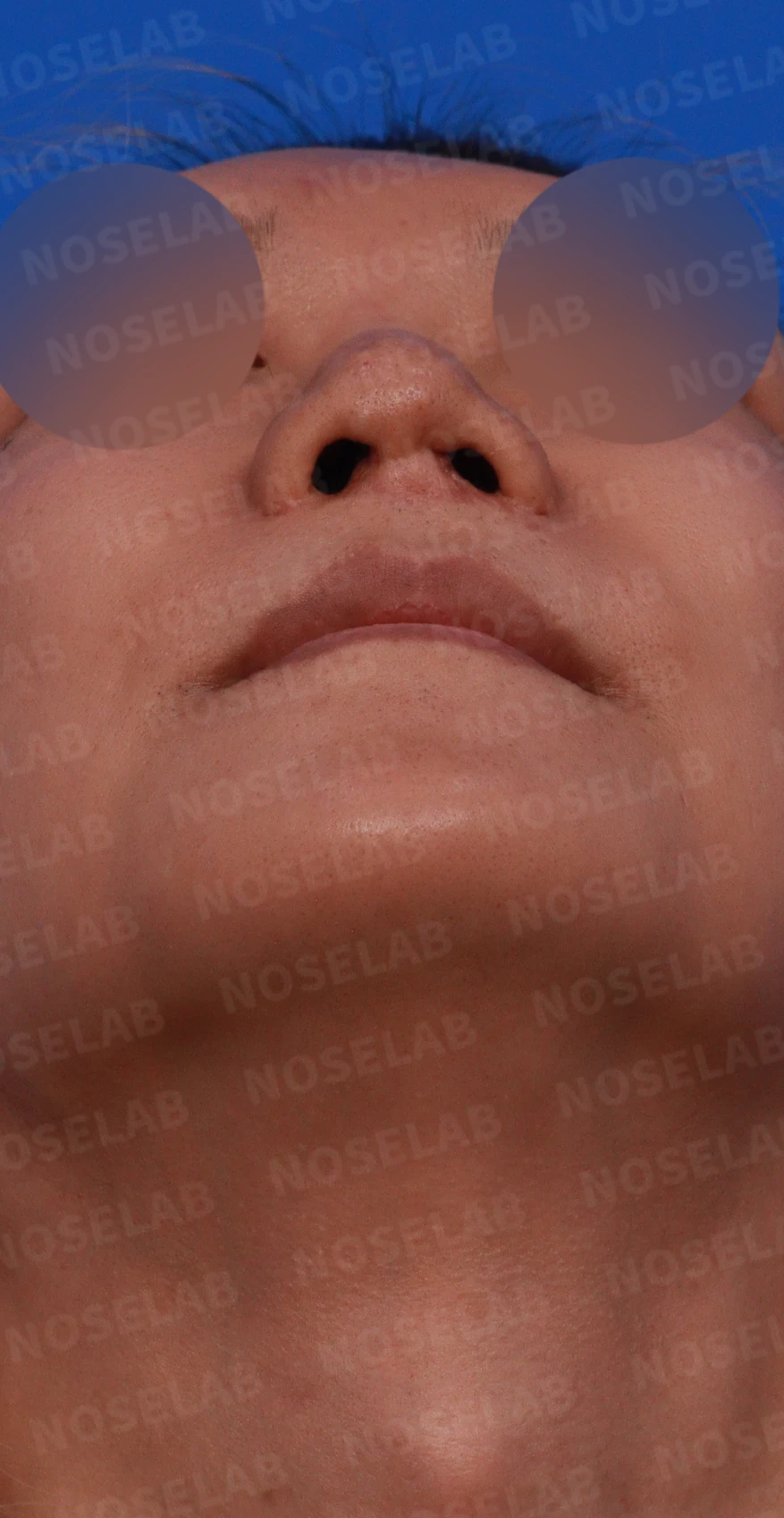
Right oblique, right profile, and basal (nostril) views from the preoperative design consultation
Nostrils:
- Severe scarring from previous open surgeries was visible on the columella
- The left nostril was collapsed, and nostril asymmetry was observed
Patient's requests:
1. Correction of a widened nose
2. Correction of a drooping tip
3. Correction of a blunt tip
4. Correction of a crooked nose
5. Correction of nostril asymmetry
2. Surgical plan
Taking into account the patient's condition and requests, the following surgical plan was established:
a) Evaluation of internal nasal cartilage and cartilage reconstruction as needed
b) Septal extension using autologous rib cartilage (correcting the drooping, blunt tip)
c) Lateral osteotomy and bridge augmentation using autologous rib cartilage (correcting the widened, crooked bridge)
d) Evaluation of the alae and lower lateral cartilage reconstruction as needed
e) Lower lateral cartilage repositioning and cartilage suturing (correcting nostril asymmetry)
f) Nasolabial angle correction by securing the lower columella to the septal cartilage
3. Surgical procedure
The following procedures were performed using a closed approach:
a) Septal reconstruction:
- Due to severe inflammation, the septal cartilage at the tip and the previously placed autologous rib cartilage were extensively resorbed with almost nothing remaining; therefore, the septum was reconstructed using autologous rib cartilage.
b) Lateral nasal osteotomy:
- Lateral osteotomy was performed to correct the widened and crooked nasal bones.
c) Lower lateral cartilage reconstruction and correction:
- The damaged left lower lateral cartilage was repaired and reconstructed to achieve symmetry with the right side.
- The lower lateral cartilages were repositioned and sutured together to improve nostril asymmetry.
d) Septal extension:
- Using autologous rib cartilage, the septum was extended and the tip was supported to correct the drooping tip.
e) Nasal bridge augmentation:
- Autologous rib cartilage was used to augment the nasal bridge and straighten the crooked segment.
f) Correction of the nasolabial angle:
- The lower part of the columella was anchored to the septal cartilage to create a natural nasolabial angle.
All procedures were performed using a closed approach, completing the surgery without external scars.
4. Comparison of before-and-after photos
Comparing photos taken immediately after surgery on day 0 shows the following improvements: Photos taken immediately after surgery show swelling and may differ from the final result.
Front view:
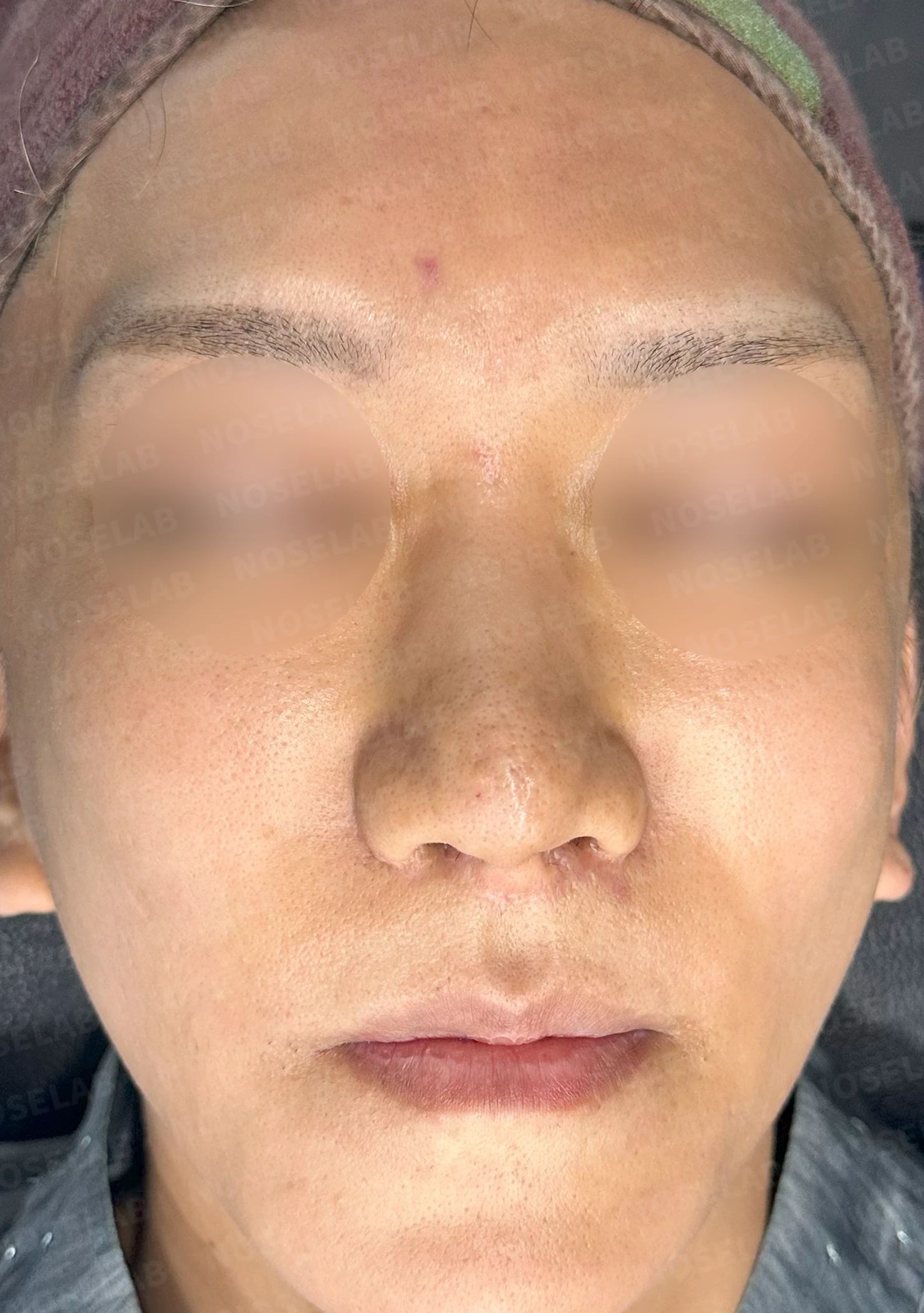
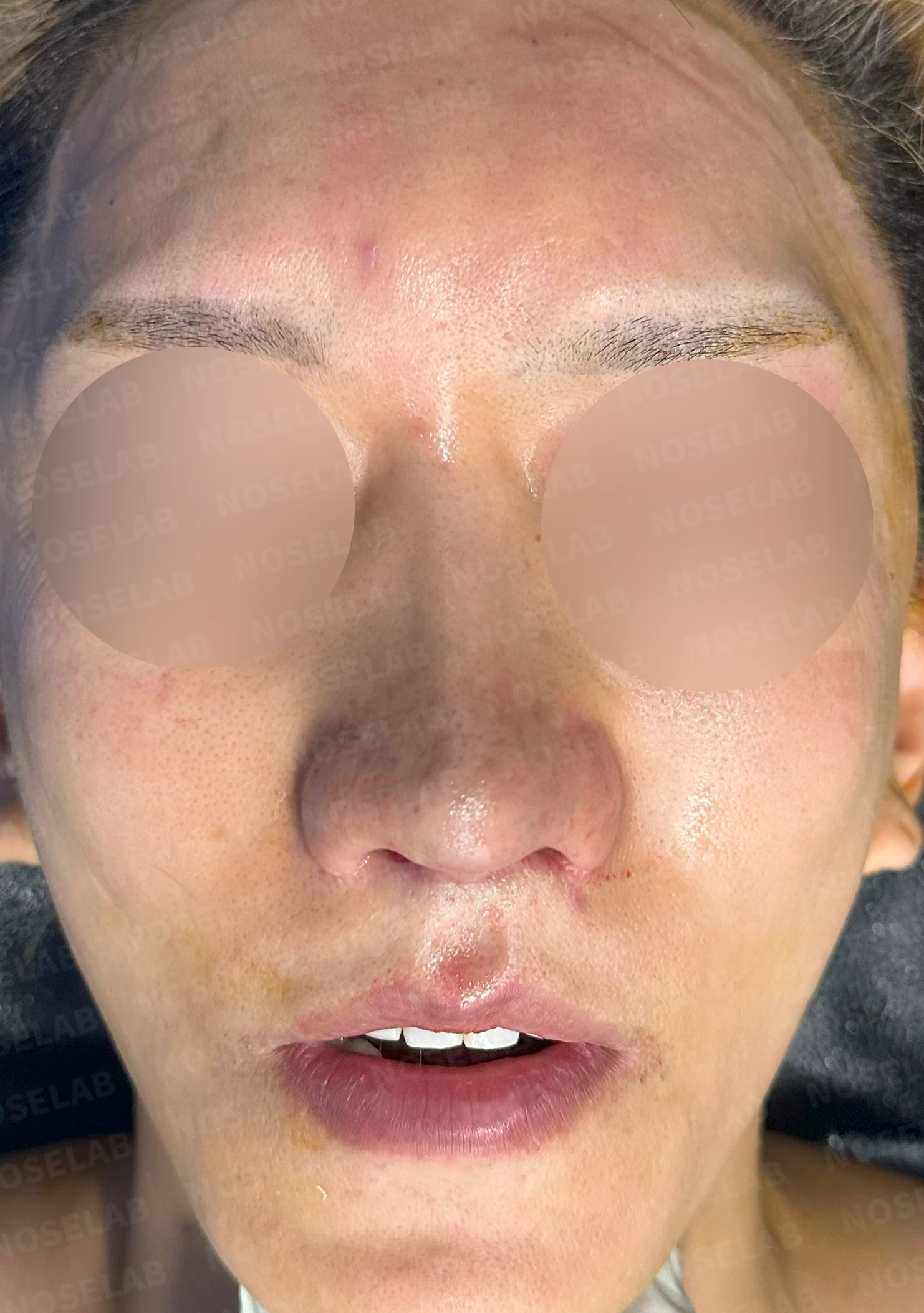
Before surgery / Day 0 immediately after surgery Photos taken immediately after surgery show swelling and may differ from the final result.
- The previously widened and crooked bridge became naturally straight.
- Nostril asymmetry improved significantly.
- The overall nasal contour changed to a more refined and balanced appearance.
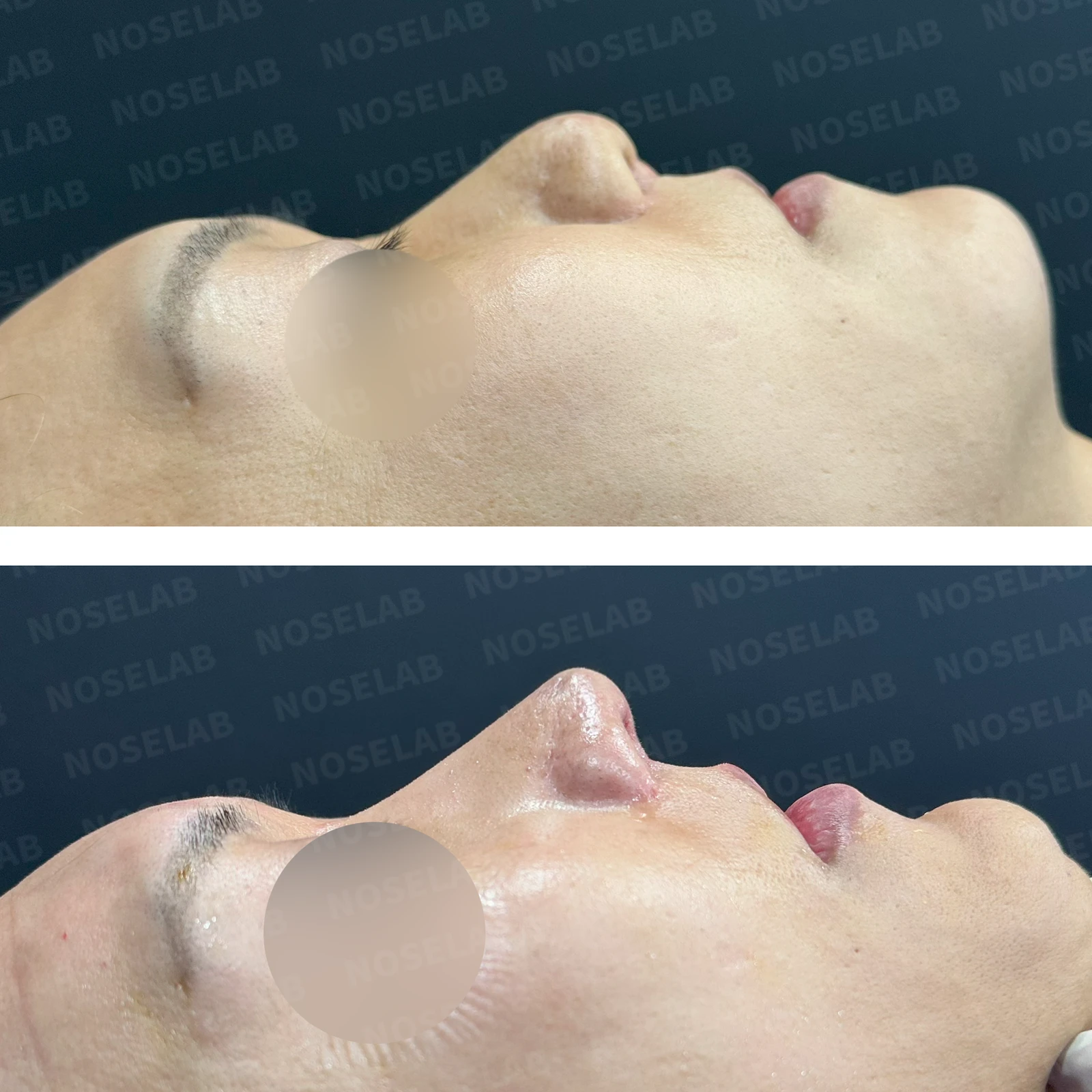
Profile view:
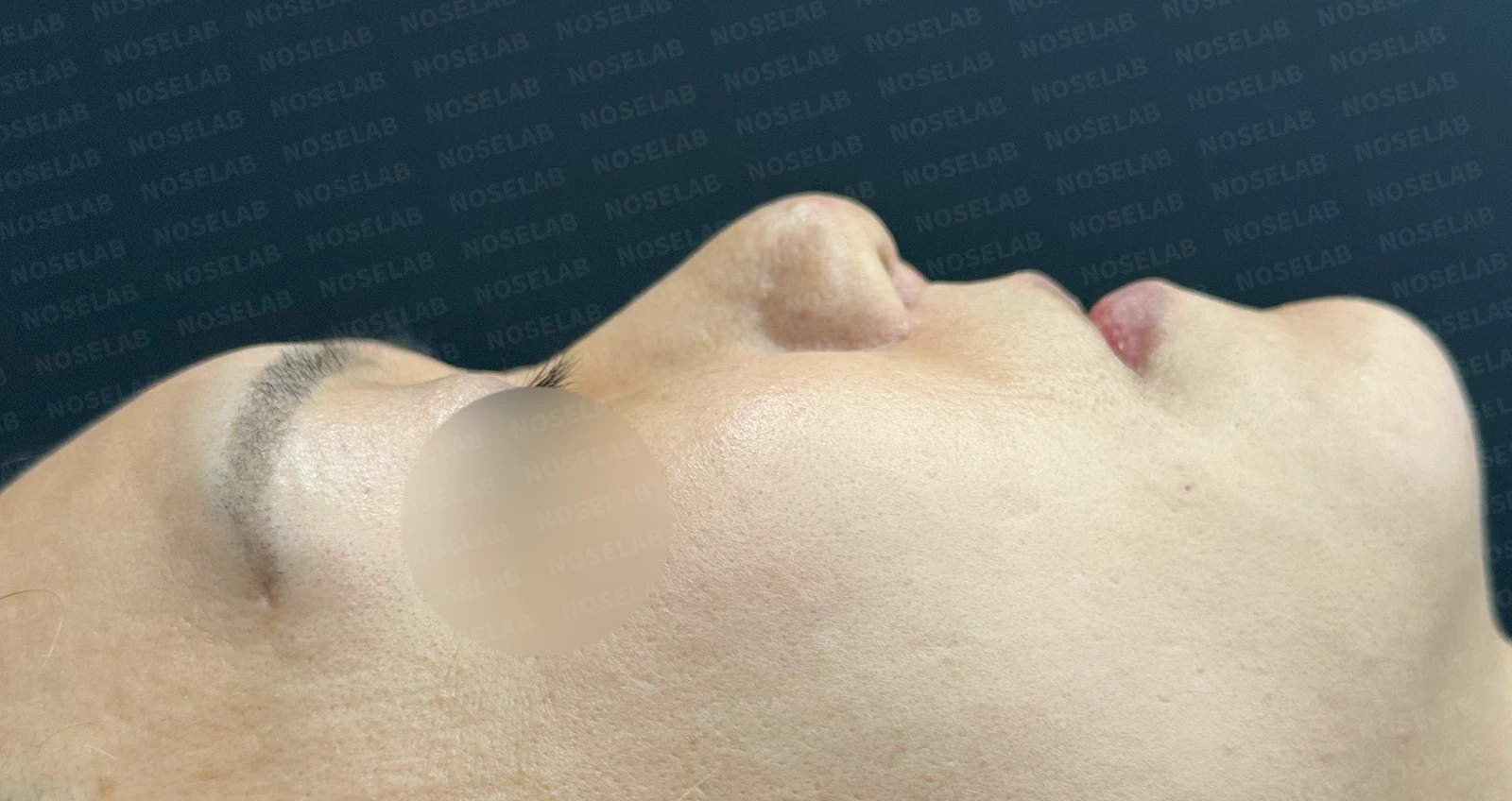
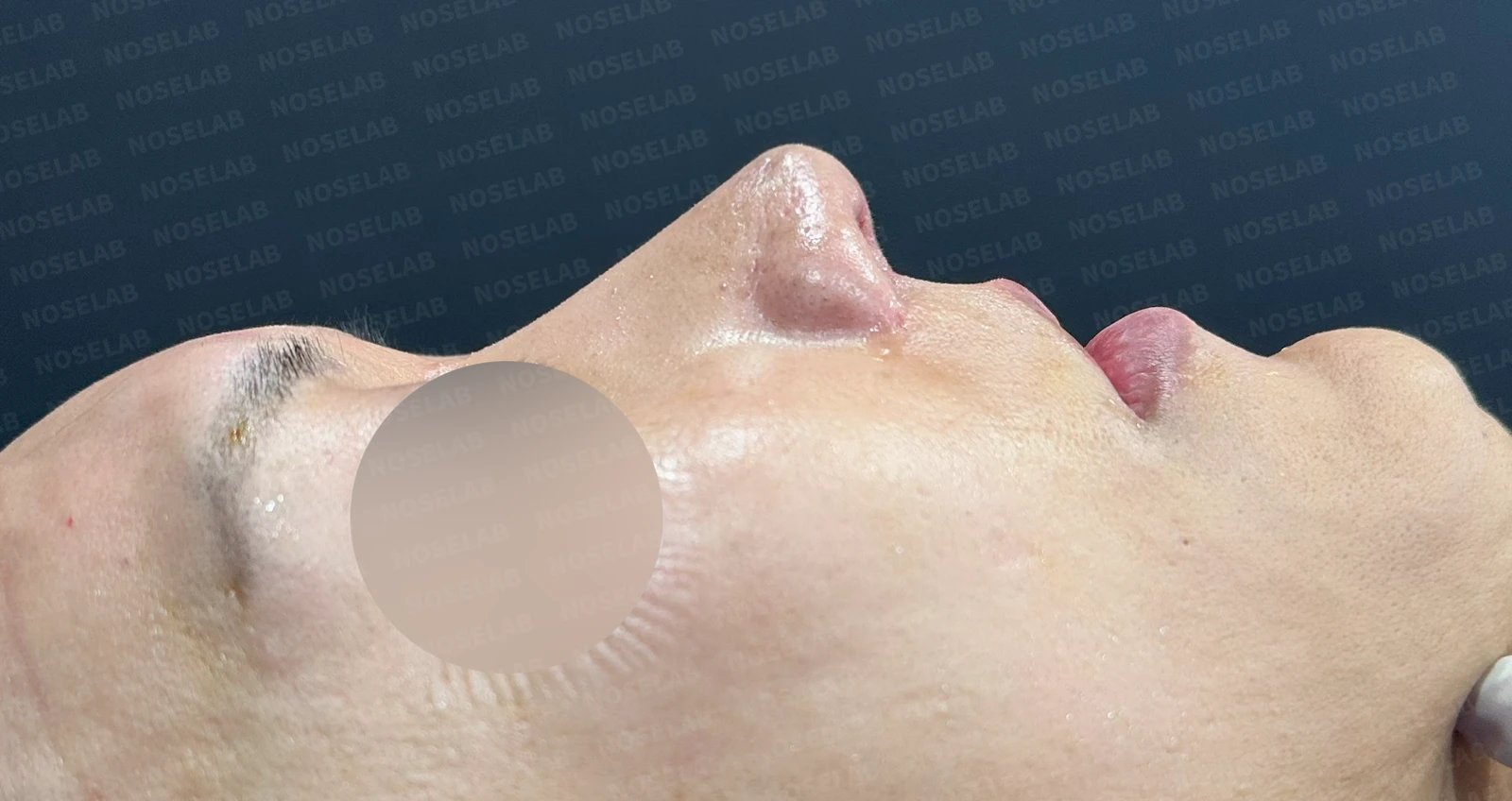
Before surgery / Day 0 immediately after surgery Photos taken immediately after surgery show swelling and may differ from the final result.
- The drooping, shortened tip was improved into a natural, straight bridge line.
- The nasolabial angle was appropriately adjusted, improving harmony between the nose and lips.
- The unnatural appearance caused by previous philtrum reduction surgeries was significantly improved.
Oblique view:
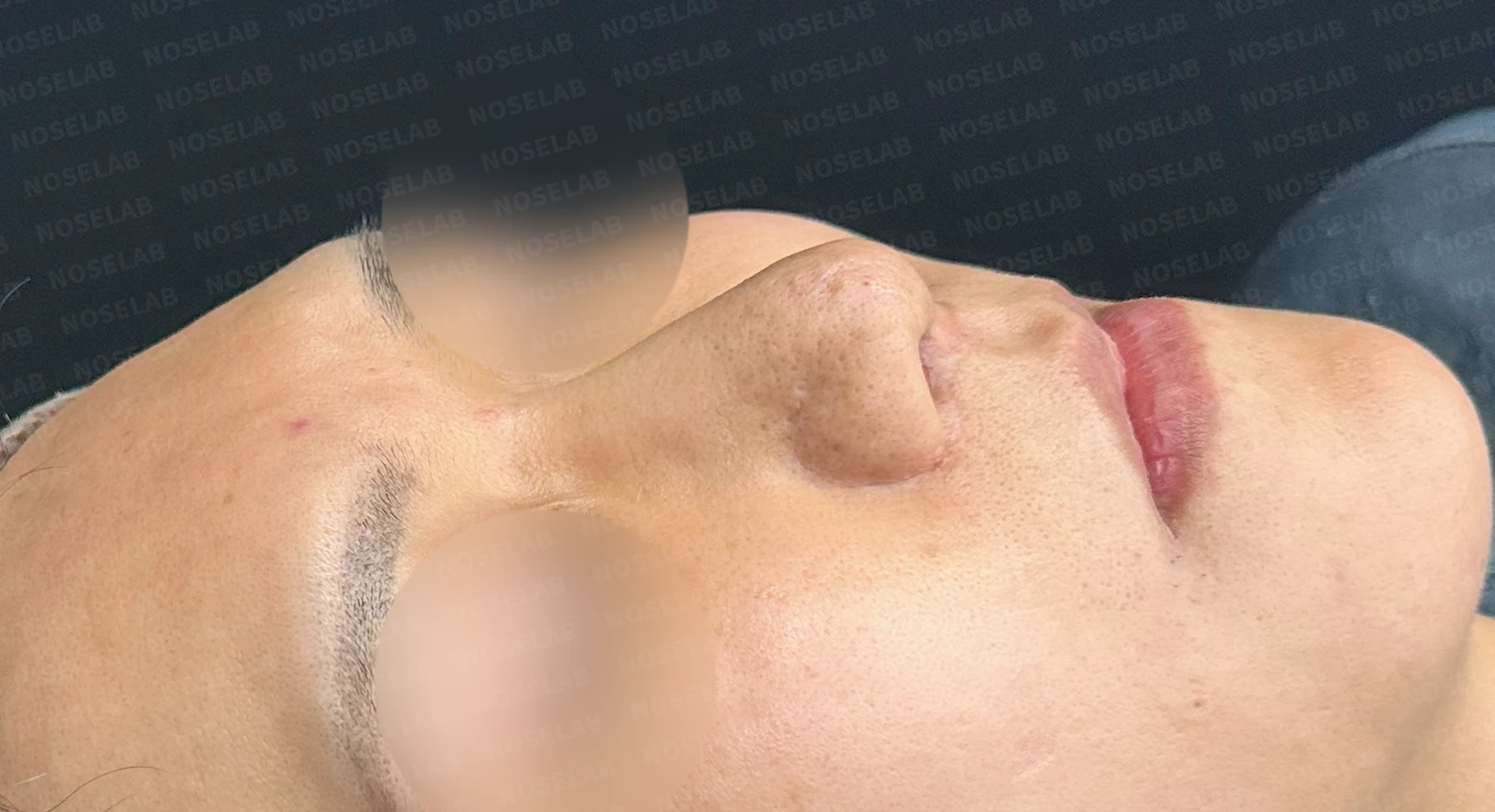
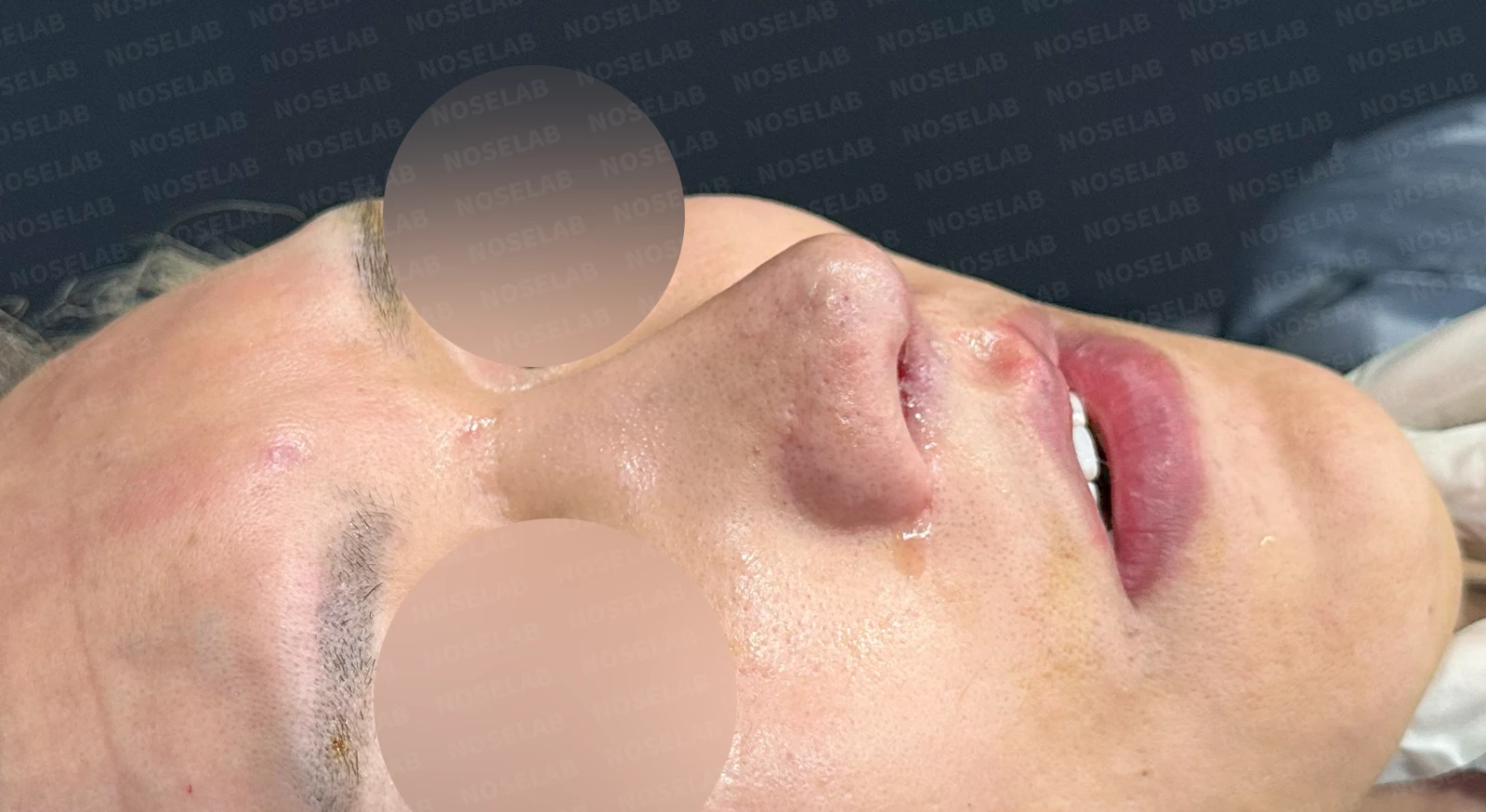
Before surgery / Day 0 immediately after surgery Photos taken immediately after surgery show swelling and may differ from the final result.
- The drooping, blunt nasal tip was improved to a refined appearance.
- The overall nasal line became smooth and natural.
Nostrils:
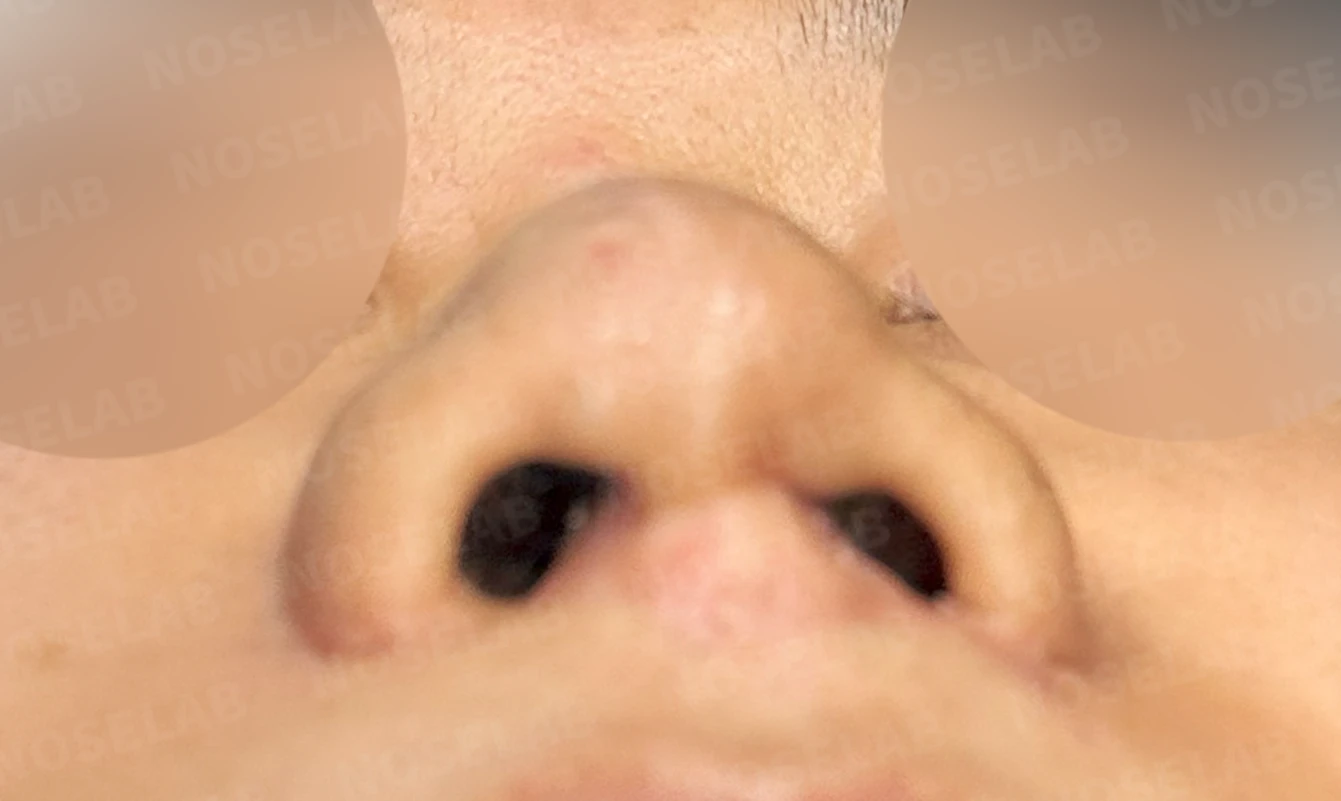
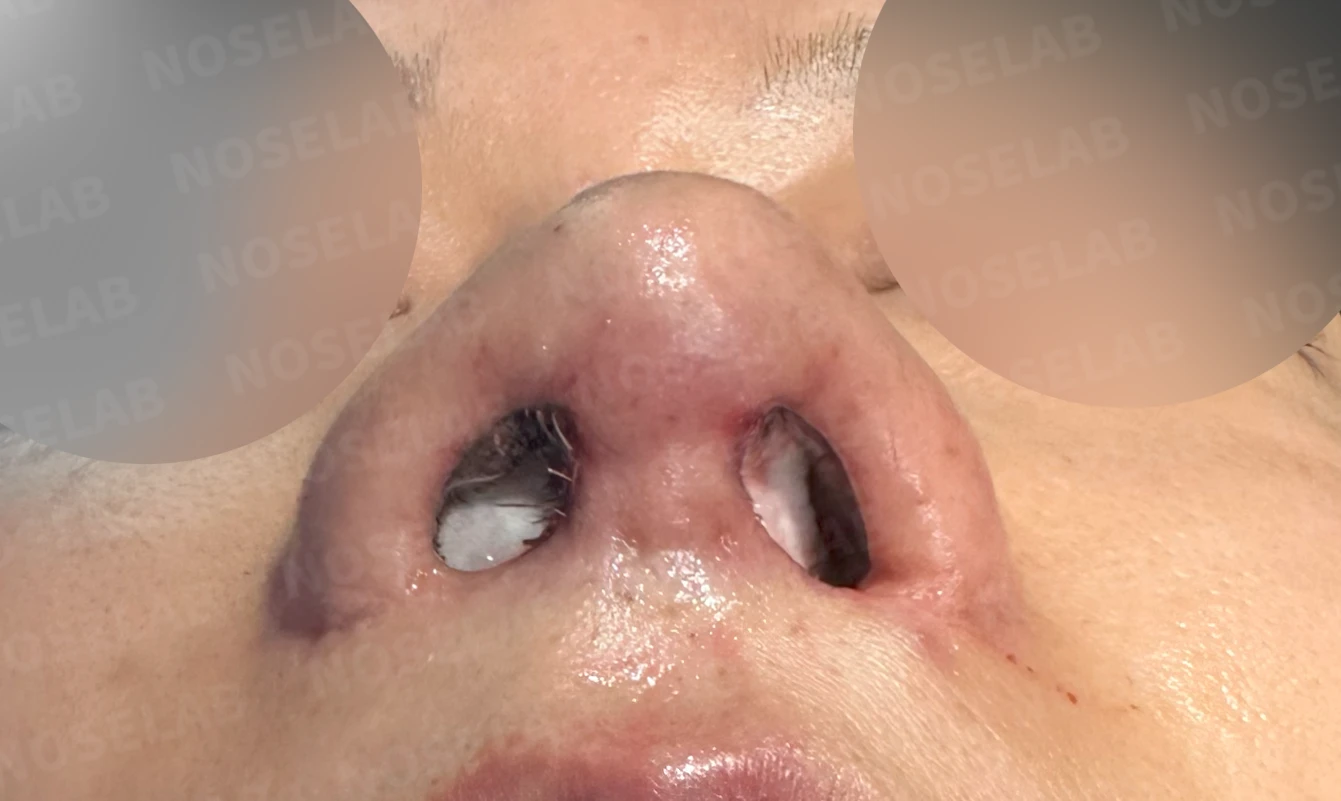
Before surgery / Day 0 immediately after surgery Photos taken immediately after surgery show swelling and may differ from the final result.
- The collapsed left nostril was improved to closely match the shape of the right nostril.
- Nostril asymmetry was substantially improved.
- The severe scarring on the columella from previous open surgery was noticeably improved.
5. Photos immediately after surgery on day 0 Photos taken immediately after surgery show swelling and may differ from the final result.
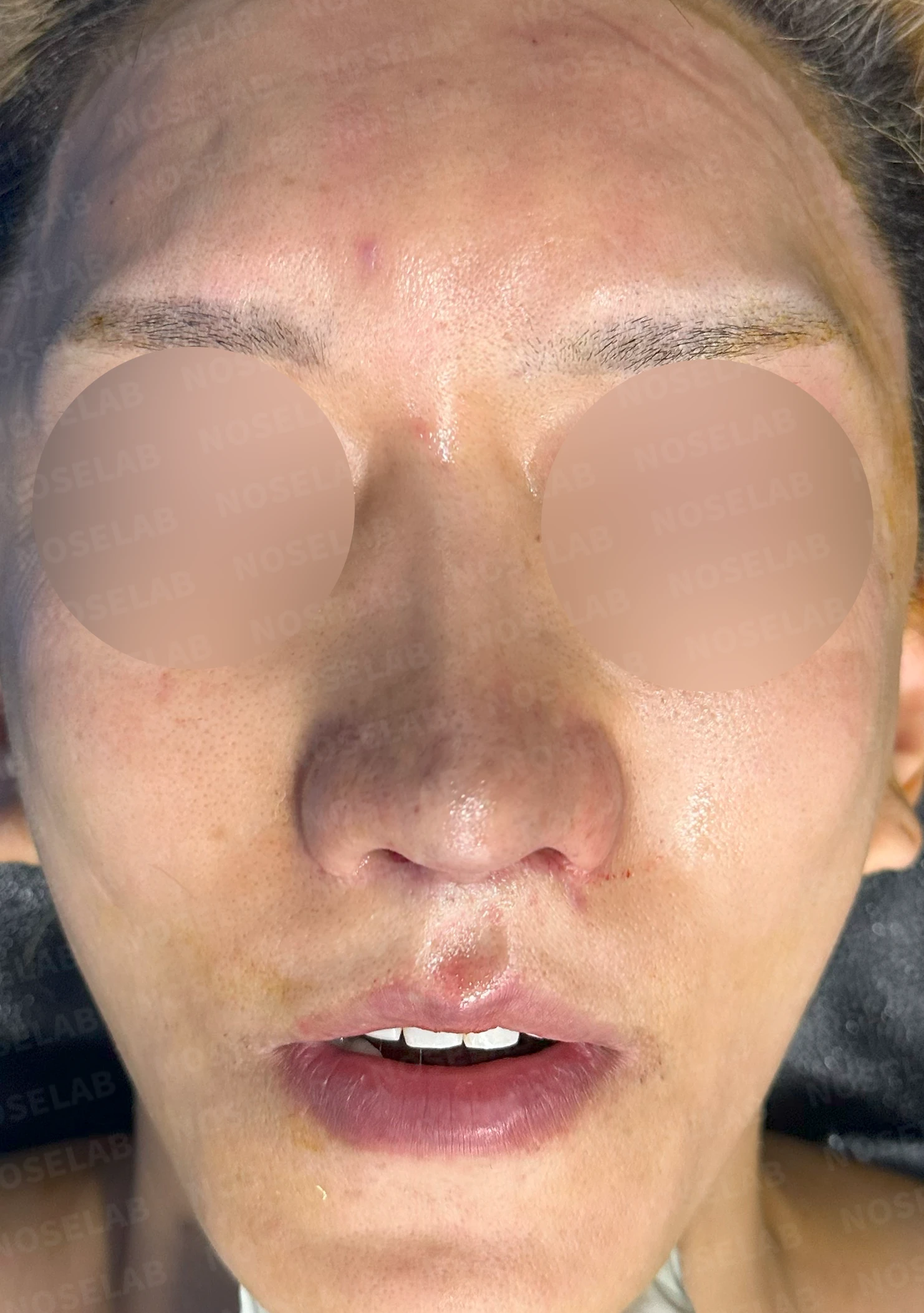
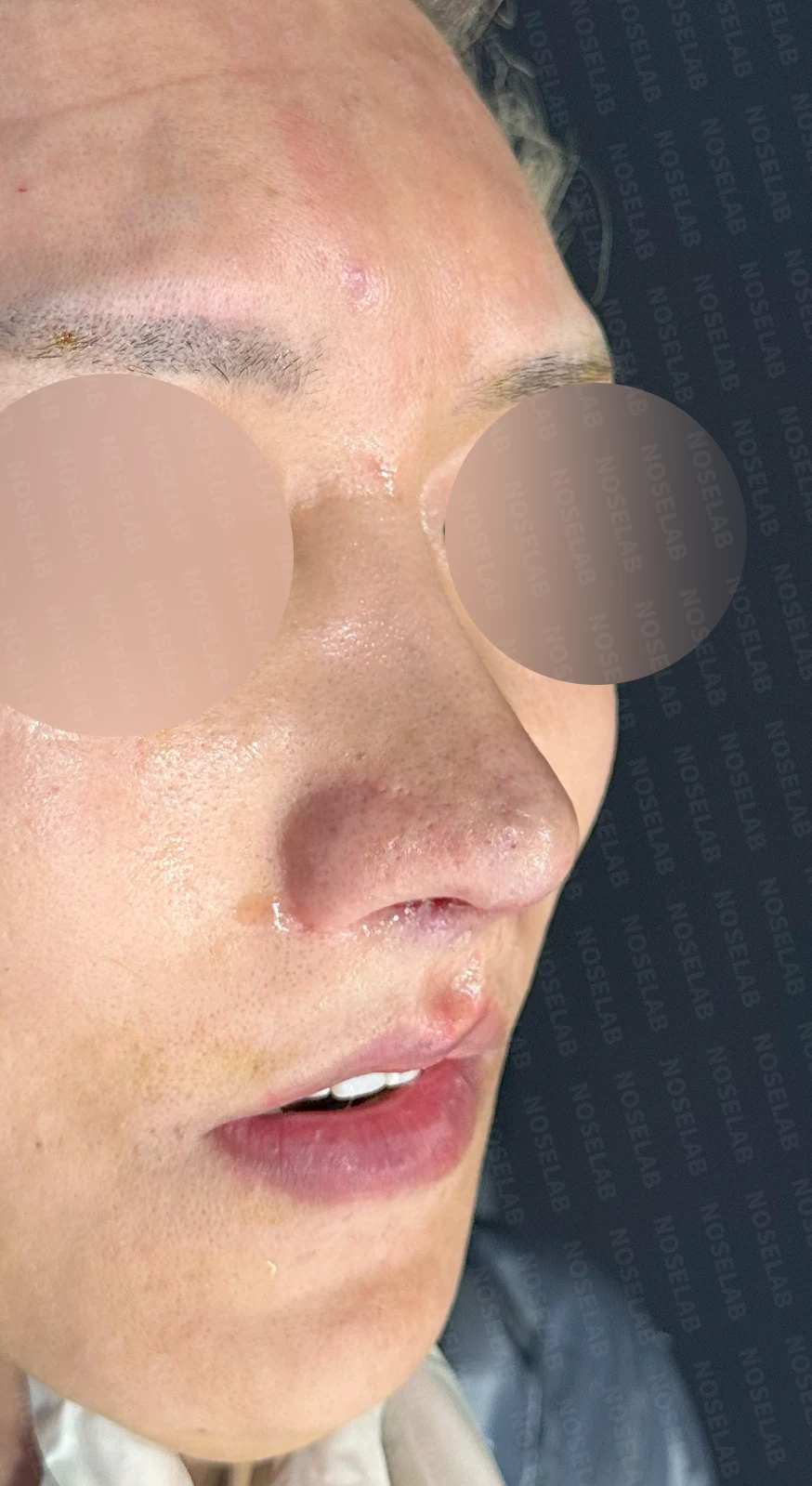
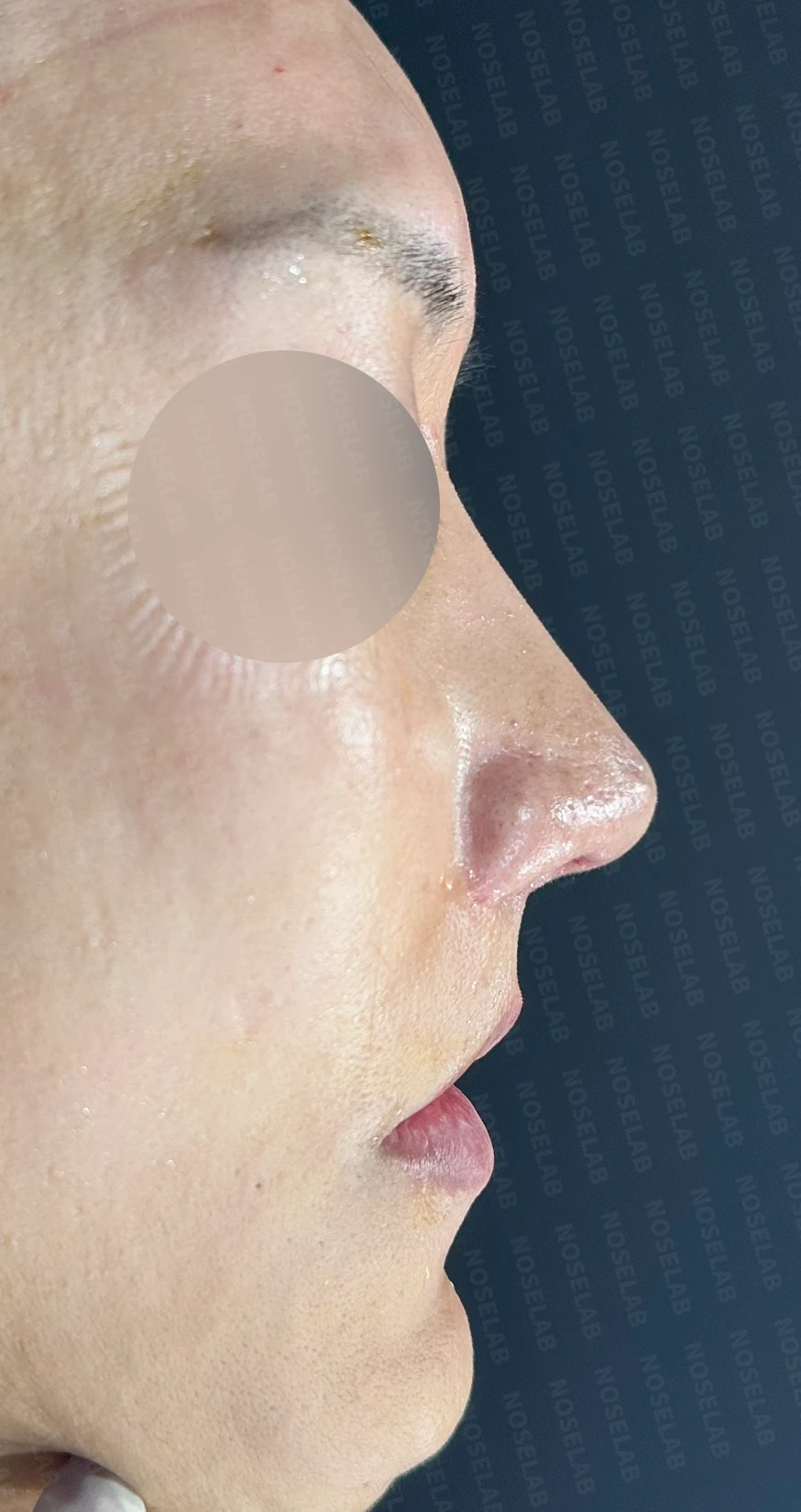
Front, profile, and oblique views immediately after surgery on day 0 Photos taken immediately after surgery show swelling and may differ from the final result.
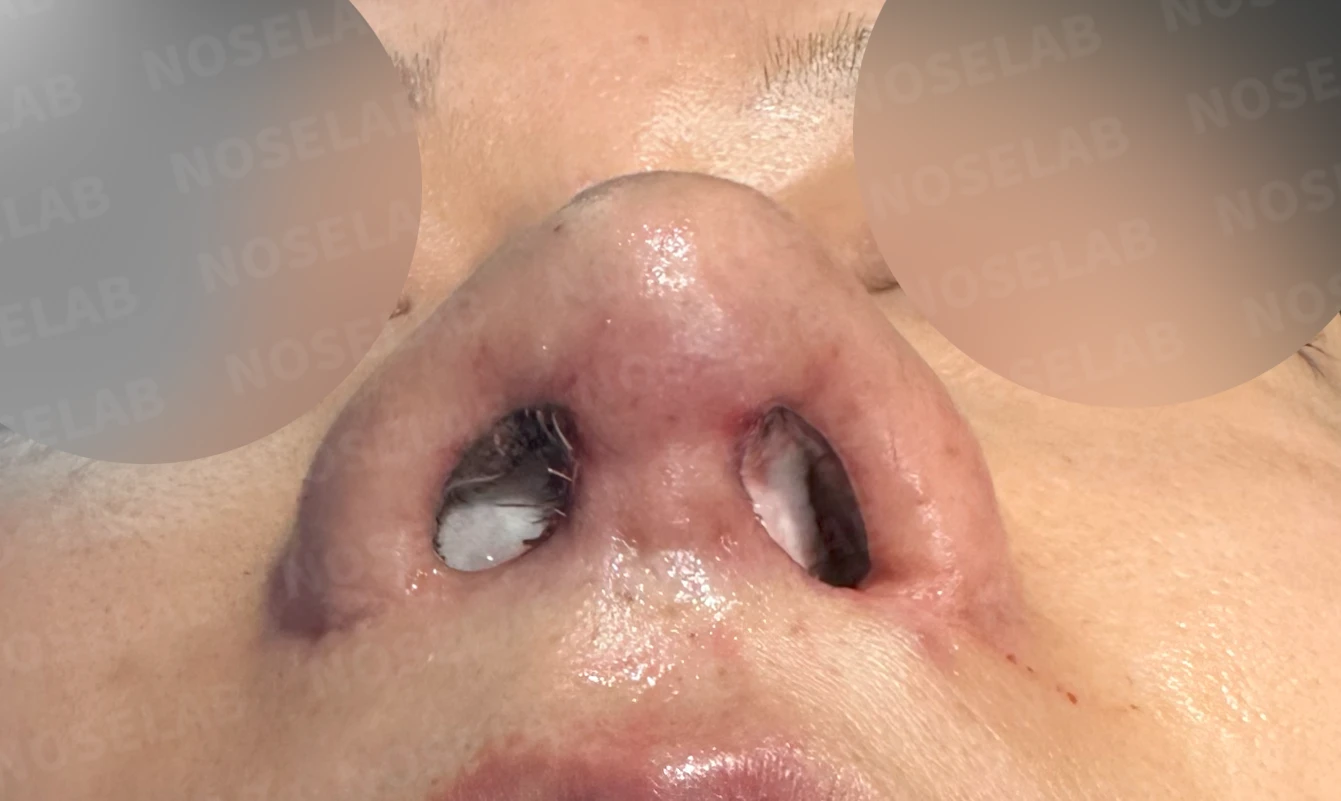
Basal (nostril) view immediately after surgery (Day 0)Immediate postoperative photos show swelling and may differ from the final result.
6. Overall evaluation
This case clearly illustrates the complexity and difficulty of correcting a contracted nose caused by an MRSA infection. Infections caused by MRSA are challenging to treat due to antibiotic resistance, and the resulting contracture is among the most demanding conditions to correct in rhinoplasty.
In this patient's case, severe inflammation had heavily damaged the existing cartilage framework. Under these circumstances, septal reconstruction and extension using autologous rib cartilage played a vital role in securing structural stability and achieving cosmetic improvement.
In addition, reconstructing and repositioning the damaged lower lateral cartilage to correct nostril asymmetry was essential for improving the overall balance and symmetry of the nose. Correcting the nasal bones through lateral osteotomy was effective in straightening the widened, deviated bridge.
A particularly notable aspect of this surgery is that such a complex reconstruction was performed via a closed approach. This allowed the procedure to be completed without additional external scarring, helping shorten the patient's recovery period.
7. Conclusion
I hope this case brings reassurance to those struggling with a contracted nose resulting from an MRSA infection. Among acute inflammatory reactions that can arise after surgery, MRSA infections must be rigorously prevented; if an infection does occur, accurate bacterial identification and antibiotic sensitivity testing must be conducted to administer the most targeted antibiotic injections for proper inflammation management. This step is of the utmost importance.
Correcting a contracted nose is a complex and demanding surgery, but satisfying results can be achieved with a sound surgical plan and proper technique. Particularly for complex revision cases like this, choosing a surgeon with extensive experience and dedicated expertise is crucial.
Drawing on my anatomical knowledge as a board-certified otolaryngologist and extensive surgical experience, I provide surgical plans tailored to each individual patient. Furthermore, through the closed approach, I have the surgical expertise to perform complex reconstructive procedures without leaving additional external scars.
If you are considering rhinoplasty, especially contracted nose correction, I encourage you to consult with a specialist to find the most appropriate method for your situation. NOSELAB will always do our best to help you achieve a healthy, aesthetically pleasing nose.
Thank you.

#contractednosecorrection #MRSAinfection #collapsednosecorrection #nostrilasymmetrycorrection #closedrhinoplasty #revisionrhinoplasty #ENTrhinoplasty #safelyplannedrhinoplasty #autologousribcartilagegraft #septalreconstruction #bridgecorrection #tiprhinoplasty
Limitations and risks
When autologous rib cartilage is used, scarring and pain may remain at the donor site on the chest, and pneumothorax (pleural injury) can occur rarely. Over time, the grafted cartilage may warp or undergo partial resorption.
When revising after implant removal, contracture may progress again after removal, the nasal height and length may decrease, and staged surgery may be necessary depending on the skin condition.
When the septum is corrected at the same time, nasal obstruction may persist or recur, and in rare cases, septal perforation or changes in smell may occur.
Common potential risks include infection, bleeding, asymmetry, scarring, skin necrosis, and insufficient improvement; results vary depending on individual skin condition and previous surgical history.