Hello, I am Dr. Peter C. Kang.
Today, I would like to share a rhinoplasty case of a patient who was troubled by a contracted and upturned nose.
In cases like this, the patient had been struggling with contracture and an upturned nose caused by inflammation following multiple nasal surgeries.
Although it was a complex revision rhinoplasty case, customized rhinoplasty using autologous rib cartilage brought about a significant transformation.
1. Patient history and requests
The patient's nasal surgery history:
- 2012: L-shaped silicone implant placement
- 2019: Silicone implant + autologous rib cartilage + alar reduction + philtrum reduction
- 2023: Silicone implant + ear cartilage + lowering the nostril rim (inflammation developed immediately after splint removal; treated with antibiotics)
- 2023 (5 months later): Silicone implant removal
- After visiting NOSELAB: 6 sessions of stem cell therapy performed
Patient's requests:
1. Correction of upturned nose
2. Correction of nostril asymmetry
3. Correction of the depressed nasal tip area
4. Creating a dorsal hump
5. Nasolabial angle correction
2. Preoperative design consultation
Let us analyze the patient's preoperative condition in detail:
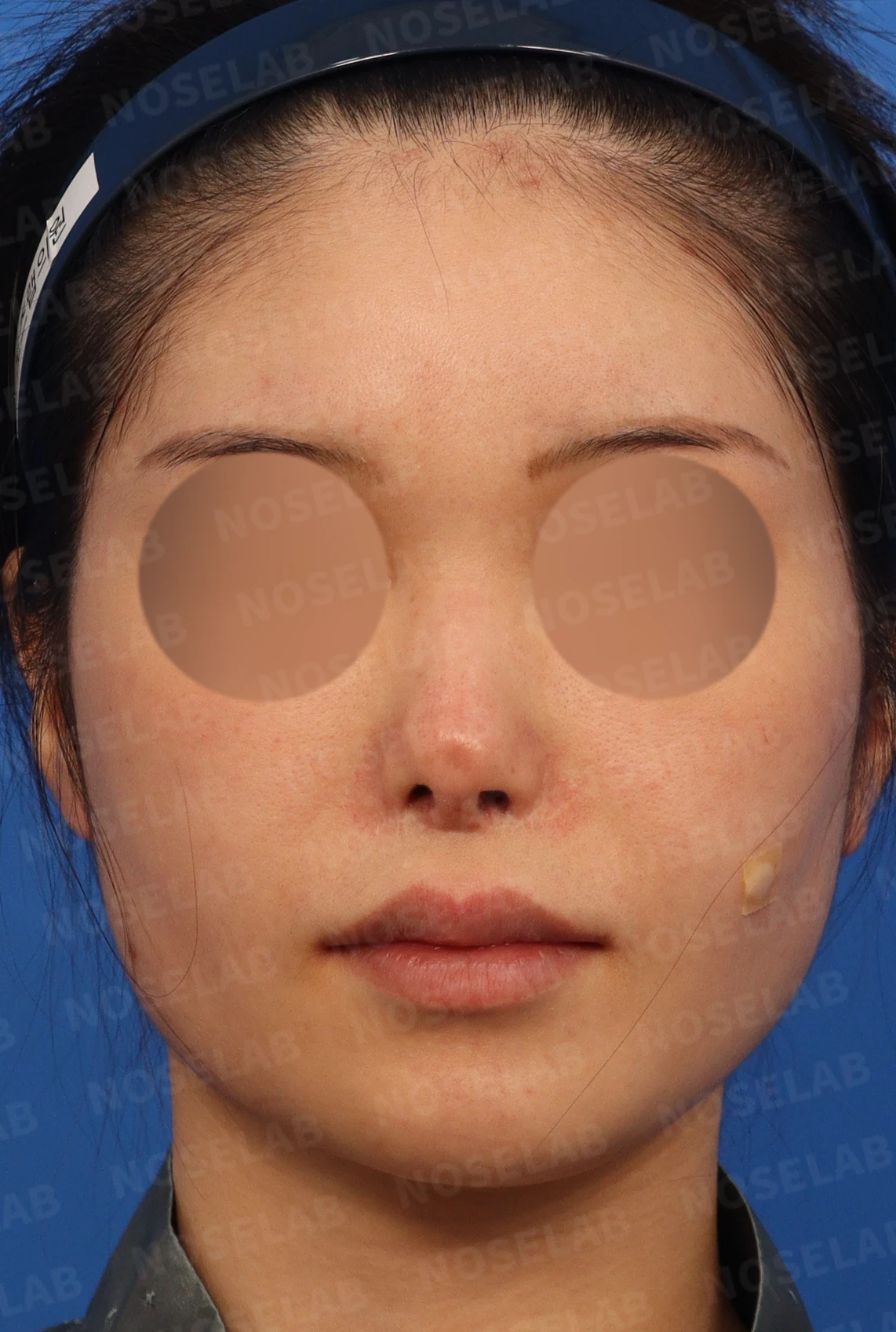
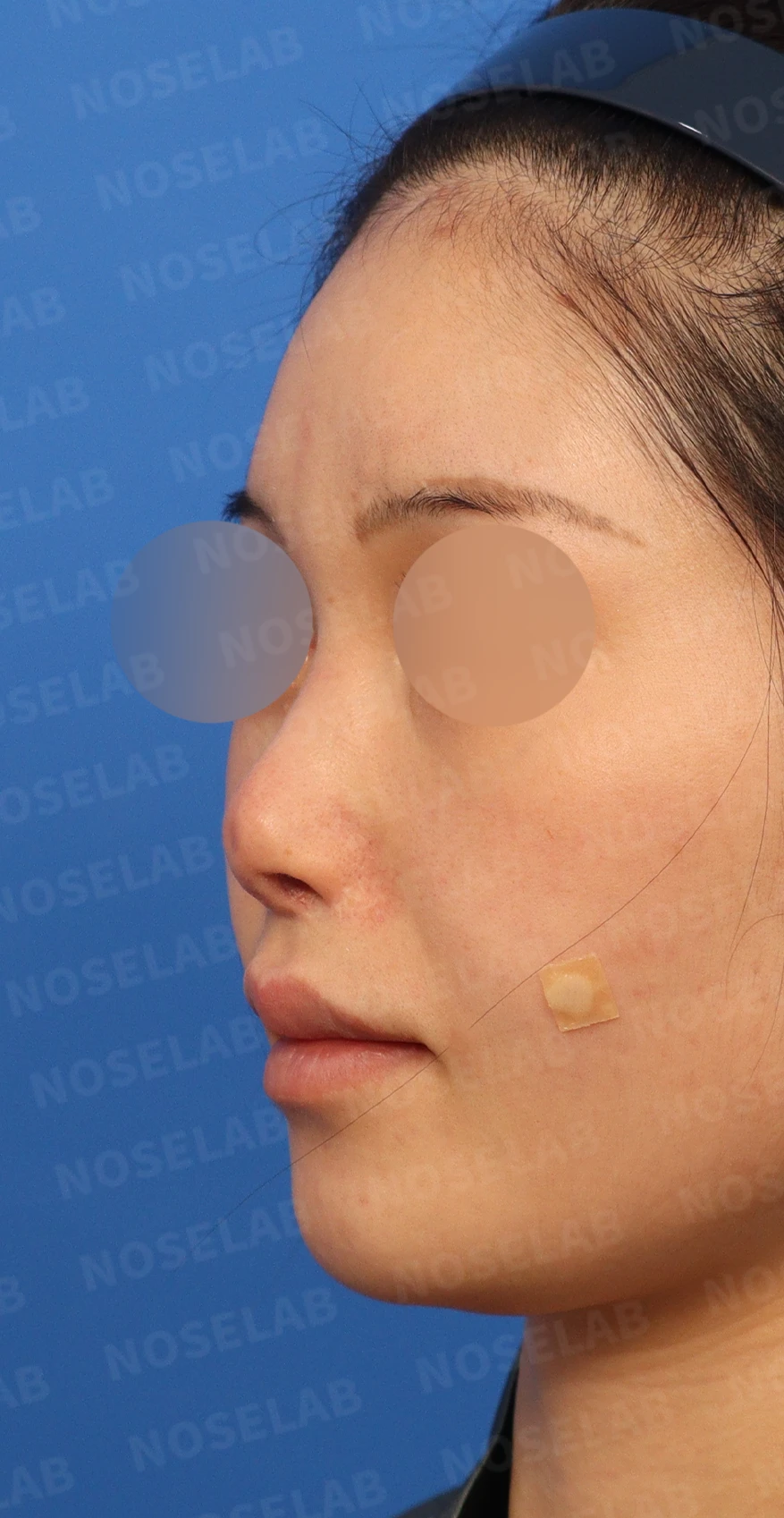
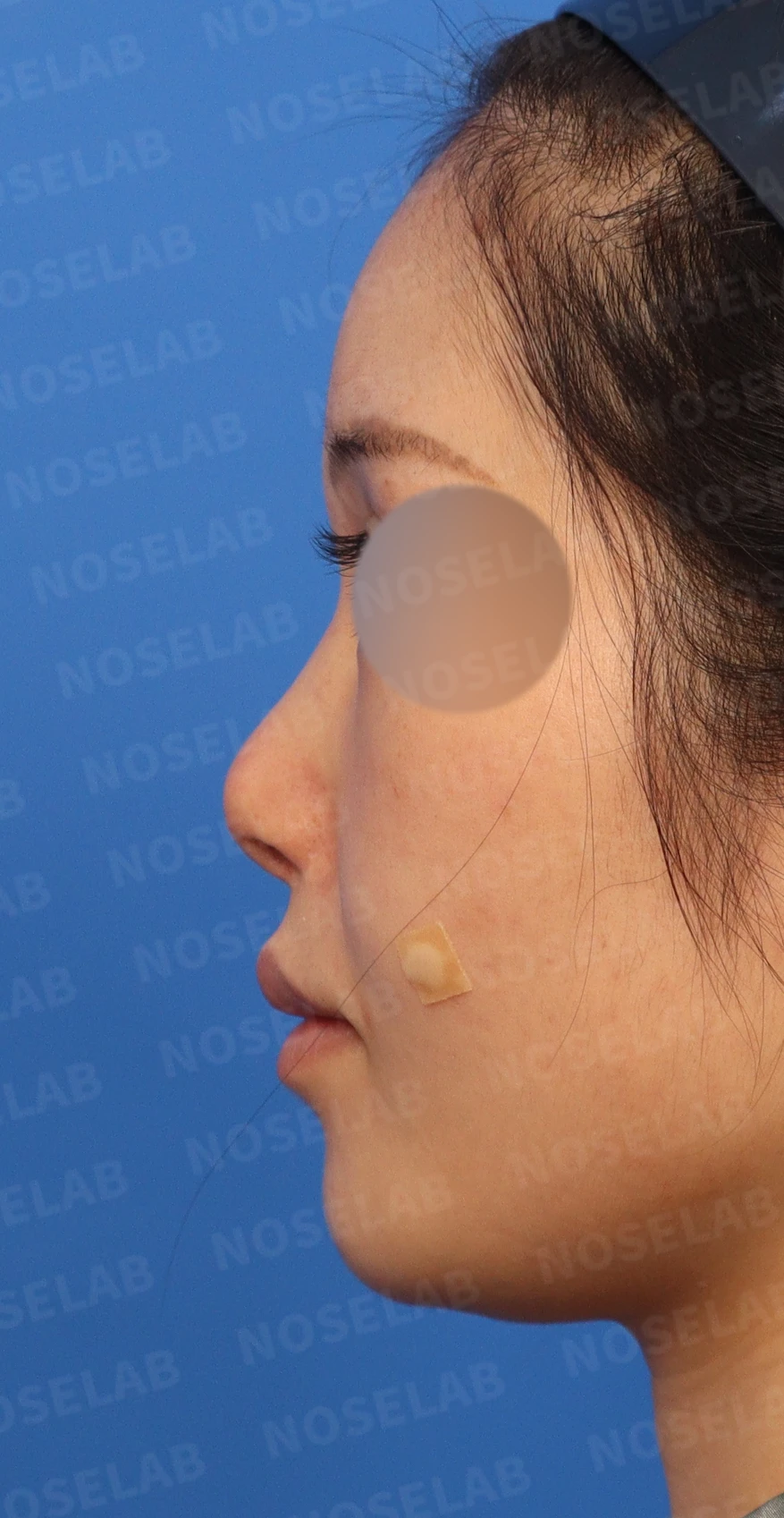
Front, left oblique, and left profile views from the preoperative design consultation
Front view:
- Excessive nostril show and asymmetry are present
- The nasal bridge appears widened and flat
- A depressed scar is visible at the nasal tip
Oblique view:
- The nasal tip appears bulbous and upturned
- The nasal bridge is flat and lacks three-dimensional definition
Profile view:
- The nasal tip appears bulbous and compressed
- Excessive nostril show
- The nasolabial angle appears inappropriate
Nostrils:
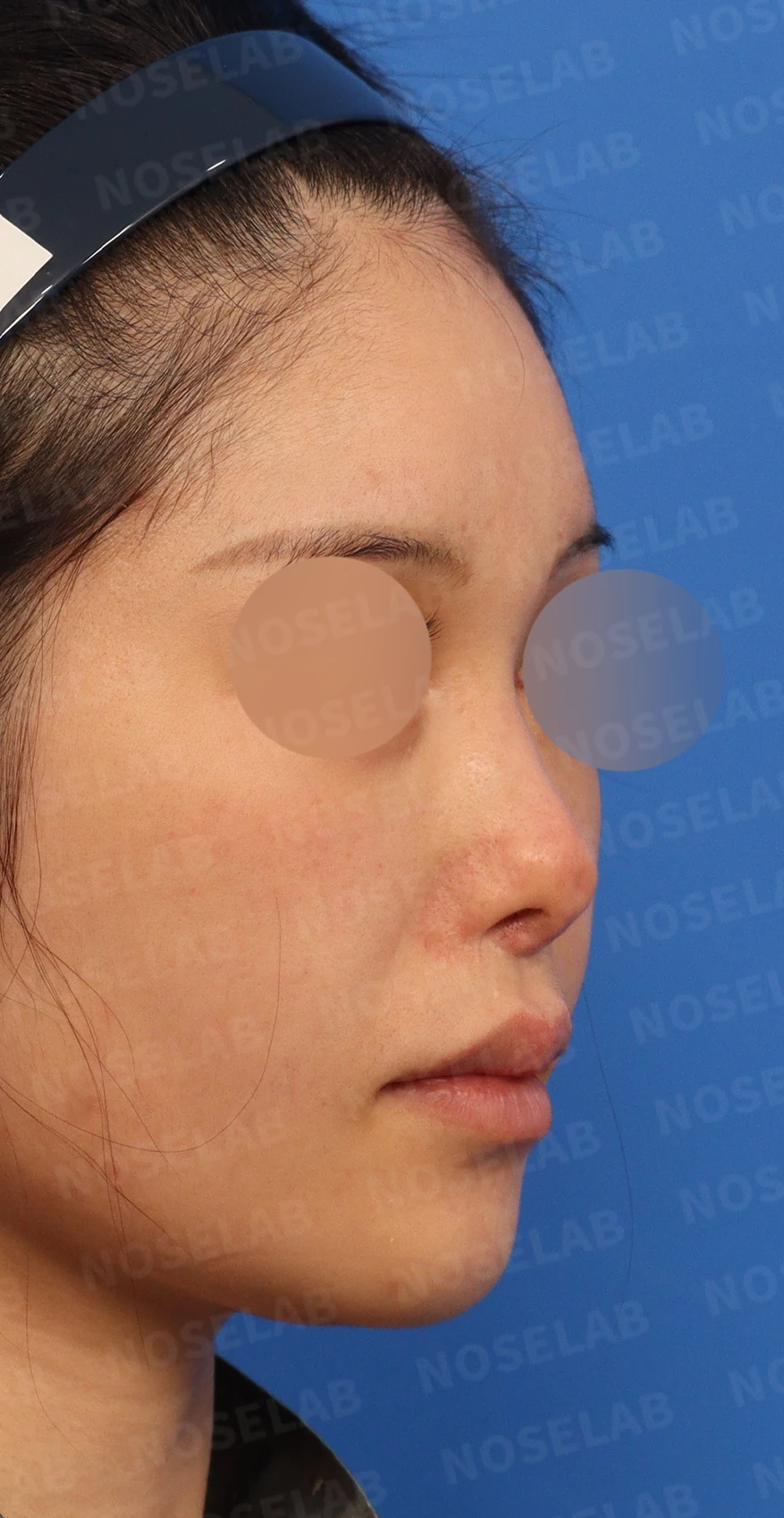
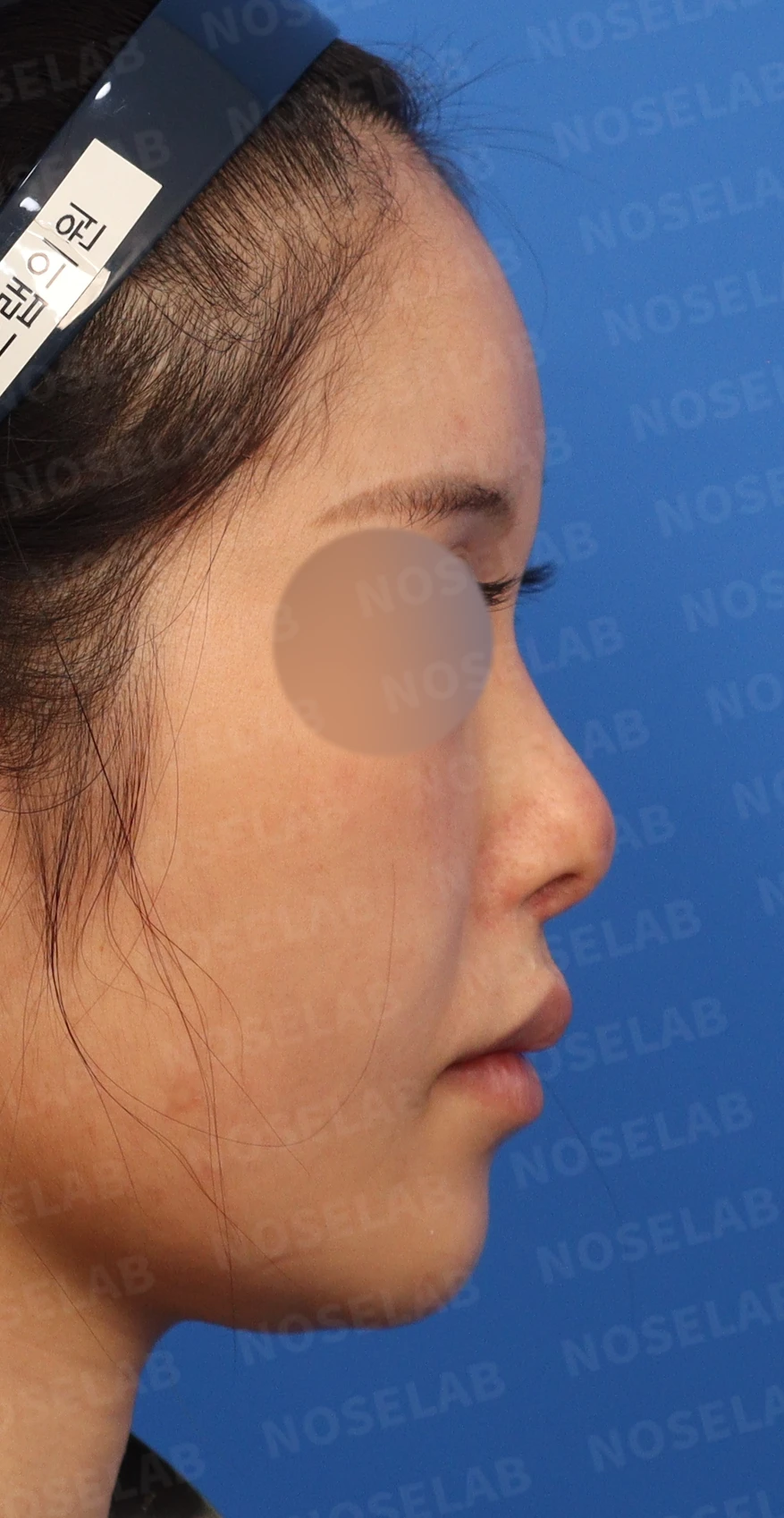
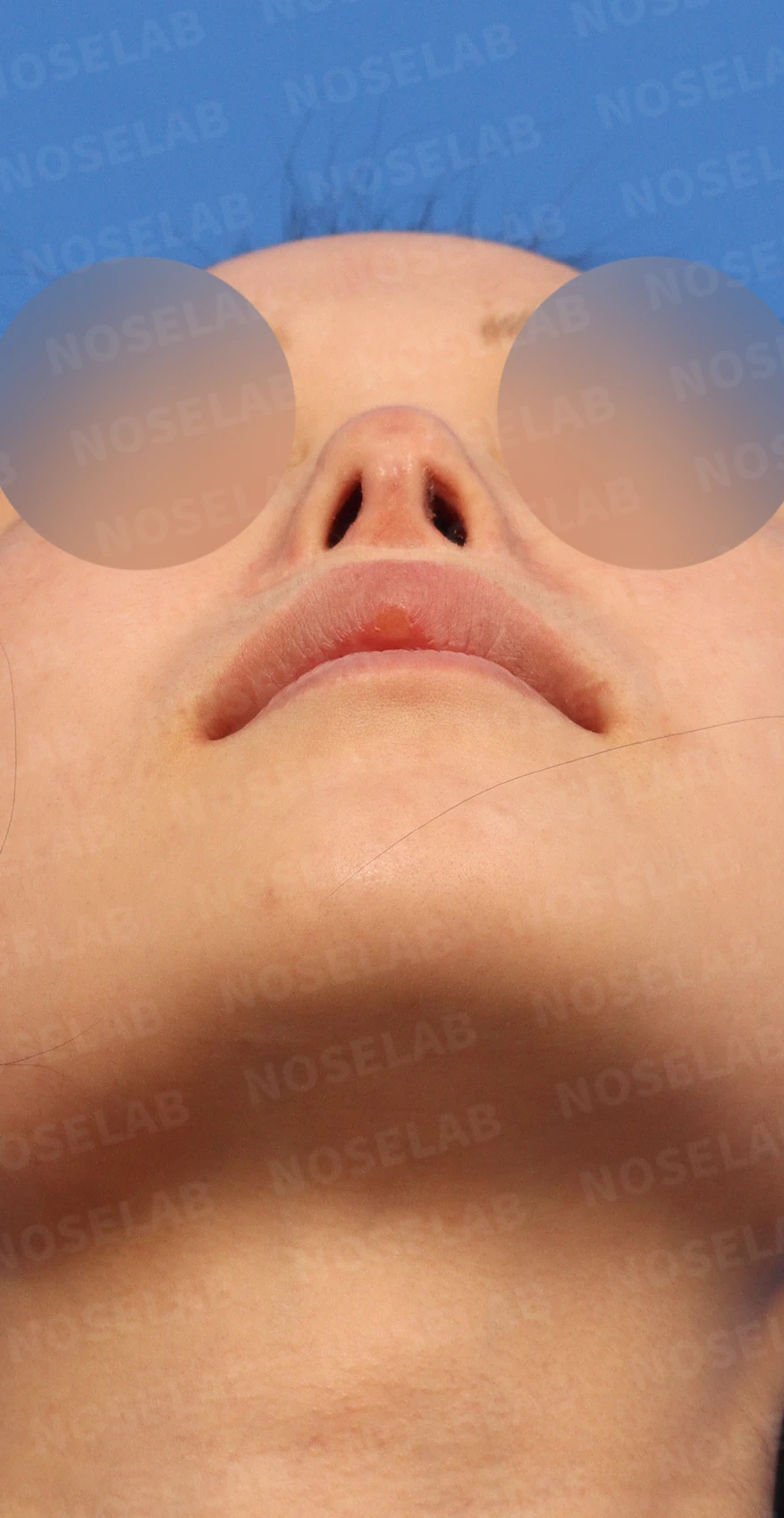
Right oblique, right profile, and basal (nostril) views from the preoperative design consultation
- The nostrils are narrowed
- The columella appears wide
- The nasal tip is bulbous
- Nostril asymmetry is evident
3. Surgical plan
Taking into account the patient's condition and requests, the following surgical plan was established:
a) Septal extension using autologous rib cartilage
b) Septal reconstruction
c) Improving nostril asymmetry by shifting the septum to the left
d) Creating a dorsal hump using autologous rib cartilage
e) Lower lateral cartilage reconstruction using autologous rib cartilage
f) Correction of the nasolabial angle
4. Procedure details
The following procedures were performed using a closed approach:
a) Autologous rib cartilage harvest:
- The patient's rib cartilage was harvested to secure an adequate amount of cartilage for nasal reconstruction.
b) Septal extension and reconstruction:
- The septum was extended and reconstructed using autologous rib cartilage.
- Through this, the upturned nose was corrected and structural stability of the nose was secured.
c) Correction of nostril asymmetry:
- The nostril asymmetry was improved by shifting the septum to the left.
d) Creating a dorsal hump:
- A natural dorsal hump was shaped by delicately carving the autologous rib cartilage.
e) Lower lateral cartilage reconstruction:
- The lower lateral cartilages were reconstructed using autologous rib cartilage.
- Through this, the tip shape and support were improved.
f) Correction of the nasolabial angle:
- An appropriate nasolabial angle was created by adjusting the position of the nasal tip and septum.
All procedures were performed using a closed approach, completing the surgery without external scars.
5. Comparison of before-and-after photos
Comparing photos taken immediately after surgery on day 0 shows the following improvements: Photos taken immediately after surgery show swelling and may differ from the final result.
Front view:
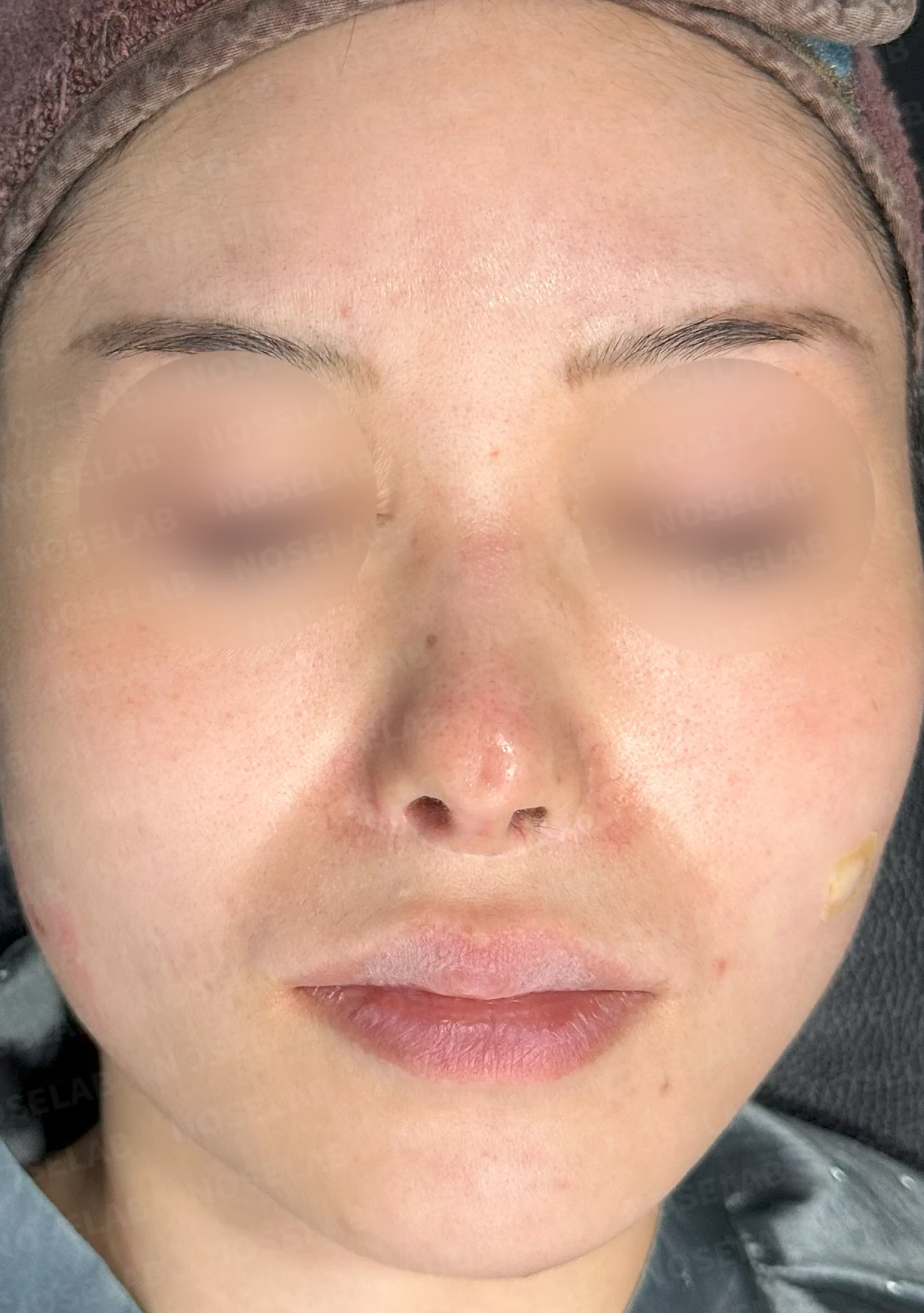
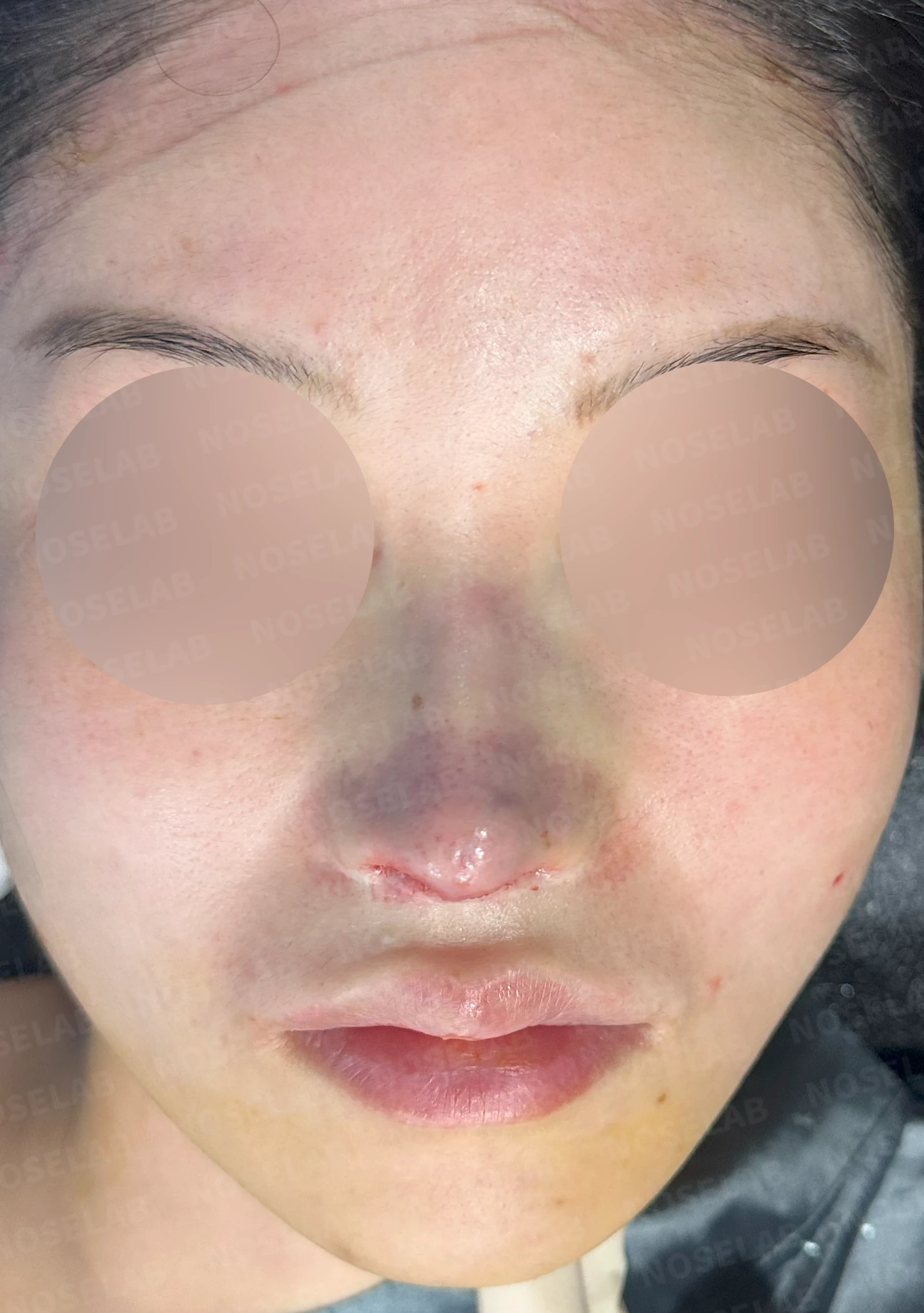
Before surgery / Day 0 immediately after surgery Photos taken immediately after surgery show swelling and may differ from the final result.
- The upturned nose was corrected, significantly reducing nostril show.
- The nasal bridge appears more gathered and gained three-dimensional definition.
- Nostril asymmetry improved.
Oblique view:
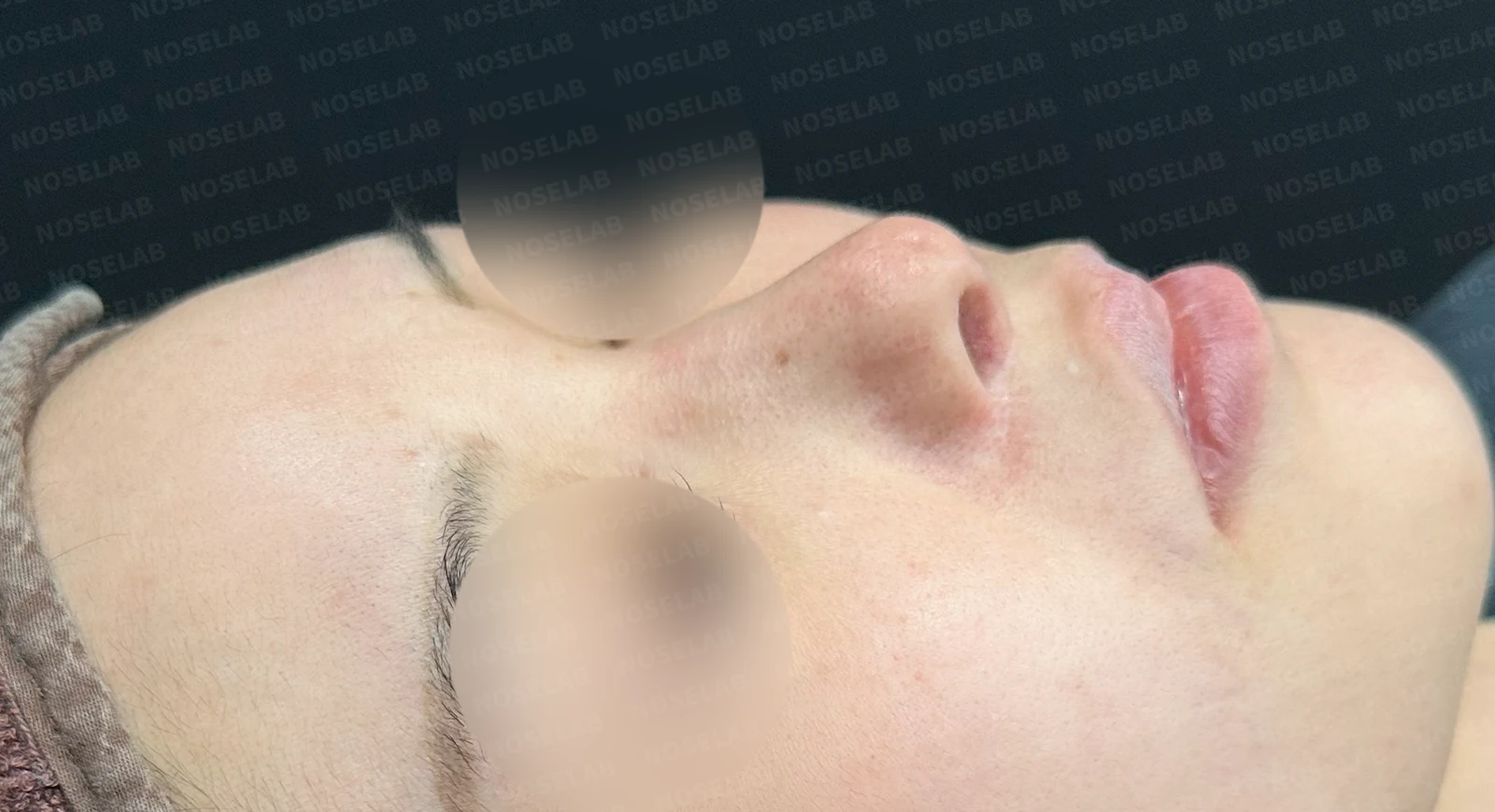
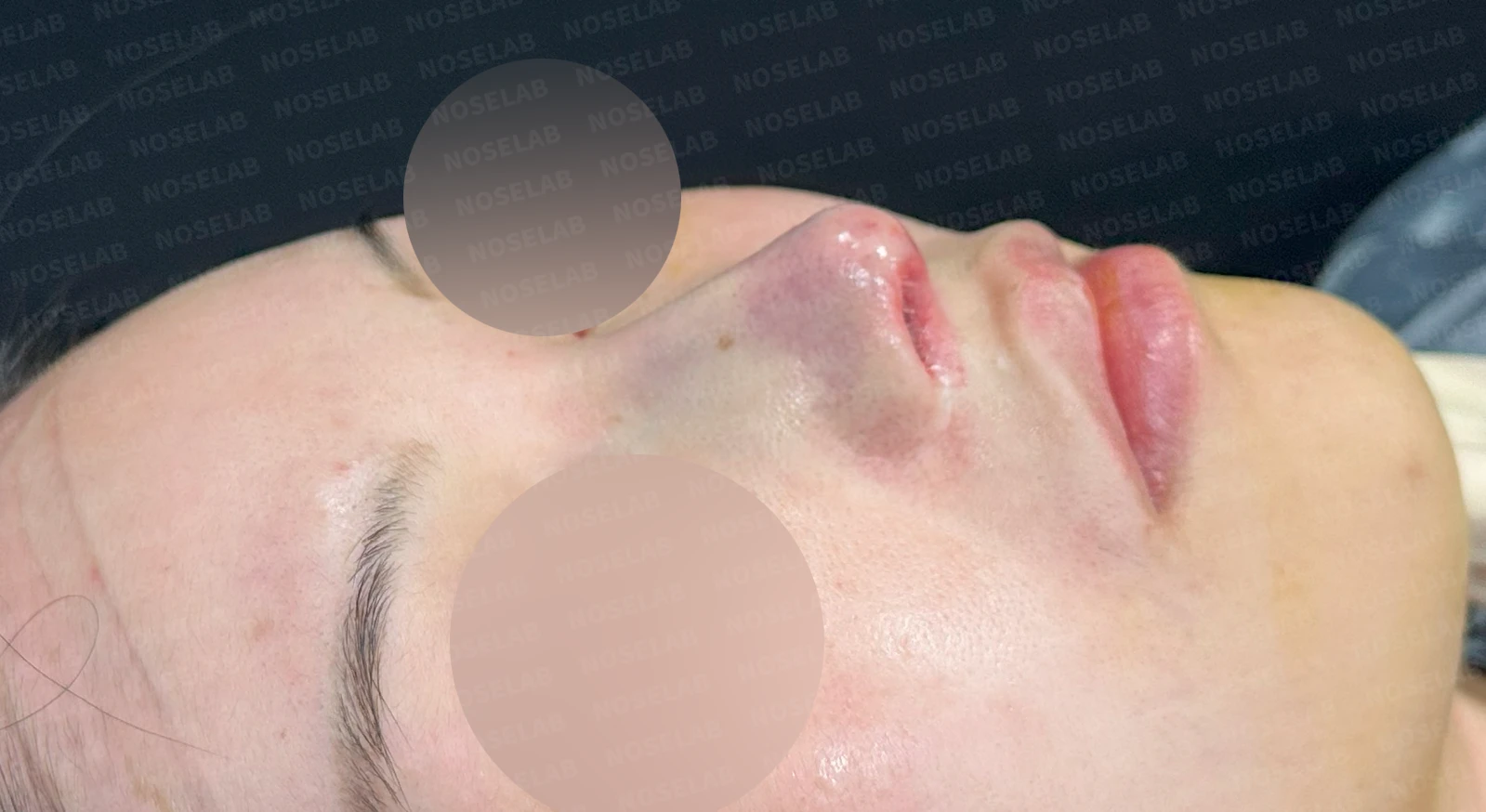
Before surgery / Day 0 immediately after surgery Photos taken immediately after surgery show swelling and may differ from the final result.
- A natural dorsal hump line was formed along the bridge.
- The bulbousness and upturn of the nasal tip were improved.
- Nostril show was reduced, presenting a more natural appearance.
Profile view:
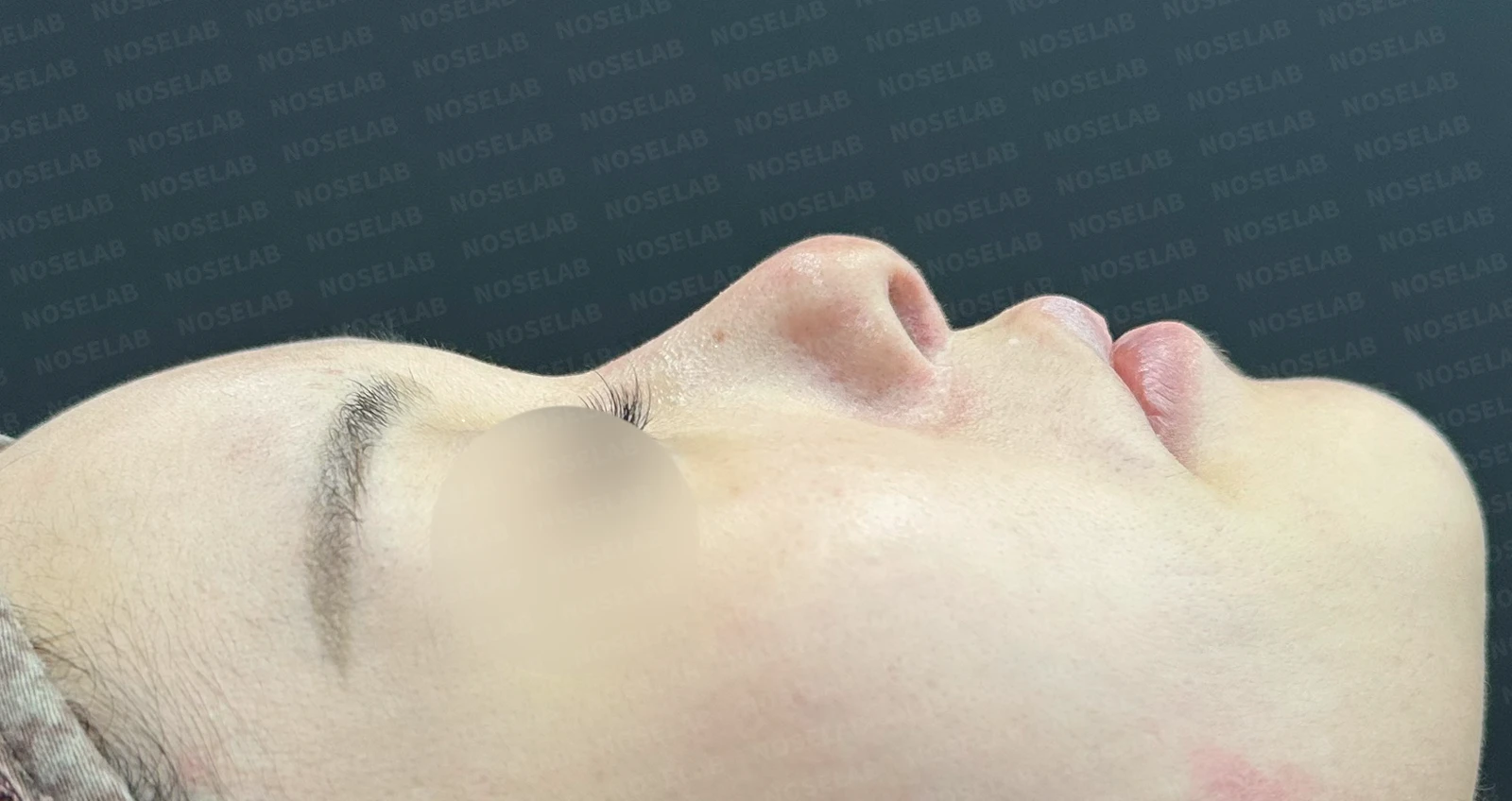
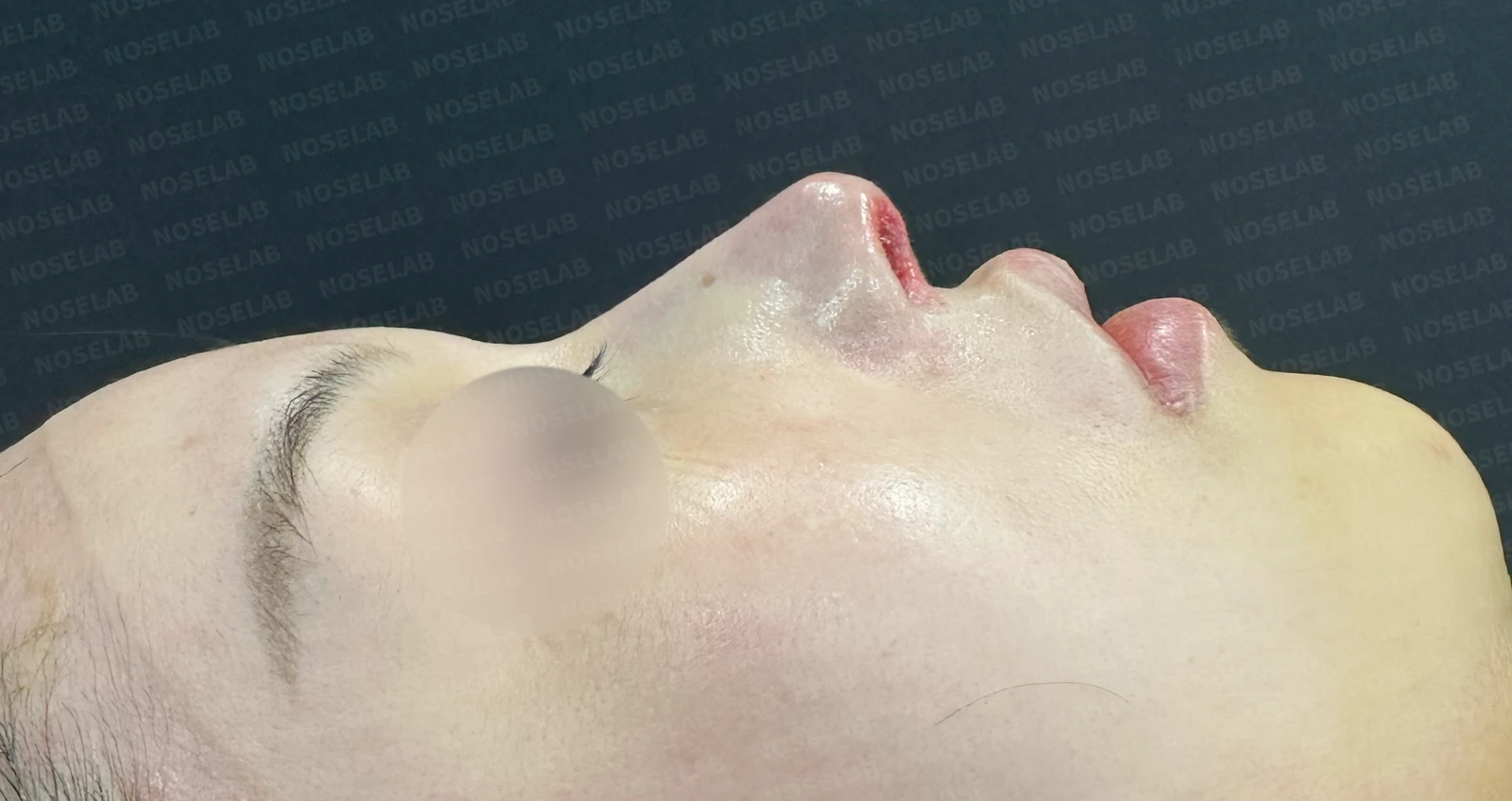
Before surgery / Day 0 immediately after surgery Photos taken immediately after surgery show swelling and may differ from the final result.
- The bulbous, compressed appearance of the nasal tip was corrected.
- A natural dorsal hump curve was created along the bridge.
- The nasolabial angle was corrected, improving the appearance of a protruding mouth.
- Nostril show was reduced.
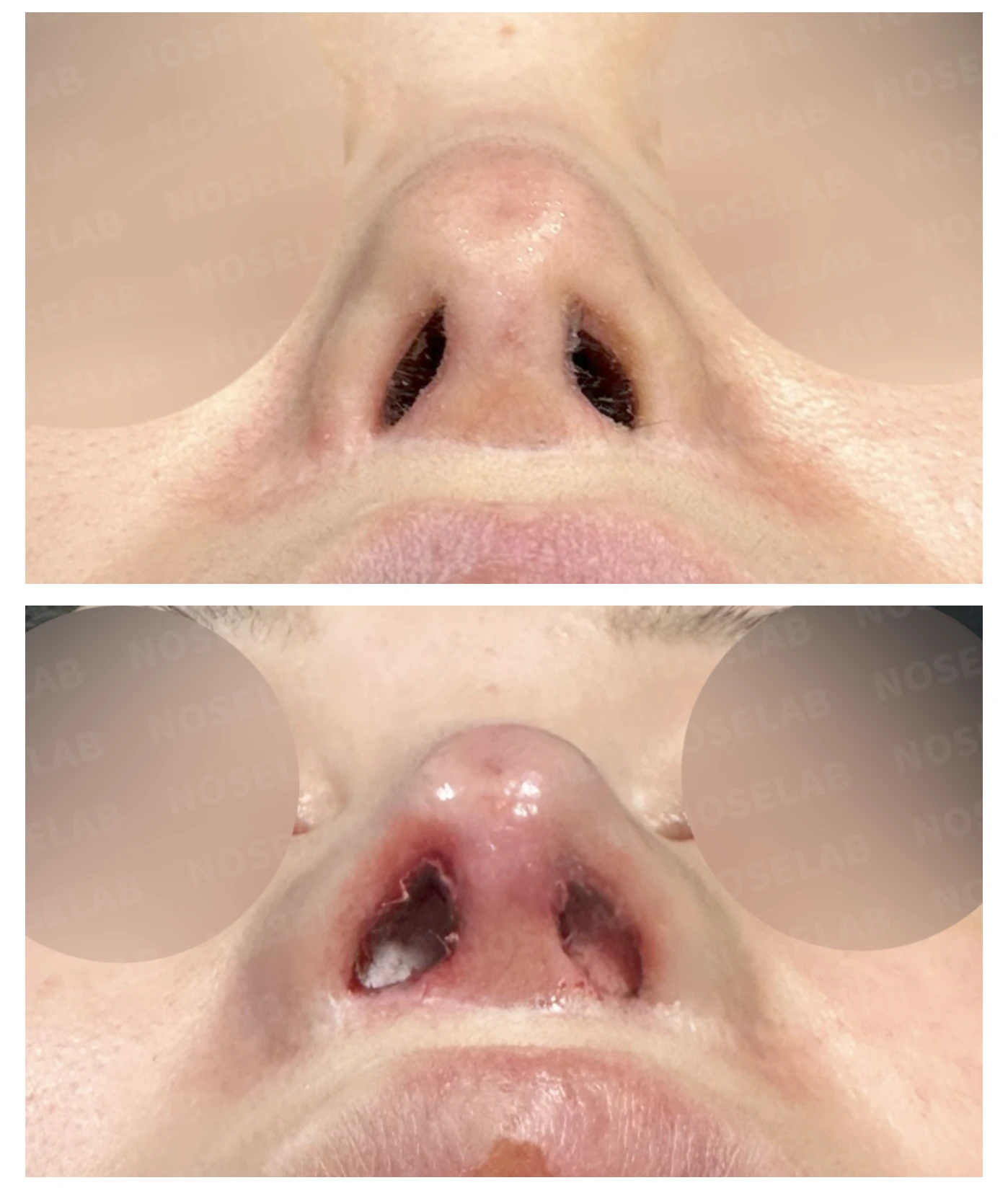
Nostrils:
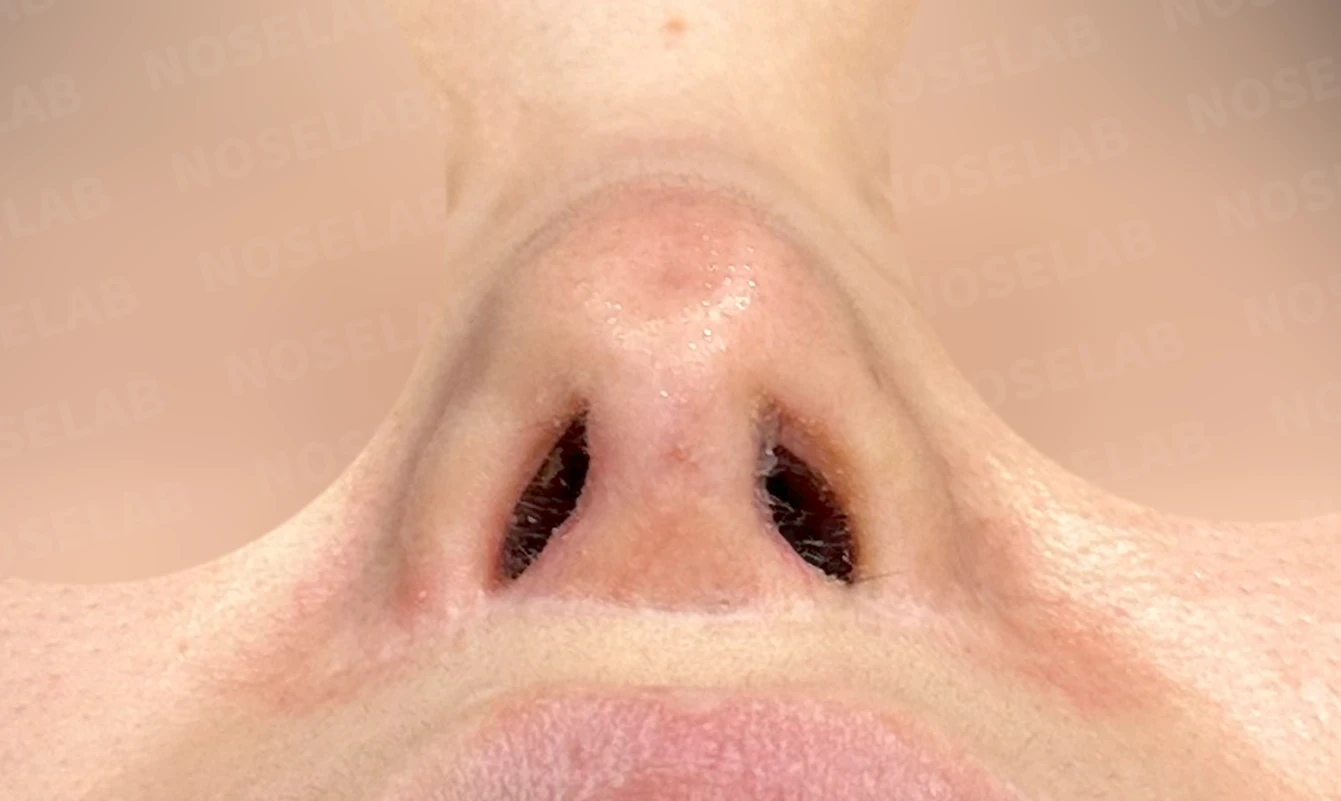
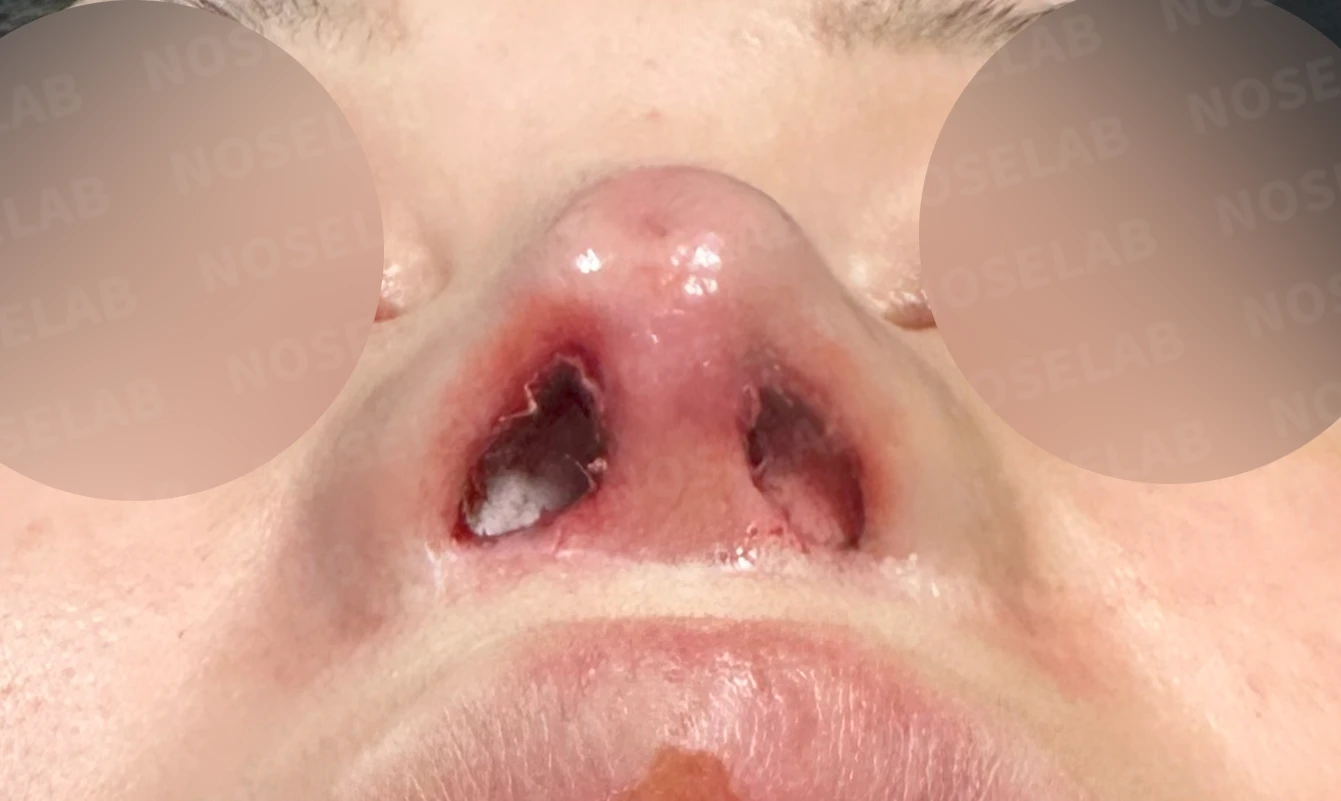
Before surgery / Day 0 immediately after surgery Photos taken immediately after surgery show swelling and may differ from the final result.
- The previously narrowed nostrils were appropriately widened.
- The wide columella was naturally narrowed.
- The bulbous nasal tip has been naturally improved.
- Nostril asymmetry improved significantly.
6. Photos taken immediately after surgery (day 0)Immediate postoperative photos show swelling and may differ from the final result.
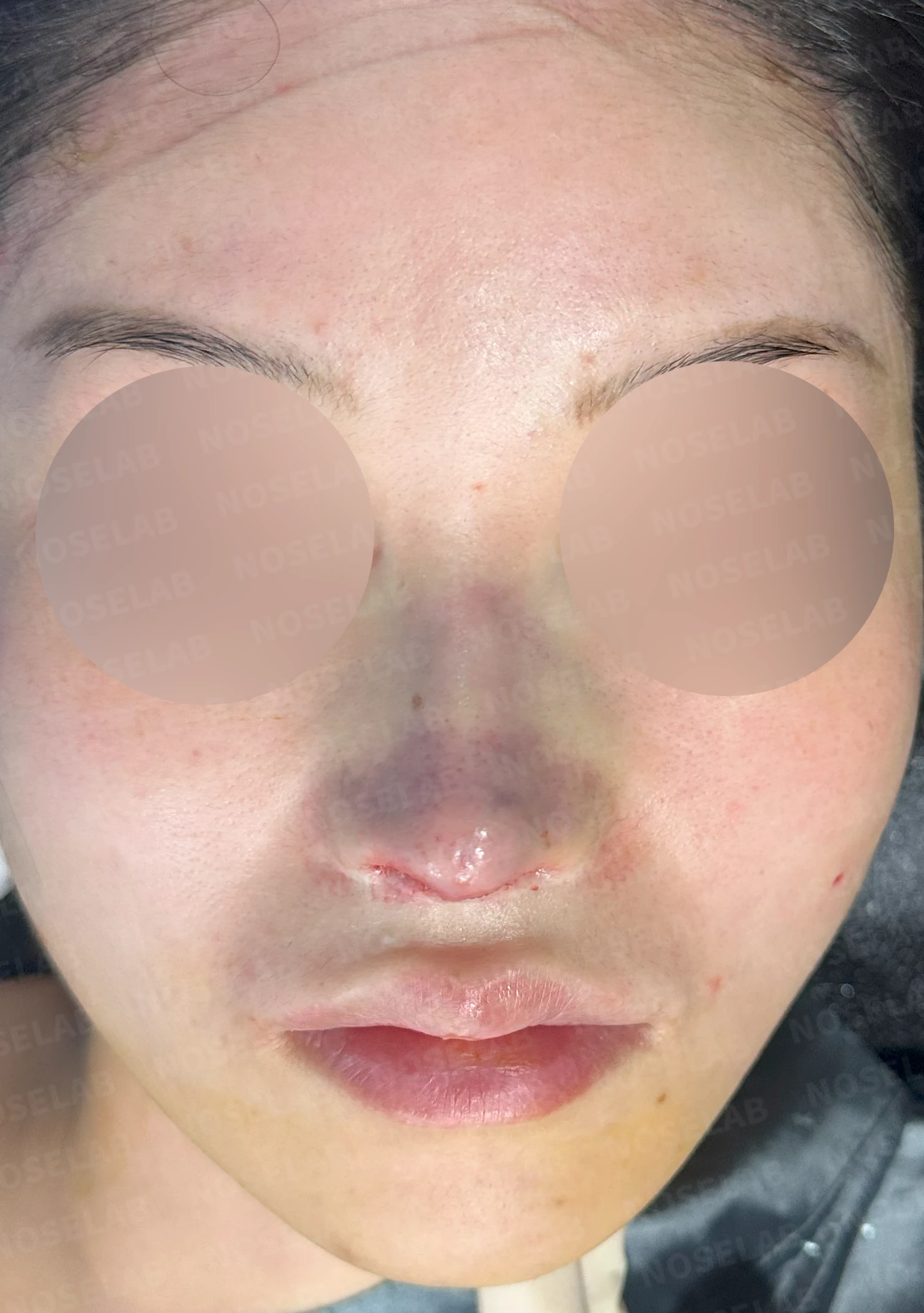
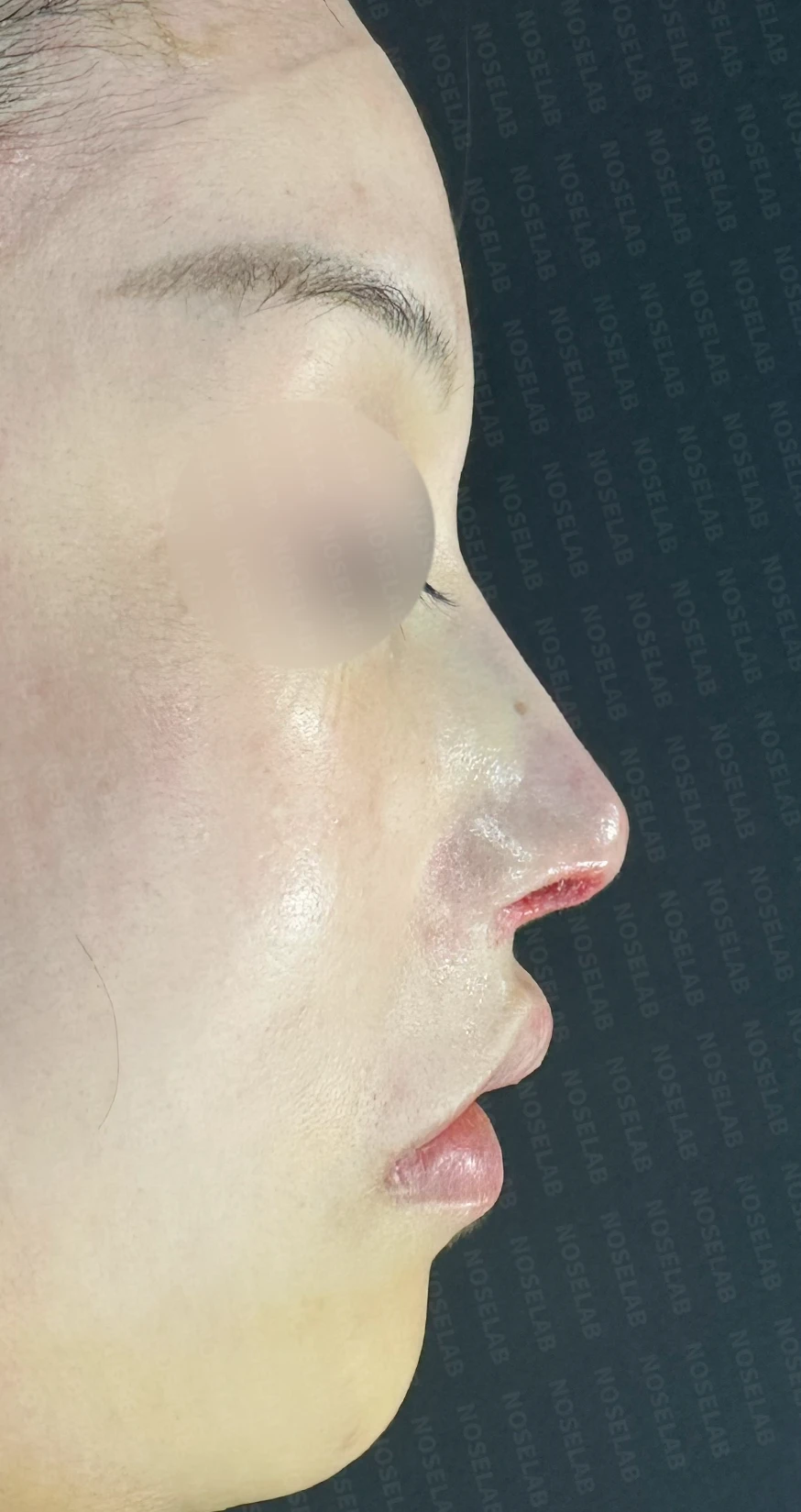
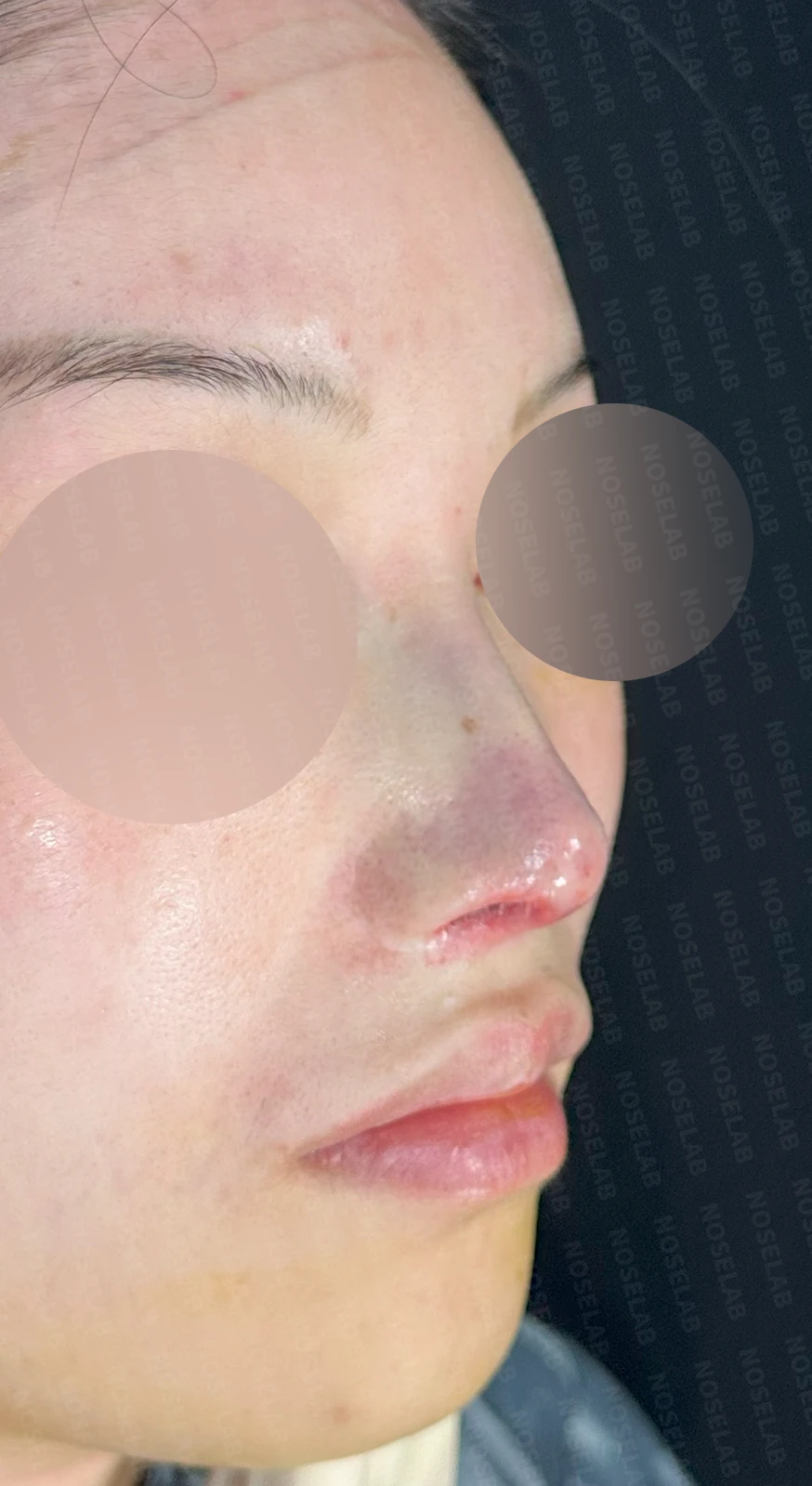
Front, profile, and oblique views immediately after surgery on day 0 Photos taken immediately after surgery show swelling and may differ from the final result.
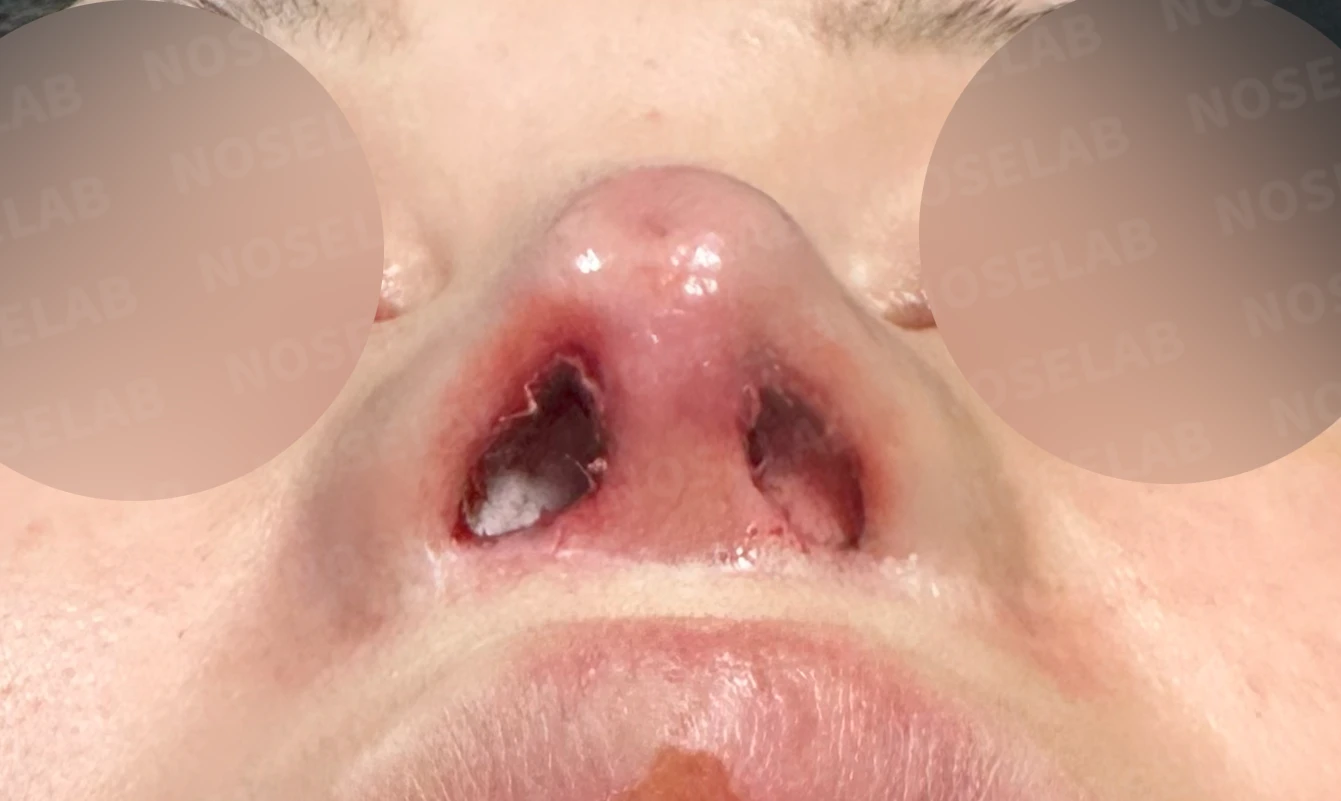
Basal (nostril) view immediately after surgery (Day 0)Immediate postoperative photos show swelling and may differ from the final result.
7. Overall assessment
This was a complex revision rhinoplasty case where contracture issues resulting from multiple prior surgeries and inflammation had to be addressed. However, through customized rhinoplasty using autologous rib cartilage and meticulous surgical planning, a remarkable improvement was achieved.
Key points to note include:
1. Use of autologous rib cartilage: By utilizing an ample amount of autologous tissue, a stable and natural result could be obtained.
2. Septal reconstruction and extension: Played a pivotal role in resolving the upturned nose and structural instability.
3. Delicate dorsal hump formation: A natural dorsal hump line was created reflecting the patient's preferences.
4. Correction of nostril asymmetry: By adjusting the position of the septum, longstanding nostril asymmetry was improved.
5. Correction of the nasolabial angle: Harmony between the nose and lips was improved, enhancing overall facial balance.
Through this surgery, all of the patient's requests were successfully met. The upturned nose was corrected, nostril asymmetry was improved, and the depressed area of the nasal tip was naturally corrected. In addition, the requested dorsal hump was shaped and the nasolabial angle was corrected to create a harmonious nasal contour.
8. Concluding remarks
I hope this case brings hope to those suffering from contracted and upturned noses. In reconstructive surgery for contracture caused by inflammation, the actual surgical findings often differ significantly from pre-operative expectations, making it very difficult to predict outcomes accurately. Therefore, at NOSELAB, for such complex revision rhinoplasty cases, we strive to achieve a positive impact on surgical outcomes by combining pre-operative stem cell therapy.
I would also like to emphasize once again the importance of surgery using autologous tissue. Particularly in complex revision cases, using autologous tissue supports a more stable and natural result. Please also remember that pursuing a natural design rather than an overly aggressive one creates better outcomes in the long run.
If you are considering rhinoplasty, especially revision rhinoplasty, I recommend consulting with a surgeon who has extensive experience and specialized expertise. Based on anatomical knowledge as a board-certified otolaryngologist and extensive surgical experience, Dr. Peter C. Kang provides surgical plans tailored to each individual patient.
I will be with you every step of the way to achieve a beautiful and healthy nose.
This was Dr. Peter C. Kang. Thank you.
Thank you.
#ContractedNoseCorrection #UpturnedNoseCorrection #NostrilAsymmetryCorrection #DorsalHumpRhinoplasty #AutologousRibCartilageGraft #ClosedRhinoplasty #RevisionRhinoplasty #ENTSpecialistRhinoplasty #SafeRhinoplasty #StemCellTherapy #CustomizedRhinoplasty #NasolabialAngleCorrection

Limitations and risks
When autologous rib cartilage is used, scarring and pain may remain at the donor site on the chest, and pneumothorax (pleural injury) can occur rarely. Over time, the grafted cartilage may warp or undergo partial resorption.
When revising after implant removal, contracture may progress again after removal, the nasal height and length may decrease, and staged surgery may be necessary depending on the skin condition.
When the septum is corrected at the same time, nasal obstruction may persist or recur, and in rare cases, septal perforation or changes in smell may occur.
Common potential risks include infection, bleeding, asymmetry, scarring, skin necrosis, and insufficient improvement; results vary depending on individual skin condition and previous surgical history.