Hello, I am Dr. Peter C. Kang.
Today, I would like to introduce a case in which a severely inflamed nose caused by Medpor mucosal extrusion was resolved through autologous rib cartilage reconstruction.
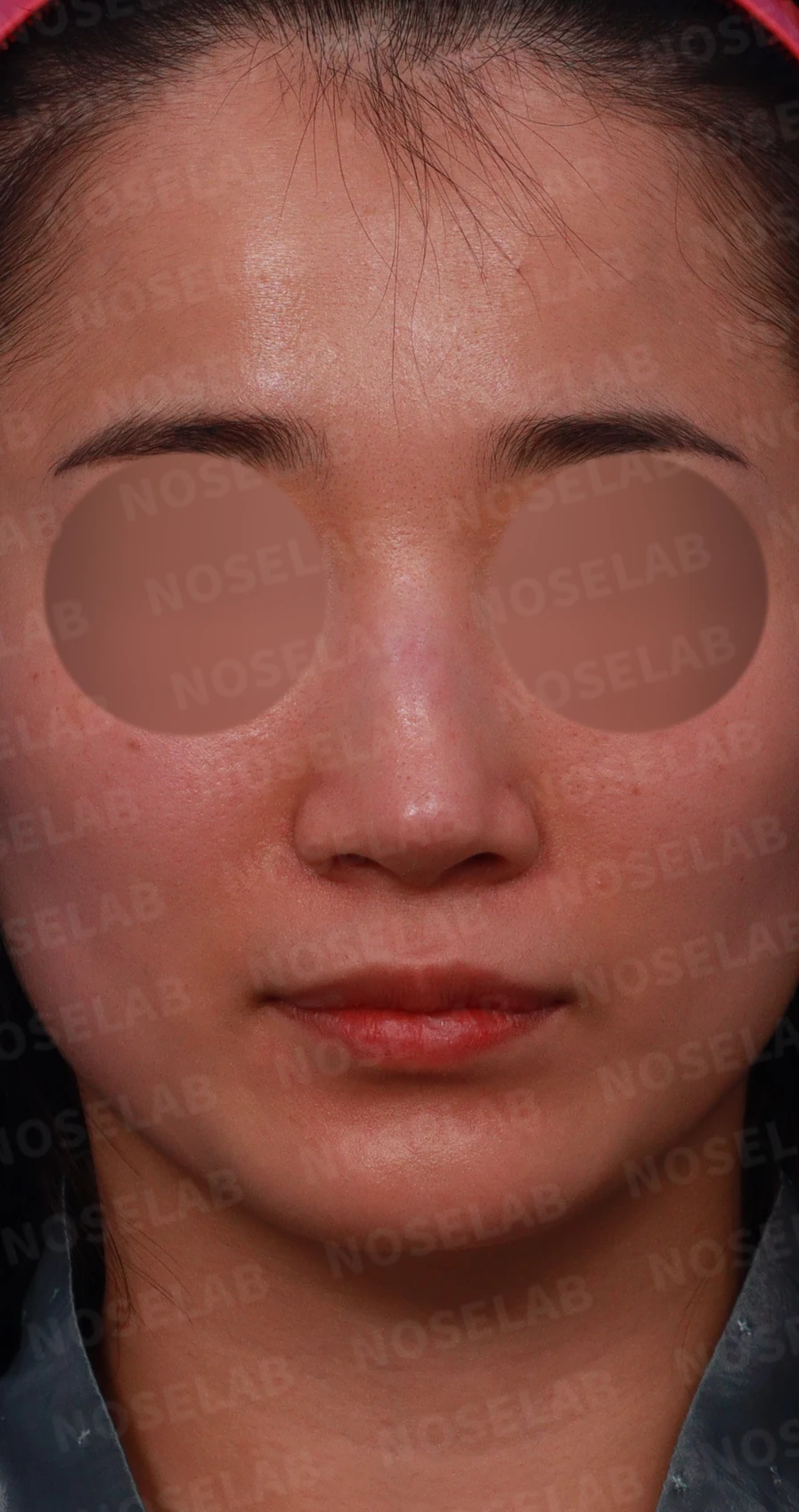
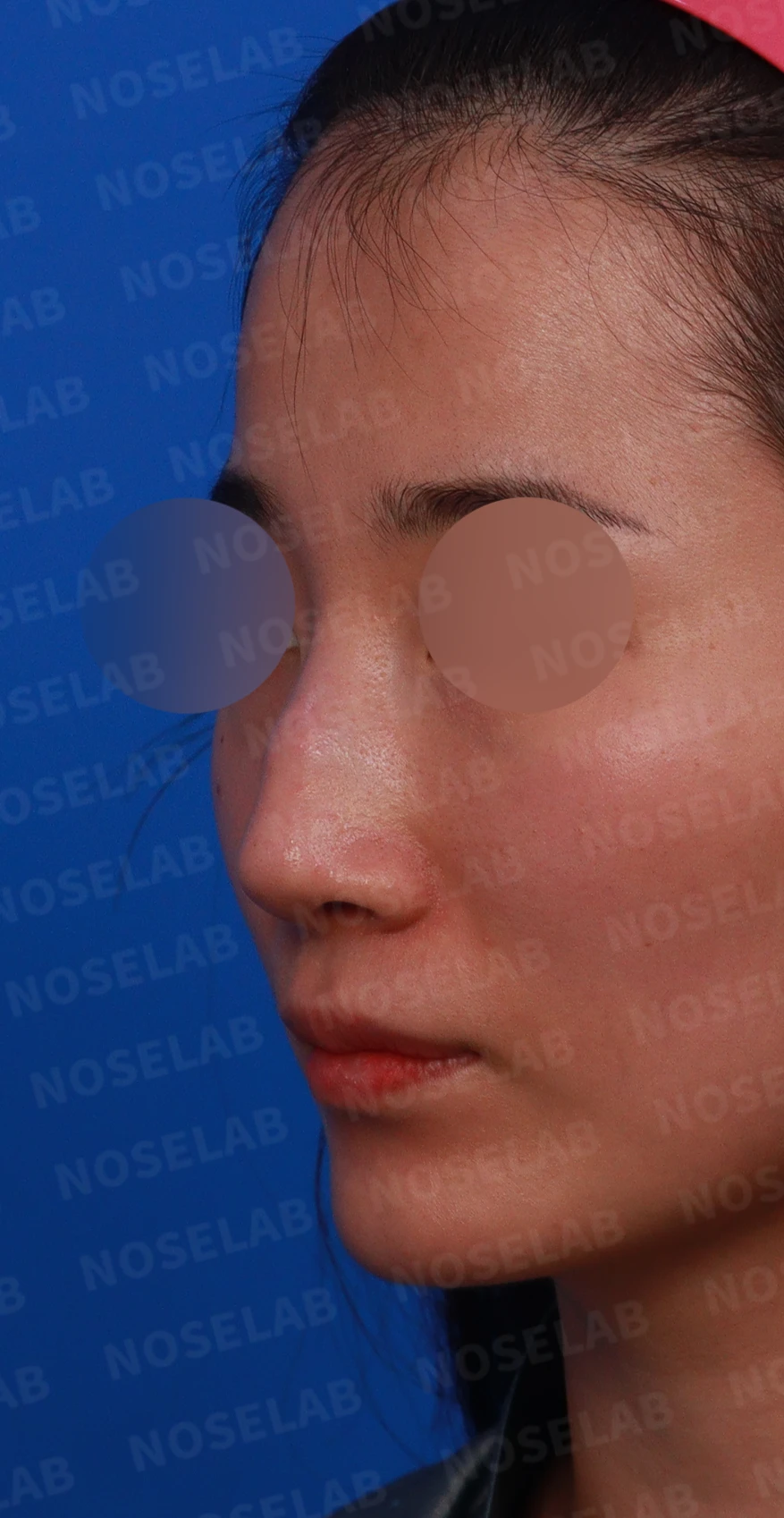
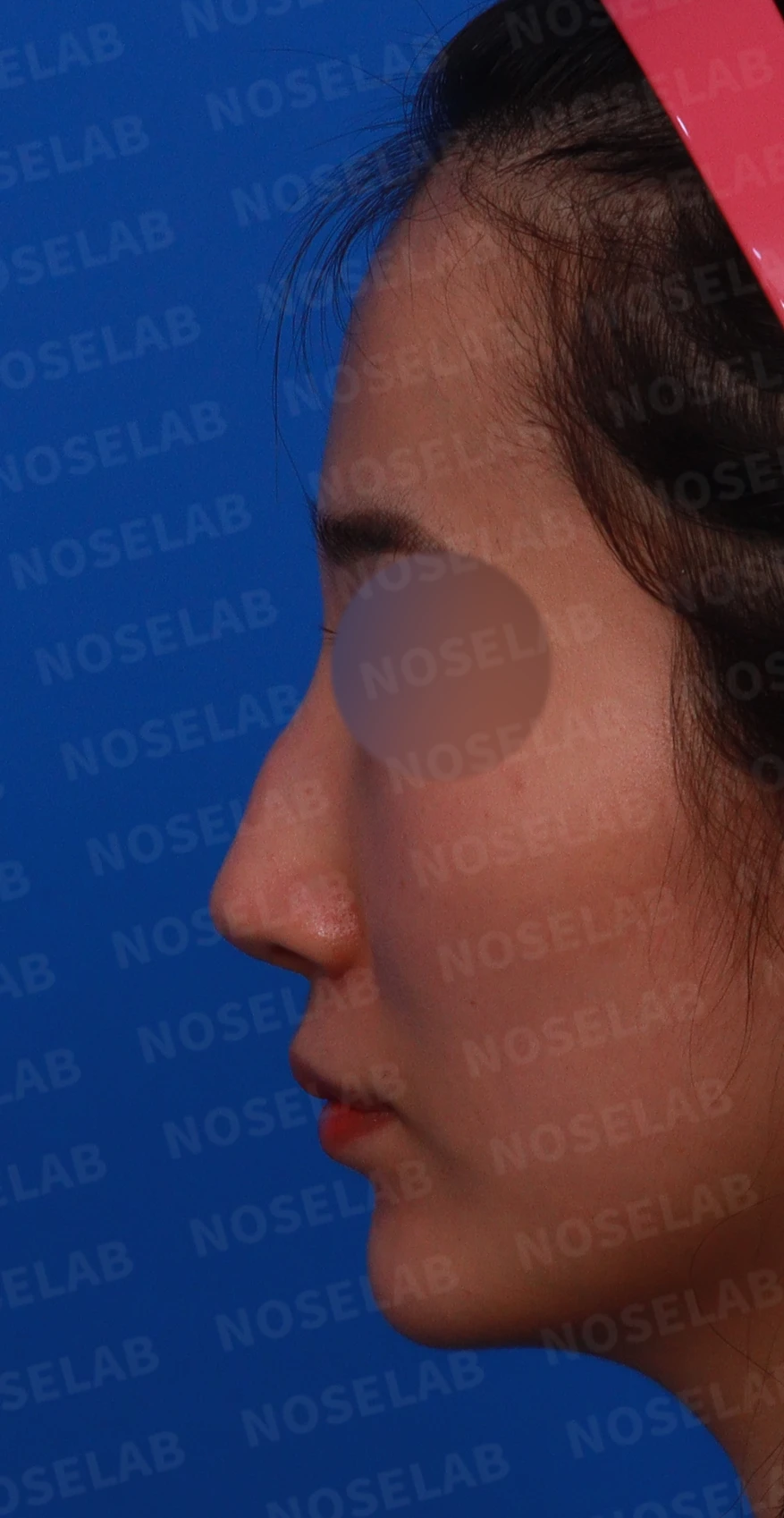
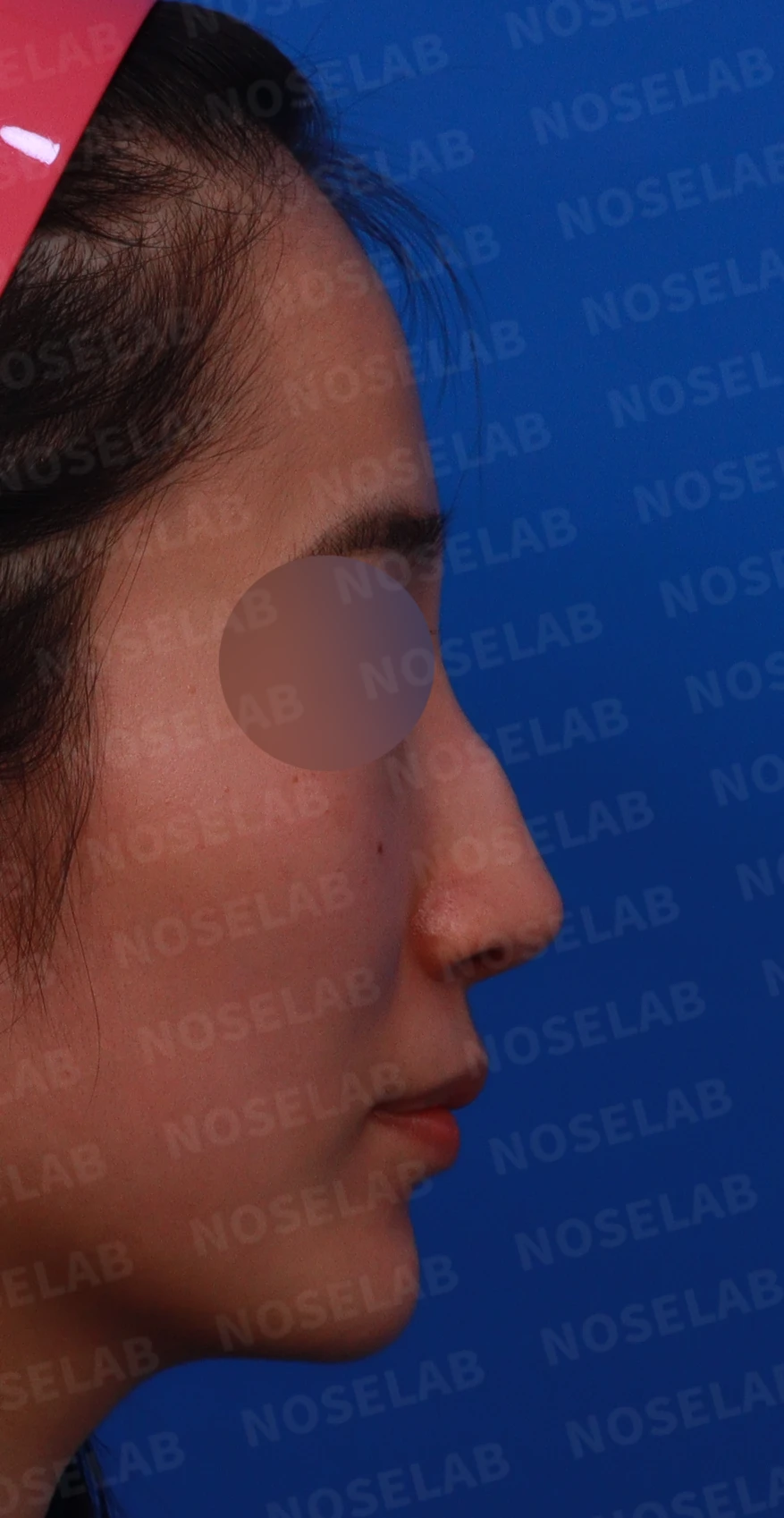
Front, left profile, and oblique views during design consultation
📍 Surgical history
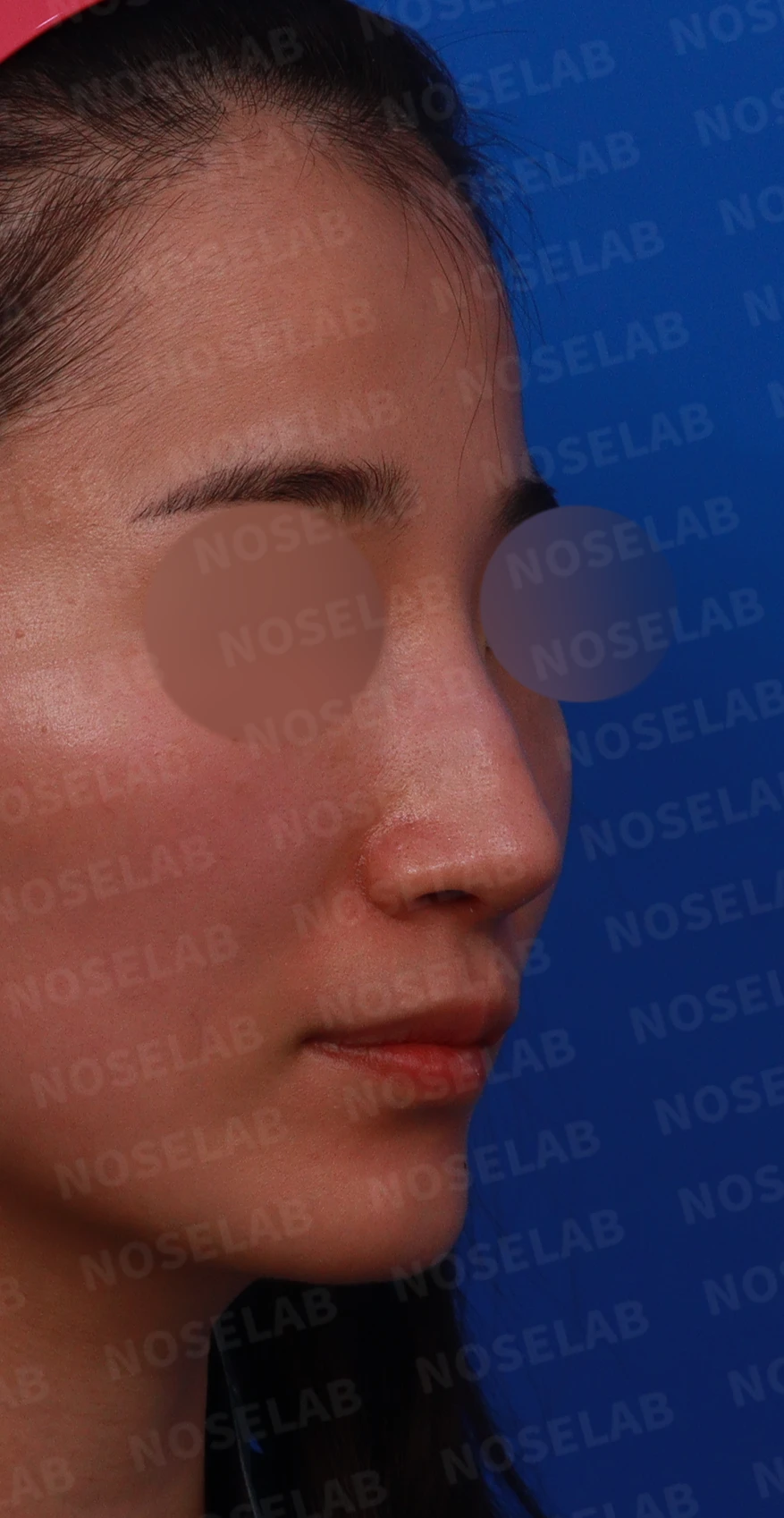
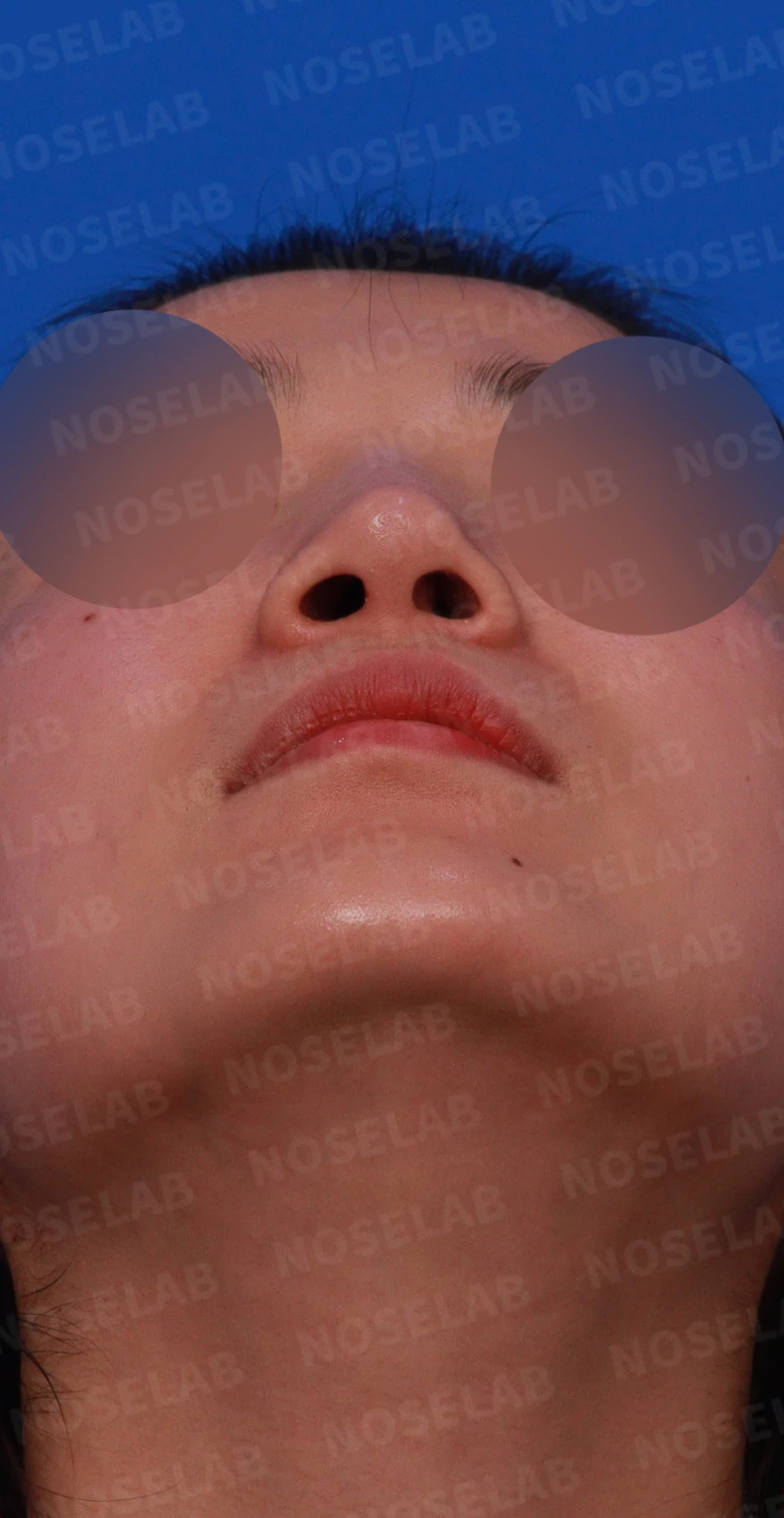
Age 18: Deviated septum surgery + cartilage tie
Revision/touch-up: Appeared crooked with a drooping tip
3 years later: Silicone implant removal, Alloderm procedure
February 2023: Alloderm nasal bridge revision surgery
August 2023: Alloderm revision surgery
December 2024: Alloderm and silicone implant revision surgery
✨ Patient's requests
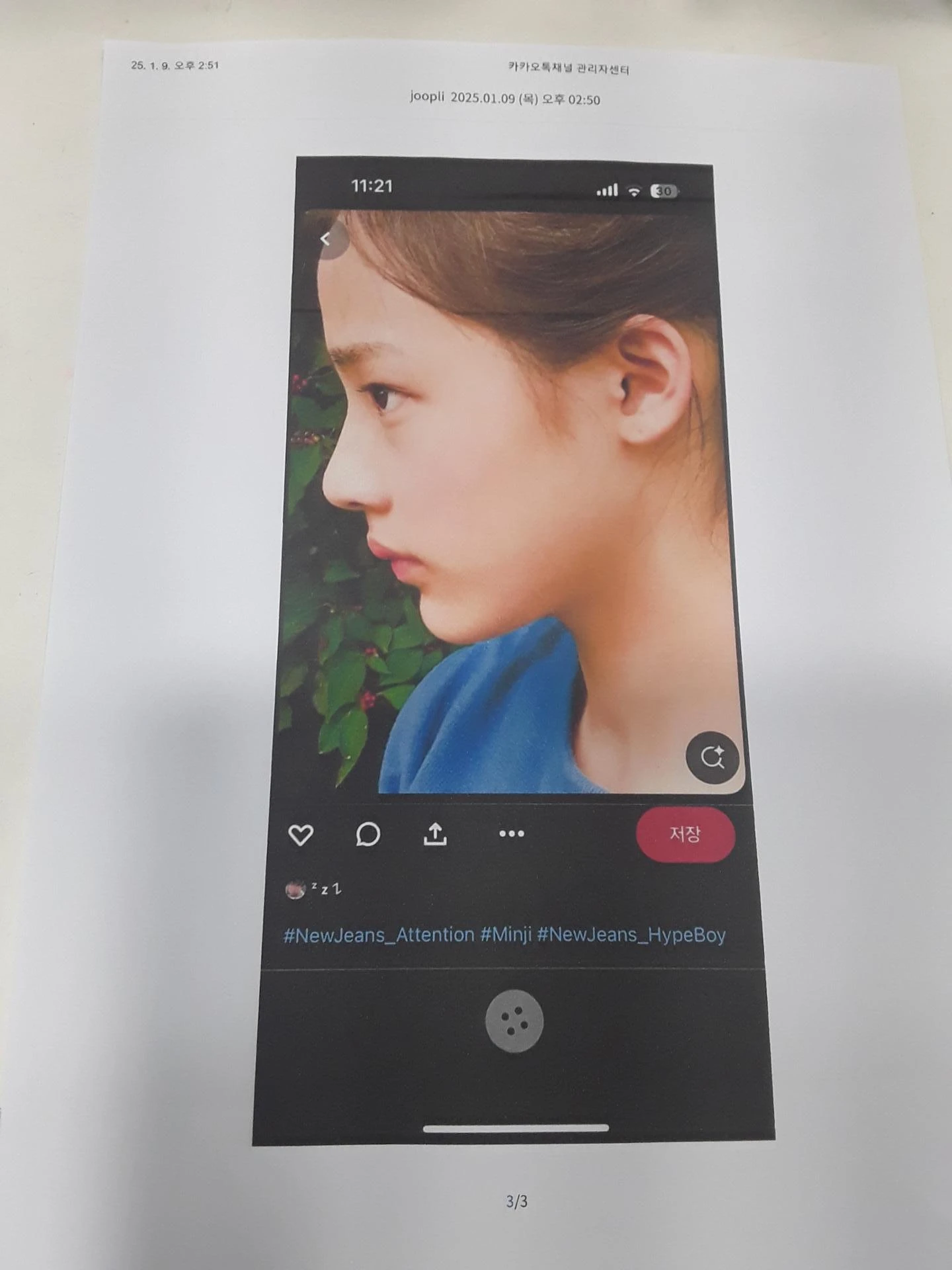
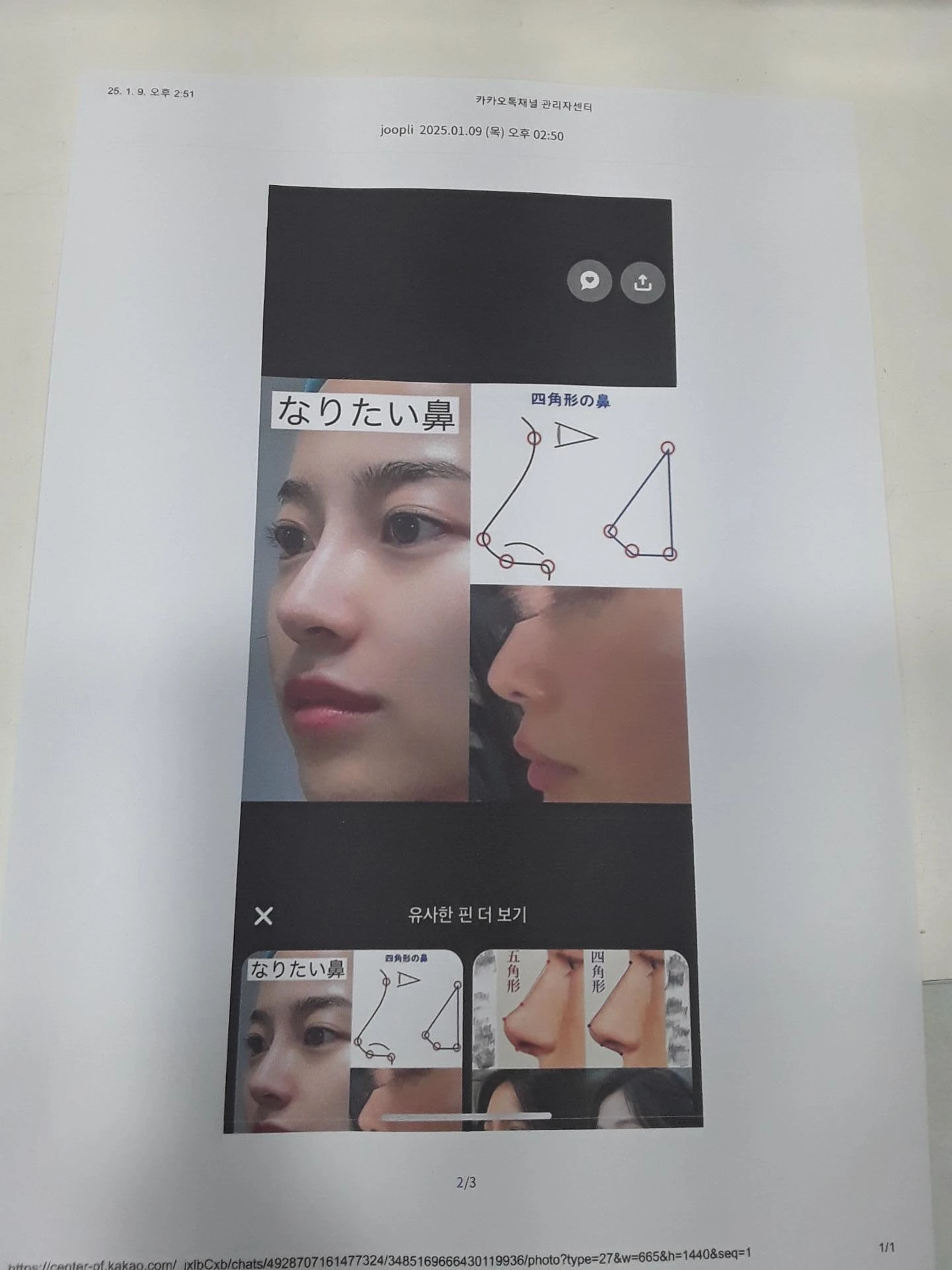
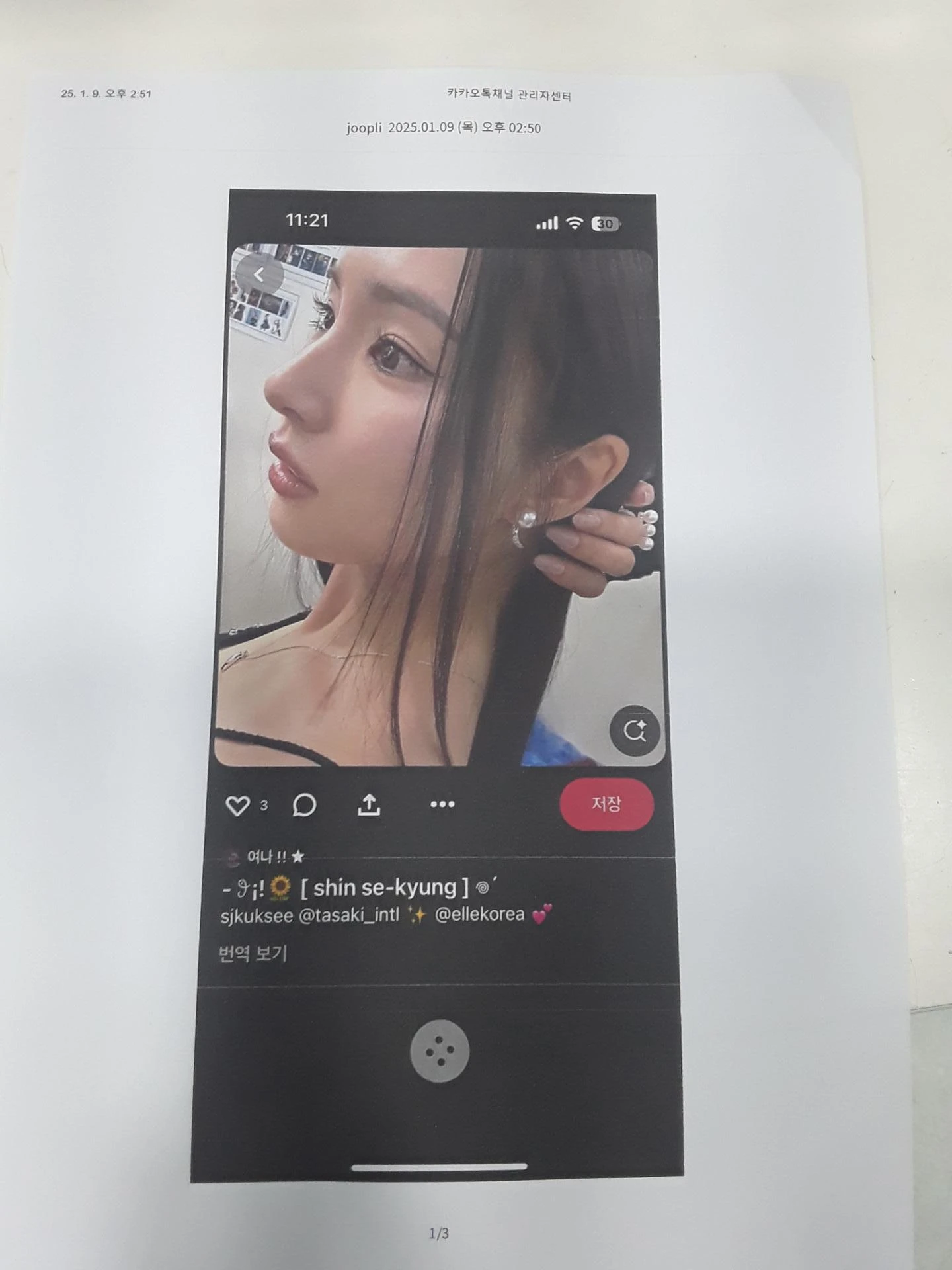
Reference photos provided by the patient
🔎 Preoperative examination findings
Nasal endoscopy: Medpor extrusion through the mucosa in the left nasal cavity
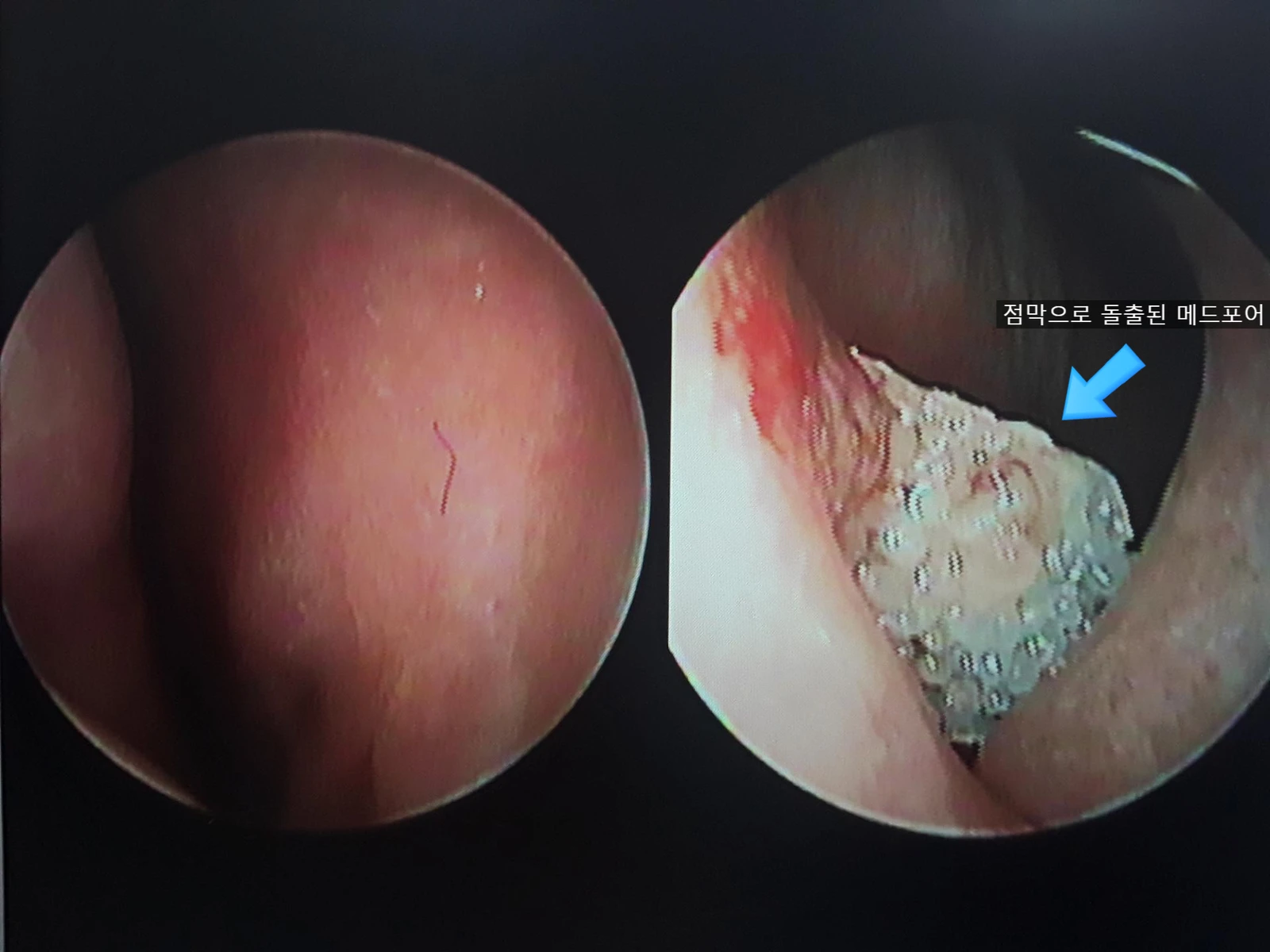
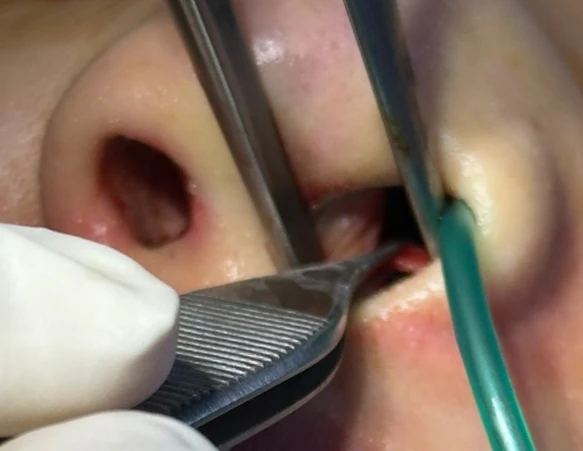
Nasal endoscopy photos.
CT scan findings: Left septal deviation - diagnosed with deviated septum
CT scan findings: Bilateral inferior turbinate hypertrophy - diagnosed with hypertrophic rhinitis
⚕️ Issues identified during surgery
Multiple fragments of Medpor found in the nasal tip area
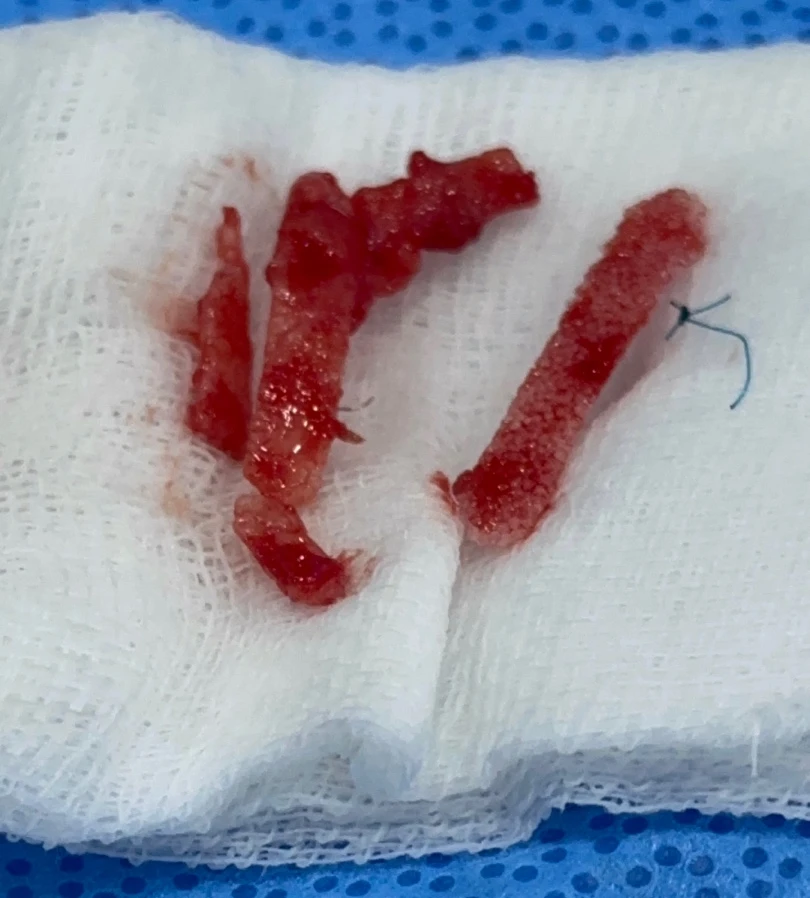
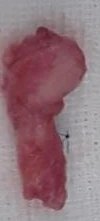
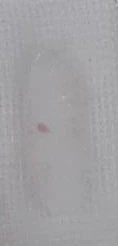
Photo of removed foreign materials: 1. Medpor 2. Medpor that extruded through the left mucosa 3. Dorsal silicone implant
Acute inflammation surrounding the left mucosal extrusion site
Severe damage to the septal cartilage caused by inflammation
Most of the left lower lateral cartilage lost
Inflammation observed around the existing Alloderm as well
💉 Surgical procedure details
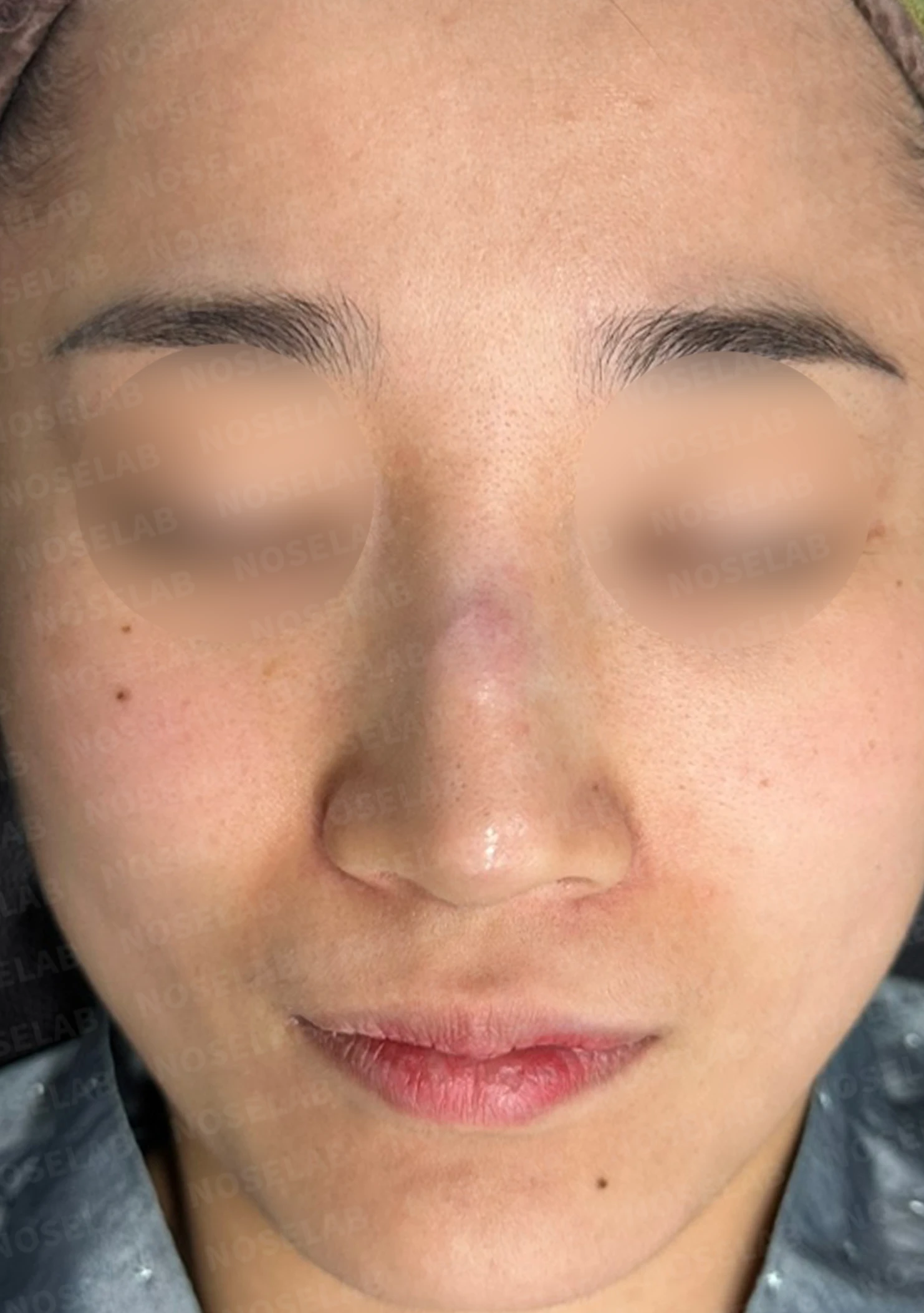
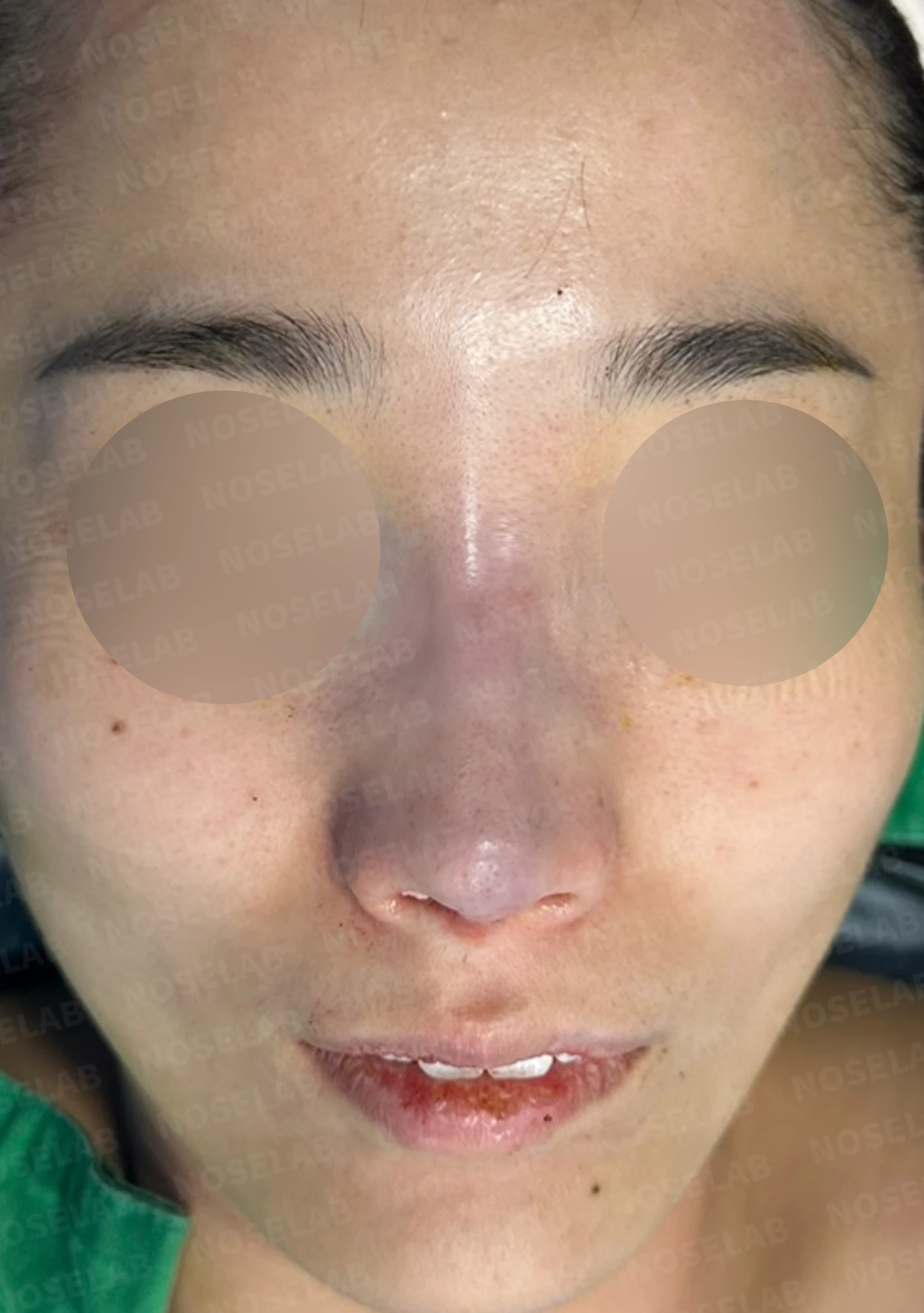
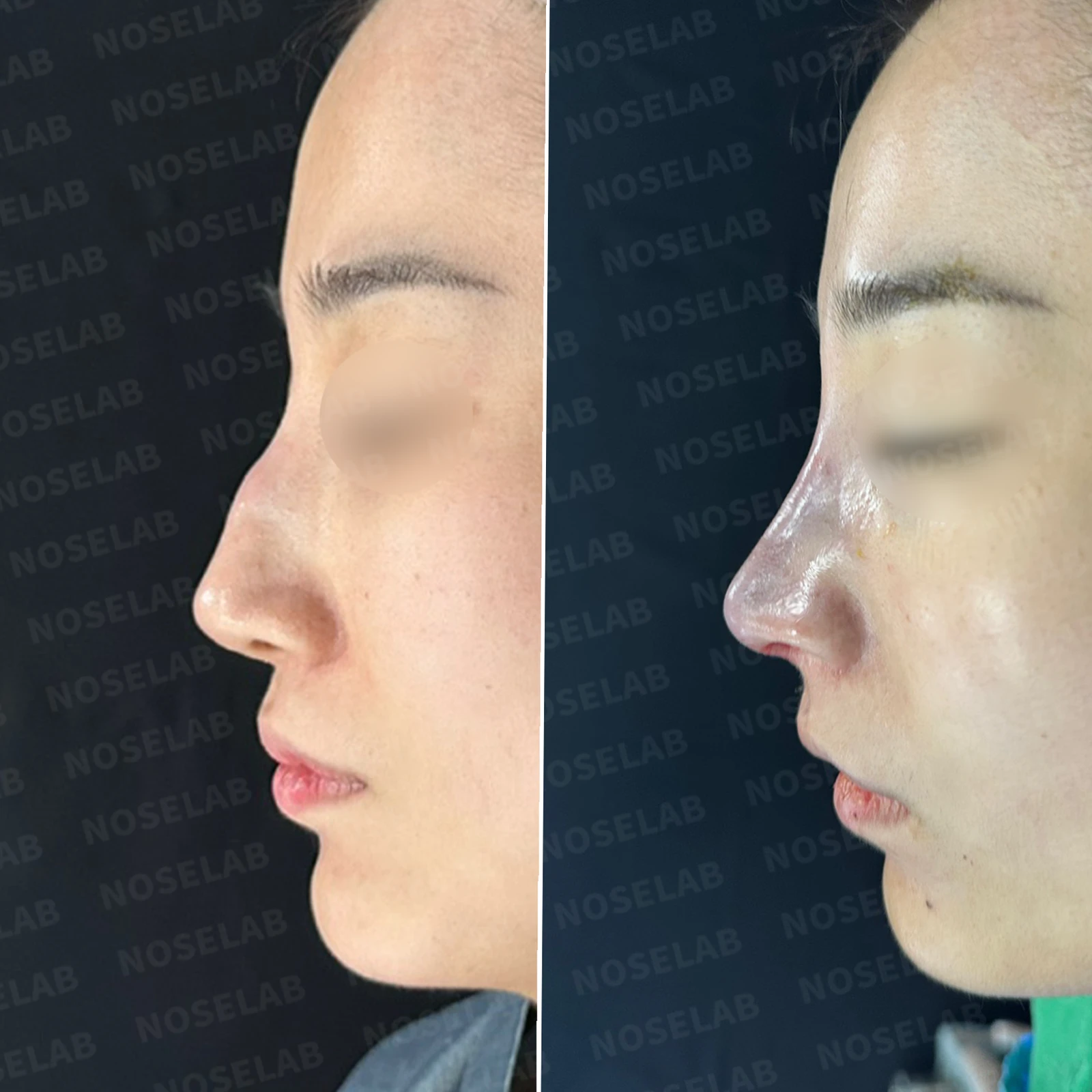
Before surgery / Day 0 immediately after surgery Photos taken immediately after surgery show swelling and may differ from the final result.
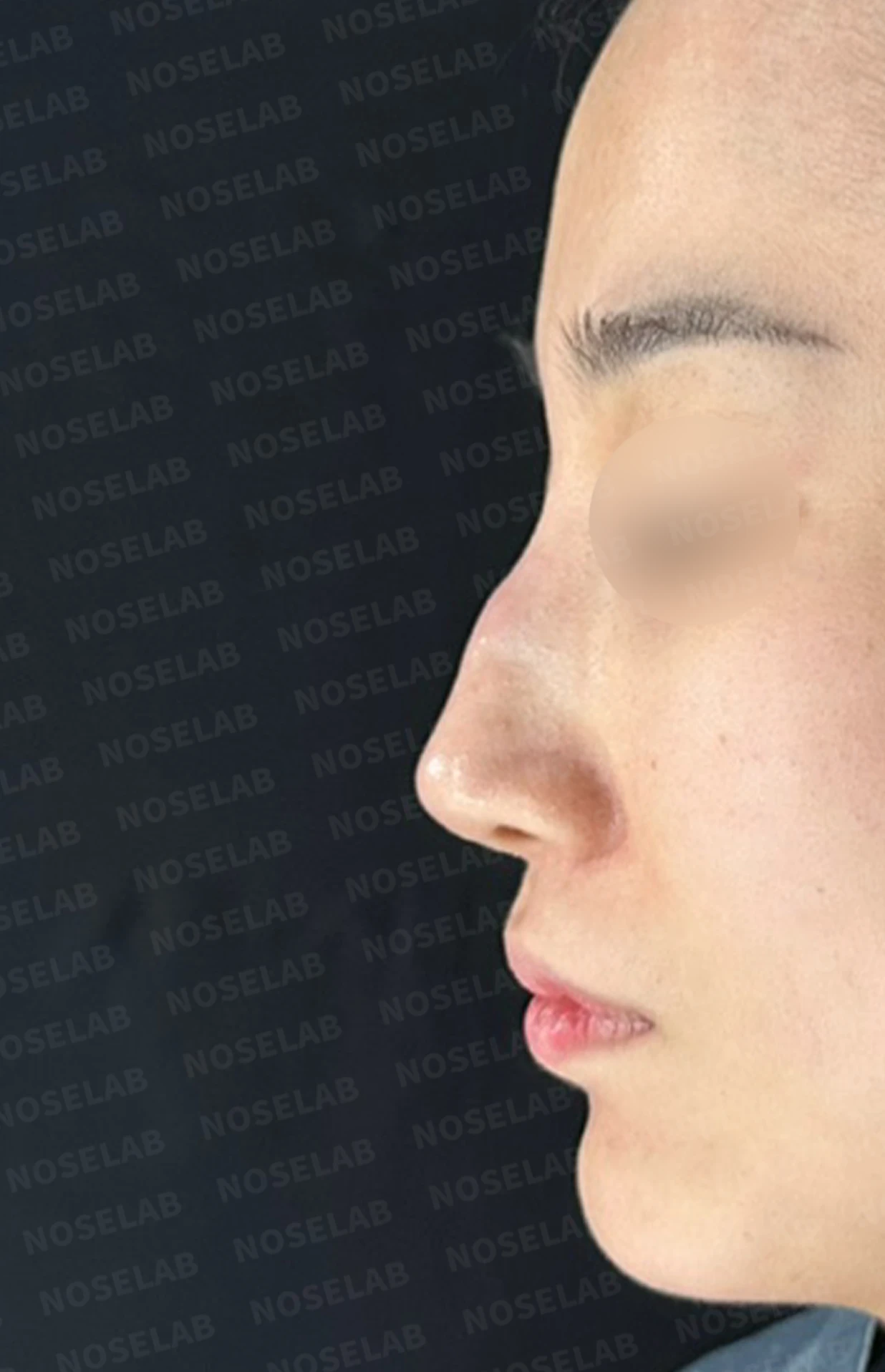
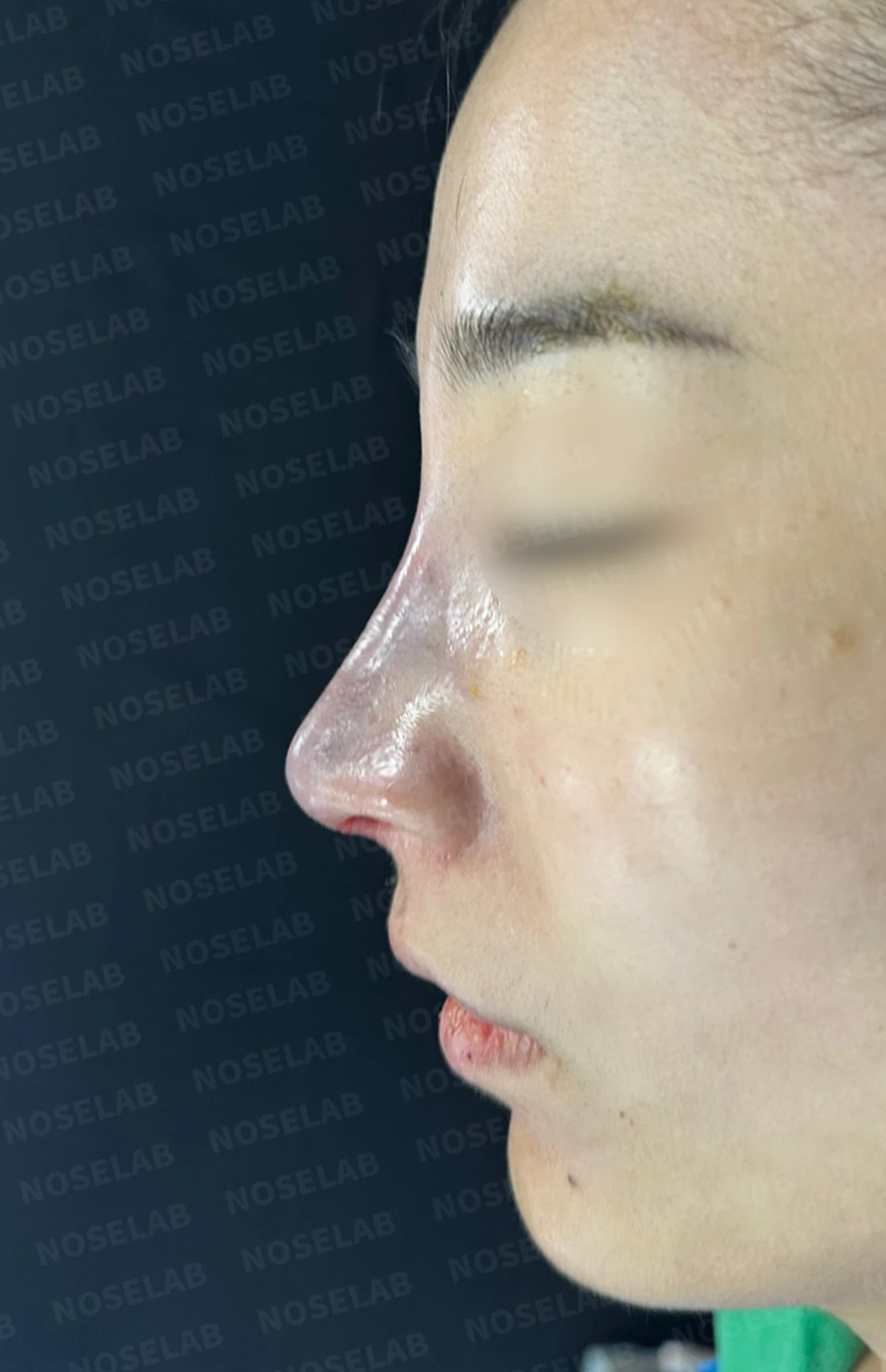
Before surgery / Day 0 immediately after surgery Photos taken immediately after surgery show swelling and may differ from the final result.
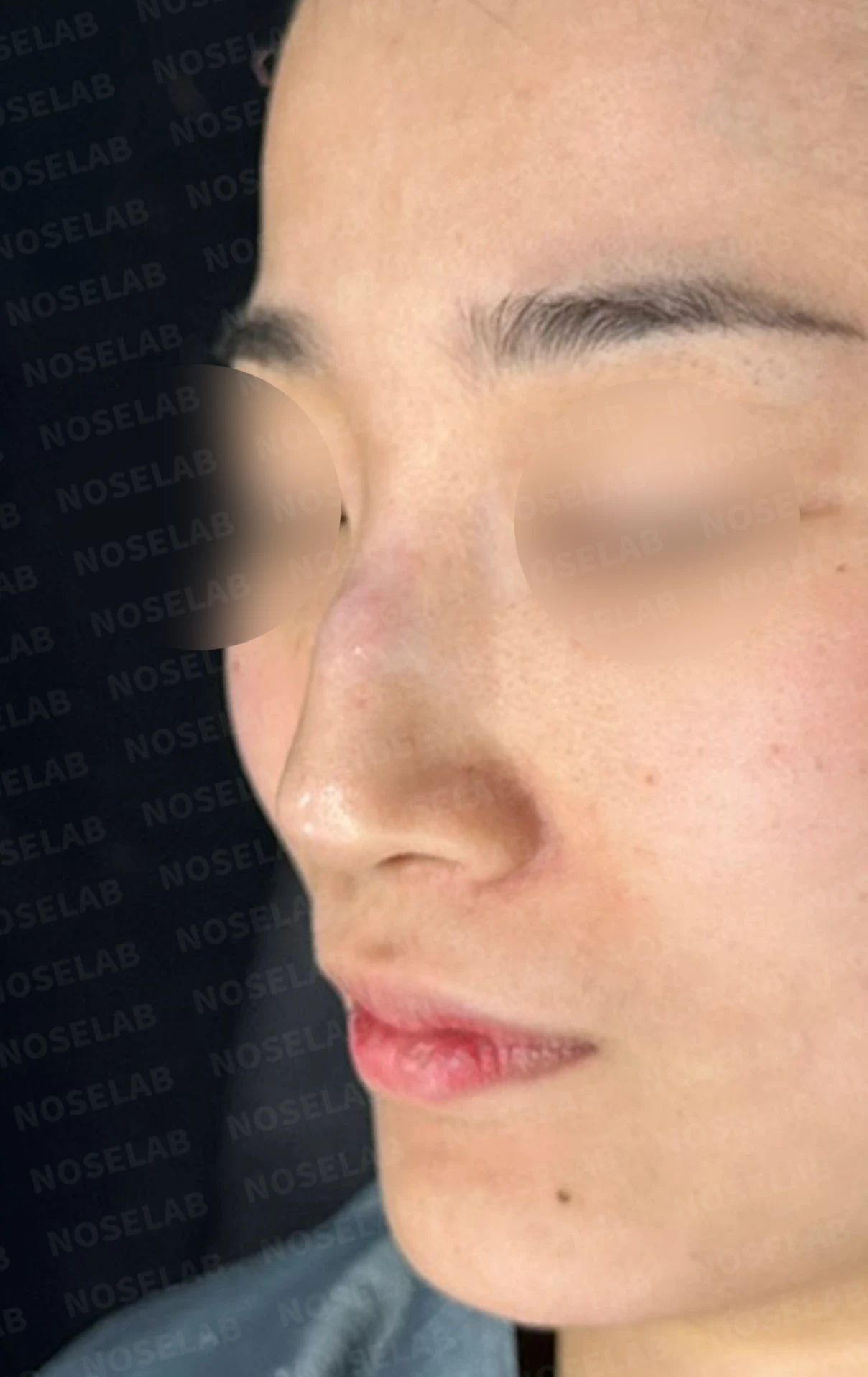
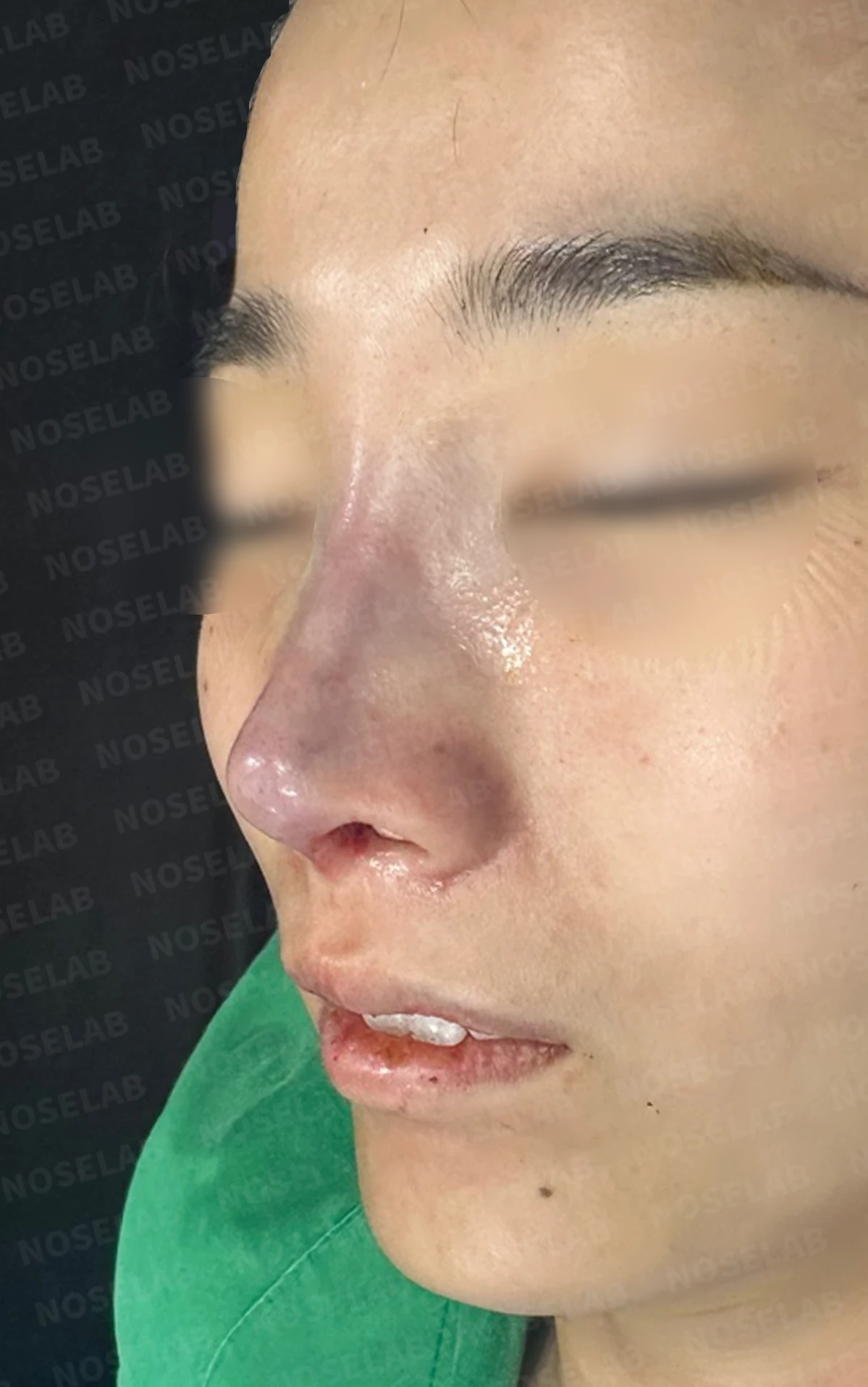
Before surgery / Day 0 immediately after surgery Photos taken immediately after surgery show swelling and may differ from the final result.
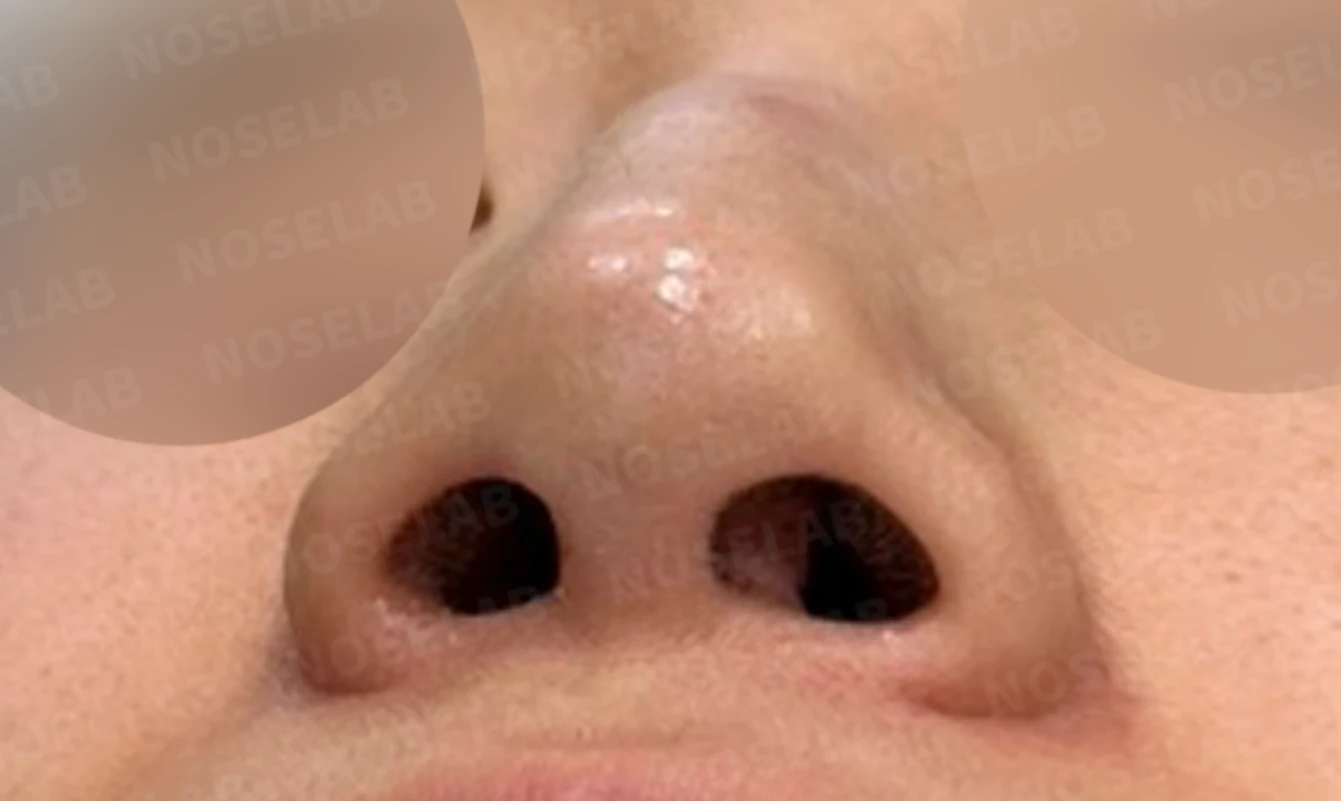
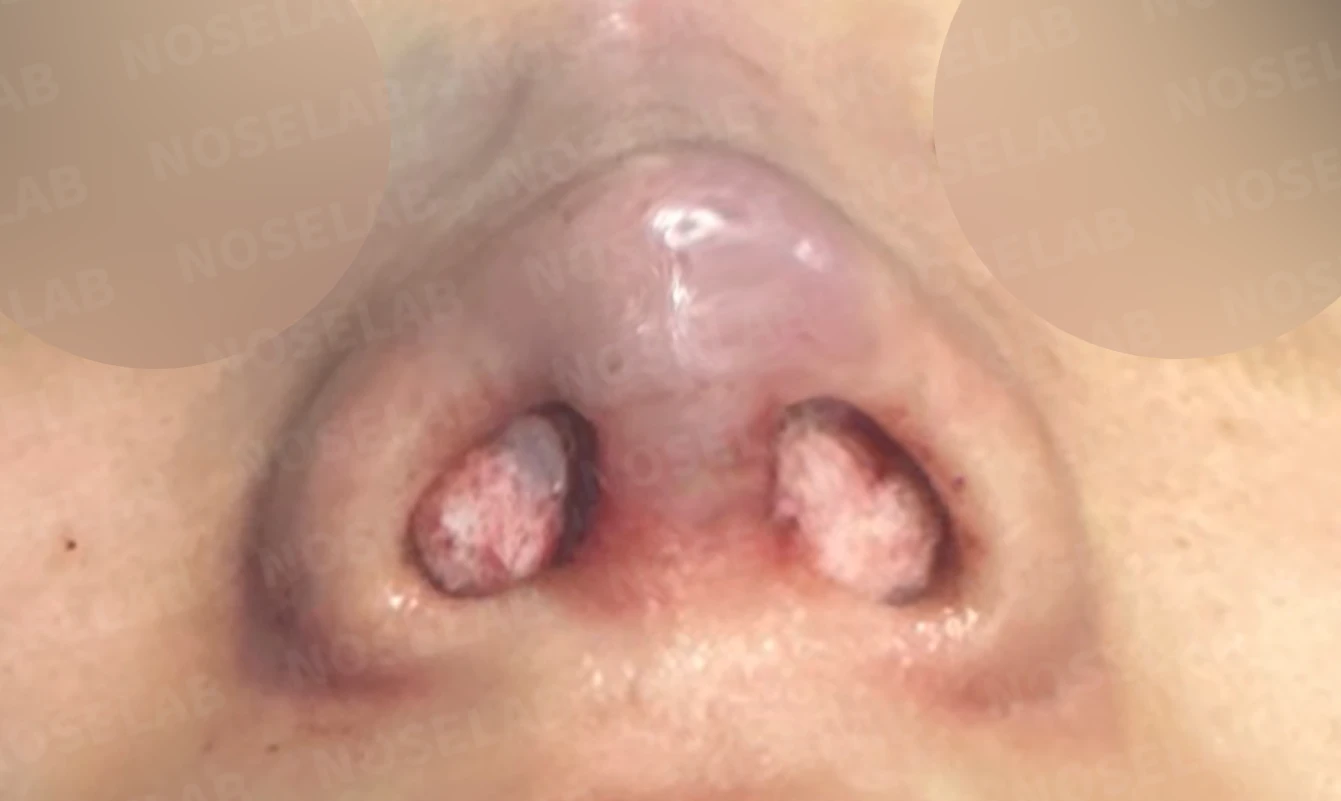
Before surgery / Day 0 immediately after surgery Photos taken immediately after surgery show swelling and may differ from the final result.
Treatment of damaged areas
Complete removal of the extruded Medpor
Debridement of acute inflammatory tissue and thorough irrigation
Suturing of the damaged mucosa
Removal of contaminated silicone implant and Alloderm
2. Structural reconstruction
Total septal reconstruction using autologous rib cartilage
Reconstruction and restoration of the lost lower lateral cartilage
Osteotomy performed for dorsal hump reduction
3. Shape improvement
A wide nasal tip naturally refined using septal extension with autologous rib cartilage
Irregular nasal bridge refined into a smooth, straight bridge line
Improvement of protruding mouth through nasolabial angle correction
✅ Surgical results
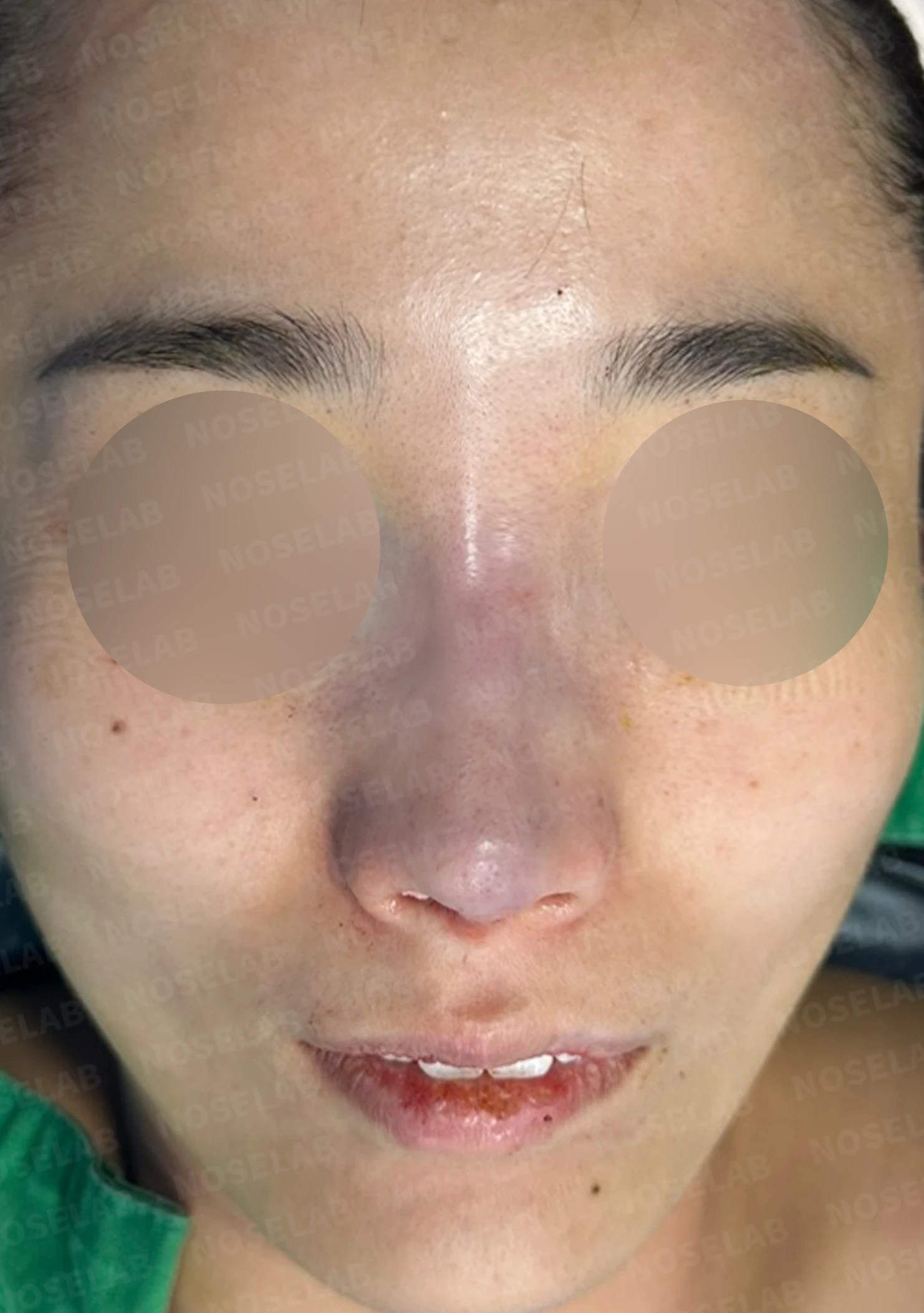
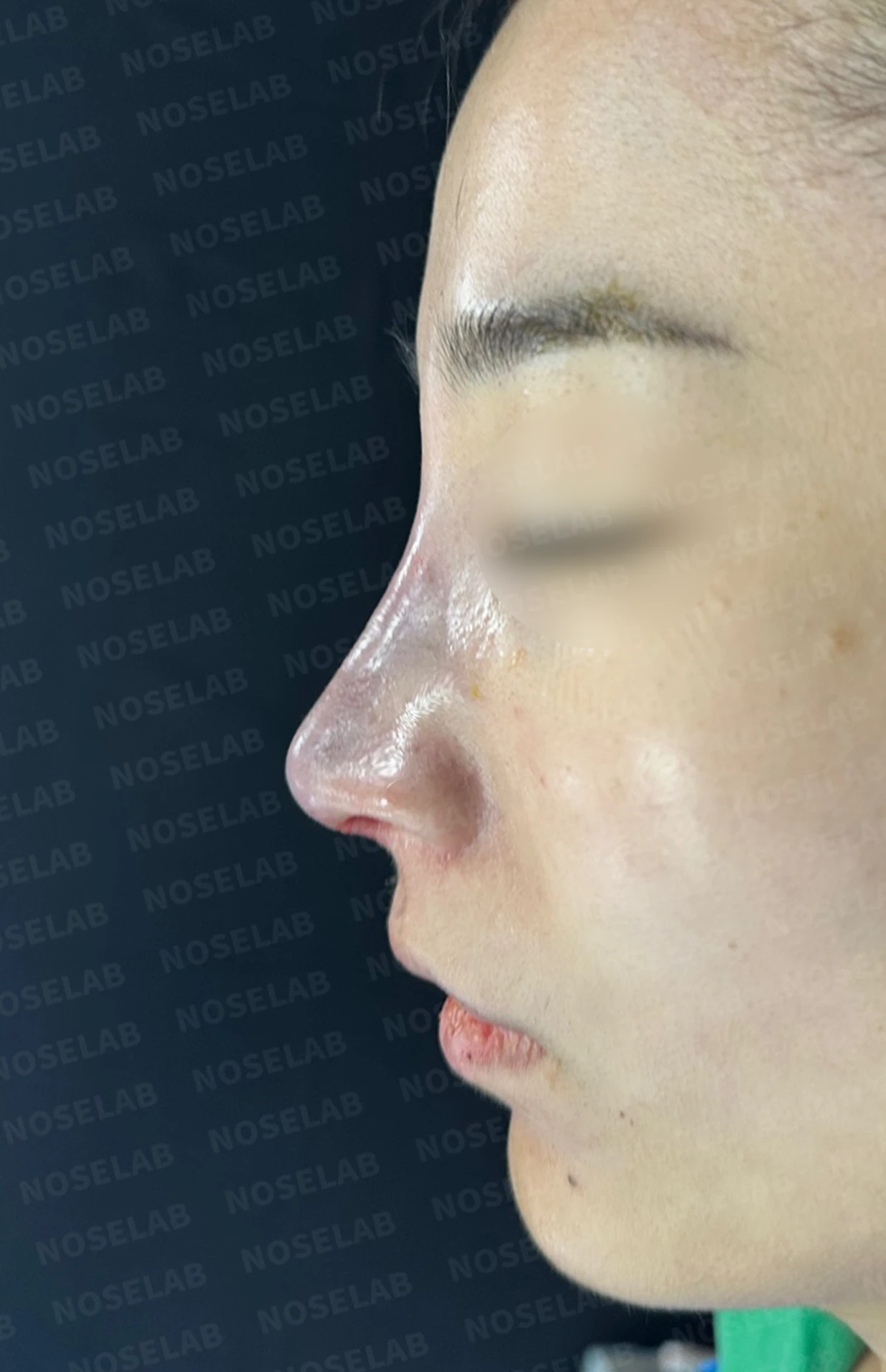
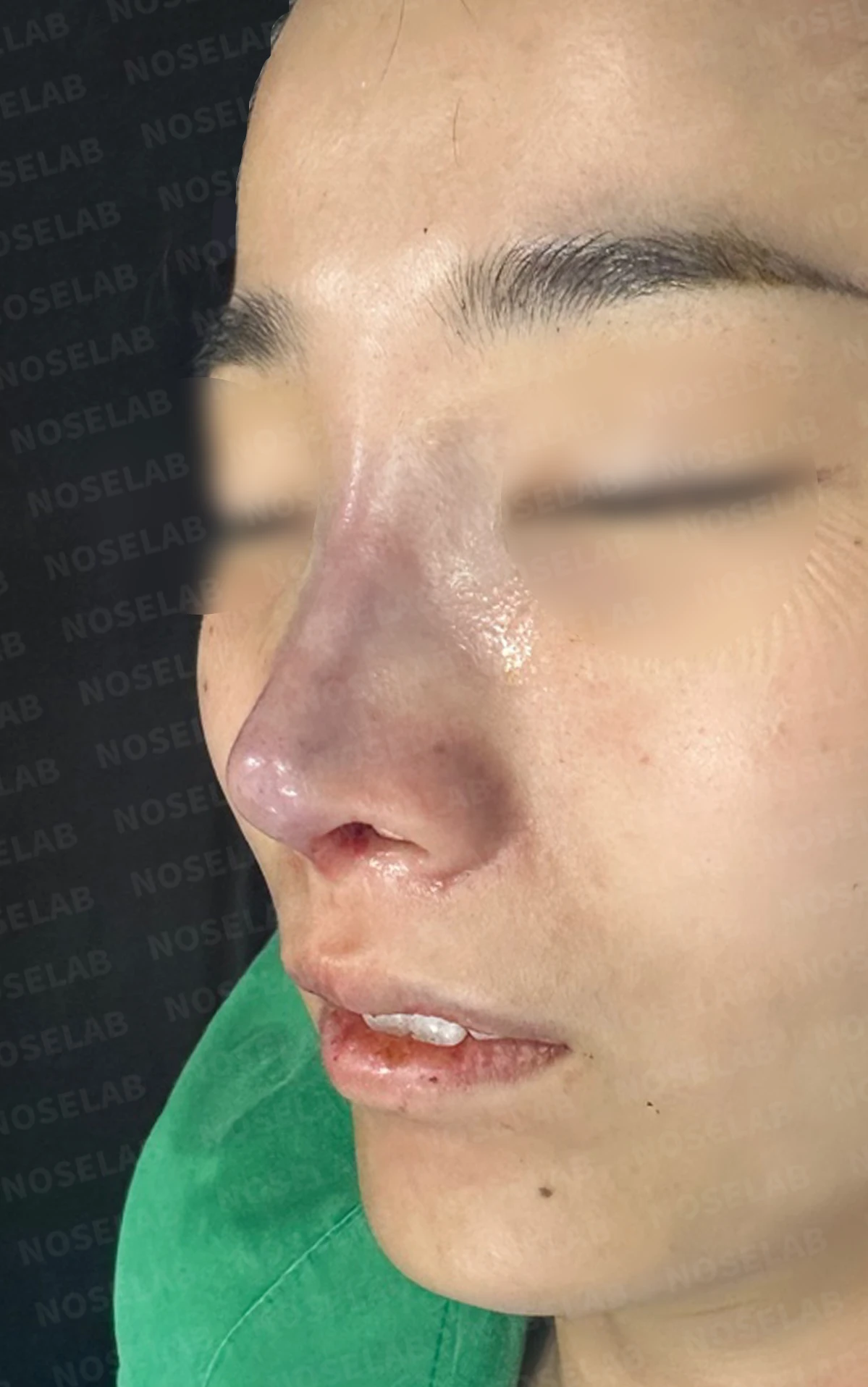
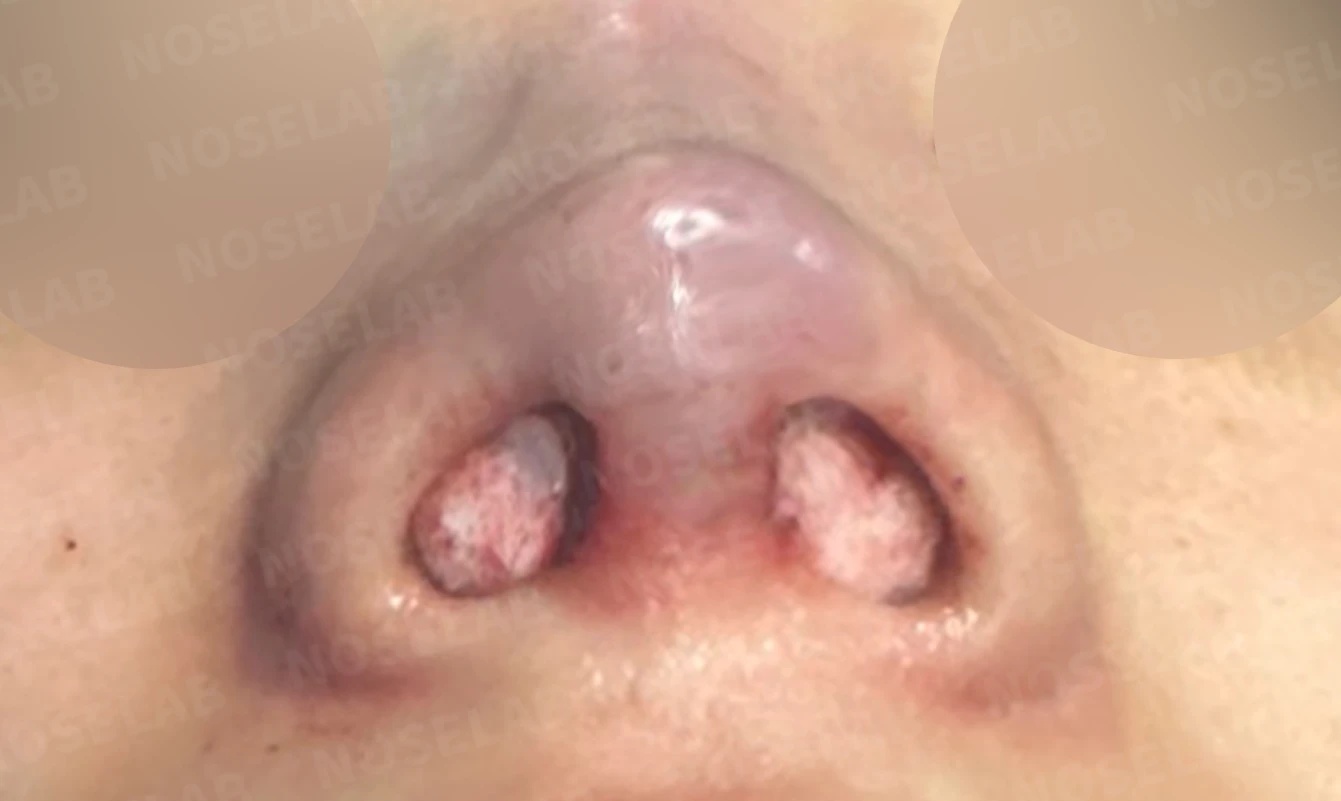
Functional improvement
Correction of deviated septum
Nasal obstruction is expected to improve following hypertrophic rhinitis surgery
Complete elimination of inflammation
2. Shape improvement
Natural correction of the dorsal hump deformity
Formation of a straight nasal bridge line
Refinement of nasal tip definition
3. Structural stability
Firm and sturdy septal reconstruction
Improvement in nostril asymmetry through stable lower lateral cartilage reconstruction
Significant improvement in breathing function is expected
👨⚕️ Specialist's assessment
Contracted noses resulting from Medpor extruding through the mucosa present a very high surgical complexity. Therefore, it is most appropriate to remove the material safely before full-scale contracture deformity develops.
The reasons why inflammation caused by Medpor extruding into the nasal interior carries a poor prognosis are as follows:
First, the normal cartilages surrounding the Medpor are frequently absorbed or destroyed by inflammation.
Second, because Medpor extrudes internally into the nasal cavity, early detection is difficult, often leaving the condition unattended for an extended period and worsening symptoms.
Third, once inflammation begins, it is difficult to control, making treatment complex.
Medpor is frequently discovered during revision surgeries for contracted noses, which is a direct consequence of these characteristics. For this reason, choosing safe materials and applying meticulous surgical technique are critical in rhinoplasty.
This was Dr. Peter C. Kang. Thank you.
Thank you.
#closedrhinoplasty #revisionrhinoplasty #autologousribcartilage #contractednose #customrhinoplasty

Limitations and risks
When autologous rib cartilage is used, scarring and pain may remain at the donor site on the chest, and pneumothorax (pleural injury) can occur rarely. Over time, the grafted cartilage may warp or undergo partial resorption.
When revising after implant removal, contracture may progress again after removal, the nasal height and length may decrease, and staged surgery may be necessary depending on the skin condition.
When the septum is corrected at the same time, nasal obstruction may persist or recur, and in rare cases, septal perforation or changes in smell may occur.
Common potential risks include infection, bleeding, asymmetry, scarring, skin necrosis, and insufficient improvement; results vary depending on individual skin condition and previous surgical history.