Hello, I am Dr. Peter C. Kang.
Today, I would like to introduce the case of a patient who visited our clinic with concerns about a wide, bulbous nose.
🔍 Surgical history
16 to 17 years ago: Nasal bone fracture reduction
15 years ago: Septal cartilage graft, cartilage suturing, osteotomy
4 months ago: Silicone implant insertion, cartilage suturing
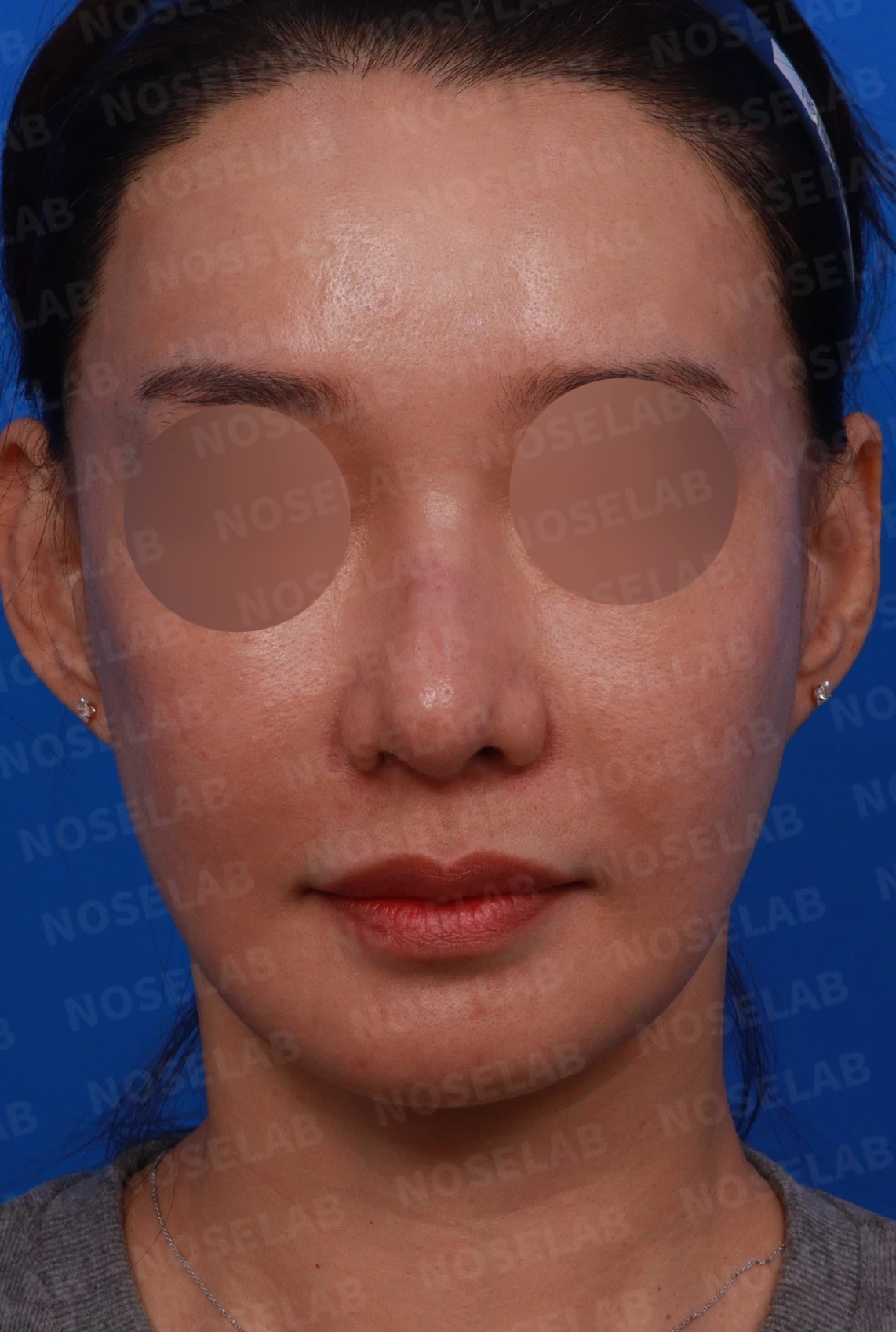
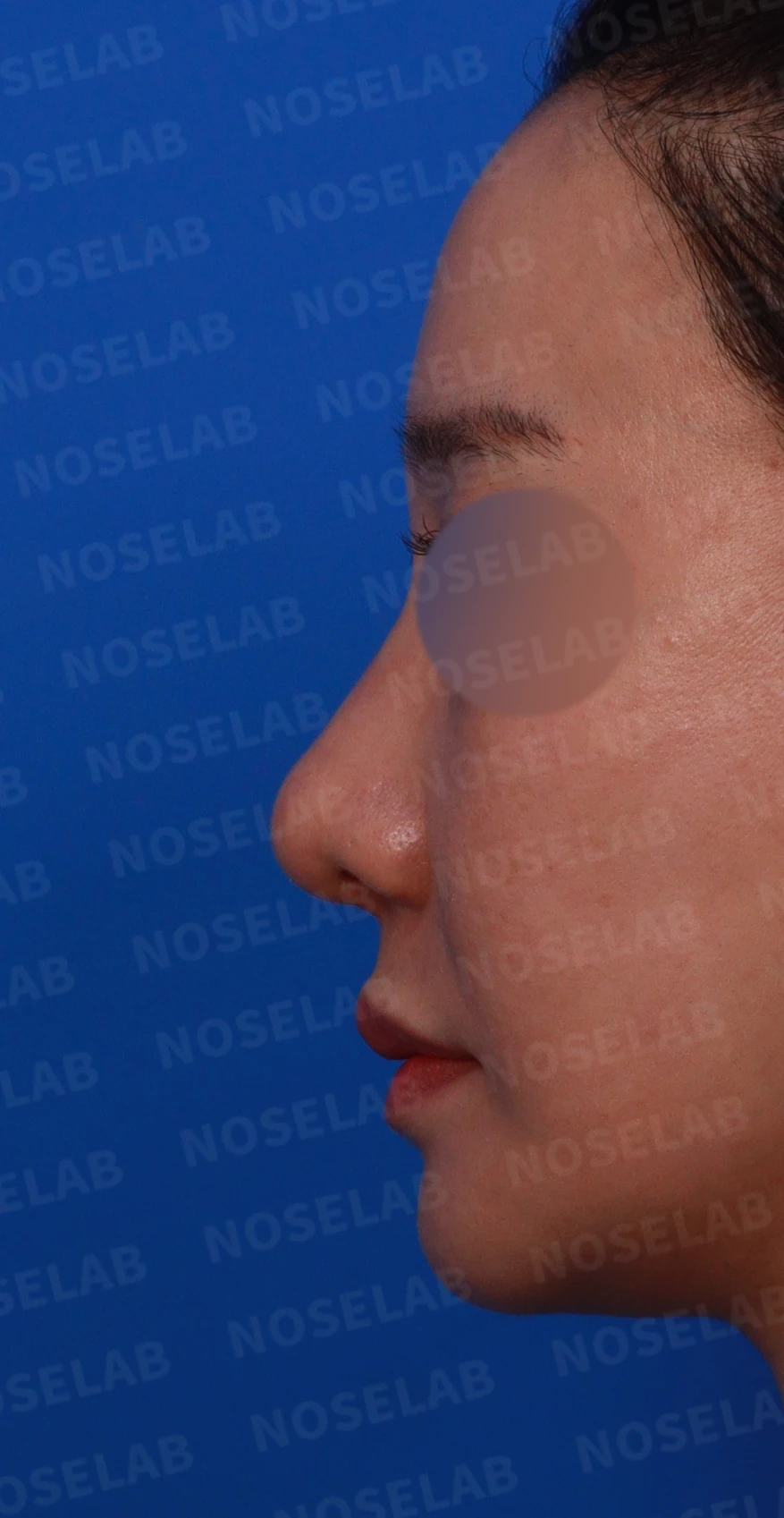
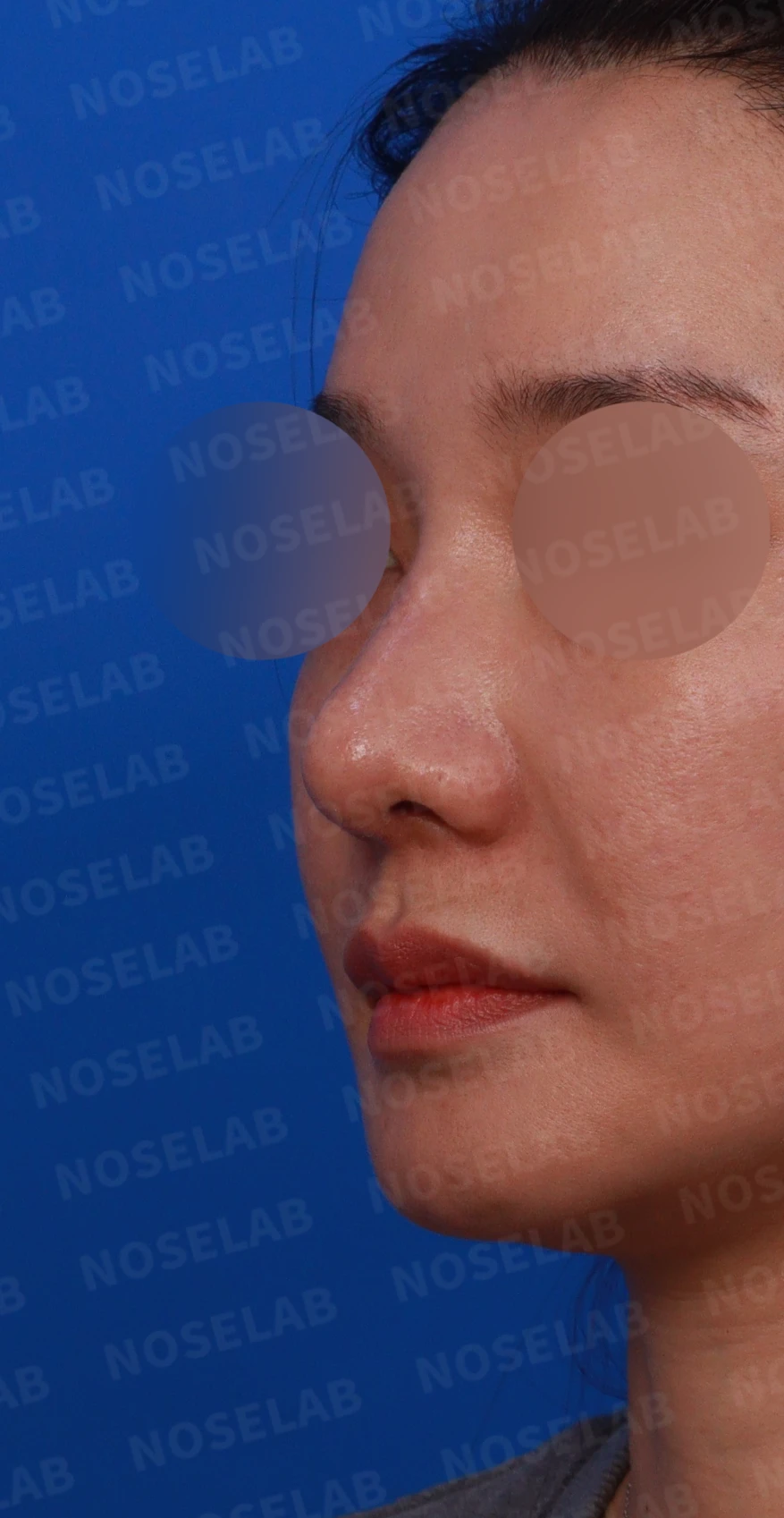
Design consultation: front, left profile, and oblique views
💉 Patient's requests
Correction of deviated nose
Correction of a wide bulbous nose
Natural yet distinct nasal line
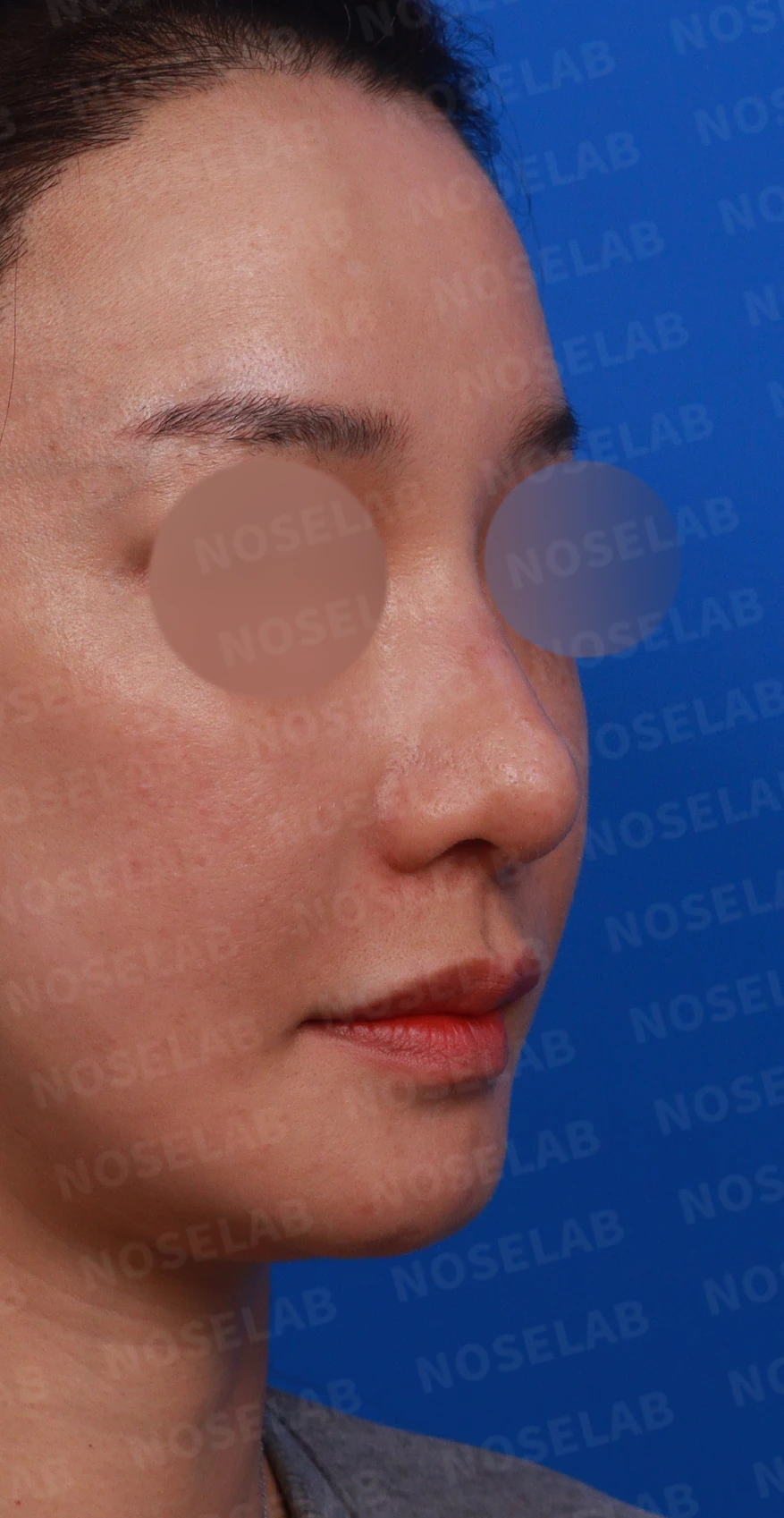
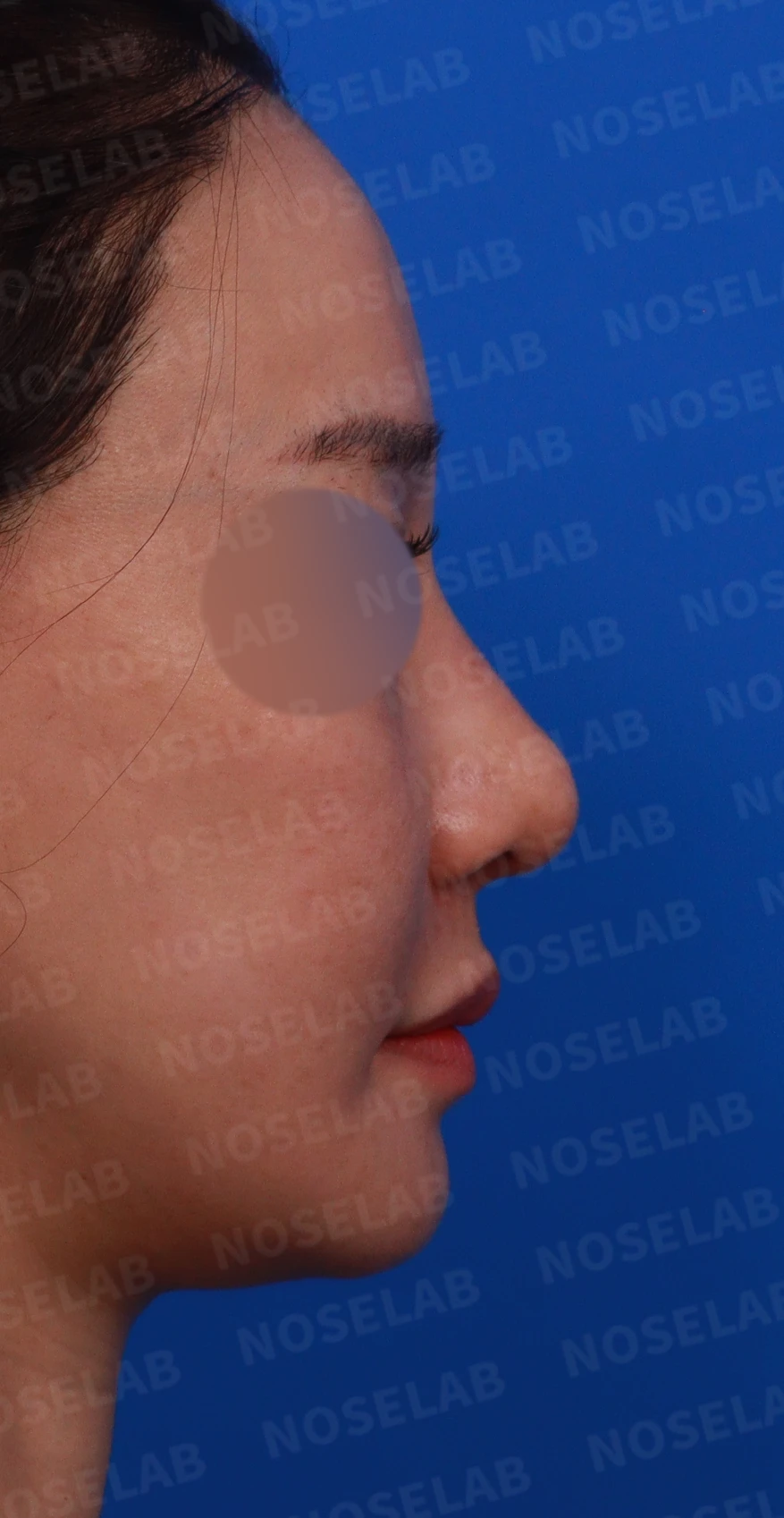
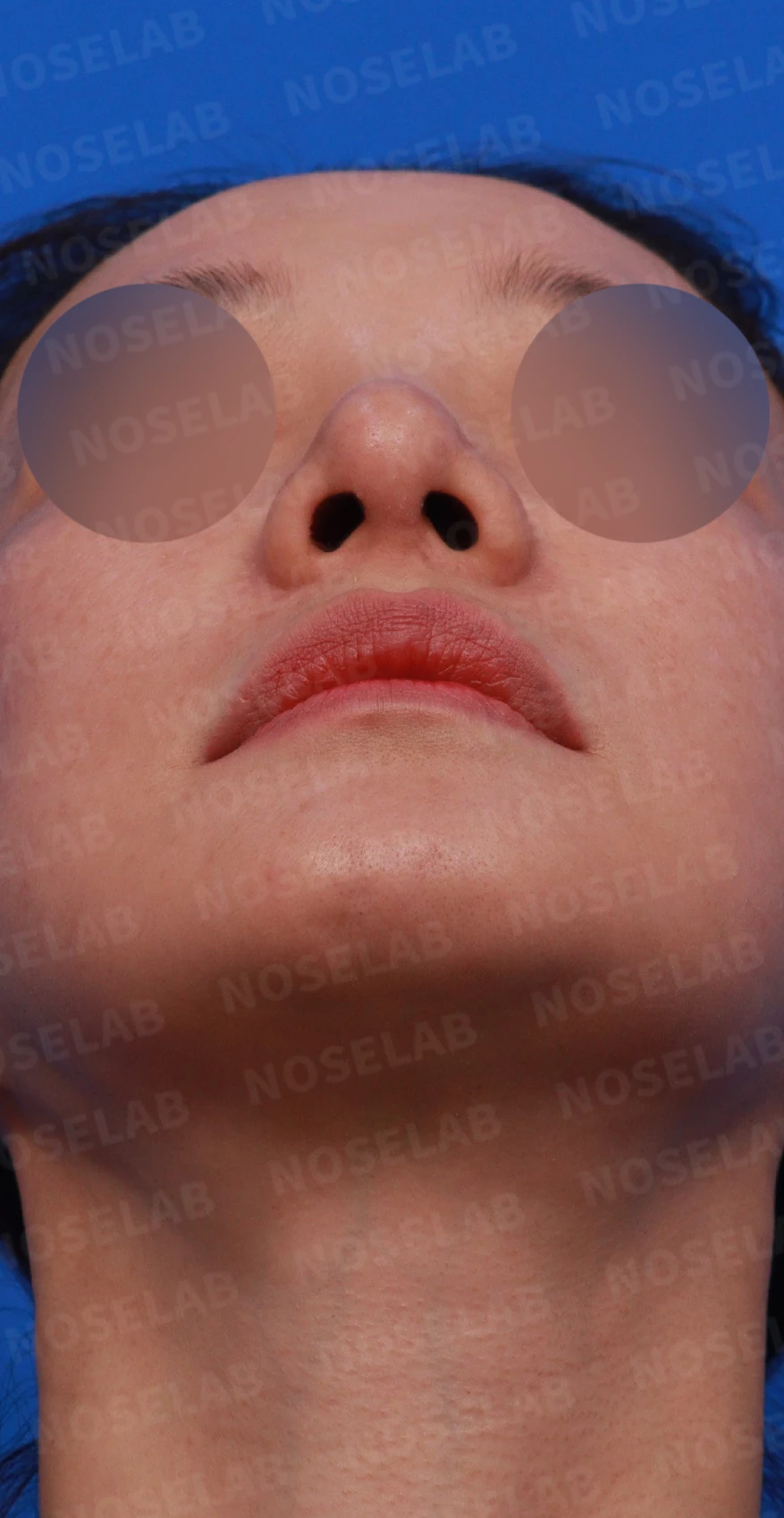
Design consultation: right oblique, profile, and basal (nostril) views.
🔧 Surgical plan and procedure
Septal extension using autologous rib cartilage
Reinforcement of nasal tip support
Well-defined nasal tip projection
2. Structural approach to bulbous nose improvement
Partial removal of subcutaneous soft tissue to adjust skin thickness
Cartilage repositioning and cartilage suturing
3. Nasal sill reduction
Improvement in overall balance
Reduced wide nasal base width
4. Lateral osteotomy
Correction of the deviated nasal bridge
Restoring nasal bone symmetry
5. Nasolabial angle correction
Improvement of the profile silhouette
Improvement in protruding mouth appearance
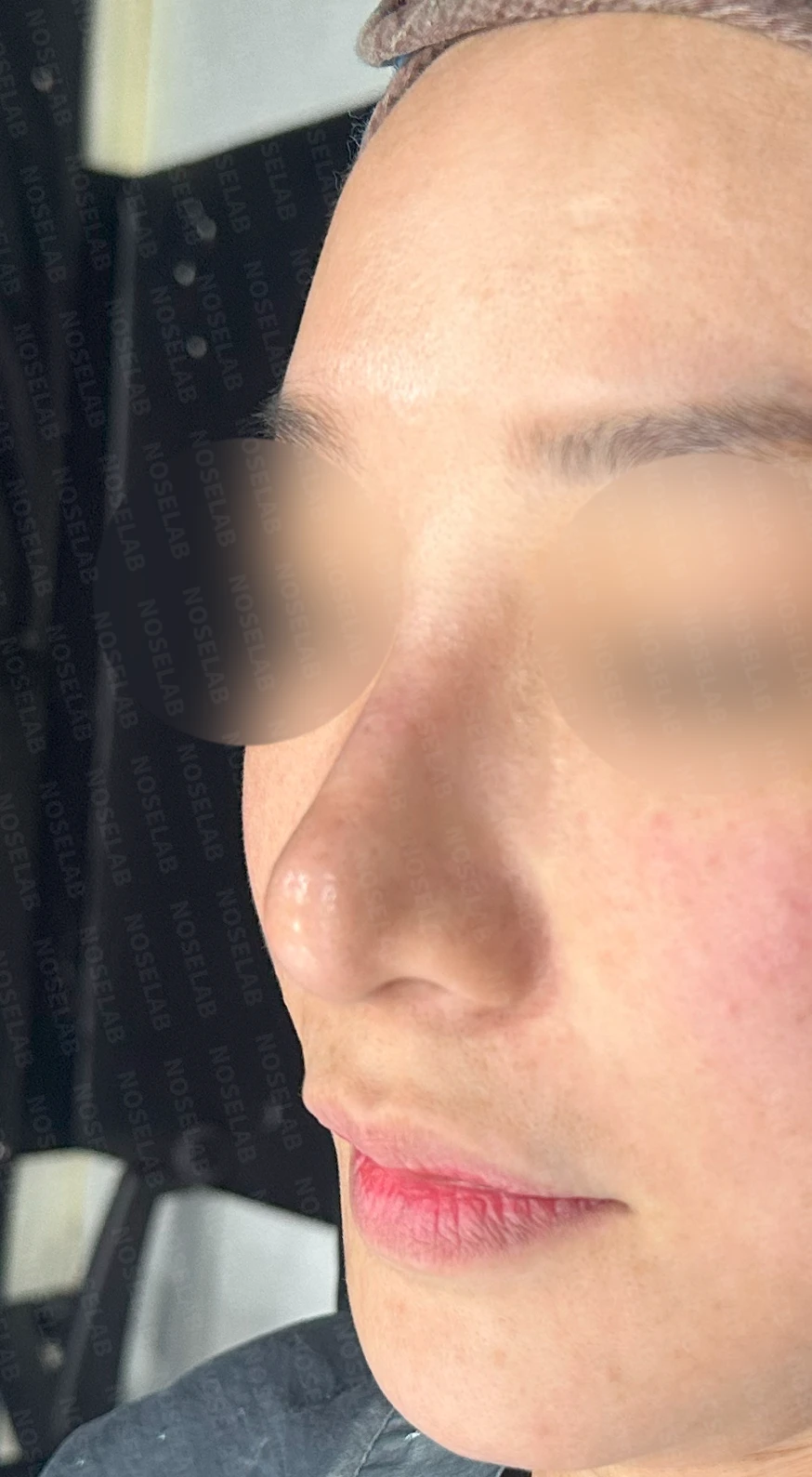
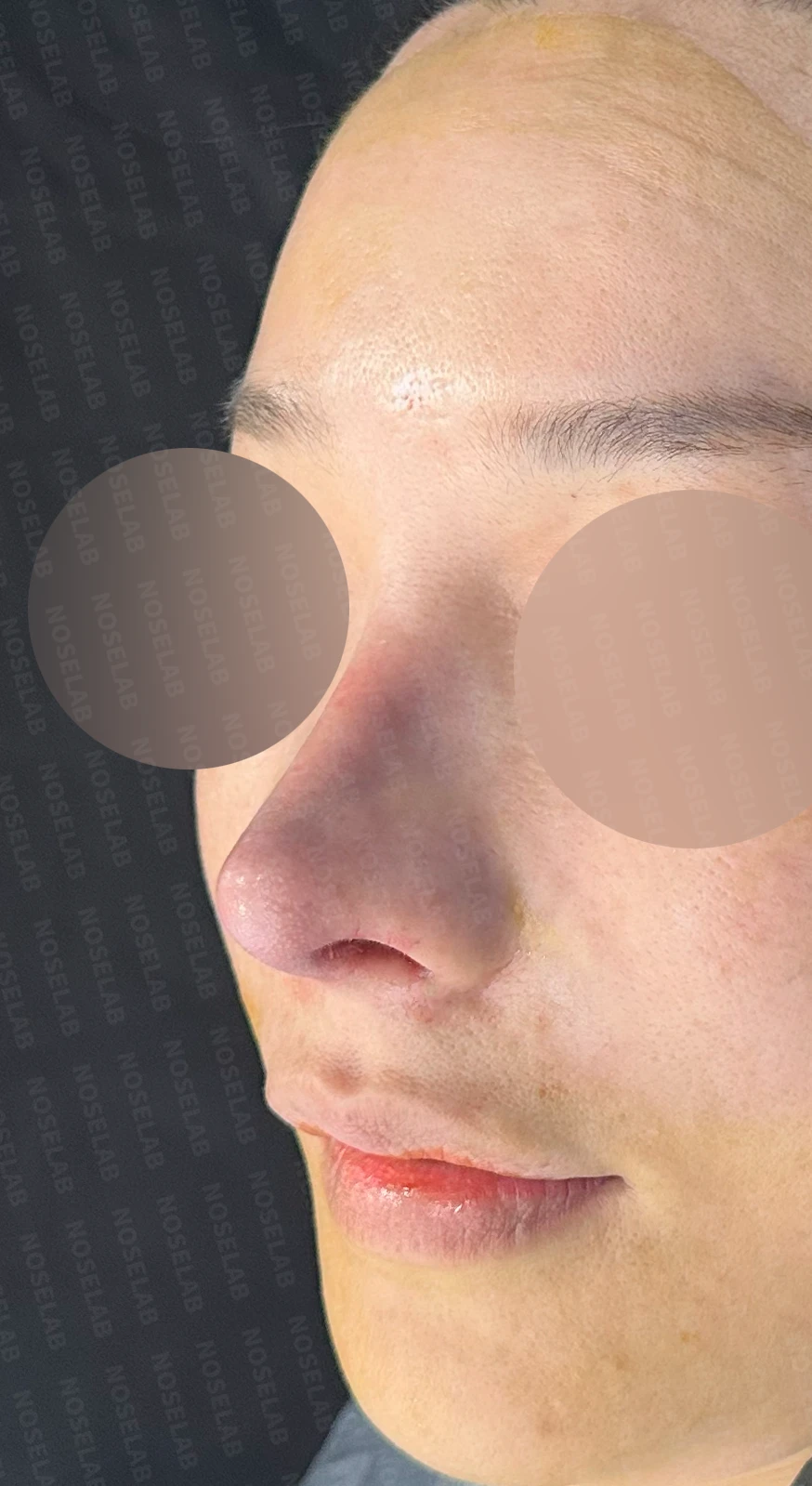
Before surgery / Day 0 immediately after surgery Photos taken immediately after surgery show swelling and may differ from the final result.
🌟 Surgical results
Front view changes
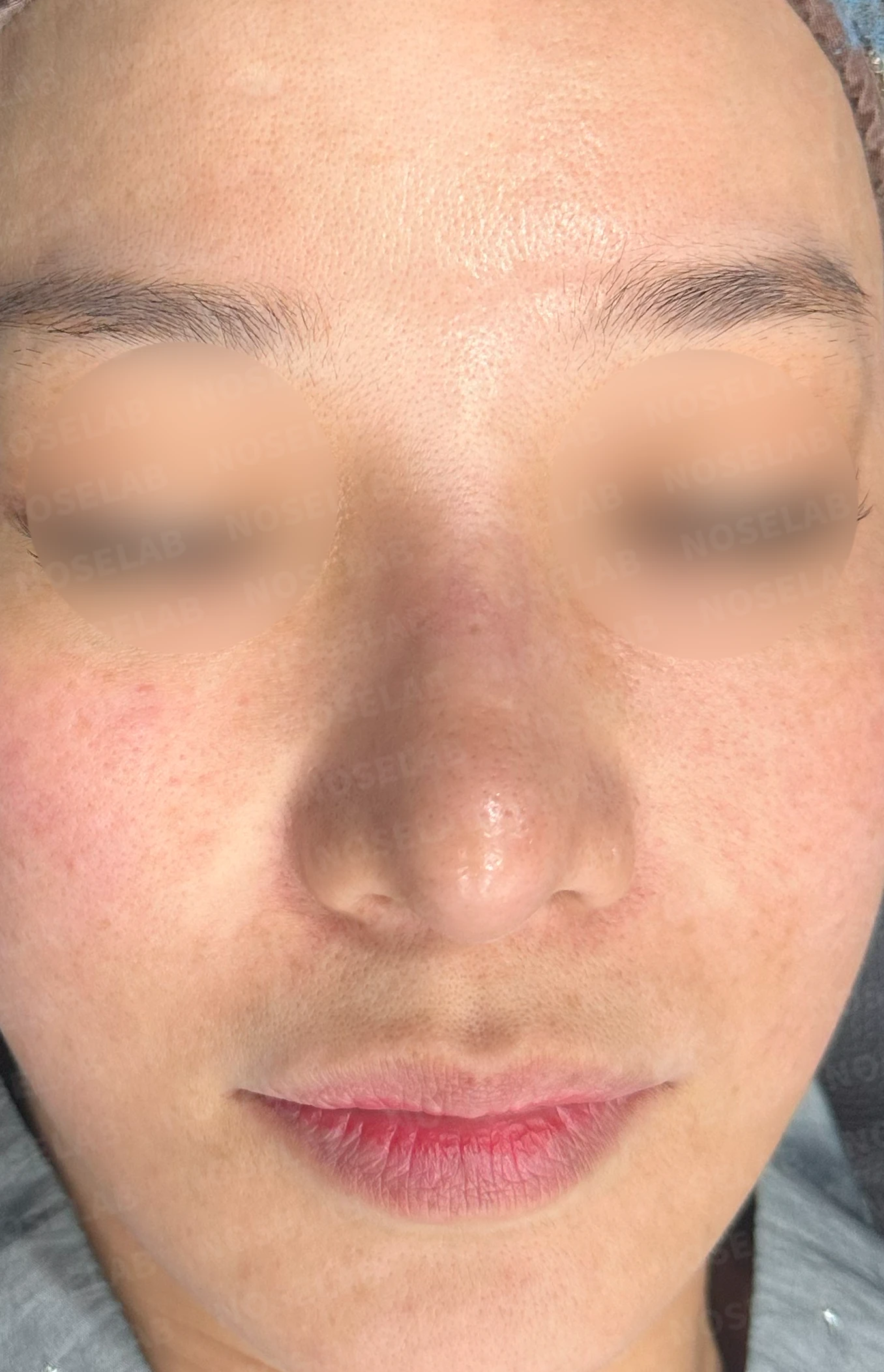
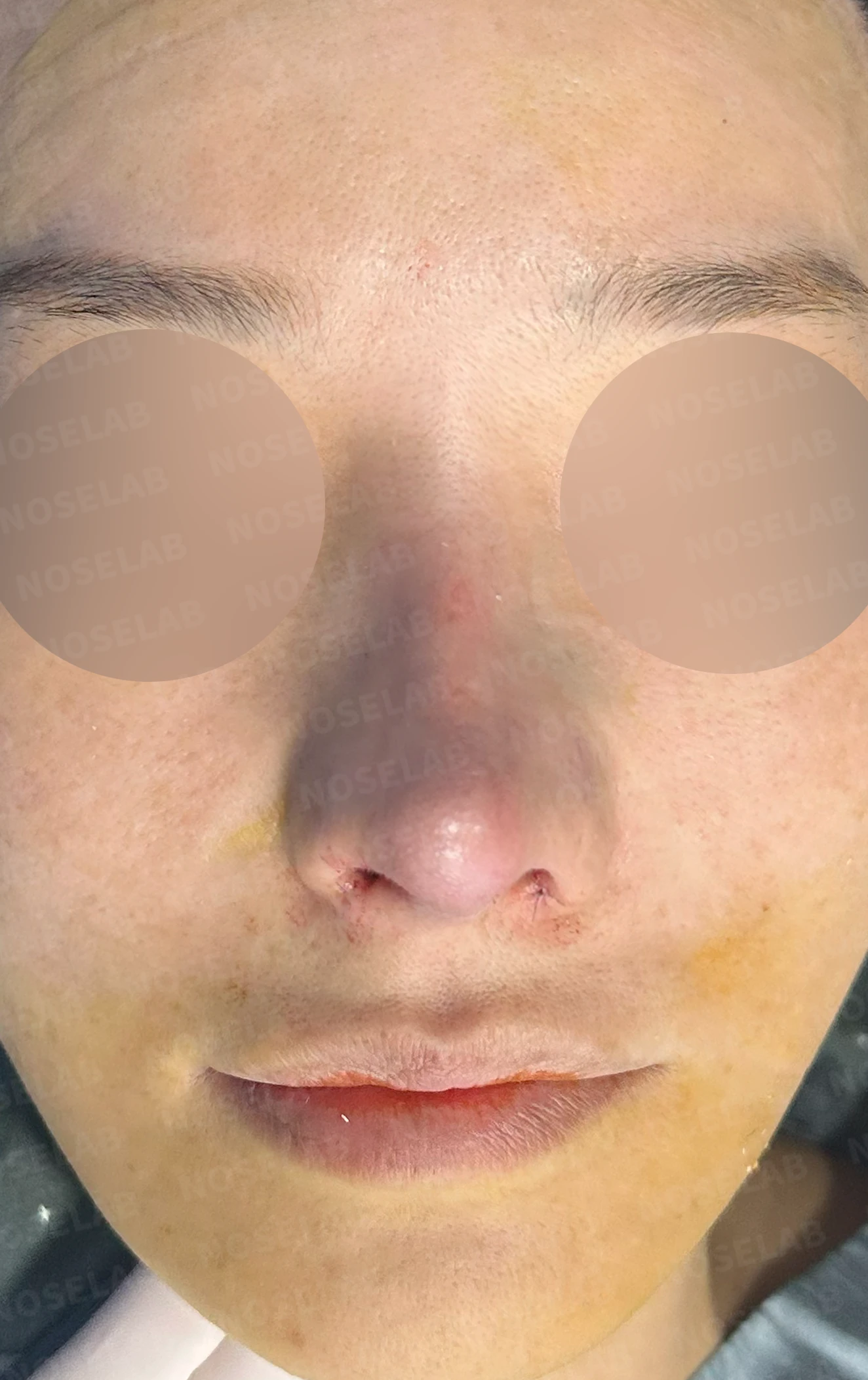
Before surgery / Day 0 immediately after surgery Photos taken immediately after surgery show swelling and may differ from the final result.
Refined the blunt nasal tip
Brought together the wide, spread nasal tip
Achieved symmetry by correcting the deviated segment
2. Profile changes
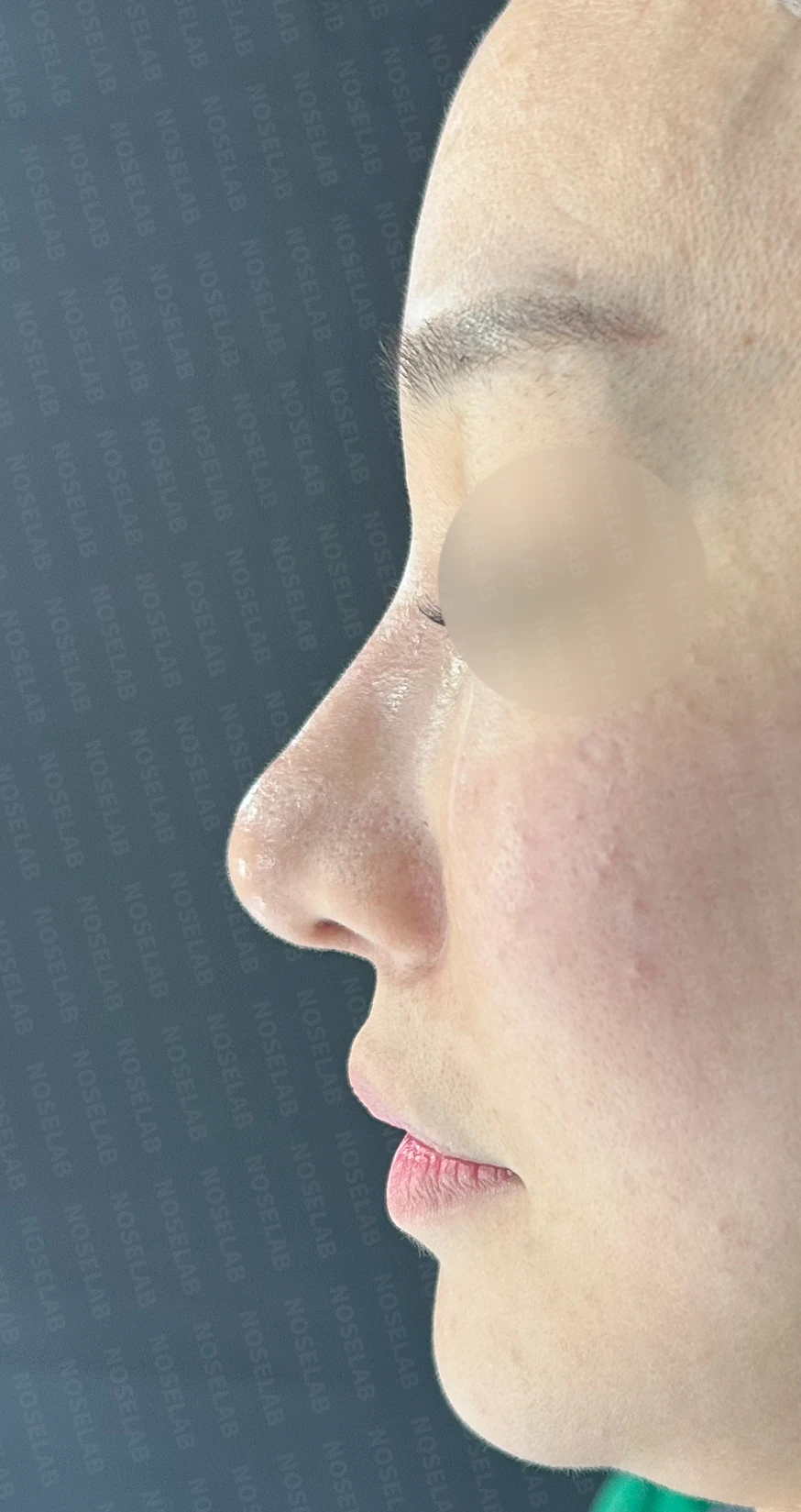
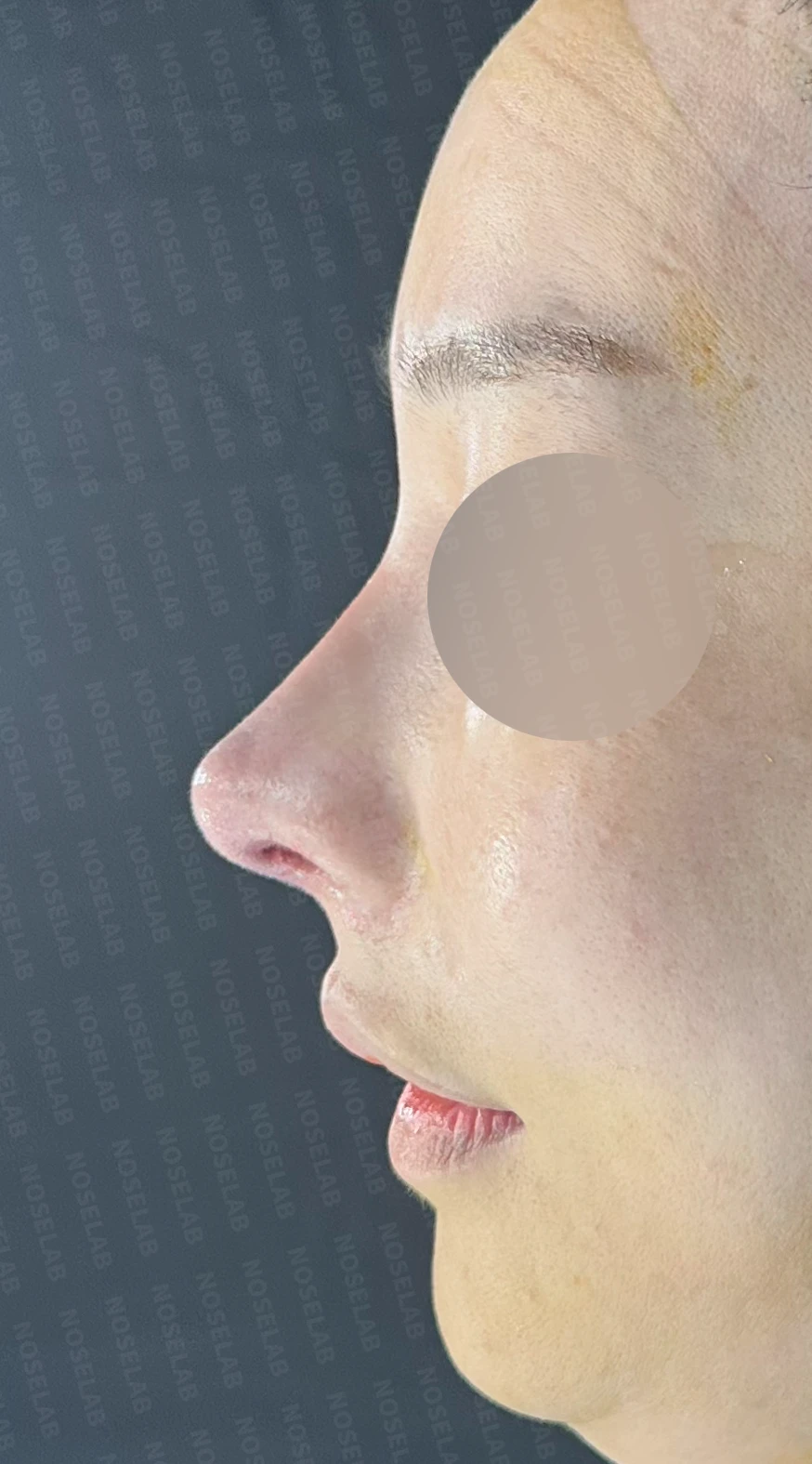
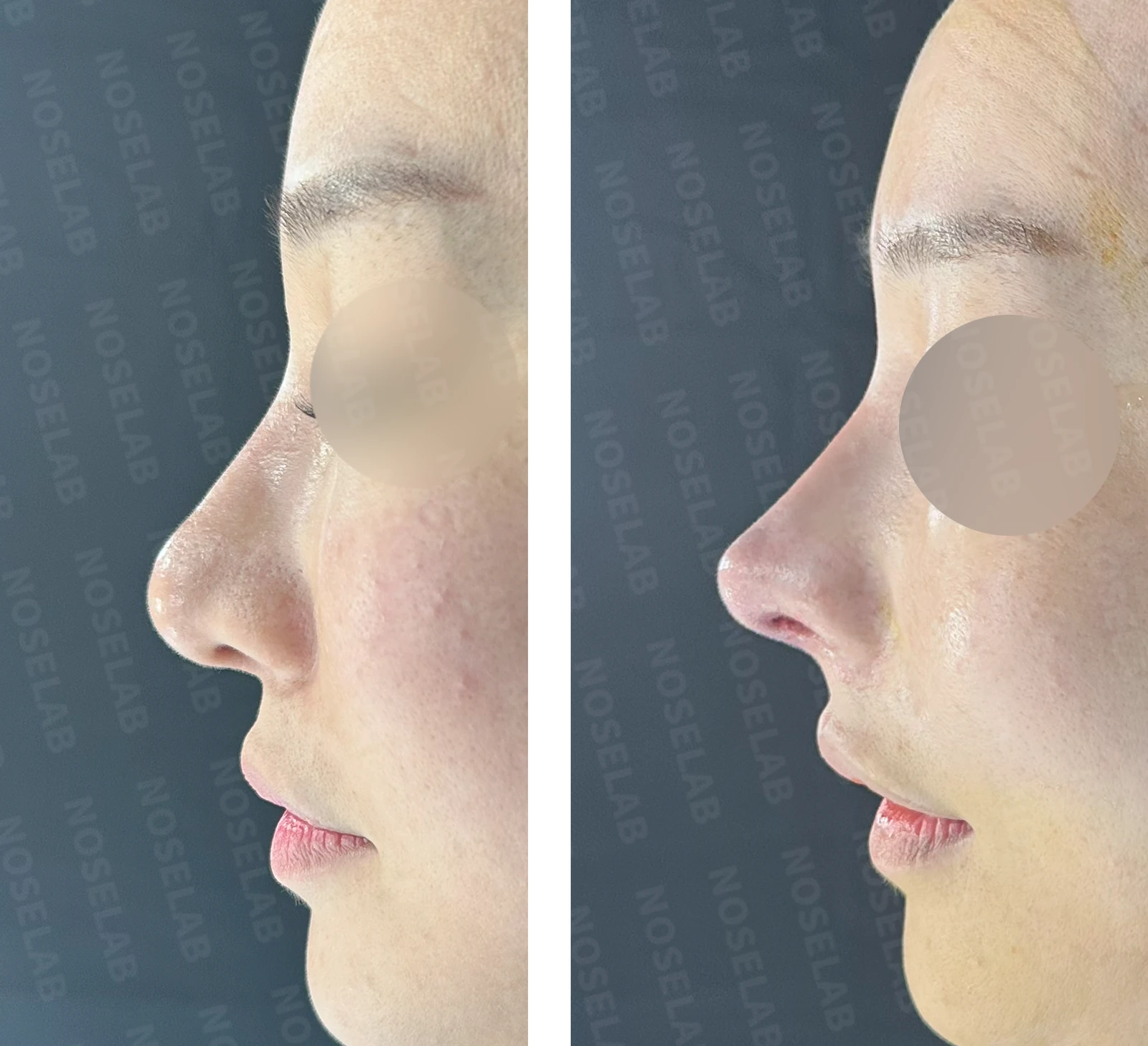
Before surgery / Day 0 immediately after surgery Photos taken immediately after surgery show swelling and may differ from the final result.
Improvement of the drooping and bulbous nasal tip
Natural yet distinct straight bridge line
Refined profile line through an improved nasolabial angle
Improvement of protruding mouth
3. Nostril changes
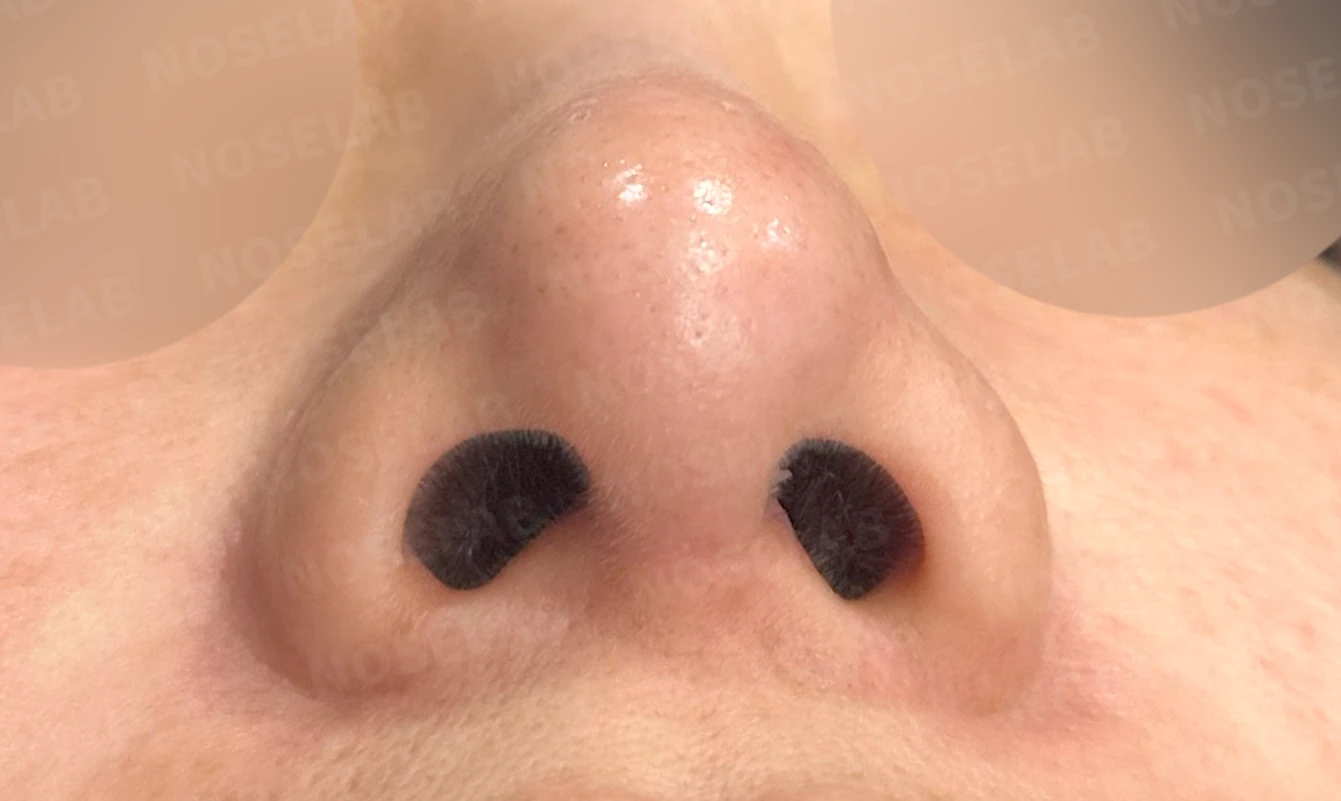
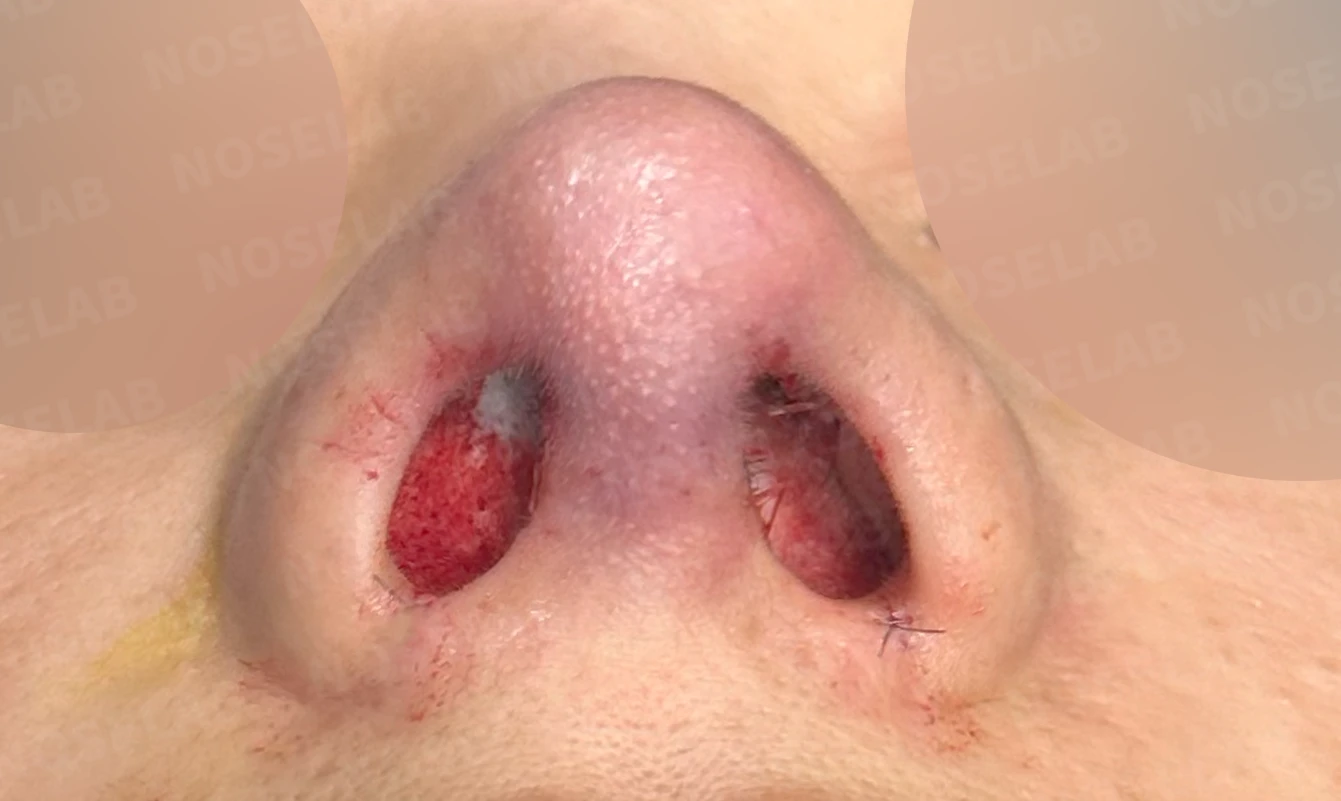
Before surgery / Day 0 immediately after surgery Photos taken immediately after surgery show swelling and may differ from the final result.
Improvement of bulbous nasal tip
Improvement of nostril asymmetry
Improvement of left-tilted columella
💡 Specialist's opinion
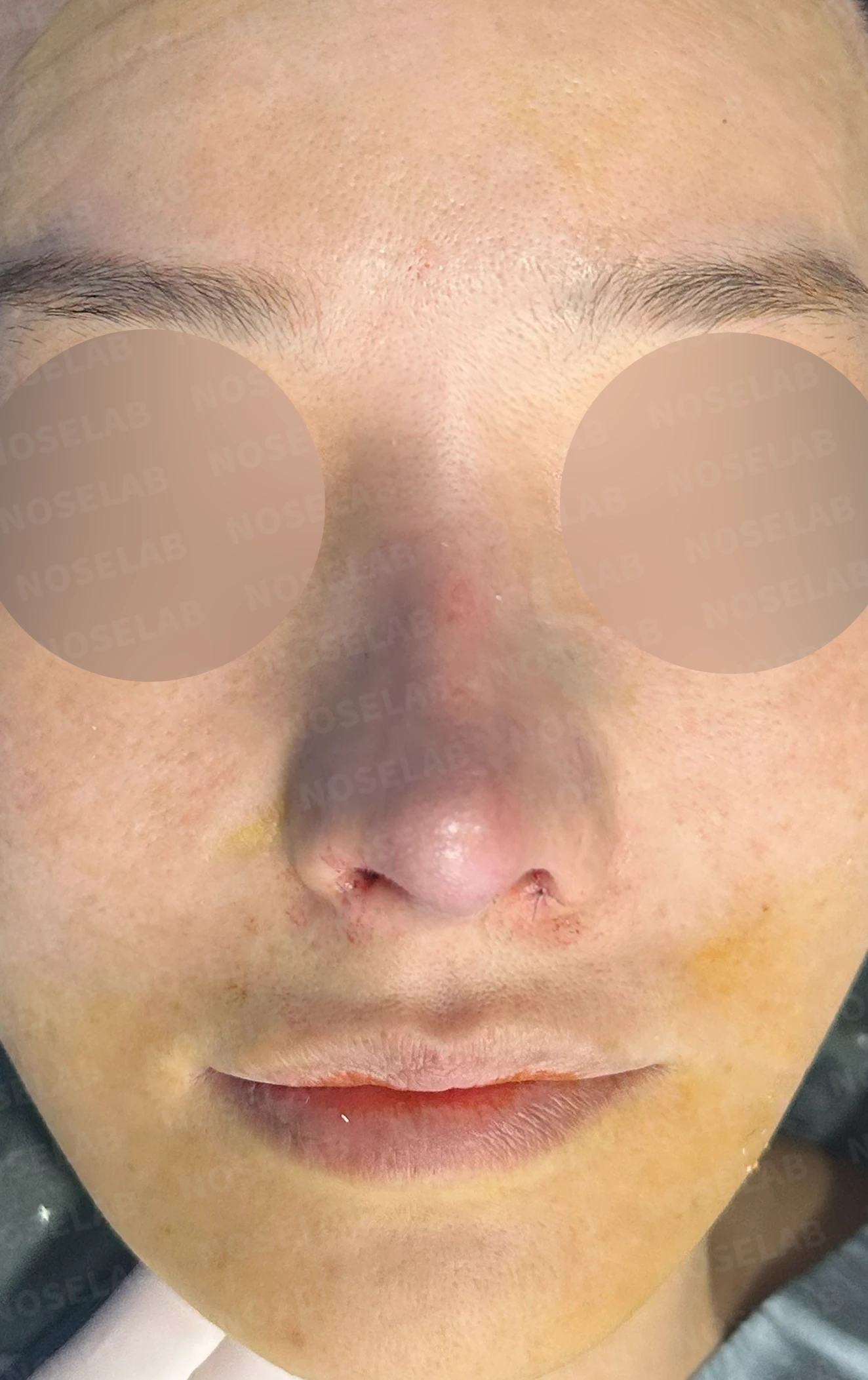
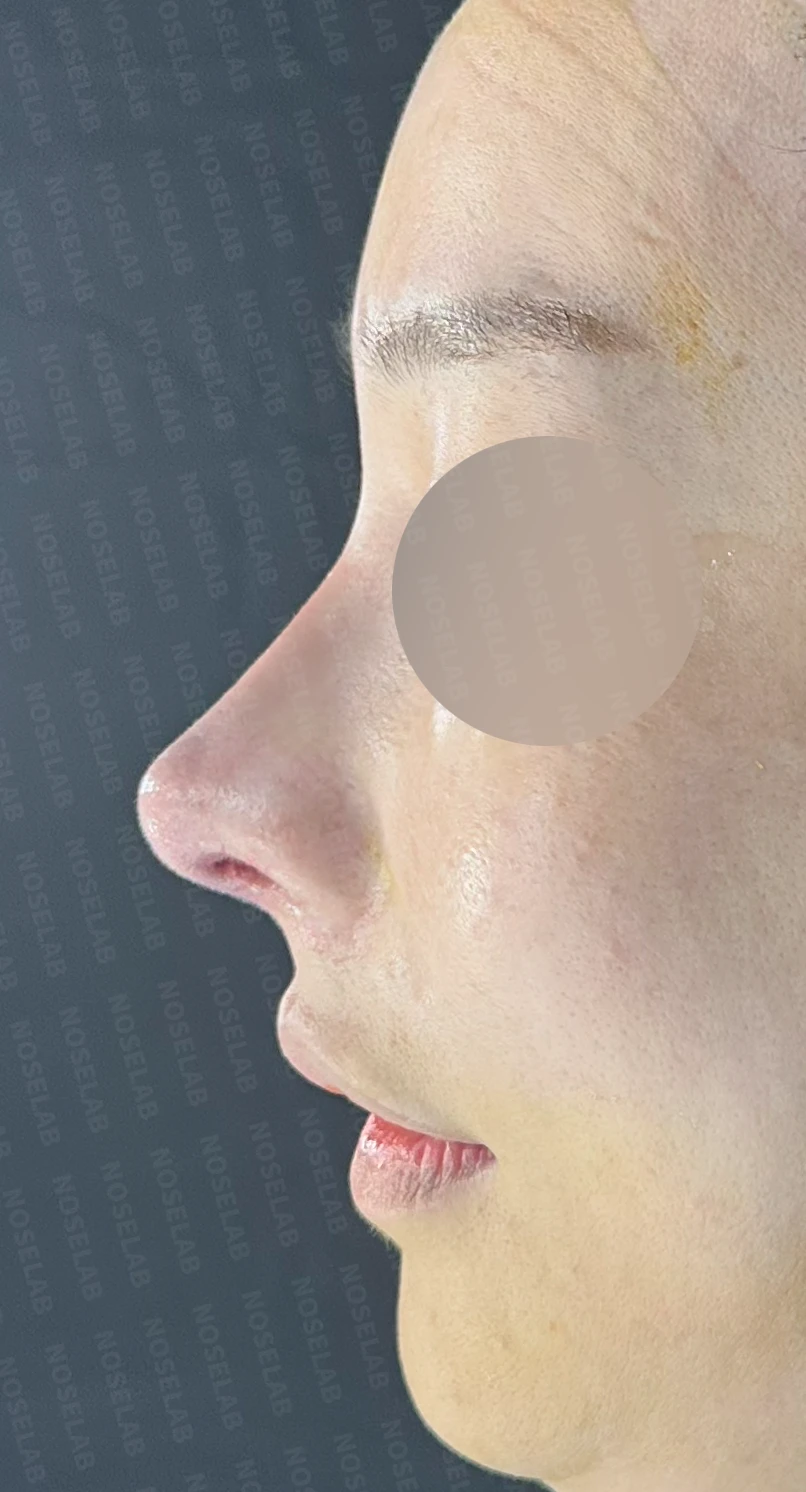
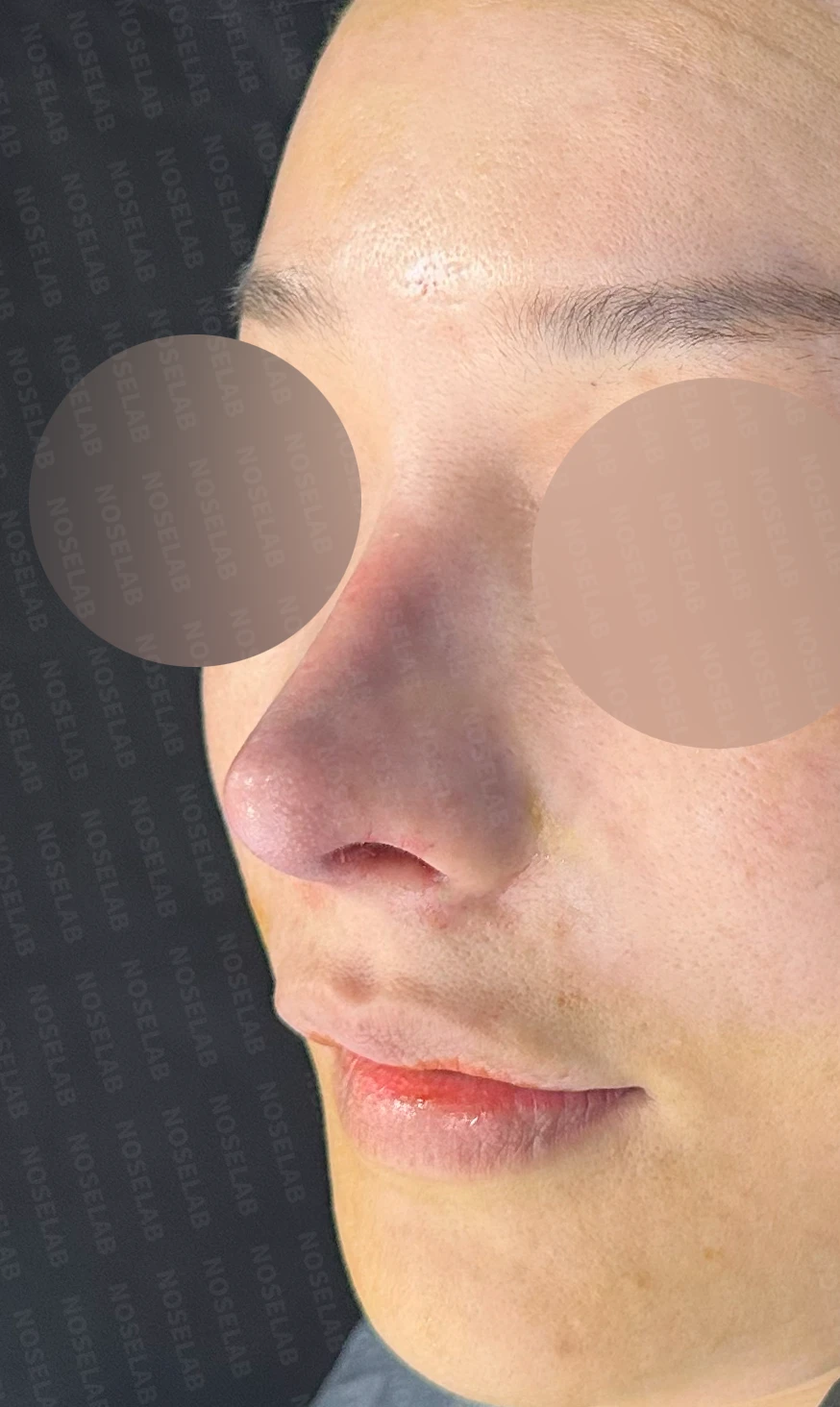
Immediately after surgery (Day 0) front, profile, and oblique viewsImmediate postoperative photos show swelling and may differ from the final result.
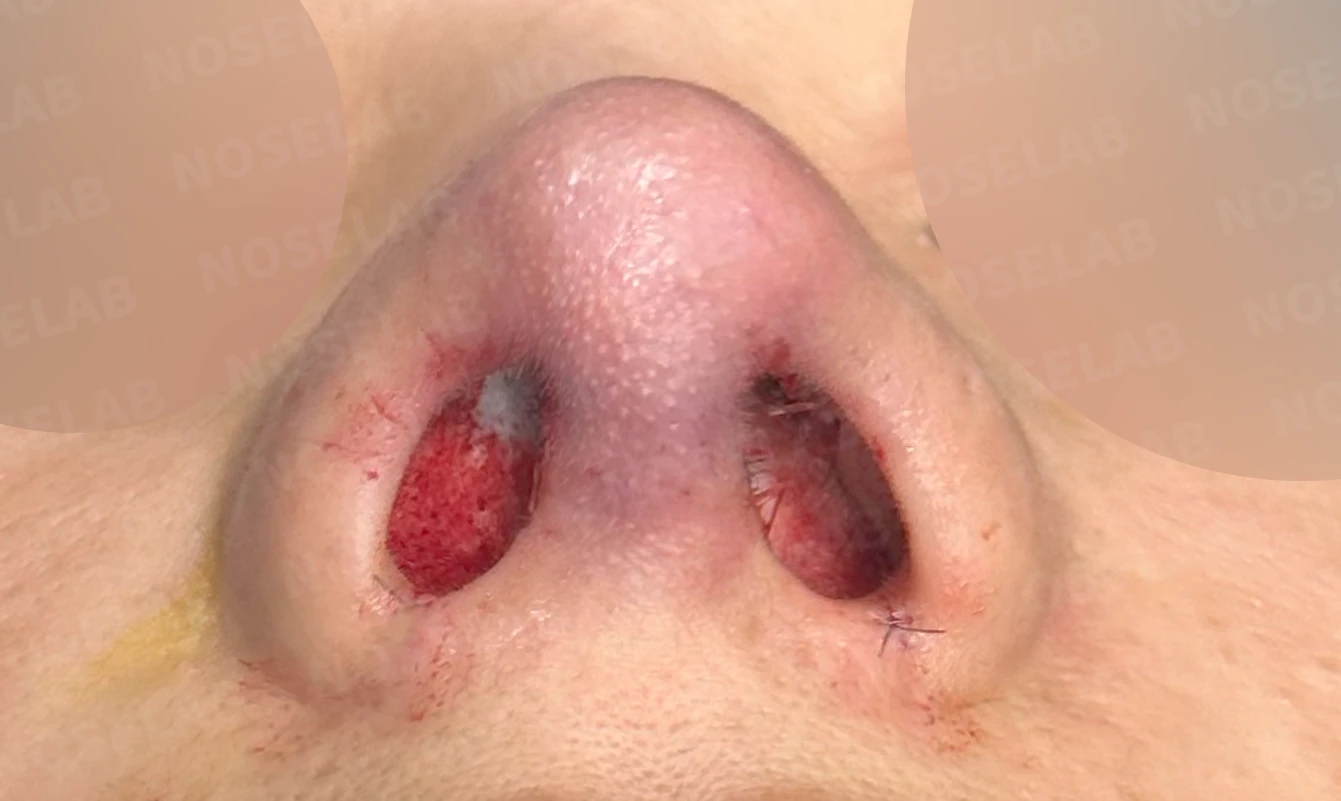
Nostril view on day 0 immediately after surgery Photos taken immediately after surgery show swelling and may differ from the final result.
Bulbous nose correction is not simply about reducing size; harmony with the overall face is essential. In particular, excessive correction without adequate underlying support can lead to future deformation or functional problems.
In this type of case, a structural approach utilizing autologous rib cartilage secured structural stability while achieving an aesthetically pleasing result. By reinforcing nasal tip support and appropriately adjusting the nasolabial angle, a distinct yet natural line was created.
In bulbous nose correction, it is crucial to comprehensively evaluate soft tissue, cartilage condition, skin thickness, and overall facial proportions. Tailoring surgical techniques based on the patient's prior surgical history and tissue condition directly correlates with surgical success.
I will continue to provide customized surgery that closely reflects each patient's individuality and requests through this meticulous approach.
I hope this case helps those who share similar concerns.
This was Dr. Peter C. Kang. Thank you.
Thank you.
#bulbousnosecorrection #crookednose #autologousribcartilage #rhinoplasty #nasolabialanglecorrection #distinctline

Limitations and risks
When autologous rib cartilage is used, scarring and pain may remain at the donor site on the chest, and pneumothorax (pleural injury) can occur rarely. Over time, the grafted cartilage may warp or undergo partial resorption.
When the septum is corrected at the same time, nasal obstruction may persist or recur, and in rare cases, septal perforation or changes in smell may occur.
Common potential risks include infection, bleeding, asymmetry, scarring, skin necrosis, and insufficient improvement; results vary depending on individual skin condition and previous surgical history.