Hello, I am Dr. Peter C. Kang.
Today, through the case of a 22-year-old female patient who sought improvement for a long nose and a dorsal hump, we will take a detailed look at the importance of customized rhinoplasty tailored to facial proportions.
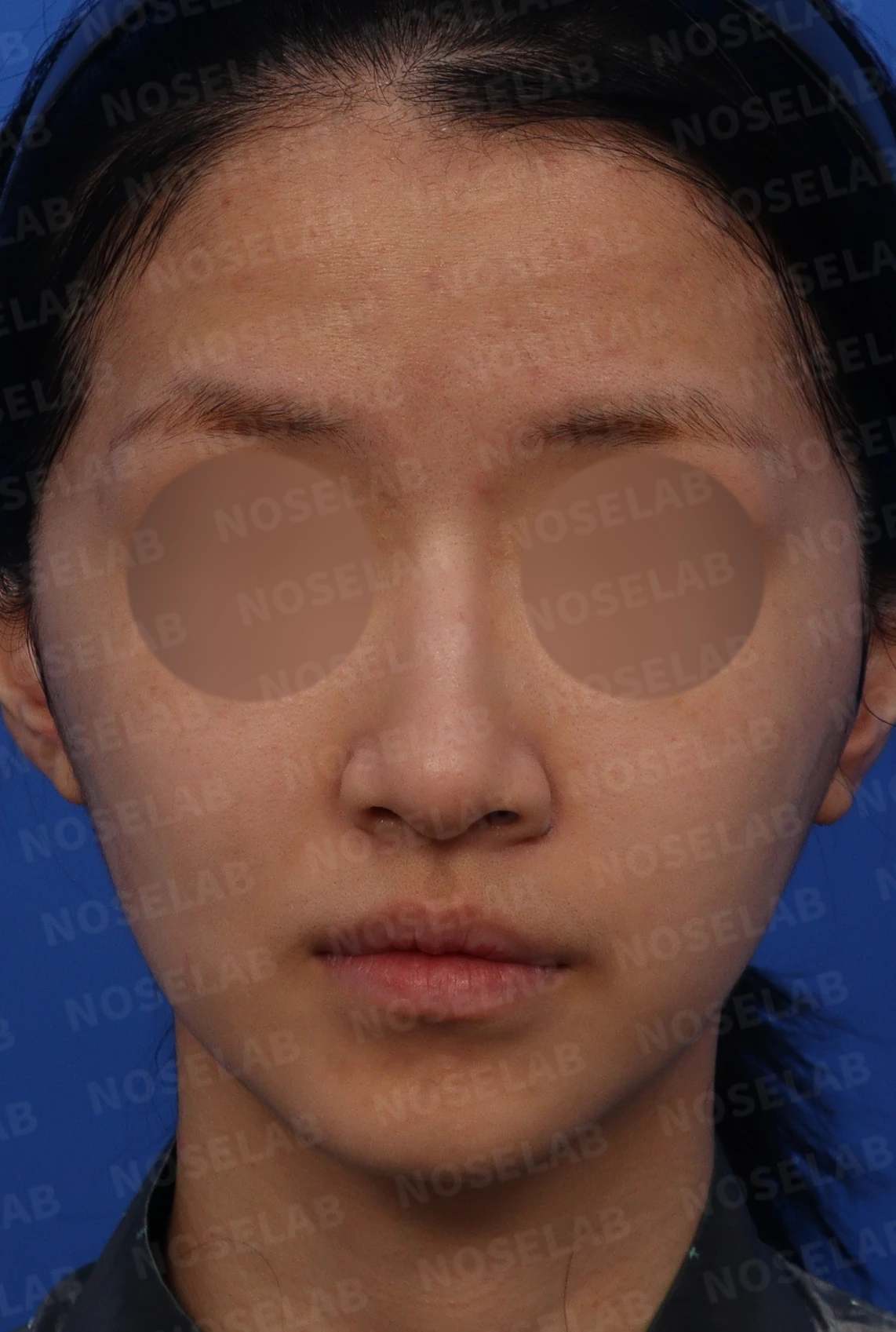
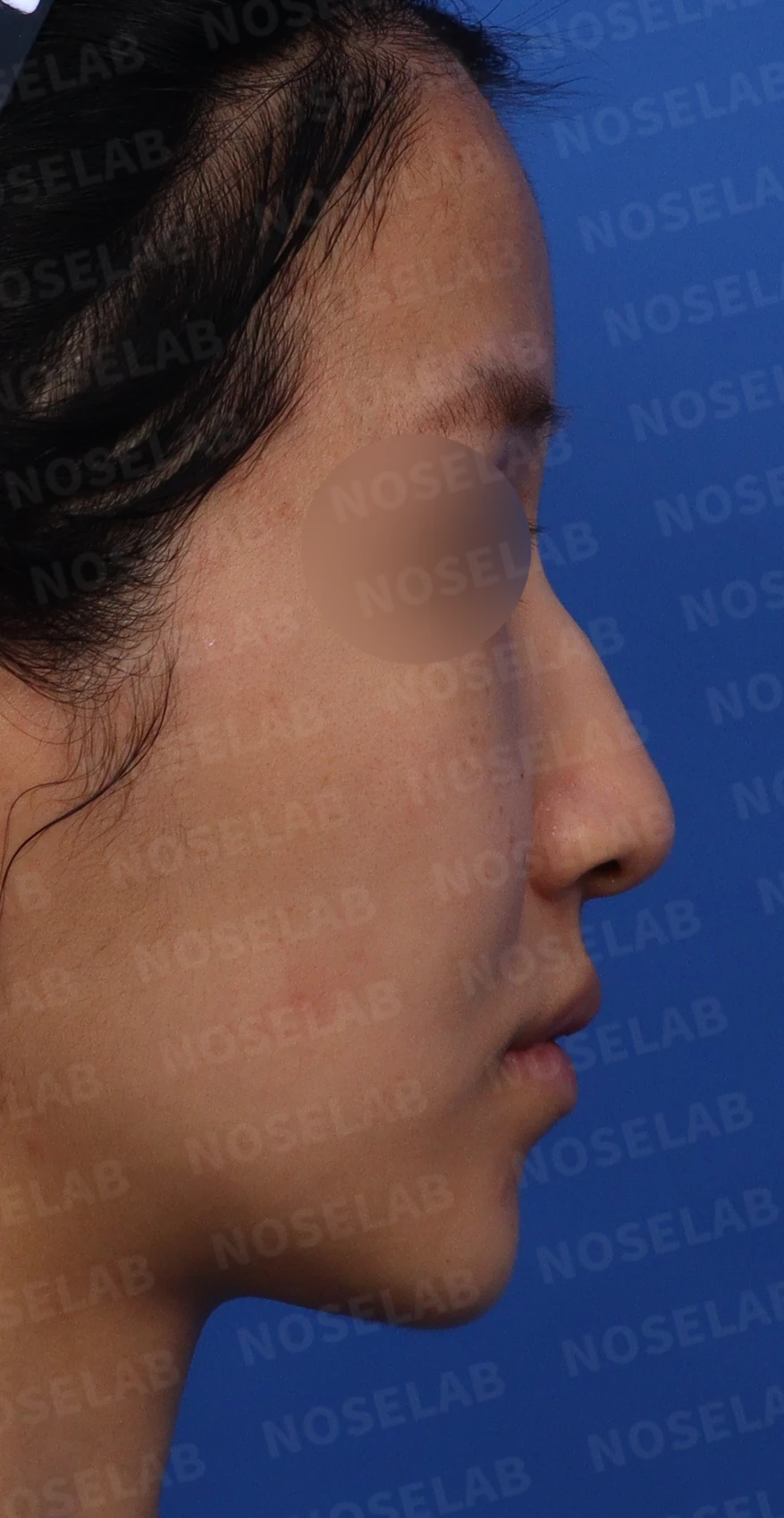
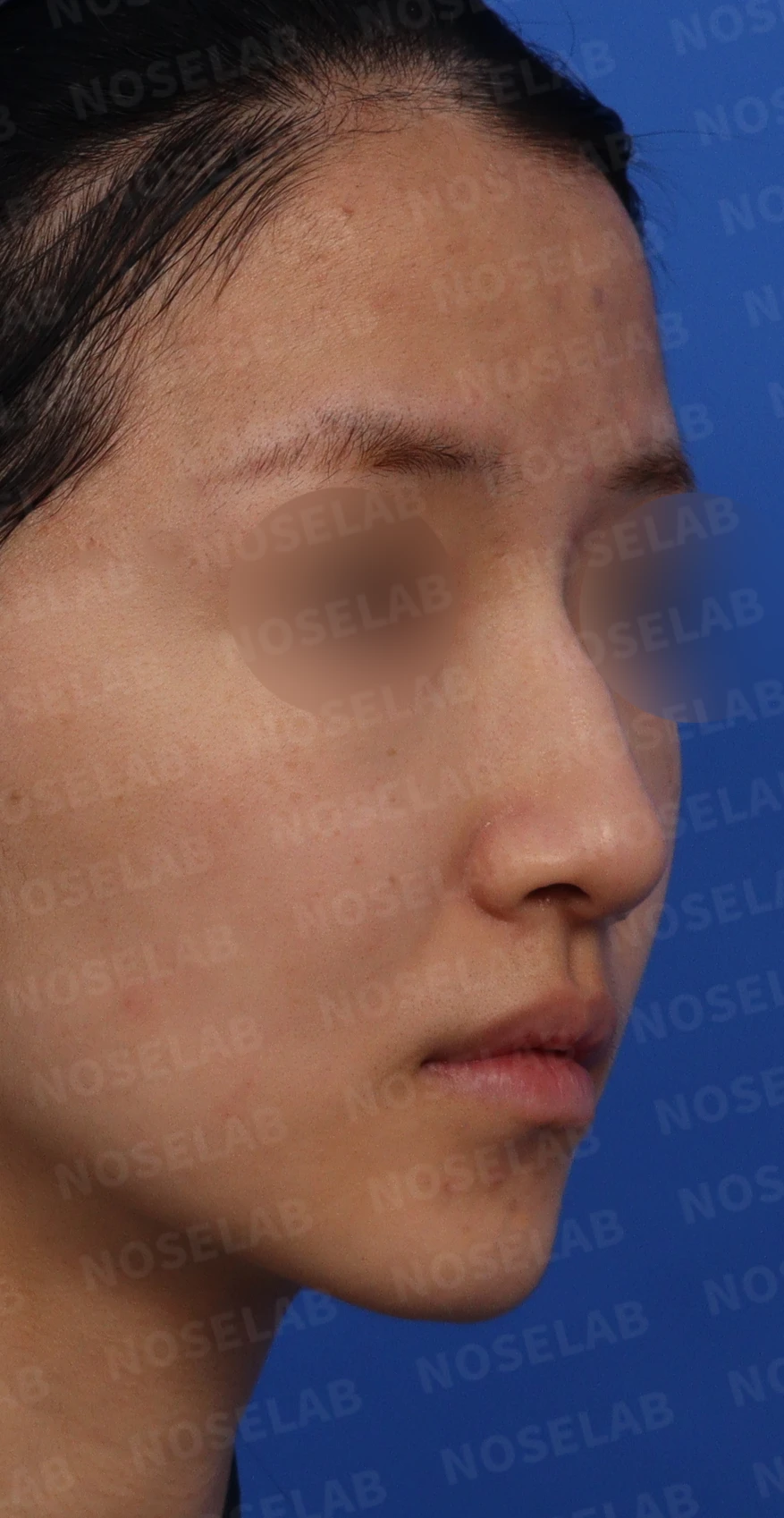
Design consultation: front, right oblique, and profile views.
🔍 Patient information
22-year-old female
History of zygoma reduction 1 year ago
📊 Primary symptoms and goals
Seasonal rhinitis
Deviated septum
Long nose, dorsal hump
Drooping nasal tip
Desires a natural result
💉 Preoperative analysis
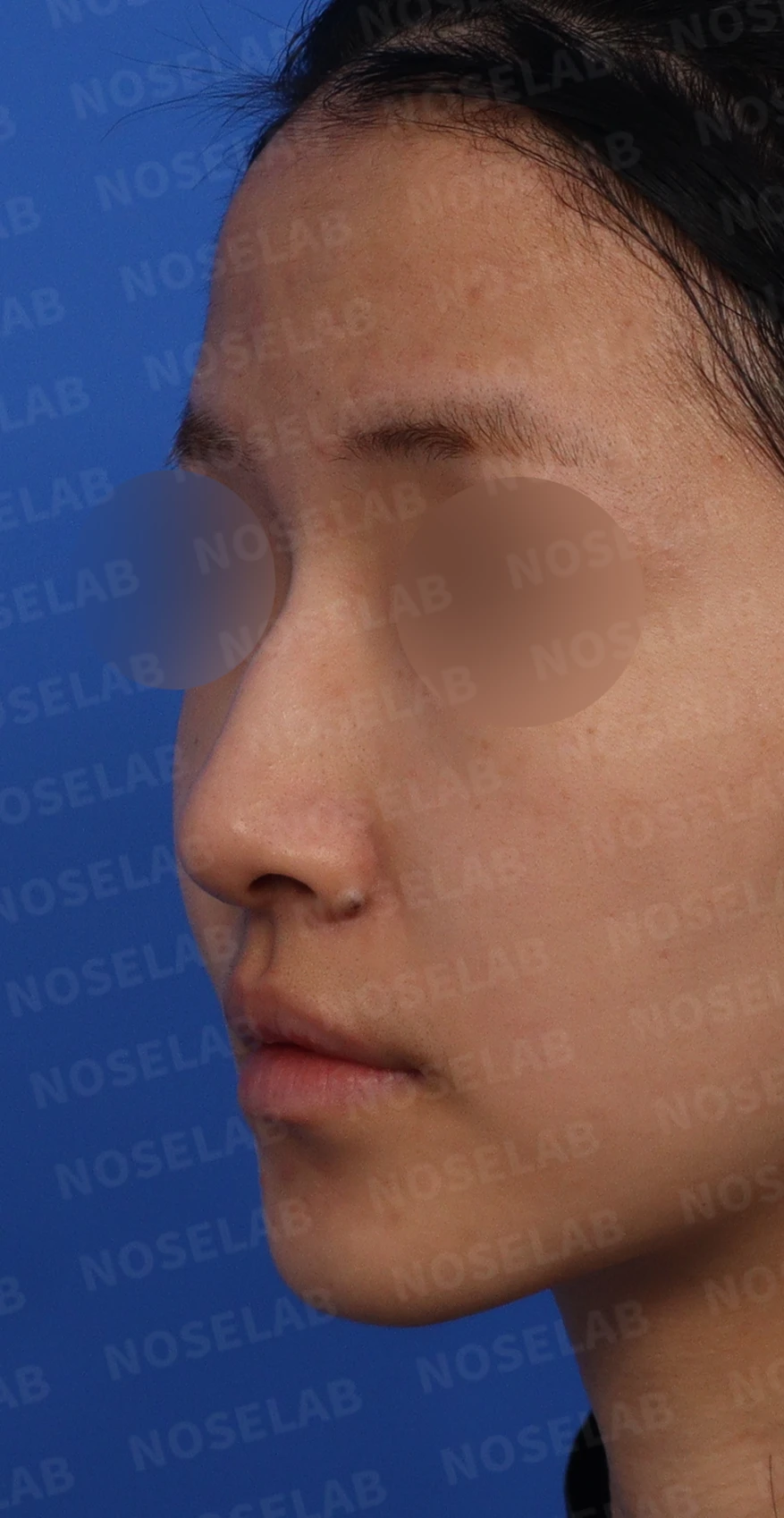
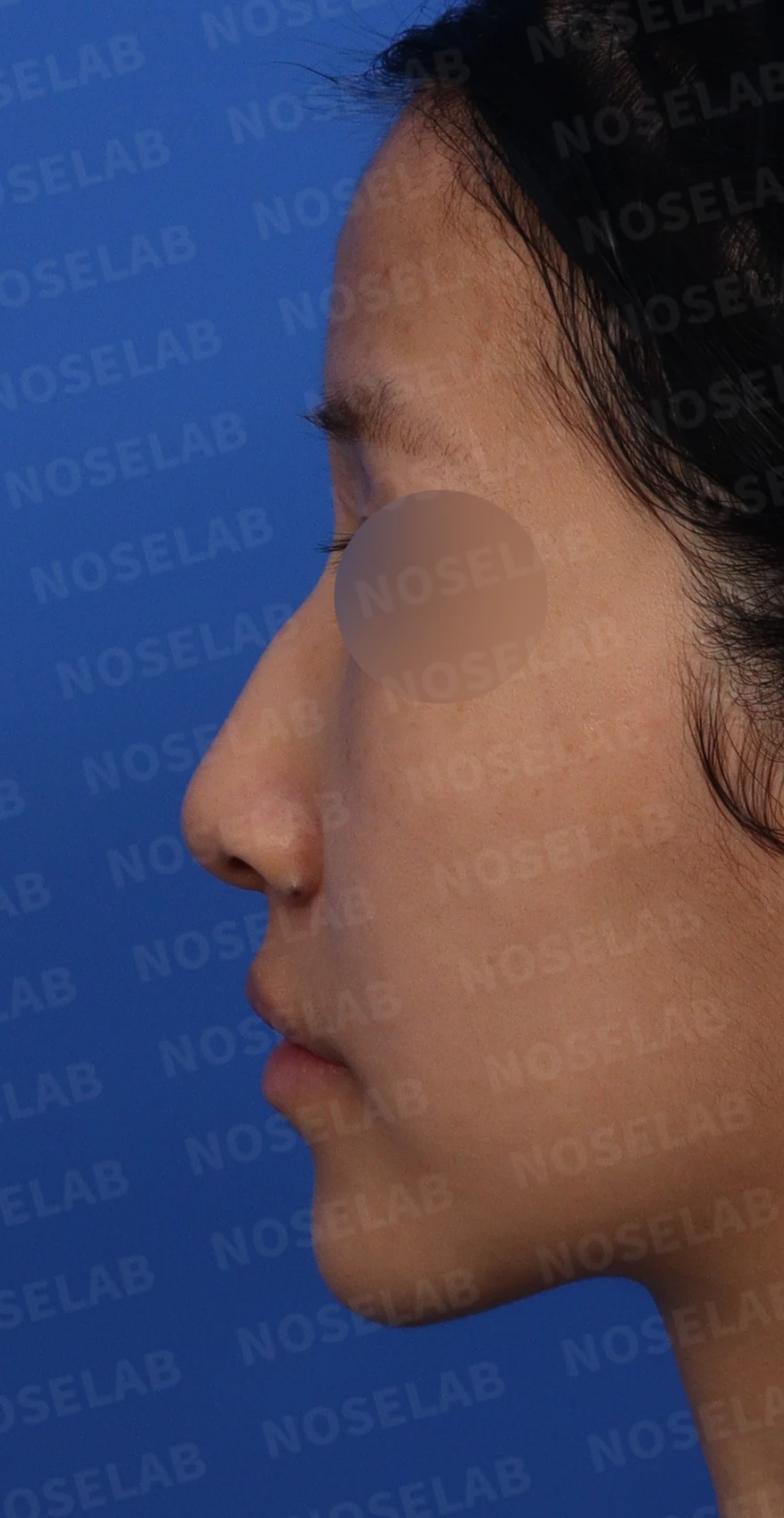
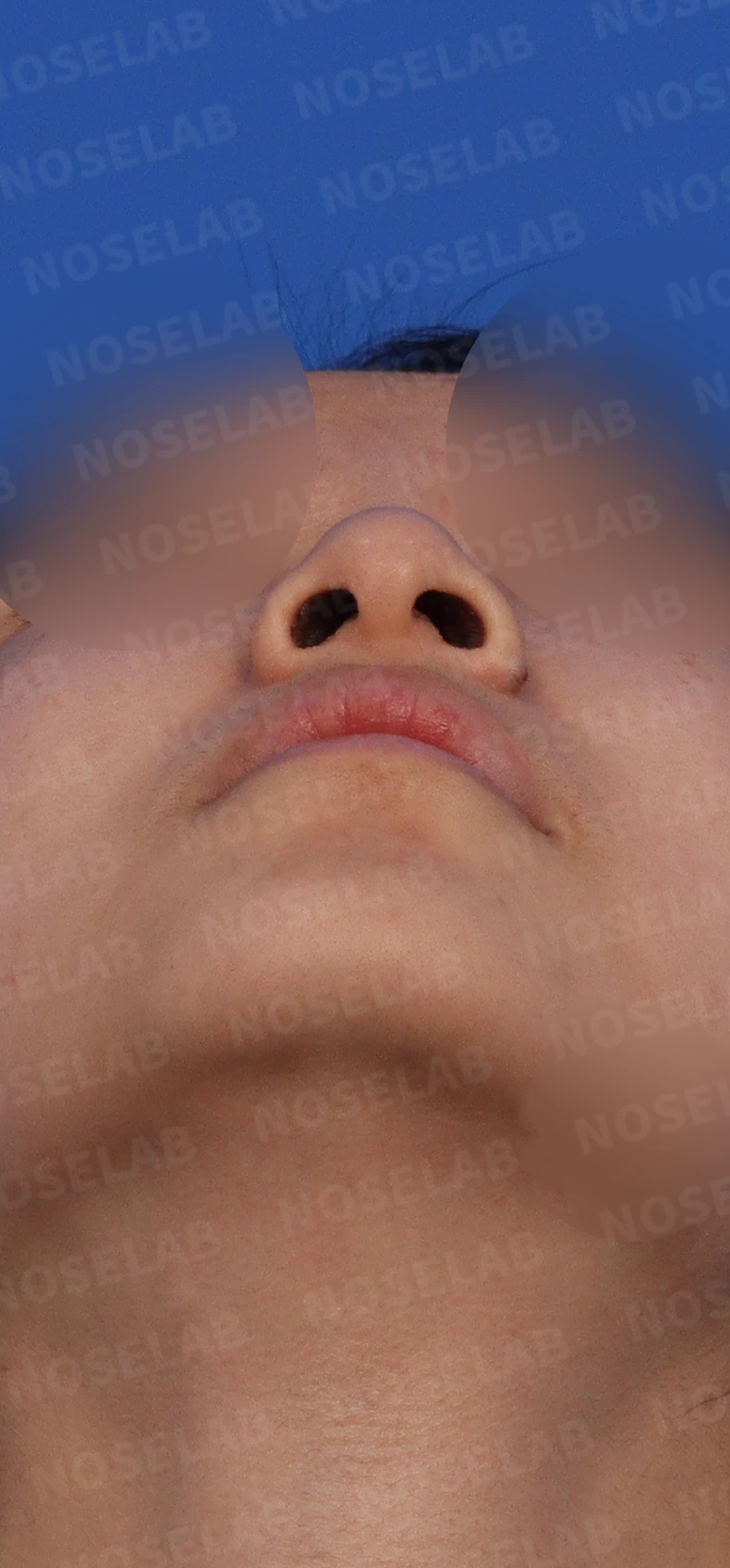
Design consultation photos: left oblique view, profile view, and basal (nostril) view.
1. Front view
* Nose that appears broad
* Asymmetry of nostrils and alae
* Arrowhead nose (drooping tip)
* Long nose
2. Profile view
* Dorsal hump observed
* Drooping columella
3. Nostrils
* Alar asymmetry
* Lateral nasal asymmetry
🔧 Surgical plan
Septoplasty (correction of deviated septum)
Radiofrequency submucosal resection of the inferior turbinate (rhinitis surgery)
Septal extension using septal cartilage
Dorsal hump reduction
Lateral osteotomy
Nasal bridge augmentation using a silicone implant
Key points for correcting a long nose: Correcting a long nose involves more than simply reducing nasal length; it requires a delicate approach that accounts for overall facial proportions. Here are the key considerations focused on for this type of nose:
Considering facial proportions: Overall facial proportions were taken into account when determining the length and shape of the nose.
Establishing the starting point between the eyebrows: The starting point at the glabella was positioned at an appropriate height to create a natural profile line.
Considering alar shape: The design ensured that the alae would not appear excessively wide or flared from the front view.
Adjusting the nasolabial angle: Maximizing the nasolabial angle (the angle between the nose and upper lip) visually reduced the apparent length of the nose.
Columellar correction: As the most crucial step, naturally adjusting the columella improved both the overall shape and the apparent length of the nose.
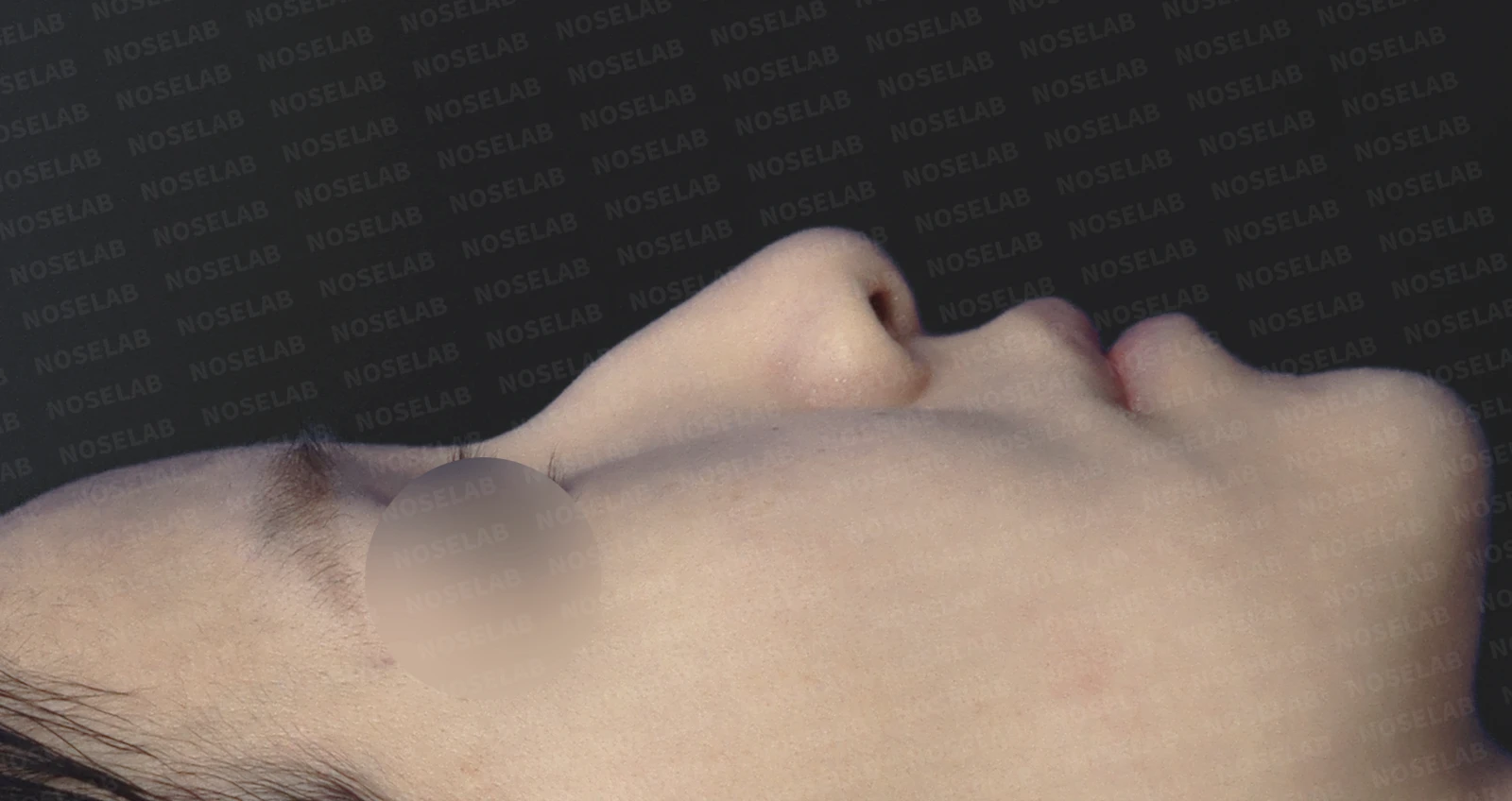
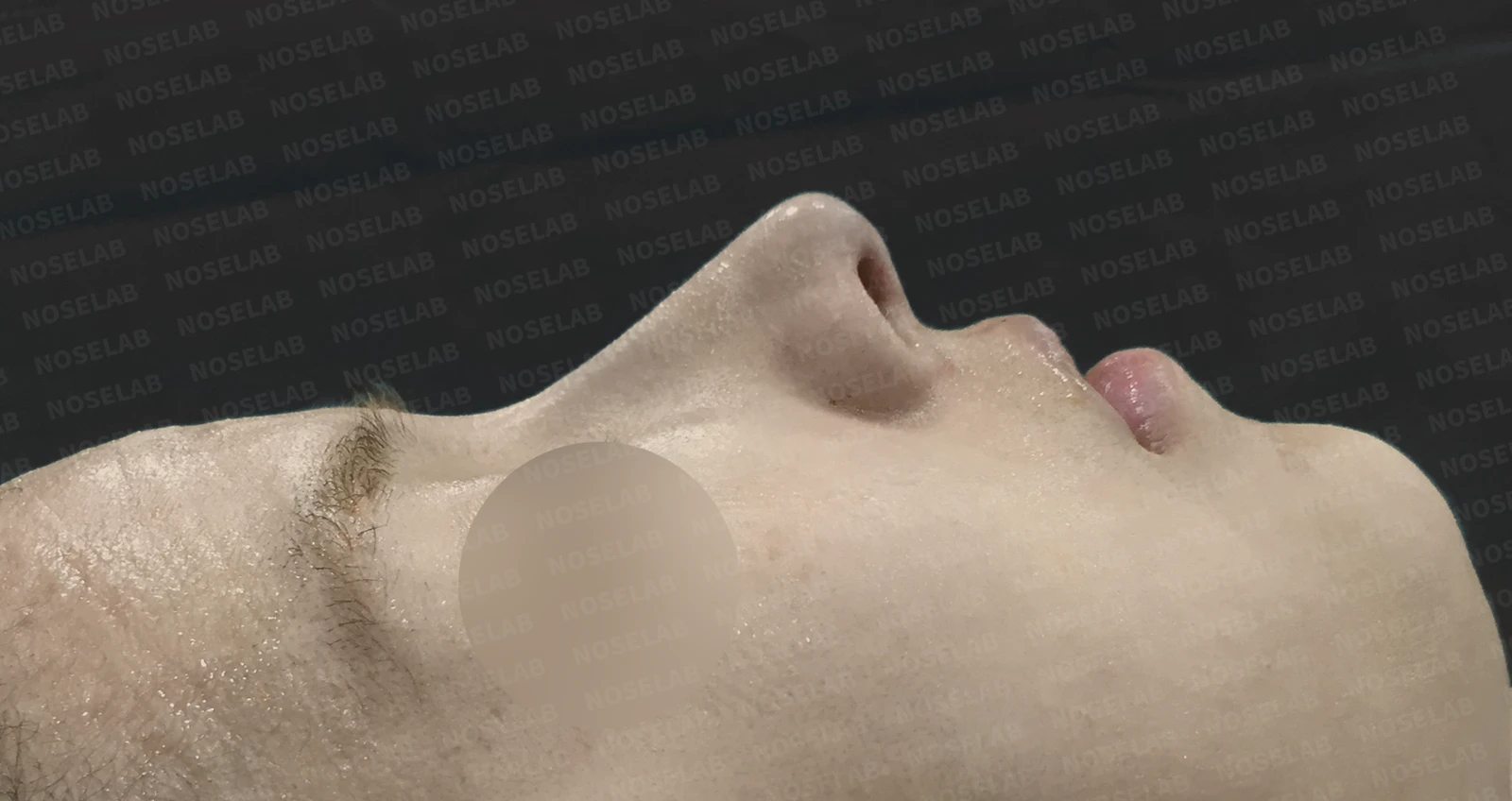
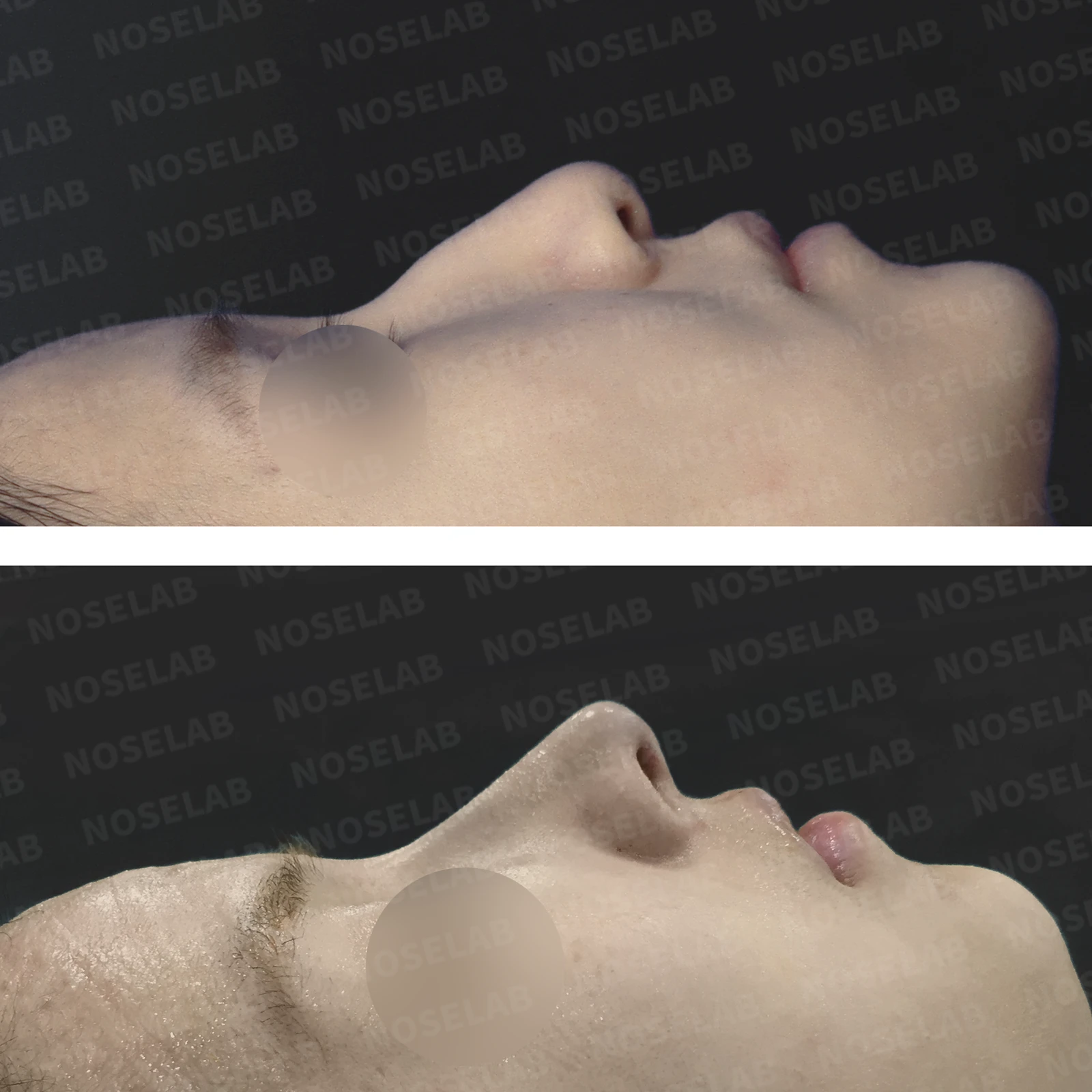
Before surgery / Day 0 immediately after surgery Photos taken immediately after surgery show swelling and may differ from the final result.
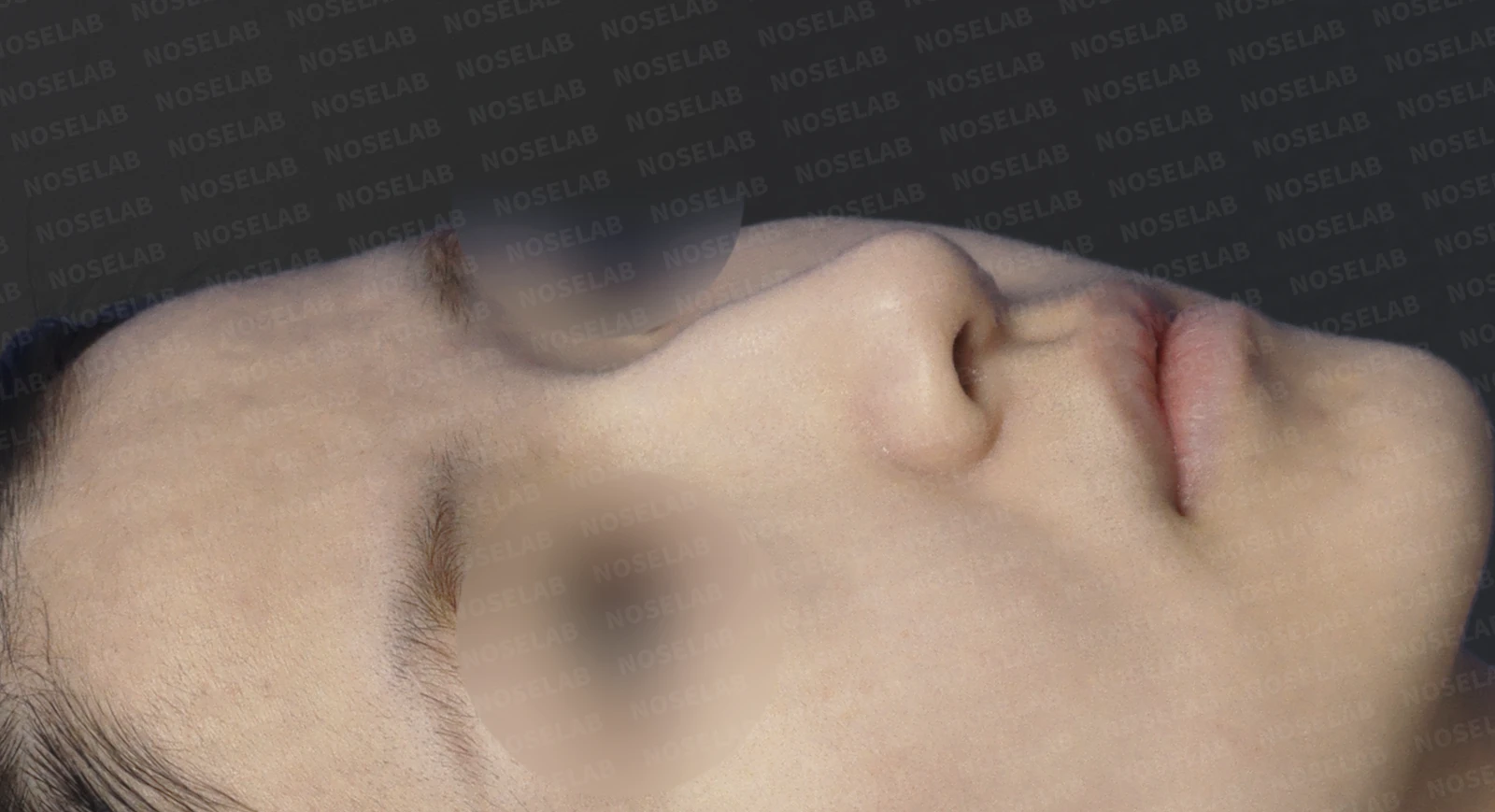
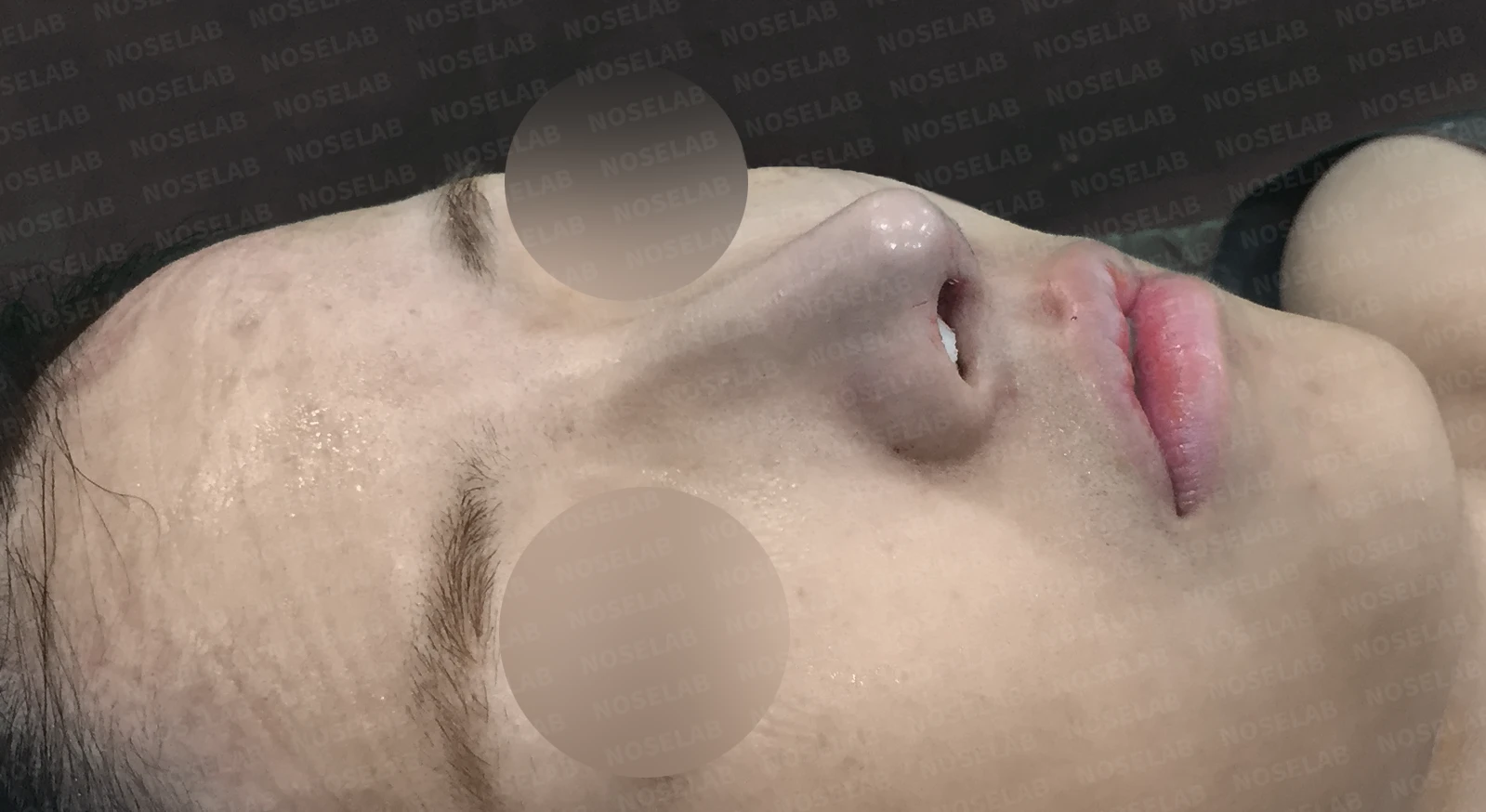
Before surgery / Day 0 immediately after surgery Photos taken immediately after surgery show swelling and may differ from the final result.
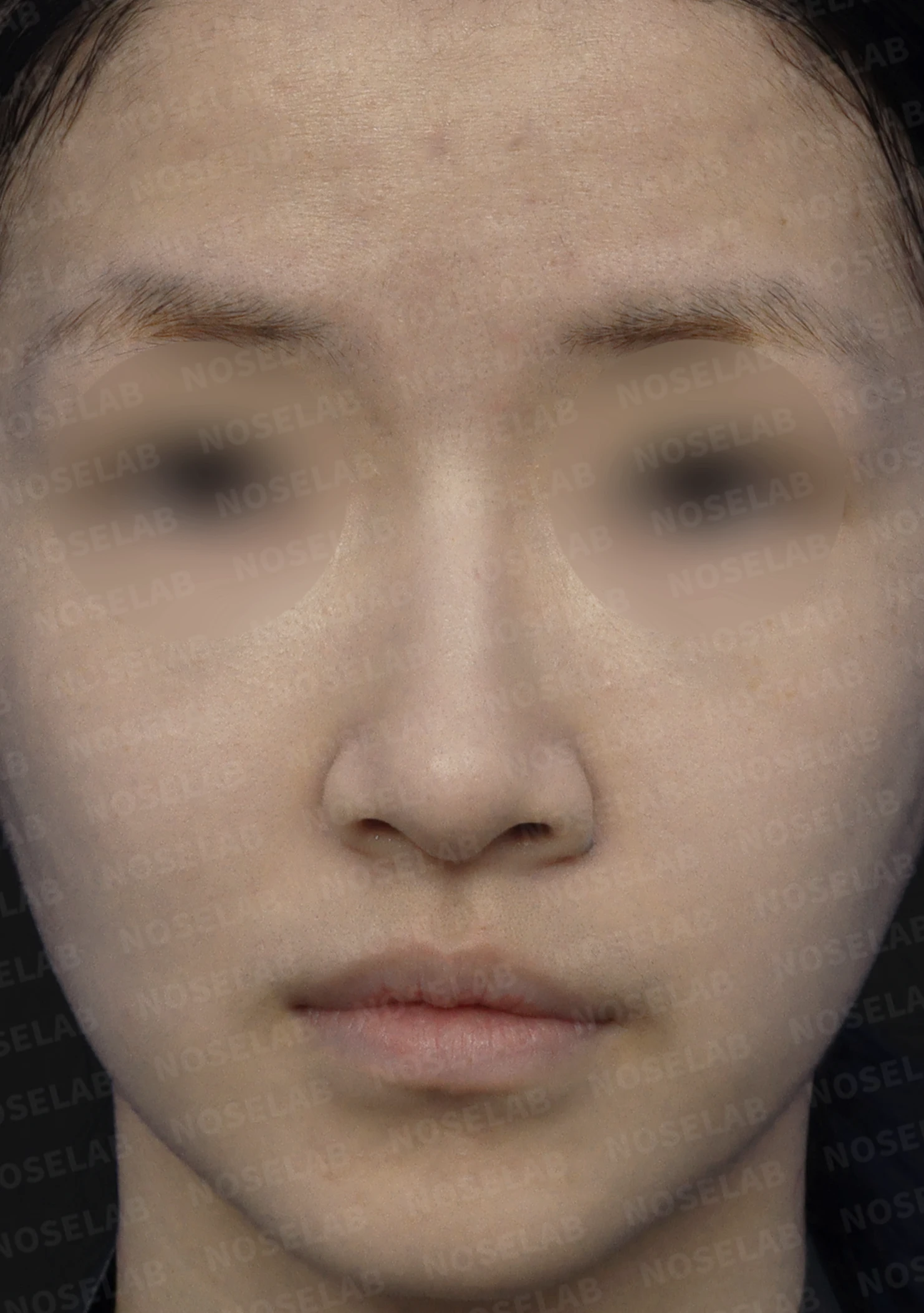
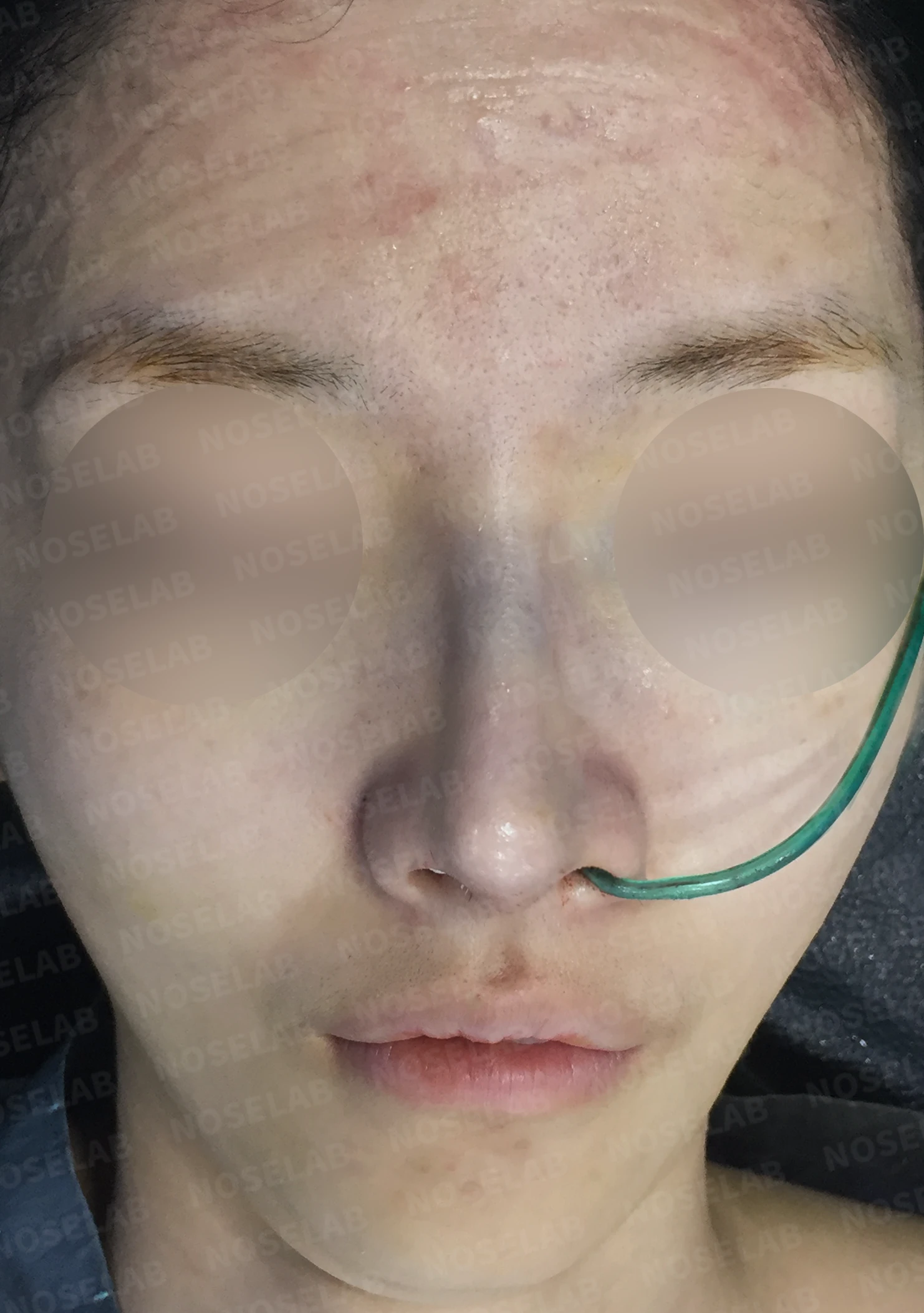
Before surgery / Day 0 immediately after surgery Photos taken immediately after surgery show swelling and may differ from the final result.
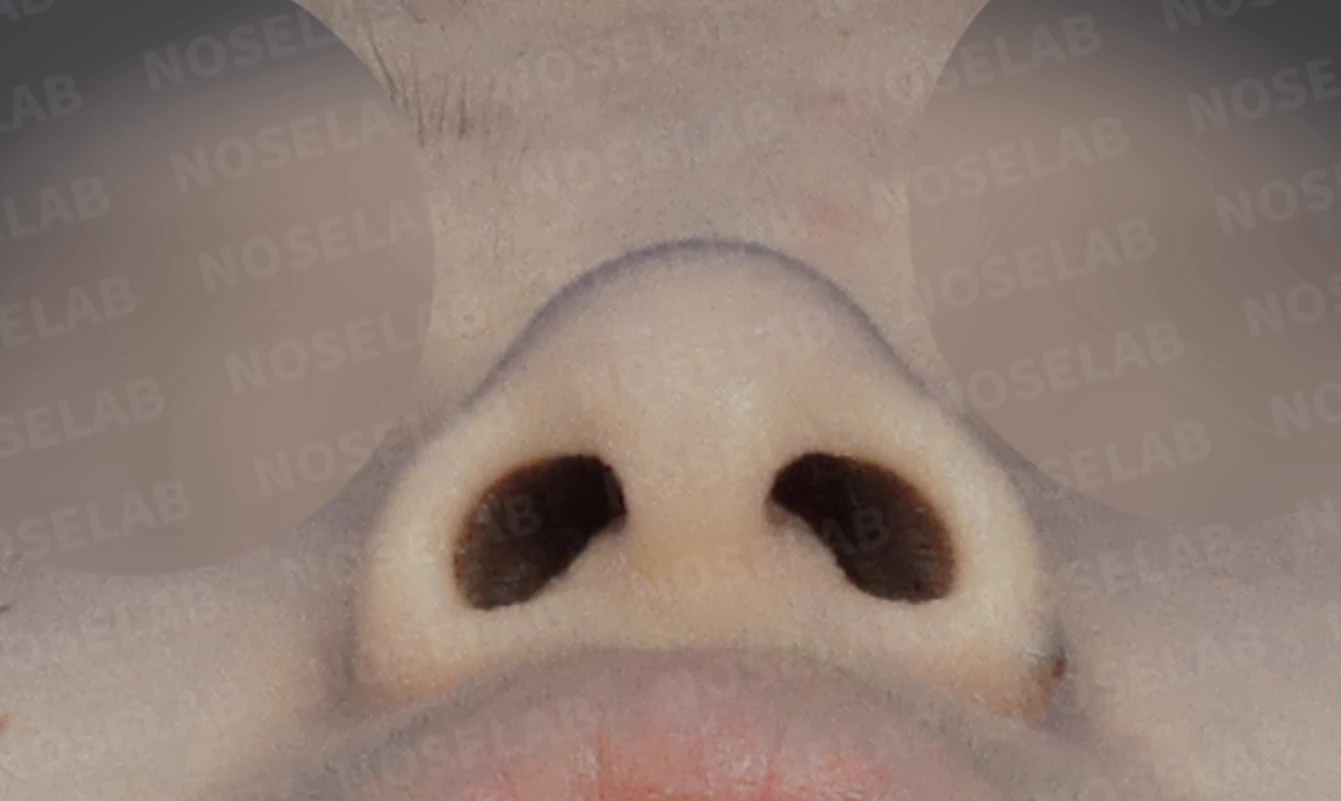
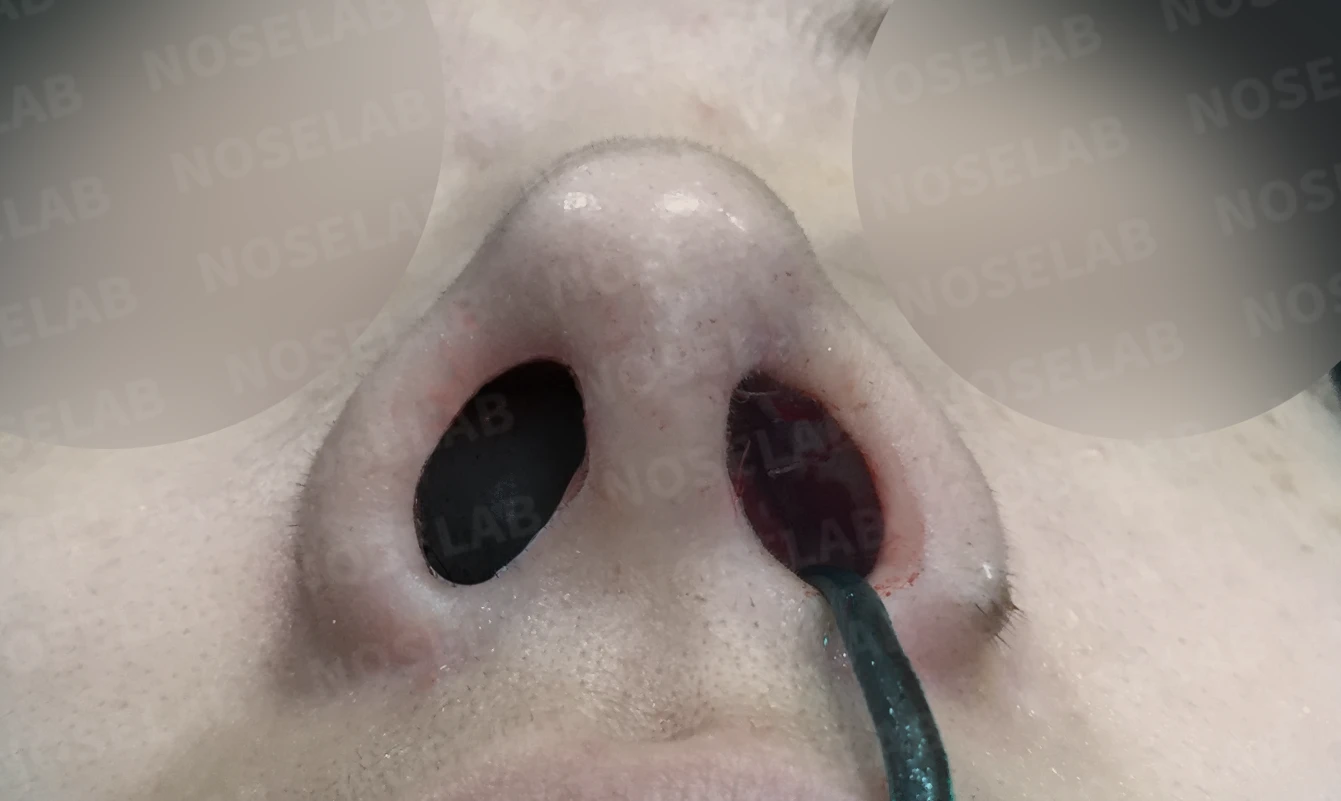
Before surgery / Day 0 immediately after surgery Photos taken immediately after surgery show swelling and may differ from the final result.
🌟 Surgical results
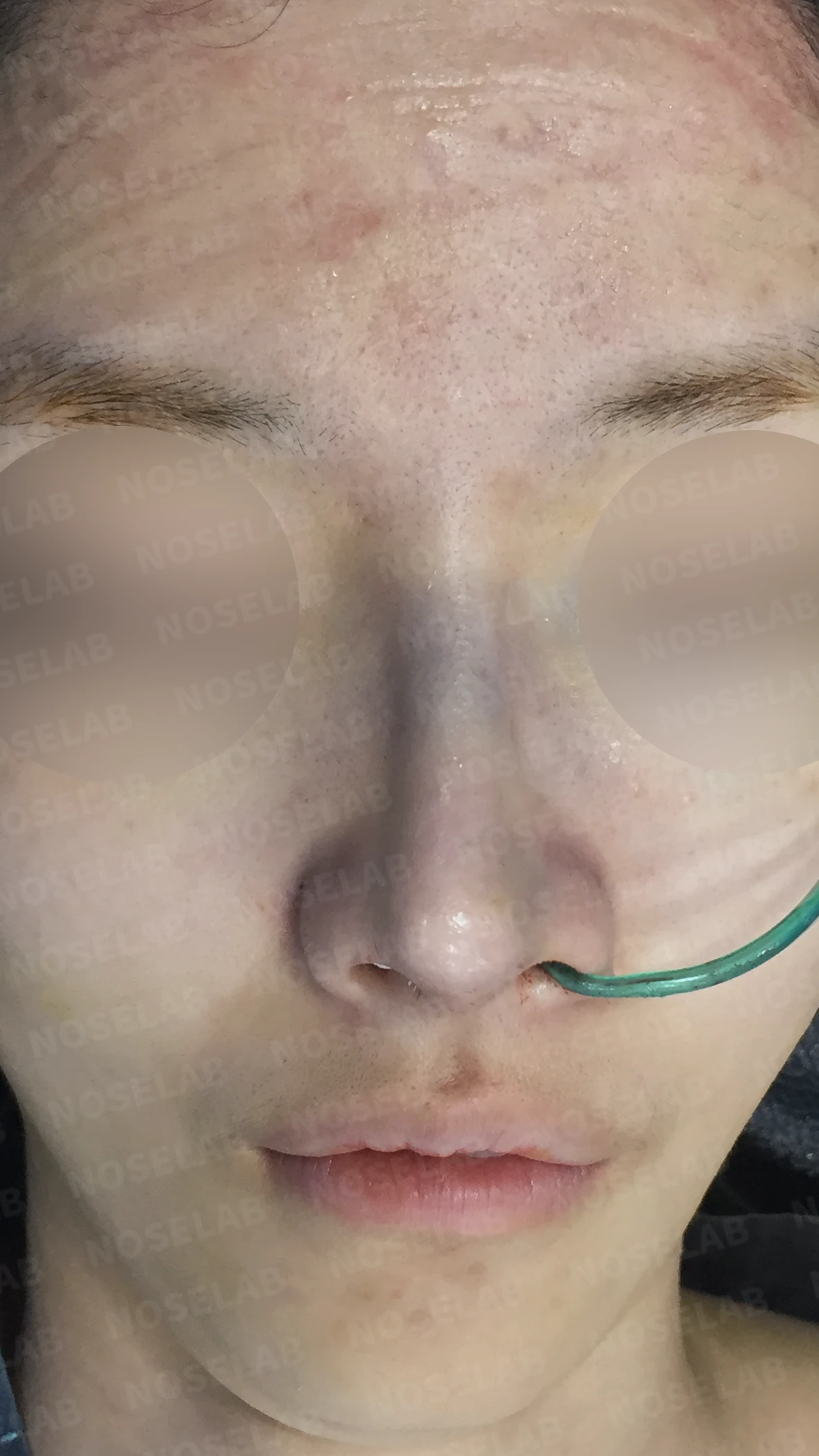
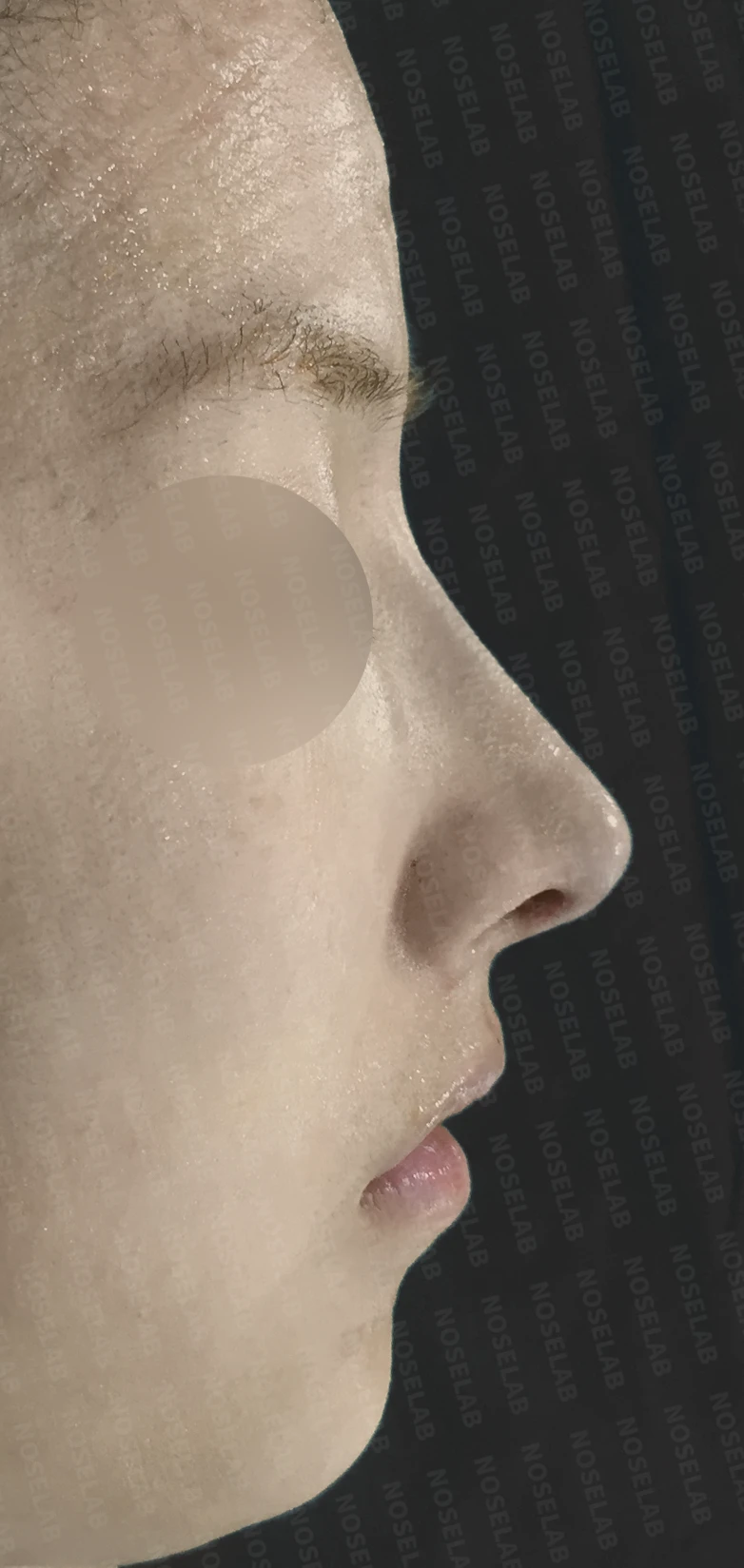
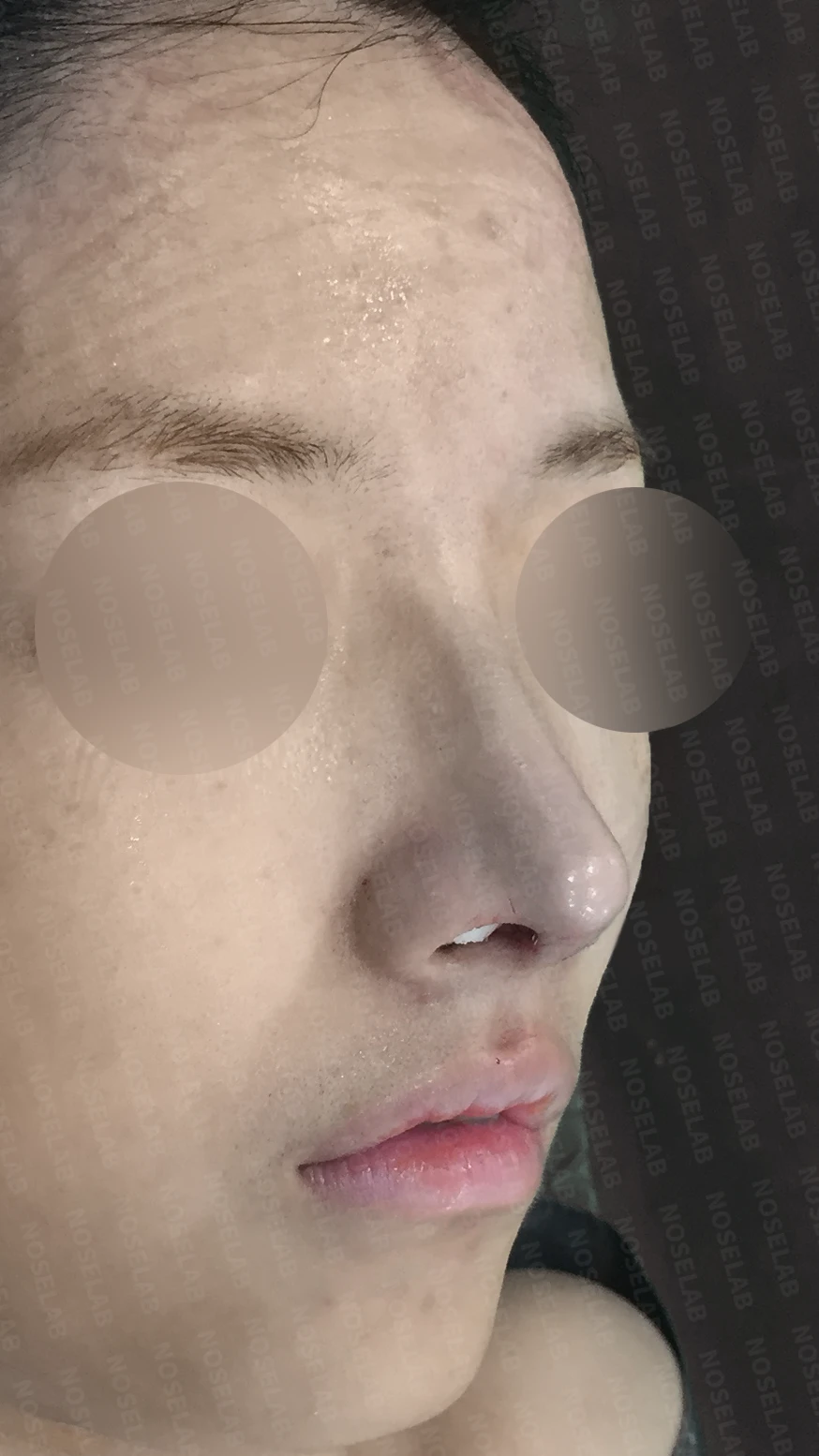
Front, profile, and oblique views taken immediately after surgery (day 0).Immediate postoperative photos show swelling and may differ from the final result.
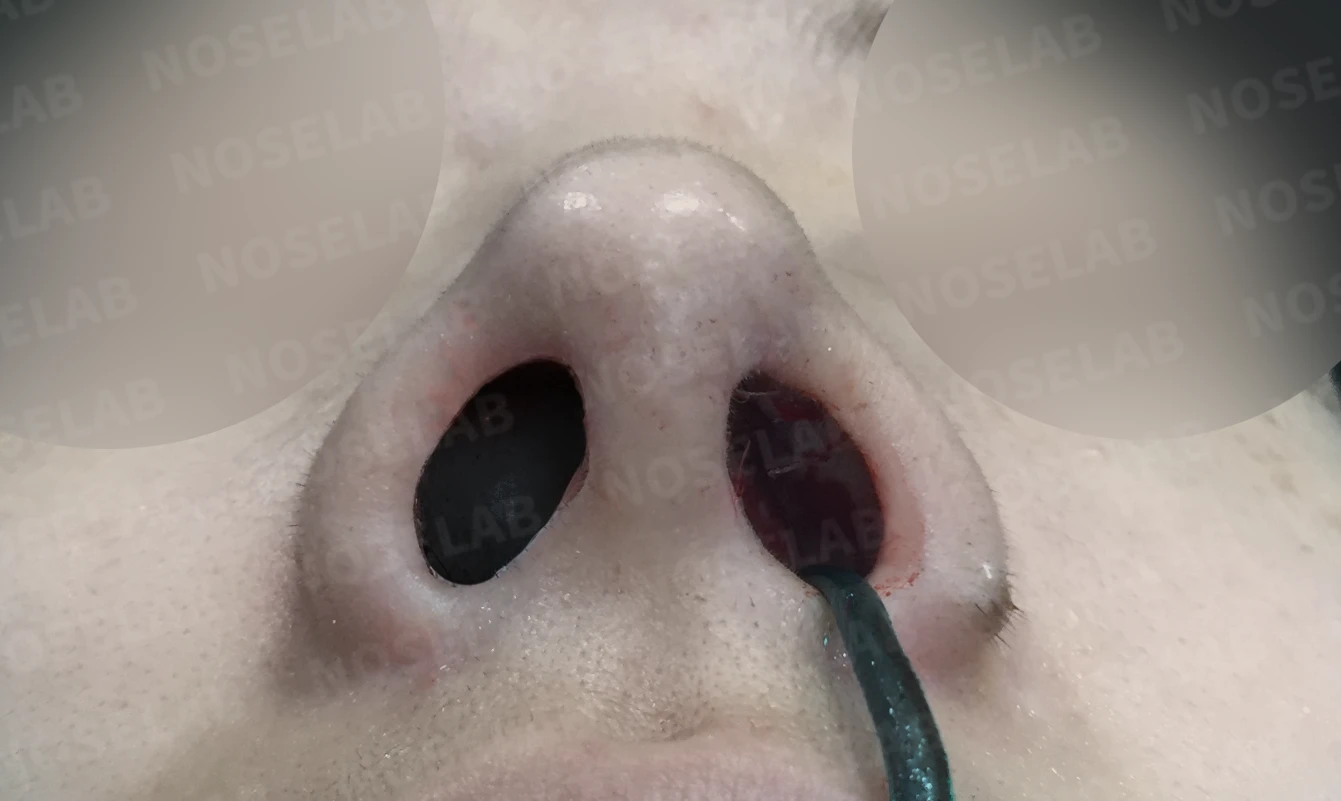
Nostrils
As demonstrated in cases of this type, successfully correcting a long nose requires a thoughtful approach that emphasizes overall facial harmony rather than simply shortening the nose. In particular, natural correction of the columella plays a decisive role in refining the overall shape and length of the nose.
I always strive to carefully analyze each patient's individual facial features to achieve the most natural and harmonious result. If you are considering rhinoplasty, be sure to consult with a specialist to determine the approach best suited to your anatomy.
If you have any questions, please feel free to leave a comment.
I will answer your questions with sincerity and care.
This was Dr. Peter C. Kang. Thank you.
Thank you.
#longnosecorrection #dorsalhumpcorrection #naturalrhinoplasty #facialproportioncorrection #columellacorrection #nasolabialangleadjustment #closedrhinoplasty #customrhinoplasty #tipplasty #dorsalaugmentation

Limitations and risks
When the septum is corrected at the same time, nasal obstruction may persist or recur, and in rare cases, septal perforation or changes in smell may occur.
Common potential risks include infection, bleeding, asymmetry, scarring, skin necrosis, and insufficient improvement; results vary depending on individual skin condition and previous surgical history.