Hello, I am Dr. Peter C. Kang.
Today, I would like to introduce an implant-free surgery case where a long dorsal hump was reshaped into a more feminine contour.
Patients with this presentation visit our clinic seeking improvement for nasal obstruction, a dorsal hump, and a drooping arrow nose.
Closed rhinoplasty
1. Design consultation
Let us analyze the patient's condition in detail:
Front view:
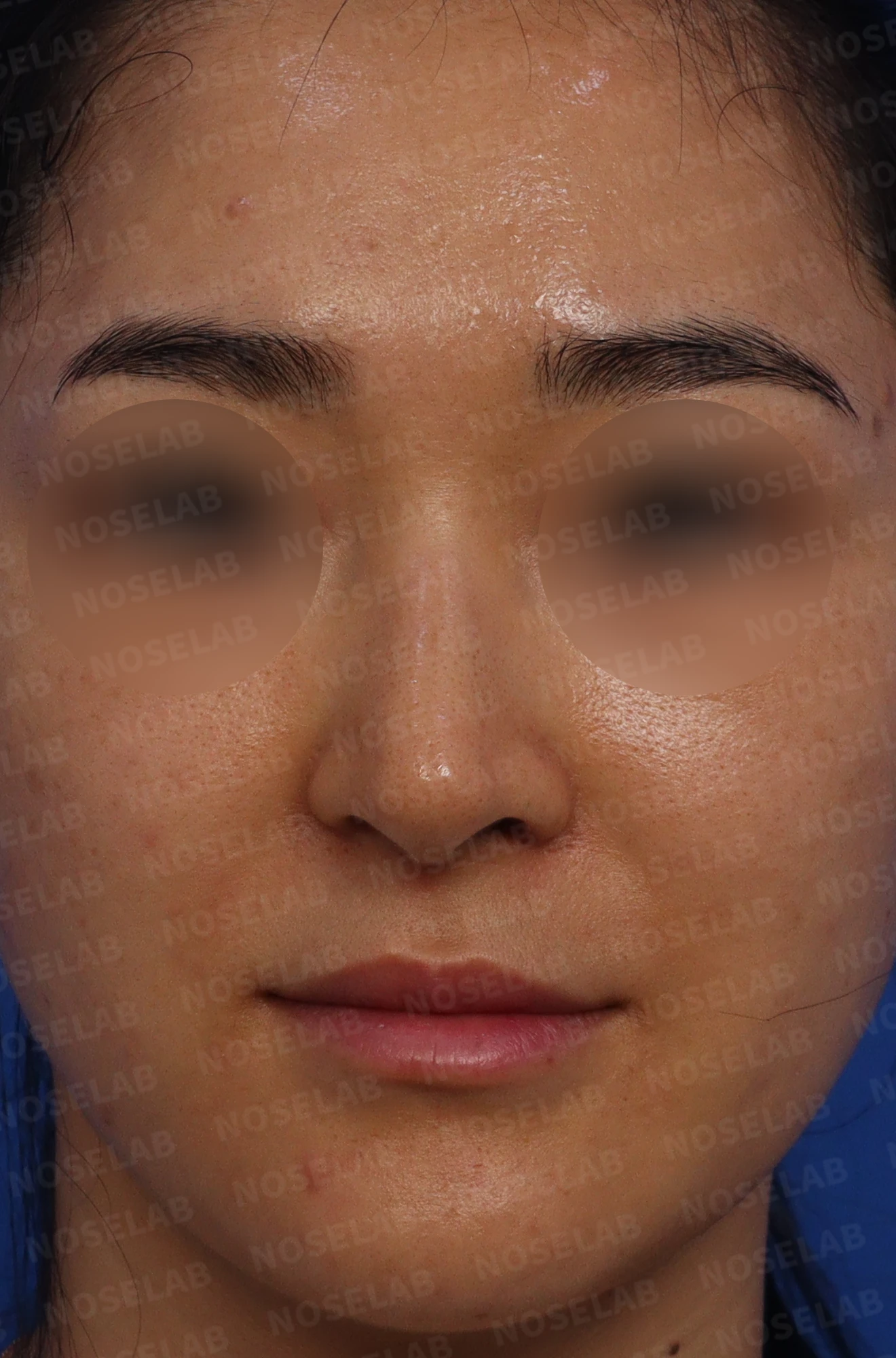
Front view
- The nose appears long and crooked
- Arrow-like drooping tip shape
- Nostril asymmetry
- The nostrils are barely visible, creating a heavy, constricted impression
Profile view:
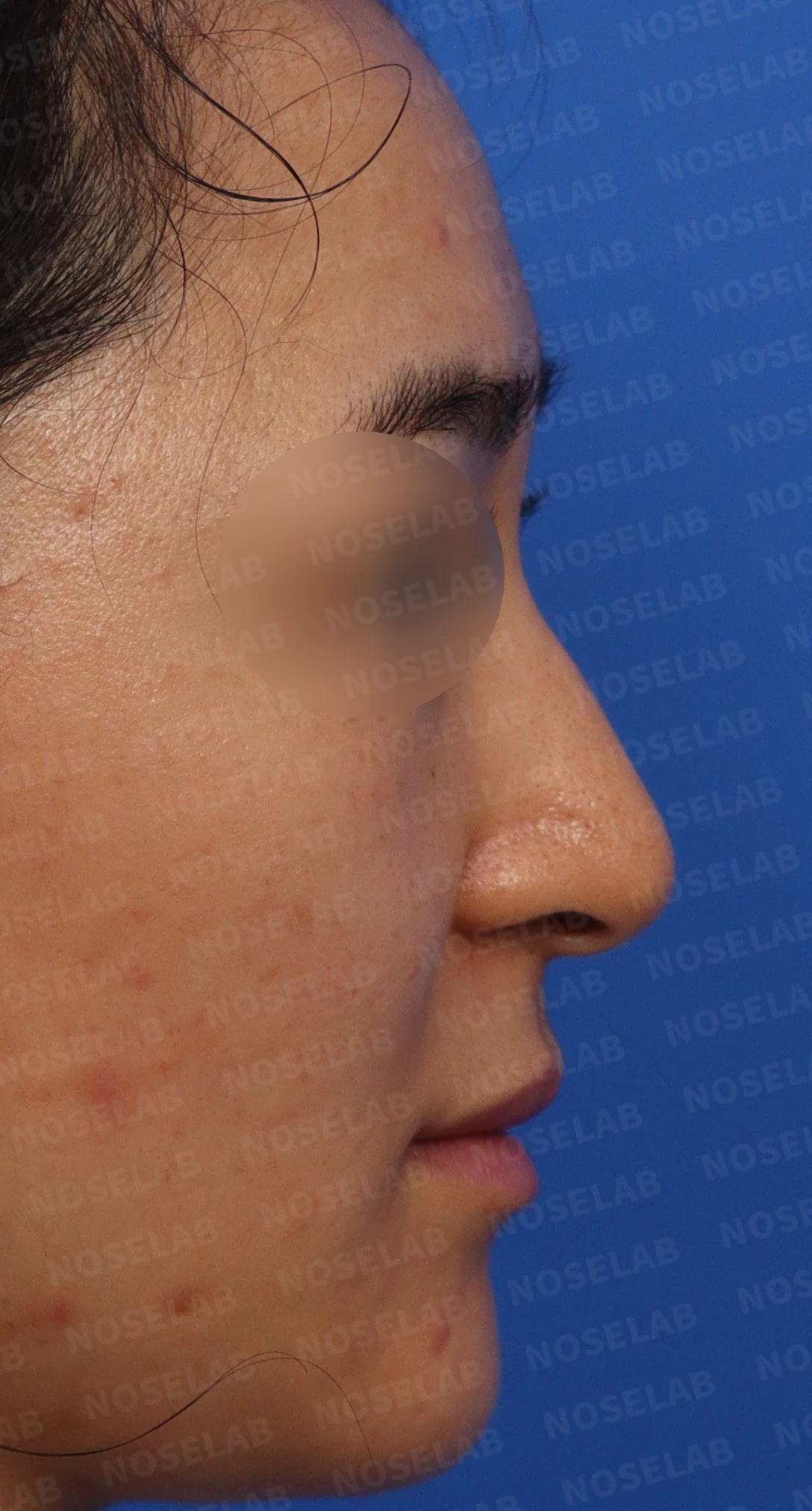
Profile view
- Obvious dorsal hump findings
- The nasal tip is drooping
- The columella is hanging downward
- The nasolabial angle is acute, making the nose appear longer
Oblique view:
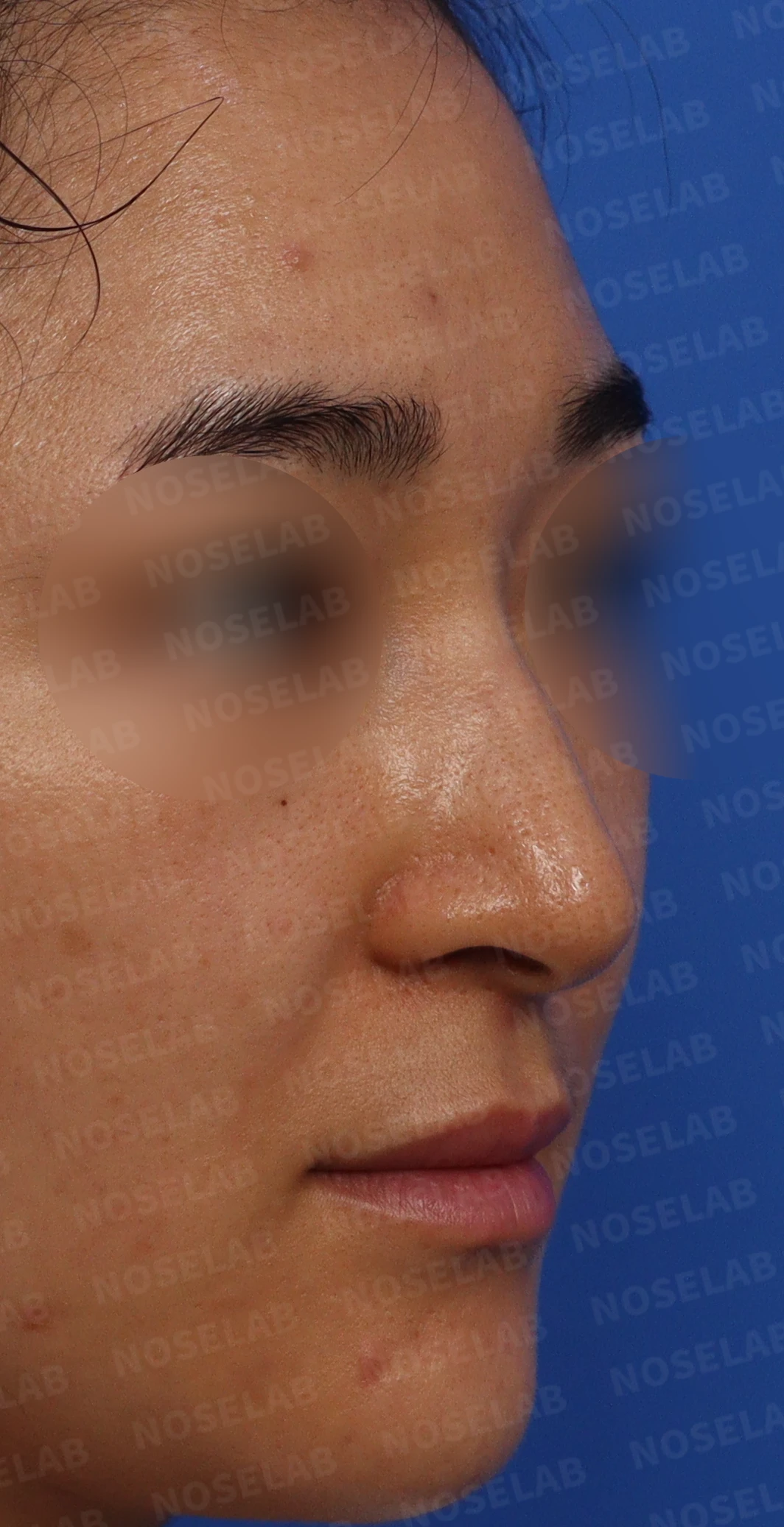
Oblique view
- Features of a long nose and dorsal hump are even more prominent
Nostrils:
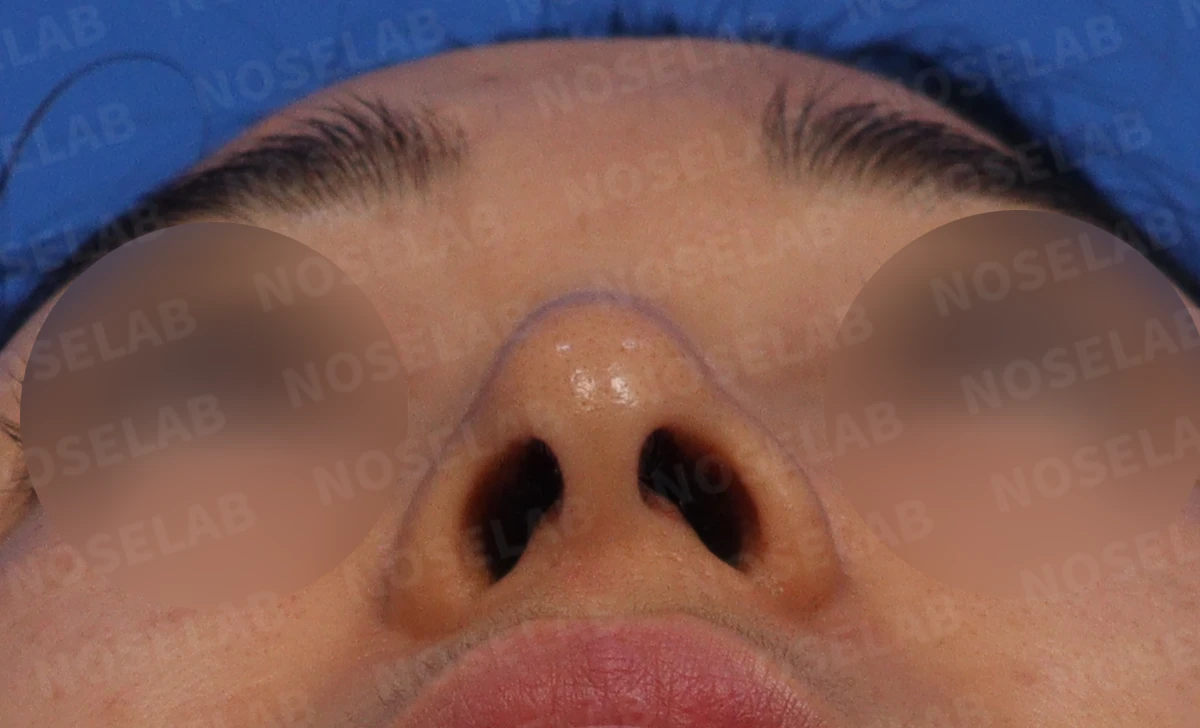
Base view (nostril) photo
- The nasal tip tilts to the right
- Nostril asymmetry confirmed
CT findings taken at the initial visit:
- Septal deviation to the left
- Hypertrophy of bilateral inferior turbinates
- Diagnosed with deviated septum and hypertrophic rhinitis
Nasal endoscopy photo
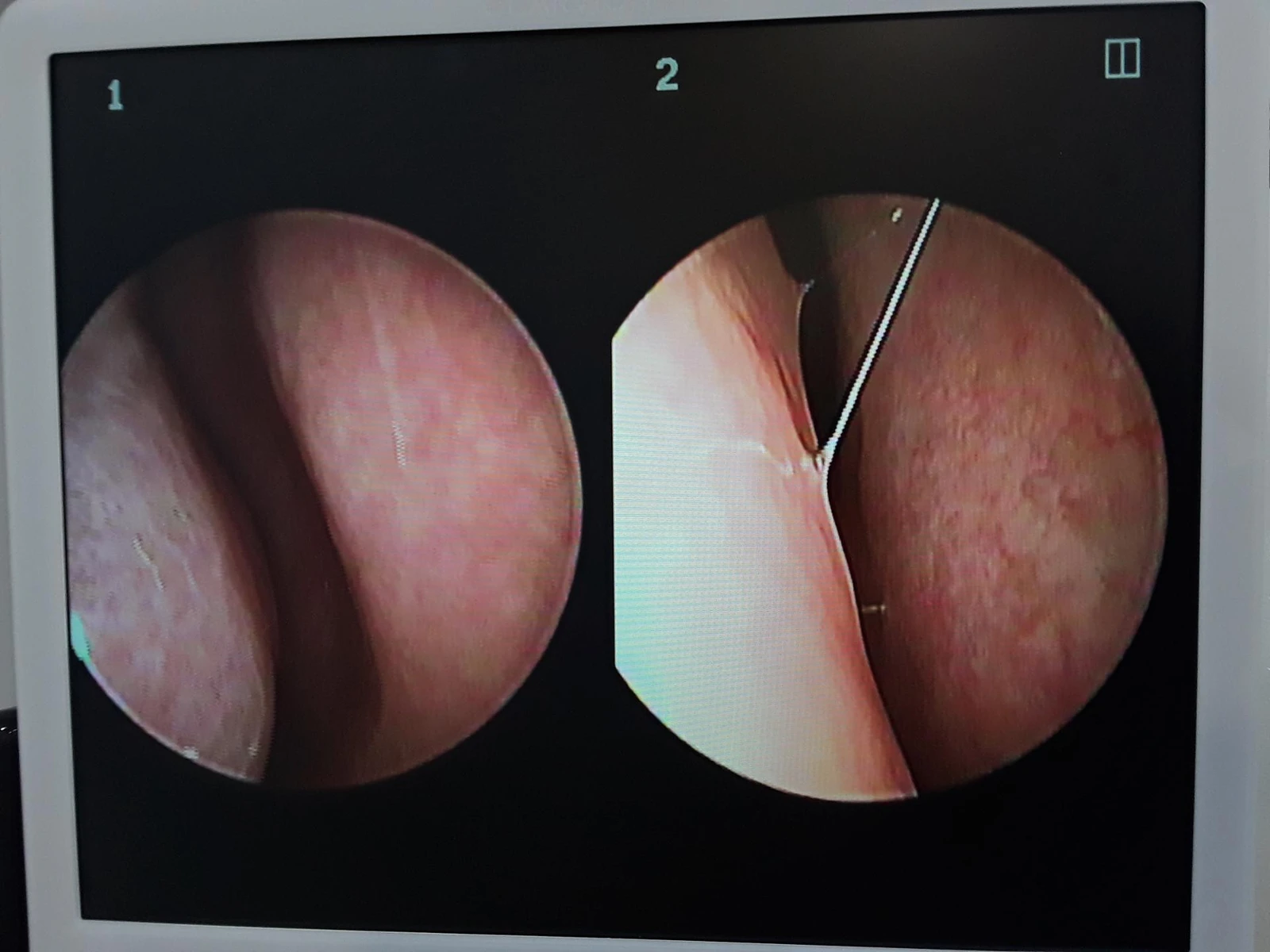
Nasal endoscopy photo
- The septum is deviated to the left, showing that the left nasal cavity is significantly narrowed.
2. Surgical plan and procedure details
Performed via a closed approach:
a) Dorsal hump and crooked nose correction:
- The nasal bone was delicately rasped to correct the dorsal hump deformity.
- Lateral osteotomy was performed to straighten the crooked nose.
b) Septoplasty:
- Corrected the leftward deviated septum.
- Because the septal cartilage was very weak and severely deviated, partial reconstruction was performed by shifting and securing it to the right to reinforce stability.
c) Submucosal resection of the inferior turbinates:
- Using high-frequency radiofrequency ablation, the volume of the hypertrophied inferior turbinates was reduced to improve nasal obstruction symptoms.
d) Septal extension:
- The defining tip point was elevated 1 mm toward the dorsum to reduce the elongated appearance of the nose.
e) Lower lateral cartilage repositioning and suture:
- Repositioned the lower lateral cartilages and performed cartilage suturing to correct nostril asymmetry.
f) Implant-free bridge augmentation:
- At the patient's request, instead of a silicone implant, cartilage fragments were used to smoothly fill depressed areas, naturally elevating the nasal bridge.
All procedures were performed using a closed approach, completing the surgery without external scars.
3. Before-and-after photo comparison
Comparing photos taken immediately after surgery on day 0 shows the following improvements: Photos taken immediately after surgery show swelling and may differ from the final result.
Front view:
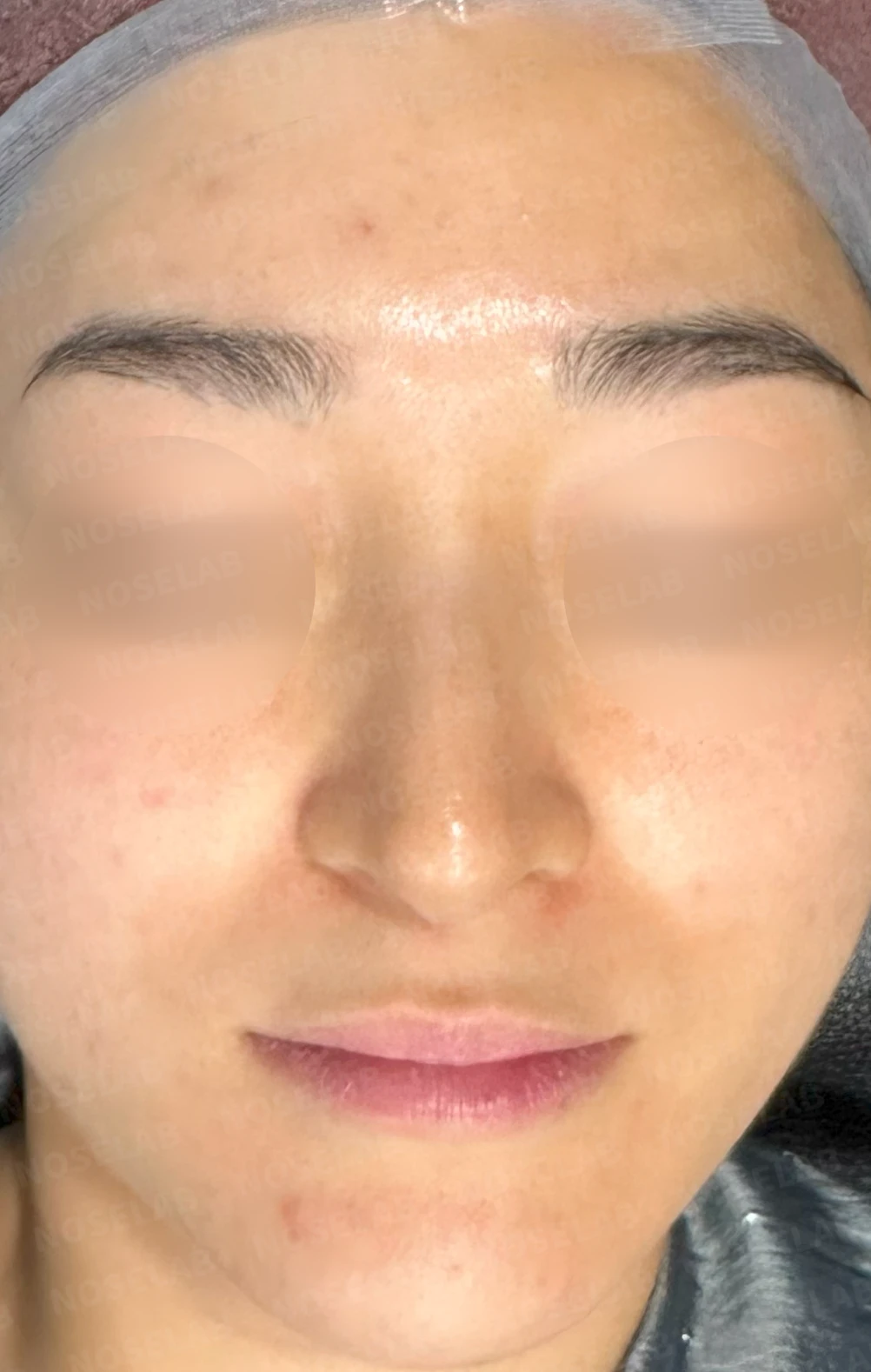
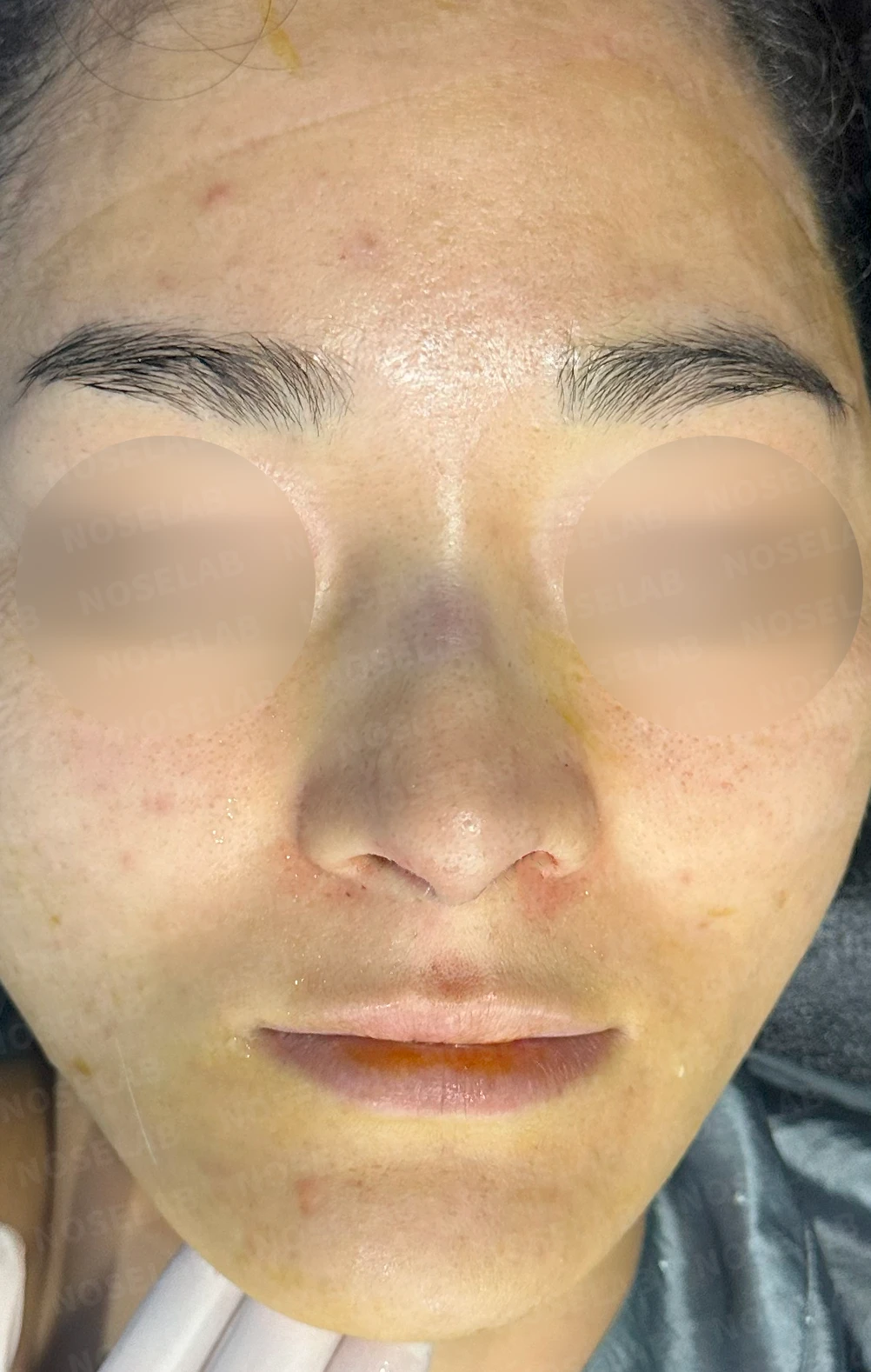
Before surgery / Day 0 immediately after surgery Photos taken immediately after surgery show swelling and may differ from the final result.
- The nose that previously looked long and crooked was refined into a straight, well-balanced shape.
- The drooping arrow-tip shape was transformed into a natural line.
- Nostril asymmetry was improved.
- Nostrils are now appropriately visible, resolving the constricted facial impression.
Profile view:
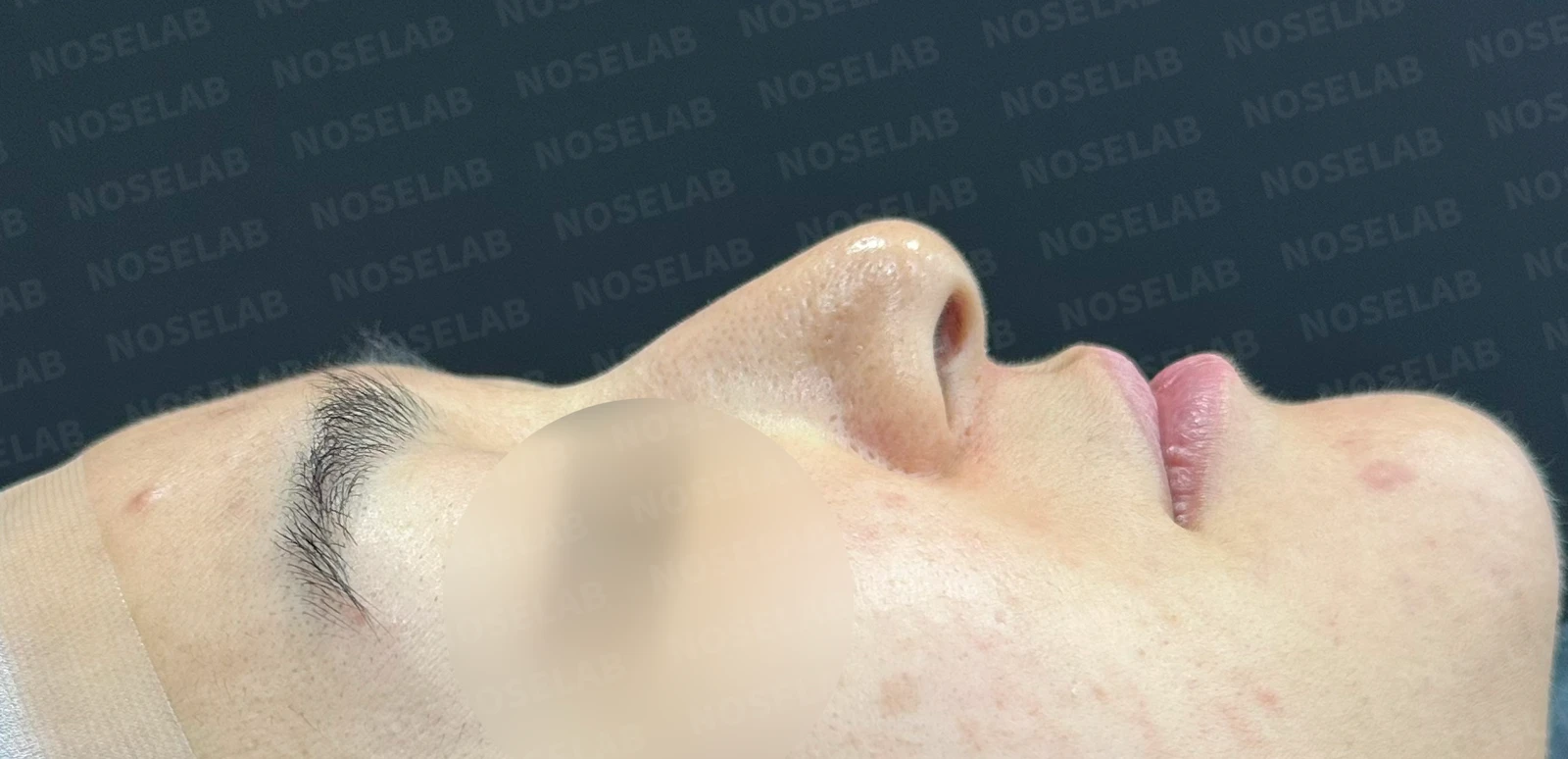
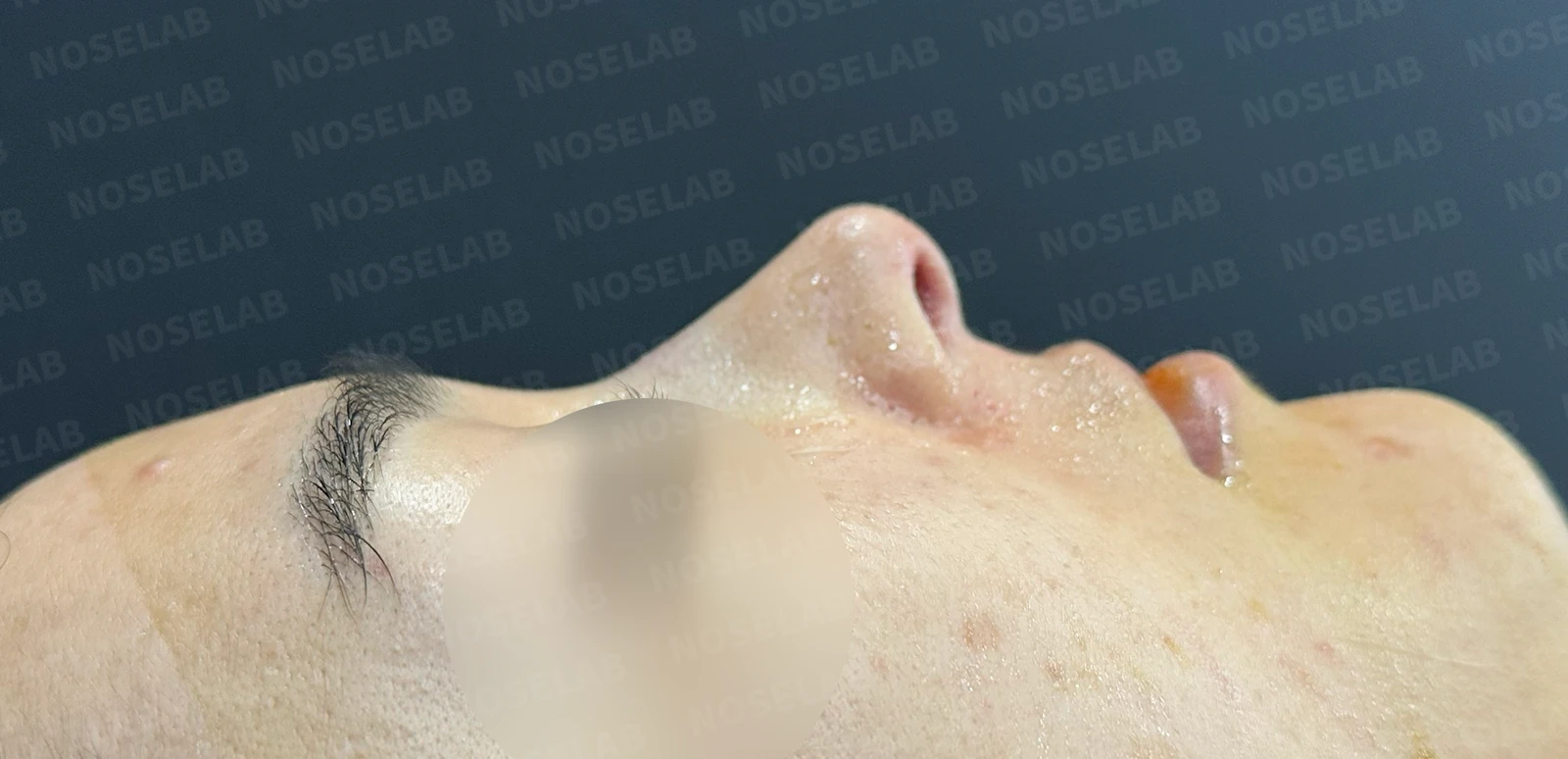
Before surgery / Day 0 immediately after surgery Photos taken immediately after surgery show swelling and may differ from the final result.
- The dorsal hump was smoothed into a natural, straight line.
- The drooping nasal tip was appropriately elevated, improving overall balance.
- The columellar position was adjusted, creating a more refined profile.
- The nasolabial angle was improved, softening the long-nose appearance.
Oblique view:
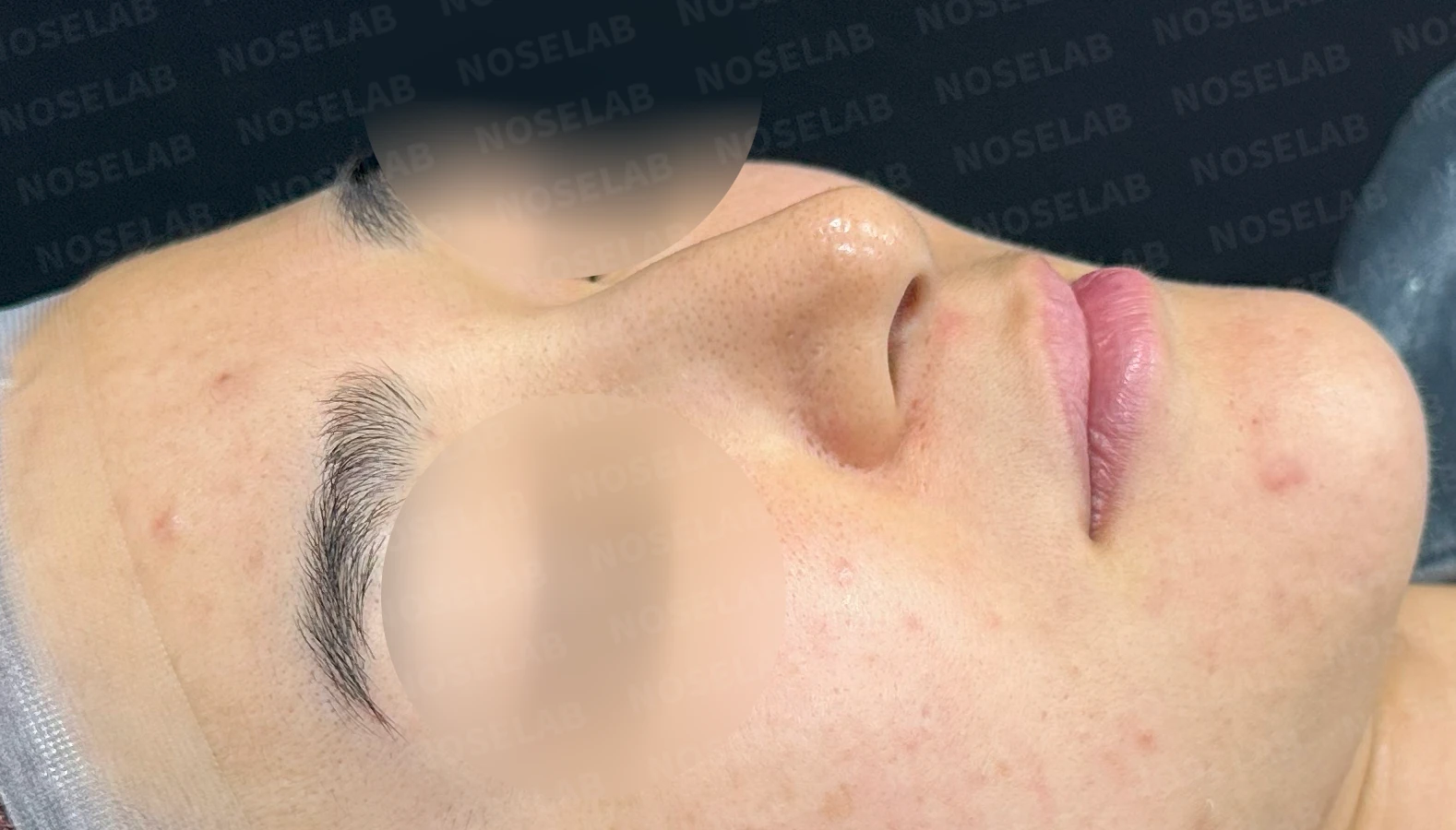
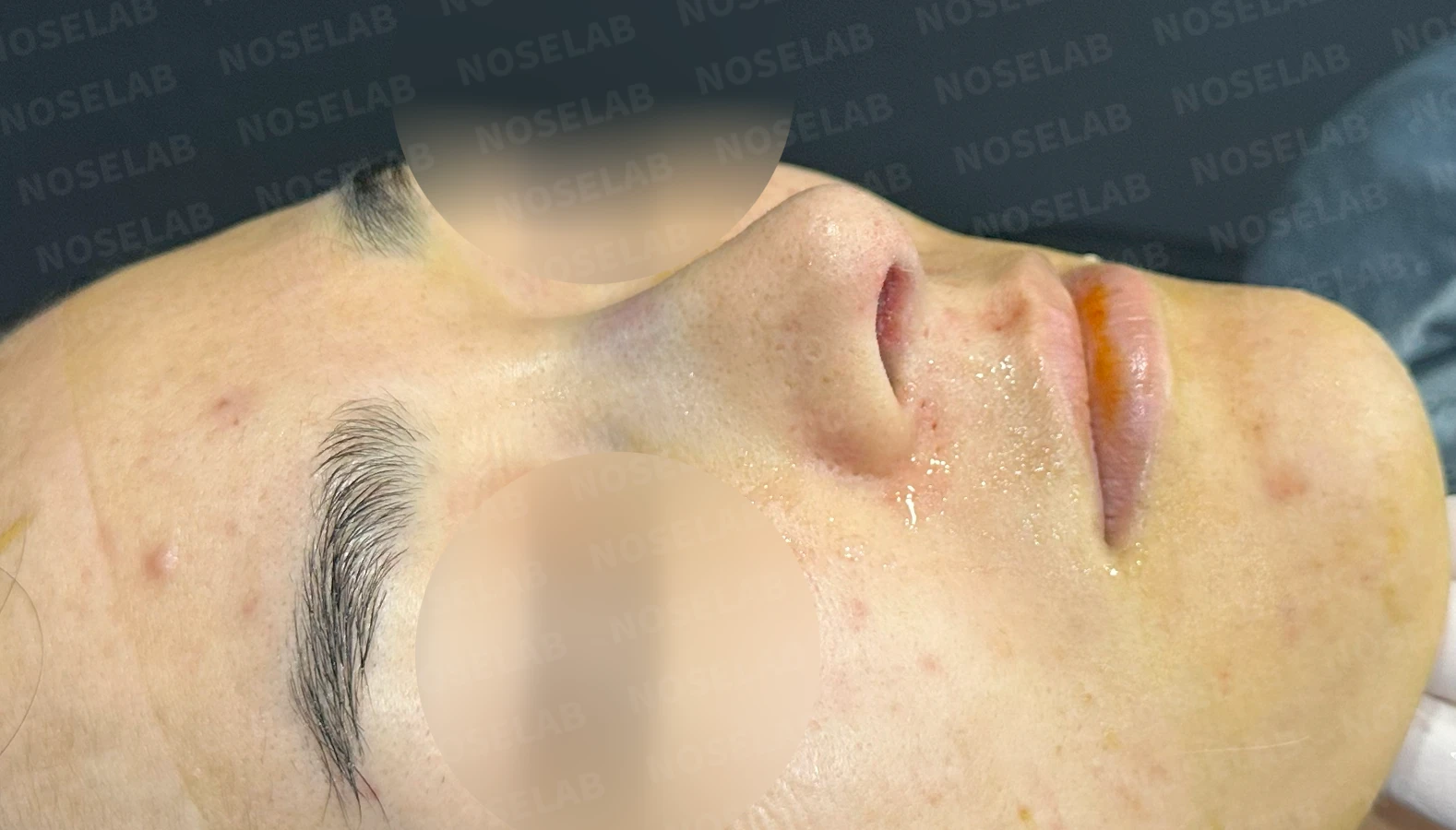
Before surgery / Day 0 immediately after surgery Photos taken immediately after surgery show swelling and may differ from the final result.
- Characteristics of the long nose and dorsal hump were corrected naturally to form a smooth profile.
- Harmony between the bridge and tip was improved, creating an overall balanced appearance.
Nostrils:
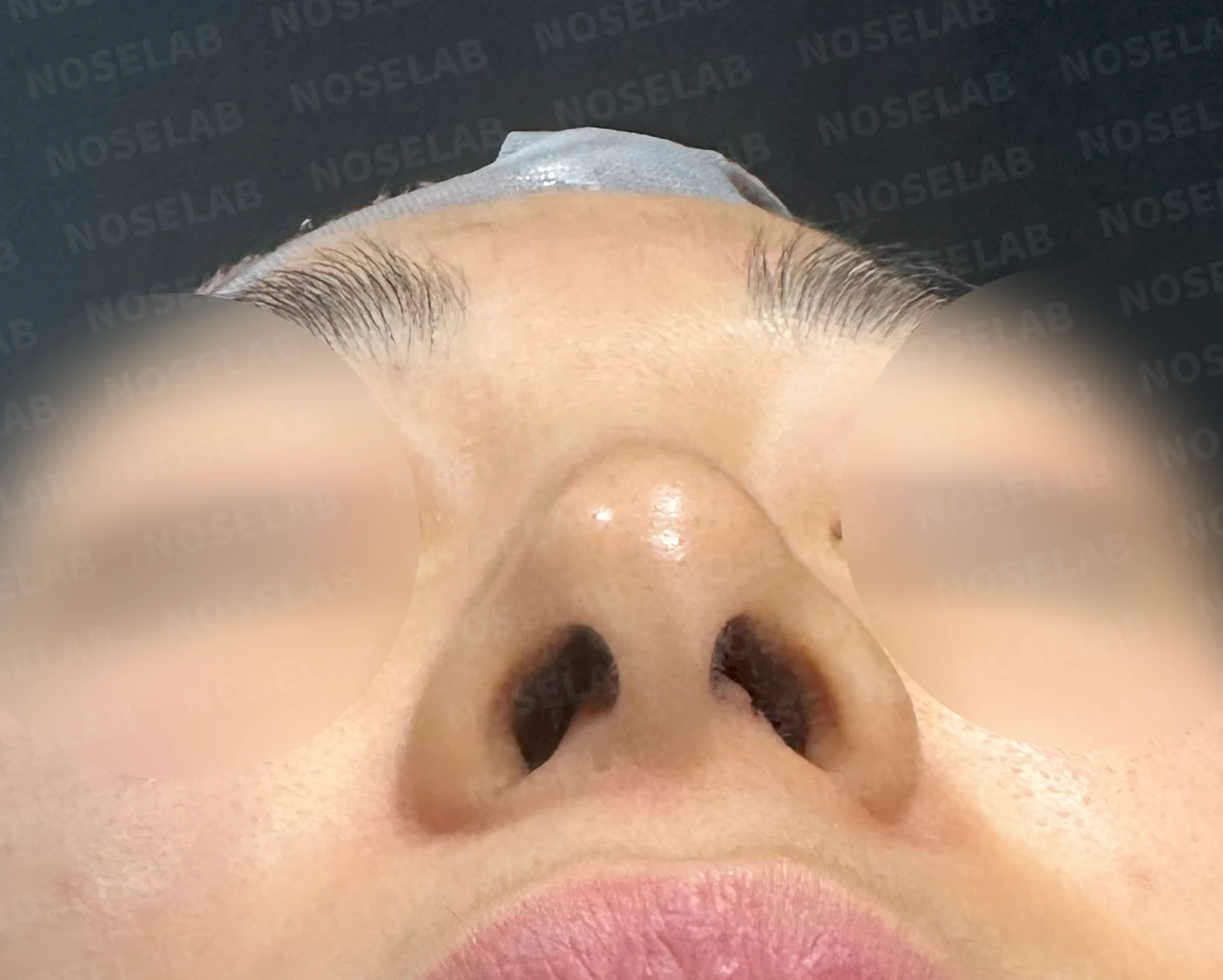
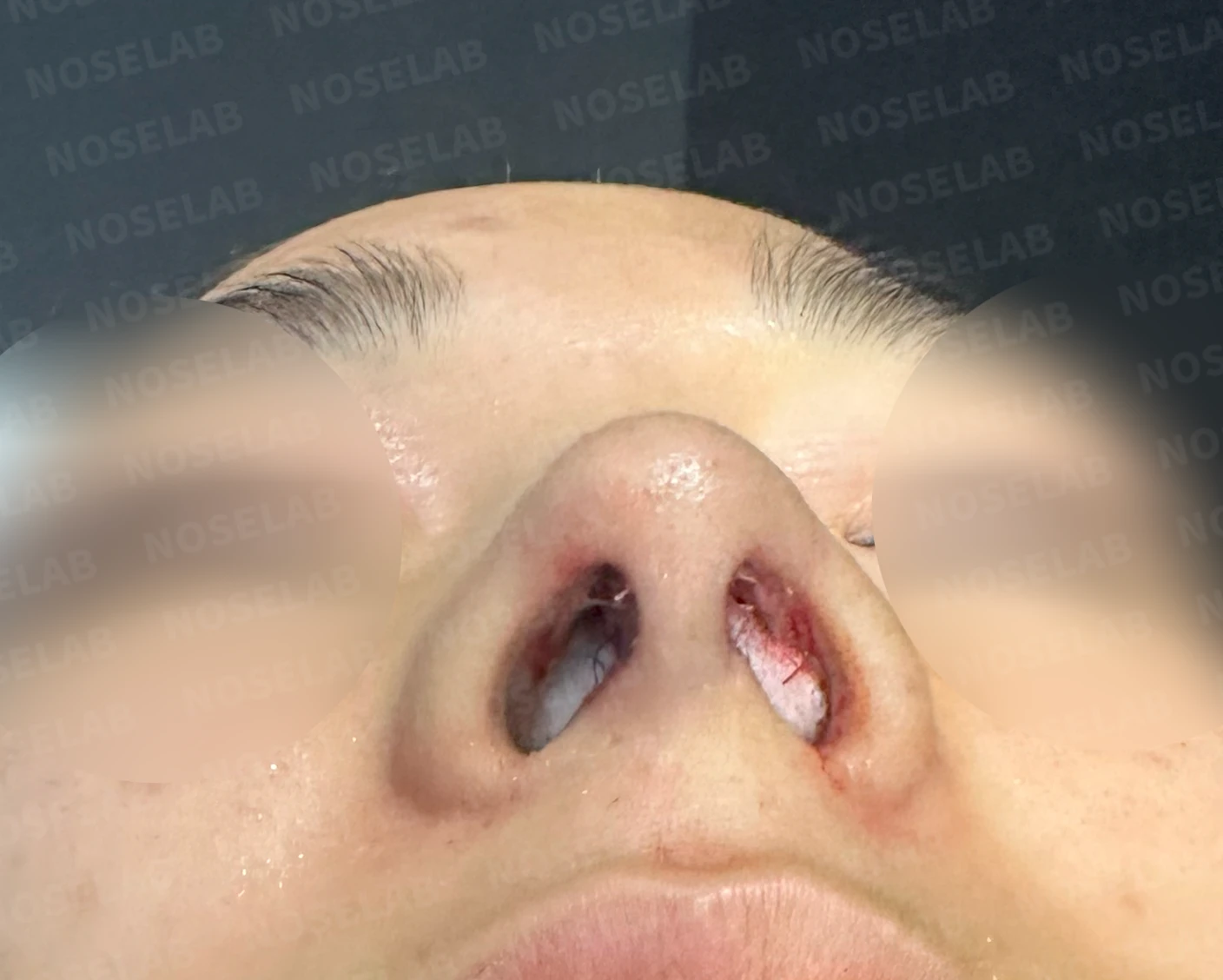
Before surgery / Day 0 immediately after surgery Photos taken immediately after surgery show swelling and may differ from the final result.
- The nasal tip, which tilted to the right, was centered.
- Nostril asymmetry was significantly improved, demonstrating a well-balanced shape.
4. Photos taken immediately after surgery
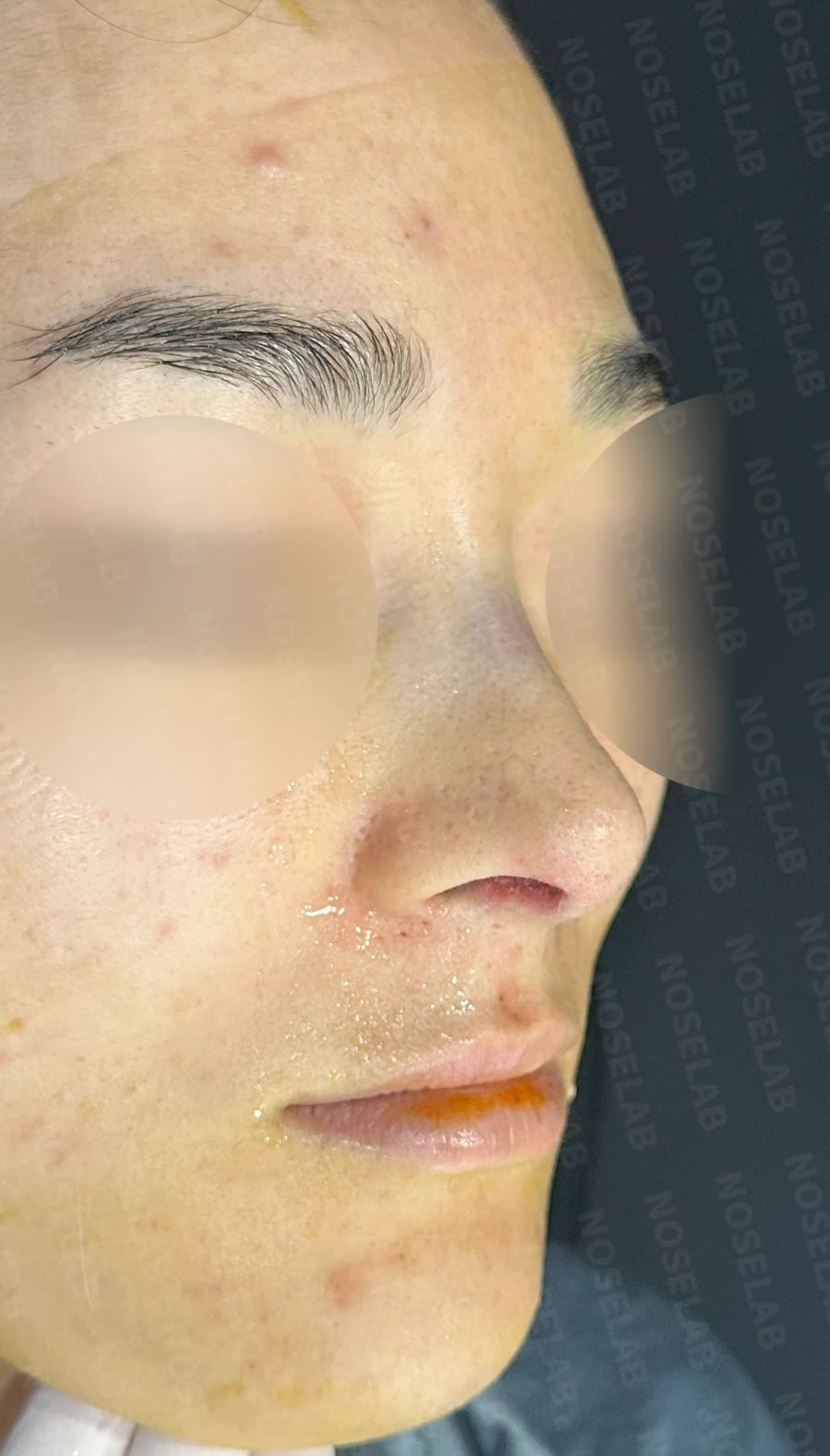
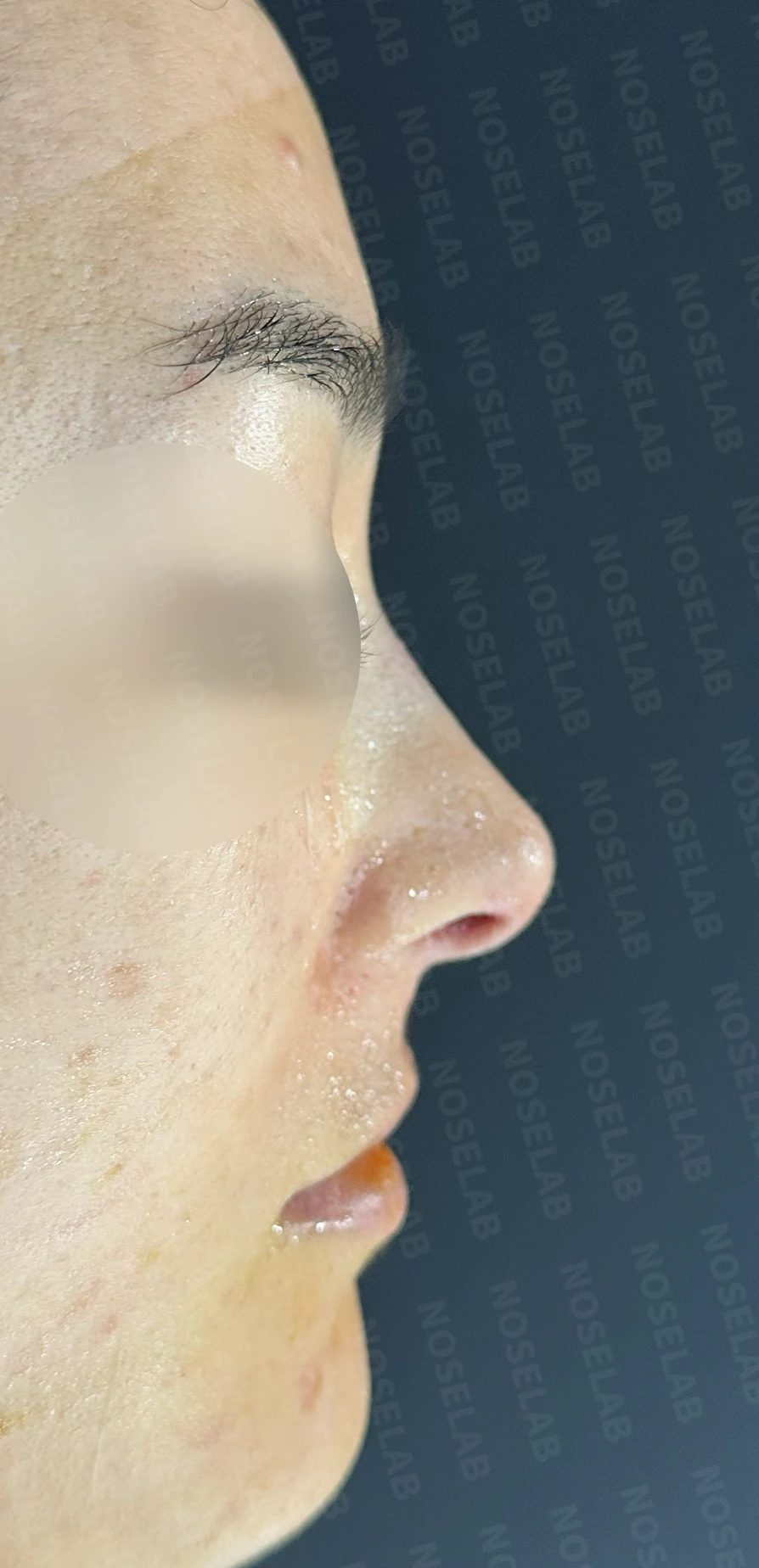
Front, oblique, and profile views immediately after surgery on day 0. Photos taken immediately after surgery show swelling and may differ from the final result.
Immediately after surgery (Day 0) nostrilsImmediate postoperative photos show swelling and may differ from the final result.
5. Conclusion
This case addressed complex concerns simultaneously, including a long dorsal hump, crooked nose, and nasal obstruction. In particular, it was performed without implants per the patient's request, achieving a natural result.
Through septoplasty and inferior turbinate reduction, nasal obstruction was resolved, and significant cosmetic changes were achieved at the same time. Correcting the dorsal hump and crooked nose created a smooth, feminine nasal line, while septal extension reduced the appearance of an overly long nose.
Notably, despite being an implant-free procedure, sufficient height and a natural dorsal line were achieved. Augmenting the nasal bridge with diced cartilage is an effective method that lowers the risk of implant-related side effects while delivering satisfying results.
Correcting nostril asymmetry through lower lateral cartilage repositioning and cartilage suturing also played a major role in restoring overall balance. This created a more refined and symmetrical appearance on frontal view.
Using a closed approach shortened the postoperative recovery period and allowed surgery to be completed without external scars. This contributed significantly to patient satisfaction.
6. Conclusion
I hope this case brings helpful insight to those concerned about a long dorsal hump. The nose sits at the center of the face and plays a critical role in one's overall impression. For female patients in particular, a smooth, natural nasal contour can lend a softer and more refined aesthetic.
As demonstrated here, rhinoplasty can achieve both cosmetic and functional improvements together. Addressing issues such as nasal obstruction and a deviated septum can significantly enhance quality of life.
With increasing interest in implant-free rhinoplasty, this case illustrates that satisfying outcomes can be achieved without synthetic implants. However, this approach requires the expertise and refined skill of an experienced specialist.
Drawing on anatomical knowledge and extensive surgical experience as a board-certified otolaryngologist, I provide surgical plans tailored to each individual patient. Through a comprehensive approach that considers both functional and cosmetic improvement, I strive to create a beautiful and healthy nose.
I will be with you every step of the way to achieve a beautiful and healthy nose.
This was Dr. Peter C. Kang. Thank you.
Thank you.
#rhinoplasty #dorsalhumpcorrection #longnosecorrection #crookednosecorrection #nostrilasymmetry #implantfreerhinoplasty #septoplasty #nasalobstructionrelief #closedrhinoplasty #naturalnose #femininenose #boardcertifiedentrhinoplasty #rhinoplastyplannedwithsafetyinmind #dorsalbridgecorrection #tiprhinoplasty

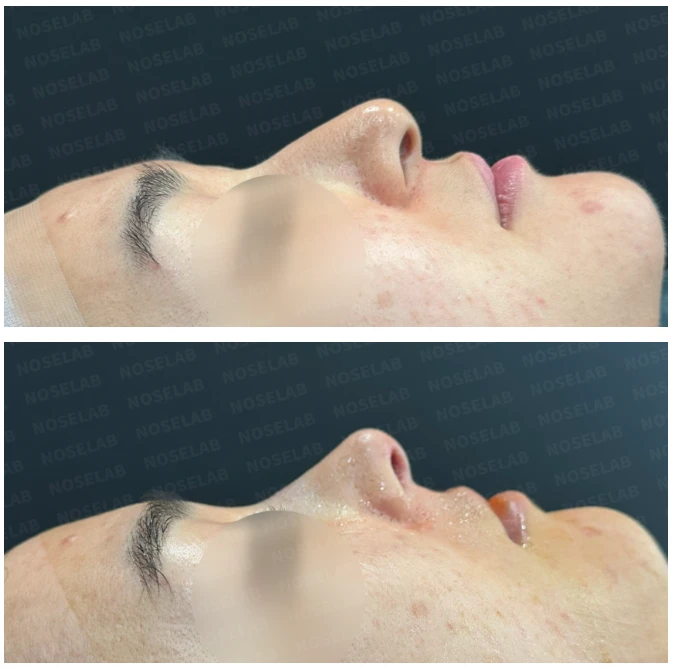
Limitations and risks
When the septum is corrected at the same time, nasal obstruction may persist or recur, and in rare cases, septal perforation or changes in smell may occur.
Common potential risks include infection, bleeding, asymmetry, scarring, skin necrosis, and insufficient improvement; results vary depending on individual skin condition and previous surgical history.