Hello, I am Dr. Peter C. Kang.
Today, I would like to introduce a case of crooked nose correction with severe nostril asymmetry.
I examined the remaining aesthetic and functional issues 2 years after a previous rhinoplasty.
1. Preoperative design consultation
Let us analyze the patient's preoperative condition in detail:
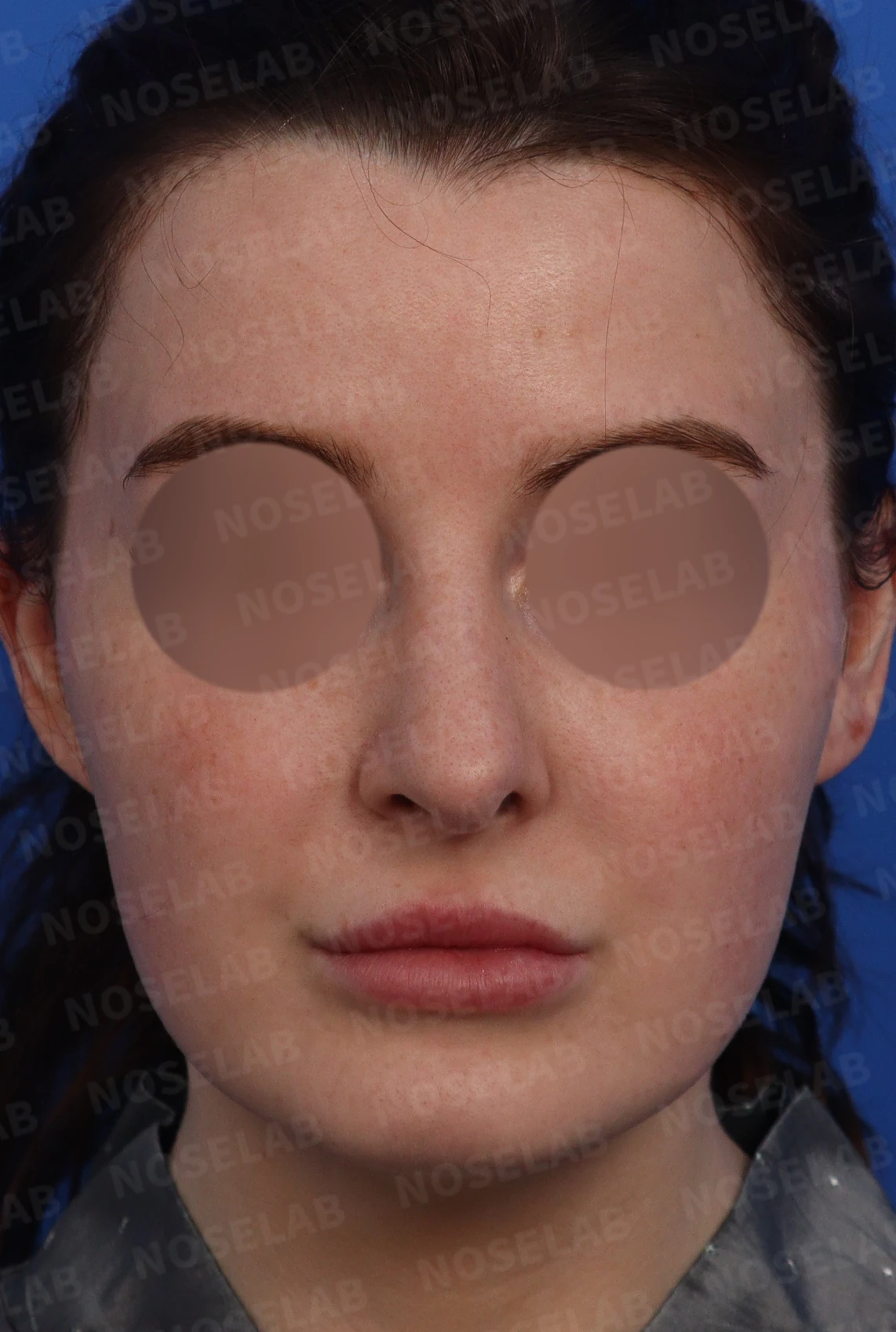
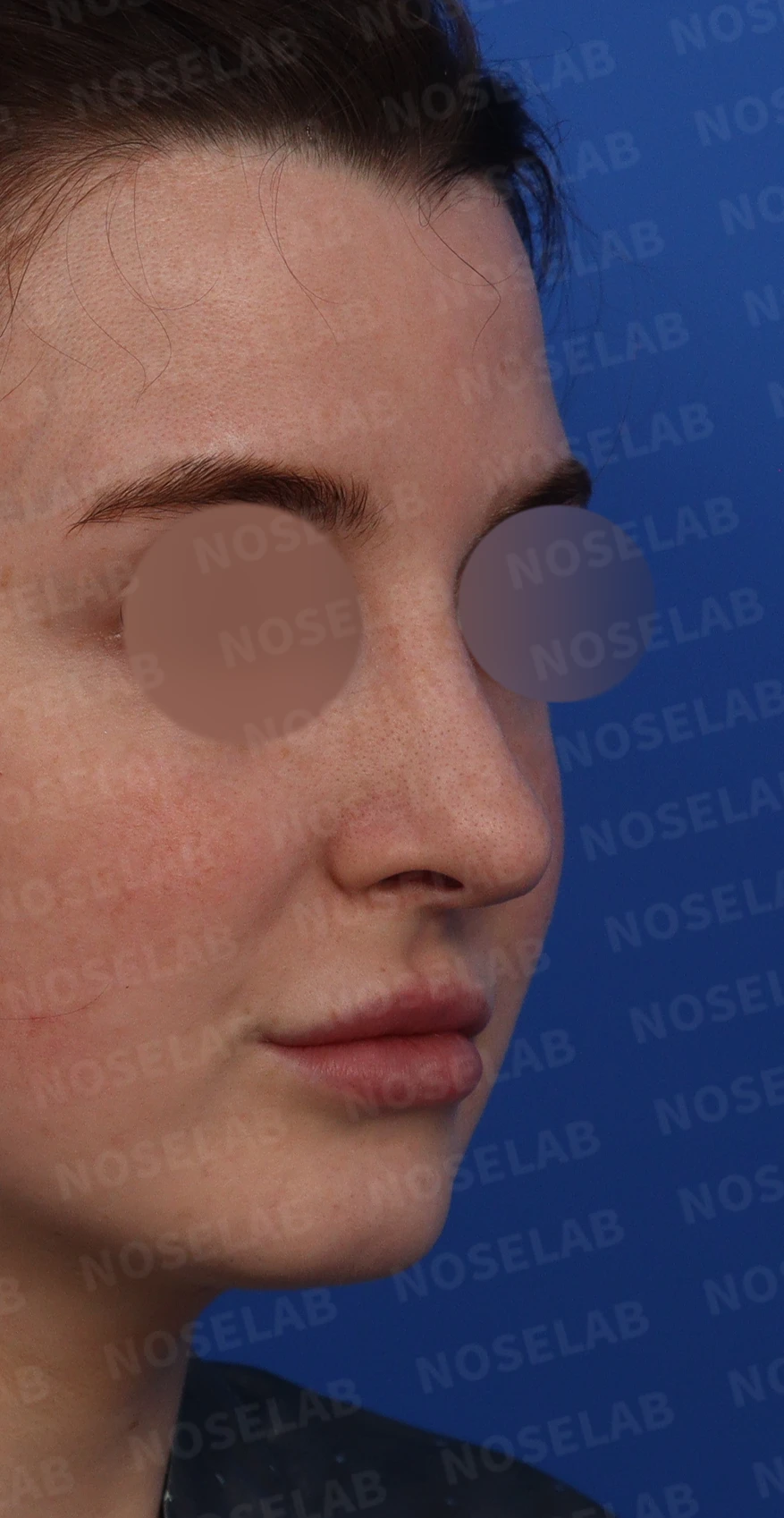
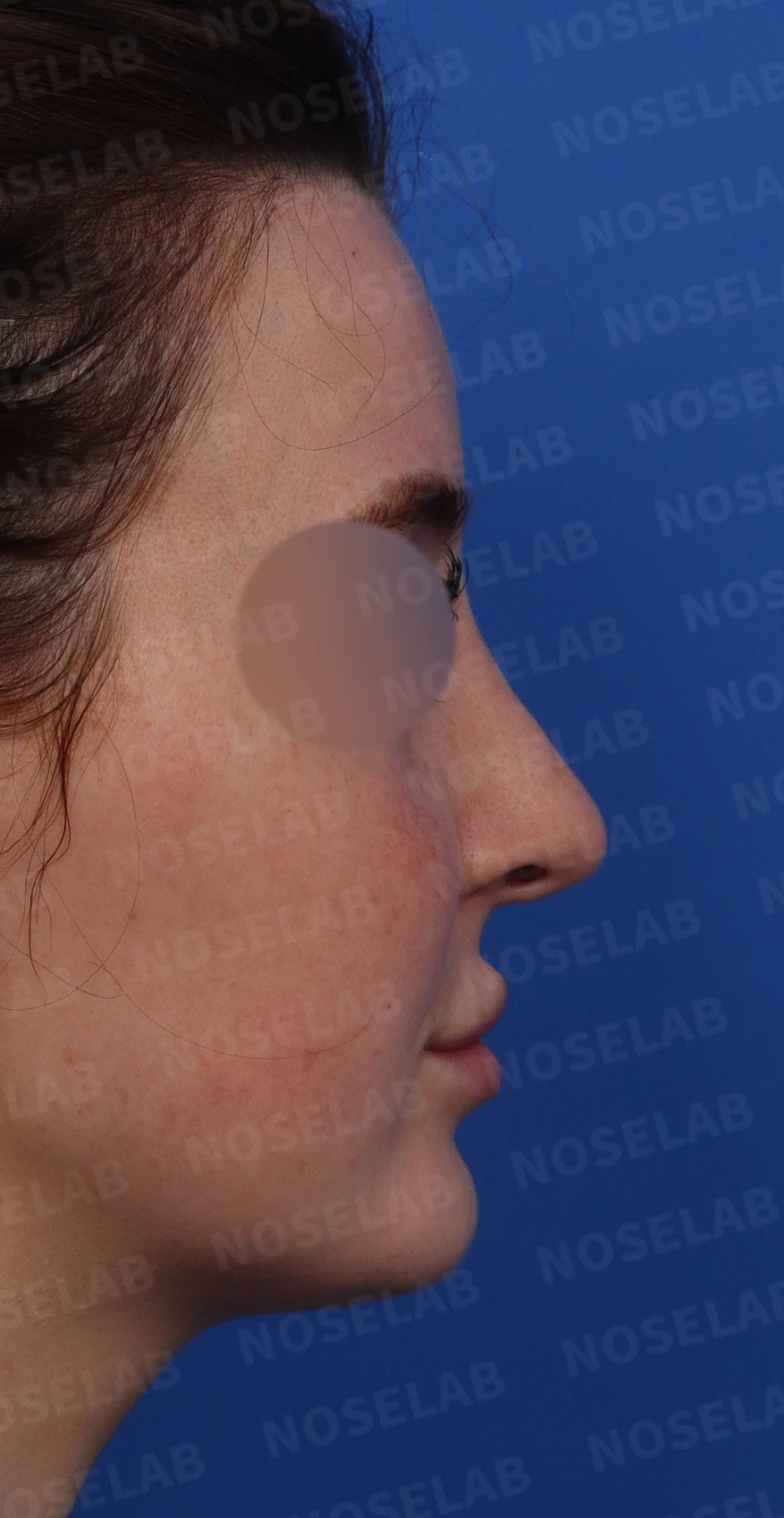
Preoperative design consultation: front, oblique, and profile views
Front view:
- The nasal dorsum appears wide and splayed
- The overall nose appears deviated
- The nasal tip is completely shifted to the left
- Severe nostril asymmetry
- The columella hangs down considerably, giving the appearance of an arrow nose
Profile view:
- The radix is high and the nose looks long
- Due to the lowered columella, excessive nostril show is visible on the profile view
Oblique view:
- The overall nose appears long and drooping
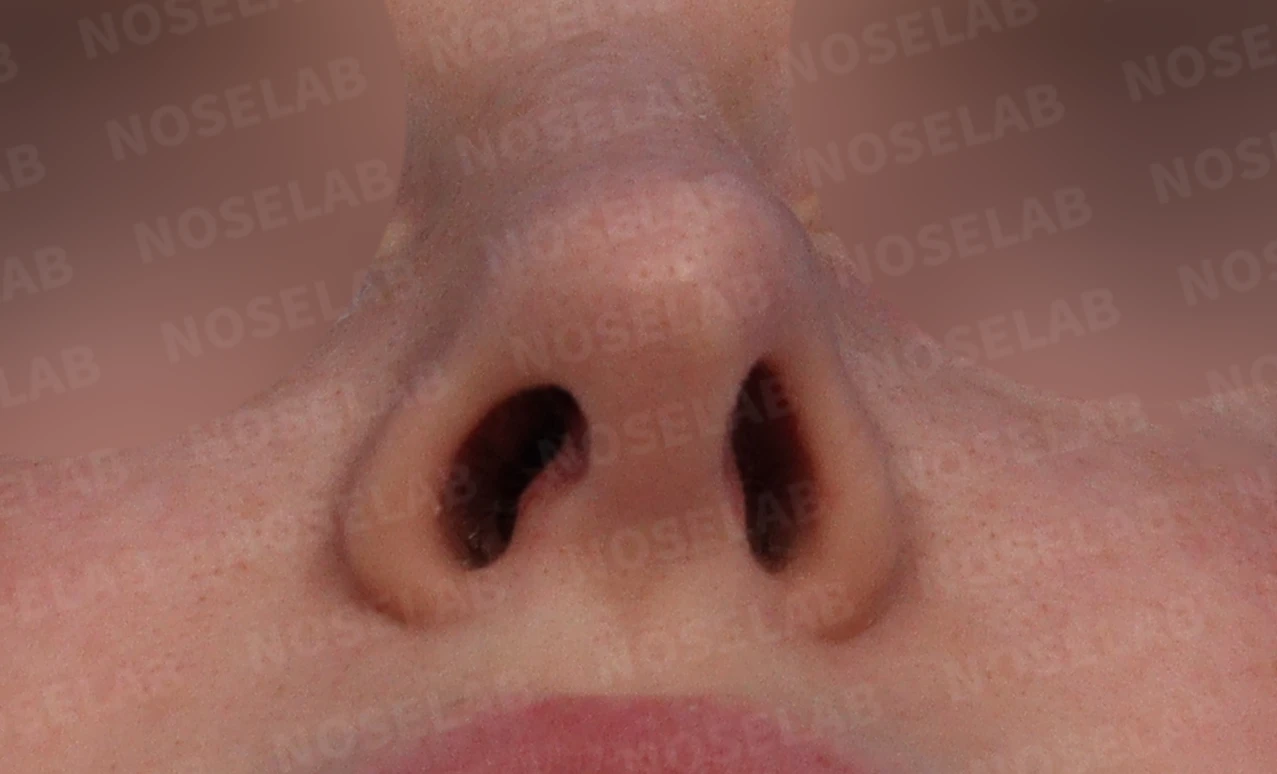
Preoperative design consultation: basal view of the nostrils
Nostrils:
- Severe asymmetry is observed
- The columella is tilted to the left
Patient's main requests:
1. Narrowing the wide nasal dorsum
2. Creating a slim, gently curved dorsal line
3. Correcting the drooping columella
4. Straightening the crooked nose
5. Relieving nasal obstruction
6. Improving nostril asymmetry
2. Surgical plan
Taking into account the patient's condition and requests, the following surgical plan was established:
a) Correcting the crooked nose and wide nasal dorsum through medial and lateral osteotomies
b) Septal reconstruction using autologous rib cartilage
c) Septoplasty
d) Submucosal resection of the inferior turbinate using radiofrequency
e) Creating a dorsal curve (considering a silicone implant if necessary)
3. Surgical procedure
The following procedures were performed using a closed approach:
a) Septal reconstruction:
- The septal cartilage, which had been weakened by the previous surgery, was sturdily reconstructed using autologous rib cartilage.
- This simultaneously addressed the drooping and deviated nasal tip, as well as the nostril asymmetry.
b) Osteotomy:
- Asymmetric osteotomies from the previous surgery were identified.
- Medial and lateral osteotomies were newly performed to narrow the nasal bridge width and correct the deviated portions.
c) Nasal bridge contouring:
- The radix was lowered and the bridge was refined overall to create a soft, curved line.
- Because the patient's existing nasal bone height was sufficient, the procedure was performed without an additional implant.
d) Deviated septum correction:
- By realigning the septum, which had shifted entirely to the left, nasal obstruction, nostril asymmetry, and columellar tilt were corrected.
e) Inferior turbinate reduction:
- Radiofrequency-assisted submucosal resection of the inferior turbinates was performed to further relieve nasal obstruction.
All procedures were performed using a closed approach, completing the surgery without external scars.
4. Comparison of before-and-after photos
Comparing photos taken immediately after surgery on day 0 shows the following improvements: Photos taken immediately after surgery show swelling and may differ from the final result.
Front view:
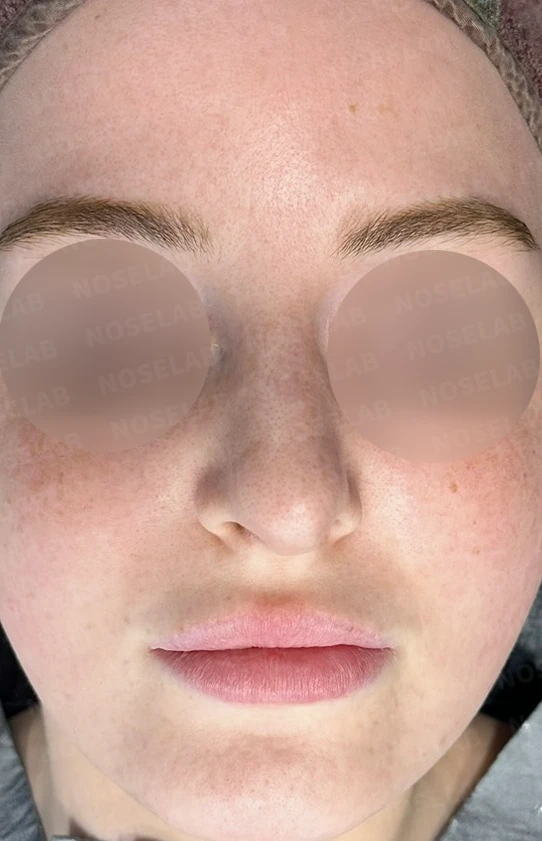
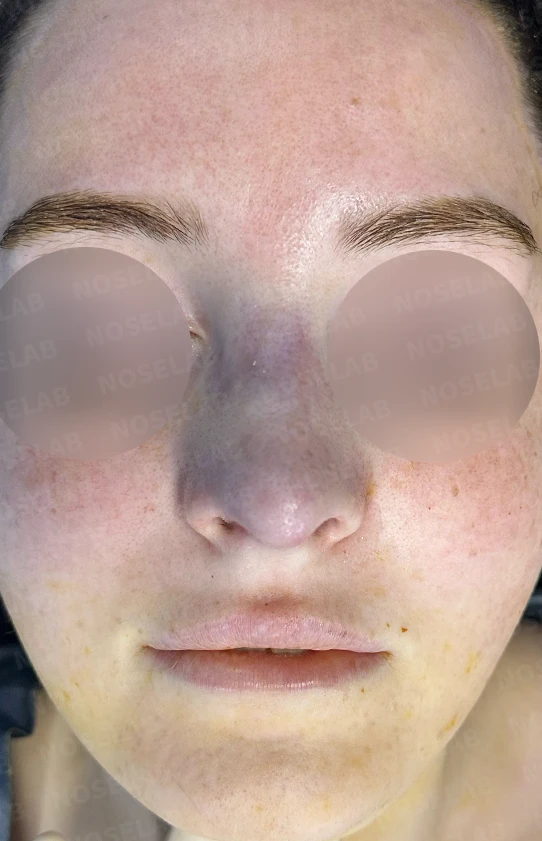
Before surgery / Day 0 immediately after surgery Photos taken immediately after surgery show swelling and may differ from the final result.
- The nasal dorsum, which previously looked wide and splayed, has become slim and straight.
- The crooked nose was straightened.
- The nasal tip, which had been deviated to the left, has been realigned to the midline.
- Nostril asymmetry improved significantly.
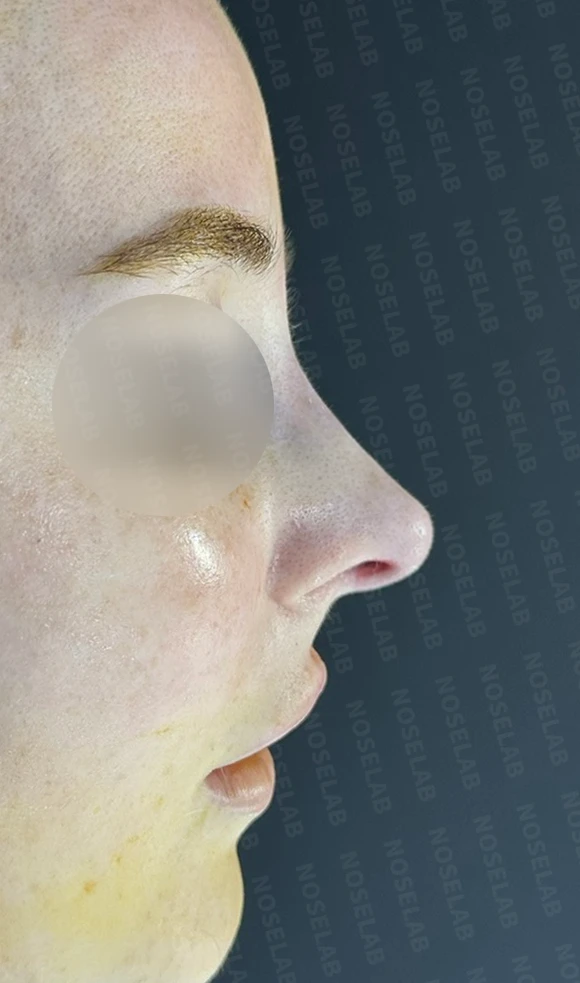
Profile view:
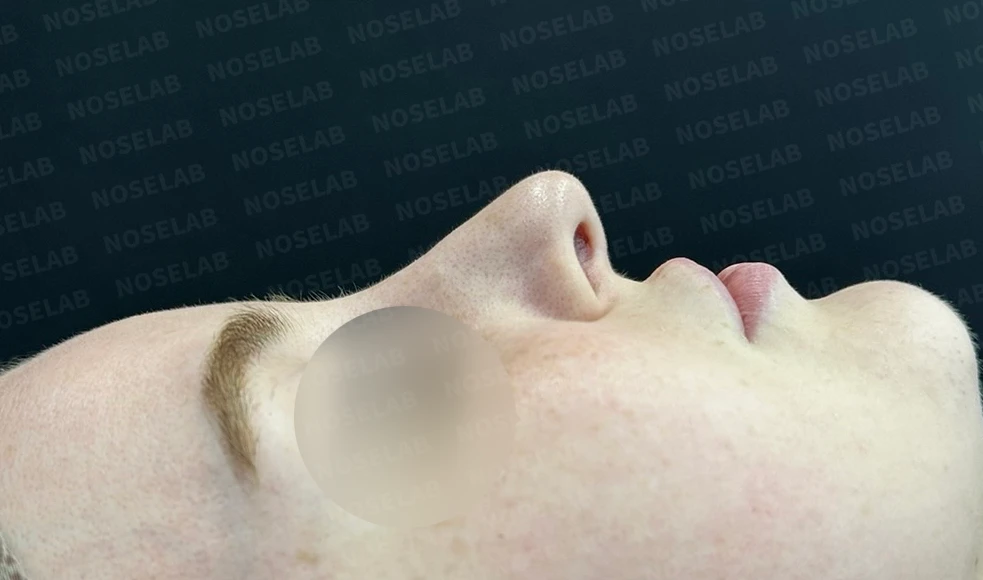
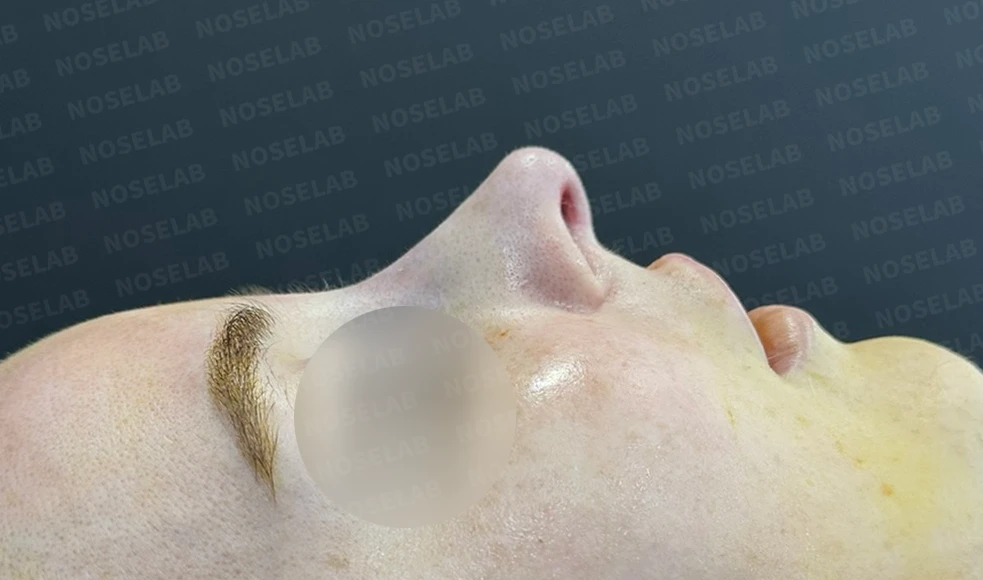
Before surgery / Day 0 immediately after surgery Photos taken immediately after surgery show swelling and may differ from the final result.
- The arrow-nose appearance has been eliminated, producing a natural nasal line.
- The dorsal hump was additionally corrected, establishing a smooth contour.
- The nose, which previously appeared long and drooping, was adjusted to an appropriate length and height.
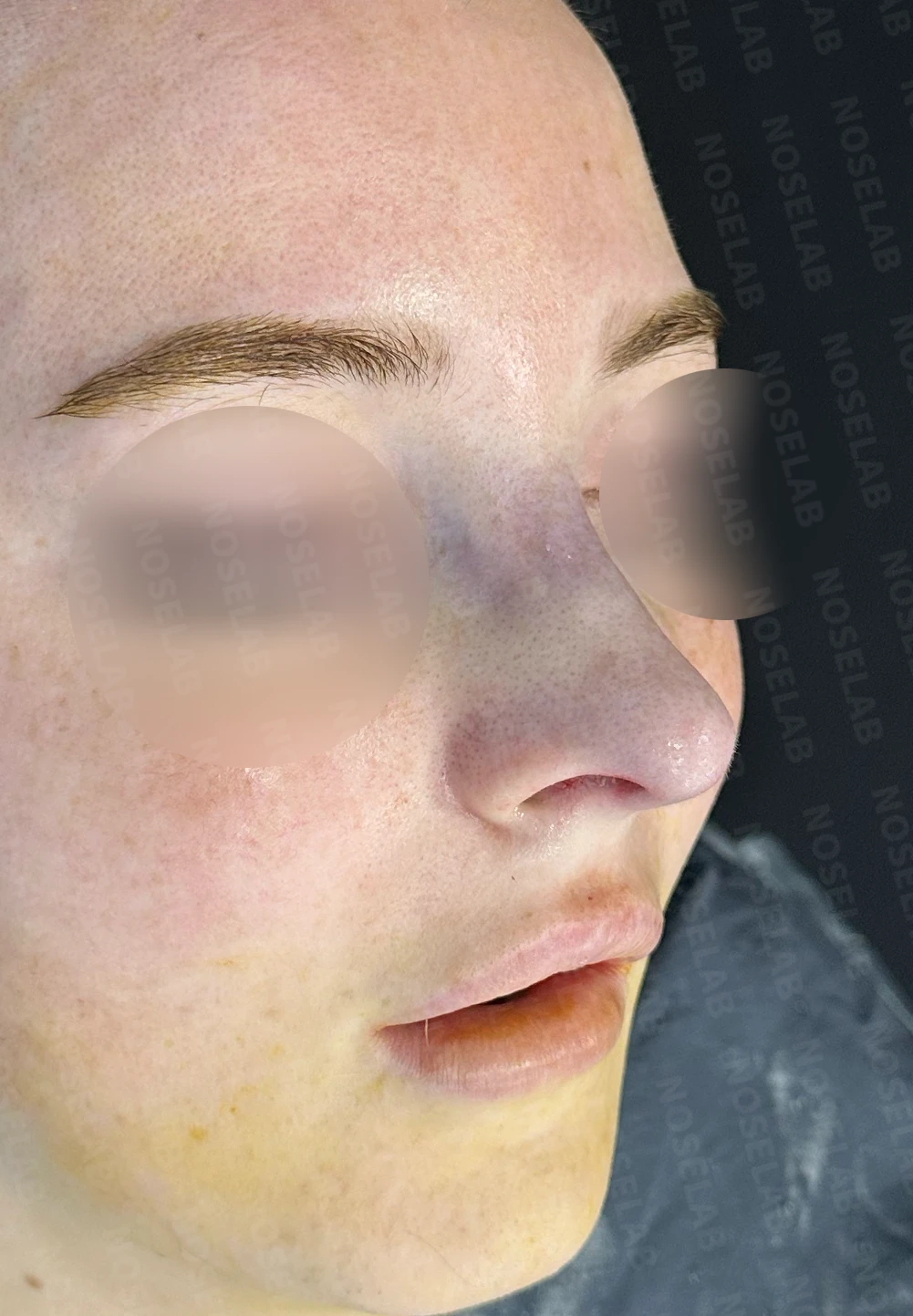
Oblique view:
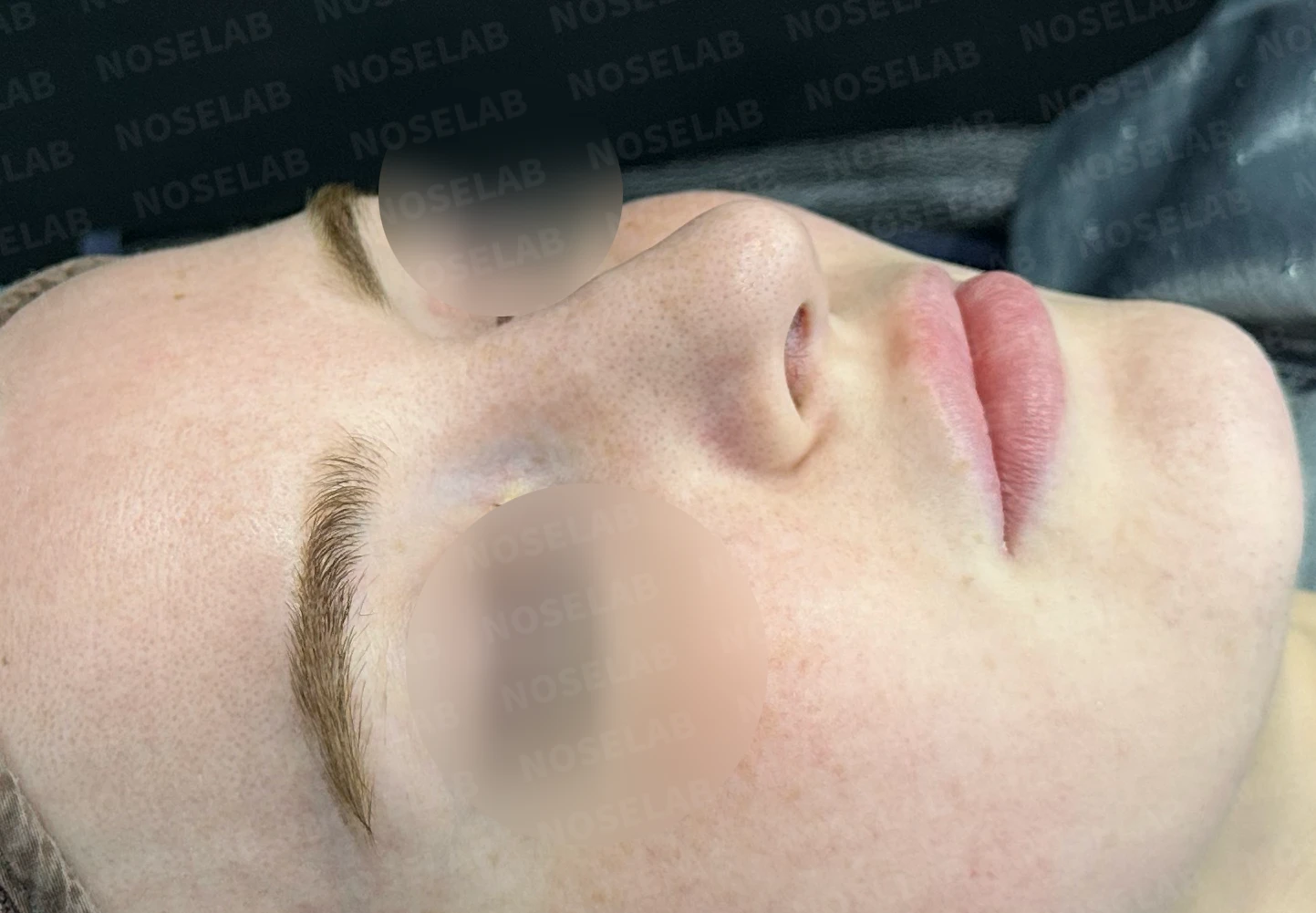
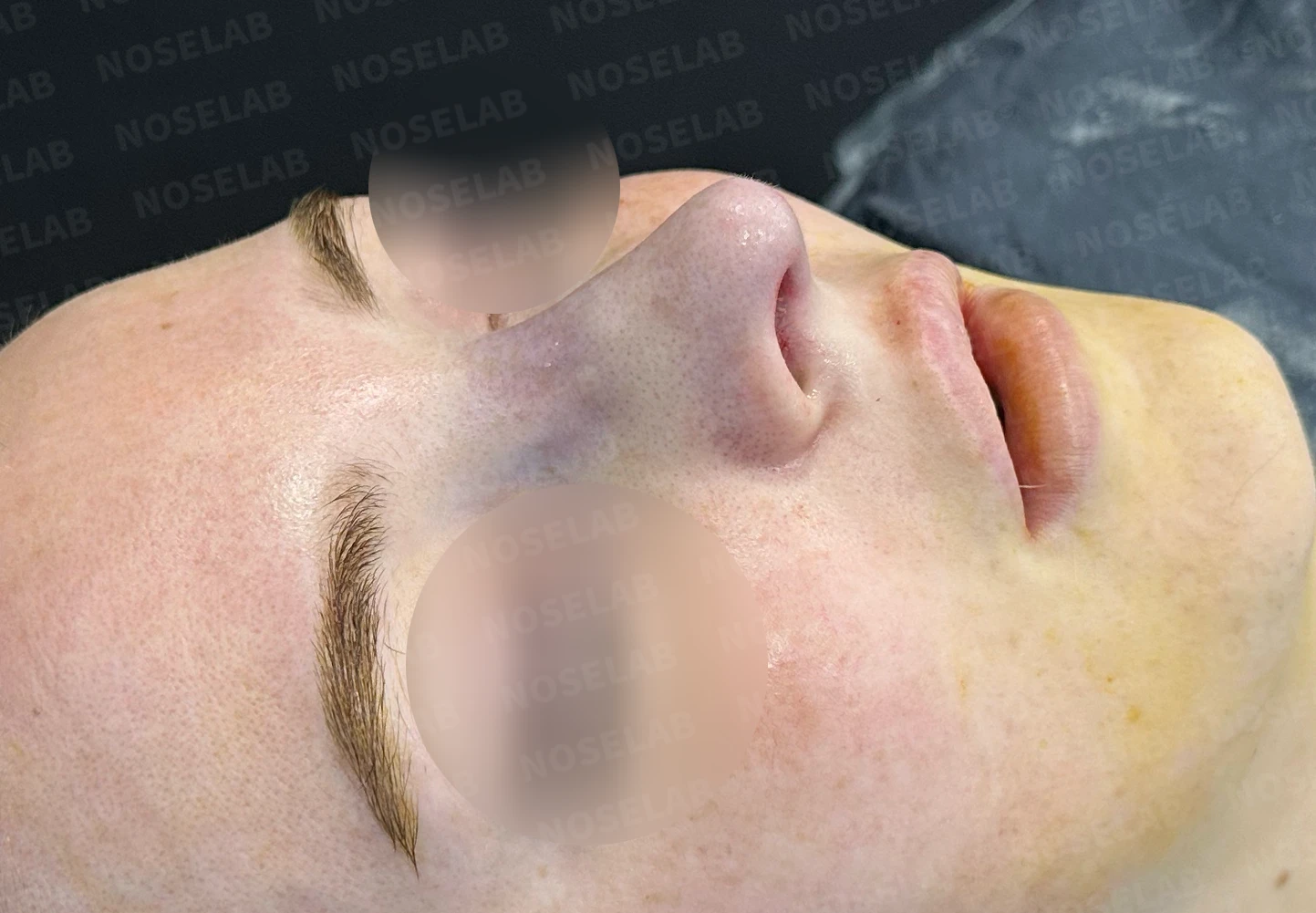
Before surgery / Day 0 immediately after surgery Photos taken immediately after surgery show swelling and may differ from the final result.
- The overall drooping areas were corrected, demonstrating a seamless profile.
- The wide nasal dorsum was narrowed, improving overall facial balance.
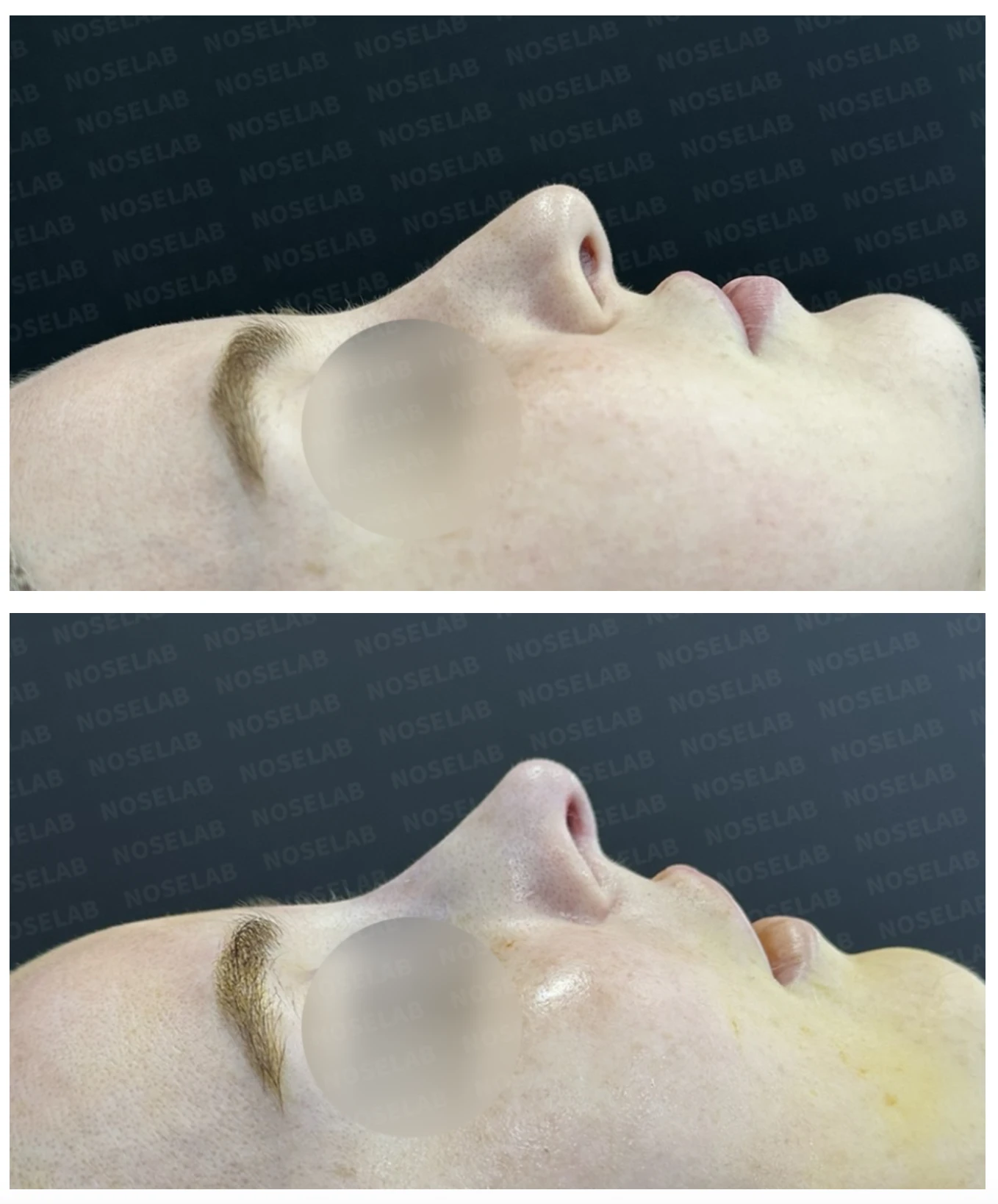
Nostrils:
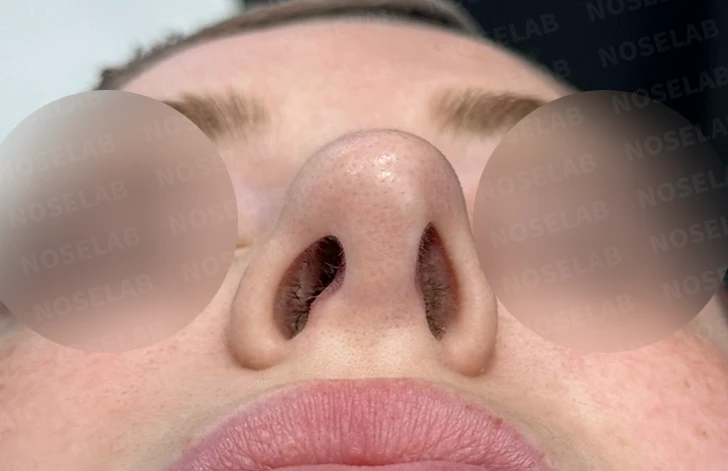
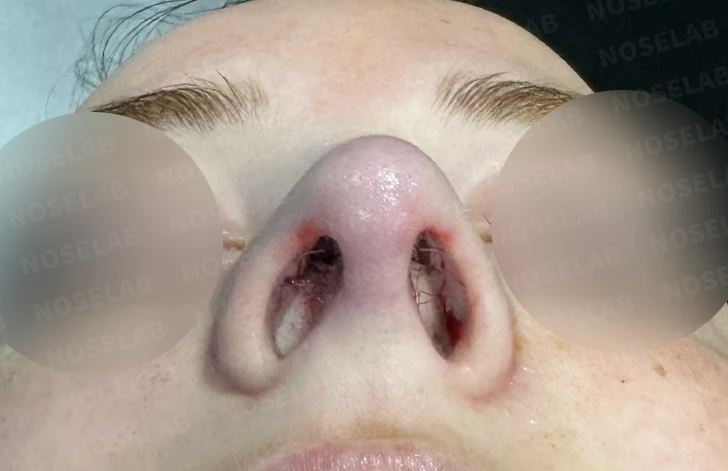
Before surgery / Day 0 immediately after surgery Photos taken immediately after surgery show swelling and may differ from the final result.
- Severe asymmetry has been significantly improved.
- The columella, which had been tilted to one side, has been straightened.
5. Photos immediately after surgery on day 0 Photos taken immediately after surgery show swelling and may differ from the final result.
Front, profile, and oblique views taken immediately after surgery (day 0).Immediate postoperative photos show swelling and may differ from the final result.
Basal (nostril) view immediately after surgery (Day 0).Immediate postoperative photos show swelling and may differ from the final result.
6. Overall evaluation
This case is an example of addressing multiple complex issues simultaneously while correcting shortcomings from a previous surgery. In particular, it is meaningful that the two main concerns—nostril asymmetry and a crooked nose—were successfully corrected through a closed approach.
Reconstruction of the septum using autologous rib cartilage played a key role in securing structural stability for the nose. This made it possible to address multiple issues at once, including tip drooping, deviation, and nostril asymmetry.
Through new osteotomies, the asymmetric results of the previous surgery were corrected and the bridge width was narrowed, achieving the slim line the patient desired. In addition, by delicately refining the bridge contour into a gentle curve, a natural and aesthetically pleasing nasal shape was completed without requiring an additional implant.
Significant functional improvements were also achieved through septoplasty and inferior turbinate reduction. The resolution of nasal obstruction is expected to contribute to an improved quality of life for the patient.
By carrying out this entire process via a closed approach, the recovery period was shortened and the surgery was completed without external scarring. This likely contributed substantially to the patient's satisfaction.
7. Conclusion
I hope this case offers encouragement to those troubled by nostril asymmetry and a crooked nose. It serves as a good example showing that even if the results of a previous surgery are unsatisfactory, the desired outcome can be achieved through an appropriate revision rhinoplasty.
In complex nasal cases, individual issues are often interrelated, making it difficult to achieve adequate improvement by addressing only one concern. Therefore, a comprehensive approach is necessary, which requires the guidance of a surgeon with extensive experience and expertise.
Drawing on anatomical knowledge and extensive surgical experience as a board-certified otolaryngologist, I provide surgical plans tailored to each individual patient. Through a comprehensive approach that considers both functional and cosmetic improvement, I strive to create a beautiful and healthy nose.
If you are considering rhinoplasty, especially revision surgery, please be sure to consult with an experienced specialist. An accurate diagnosis and an appropriate surgical plan will be the most direct path toward a satisfying result.
I will be with you every step of the way to achieve a beautiful and healthy nose.
This was Dr. Peter C. Kang. Thank you.
Thank you.
#rhinoplasty #crookednosecorrection #nostrilasymmetrycorrection #upturnednosecorrection #autologousribcartilagegraft #closedrhinoplasty #revisionrhinoplasty #ENTspecialistrhinoplasty #safelyplannedrhinoplasty #nasalbridgecorrection #nasaltipsurgery #deviatedseptum #inferiorturbinatereduction #nasalobstructionrelief

Limitations and risks
When autologous rib cartilage is used, scarring and pain may remain at the donor site on the chest, and pneumothorax (pleural injury) can occur rarely. Over time, the grafted cartilage may warp or undergo partial resorption.
When the septum is corrected at the same time, nasal obstruction may persist or recur, and in rare cases, septal perforation or changes in smell may occur.
Common potential risks include infection, bleeding, asymmetry, scarring, skin necrosis, and insufficient improvement; results vary depending on individual skin condition and previous surgical history.