Hello, I am Dr. Peter C. Kang.
Today, I would like to share a case where an artificial-looking, upturned nose was transformed into a refined and natural nose.
The patient had previously undergone rhinoplasty with ear cartilage and a silicone implant in 2018, followed by a surgery in 2021 that combined functional nasal surgery for nasal obstruction with autologous rib cartilage and a silicone implant to increase height.
1. Preoperative design consultation
Patient's requests:
- Satisfied with current height
- Desires improvement in the artificial, operated look
- Relief needed for nasal obstruction
Analysis of preoperative condition:
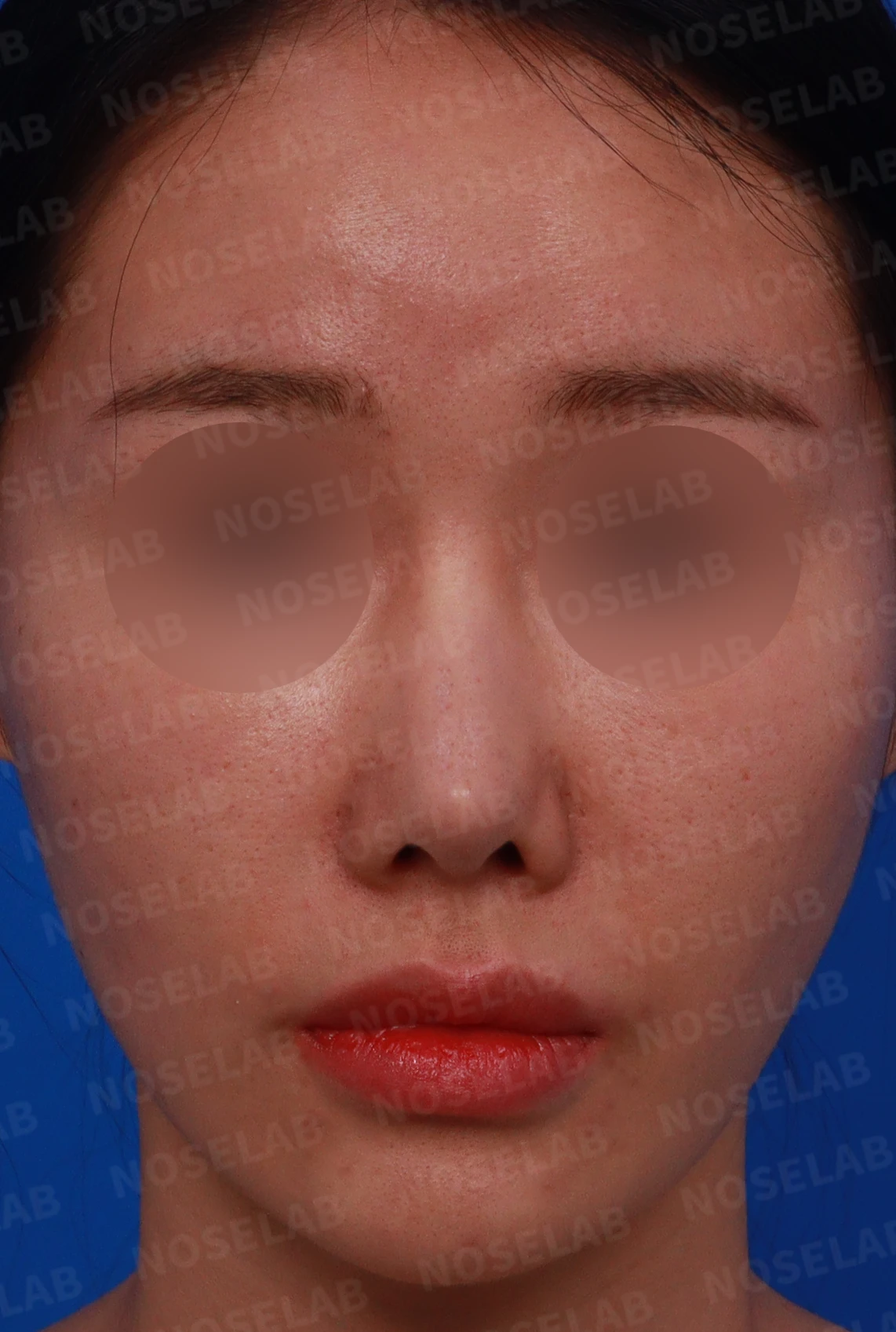
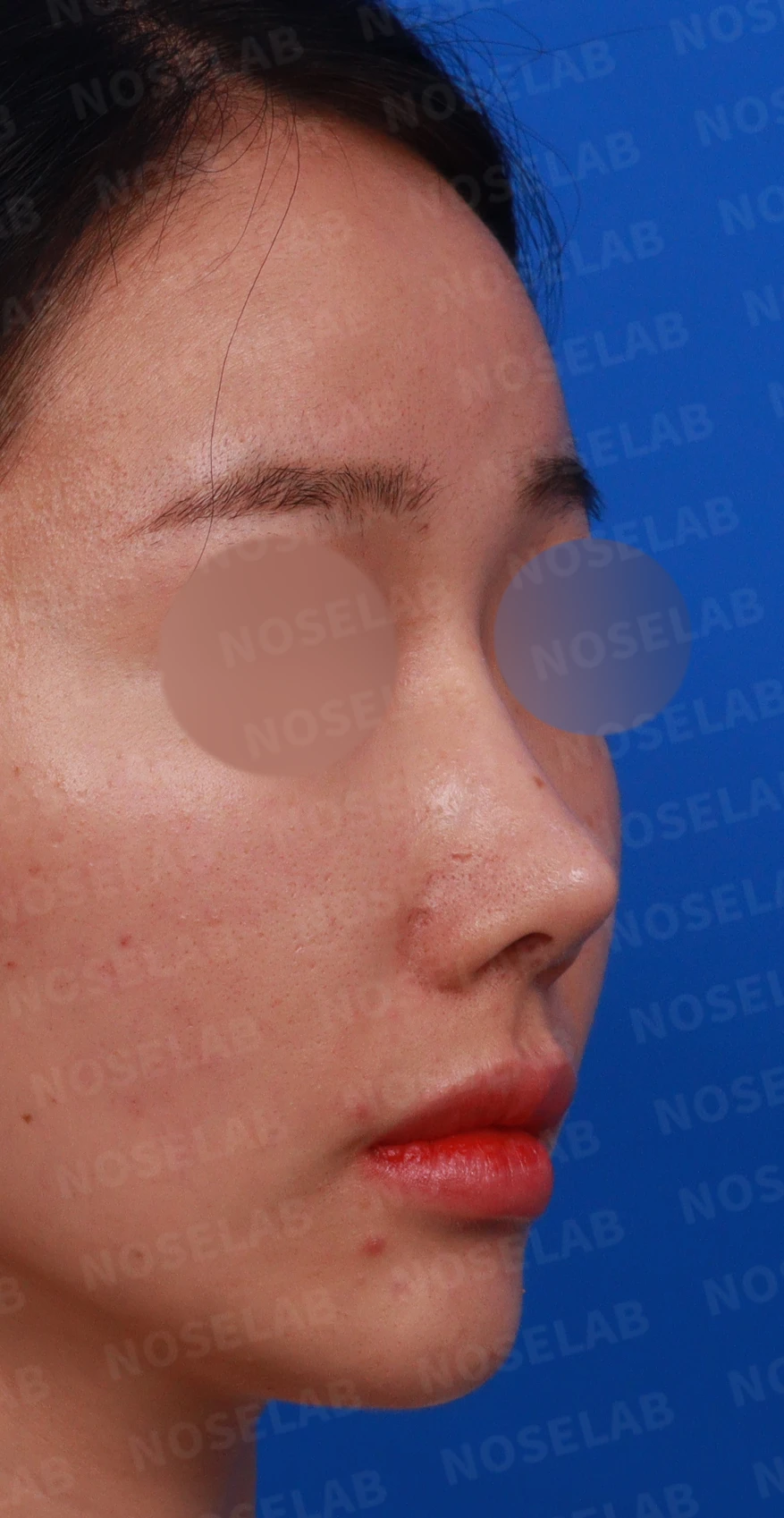
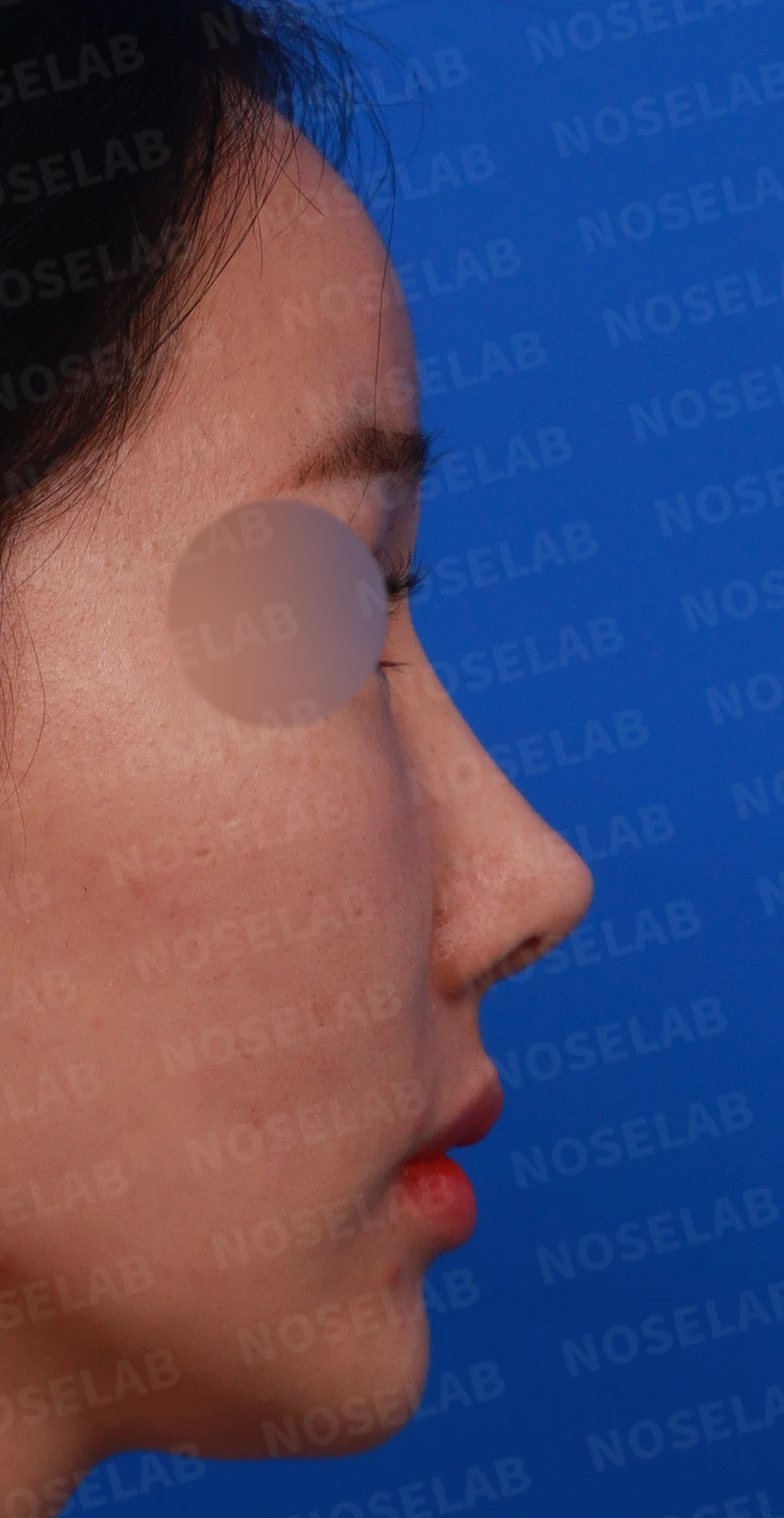
Front, right oblique, and right profile views from the preoperative design consultation.
Front view:
- The nasal bridge appears deviated and wide
- Nostril asymmetry is visible with excessive nostril show
Oblique view:
- The curve along the nasal dorsum is excessive, looking unnatural
- The nasal tip is upturned
Profile view:
- The nasal tip appears overly sharp
- The nasolabial angle exceeds 90 degrees, making the nose appear upturned
- The radix starts high, giving an overall operated appearance
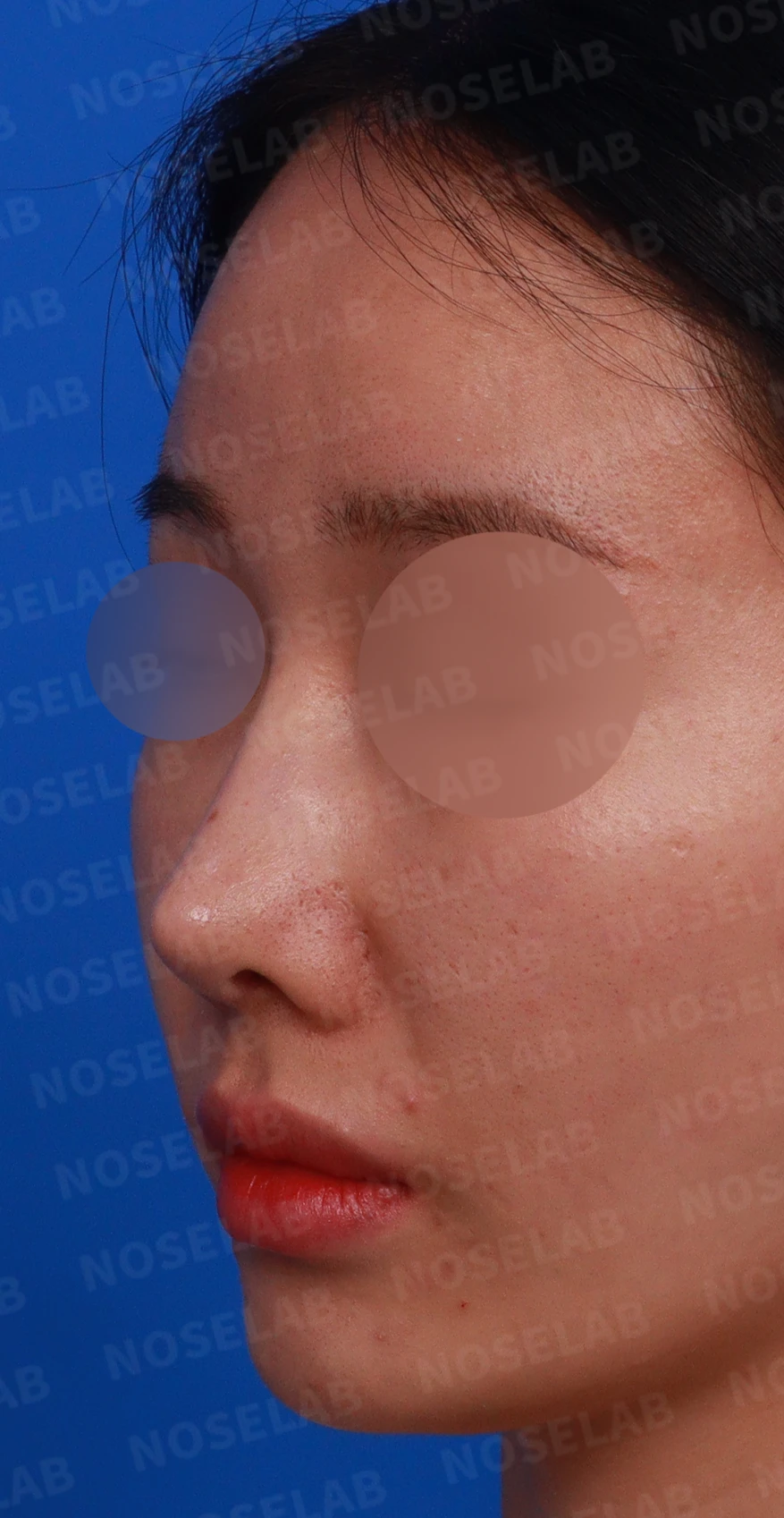
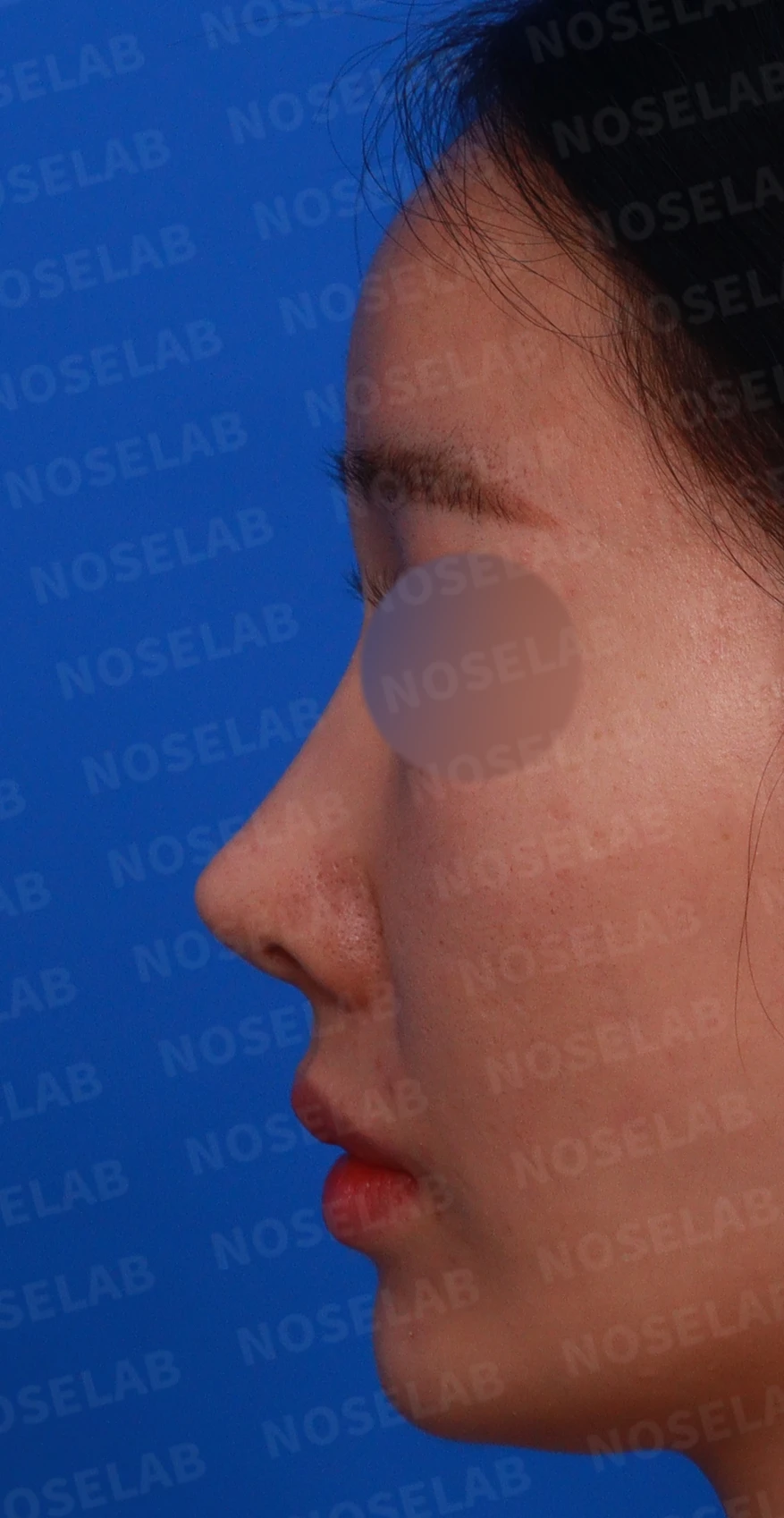
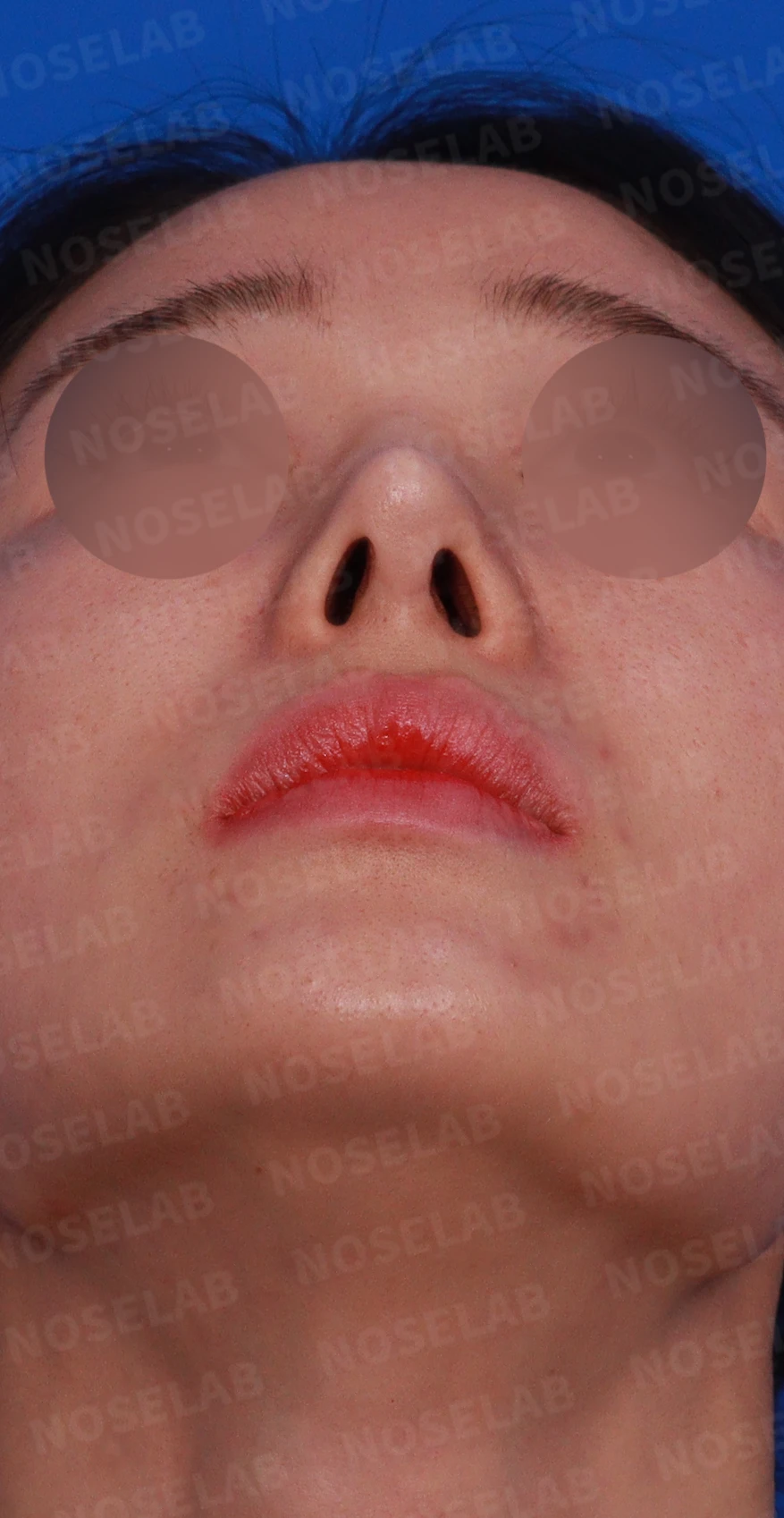
Left oblique, left profile, and basal (nostril) views from the preoperative design consultation.
Nostrils:
- The right nostril appears smaller
- The columella is tilted to the left
2. Surgical plan
1) Septal deviation correction using autologous rib cartilage
- Relief of nasal obstruction
2) Septal extension
- Correction of upturned nose
- Improvement of nostril asymmetry
3) Lateral osteotomy
- Correction of the deviated nasal bridge
4) Septal reconstruction if necessary (depending on the degree of septal deviation)
3. Surgical procedure
According to the surgical plan, the following procedures were performed using a closed approach:
1) Autologous rib cartilage harvest
2) Septal deviation correction, septal reconstruction, and septal extension
3) Nasal bridge correction via lateral osteotomy
4) Nasal tip reconstruction and nasolabial angle adjustment
4. Comparison of before-and-after photos
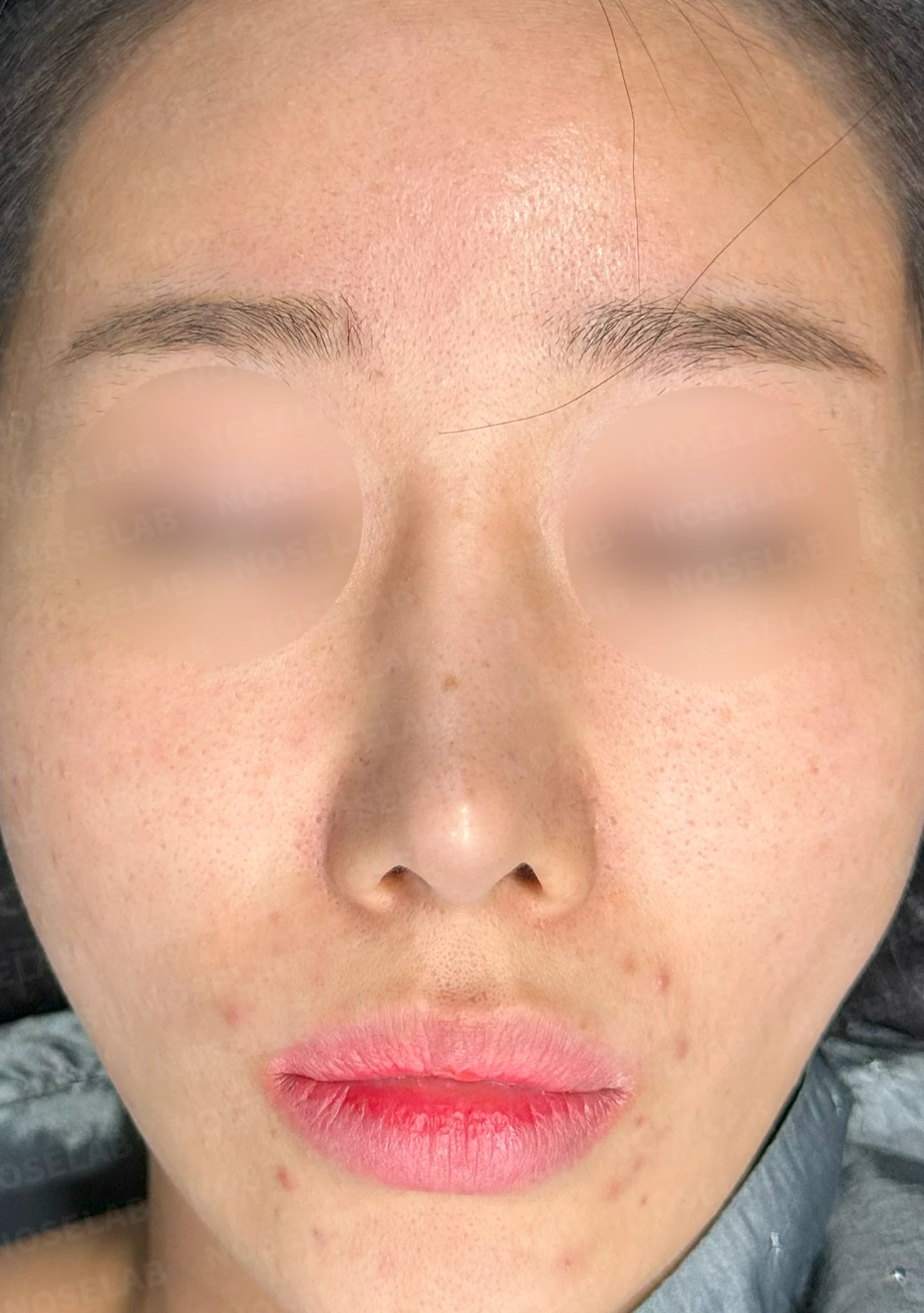
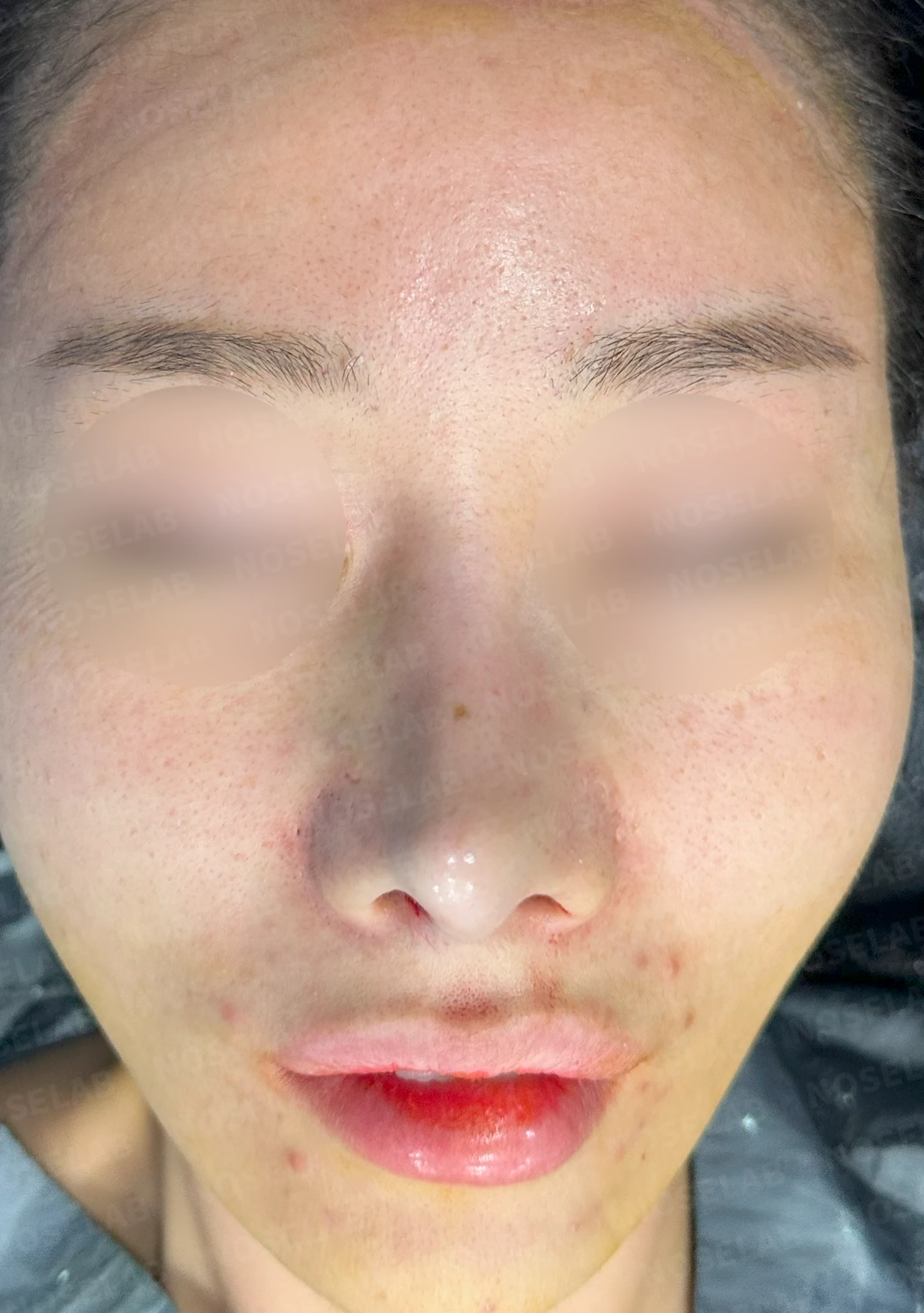
Before surgery / Day 0 immediately after surgery Photos taken immediately after surgery show swelling and may differ from the final result.
Front view:
- The previously deviated nasal bridge was straightened
- Improved nostril asymmetry and excessive nostril show
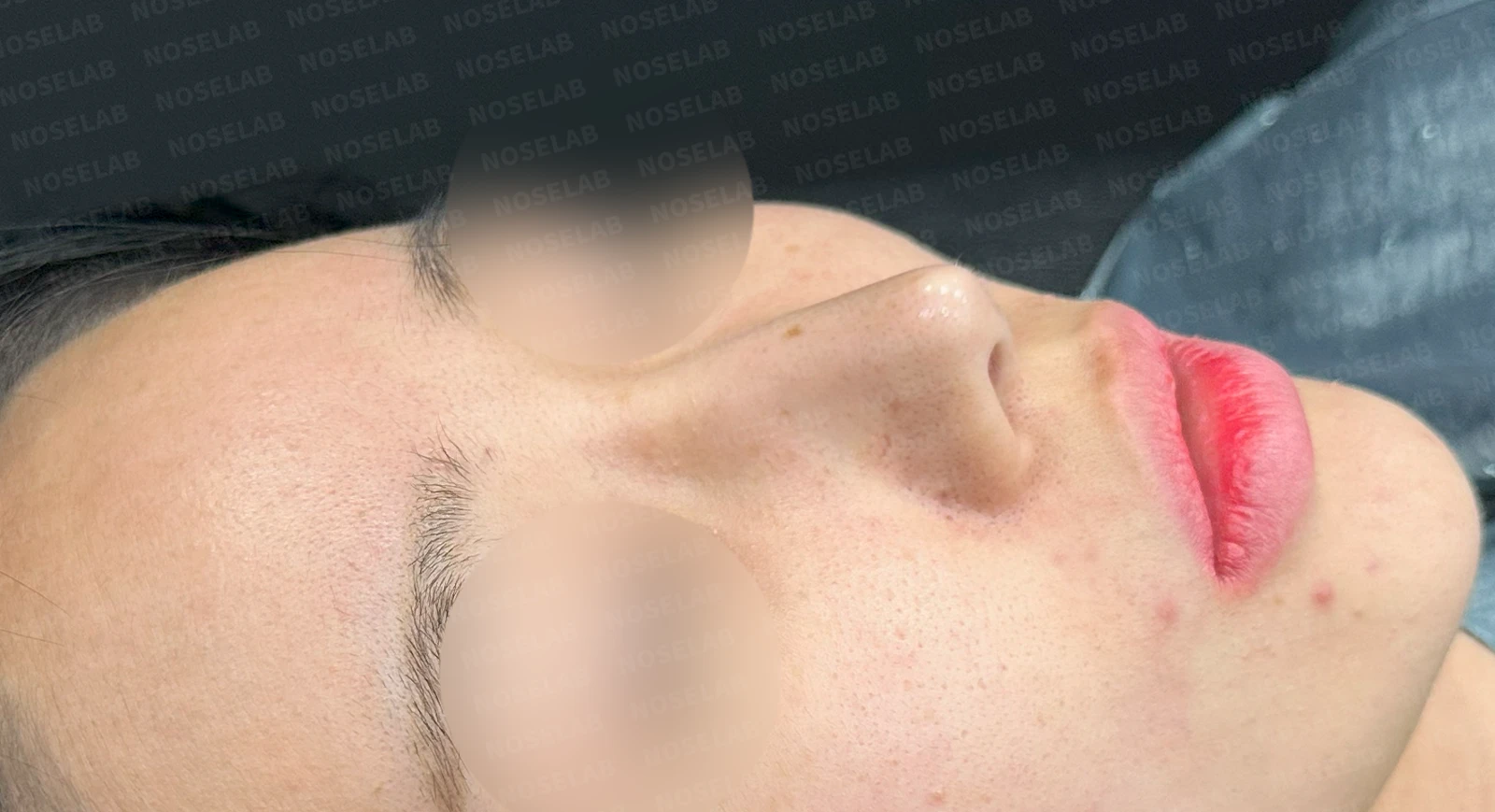
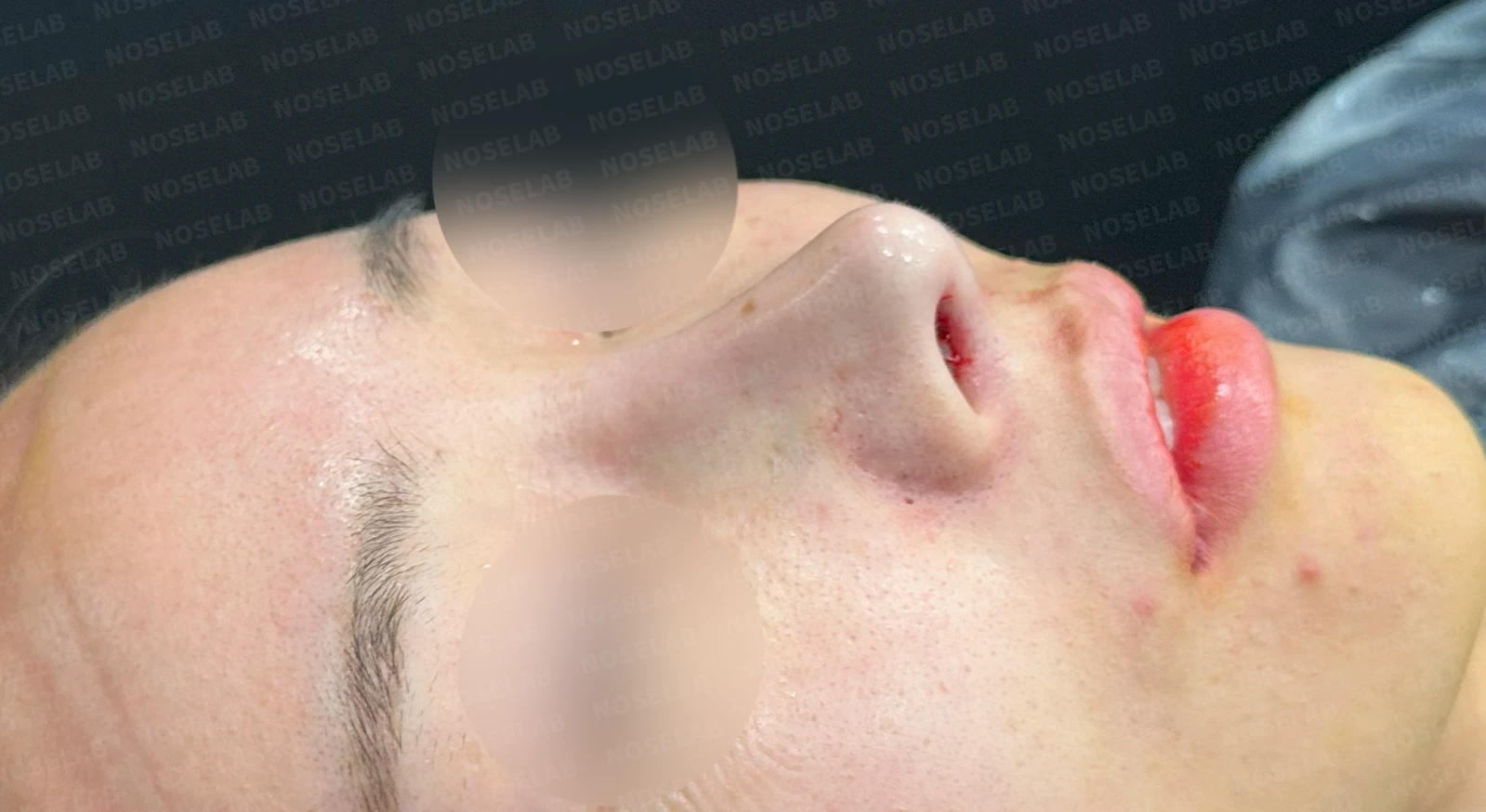
Before surgery / Day 0 immediately after surgery Photos taken immediately after surgery show swelling and may differ from the final result.
Oblique view:
- The excessive curve along the nasal dorsum was reduced to create a natural straight bridge line
A line was formed.
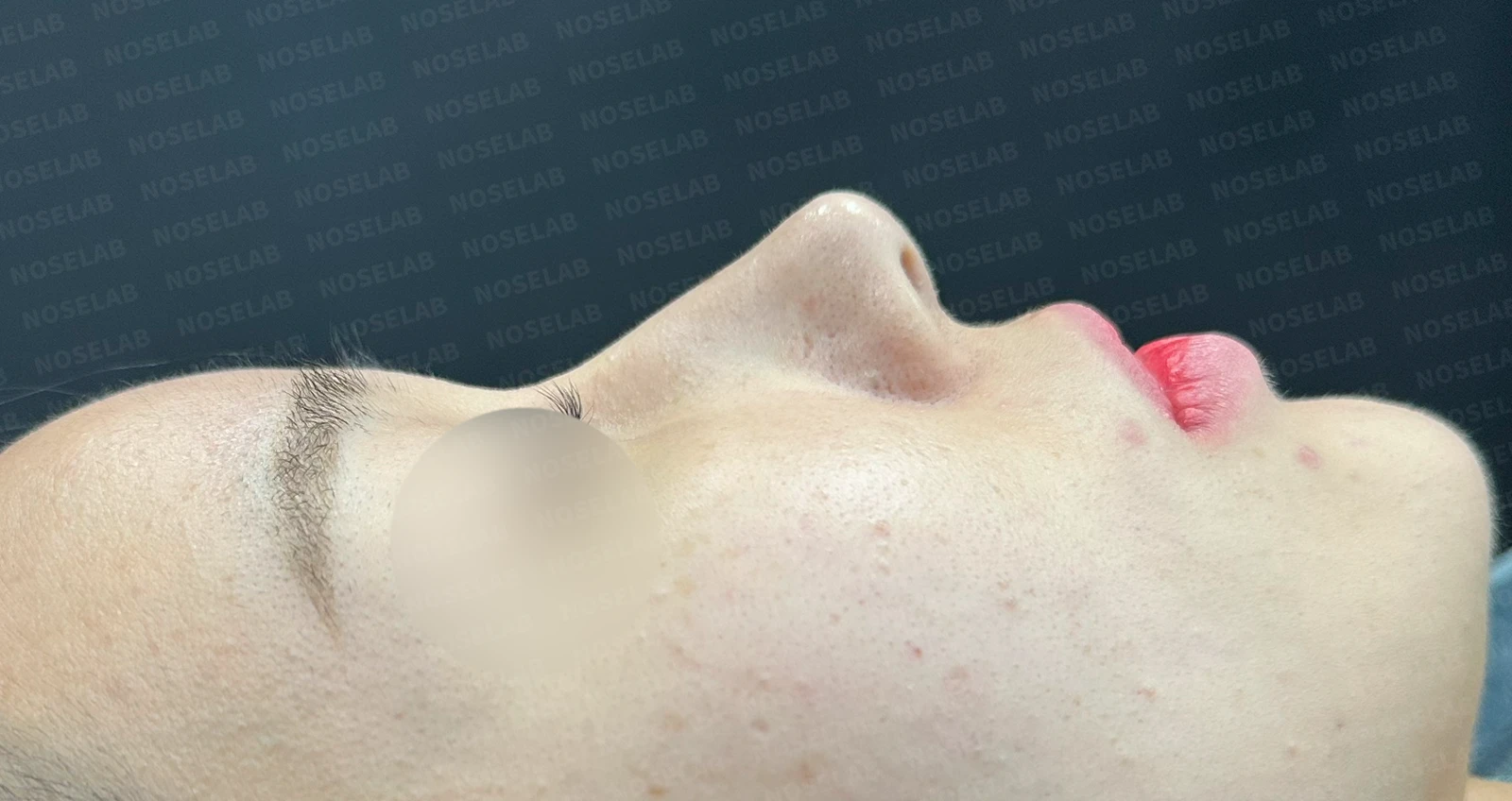
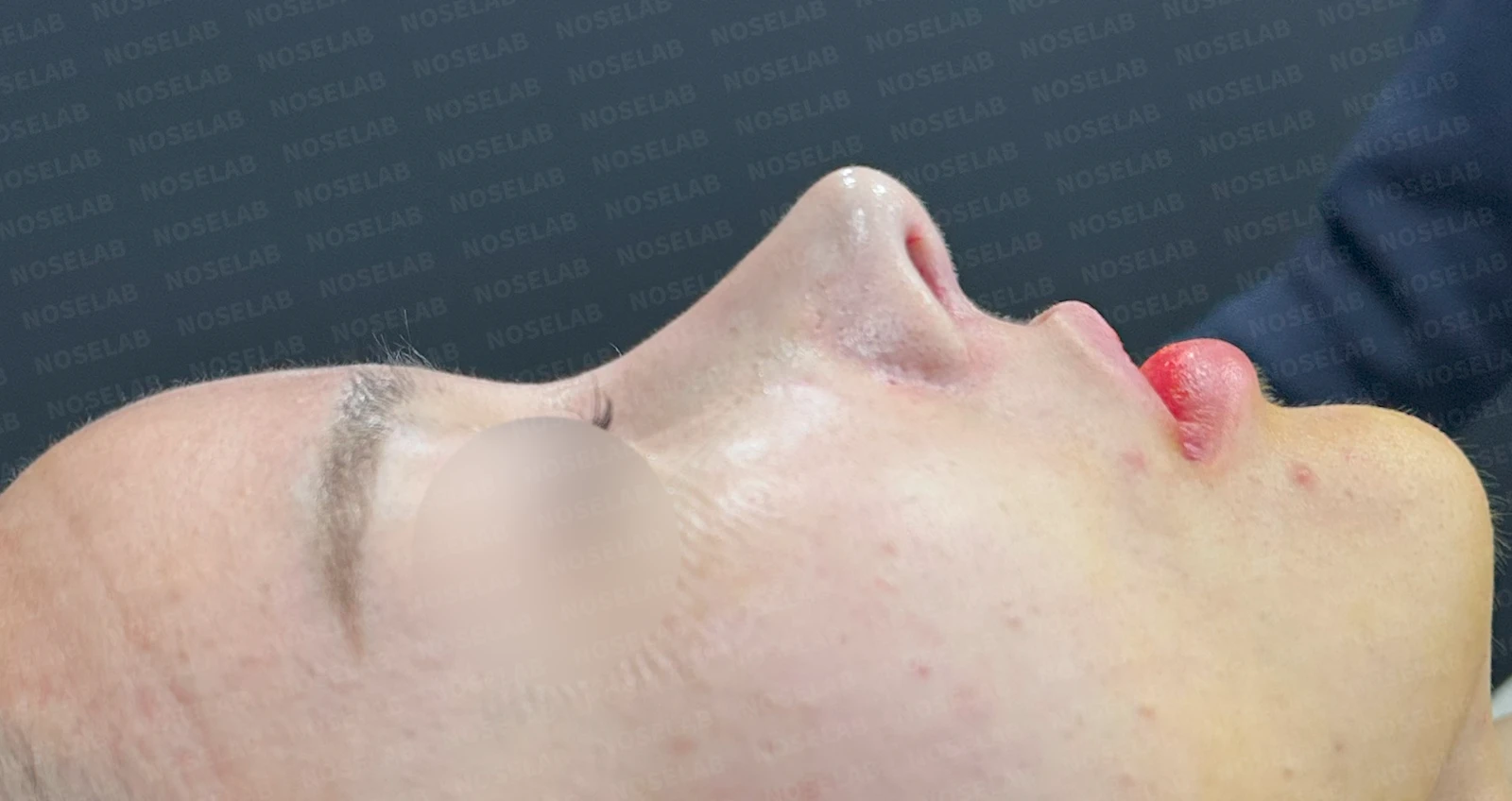
Before surgery / Day 0 immediately after surgery Photos taken immediately after surgery show swelling and may differ from the final result.
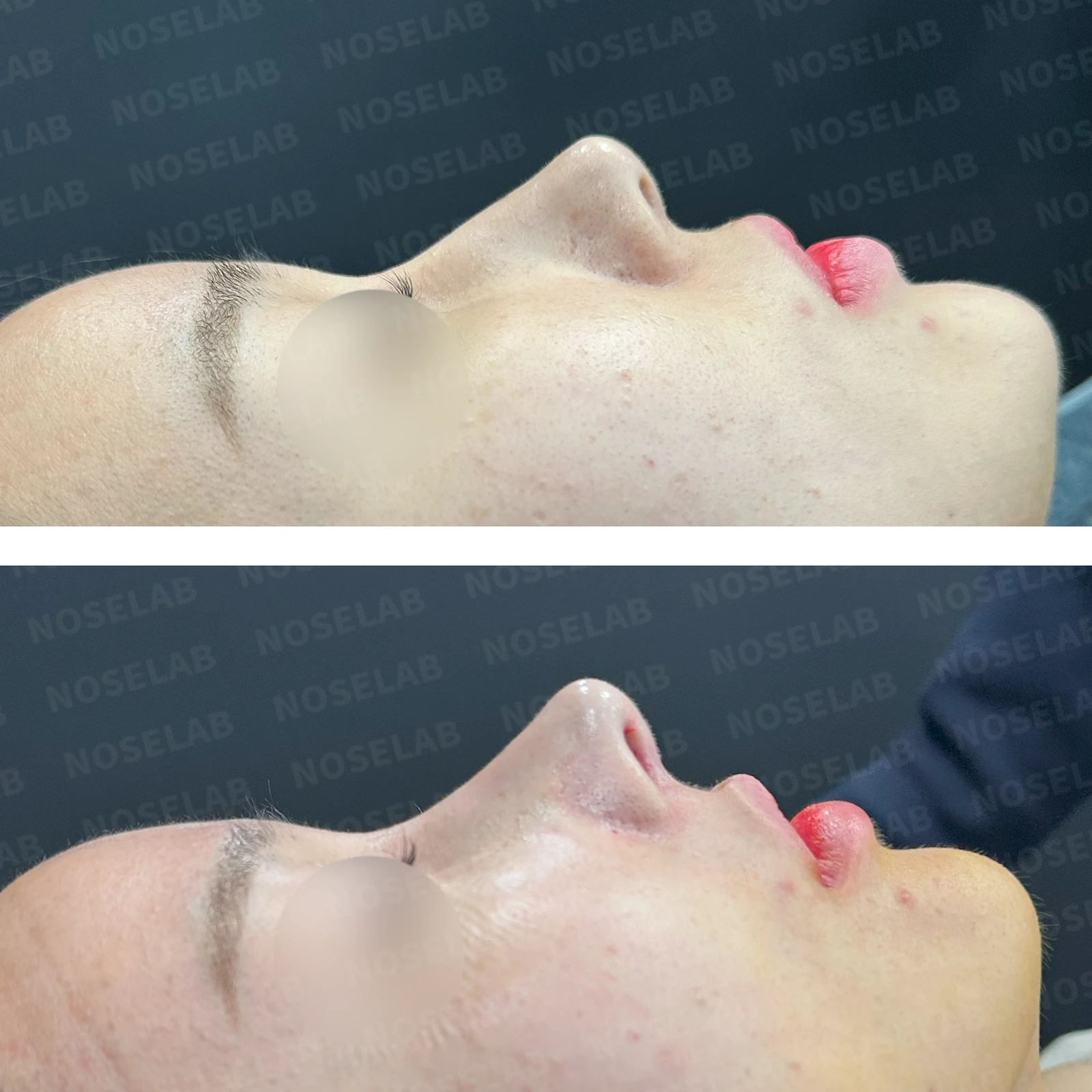
Profile view:
- The unnatural, operated-looking curved line was transformed into a natural straight bridge line
- The overly sharp tip was improved into a softer, rounded shape
- The columella was lowered naturally, adjusting the nasolabial angle to approximately 95 degrees
- The overall artificial, operated look was significantly reduced
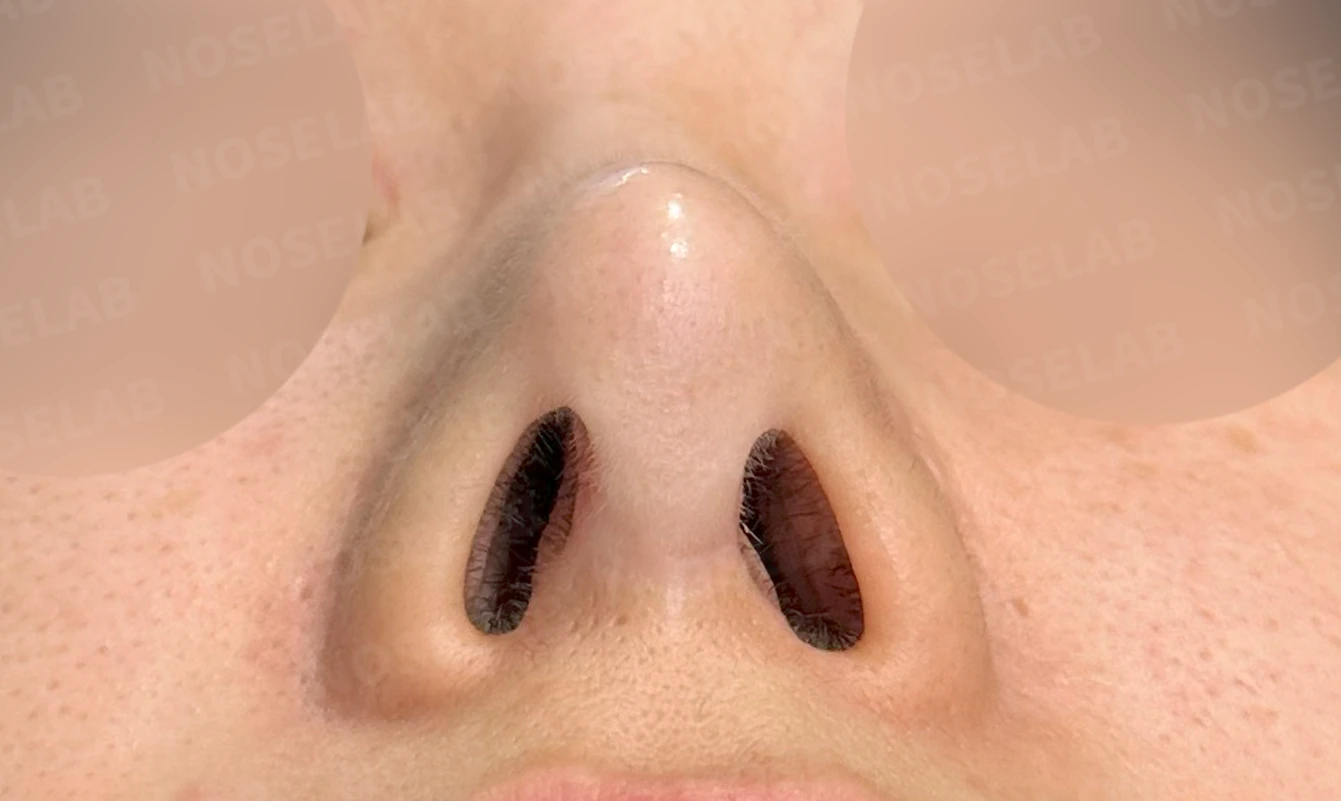
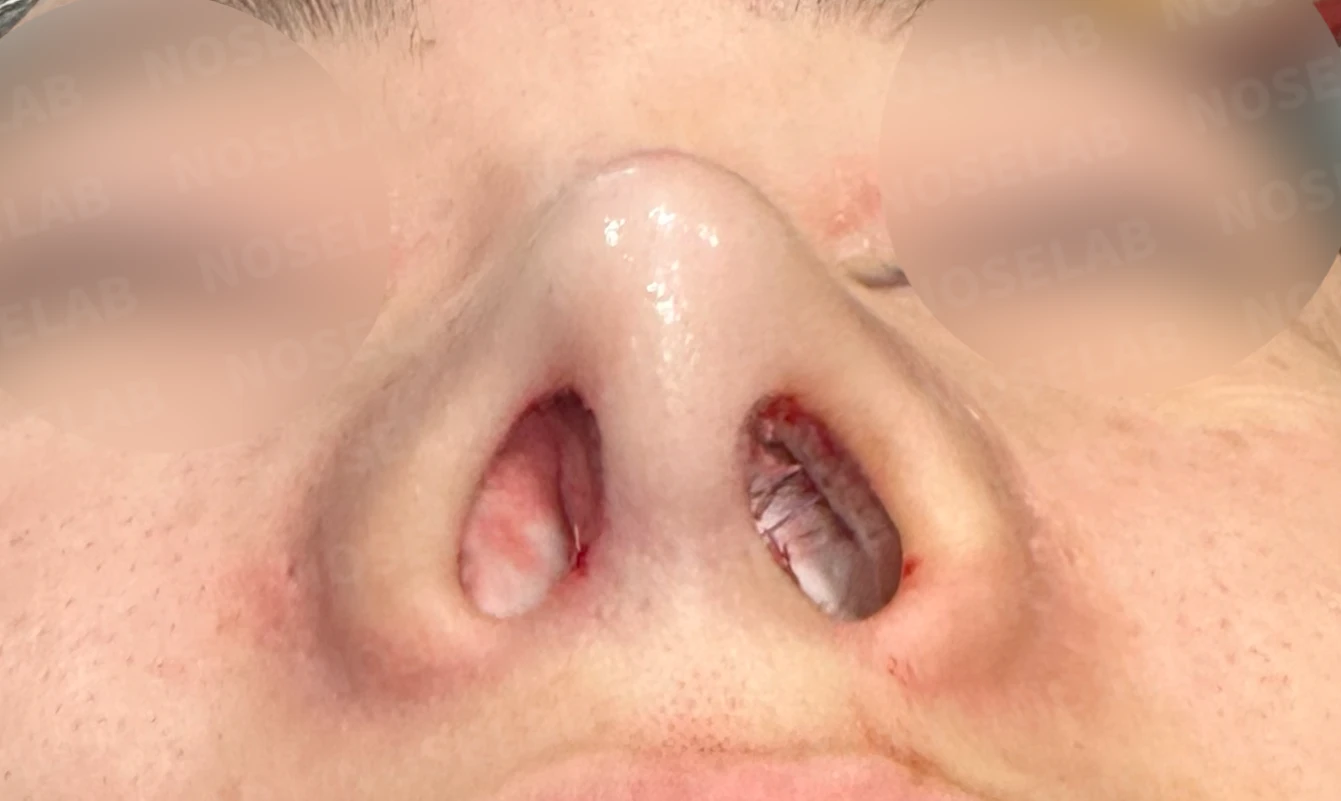
Before surgery / Day 0 immediately after surgery Photos taken immediately after surgery show swelling and may differ from the final result.
Nostrils:
- The columella, which was tilted to the left, was straightened
- Asymmetry between the left and right nostrils was greatly improved
5. Photos immediately after surgery on day 0 Photos taken immediately after surgery show swelling and may differ from the final result.
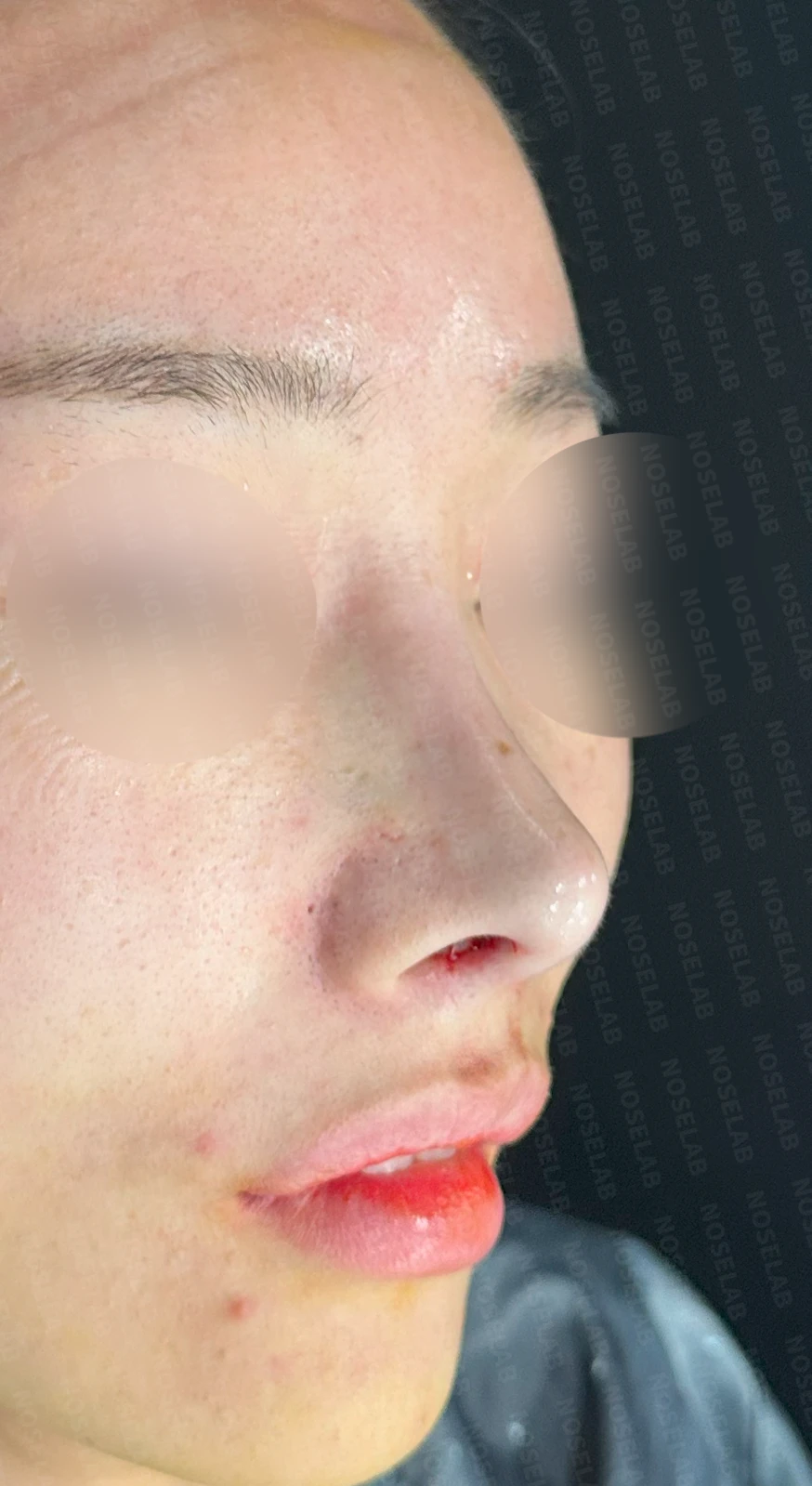
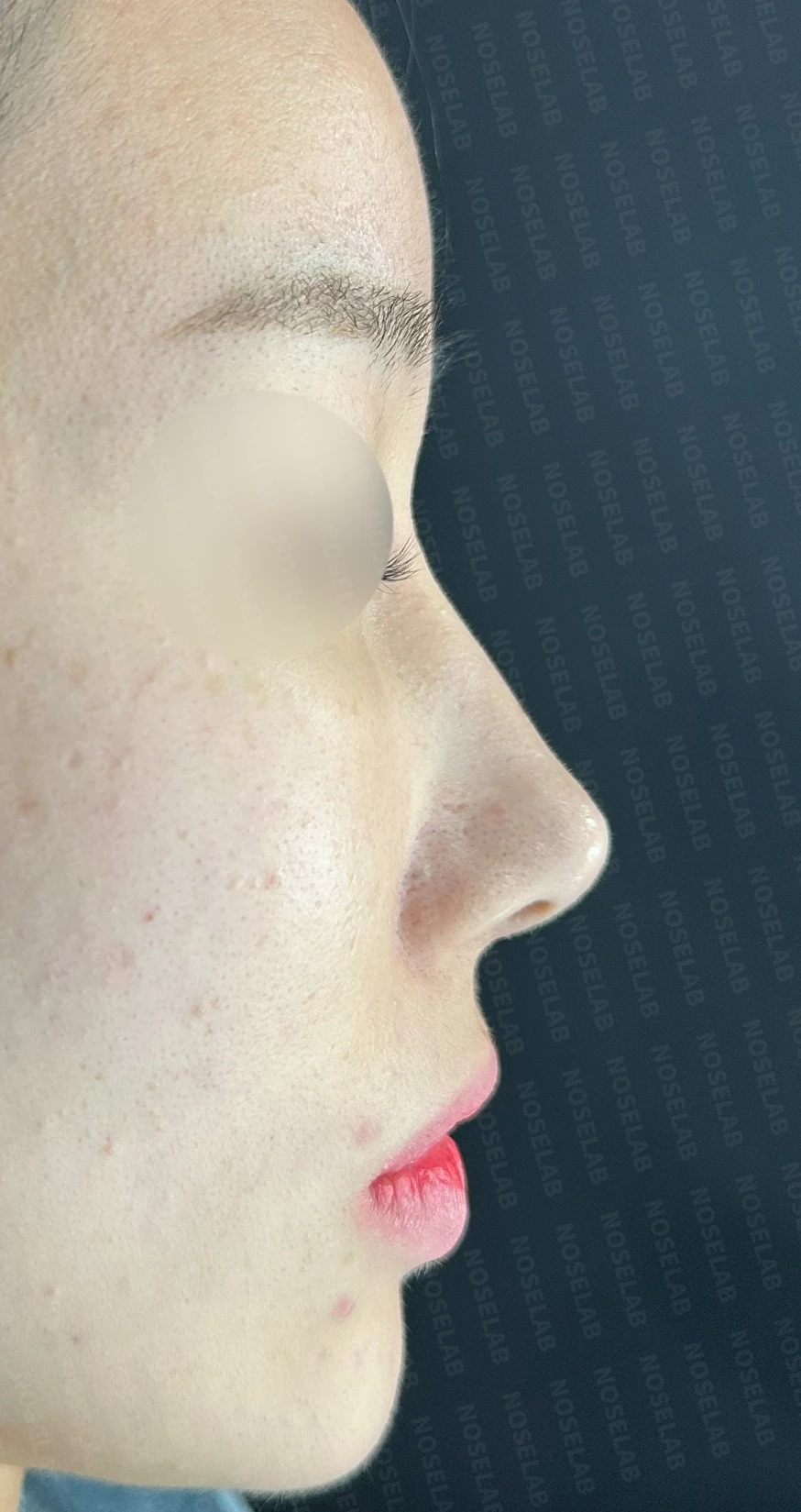
Front, oblique, and profile views on day 0 immediately after surgery. Photos taken immediately after surgery show swelling and may differ from the final result.
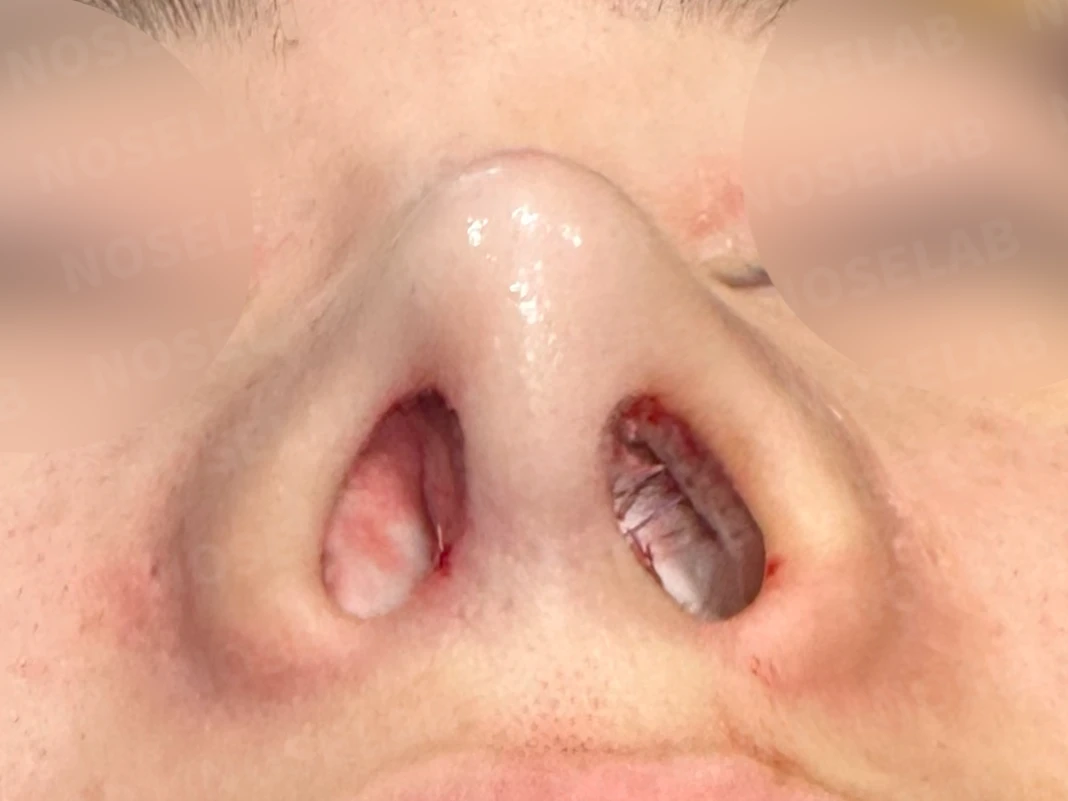
Basal (nostril) view immediately after surgery (Day 0).Immediate postoperative photos show swelling and may differ from the final result.
6. Overall evaluation
This case is a good example of refining an unnatural, operated-looking nose into a balanced, natural appearance.
In particular, multiple concerns including an excessive dorsal curve, an upturned tip, and asymmetry were resolved simultaneously while achieving a natural result.
In addition, functional improvement was achieved by correcting the deviated septum.
7. Conclusion
In rhinoplasty, an artificial look typically arises when the nasal bridge is placed too high—making the eyes look pulled inward—or when the nasal tip is excessively sharp. This is commonly referred to as an operated look.
To avoid an artificial look, shaping the nose naturally is important, but designing a nose that harmonizes with each individual's face is paramount. Rather than an exaggerated design, an approach that considers the overall facial proportions is necessary.
I hope this case helps those who share similar concerns. At NOSELAB, I always strive to carefully consider each patient's unique facial features and needs to achieve refined and natural results.
If you are considering rhinoplasty, I recommend consulting with a specialist to find the design that is most suitable and natural for you. NOSELAB will always do its best for your beautiful and healthy nose.
This was Dr. Peter C. Kang. Thank you.
Thank you.
#rhinoplasty #upturnednosecorrection #sharptipcorrection #nostrilasymmetrycorrection #nasalobstructionrelief #closedrhinoplasty #naturalnose #refinednose #ENTspecialistrhinoplasty #functionalnasalsurgery #deviatedseptum

Limitations and risks
When autologous rib cartilage is used, scarring and pain may remain at the donor site on the chest, and pneumothorax (pleural injury) can occur rarely. Over time, the grafted cartilage may warp or undergo partial resorption.
When the septum is corrected at the same time, nasal obstruction may persist or recur, and in rare cases, septal perforation or changes in smell may occur.
Common potential risks include infection, bleeding, asymmetry, scarring, skin necrosis, and insufficient improvement; results vary depending on individual skin condition and previous surgical history.