Addressing facial asymmetry and crooked nose correction together
Hello, I am Dr. Peter C. Kang.
Today, I would like to share the story of a patient with facial asymmetry who underwent rhinoplasty after being troubled by a dorsal hump, a crooked nose, and a drooping columella. Through this case, I will explain in detail how complex nasal issues can be addressed through closed surgery and how rhinoplasty should be approached when facial asymmetry is present.
The patient's concerns: Complex nasal issues and facial asymmetry
The patient visited our clinic with the following concerns:
A columella that appeared drooping
Need for dorsal hump correction
Need for crooked nose correction
Allergic rhinitis symptoms
In addition, the patient had received nasal filler 5 years ago, and 2 years ago had lifting threads inserted at an oriental medicine clinic, which were removed the very next day.
Preoperative consultation: thorough analysis and personalized design
Upon detailed evaluation of the patient's face during the preoperative consultation, the following characteristics were identified:
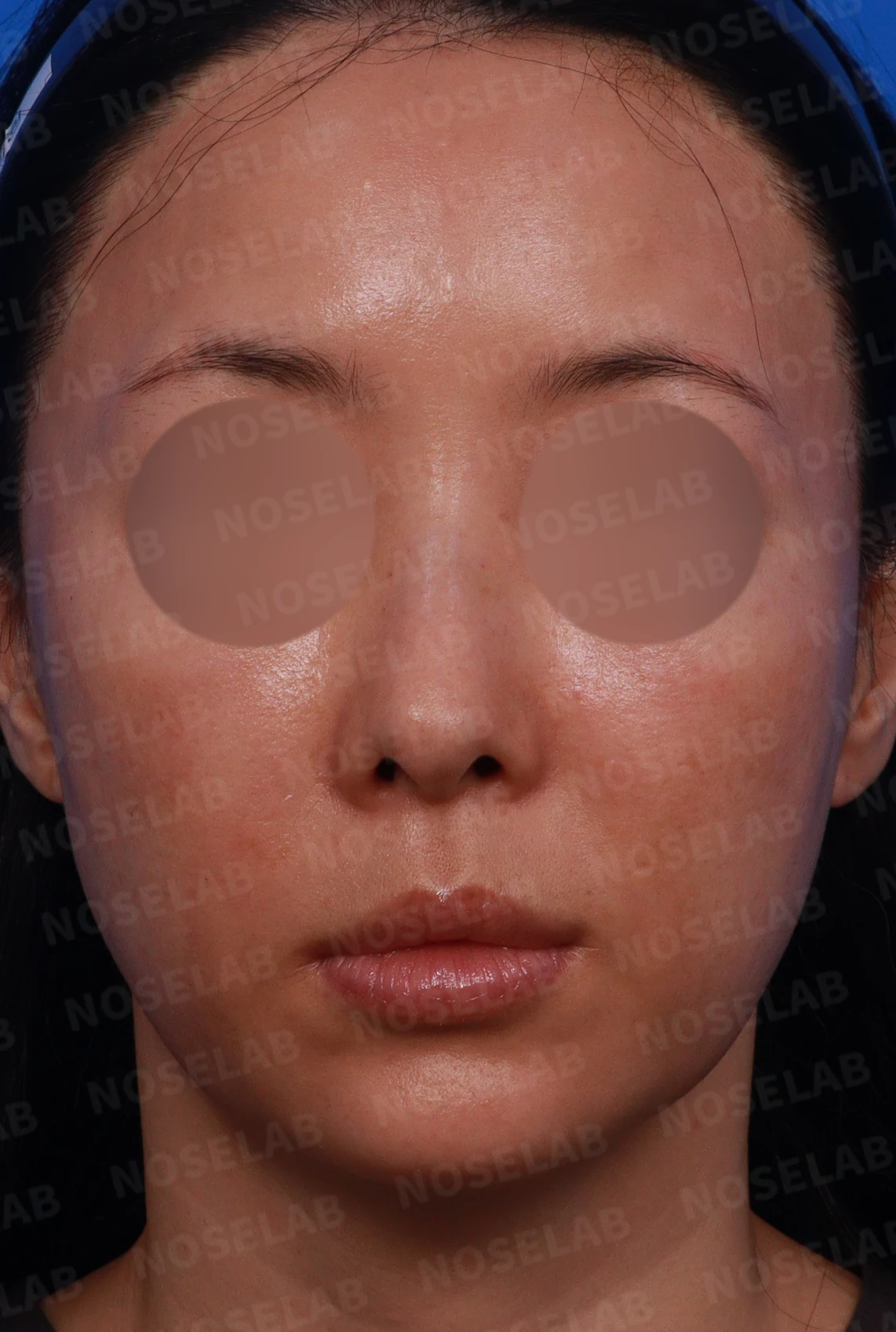
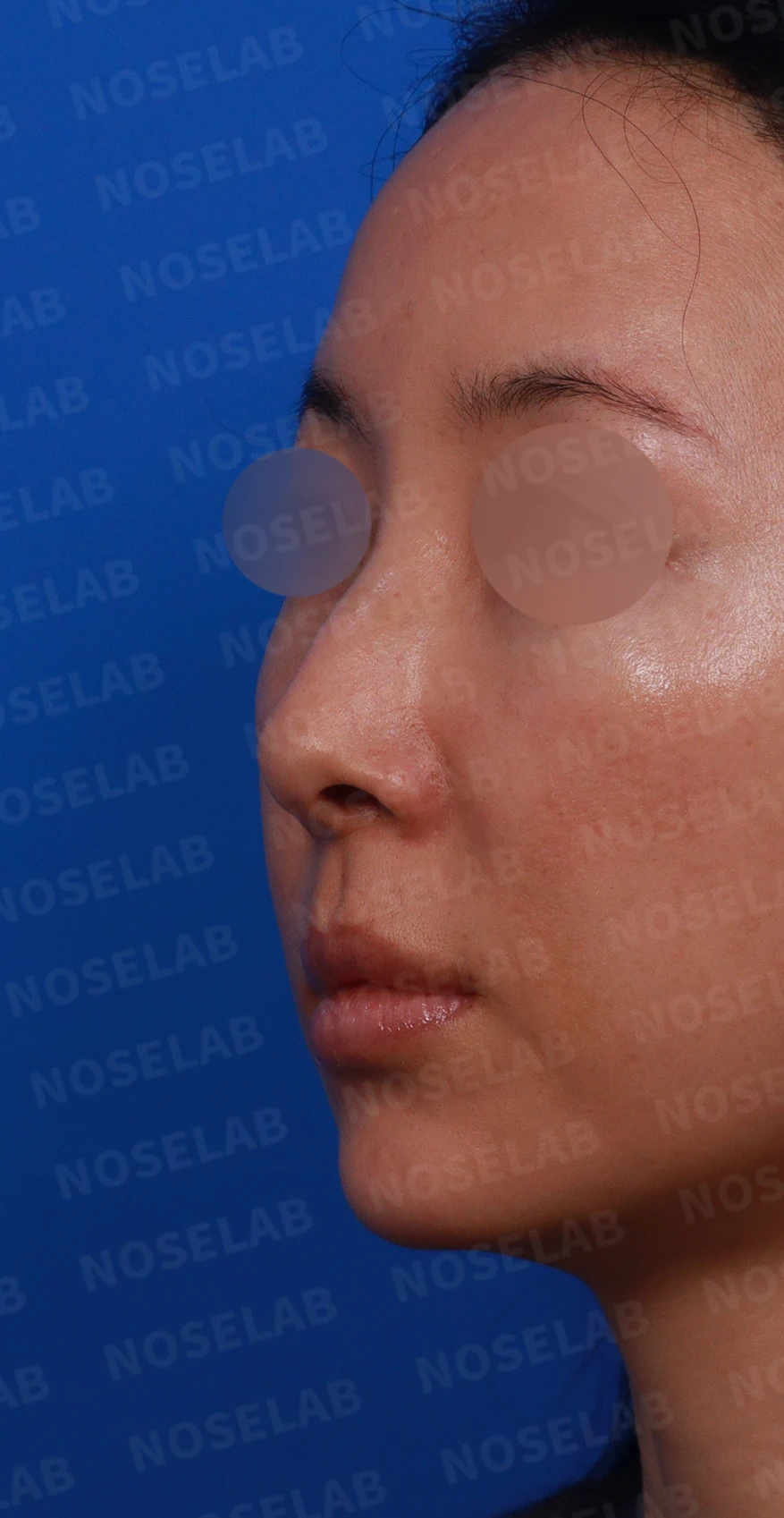
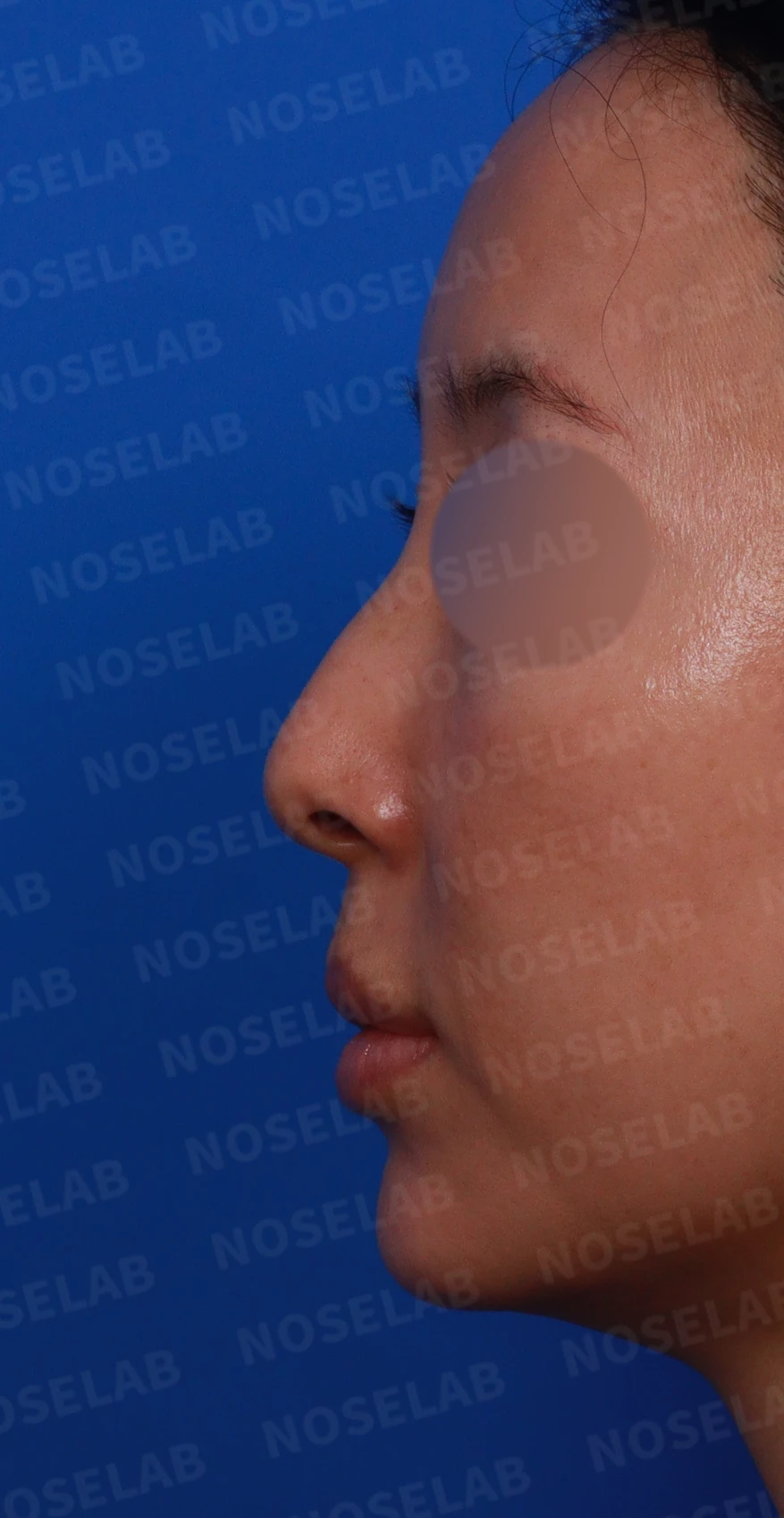
Preoperative design consultation photos.
The nose appeared crooked overall due to facial asymmetry
A dorsal hump diminished the feminine aesthetic
A drooping nasal tip caused the overall nose to look long
A low-hanging columella made the nose appear even longer
Nostril asymmetry was present
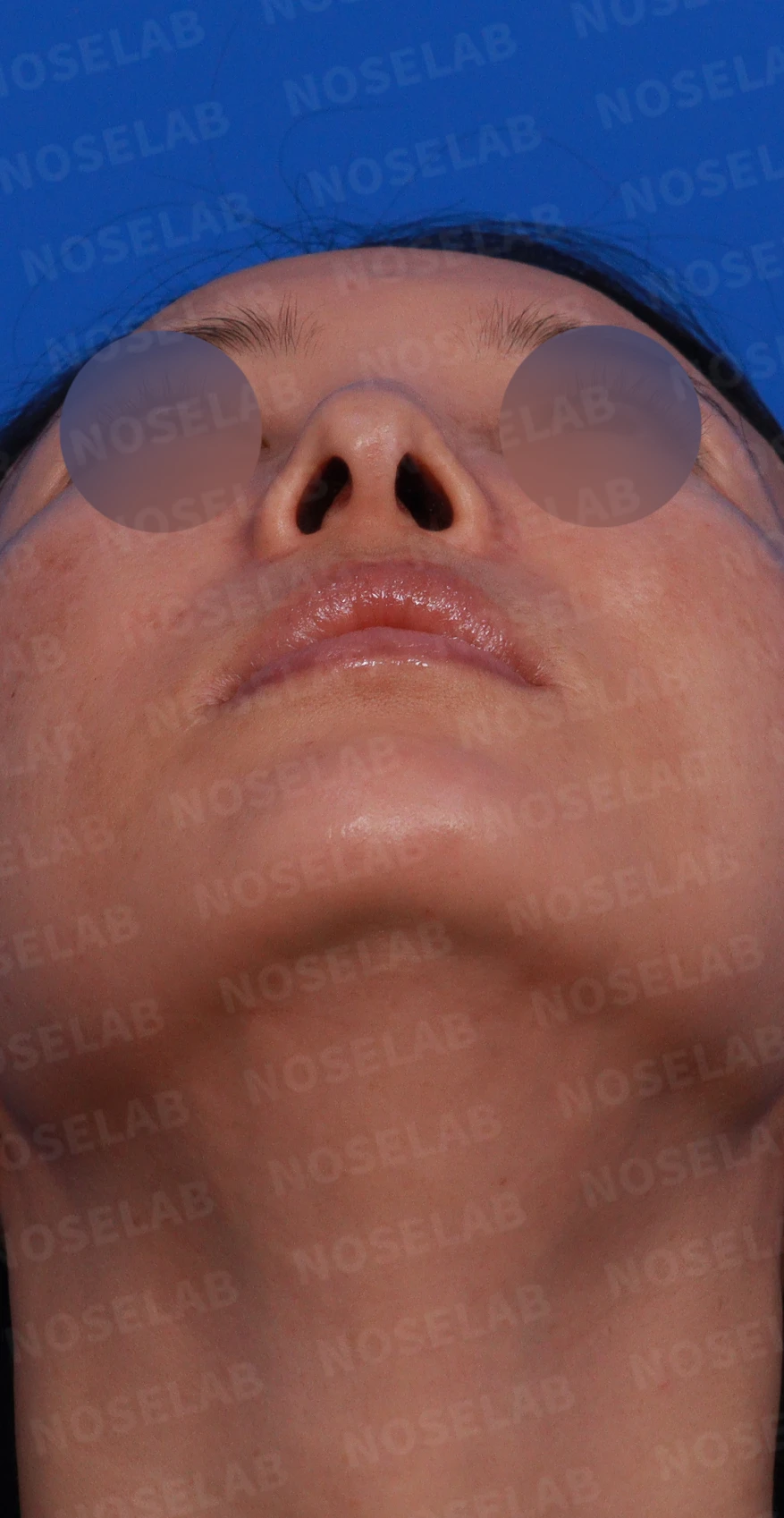
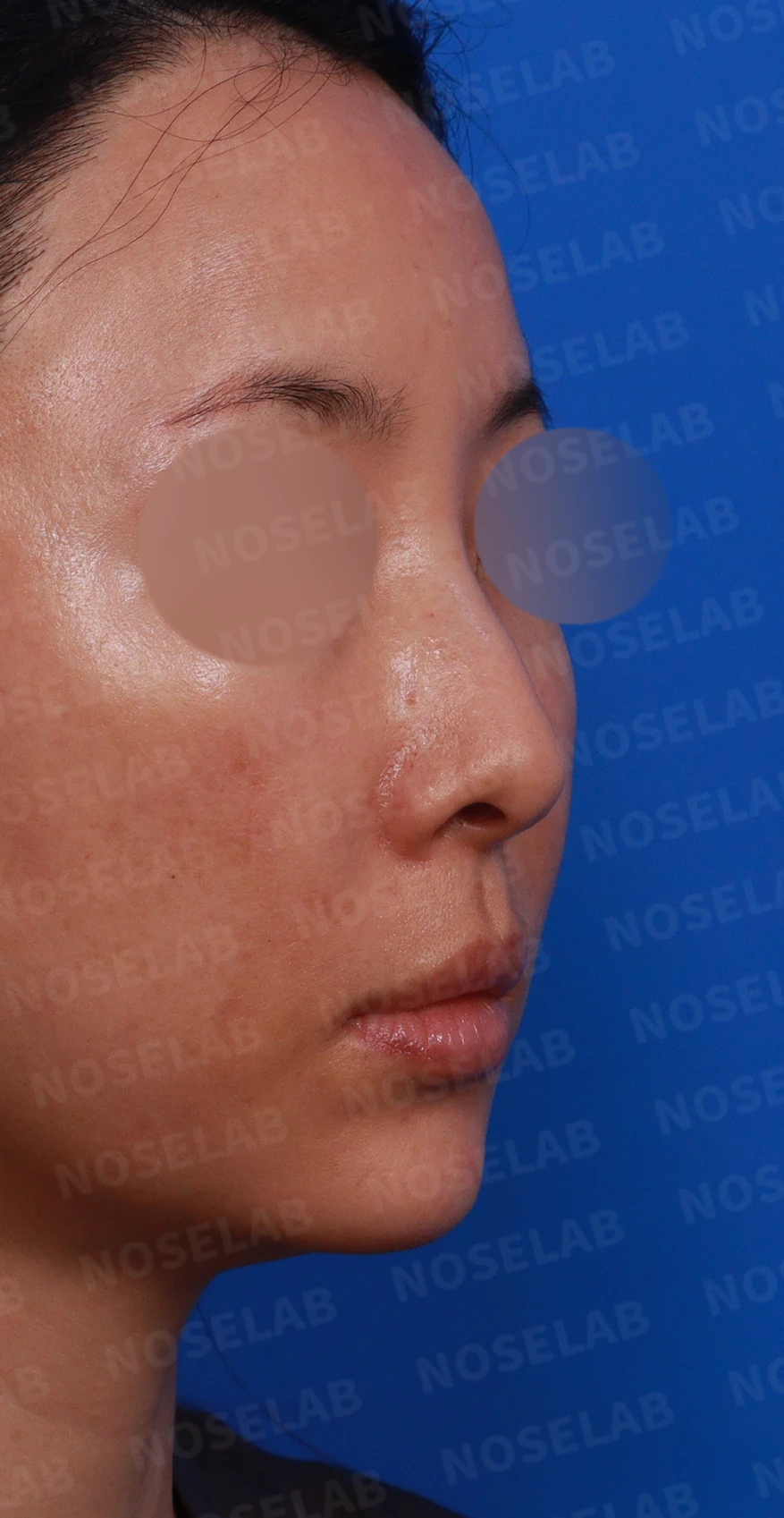
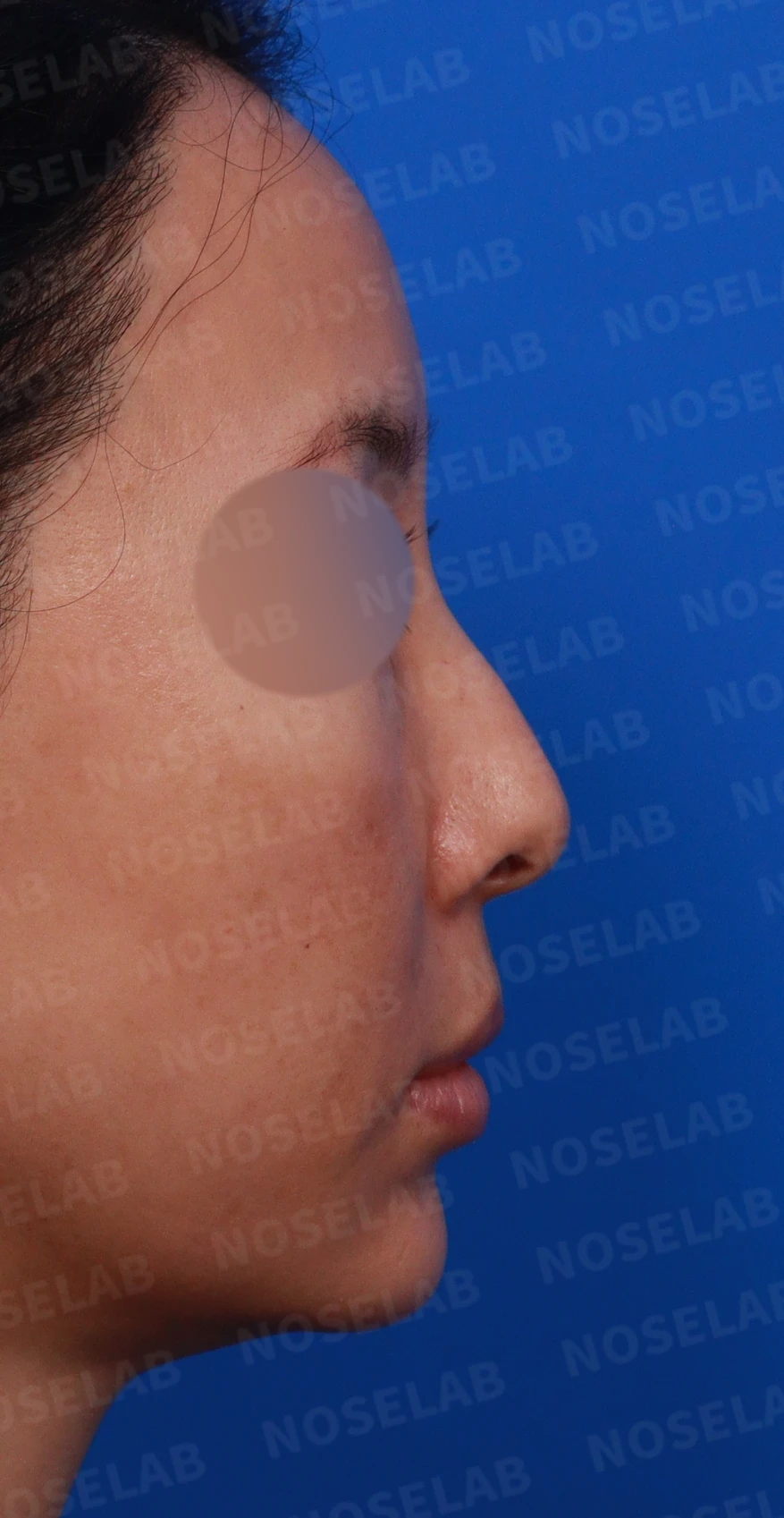
Preoperative design consultation photos.
To resolve these complex issues, the following surgical plan was established:
Nasal tip correction using harvested autologous rib cartilage
Correction of the drooping nasal tip and nostril asymmetry
Slightly elevating the columella
Dorsal hump reduction
Crooked nose correction via lateral osteotomy
Creating a natural transition from the nasal tip to the forehead line using a silicone implant
Surgical process: maximizing the benefits of a closed approach
I perform all rhinoplasty procedures using a closed approach. In this case as well, the closed technique provided the following advantages:
Minimized postoperative swelling and recovery period
No columellar scar at the nasal tip
Precise surgery planned with safety in mind
Crooked nose correction was carried out while evaluating the balance between the nose and the overall facial proportions, taking facial asymmetry into account.
Immediate postoperative result analysis:
Comparing the photos taken on day 0 immediately after surgery with the preoperative photos, the following changes can be observed. Immediate postoperative photos show swelling and may differ from the final result.
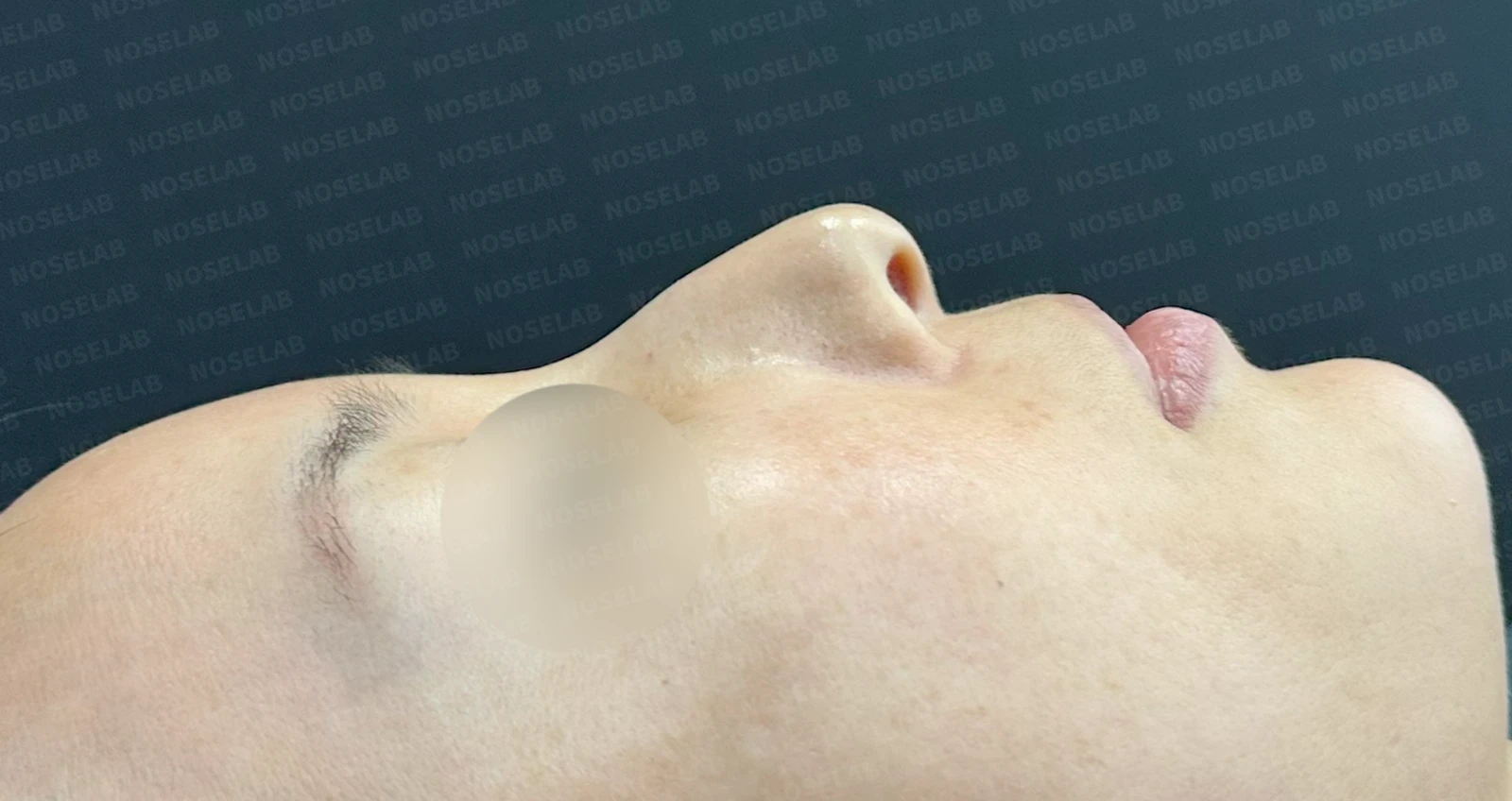
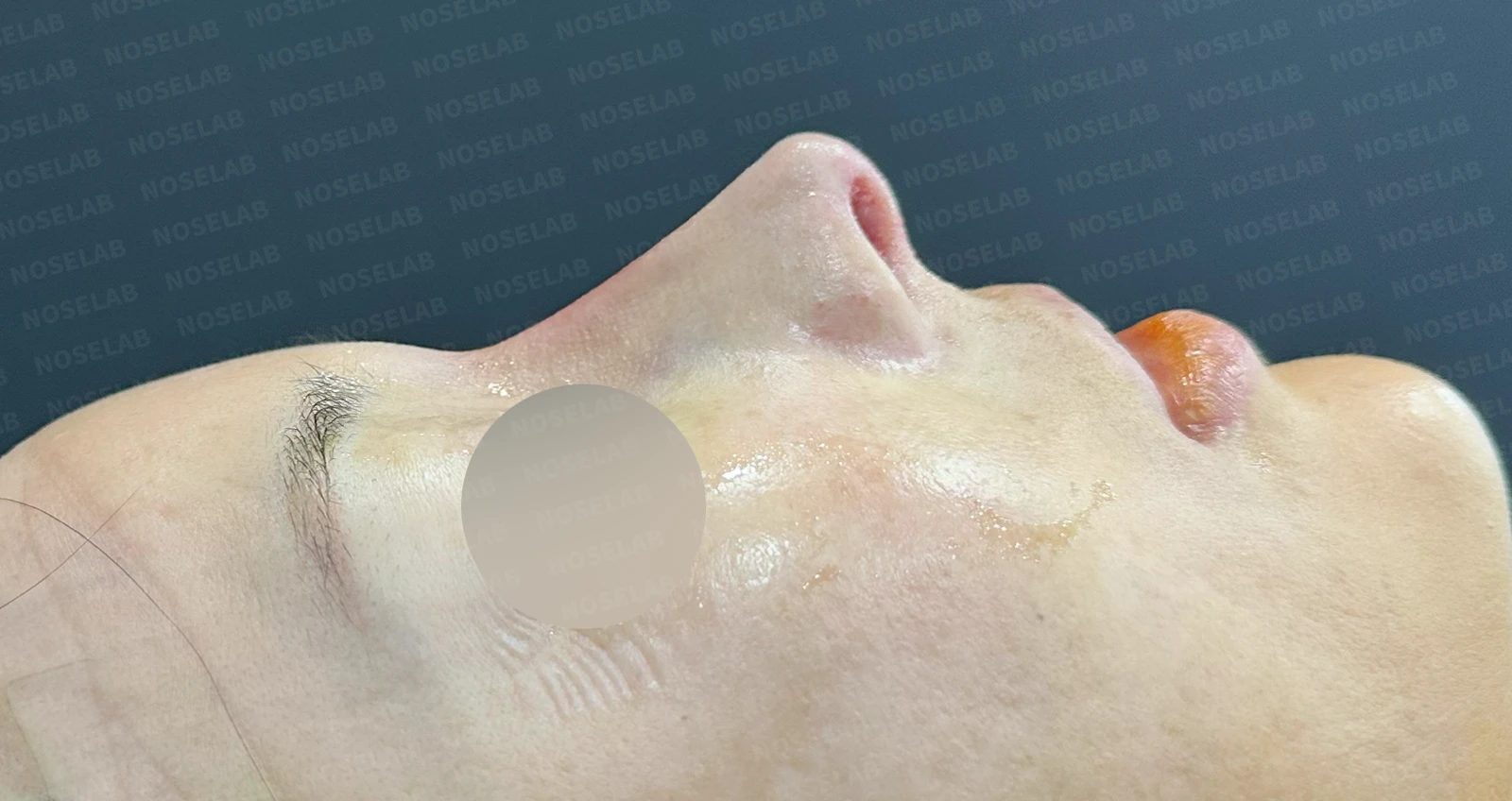
Before surgery / Day 0 immediately after surgery Photos taken immediately after surgery show swelling and may differ from the final result.
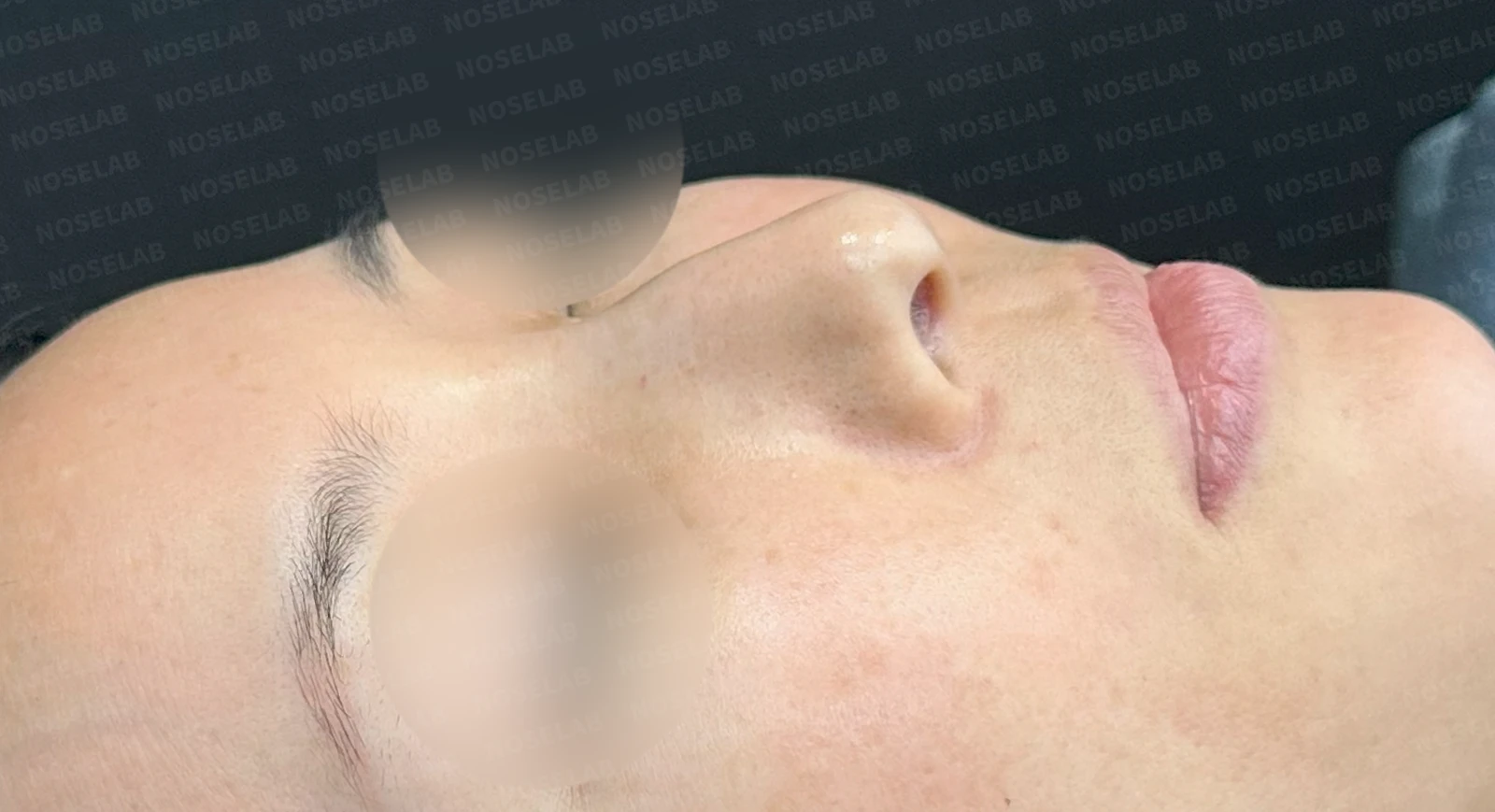
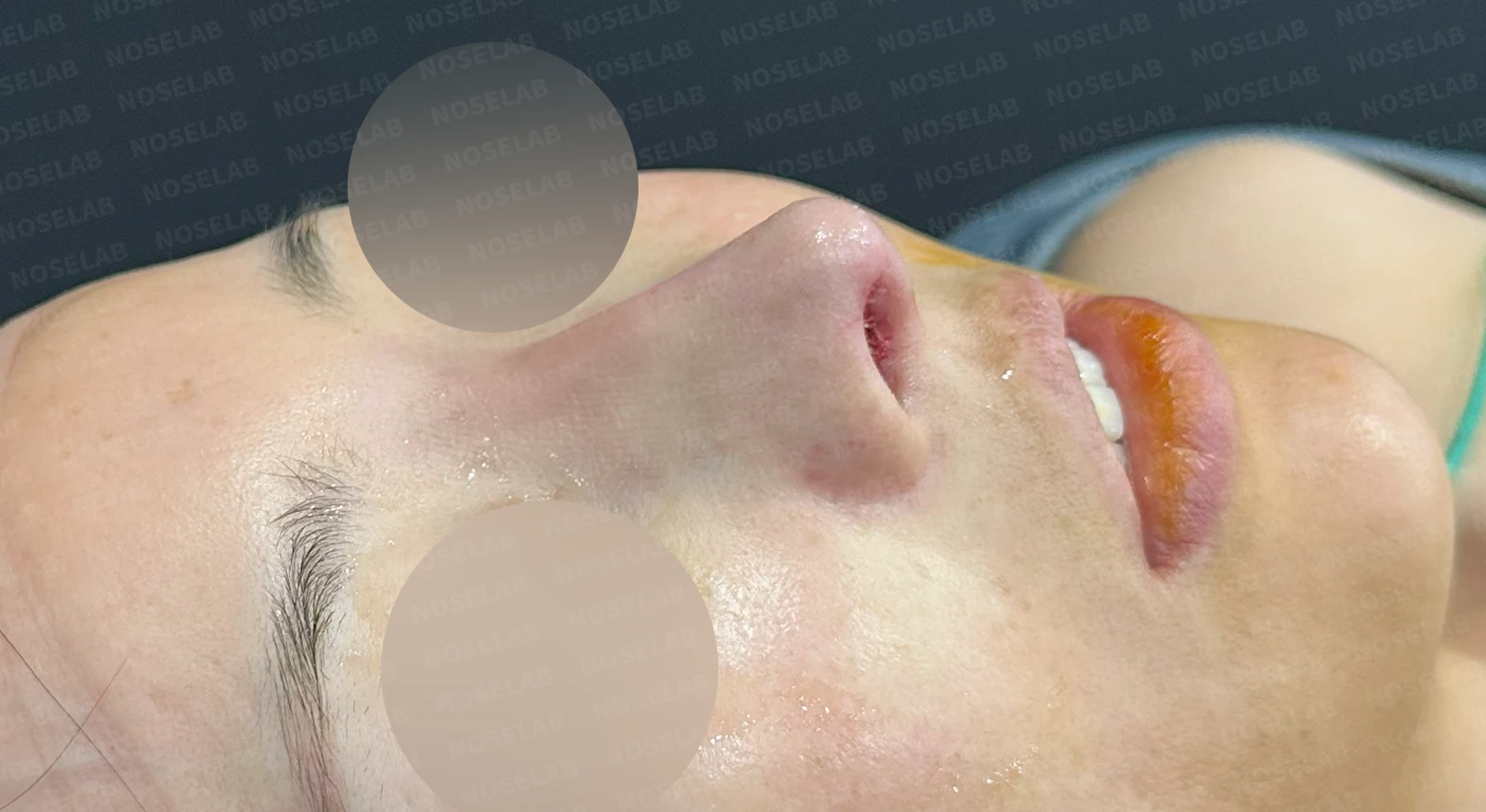
Before surgery / Day 0 immediately after surgery Photos taken immediately after surgery show swelling and may differ from the final result.
The overall nasal line has become natural and smooth
The dorsal hump has been improved, creating a more feminine impression
The nasal tip has been elevated and the columella adjusted, making the nose appear shorter
The crooked nose has been corrected, improving overall facial balance
Nostril asymmetry has been improved, creating a more natural appearance
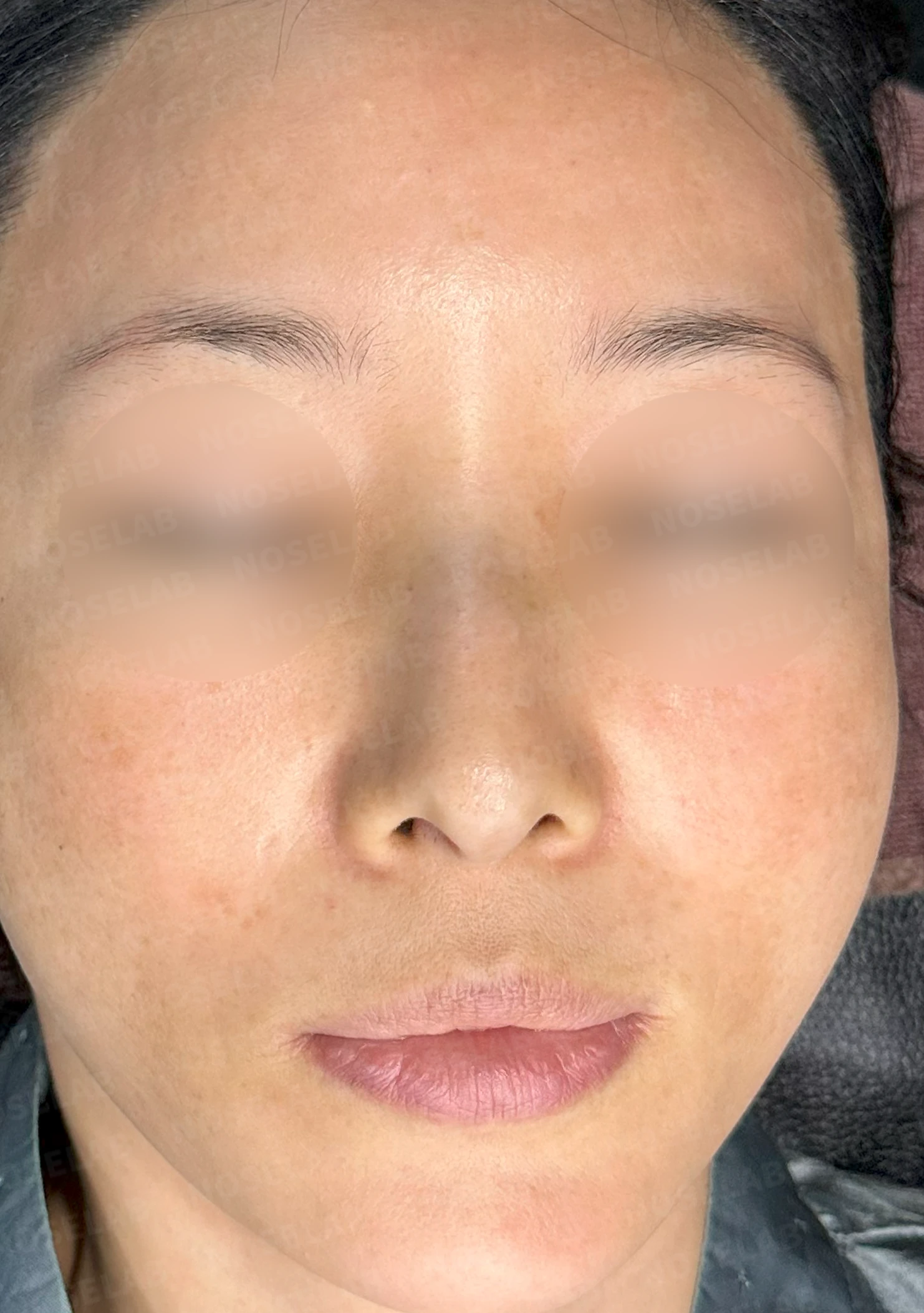
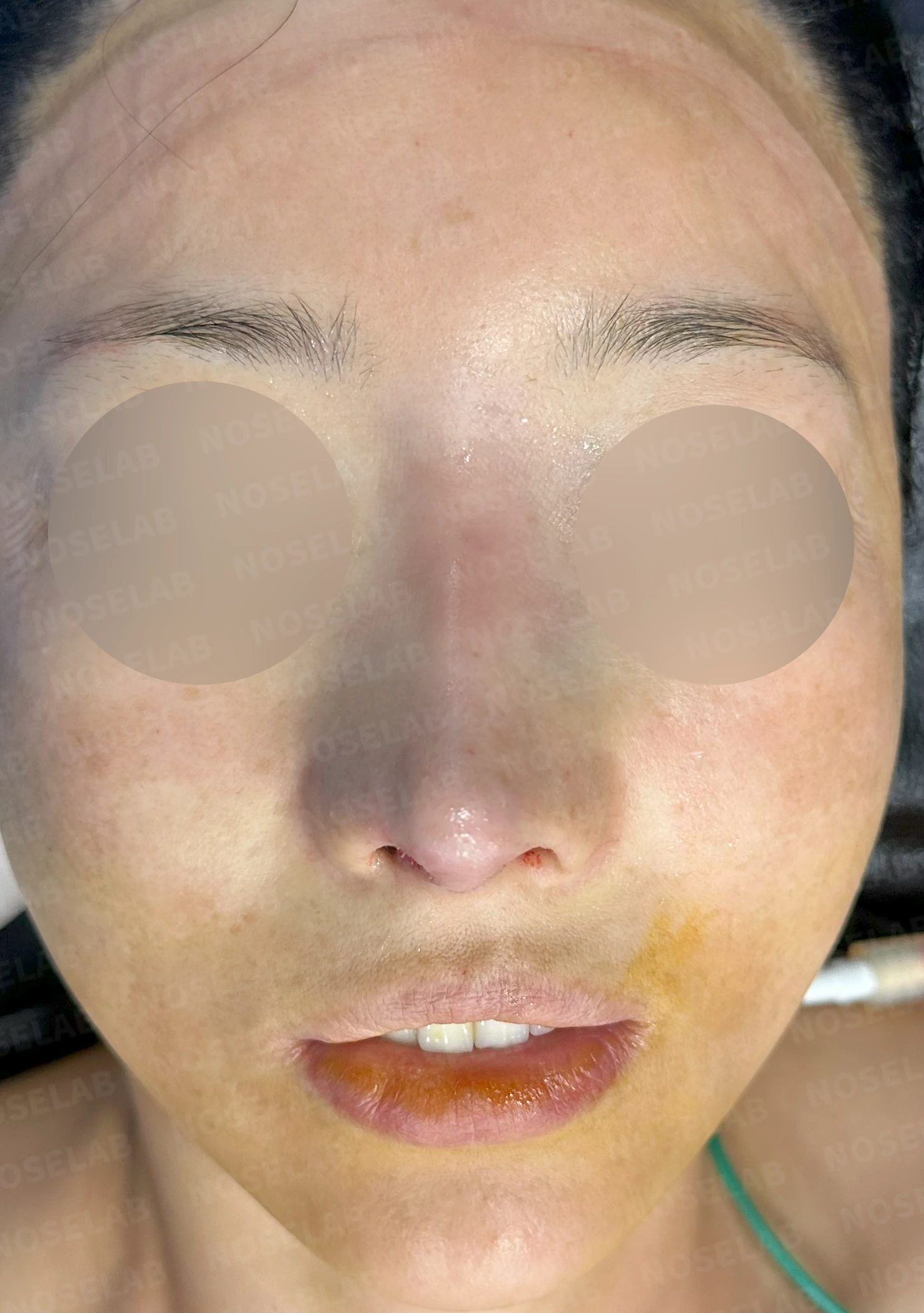
Before surgery / Day 0 immediately after surgery Photos taken immediately after surgery show swelling and may differ from the final result.
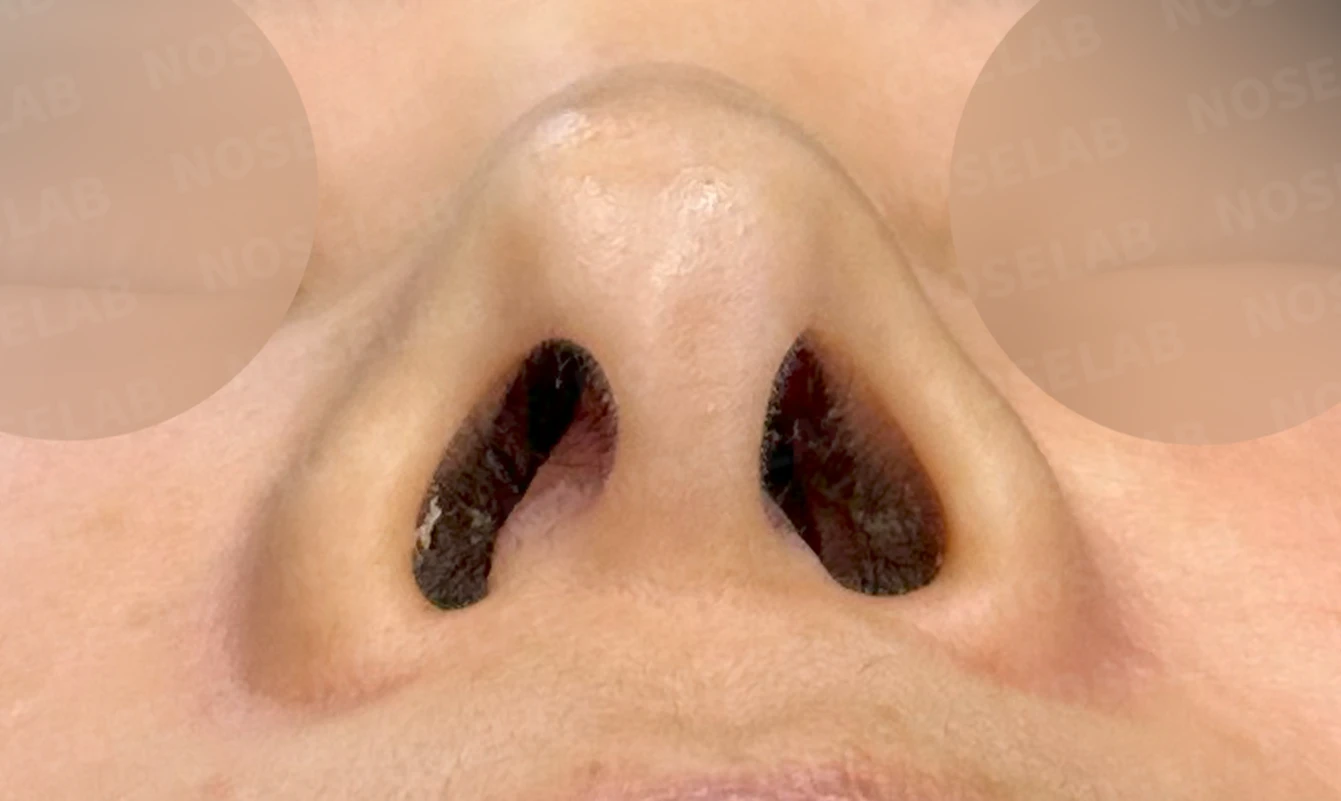
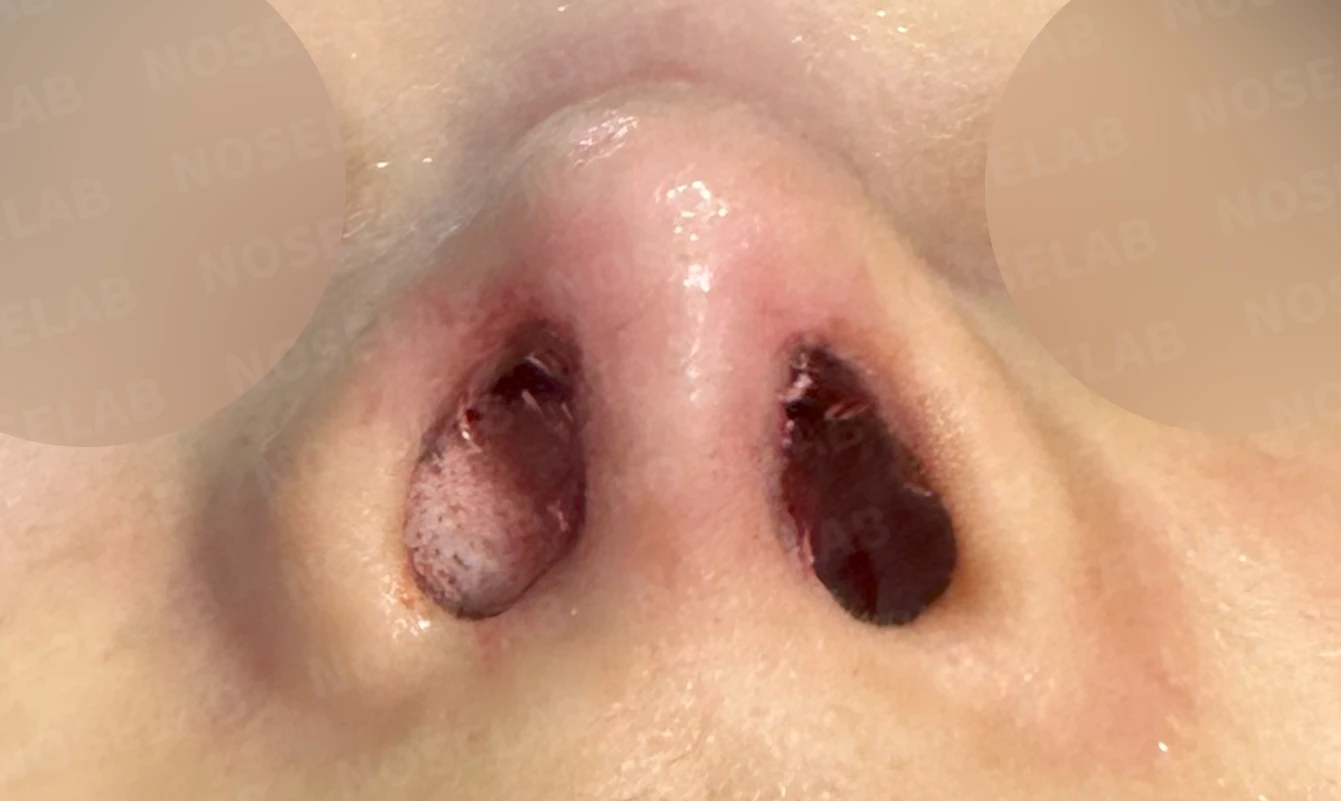
Before surgery / Day 0 immediately after surgery Photos taken immediately after surgery show swelling and may differ from the final result.
Particularly noteworthy is that even with facial asymmetry present, the nose was naturally corrected, producing an effect where the overall facial asymmetry appears less prominent.
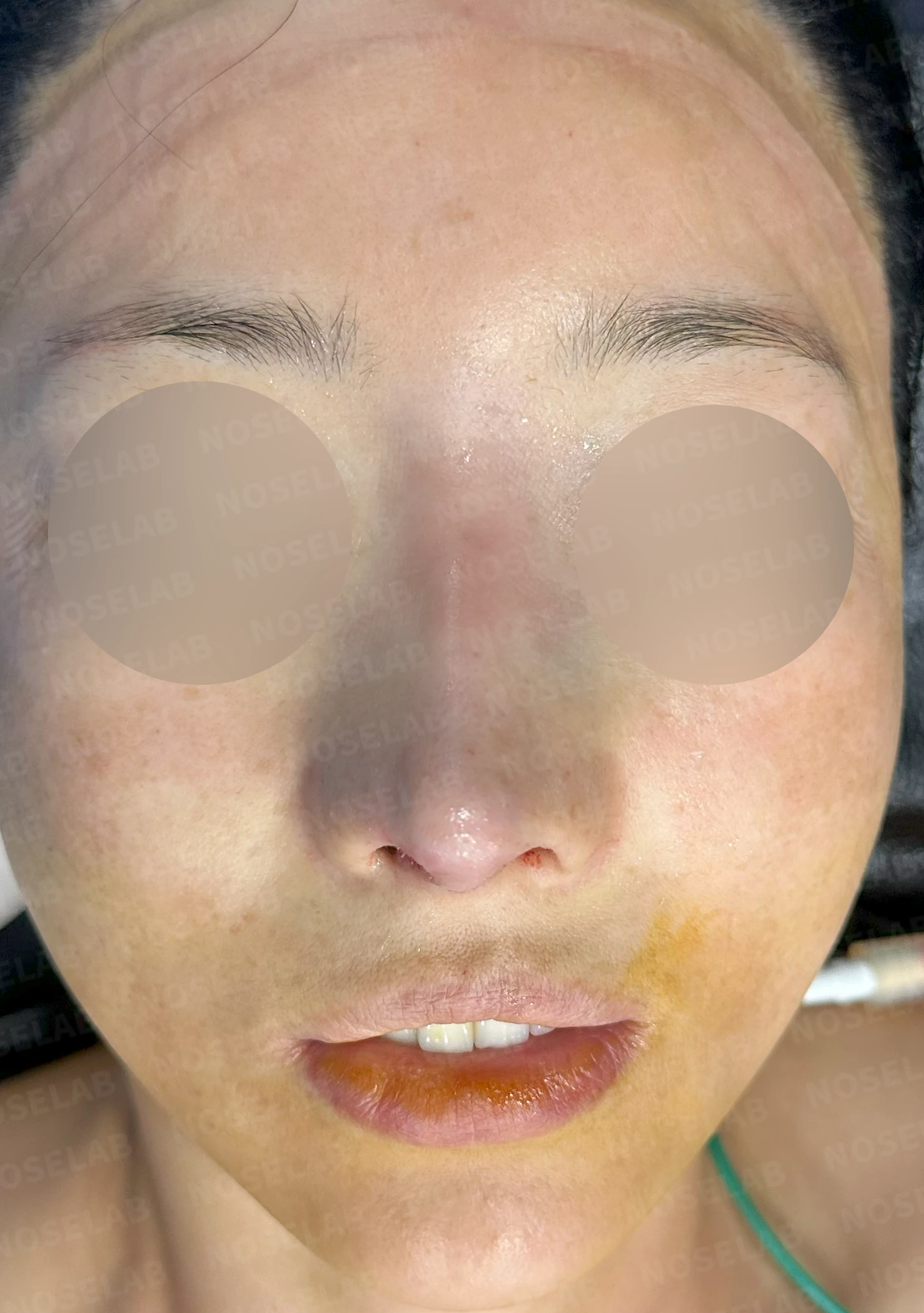
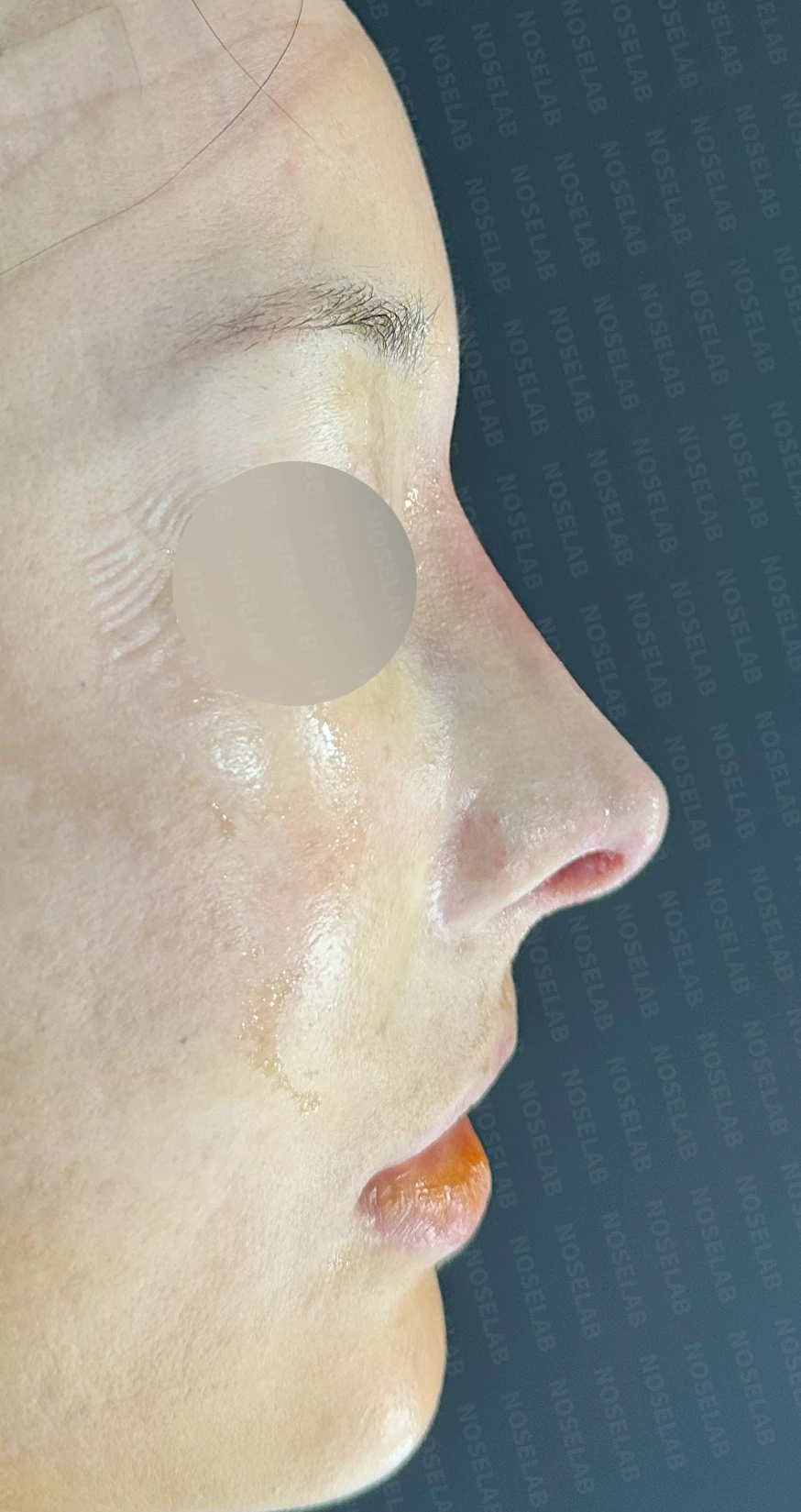
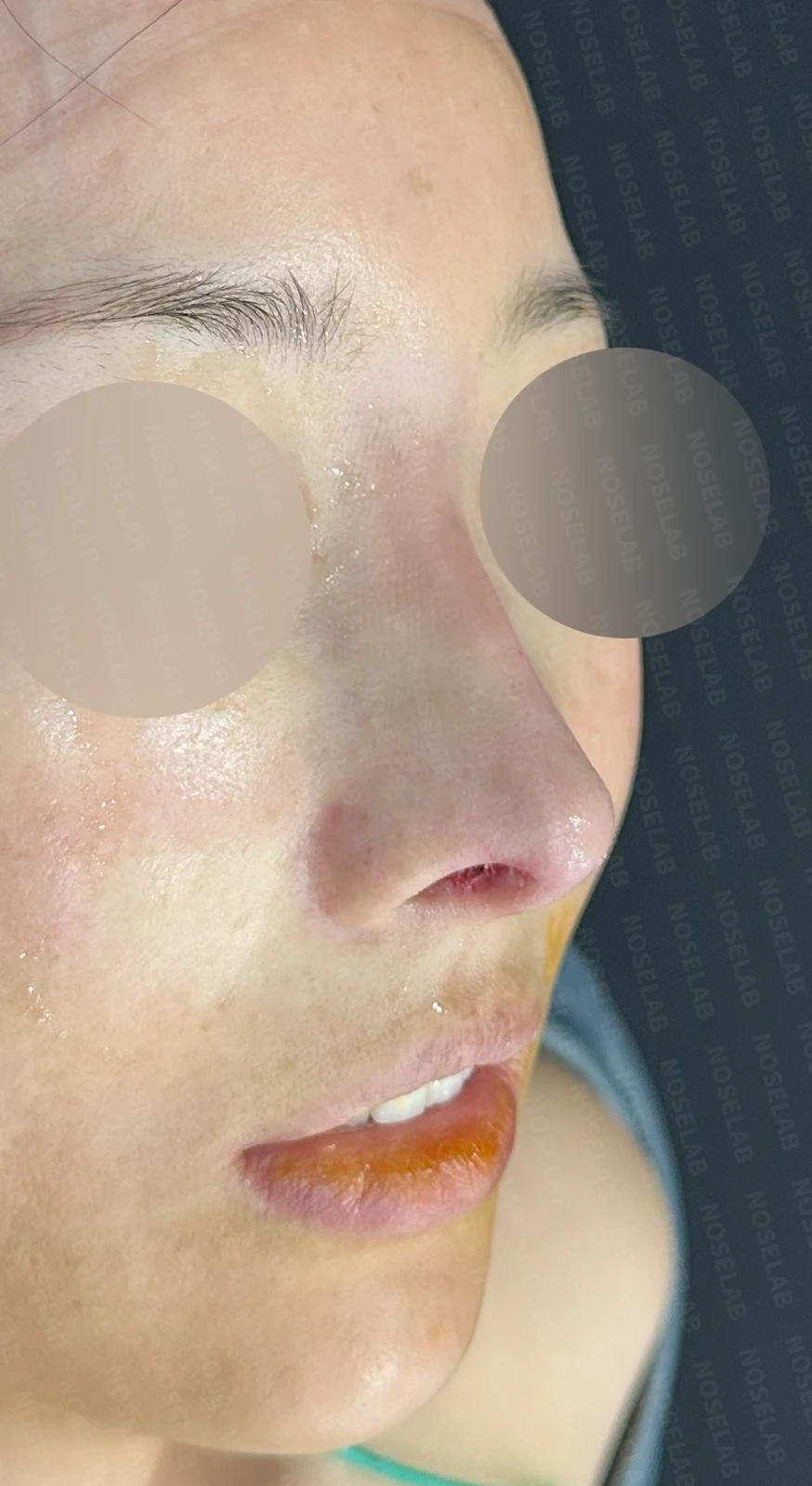
Front, profile, and oblique views taken immediately after surgery (day 0).Immediate postoperative photos show swelling and may differ from the final result.
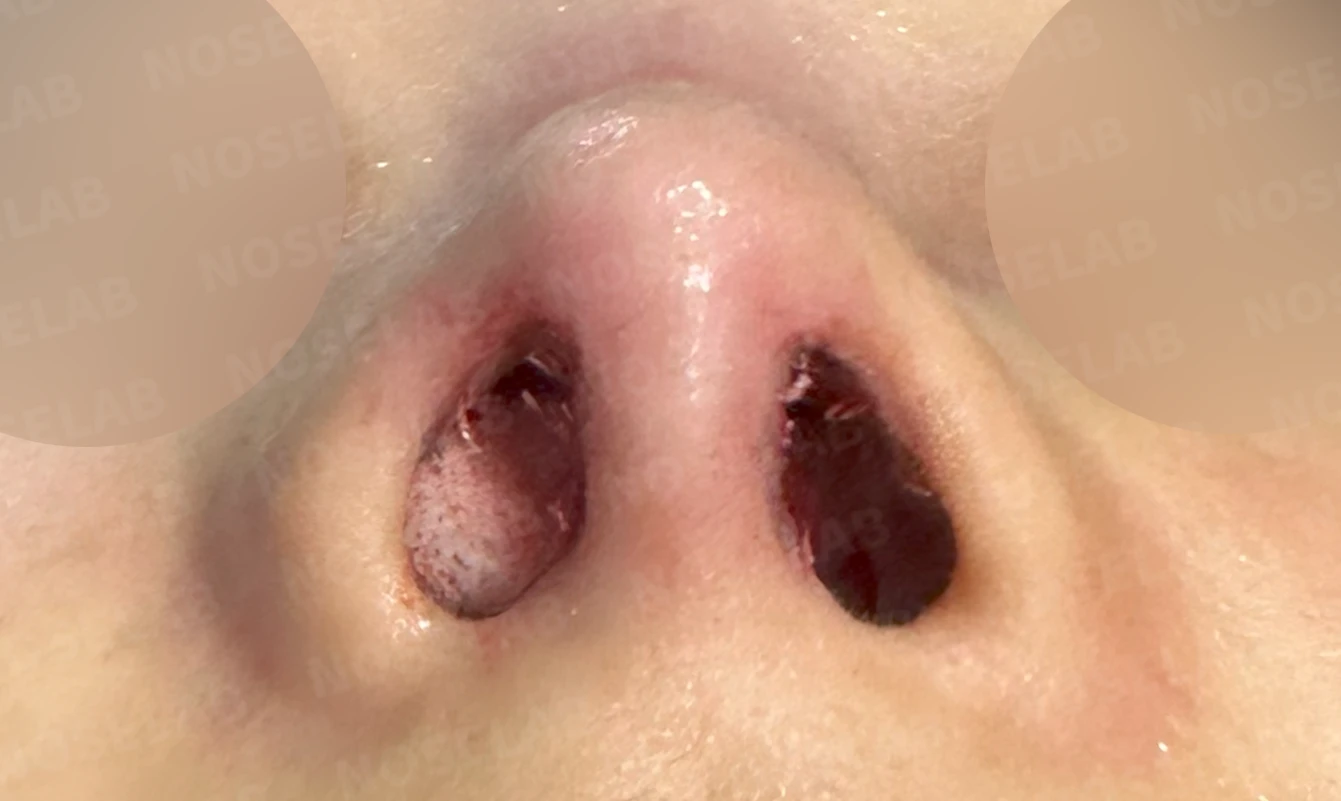
This is the basal (nostril) view.
Surgical summary: Successful resolution of complex concerns
This surgical case resolved complex nasal concerns—including a dorsal hump, crooked nose, and drooping columella—simultaneously with the challenging condition of facial asymmetry. Using the closed approach technique, delicate correction was achieved while taking into account the proportions and harmony of the entire face, while supporting minimal scarring and rapid recovery.
In particular, when facial asymmetry is present, crooked nose correction requires a far more delicate approach. When thorough analysis, personalized planning, and meticulous correction via closed rhinoplasty are combined, the intended result can be achieved.
If you are considering rhinoplasty, I encourage you to consult with a specialist to determine the approach best suited to you. I will always be by your side for natural and healthy beauty.
This was Dr. Peter C. Kang. Thank you.
Thank you.
#closedrhinoplasty #rhinoplasty #dorsalhump #crookednose #droopingcolumella #facialasymmetry #nasalfiller #autologousribcartilage #tipplasty #nasalbridgeplasty #plasticsurgery #closedrhinoplastyspecialist

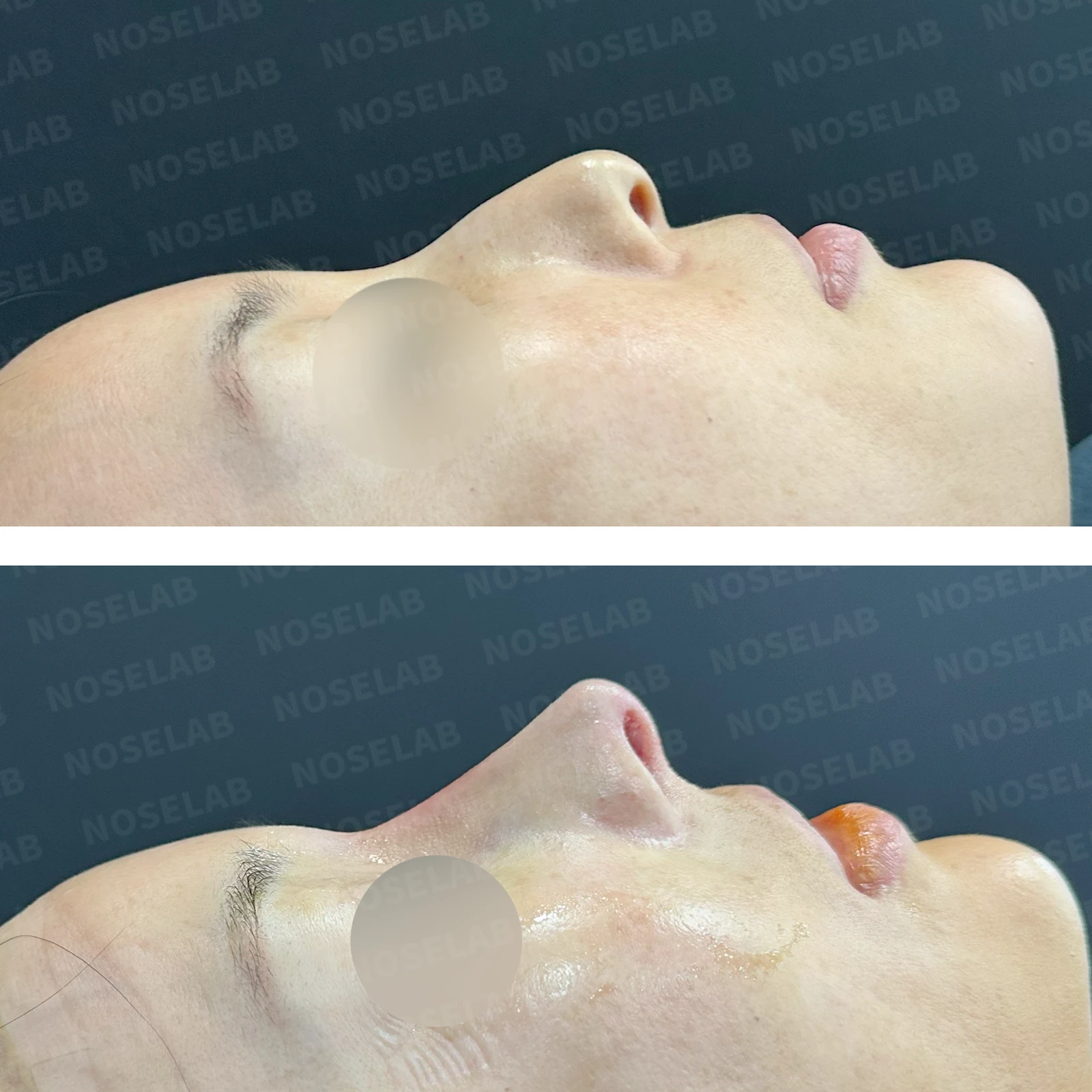
Limitations and risks
When autologous rib cartilage is used, scarring and pain may remain at the donor site on the chest, and pneumothorax (pleural injury) can occur rarely. Over time, the grafted cartilage may warp or undergo partial resorption.
When the septum is corrected at the same time, nasal obstruction may persist or recur, and in rare cases, septal perforation or changes in smell may occur.
Common potential risks include infection, bleeding, asymmetry, scarring, skin necrosis, and insufficient improvement; results vary depending on individual skin condition and previous surgical history.