Hello. Today, I would like to share the story of a patient who brought closure to a 20-year journey with rhinoplasty. Having endured immense distress through a total of 7 revision surgeries, the patient never gave up and found hope.
📍 The patient's long journey
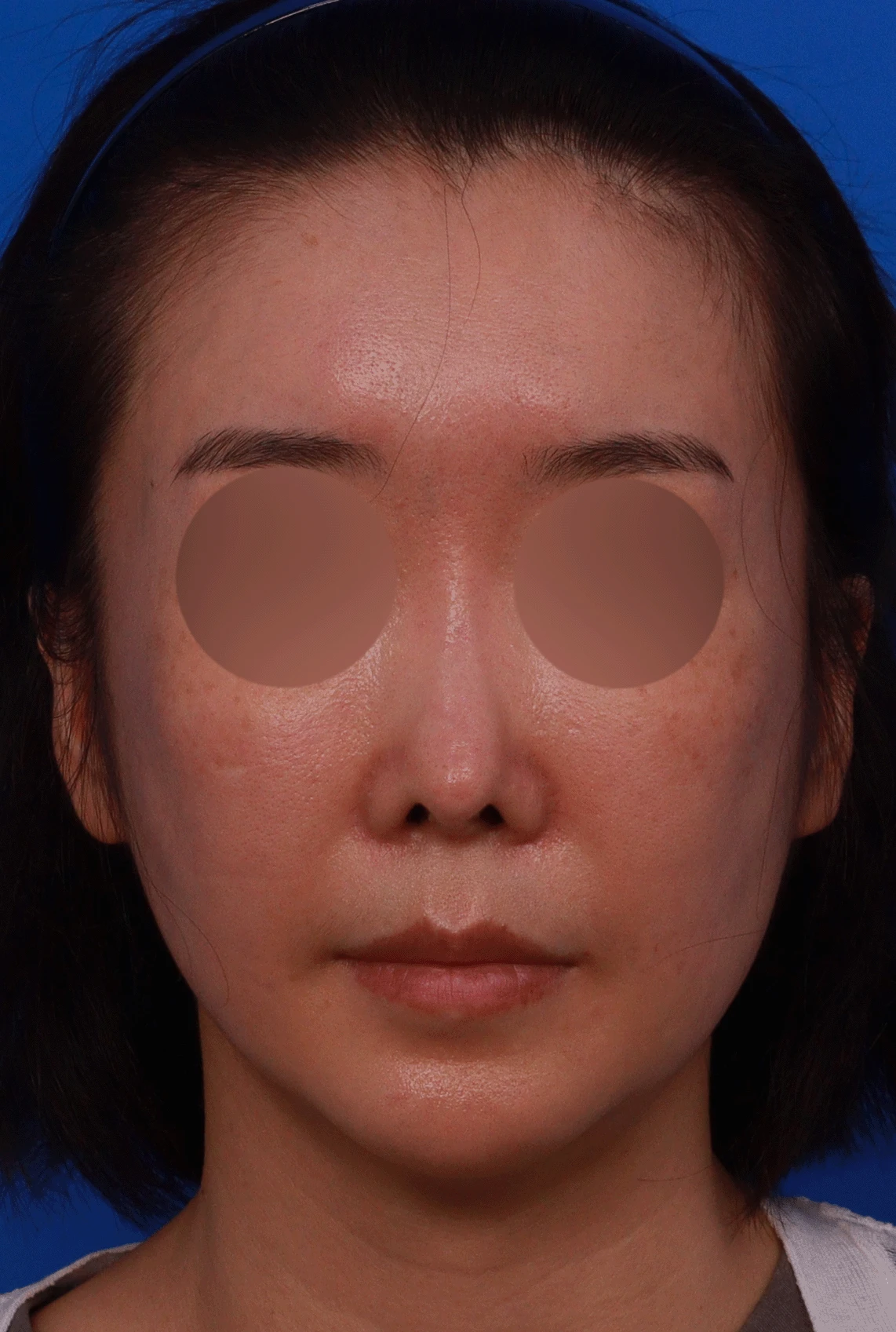
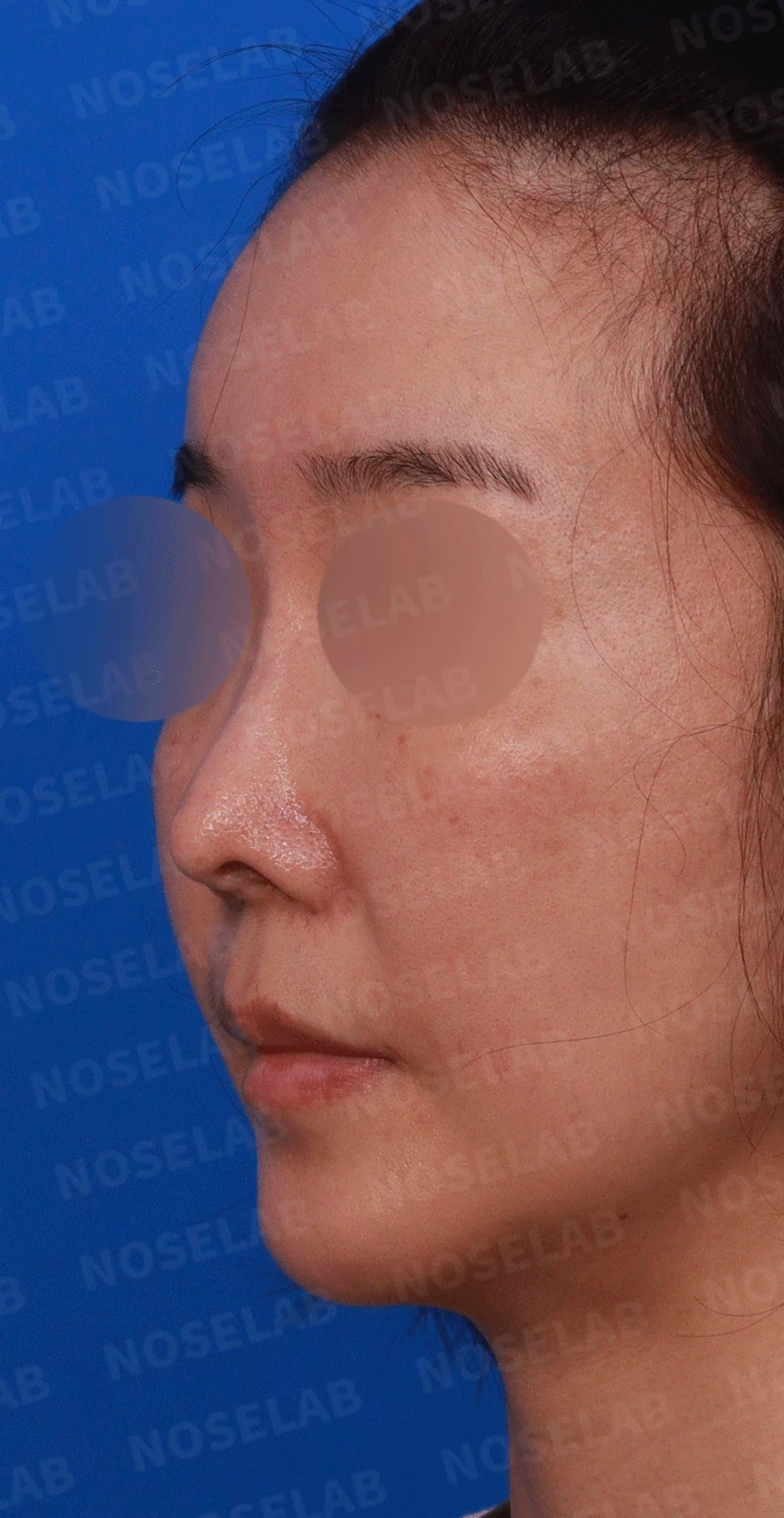
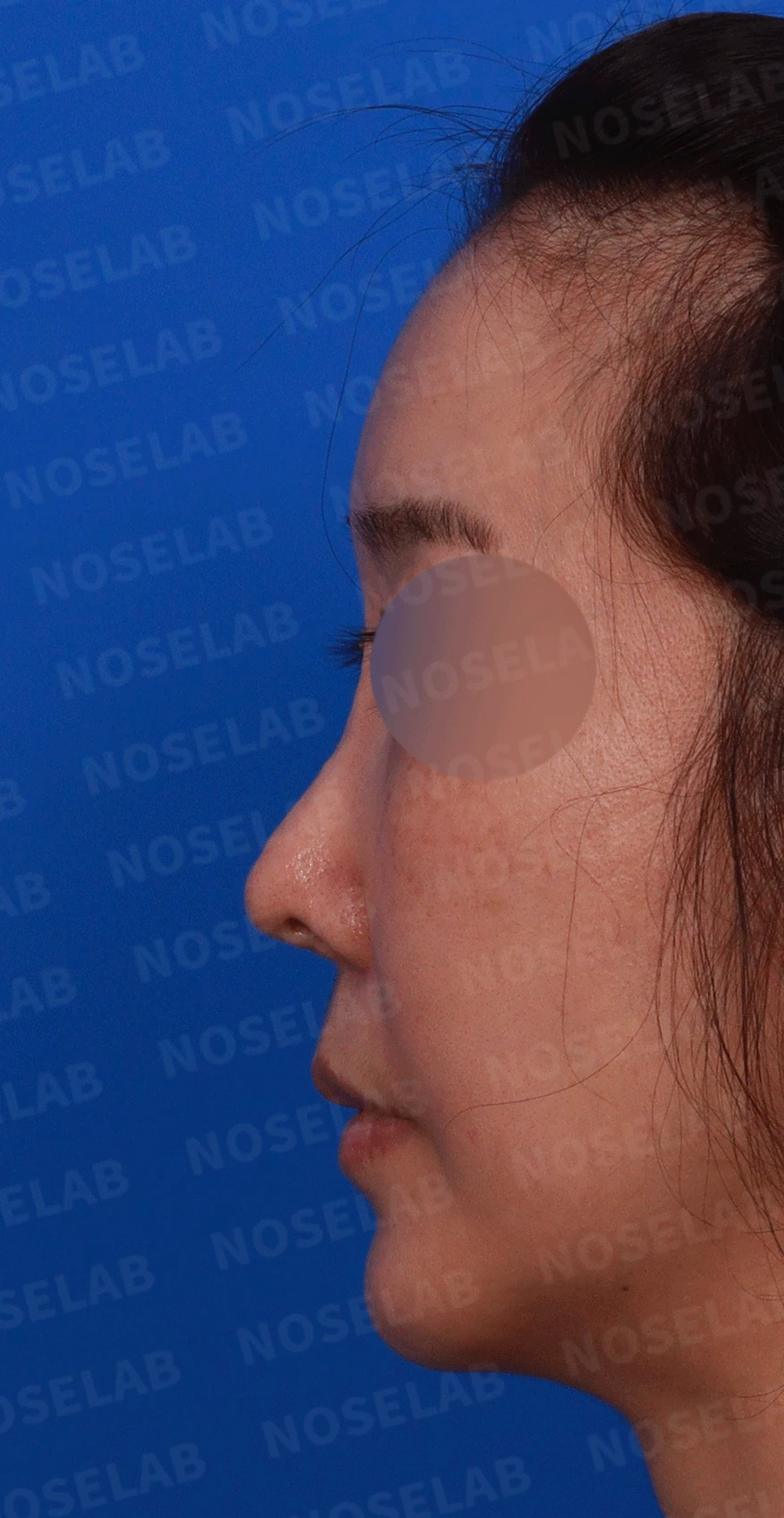
These are the front, left oblique, and profile photos taken during the design consultation before surgery.
A series of revisions beginning with the first surgery:
- 20 years ago: Nasal filler procedure
- 16 years ago: First rhinoplasty - Autologous rib cartilage + silicone implant + ear cartilage (concern over the nose appearing long)
- 14 years ago: Second surgery - Donor rib cartilage + silicone implant + ear cartilage + Alloderm (upturned nose after trauma)
- 11 years ago: Third surgery - Silicone implant + donor rib cartilage (floating bridge implant, failed foreign material removal)
- 8 years ago: Fourth surgery - Donor rib cartilage + silicone implant + ear cartilage + Alloderm (nasal bridge swelling, silicone implant show-through)
- 5 years ago: Fifth surgery - Diced autologous rib cartilage + temporalis fascia (upturned nose due to contracture)
- 2 years ago: Sixth surgery - Using autologous rib cartilage (nasal bridge show-through issue)
- 8 months ago: Seventh surgery - Crushed autologous rib cartilage technique
🔎 Condition and primary problems
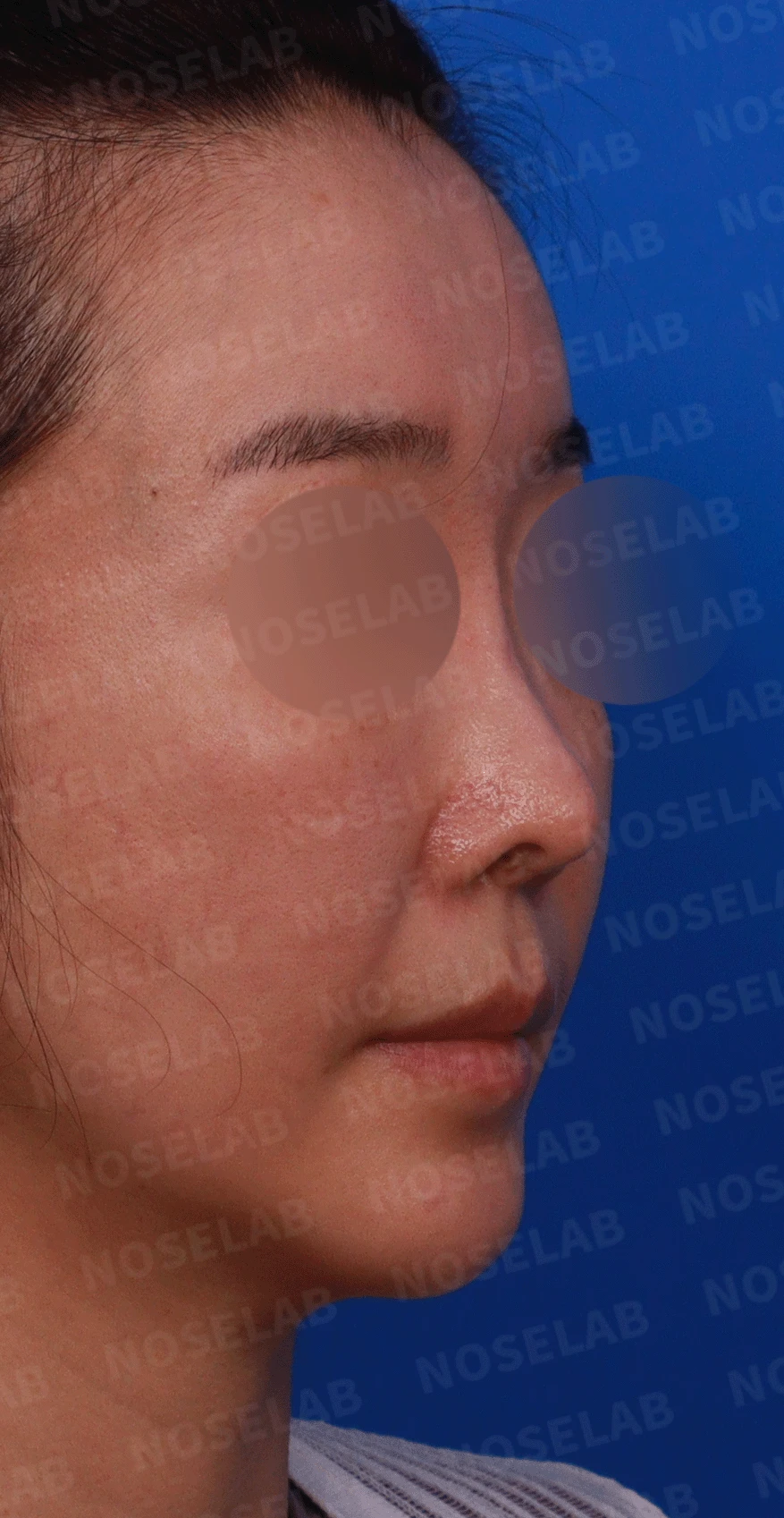
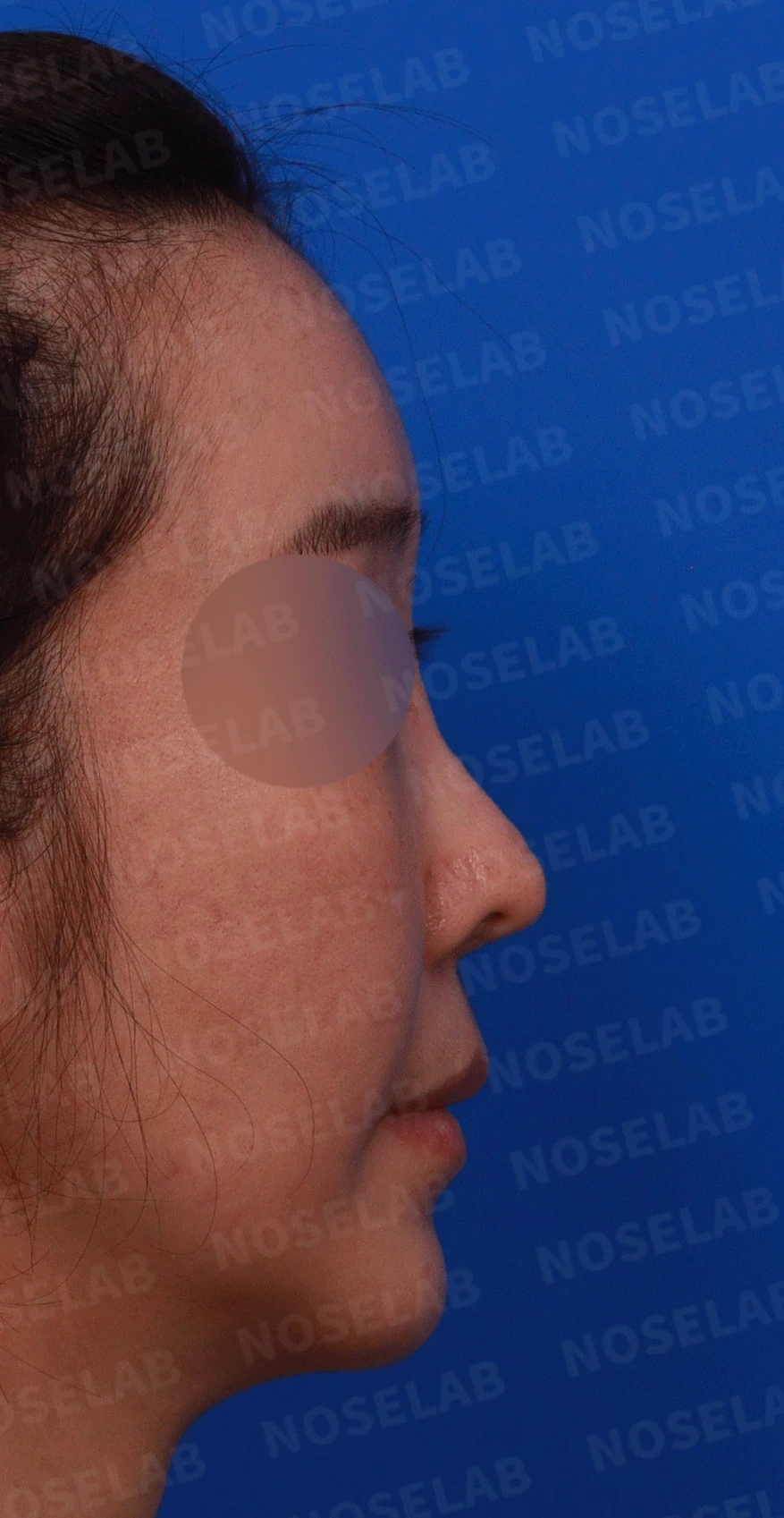
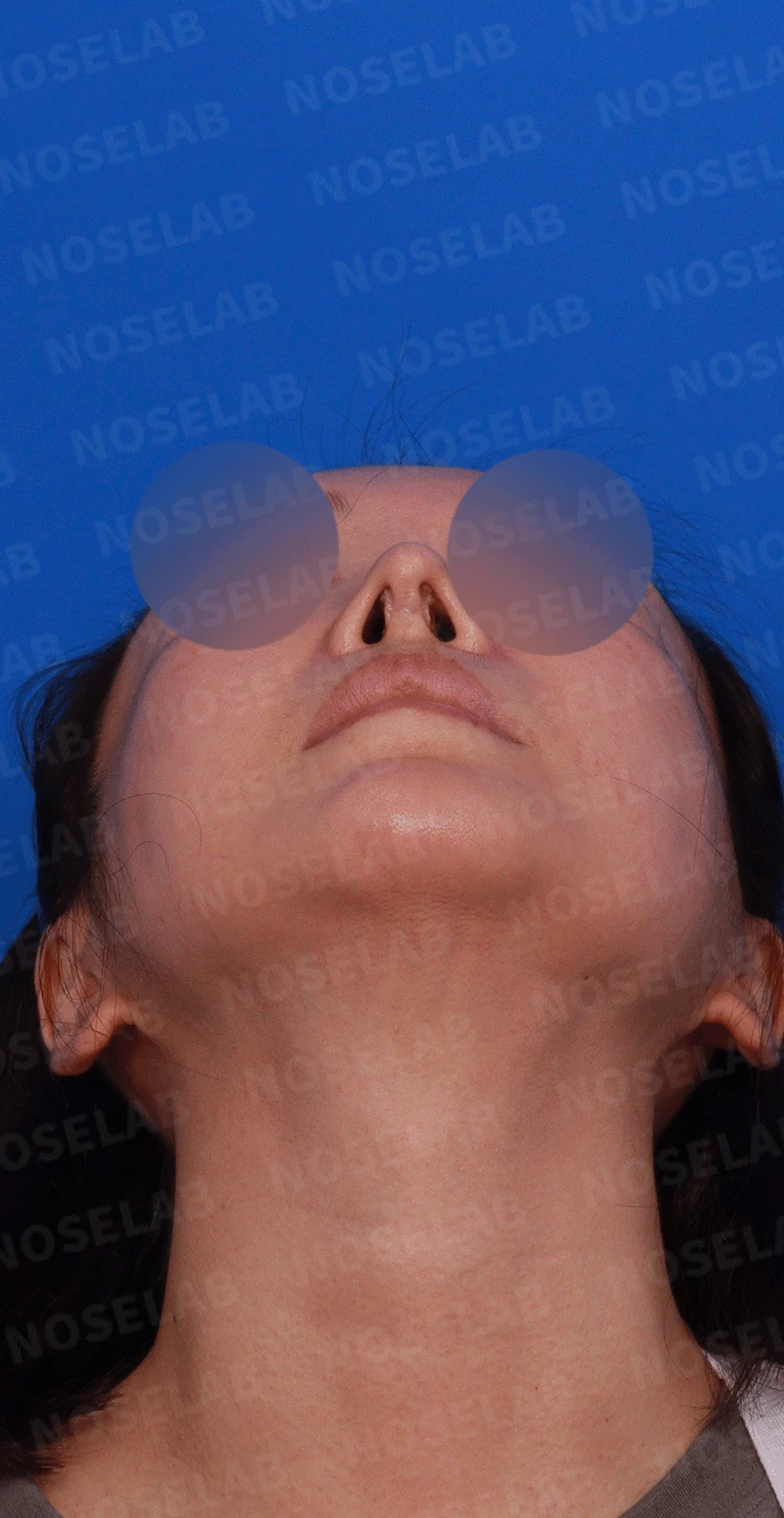
Design consultation: right oblique, profile, and nostril views.
The patient's condition was very severe upon visiting me:
1. Structural damage
- Loss of most of the nasal bones
- Damage to the keystone area (the junction between the nasal bones and upper lateral cartilages)
- Destruction of a substantial portion of the septal cartilage
- Loss of overall structural stability of the nose
2. Functional problems
- Severe nasal obstruction due to left nasal valve stenosis
- Tenderness over the nasal bones
- Septal cartilage instability with head movement
- Difficulty breathing
3. Cosmetic problems
- Saddle nose deformity
- Irregular, uneven bridge line
- Bilateral columellar protrusion
- Nostril asymmetry
💉 Surgical plan and process
Performance of comprehensive reconstruction surgery. This operation was not merely for cosmetic improvement, but a major reconstruction of the entire nasal structure:
1. Structural reconstruction
- Reconstruction using autologous rib cartilage extending from the septal cartilage to the lower lateral cartilages, upper lateral cartilages, and keystone area
- Restoration of breathing function via nasal valve reconstruction
- Correction of deviated septum
2. Cosmetic improvement
- Filling depressed areas along the nasal bridge with cartilage fragments
- Correction of the overall bridge line
- Trimming the protruding areas of the columella
- Correction of nostril asymmetry
3. Special precautions
- Specific focus on septal cartilage reconstruction
- Full correction of cartilage movement and instability
- Enhanced postoperative recovery management due to prolonged surgery time
✨ Aftercare and precautions
Preoperative video / Immediate postoperative video
Given the high number of previous surgeries, postoperative care is particularly critical:
- Recovery period: Expect a recovery period 2 to 3 times longer than standard surgery
- Protection against external impact: Extra care is required until the reconstructed framework is fully stabilized
- Regular follow-up visits: Periodic checkups to verify structural stability
- Monitoring respiratory function: Tracking the degree of breathing improvement following nasal valve reconstruction
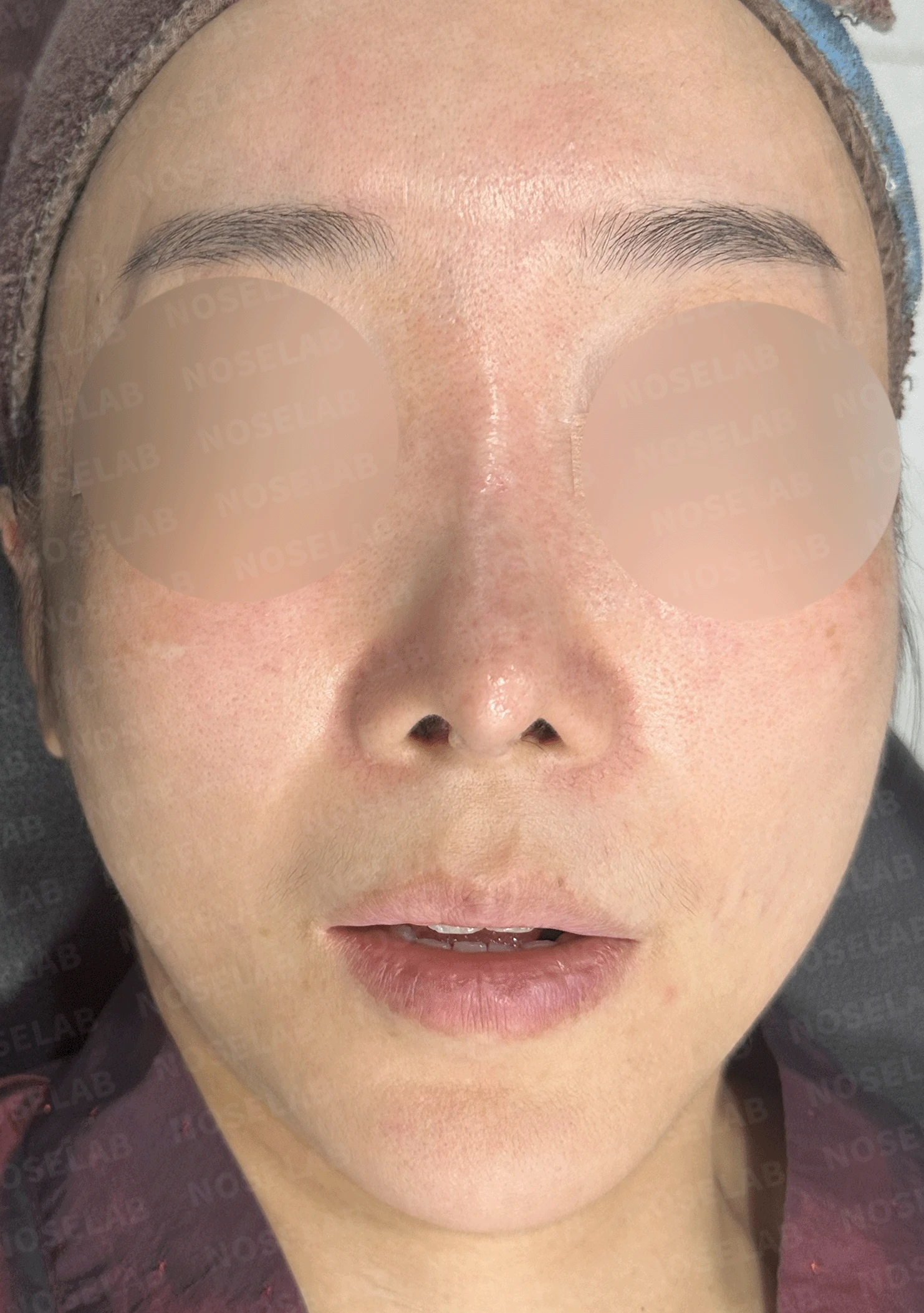
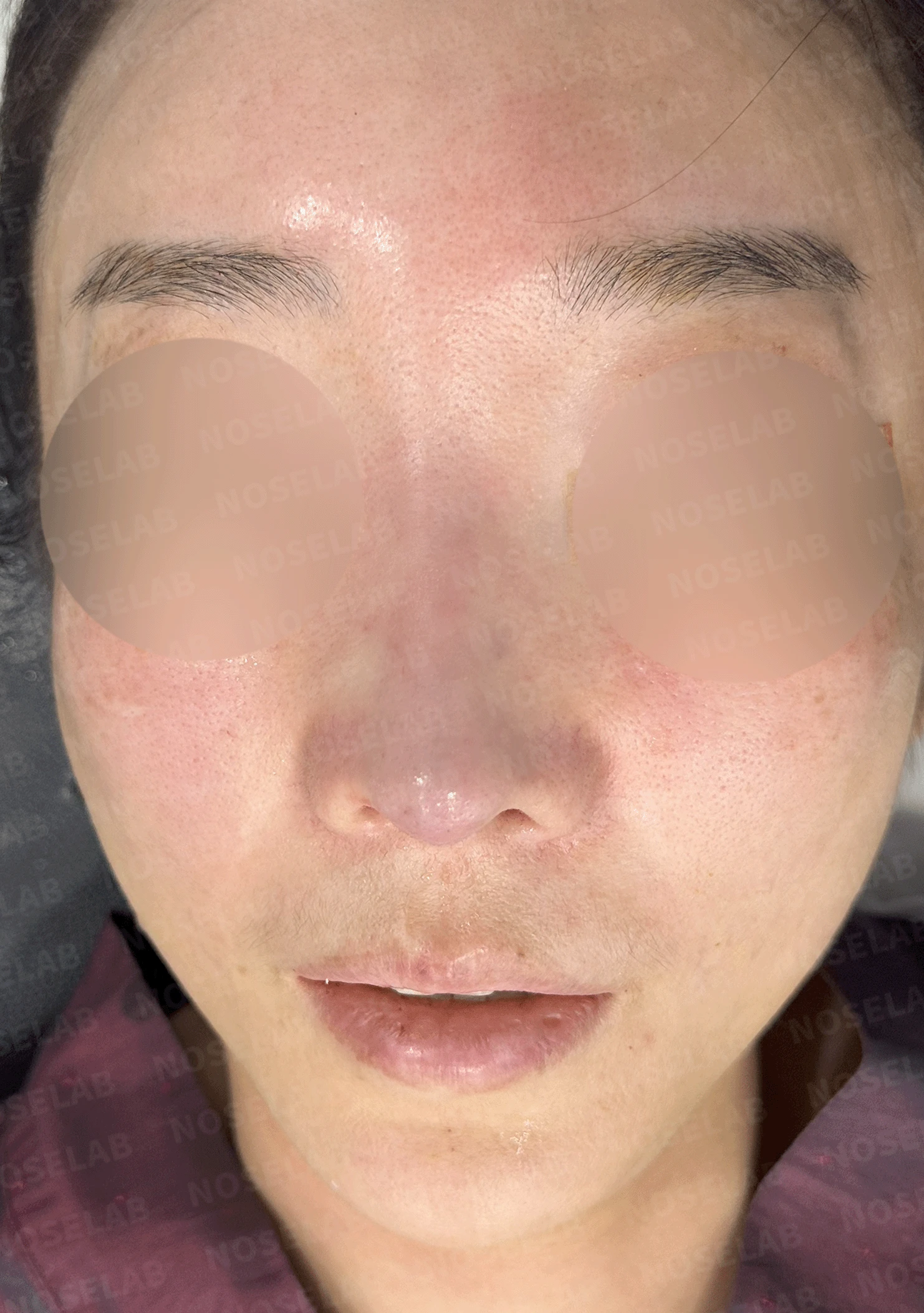
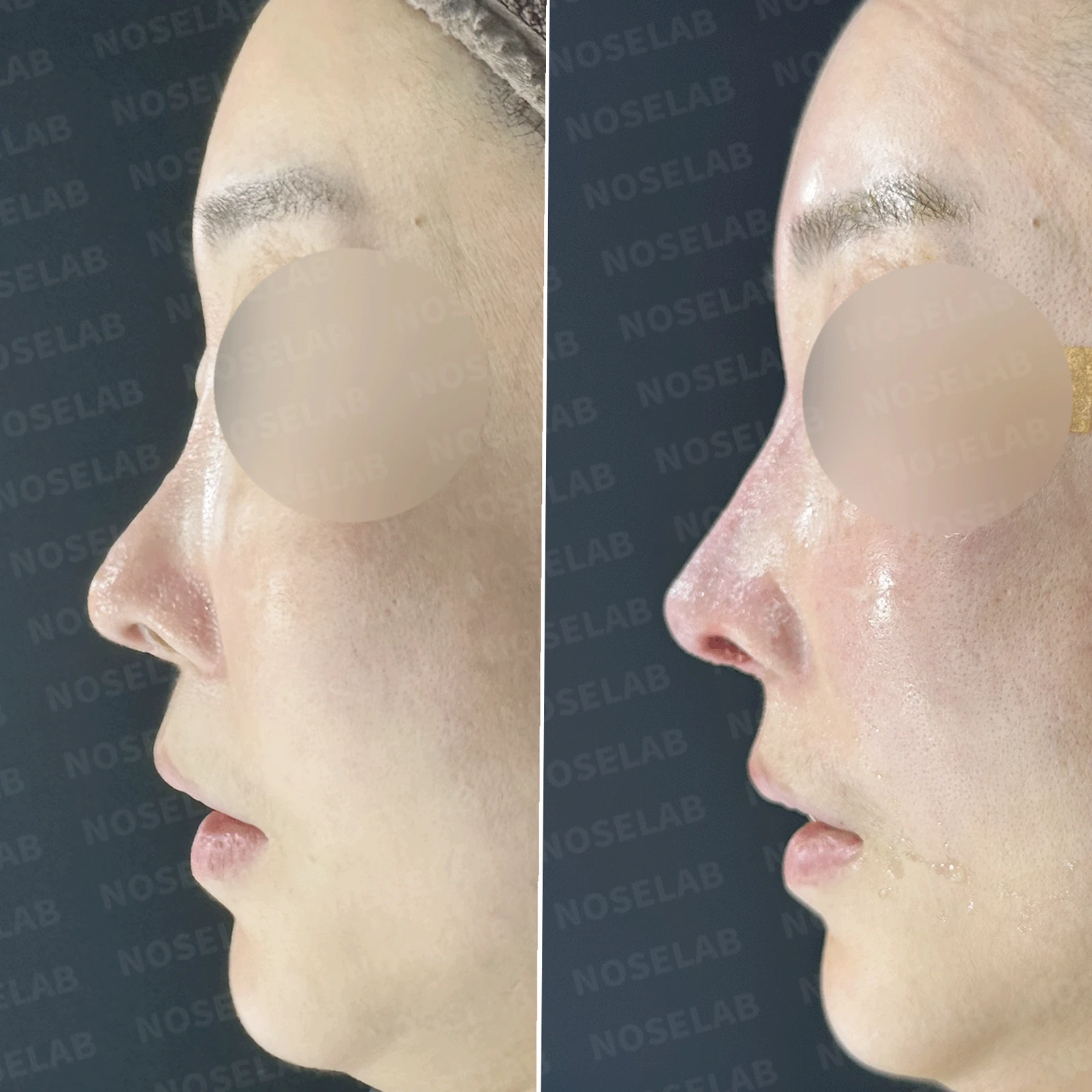
Before surgery / Day 0 immediately after surgery Photos taken immediately after surgery show swelling and may differ from the final result.
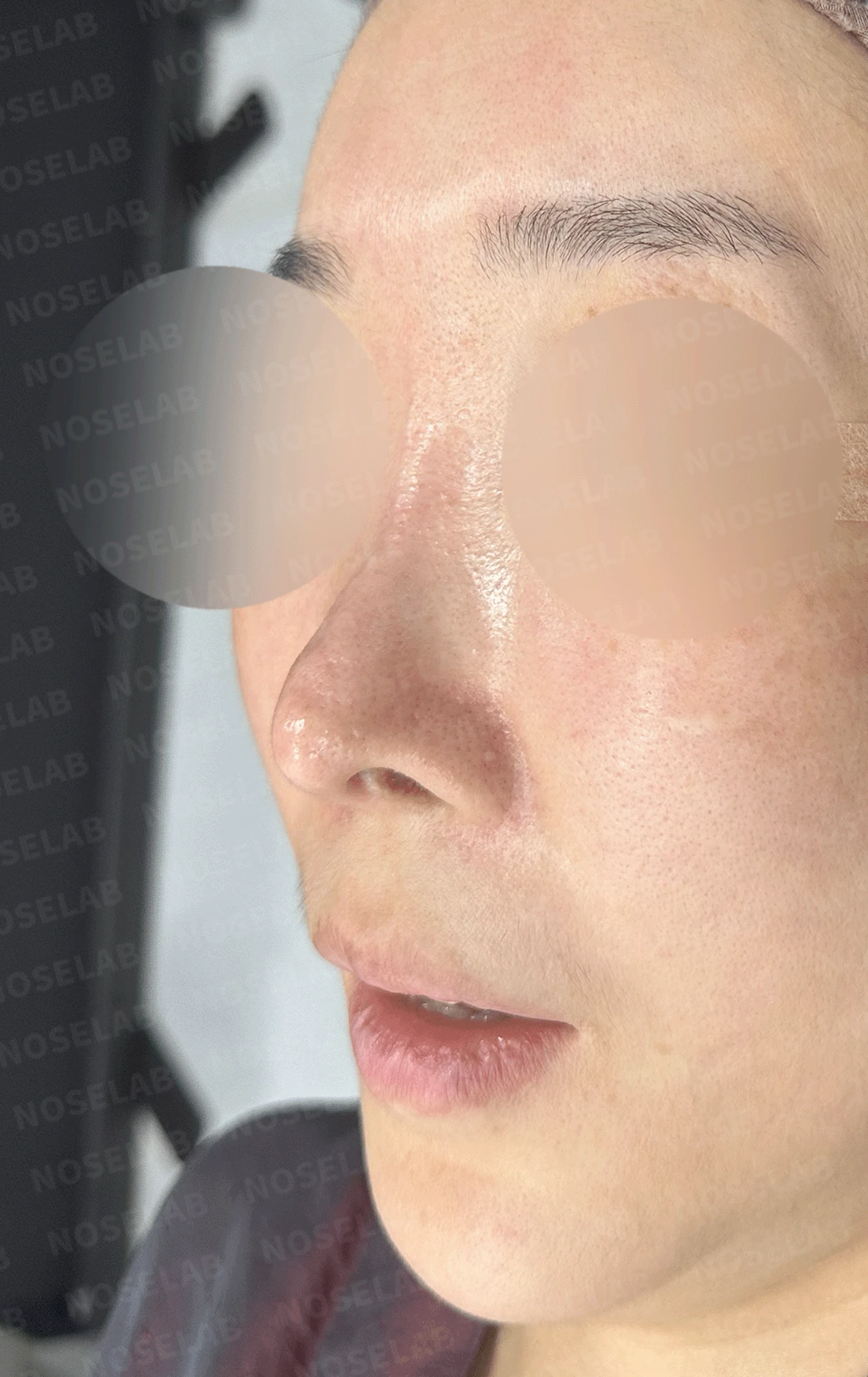
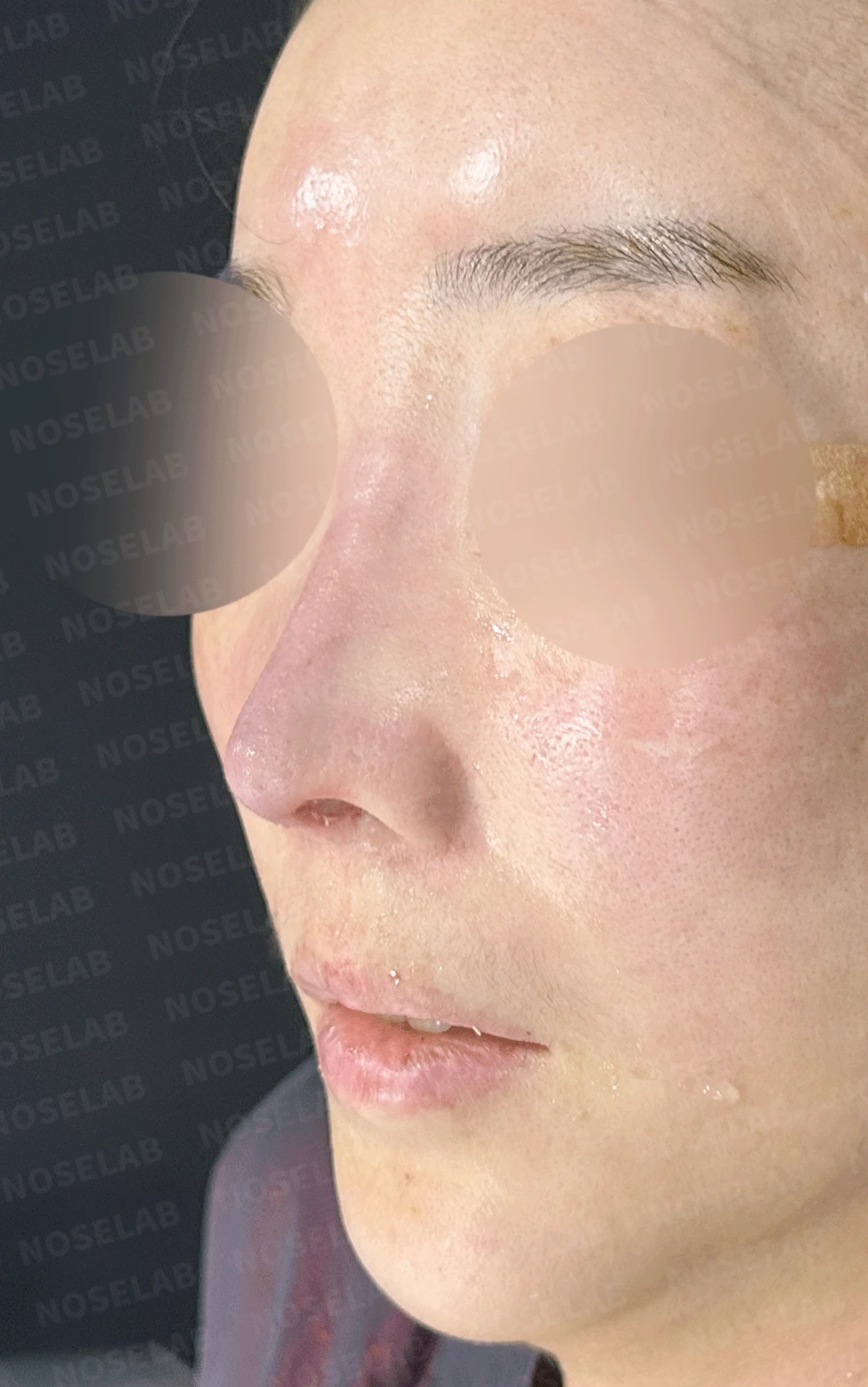
Before surgery / Day 0 immediately after surgery Photos taken immediately after surgery show swelling and may differ from the final result.
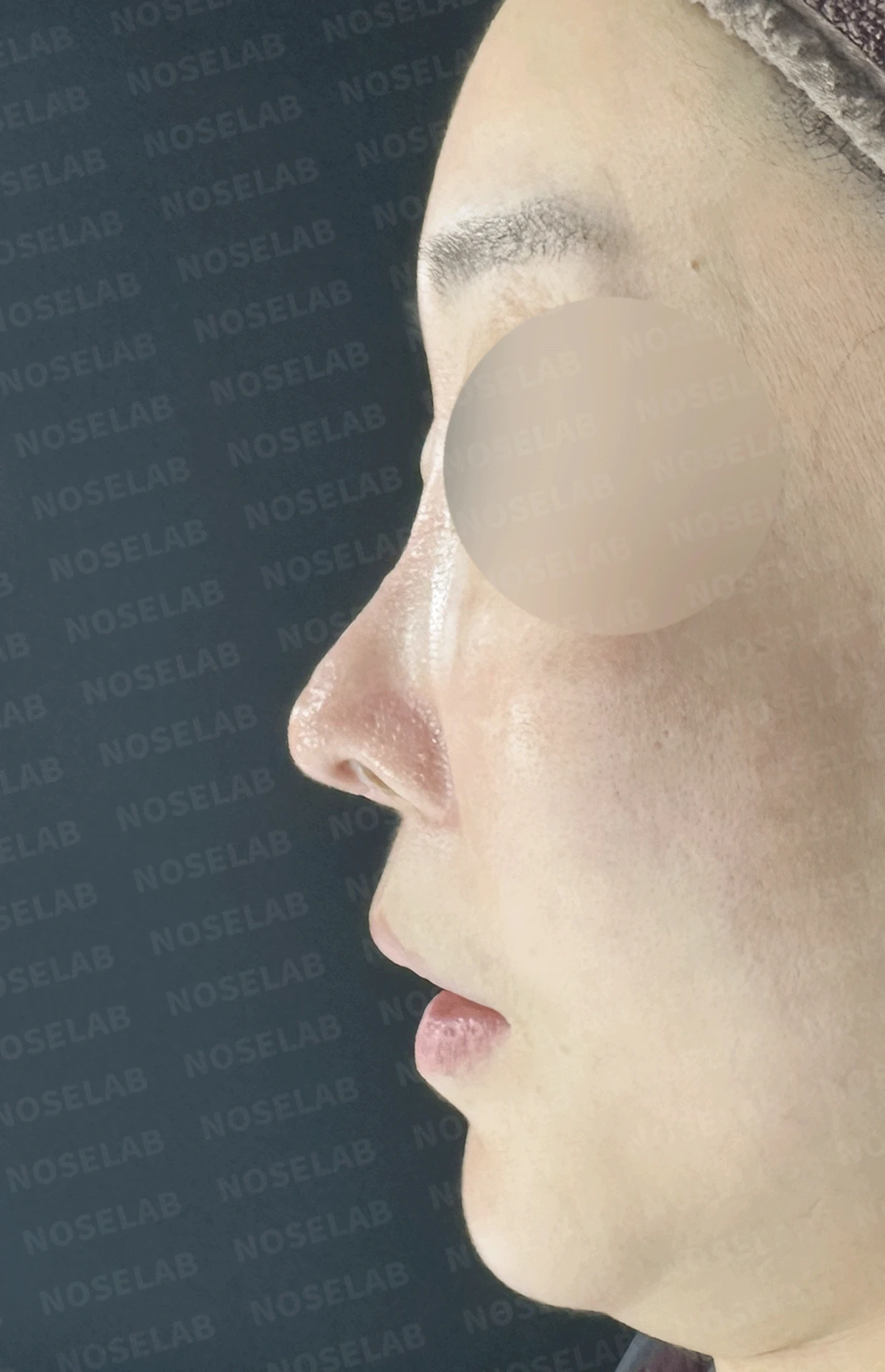
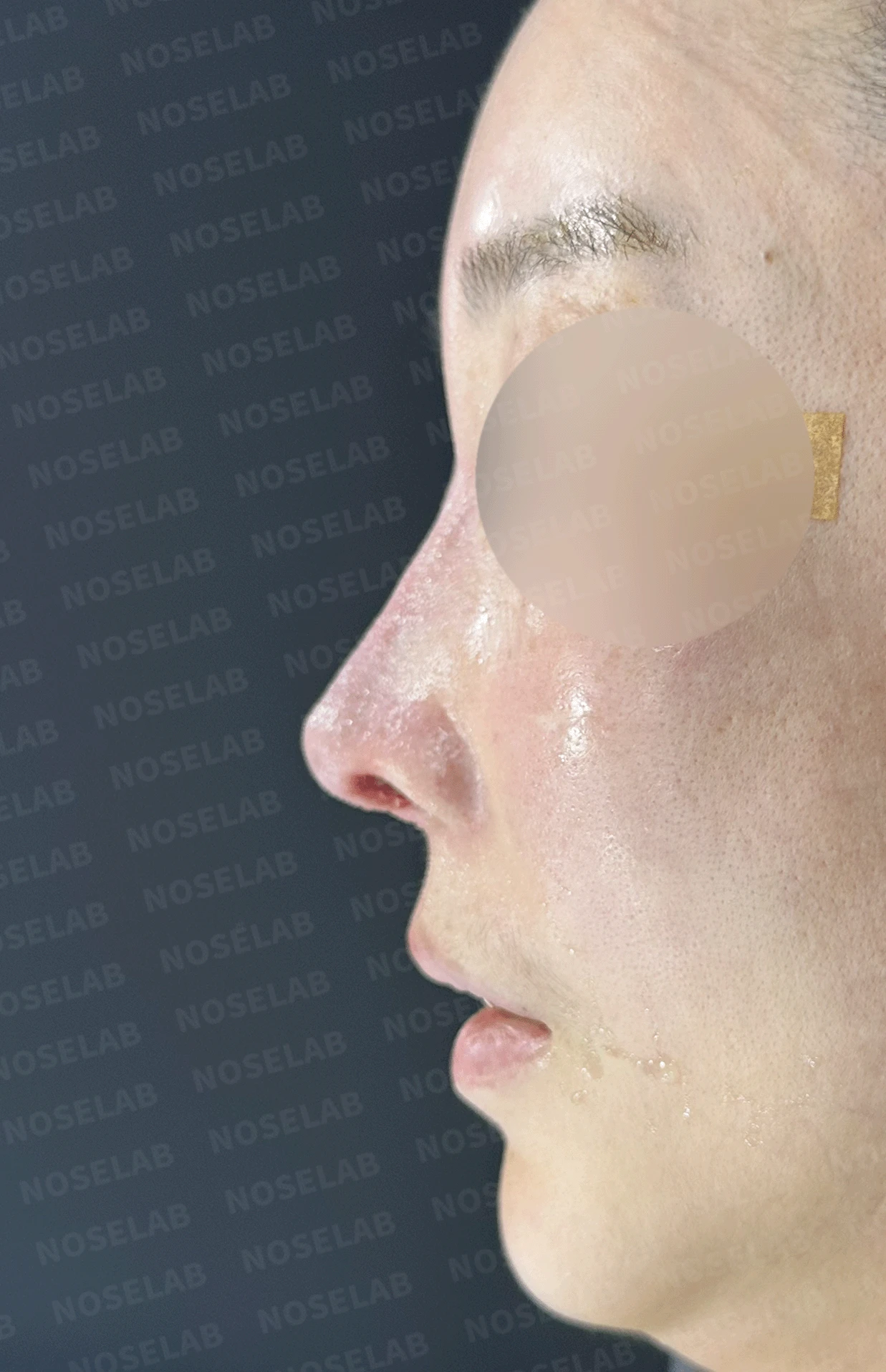
Before surgery / Day 0 immediately after surgery Photos taken immediately after surgery show swelling and may differ from the final result.
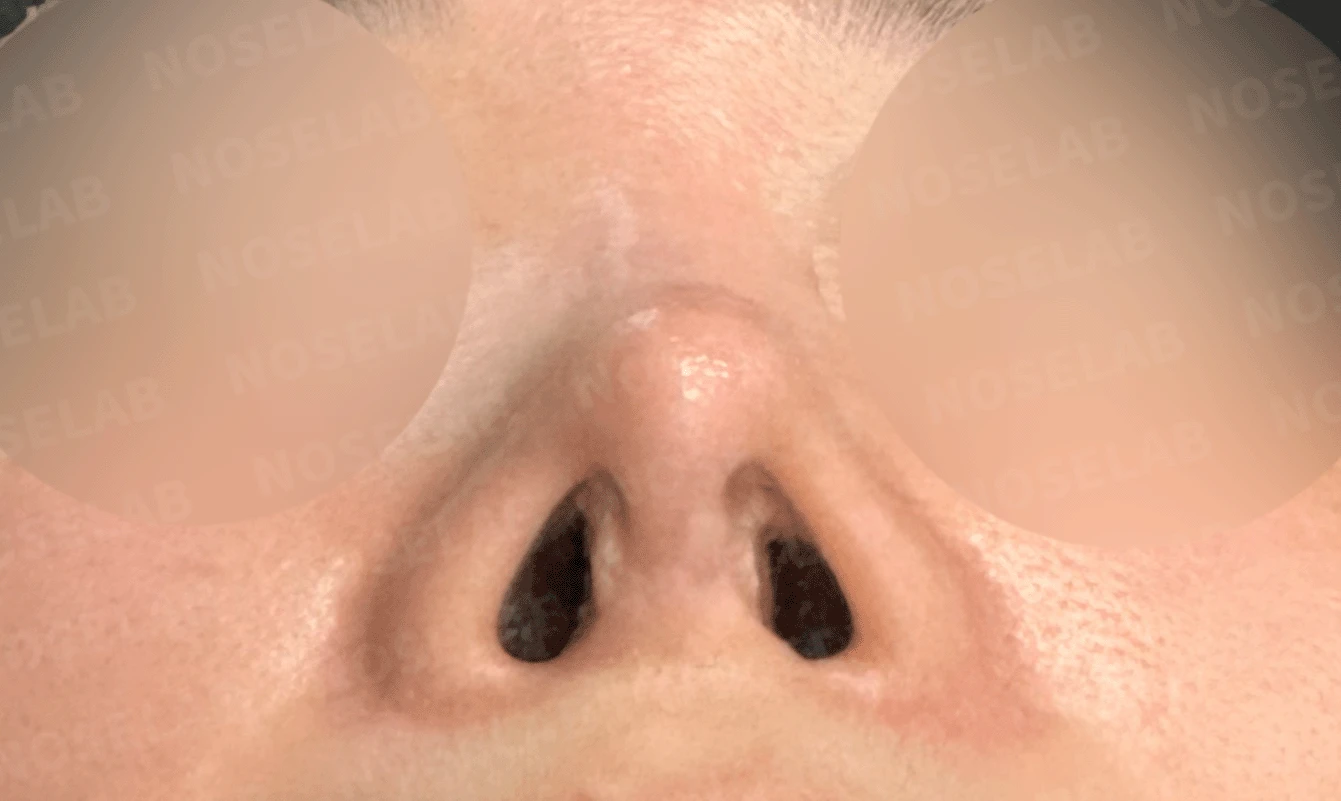
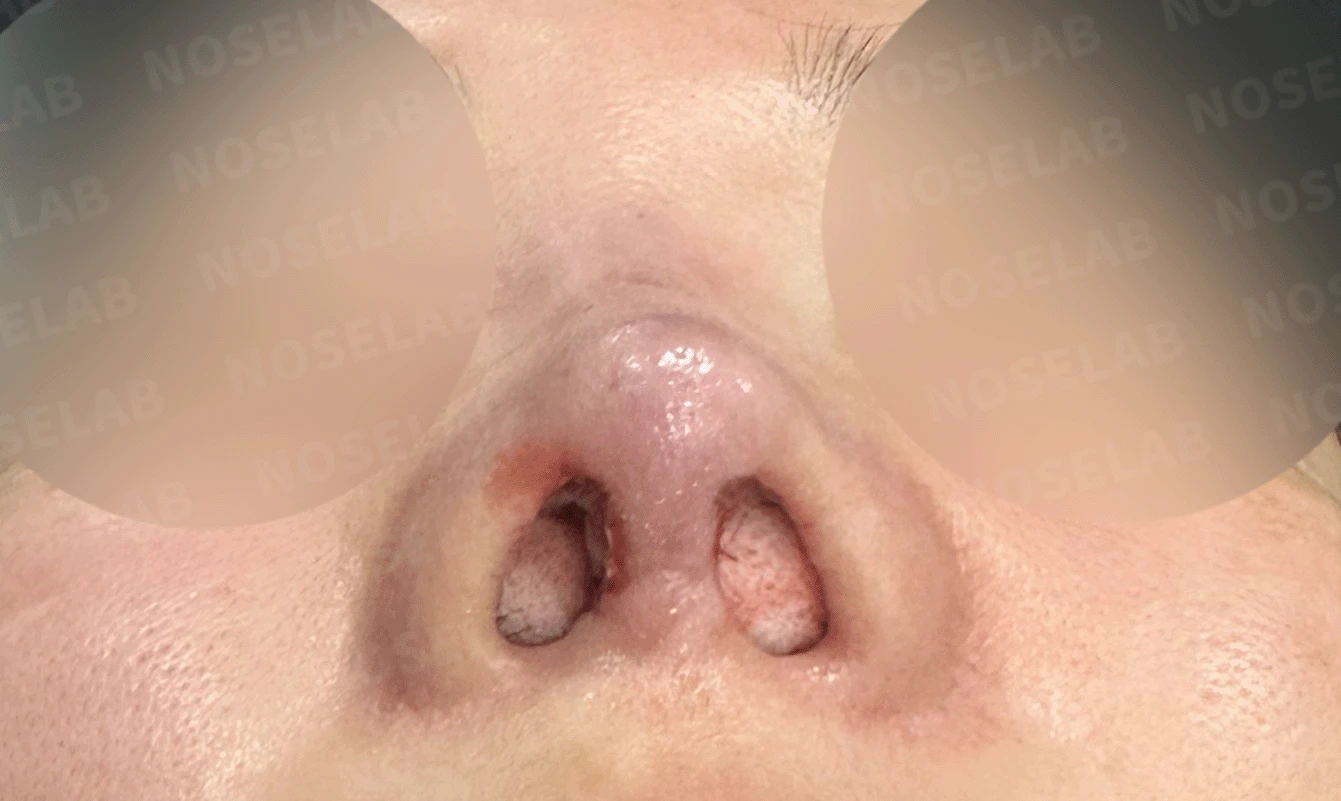
Before surgery / Day 0 immediately after surgery Photos taken immediately after surgery show swelling and may differ from the final result.
✅ In conclusion
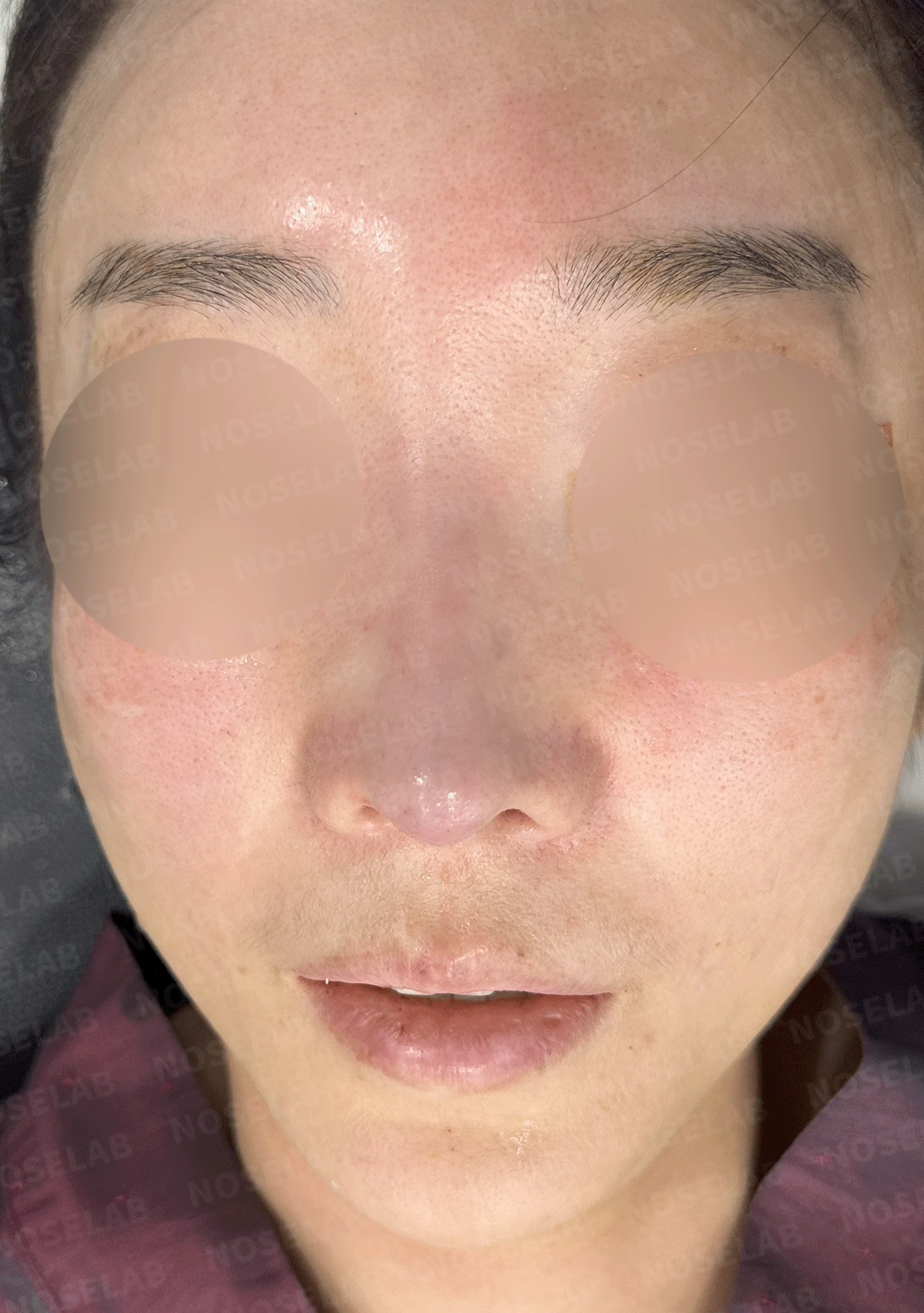
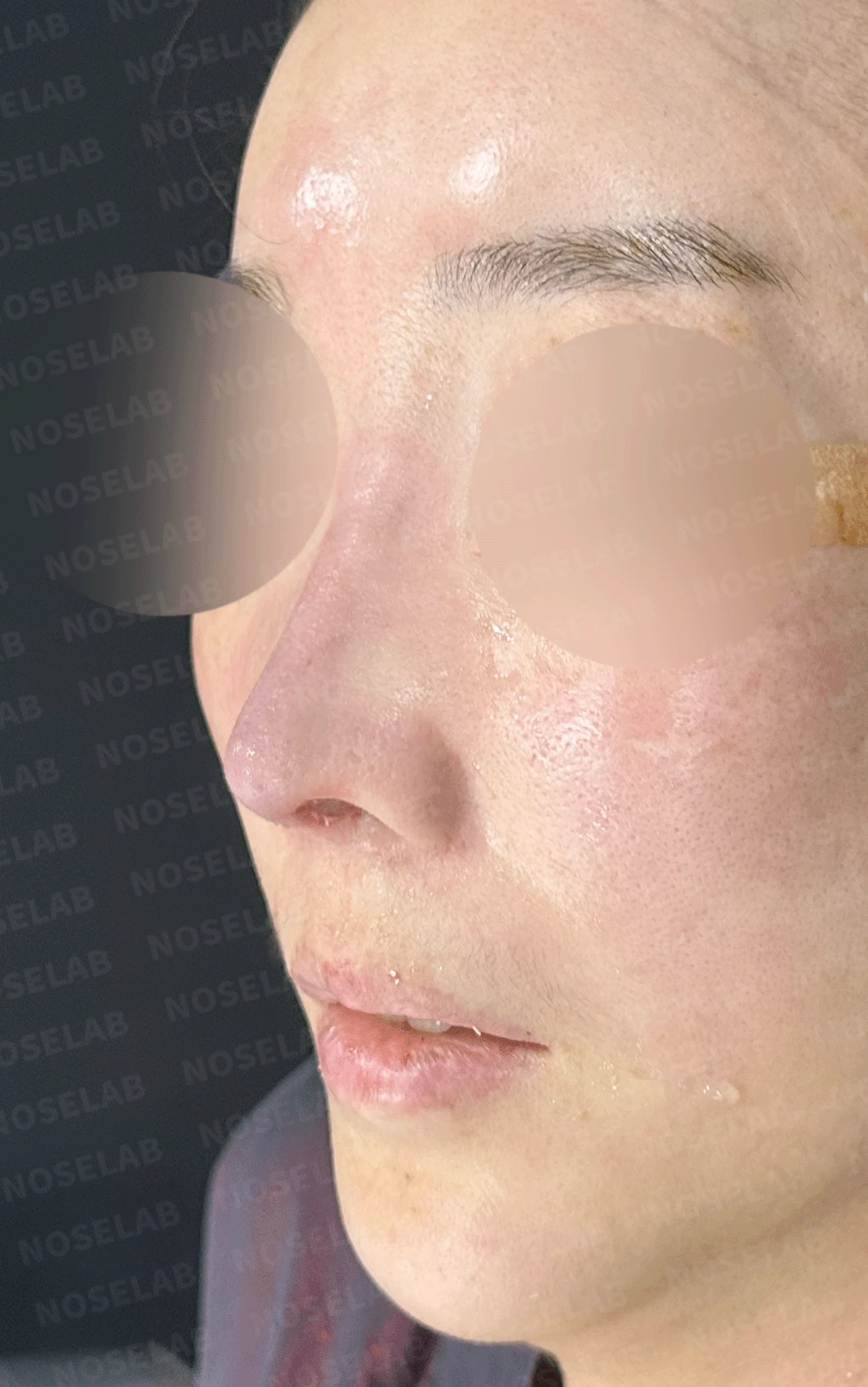
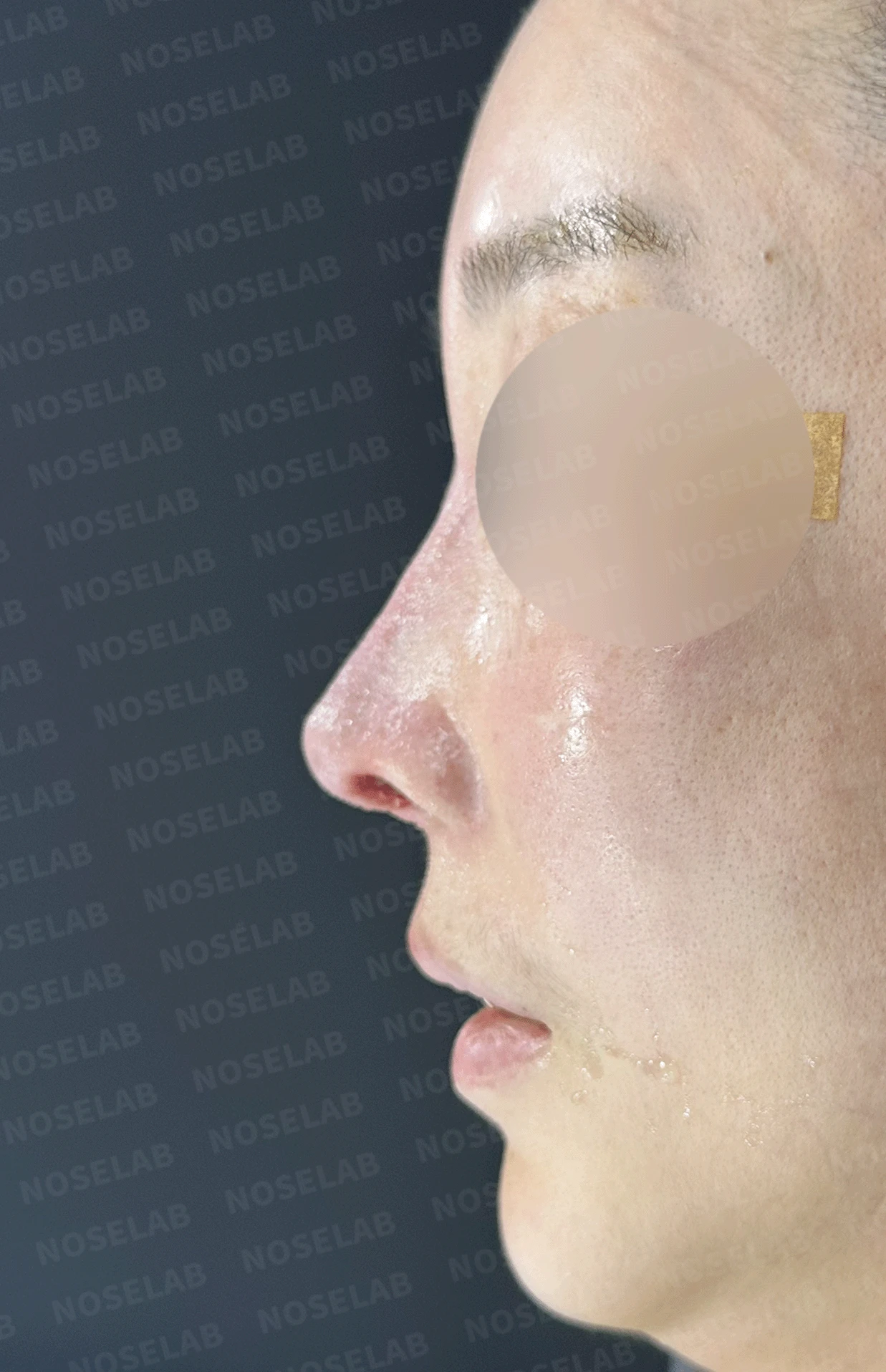
Immediately after surgery (day 0): front, profile, and oblique views. Immediate postoperative photos show swelling and may differ from the final result.
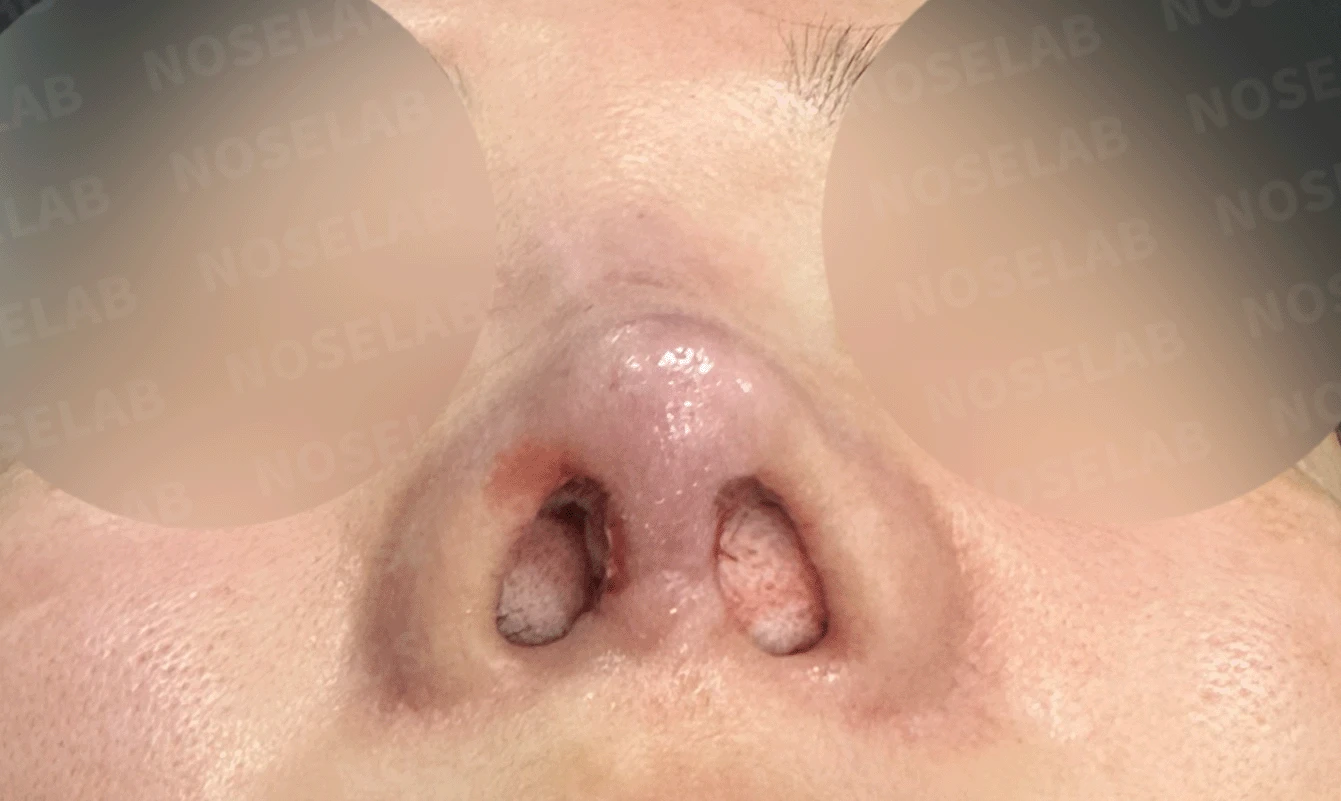
Nostril view on day 0 immediately after surgery. Photos taken immediately after surgery show swelling and may differ from the final result.
This type of case offers hope that even a nose damaged by multiple revision surgeries can be restored through a systematic approach and precise reconstruction. Above all, this surgery was made possible by the patient's determination and trust.
For those considering revision rhinoplasty, I want to say that no matter how difficult the situation, there is room for improvement if there is an accurate diagnosis and a systematic plan. However, it is essential to choose an experienced medical team and set realistic expectations through thorough consultation.
----------------------------
This post is based on actual clinical cases, and surgical results may vary by individual.

Precautions and potential complications
Limitations and risks
When autologous rib cartilage is used, scarring and pain may remain at the donor site on the chest, and pneumothorax (pleural injury) can occur rarely. Over time, the grafted cartilage may warp or undergo partial resorption.
When using donor rib cartilage, long-term follow-up is necessary because the grafted cartilage may resorb or warp.
When revising after implant removal, contracture may progress again after removal, the nasal height and length may decrease, and staged surgery may be necessary depending on the skin condition.
When foreign materials such as injected fillers are removed and reconstructed, contracture may recur, nasal height and length may decrease, and staged surgery may be necessary depending on the skin condition.
When the septum is corrected at the same time, nasal obstruction may persist or recur, and in rare cases, septal perforation or changes in smell may occur.
Common potential risks include infection, bleeding, asymmetry, scarring, skin necrosis, and insufficient improvement; results vary depending on individual skin condition and previous surgical history.