Hello, I am Dr. Peter C. Kang.
Today, I would like to share a rhinoplasty case of a patient who was troubled by complex nasal concerns.
This patient presented with diverse concerns including a contracted nose, bulbous tip, upturned nose, short nose, and nostril asymmetry, making this a revision case following multiple past procedures.
1. Patient's surgical history
2019: Tip rhinoplasty using ear cartilage, philtrum reduction
Early 2022: Bridge and tip surgery using autologous rib cartilage
Mid-2022: Inflammation developed 10 days postoperatively; graft removed
Late 2022: Tip surgery using autologous rib cartilage, paranasal augmentation
Subsequently, 3 sessions of stem cell injection therapy were performed at our clinic
2. Patient goals
1) Correction of the upturned nose
2) Reducing excessive nostril show
3) Reducing the nasolabial angle (angle between the nose and upper lip)
4) Correcting the alar-columellar relationship (ACR)
5) Correcting nostril asymmetry
3. Design consultation
Let us analyze the patient's preoperative condition in detail:
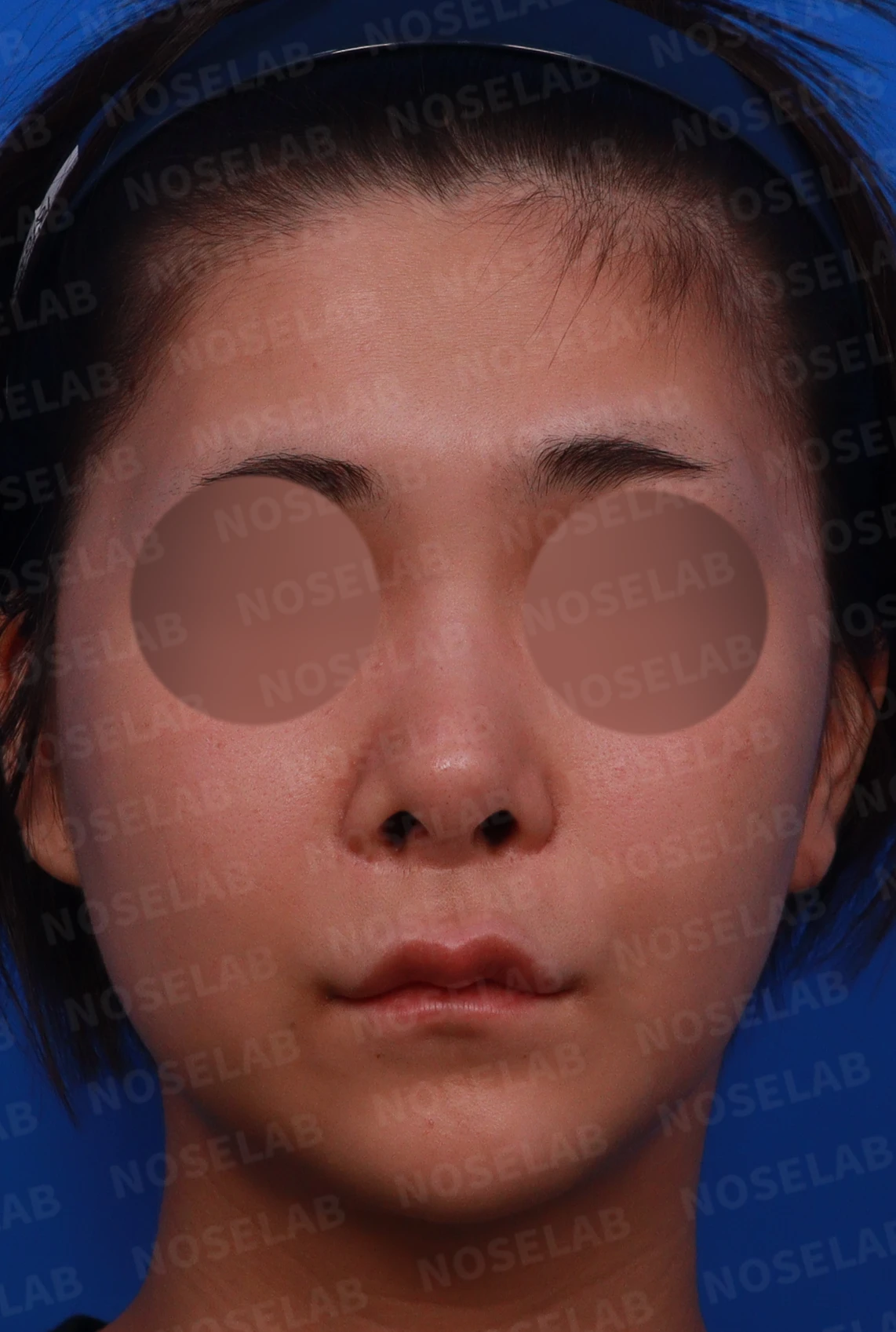
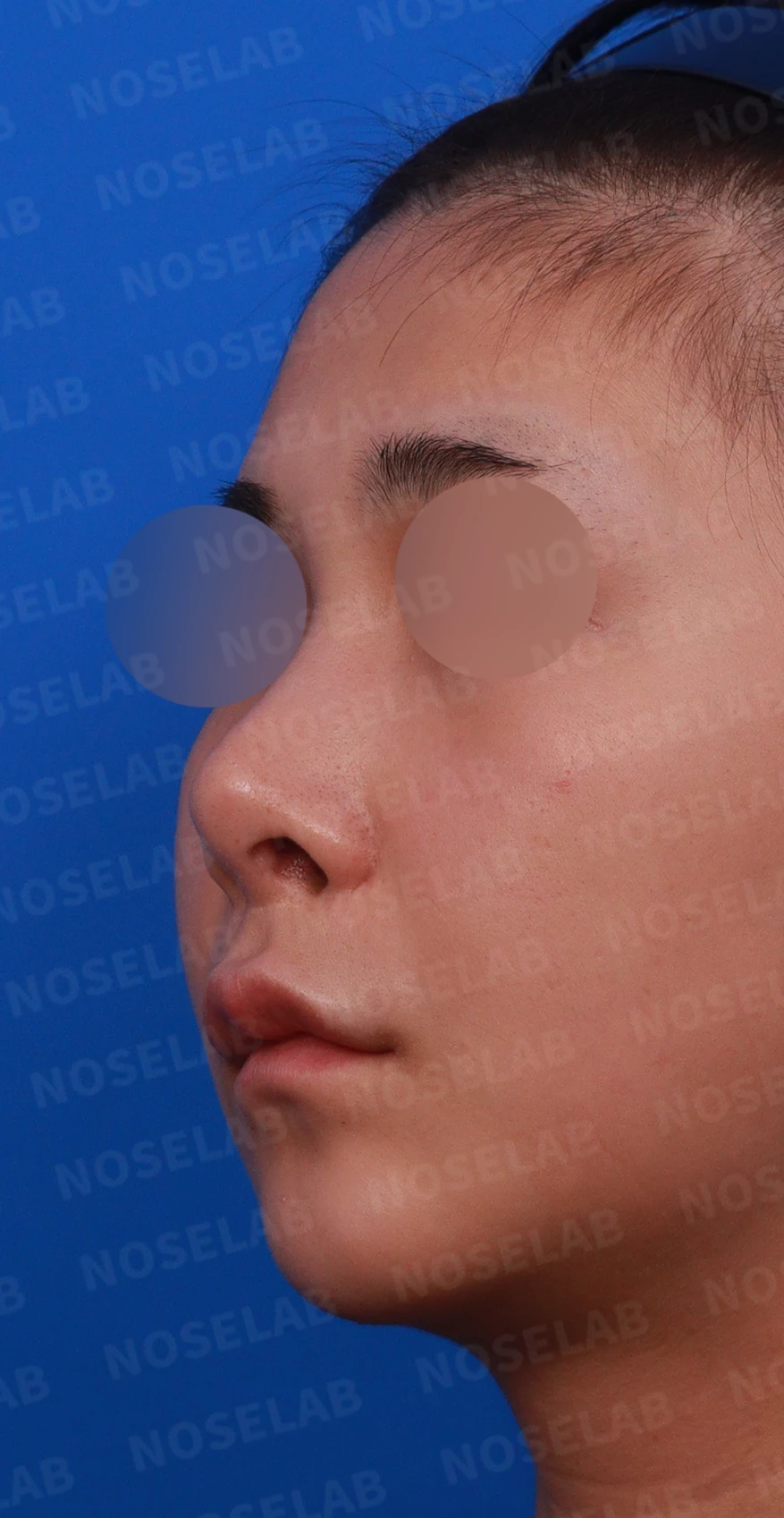
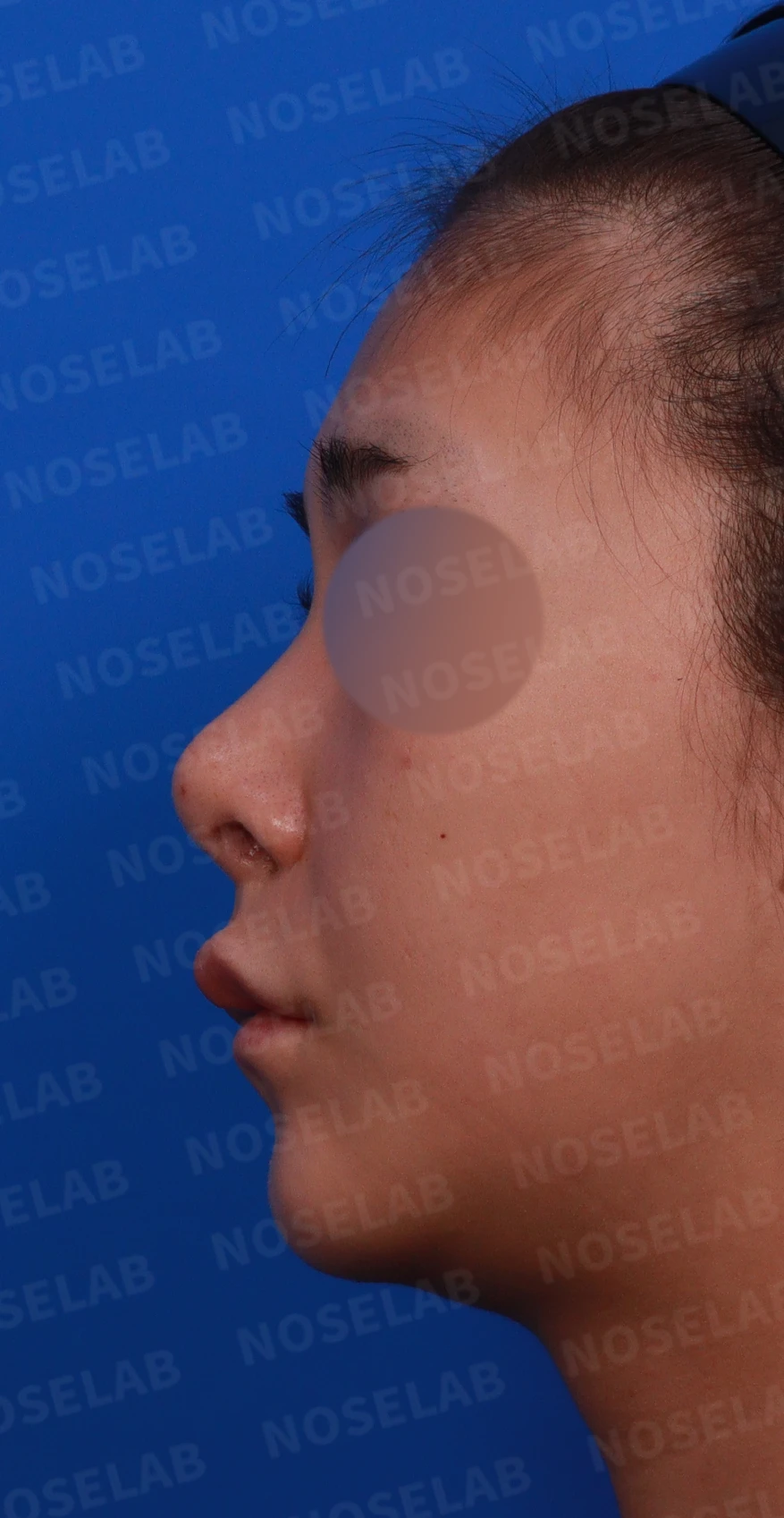
Design consultation: front, left oblique, and profile views.
Front view:
- The nasal tip appears upturned
- Significant nostril show
- Blunt and broad nasal tip
- Nostril asymmetry is observed
Oblique view:
- The nose appears short
- The nasal tip appears upturned
- Significant nostril show
Profile view:
- The nasal tip appears upturned
- Columella hanging significantly low
- Wide nasolabial angle
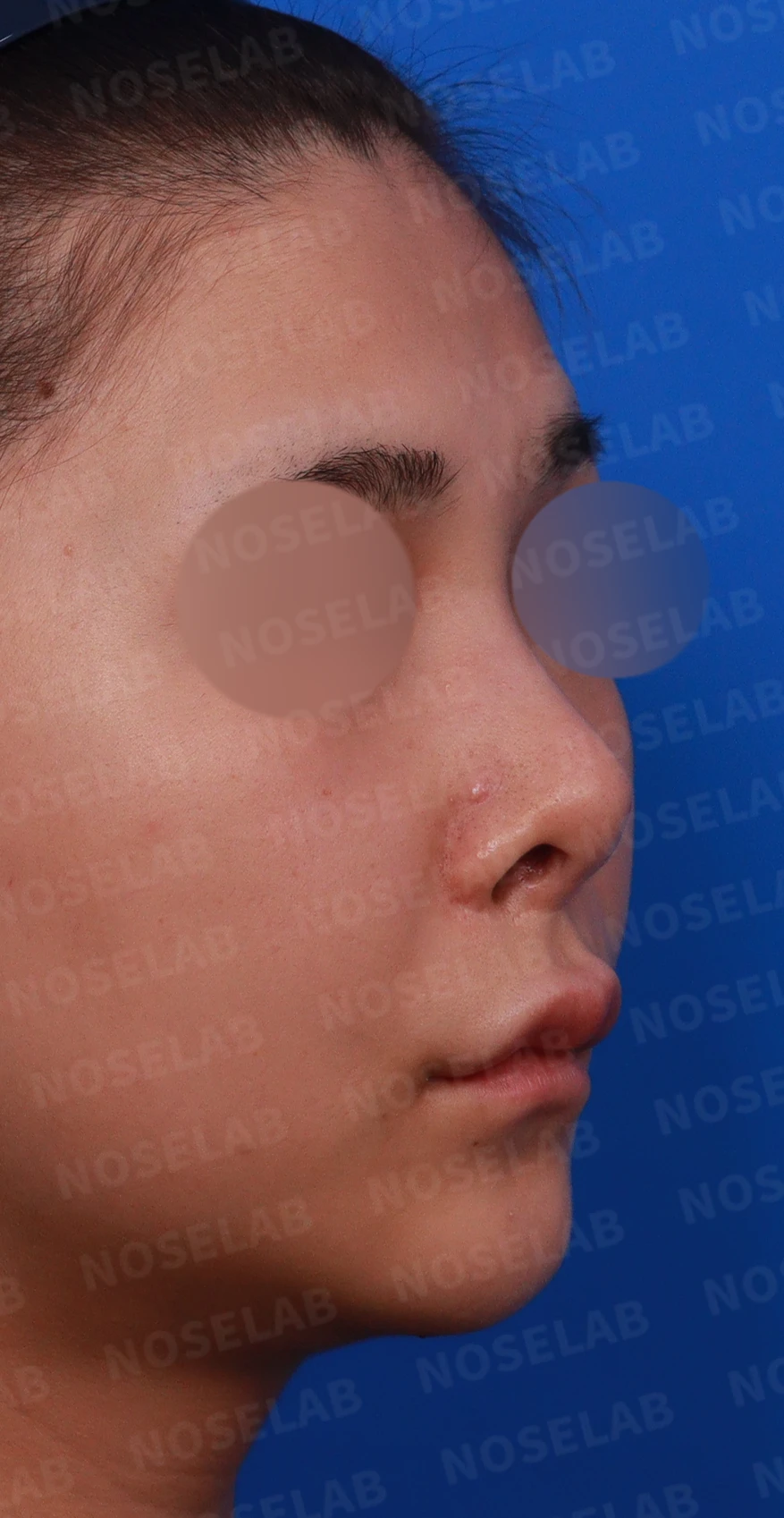
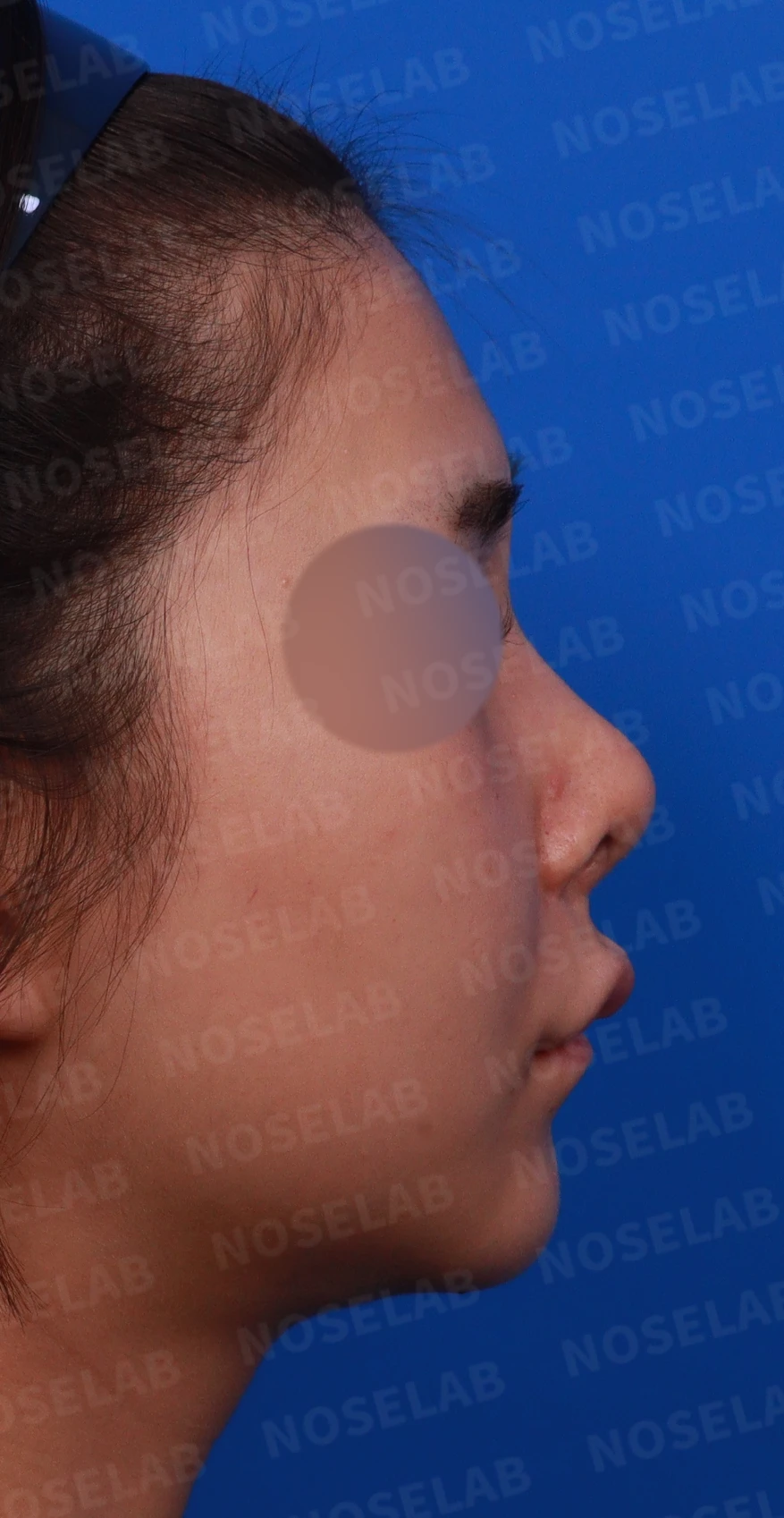
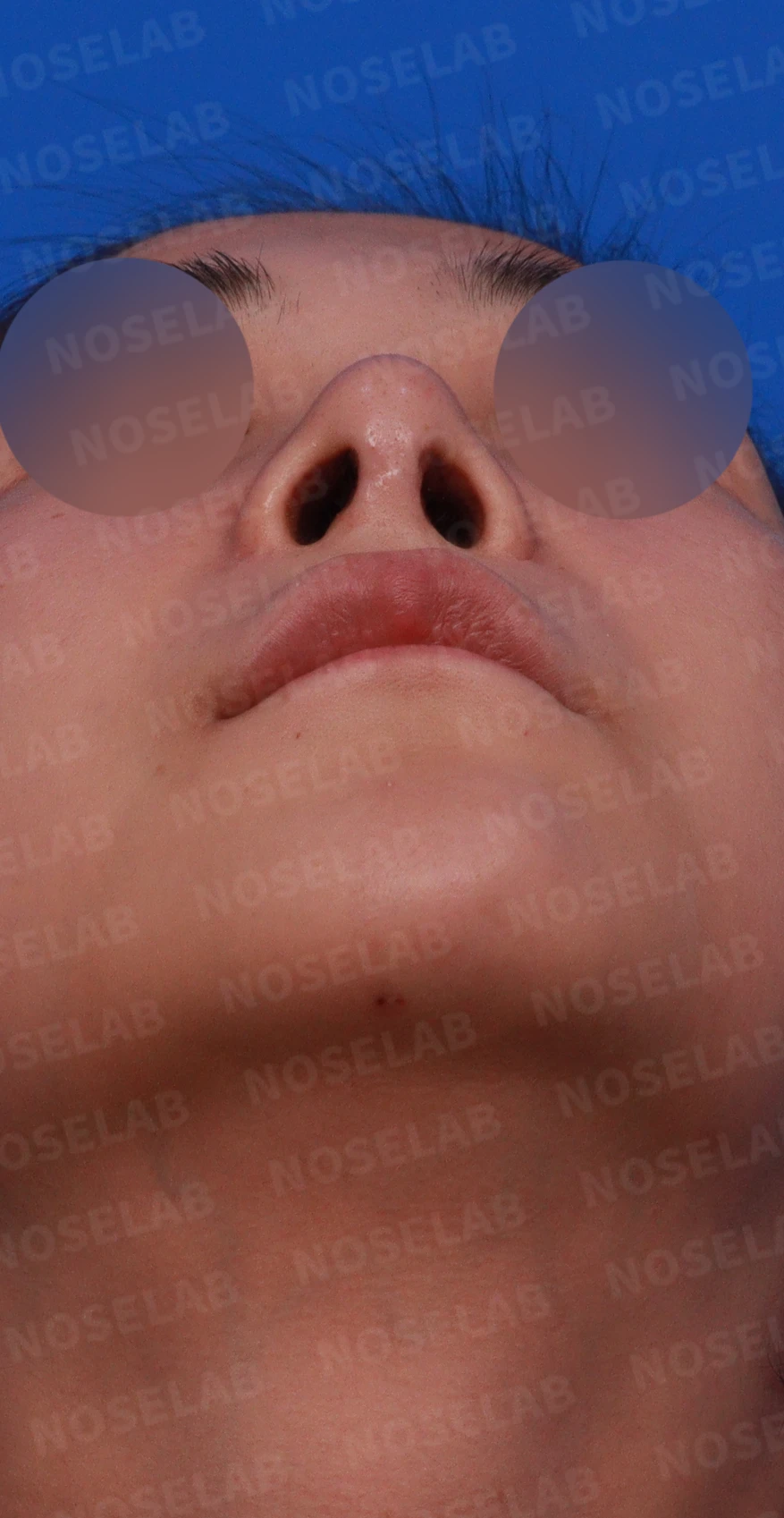
Right profile, oblique, and nostril views during design consultation.
Nostrils:
- Noticeable nostril asymmetry
4. Surgical plan and details
Taking into account the patient's condition and goals, the following surgical plan was established. The procedures were performed via a closed approach:
a) Autologous rib cartilage harvest and grafting:
- The patient's rib cartilage was harvested to secure an adequate amount of cartilage for nasal reconstruction.
- Septal extension was performed to correct the upturned nose and establish structural stability.
b) Alar rim grafting (lowering the nostril rim):
- Reduced nostril show and improved asymmetry.
- Corrected nostril asymmetry by overlaying autologous rib cartilage onto the lower lateral cartilage.
c) Nasal bridge implant placement:
- Created a natural bridge line using a silicone implant.
- Sculpted and placed the implant flush against the nasal bone at a height and contour that harmonized with the patient's facial features.
d) Nasal tip and columella correction:
- Appropriately lowered the nasal tip to correct the upturned nose.
- Naturally aligned the columellar line to restore overall nasal balance.
- Reduced the nasolabial angle to achieve a more natural profile.
e) Nasal tip contour refinement:
- Refined the previously blunt, wide-looking tip into a slimmer, more defined contour (bulbous tip correction).
f) Nostril asymmetry correction:
- Improved nostril symmetry through septal extension, repositioning of the lower lateral cartilages, and cartilage suturing.
All procedures were performed using a closed approach, completing the surgery without external scars.
5. Comparison of before-and-after photos
Comparing photos taken immediately after surgery on day 0 shows the following improvements: Photos taken immediately after surgery show swelling and may differ from the final result.
Front view:
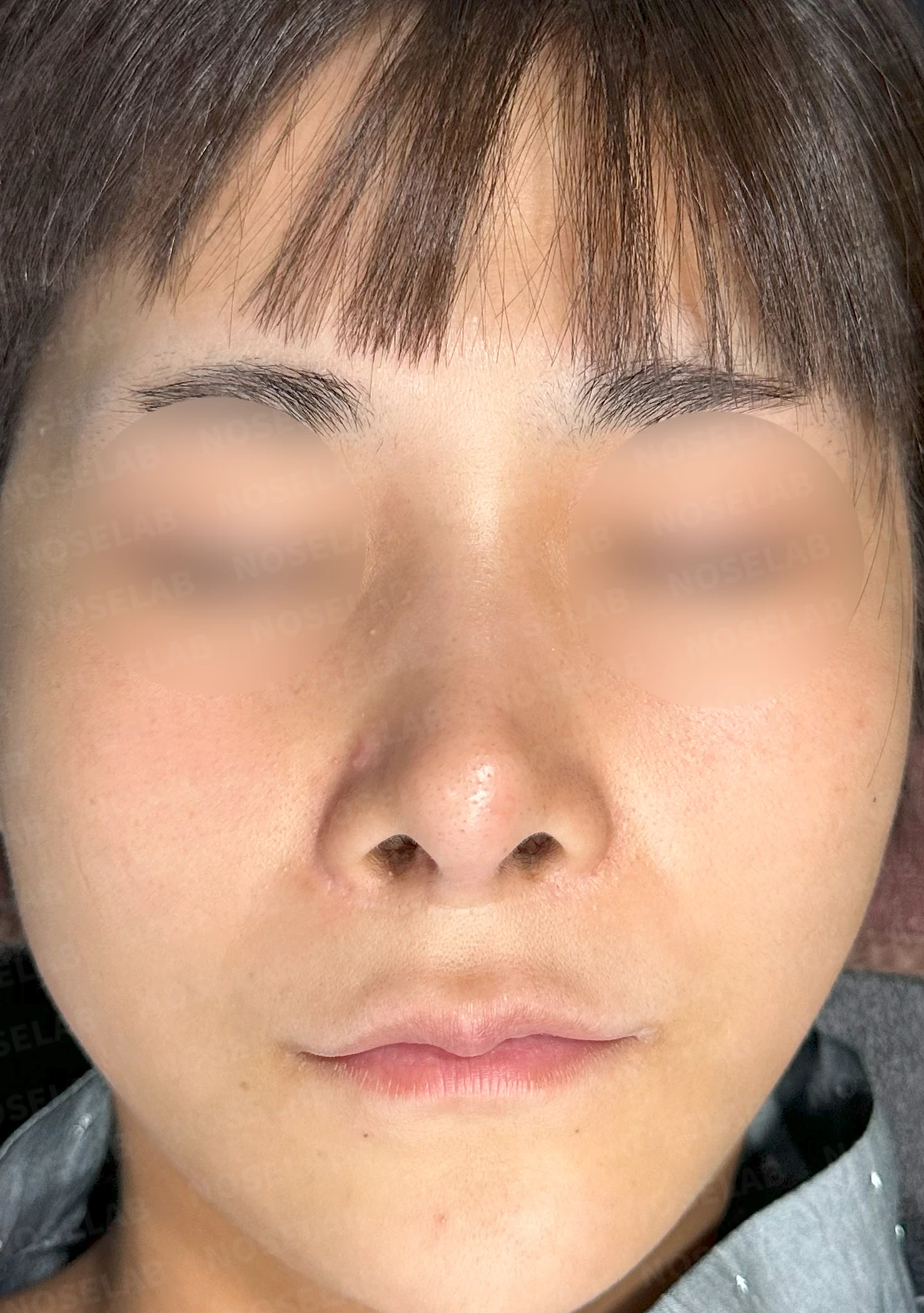
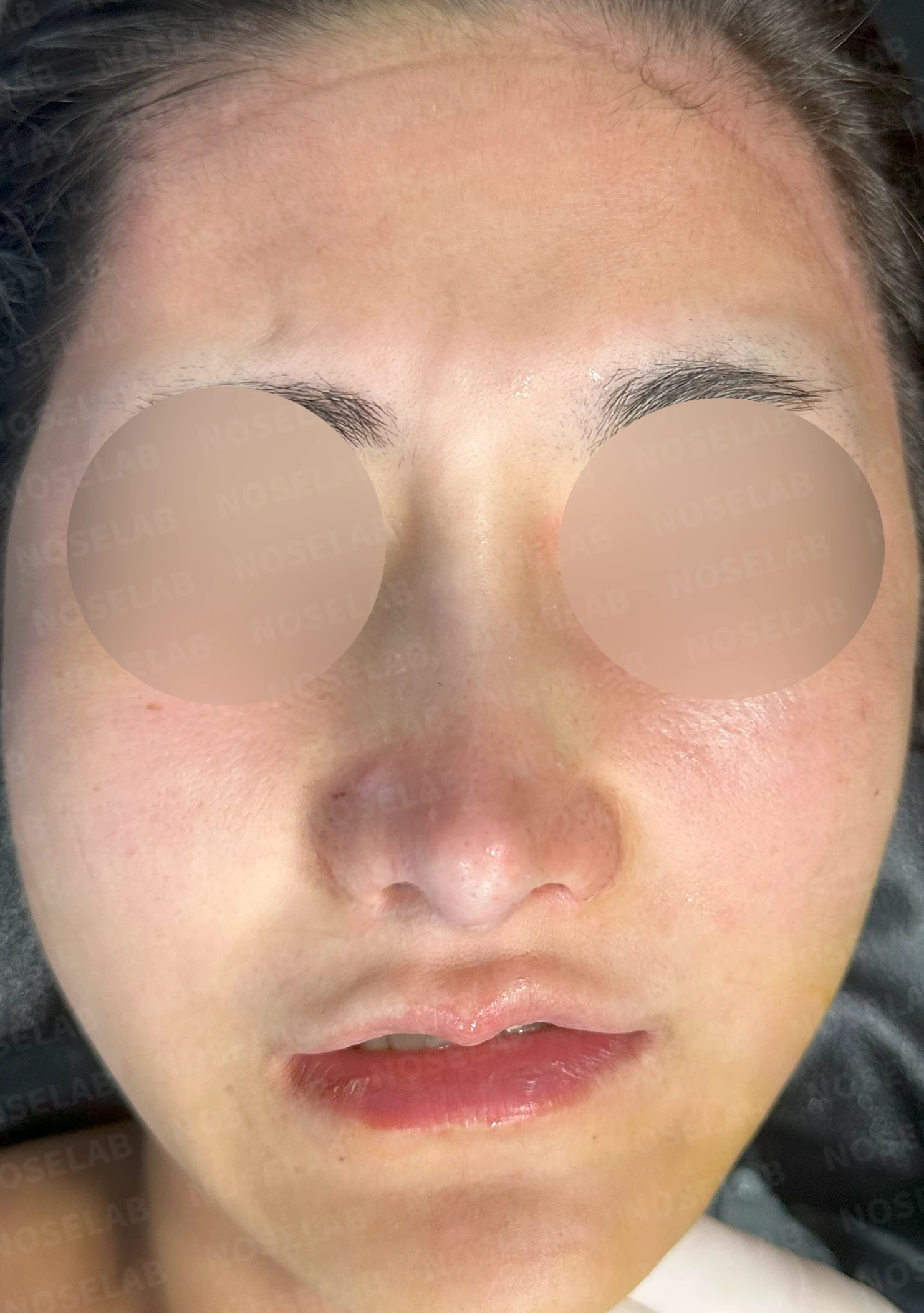
Before surgery / Day 0 immediately after surgery Photos taken immediately after surgery show swelling and may differ from the final result.
- The previously upturned tip was naturally lowered, substantially reducing nostril show.
- The blunt, wide nasal tip was refined into a slimmer and more defined shape.
- Nostril asymmetry improved noticeably.
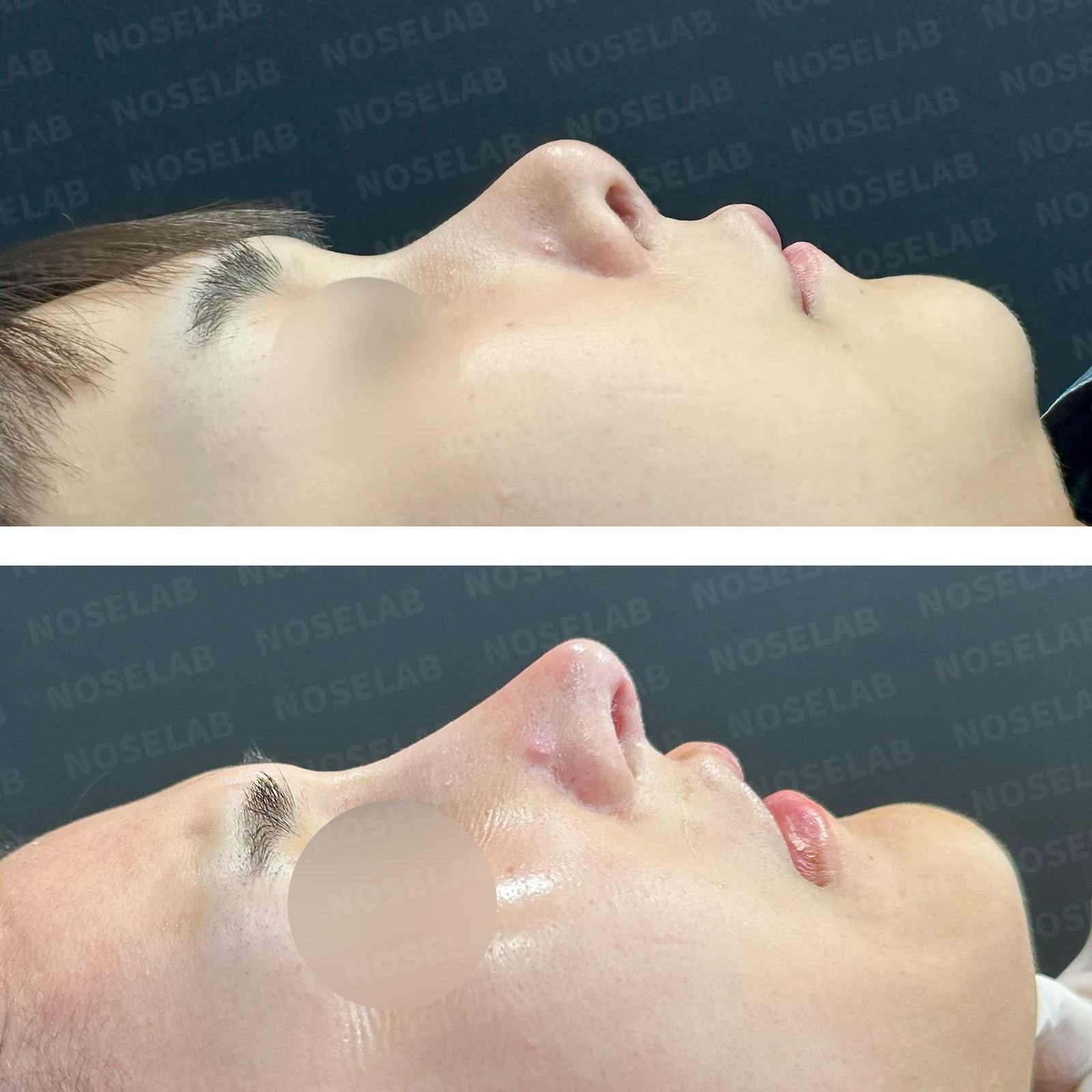
Oblique view:
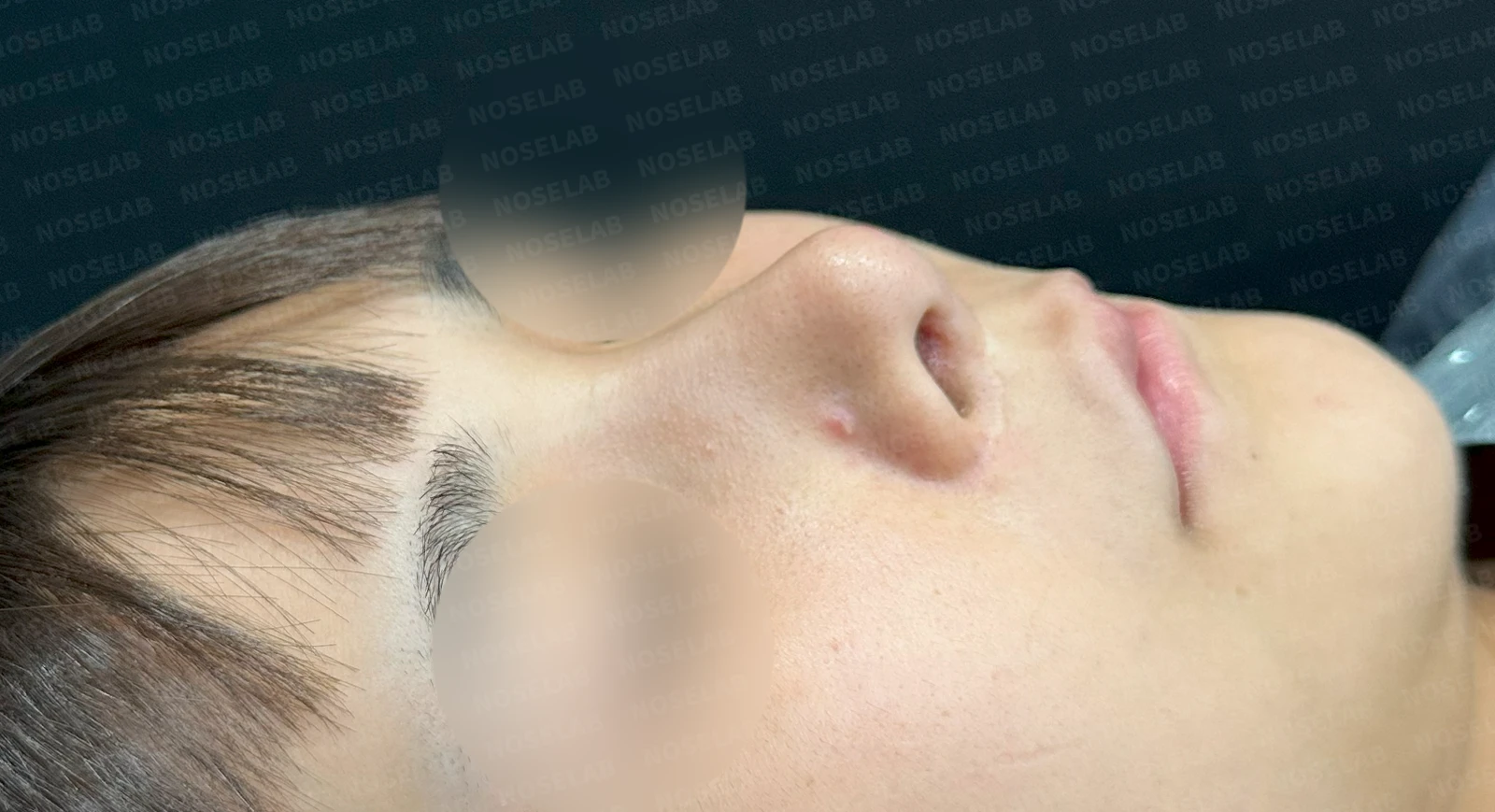
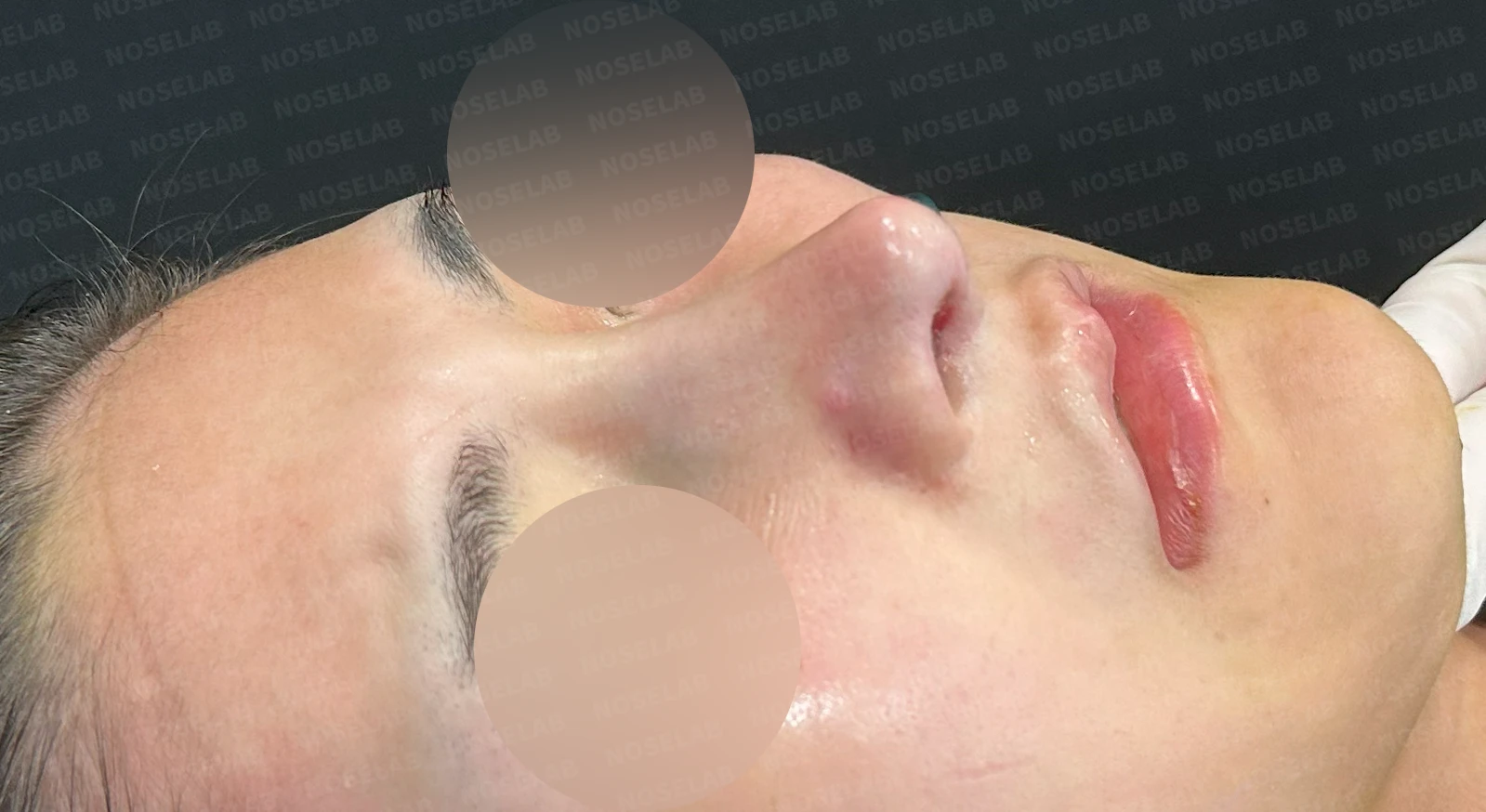
Before surgery / Day 0 immediately after surgery Photos taken immediately after surgery show swelling and may differ from the final result.
- The previously short nose gained appropriate length and height.
- The upturned tip was naturally lowered, softening the overall nasal profile line.
- Excessive nostril show was significantly reduced, creating a more refined appearance.
Profile view:
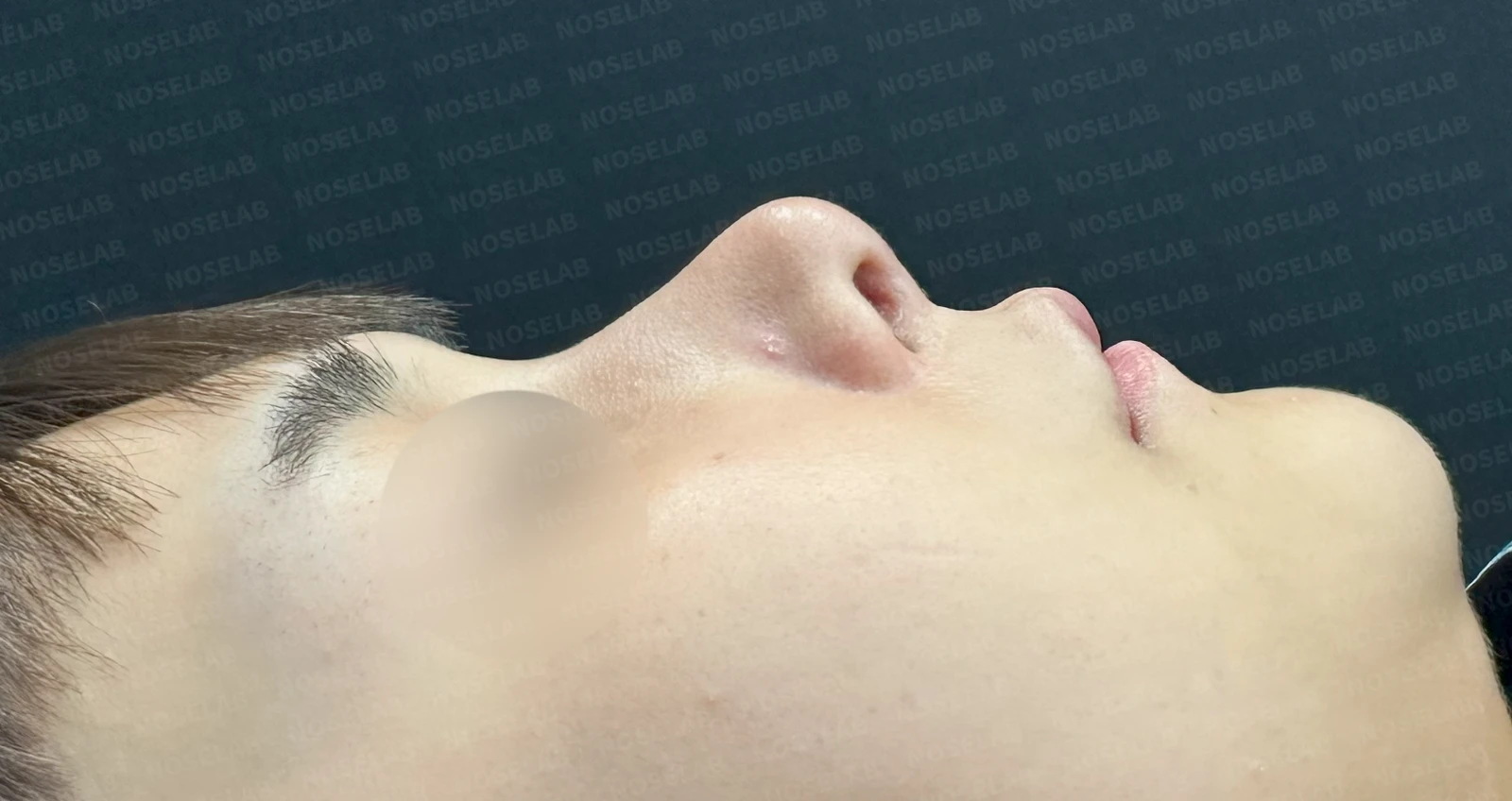
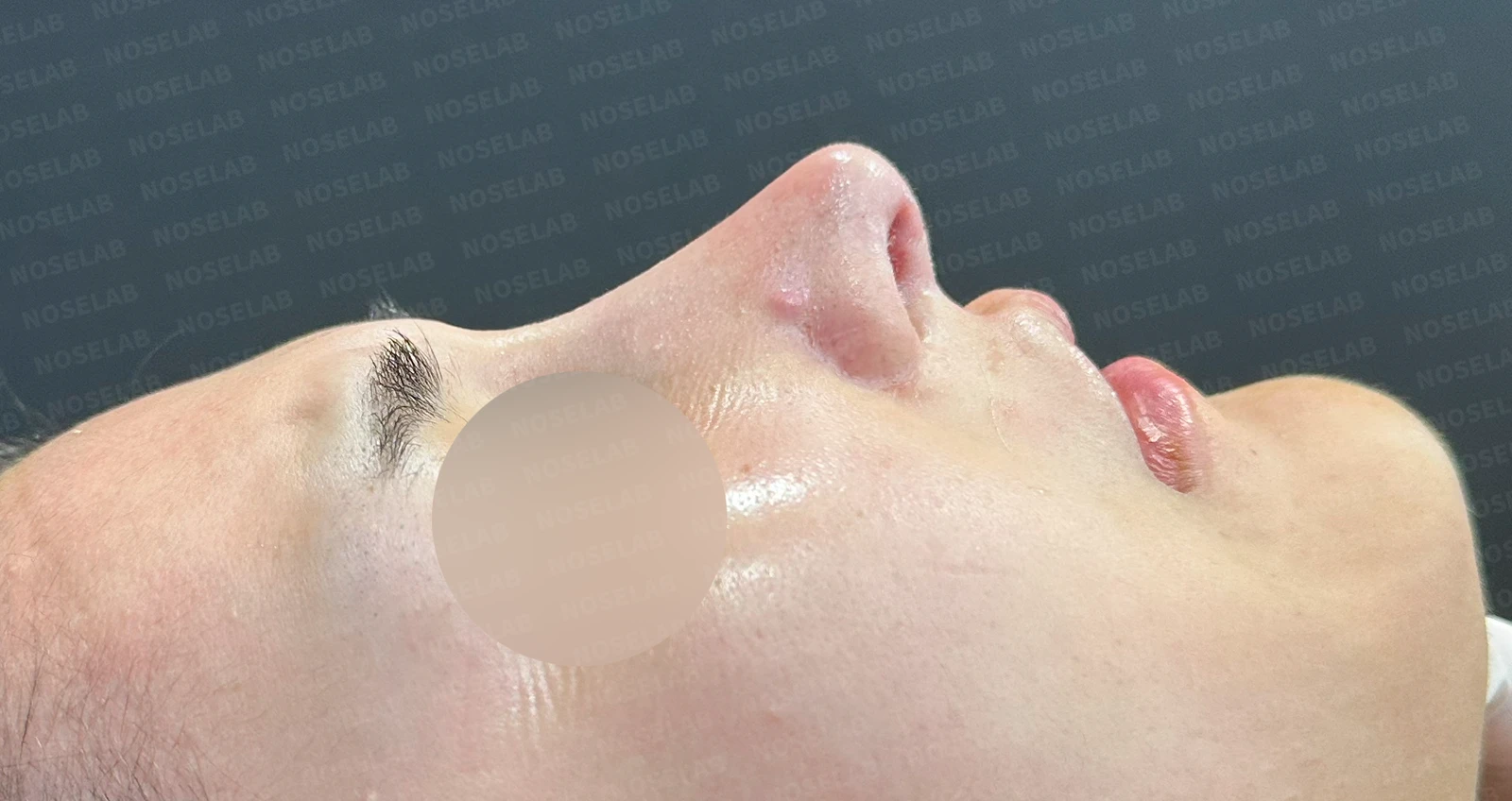
Before surgery / Day 0 immediately after surgery Photos taken immediately after surgery show swelling and may differ from the final result.
- The previously upturned nasal tip was lowered appropriately, tracing a natural curve.
- The columellar line was improved, balancing the transition between the nose and upper lip.
- Reducing the nasolabial angle produced an improvement in the appearance of the protruding mouth.
Nostrils:
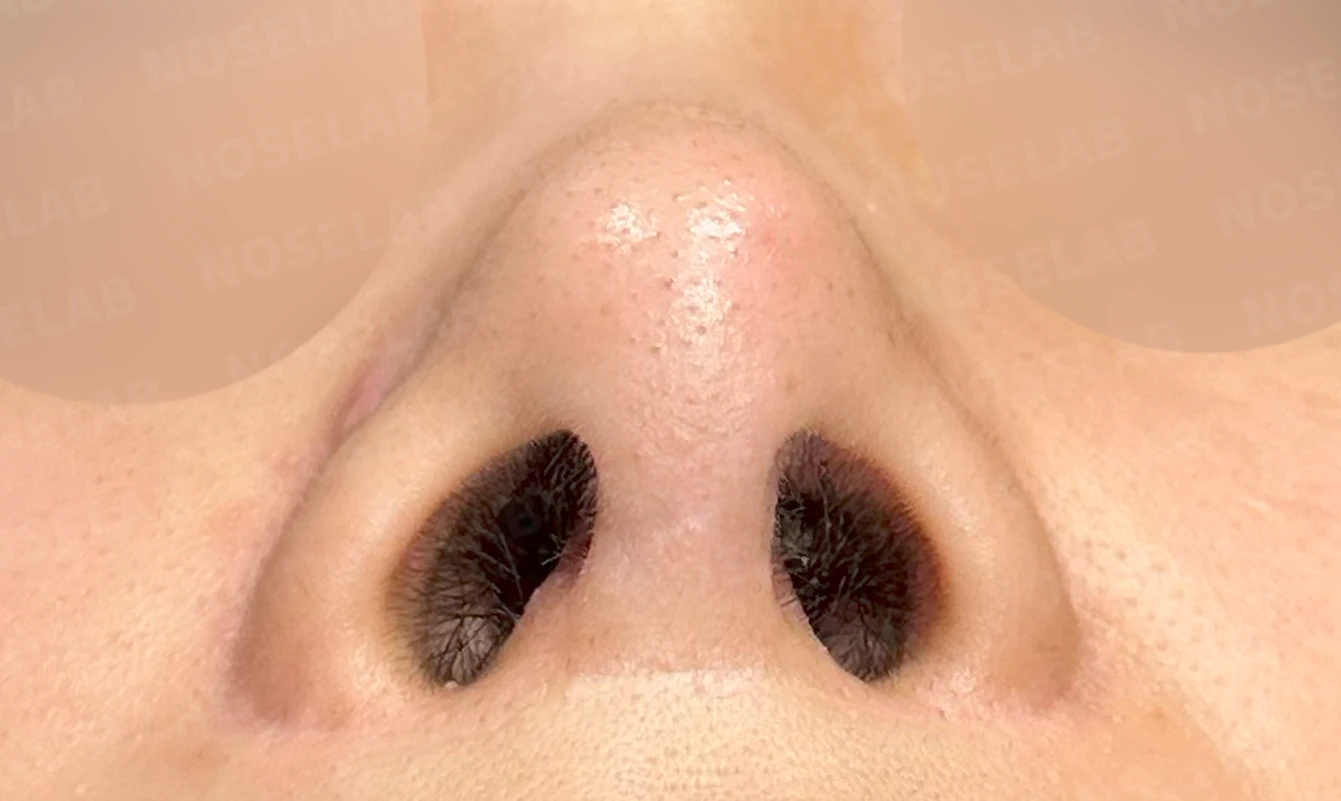
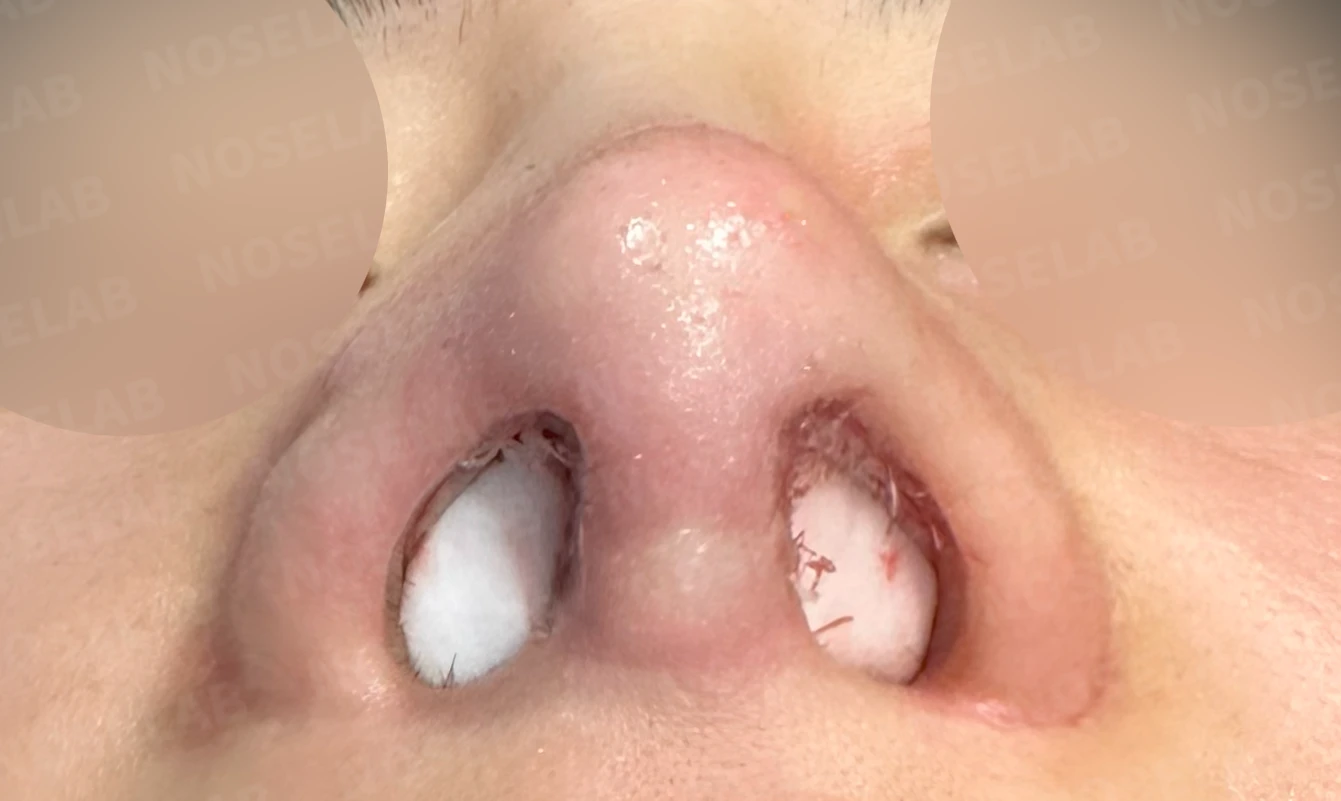
Before surgery / Day 0 immediately after surgery Photos taken immediately after surgery show swelling and may differ from the final result.
- Asymmetry was greatly improved, establishing left-right balance.
- The overall nostril shape became more refined and natural.
6. Gallery of photos taken immediately after surgery
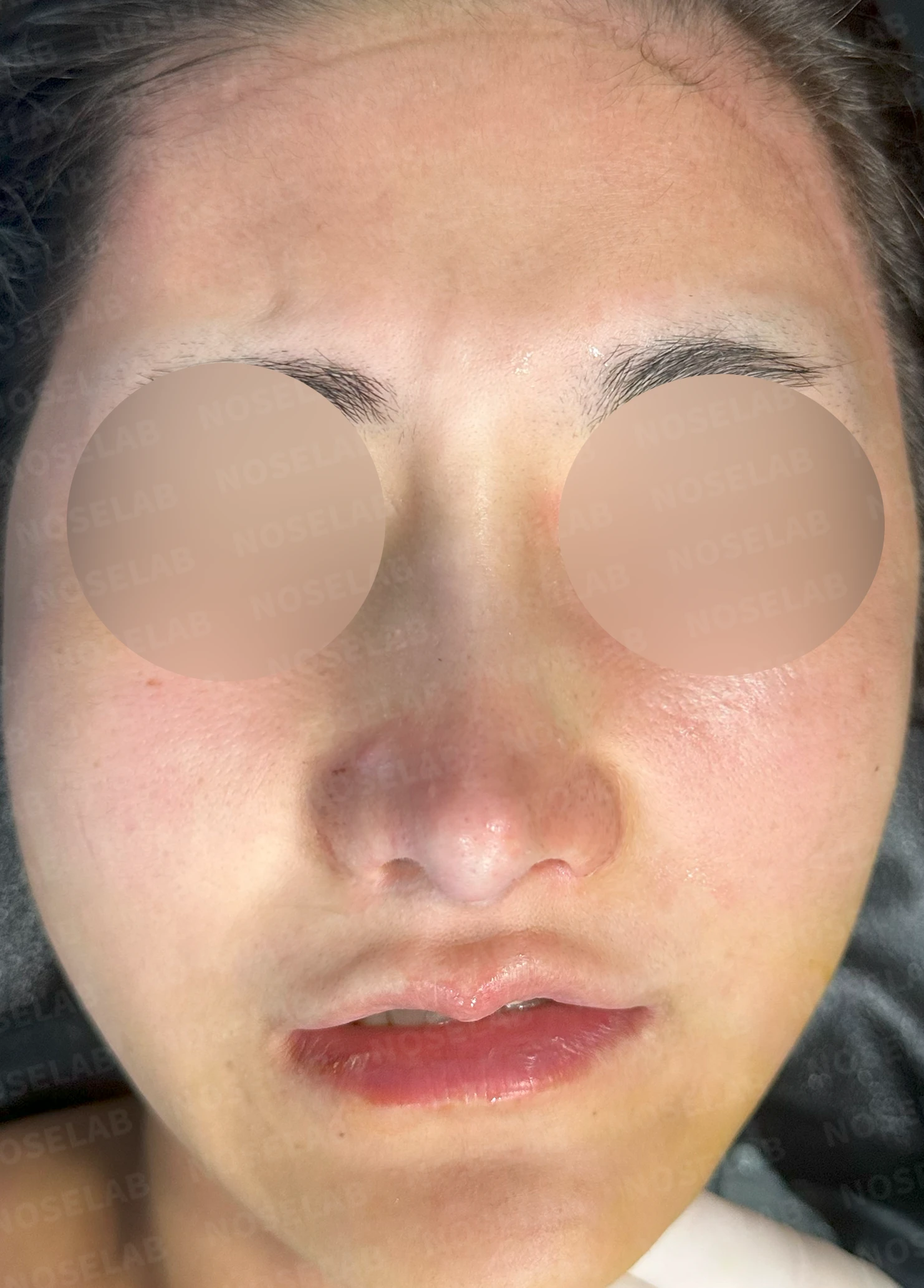
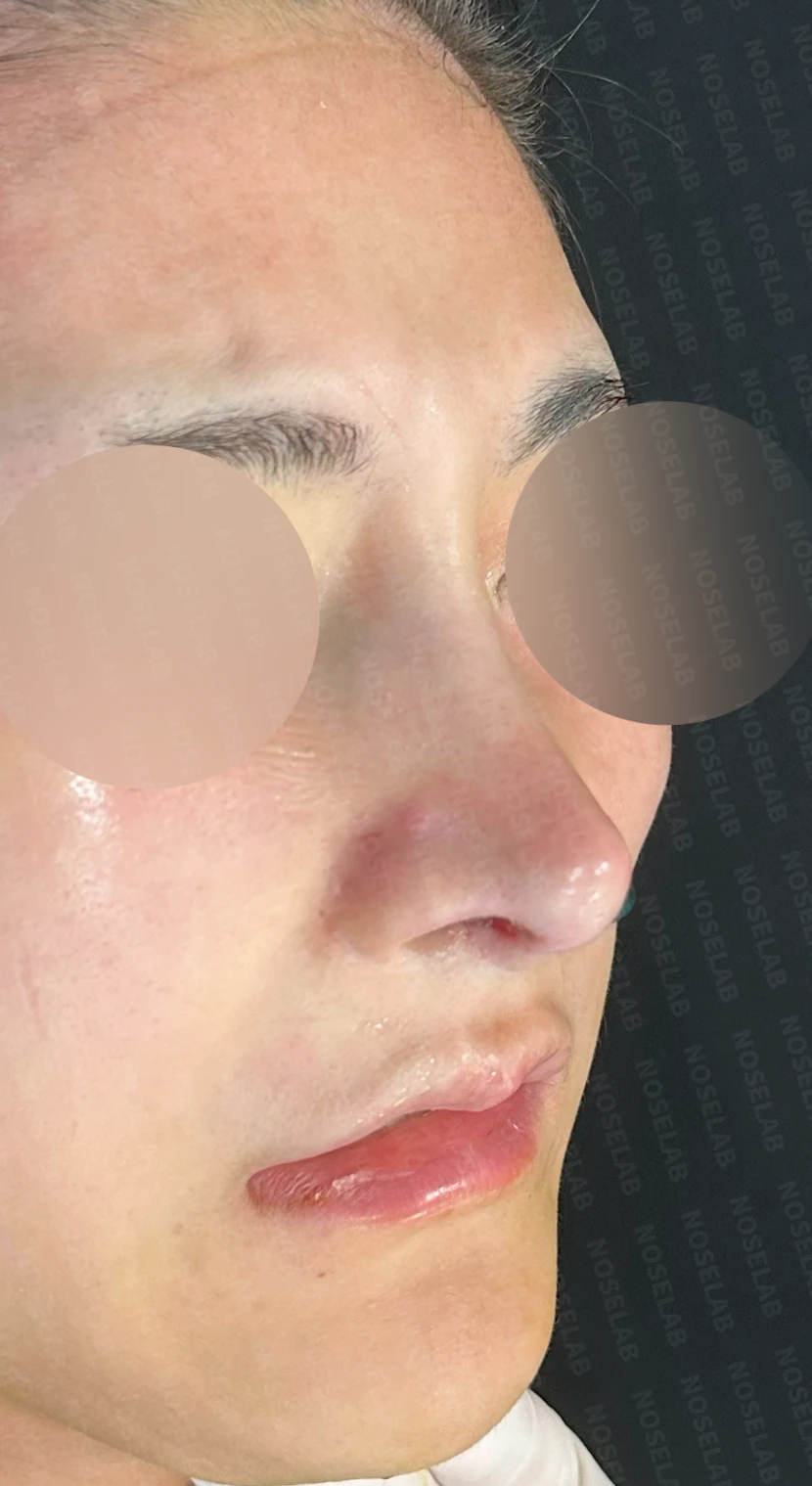
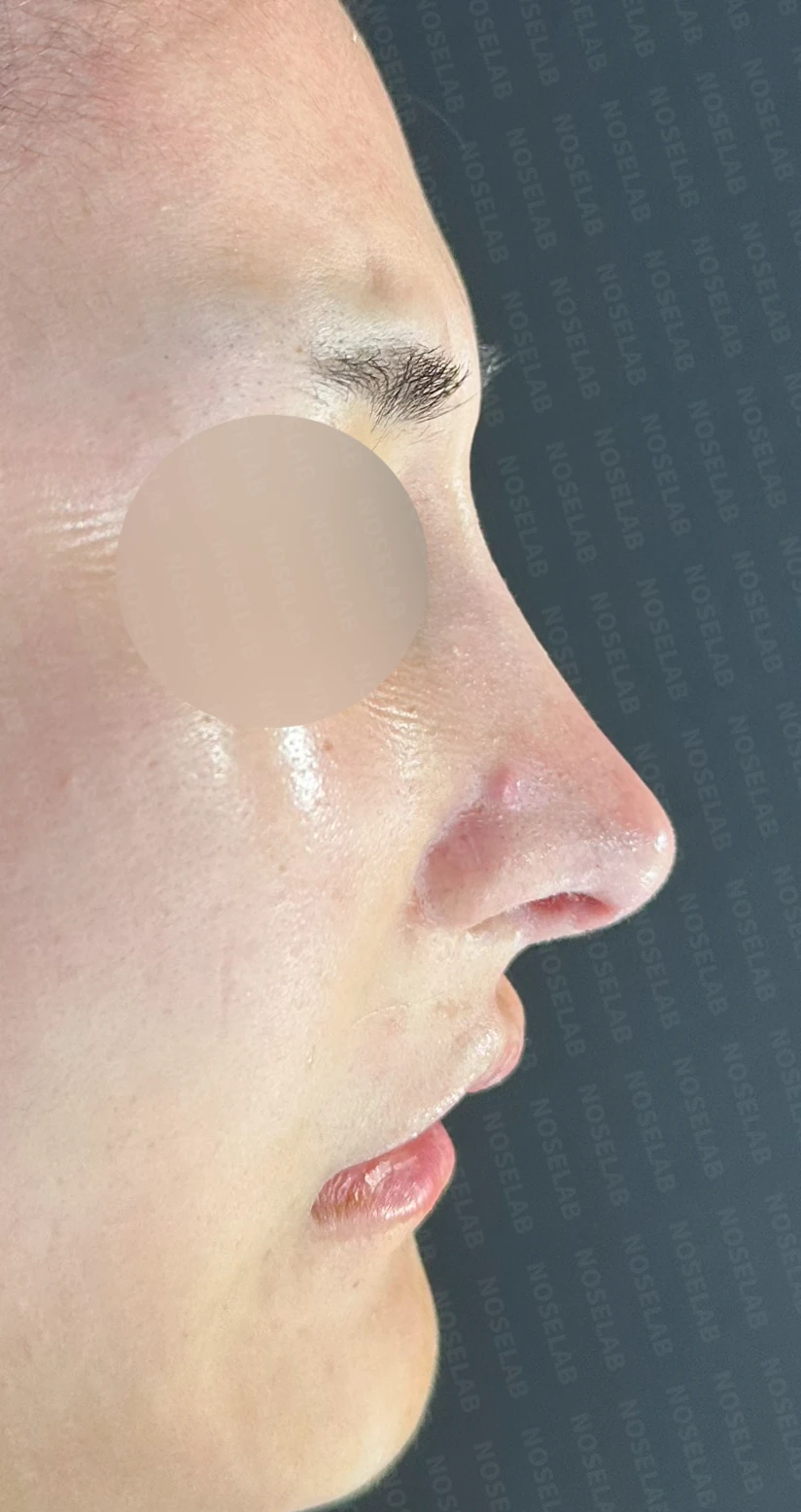
Front, profile, and oblique views taken immediately after surgery (day 0).Immediate postoperative photos show swelling and may differ from the final result.
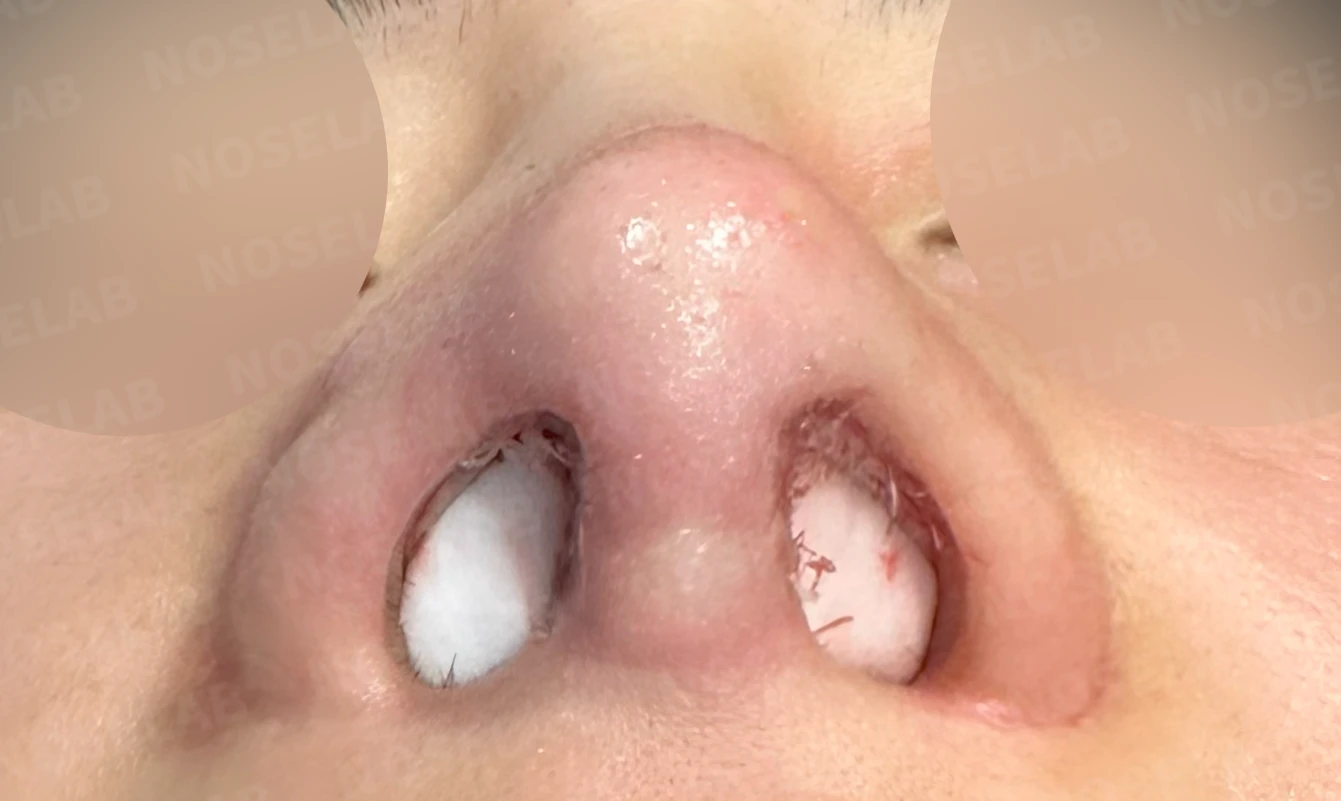
Nostril view on day 0 immediately after surgery. Photos taken immediately after surgery show swelling and may differ from the final result.
7. Overall evaluation and concluding remarks
This case demonstrates the correction of complex nasal concerns in a revision patient. Because the patient had undergone multiple prior surgeries and experienced past inflammation, meticulous surgical planning and technique were required. Considering this history, this surgery focused on thoroughly releasing contracted tissue and reconstructing damaged cartilaginous framework. This step was critical for enhancing tip stability and maintaining a stable result over the long term.
When the nasal tip has become significantly upturned due to inflammation, stem cell injection therapy helps by softening and gently expanding the skin envelope. In this case as well, preoperative stem cell therapy improved skin condition, supporting a better surgical outcome.
I hope this case offers encouragement to those troubled by complex nasal concerns such as a contracted nose, upturned nose, short nose, or nostril asymmetry. Even when there is a history of multiple surgeries or complications like inflammation, satisfying outcomes can be achieved through proper surgical planning, precise technique, and systematic perioperative care.
Drawing on extensive experience and specialized expertise, we design surgical plans tailored to each patient's condition and goals. In particular, utilizing anatomical knowledge and surgical experience as a board-certified otolaryngologist (ENT specialist), we take a comprehensive approach that considers both cosmetic refinement and functional improvement.
If you are considering rhinoplasty, especially revision surgery, be sure to choose the surgical approach that best suits you through an in-depth consultation with an experienced specialist. NOSELAB is dedicated to helping you achieve a healthy, refined nose.
This was Dr. Peter C. Kang. Thank you.
Thank you.
#rhinoplasty #contractednose #upturnednose #shortnose #bulbousnose #nostrilasymmetry #septalextension #ribcartilagegraft #closedrhinoplasty #revisionrhinoplasty #ENTspecialistrhinoplasty #stemcelltherapy #safesurgery #customrhinoplasty #nasolabialanglecorrection #bridgeaugmentation #tiprhinoplasty

Limitations and risks
When autologous rib cartilage is used, scarring and pain may remain at the donor site on the chest, and pneumothorax (pleural injury) can occur rarely. Over time, the grafted cartilage may warp or undergo partial resorption.
When the septum is corrected at the same time, nasal obstruction may persist or recur, and in rare cases, septal perforation or changes in smell may occur.
Common potential risks include infection, bleeding, asymmetry, scarring, skin necrosis, and insufficient improvement; results vary depending on individual skin condition and previous surgical history.