Hello, I am Dr. Peter C. Kang.
Today, I would like to share the case of a patient who underwent autologous rib cartilage reconstruction alongside surgery for nasal obstruction to address a crooked nose, a long nose, and severe facial asymmetry.
📍 Surgical history
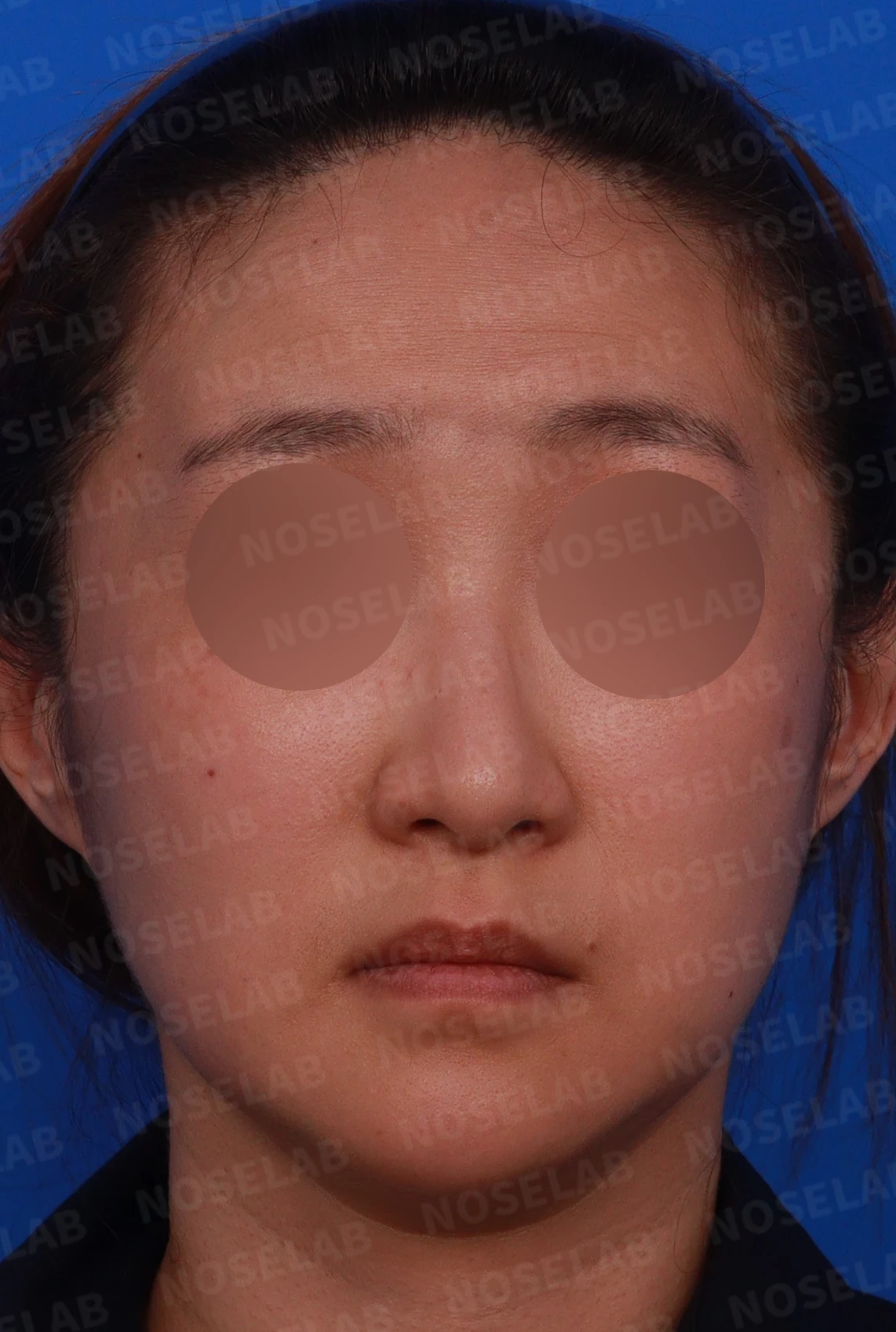
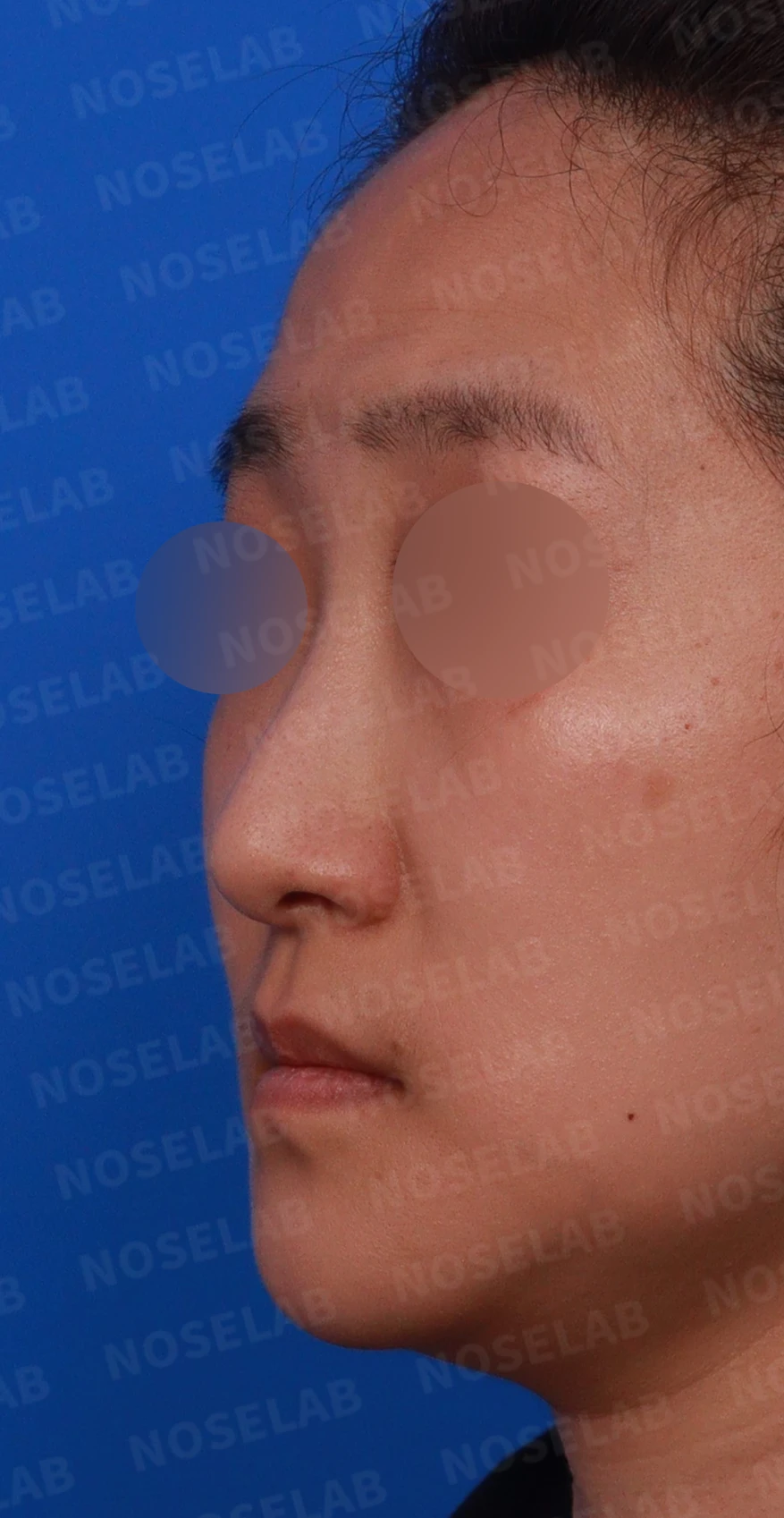
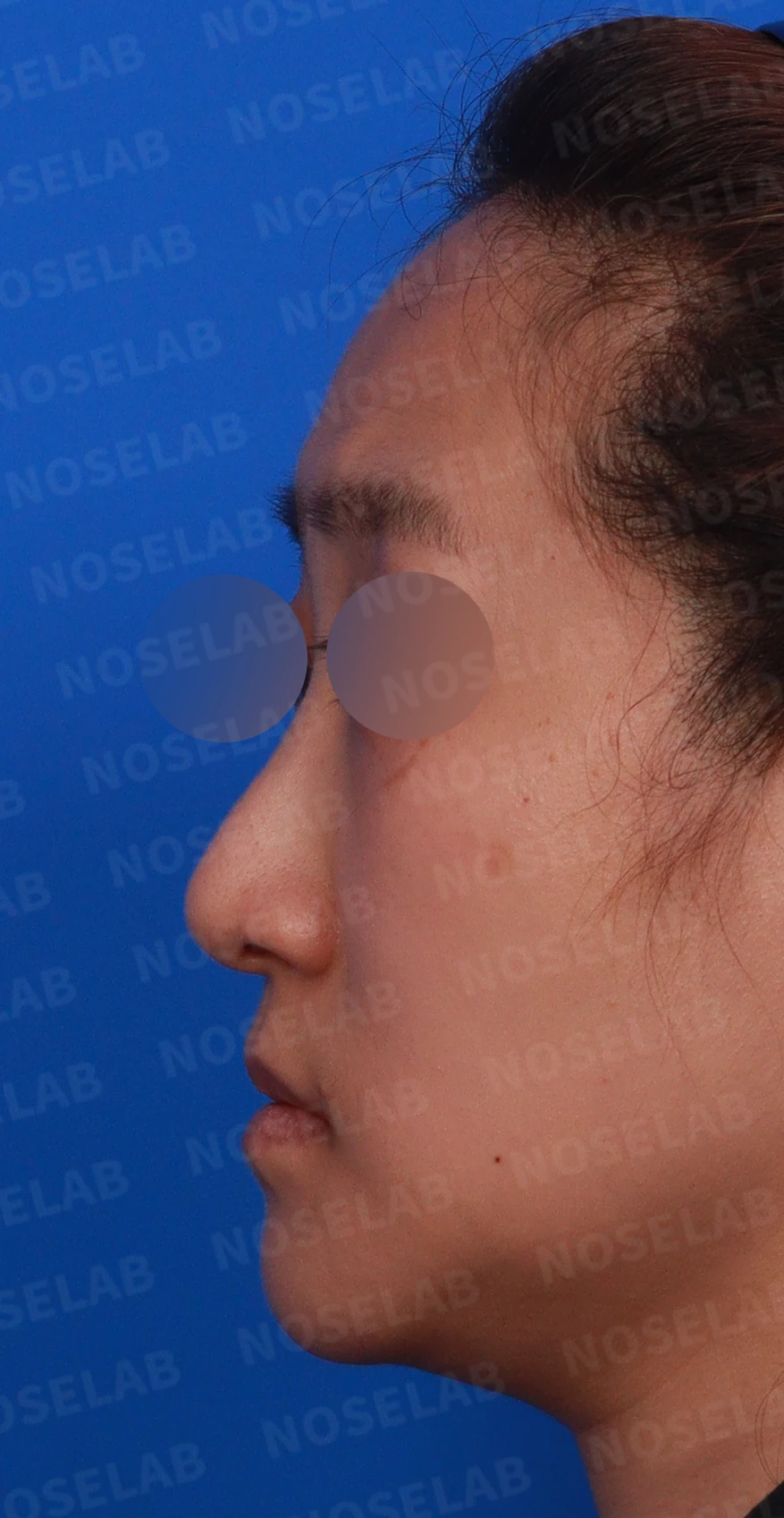
Design consultation: front, left oblique, and profile views.
10 years ago
Nasal filler injection → dissolved
8 to 9 years ago
Ear cartilage and dorsal hump reduction in Apgujeong
🔎 Initial consultation findings
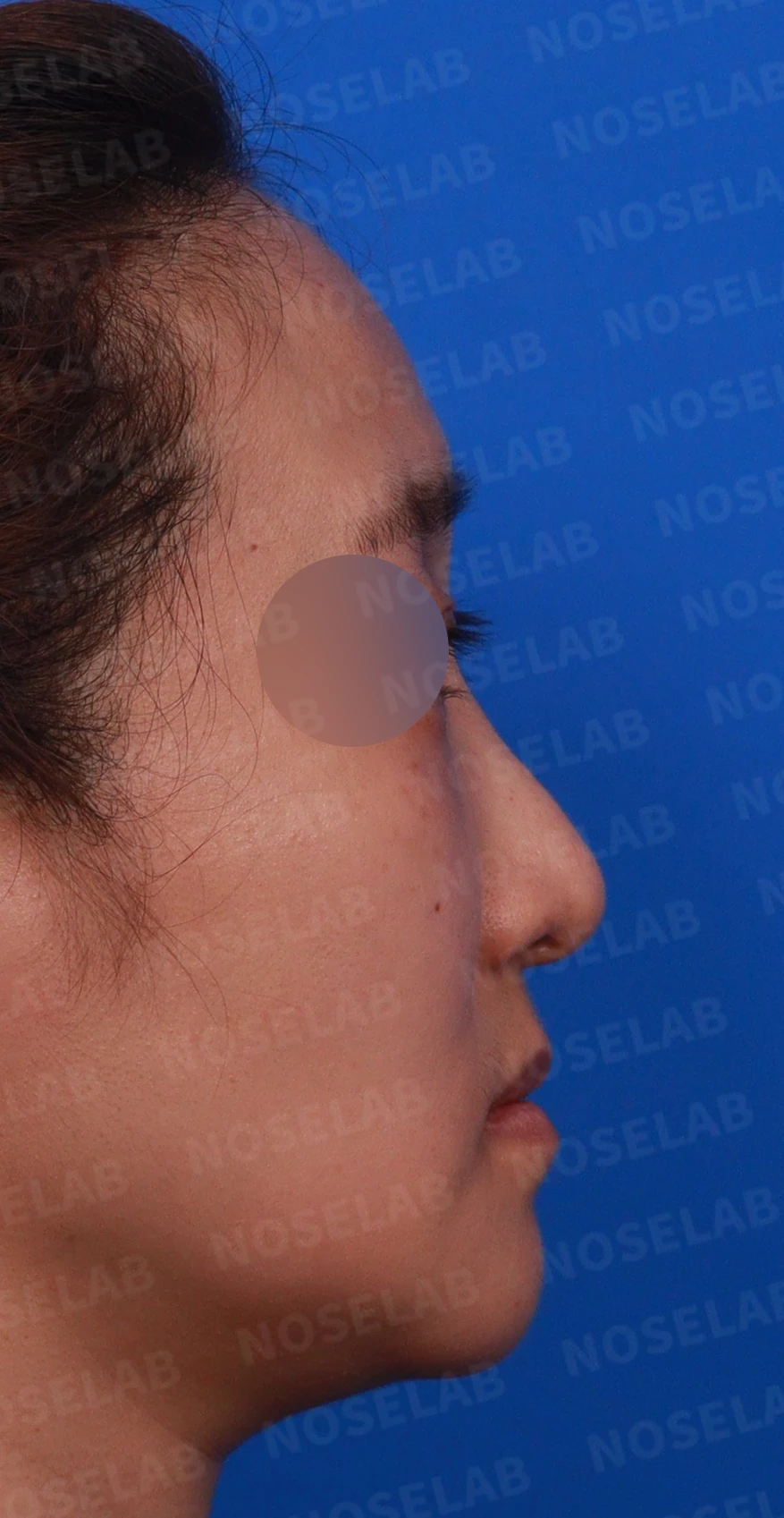
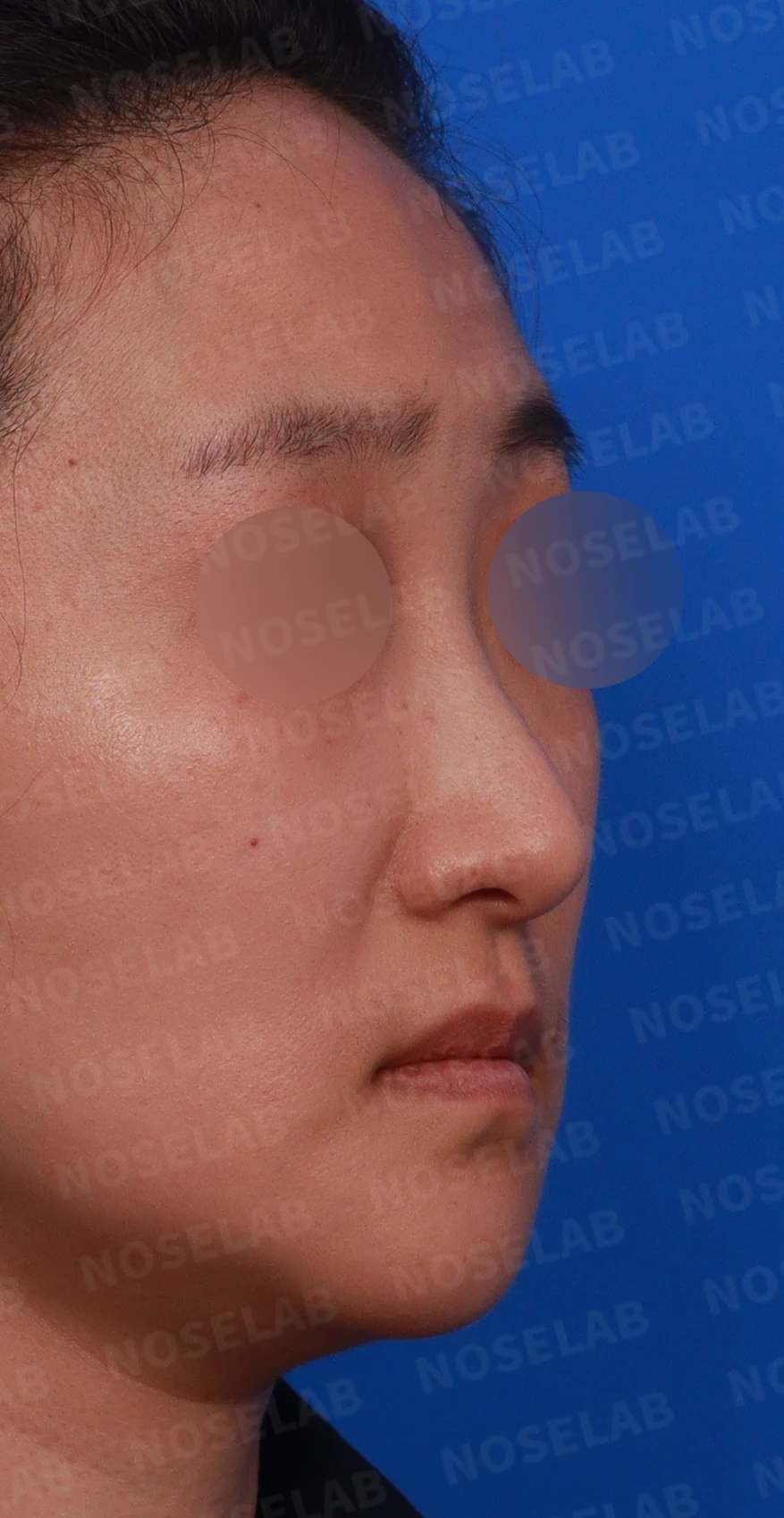
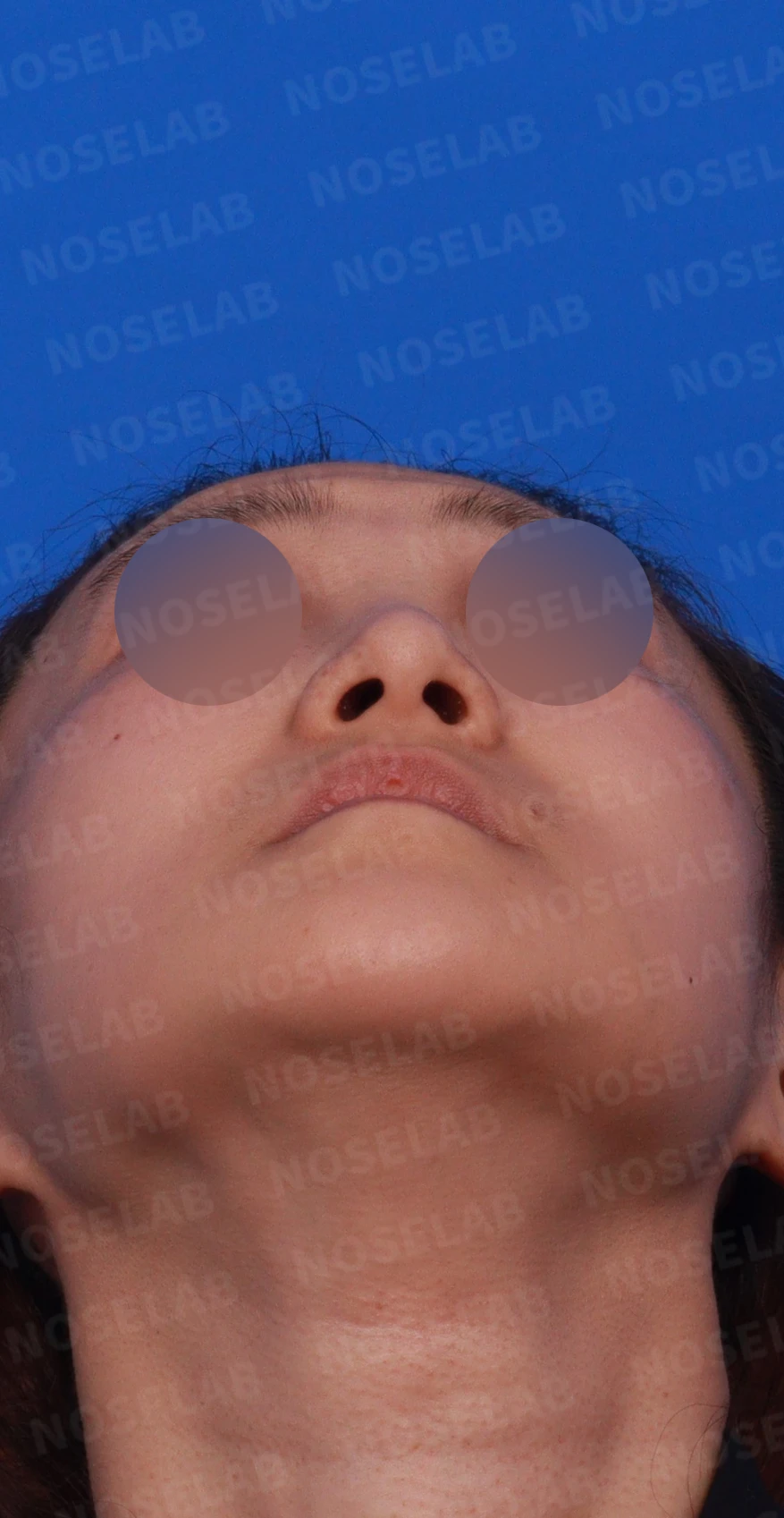
Design consultation: right profile, oblique, and nostril views.
Patient information
Symptoms: nasal obstruction during sleep, snoring
Notable finding: severe facial asymmetry
Primary concerns
Nose appearing deviated to the left
Imbalance in facial proportions due to a long nose
Bulbous nose (flared nasal tip)
Lack of definition due to insufficient height
Functional issues
Nasal obstruction during sleep
Snoring symptoms
Suspected deviated septum
Special notes
Nasal deviation worsened by severe facial asymmetry
Structural issues unresolved by prior surgery
Need for simultaneous aesthetic and functional improvement
✨ Patient's requests
Complete correction of crooked nose
Achieving a tall, well-defined nose
Improving the long-appearing nose
Refining the nasal tip through bulbous tip correction
💉 Surgical procedure details
Autologous rib cartilage reconstruction
Removal and replacement of previous surgical materials
Using rib cartilage to secure sufficient height
Reinforcing structural stability
Septal reconstruction
Fundamental correction of the crooked nose
Correction of deviated septum
Precise correction taking facial asymmetry into account
Correction of the nasolabial angle
Adjusting the nasolabial angle to improve the long nose
Midface-shortening effect by elevating the nasal tip
Creating a refined, shorter-appearing nose
Surgery for nasal obstruction
Septoplasty: improving nasal obstruction
Turbinoplasty: securing space within the nasal cavity
Improving snoring and breathing during sleep
Correction of facial asymmetry
Maximum possible compensation considering severe facial asymmetry
Precise surgery to balance left and right
Improvement in visual symmetry
✅ Surgical results
Front view
Straight nose without deviation
Compensatory effect for facial asymmetry
Refined and prominent nasal line
Sleek nasal tip
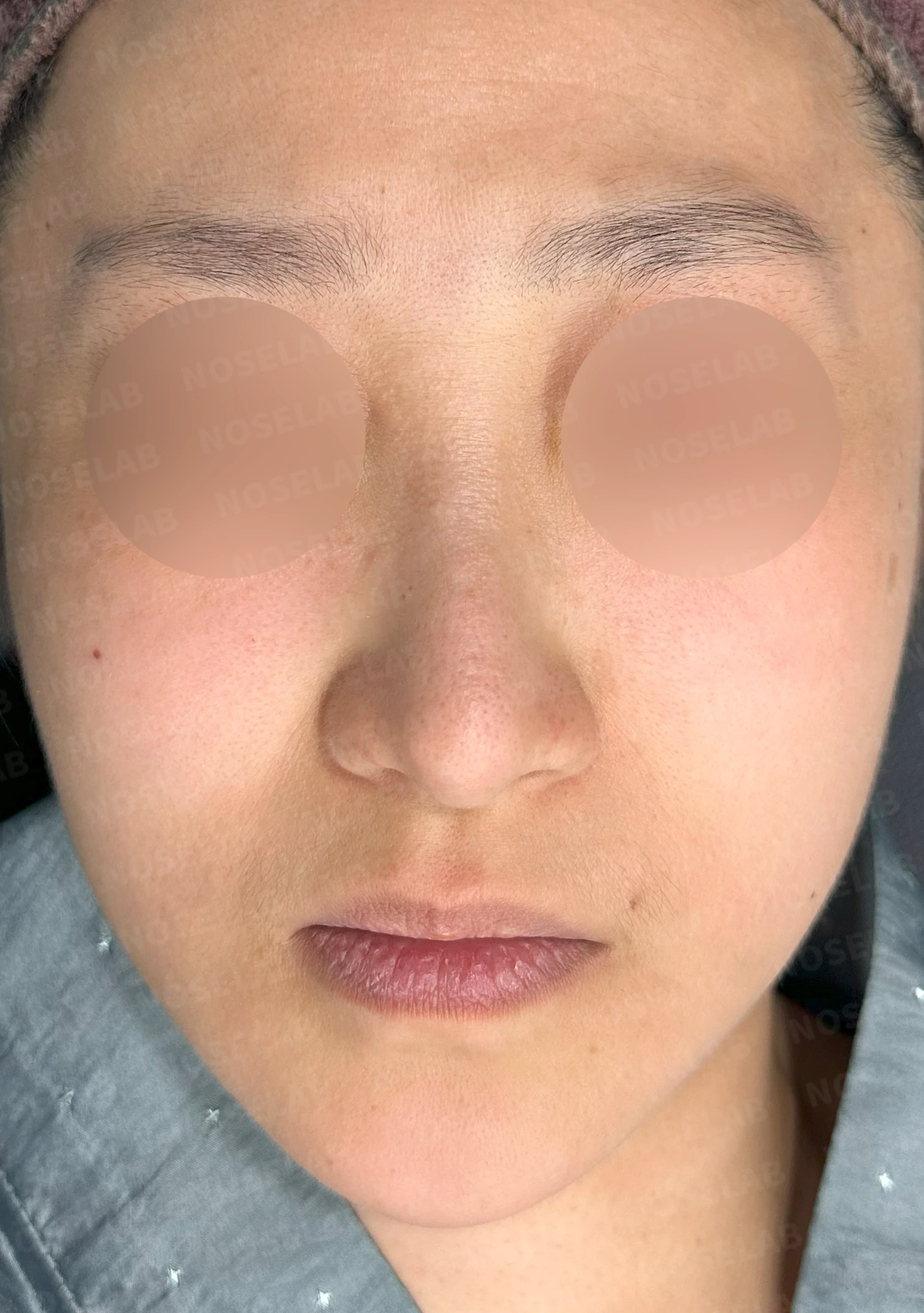
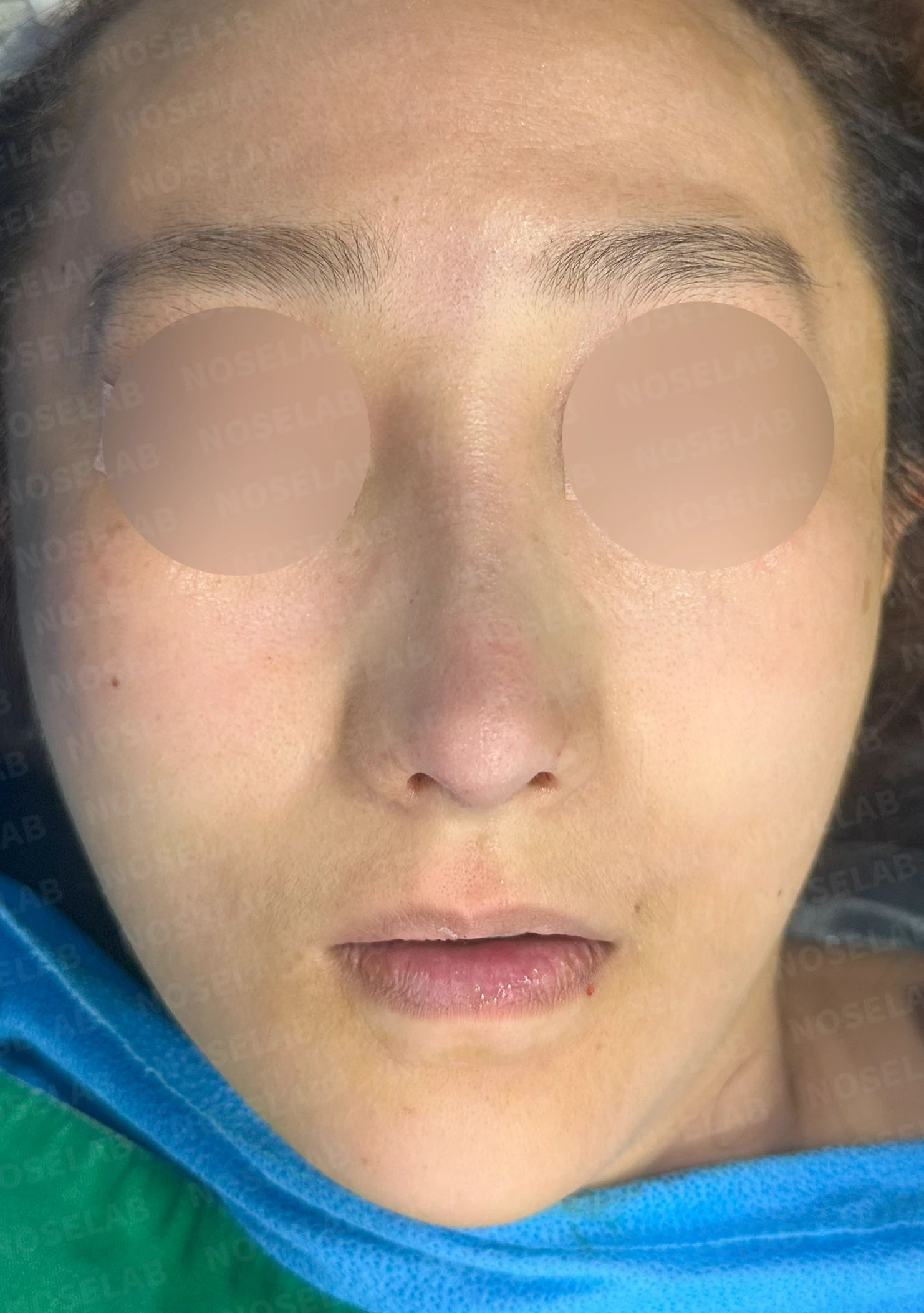
Before surgery / Day 0 immediately after surgery Photos taken immediately after surgery show swelling and may differ from the final result.
Profile view
Tall, well-defined profile
Effect of a shorter-appearing nose
Ideal nasolabial angle
Graceful nasal curve
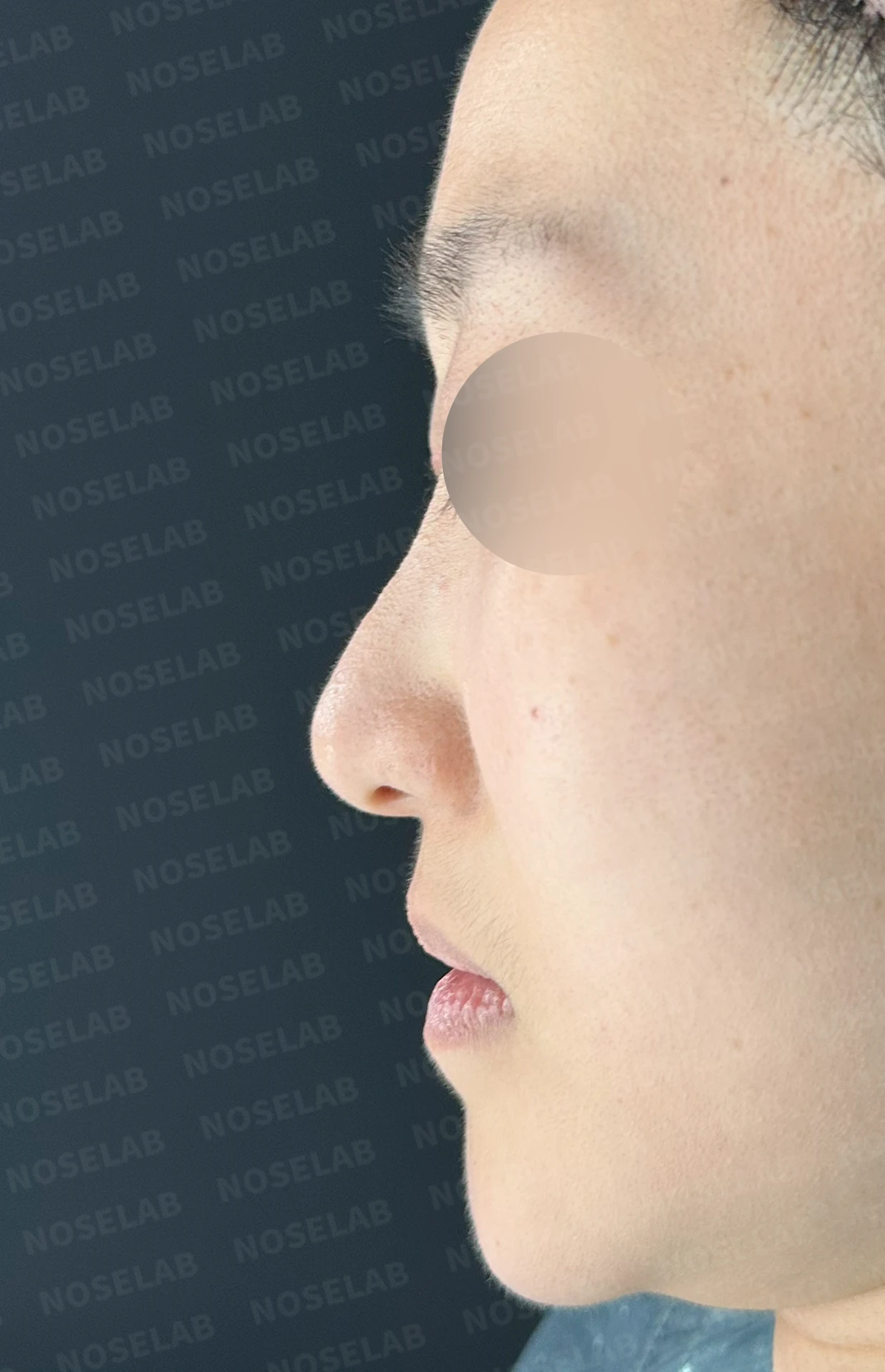
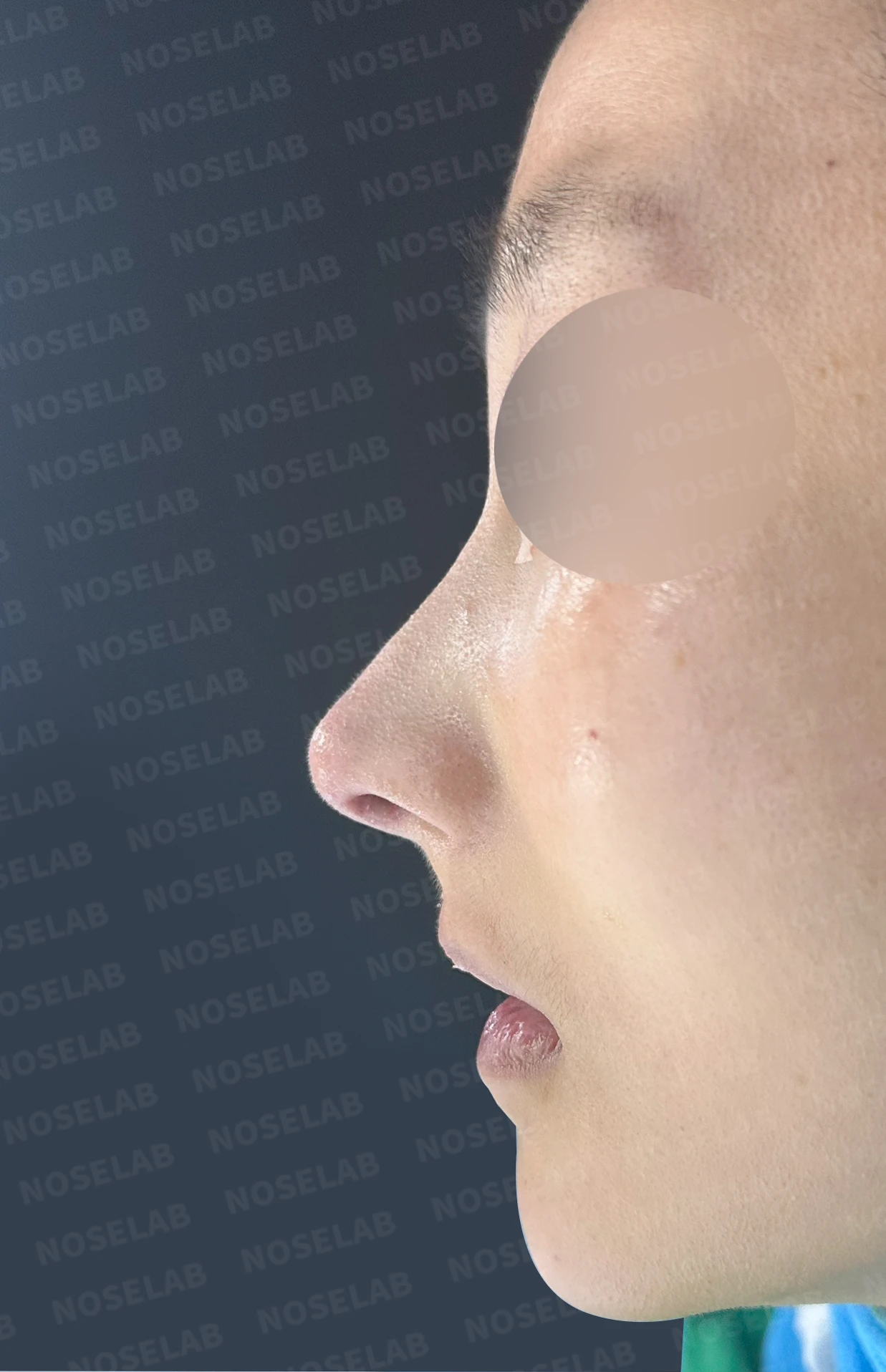
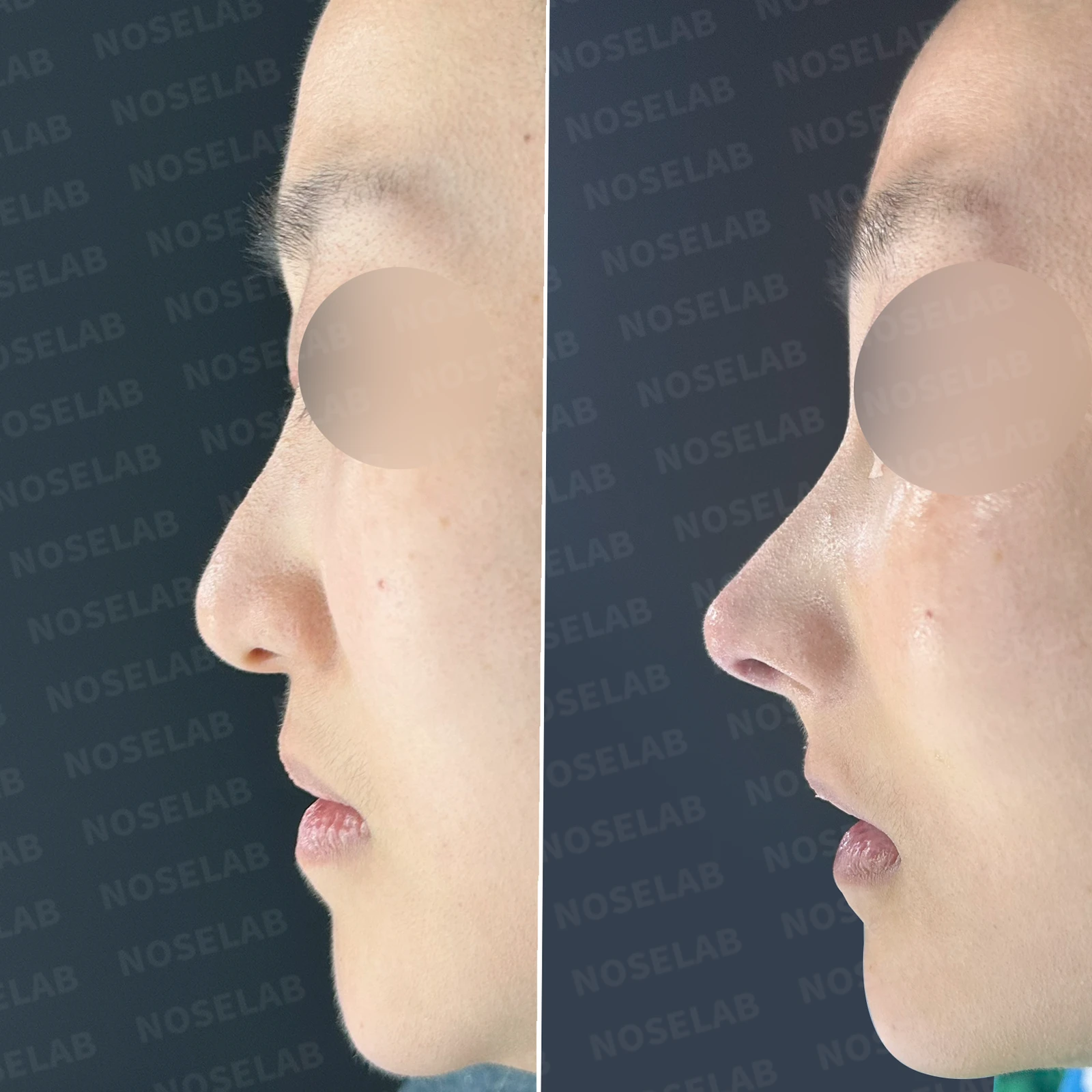
Before surgery / Day 0 immediately after surgery Photos taken immediately after surgery show swelling and may differ from the final result.
Achieving a tall, well-defined nose
Prominent profile achieved with adequate height
Refined, sophisticated nasal line
Achieved the distinct nose the patient desired
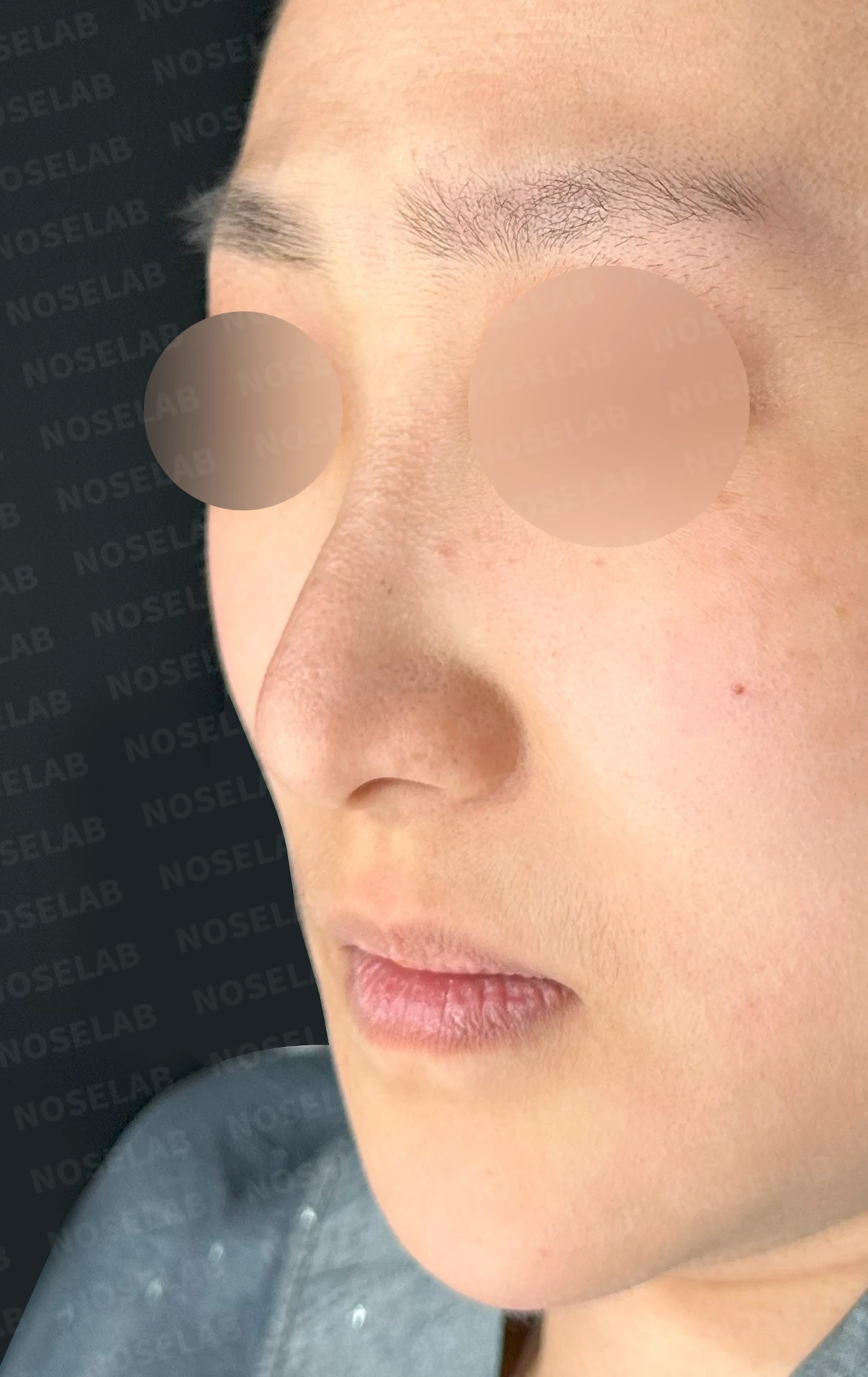
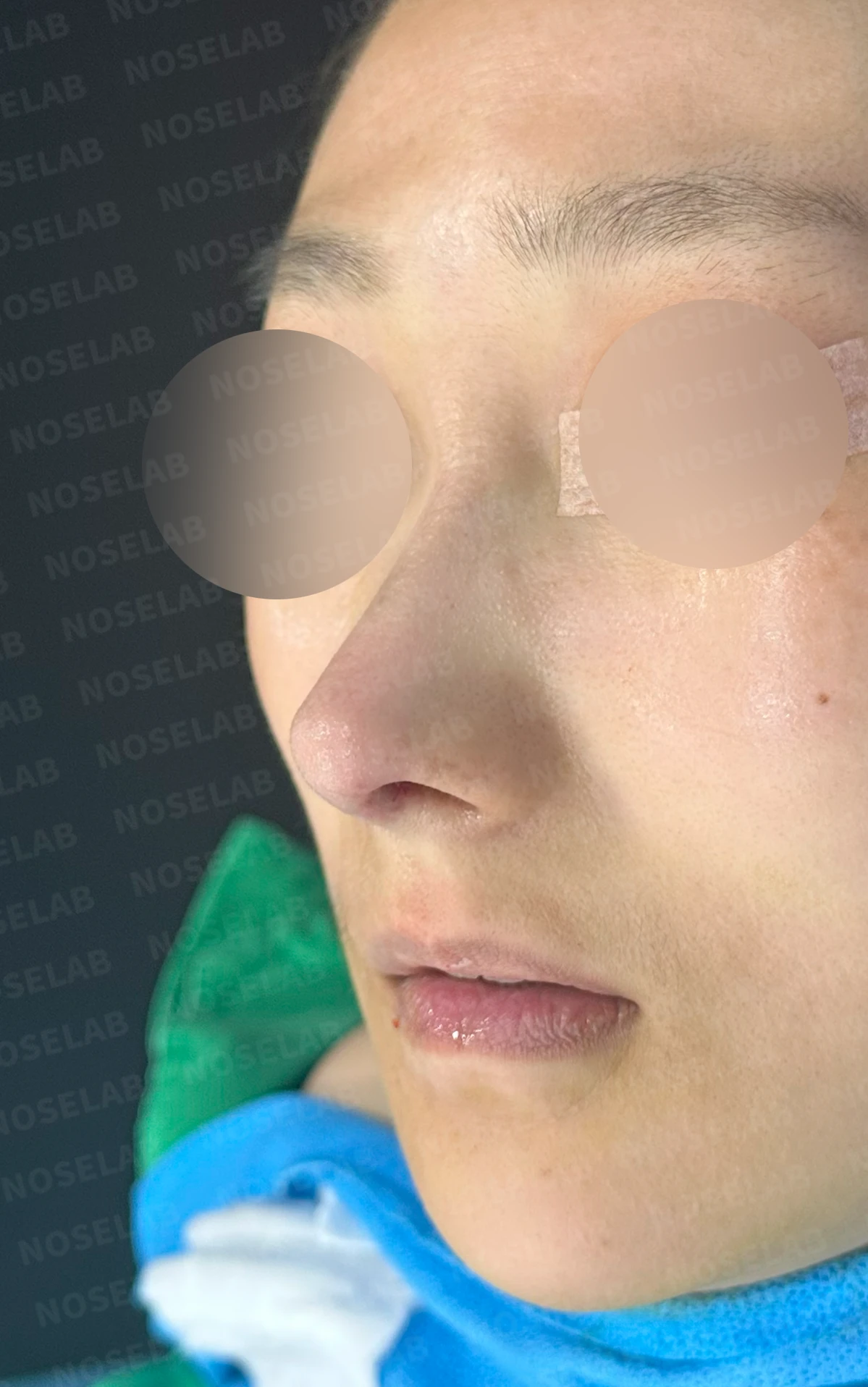
Before surgery / Day 0 immediately after surgery Photos taken immediately after surgery show swelling and may differ from the final result.
Improving the long-appearing nose
Shortened appearance through nasolabial angle correction
Improvement in overall facial proportions
Achieving a youthful and refined appearance
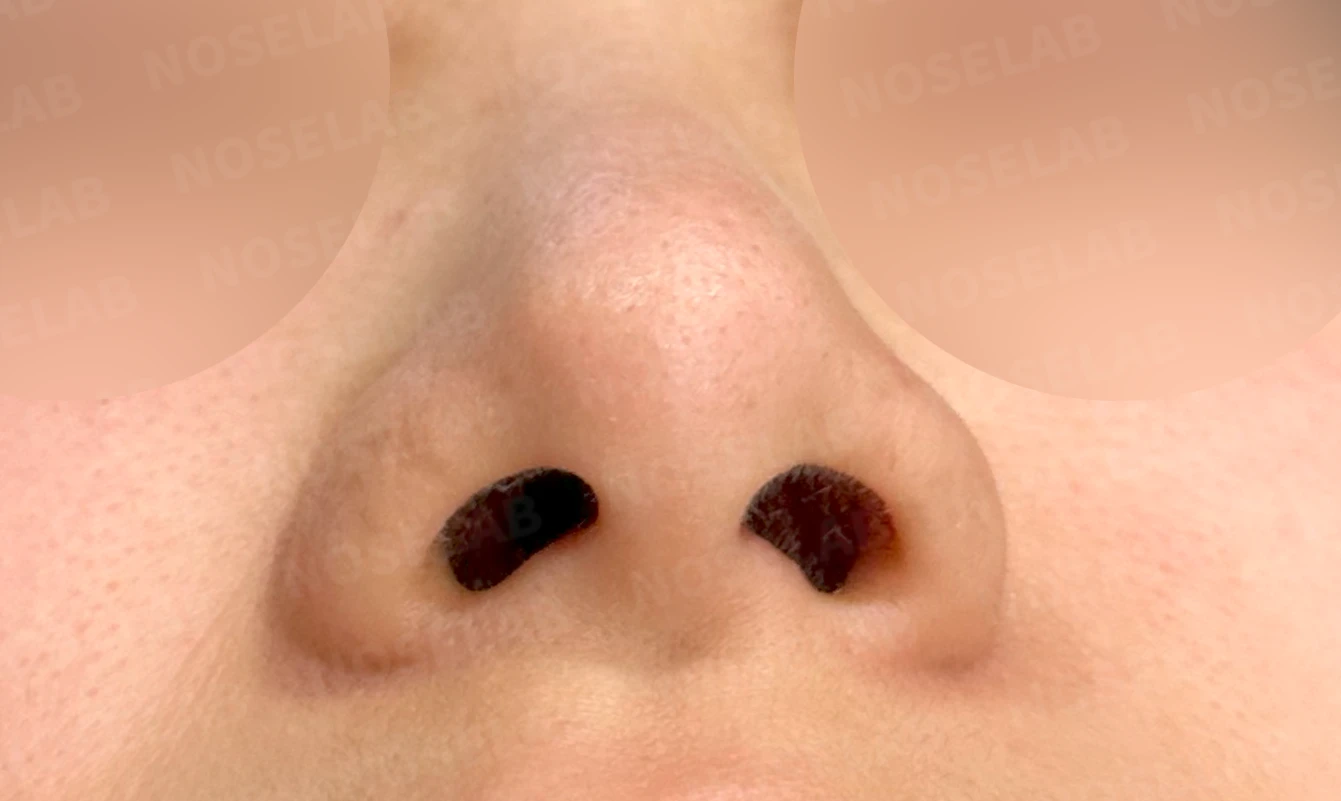
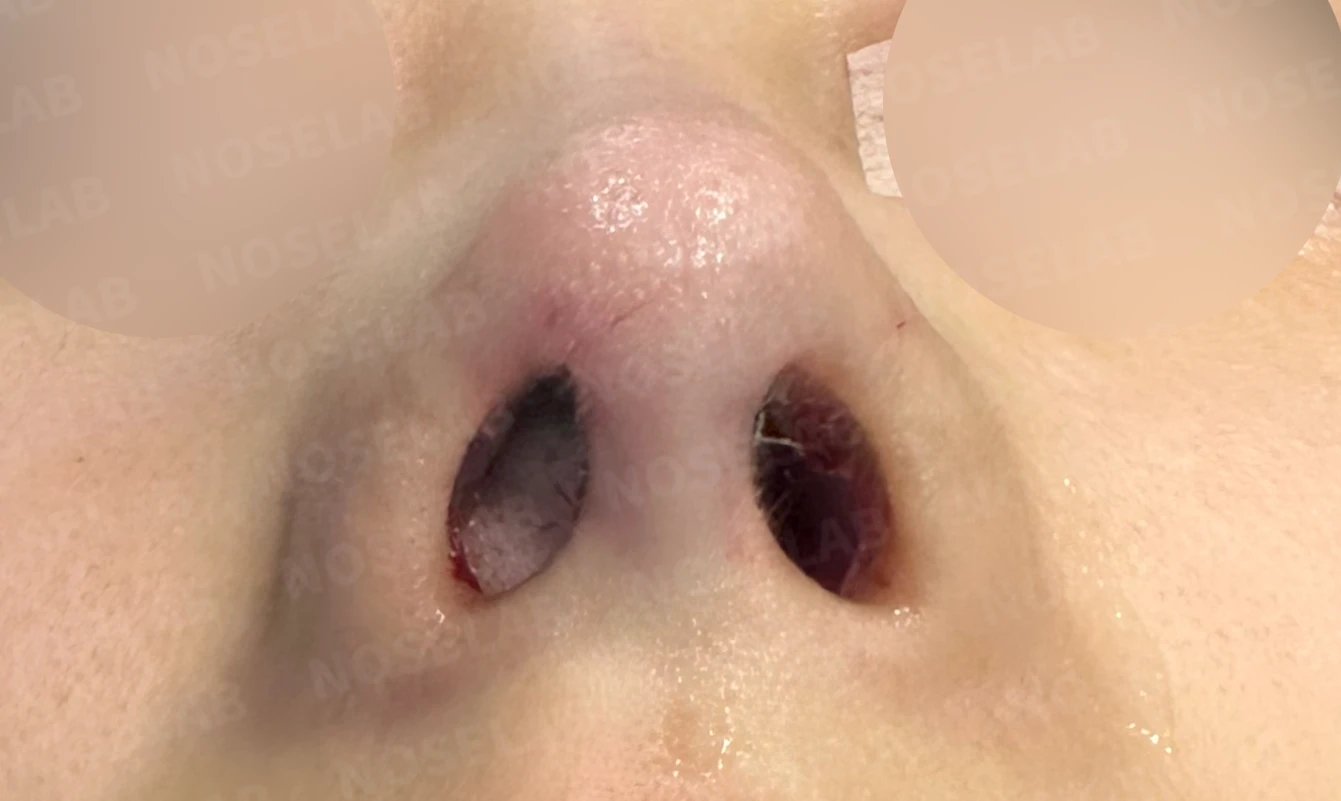
Before surgery / Day 0 immediately after surgery Photos taken immediately after surgery show swelling and may differ from the final result.
Bulbous nose correction
Focused refinement of the broad nasal tip
Sleek, refined nasal tip
Clean line from both the front and profile views
Functional improvement
Relief of nasal obstruction symptoms
Significant reduction in snoring
Comfortable breathing during sleep
Complete correction of crooked nose
Straightening the left-deviated nose
Compensatory effect for facial asymmetry
Restoration of a natural midline
👨⚕️ Specialist's assessment
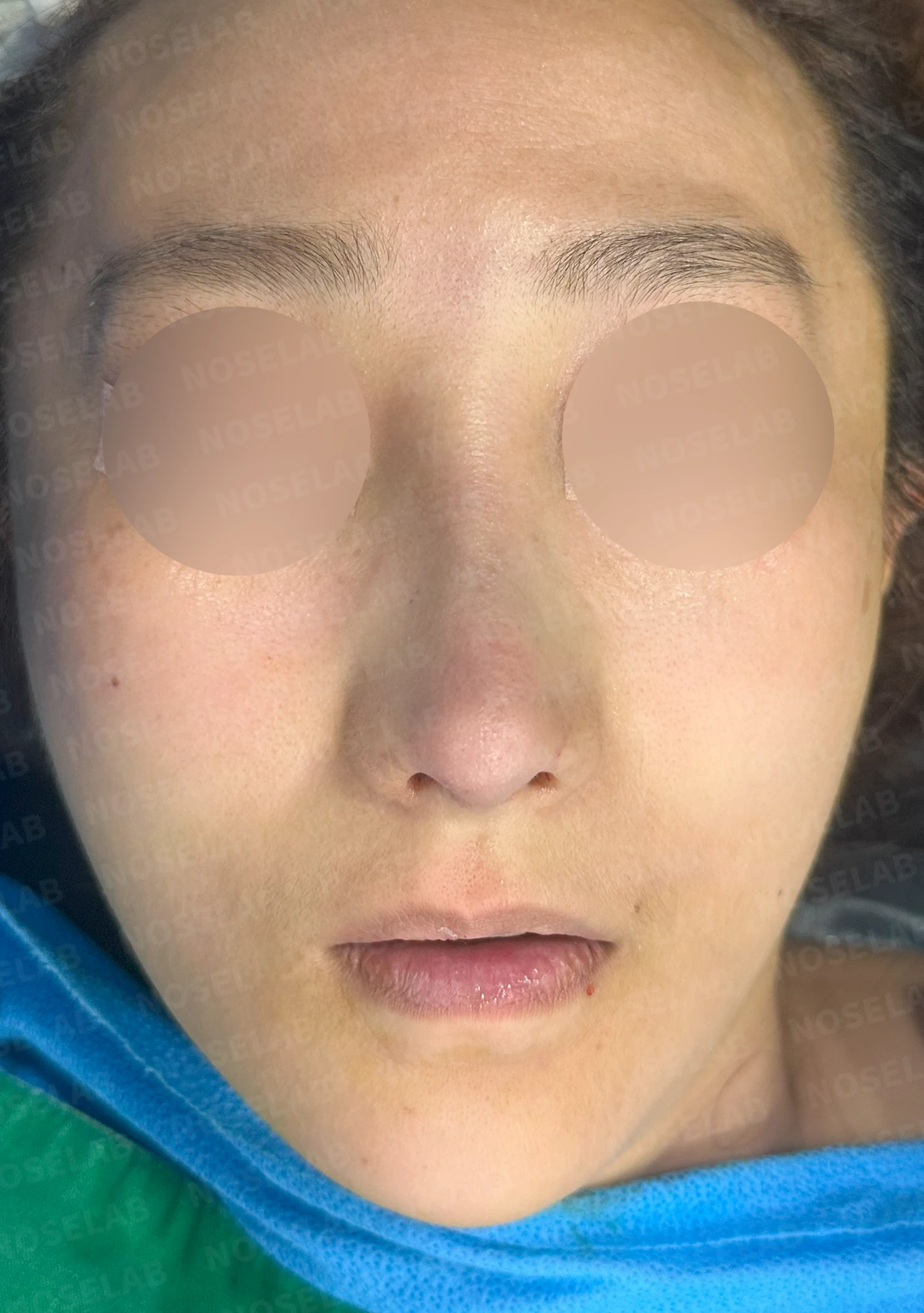
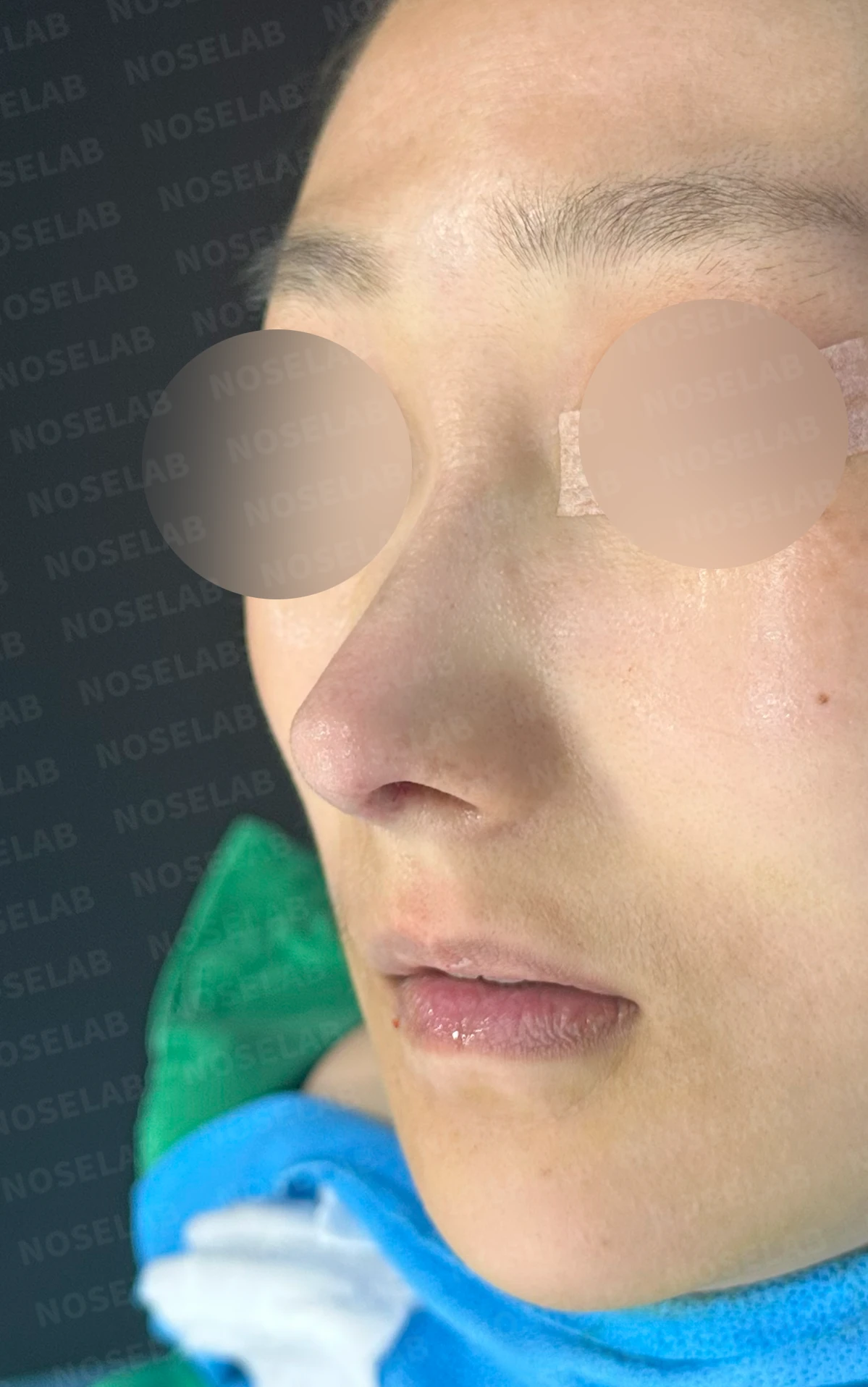
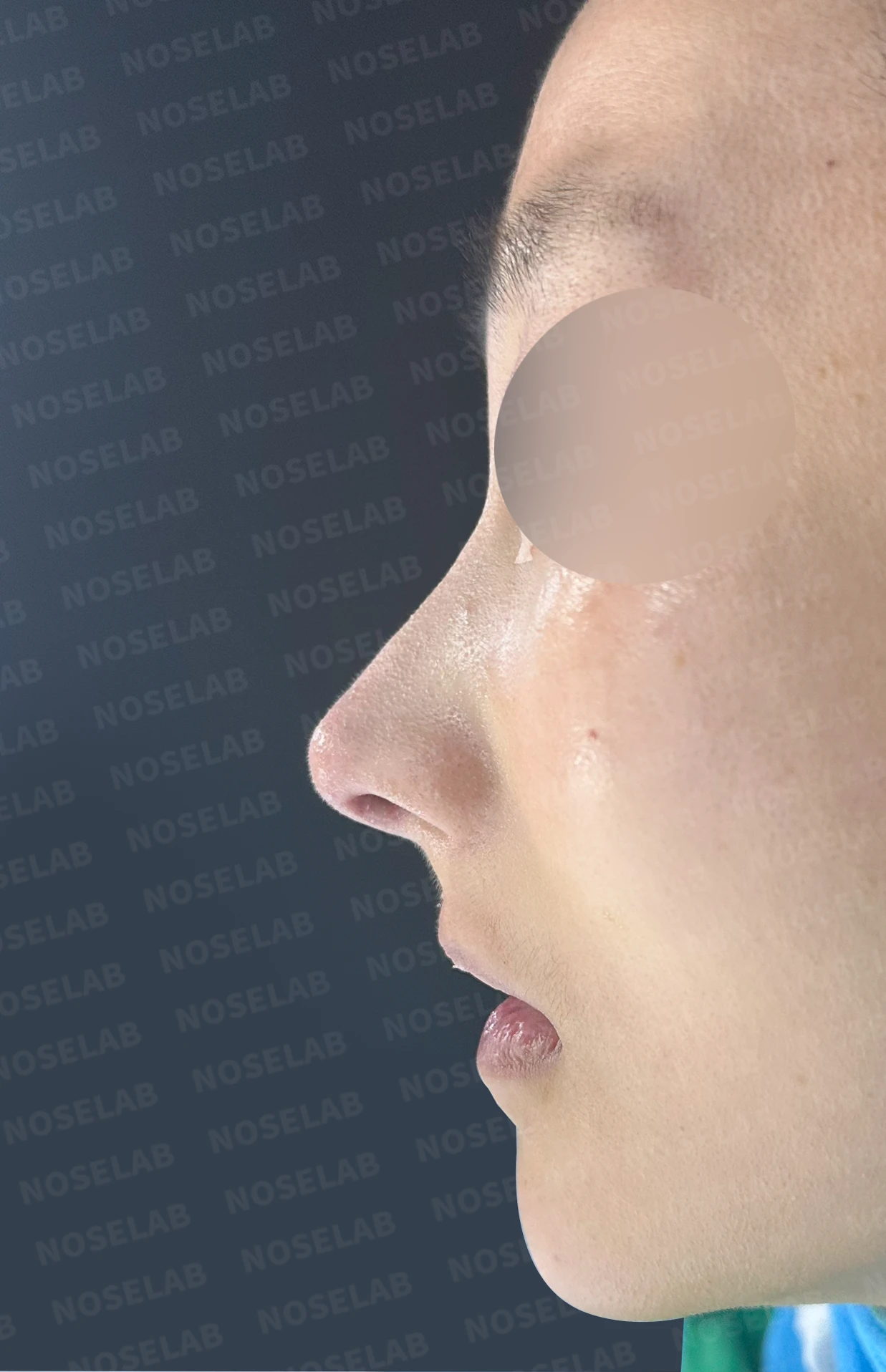
Immediately after surgery (day 0): front, oblique, and profile views. Immediate postoperative photos show swelling and may differ from the final result.
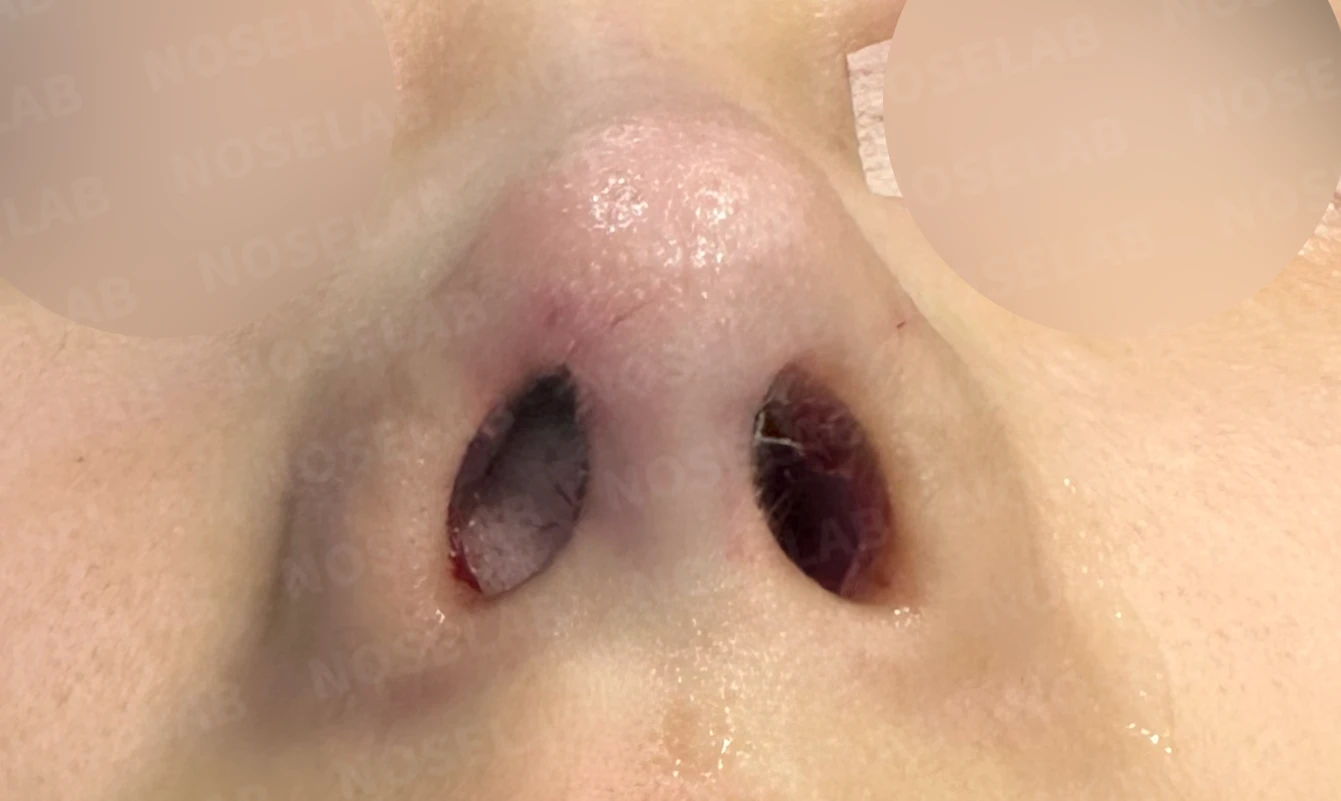
Nostril view on day 0 immediately after surgery. Photos taken immediately after surgery show swelling and may differ from the final result.
This patient presented with persistent concerns regarding a crooked nose, a long nose, and a bulbous tip, despite having received nasal filler 10 years ago and an ear cartilage graft with dorsal hump reduction 8 to 9 years ago. In particular, the nasal deviation appeared more pronounced due to severe facial asymmetry.
The patient's primary concern was the nose appearing deviated to the left. This was not merely an external aesthetic issue, but the combined result of a deviated septum and underlying facial asymmetry. To resolve this, structural correction through septal reconstruction was essential.
Reconstruction using autologous rib cartilage was chosen to achieve the tall, prominent nose the patient desired. Because ear cartilage from the previous surgery could not provide sufficient height and structural stability, rib cartilage was utilized to ensure definite improvement.
Adjusting the nasolabial angle was key to correcting the elongated appearance of the nose. By elevating the nasal tip appropriately and refining the nasolabial angle, we created a visual shortening effect. This also contributed significantly to balancing the overall facial proportions.
Correction of the bulbous tip involved reorganizing the tip structure to bring the broad nasal tip together. By reinforcing the tip support structure with autologous rib cartilage, we were able to create a slim and refined nasal tip.
Functional concerns could not be overlooked. Because the patient suffered from nasal obstruction and snoring during sleep, septoplasty and inferior turbinoplasty were performed concurrently to secure space in the nasal cavity and improve respiratory function.
The most challenging aspect in this type of case was performing the correction while taking severe facial asymmetry into account. While complete symmetry is not possible, maximizing visual balance helped achieve a more harmonious face. This approach considered overall facial harmony rather than focusing solely on the nose itself.
As a result, all of the patient's goals were accomplished. The crooked nose was straightened, a tall and well-defined line was created, and the elongated appearance was resolved. The bulbous tip was also refined, completing an overall sophisticated and well-balanced nose.
Most importantly, achieving comfortable breathing and better sleep through functional improvement was a significant achievement. This was a successful case that improved both aesthetics and function simultaneously.
This was Dr. Peter C. Kang. Thank you.
#closedrhinoplasty #revisionrhinoplasty #autologousribcartilage #crookednosecorrection #asymmetrycorrection #bulboustipcorrection #nasalobstructionsurgery #deviatedseptum #snoringtreatment #highbridge #definednose

Limitations and risks
When autologous rib cartilage is used, scarring and pain may remain at the donor site on the chest, and pneumothorax (pleural injury) can occur rarely. Over time, the grafted cartilage may warp or undergo partial resorption.
When the septum is corrected at the same time, nasal obstruction may persist or recur, and in rare cases, septal perforation or changes in smell may occur.
Common potential risks include infection, bleeding, asymmetry, scarring, skin necrosis, and insufficient improvement; results vary depending on individual skin condition and previous surgical history.