Hello, I am Dr. Peter C. Kang.
Today, I would like to introduce a revision rhinoplasty case of a patient whose septum was severely damaged from previous surgeries and who was also suffering from nasal obstruction.
🔍 Surgical history
In this type of case, the patient had undergone rhinoplasty twice before.
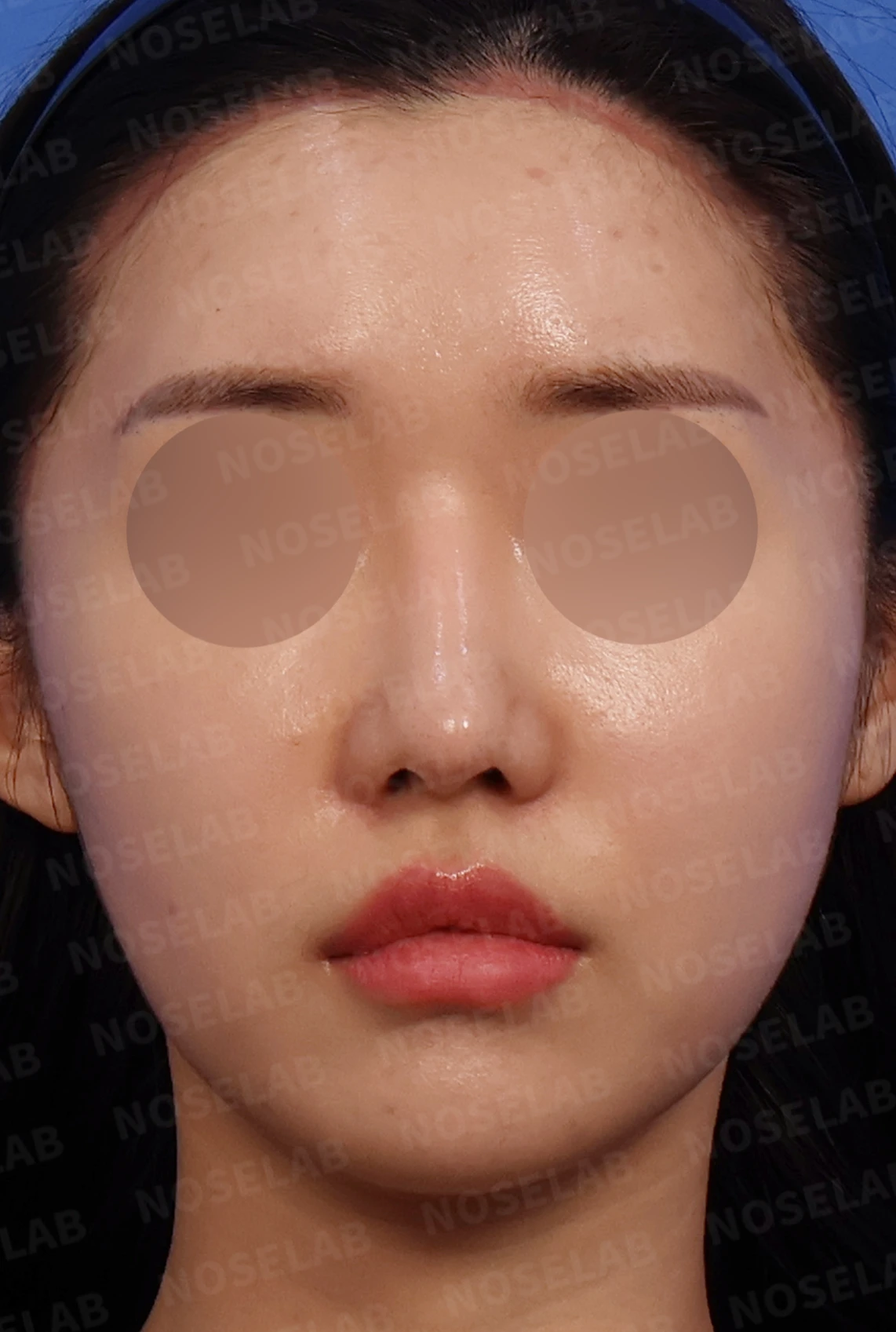
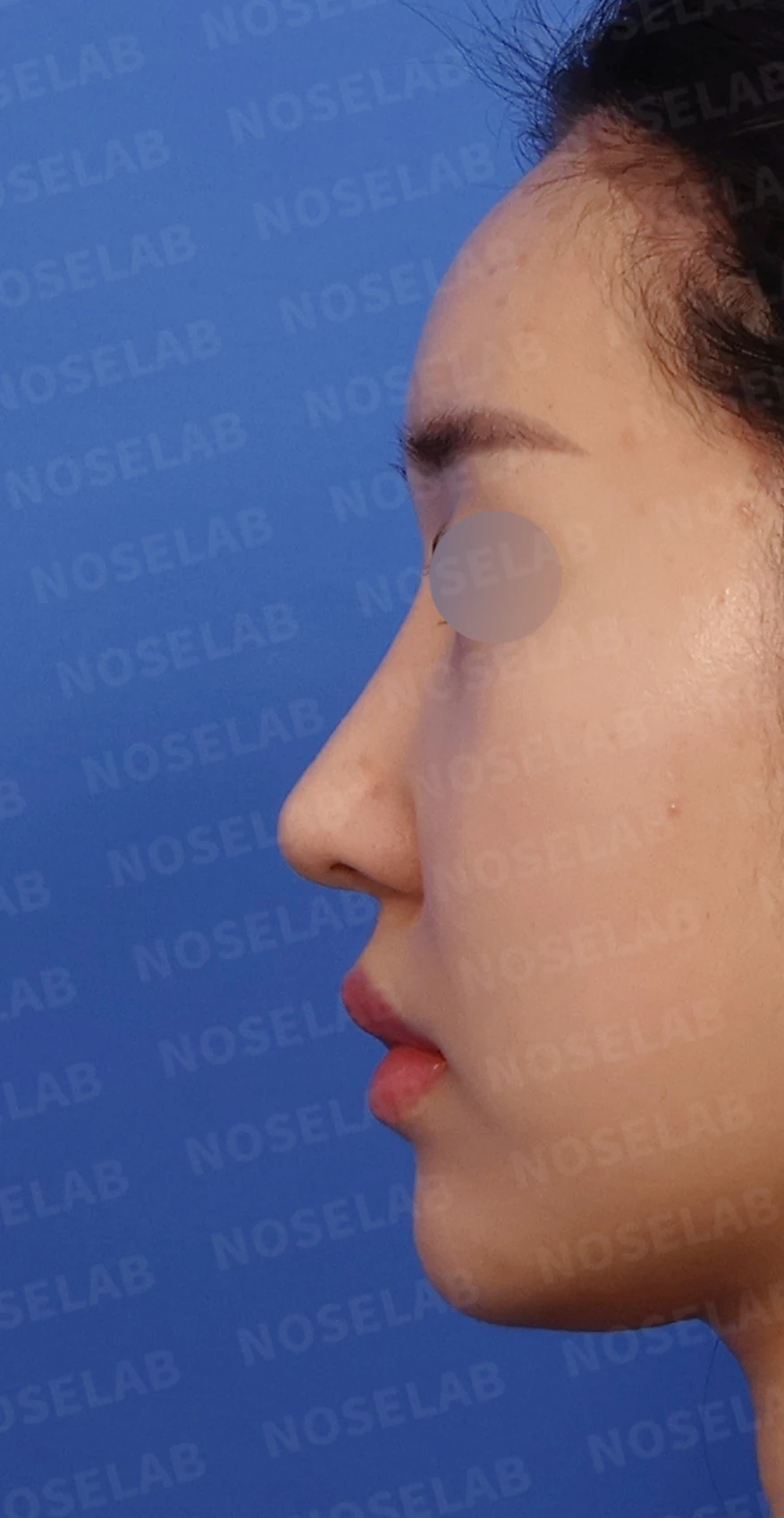
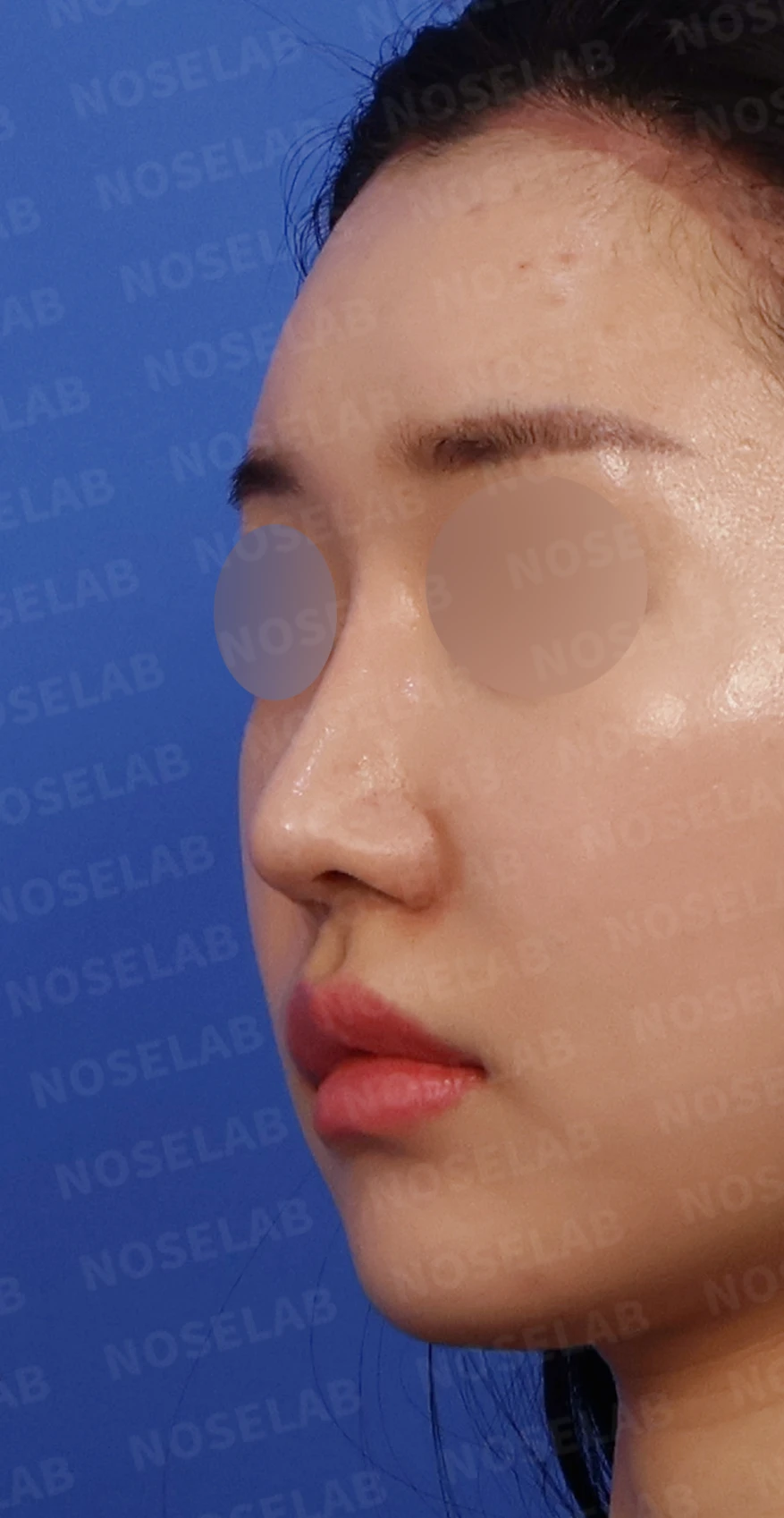
Front, left profile, and oblique views during design consultation.
Approximately 7 years ago: First rhinoplasty using Alloderm, ear cartilage, and a silicone implant
Approximately 3 years ago: Silicone implant replacement, Alloderm removal, and functional nasal surgery
However, the septum was severely damaged due to these prior surgeries, and nasal obstruction persisted, making revision surgery necessary.
💉 Patient requests
When the patient visited our clinic for consultation, the requests were as follows:
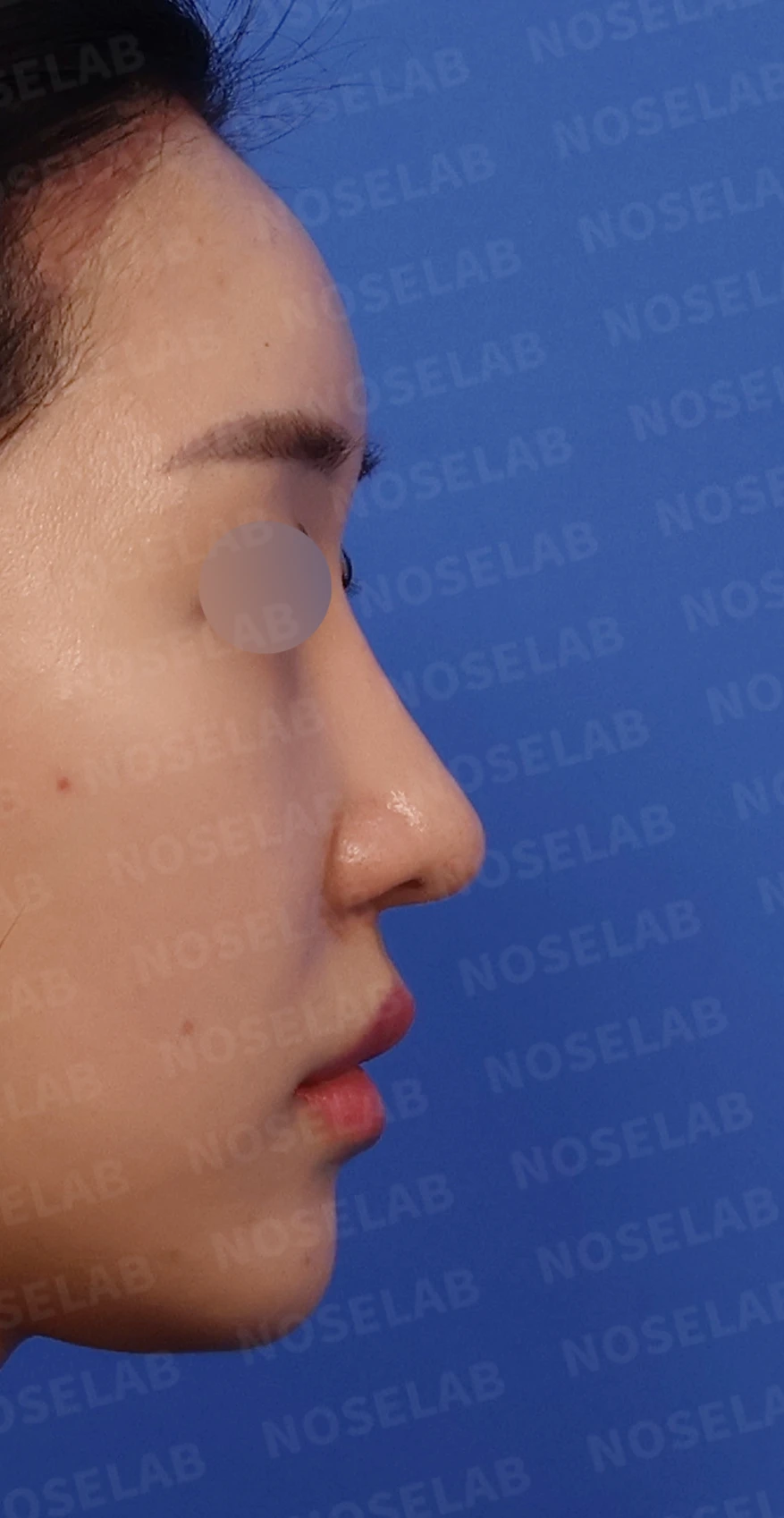
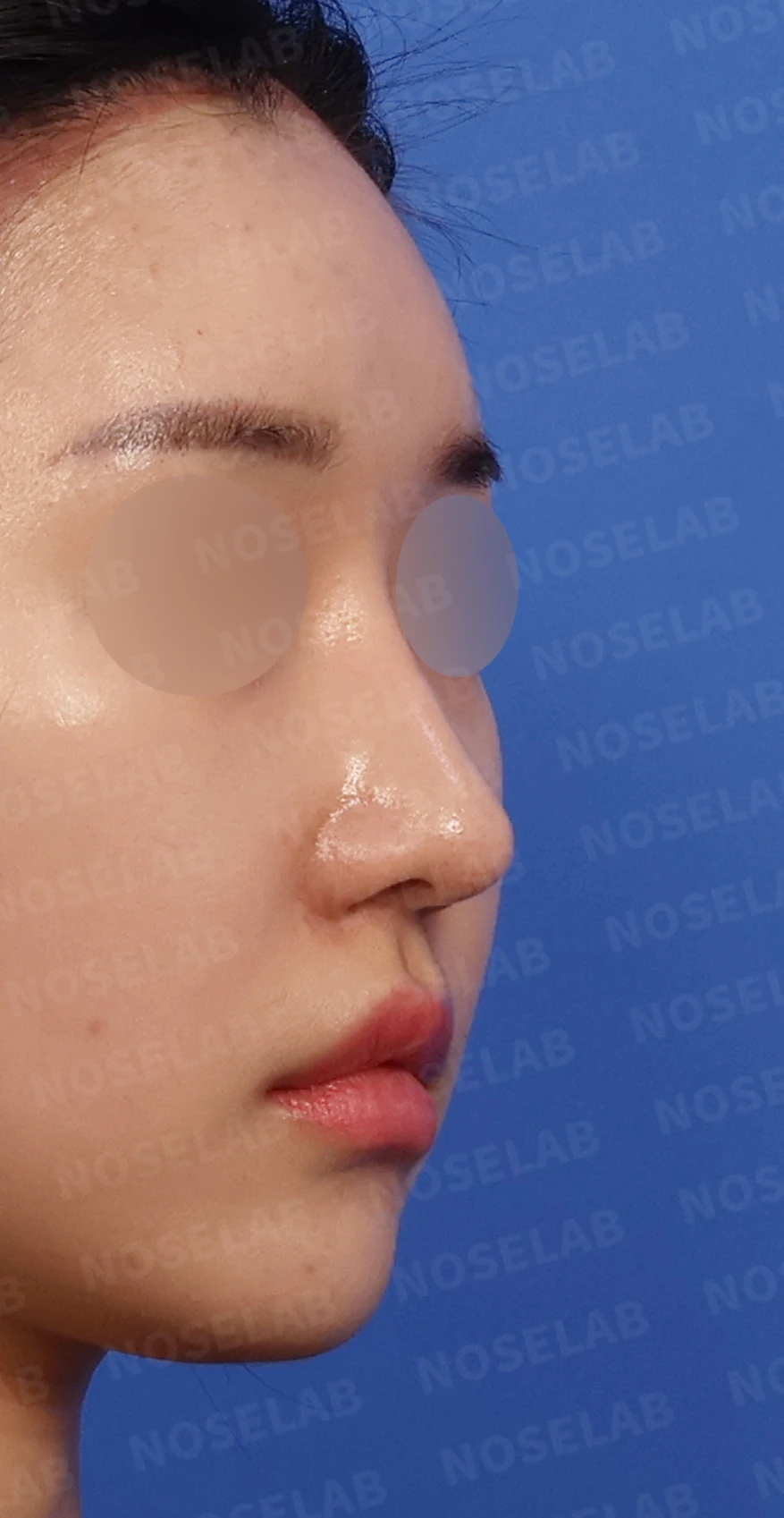
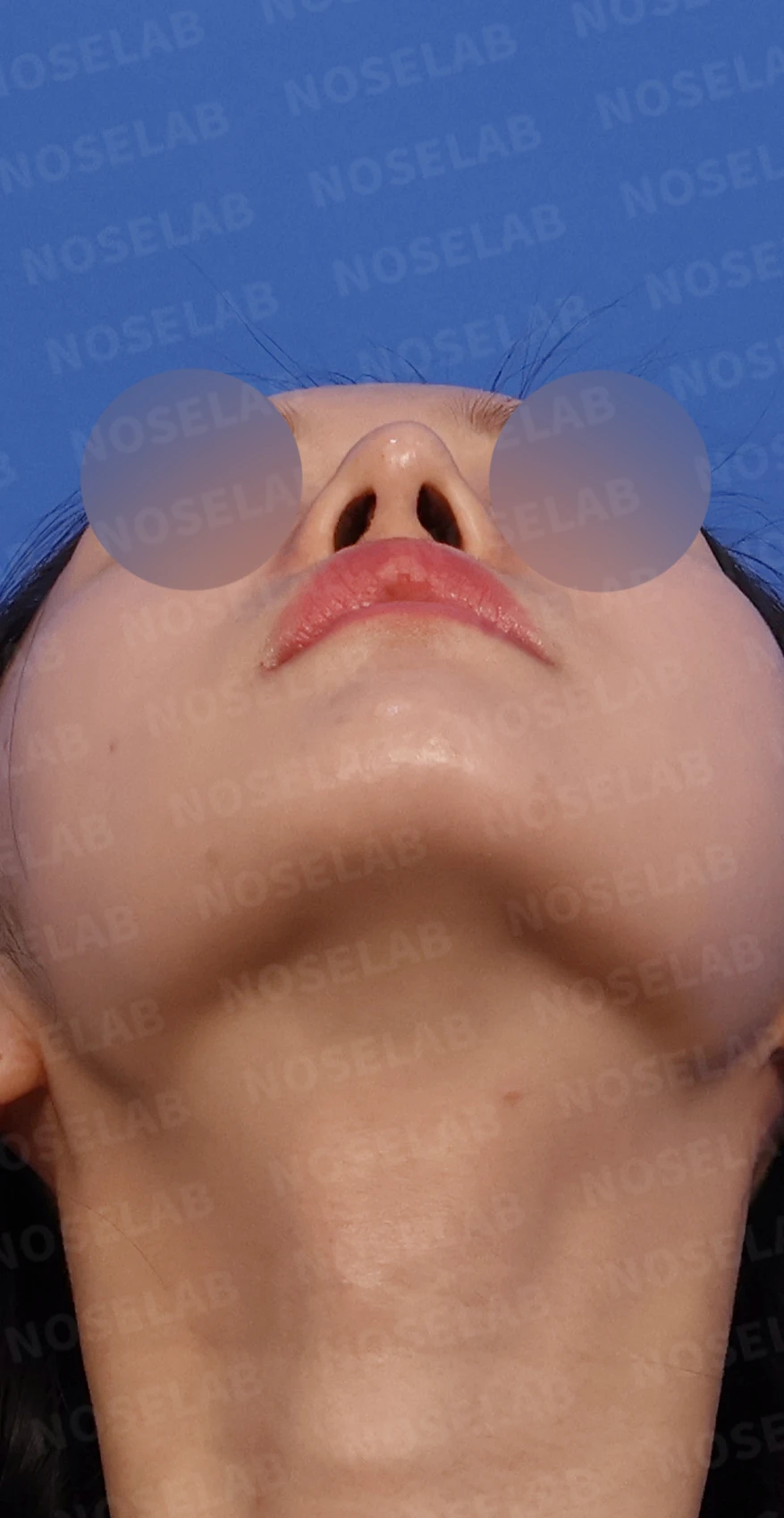
Right profile, oblique, and nostril views during design consultation.
Correction of the arrow nose (especially noticeable when smiling)
Improvement of bulbous nose
To make the midface appear shorter
Desires overall nasal height augmentation
Preference for a defined, dramatic nasal line
In particular, the patient was deeply concerned about the arrow nose and bulbous tip, and desired a distinct yet harmonious nose that complements the facial features.
🔧 Surgical plan and procedure
Preoperative nasal endoscopy and CT scans performed at our clinic confirmed a deviated septum and rhinitis. Accordingly, we established a comprehensive surgical plan to address aesthetic and functional improvements simultaneously.
1. Septal reconstruction using autologous rib cartilage
Reconstruction of the severely damaged septum from previous surgeries using autologous rib cartilage
Securing a stable support structure to firmly elevate the nasal tip
Structural reinforcement to maintain long-term structural stability
2. Septal extension
Extending the nasal tip based on the reconstructed septum
Correction of the arrow nose and visual reduction of midface length
Creating a well-defined yet natural tip line
3. Bulbous tip correction
Refining a blunt, wide nasal tip into a slender contour
Repositioning and trimming the nasal tip cartilages
Creating an overall refined nasal shape
4. Correction of nasolabial angle
Adjustment of the angle between the nose and the lips
Improvement of the accentuated arrow nose appearance when smiling
Refined profile silhouette achieved
5. Septoplasty
Correction of the deviated septum confirmed on CT imaging
Straightening the deviated septum to resolve nasal obstruction
Normalizing airflow within the nasal cavity
6. Rhinitis surgery
Reduction of hypertrophic inferior turbinates
Relief of nasal obstruction caused by chronic rhinitis
Restoration of comfortable breathing function
🌟 Surgical results
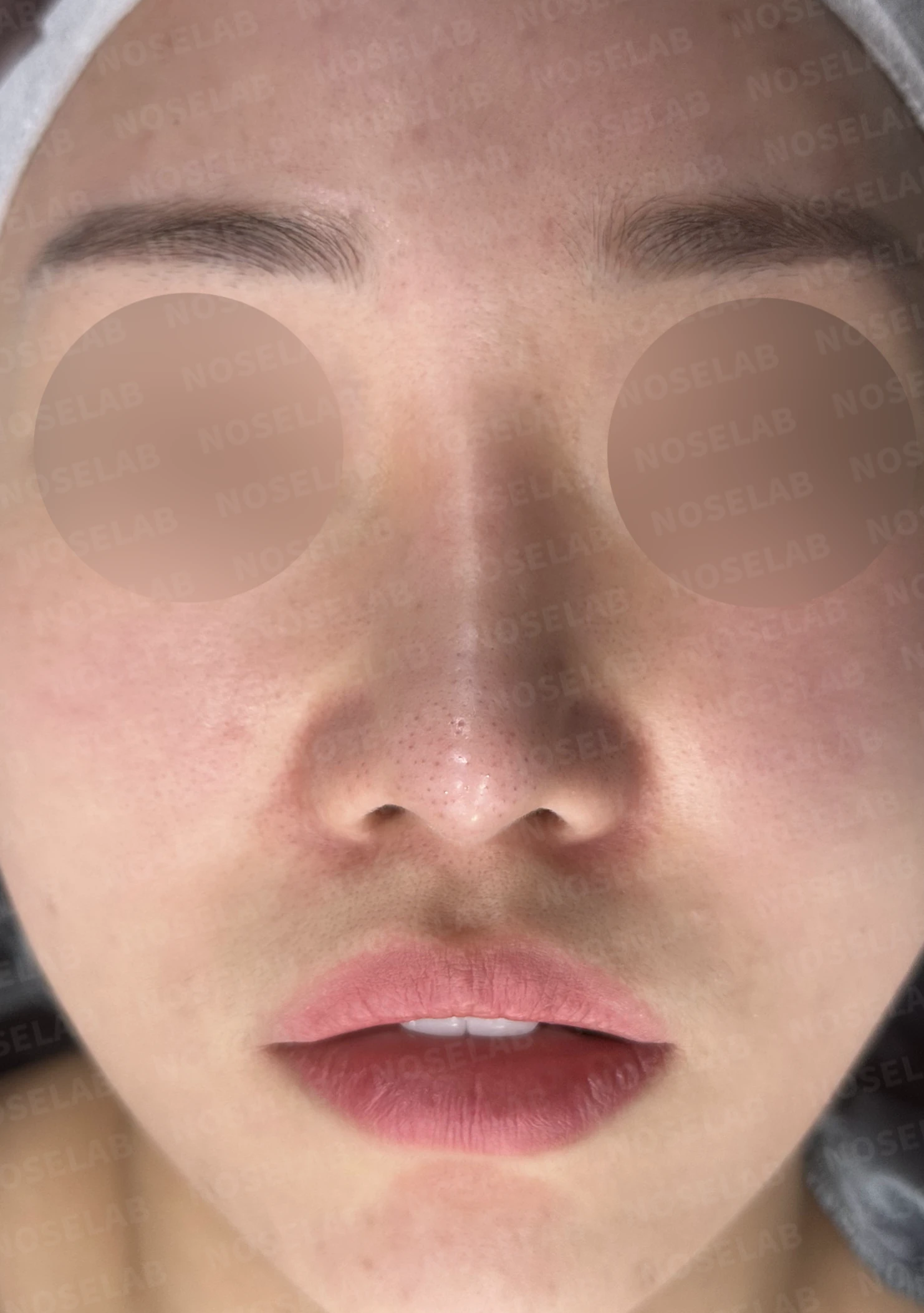
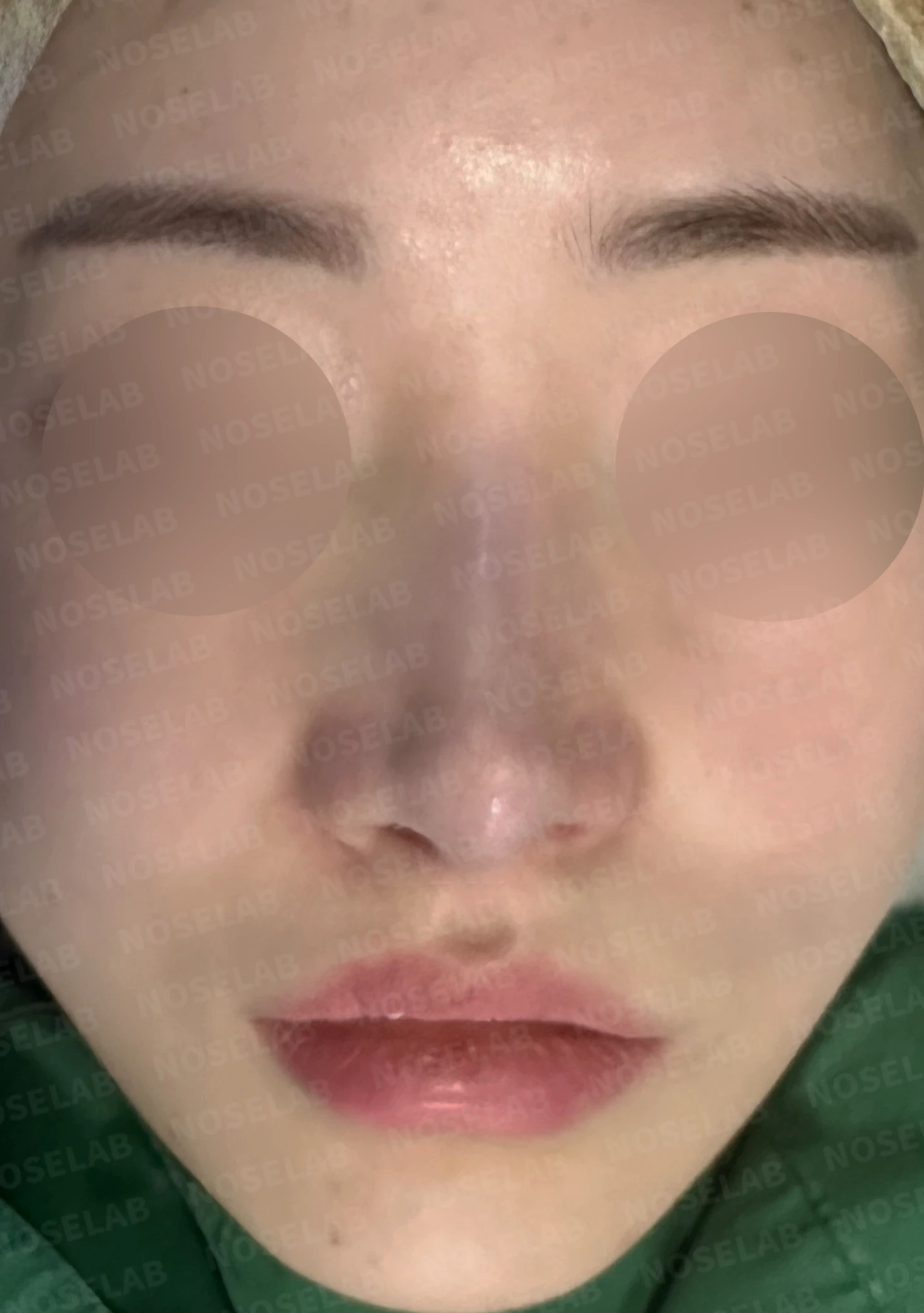
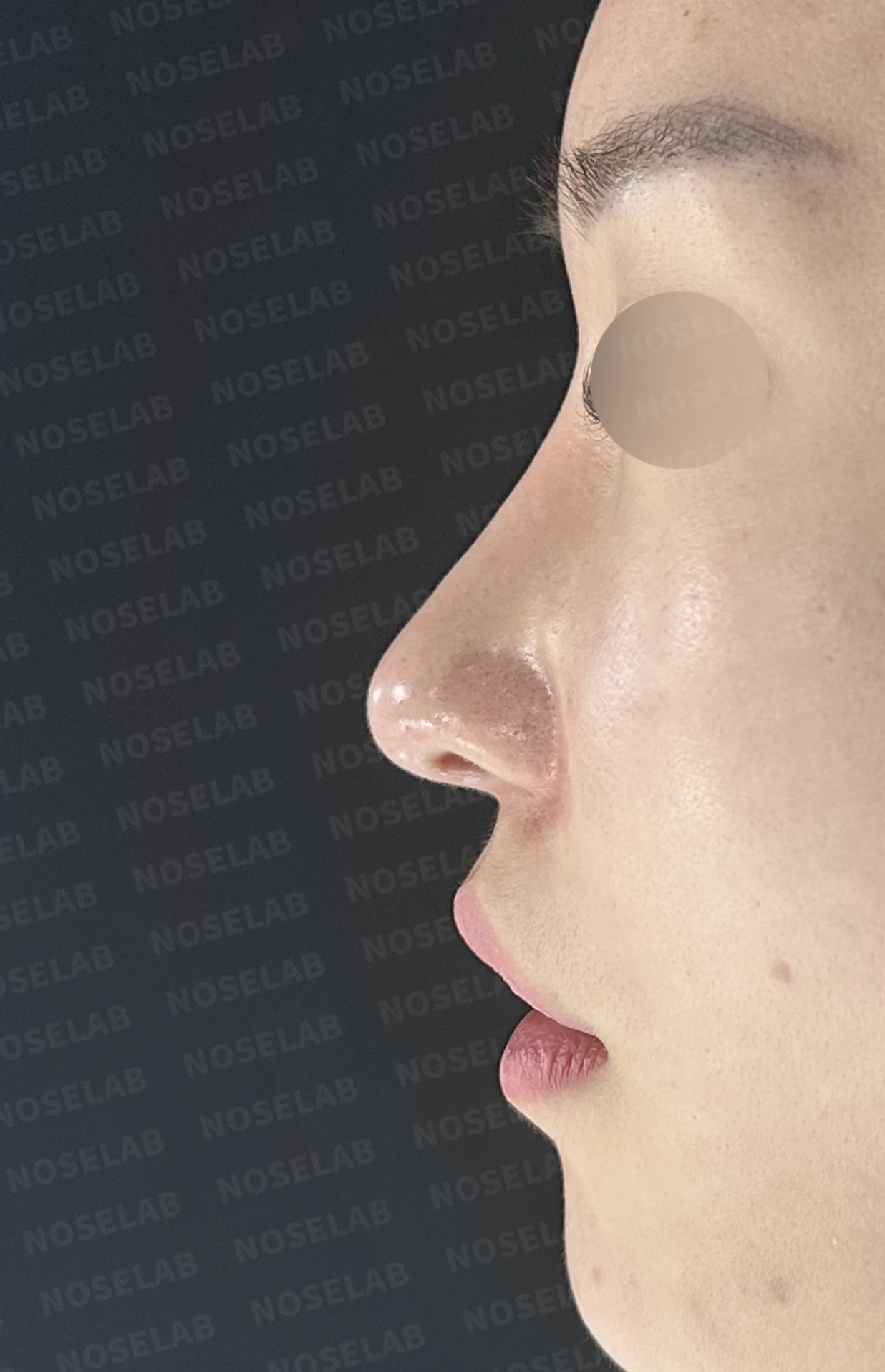
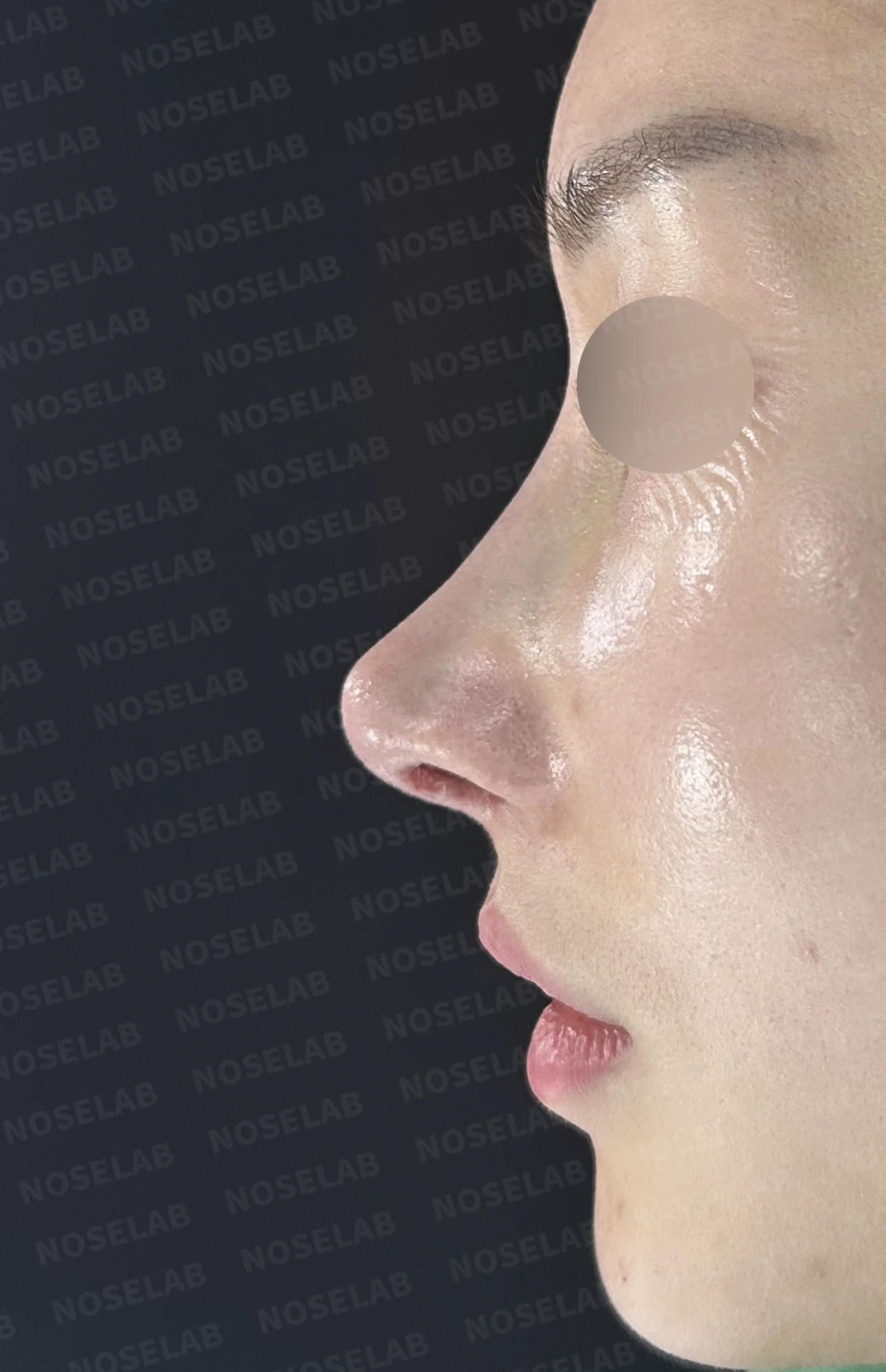
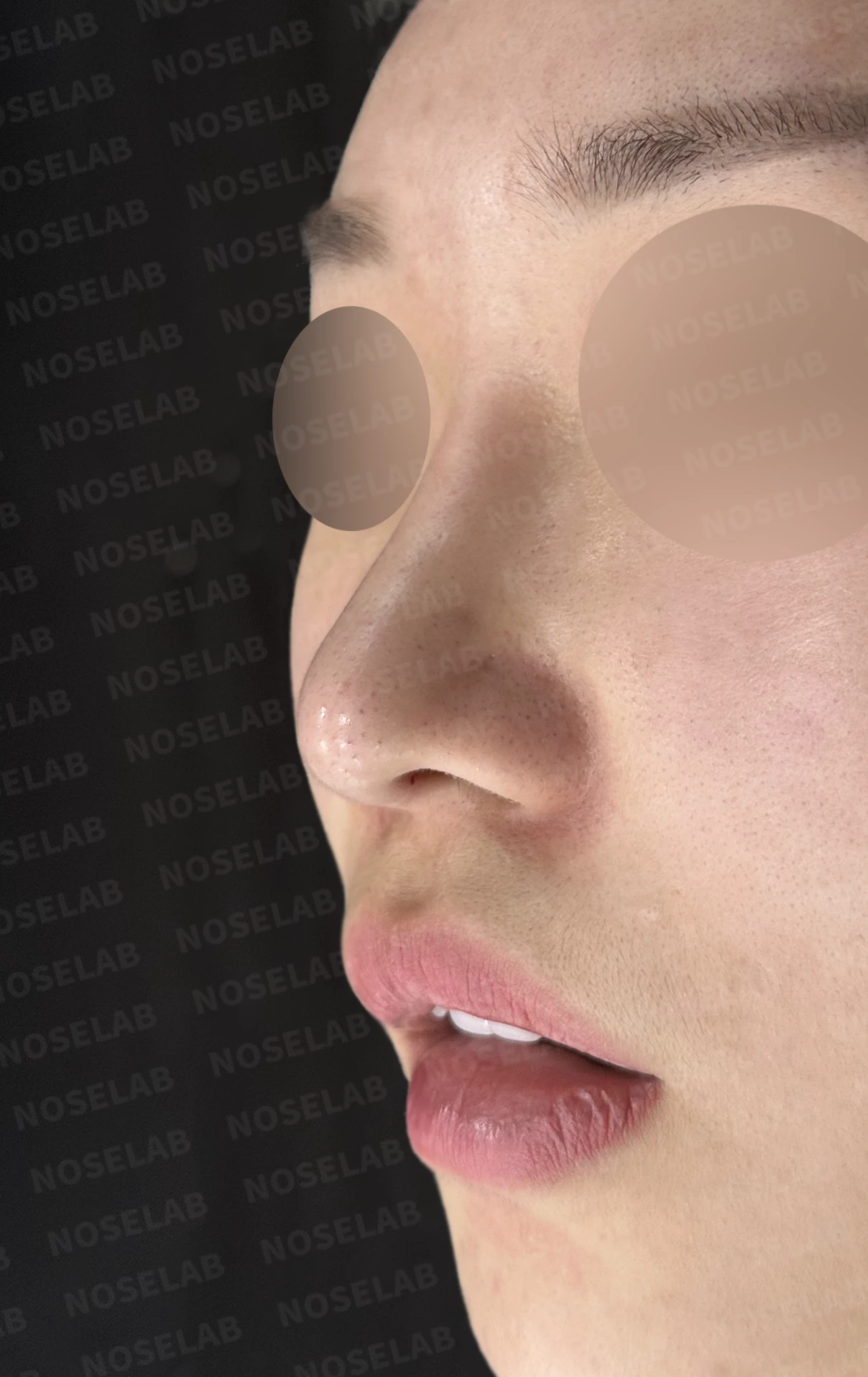
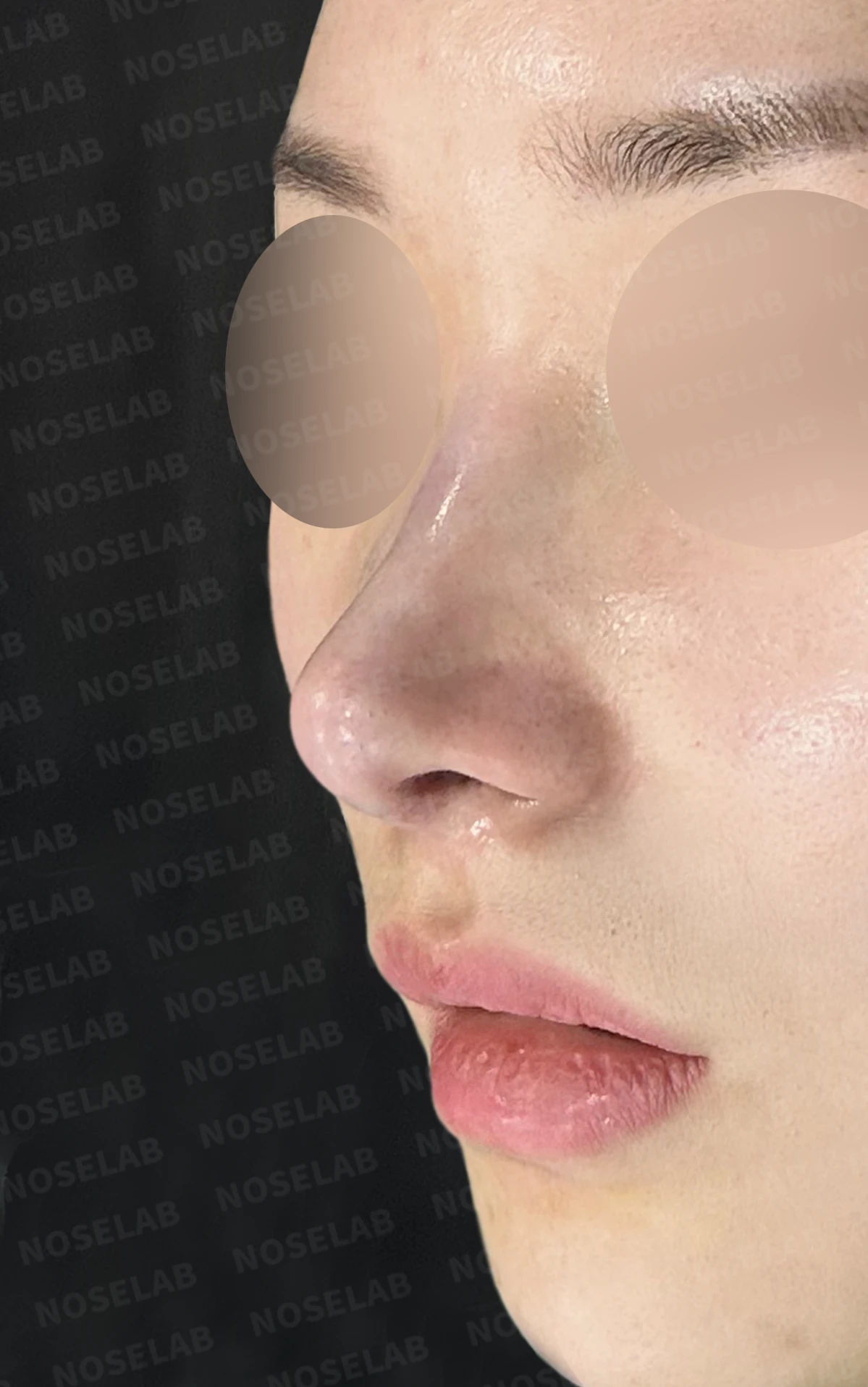
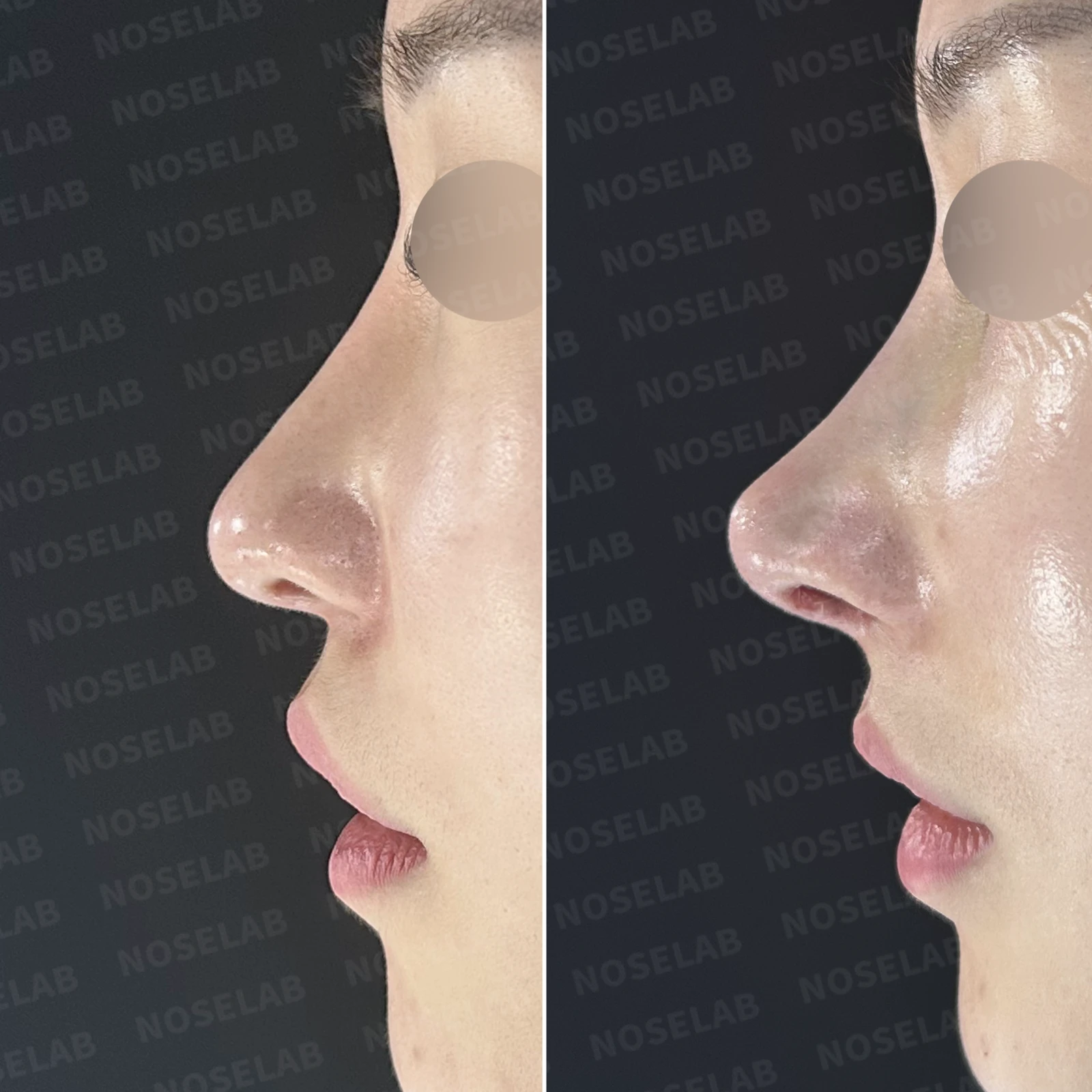
Before surgery / Day 0 immediately after surgery Photos taken immediately after surgery show swelling and may differ from the final result.
Front view changes:
Bulbous tip refined into a sleeker contour
Nasal tip elevated cleanly and prominently
An overall defined and sophisticated impression
Before surgery / Day 0 immediately after surgery Photos taken immediately after surgery show swelling and may differ from the final result.
Profile view changes:
Arrow nose corrected to create a natural nasal tip line
Visual shortening effect on the midface through nasolabial angle correction
Natural nasal contour maintained even when smiling
Before surgery / Day 0 immediately after surgery Photos taken immediately after surgery show swelling and may differ from the final result.
Functional changes:
Relief of nasal obstruction symptoms through septoplasty
Comfortable breathing restored with rhinitis surgery
Aesthetic satisfaction and functional improvement achieved simultaneously
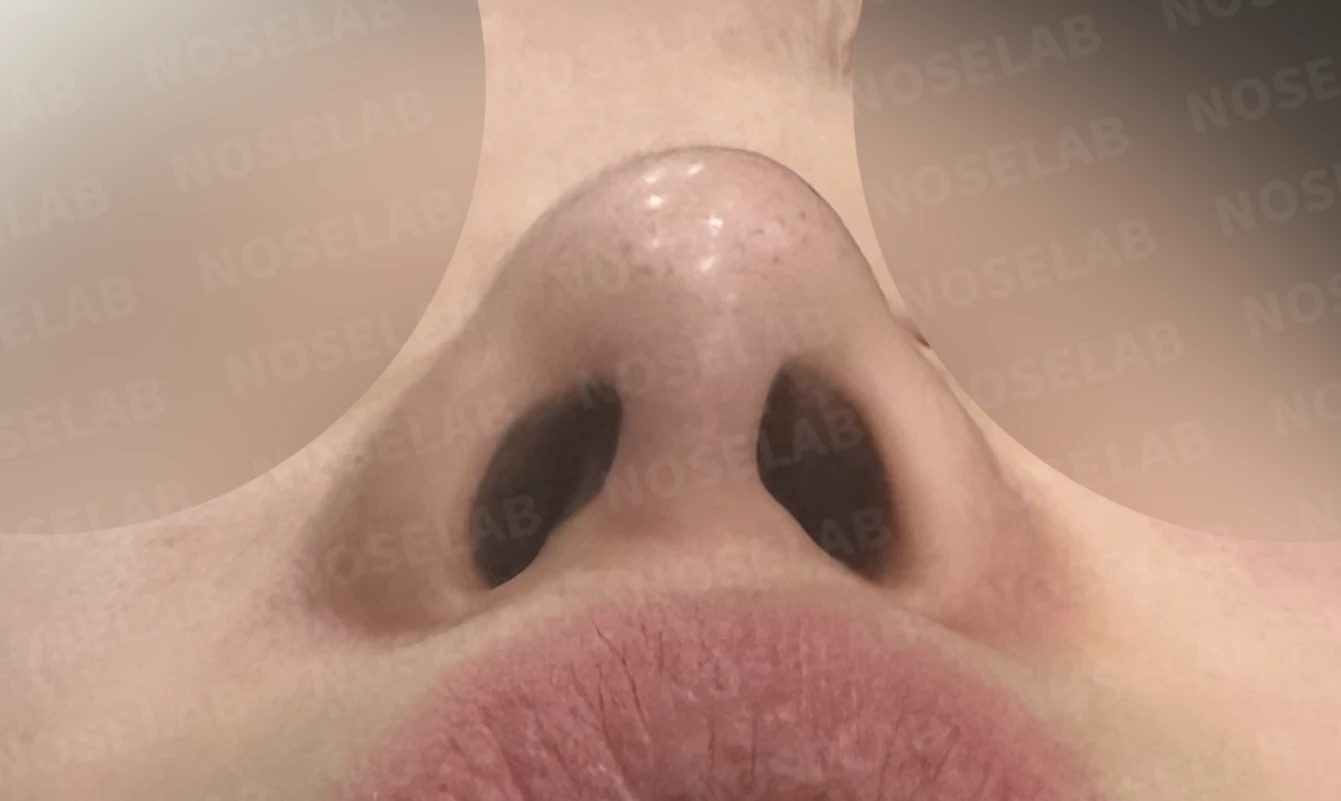
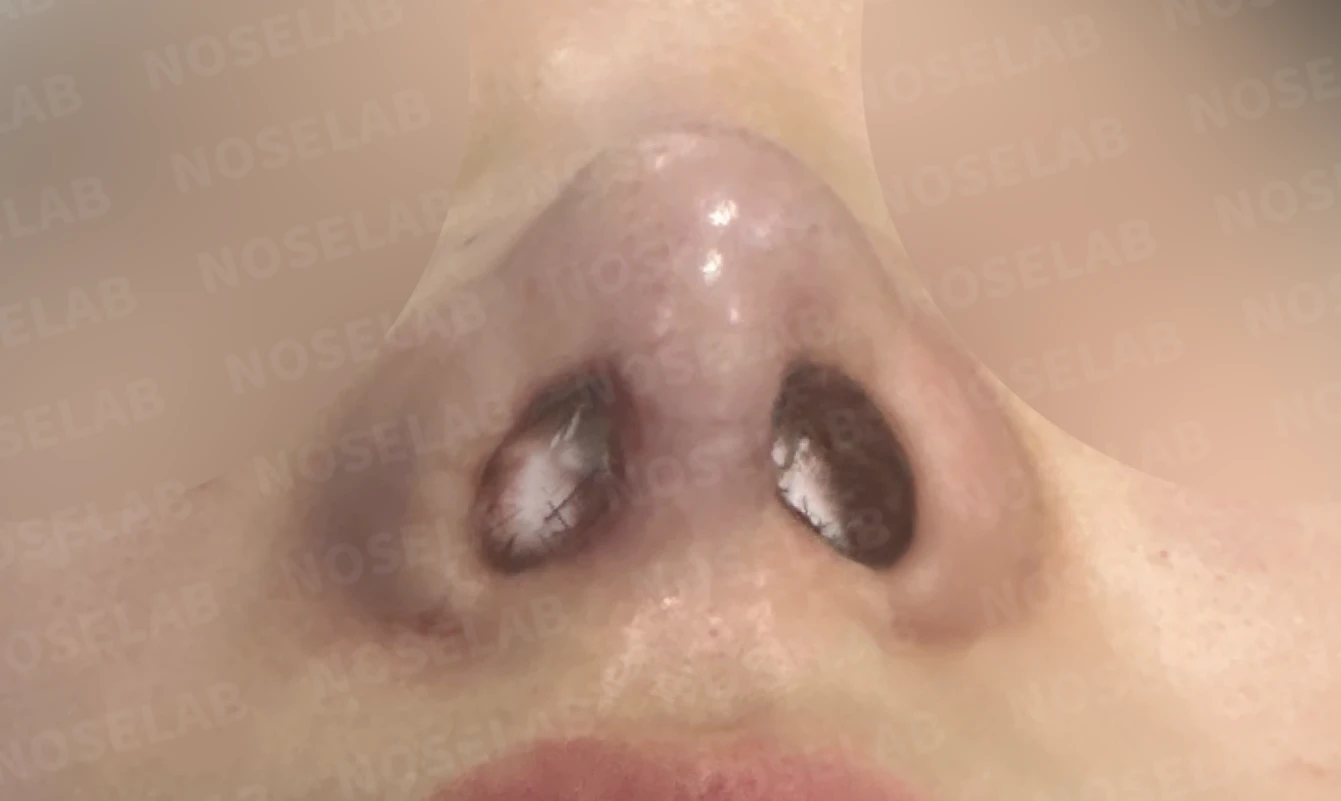
Before surgery / Day 0 immediately after surgery Photos taken immediately after surgery show swelling and may differ from the final result.
💡 Specialist opinion
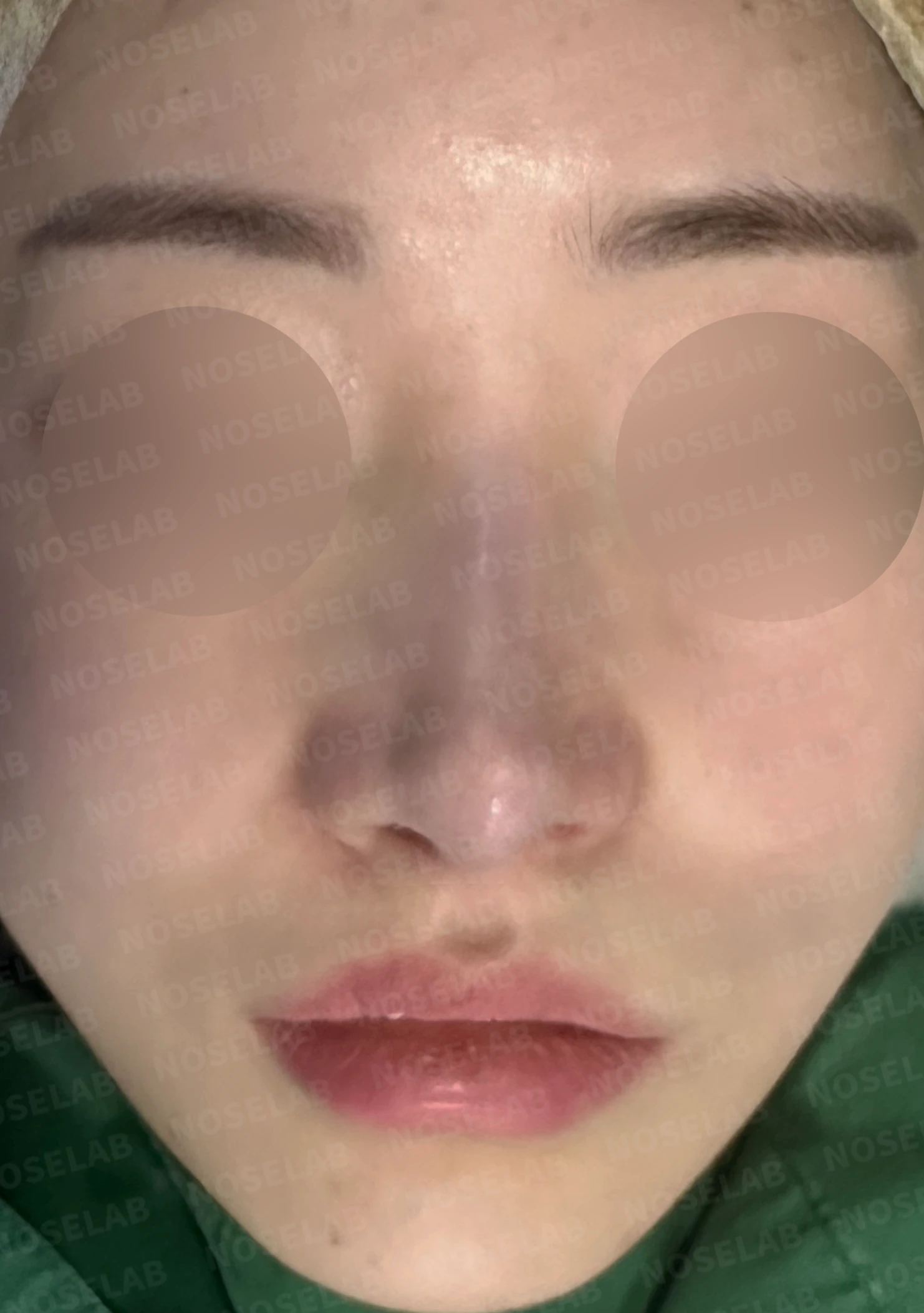
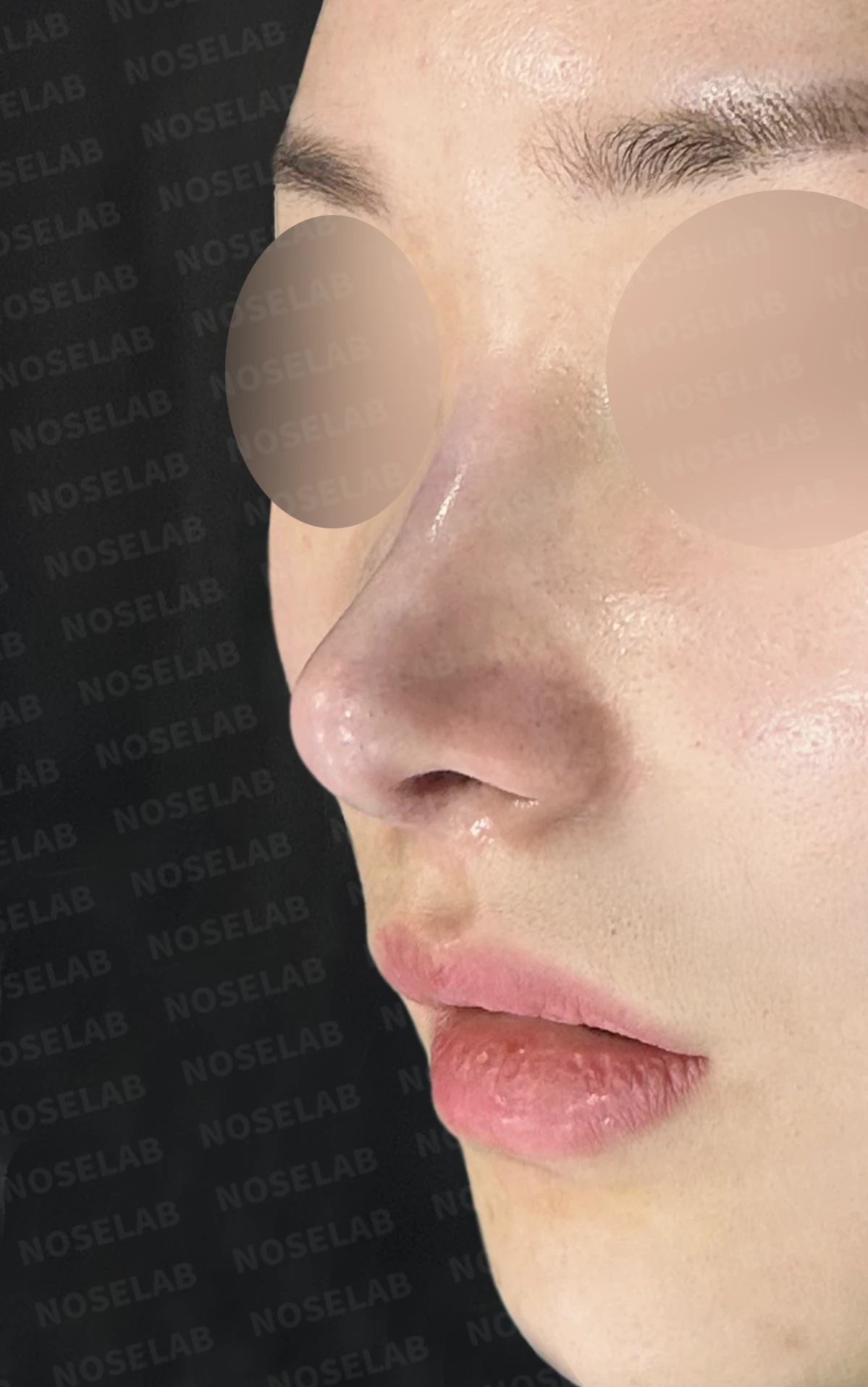
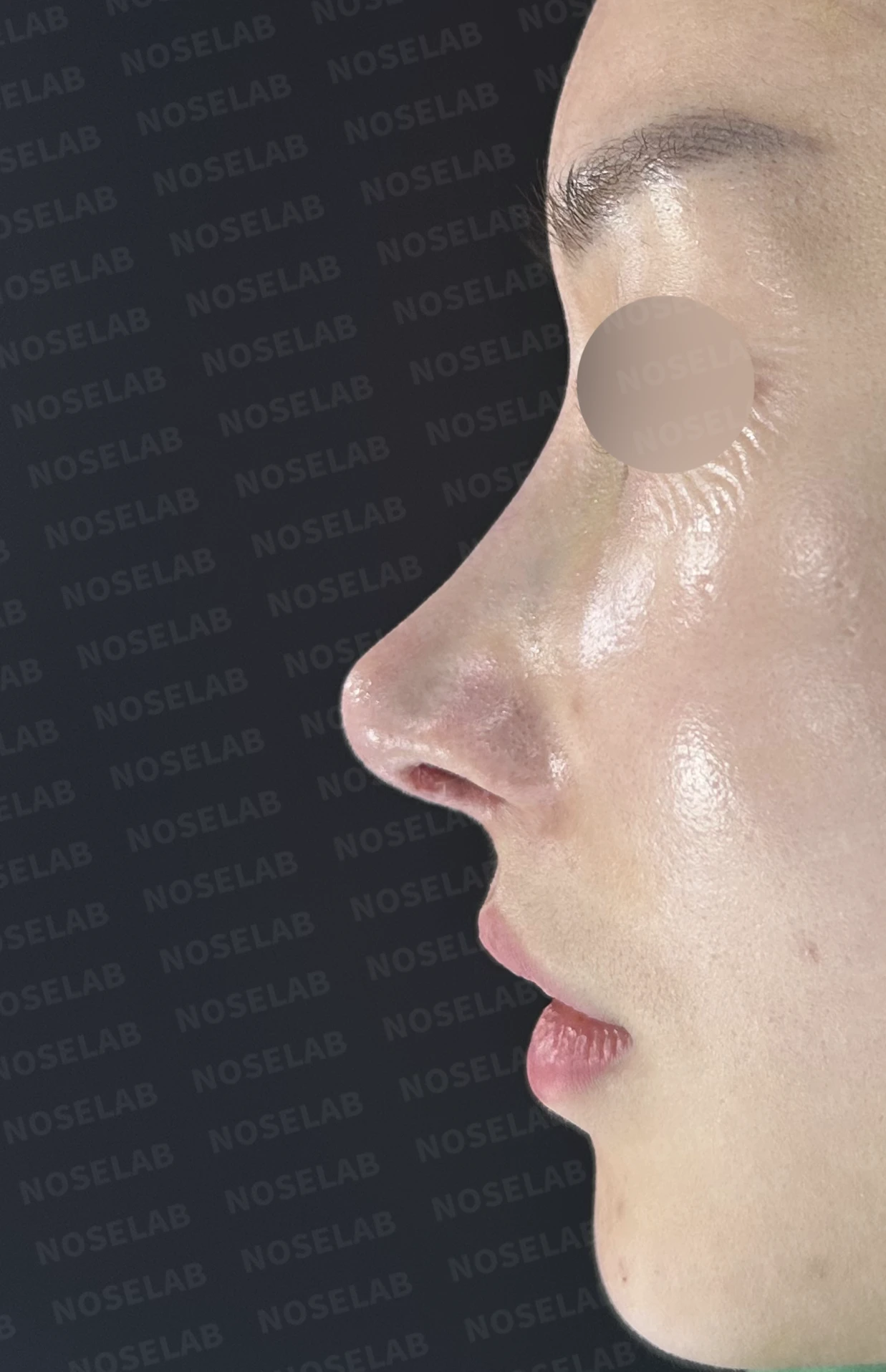
Front, oblique, and profile views on day 0 immediately after surgery. Photos taken immediately after surgery show swelling and may differ from the final result.
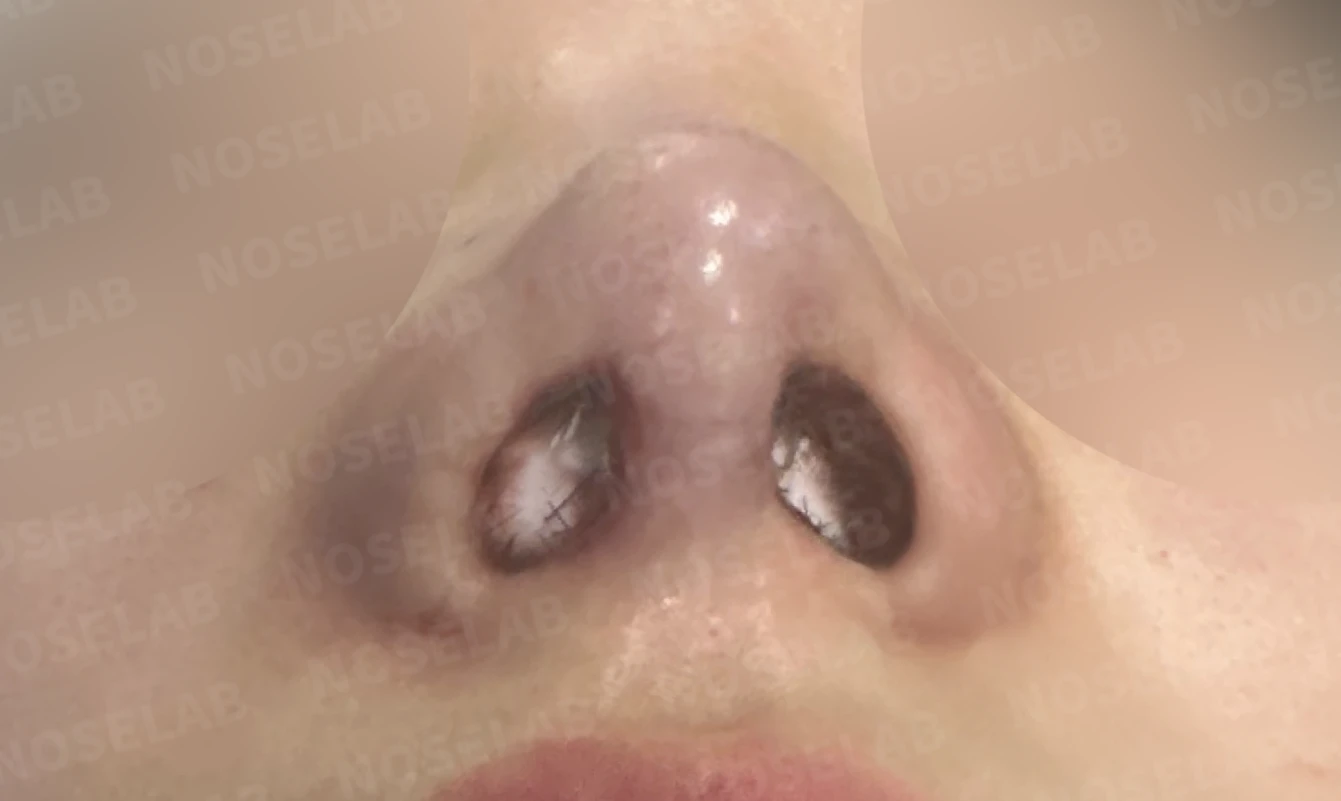
Nostril view on day 0 immediately after surgery. Photos taken immediately after surgery show swelling and may differ from the final result.
In revision rhinoplasty, when the septum is severely damaged from previous procedures, simply altering the external shape has clear limitations. Attempting to build up the nasal tip over a compromised septum can lead to nasal collapse or deviation over time.
In such presentations, we securely reconstruct the damaged septum using autologous rib cartilage and reliably elevate the nasal tip on that foundation. Because autologous rib cartilage is the patient's own tissue, it is safe with no risk of foreign-body rejection, and its strong support helps maintain a stable shape over the long term.
Furthermore, by accurately diagnosing the deviated septum and rhinitis through preoperative nasal endoscopy and CT scans at our clinic, we also performed functional nasal surgery to resolve the nasal obstruction. In revision rhinoplasty, it is essential to identify the underlying issues through precise diagnostic evaluations and establish a tailored surgical plan.
We will continue to provide surgery planned appropriately for each individual patient's condition. I hope this case serves as a helpful reference for those facing similar concerns. This was Dr. Peter C. Kang, Medical Director. Thank you.
#closedrhinoplasty #closedrevisionrhinoplasty #septalreconstruction #autologousribrhinoplasty #arrownosecorrection #bulboustipcorrection #nasalobstructionsurgery #deviatedseptum #rhinitissurgery

Limitations and risks
When autologous rib cartilage is used, scarring and pain may remain at the donor site on the chest, and pneumothorax (pleural injury) can occur rarely. Over time, the grafted cartilage may warp or undergo partial resorption.
When revising after implant removal, contracture may progress again after removal, the nasal height and length may decrease, and staged surgery may be necessary depending on the skin condition.
When the septum is corrected at the same time, nasal obstruction may persist or recur, and in rare cases, septal perforation or changes in smell may occur.
Common potential risks include infection, bleeding, asymmetry, scarring, skin necrosis, and insufficient improvement; results vary depending on individual skin condition and previous surgical history.