Hello, I am Dr. Peter C. Kang.
Today, I would like to introduce the case of a patient whose nose continued to deviate and whose nostril asymmetry remained uncorrected despite undergoing multiple surgeries over a period of 30 years.
📍 Surgical history
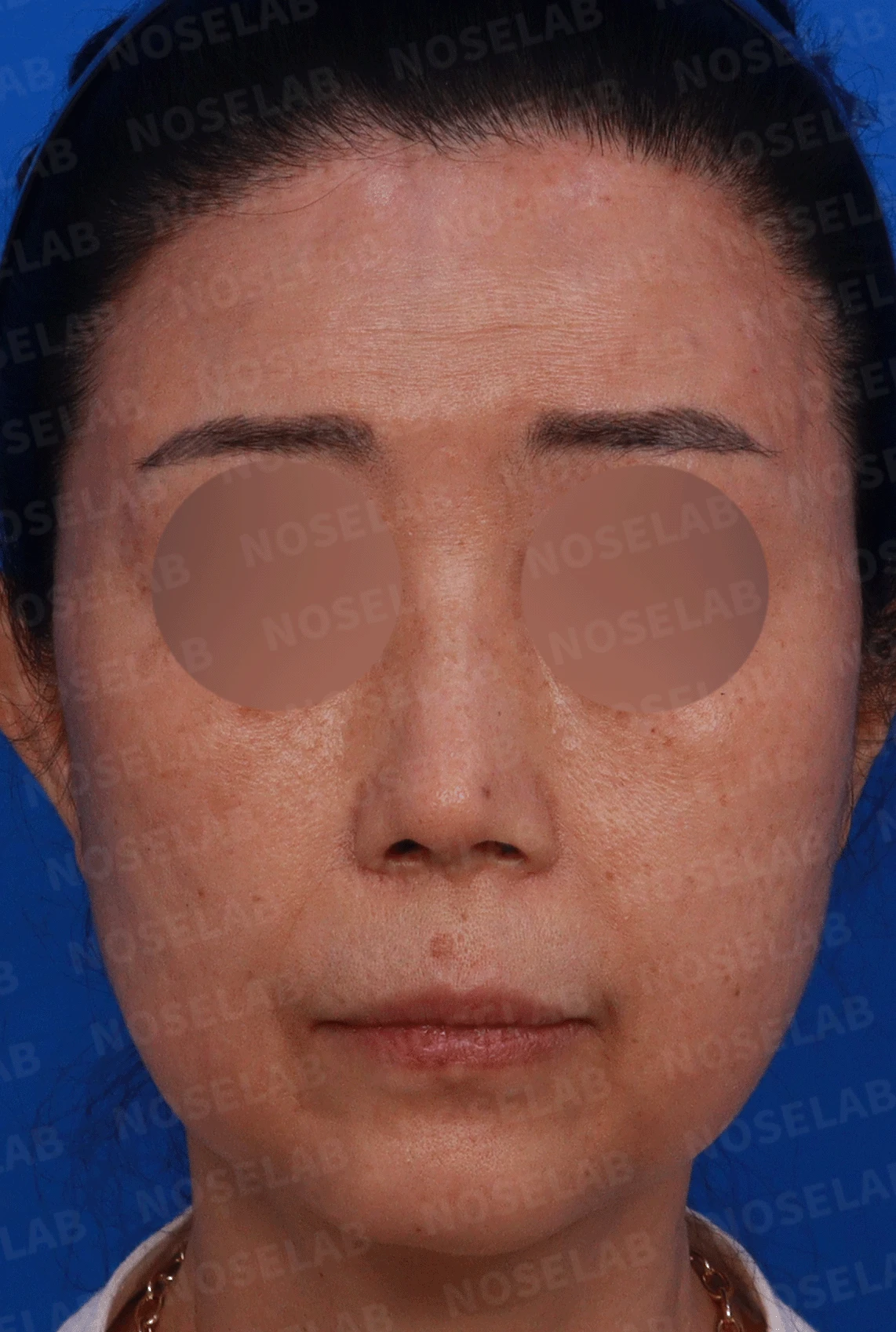
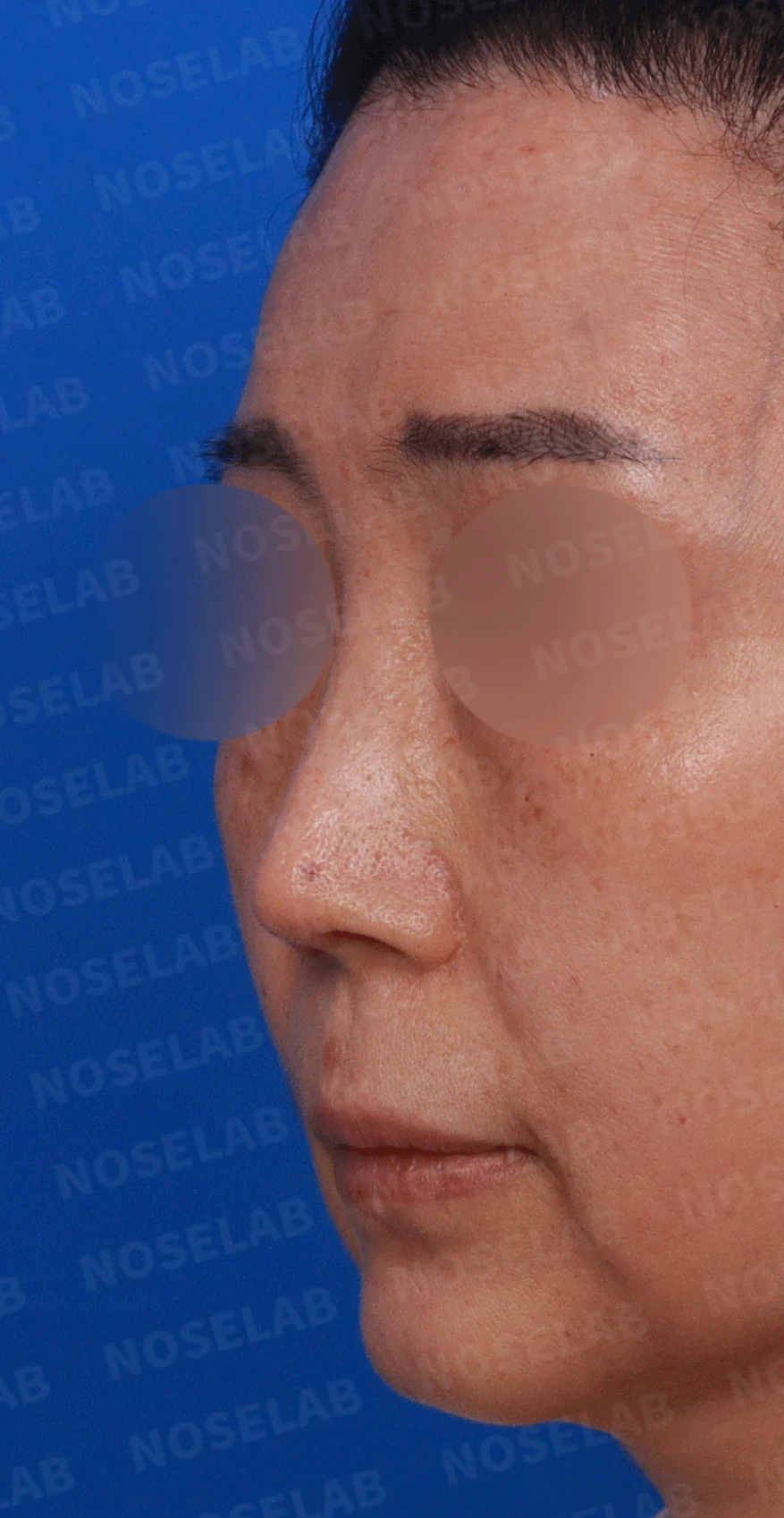
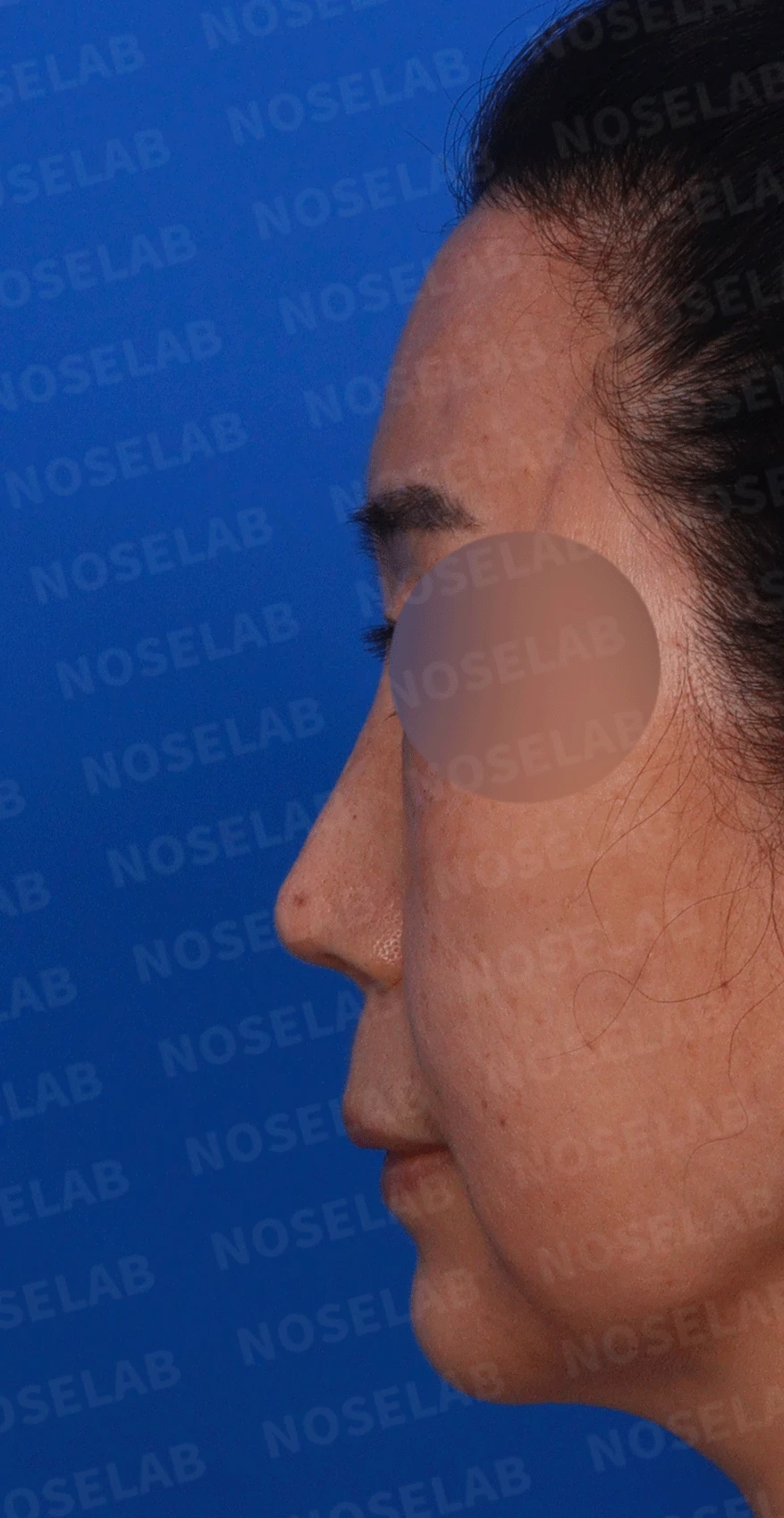
Design consultation: front, left oblique, and profile views.
1990 (age 31)
L-shaped silicone implant
2008 (age 49)
Medpor, ear cartilage, and silicone implant
2012 (age 53)
Ear cartilage + silicone implant
2013
Ear cartilage + silicone implant
2015
Ear cartilage + silicone implant
2018
Ear cartilage, silicone implant, and alar reduction
🔎Initial consultation findings
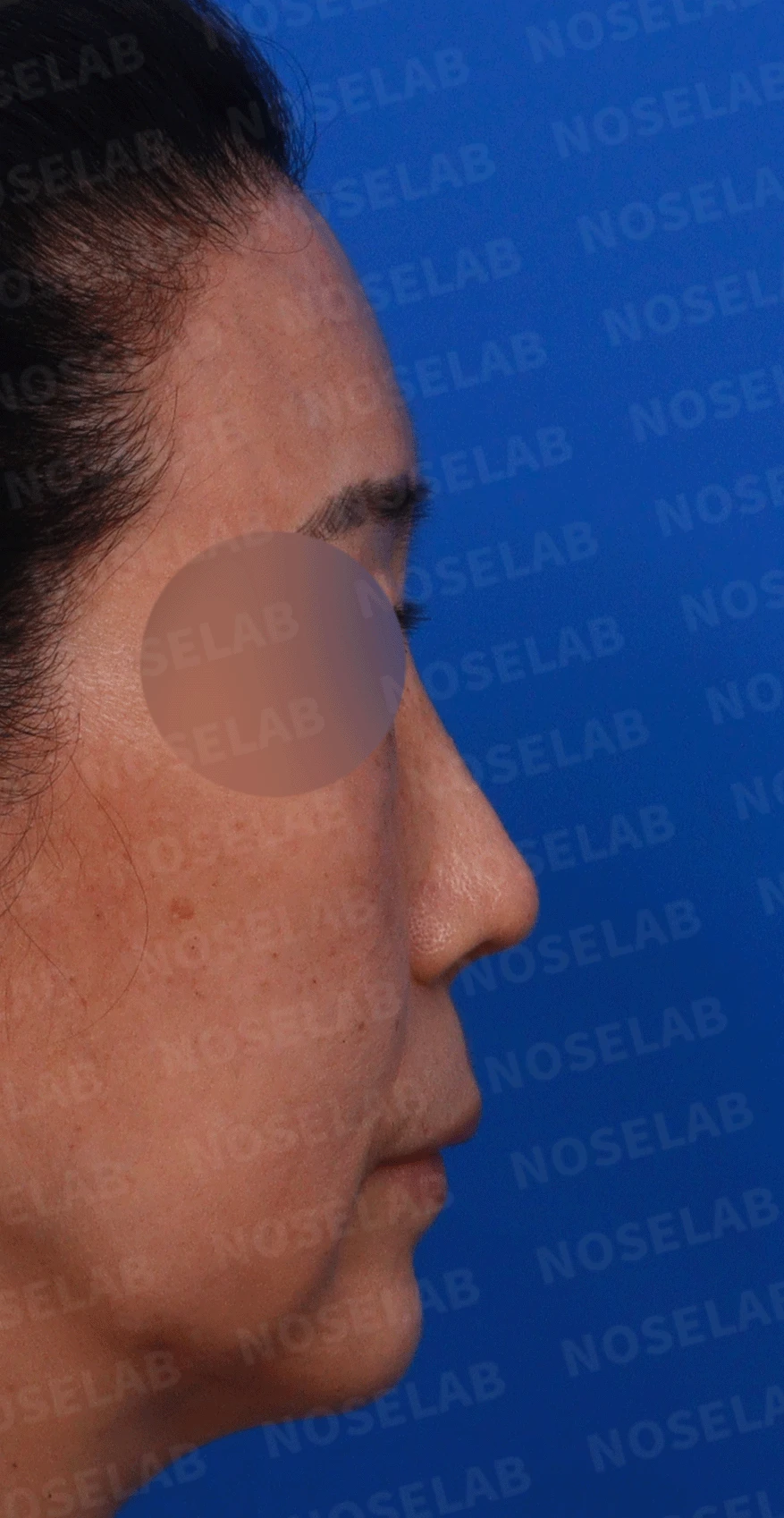
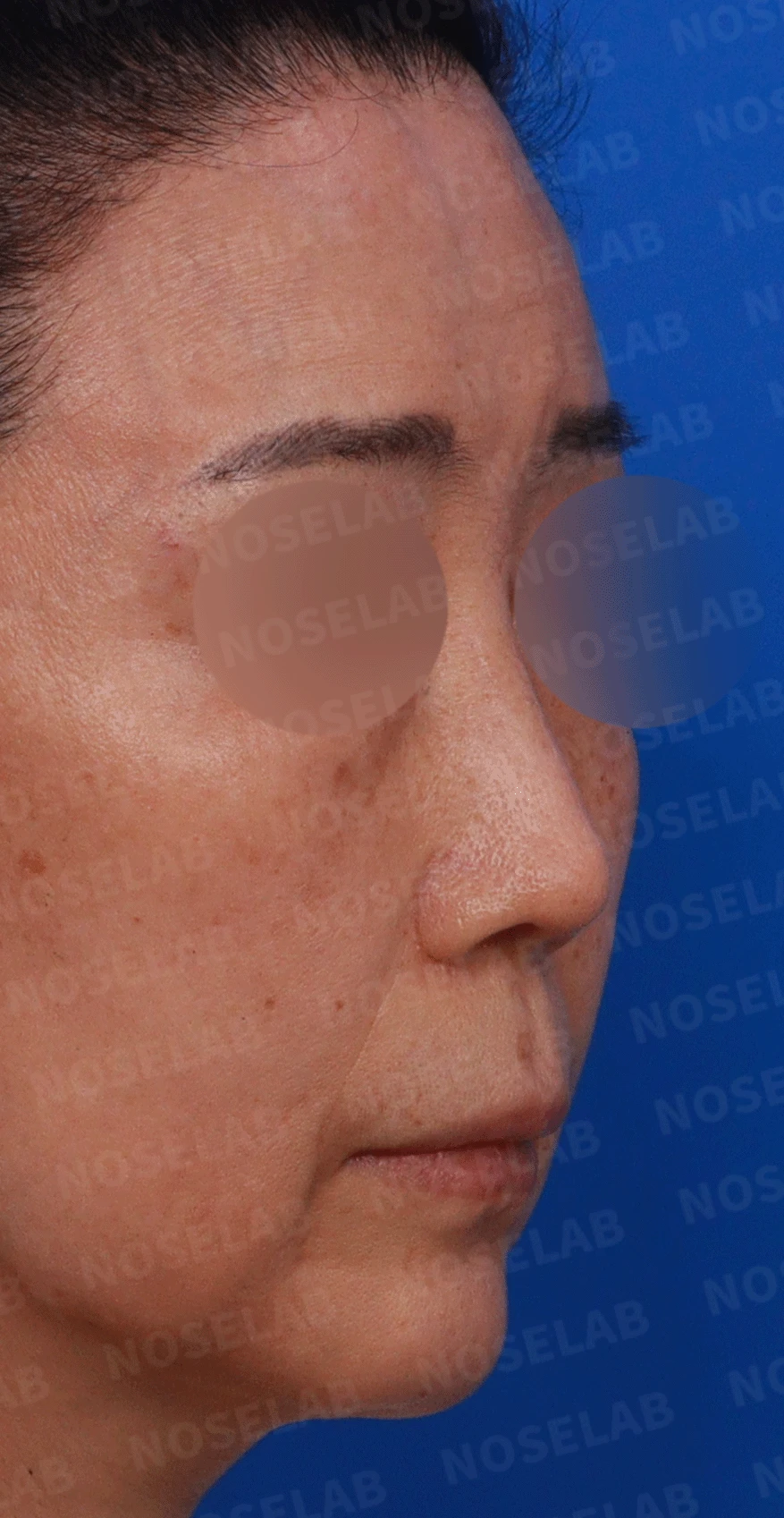
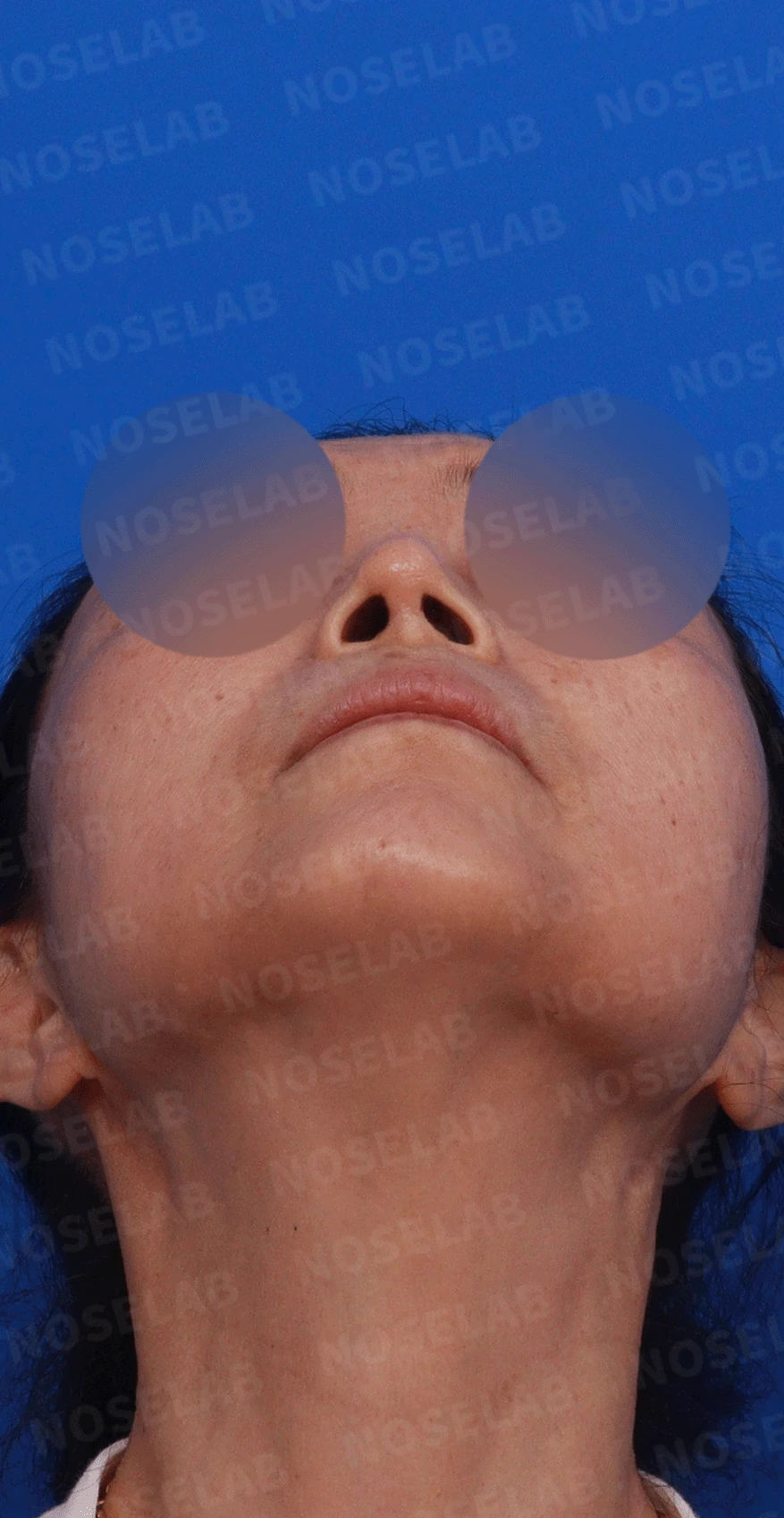
Design consultation: right profile, oblique, and nostril views.
Persistent problems
A nose that continued to deviate even after 6 surgeries over 30 years
Uncorrected nostril asymmetry
Structural issues that did not improve despite repeated revisions
Analysis of root causes
Severely deviated septal cartilage
Severe damage to the septal cartilage caused by previous surgeries
Collapse of the septal structure itself, which serves as the central pillar of the nose
Continuous nasal deviation and nostril asymmetry resulting from the compromised pillar
Functional issues
Impaired breathing function due to structural instability
Chronic rhinitis
Special notes
Fundamental structural problems unresolved despite 6 surgeries over 30 years
A condition impossible to correct without septal cartilage reconstruction
✨ Patient's requests
Naturally defined, prominent nose
Maintaining moderate height
Improvement of protruding mouth
Resolving fundamental problems
Surgical procedure details
Key point: septal cartilage reconstruction
Complete reconstruction of the septal cartilage using autologous rib cartilage
Replacement of damaged and deviated preexisting septal cartilage
Establishment of a stable structure serving as the central pillar of the nose
Structural reconstruction
Full reconstruction using autologous rib cartilage
Securing nasal tip stability through lower lateral cartilage reconstruction
Restoring the entire structure damaged by 30 years of repeated surgeries
Improvement in shape
Fundamental correction of the crooked nose
Improvement of nostril asymmetry
Maintaining a natural height
Improvement of protruding mouth through nasolabial angle correction
Functional improvement
Restoring respiratory function with septoplasty
Improving rhinitis with inferior turbinate surgery
Surgical history
Fundamental improvement
Thorough correction of the crooked nose that remained unresolved for 30 years
Significant improvement in nostril asymmetry
Establishment of a stable central nasal axis
Functional improvement
Restoration of smooth breathing function
Marked relief of rhinitis symptoms
A structure that remains stable over the long term
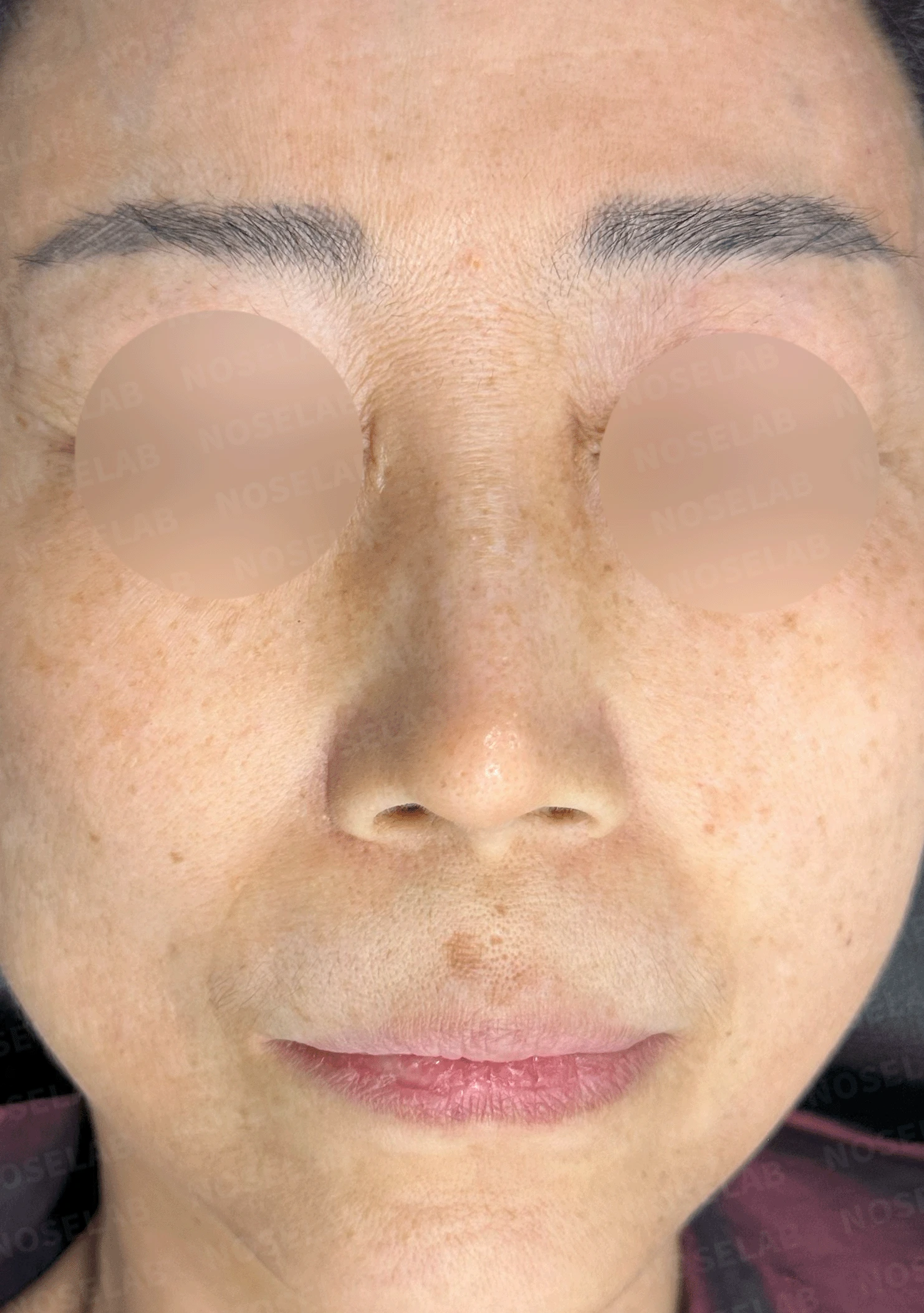
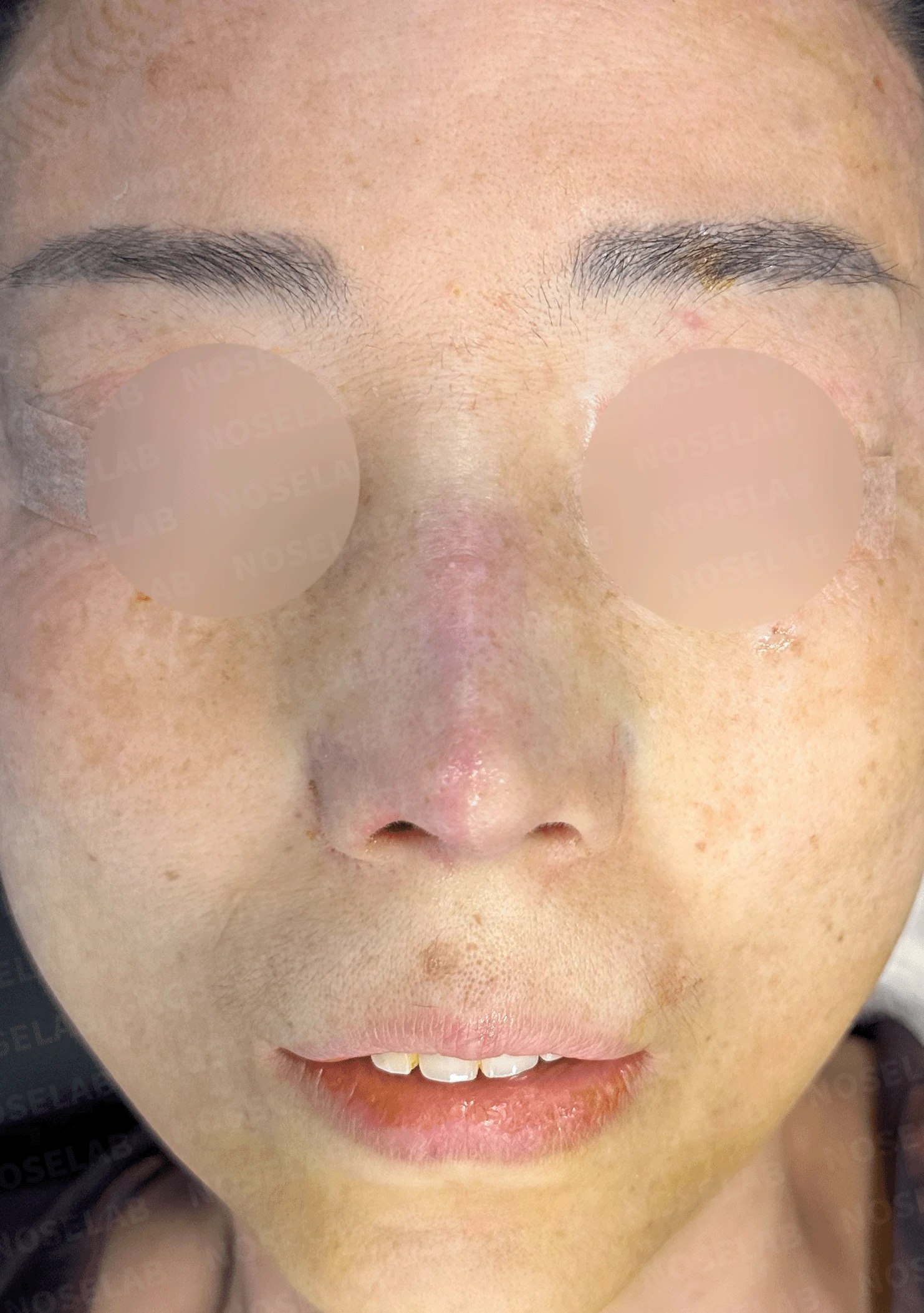
Before surgery / Day 0 immediately after surgery Photos taken immediately after surgery show swelling and may differ from the final result.
Front view
Corrected crooked nose
Improved nostril symmetry
Natural height
Balanced overall facial proportions
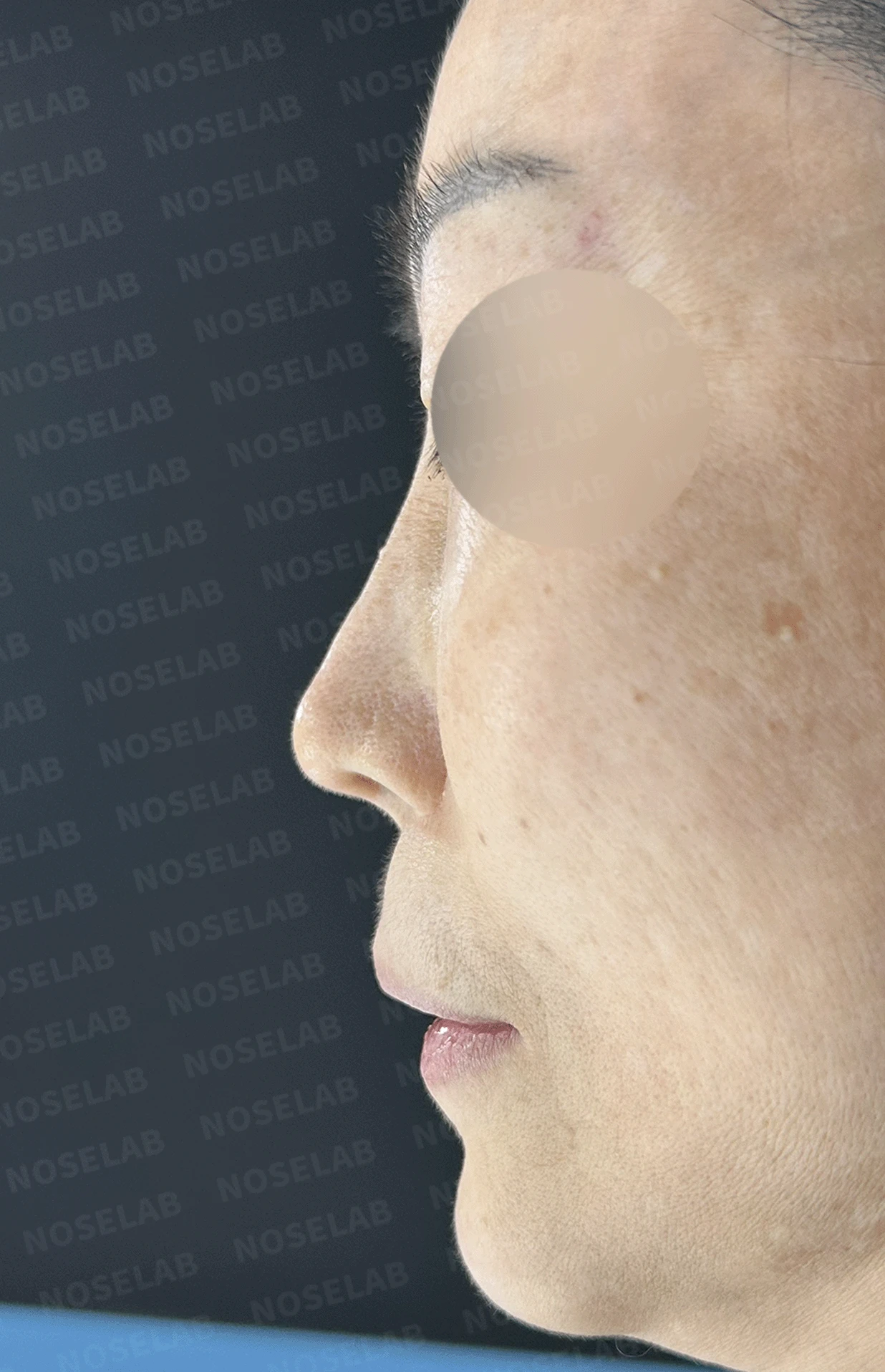
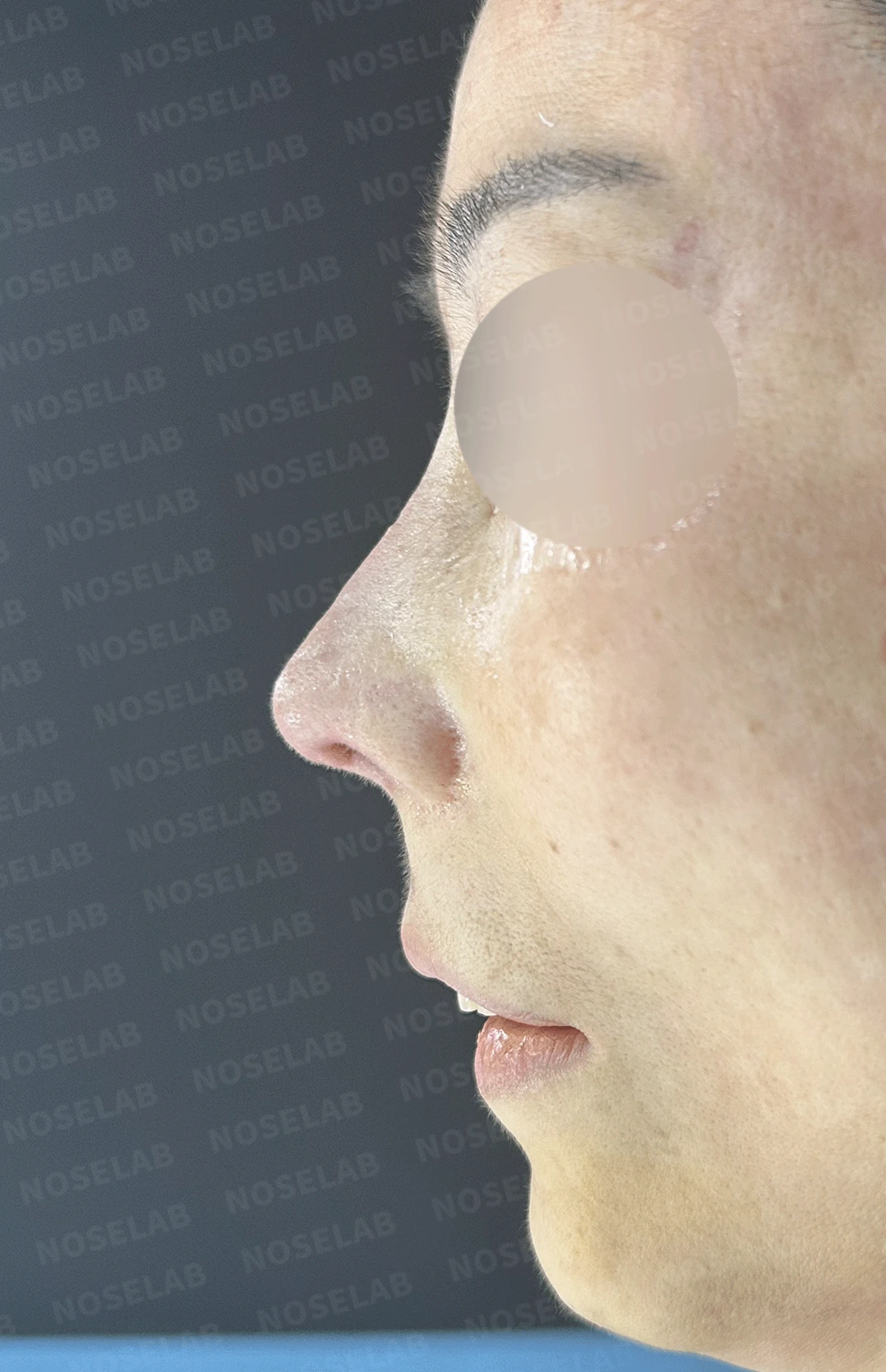
Before surgery / Day 0 immediately after surgery Photos taken immediately after surgery show swelling and may differ from the final result.
Profile view
Improved protruding mouth
Natural nasolabial angle
Harmonious facial profile
Natural nasal line
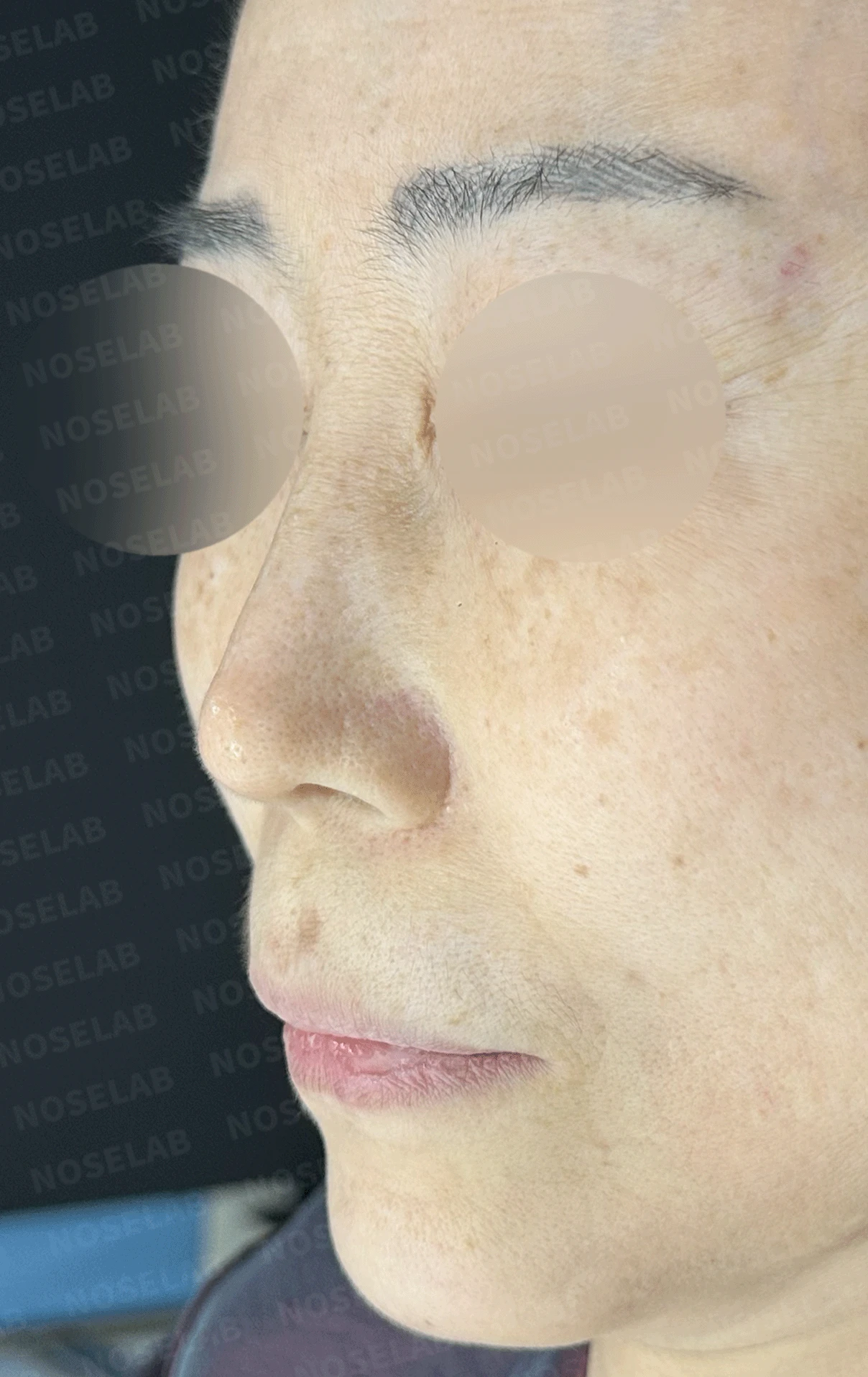
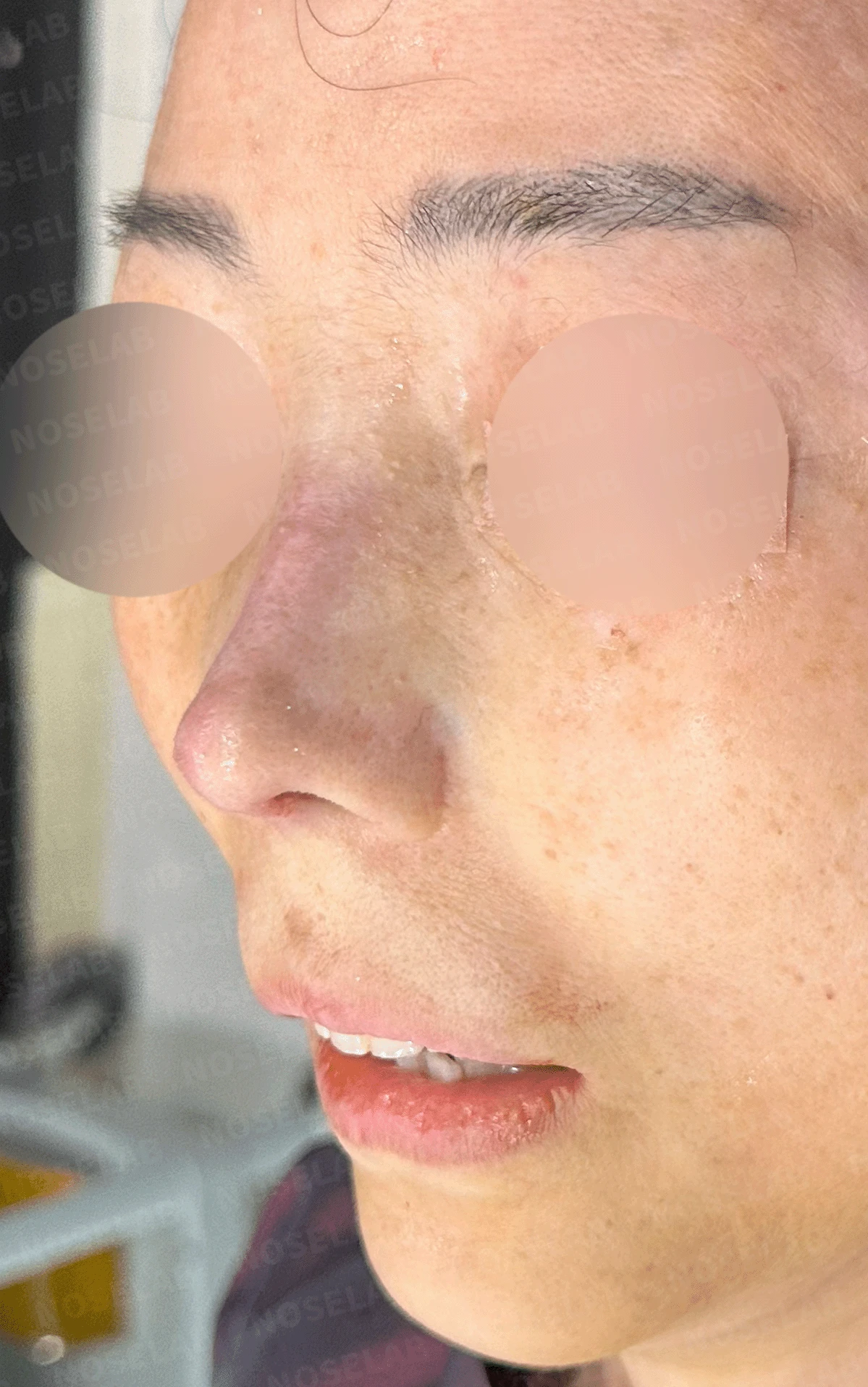
Before surgery / Day 0 immediately after surgery Photos taken immediately after surgery show swelling and may differ from the final result.
Functional improvement
Restoration of smooth breathing function
Marked relief of rhinitis symptoms
A structure that remains stable over the long term
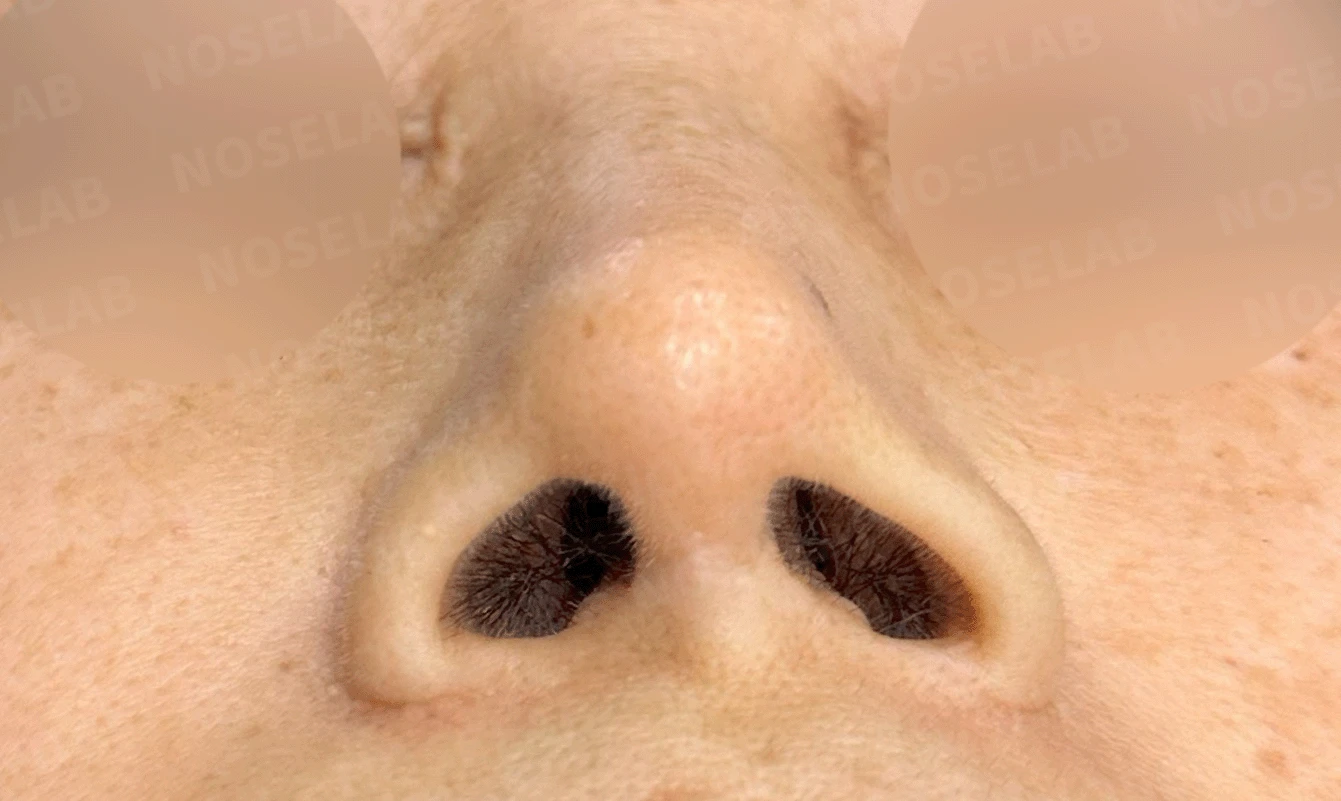
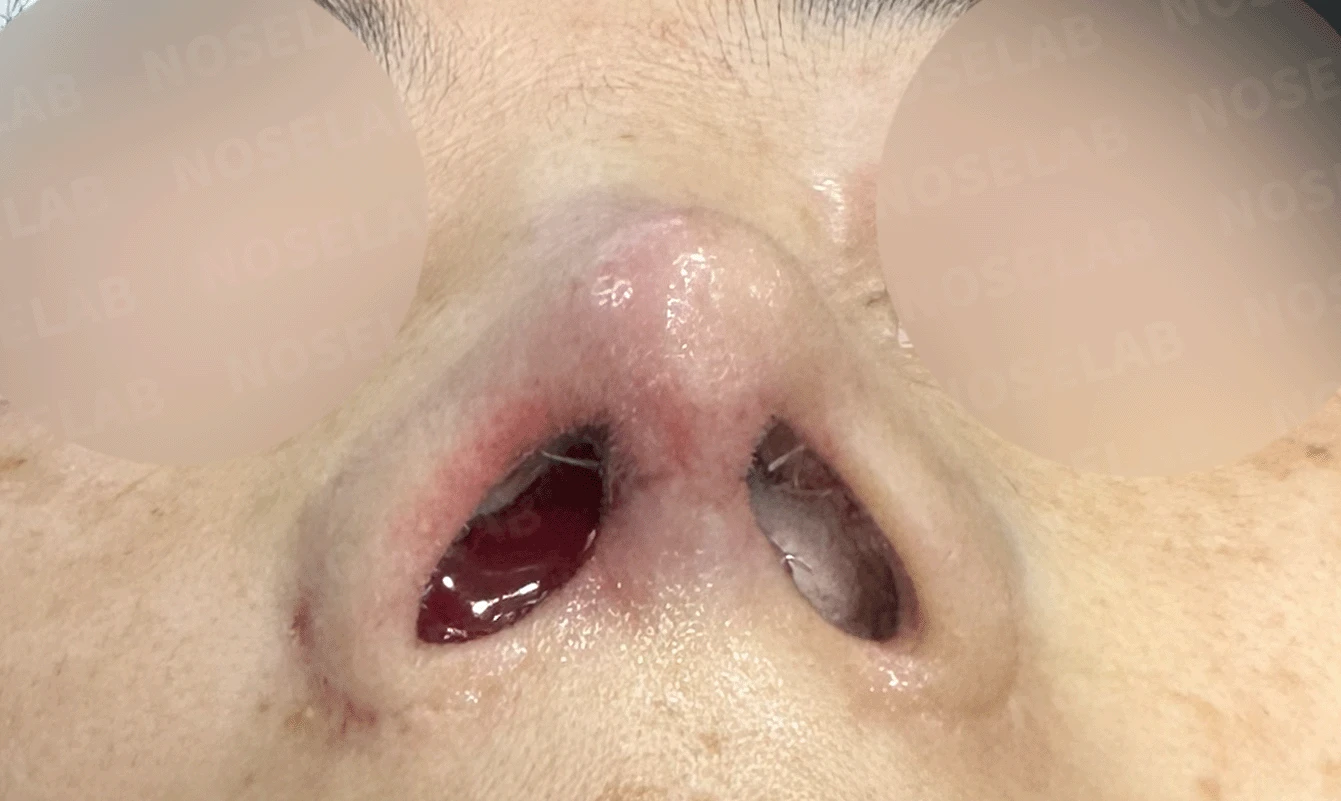
Before surgery / Day 0 immediately after surgery Photos taken immediately after surgery show swelling and may differ from the final result.
Long-term stability
Long-term stability using autologous rib cartilage
Minimizing the risk of revision surgery
Lasting results achieved by addressing the underlying structure
👨⚕️ Specialist's assessment
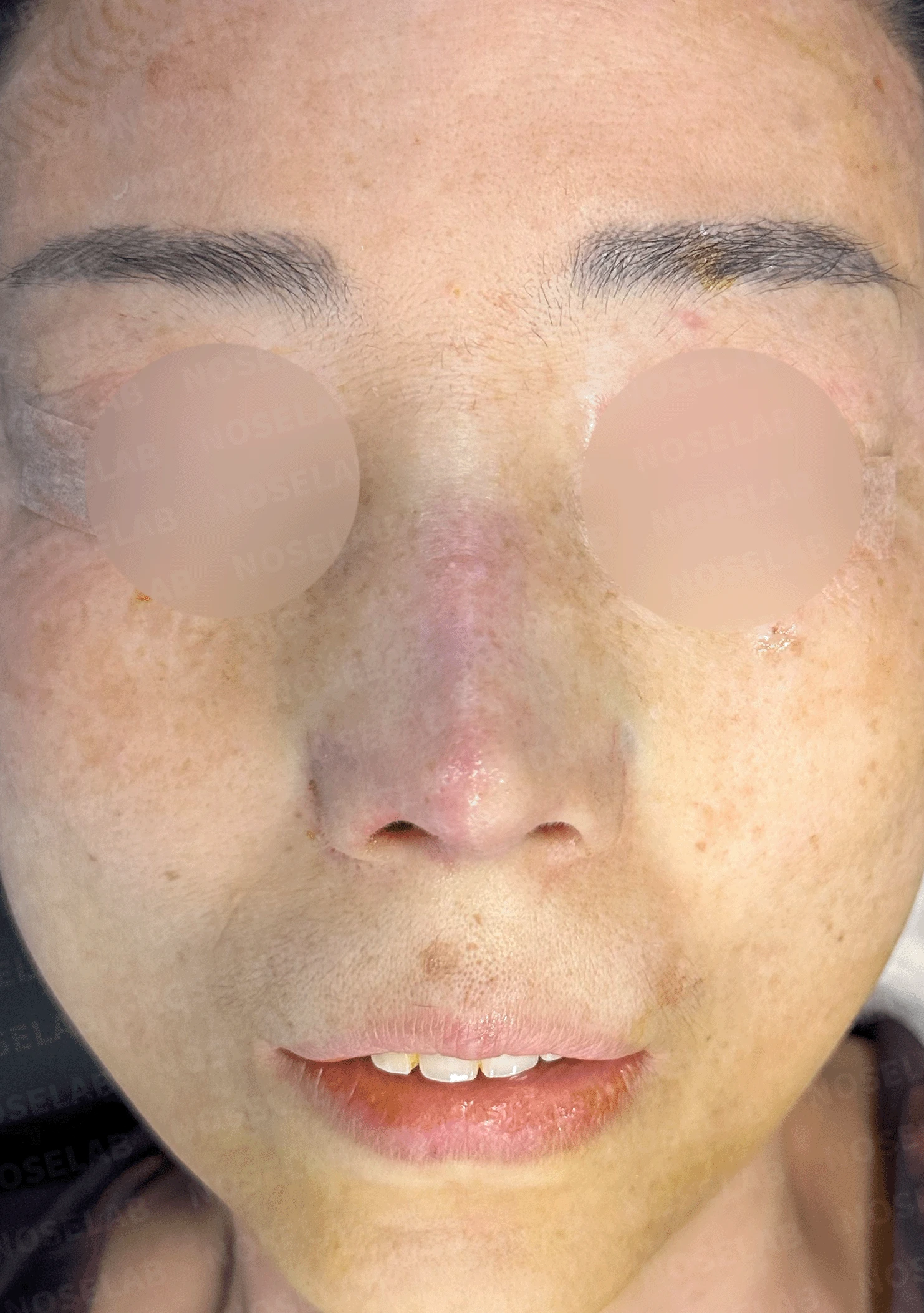
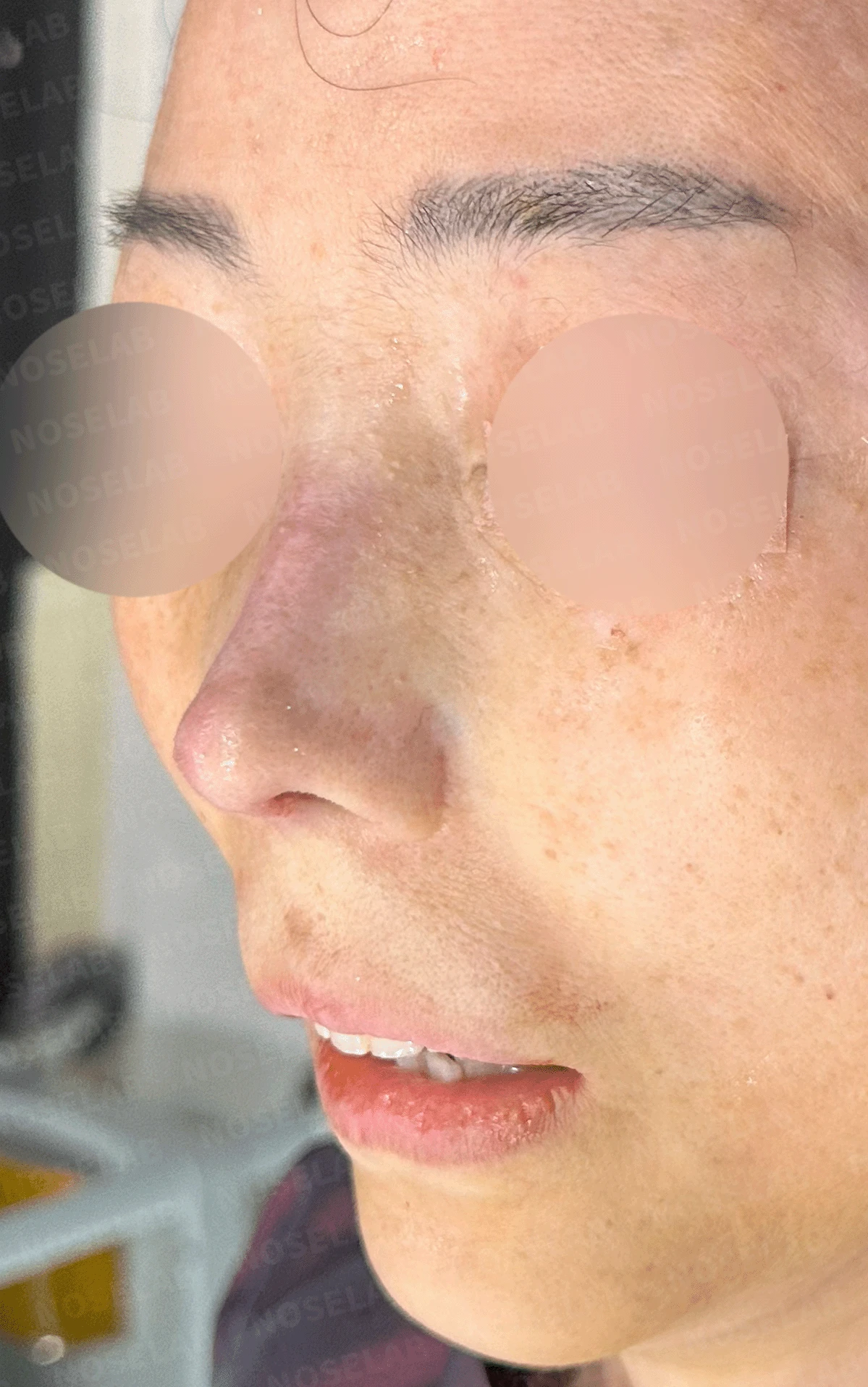
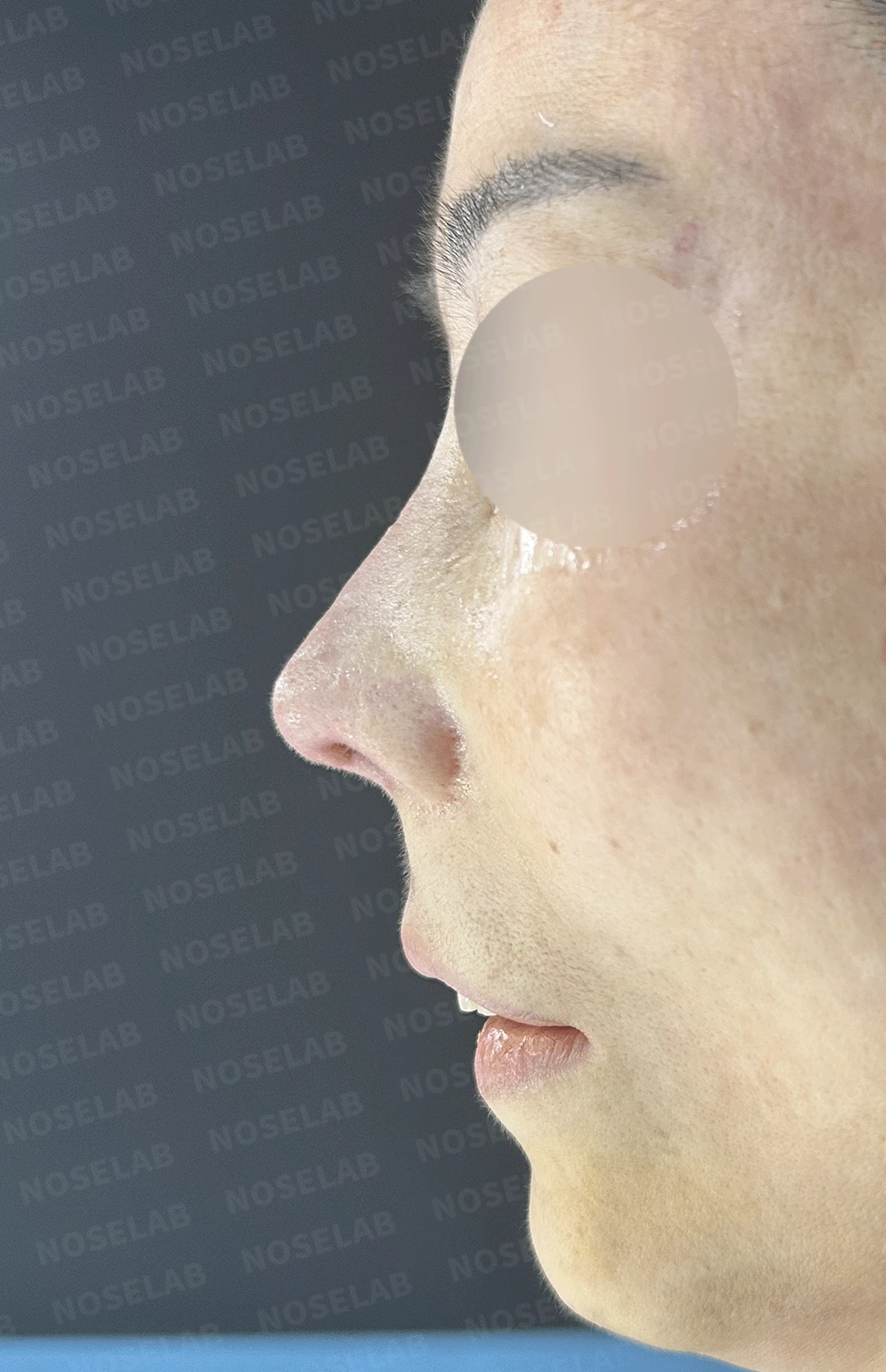
Immediately after surgery (day 0): front, oblique, and profile views. Immediate postoperative photos show swelling and may differ from the final result.
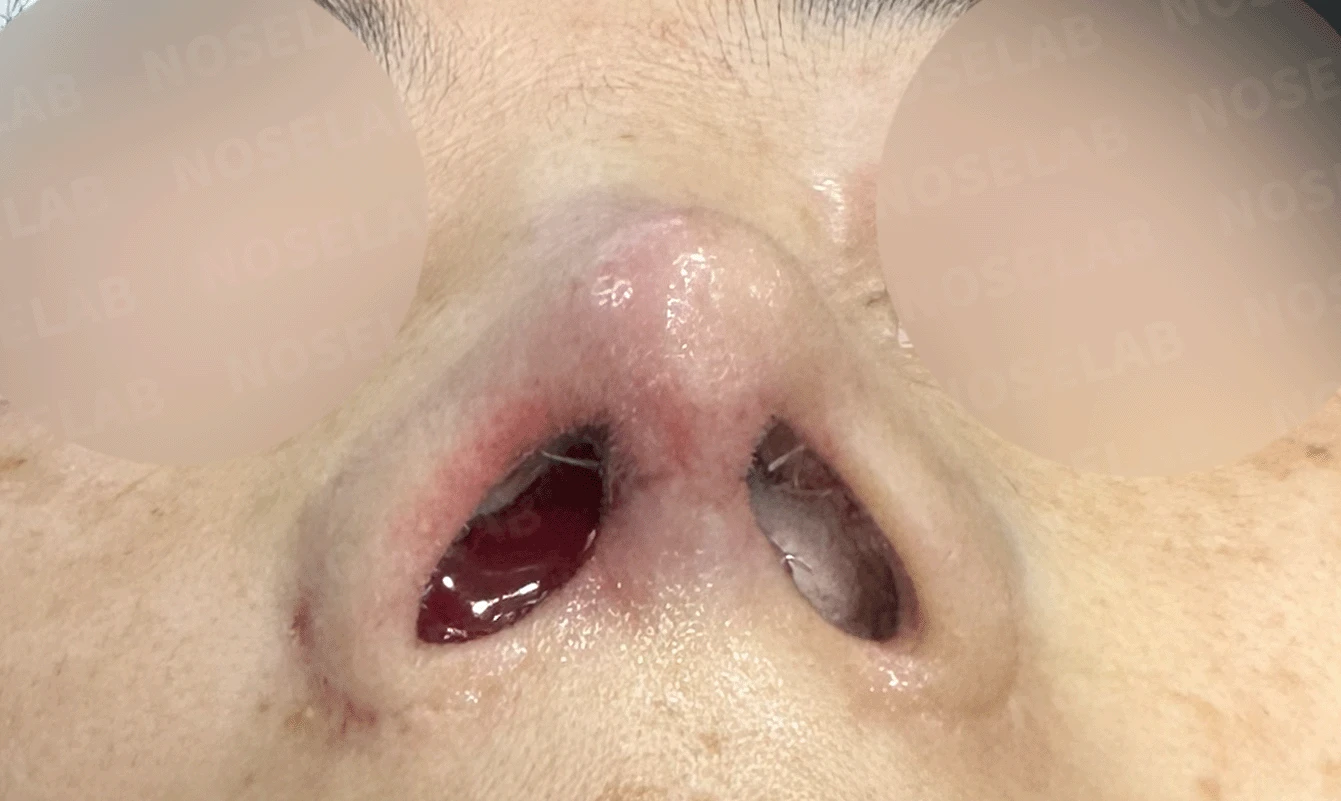
Nostril view on day 0 immediately after surgery. Photos taken immediately after surgery show swelling and may differ from the final result.
This presentation was a very unique case where nasal deviation persisted and nostril asymmetry remained uncorrected despite 6 surgeries spanning 30 years. The patient had undergone procedures at several clinics over an extended period without finding a fundamental solution, and came to our clinic with significant distress.
Following detailed examinations and analysis, the core issue was found to be severe damage and deformation of the septal cartilage. The septal cartilage, which serves as the central axis of the nose, had not only been severely deviated from the start, but was also severely compromised by previous surgical interventions.
Comparing the nasal structure to a building, the septal cartilage functions as the central support pillar. If this pillar is bent or compromised, no matter how much the exterior walls are repaired or decorated, the entire building inevitably tilts and remains unstable. Similarly, unless the septal cartilage is properly reconstructed, the nose will continue to deviate and nostril asymmetry will persist, regardless of how many procedures are performed.
To address this fundamental issue, complete reconstruction of the damaged septal cartilage was essential. By reconstructing the entire septal cartilage anew using autologous rib cartilage, we were able to stably re-establish the central axis of the nose.
While preserving the natural yet refined look requested by the patient without exaggeration, we also performed nasolabial angle correction to improve the appearance of the protruding mouth. This helped enhance overall facial balance.
As a result, we were able to fundamentally resolve the crooked nose and nostril asymmetry that had persisted for 30 years. Above all, because a stable framework was established through septal cartilage reconstruction, we can expect lasting results over the long term.
This case was meaningful in demonstrating the importance of fundamental structural analysis and systematic reconstruction rather than simple aesthetic modification. It confirmed that even with complex, long-standing issues, successful outcomes can be achieved through accurate identification of the cause and an appropriate surgical plan.
This was Dr. Peter C. Kang. Thank you.
Thank you.
#closedrhinoplasty #revisionrhinoplasty #autologousribcartilage #septalcartilagereconstruction #crookednosecorrection #nostrilasymmetrycorrection #customrhinoplasty

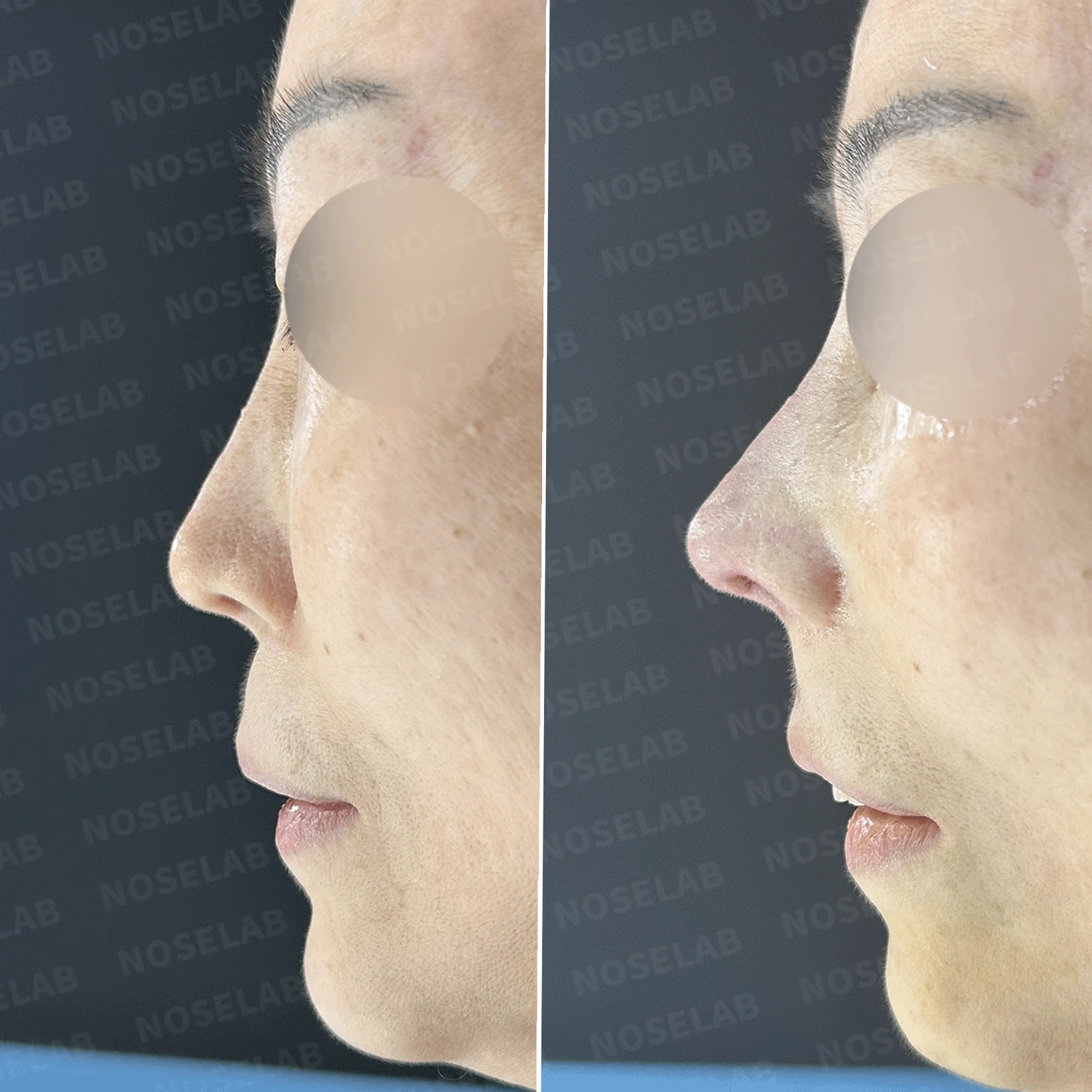
Limitations and risks
When autologous rib cartilage is used, scarring and pain may remain at the donor site on the chest, and pneumothorax (pleural injury) can occur rarely. Over time, the grafted cartilage may warp or undergo partial resorption.
When revising after implant removal, contracture may progress again after removal, the nasal height and length may decrease, and staged surgery may be necessary depending on the skin condition.
When the septum is corrected at the same time, nasal obstruction may persist or recur, and in rare cases, septal perforation or changes in smell may occur.
Common potential risks include infection, bleeding, asymmetry, scarring, skin necrosis, and insufficient improvement; results vary depending on individual skin condition and previous surgical history.