Hello, I am Dr. Peter C. Kang.
Today, I would like to introduce the case of a patient who visited our clinic concerned about a bulbous, drooping nose and the perceived length of the midface.
🔍 Surgical history
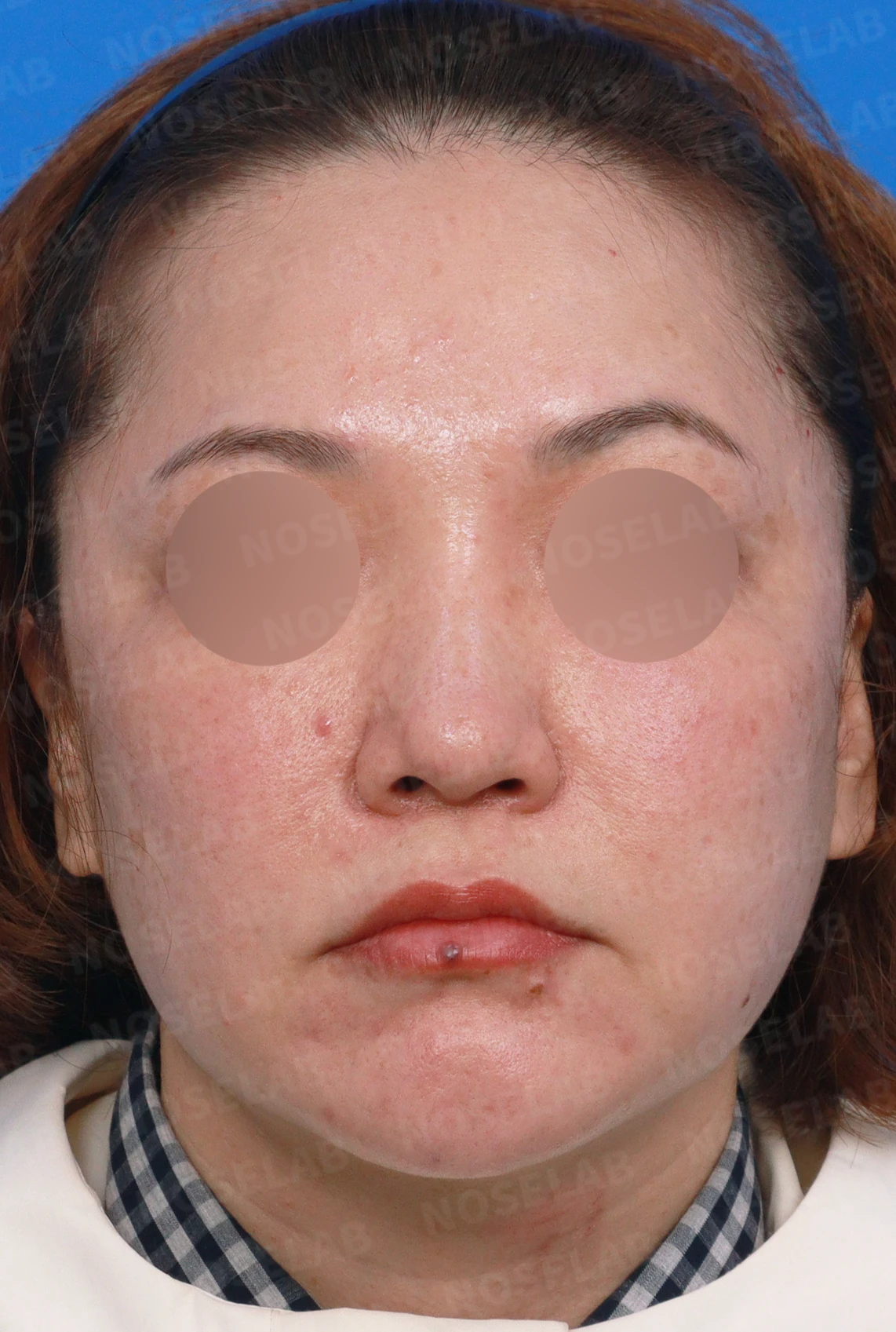
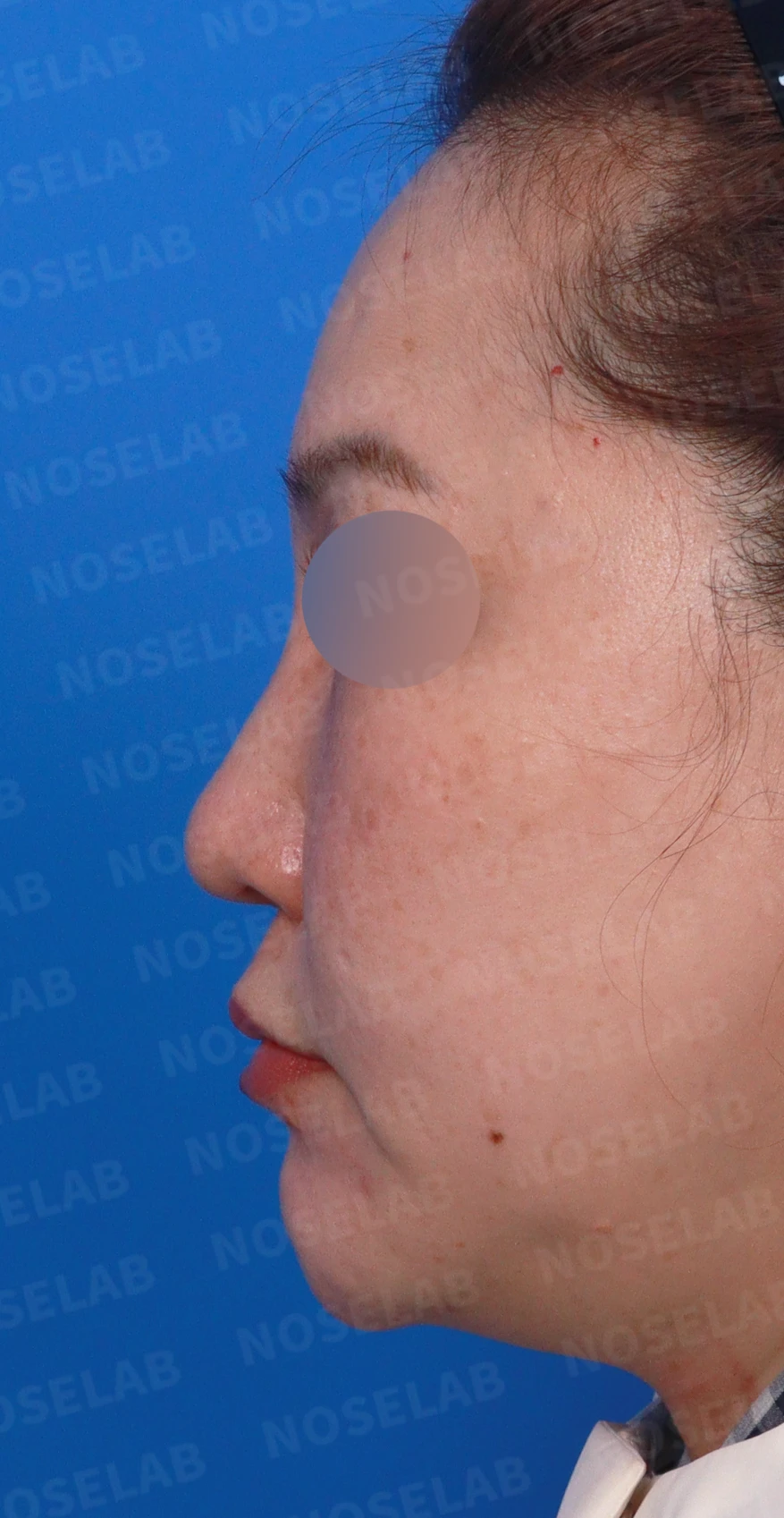
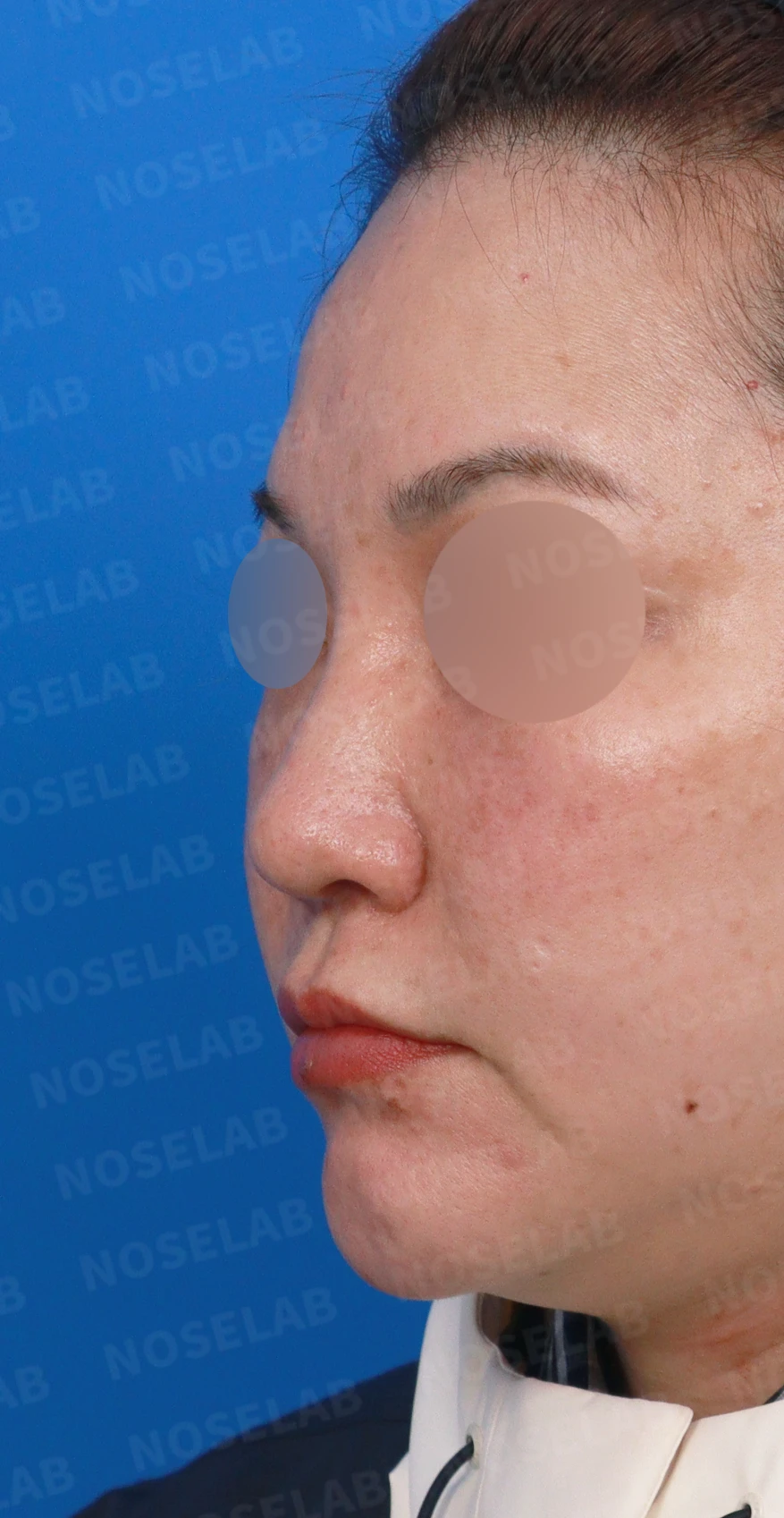
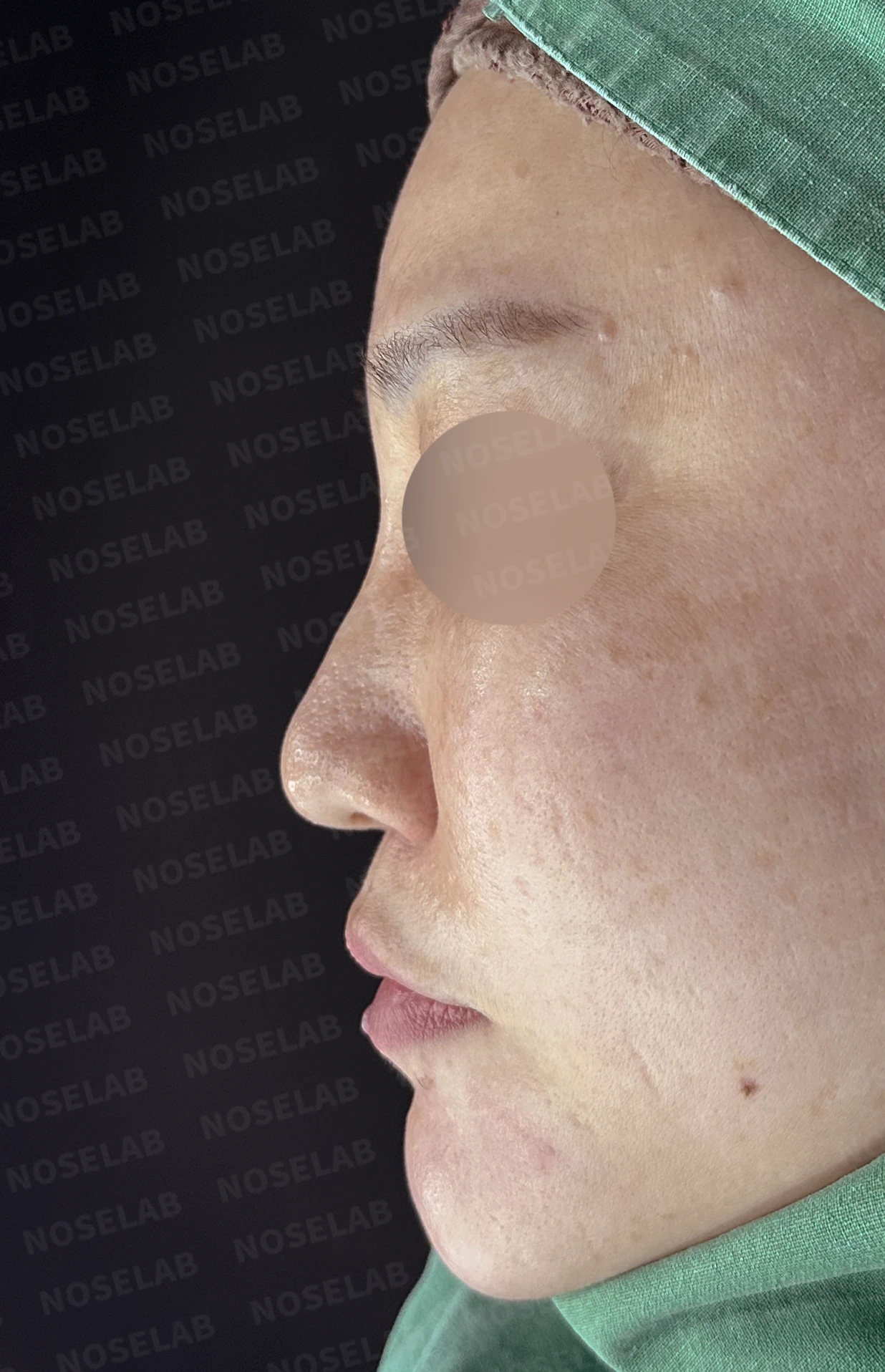
Front, left profile, and oblique views during design consultation.
17 years ago: Rhinoplasty
7-8 years ago: Filler injection (nasal bridge, columella) - not dissolved
History of rhinitis
💉 Patient requests
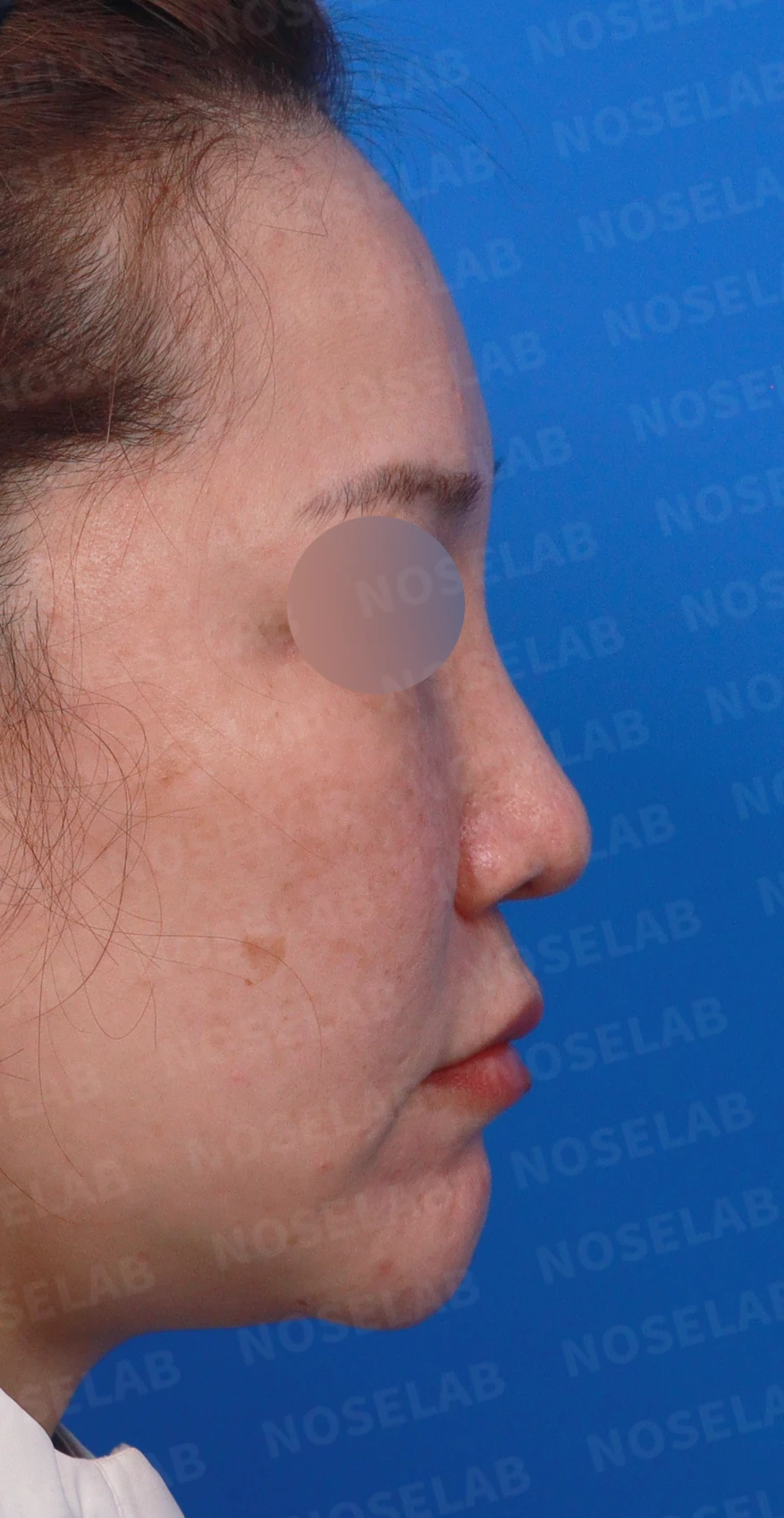
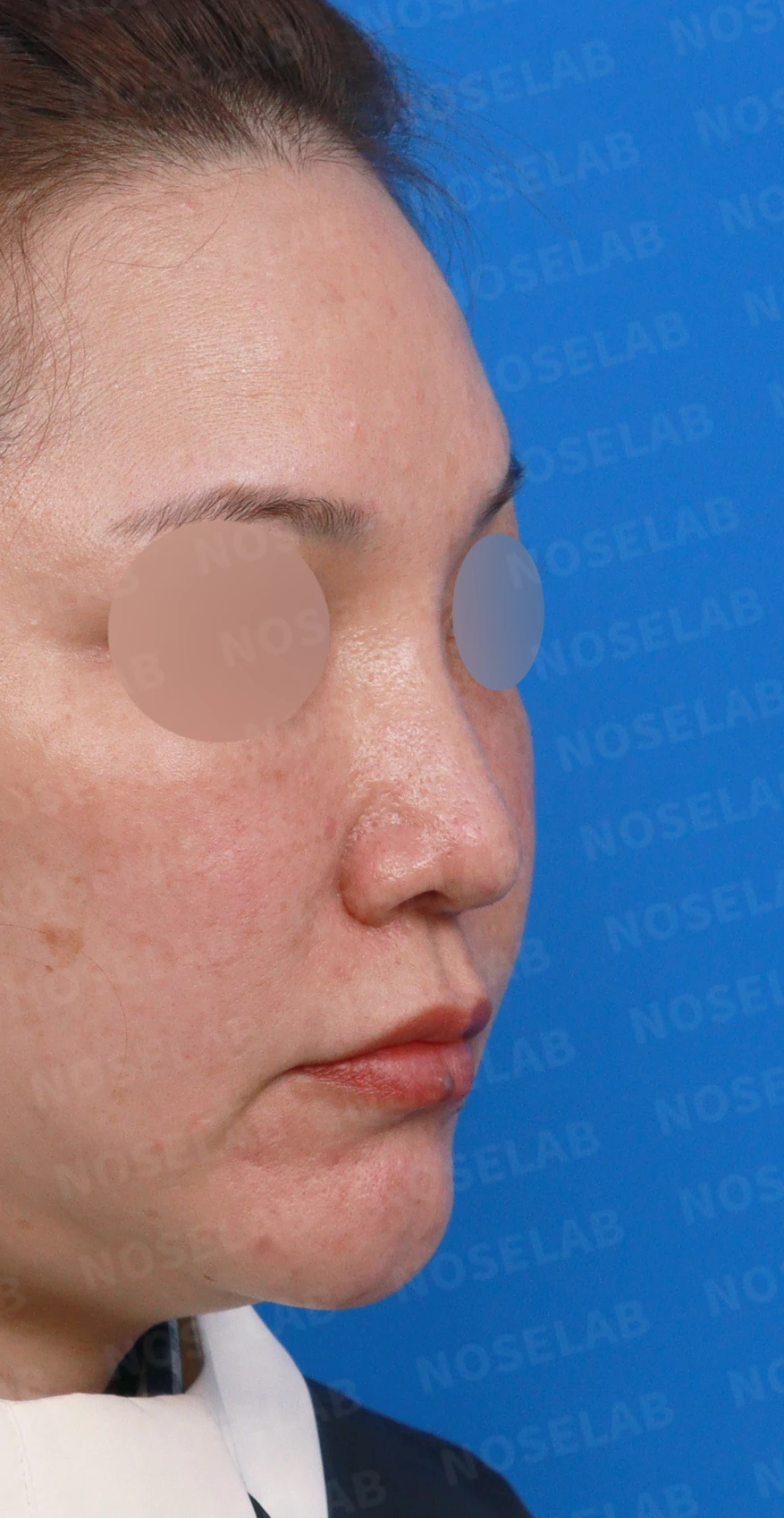
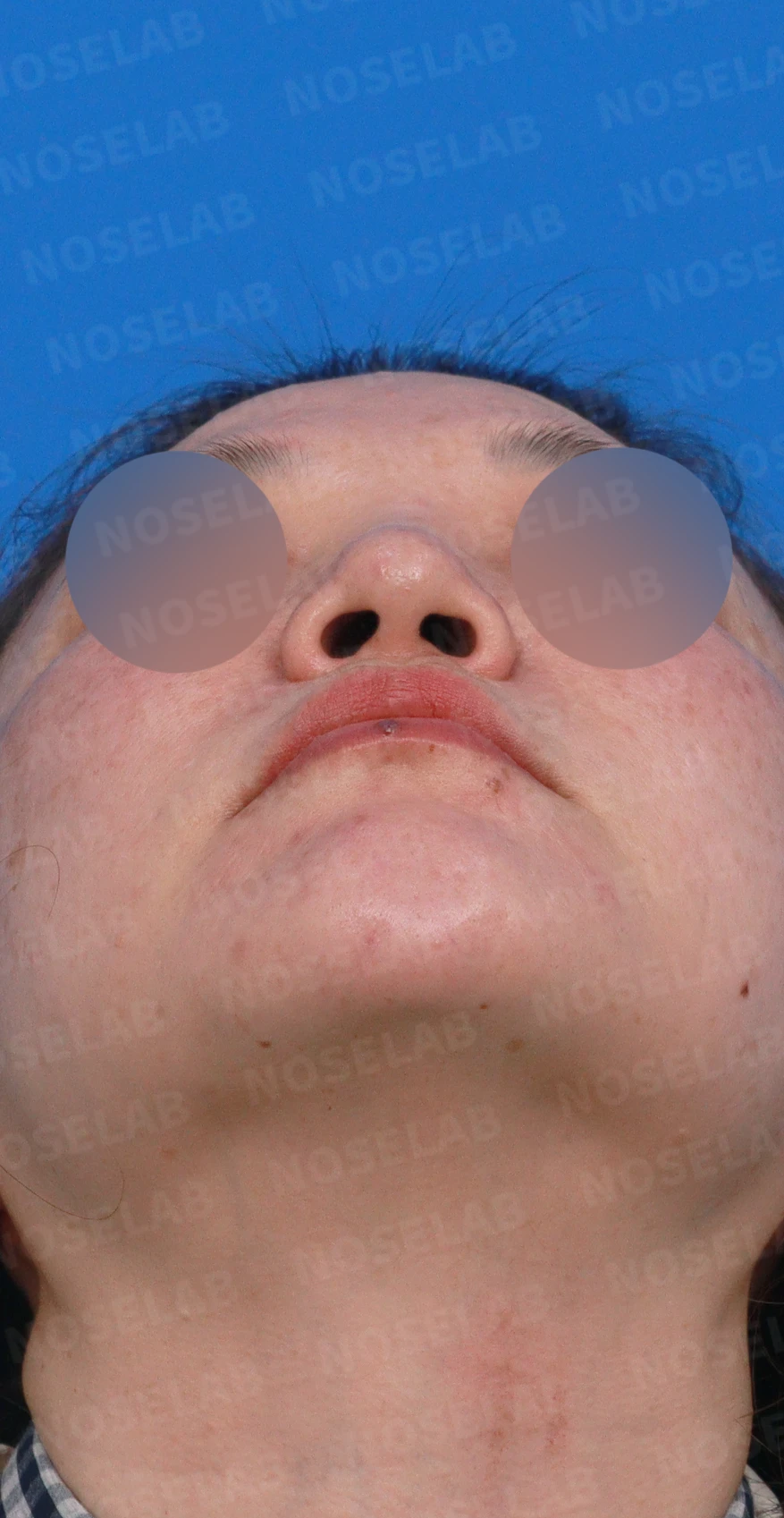
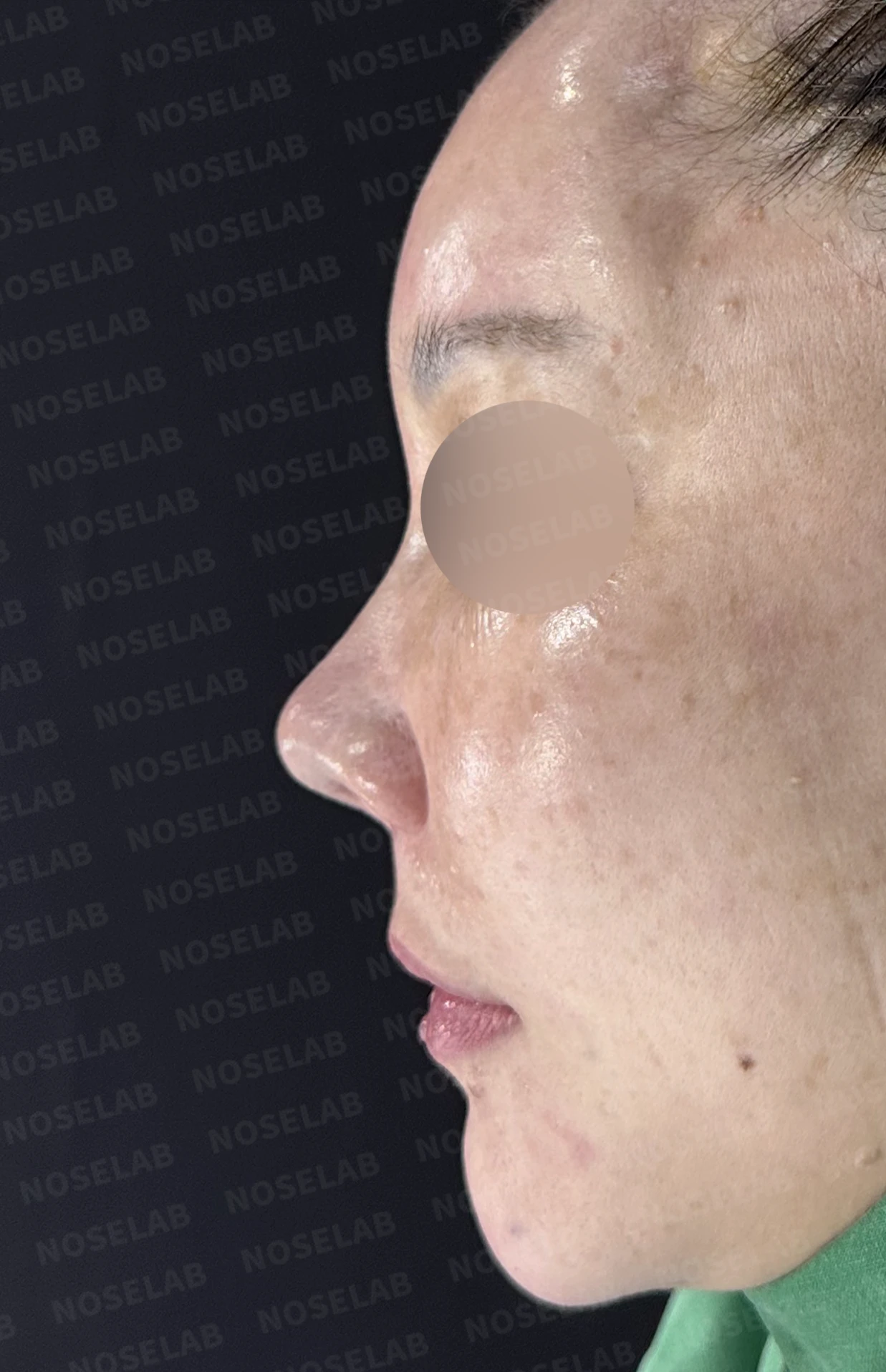
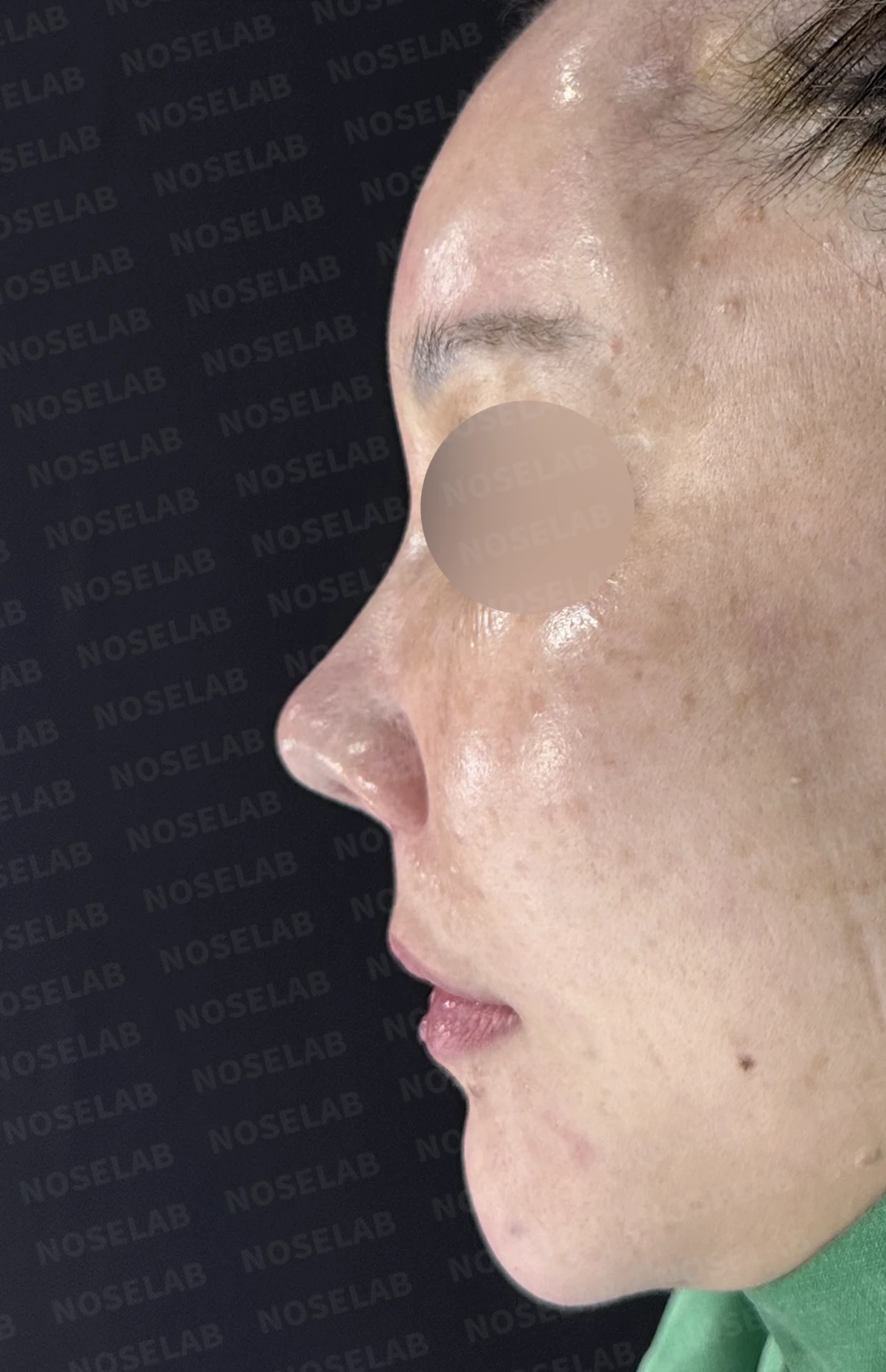
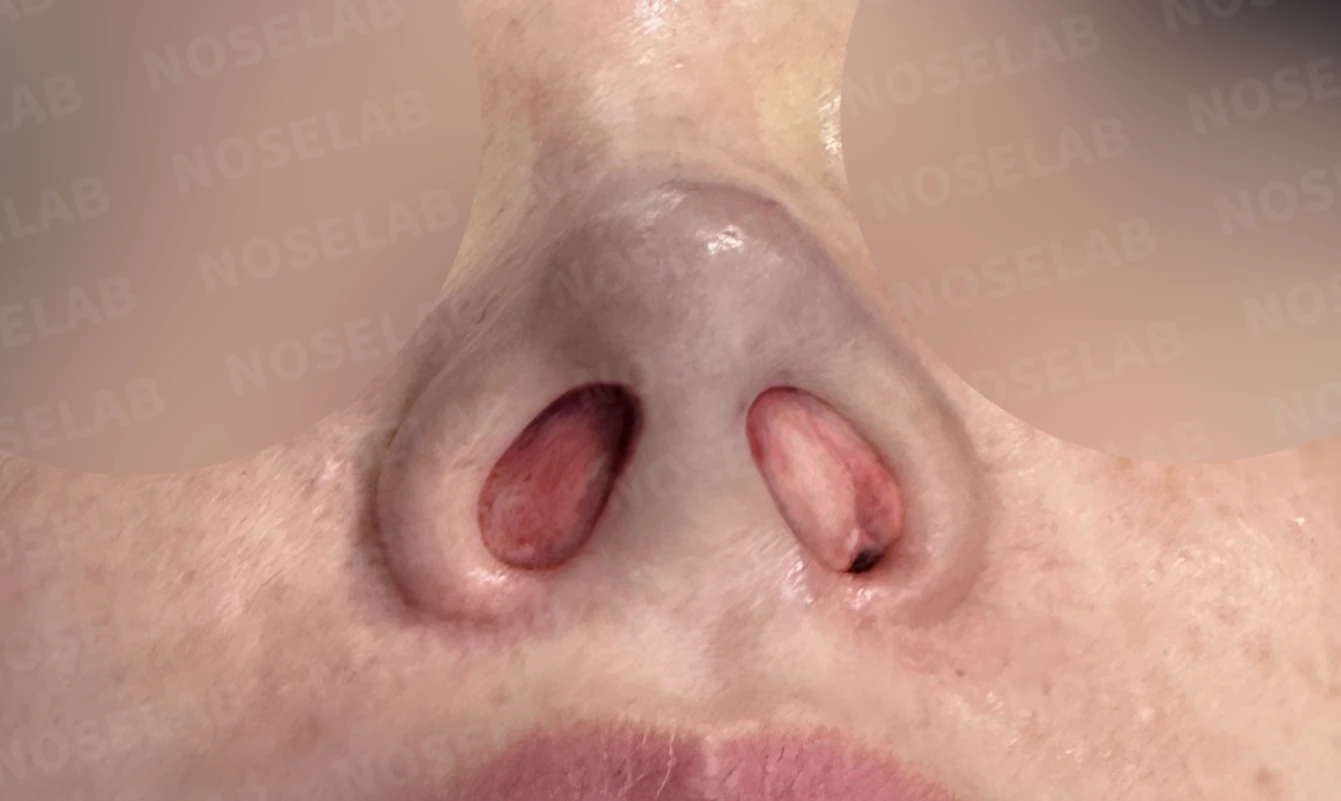
Right profile, oblique, and nostril views during design consultation.
"I want to improve the wide, flared appearance"
"I do not want a pinched look"
"I want to refine my bulbous tip naturally"
"I want my midface to look shorter"
"I want to lift the drooping nose naturally"
🔧 Surgical plan and procedure
During this surgery, there was the challenge of harvesting severely calcified autologous rib cartilage, but by reconstructing it carefully with safety in mind, we were able to achieve a natural result.
1. Harvesting autologous rib cartilage and foreign material removal
Careful harvest of severely calcified rib cartilage
Removal of the existing implant from the surgery 17 years ago
Complete removal of filler injected 7-8 years ago
Preparation for tissue reconstruction planned with safety in mind
2. Nasal tip reconstruction and length adjustment
Septal extension using autologous rib cartilage
Refining the bulbous nasal tip naturally
Adjusting the long, drooping nose to appear shorter
Forming support structures to gather a wide nasal tip
3. Nasolabial angle correction and philtrum-shortening effect
Improving the nasolabial angle by lifting the drooping nose
Creating the visual effect of a shorter philtrum
Improving the perceived length of the midface
Achieving a natural profile line
4. Adjusting the radix starting point
Lowering the radix starting point to establish harmonious proportions
Correcting the midface so it does not appear elongated
Overall facial balance
A natural transitional contour
5. Septal reconstruction and functional improvement
Improving breathing function through septal reconstruction
A structural approach to relieve rhinitis symptoms
Turbinoplasty and septoplasty
Securing long-term stability
6. Achieving a natural nasal contour
A natural shape without a pinched look
Balanced improvement of a wide nose
Harmony with the overall face
An elegant profile silhouette
🌟 Surgical results
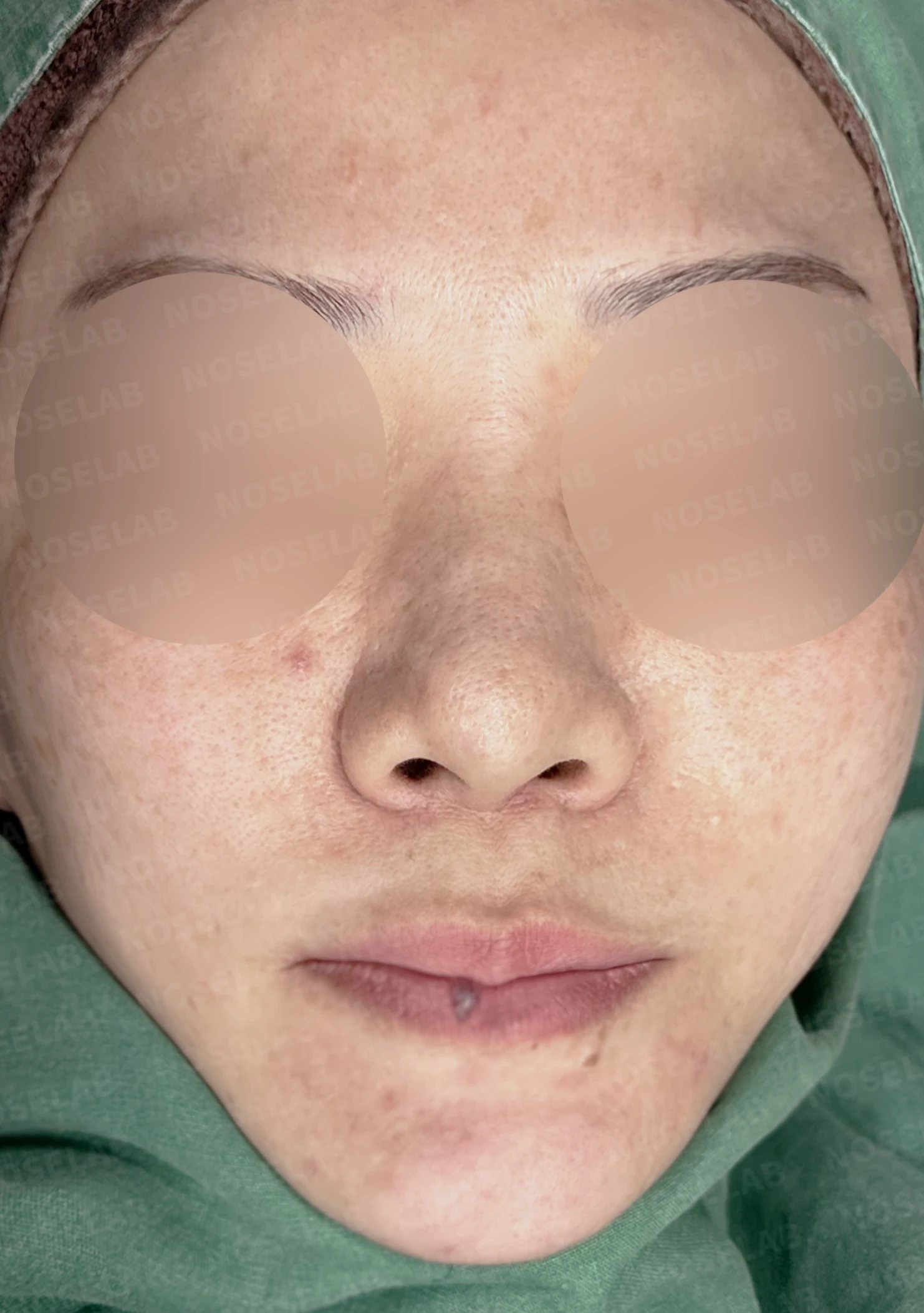
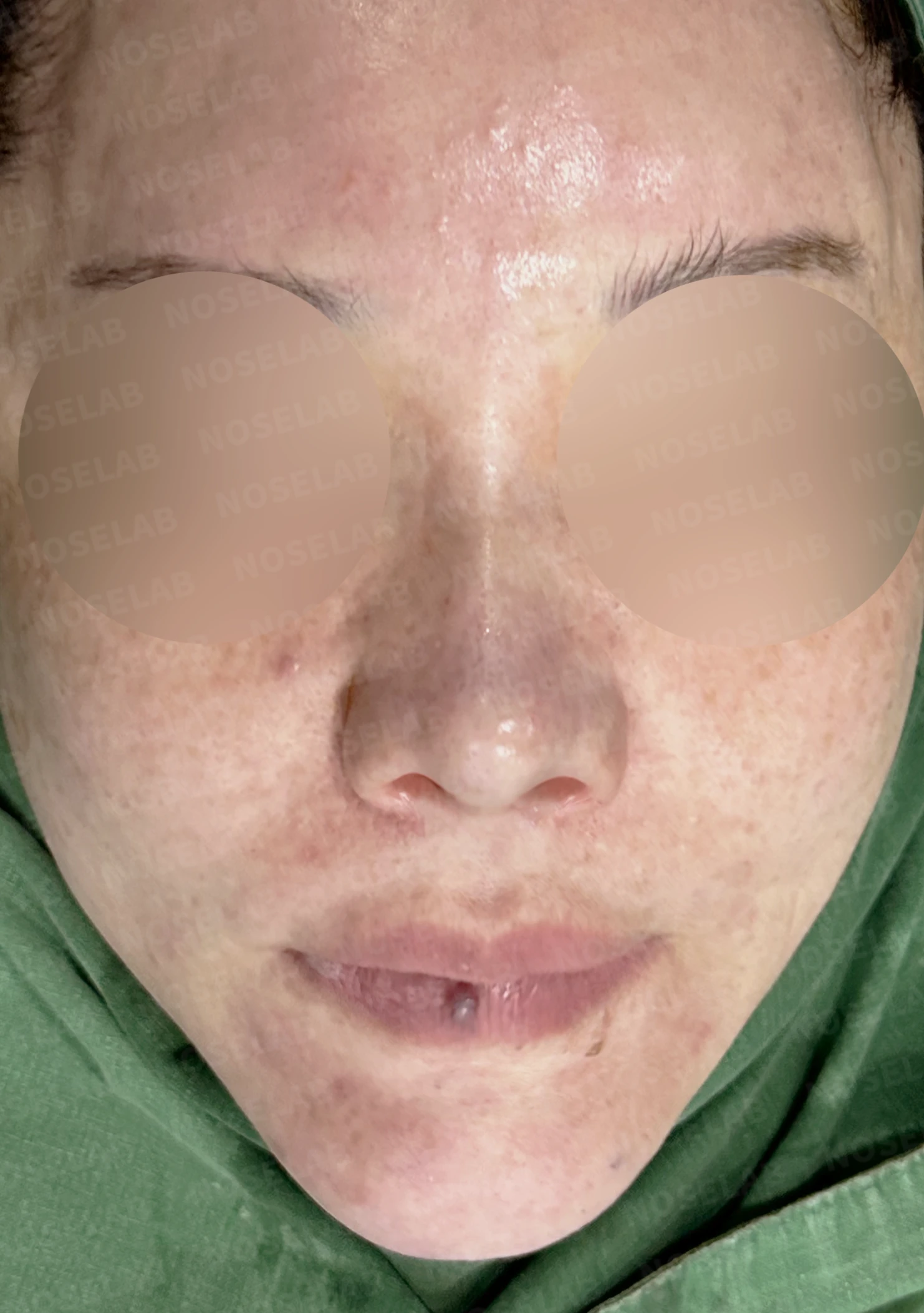
Before surgery / Day 0 immediately after surgery Photos taken immediately after surgery show swelling and may differ from the final result.
Front view changes:
Natural refinement of the bulbous nasal tip
A wide, spread nose was gathered with balanced proportions
A natural shape without a pinched look
Improving overall facial proportions
A refined, elegant frontal line
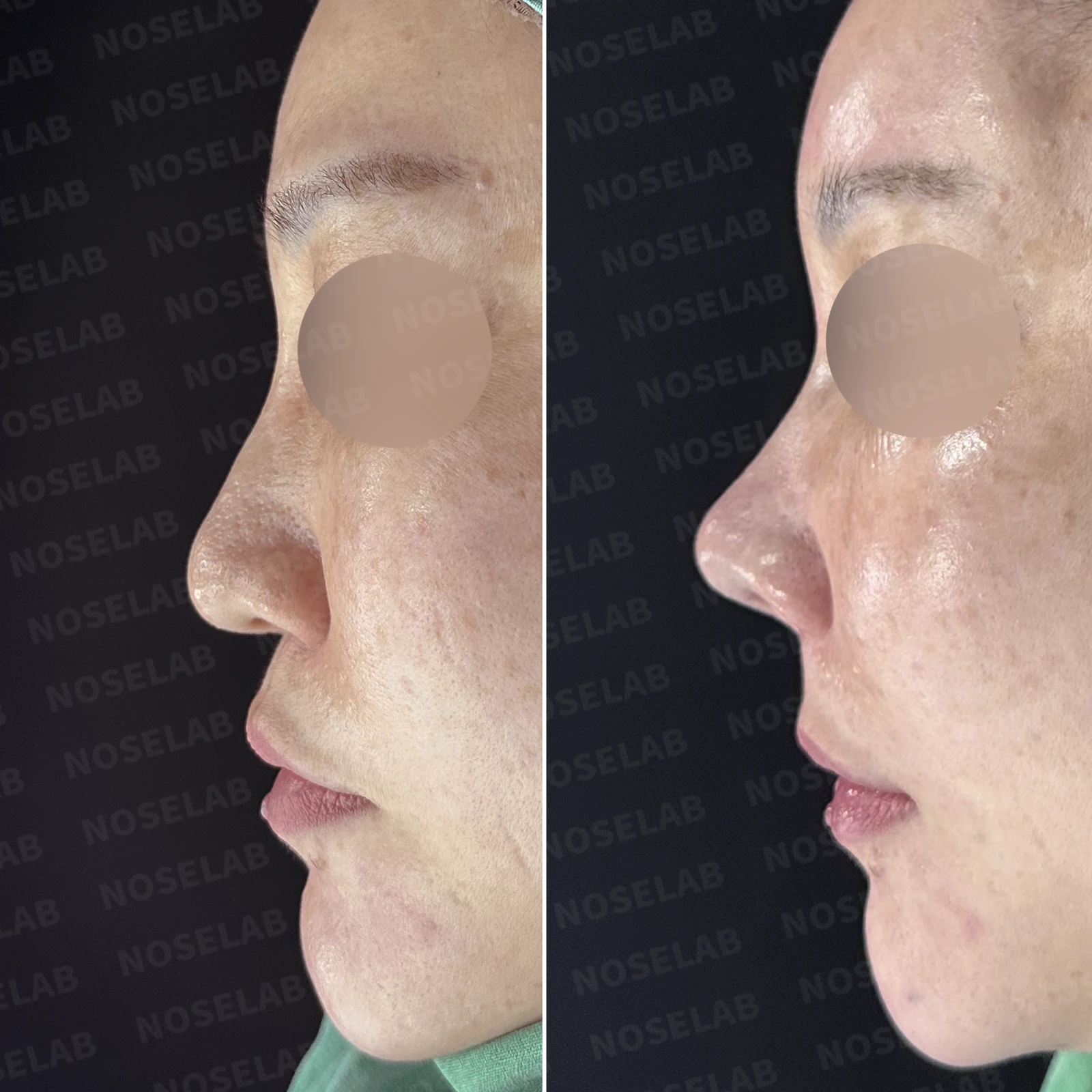
Before surgery / Day 0 immediately after surgery Photos taken immediately after surgery show swelling and may differ from the final result.
Profile view changes:
Adjustment of the long, drooping nose to look shorter
Philtrum looks shorter through nasolabial angle correction
Natural improvement in perceived midface length
Harmonious proportions by adjusting the radix starting point
An elegant and refined profile line
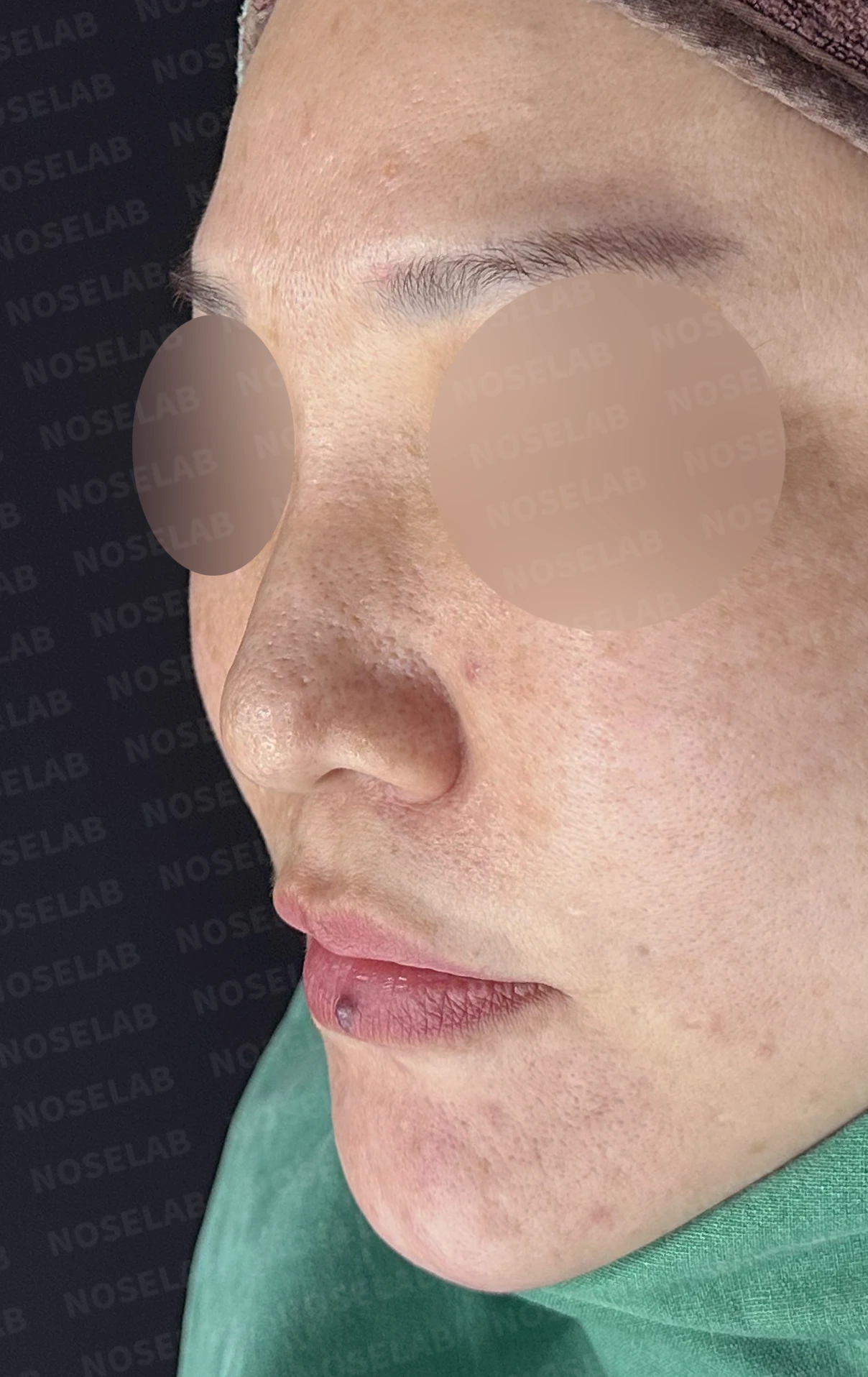
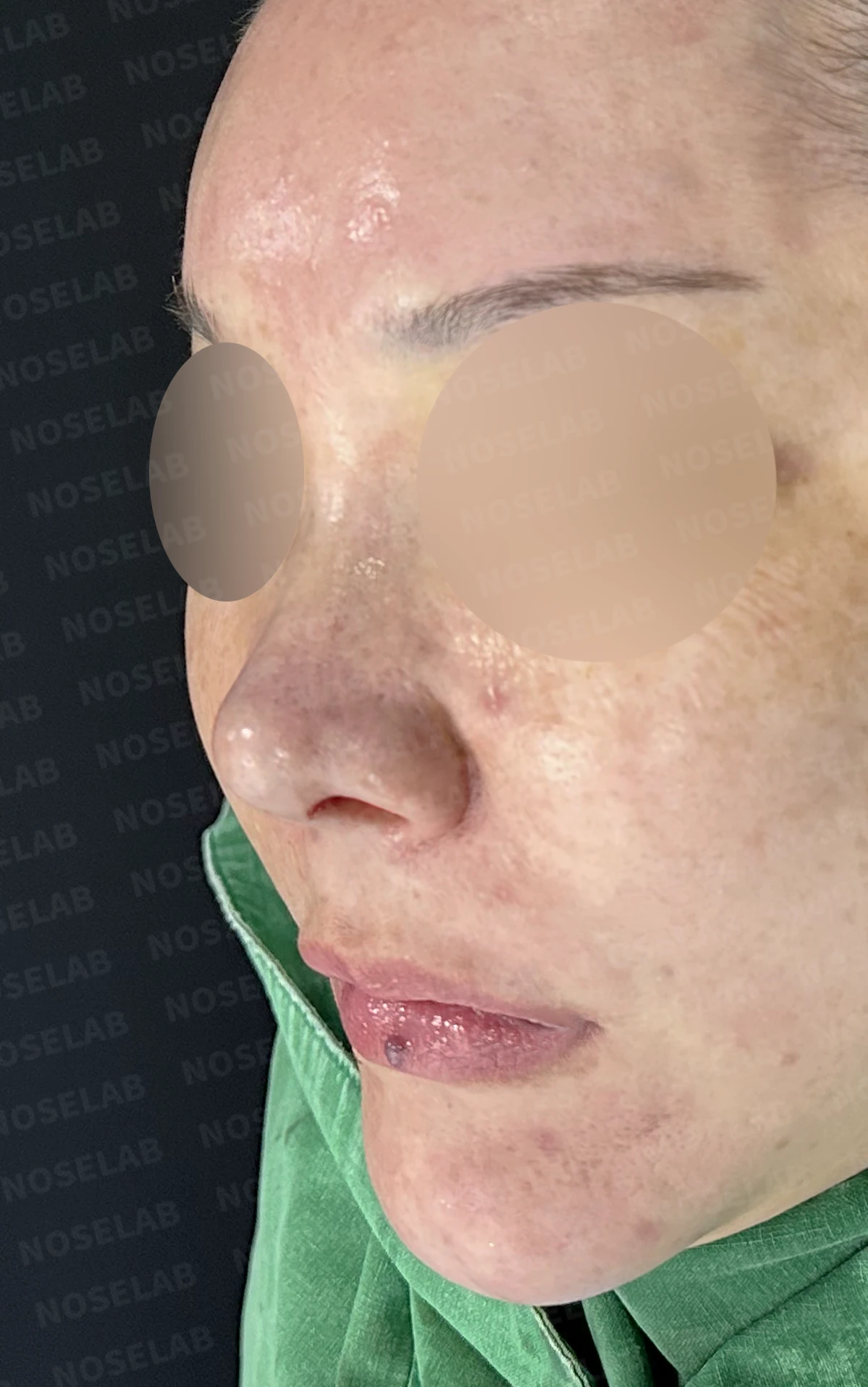
Before surgery / Day 0 immediately after surgery Photos taken immediately after surgery show swelling and may differ from the final result.
Nostril view changes:
Improvement of bulbous nasal tip
Natural nostril shape
Achieving bilateral balance
Alignment of the columellar midline
Improvement in overall symmetry
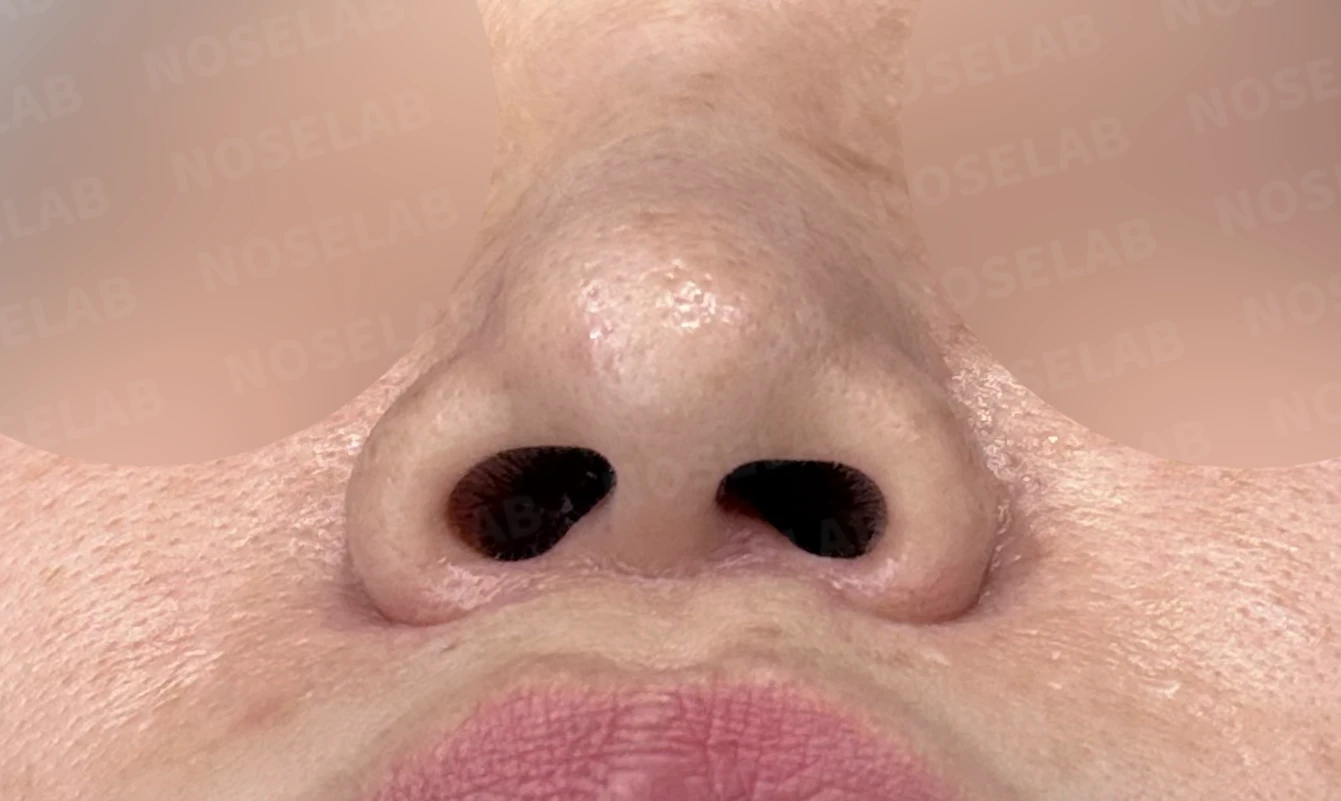
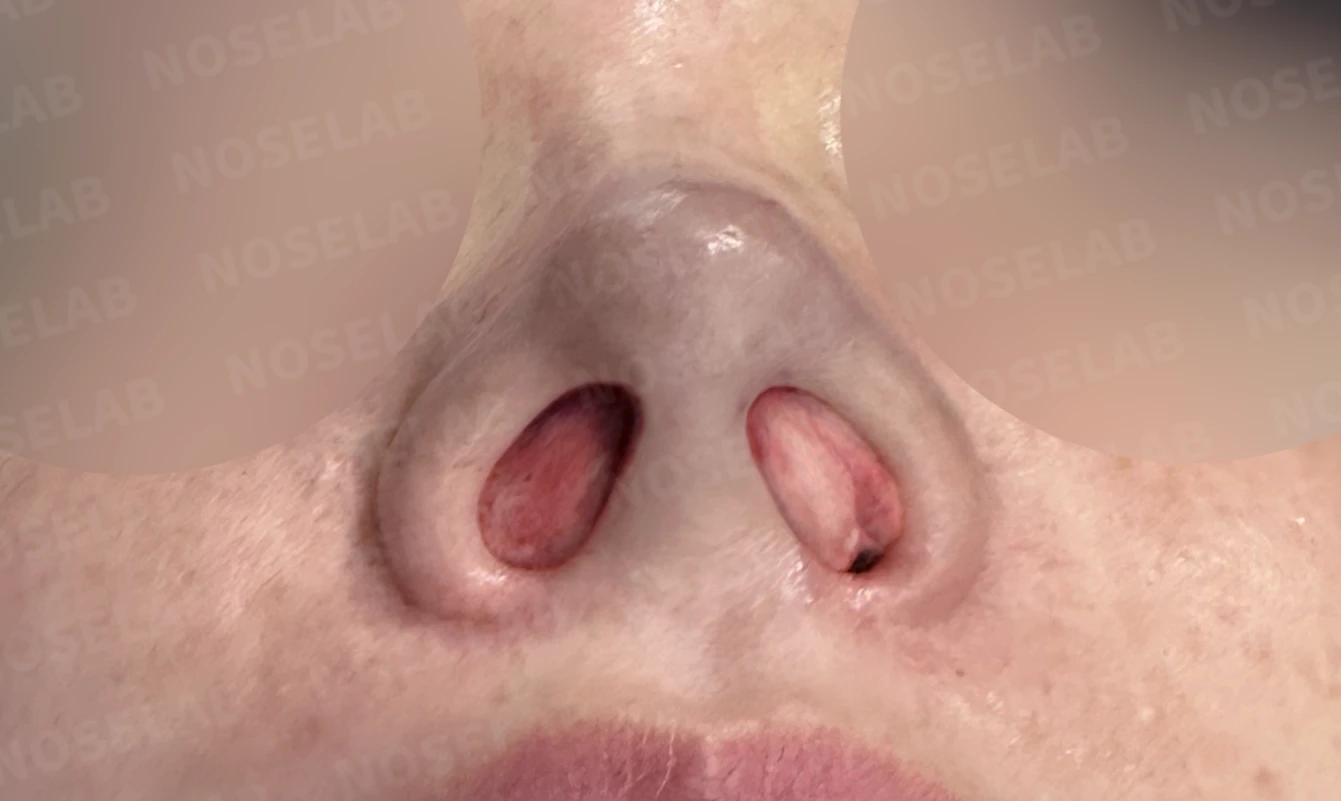
Before surgery / Day 0 immediately after surgery Photos taken immediately after surgery show swelling and may differ from the final result.
💡 Specialist opinion
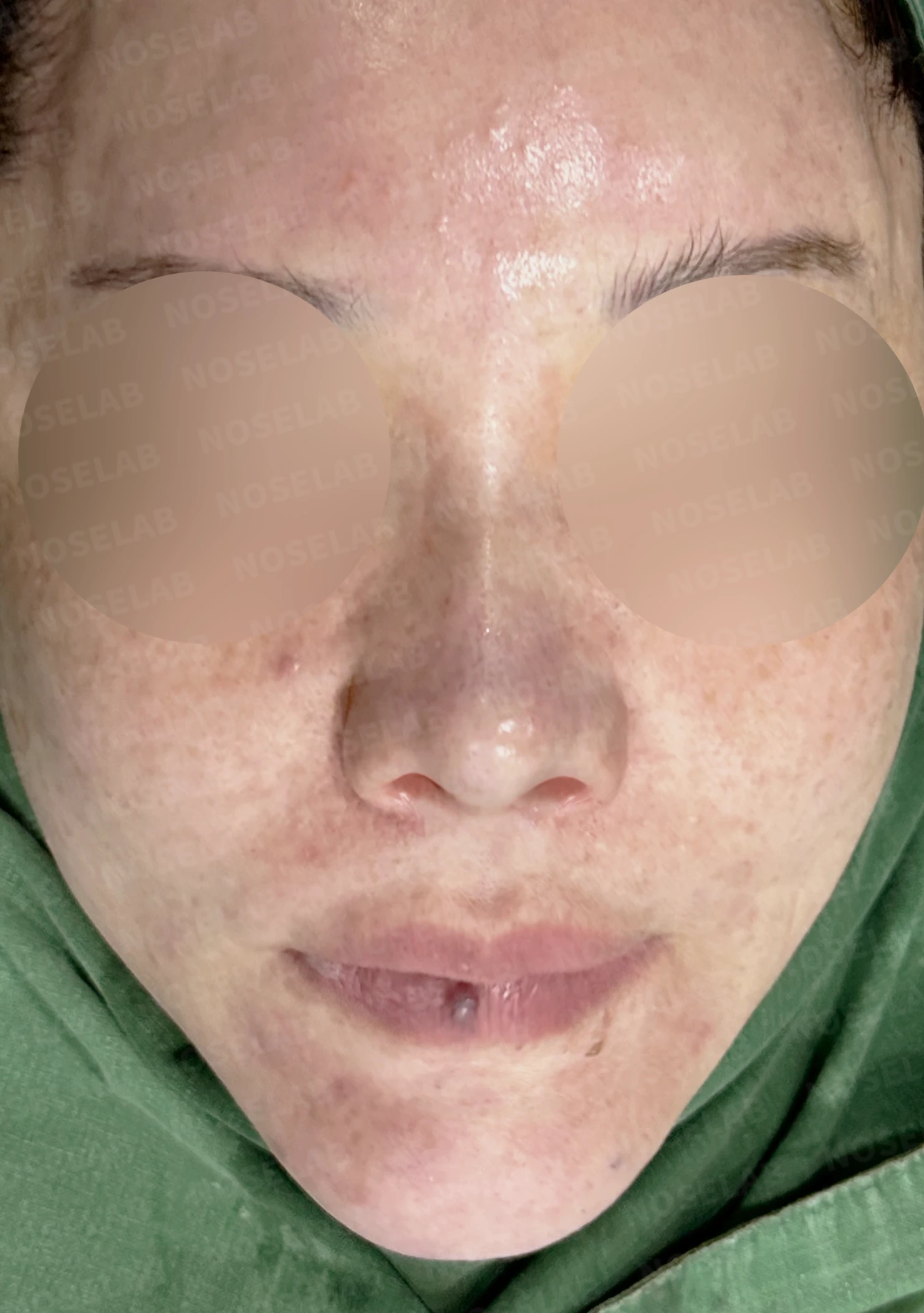
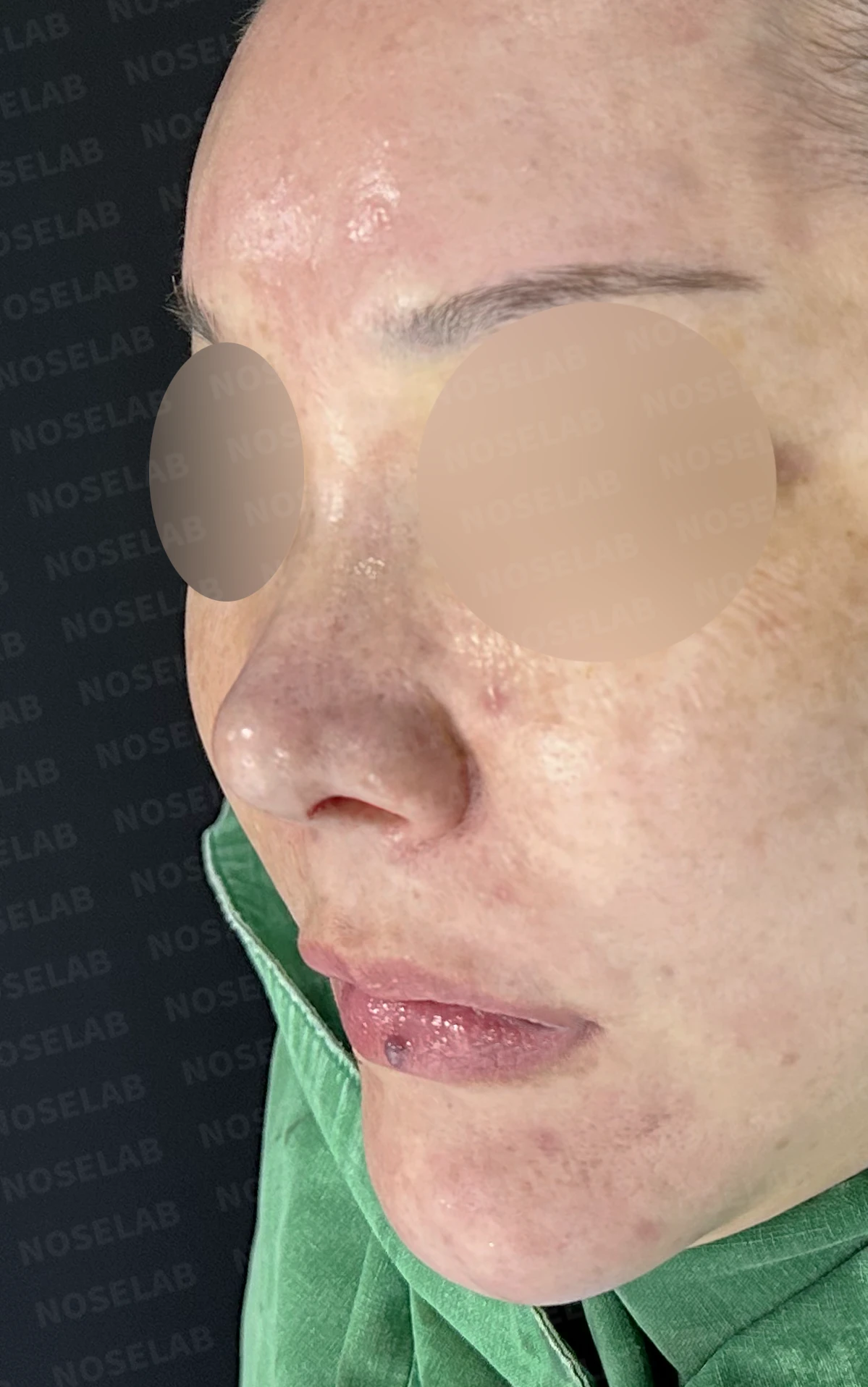
Front, oblique, and profile views on day 0 immediately after surgery. Photos taken immediately after surgery show swelling and may differ from the final result.
Nostril view on day 0 immediately after surgery. Photos taken immediately after surgery show swelling and may differ from the final result.
This case involved handling calcified rib cartilage, which is one of the difficult situations frequently encountered in revision rhinoplasty. Severely calcified rib cartilage makes harvesting itself quite technically challenging and requires a meticulous approach. However, by harvesting it carefully, we were able to deliver the natural result the patient wanted.
In this particular case, the patient was troubled not only by a bulbous, drooping nose, but also by the appearance of an elongated midface. Rather than simply changing the nose alone, an integrated approach considering the balance and proportions of the entire face was necessary.
By lifting the drooping nose through nasolabial angle correction, we created the visual effect of a shorter philtrum, and by appropriately adjusting the radix starting point, we prevented the midface from appearing too long. These precise adjustments came together to complete harmonious overall facial proportions.
Additionally, after removing the implant from 17 years ago and the filler from 7-8 years ago, we reconstructed the nose using autologous rib cartilage while also addressing rhinitis through a functional approach. Revision rhinoplasty requires more precise and meticulous planning than primary surgery, and an even more prudent approach is essential when dealing with calcified tissue.
While fulfilling both of the patient's requests to "improve the wide appearance" and "avoid a pinched nose," we also improved the perceived midface length, making the overall facial balance much more harmonious.
I will continue to provide customized surgeries that reflect each patient's individuality and requests through this meticulous approach. I hope this helps those with similar concerns.
This was Dr. Peter C. Kang. Thank you.
#calcifiedribcartilage #autologousribcartilage #revisionrhinoplasty #bulbousnose #droopingnose #midfacecorrection #nasolabialanglecorrection #philtrumshortening #radixadjustment #widenoseimprovement #naturalnose #foreignbodyremoval #fillerremoval #rhinitisimprovement #closedrhinoplasty #closedrevisionrhinoplasty

Limitations and risks
When autologous rib cartilage is used, scarring and pain may remain at the donor site on the chest, and pneumothorax (pleural injury) can occur rarely. Over time, the grafted cartilage may warp or undergo partial resorption.
When revising after implant removal, contracture may progress again after removal, the nasal height and length may decrease, and staged surgery may be necessary depending on the skin condition.
When foreign materials such as injected fillers are removed and reconstructed, contracture may recur, nasal height and length may decrease, and staged surgery may be necessary depending on the skin condition.
When the septum is corrected at the same time, nasal obstruction may persist or recur, and in rare cases, septal perforation or changes in smell may occur.
Common potential risks include infection, bleeding, asymmetry, scarring, skin necrosis, and insufficient improvement; results vary depending on individual skin condition and previous surgical history.