English日本語简体中文
Skip to main content
Dr. Peter C. Kang's Rhinoplasty Stories
PrologueBlogMy thoughtsNasal obstructionSurgical journalSurgical photos
About the surgeon

Rhinoplasty considering facial proportions and harmony

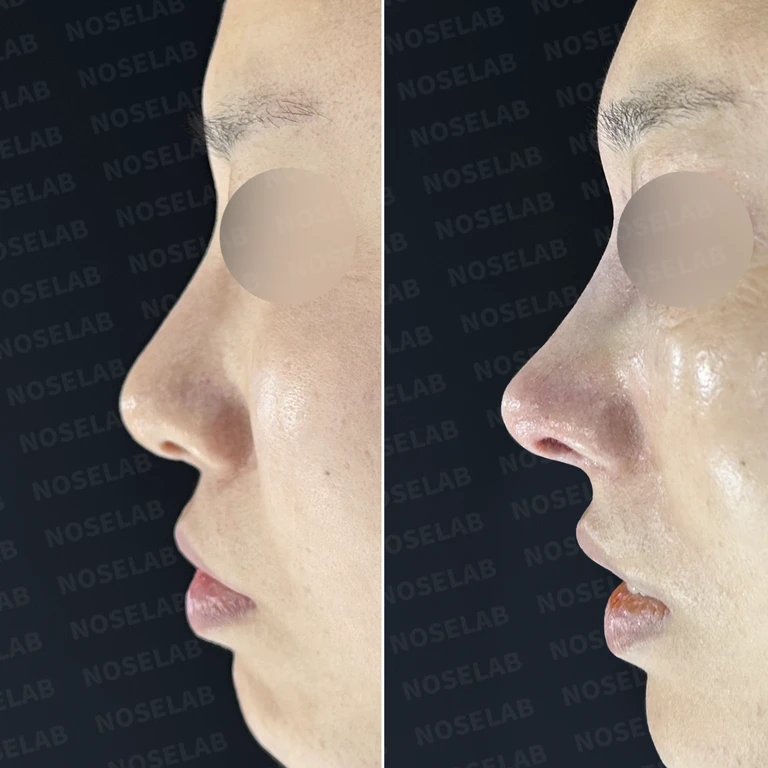
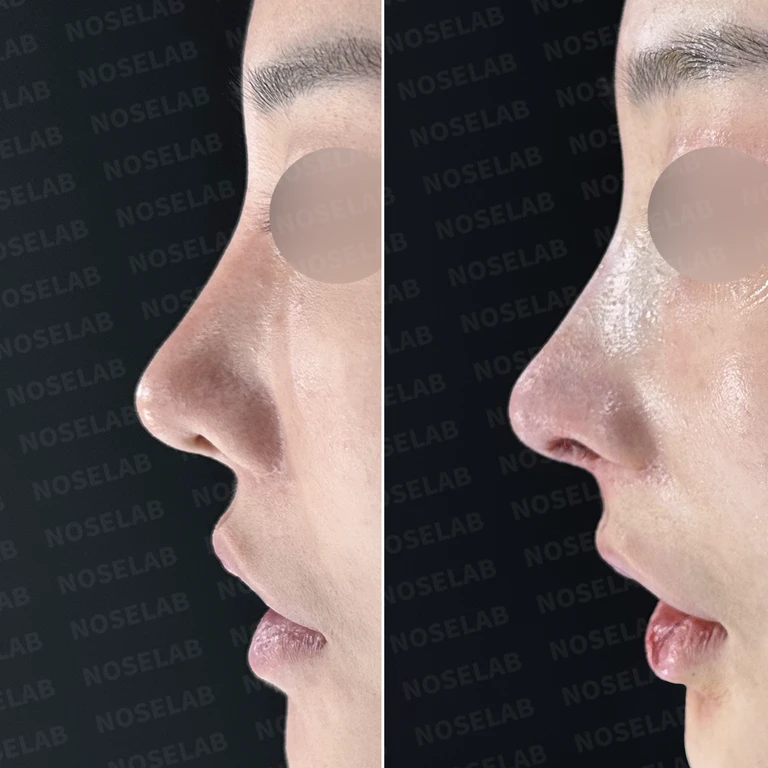
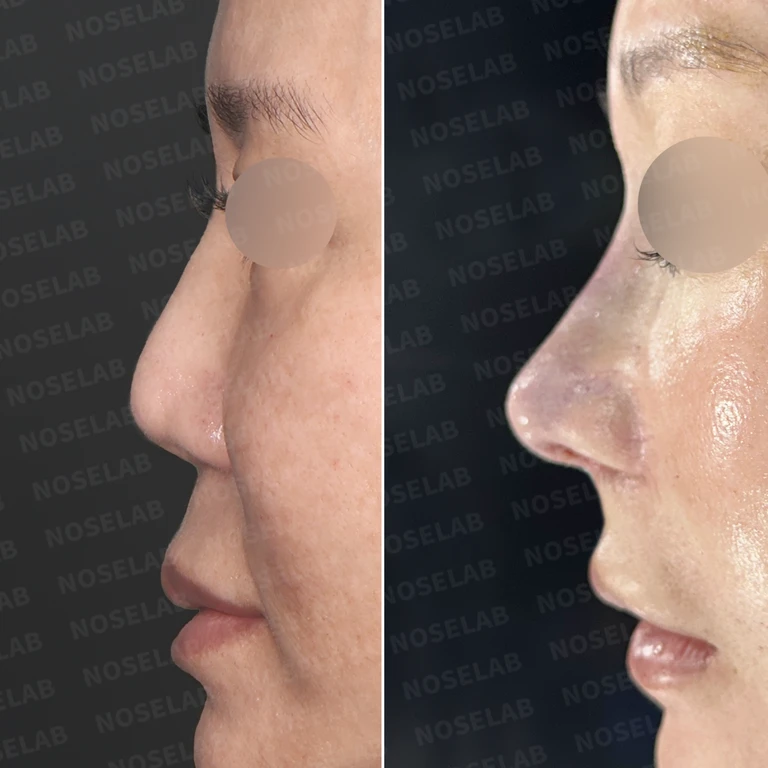
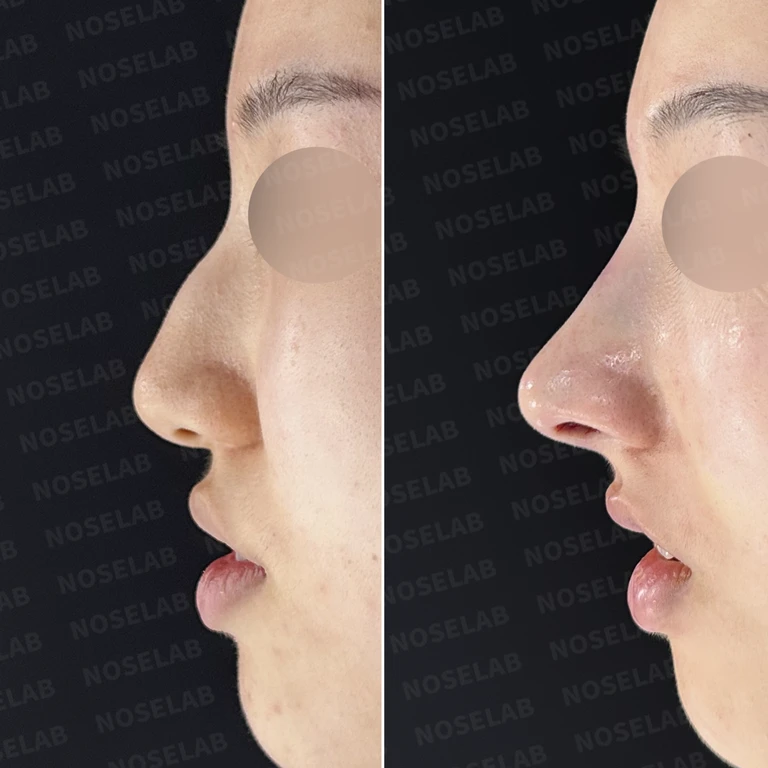
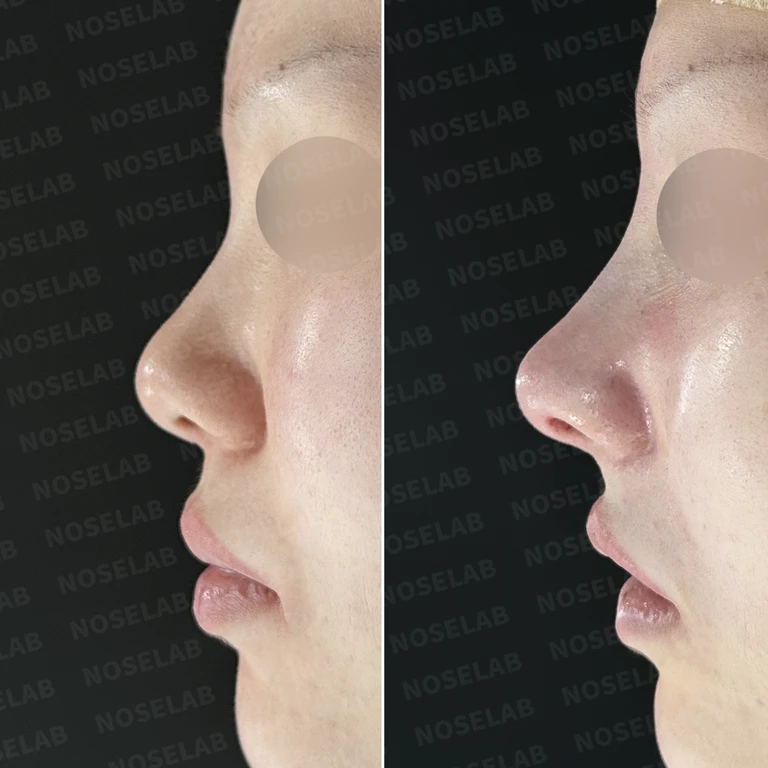
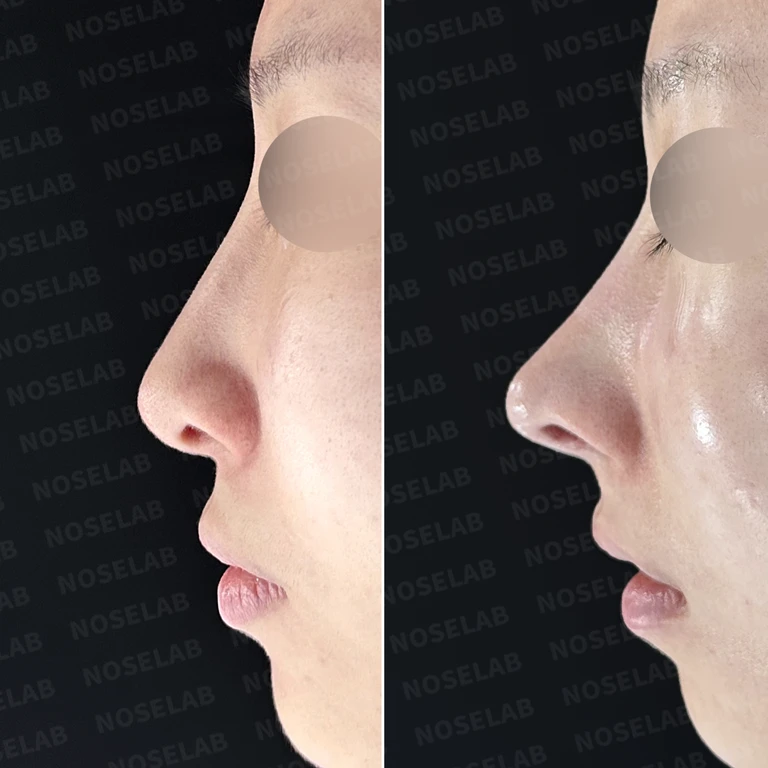
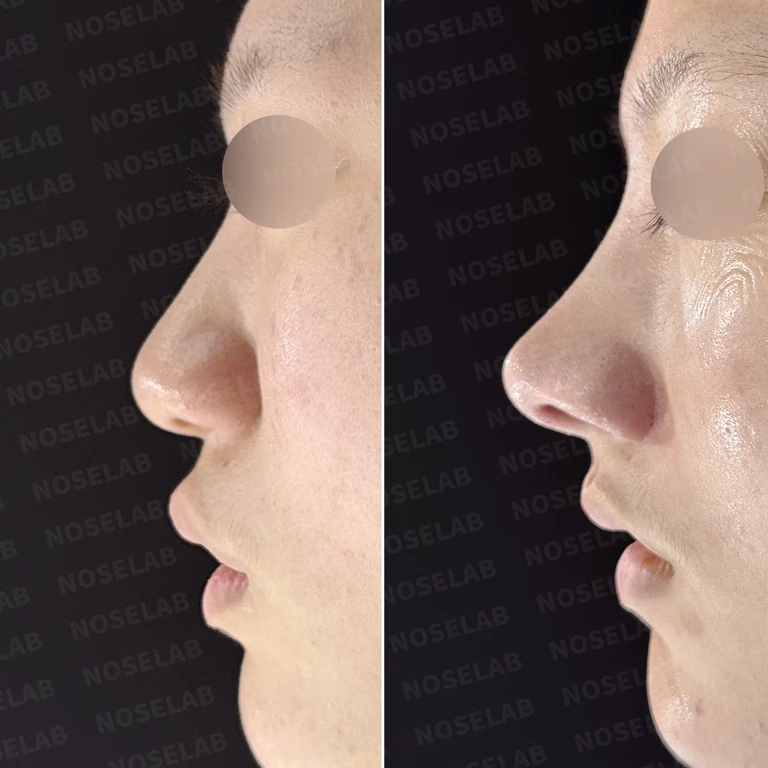
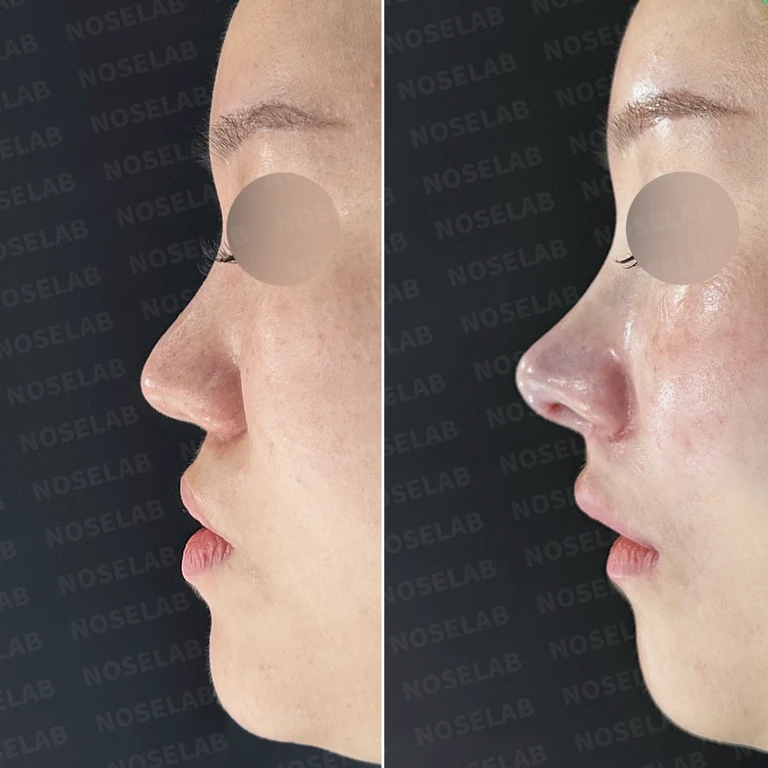
In discussions of facial harmony, what proportions could be addressed within the existing structure emerges as more important than simply raising the nose higher. In cases where the skin lacked elasticity and the nose was small, making it difficult to increase height significantly, the records note that overall proportions and a natural shape were prioritized. These entries document the achievable scope of change.

We also included observations where lowering the radix between the eyebrows altered the impression of facial proportions, as well as records of performing septal extension for a nose that was short and small relative to the face. Adjustments in opposite directions can serve the same goal of harmony. Rather than viewing facial proportions as a single numerical value or a universal correct answer, examine the preoperative characteristics alongside the anatomical areas actually addressed.

View before-and-after cases ↓Comprehensive rhinoplasty guide

Searching for surgical cases matching your criteria.
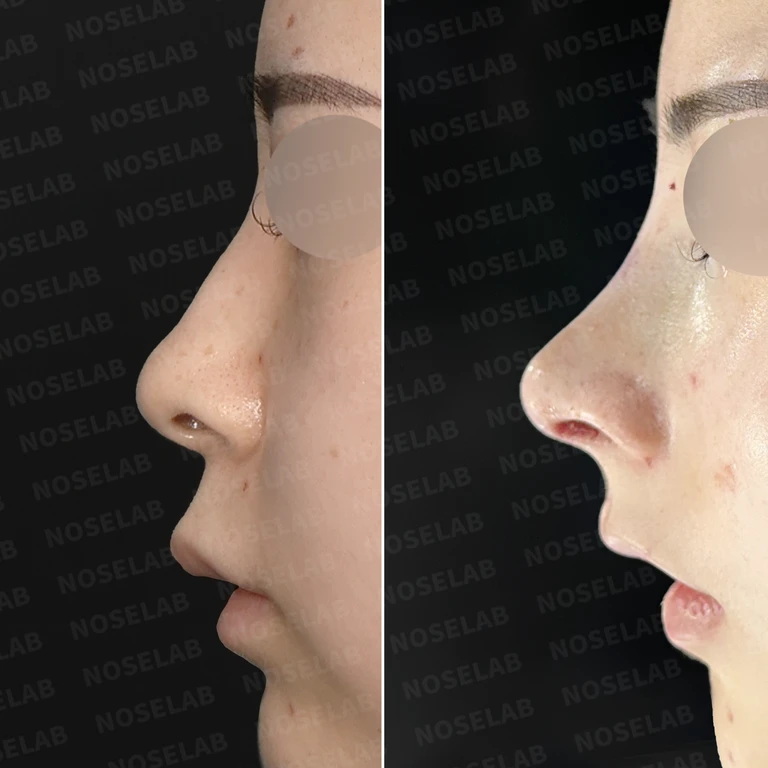
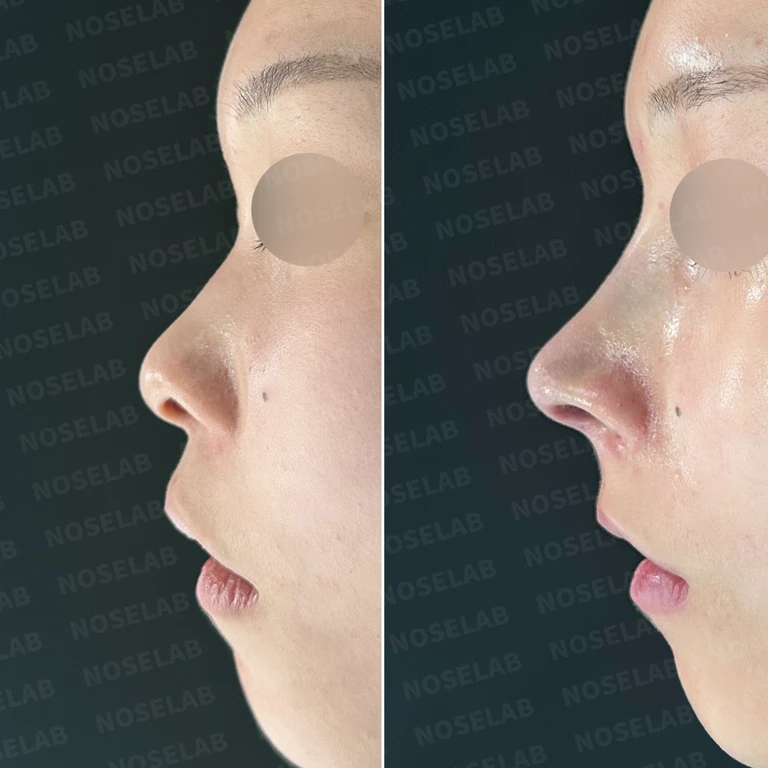
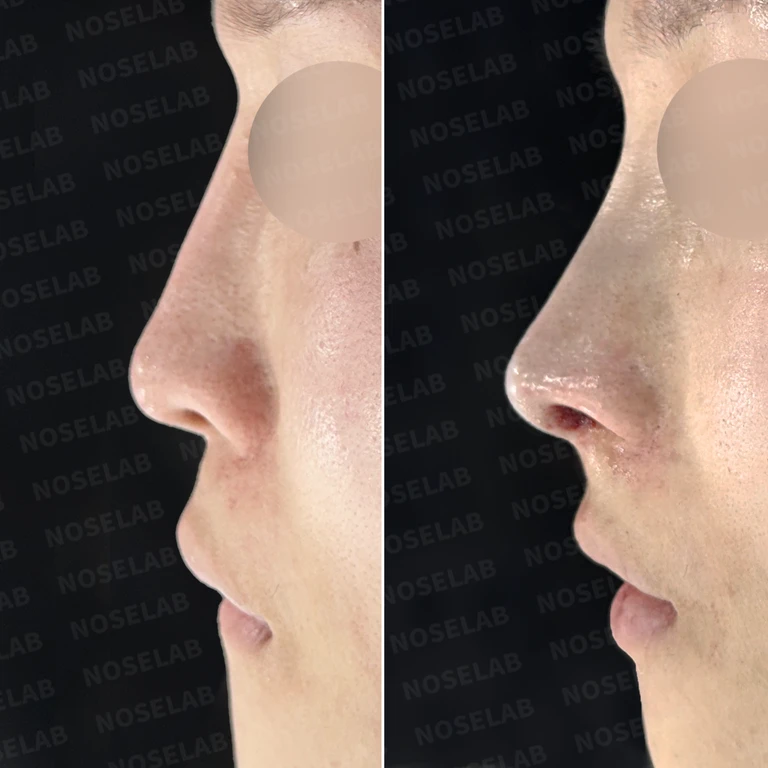
Nasal reconstruction when almost no septum remains after two nose surgeries — Before-and-after comparison
Before-and-after comparison

Nasal reconstruction when almost no septum remains after two nose surgeries

This is a case of septal cartilage deficit, nasal bone asymmetry, and nasal obstruction remaining after two surgeries. Through a closed approach, autologous rib cartilage was used for septal reconstruction, along with nasolabial angle correction, nasal bone asymmetry correction, and radix adjustment.

Patient goals · Postoperative record
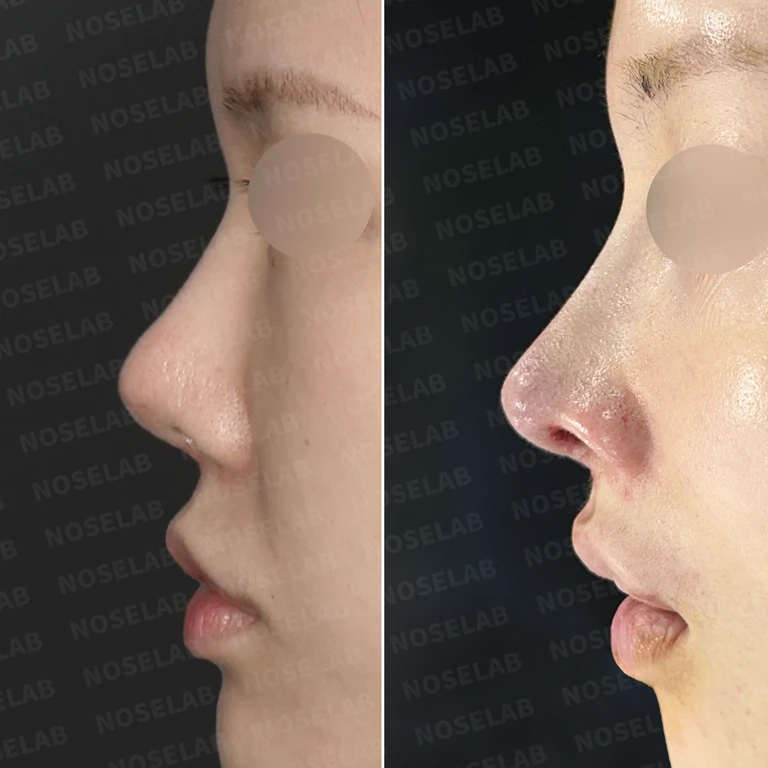
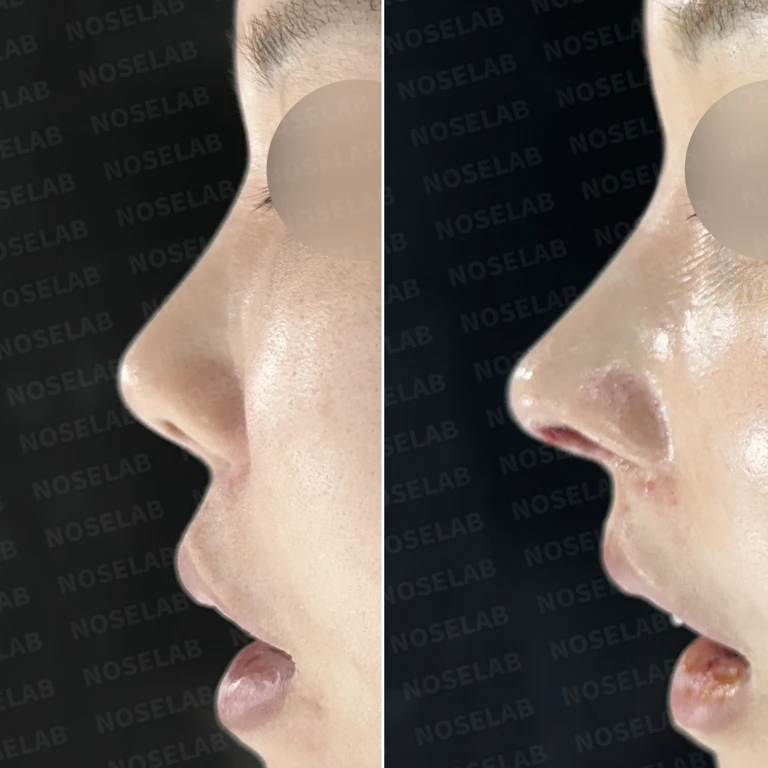
Why an implant is palpable and visible through the nasal tip: rib cartilage reconstruction and dermis reinforcement — Before-and-after comparison
Before-and-after comparison

Why an implant is palpable and visible through the nasal tip: rib cartilage reconstruction and dermis reinforcement

A case where a silicone implant became palpable, the nasal tip skin thinned, and asymmetry developed after a previous rhinoplasty. The implant was removed, the nasal tip and septum were reconstructed using sliced autologous rib cartilage, and artificial dermis was used for reinforcement.

Patient goals · Postoperative record
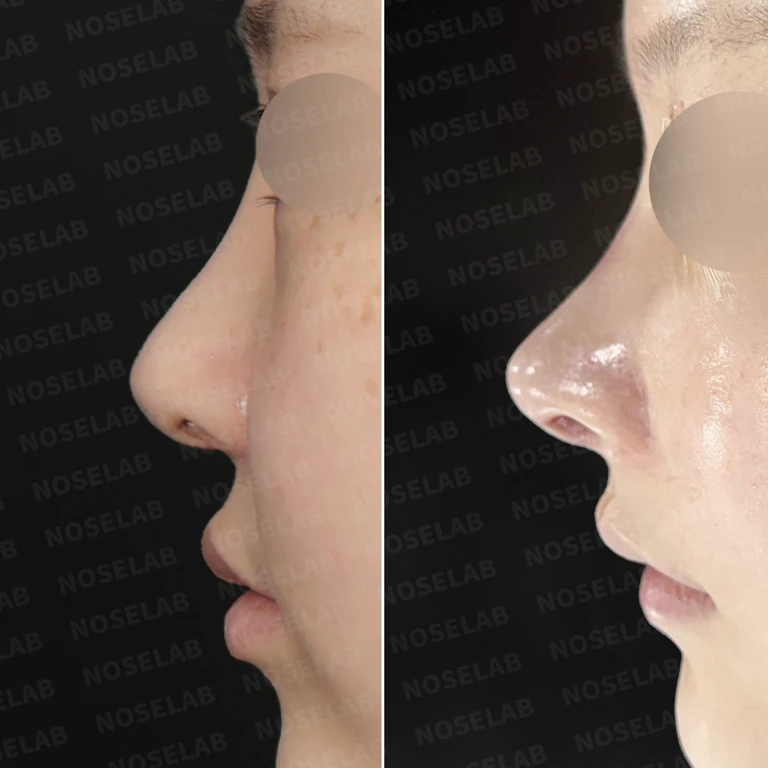
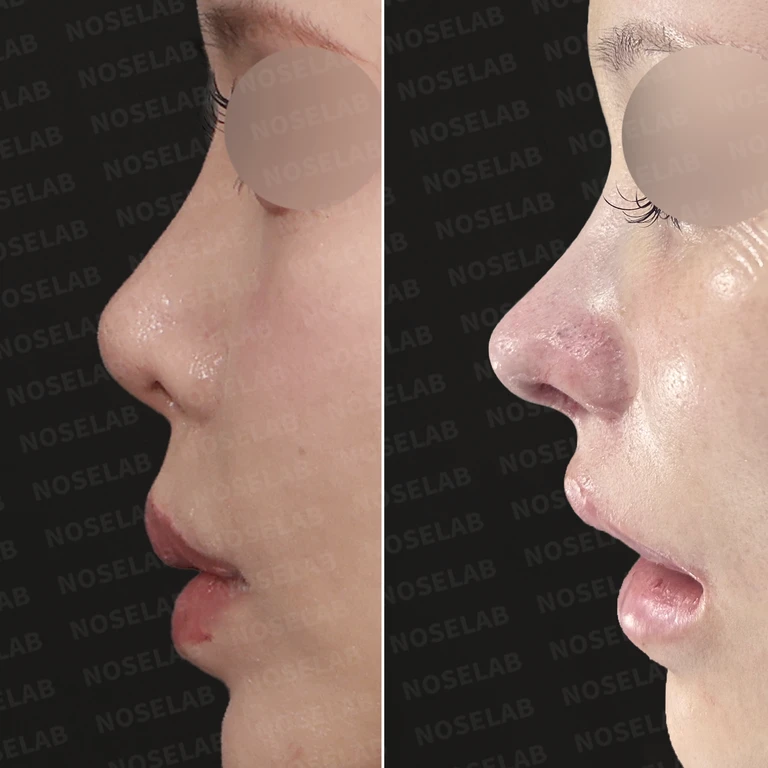
Why noses deviate and bulbous tips persist after double jaw surgery, and how rib cartilage septal reconstruction is performed — Before-and-after comparison
Before-and-after comparison

Why noses deviate and bulbous tips persist after double jaw surgery, and how rib cartilage septal reconstruction is performed

This is a case of septal damage, a deviated nasal bridge, a bulbous nose, and nasal obstruction following double jaw surgery and two prior rhinoplasties. Autologous rib cartilage septal reconstruction, cartilage repositioning, lateral osteotomy, and functional nasal surgery were performed.

Patient goals

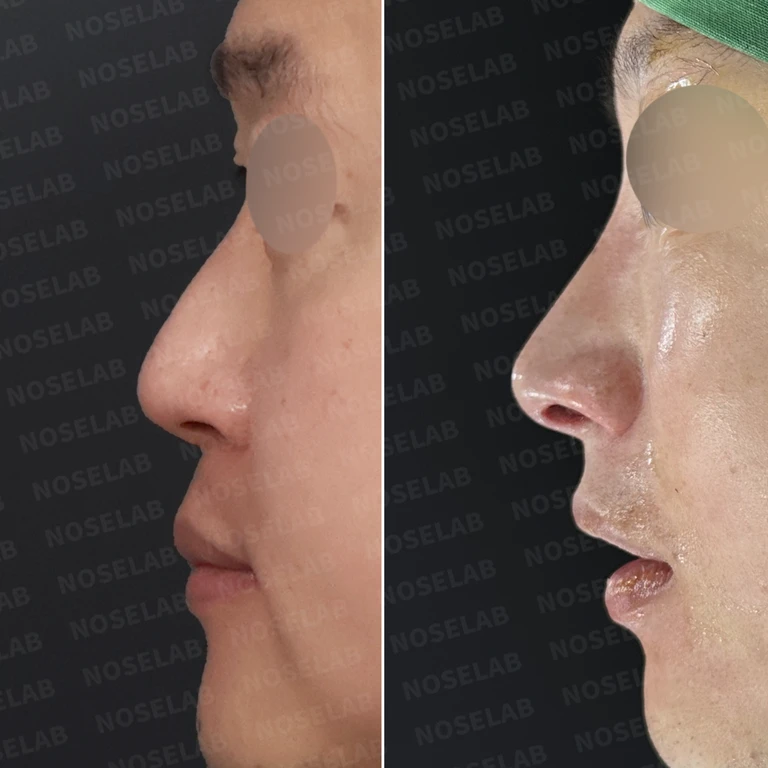
Why implants alone should not be placed in a small, low nose and nasal tip support structure — Before-and-after comparison
Before-and-after comparison

Why implants alone should not be placed in a small, low nose and nasal tip support structure

A primary rhinoplasty case involving a small, low nose and an upturned tip causing excessive nostril show. Using a closed approach, septal reconstruction with autologous rib cartilage, nasolabial angle correction, artificial dermis skin reinforcement, and a silicone implant were performed.

Patient goals · Postoperative record
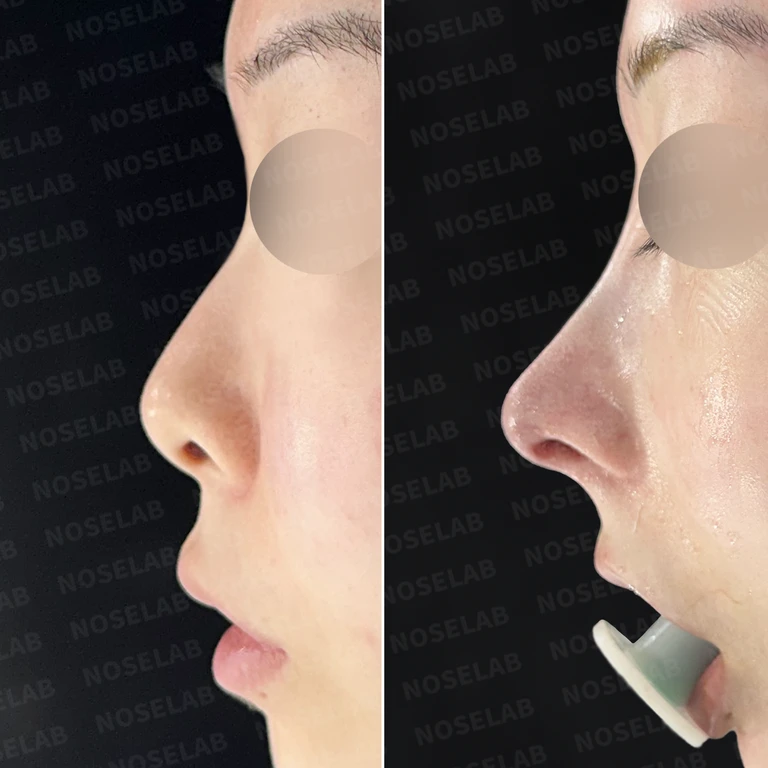
Why a high radix makes the nose look long and overly prominent — Before-and-after comparison
Before-and-after comparison

Why a high radix makes the nose look long and overly prominent

Following prior surgeries, a bulbous and drooping long nose with an excessively high radix and nasal obstruction was corrected using a closed approach. Scar tissue debridement, osteotomy, nasolabial angle correction, and septoplasty were performed concurrently.

Patient goals · Postoperative record
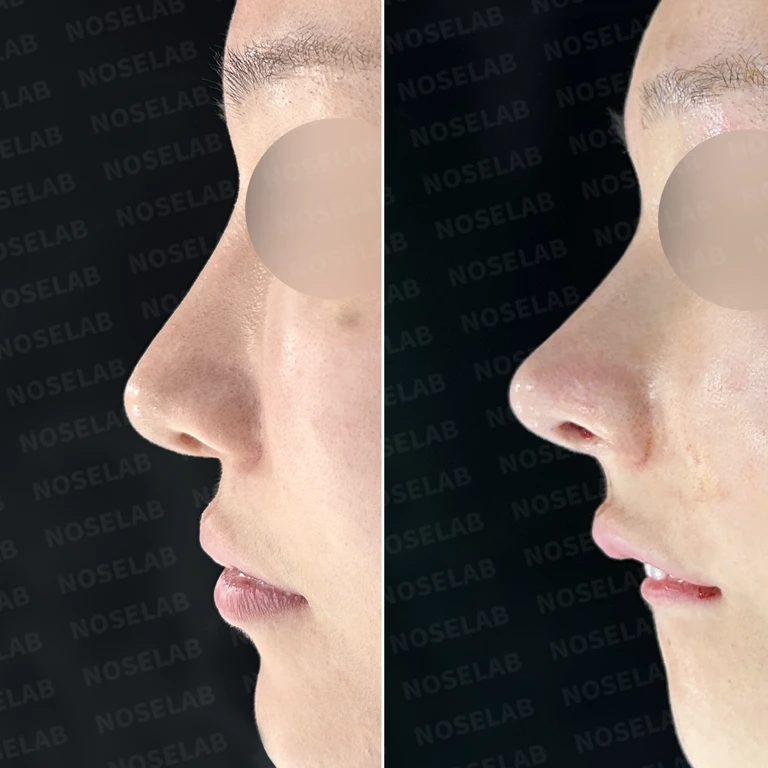
Why a narrow nasolabial angle with a dorsal hump makes the mouth appear protruding and how to correct it — Before-and-after comparison
Before-and-after comparison

Why a narrow nasolabial angle with a dorsal hump makes the mouth appear protruding and how to correct it

This is a primary rhinoplasty case correcting an irregular dorsal hump and an acute nasolabial angle. Using a closed approach, we refined the dorsal hump, performed nasal tip plasty with autologous rib cartilage, reconstructed the septum, placed a silicone implant, and corrected the nasolabial angle.

Postoperative record

Why noses become short and upturned after multiple revision surgeries, and methods for reconstruction — Before-and-after comparison
Before-and-after comparison

Why noses become short and upturned after multiple revision surgeries, and methods for reconstruction

A case correcting an upturned nasal tip caused by loss of the septum from repeated revision surgeries. Autologous rib cartilage septal reconstruction, nasal mucosal advancement flap, silicone implant adjustment, and rhinitis surgery were performed concurrently.

Patient goals

Why rib cartilage reconstruction is needed when the septum is weak, even in primary rhinoplasty — Before-and-after comparison
Before-and-after comparison

Why rib cartilage reconstruction is needed when the septum is weak, even in primary rhinoplasty

A case of correcting a short, upturned nasal tip and a pinched nostril caused by congenital septal cartilage weakness. Autologous rib cartilage was used to reconstruct the septum and lower lateral cartilage, combined with lowering the nostril rim and lateral osteotomy.

Patient goals

Nasal obstruction from a severely deviated septum: why cartilage reconstruction is necessary — Before-and-after comparison
Before-and-after comparison

Nasal obstruction from a severely deviated septum: why cartilage reconstruction is necessary

In a primary rhinoplasty patient, a severely deviated septum was reconstructed using autologous rib cartilage, and hypertrophied inferior turbinates were reduced. Dermis was grafted into the depressed alar region, and the nasolabial angle was adjusted.

Postoperative record

Why nostrils become asymmetrical and the nose looks crooked, and how rib cartilage reconstruction is performed — Before-and-after comparison
Before-and-after comparison

Why nostrils become asymmetrical and the nose looks crooked, and how rib cartilage reconstruction is performed

Nostril asymmetry caused by a tilted columellar axis and loss of alar cartilage after Gore-Tex insertion was corrected through Gore-Tex removal, autologous rib cartilage alar reconstruction, and septoplasty.

Patient goals

Why a multiply operated nose deviates and develops a widened tip, and how cartilage is reconstructed — Before-and-after comparison
Before-and-after comparison

Why a multiply operated nose deviates and develops a widened tip, and how cartilage is reconstructed

Following three prior procedures, a deviated nose caused by septal damage and a missing right lower lateral cartilage was restored through autologous rib cartilage structural reconstruction, silicone implant replacement, nasolabial angle correction, and rhinitis surgery.

Patient goals

Why the nasal bridge becomes uneven after rhinoplasty, and how septal reconstruction using rib cartilage is performed — Before-and-after comparison
Before-and-after comparison

Why the nasal bridge becomes uneven after rhinoplasty, and how septal reconstruction using rib cartilage is performed

An uneven nasal bridge, damaged septal cartilage, and nasal obstruction were corrected by removing the existing silicone implant and filler, followed by autologous rib cartilage reconstruction, re-insertion of a customized silicone implant, and septoplasty with inferior turbinoplasty.

Postoperative record

Why dorsal hump, long nose, and drooping tip appear together and how to correct them — Before-and-after comparison
Before-and-after comparison

Why dorsal hump, long nose, and drooping tip appear together and how to correct them

A protruding dorsal hump, drooping long nose, crooked nose, and nasal obstruction were addressed together using autologous rib cartilage tip support, lateral osteotomy, septoplasty for a deviated septum, and inferior turbinate surgery.

Postoperative record

Why bulbous tip returns after tip surgery with ear cartilage and reconstruction methods — Before-and-after comparison
Before-and-after comparison

Why bulbous tip returns after tip surgery with ear cartilage and reconstruction methods

Persistent bulbous tip and upturned nasal tip after surgery with ear cartilage were addressed with autologous rib cartilage septal extension, partial scar tissue excision, cartilage repositioning, and a silicone implant.

Postoperative record

Why a nose appears long, drooping, and crooked: septal reconstruction and osteotomy — Before-and-after comparison
Before-and-after comparison

Why a nose appears long, drooping, and crooked: septal reconstruction and osteotomy

A long nose, drooping nasal tip, crooked nasal bridge, and nasal obstruction remaining after prior functional surgery were corrected using autologous rib cartilage tip plasty, partial septal reconstruction, and lateral osteotomy.

Patient goals

Why the nasal tip looks bulbous and spread out, and how septal extension is performed — Before-and-after comparison
Before-and-after comparison

Why the nasal tip looks bulbous and spread out, and how septal extension is performed

A bulbous, spread-out nasal tip and deviated septum were refined with autologous rib cartilage septal extension, nasolabial angle correction, a silicone implant on the nasal dorsum, and functional nasal surgery.

Postoperative record

Why the columella retracts and the alar rim looks pinched after rhinoplasty, and how autologous rib cartilage reconstruction is performed — Before-and-after comparison
Before-and-after comparison

Why the columella retracts and the alar rim looks pinched after rhinoplasty, and how autologous rib cartilage reconstruction is performed

In a patient presenting with columellar retraction and a pinched right alar rim following rhinoplasty with silicone and donor rib cartilage, the existing materials were removed and reconstruction of the septum and alar cartilage was performed using autologous rib cartilage.

Postoperative record

Why a nose looks low and wide: surgical technique starting from the nasal tip structure — Before-and-after comparison
Before-and-after comparison

Why a nose looks low and wide: surgical technique starting from the nasal tip structure

To improve an inherently low and wide nose along with rhinitis symptoms, primary rhinoplasty was performed using donor rib cartilage for tip support, a customized silicone implant for the bridge, and septoplasty.

Postoperative record

No search results found

Please try searching with different keywords.

Scroll to keep reading

1 / 9Next case

Common questions before reading the cases

Were these all cases where the nose was raised higher to balance facial proportions?

There are records noting that because skin size and elasticity made it difficult to raise the nasal tip substantially, overall proportions and a natural design were prioritized instead. There are also cases where lowering the radix altered the impression of facial proportions. The term harmony does not always mean increasing height, and you can review which areas were adjusted and how.

Are a short, small nose and a high radix approached in the same way?

The archive includes separate articles detailing septal extension for a nose that was short and small relative to the face, and articles explaining the changes from lowering the radix. These are cases with different starting anatomies and different areas of adjustment. Even when the overarching goal of facial proportions is shared, they should not be seen as following the same surgical approach; instead, read each case by distinguishing its preoperative characteristics from the procedures actually performed.

Related topics to explore

Lowering the radixSeptal extensionNasolabial angle correctionNatural nose

Surgical records referenced in this guide

  • Nasal thread removal and correction of a short, upturned nose using autologous rib cartilage
  • Removal of mesh inside the nose and autologous rib cartilage reconstruction
  • How to correct a short nose and nasal obstruction together
Original article

Read more records

Planning a visit to Seoul?Prepare your consultation with the NOSELAB team.

International patient guideWhatsApp ↗
Dr. Peter C. Kang's Rhinoplasty Stories
Rhinoplasty guideCases by topicDr. Peter C. KangNaver Blog ↗
View original photo
Enlarged photo
WhatsAppChat with NOSELAB↗