Hello, I am Dr. Peter C. Kang.
Today, I would like to introduce the case of a male patient who had long been concerned about his small nose and had undergone two rhinoplasties elsewhere, but visited our clinic because he was not satisfied with the outcomes.
🔍 Surgical history
Approximately 10 years ago: Rhinoplasty using a silicone implant and ear cartilage at another clinic → deviation of the silicone implant occurred
Approximately 5 years ago: Revision rhinoplasty using a 3D silicone implant, septal cartilage, and ear cartilage at another clinic
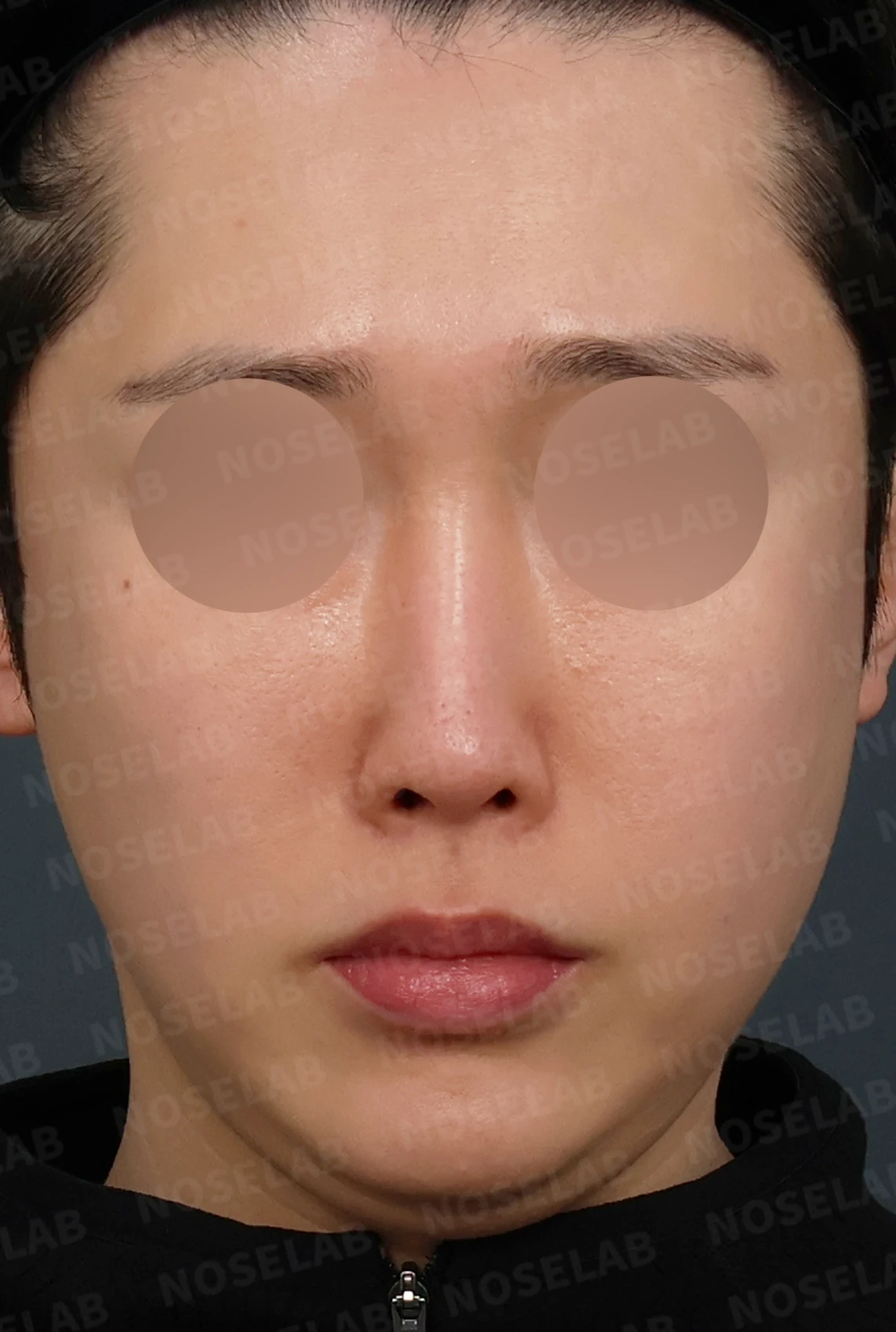
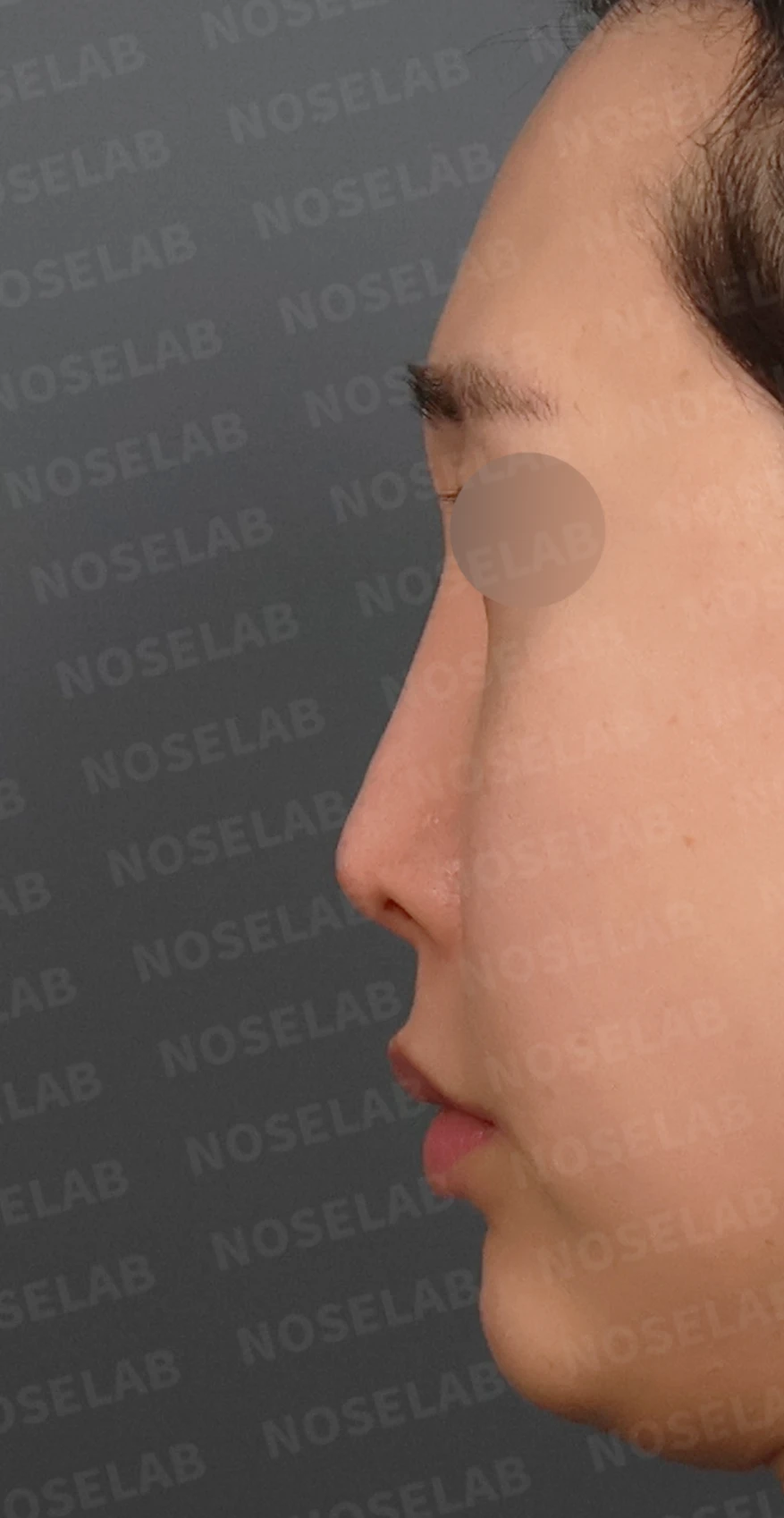
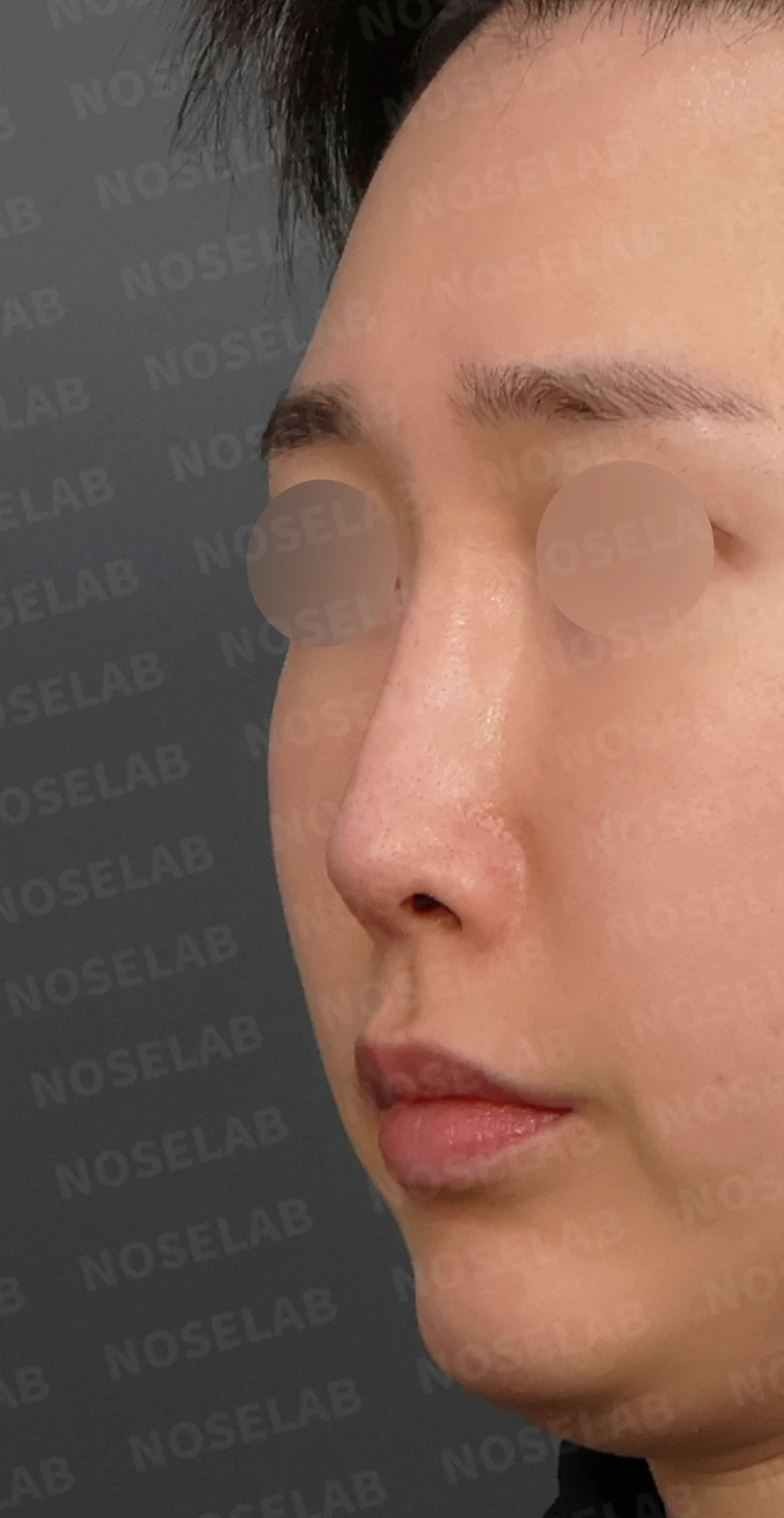
Front, left profile, and oblique views during design consultation.
💉 Patient requests
Wished to reduce nostril show from the front
Wished to improve the elongated appearance of the nose
Wished to lower the radix
Wished to further elevate the nose
Requested a customized implant due to previous experience with silicone deviation
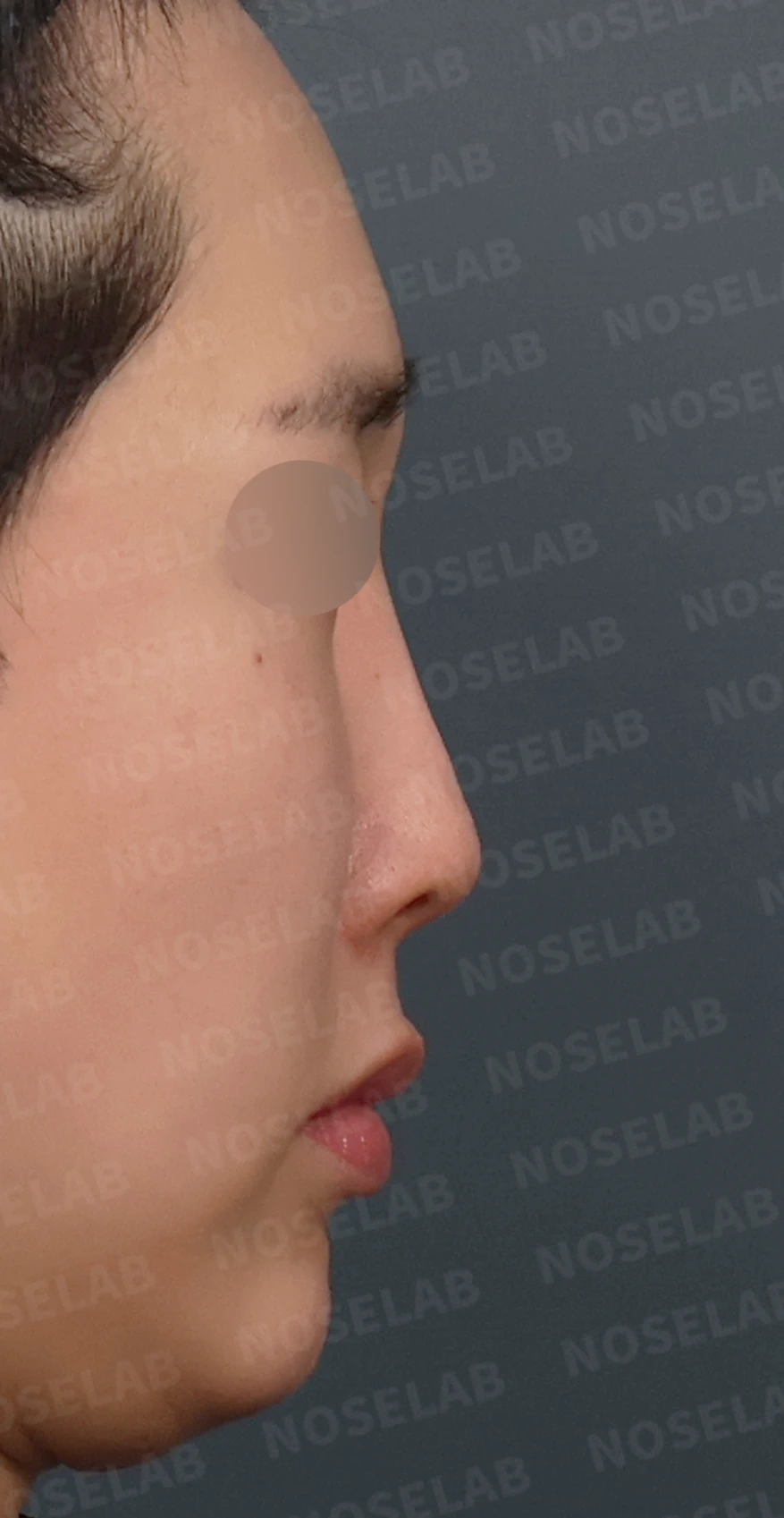
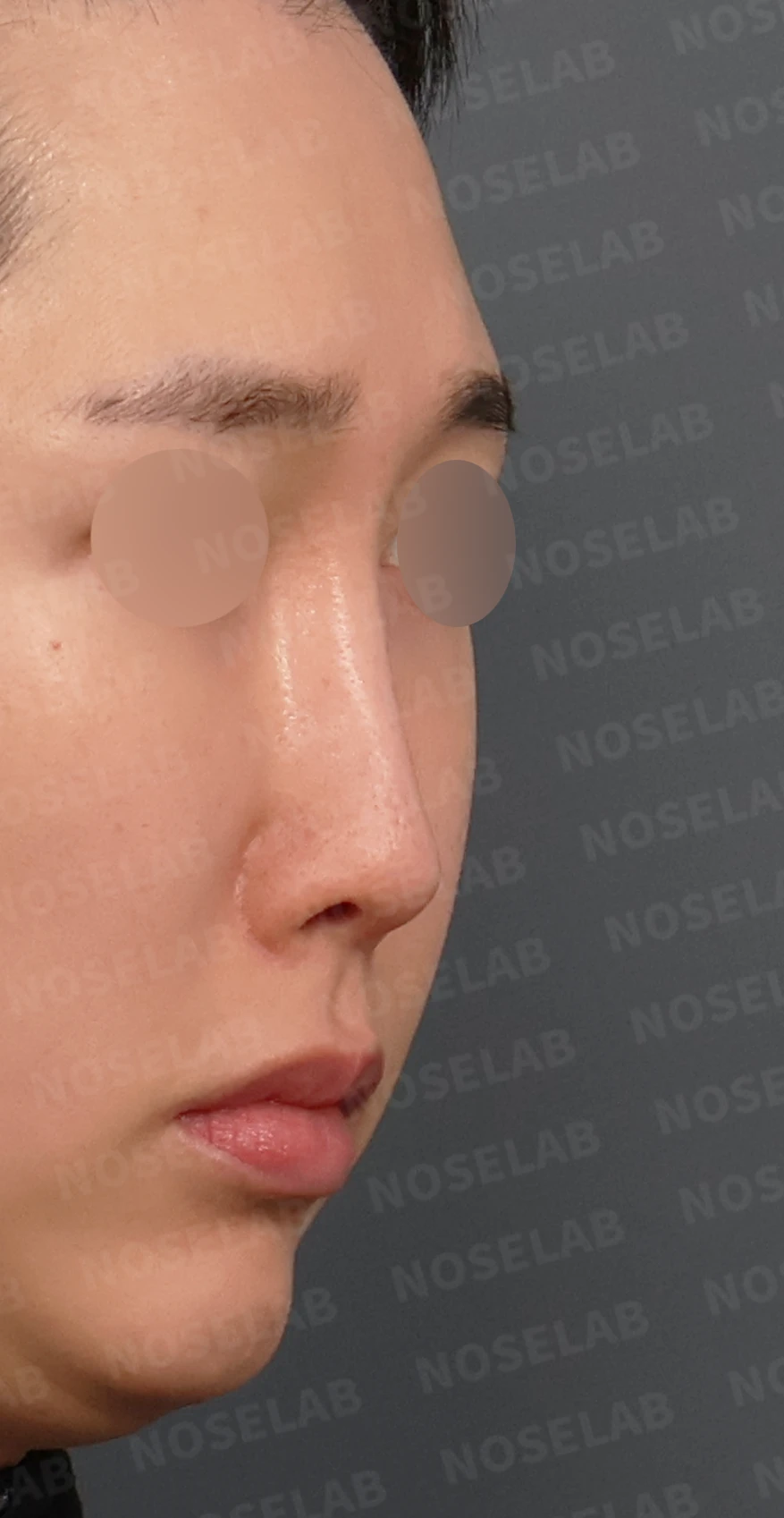
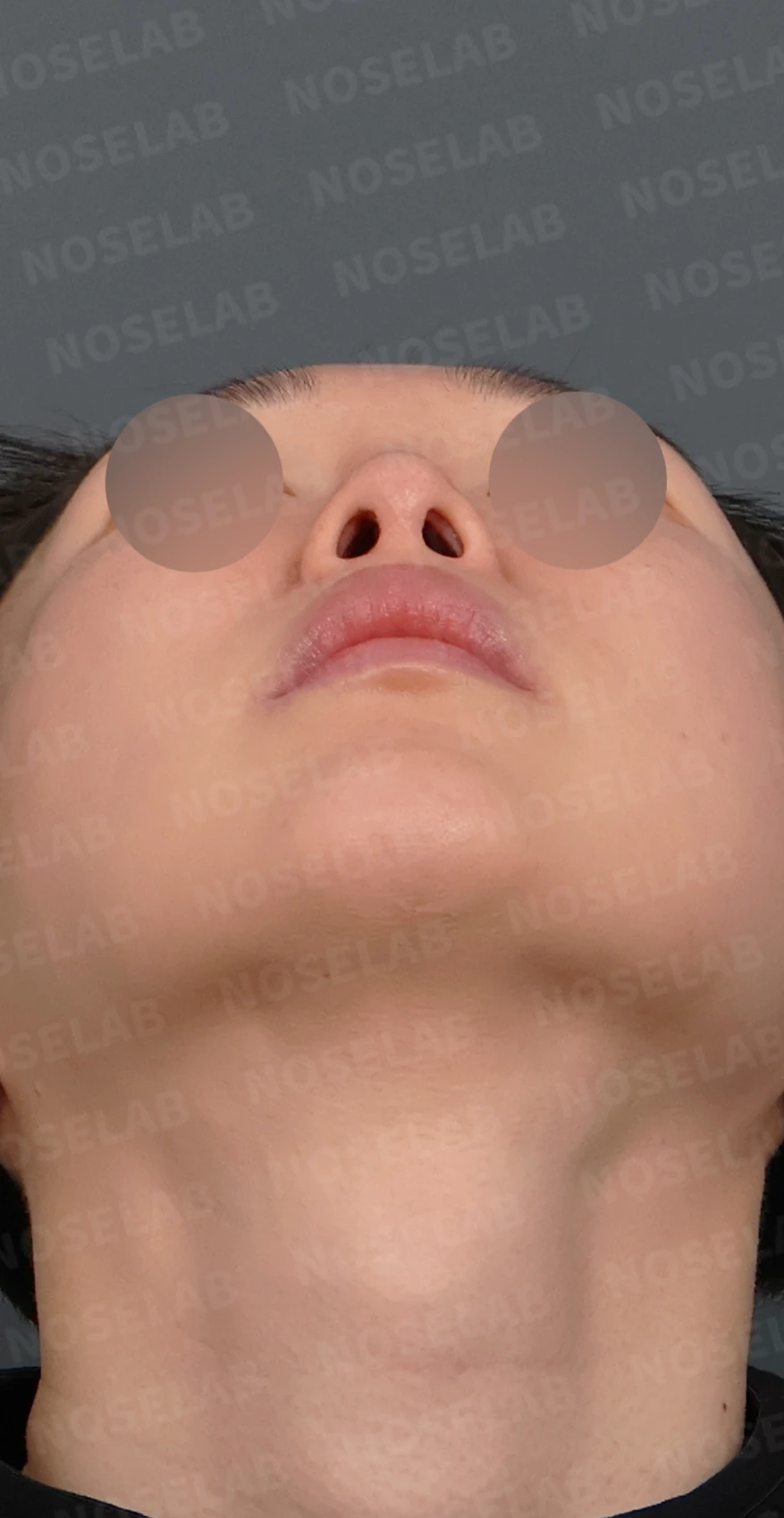
Right profile, oblique, and nostril views during design consultation.
🔧 Surgical plan and procedure
1. Complete removal of existing implants
Complete removal of the silicone implant from the nasal bridge and implants used in previous surgeries
Established a reconstruction plan after evaluating internal conditions
2. Correction of the nasal radix starting point
Naturally lowered the radix, taking into account the limited skin elasticity
Improved the overly elongated appearance of the nose
3. Nasal tip reconstruction using autologous rib cartilage
Naturally lowered the upturned nasal tip
Achieved maximum elevation within a safe range to create a harmonious line
4. Correction of nasolabial angle
Corrected the angle between the nose and the upper lip
Improvement of the profile silhouette
5. Placement of a customized implant
Used a customized implant precisely fabricated to match the contours of the patient's nasal bone
Formation of a natural bridge line
Prevented recurrent deviation of the silicone implant
6. Relief of nasal obstruction
Correction of deviated septum
Simultaneously performed rhinitis surgery to improve respiratory function
🌟 Surgical results
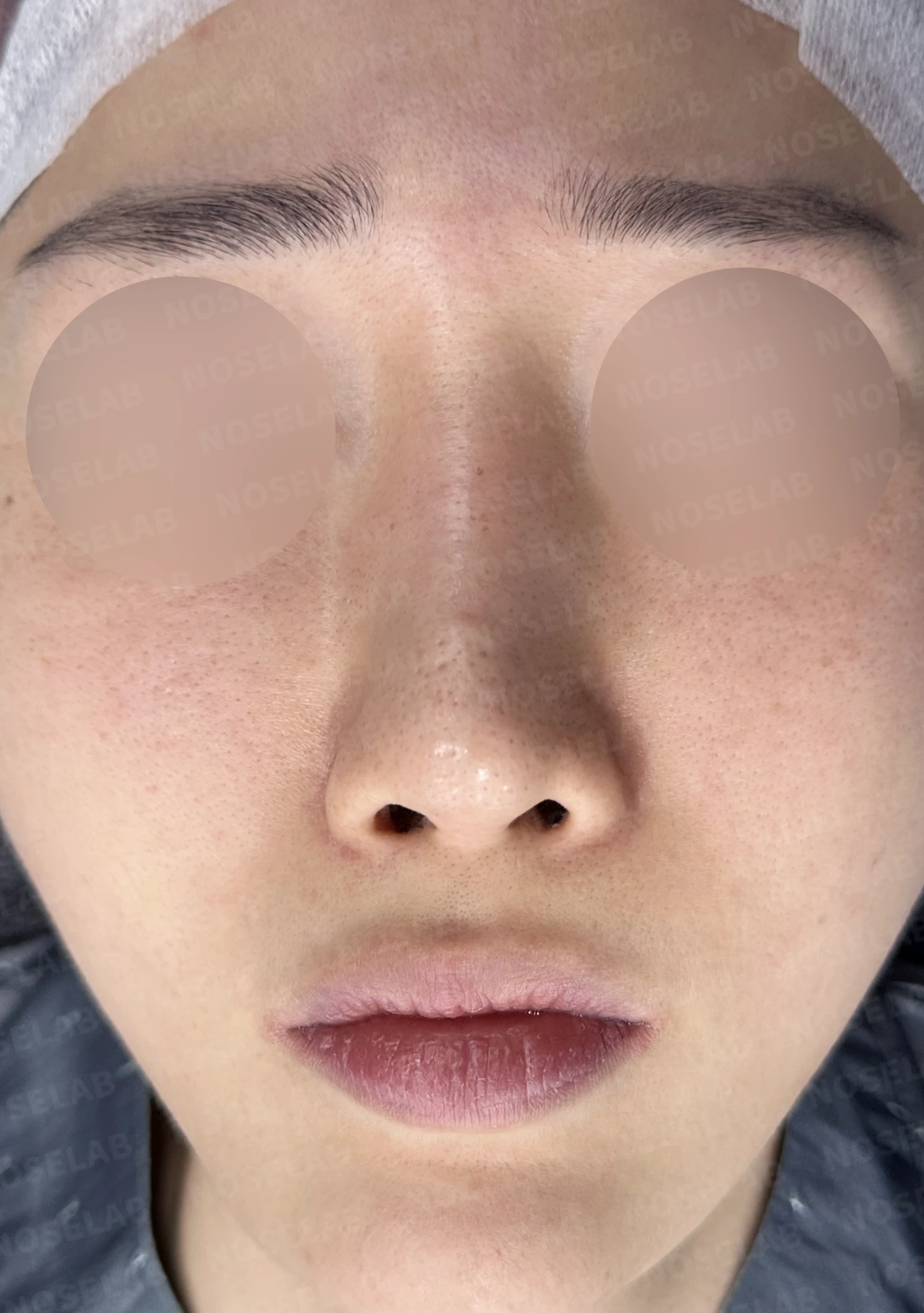
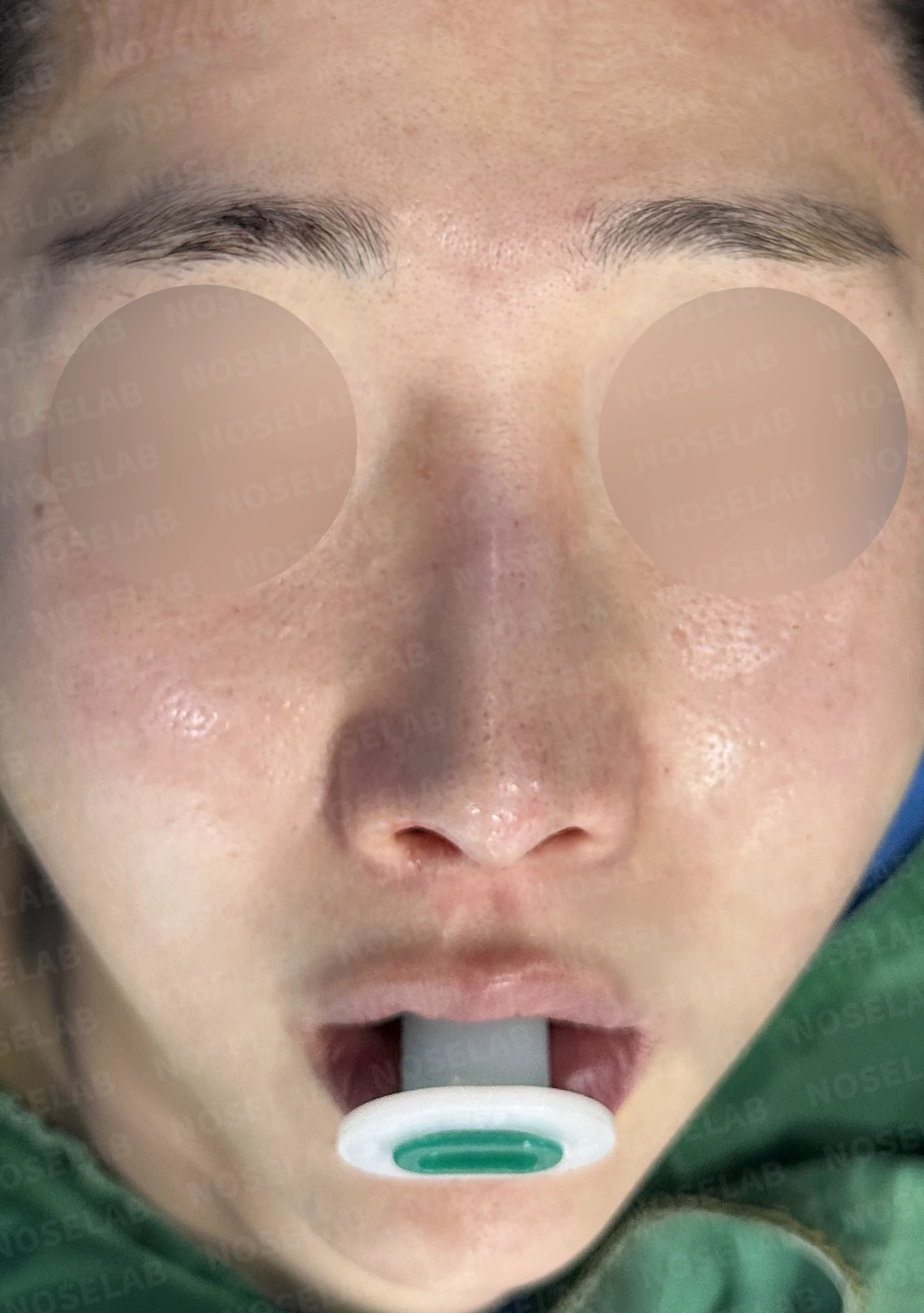
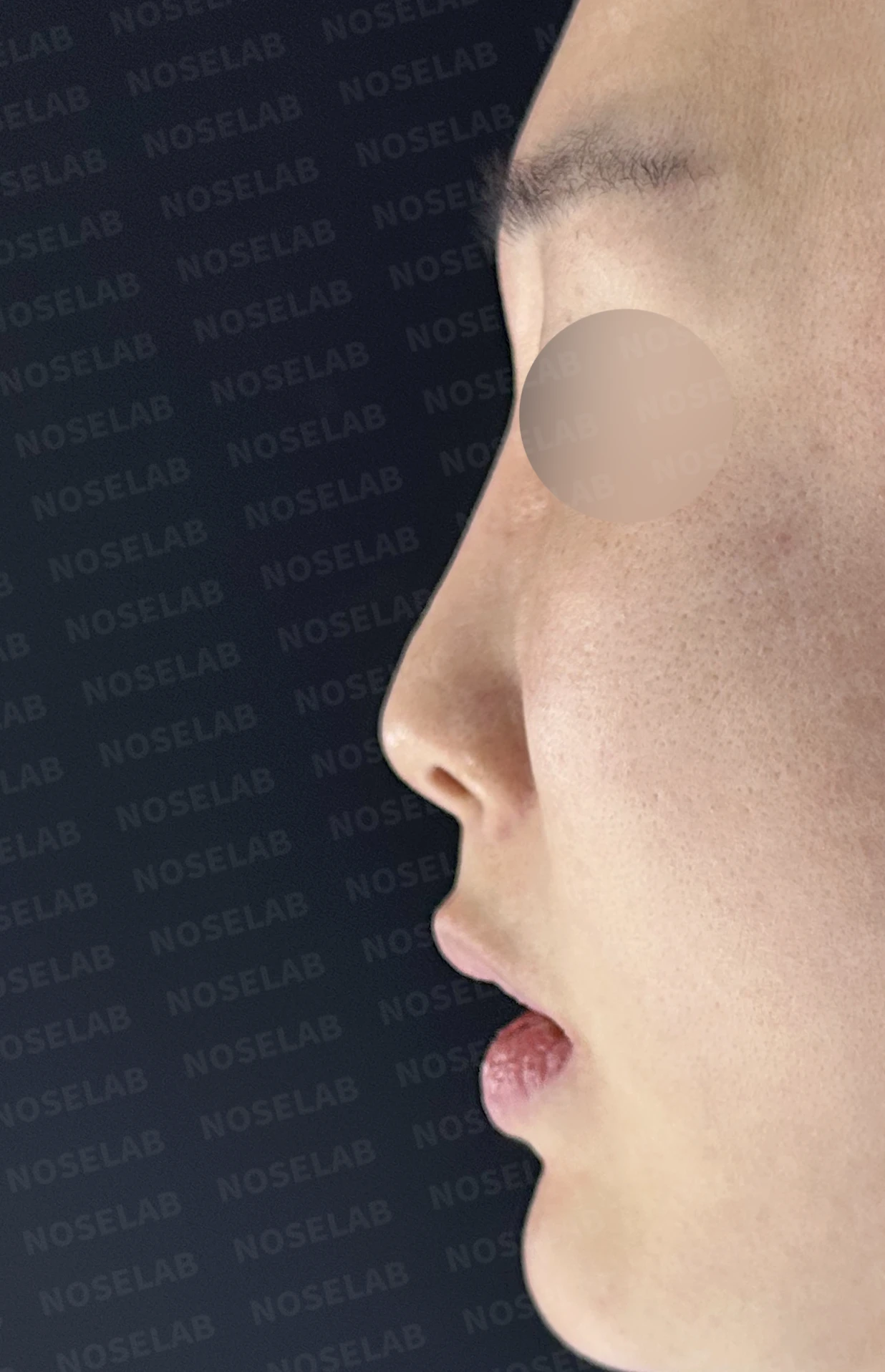
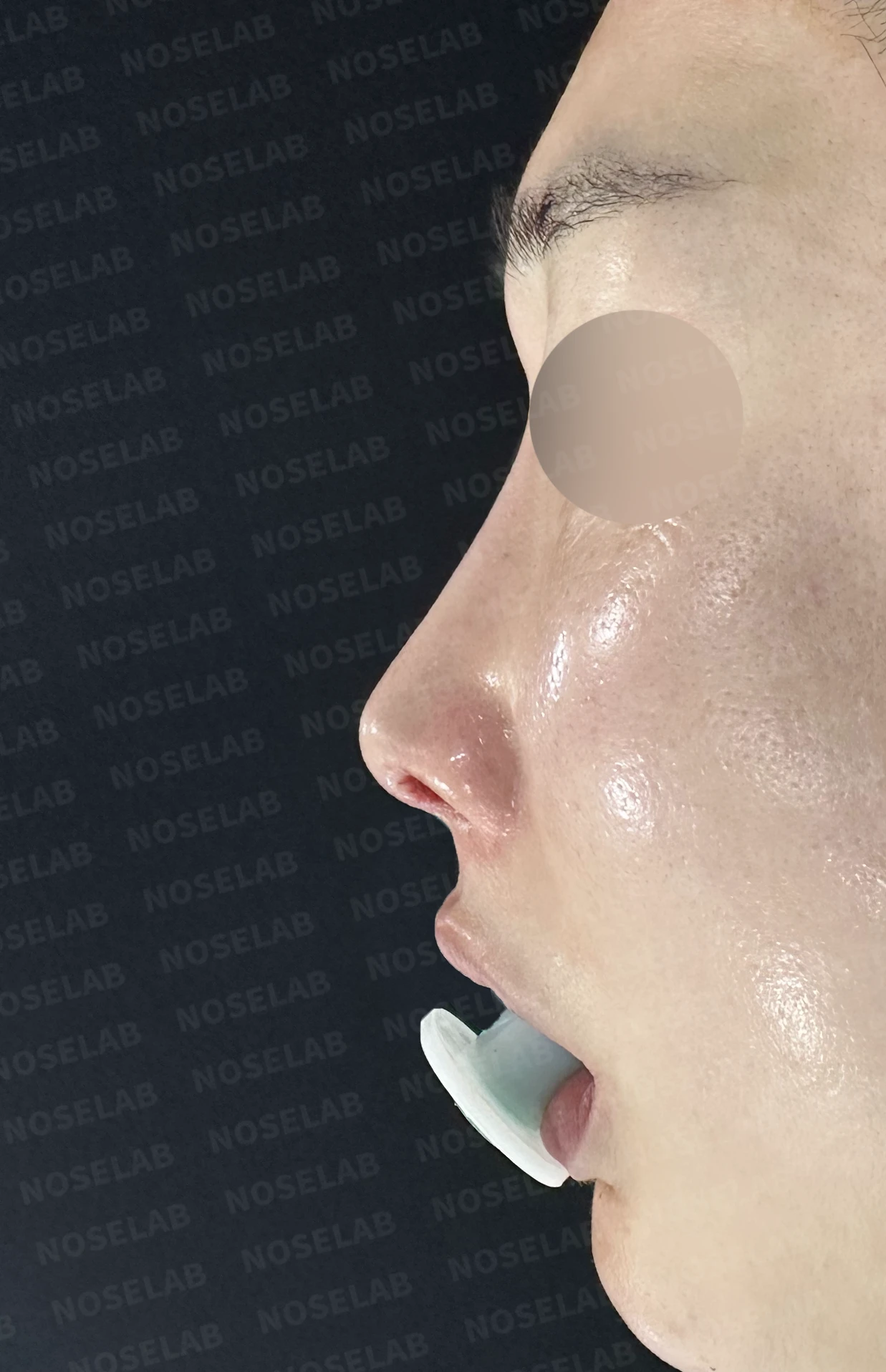
Before surgery / Day 0 immediately after surgery Photos taken immediately after surgery show swelling and may differ from the final result.
Front view changes:
The radix was naturally lowered, improving overall facial proportions
Decreased nostril show
Overall balanced nasal shape
Before surgery / Day 0 immediately after surgery Photos taken immediately after surgery show swelling and may differ from the final result.
Profile view changes:
The previously upturned nasal tip was corrected to a natural position
A natural nasal bridge line was achieved with maximum height within a safe range
A refined profile silhouette was created through nasolabial angle correction
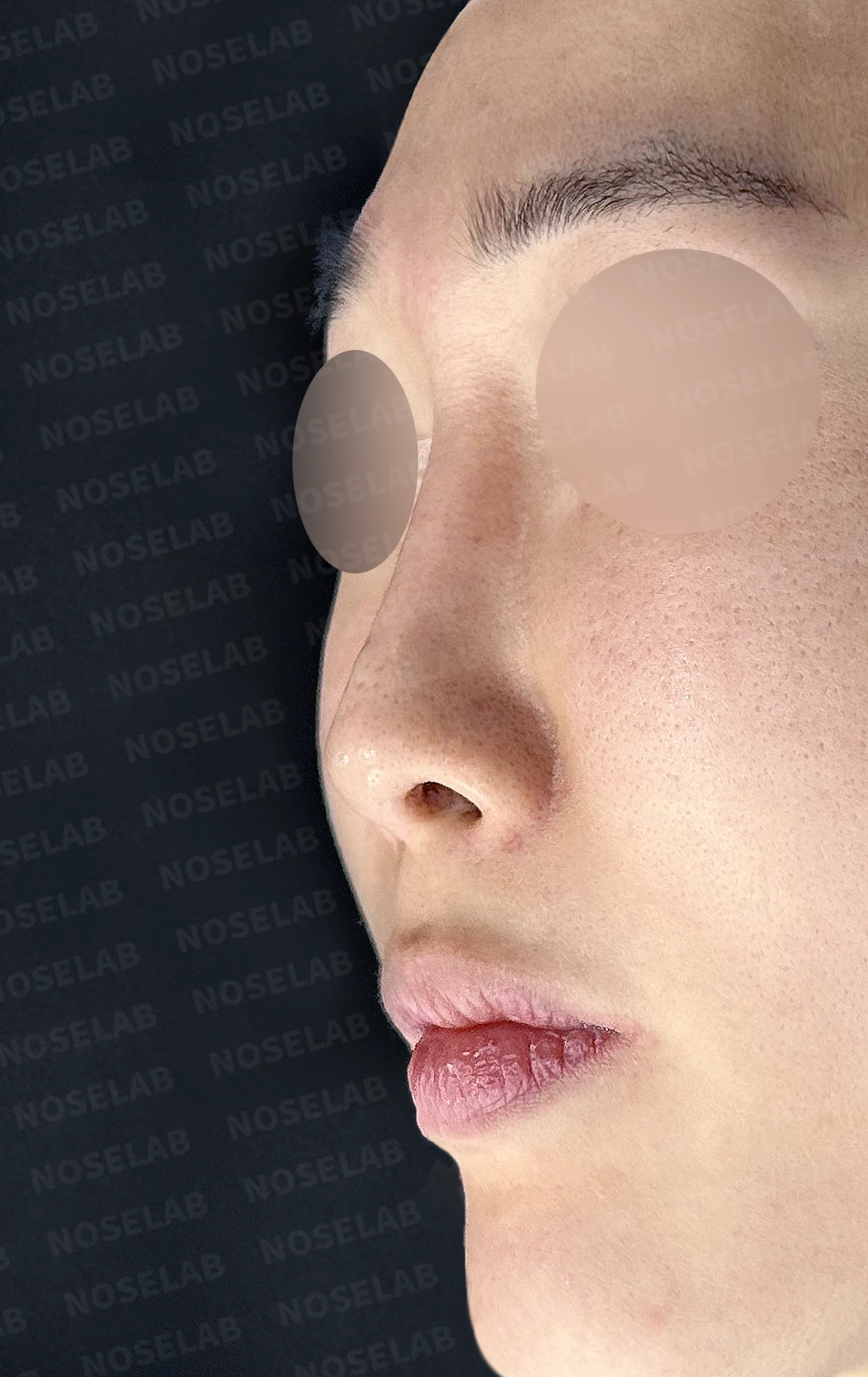
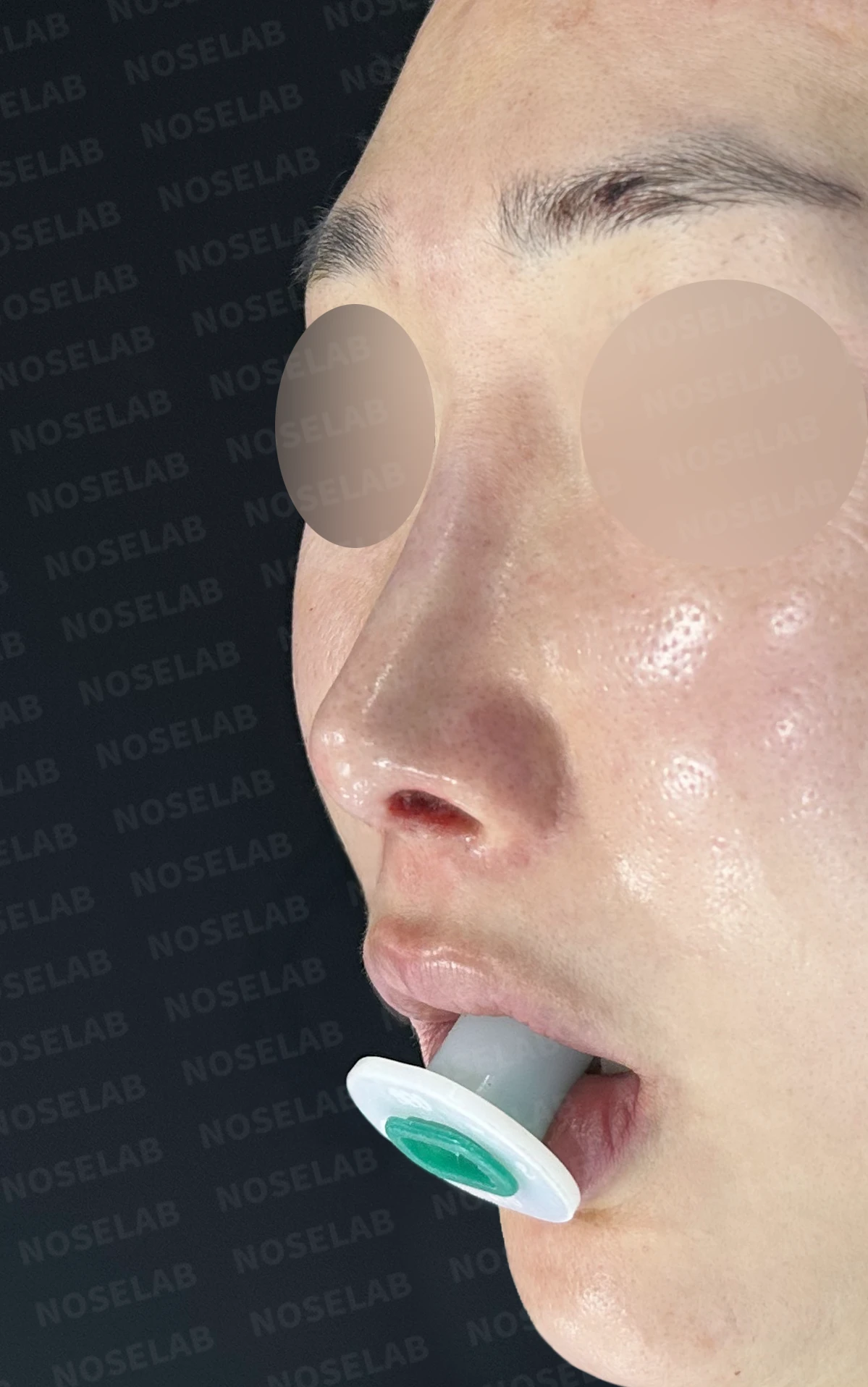
Before surgery / Day 0 immediately after surgery Photos taken immediately after surgery show swelling and may differ from the final result.
Functional improvement:
Restored breathing function through correction of the deviated septum
Improvement in chronic nasal obstruction through rhinitis surgery
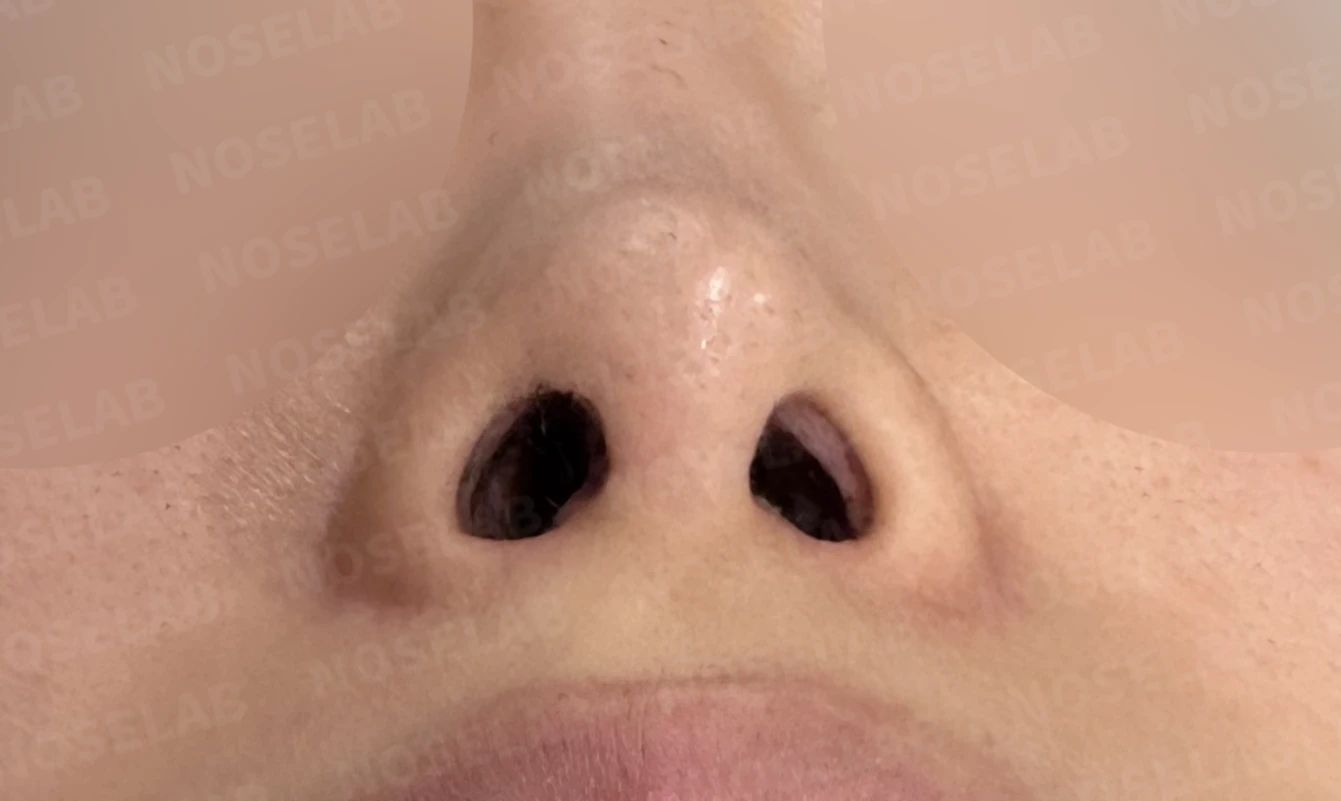
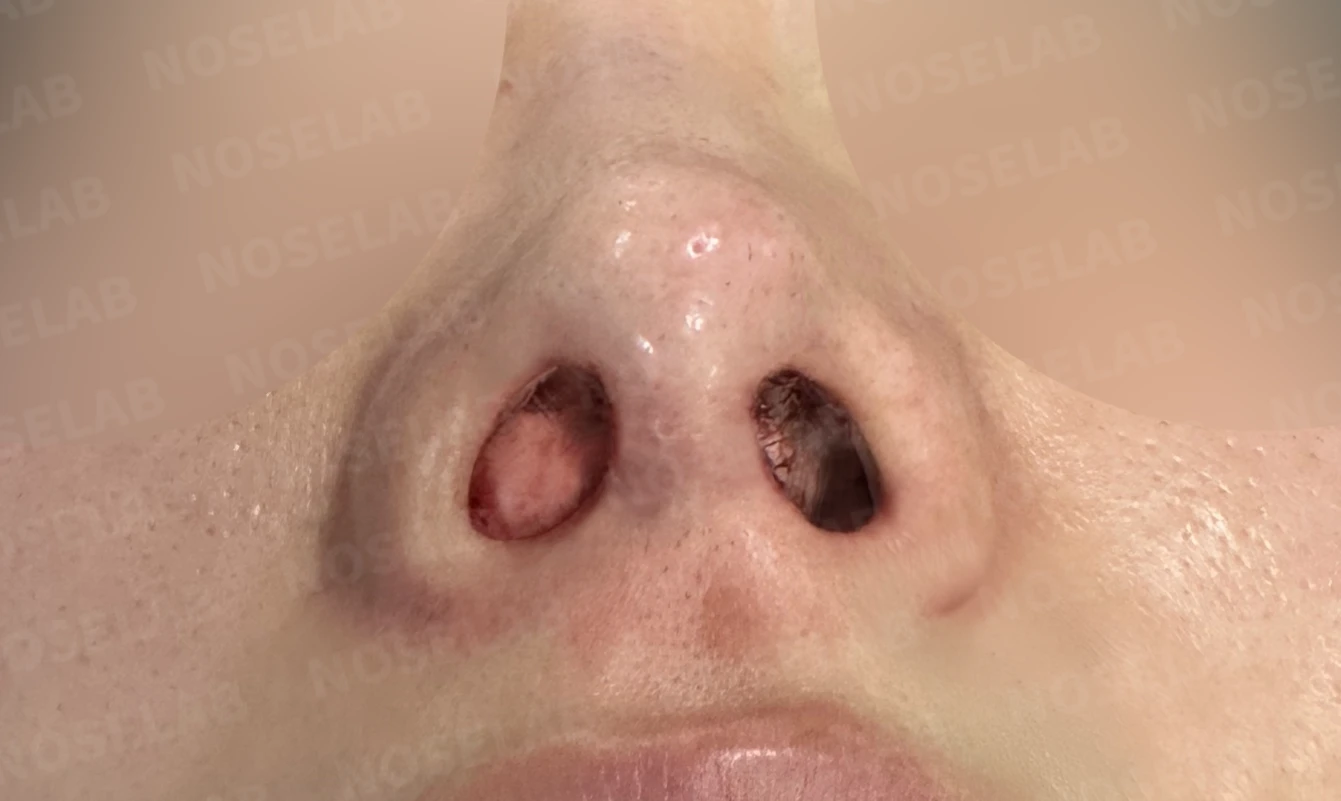
Before surgery / Day 0 immediately after surgery Photos taken immediately after surgery show swelling and may differ from the final result.
💡 Specialist opinion
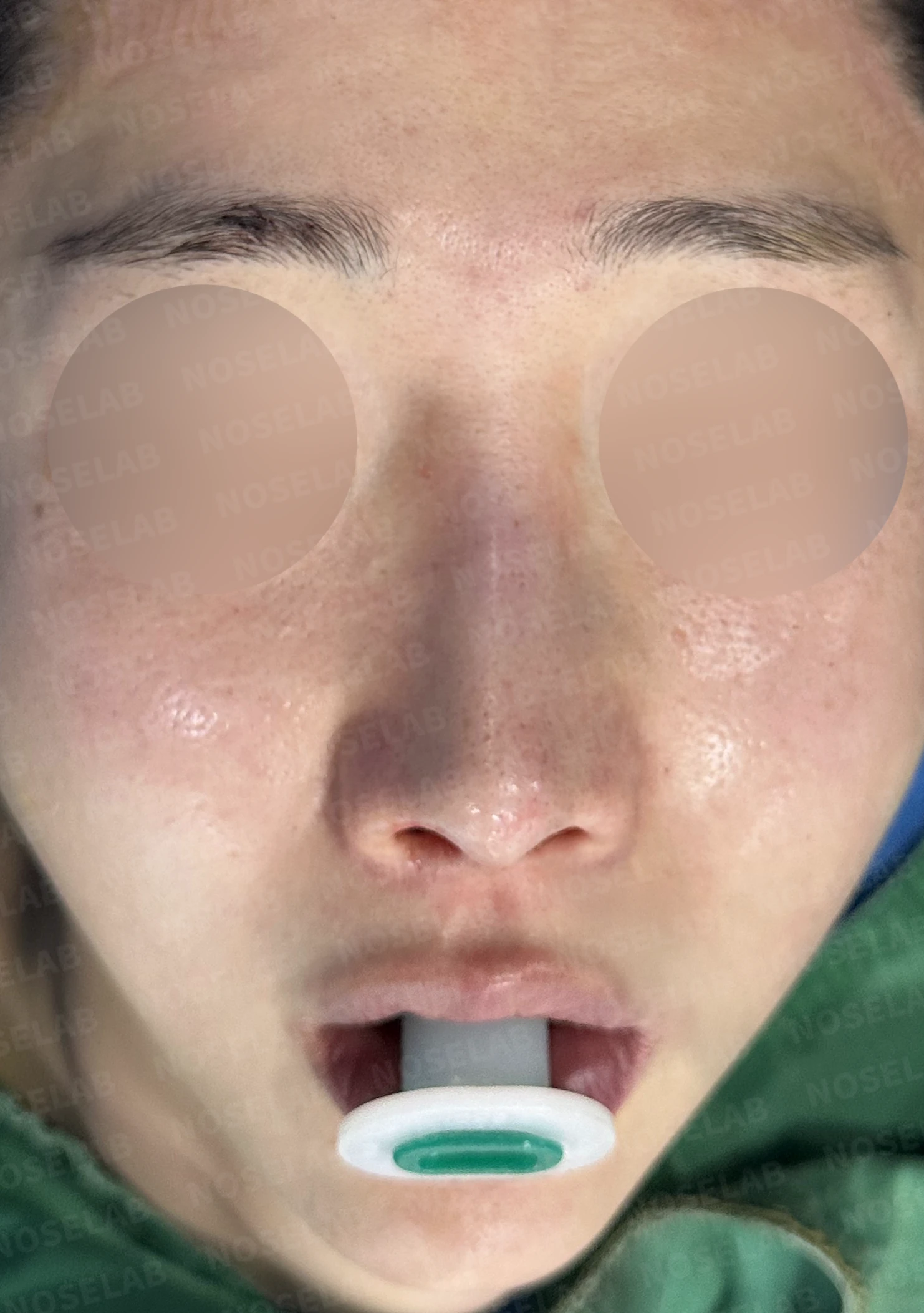
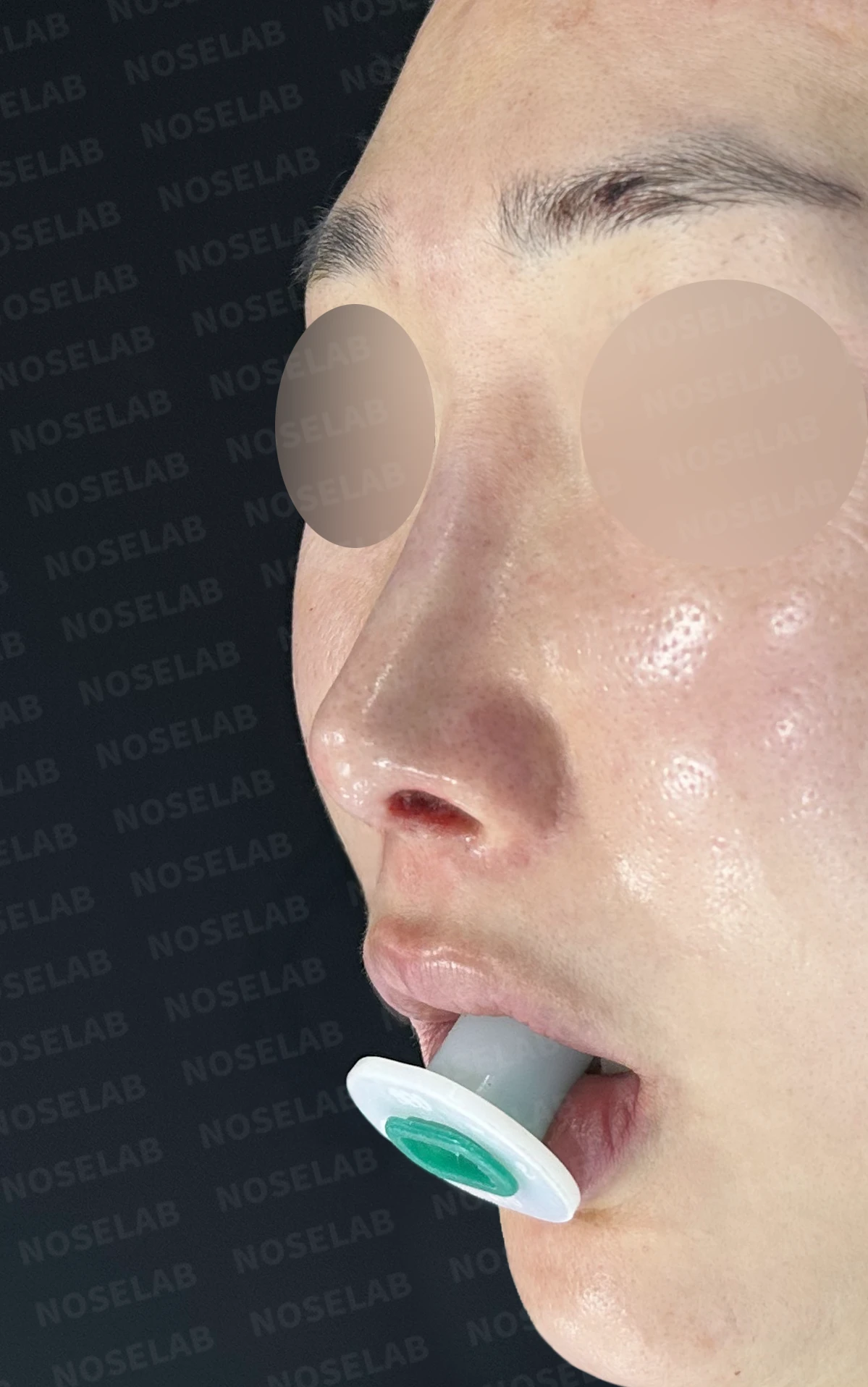
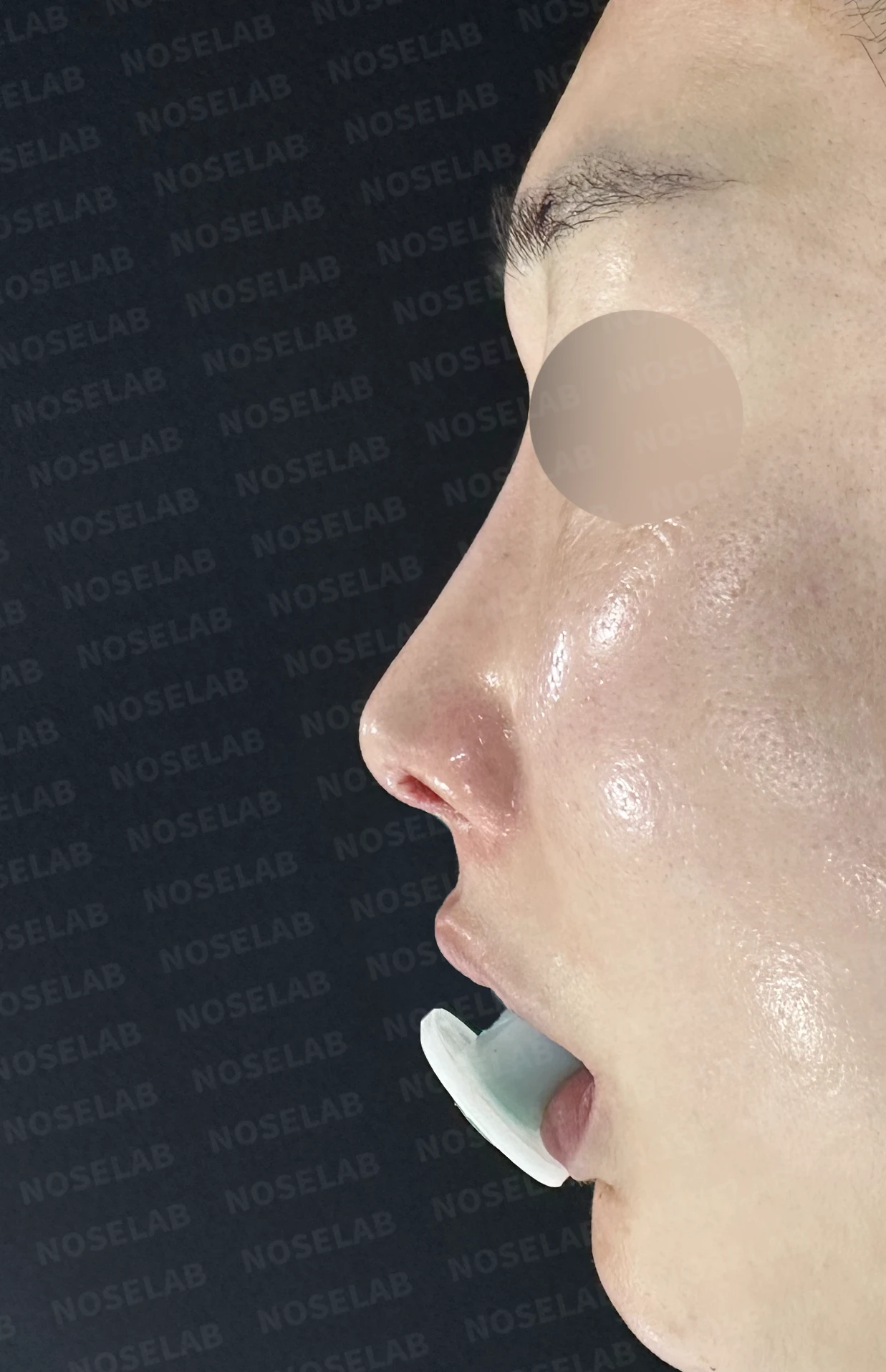
Front, oblique, and profile views on day 0 immediately after surgery. Photos taken immediately after surgery show swelling and may differ from the final result.
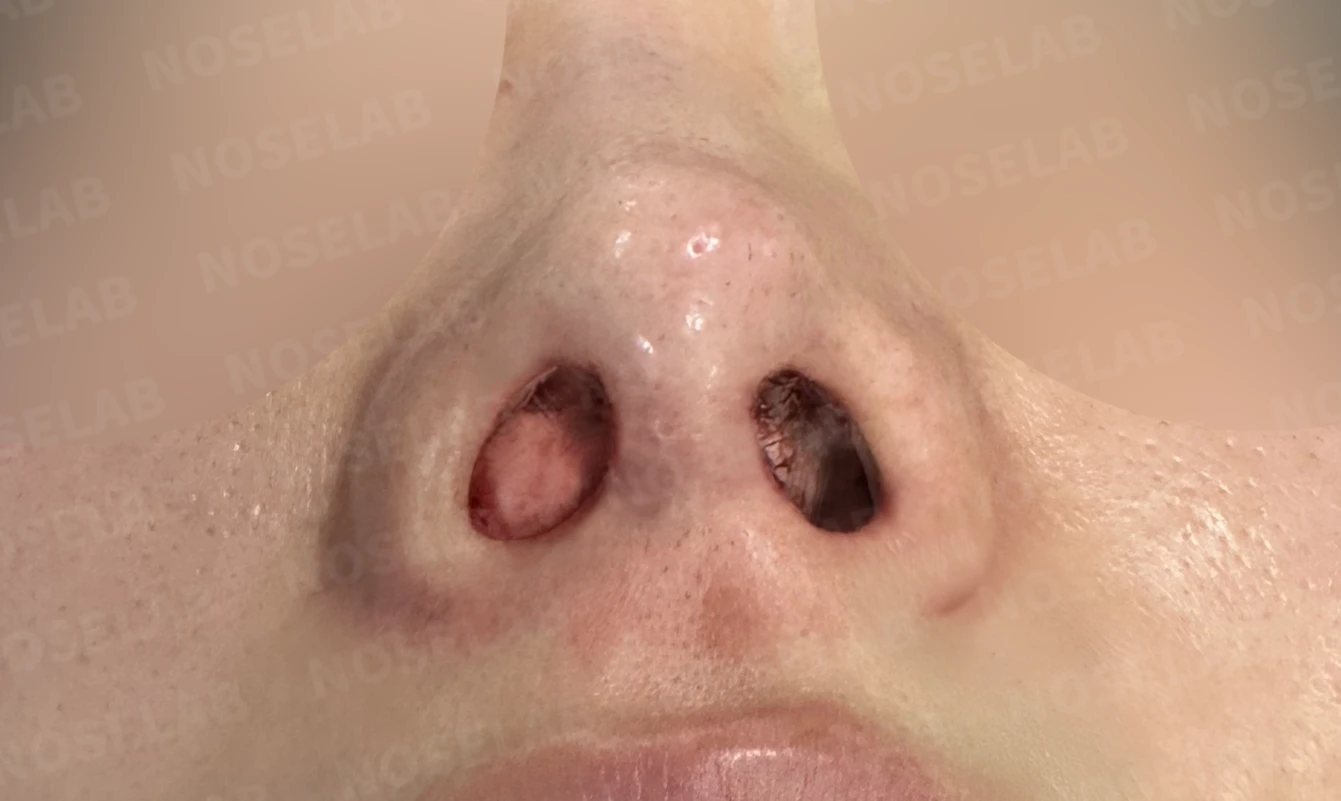
Nostril view on day 0 immediately after surgery. Photos taken immediately after surgery show swelling and may differ from the final result.
Rhinoplasty for a small nose is not simply about adding height. Particularly when skin elasticity is limited, the key is not to force excessive height, but to comprehensively adjust the radix, tip position, and nasolabial angle to achieve a natural transformation.
In this case, with a history of two previous surgeries, it was crucial to meticulously assess the internal tissue. After removing all existing implants, the nasal tip was stably reconstructed with autologous rib cartilage, and the nasal bridge line was naturally shaped using a customized implant.
Choosing a customized implant given the patient's prior experience with silicone deviation was also a meaningful decision in preventing recurrence. Using an implant tailored precisely to the patient's nasal bone structure helps reduce the risk of movement or displacement.
I hope this case is helpful to those with similar concerns. This has been Dr. Peter C. Kang, Medical Director. Thank you.
#menrhinoplasty #smallnoserhinoplasty #revisionrhinoplasty #autologousribcartilage #customimplant #nasolabialangle #radix #deviatedseptum #nasalobstruction #closedrhinoplasty #closedrevisionrhinoplasty

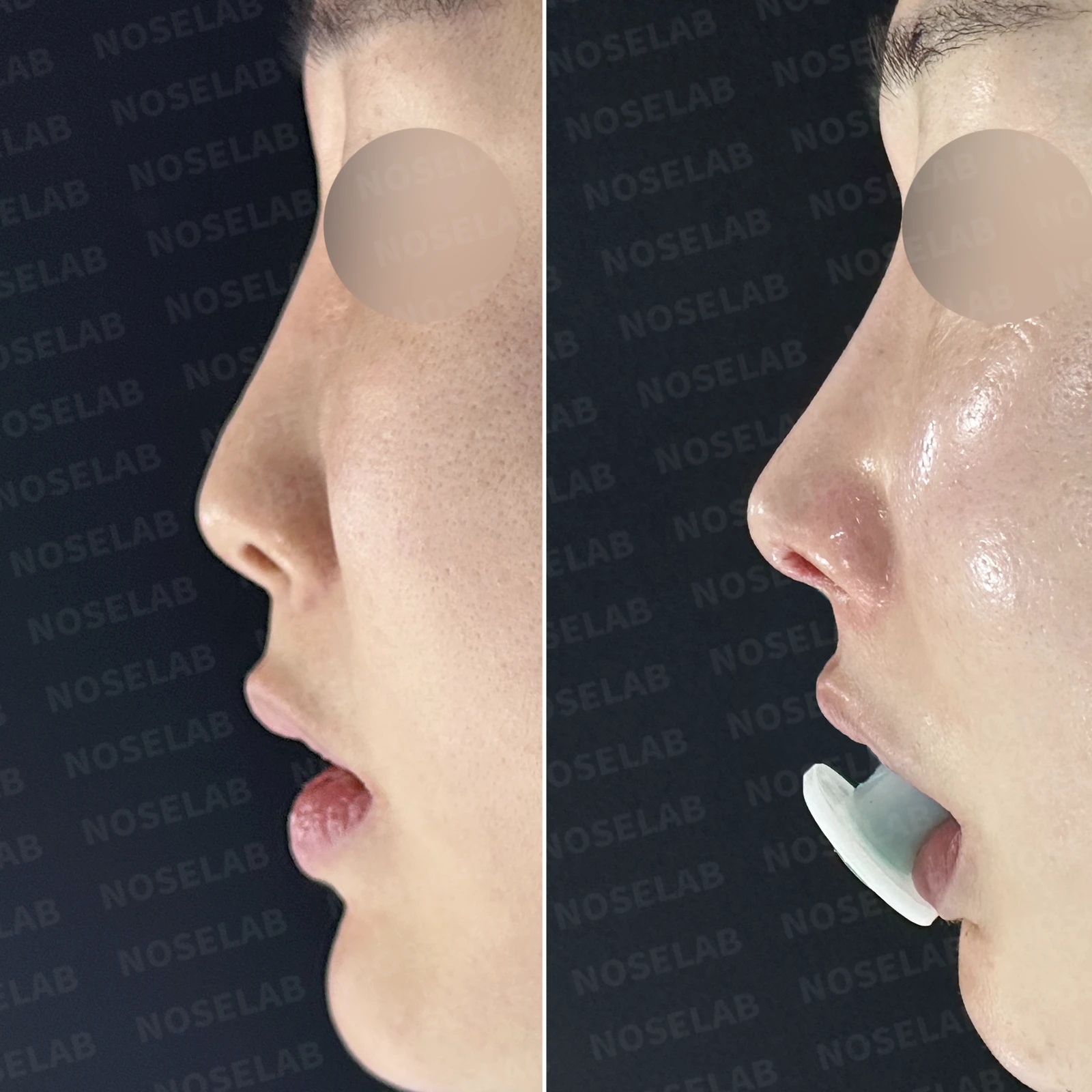
Limitations and risks
When autologous rib cartilage is used, scarring and pain may remain at the donor site on the chest, and pneumothorax (pleural injury) can occur rarely. Over time, the grafted cartilage may warp or undergo partial resorption.
When revising after implant removal, contracture may progress again after removal, the nasal height and length may decrease, and staged surgery may be necessary depending on the skin condition.
When the septum is corrected at the same time, nasal obstruction may persist or recur, and in rare cases, septal perforation or changes in smell may occur.
Common potential risks include infection, bleeding, asymmetry, scarring, skin necrosis, and insufficient improvement; results vary depending on individual skin condition and previous surgical history.