Hello, I am Dr. Peter C. Kang.
Today, I would like to share the case of a patient who visited our clinic troubled by persistent nasal obstruction and a crooked nose despite having undergone multiple surgeries.
🔍 Surgical history
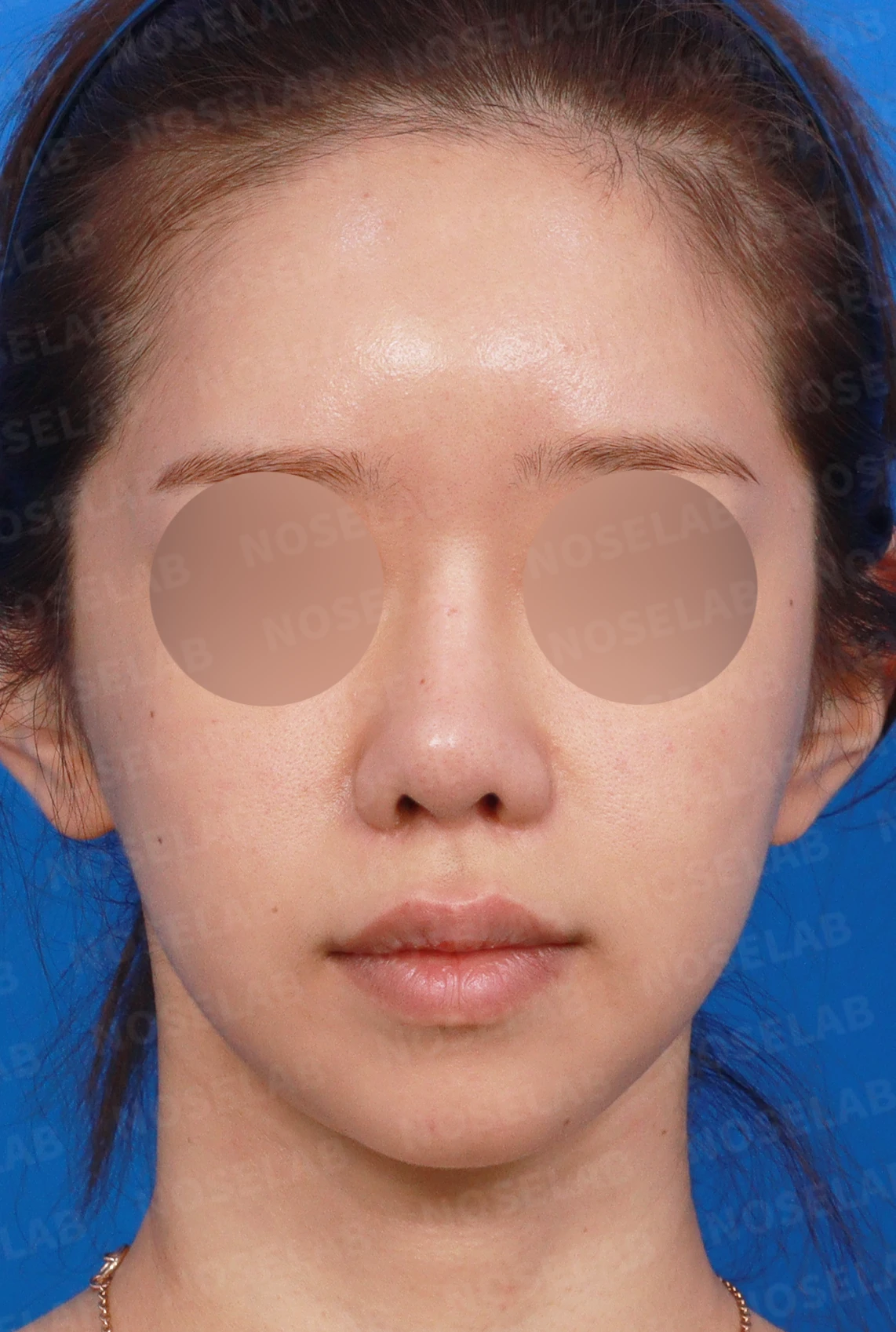
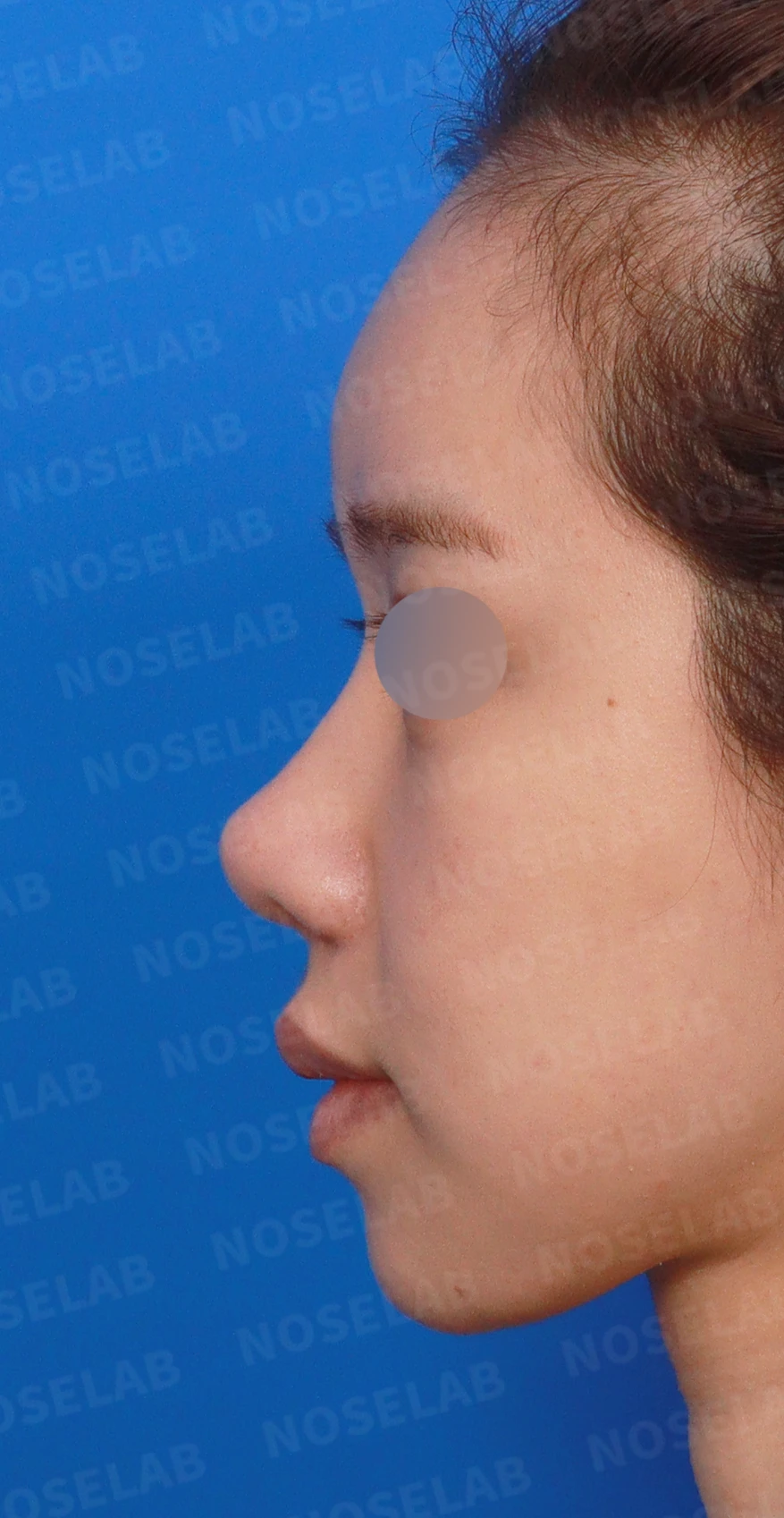
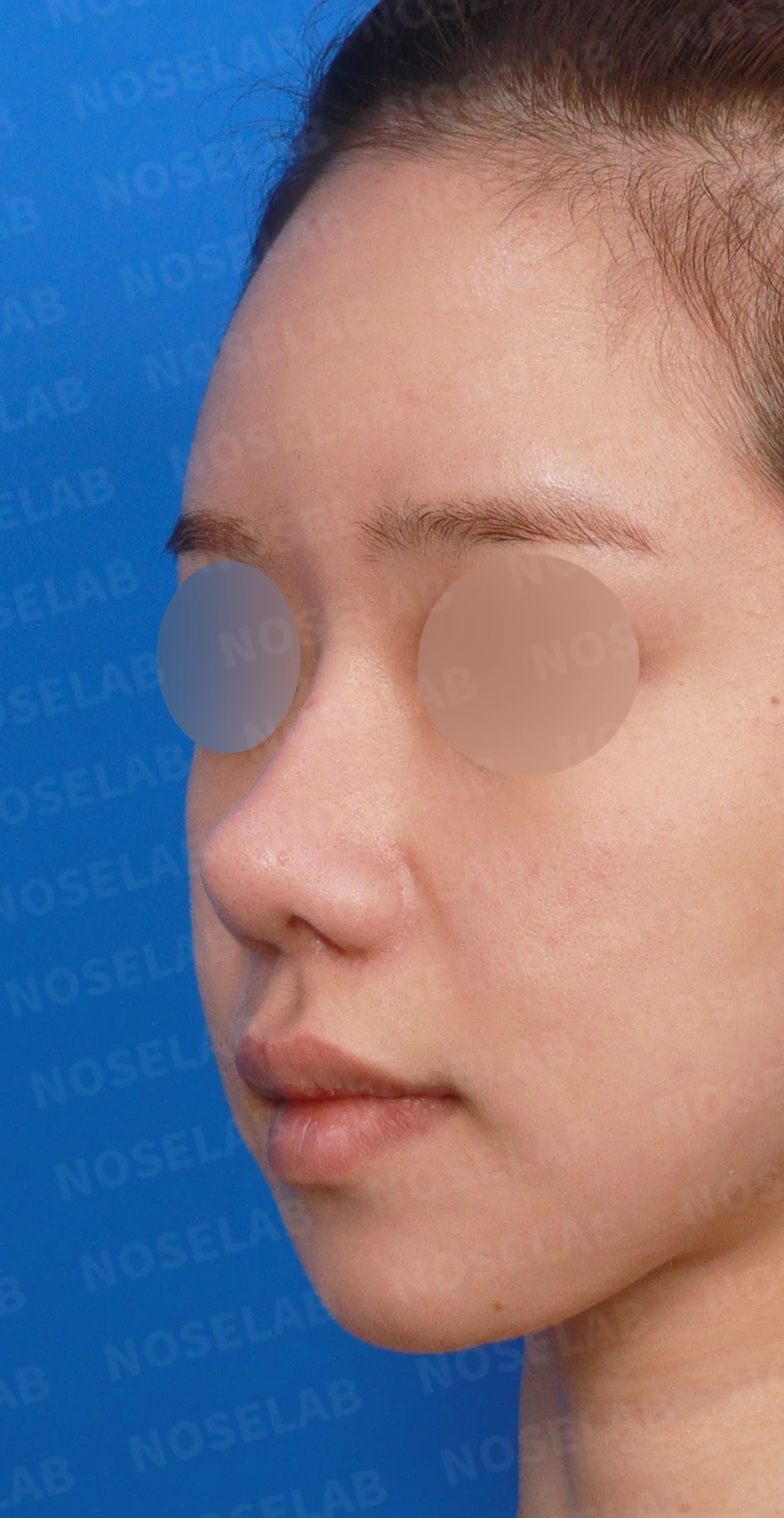
Front, left profile, and oblique views during design consultation.
5 years ago: Rhinoplasty using ear cartilage along with alar reduction
Unfortunately, the patient did not notice much of a change.
2 years ago: Revision rhinoplasty using autologous rib cartilage, a silicone implant, and ear cartilage, along with alar reduction
There was some improvement, but the outcome remained unsatisfactory.
3 months ago: Philtrum reduction
💉 Patient requests
Despite two nasal surgeries, the patient continued to struggle with the following issues:
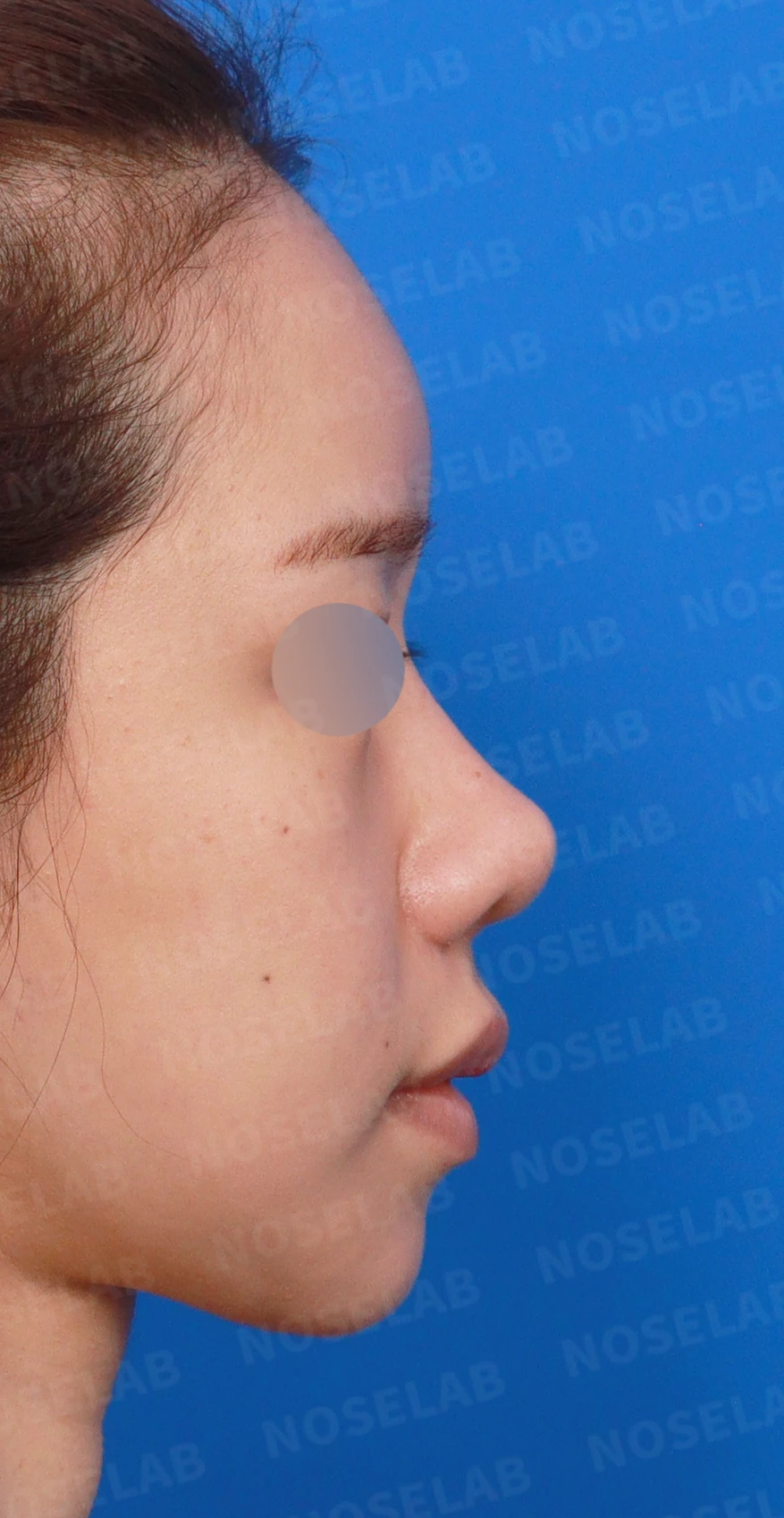
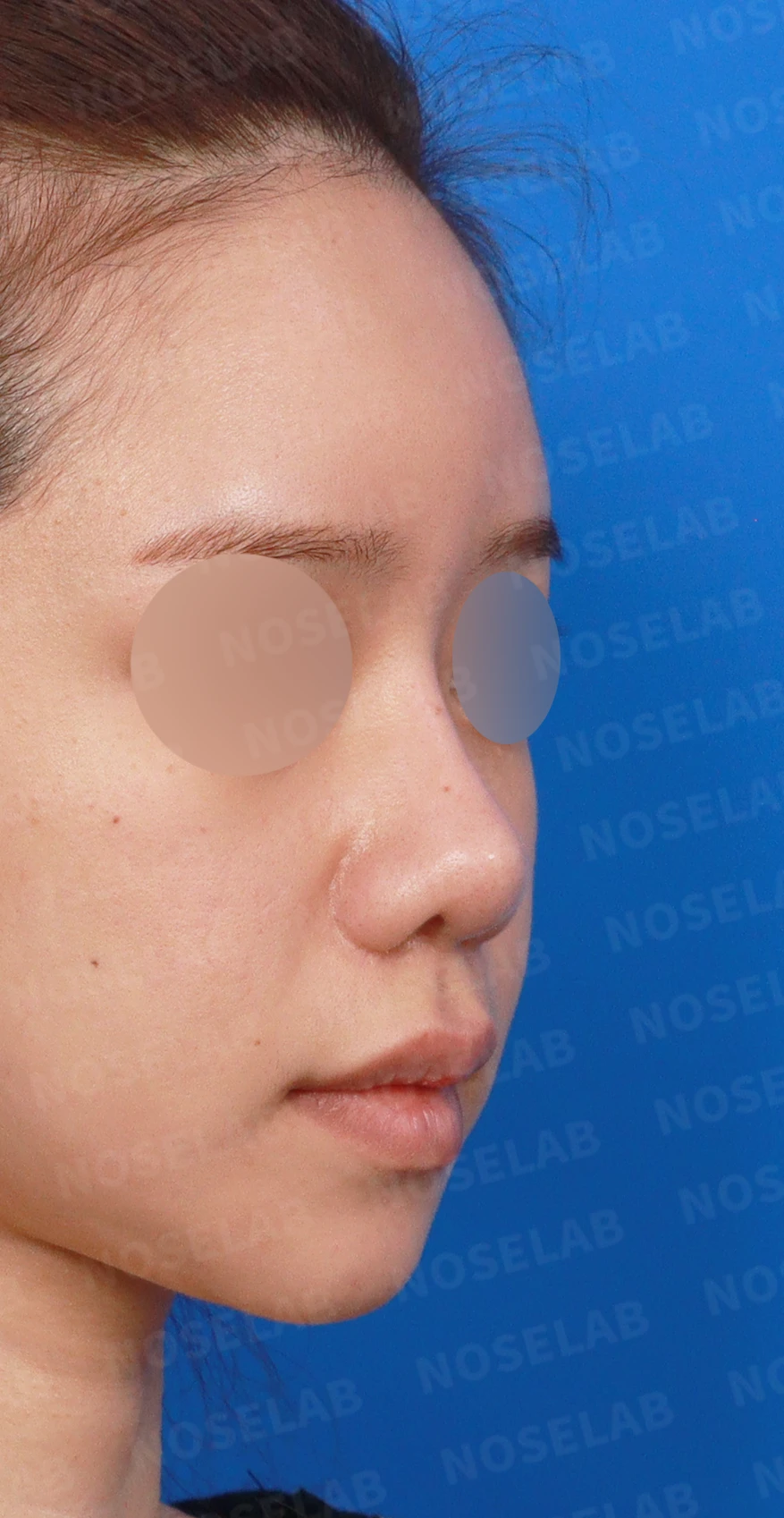
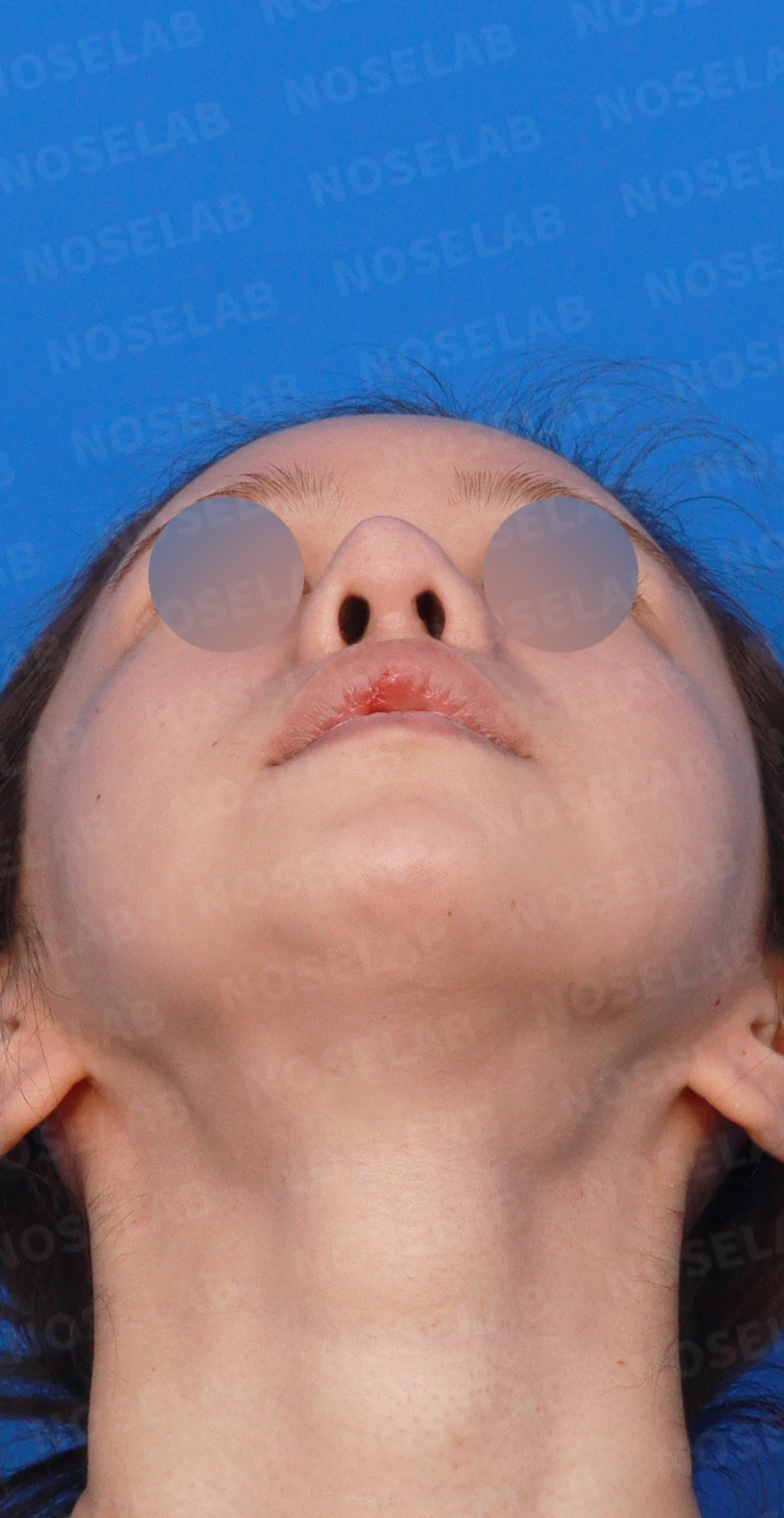
Right profile, oblique, and nostril views during design consultation.
Severe nasal obstruction: Significantly worse on the right side than on the left
Crooked nose: Visible facial asymmetry due to leftward septal deviation
Rhinitis symptoms: Chronic nasal congestion and breathing discomfort
Anxiety regarding revision surgery: Disappointment over the results of previous procedures
🔧 Surgical plan and procedure
In this patient's case, the septum had become substantially weakened. This was not a situation where simply altering external appearance would suffice; fundamental structural correction was required.
1. Septal reconstruction using autologous rib cartilage
Robust reconstruction of the weakened septum
Securing a stable support structure using autologous rib cartilage
Establishing a long-term, stable nasal framework
2. Lateral nasal bone osteotomy
Precise correction of deviated nasal bones
Achieving bilateral symmetry
Creating a natural nasal profile line
3. Septoplasty
Correction of the leftward-deviated septum
Restoring internal nasal volume balance
Enhancement of structural stability
4. Radiofrequency submucosal resection of the inferior turbinates
Improving nasal airflow by widening the internal nasal passage
Rapid recovery through a minimally invasive approach
Addressing the root cause of nasal obstruction
5. Nasolabial angle correction
Harmonizing the overall balance between the nose and lips
Improvement in the profile line
🌟 Surgical results
1. Functional improvement
The leftward-deviated septum was realigned to the midline
Securing internal nasal airway space with turbinoplasty
Smooth, comfortable breathing restored on both sides
Substantial improvement in chronic nasal obstruction
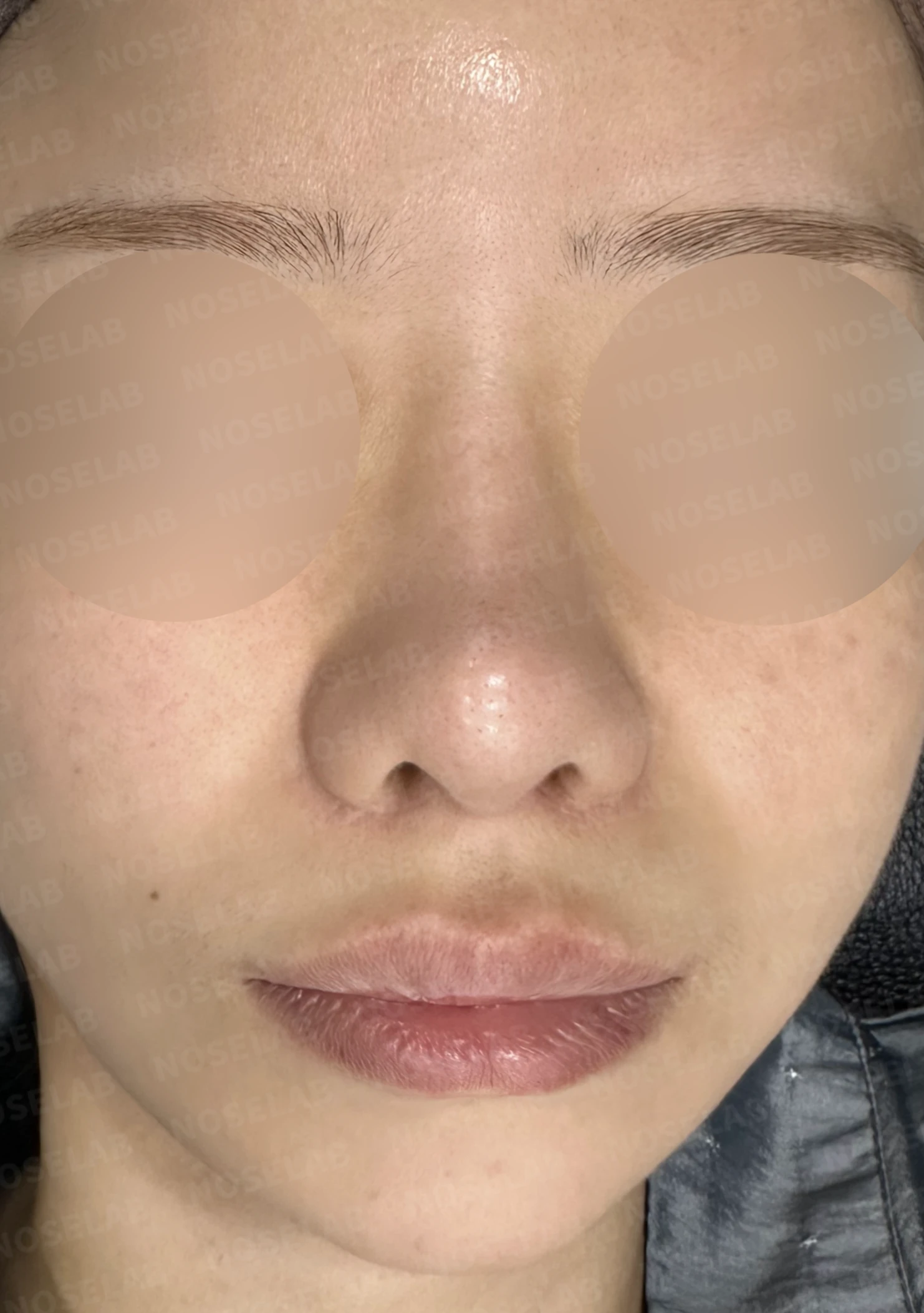
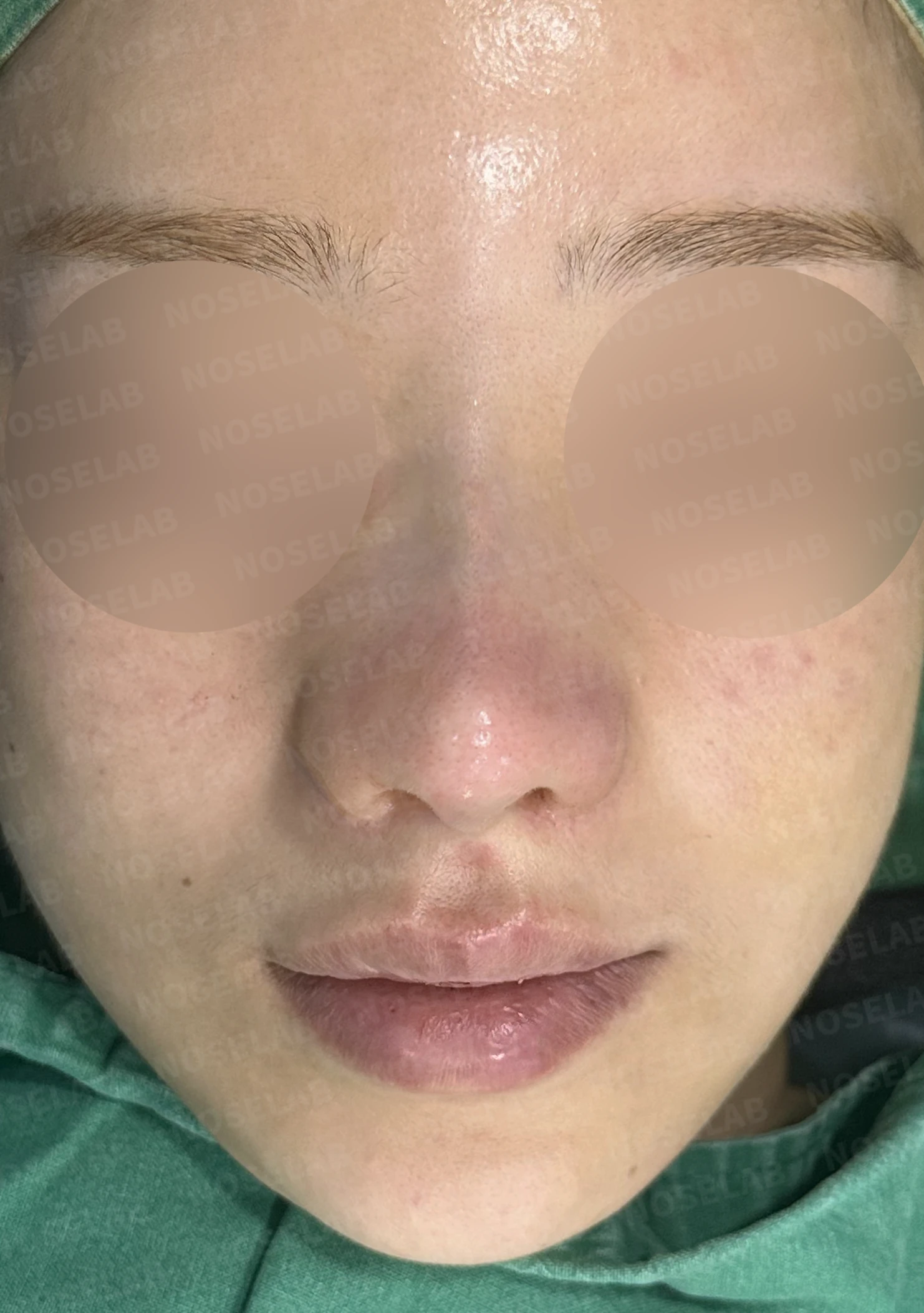
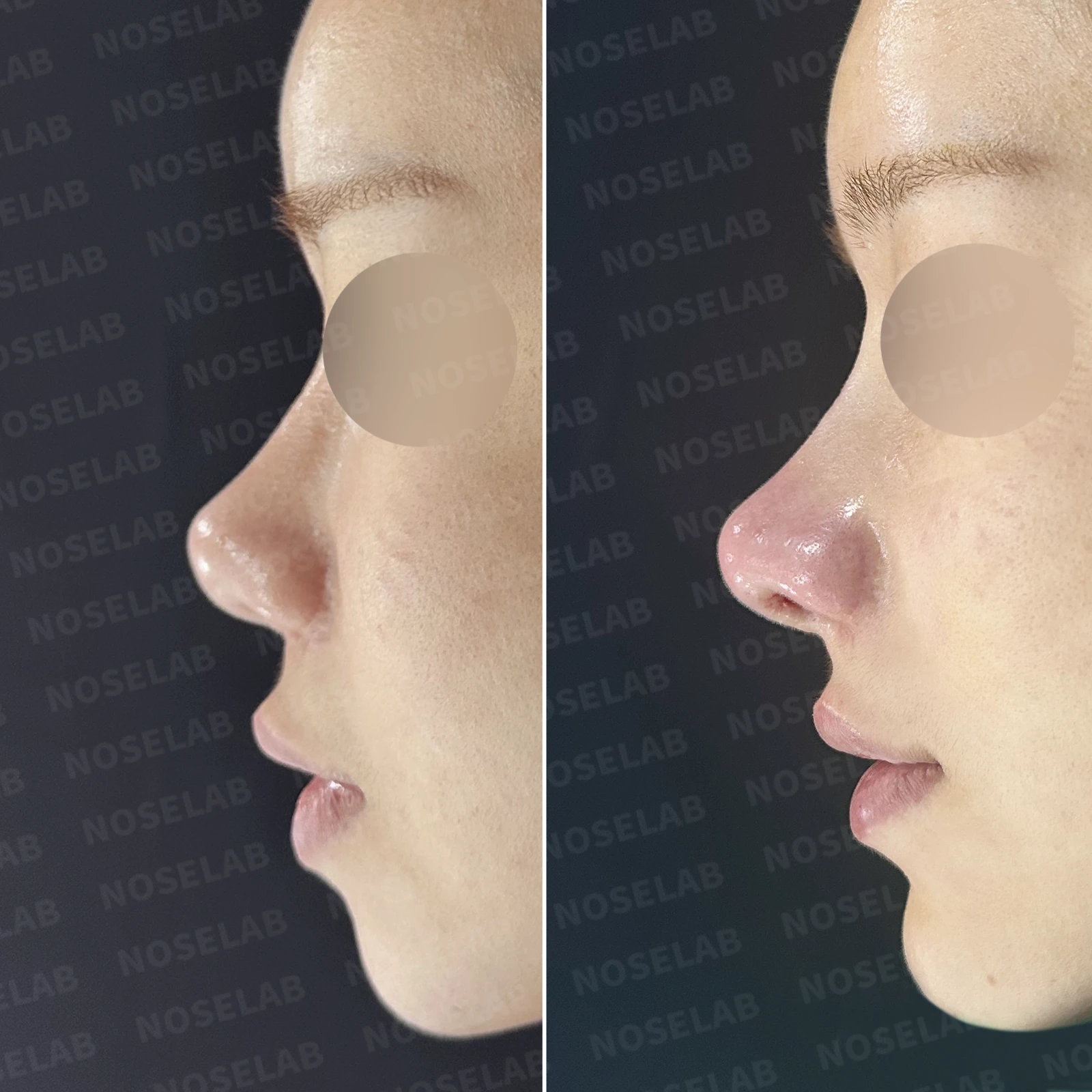
Before surgery / Day 0 immediately after surgery Photos taken immediately after surgery show swelling and may differ from the final result.
2. Structural stability
Sturdy septal reconstruction using autologous rib cartilage
Fundamental reinforcement of nasal structures compromised by previous surgeries
Promoting a stable, long-lasting surgical result
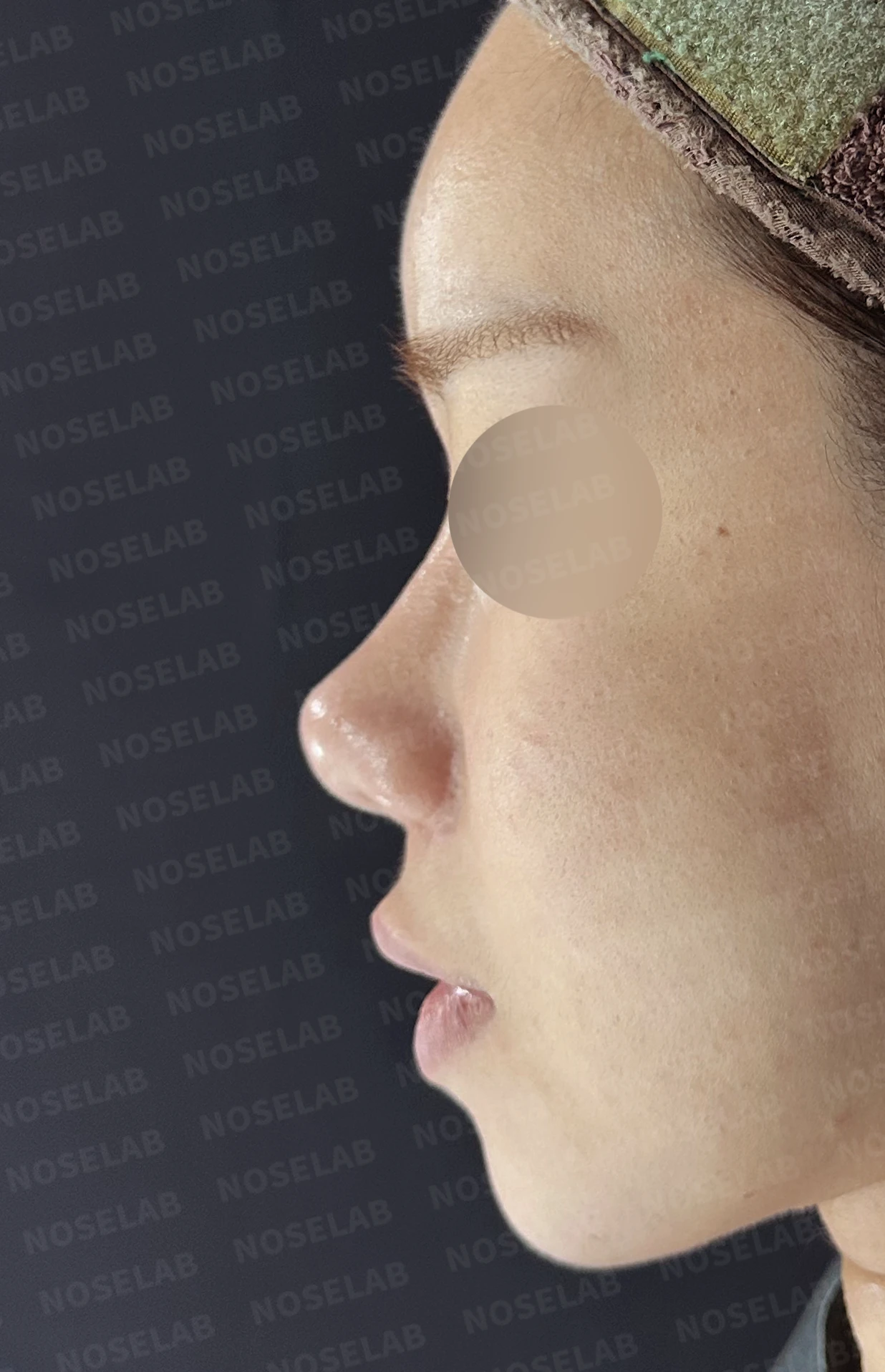
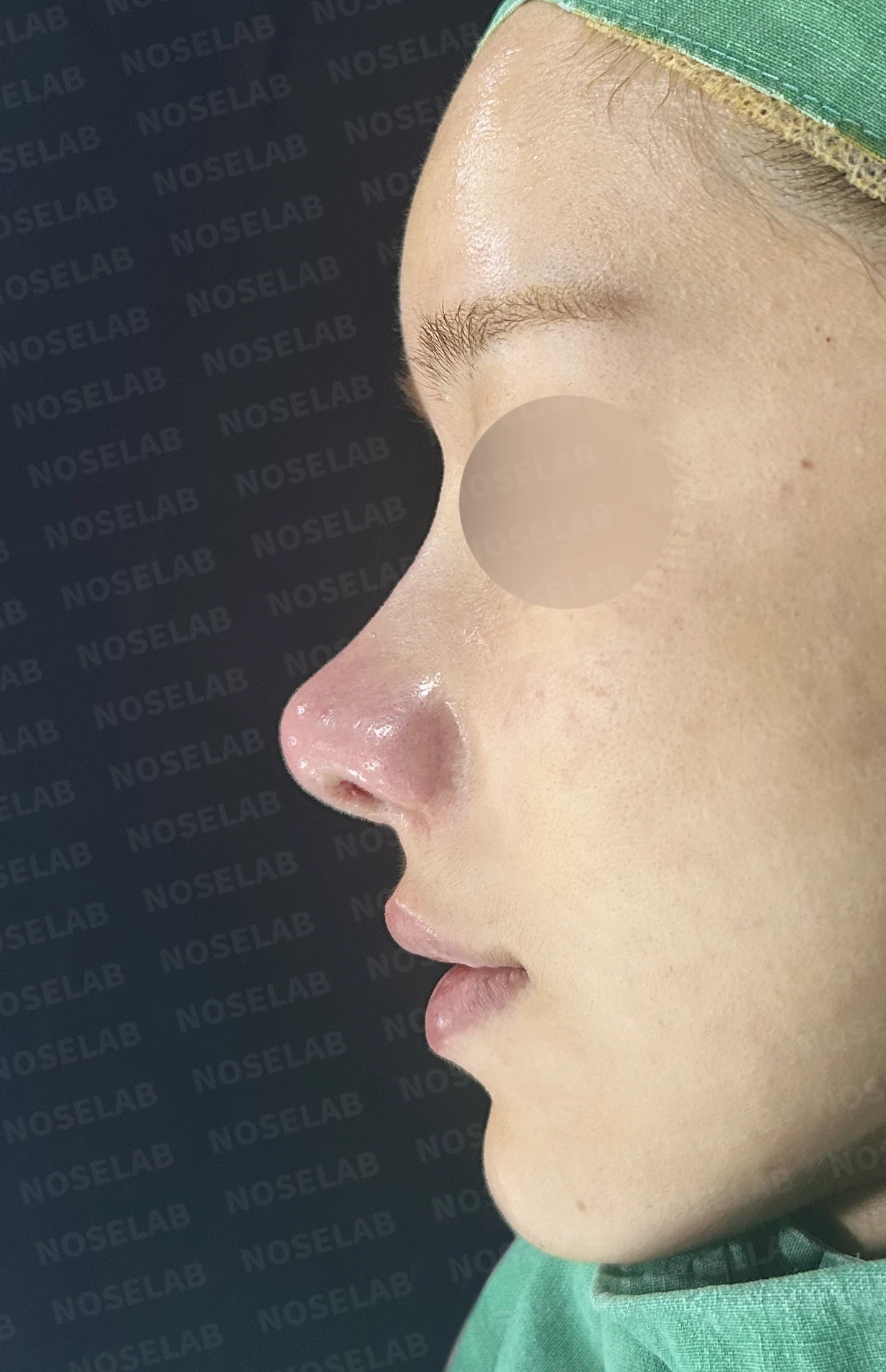
Before surgery / Day 0 immediately after surgery Photos taken immediately after surgery show swelling and may differ from the final result.
3. Aesthetic improvement
Restoration of frontal symmetry by correcting the crooked nasal bones
Creating a natural nasal profile line
A refined profile line through nasolabial angle correction
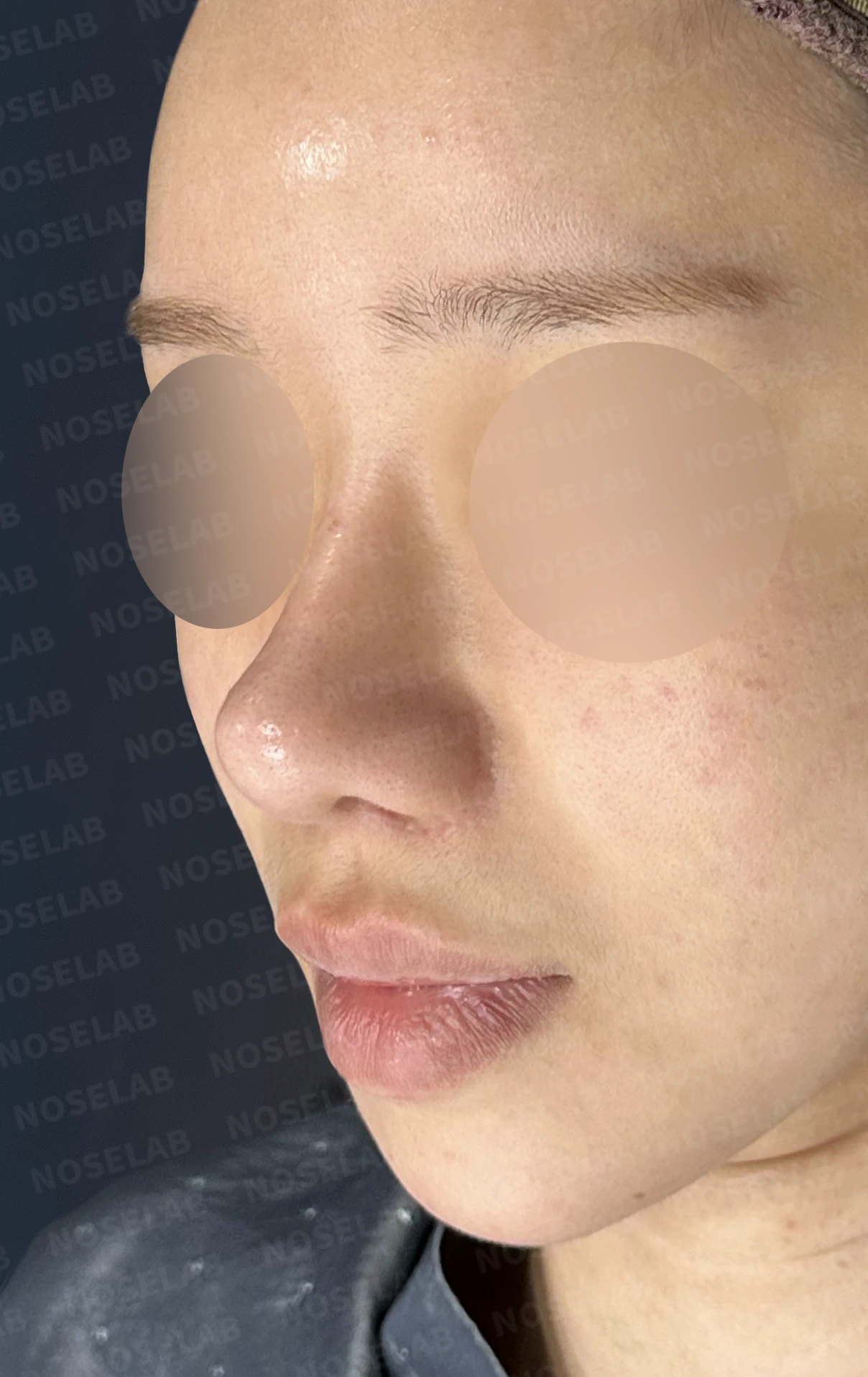
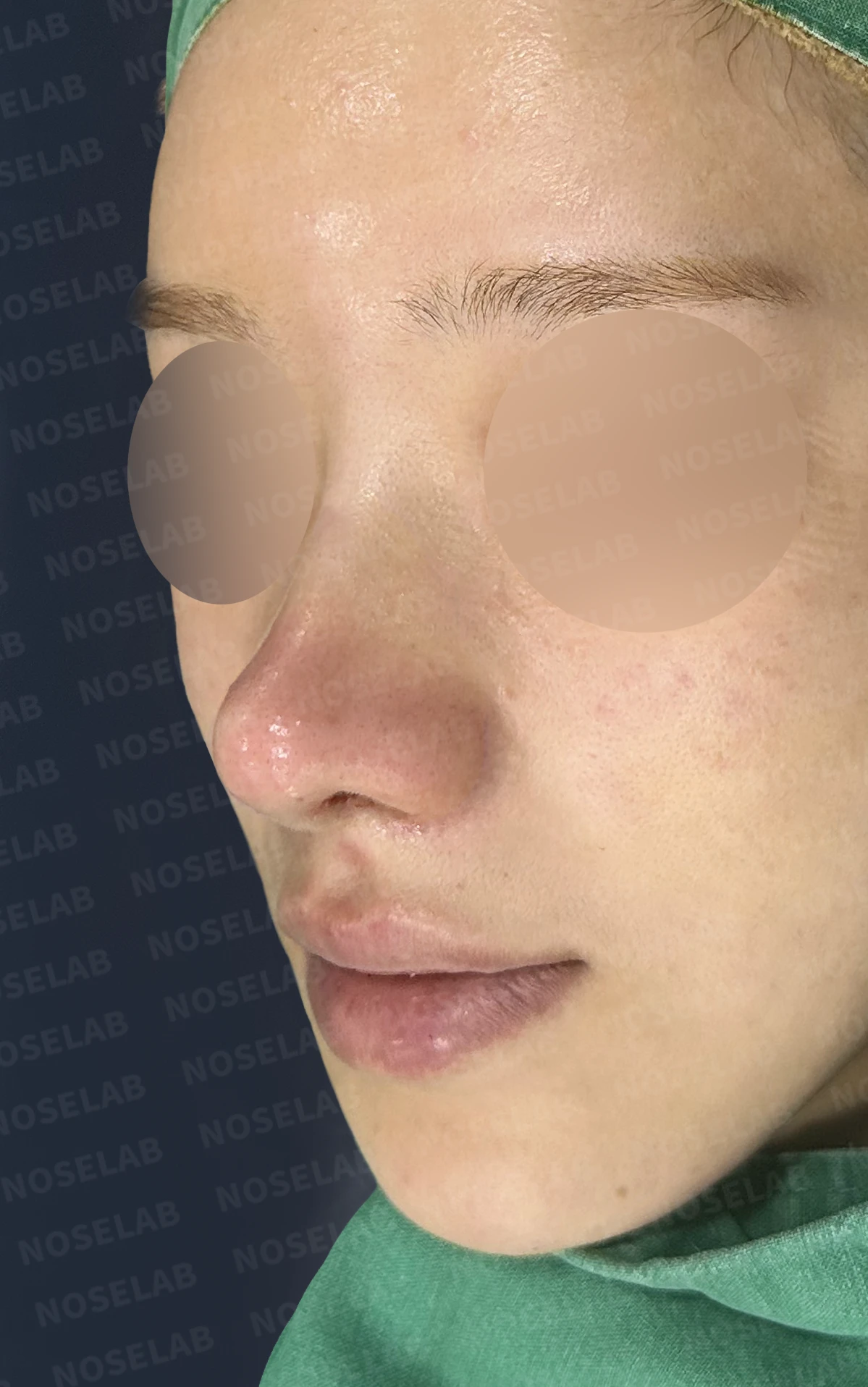
Before surgery / Day 0 immediately after surgery Photos taken immediately after surgery show swelling and may differ from the final result.
4. Improvement of the nostrils and columella
Well-balanced nostril shape on both sides
Columella realigned along the facial midline
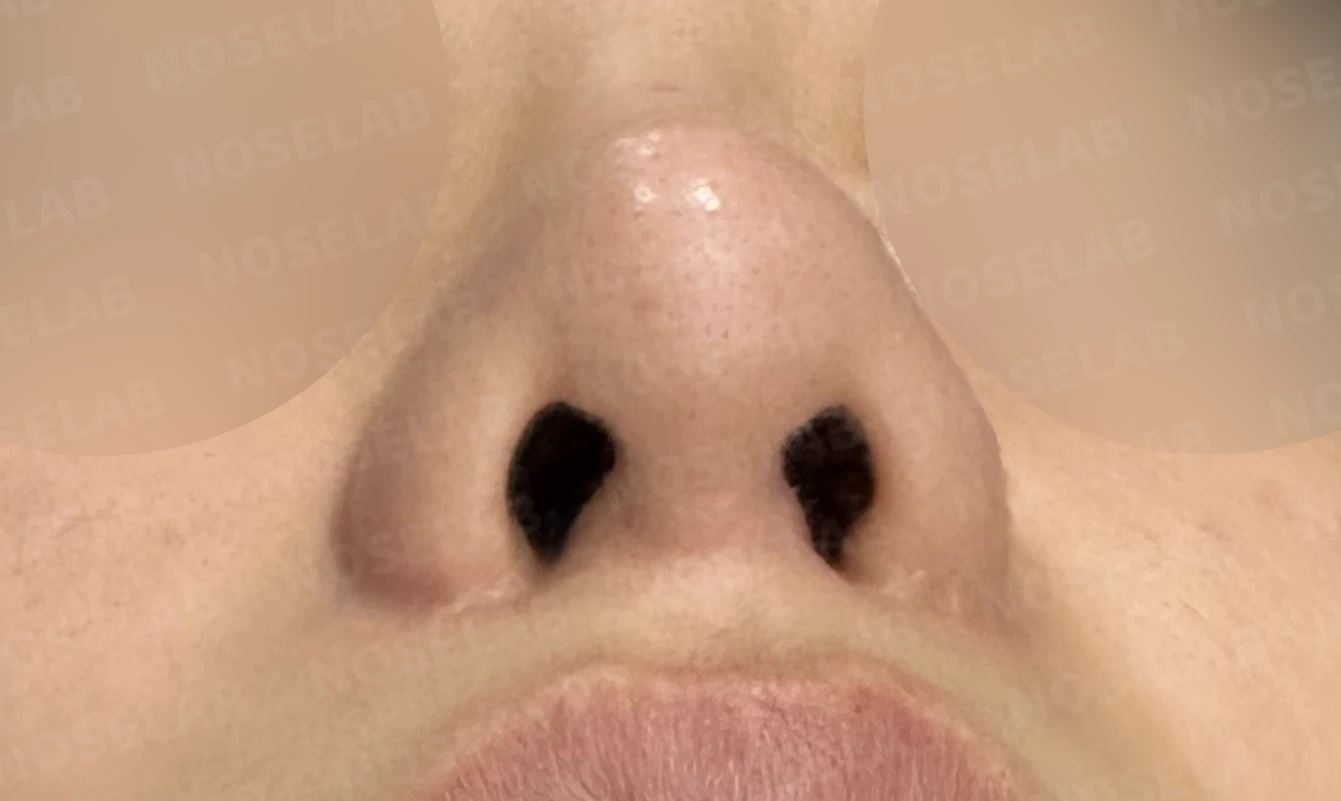
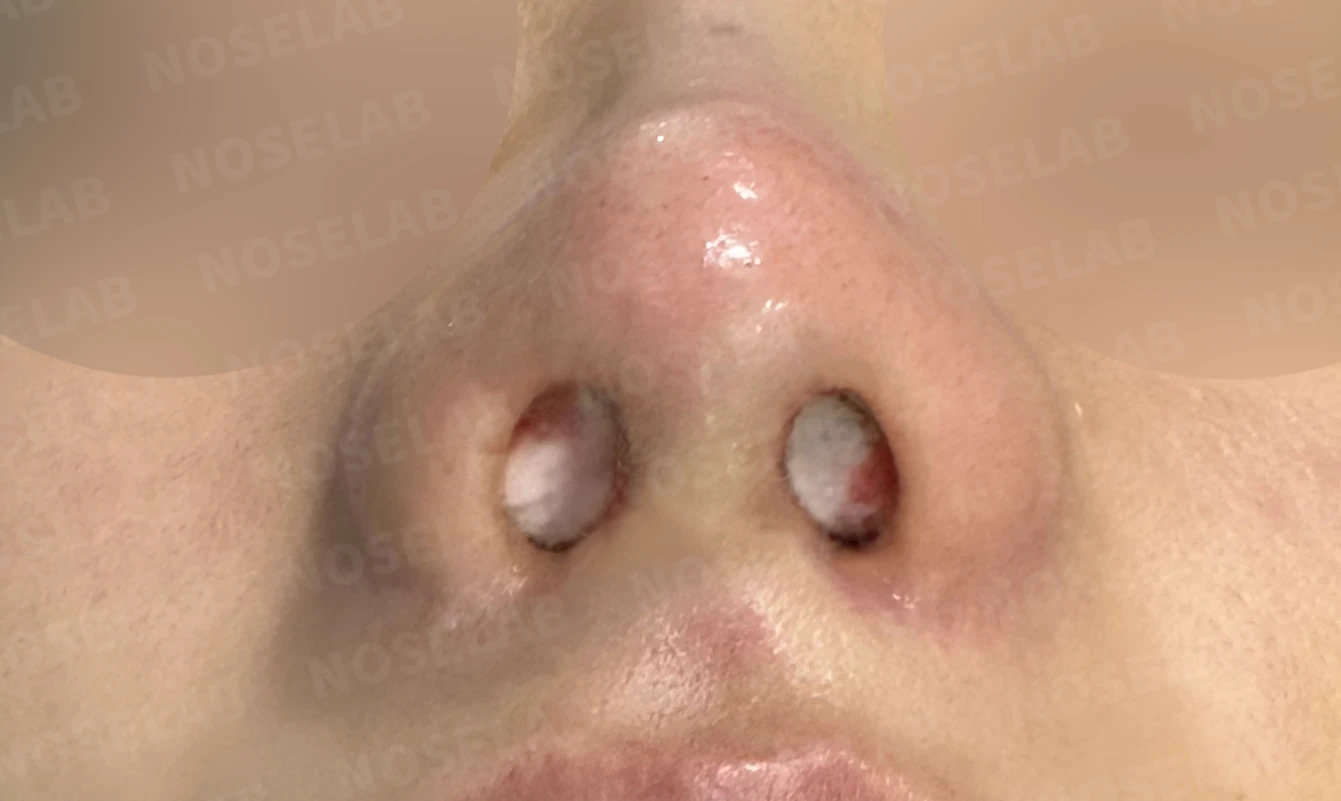
Before surgery / Day 0 immediately after surgery Photos taken immediately after surgery show swelling and may differ from the final result.
💡 Specialist opinion
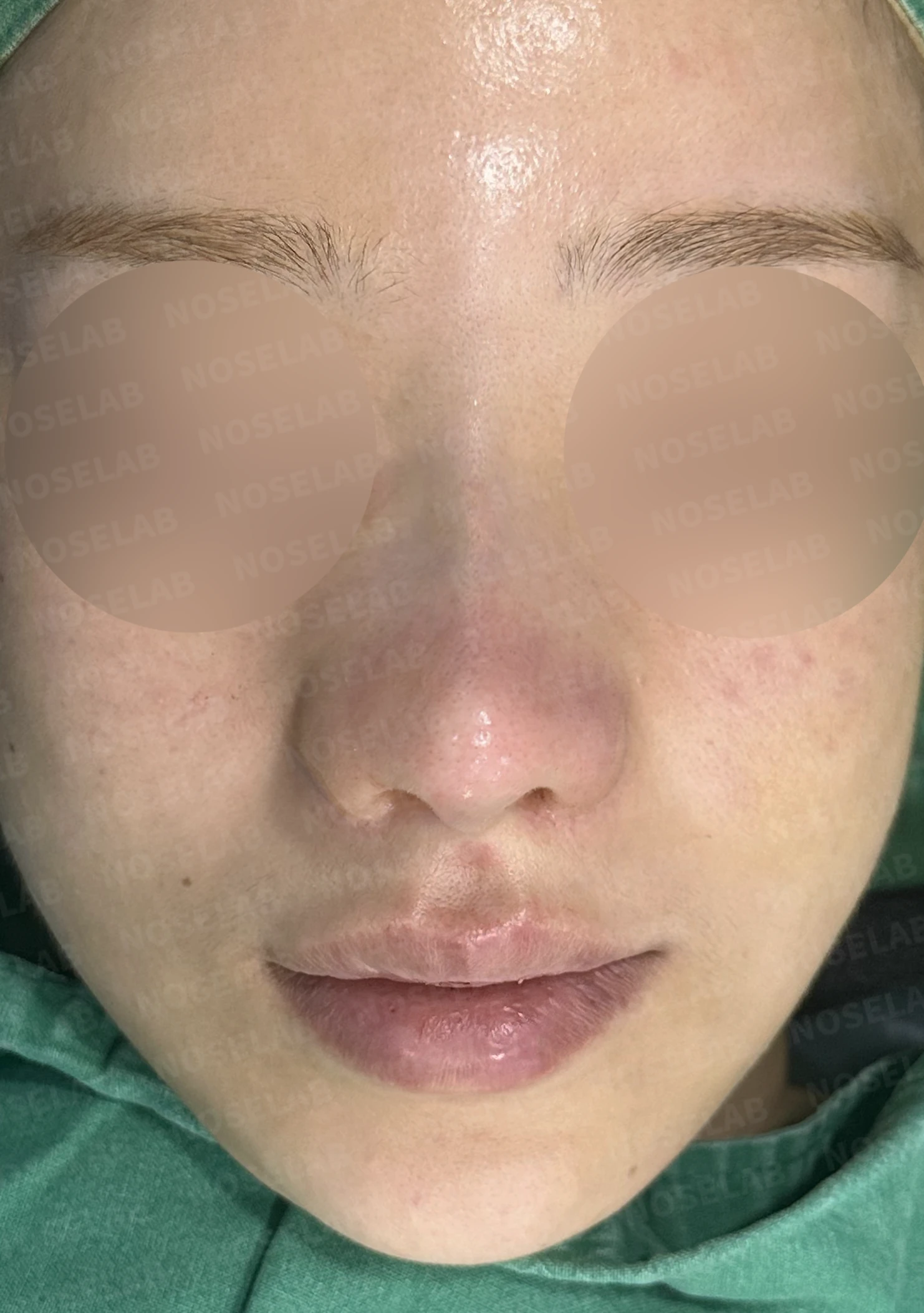
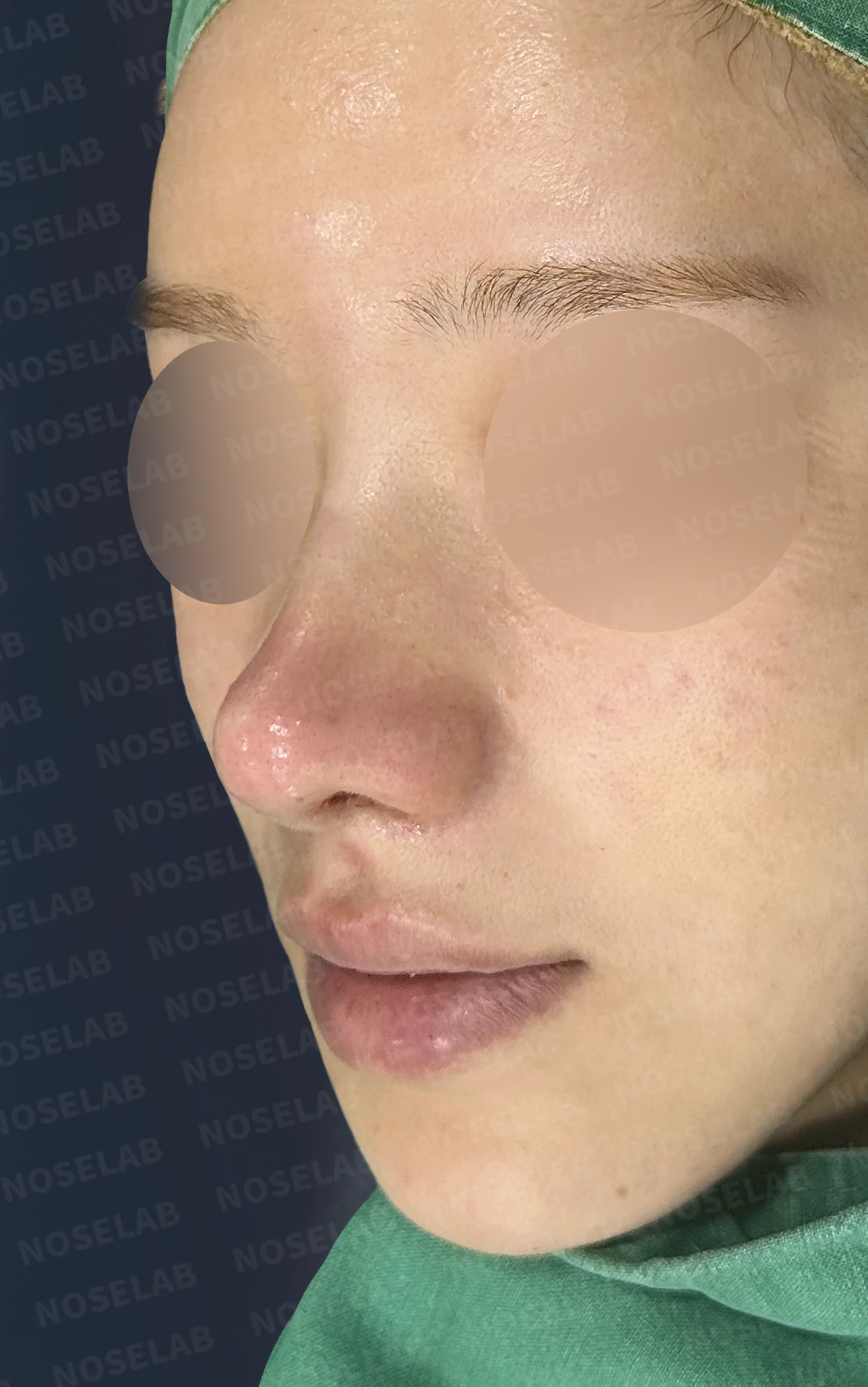
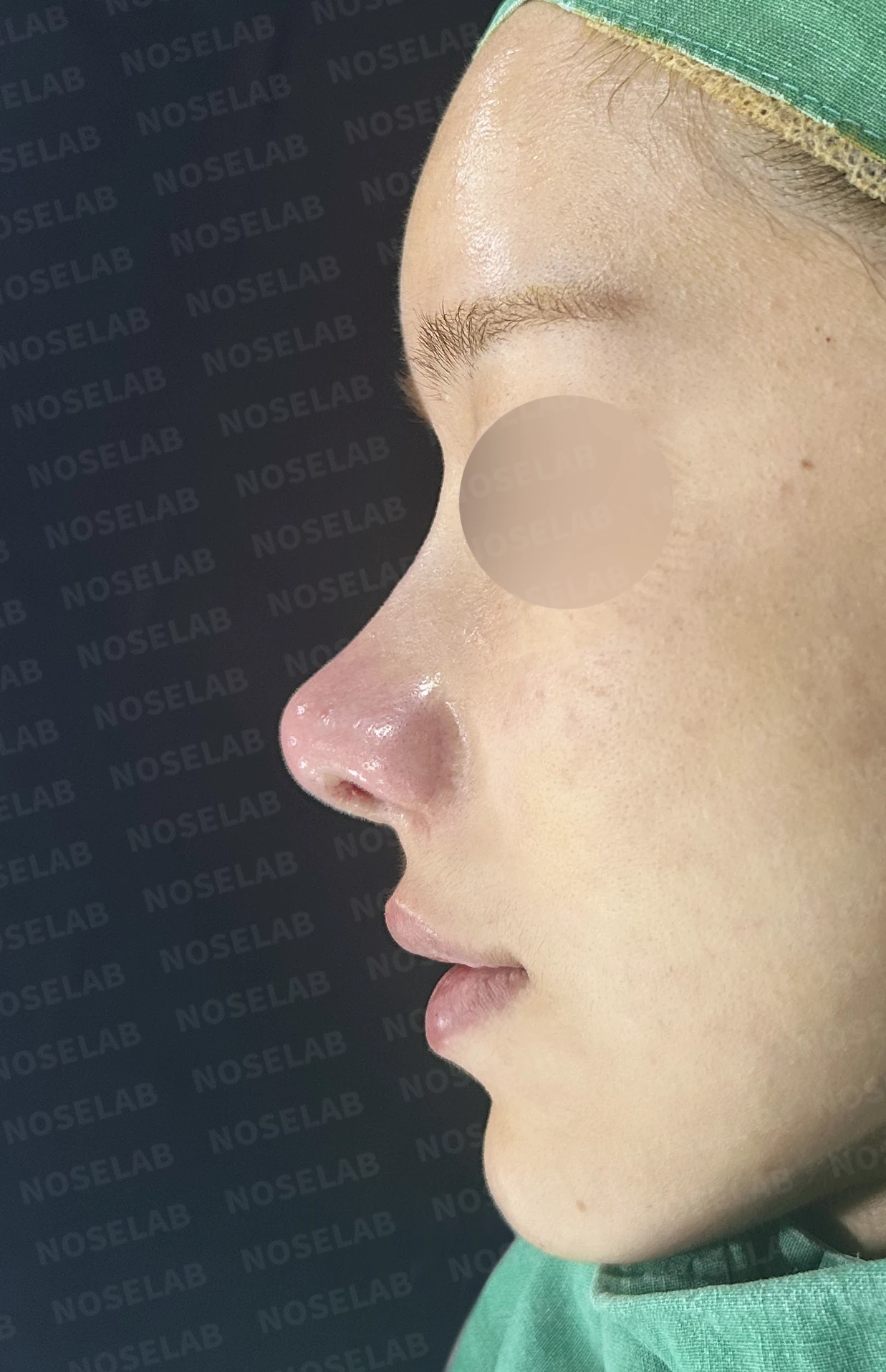
Front, oblique, and profile views on day 0 immediately after surgery. Photos taken immediately after surgery show swelling and may differ from the final result.
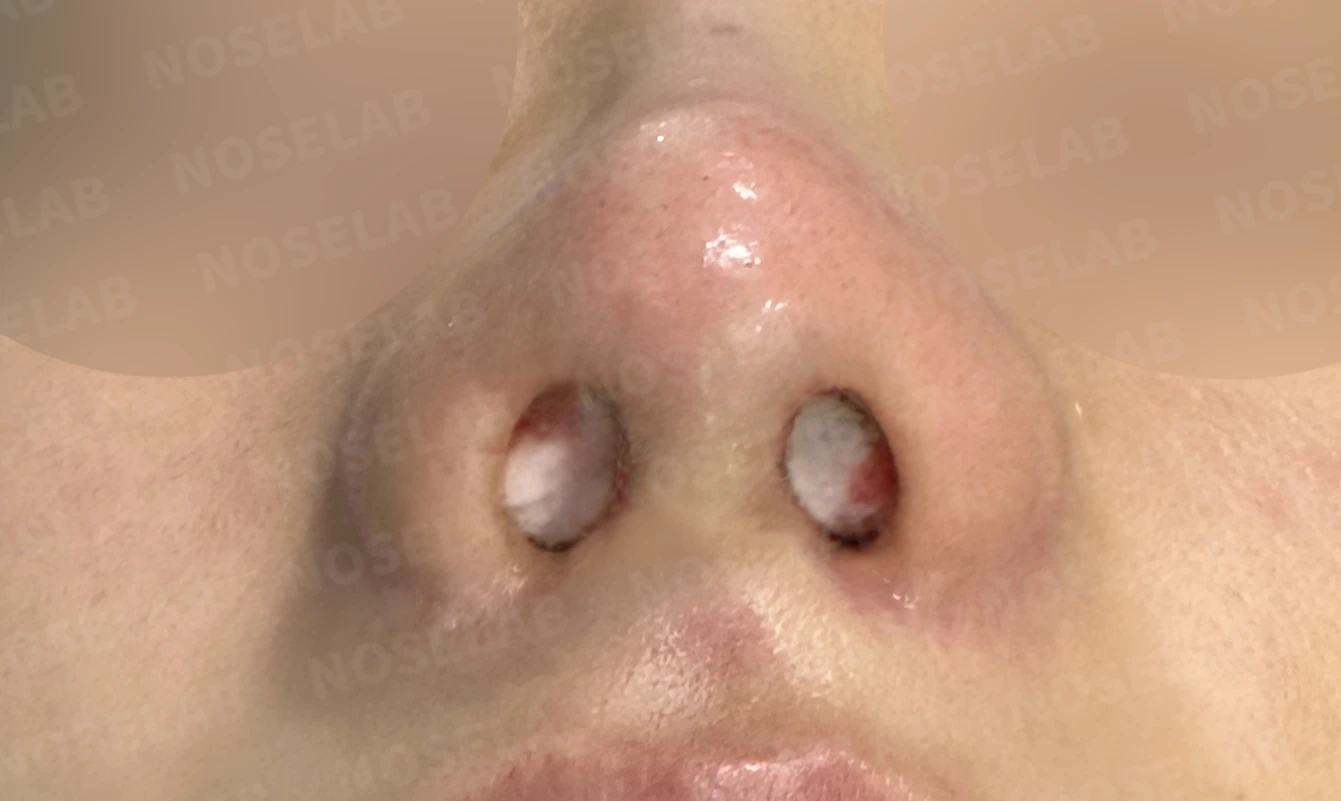
Nostril view on day 0 immediately after surgery. Photos taken immediately after surgery show swelling and may differ from the final result.
Revision rhinoplasty cases—especially when multiple prior surgeries have been performed—involve weakened tissue planes and existing scar tissue, necessitating an exceptionally meticulous approach.
In this scenario, the most critical element was reconstructing the septum. The septum serves as the central supporting pillar of the nose, and here it had been substantially weakened by previous operations. Attempting cosmetic changes without first addressing a compromised septum inevitably leads to structural issues resurfacing over time.
Therefore, our foremost priority was to solidly reconstruct the septum using autologous rib cartilage. Because autologous rib cartilage is harvested from the patient's own body, there is no risk of rejection, and it provides ample volume and structural rigidity, making it an ideal graft material for revision surgery.
Furthermore, because the leftward septal deviation caused substantial nasal obstruction, septoplasty was combined with inferior turbinoplasty. Radiofrequency submucosal resection of the inferior turbinates is an effective method that widens the internal nasal airway with minimal bleeding and a rapid recovery.
Lateral osteotomy was performed to straighten the crooked nasal bones, and nasolabial angle correction improved overall facial balance. Revision rhinoplasty is inherently more challenging than primary rhinoplasty, requiring delicate surgical precision. Nonetheless, through precise diagnosis, systematic planning, and the selection of graft materials tailored to the patient's tissue condition, satisfying outcomes can be achieved.
I will continue to do my best to provide fundamental, structurally sound solutions for patients troubled by outcomes of previous nasal surgeries. This has been Medical Director Dr. Peter C. Kang. Thank you.
#closedrhinoplasty #closedrevisionrhinoplasty #revisionrhinoplasty #crookednosecorrection #nasalobstructionrelief #septalreconstruction #autologousribcartilage #functionalrhinoplasty #rhinitissurgery #turbinoplasty #lateralosteotomy #nasolabialanglecorrection

Limitations and risks
When autologous rib cartilage is used, scarring and pain may remain at the donor site on the chest, and pneumothorax (pleural injury) can occur rarely. Over time, the grafted cartilage may warp or undergo partial resorption.
When the septum is corrected at the same time, nasal obstruction may persist or recur, and in rare cases, septal perforation or changes in smell may occur.
Common potential risks include infection, bleeding, asymmetry, scarring, skin necrosis, and insufficient improvement; results vary depending on individual skin condition and previous surgical history.