Hello, I am Dr. Peter C. Kang.
Today, I would like to introduce the case of a patient who visited our clinic concerned about an upturned nose and severe nasal obstruction after multiple rhinoplasties.
🔍 Surgical history
This patient had undergone multiple nasal procedures over an extended period.
12 years ago: Nasal filler injection
12 years ago: Rhinoplasty using a silicone implant and septal cartilage
6 months later: Revision rhinoplasty using a silicone implant and ear cartilage to return toward the preoperative state
5 years ago: Silicone implant removal
In particular, rhinitis worsened considerably after the last surgery, and nasal obstruction was causing significant discomfort in daily life.
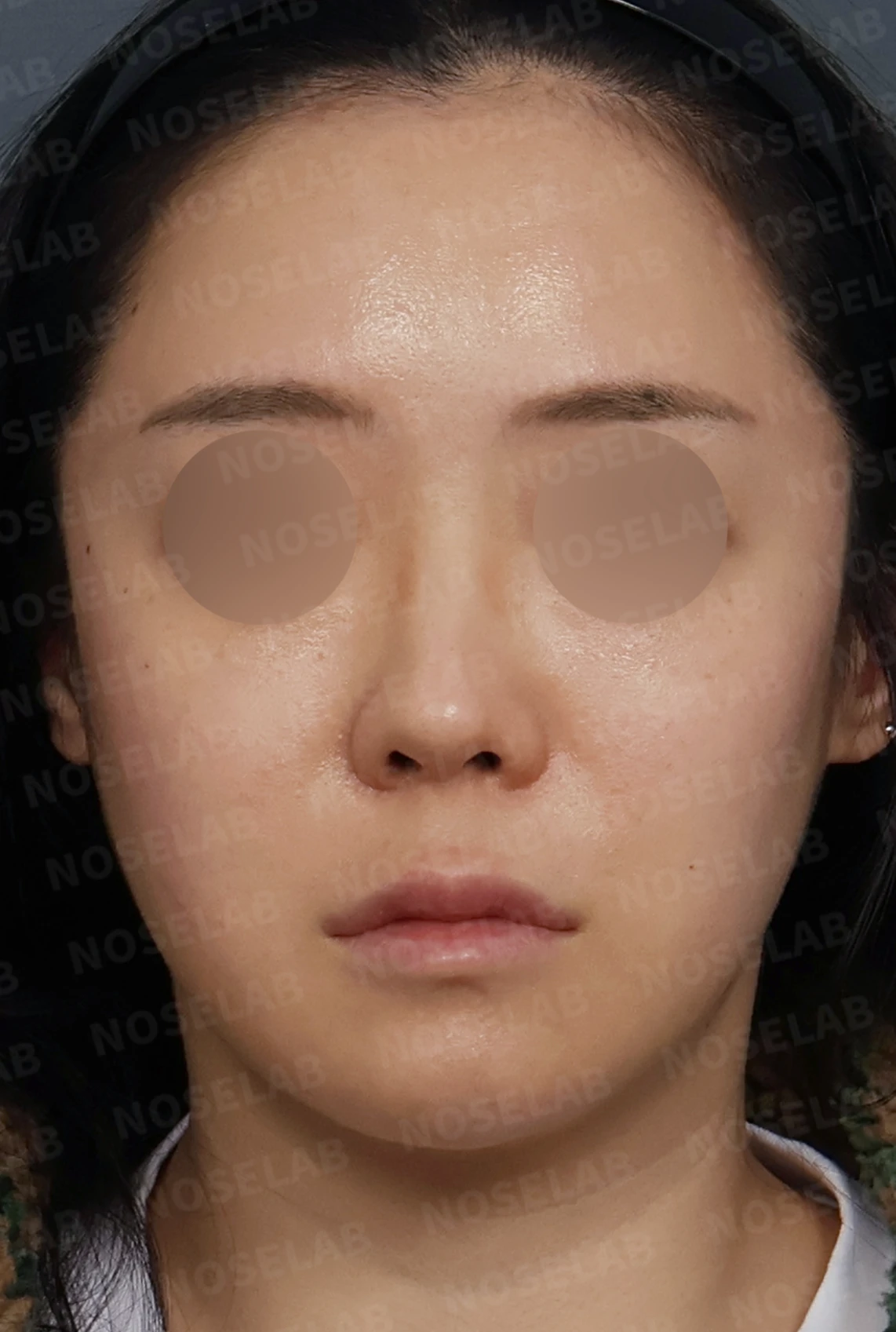
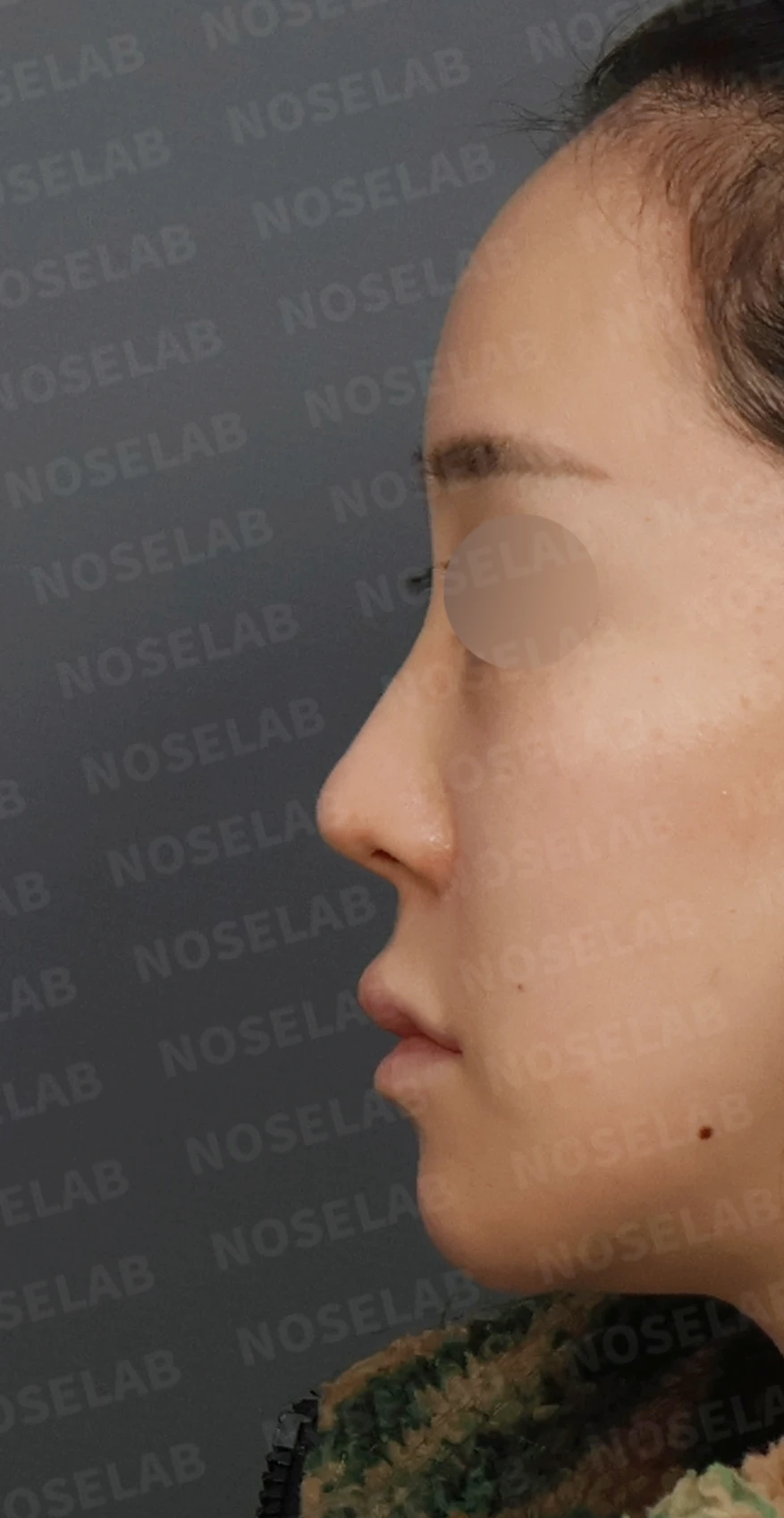
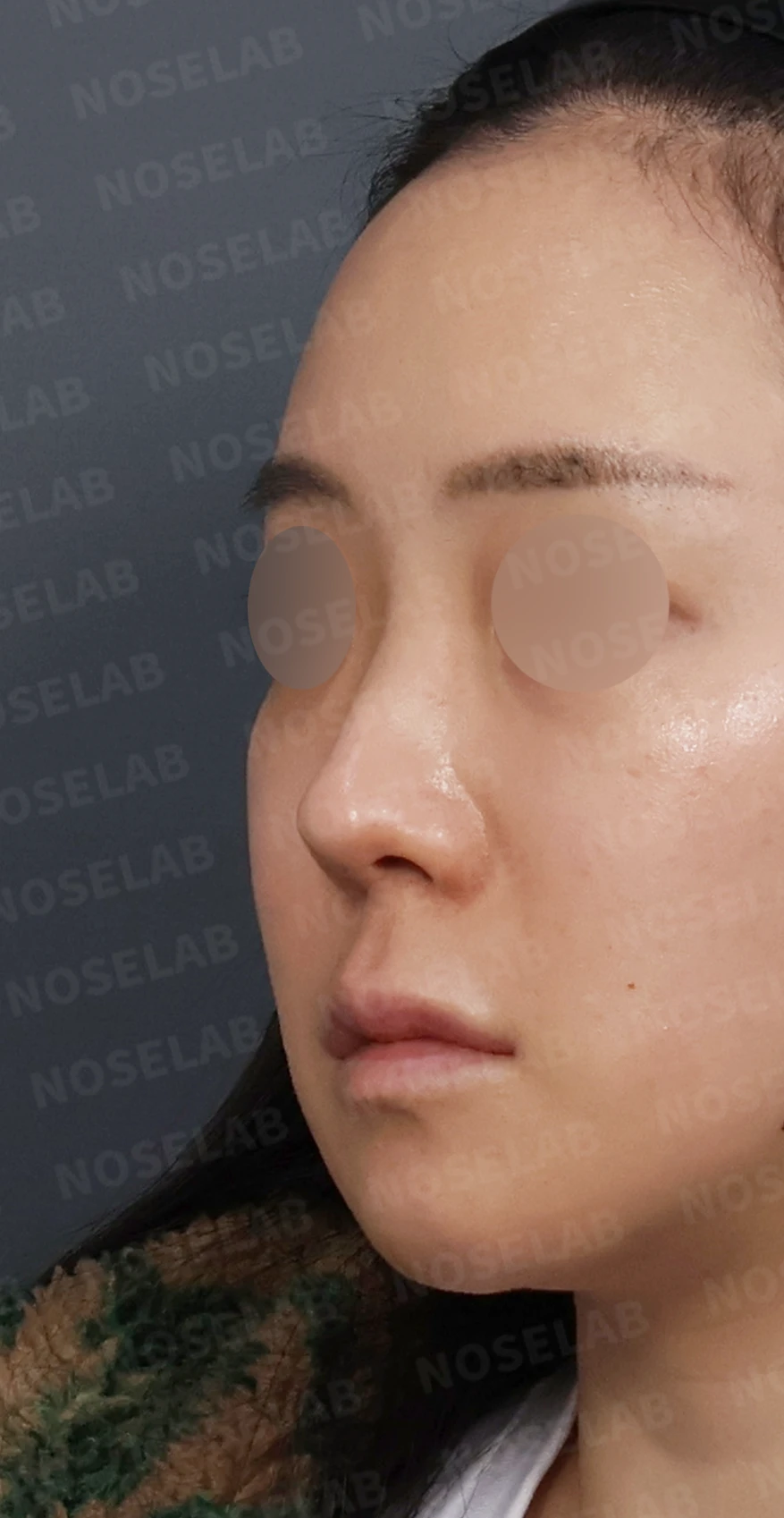
Front, left profile, and oblique views during design consultation.
💉 Patient requests
The patient's primary concerns were as follows:
Lowering the upward-rotated nasal tip
Correcting excessive nostril show
Improvement in nostril asymmetry
Improving functional concerns such as nasal obstruction and rhinitis
During the consultation, I explained that lowering the nasal tip might make the nose appear longer. However, the patient preferred a slightly longer look, so we formulated the surgical plan accordingly.
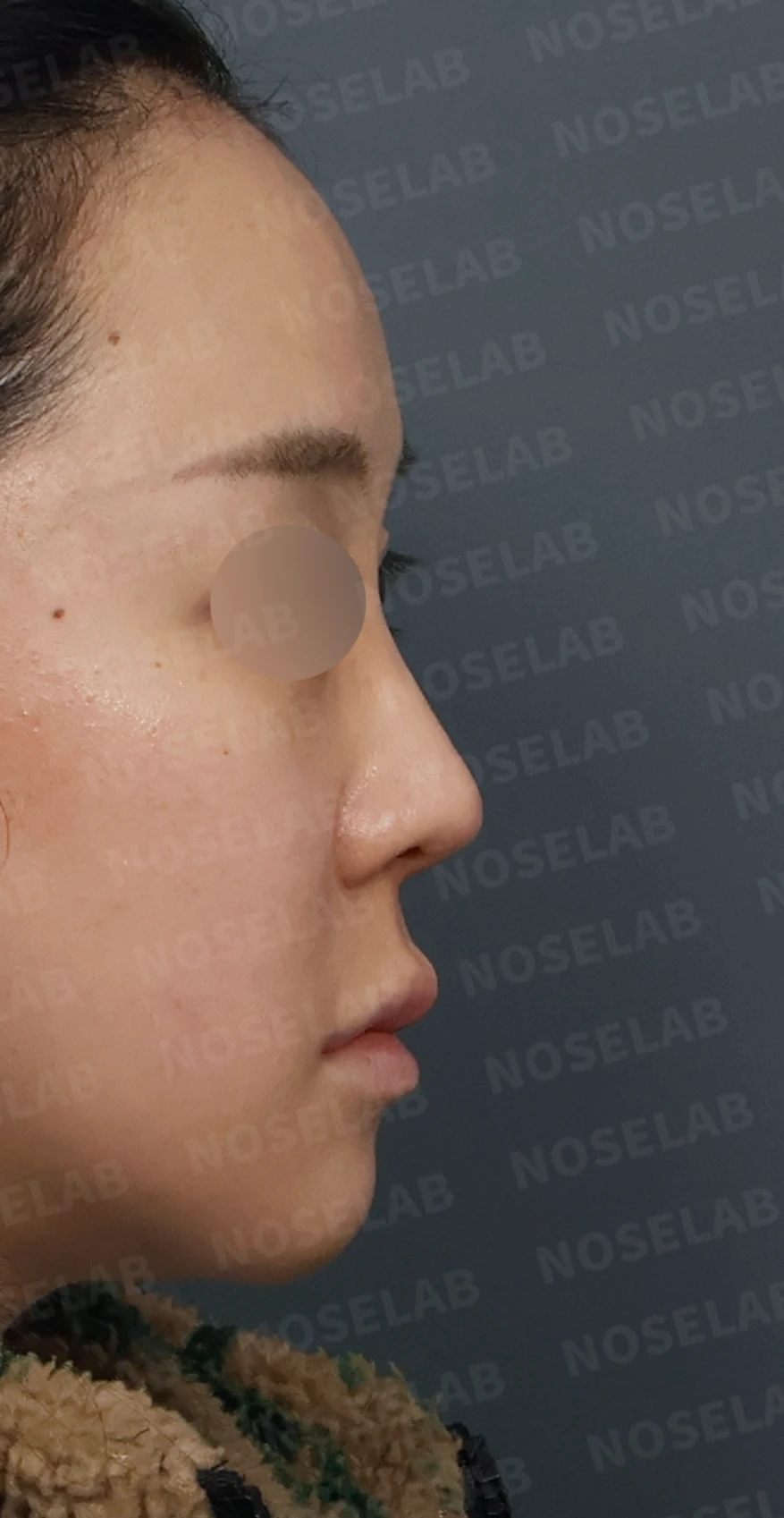
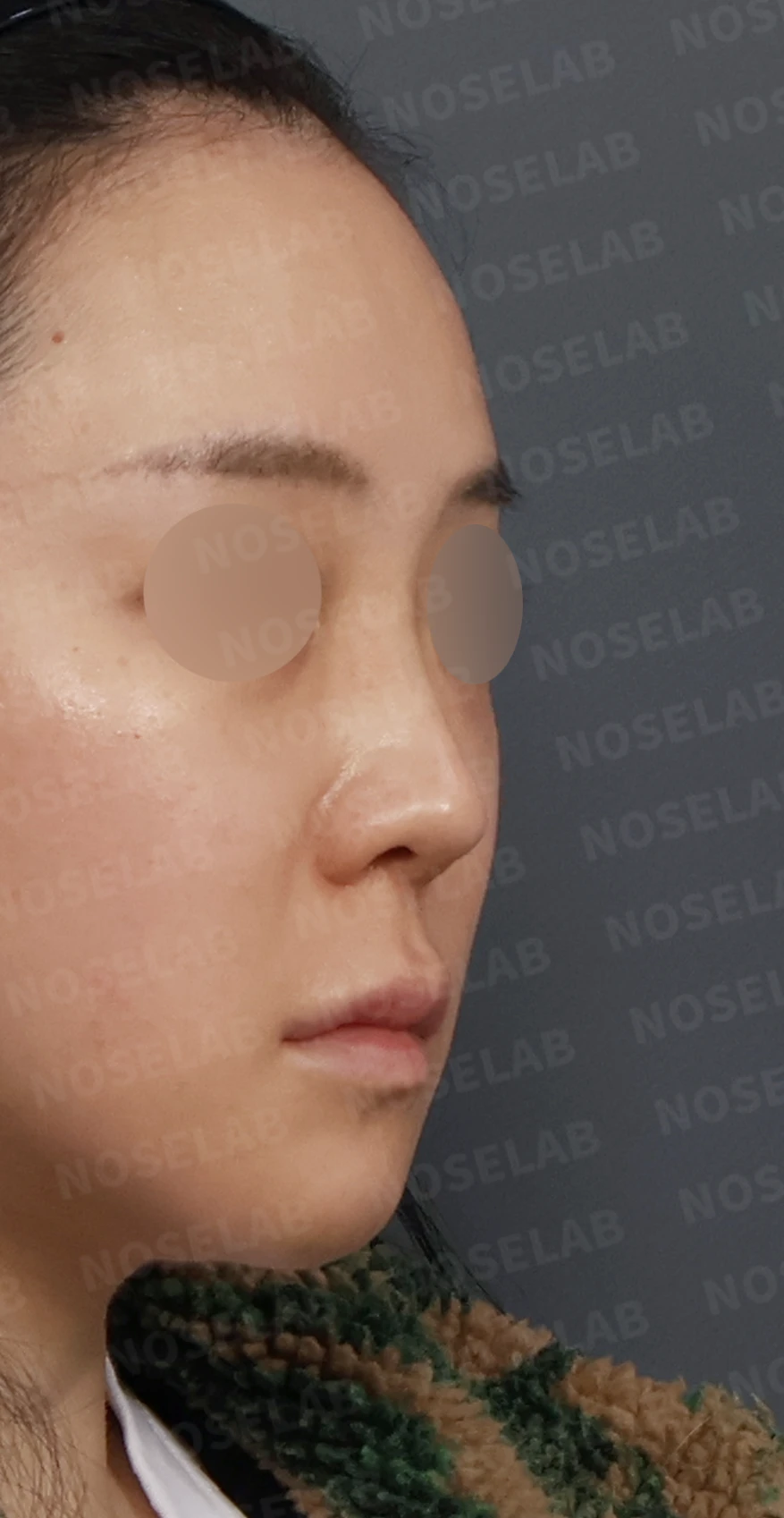
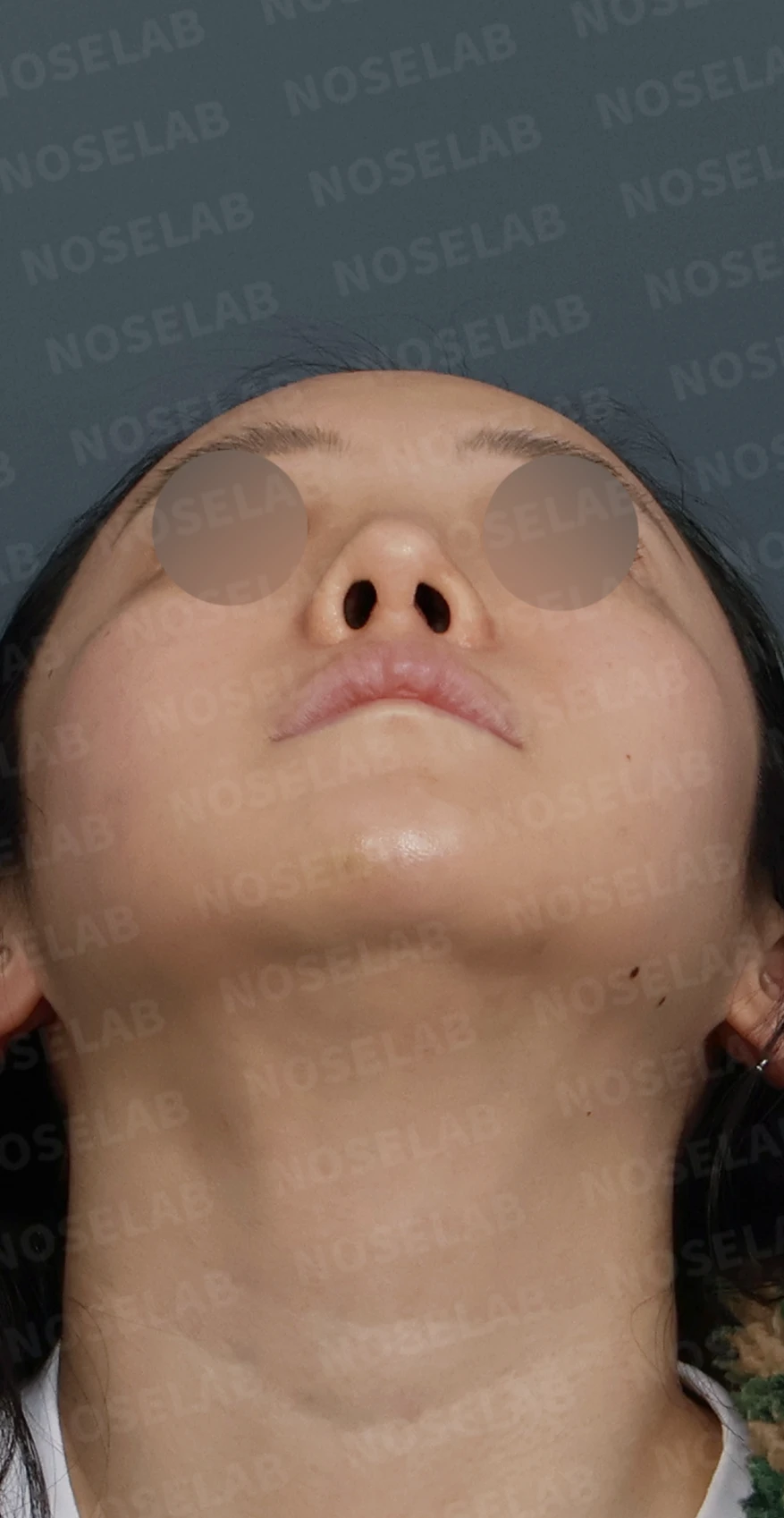
Right profile, oblique, and nostril views during design consultation.
🔧 Surgical plan and procedure
1. Septal reconstruction using autologous rib cartilage
Fundamentally restoring support to the weakened septum
Naturally lowering the upturned nasal tip using septal extension
2. Crooked nose correction and septoplasty
Restoring nasal symmetry by correcting the deviated septum
Pursuing both functional and aesthetic improvements simultaneously
3. Concurrent rhinitis surgery
Resolving the underlying cause of nasal obstruction
Improving breathing function through inferior turbinate reduction
4. Nasal bridge reinforcement
Creating natural height using autologous rib cartilage
Achieved entirely with autologous tissue without artificial implants
5. Nasolabial angle correction and improvement of nostril asymmetry
Improving the profile silhouette and creating the appearance of a less protruding mouth
Achieving better symmetry between the left and right nostrils
🌟 Surgical results
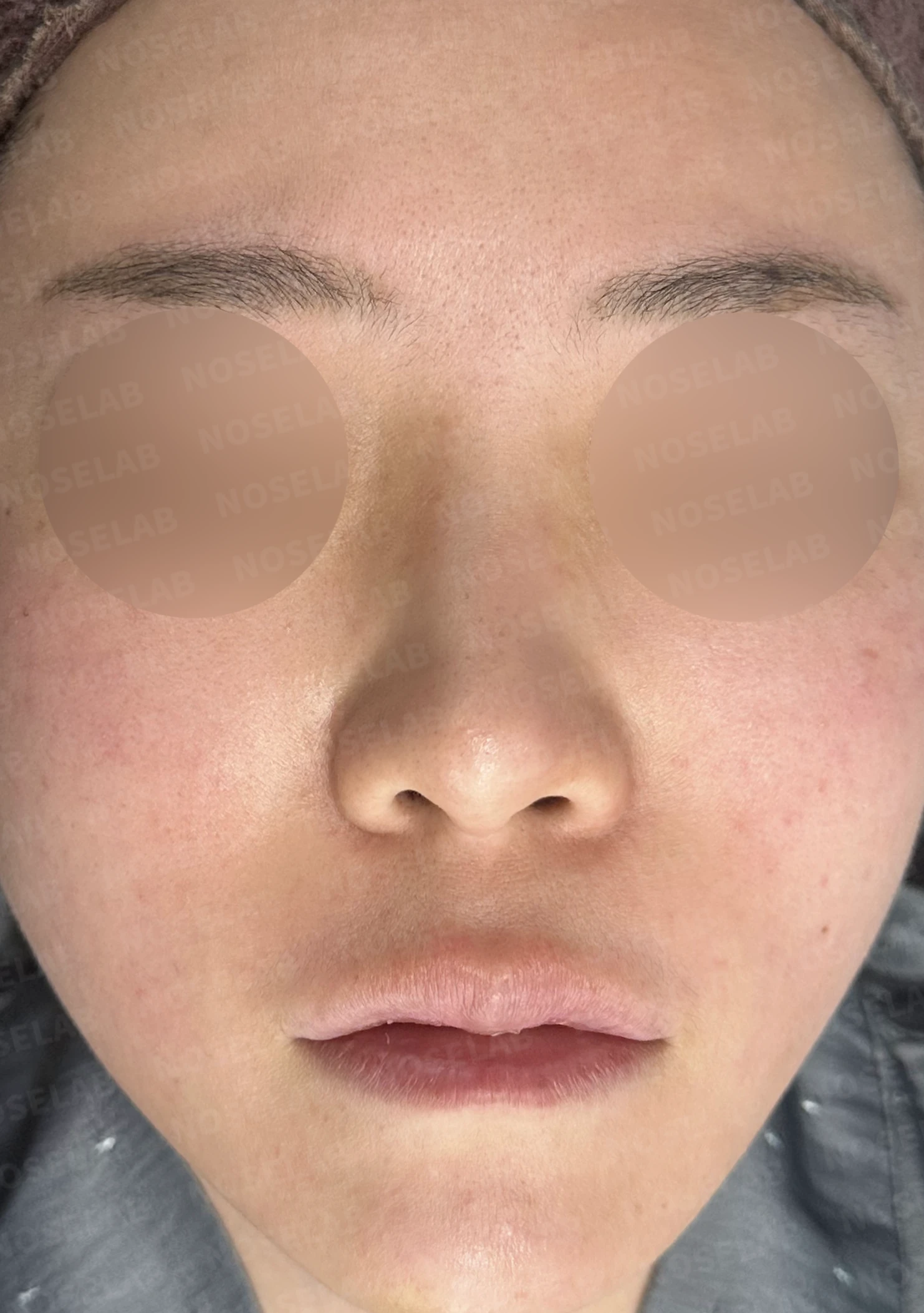
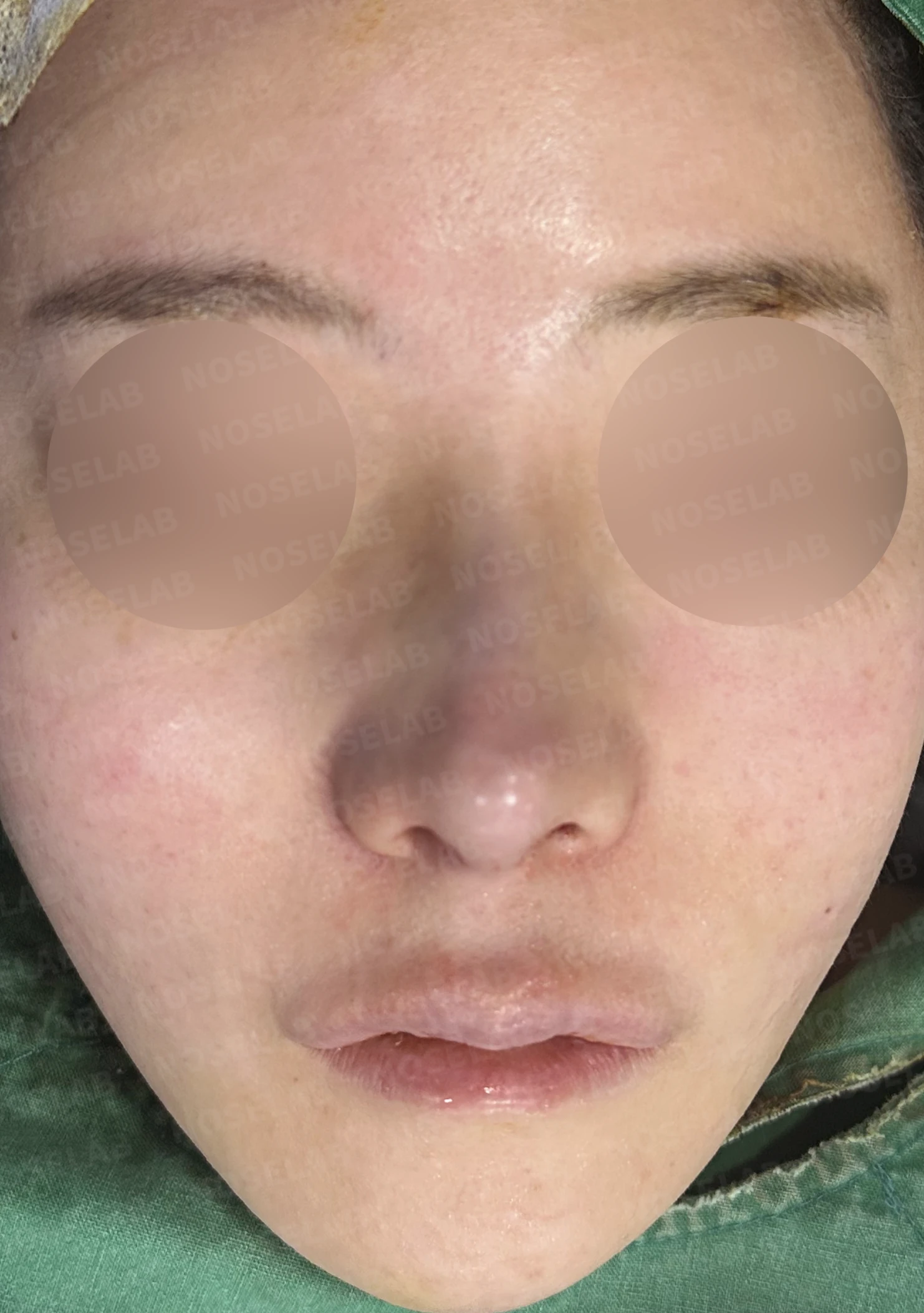
Before surgery / Day 0 immediately after surgery Photos taken immediately after surgery show swelling and may differ from the final result.
Front view changes:
The previously upturned nasal tip was brought down to an appropriate position
Excessive nostril show was naturally reduced
Nostril asymmetry was significantly improved
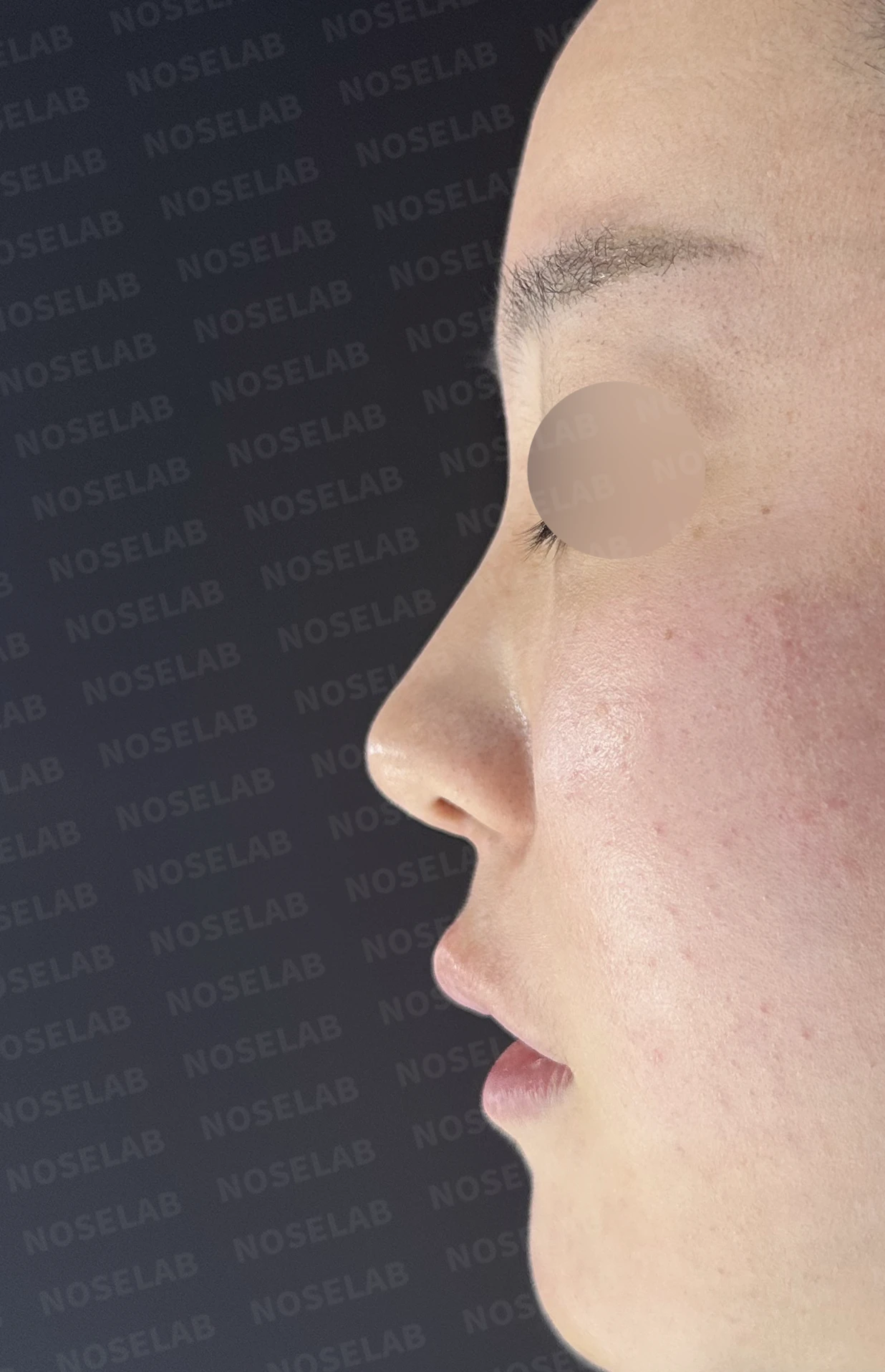
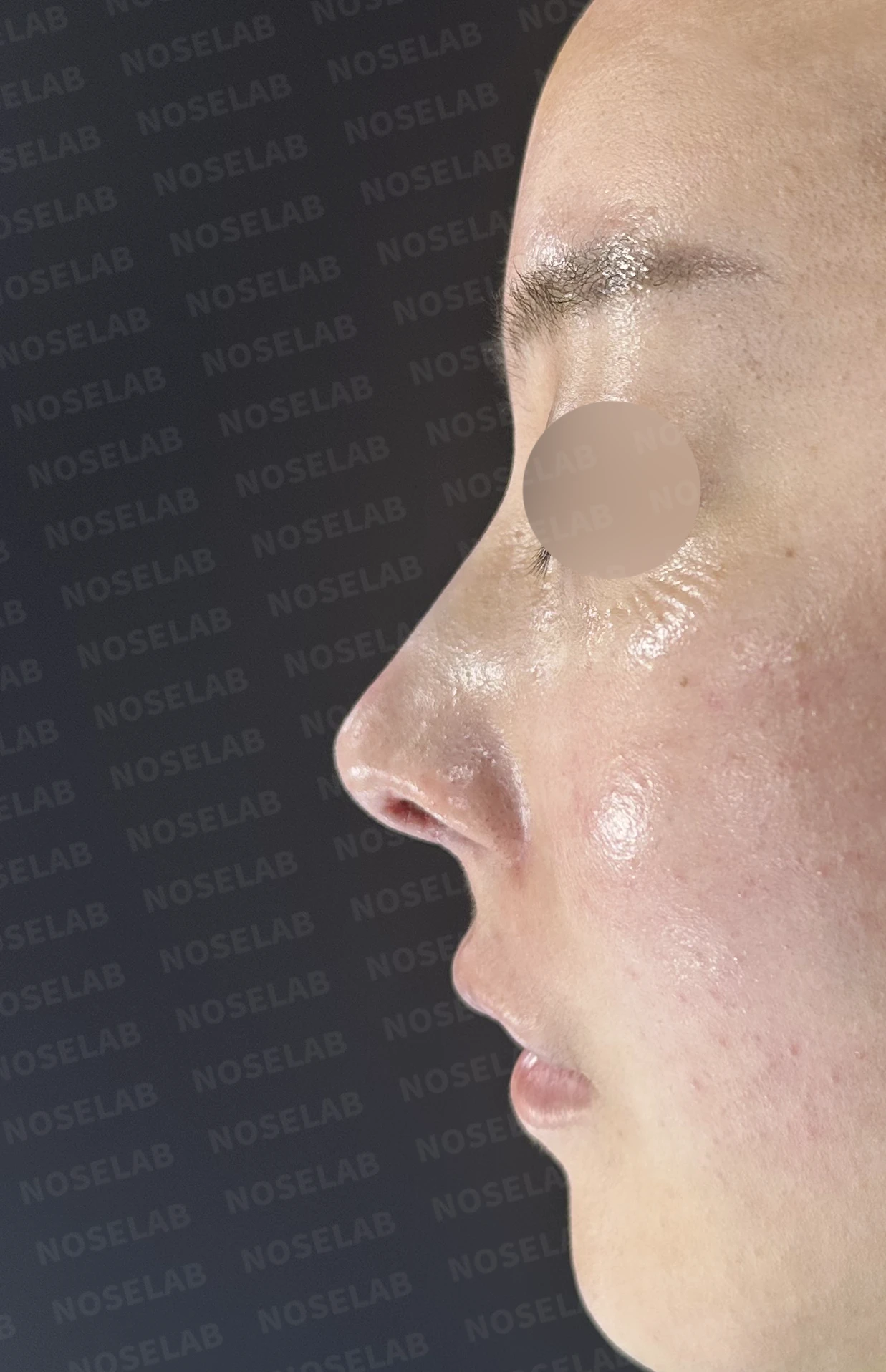
Before surgery / Day 0 immediately after surgery Photos taken immediately after surgery show swelling and may differ from the final result.
Profile view changes:
The upturned tip was corrected, creating a refined nasal line
Correcting the nasolabial angle visually softened the appearance of a protruding mouth
Achieved the slightly longer, natural line that the patient desired
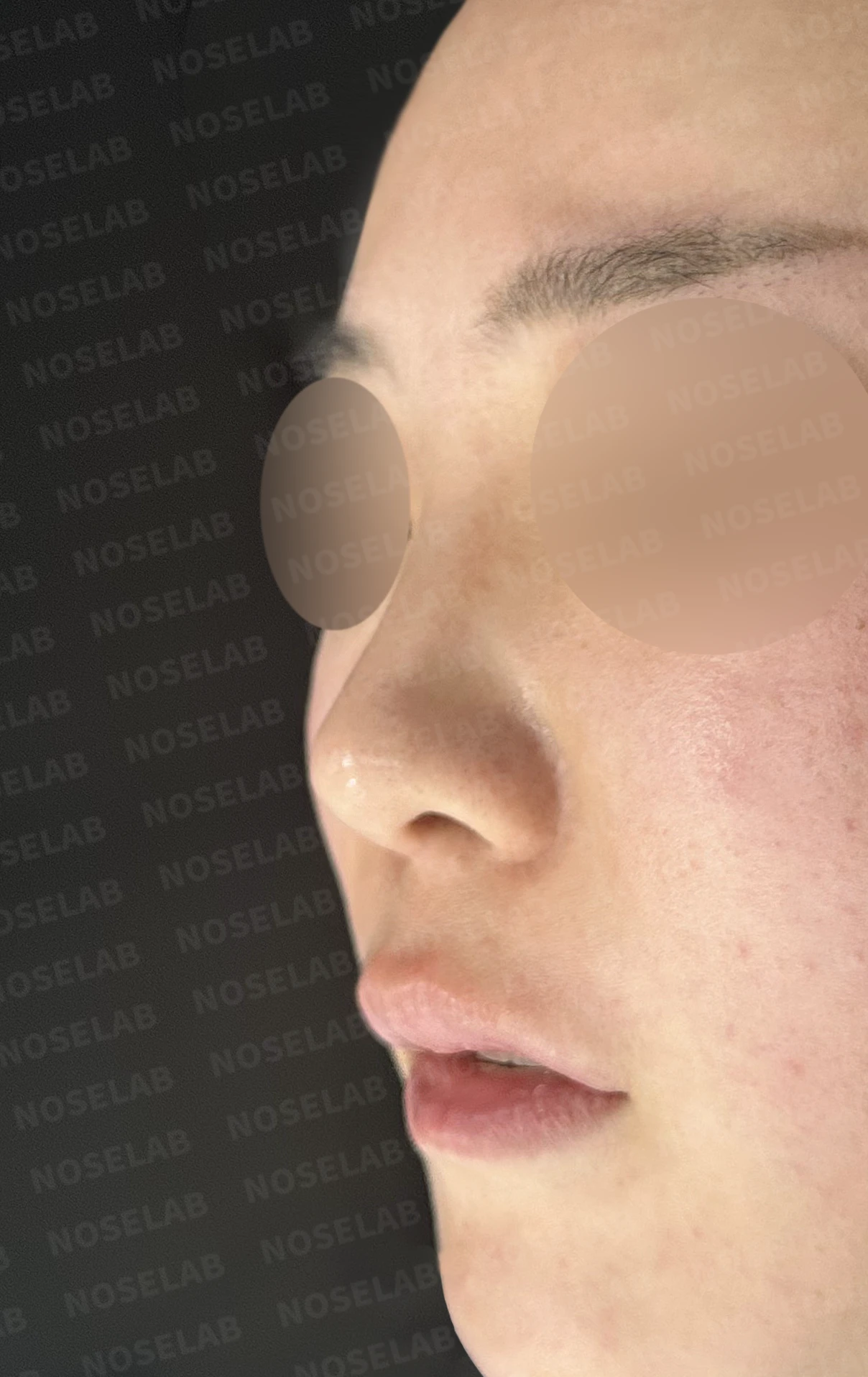
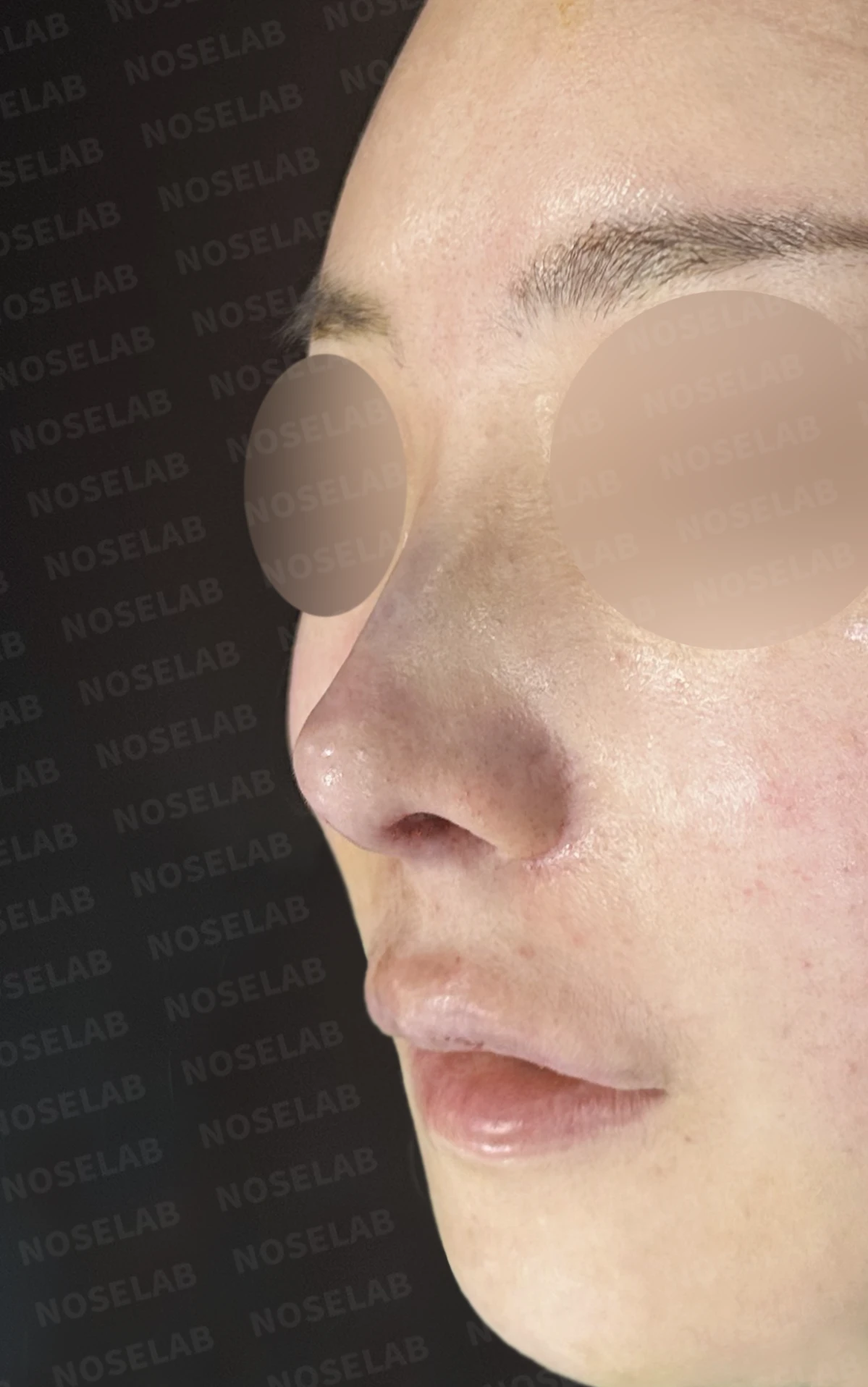
Before surgery / Day 0 immediately after surgery Photos taken immediately after surgery show swelling and may differ from the final result.
Functional changes:
Secured structural stability of the nose through septal reconstruction
Improved nasal obstruction by performing concurrent rhinitis surgery
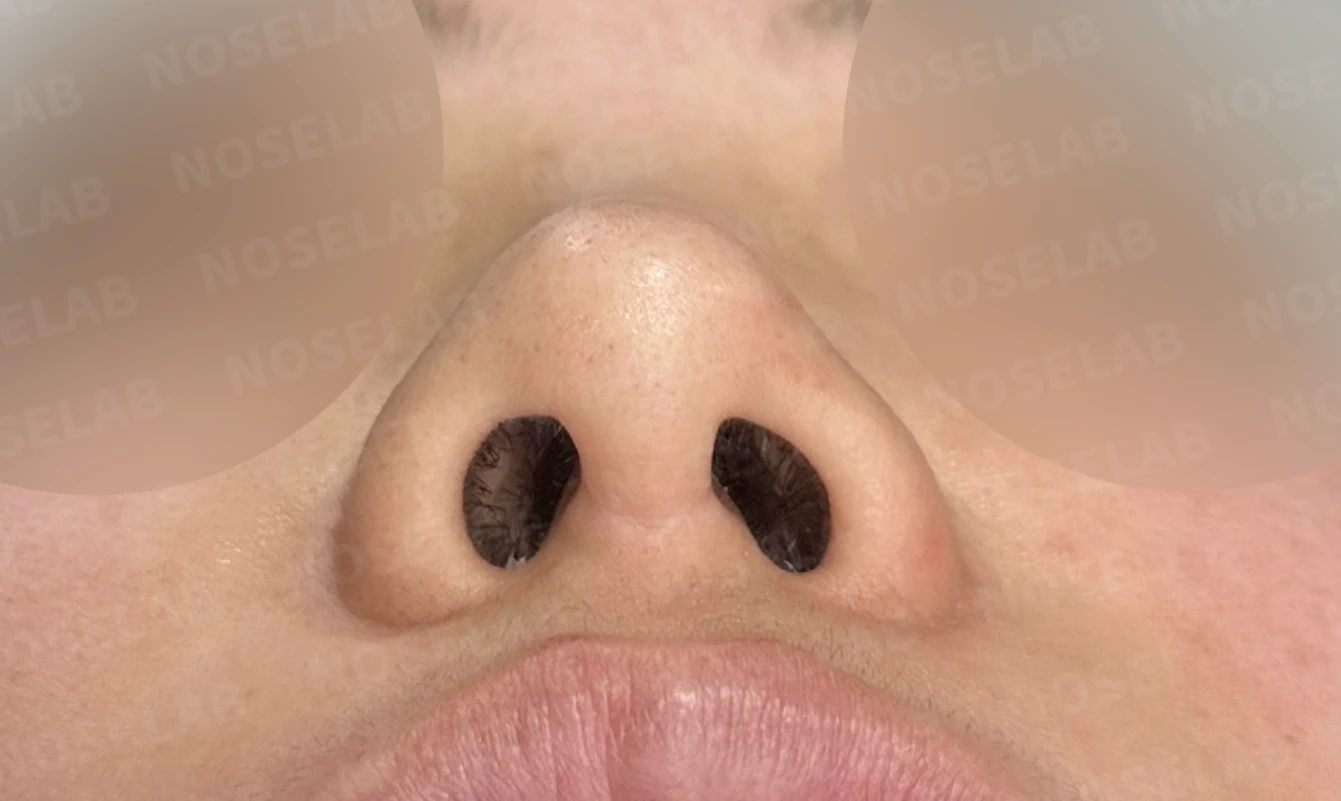
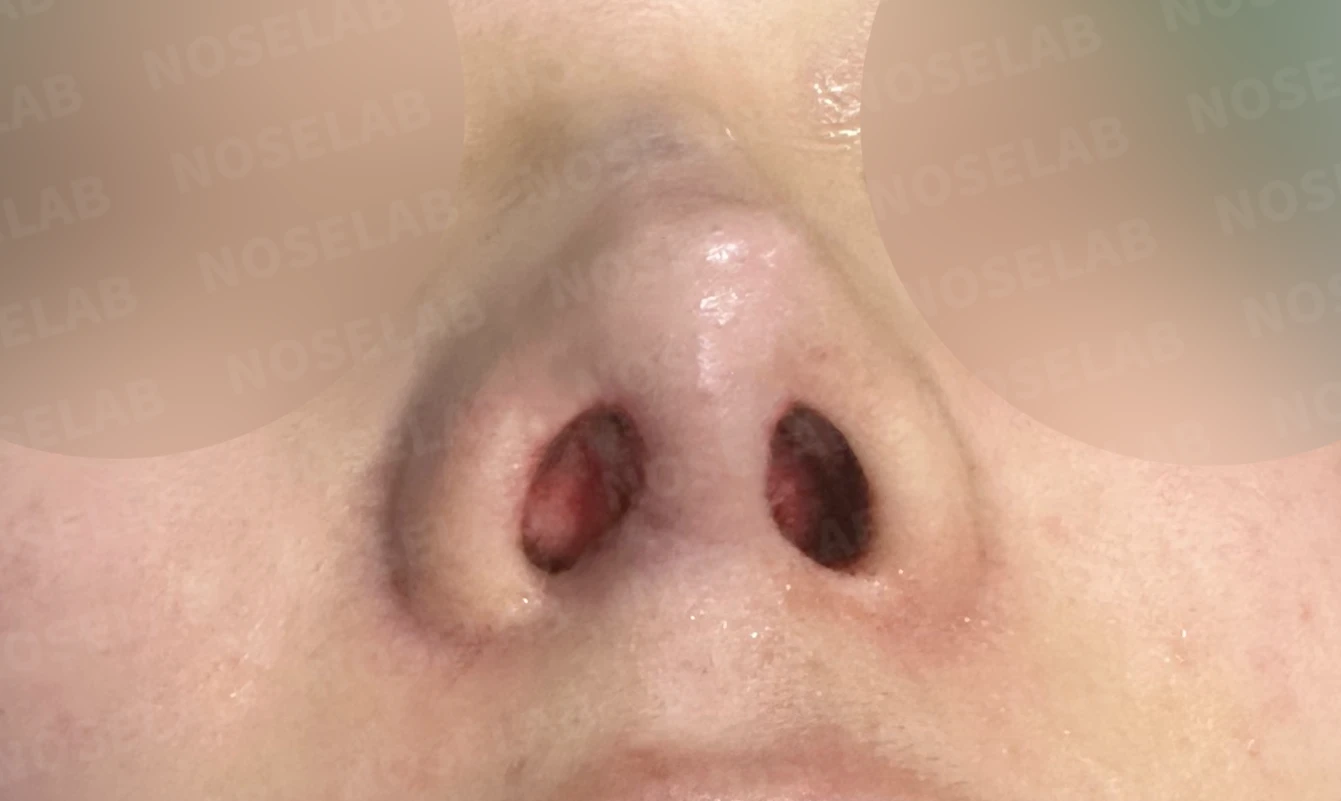
Before surgery / Day 0 immediately after surgery Photos taken immediately after surgery show swelling and may differ from the final result.
💡 Specialist opinion
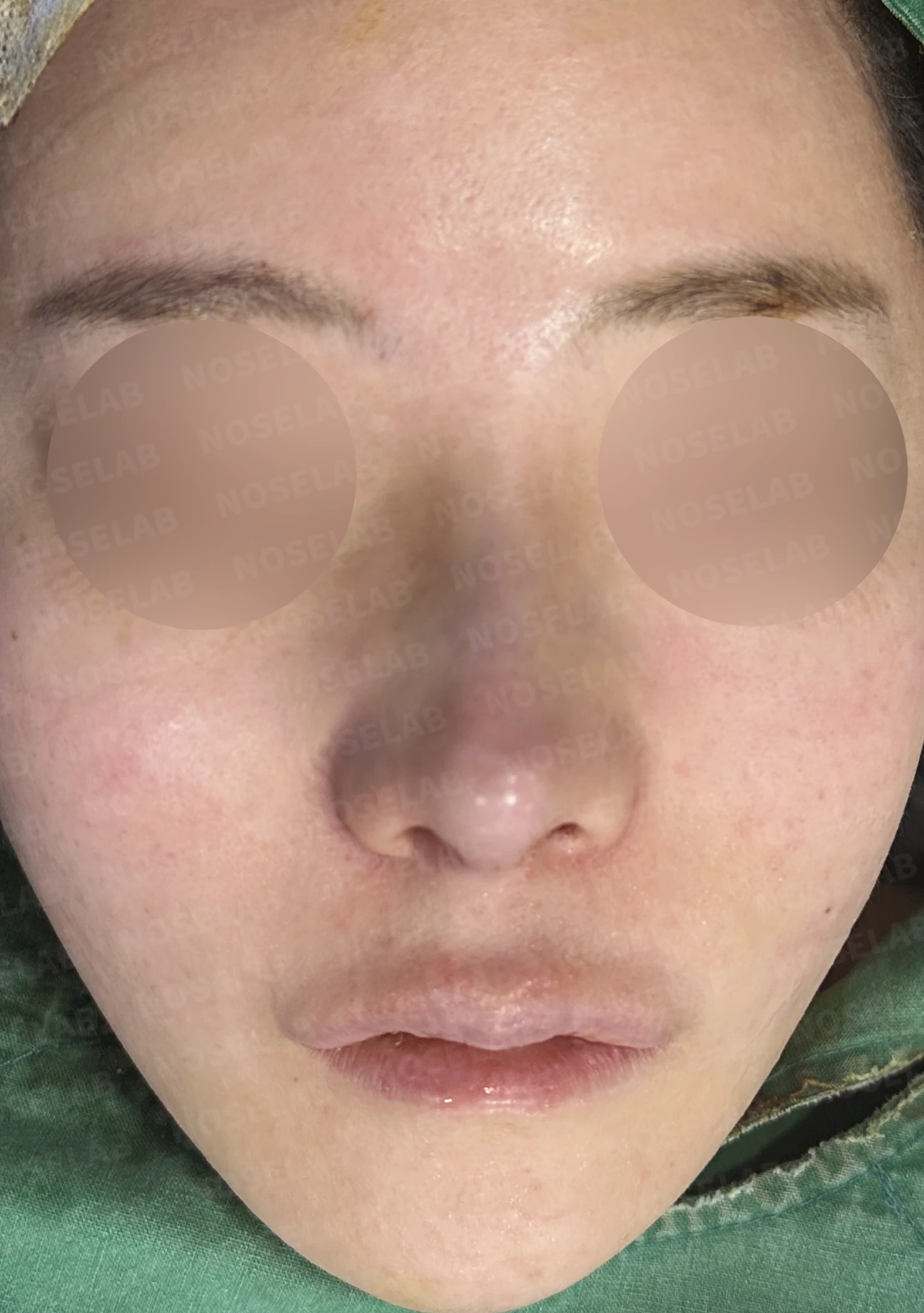
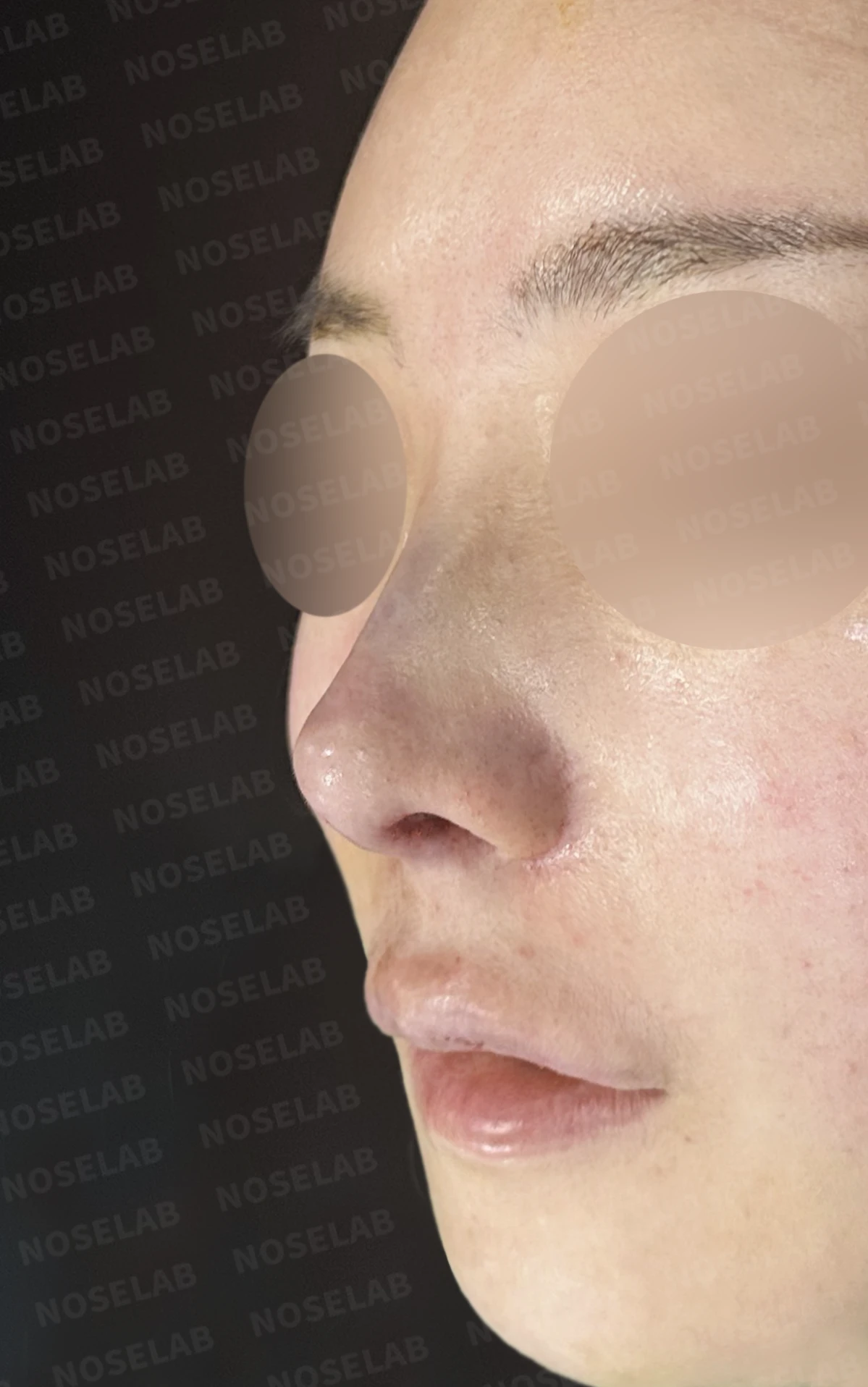
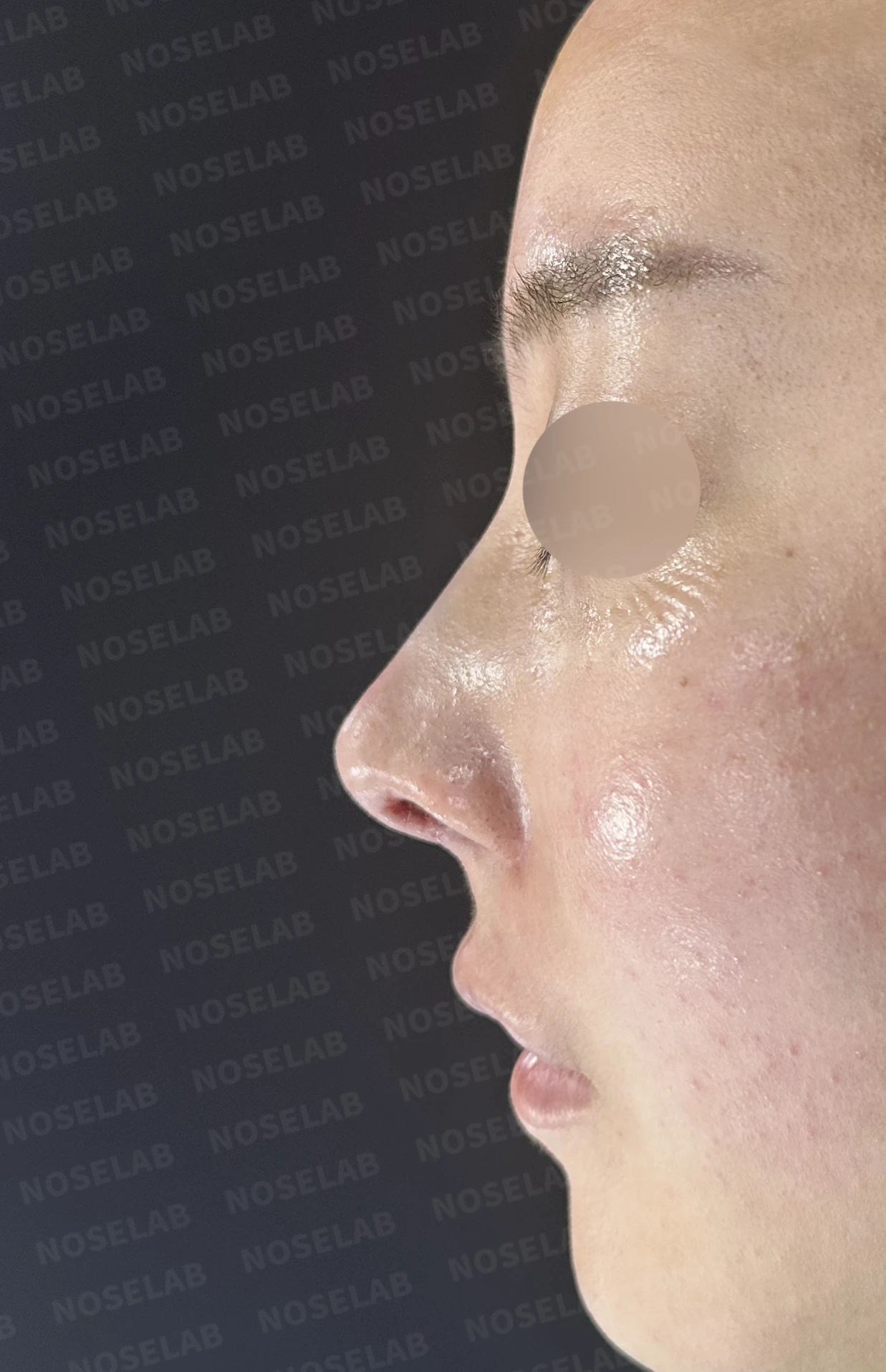
Front, oblique, and profile views on day 0 immediately after surgery. Photos taken immediately after surgery show swelling and may differ from the final result.
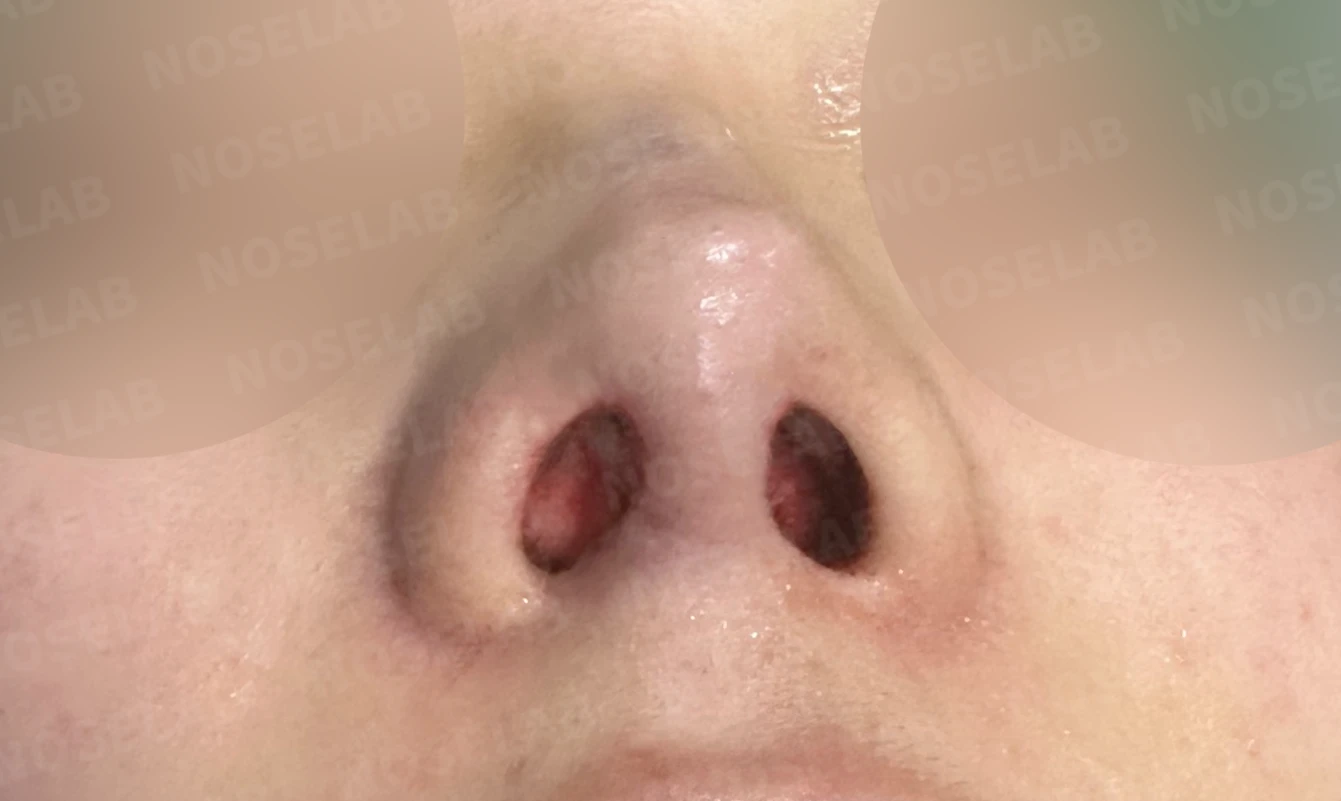
Nostril view on day 0 immediately after surgery. Photos taken immediately after surgery show swelling and may differ from the final result.
In revision rhinoplasty for patients who have undergone multiple nasal surgeries, accurately evaluating the condition of the remaining tissue is paramount. When septal cartilage is severely damaged, as in this case, reconstruction using autologous rib cartilage is the most stable approach.
In particular, correcting an upturned nose cannot be accomplished simply by pulling the tip down; long-lasting results require first securing solid septal support before repositioning and re-angulating the nasal tip. By addressing both functional issues—nasal obstruction and rhinitis—along with aesthetics, we were able to achieve satisfying results in both form and function.
For anyone considering revision rhinoplasty, obtaining an accurate diagnosis of your current internal nasal structures is the essential first step. I hope this case helps those facing similar concerns.
This was Dr. Peter C. Kang. Thank you.

#upturnednosecorrection #revisionrhinoplasty #autologousribcartilagerhinoplasty #nasalobstructionrelief #septalreconstruction #nostrilasymmetry #closedrhinoplasty #closedrevisionrhinoplasty #rhinitissurgery
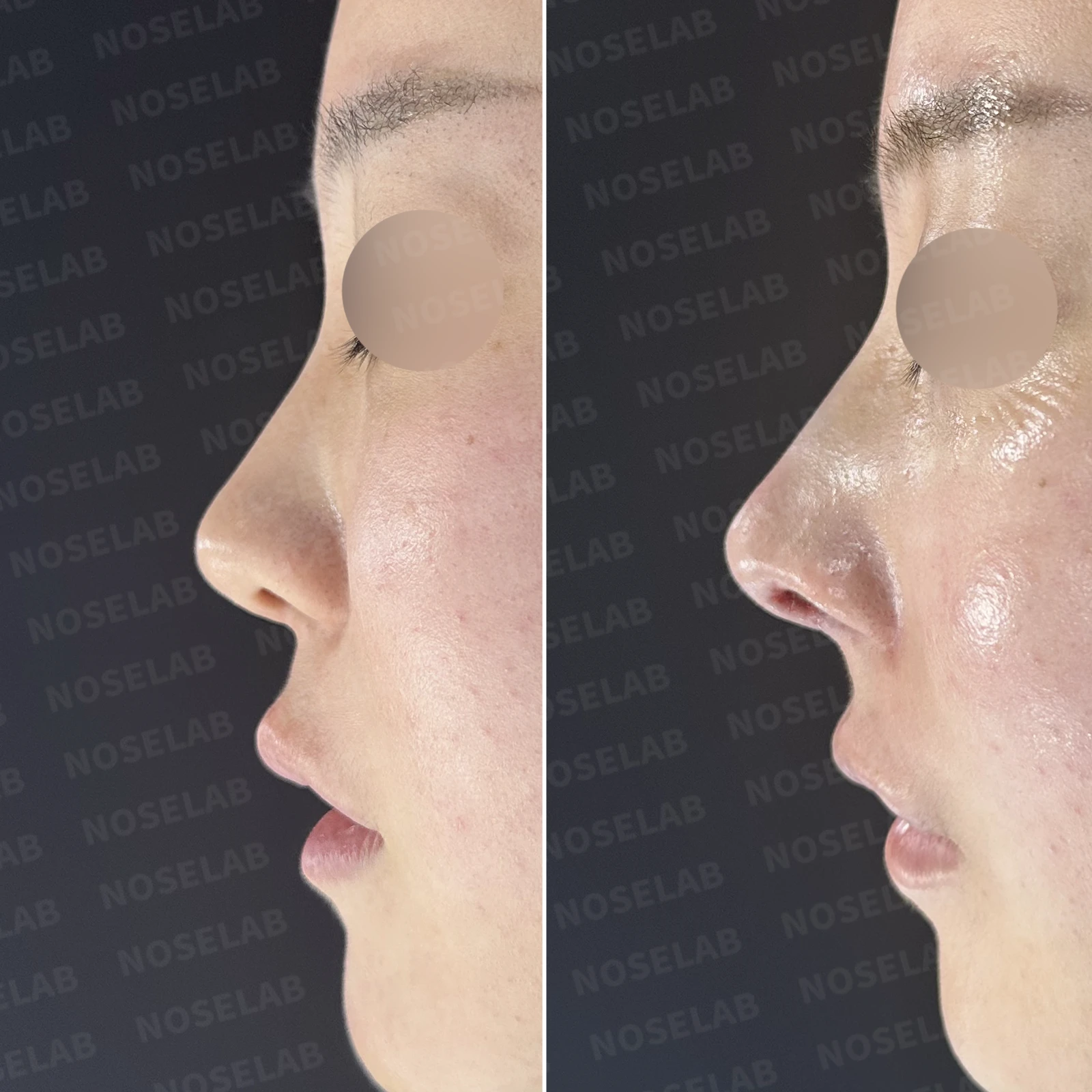
Limitations and risks
When autologous rib cartilage is used, scarring and pain may remain at the donor site on the chest, and pneumothorax (pleural injury) can occur rarely. Over time, the grafted cartilage may warp or undergo partial resorption.
When revising after implant removal, contracture may progress again after removal, the nasal height and length may decrease, and staged surgery may be necessary depending on the skin condition.
When the septum is corrected at the same time, nasal obstruction may persist or recur, and in rare cases, septal perforation or changes in smell may occur.
Common potential risks include infection, bleeding, asymmetry, scarring, skin necrosis, and insufficient improvement; results vary depending on individual skin condition and previous surgical history.