Hello, I am Dr. Peter C. Kang.
Today, I would like to introduce a revision rhinoplasty case of a patient who was troubled by severe septal damage and significant deviation.
🔍 Surgical history
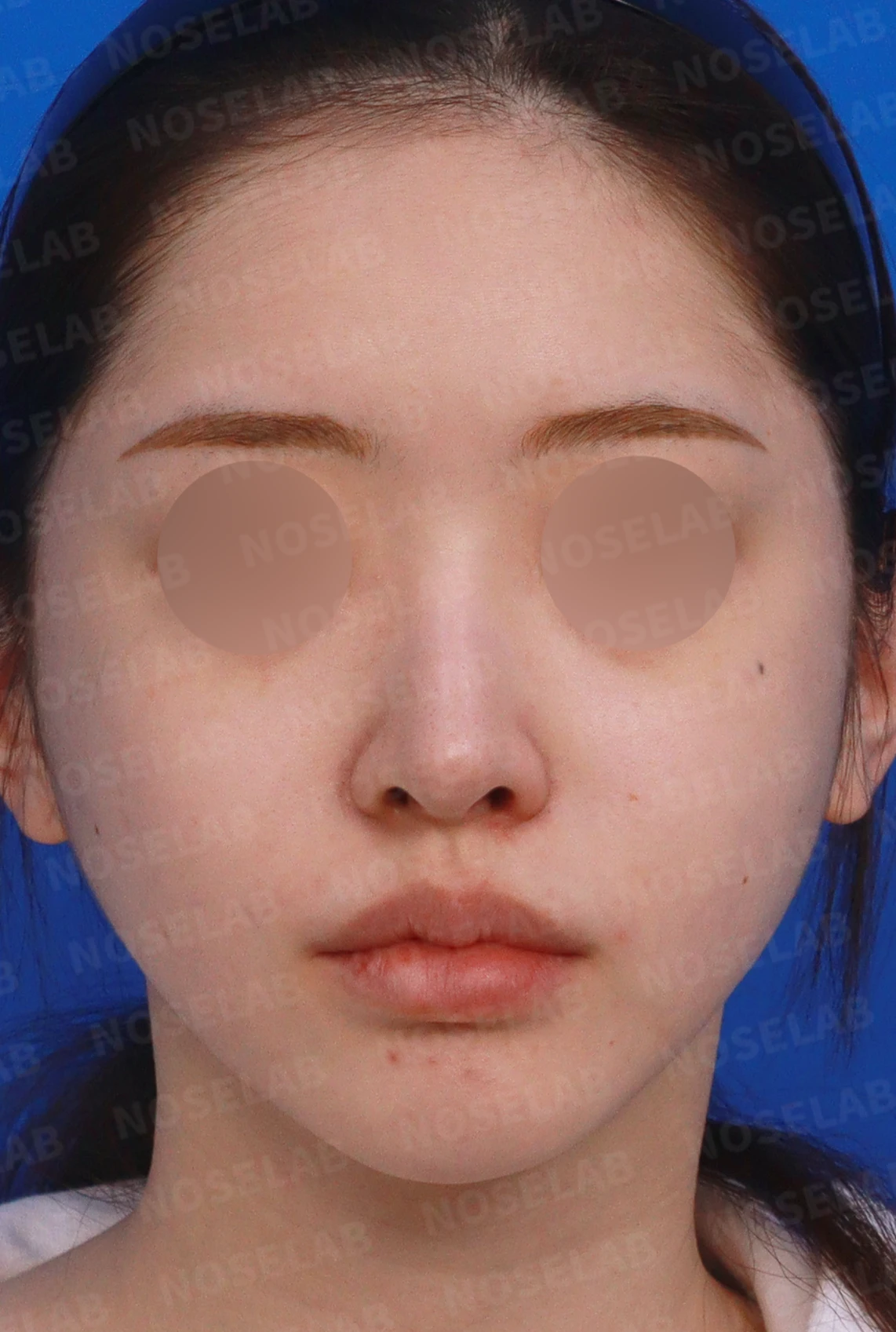
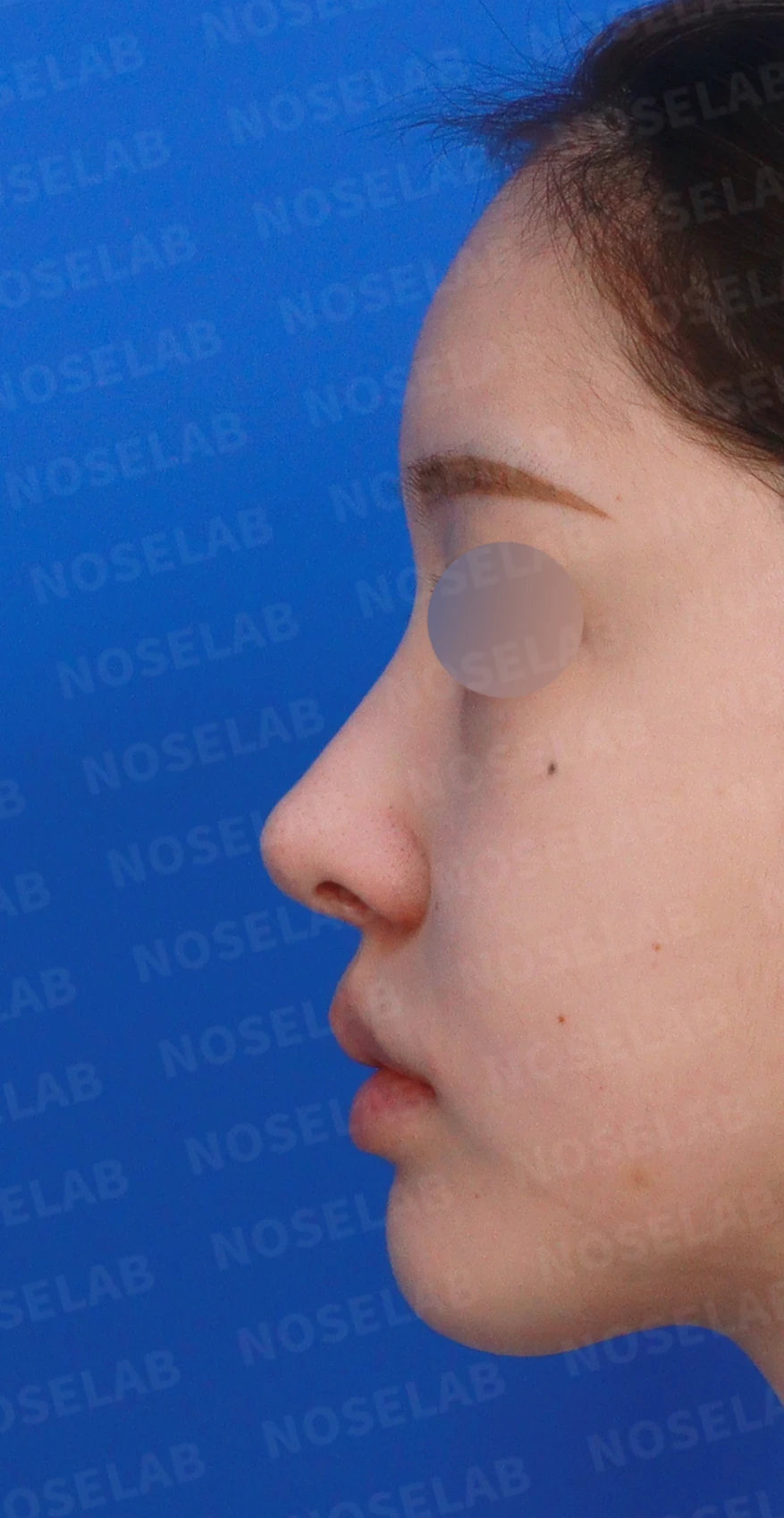
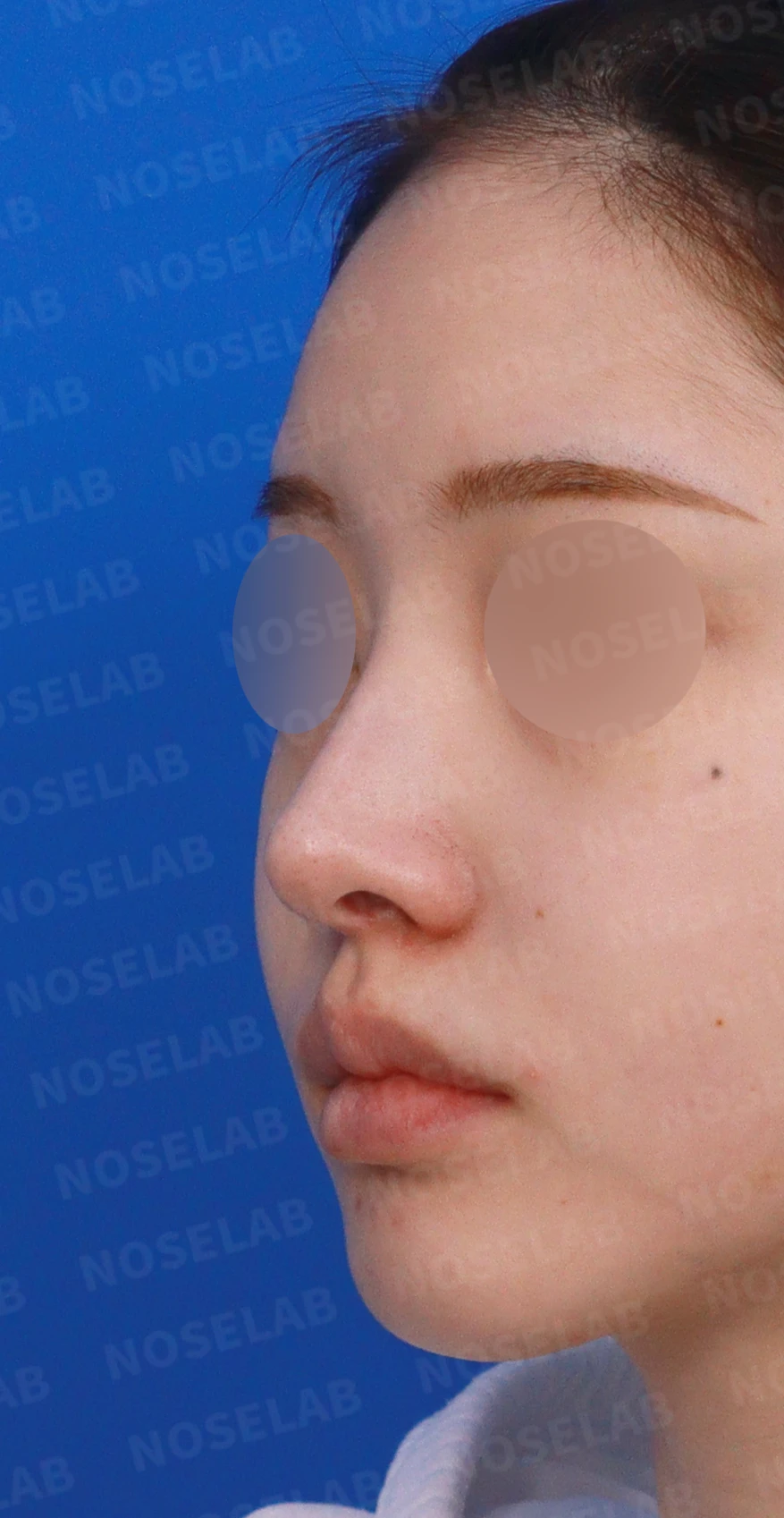
Front, left profile, and oblique views during design consultation.
2 years ago: Rhinoplasty using a silicone implant and donor rib cartilage
💉 Patient requests
In this situation, the patient visited our clinic with the following requests:
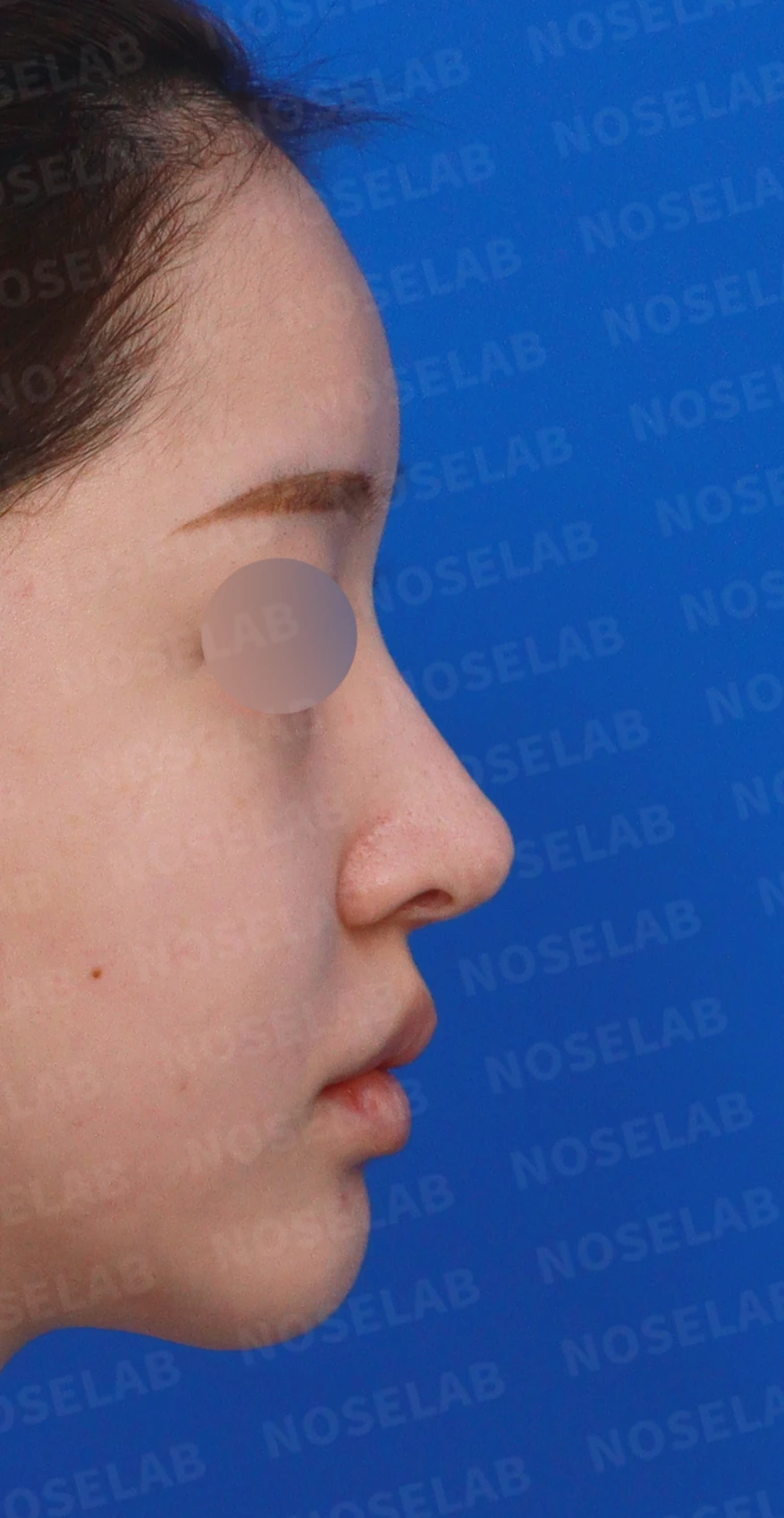
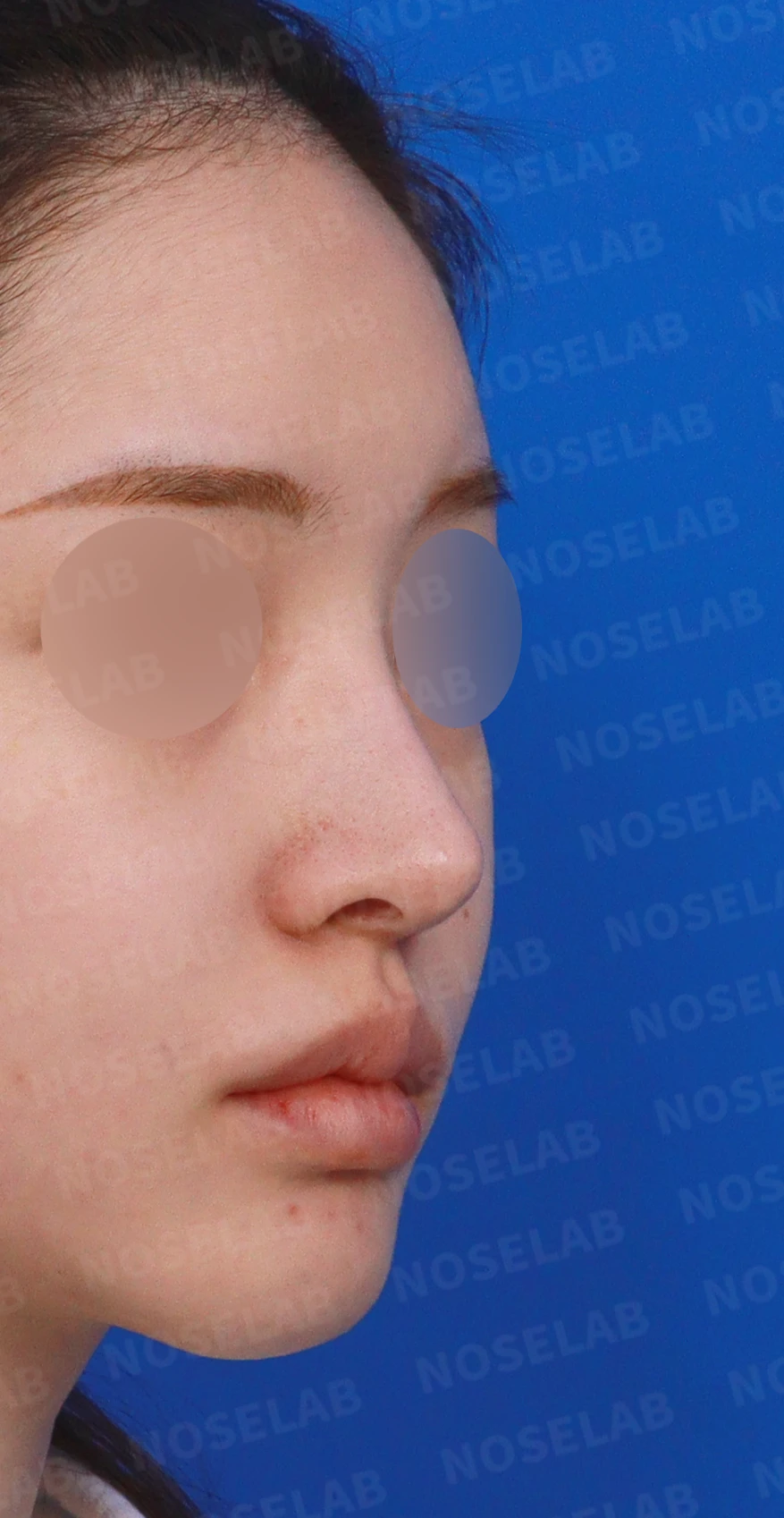
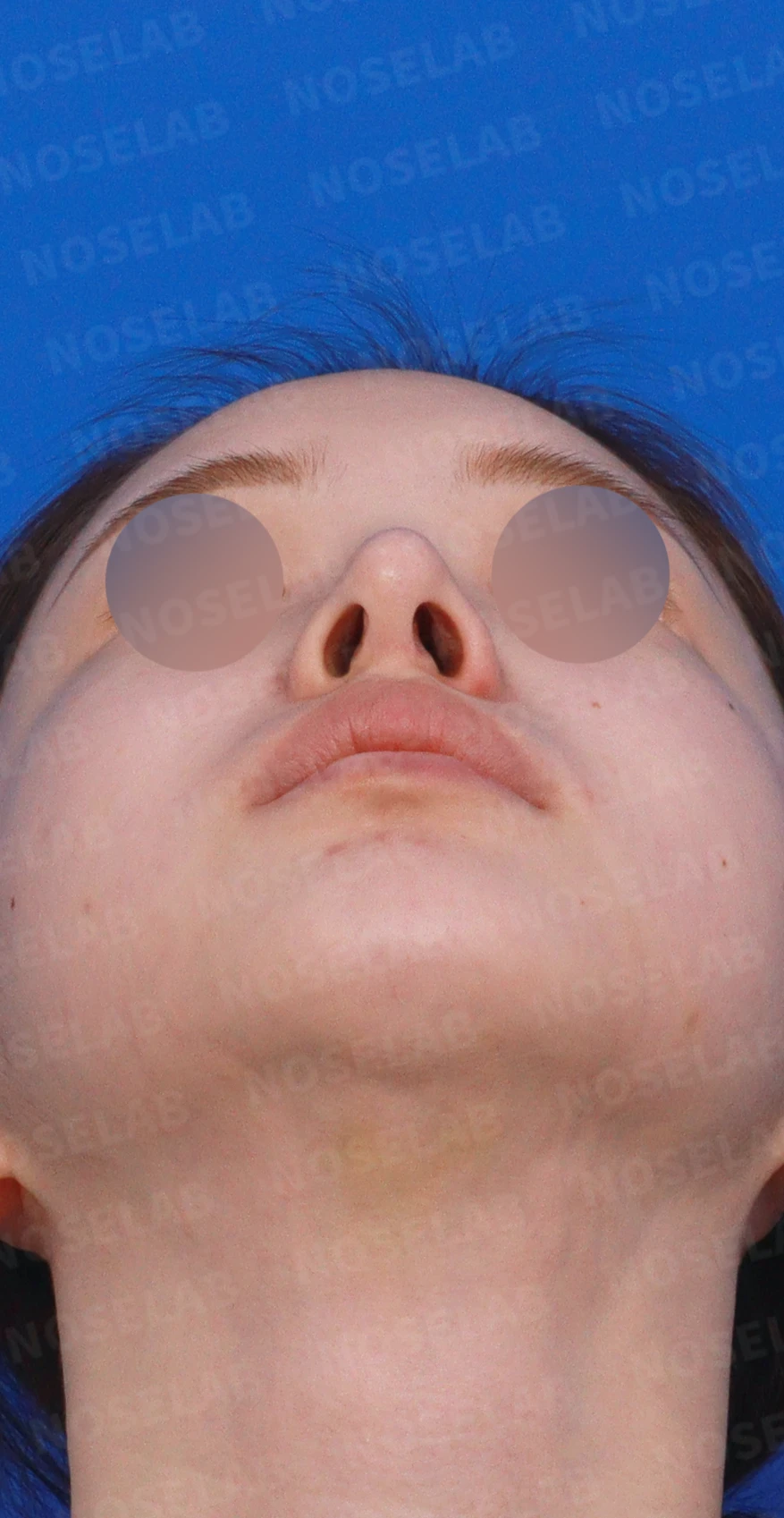
Right profile, oblique, and nostril views during design consultation.
Desired a glamorous nasal line
Desired an appearance where the midface looks shorter
Wished for an overall refined and beautiful nasal shape
The patient particularly had a strong desire for a glamorous nose, and the goal was to resolve the existing structural problems of the nose while creating the desired nasal line.
Surgical plan and procedure
Upon examining the patient's septum, the damage was severe and it was significantly deviated, making structural reconstruction essential.
1. Septal reconstruction using autologous rib cartilage
Harvested autologous rib cartilage to reinforce the damaged septum
Straightened the deviated septum and reinforced solid structural support
Established a stable foundation to elevate the nasal tip
2. Septal extension
Extending the nasal tip based on the reconstructed septum
Created the effect of making the midface appear shorter
Creating a well-defined yet natural tip line
3. Nasolabial angle correction
Adjusted the angle between the nose and upper lip on the profile view
Completed a refined profile
Improvement in overall facial balance
🌟 Surgical results
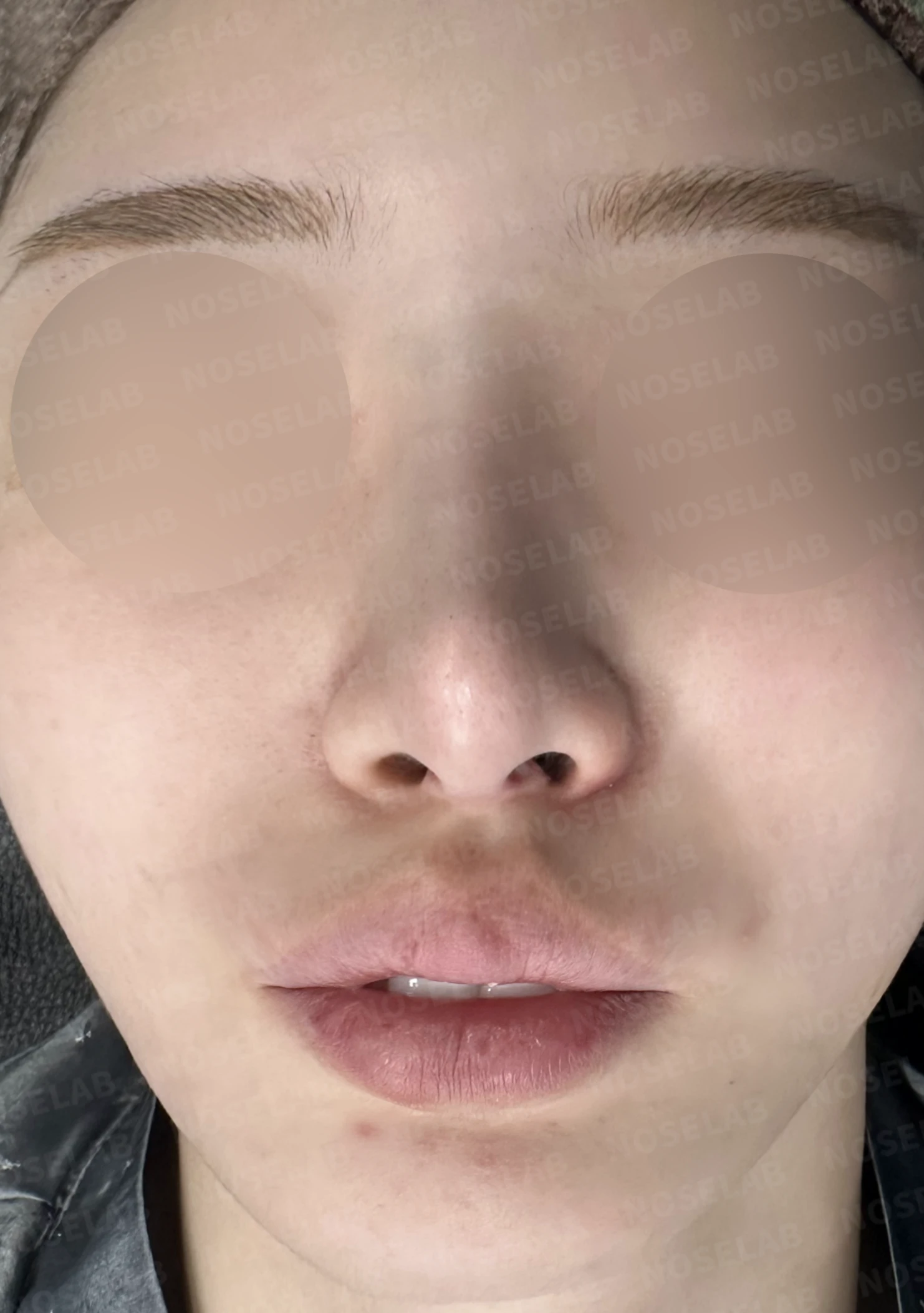
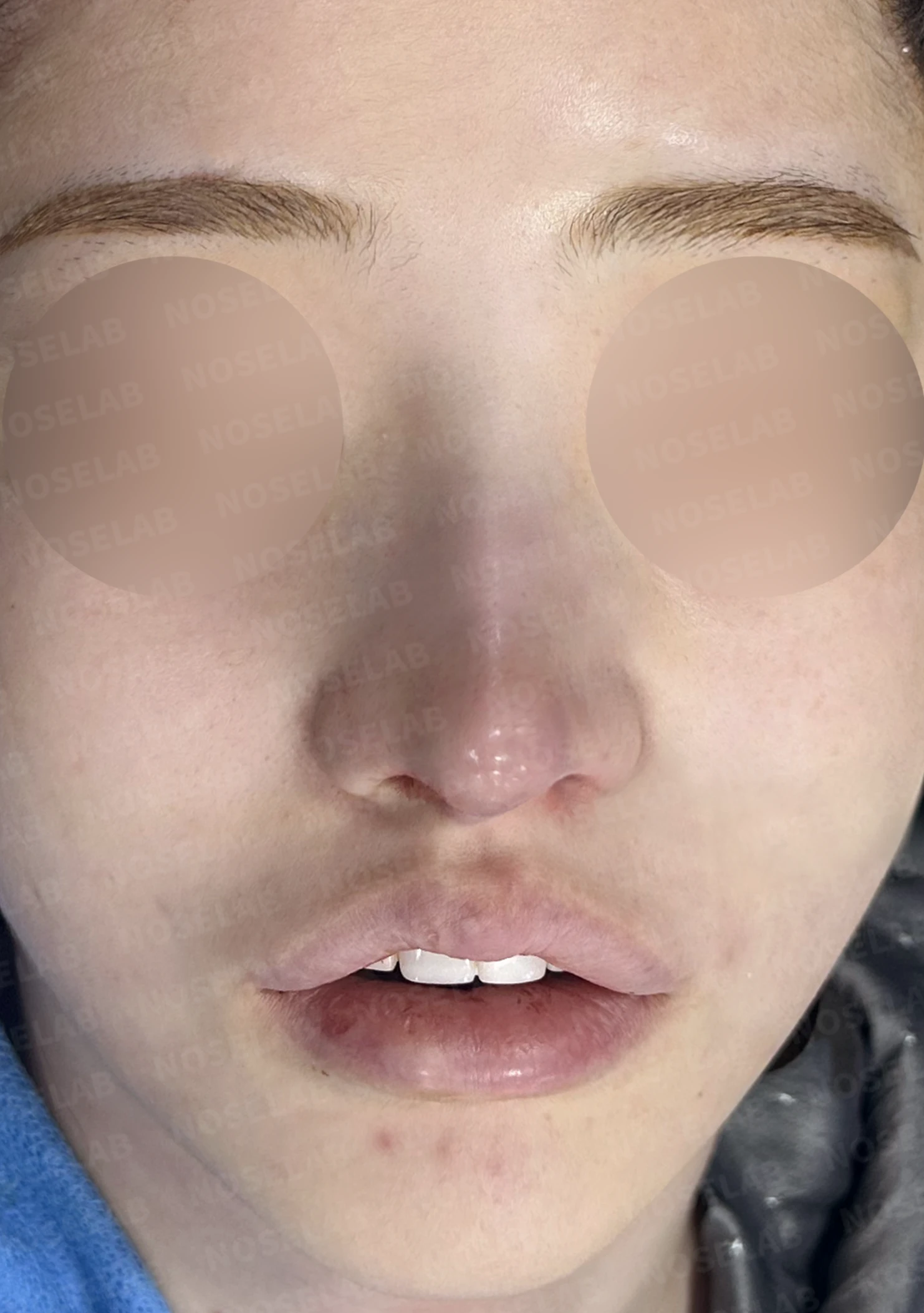
Before surgery / Day 0 immediately after surgery Photos taken immediately after surgery show swelling and may differ from the final result.
Front view changes:
The crooked nose was straightened
Nasal tip elevated cleanly and prominently
An overall refined and glamorous impression
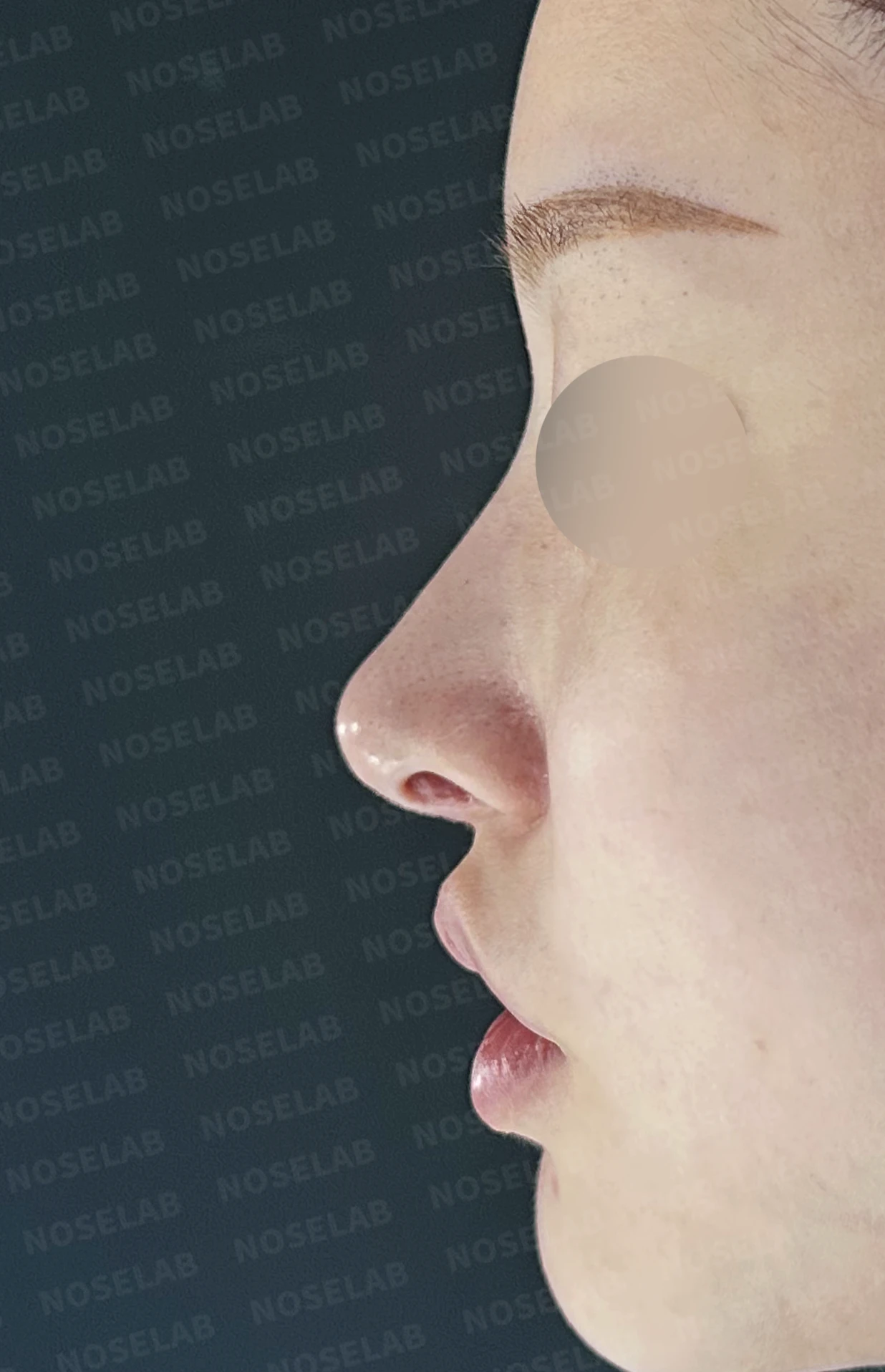
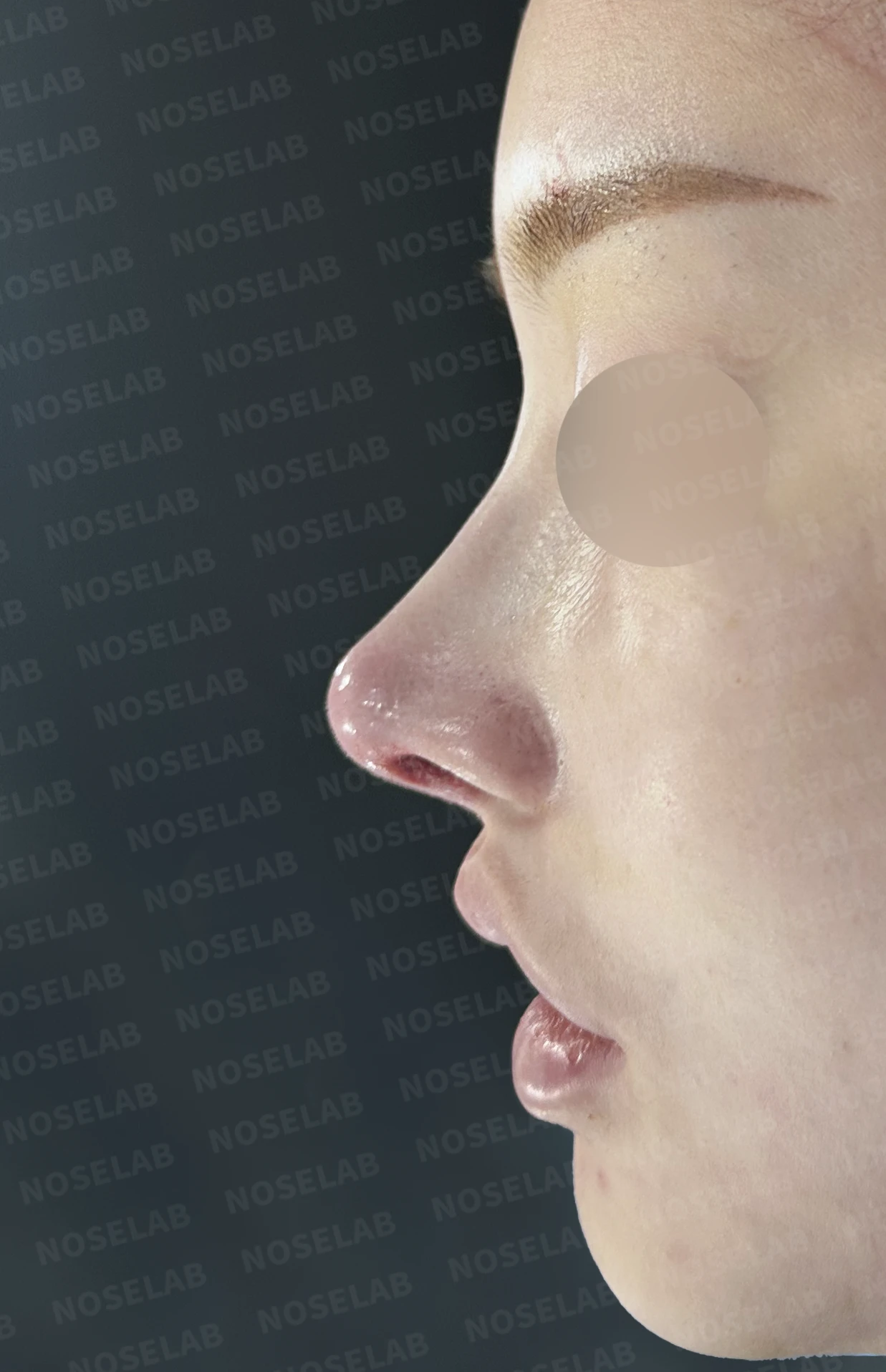
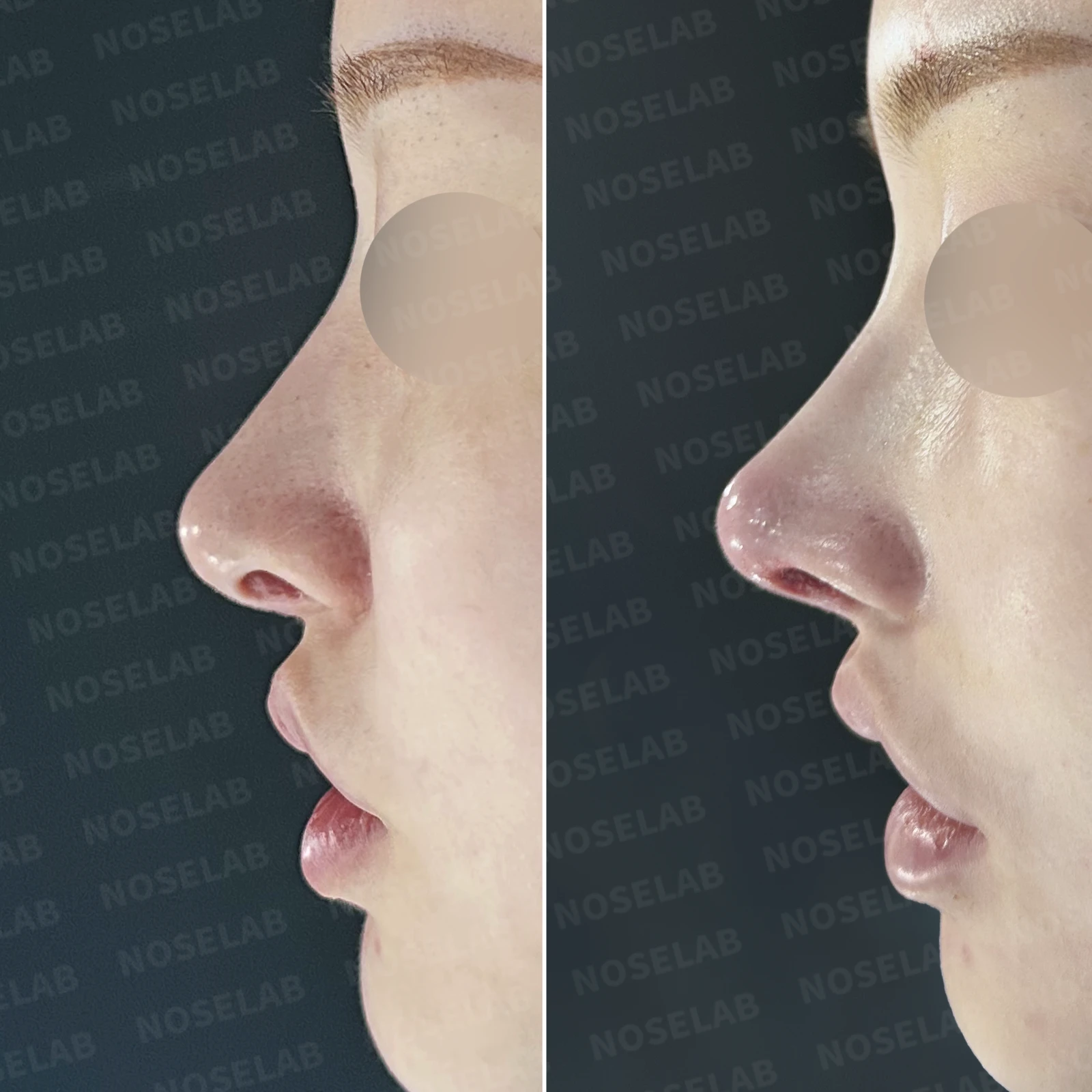
Before surgery / Day 0 immediately after surgery Photos taken immediately after surgery show swelling and may differ from the final result.
Profile view changes:
Improvement in the angle between the upper lip and nose through nasolabial angle correction
An effect of the midface appearing shorter due to proper elevation of the nasal tip
Completion of a glamorous yet natural straight bridge line
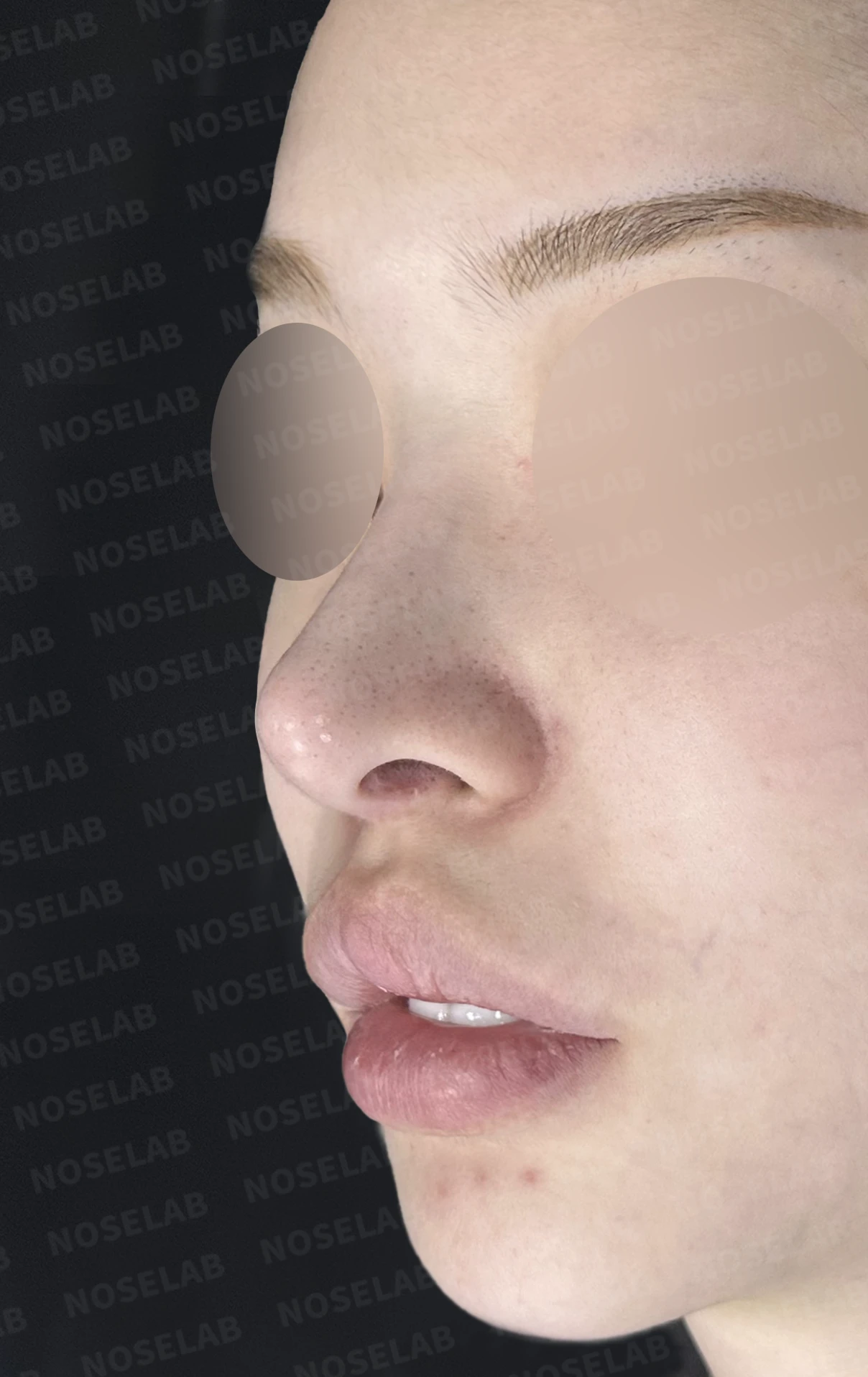
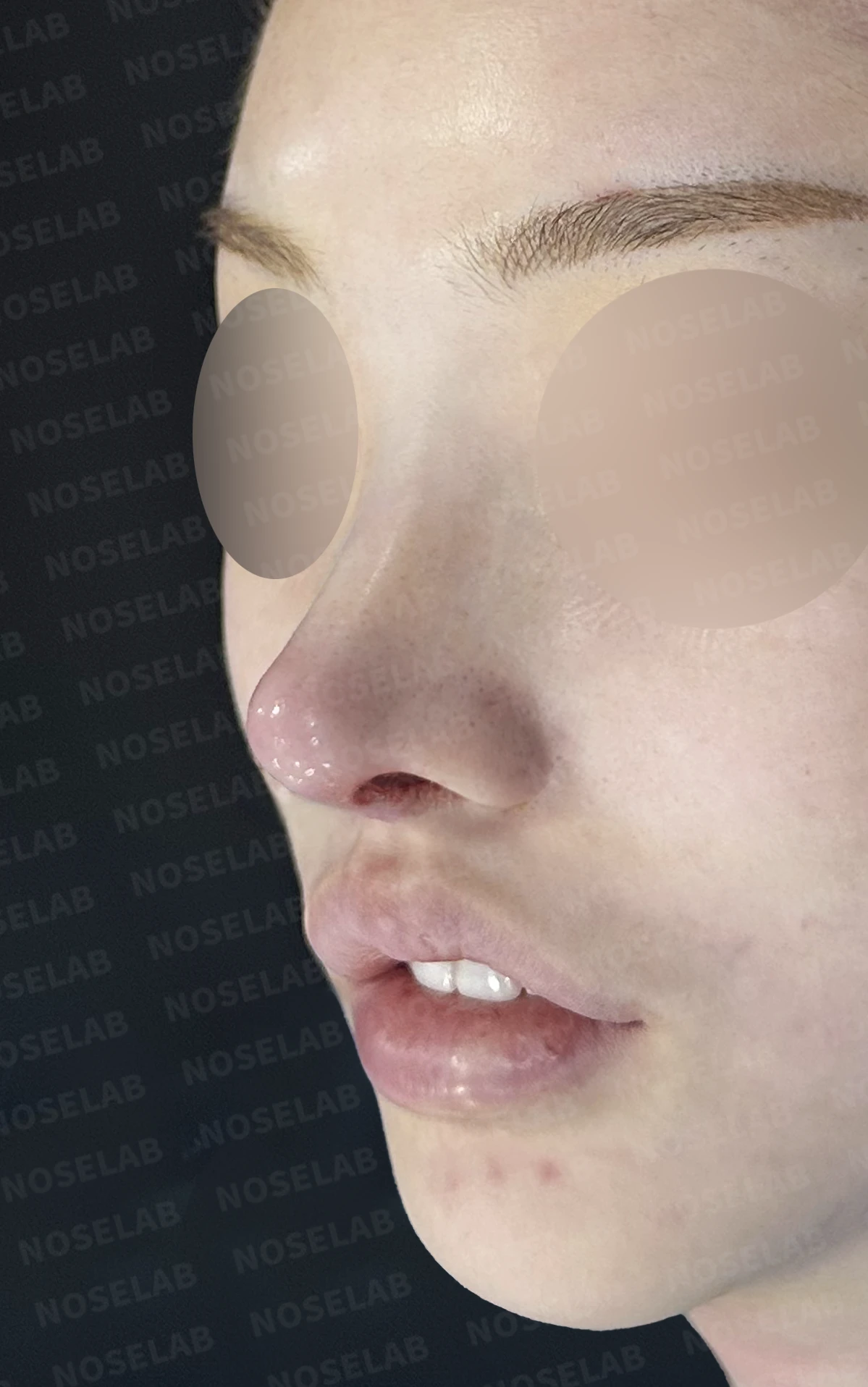
Before surgery / Day 0 immediately after surgery Photos taken immediately after surgery show swelling and may differ from the final result.
Nostril view changes:
Maintaining stable shape by reinforcing tip support
Improvement of left-right symmetry
Overall balanced nasal shape
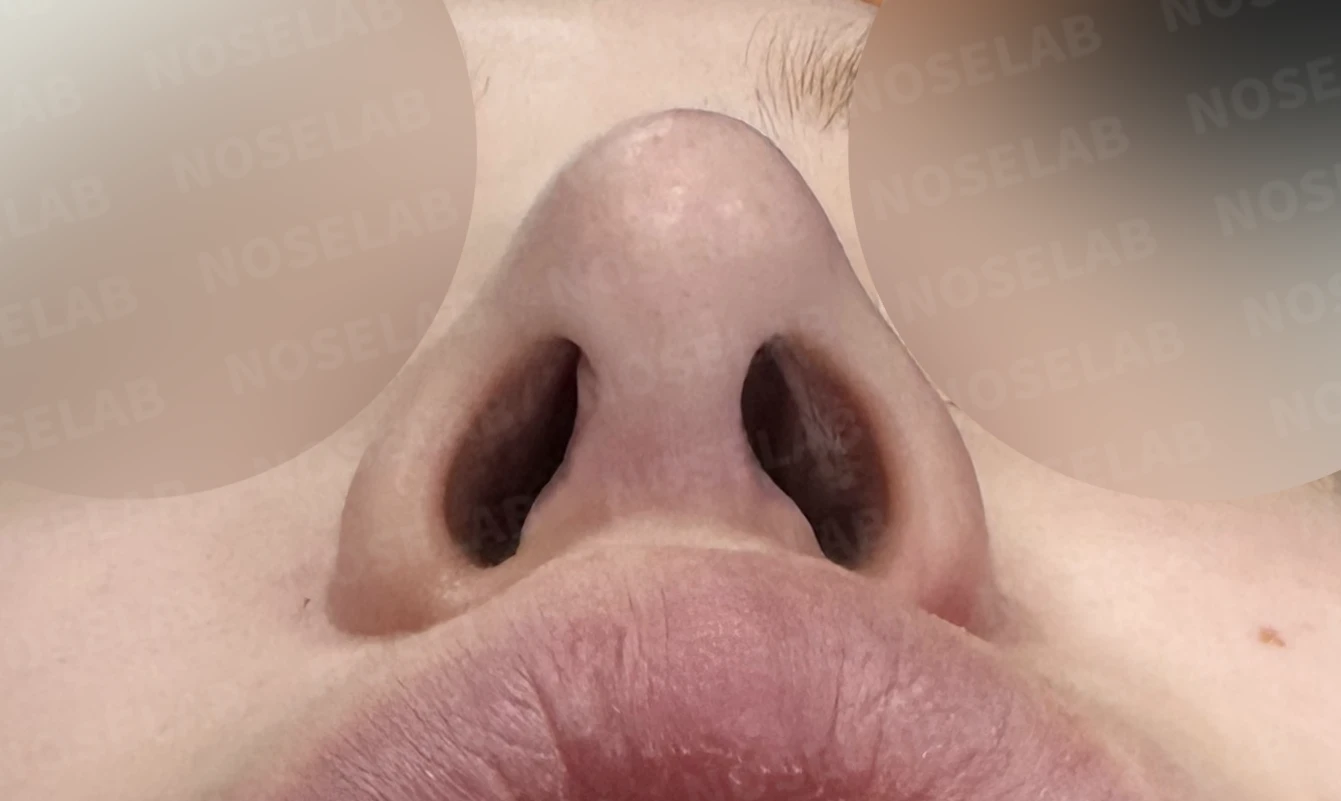
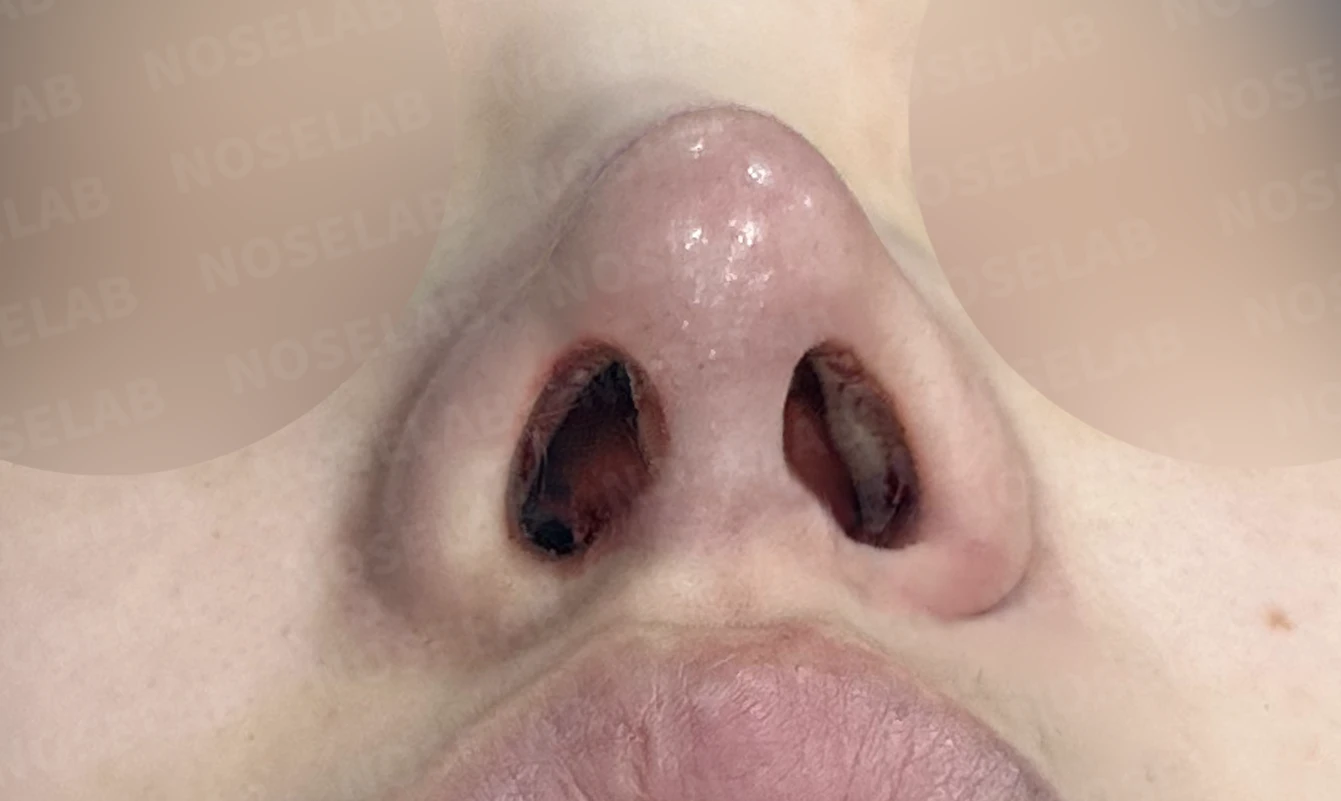
Before surgery / Day 0 immediately after surgery Photos taken immediately after surgery show swelling and may differ from the final result.
💡 Specialist opinion
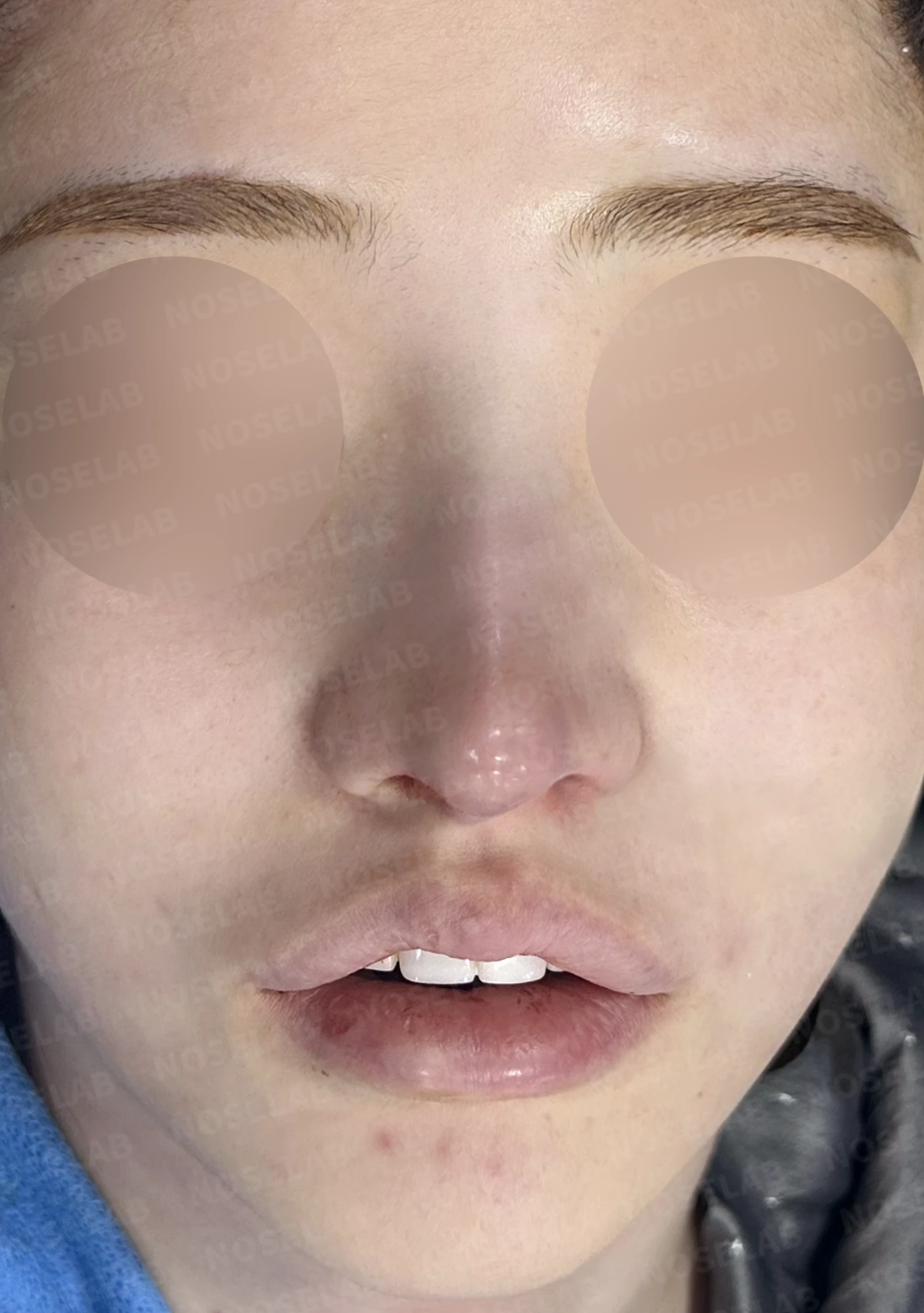
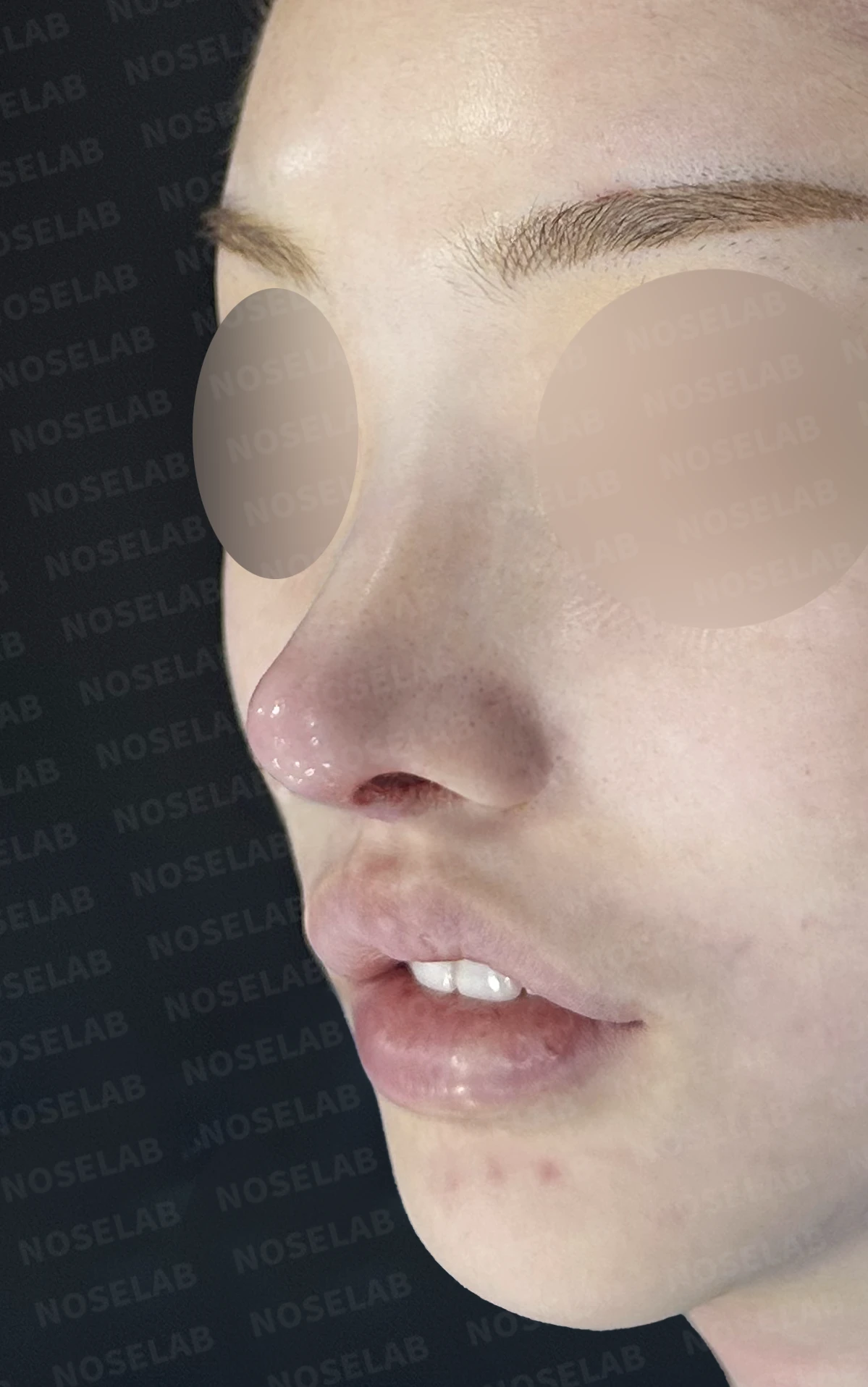
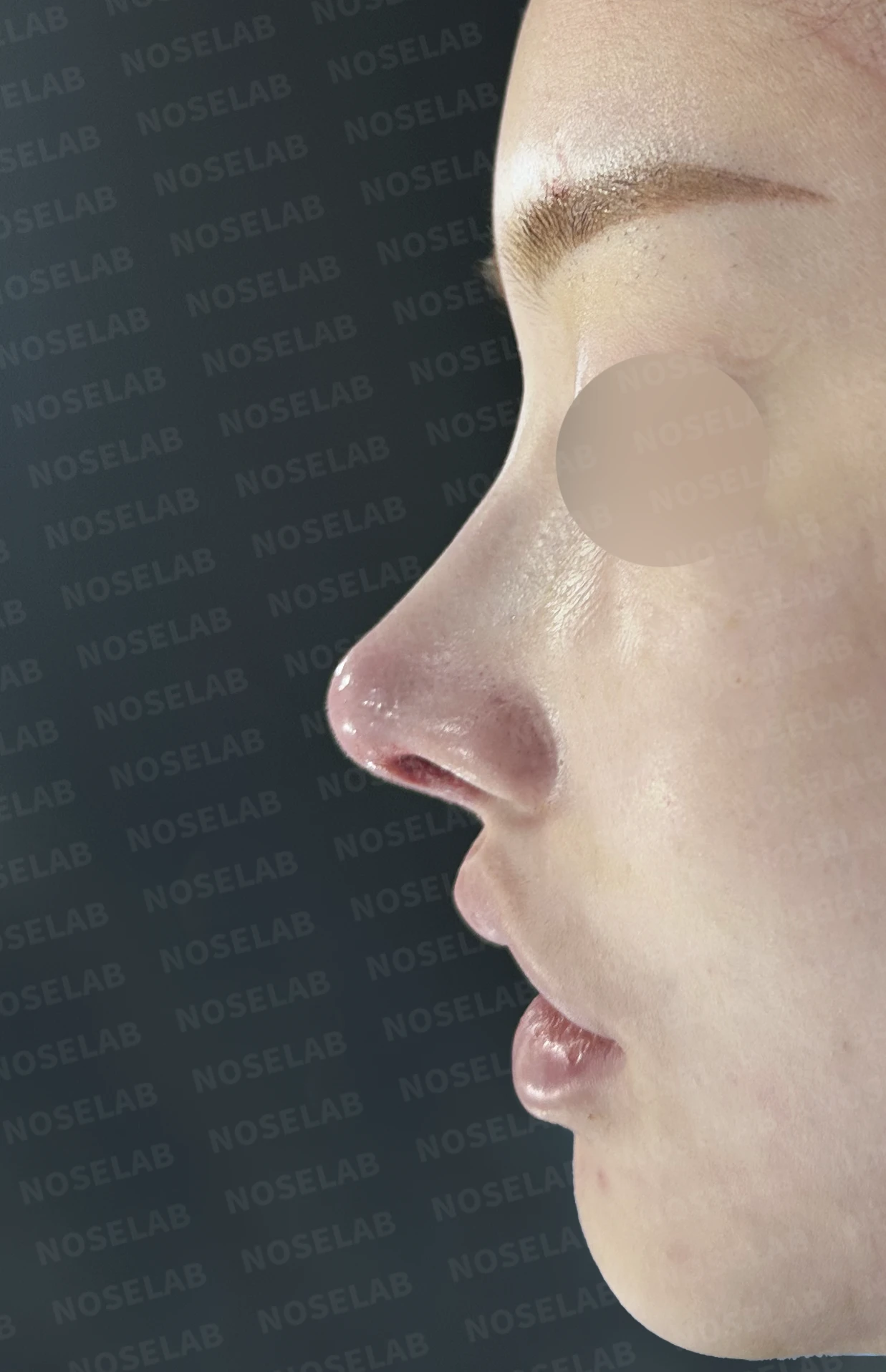
Day 0 immediately after surgery: front, oblique, and profile viewsPhotos taken immediately after surgery show swelling and may differ from the final result.
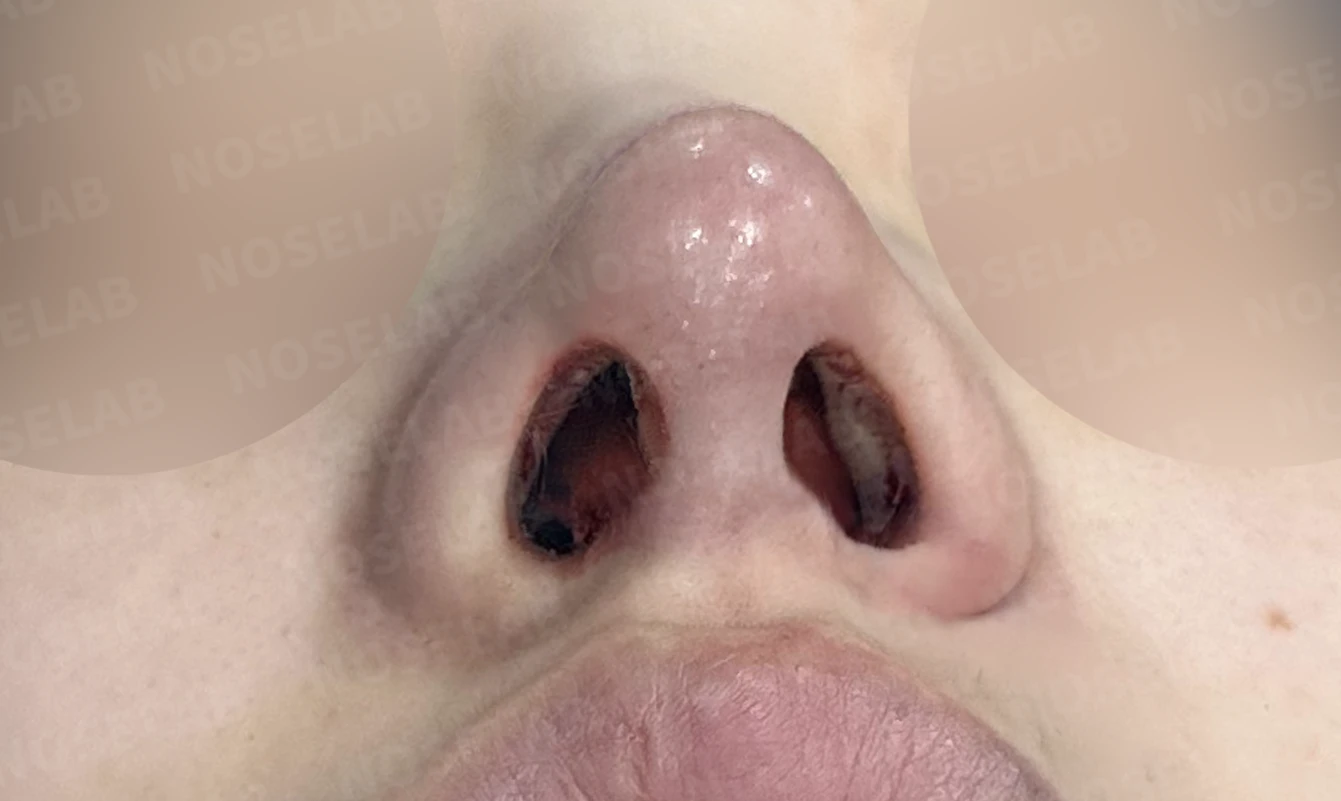
Day 0 immediately after surgery: nostril viewPhotos taken immediately after surgery show swelling and may differ from the final result.
When the septum is severely damaged or deviated, it is very important not just to correct the external appearance, but to firmly reconstruct the internal structure. This is because excessively elevating the nasal tip over a weakened septum can cause the nose to collapse or deviate over time.
In this surgery, autologous rib cartilage was used to solidly reconstruct the damaged septum, and the nasal tip was stably elevated on this foundation. Because autologous rib cartilage is the patient's own tissue, it is safe without rejection reactions, and its superior structural support maintains a stable shape for a long time.
While creating the glamorous nasal line that the patient desired, nasolabial angle correction also achieved the effect of making the midface look shorter. The most important factor in revision rhinoplasty is accurately identifying the existing problems and selecting the appropriate reconstruction method accordingly.
Going forward, I will continue to provide customized surgical procedures tailored to each individual patient's condition and requests. I hope this is helpful to those who share similar concerns. This was Medical Director Dr. Peter C. Kang. Thank you.
#closedrhinoplasty #closedrevisionrhinoplasty #septalreconstruction #autologousribrhinoplasty #deviatednosecorrection #revisionrhinoplasty #nasolabialanglecorrection #glamorousnose #tiprhinoplasty

Limitations and risks
When autologous rib cartilage is used, scarring and pain may remain at the donor site on the chest, and pneumothorax (pleural injury) can occur rarely. Over time, the grafted cartilage may warp or undergo partial resorption.
When using donor rib cartilage, long-term follow-up is necessary because the grafted cartilage may resorb or warp.
When the septum is corrected at the same time, nasal obstruction may persist or recur, and in rare cases, septal perforation or changes in smell may occur.
Common potential risks include infection, bleeding, asymmetry, scarring, skin necrosis, and insufficient improvement; results vary depending on individual skin condition and previous surgical history.