Hello, I am Dr. Peter C. Kang.
Today, I would like to share the story of a patient who finally achieved the desired result after their 6th revision rhinoplasty.
Surgical and procedure history:
Between 2009 and 2014, the patient underwent a total of 5 rhinoplasties. Various materials and surgical techniques were attempted, including septal cartilage, ear cartilage, donor rib cartilage, autologous rib cartilage, and silicone implants, but each result remained unsatisfactory and brought continued distress. In addition, the patient received nasal filler injections 8 years ago.
Preoperative design consultation:
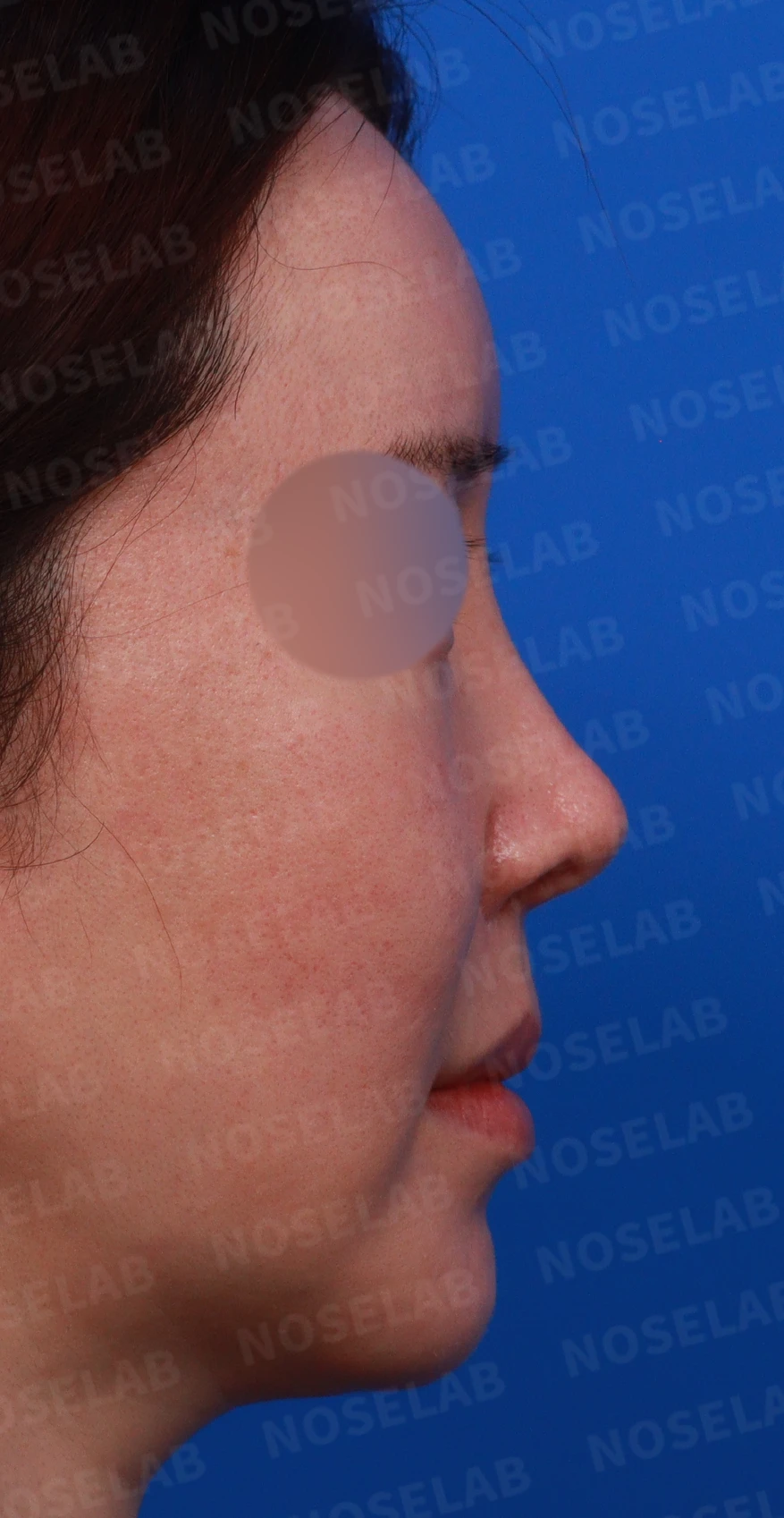
A thorough analysis of the patient's nose during the preoperative consultation revealed the following concerns:
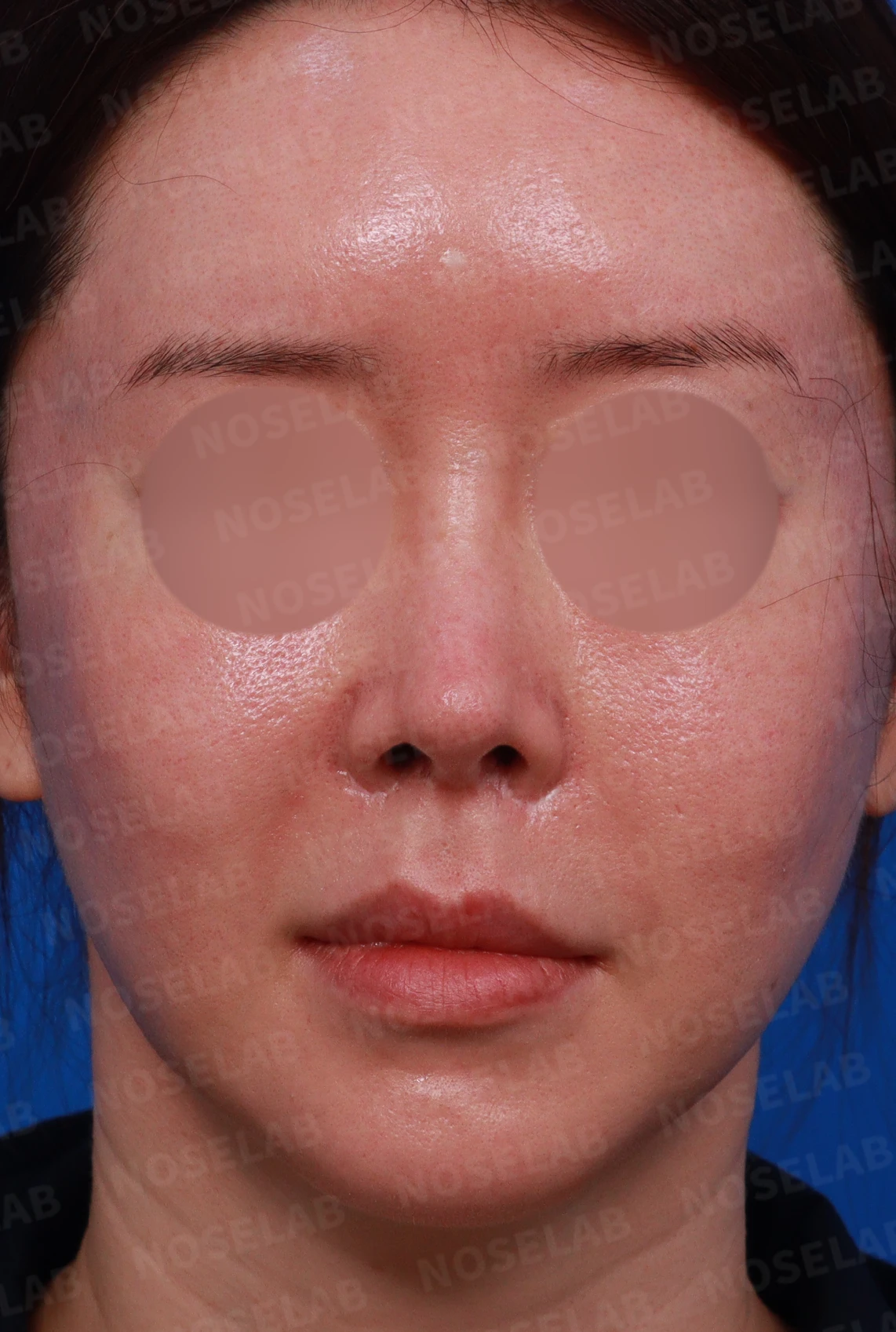
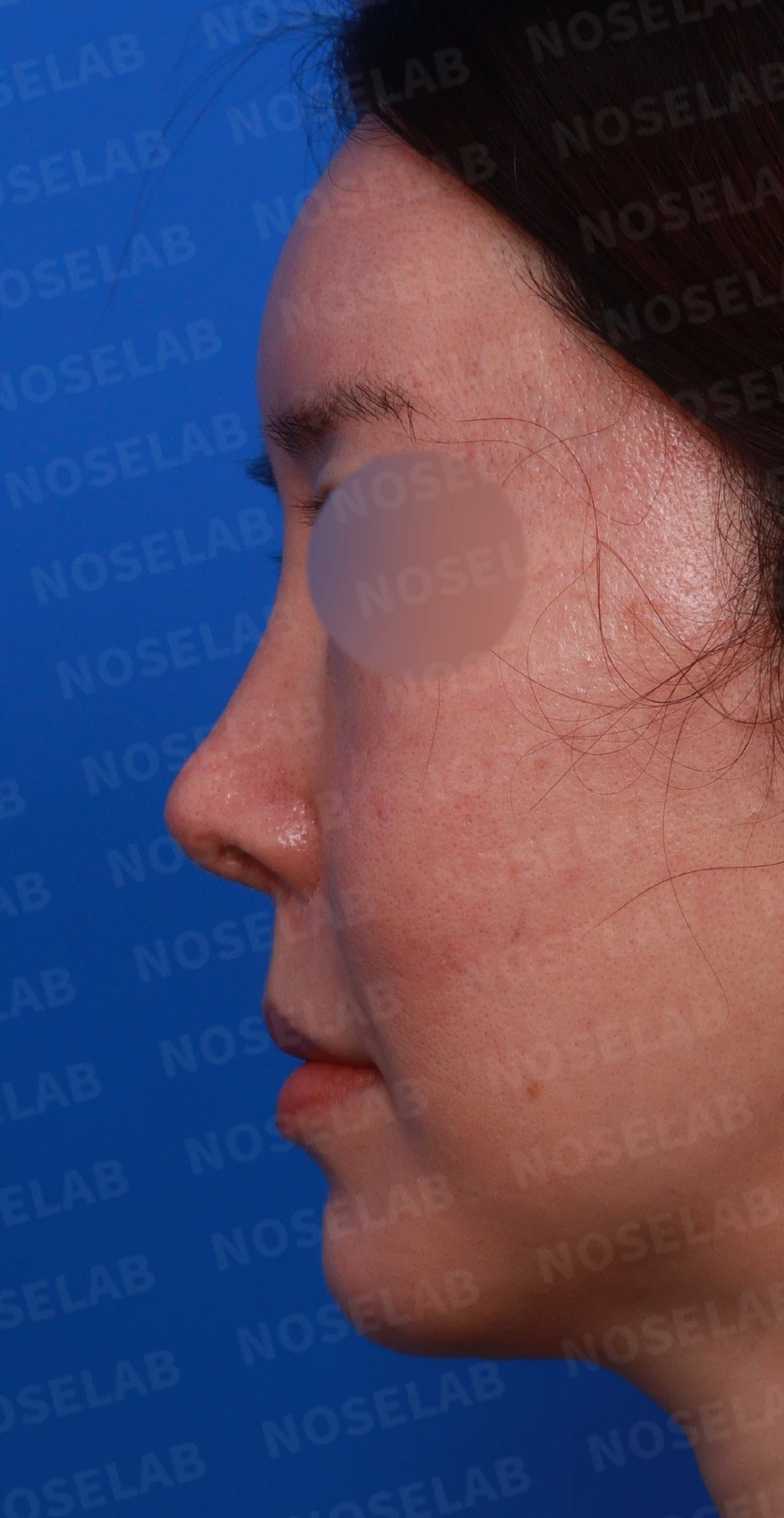
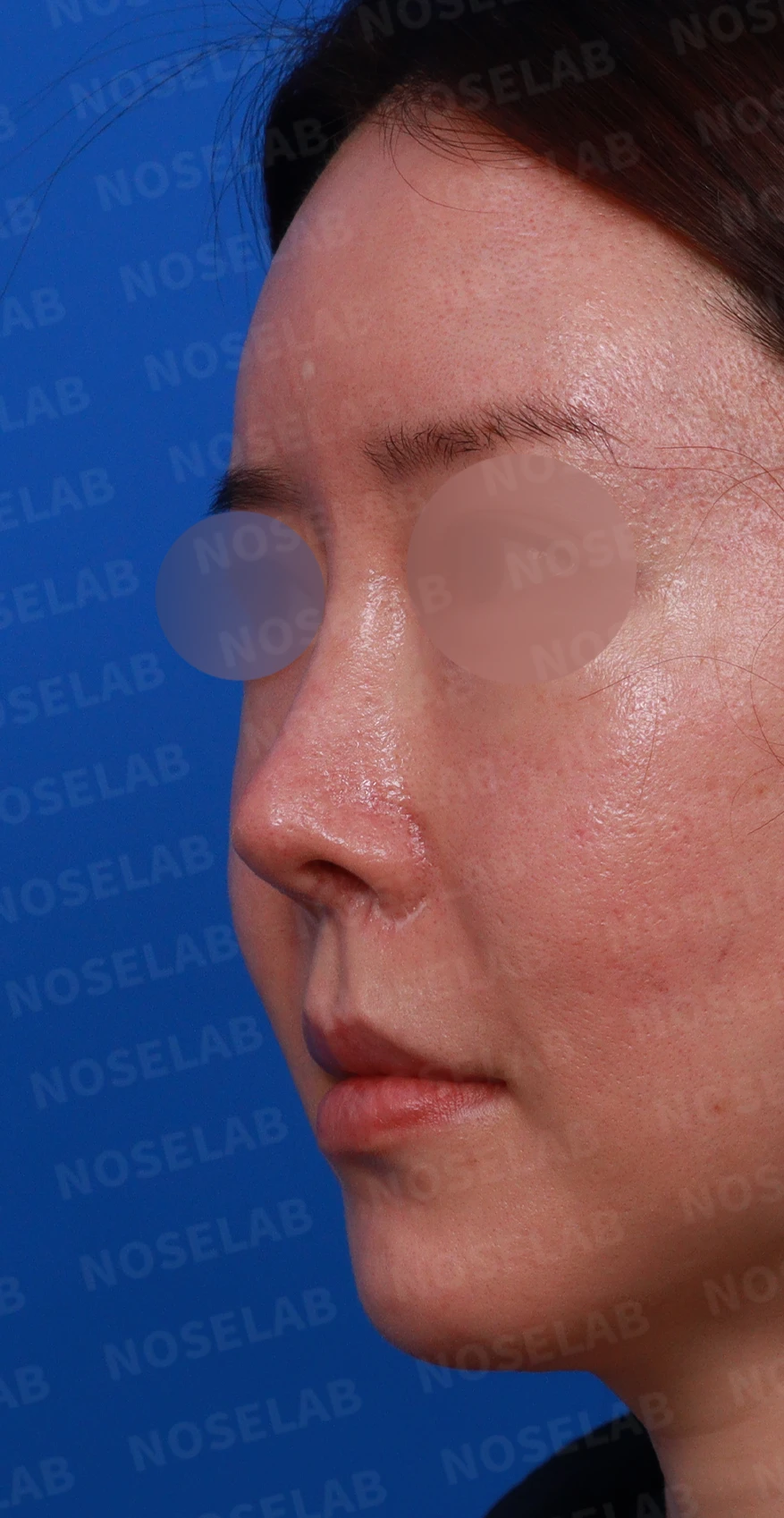
Preoperative design consultation: front, right profile, and oblique views.
Upturned nasal tip
High nasal bridge starting point
Overly curved bridge line with an unnatural, operated appearance
Nostril asymmetry and alar scarring caused by aggressive philtrum reduction and alar reduction
Poor columellar scarring resulting from repeated open rhinoplasties
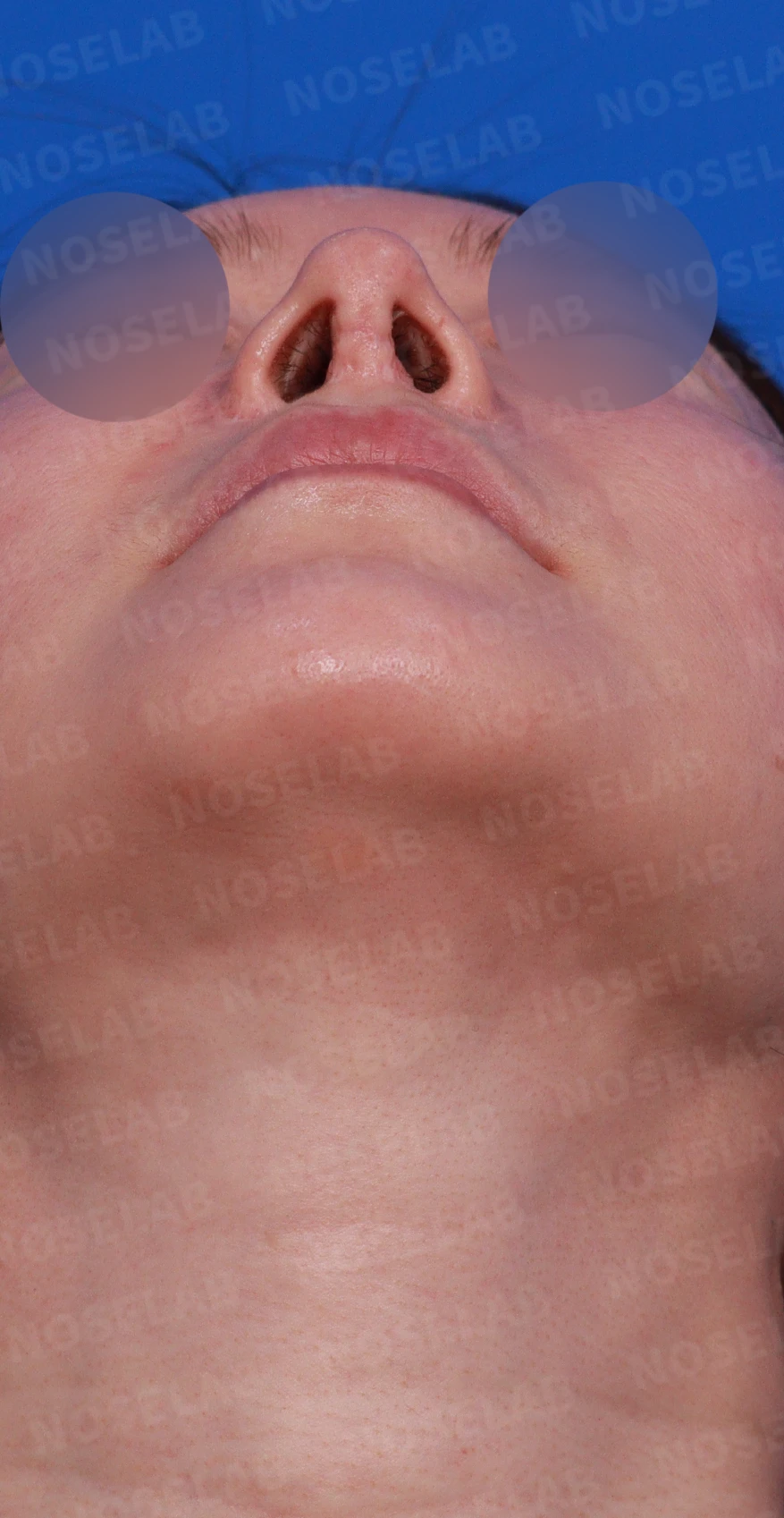
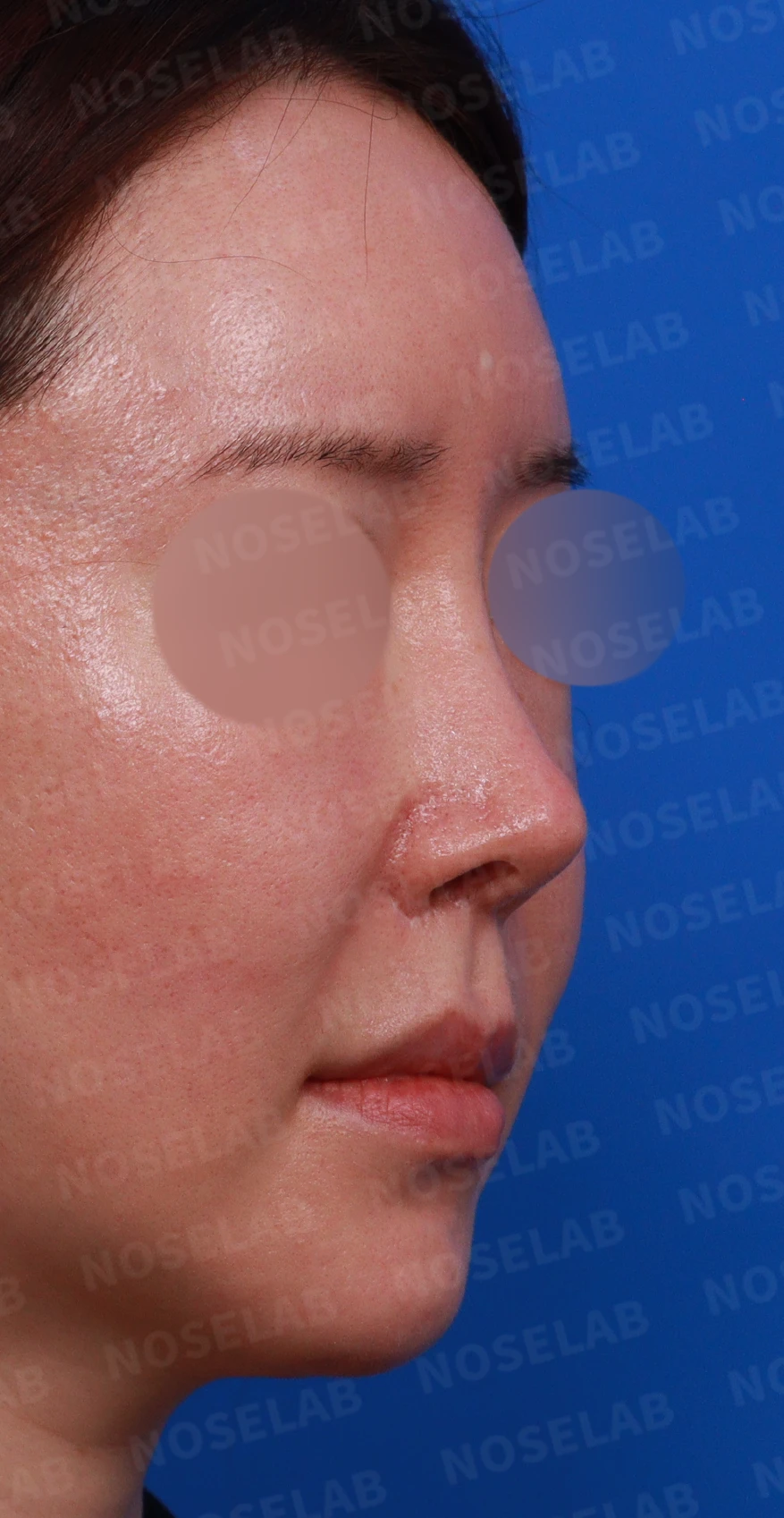
Preoperative design consultation: basal (nostril), right profile, and oblique views.
The patient's requests:
Desired outcome: a nose that looks refined yet natural
Straight bridge line
Correction of upturned nose
Correction of nostril asymmetry
Surgical plan:
Septal extension to correct the upturned nose and delicately refine the tip shape
Reuse of previously grafted autologous tissues (autologous rib cartilage, septal cartilage, and ear cartilage)
Harvesting additional autologous rib cartilage to use as the primary material for the tip
Removal of foreign materials (filler and the existing silicone implant)
Carving and placing a new silicone implant with a lower radix than the previous position
As anticipated, the surgery was not straightforward. Due to multiple prior procedures, normal anatomical tissues had sustained severe damage, and extensive scar tissue was present. In particular, the septal cartilage was severely compromised, which had destabilized the nasal tip support and ultimately led to the upturned tip; therefore, septal reconstruction was performed using autologous rib cartilage.
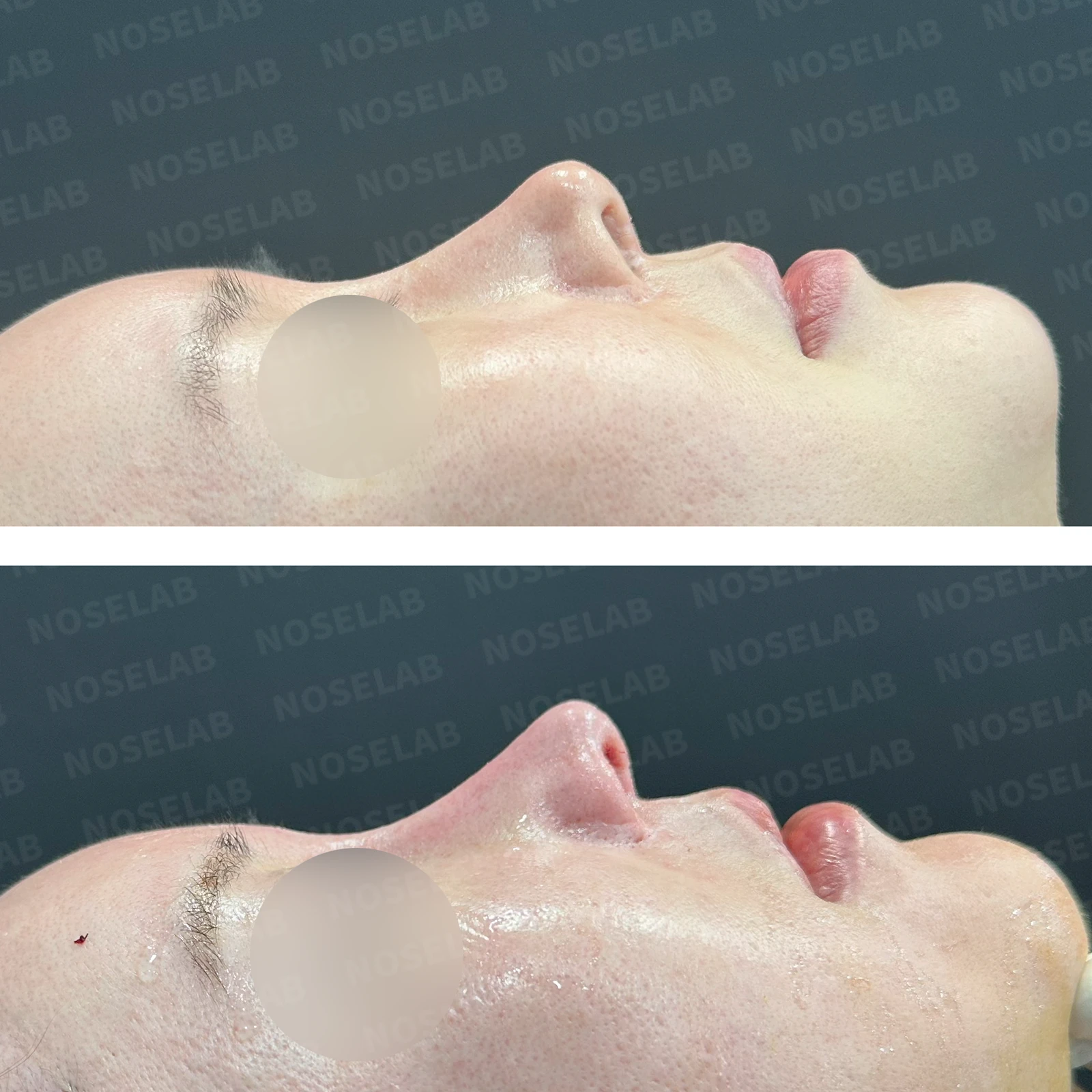
Evaluating the result immediately after surgery, the upturned tip was lowered naturally, and the radix was lowered to approximately the pupil line. This softened an otherwise harsh facial impression. The apparent deviation was also substantially improved. The nasolabial angle was corrected to approximately 95 degrees, improving the appearance of a protruding mouth, and the excessive dorsal curvature was nearly eliminated, achieving a straight bridge line with a gentle upward tip.
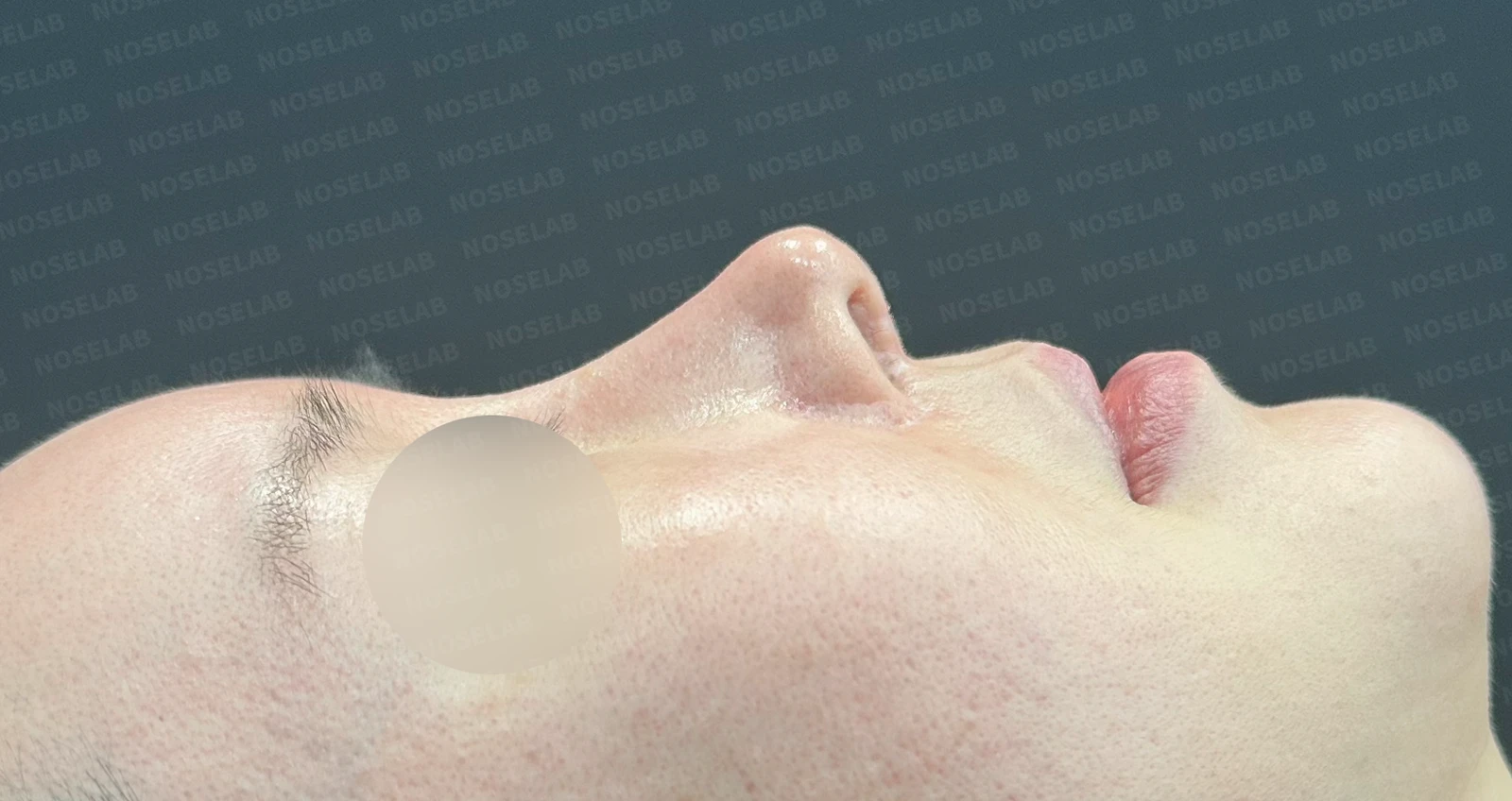
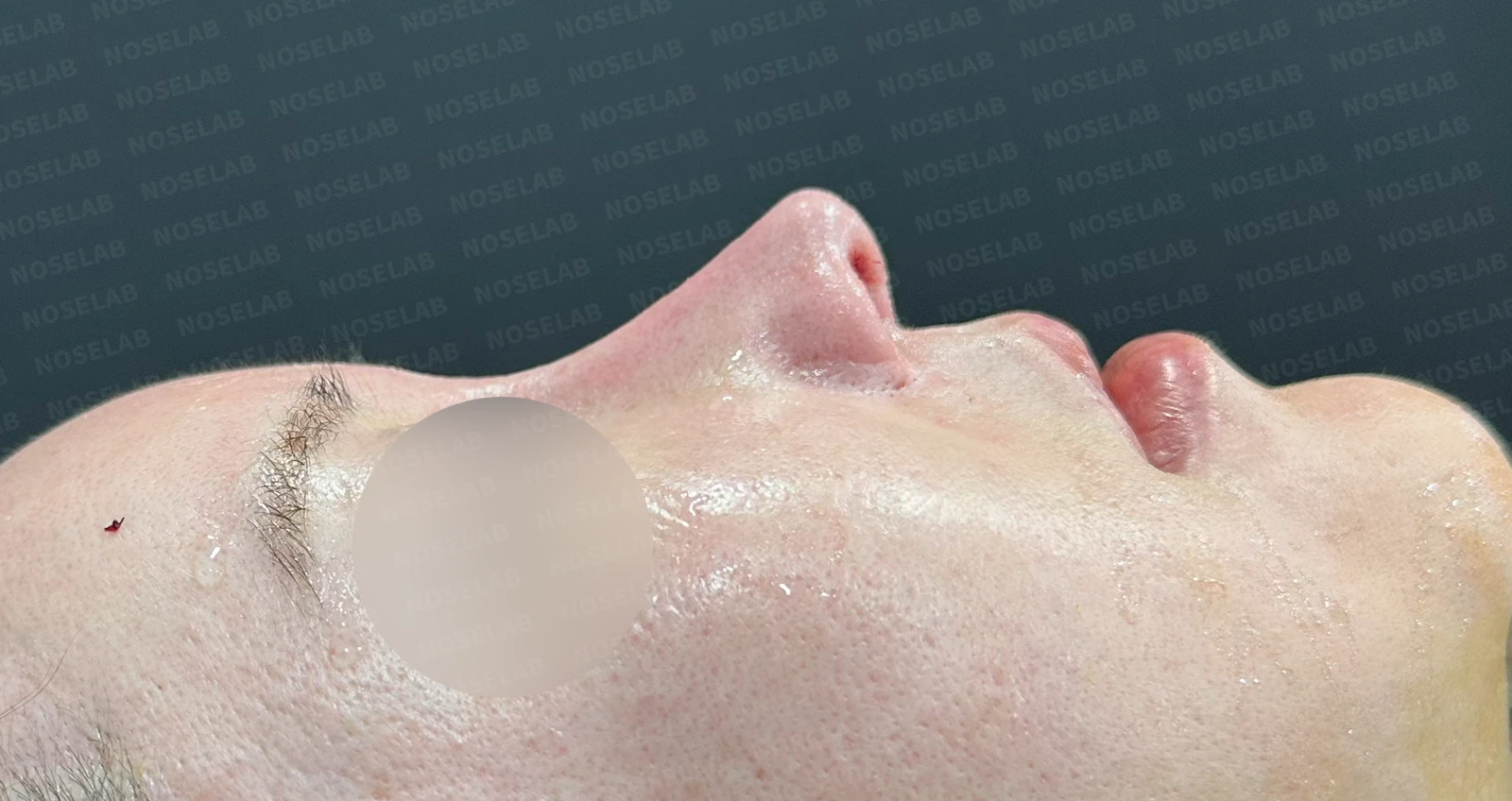
Before surgery / Day 0 immediately after surgery Photos taken immediately after surgery show swelling and may differ from the final result.
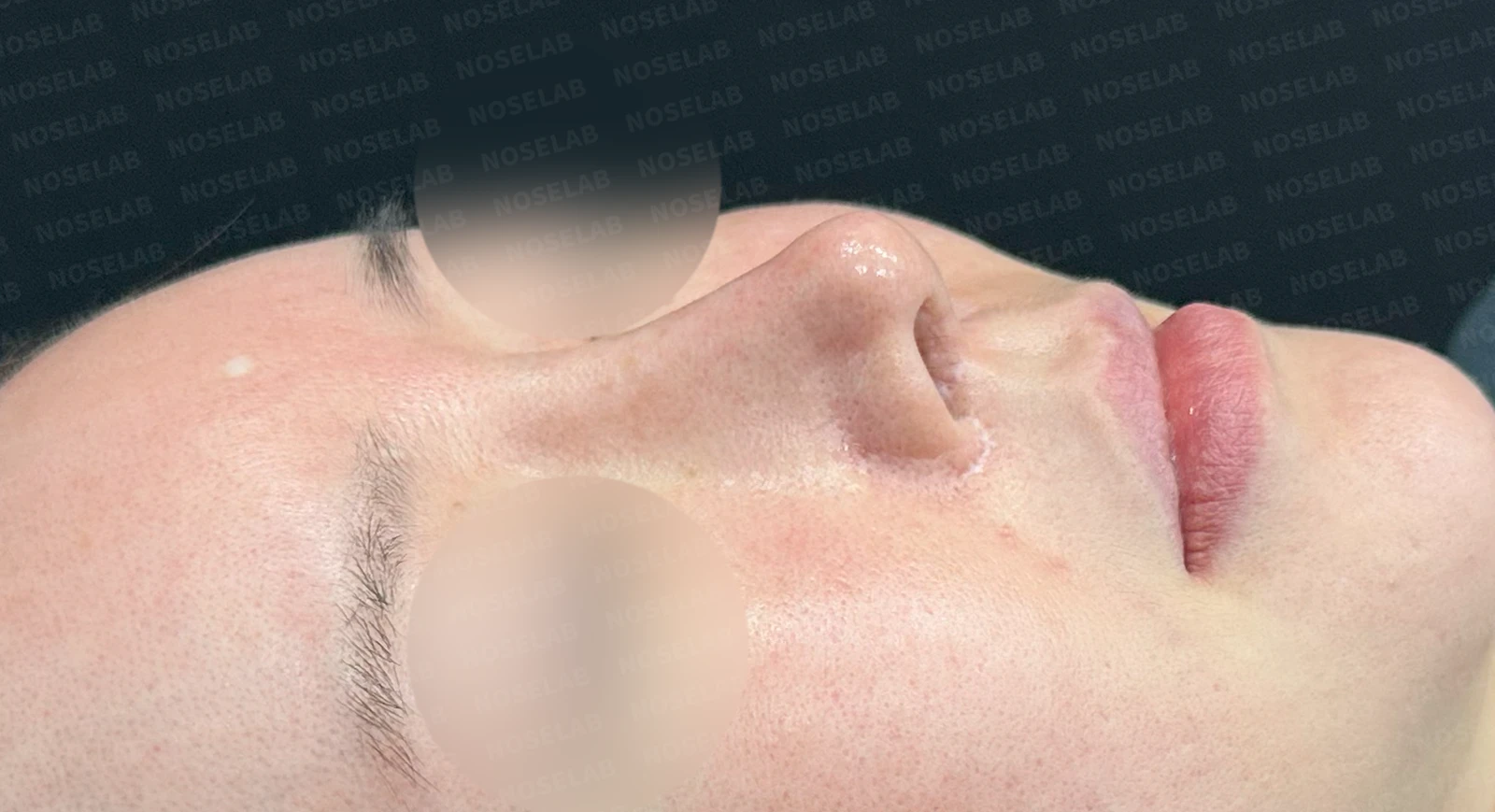
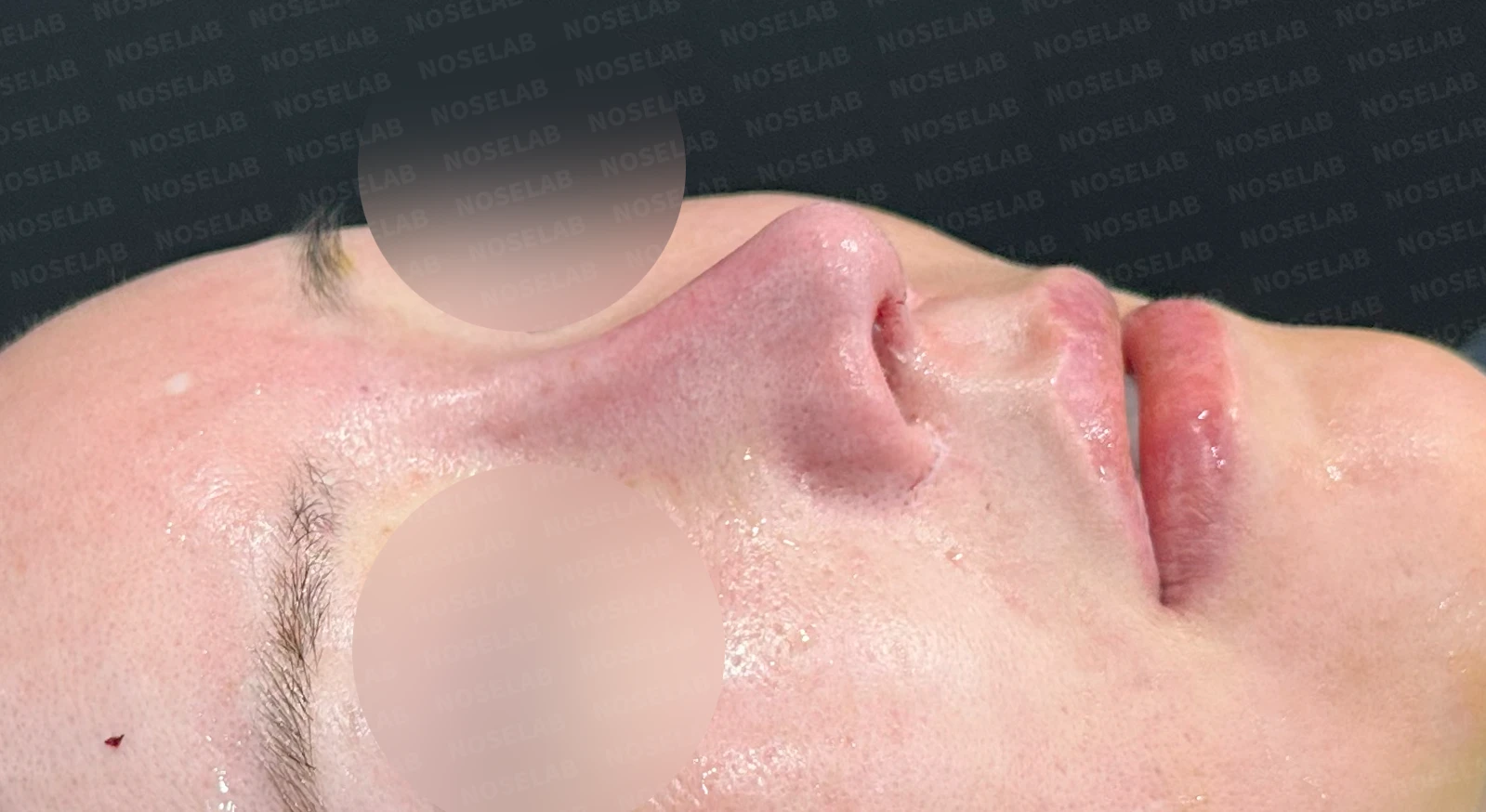
Before surgery / Day 0 immediately after surgery Photos taken immediately after surgery show swelling and may differ from the final result.
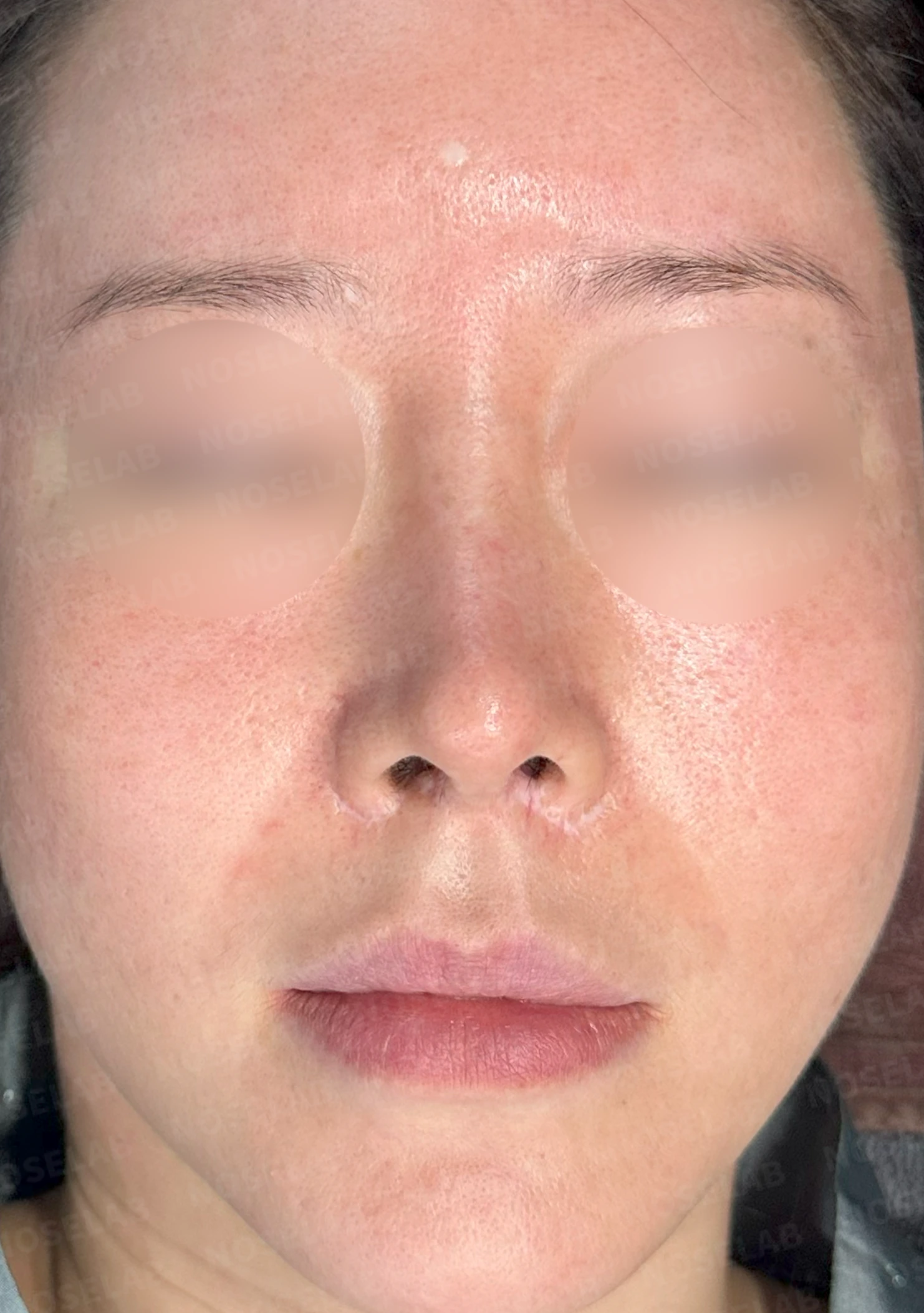
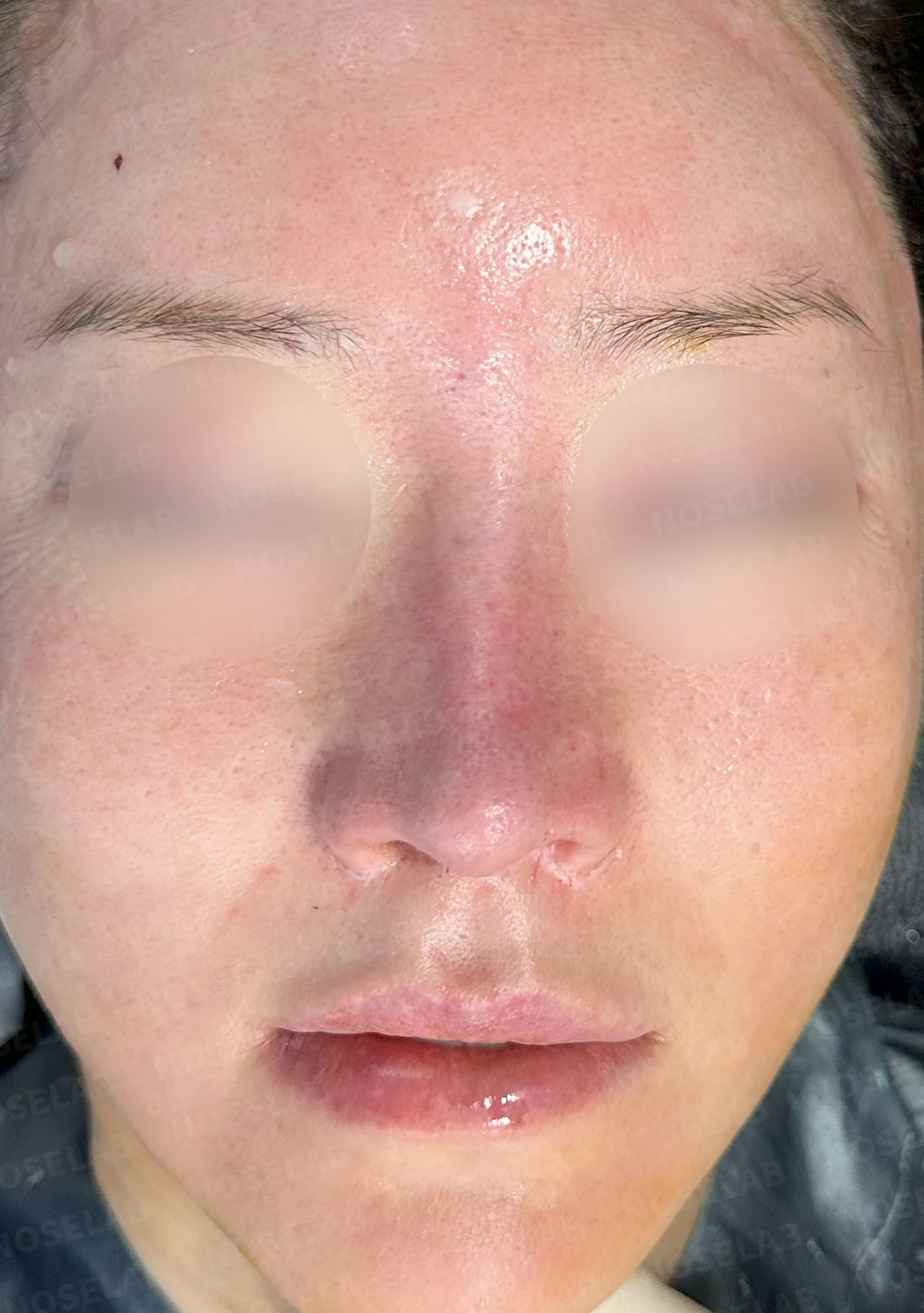
Before surgery / Day 0 immediately after surgery Photos taken immediately after surgery show swelling and may differ from the final result.
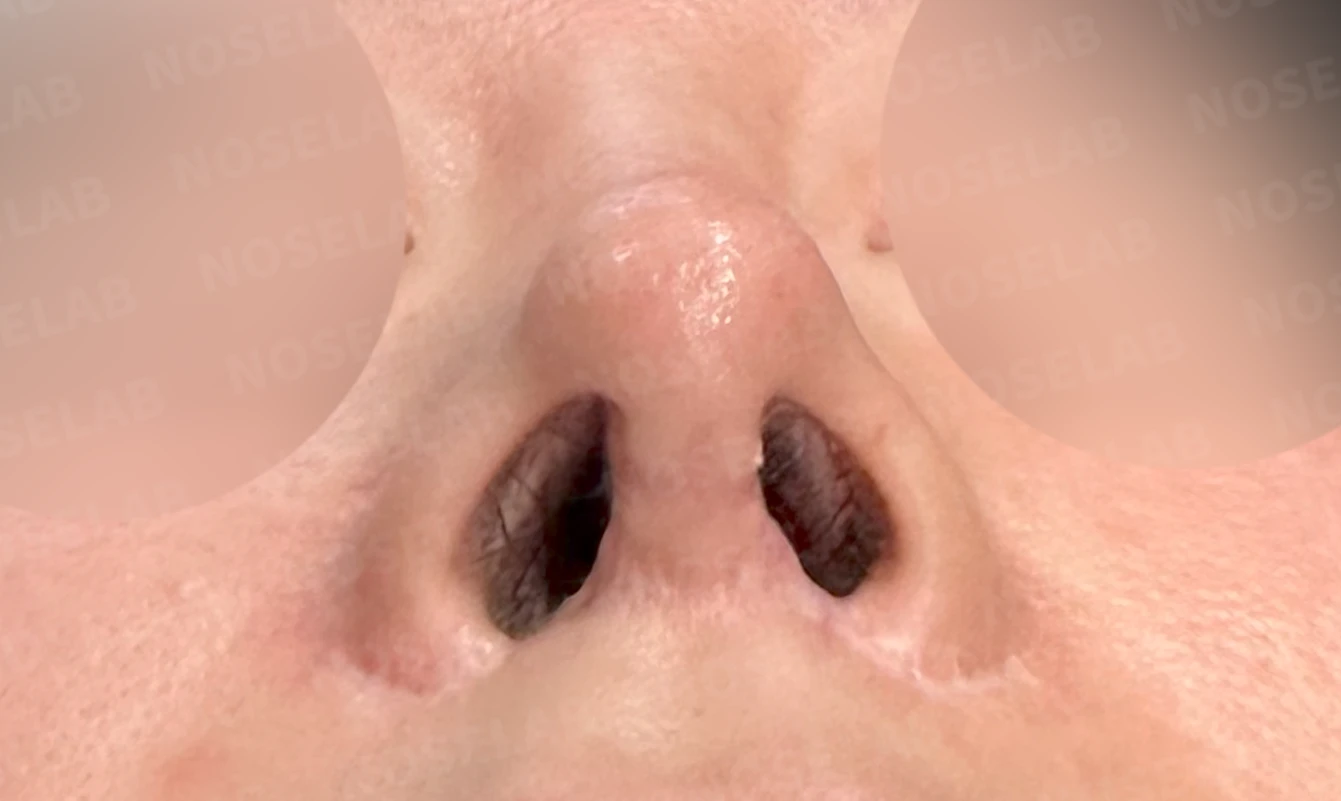
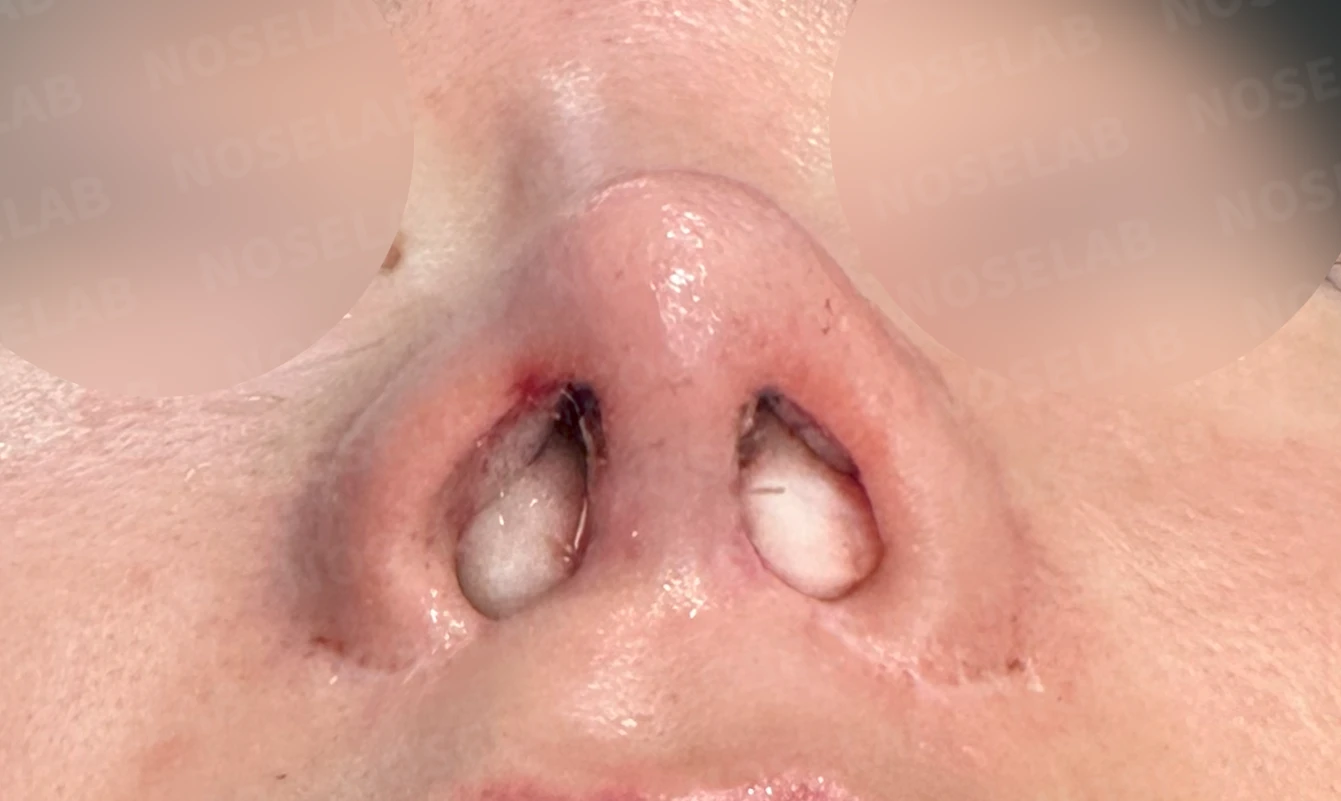
Before surgery / Day 0 immediately after surgery Photos taken immediately after surgery show swelling and may differ from the final result.
This case reaffirms that rhinoplasty, and revision rhinoplasty in particular, requires an extremely meticulous and specialized approach. An optimal surgical plan must be established by comprehensively evaluating the patient's surgical history, the condition of the remaining tissues, and the patient's goals. Furthermore, to achieve a natural result, the patient's overall facial proportions and individual characteristics must be taken into account. Rather than simply following current trends, finding the nasal shape that harmonizes best with each individual is essential.
For those considering rhinoplasty, I strongly encourage careful consideration and thorough consultations. Especially in revision cases, I recommend consulting with an experienced specialist to determine the most appropriate approach for your situation.
I will continue to prioritize patient safety and satisfaction, striving to deliver the intended results.
This was Dr. Peter C. Kang. Thank you.
Thank you.
#closedrhinoplasty #revisionrhinoplasty #upturnednose #nostrilasymmetry #autologousribcartilage #closedribcartilagerhinoplasty #plasticsurgery #boardcertifiedotolaryngologist

Limitations and risks
When autologous rib cartilage is used, scarring and pain may remain at the donor site on the chest, and pneumothorax (pleural injury) can occur rarely. Over time, the grafted cartilage may warp or undergo partial resorption.
When using donor rib cartilage, long-term follow-up is necessary because the grafted cartilage may resorb or warp.
When revising after implant removal, contracture may progress again after removal, the nasal height and length may decrease, and staged surgery may be necessary depending on the skin condition.
When foreign materials such as injected fillers are removed and reconstructed, contracture may recur, nasal height and length may decrease, and staged surgery may be necessary depending on the skin condition.
When the septum is corrected at the same time, nasal obstruction may persist or recur, and in rare cases, septal perforation or changes in smell may occur.
Common potential risks include infection, bleeding, asymmetry, scarring, skin necrosis, and insufficient improvement; results vary depending on individual skin condition and previous surgical history.