English日本語简体中文
Skip to main content
Dr. Peter C. Kang's Rhinoplasty Stories
PrologueBlogMy thoughtsNasal obstructionSurgical journalSurgical photos
About the surgeon

Excessive nostril show: examining upward rotation and nostril contour

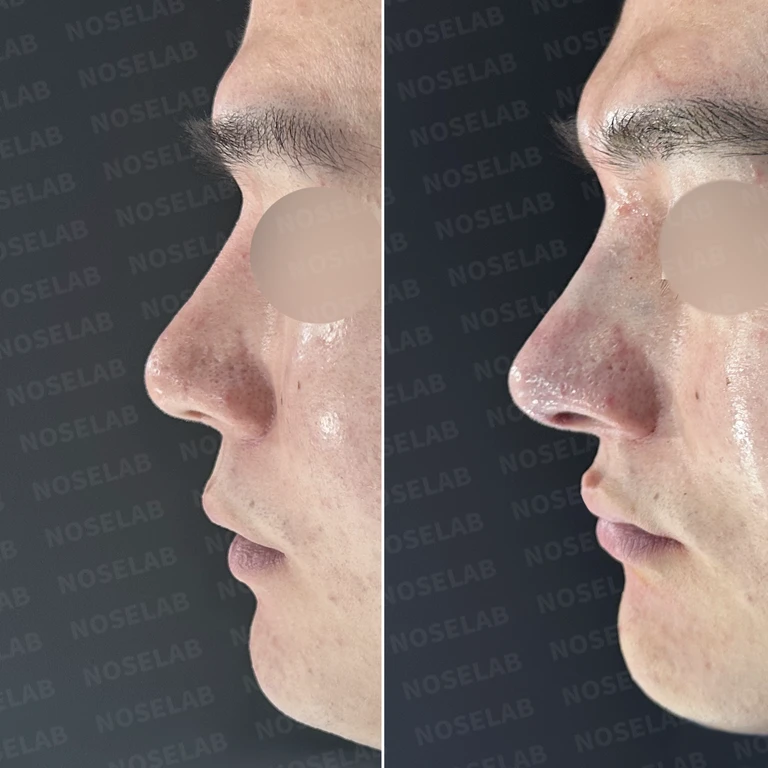
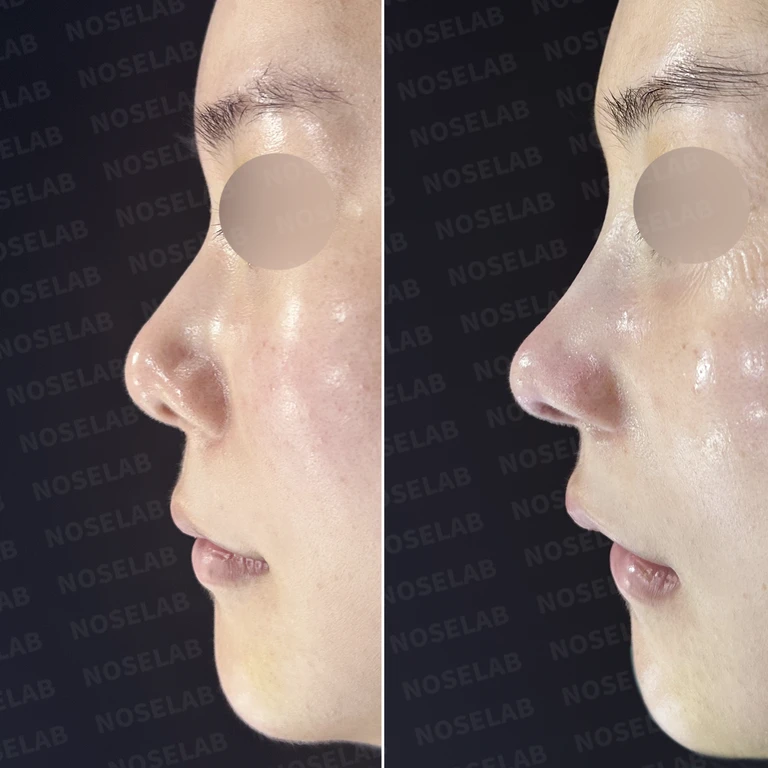
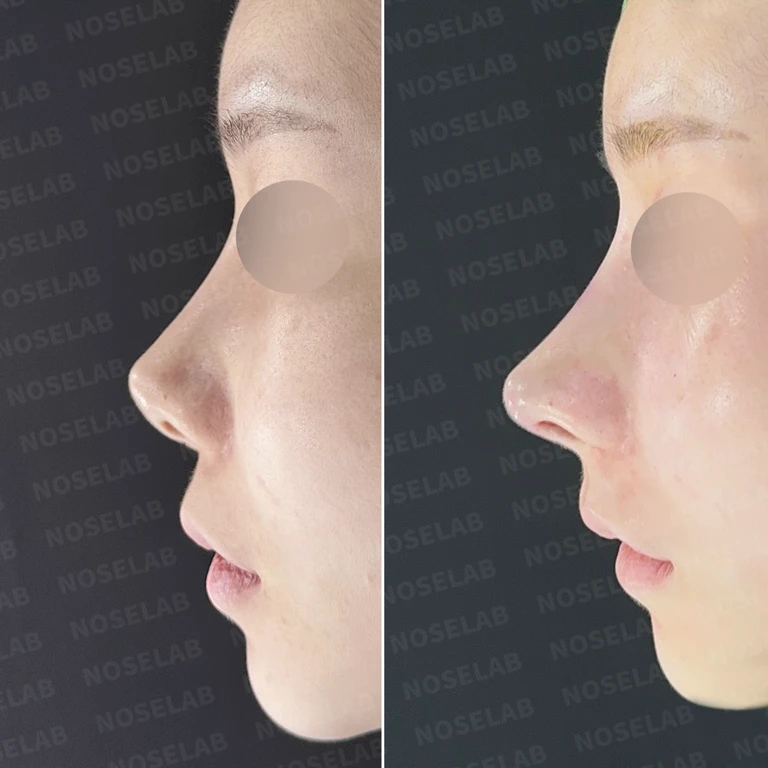
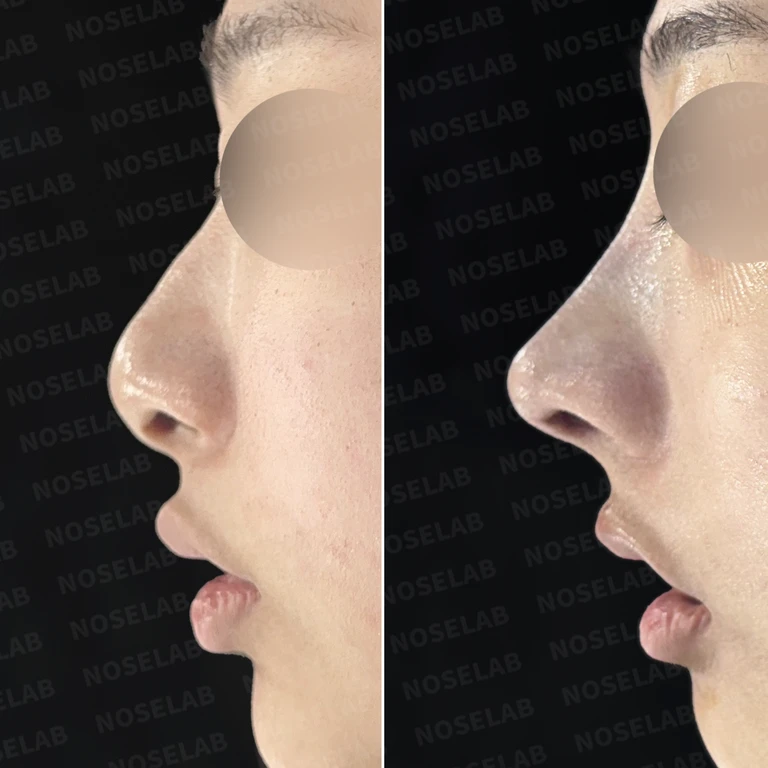
Concerns about excessive nostril show from the front view are documented in both primary rhinoplasty and revision rhinoplasty cases. In primary cases, an upturned tip and drooping columella may be noted together, while in patients who underwent implant removal after inflammation, tip deviation, upturning, and nostril asymmetry have been observed.

In this collection, you can read about not only the extent of nostril show, but also the orientation of the nasal tip and findings regarding the alae and columella. In cases with a history of contracture, the reasons for identifying damaged cartilage and planning nasal reconstruction are also detailed in the text. Compare these cases without assuming the same cause or surgical approach based solely on the impression of visible nostril show.

View before-and-after cases ↓Comprehensive rhinoplasty guide

Searching for surgical cases matching your criteria.
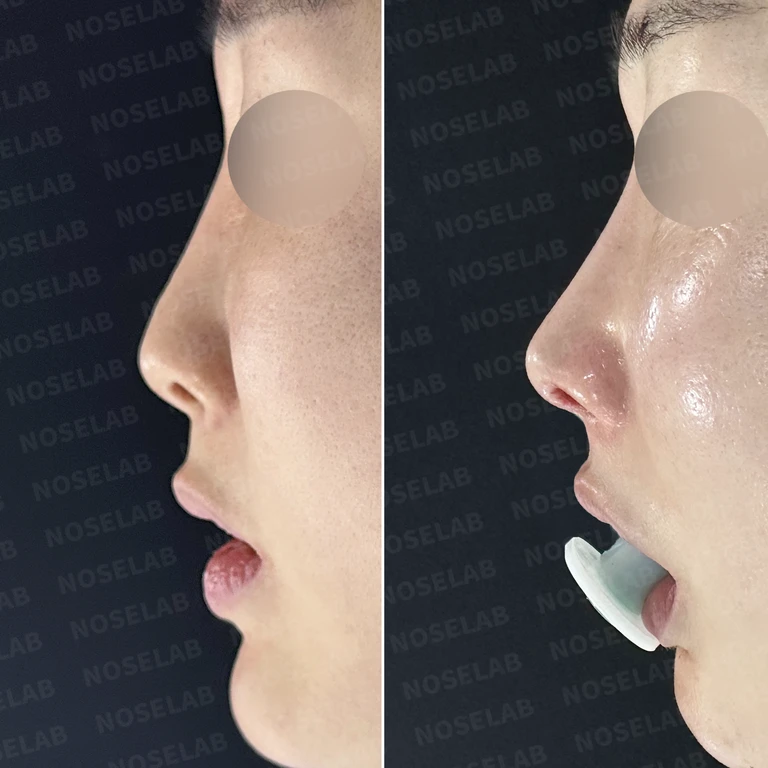
Why the nasal tip turns up and the columella droops, and how septal extension is performed — Before-and-after comparison
Before-and-after comparison

Why the nasal tip turns up and the columella droops, and how septal extension is performed

A case where a short, upturned nasal tip and a drooping columella in an unoperated nose were corrected through septal extension. A strut was built using donor rib cartilage and septal cartilage, accompanied by columellar elevation and silicone implant placement.

Preoperative condition · Postoperative record
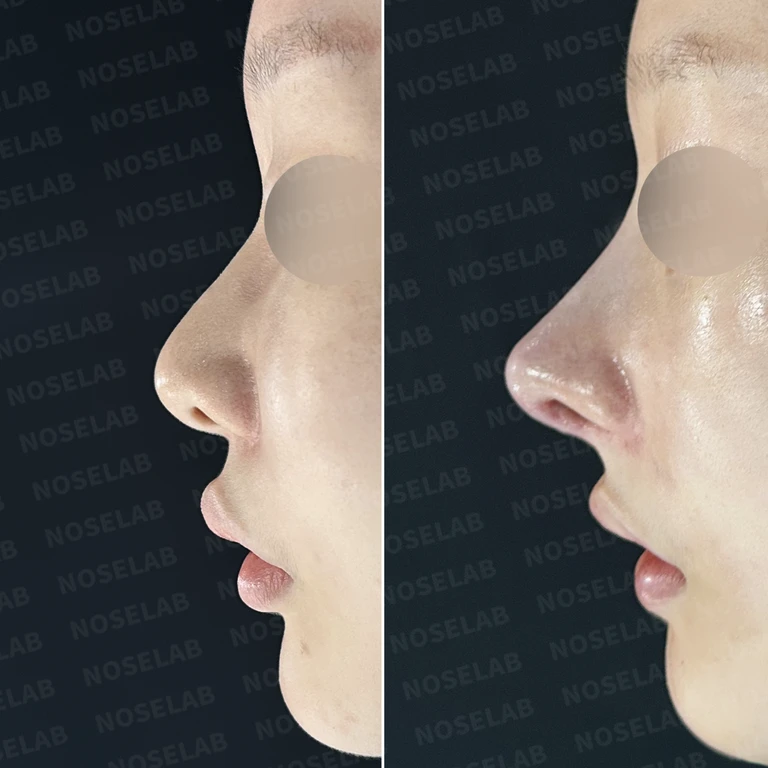
Why implants alone should not be placed in a small, low nose and nasal tip support structure — Before-and-after comparison
Before-and-after comparison

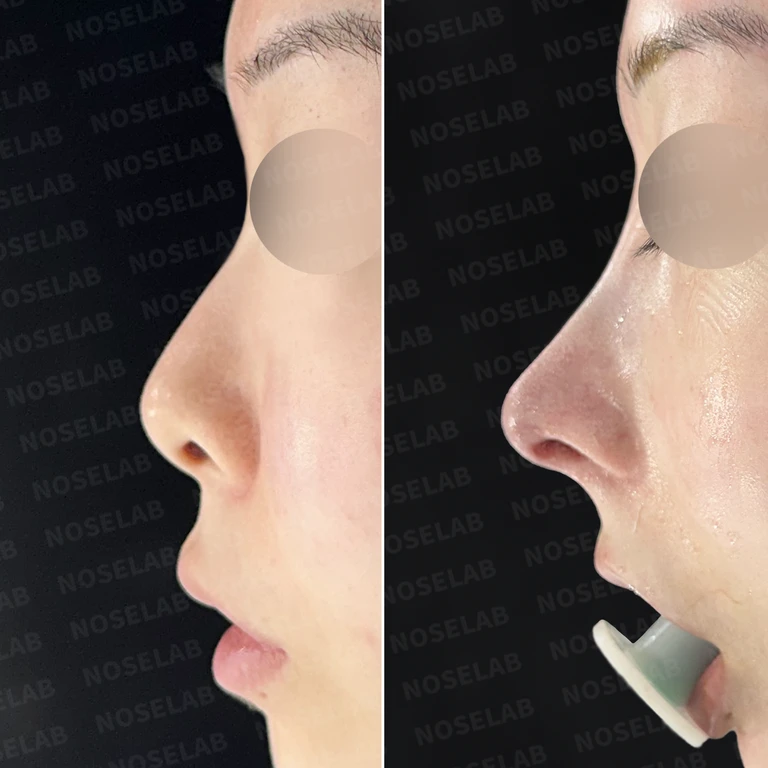
Why implants alone should not be placed in a small, low nose and nasal tip support structure

A primary rhinoplasty case involving a small, low nose and an upturned tip causing excessive nostril show. Using a closed approach, septal reconstruction with autologous rib cartilage, nasolabial angle correction, artificial dermis skin reinforcement, and a silicone implant were performed.

Preoperative condition · Postoperative record
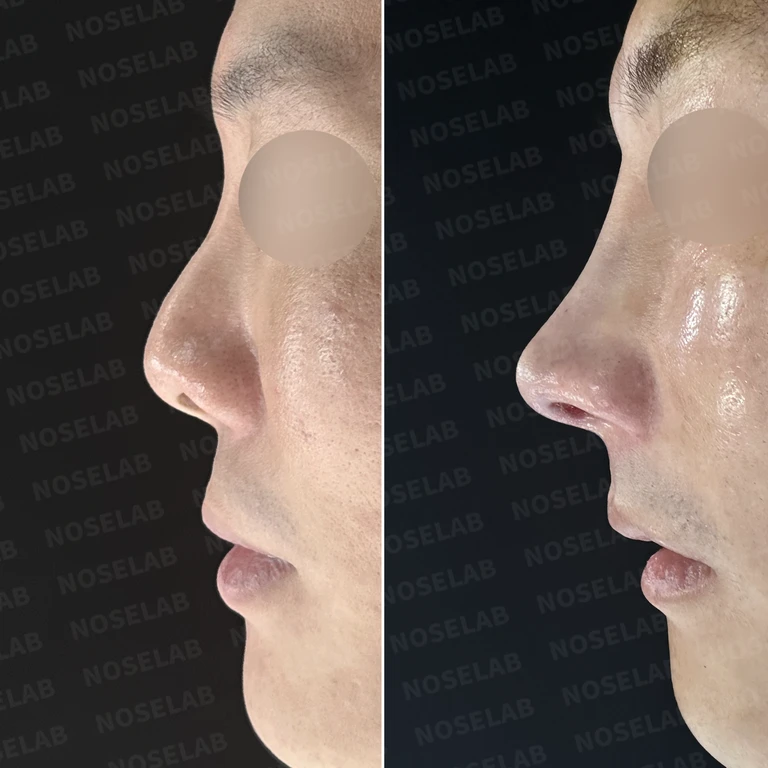
Why mesh remaining in the septum causes an upturned nose, and reconstruction after removal — Before-and-after comparison
Before-and-after comparison

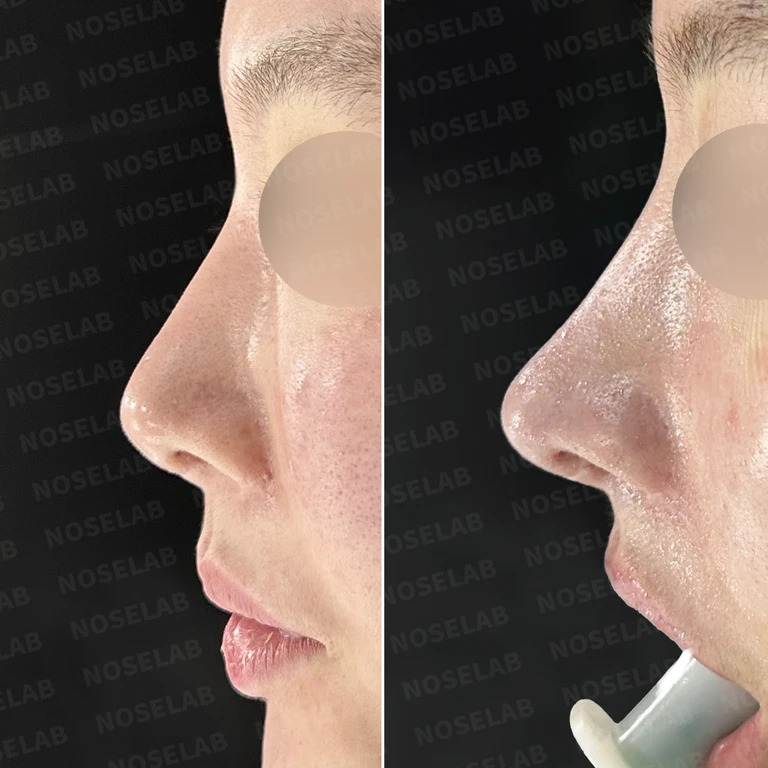
Why mesh remaining in the septum causes an upturned nose, and reconstruction after removal

This is a case where mesh left in the septum after previous surgeries resulted in an upturned nose and excessive nostril show. All foreign material was removed, followed by septal reconstruction using autologous rib cartilage, replacement of the silicone implant, and reinforcement of the skin with acellular dermal matrix.

Preoperative condition · Postoperative record
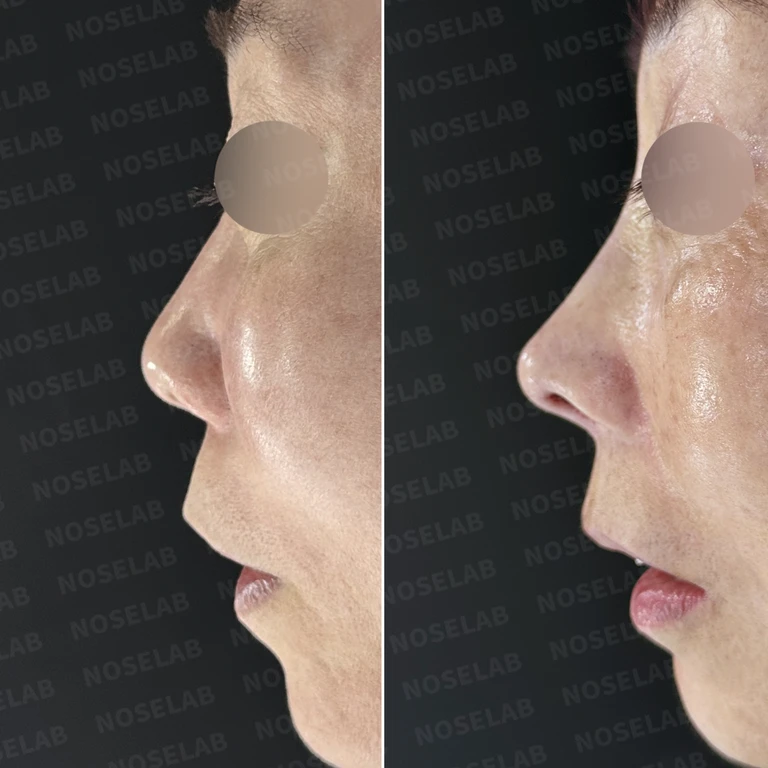
Why noses become short and upturned after multiple revision surgeries, and methods for reconstruction — Before-and-after comparison
Before-and-after comparison

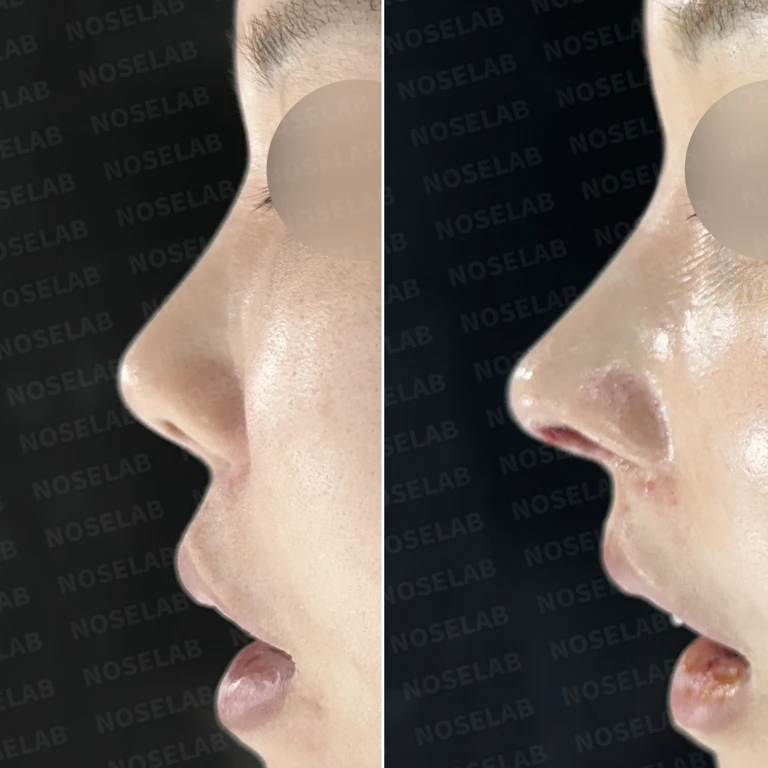
Why noses become short and upturned after multiple revision surgeries, and methods for reconstruction

A case correcting an upturned nasal tip caused by loss of the septum from repeated revision surgeries. Autologous rib cartilage septal reconstruction, nasal mucosal advancement flap, silicone implant adjustment, and rhinitis surgery were performed concurrently.

Postoperative record

Why rib cartilage reconstruction is needed when the septum is weak, even in primary rhinoplasty — Before-and-after comparison
Before-and-after comparison

Why rib cartilage reconstruction is needed when the septum is weak, even in primary rhinoplasty

A case of correcting a short, upturned nasal tip and a pinched nostril caused by congenital septal cartilage weakness. Autologous rib cartilage was used to reconstruct the septum and lower lateral cartilage, combined with lowering the nostril rim and lateral osteotomy.

Preoperative condition · Postoperative record
Why a short, upturned nose makes the philtrum look long and septal extension graft — Before-and-after comparison
Before-and-after comparison

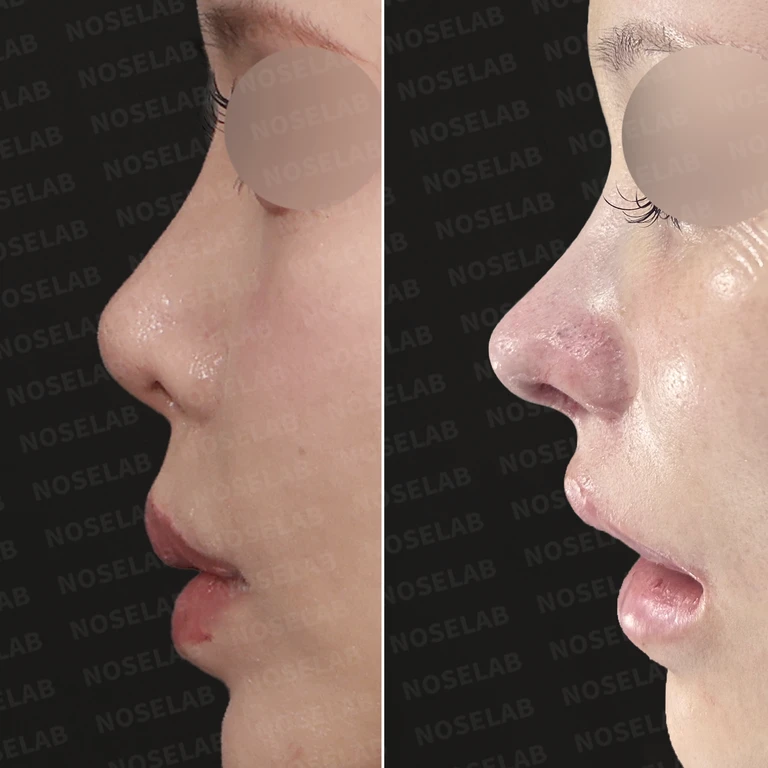
Why a short, upturned nose makes the philtrum look long and septal extension graft

We extended the septum with autologous rib cartilage and corrected the nasolabial angle to improve an upturned nasal tip and a long philtrum. Lateral osteotomy, a custom silicone implant, and rhinitis surgery were performed concurrently.

Preoperative condition · Postoperative record
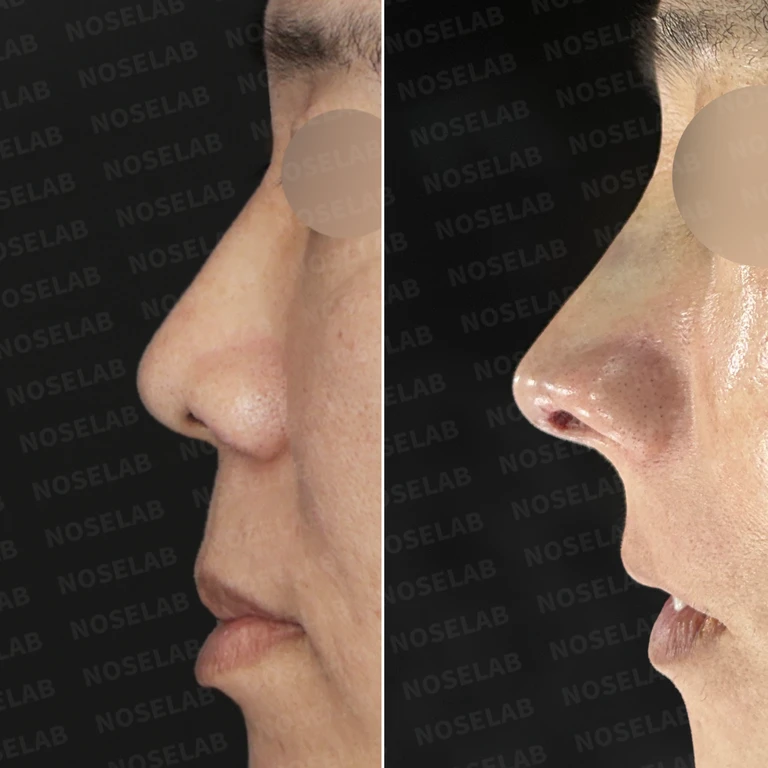
Why a nose can look short and upturned after repeated surgeries, and how rib cartilage tip extension works — Before-and-after comparison
Before-and-after comparison

Why a nose can look short and upturned after repeated surgeries, and how rib cartilage tip extension works

Through a closed approach, a nose that became low, upturned, and showed excessive nostril exposure after silicone implant removal was refined using autologous rib cartilage tip extension, nasal bridge height restoration, and correction of the nasolabial angle to 90 degrees.

Preoperative condition · Postoperative record
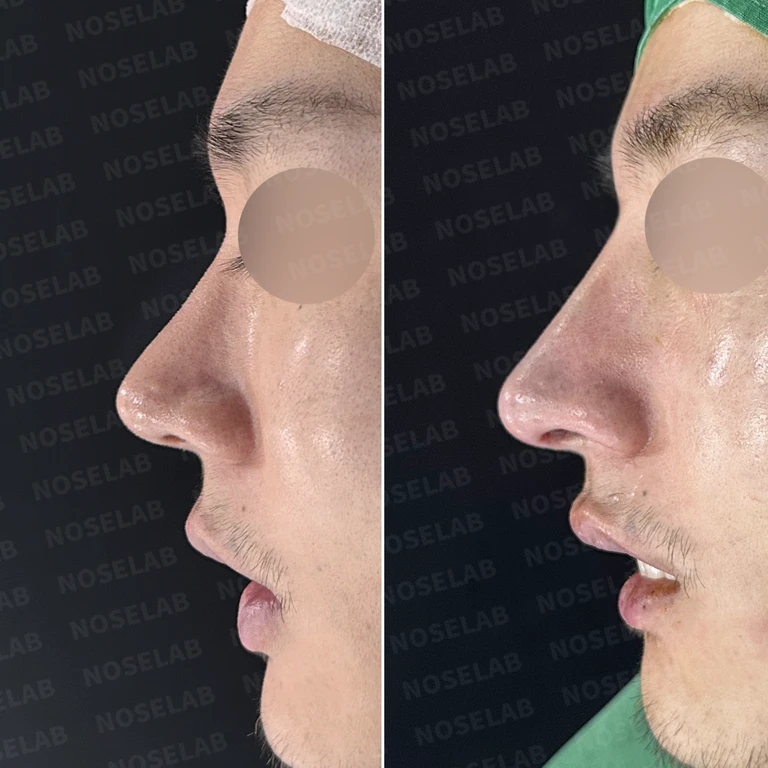
Why an upturned tip makes the mouth look more protruding and how to correct it — Before-and-after comparison
Before-and-after comparison

Why an upturned tip makes the mouth look more protruding and how to correct it

A bulbous, upturned nasal tip, the appearance of a protruding mouth, and nasal obstruction were addressed by removing columellar filler, reinforcing the nasal tip with autologous rib cartilage, placing a customized silicone implant, adjusting the nasolabial angle, and correcting a deviated septum.

Postoperative record

Why a nose operated on multiple times continues to appear upturned, and how septal reconstruction is performed — Before-and-after comparison
Before-and-after comparison

Why a nose operated on multiple times continues to appear upturned, and how septal reconstruction is performed

Following previous surgeries and double-jaw surgery, an upturned nasal tip and nostril asymmetry were precisely corrected using donor rib cartilage septal reconstruction, lower lateral cartilage restoration, and a composite dermis-fat graft to the soft triangle.

Postoperative record

Why the nasal tip turns upward and nasal obstruction occurs after multiple rhinoplasties: Autologous rib cartilage reconstruction — Before-and-after comparison
Before-and-after comparison

Why the nasal tip turns upward and nasal obstruction occurs after multiple rhinoplasties: Autologous rib cartilage reconstruction

To resolve a damaged septum, an upturned nasal tip, and rhinitis-related nasal obstruction after multiple surgeries, autologous rib cartilage septal reconstruction and inferior turbinate reduction were performed.

Preoperative condition · Postoperative record
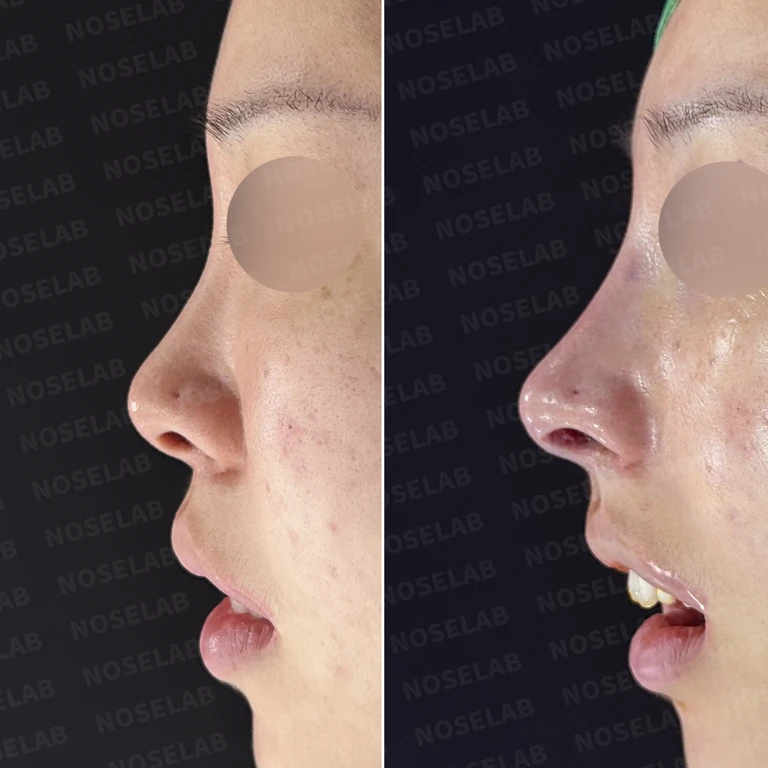
Why the nasal tip turns upward when the septum is lost, and how to reconstruct the septum with autologous rib cartilage — Before-and-after comparison
Before-and-after comparison

Why the nasal tip turns upward when the septum is lost, and how to reconstruct the septum with autologous rib cartilage

Septal support lost in previous surgeries was reconstructed with autologous rib cartilage, and pinched alae and depressed nasal bridge areas were reinforced to correct an upturned nasal tip and nostril show.

Postoperative record

Why silicone implants deviate and make the nose look long: implant replacement and rib cartilage reconstruction — Before-and-after comparison
Before-and-after comparison

Why silicone implants deviate and make the nose look long: implant replacement and rib cartilage reconstruction

Silicone implant deviation, excessive nostril show, and a high radix were corrected by removing the previous implant, reconstructing the nasal tip with autologous rib cartilage, placing a customized implant, and adjusting the nasolabial angle.

Preoperative condition

Why does the nose look crooked when the osteotomy site is over-resected? Nasal bone restoration and nasal tip reconstruction — Before-and-after comparison
Before-and-after comparison

Why does the nose look crooked when the osteotomy site is over-resected? Nasal bone restoration and nasal tip reconstruction

For a patient who developed an over-resected area and a crooked nose following a past osteotomy, we performed left nasal bone restoration, autologous rib cartilage septal extension, a customized silicone implant, and nasolabial angle correction.

Postoperative record

Contracted nose: How contracted tissue removal and autologous rib cartilage reconstruction are performed — Before-and-after comparison
Before-and-after comparison

Contracted nose: How contracted tissue removal and autologous rib cartilage reconstruction are performed

In a nose that became upturned and crooked due to contracture following implant surgery, fibrotic tissue was removed, the nasal tip was reconstructed with autologous rib cartilage, the columella was lowered, and the silicone implant was replaced.

Preoperative condition · Postoperative record
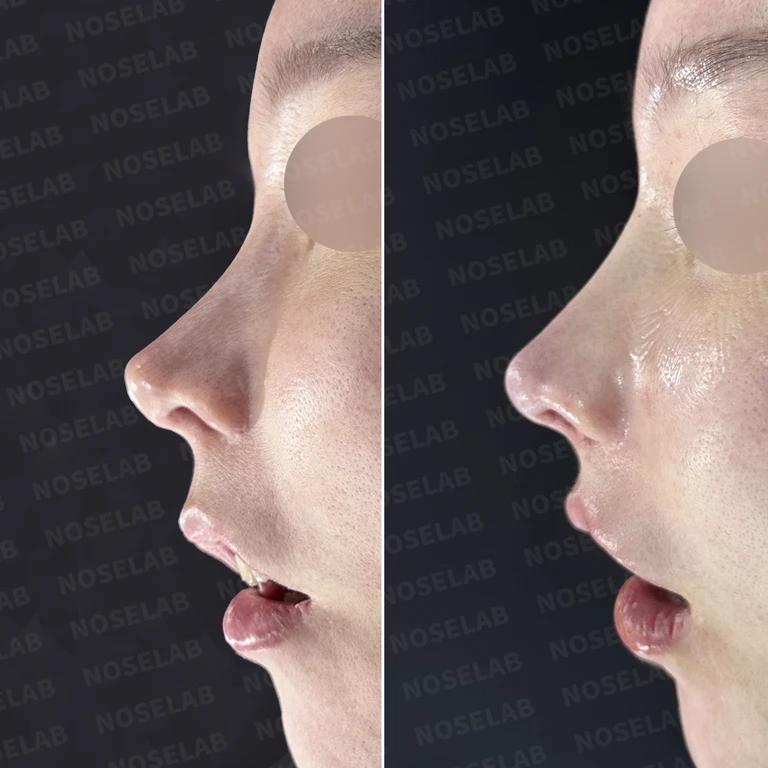
Why one nostril shows more from the front and how to reconstruct the nasal tip — Before-and-after comparison
Before-and-after comparison

Why one nostril shows more from the front and how to reconstruct the nasal tip

To correct nasal tip deformity and asymmetrical nostril show, the nasal tip was supported with donor rib cartilage and septal cartilage, accompanied by right alar rim lowering and a customized silicone implant placement.

Preoperative condition · Postoperative record
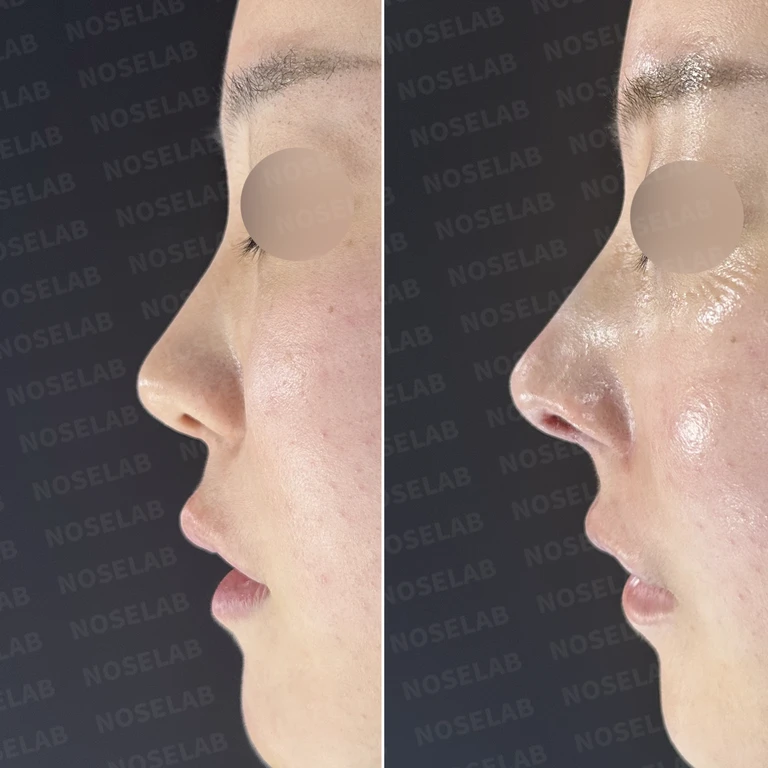
What sets the limit when you want a higher nasal bridge: 3D custom implant and autologous rib cartilage tip support — Before-and-after comparison
Before-and-after comparison

What sets the limit when you want a higher nasal bridge: 3D custom implant and autologous rib cartilage tip support

To improve the nasal bridge and glabella height in balance with prominent brow bones, the existing implant was removed, and a 3D custom implant, autologous rib cartilage tip support, and nasolabial angle correction were performed.

Postoperative record

Why an upturned nose and unilaterally pinched nostril occur, and how implant-free reconstruction is performed — Before-and-after comparison
Before-and-after comparison

Why an upturned nose and unilaterally pinched nostril occur, and how implant-free reconstruction is performed

An upturned nose and pinched nostril caused by multiple prior surgeries were corrected after removing artificial dermis, performing implant-free bridge augmentation with donor rib cartilage and septal cartilage, and using a skin-cartilage composite graft on the right nostril.

Preoperative condition · Postoperative record
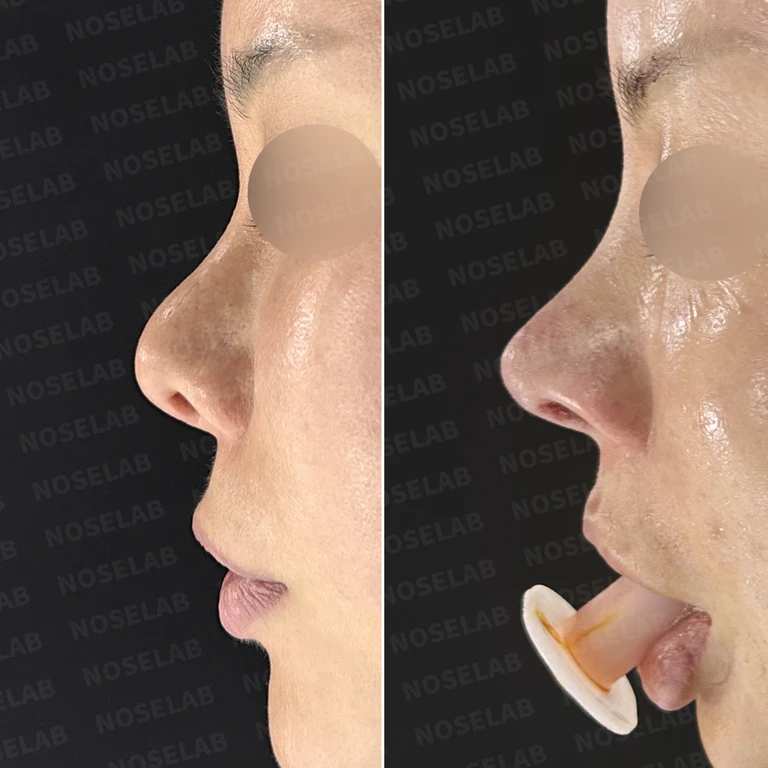
Why the nasal tip appears upturned and the columella looks short after rhinoplasty: methods for lowering the columella and correcting the bridge line — Before-and-after comparison
Before-and-after comparison

Why the nasal tip appears upturned and the columella looks short after rhinoplasty: methods for lowering the columella and correcting the bridge line

An upturned nasal tip, a short columella, and an unnatural silicone bridge line from previous rhinoplasty were improved using autologous rib cartilage septal extension, custom-carved silicone implant replacement, and nasolabial angle correction.

Postoperative record

No search results found

Please try searching with different keywords.

Scroll to keep reading

1 / 7Next case

Common questions before reading the cases

Is excessive nostril show always a case of postoperative contracture?

No. This collection includes records of patients with no previous rhinoplasty whose concerns were an upturned tip and significant nostril show. In contrast, other articles describe changes such as a twisted, upturned tip following implant removal after inflammation. To distinguish between such cases, one must evaluate the documented appearance of nostril show separately from any history of inflammation or contracture.

How should nostril show and nostril asymmetry be differentiated when reading?

Nostril show refers to excessive visibility of the nostrils from views such as the front, whereas nostril asymmetry describes differences in shape or degree of visibility between the two sides. In case notes on revision rhinoplasty after inflammation, tip deviation and upturning are documented alongside nostril asymmetry that became prominent from the front. Because both characteristics can occur in the same patient, review the photos and descriptions across different angles together.

Related topics to explore

Upturned noseNostril asymmetryAlar retraction and pinchingContracted nose

Surgical records referenced in this guide

  • Why the nasal tip turns up and the columella droops, and how septal extension is performed
  • Autologous rib cartilage revision rhinoplasty and nostril correction for an upturned and crooked nose
Original article

Read more records

Planning a visit to Seoul?Prepare your consultation with the NOSELAB team.

International patient guideWhatsApp ↗
Dr. Peter C. Kang's Rhinoplasty Stories
Rhinoplasty guideCases by topicDr. Peter C. KangNaver Blog ↗
View original photo
Enlarged photo
WhatsAppChat with NOSELAB↗