Hello, I am Dr. Peter C. Kang.
Today, I would like to introduce a rhinoplasty case of a patient who traveled to our clinic from overseas. This was a case where nasal tip shape improvement was performed alongside correction of nostril asymmetry.
🔍 Surgical history
- No prior history of surgery
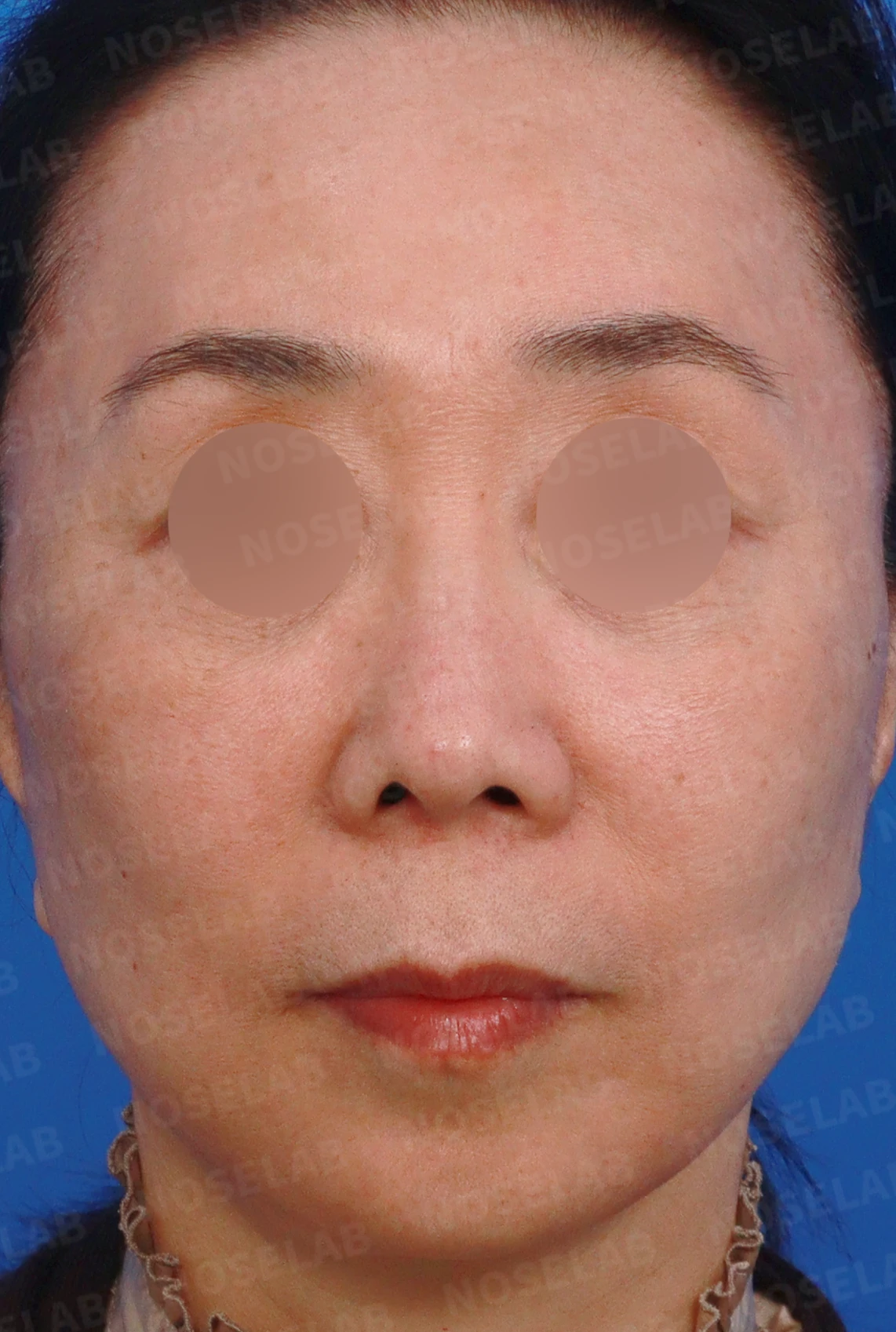
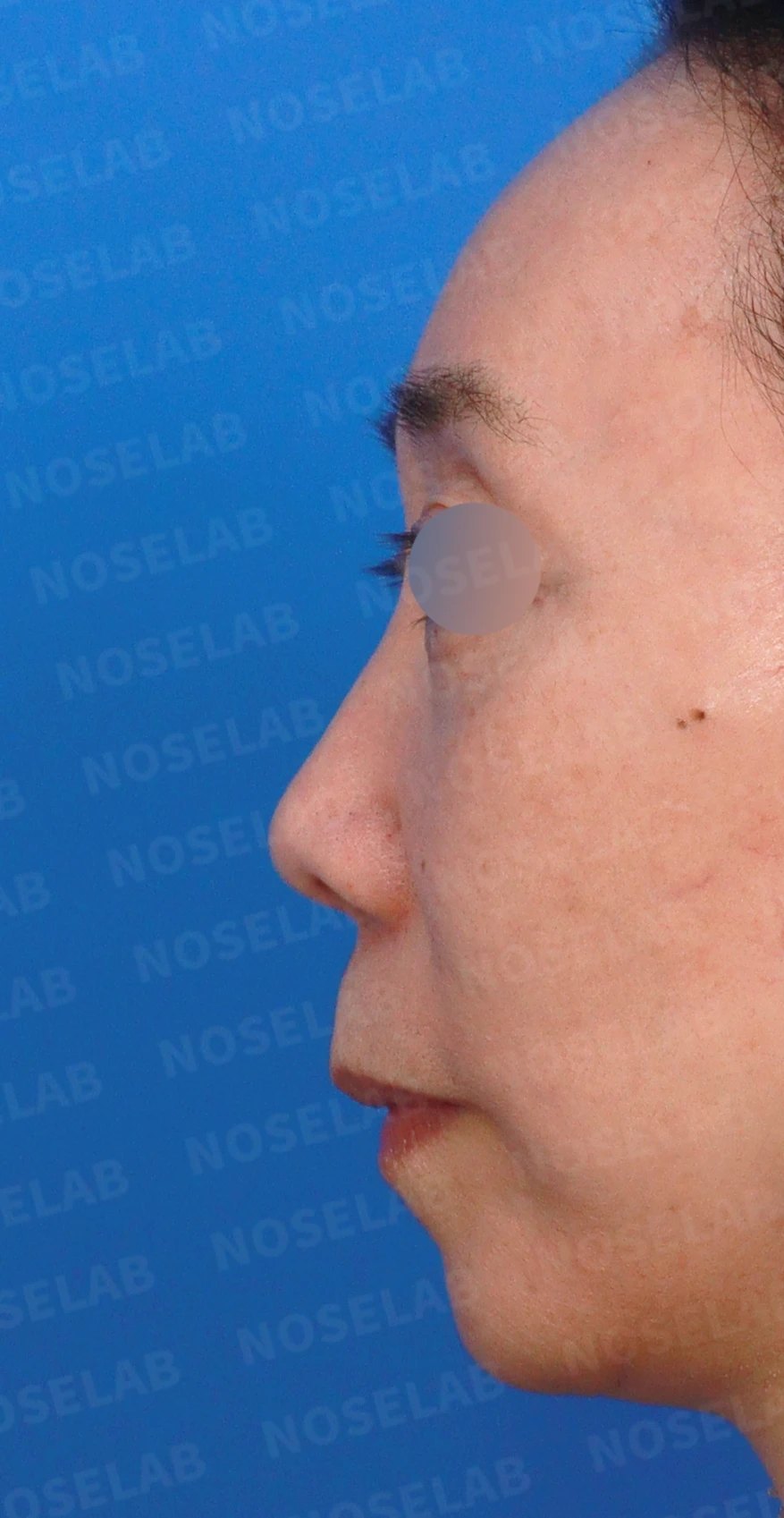
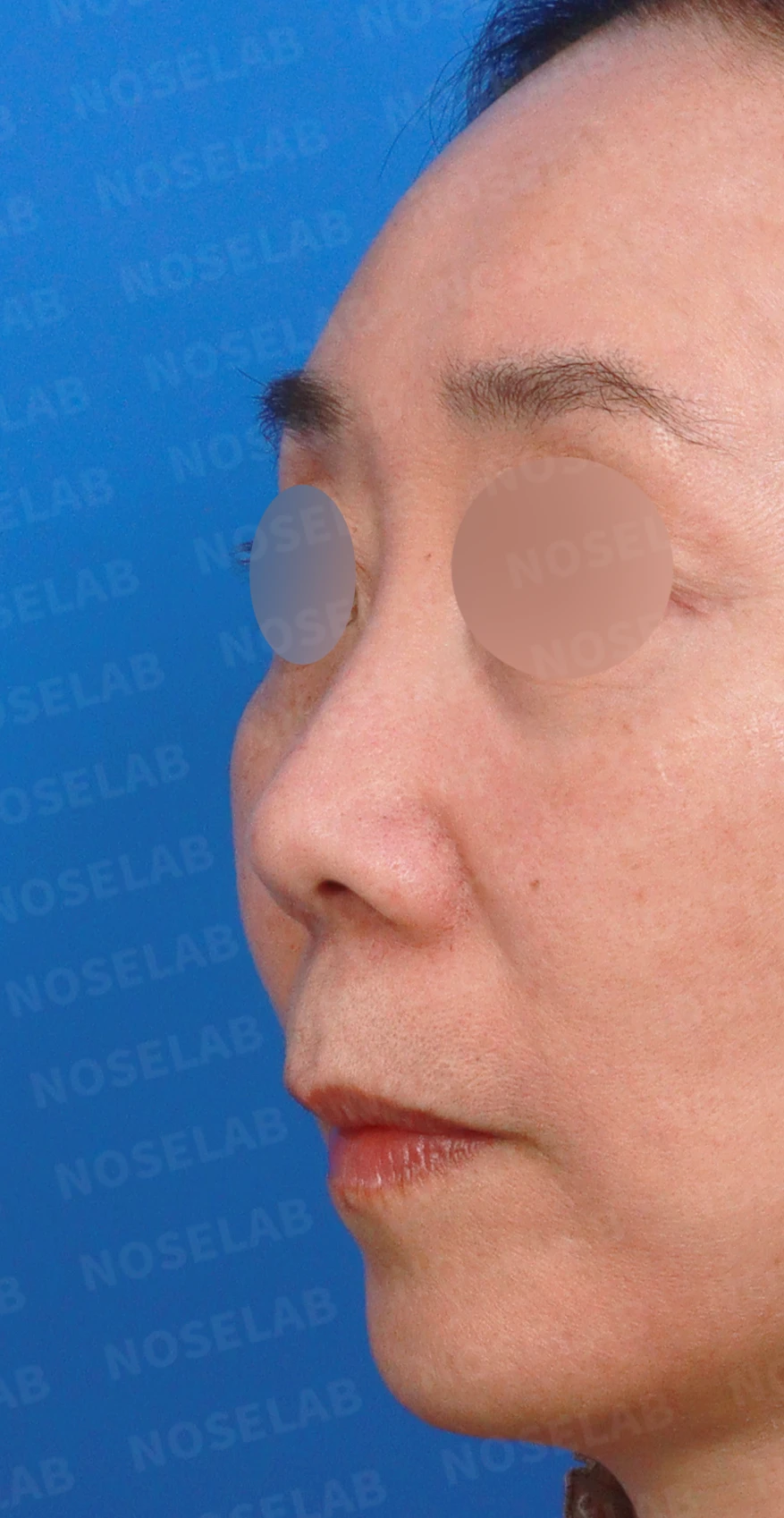
Front, left profile, and oblique views during design consultation.
💉 Patient requests
The patient was concerned about nasal tip shape and nostril asymmetry.
Main requests:
Improving the shape of the nasal tip
Correcting excessive nostril show from the front
Improving nostril asymmetry (especially on the right side)
Natural bridge line
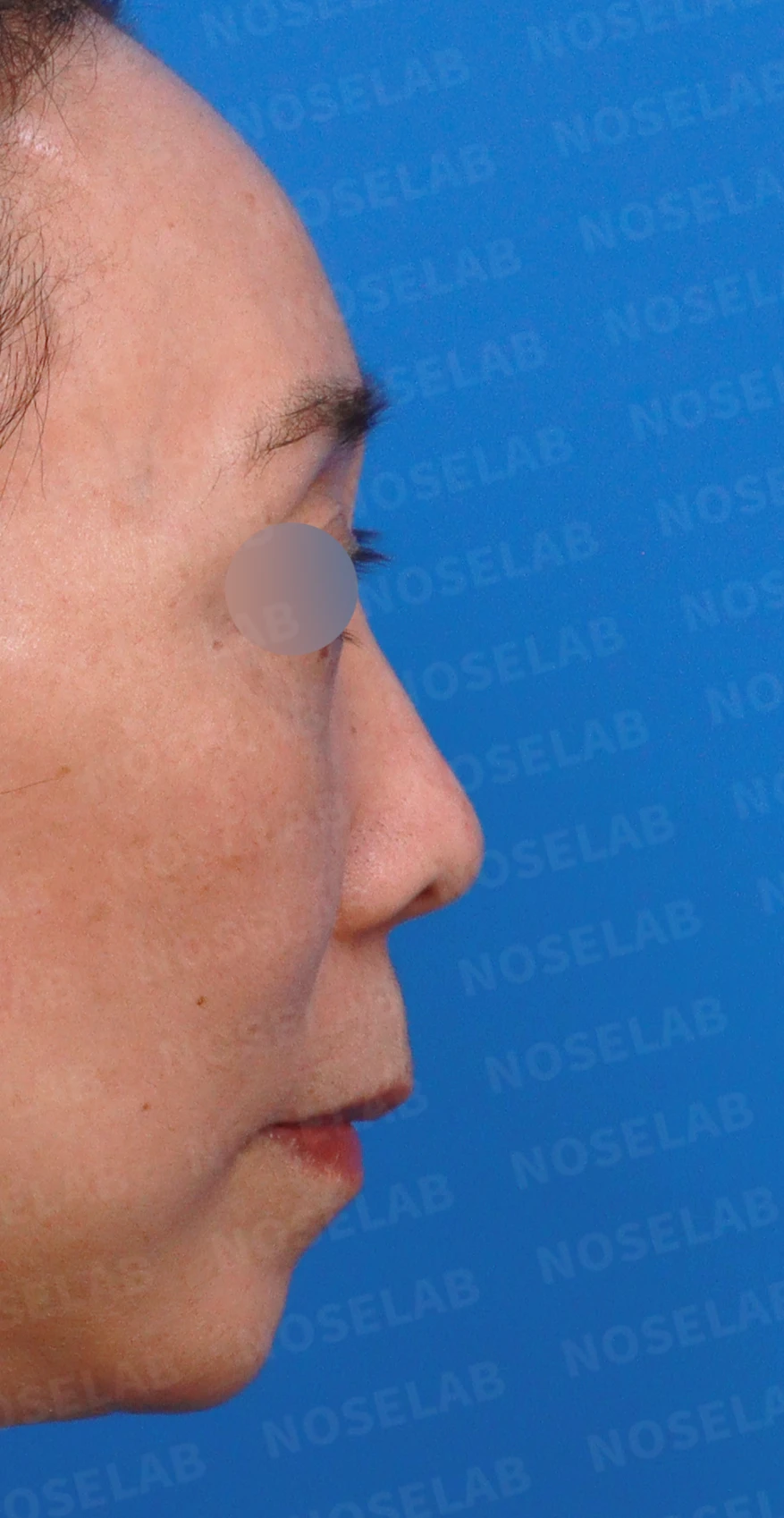
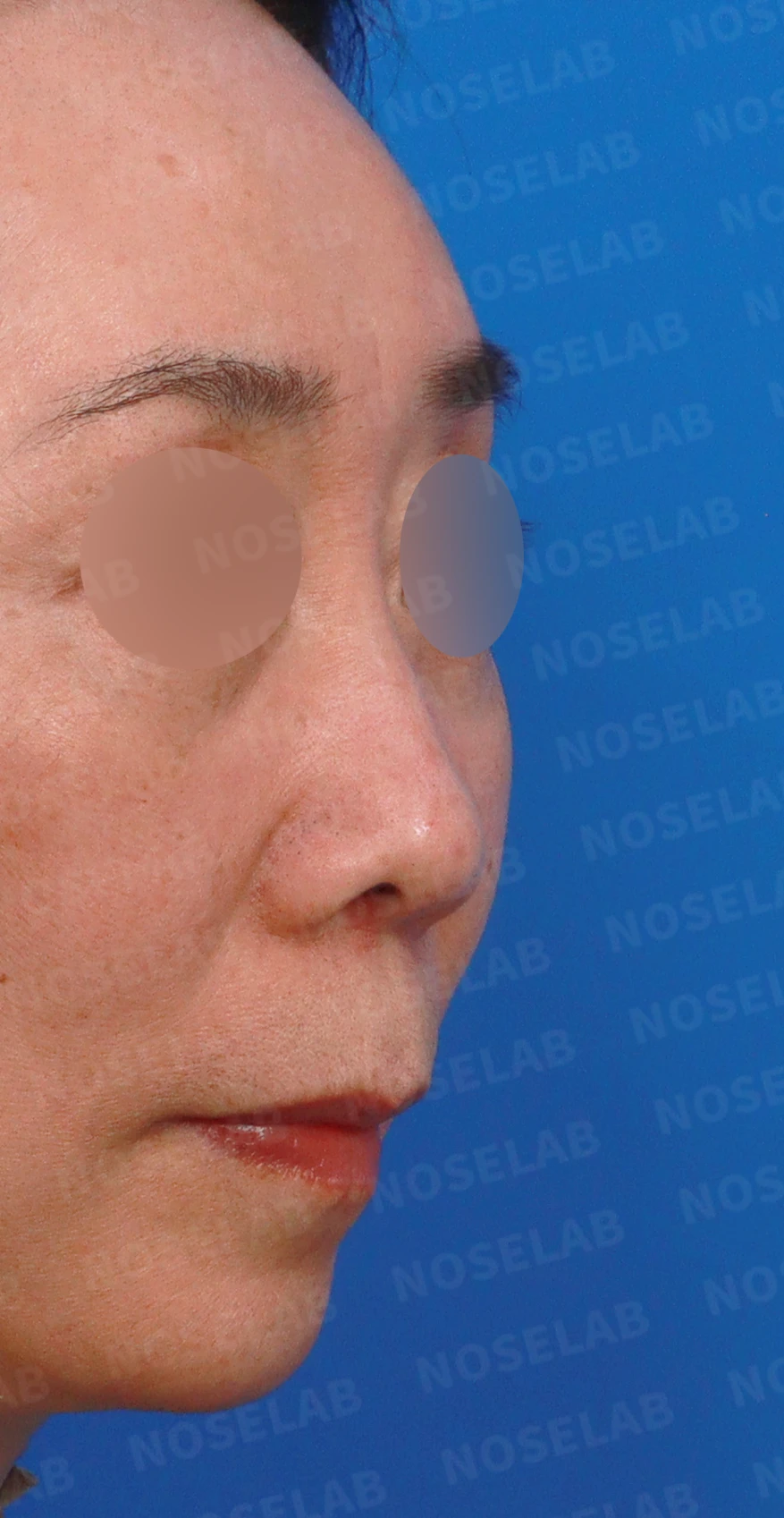
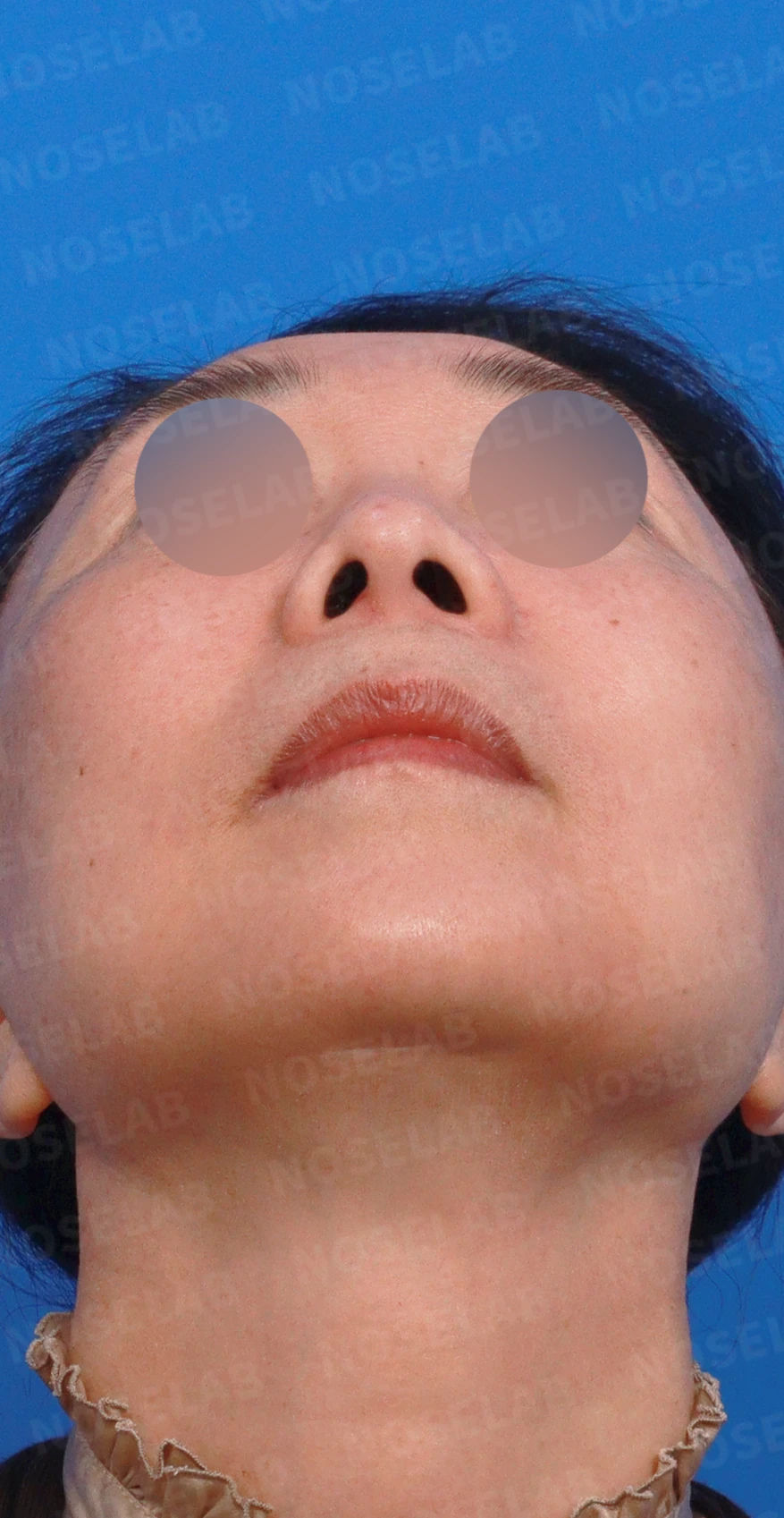
Right profile, oblique, and nostril views during design consultation.
🔧 Surgical plan and procedure
1. Nasal tip reconstruction using donor rib cartilage and septal cartilage
Donor rib cartilage and septal cartilage were used together to rebuild the nasal tip.
Advantages of donor rib cartilage:
No burden of autologous rib cartilage harvesting
Able to secure a sufficient amount of cartilage
Maintaining tip shape with firm structural support
Provides structural stability when used in conjunction with septal cartilage
Combining the two types of cartilage created a solid foundation for the nasal tip structure.
2. Right alar rim lowering
Excessive and asymmetrical nostril show seen from the front was corrected. In particular, lowering the right alar rim helped balance both sides and reduced frontal nostril show.
3. Refining the nasal bridge with a silicone implant
To ensure a natural transition to the nasal tip, a silicone implant was carved to fit the patient's nasal anatomy and placed. This created a smooth, continuous line from the nasal bridge down to the tip.
🌟 Surgical results
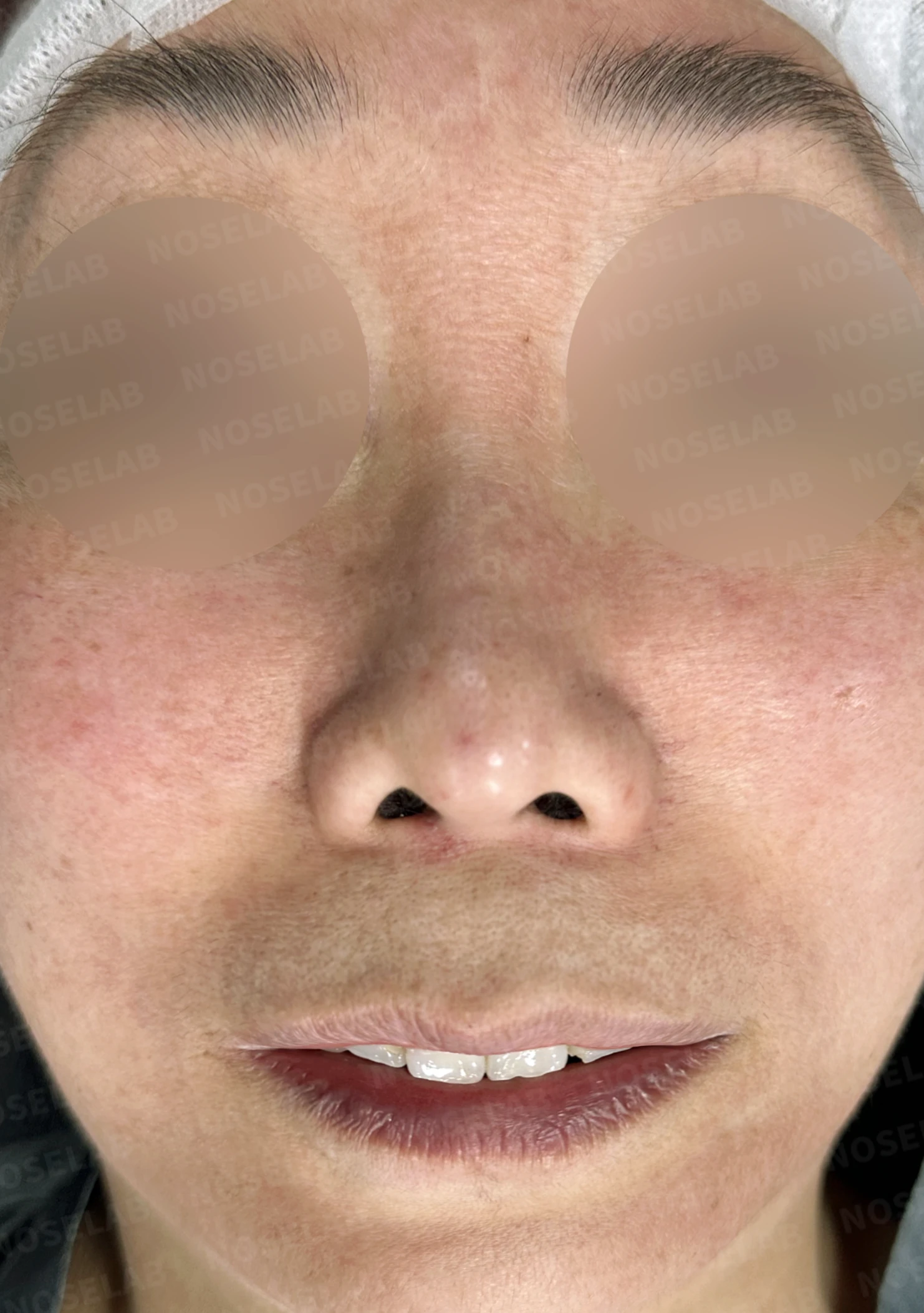
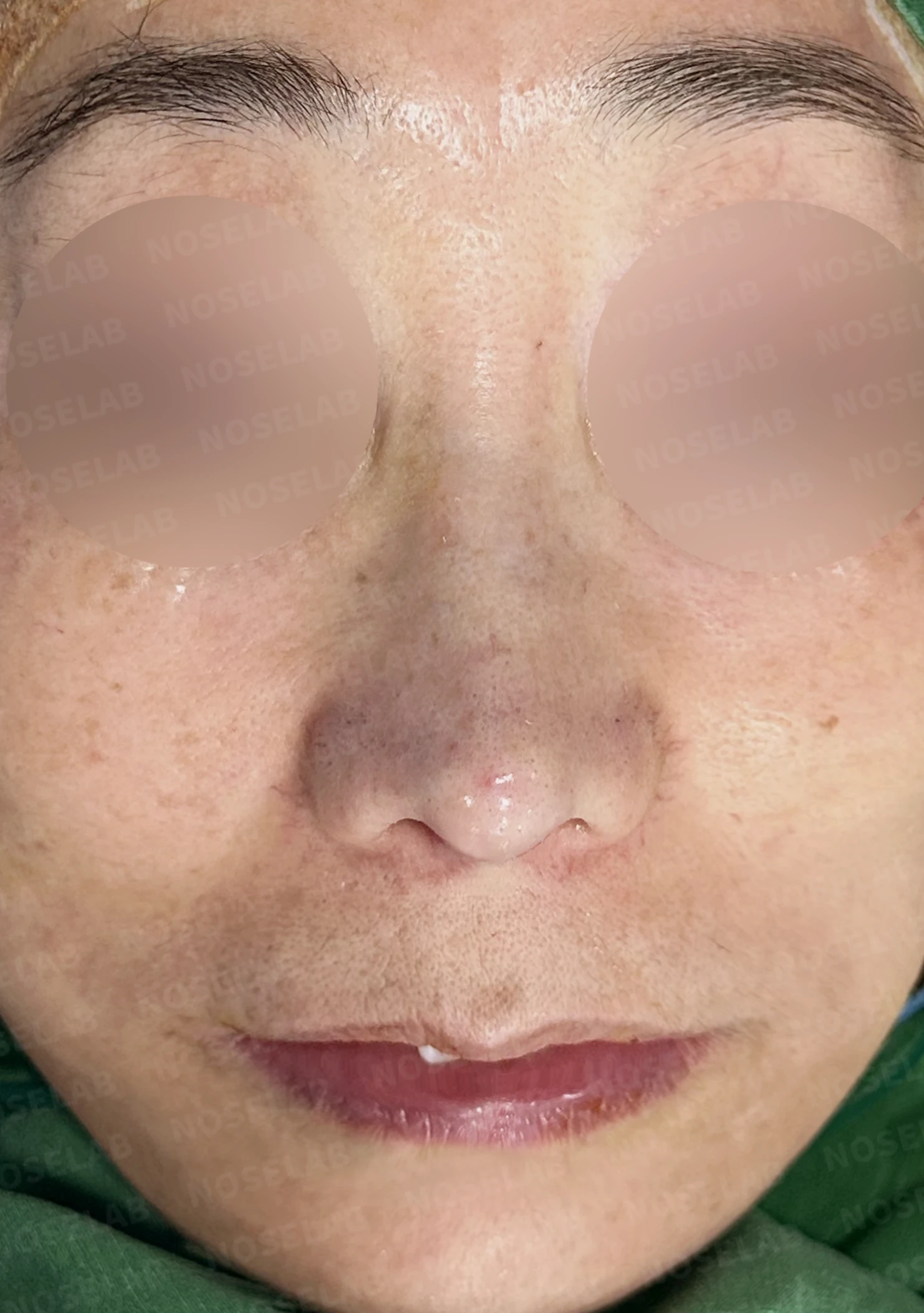
Before surgery / Day 0 immediately after surgery Photos taken immediately after surgery show swelling and may differ from the final result.
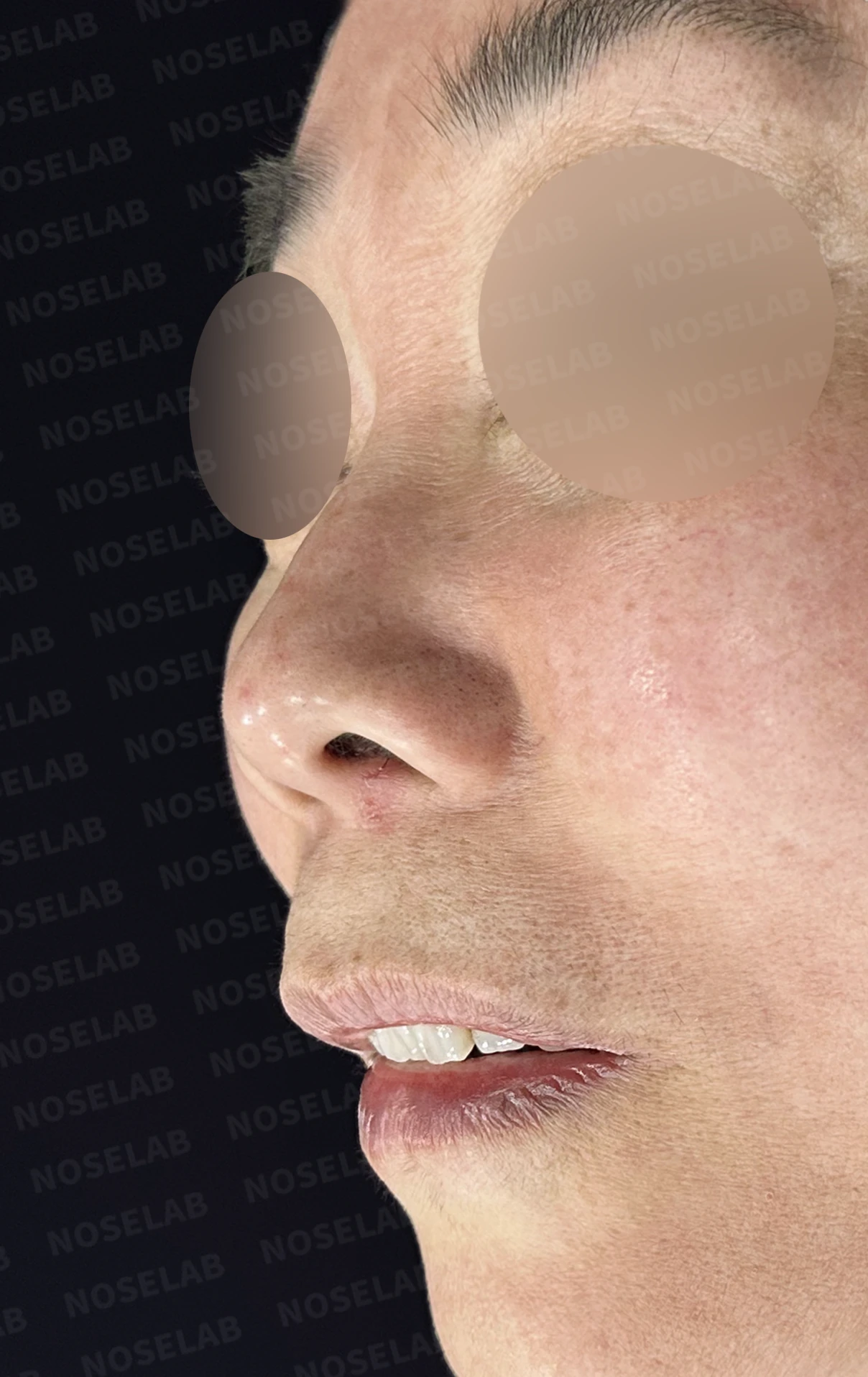
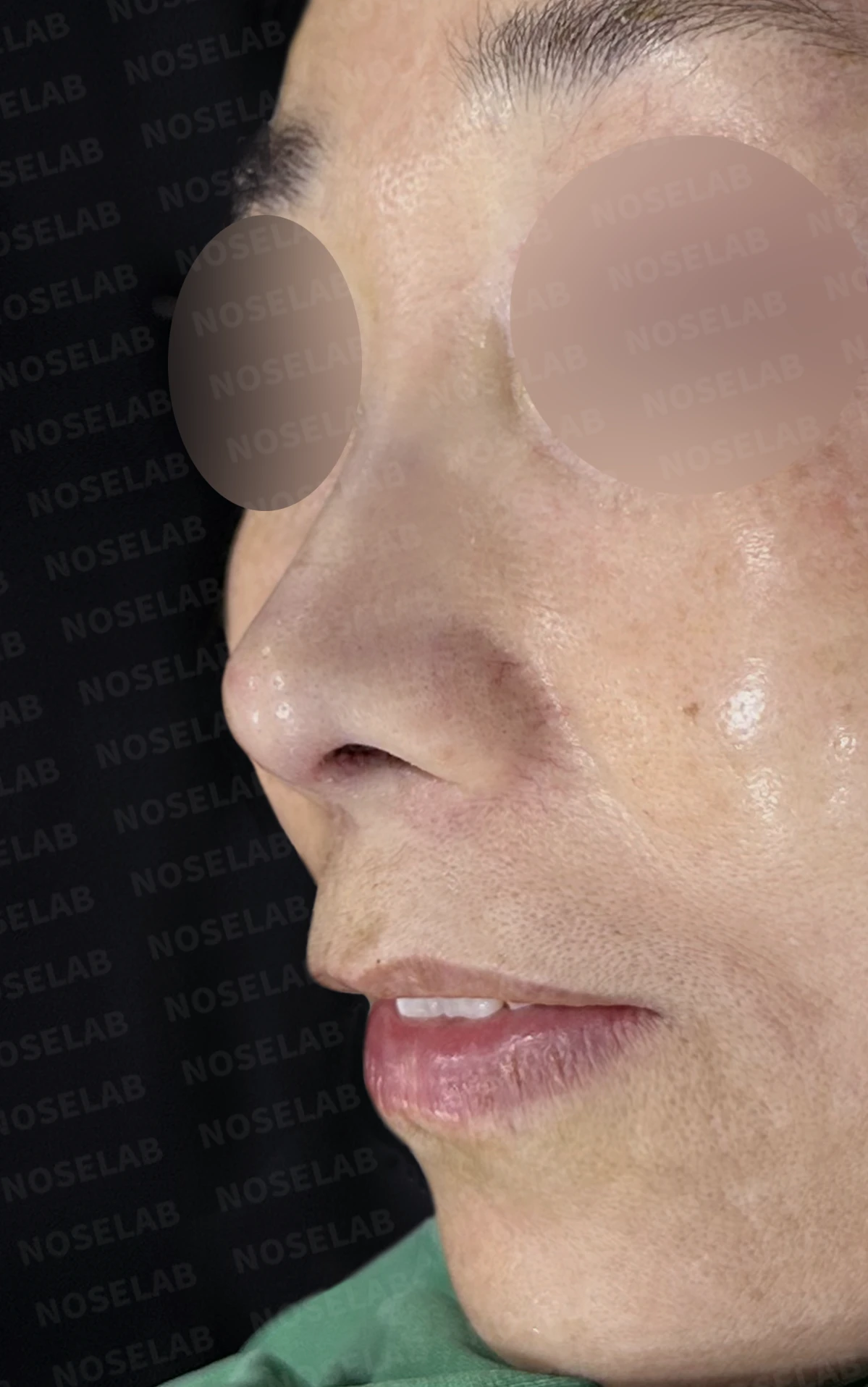
Front view changes:
Improved nostril asymmetry
Reduced nostril show from the front
Balanced nasal shape between left and right
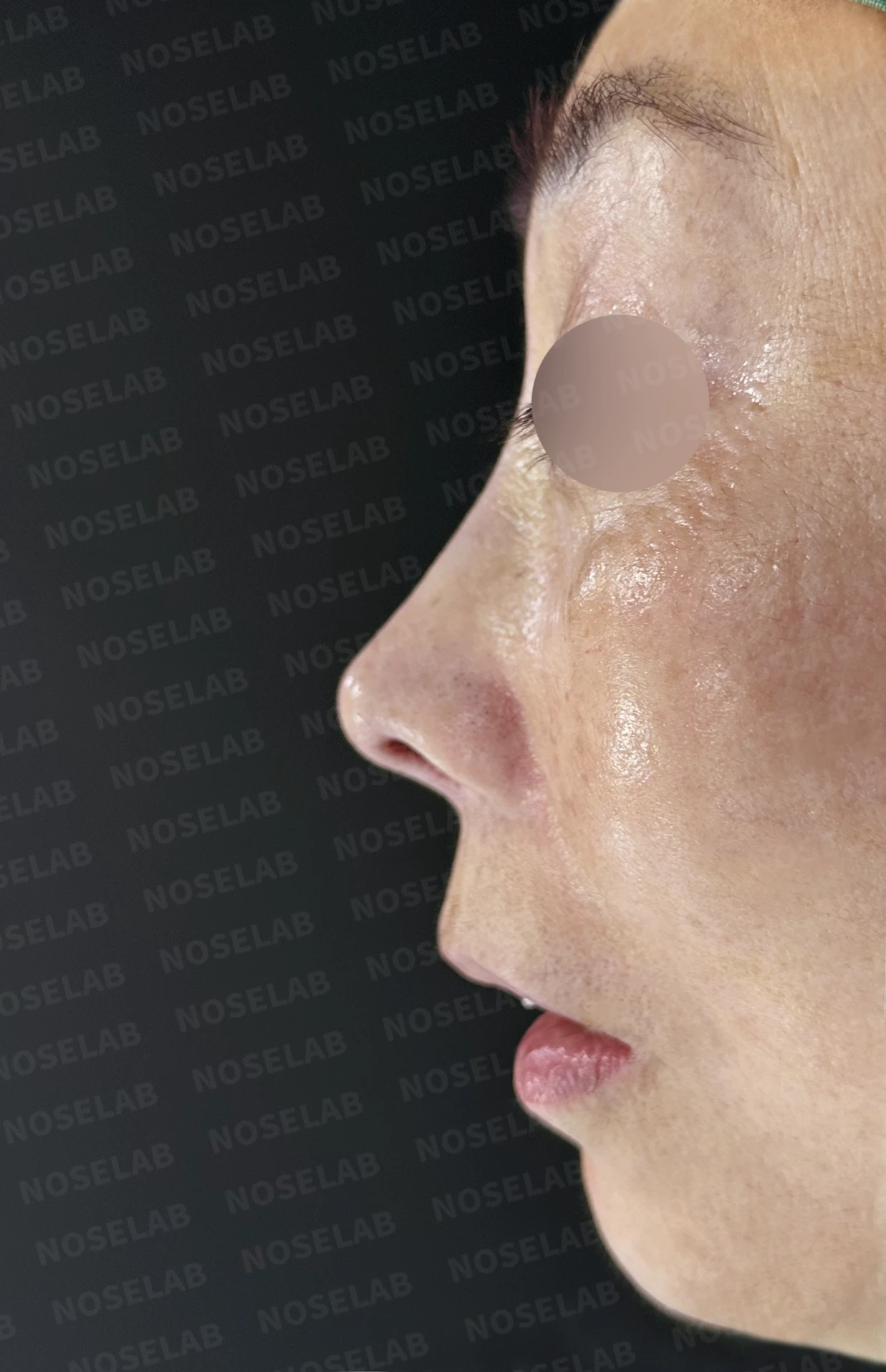
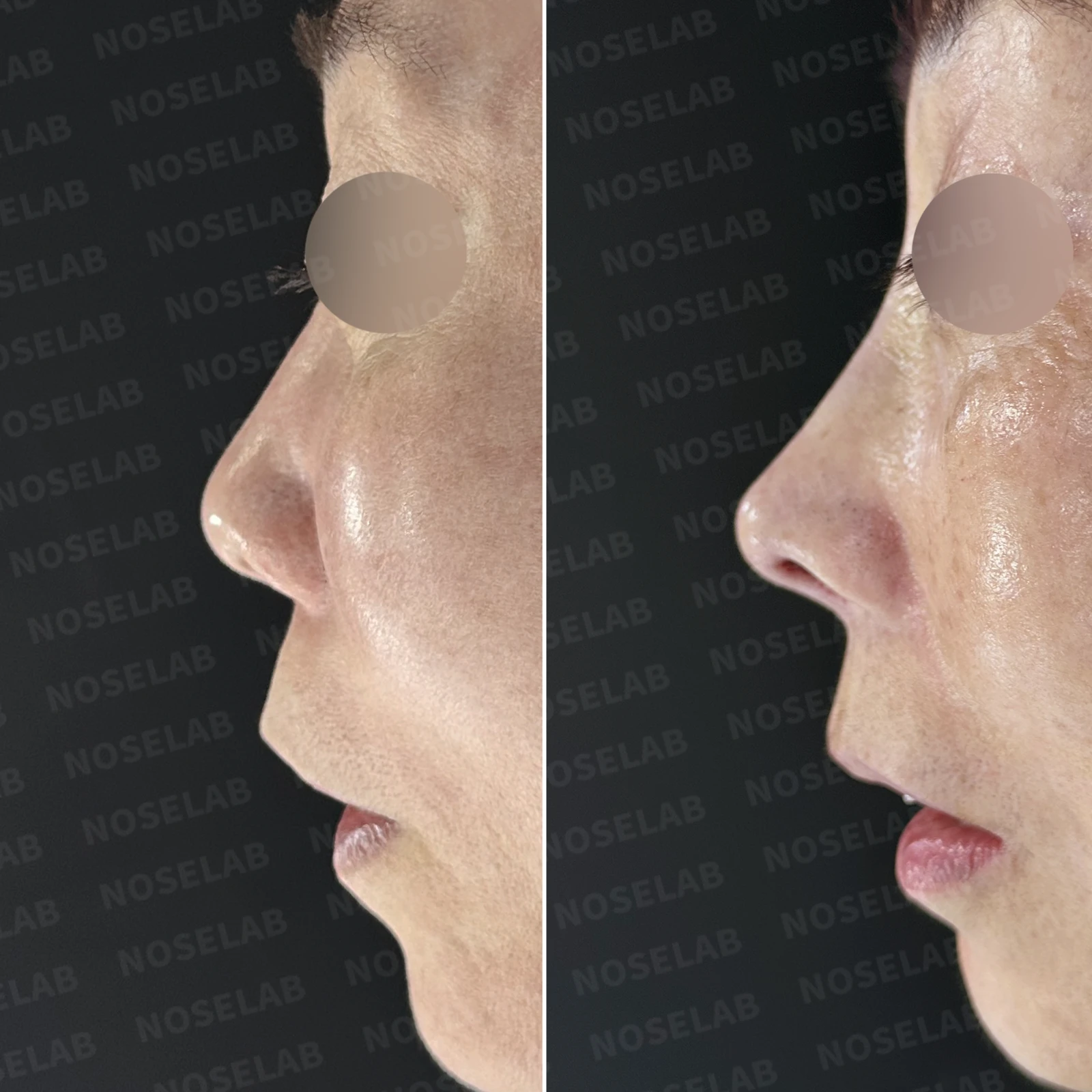
Before surgery / Day 0 immediately after surgery Photos taken immediately after surgery show swelling and may differ from the final result.
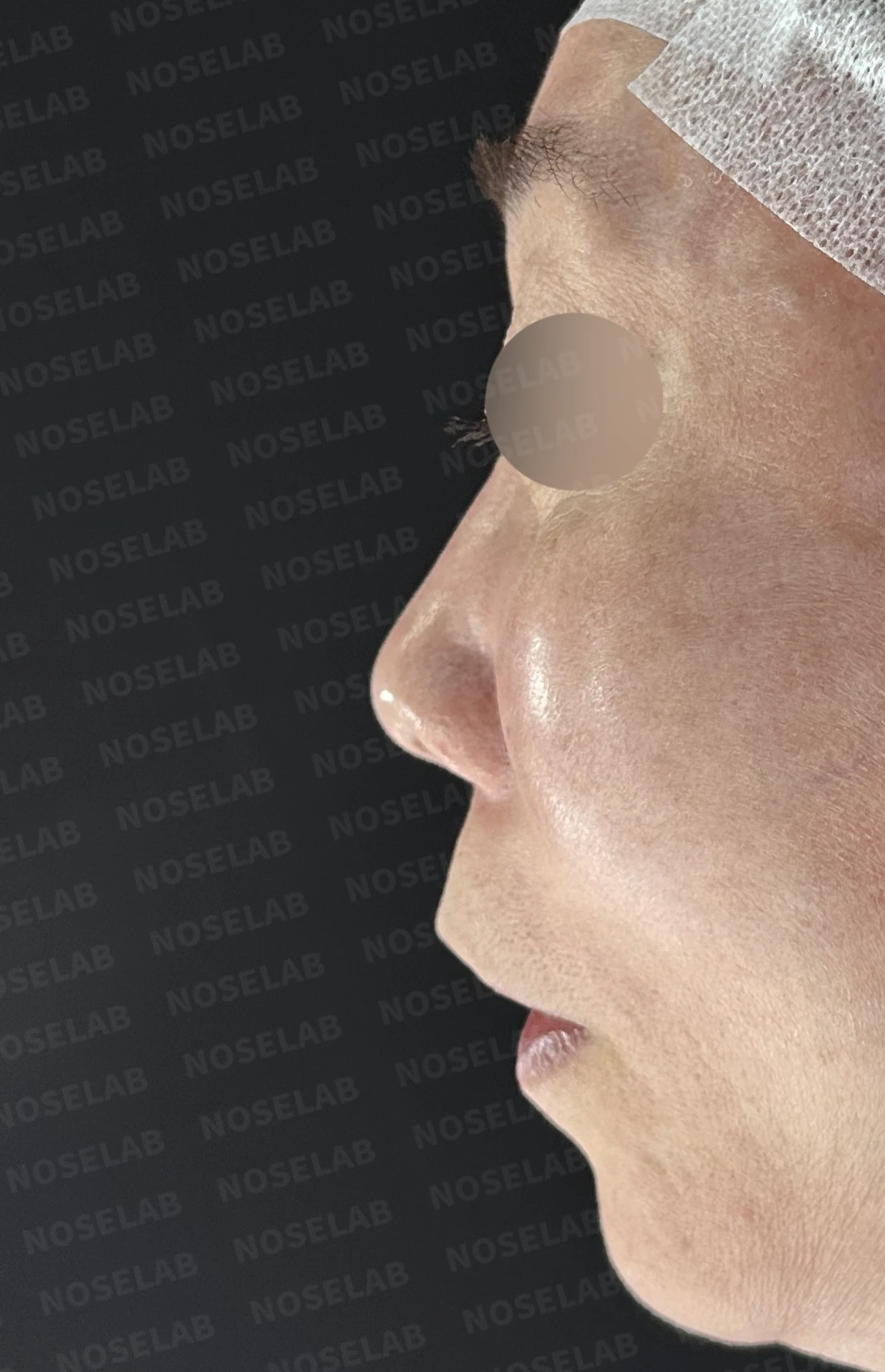
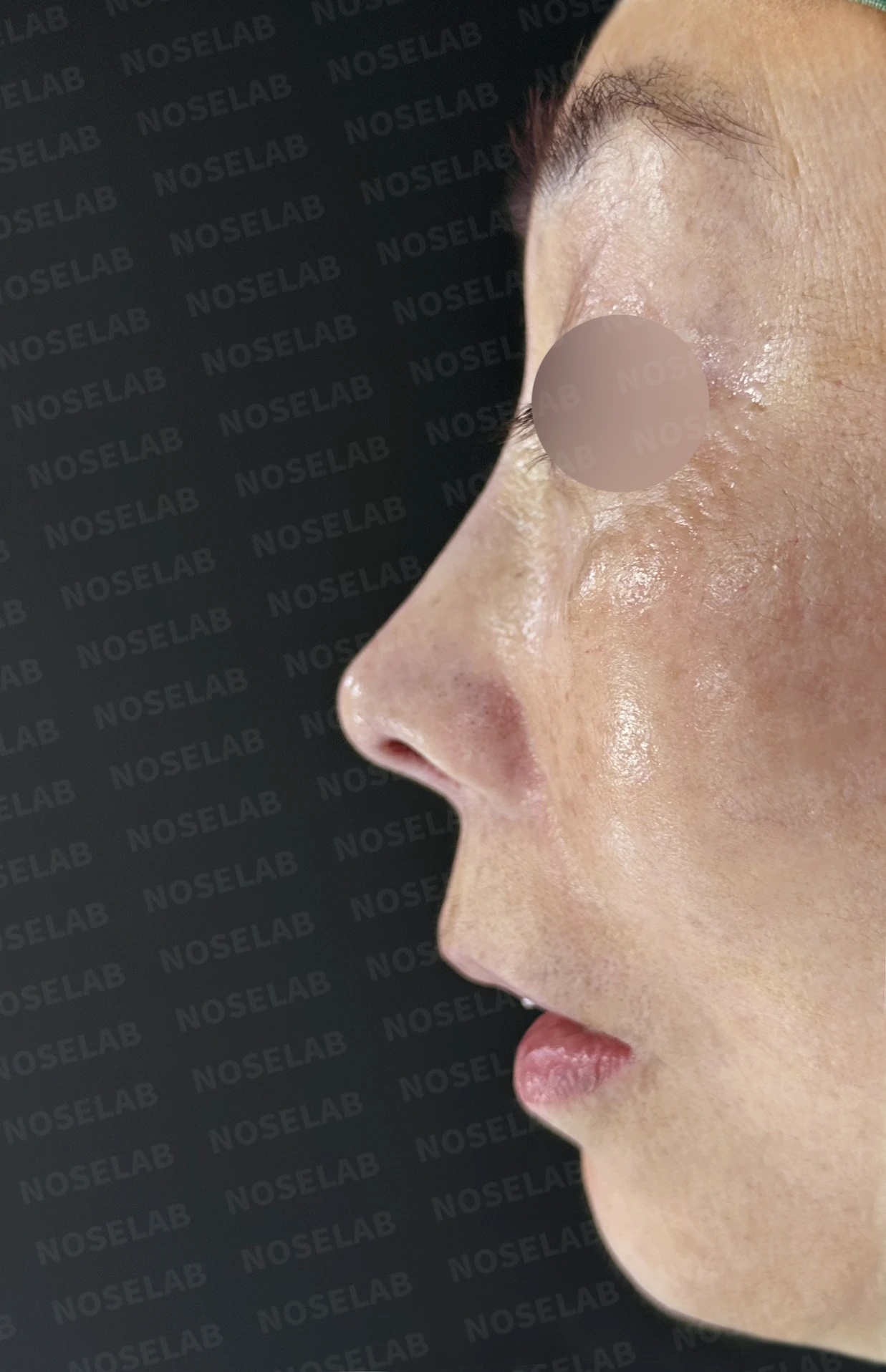
Profile view changes:
Naturally refined nasal tip
Smooth transition between the nasal bridge and tip
Achieving a natural nasal line
Before surgery / Day 0 immediately after surgery Photos taken immediately after surgery show swelling and may differ from the final result.
Nostril view changes:
Better symmetry achieved by lowering the right alar rim
Reduction of nostril show
Stable nostril shape
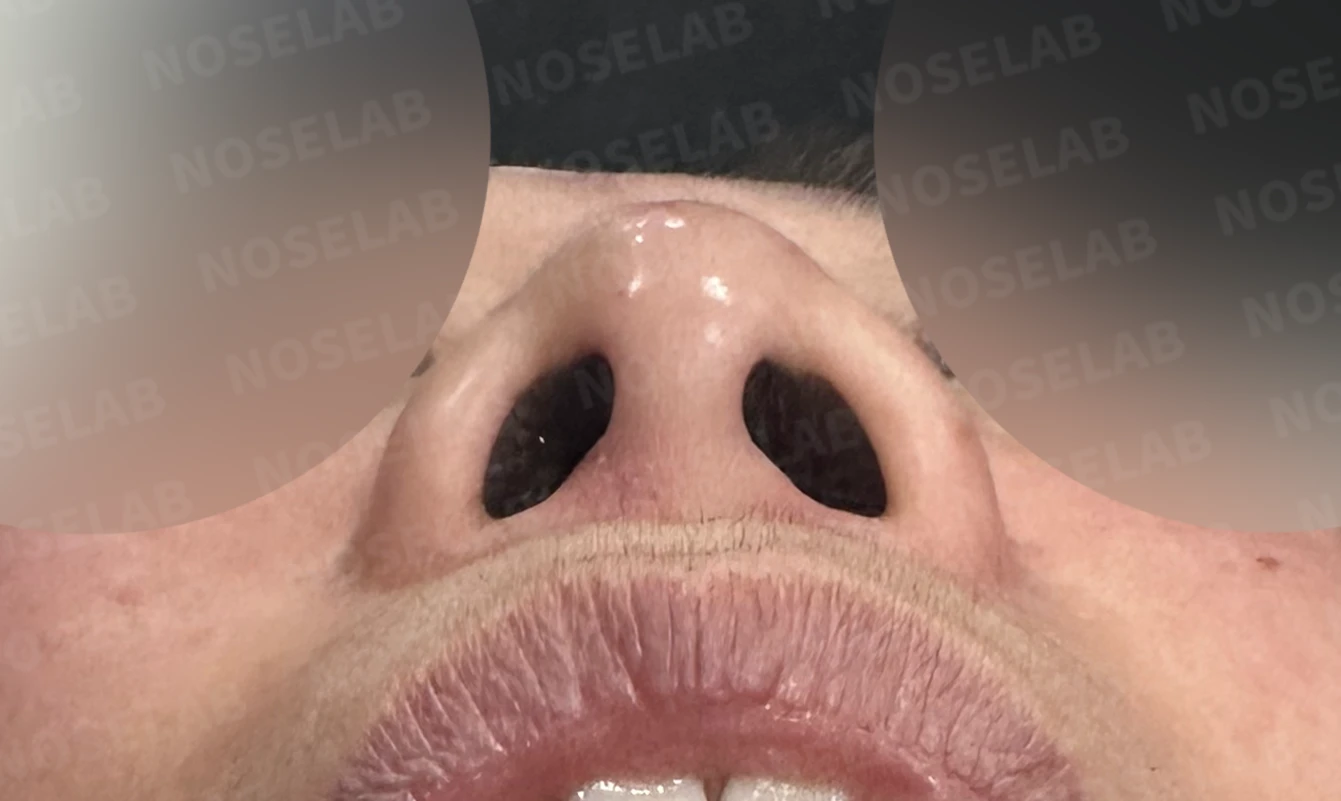
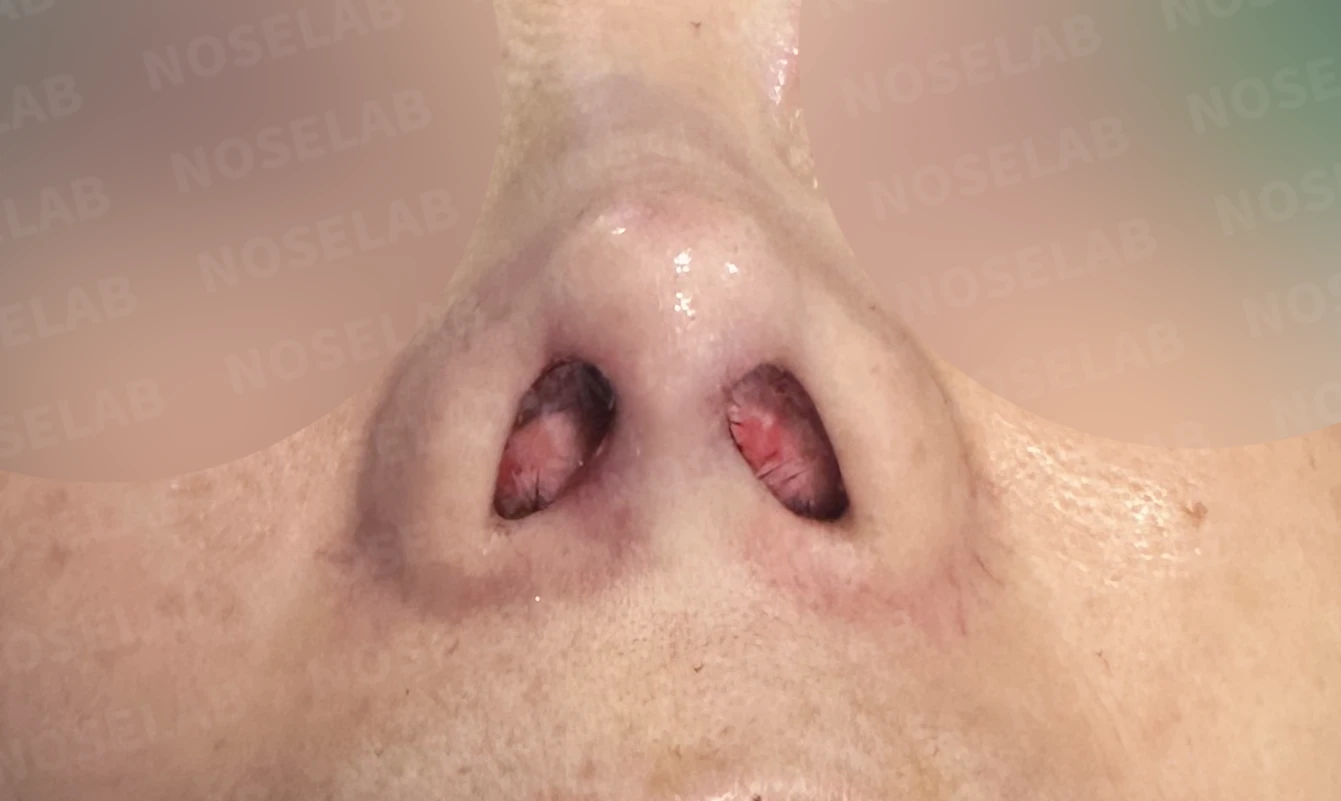
Before surgery / Day 0 immediately after surgery Photos taken immediately after surgery show swelling and may differ from the final result.
💡 Specialist opinion
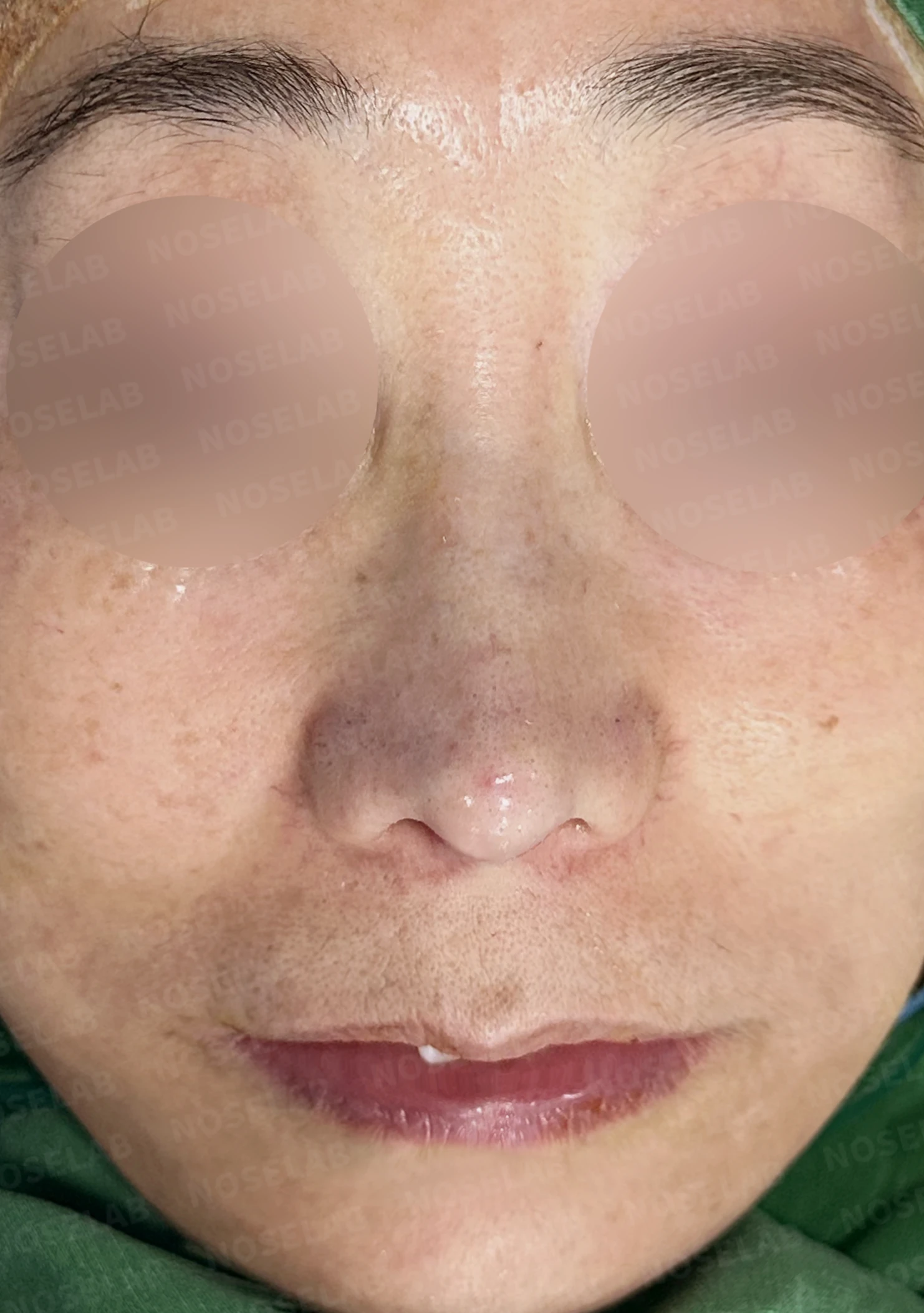
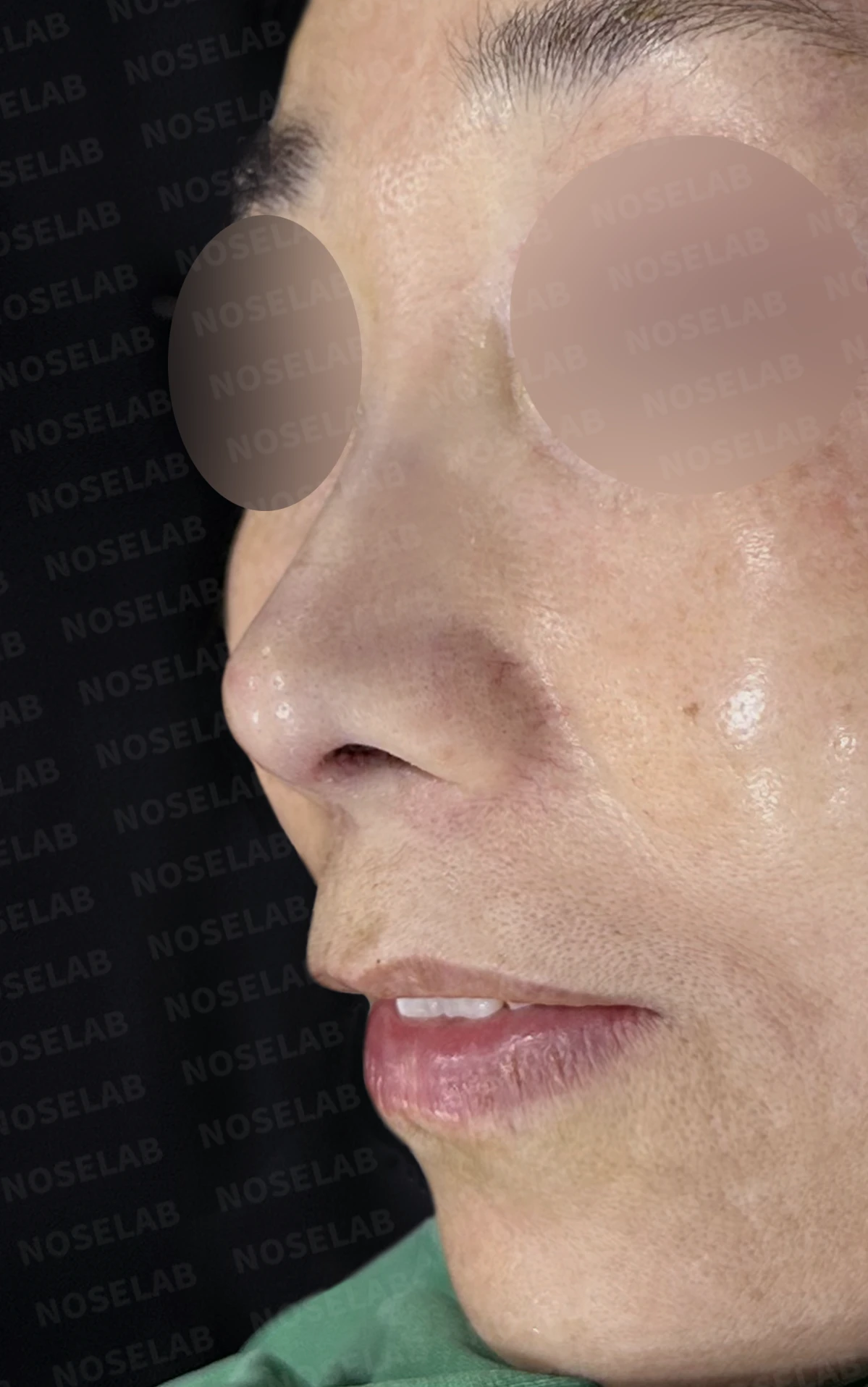
Front, oblique, and profile views on day 0 immediately after surgery. Photos taken immediately after surgery show swelling and may differ from the final result.
Nostril asymmetry significantly affects the front-view impression of the nose. When one nostril is visibly more exposed or asymmetrical, it can affect the overall facial balance.
In this surgery, donor rib cartilage and septal cartilage were used together to solidly reconstruct the nasal tip structure, and nostril asymmetry was addressed through right alar rim lowering. Because donor rib cartilage provides an ample supply of cartilage without the burden of autologous harvest, it can be a suitable option for international patients.
Knowing that the patient chose our clinic from overseas, the surgery was performed meticulously to achieve the intended result. I hope this case serves as a helpful reference for those with similar concerns. This has been Medical Director Dr. Peter C. Kang. Thank you.
#closedrhinoplasty #closedrevisionrhinoplasty #donorribcartilage #nostrilasymmetry #alarrimlowering #rhinoplasty #naturalnose #Rhinoplasty

Limitations and risks
When autologous rib cartilage is used, scarring and pain may remain at the donor site on the chest, and pneumothorax (pleural injury) can occur rarely. Over time, the grafted cartilage may warp or undergo partial resorption.
When using donor rib cartilage, long-term follow-up is necessary because the grafted cartilage may resorb or warp.
When the septum is corrected at the same time, nasal obstruction may persist or recur, and in rare cases, septal perforation or changes in smell may occur.
Common potential risks include infection, bleeding, asymmetry, scarring, skin necrosis, and insufficient improvement; results vary depending on individual skin condition and previous surgical history.