Hello, I am Dr. Peter C. Kang.
Today, I would like to share a case of a patient who visited our clinic concerned about an upturned nasal tip and an unnatural bridge line following previous surgery.
🔍 Surgical history
Although the patient had previously undergone rhinoplasty:
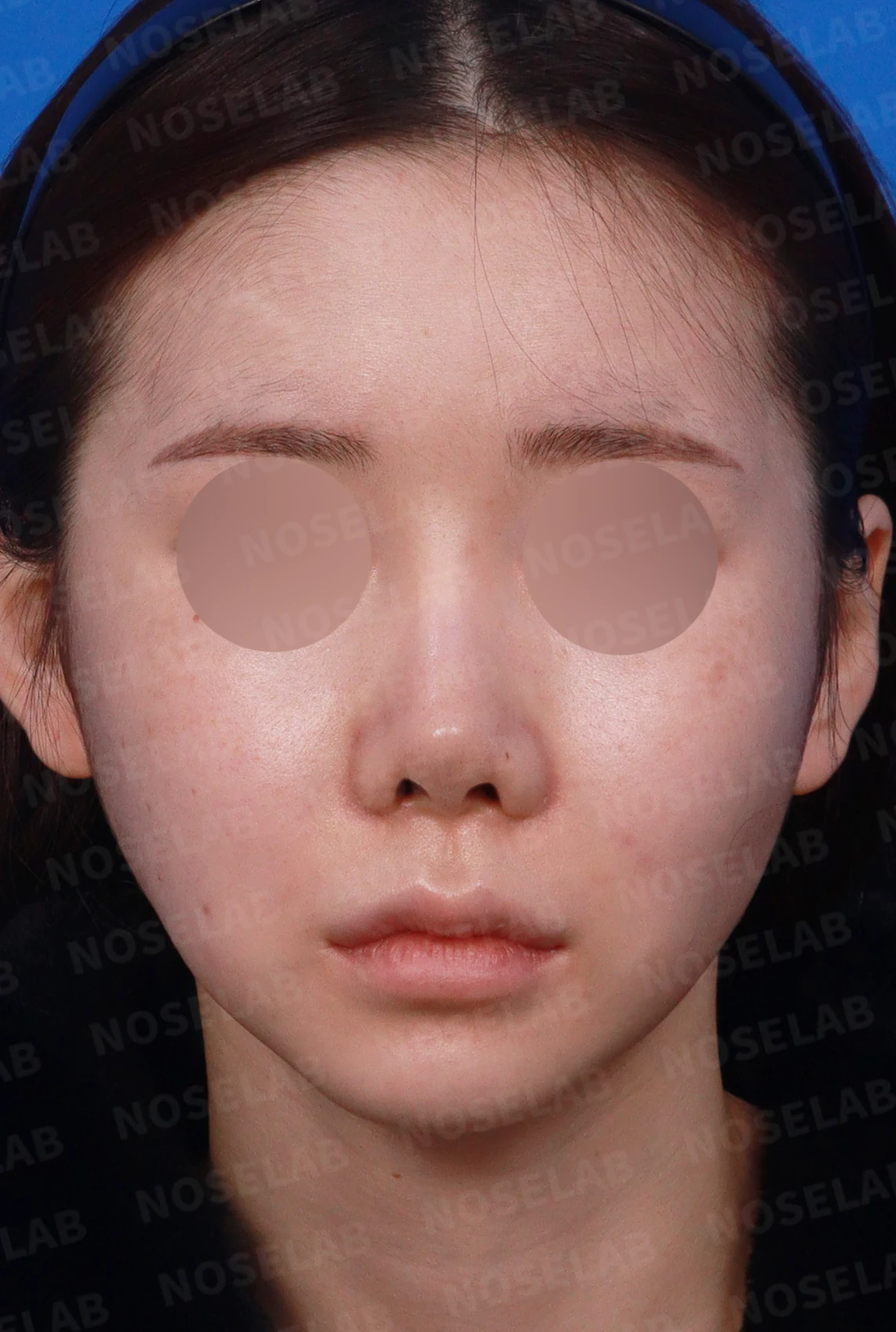
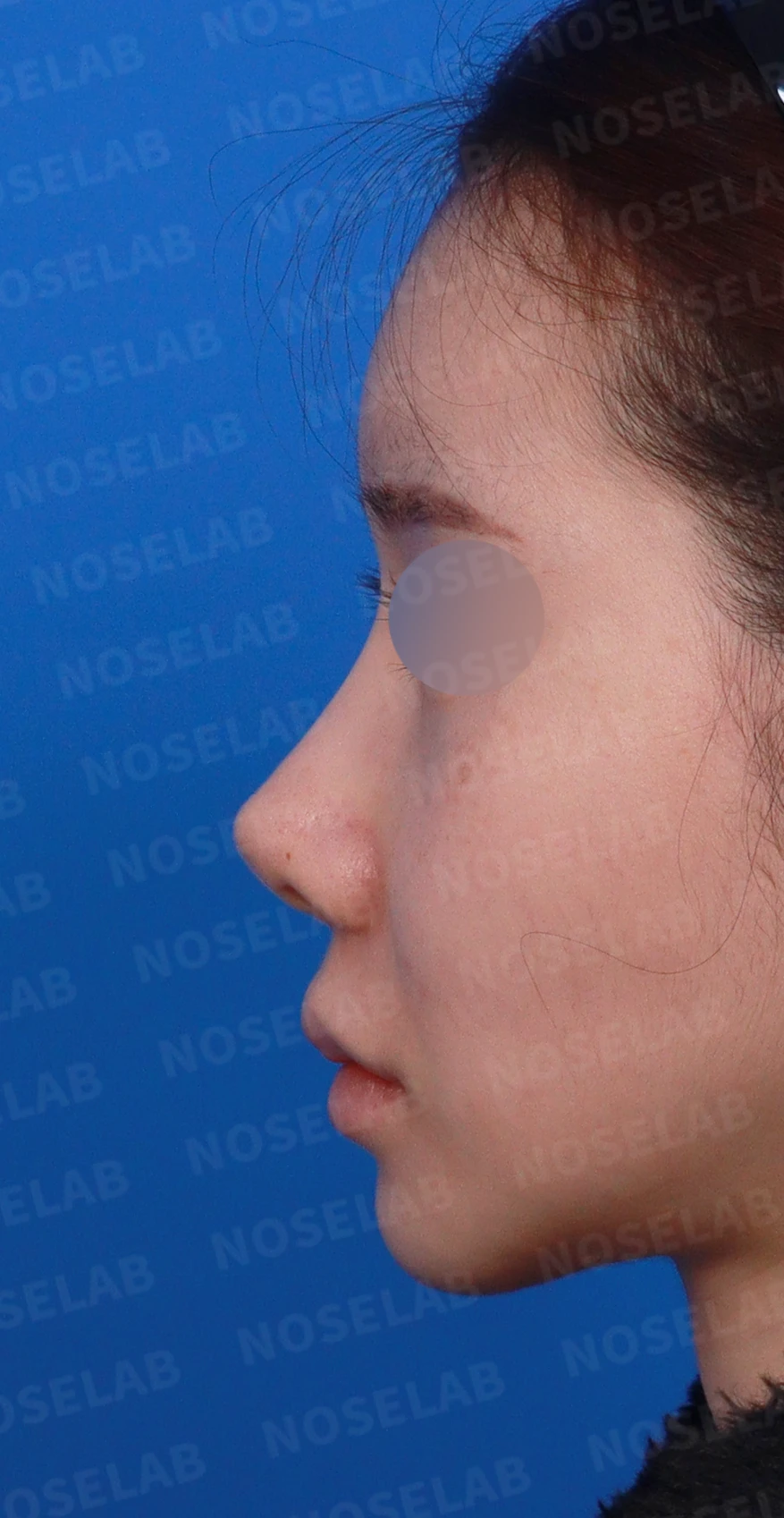
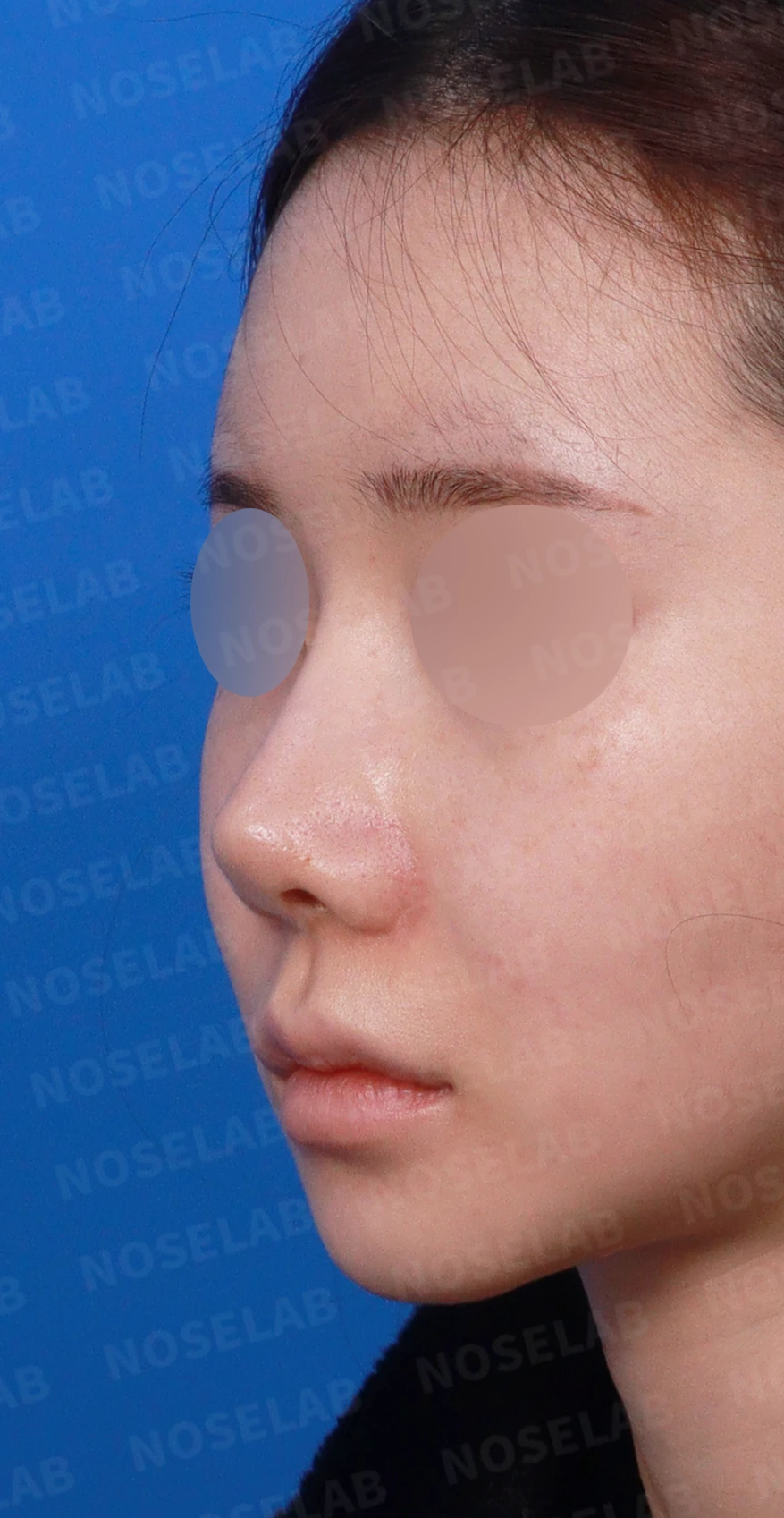
Front, left profile, and oblique views during design consultation.
The nasal tip appeared upturned
The columella appeared short
The bridge line looked unnatural and artificial
The nasal tip looked excessively upturned from the front
💉 Patient requests
The patient had concerns about the following issues after a previous surgery:
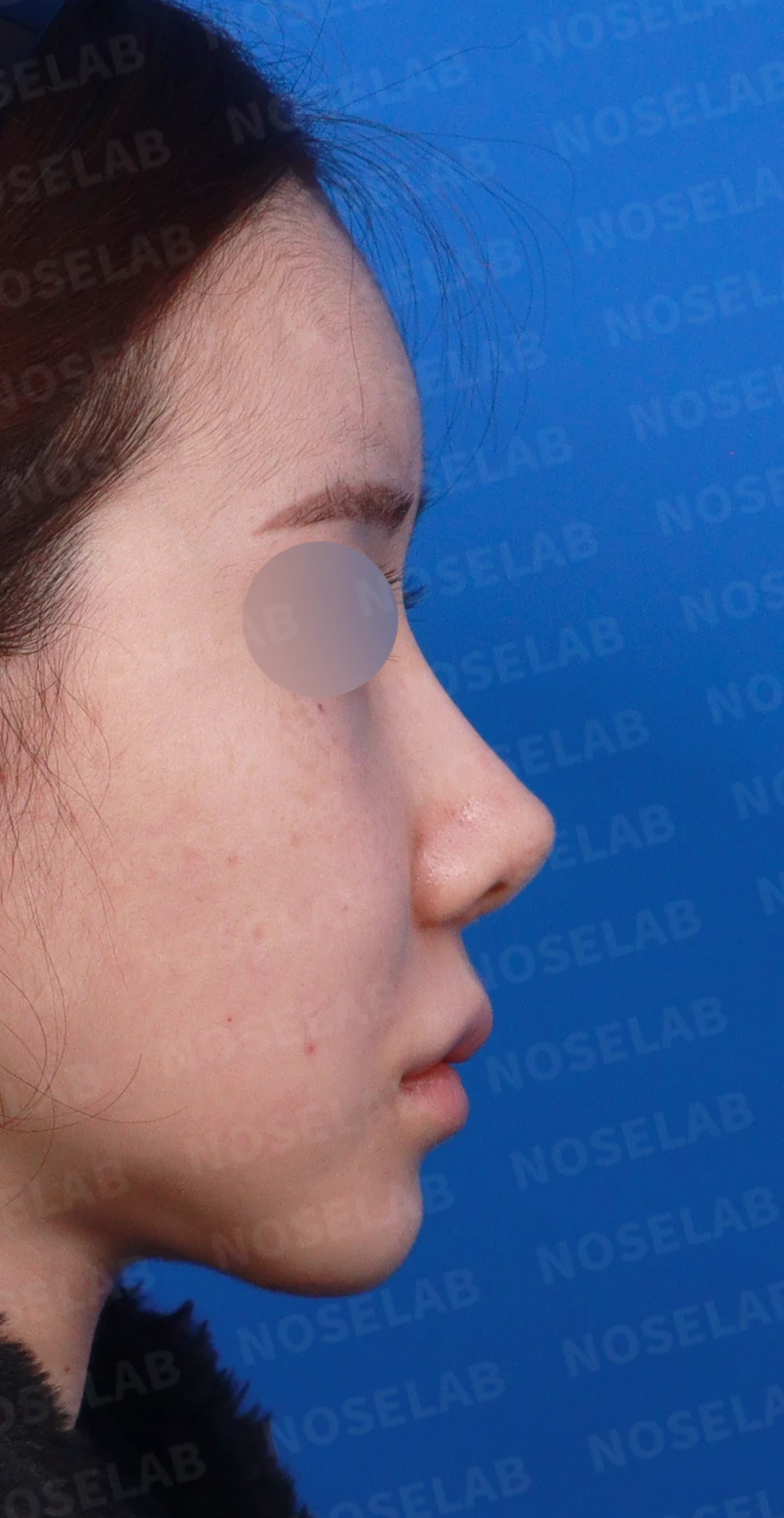
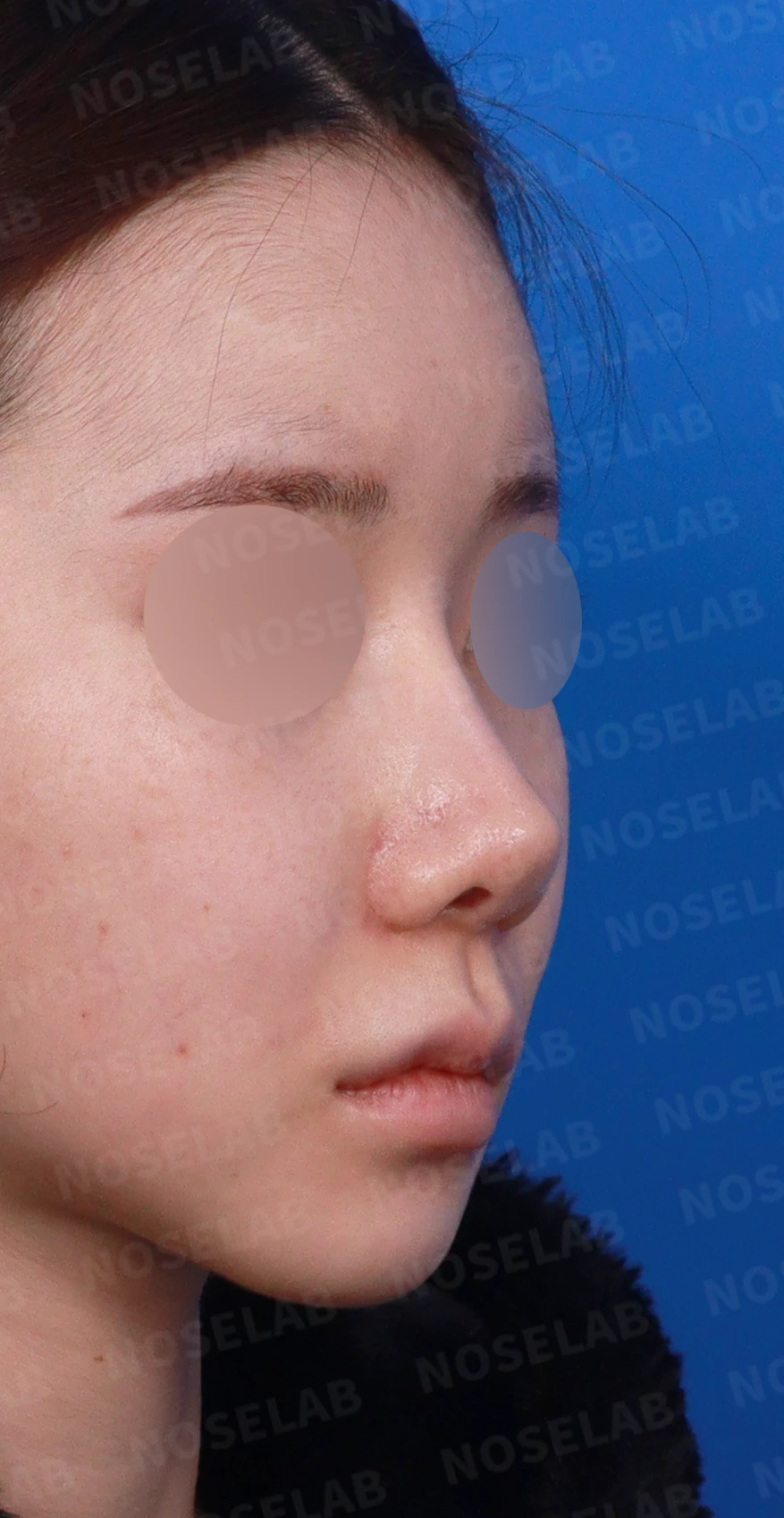
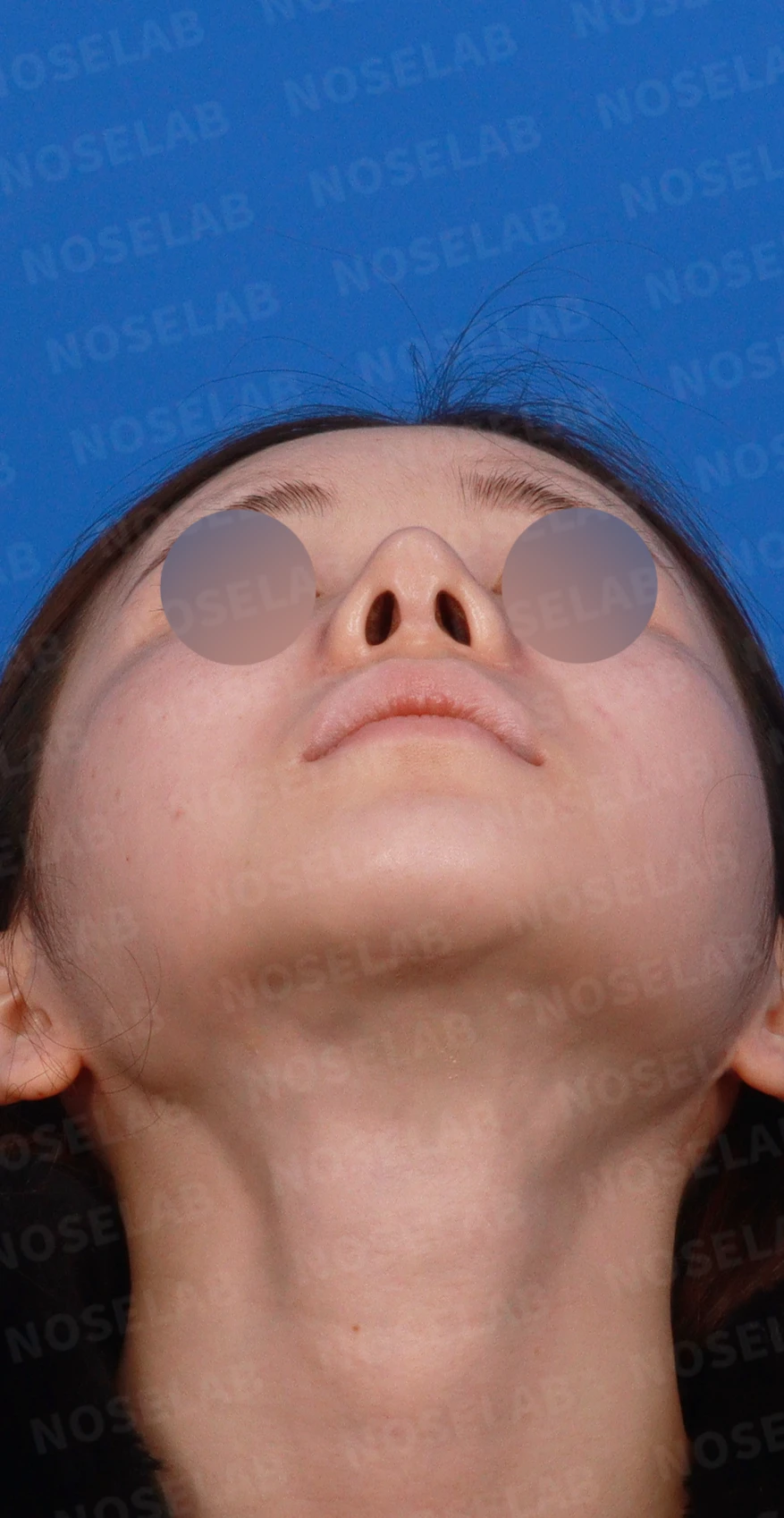
Right profile, oblique, and nostril views during design consultation.
Lowering the columella: naturally lowering the retracted, short columella (highest priority)
Improving the upturned tip: correcting the excessively upturned appearance of the nasal tip on the frontal view
Natural nasal tip: creating a soft, unforced tip
Improving the bridge line: transforming the unnatural bridge into a natural straight bridge line
Overall harmony: achieving a balanced nose that suits the entire face
Surgical plan and procedure
In this patient's case, the primary objective of this surgery was to naturally lower the columella to soften the nasal tip.
1. Septal extension using autologous rib cartilage
Key procedure to naturally lower the columella
Creating a sturdy support structure with autologous rib cartilage
Adjusting the upturned tip to an appropriate angle
Precisely controlling the position and angle of the nasal tip
Maintaining long-term tip stability
2. Creating a natural nasal tip by lowering the columella
Lowering the retracted columella downward
Establishing a harmonious proportion between the nasal tip and columella
A natural appearance when viewed from the front
Decreased nostril show
A soft, feminine nasal tip line
3. Removal of the existing silicone implant
Removing the previous implant that gave an artificial look
Precisely evaluating the condition of the nasal bone and soft tissue
Preparing for the new design
4. Insertion of a custom-carved silicone implant
Delicately carved to match the patient's nasal bone precisely
A natural line with a gentle straight bridge contour
A smooth nasal bridge free from an artificial look
Securing stability through close contact with the nasal bone
A height in harmony with the entire face
5. Naturally correcting the artificial bridge line
Eliminating sharp edges and excessive highlights
Forming a soft, natural curve
A line that looks natural under any lighting
Natural appearance not only from the front but from all angles
6. Nasolabial angle correction
Optimizing the angle between the nose and upper lip
A refined silhouette in the profile line
Harmony in overall facial proportions
🌟 Surgical results
1. Successful lowering of the columella
The retracted, short columella was naturally lowered
Establishing an ideal proportion between the nasal tip and columella
A soft, feminine nasal tip line
A natural impression free from an artificial look
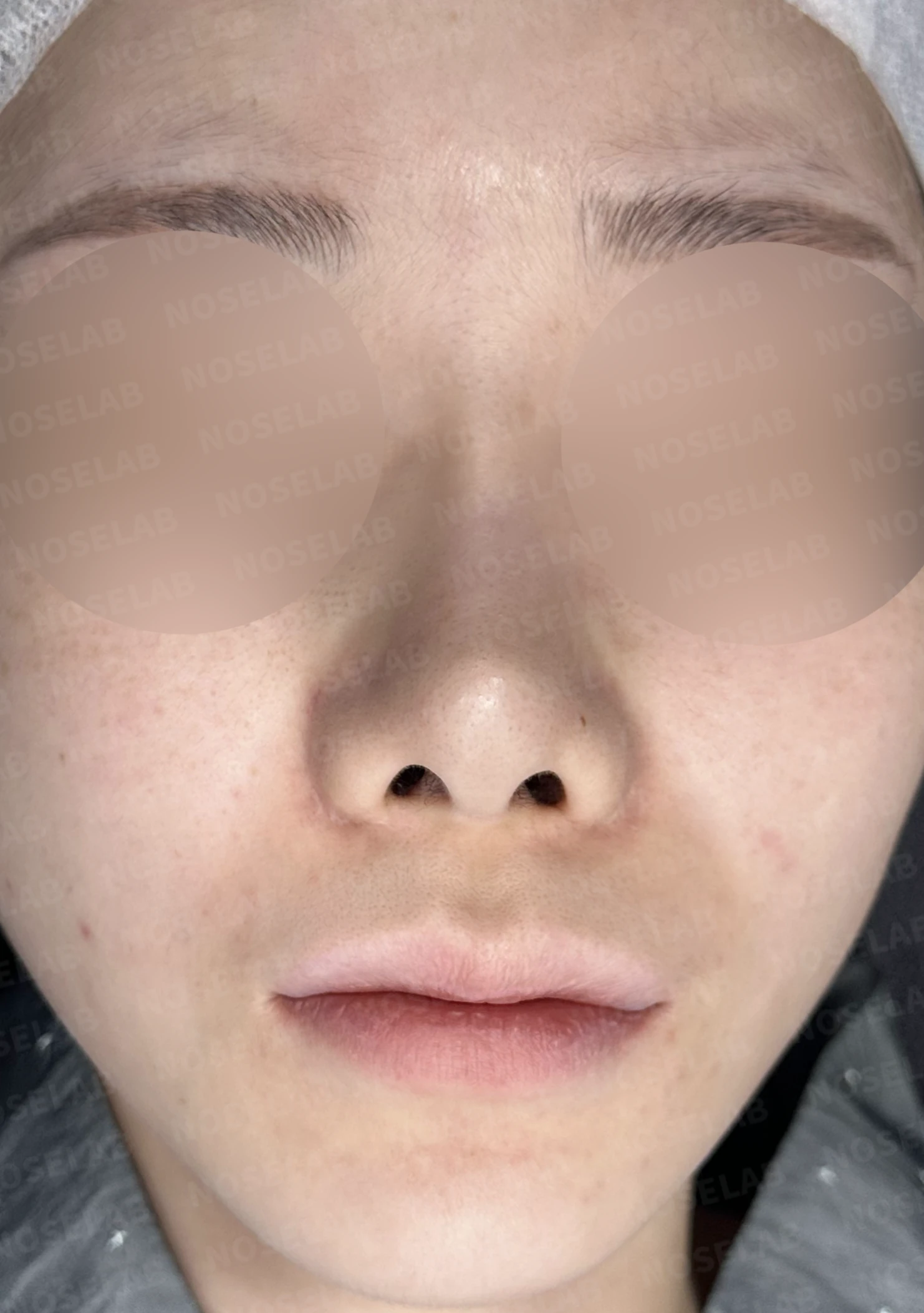
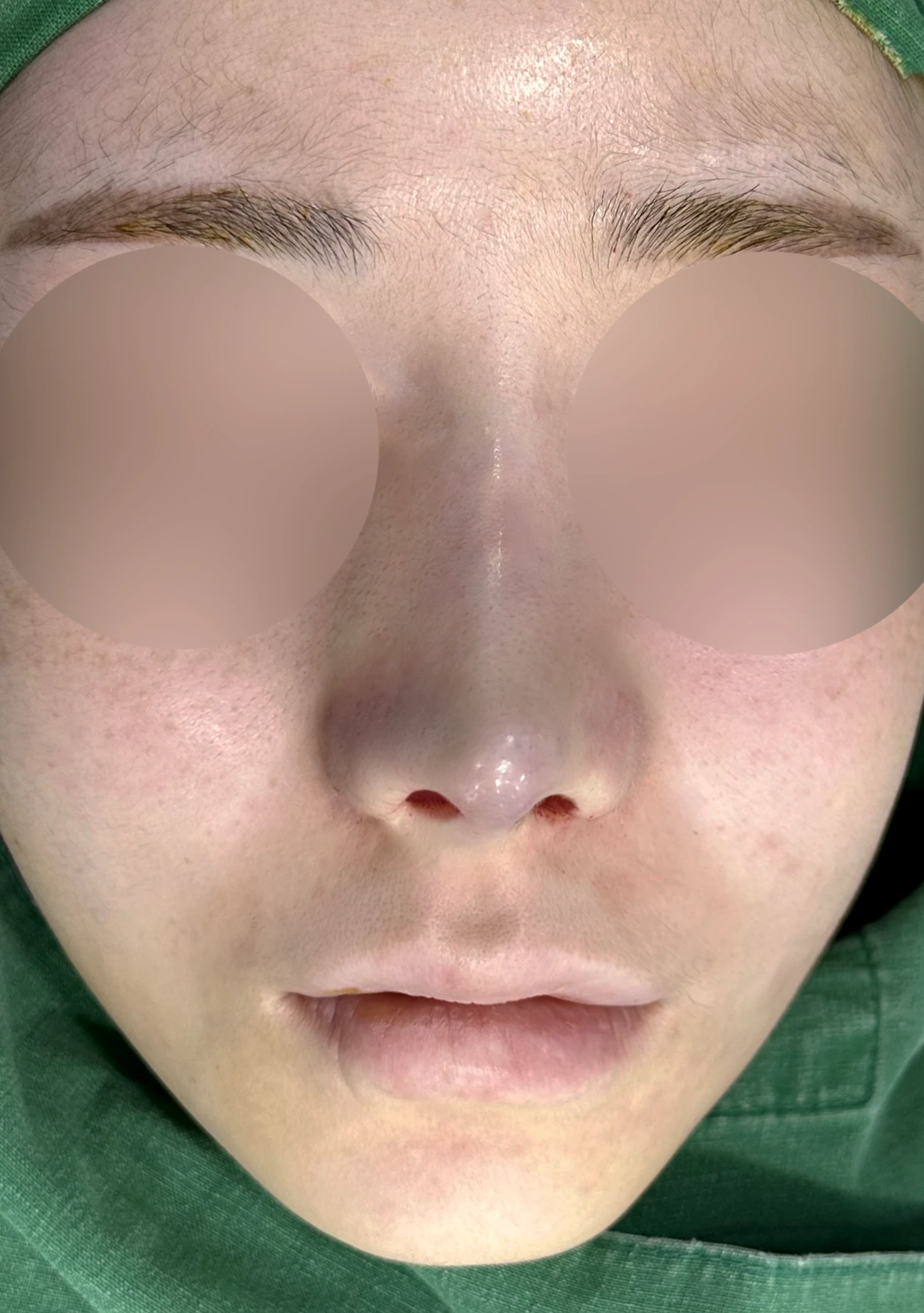
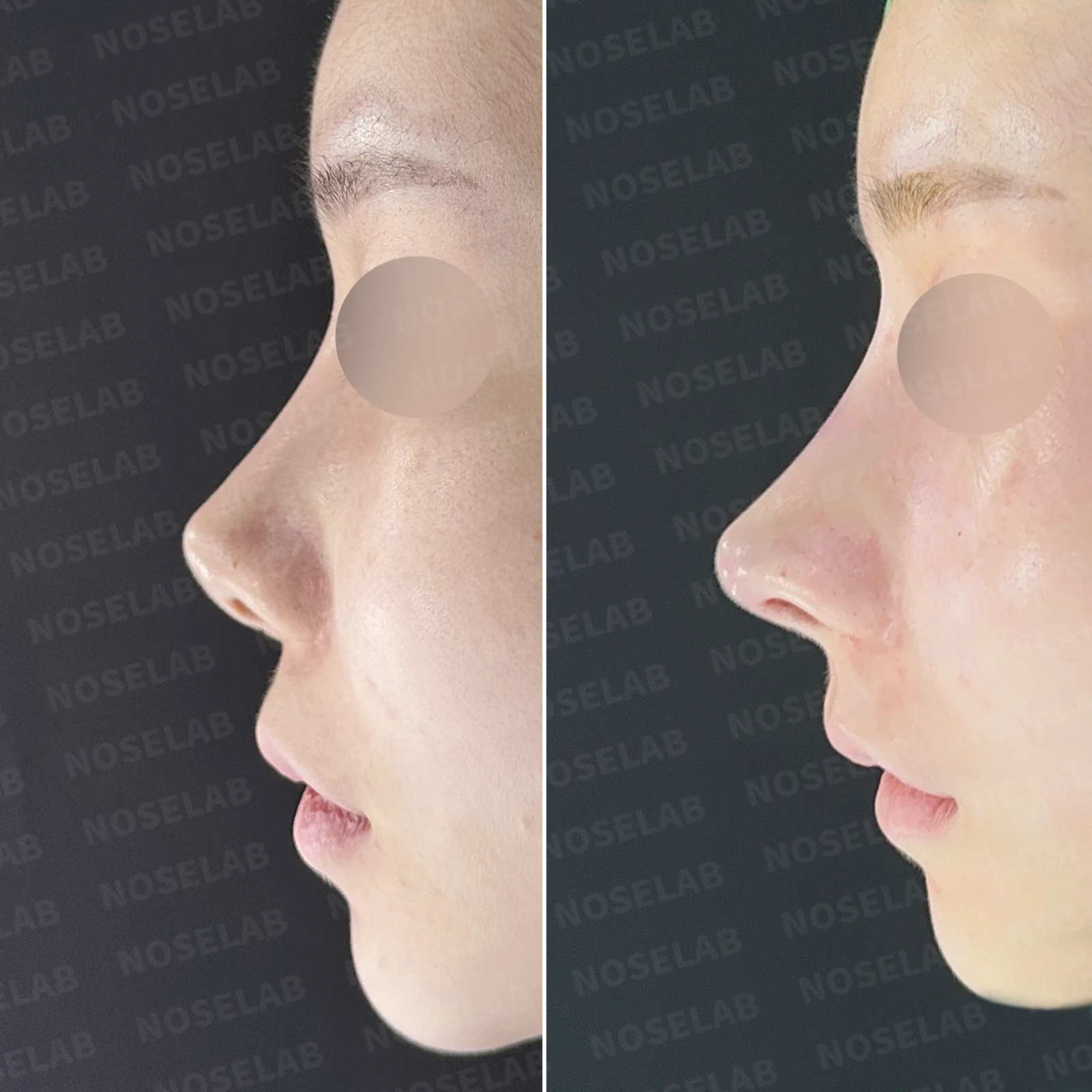
Before surgery / Day 0 immediately after surgery Photos taken immediately after surgery show swelling and may differ from the final result.
2. Correction of the upturned nasal tip
The nasal tip, which appeared overly upturned from the front, was adjusted to an appropriate angle
Nostril show naturally decreased
A refreshed yet soft nasal tip
Tip positioning in harmony with the entire face
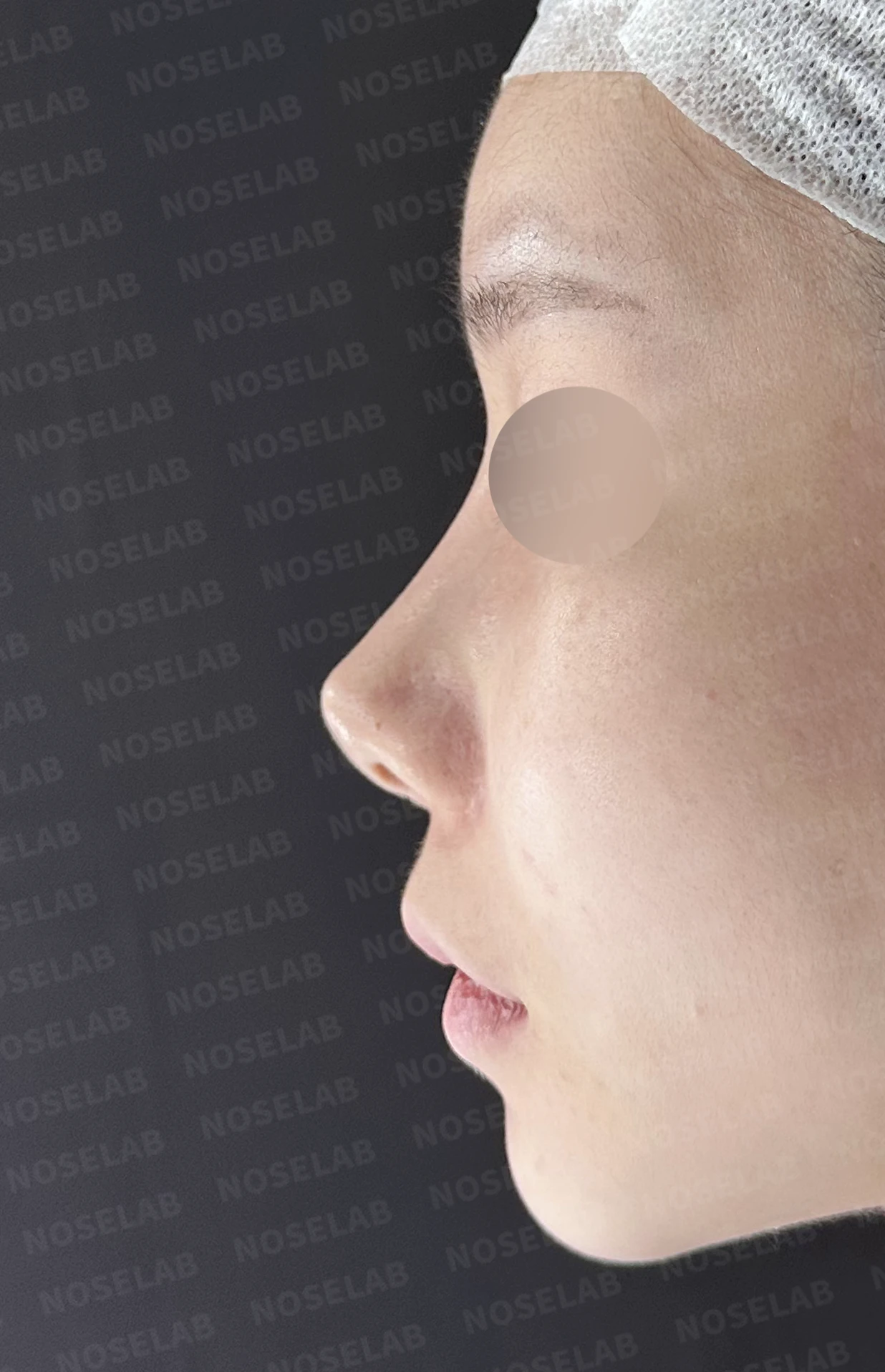
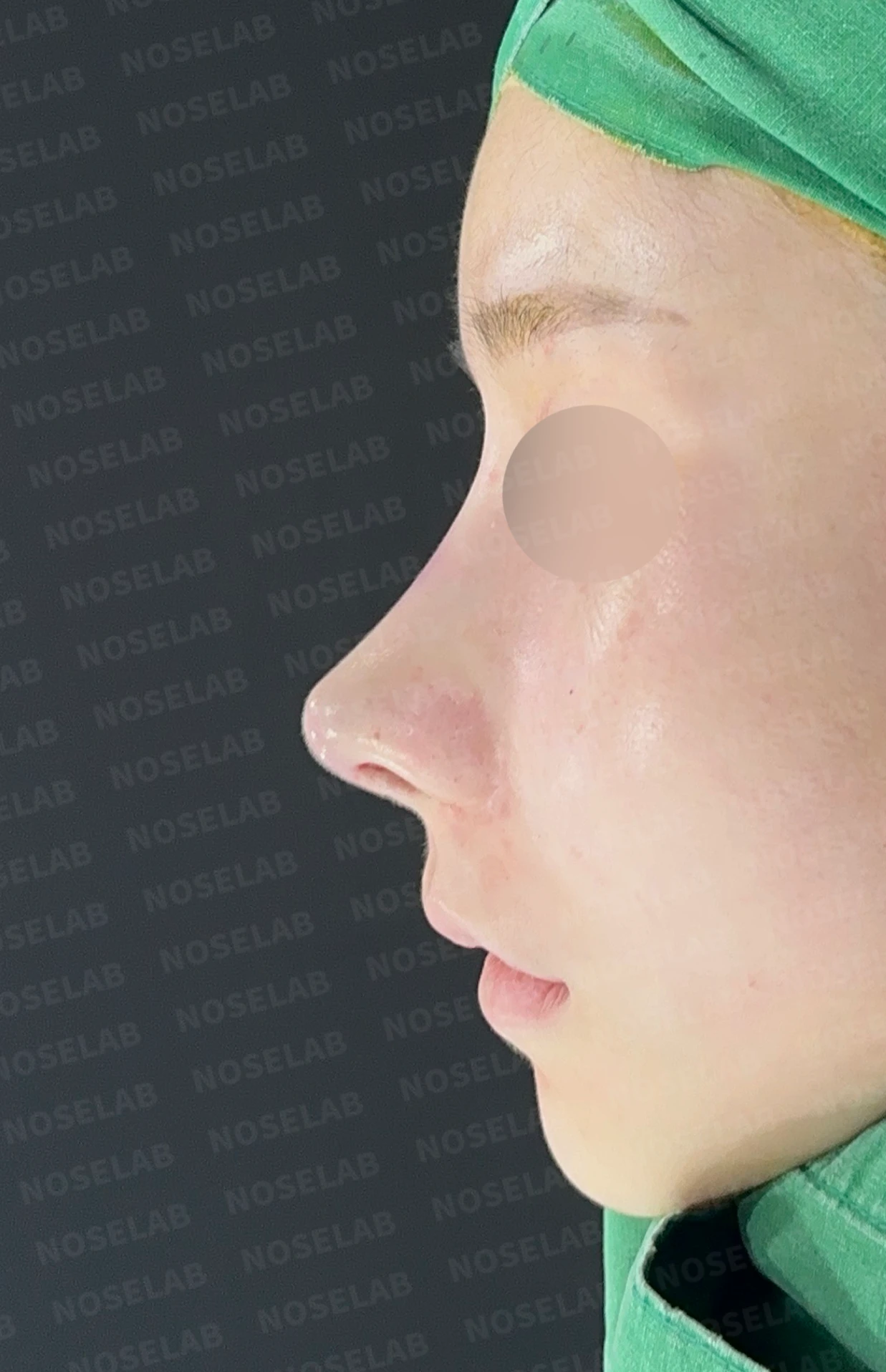
Before surgery / Day 0 immediately after surgery Photos taken immediately after surgery show swelling and may differ from the final result.
3. Natural bridge line
The artificial-looking bridge became a gentle straight bridge line
A smooth line without sharp edges
Three-dimensional definition that shifts naturally with light
A natural impression from every angle
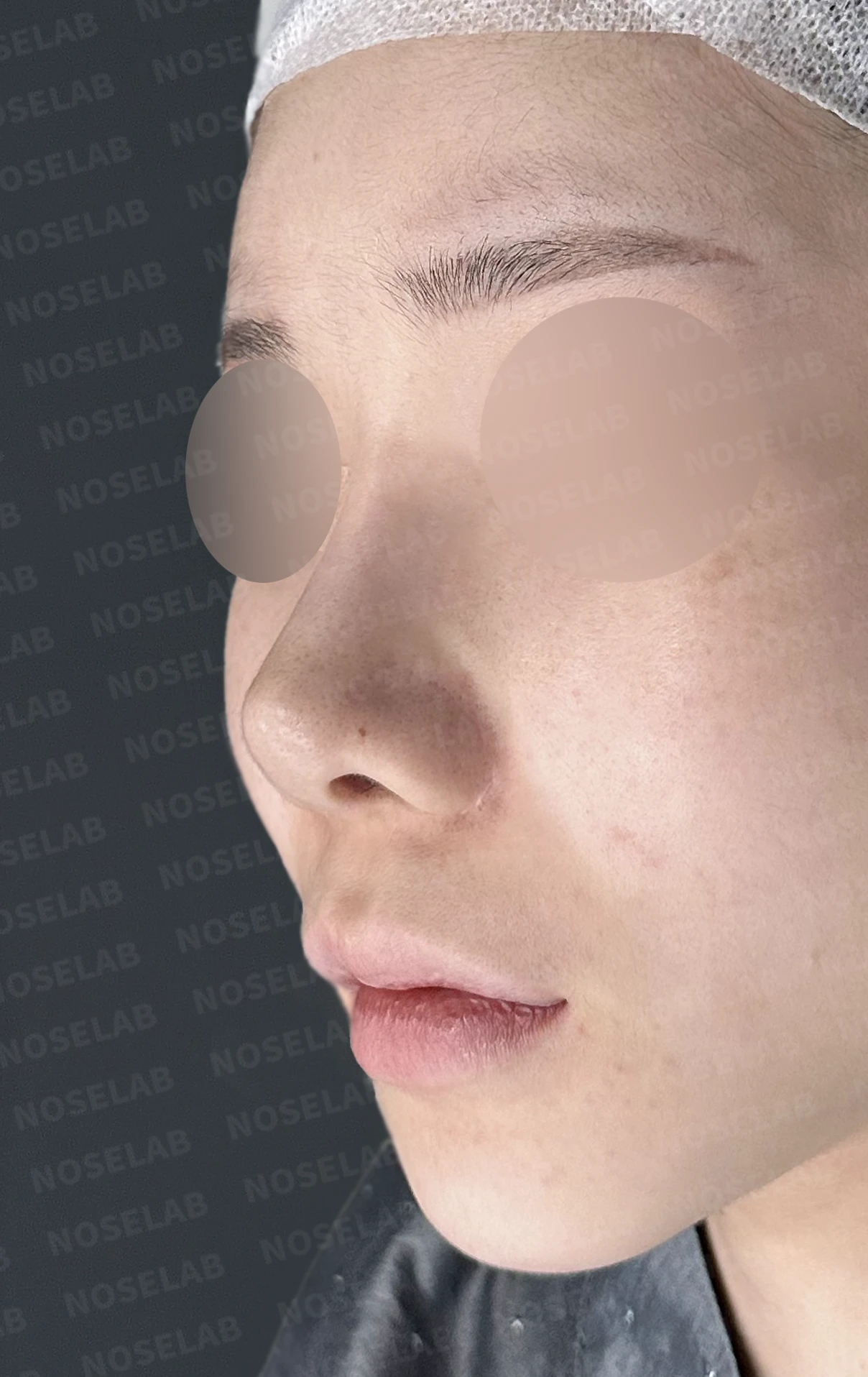
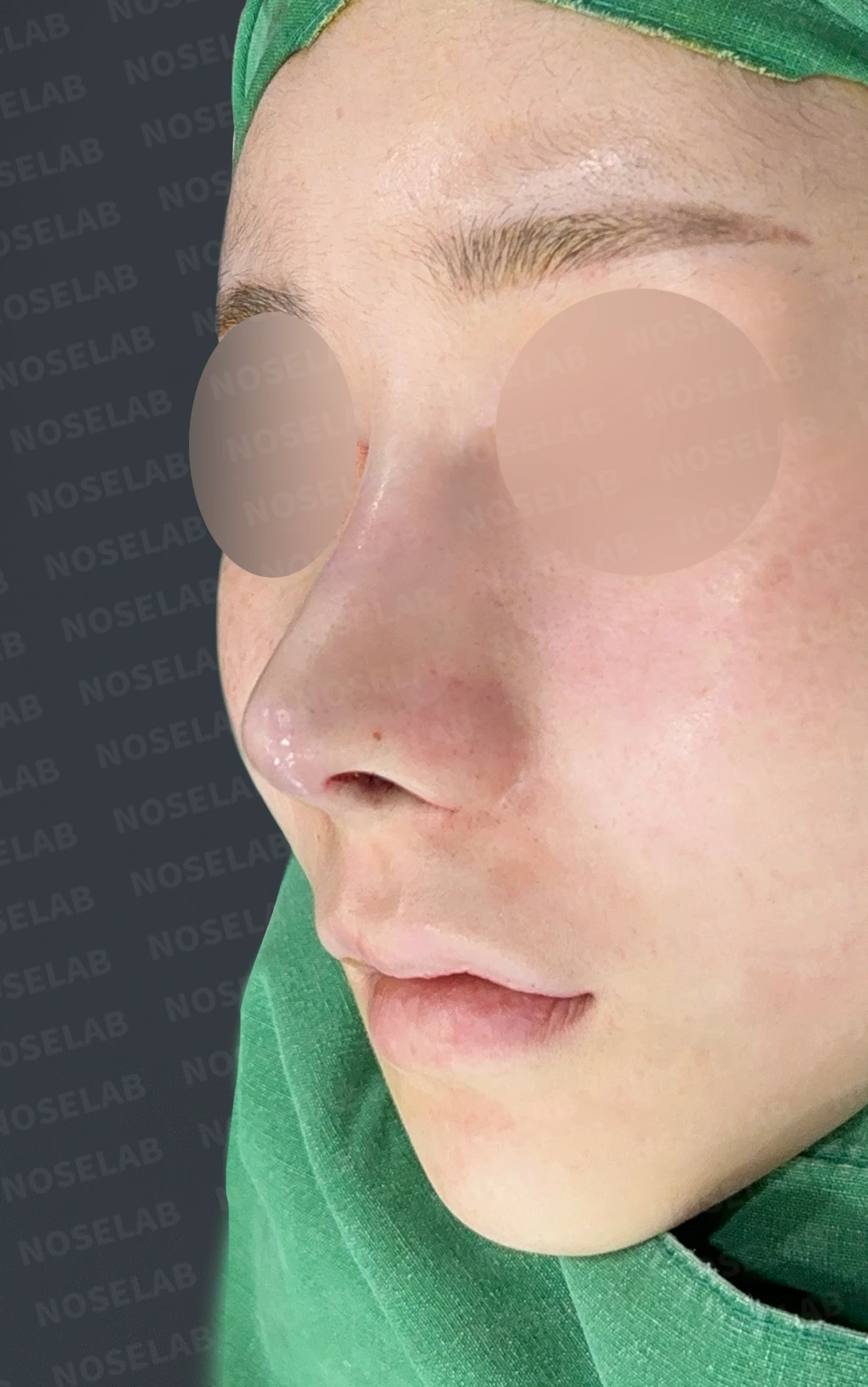
Before surgery / Day 0 immediately after surgery Photos taken immediately after surgery show swelling and may differ from the final result.
4. Overall harmony
Refining the profile line through nasolabial angle correction
Balanced harmony with the entire face
An appropriate, unexaggerated height
A natural and soft impression
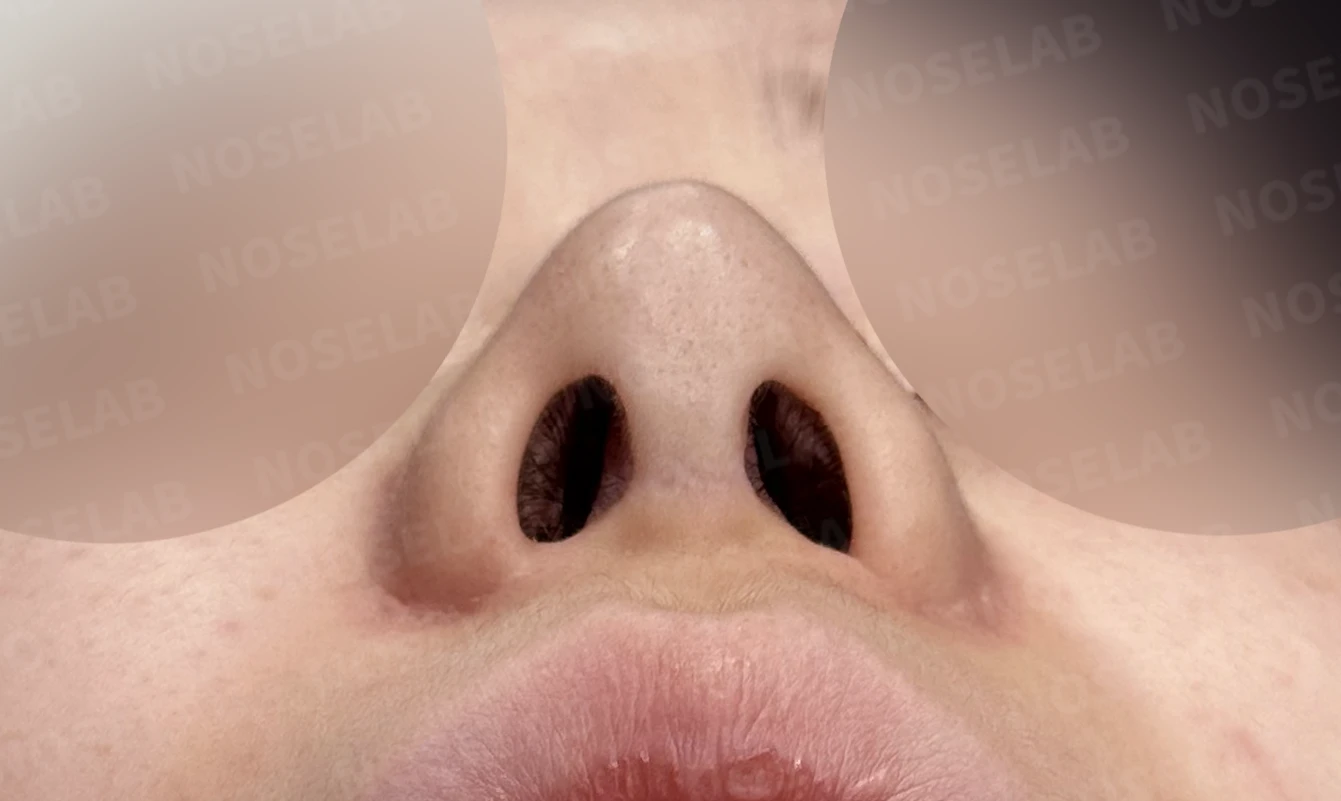
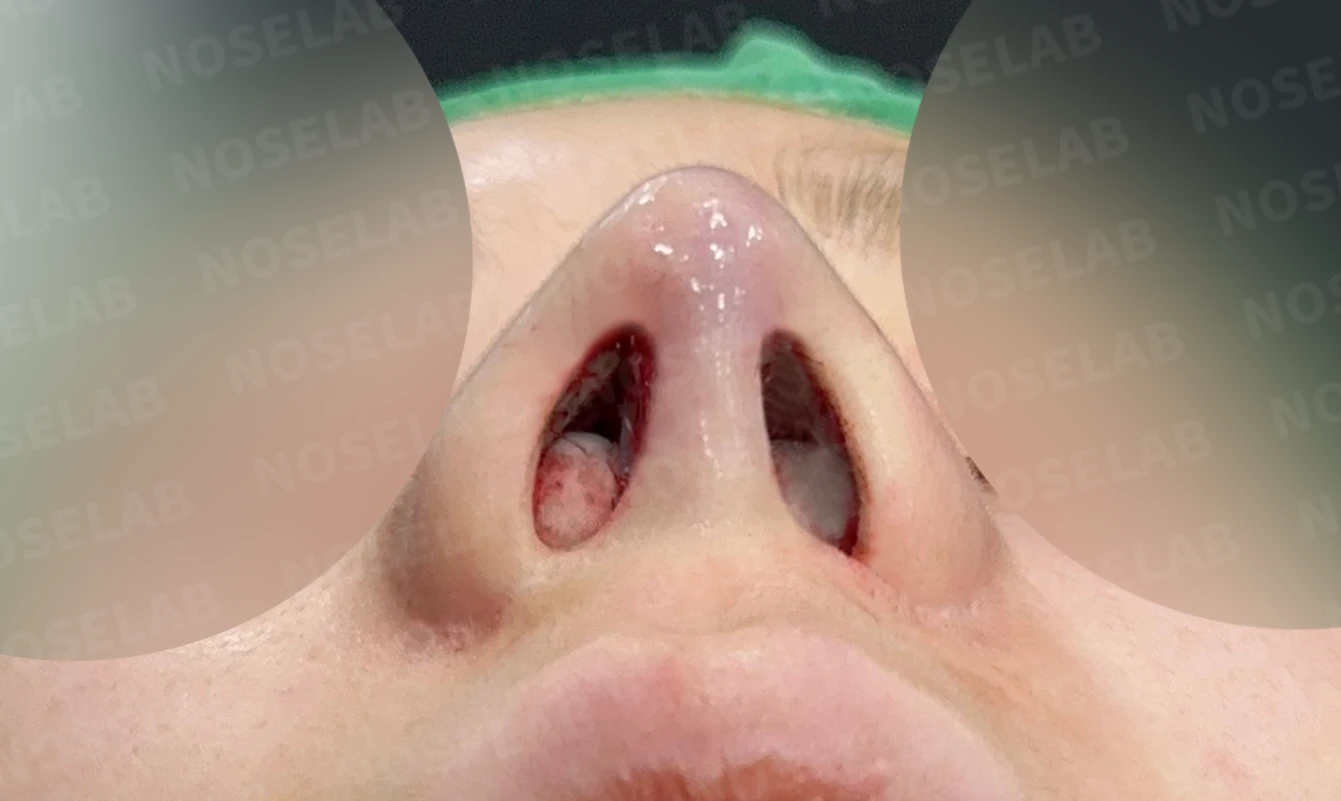
Before surgery / Day 0 immediately after surgery Photos taken immediately after surgery show swelling and may differ from the final result.
💡 Specialist opinion
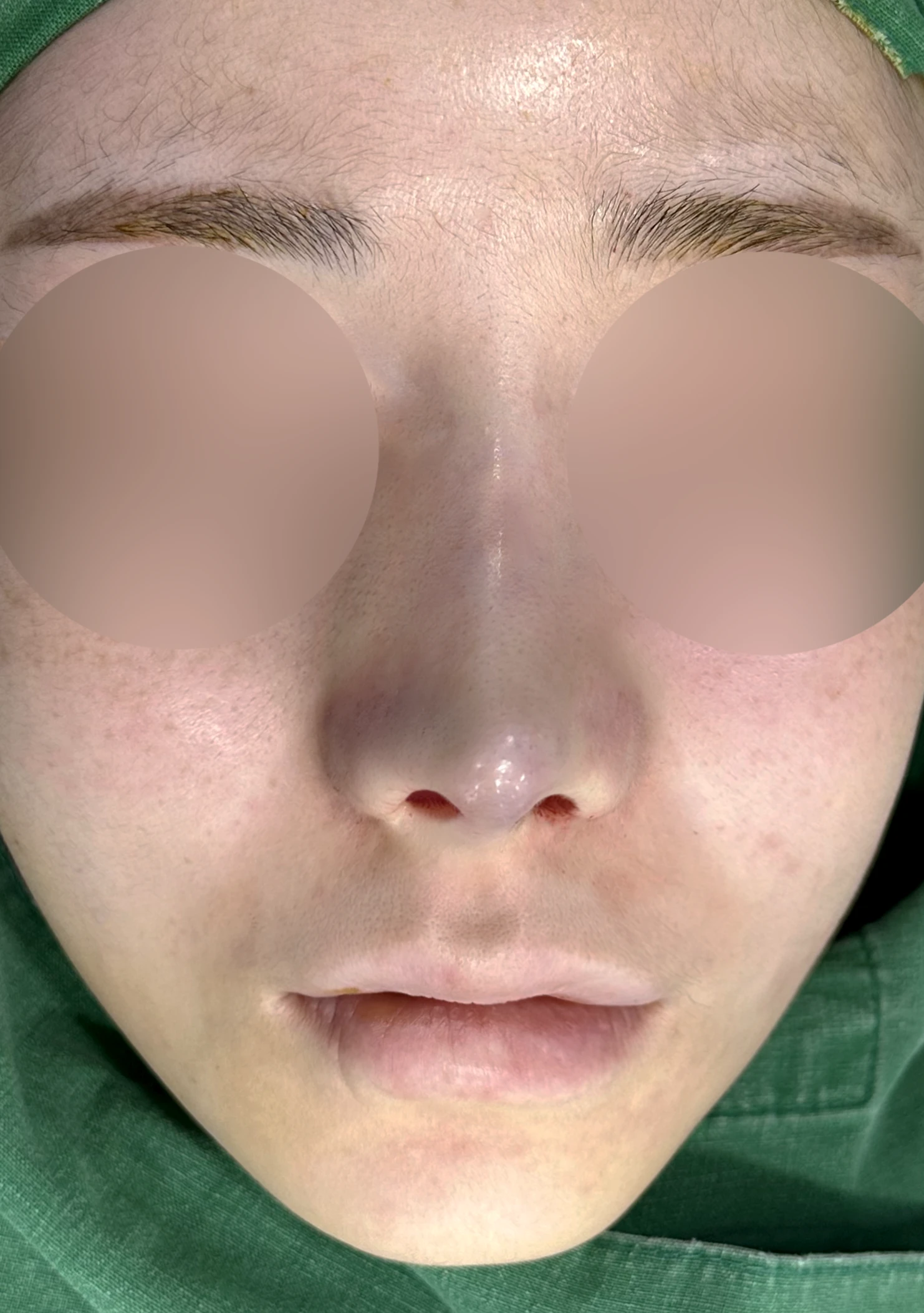
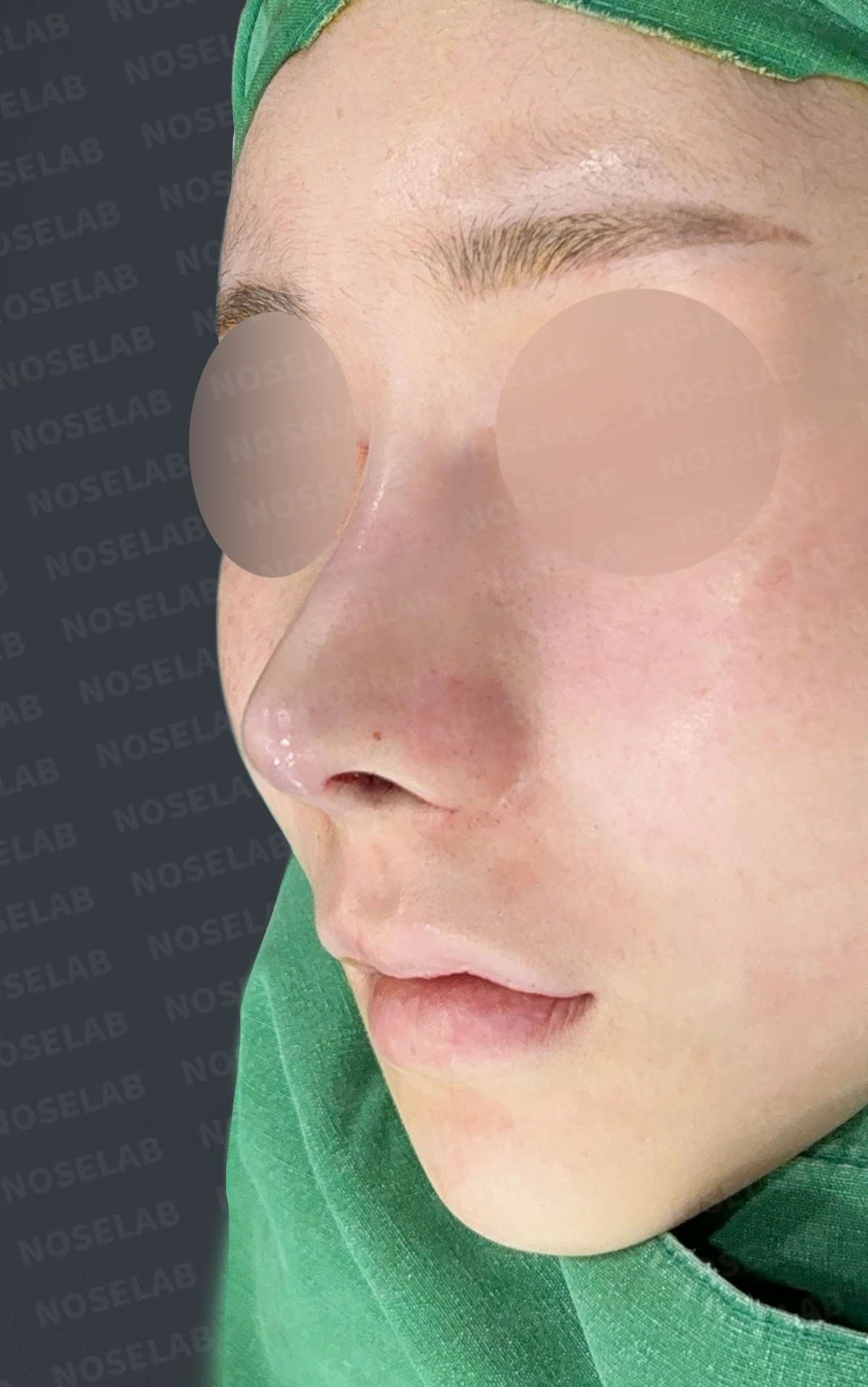
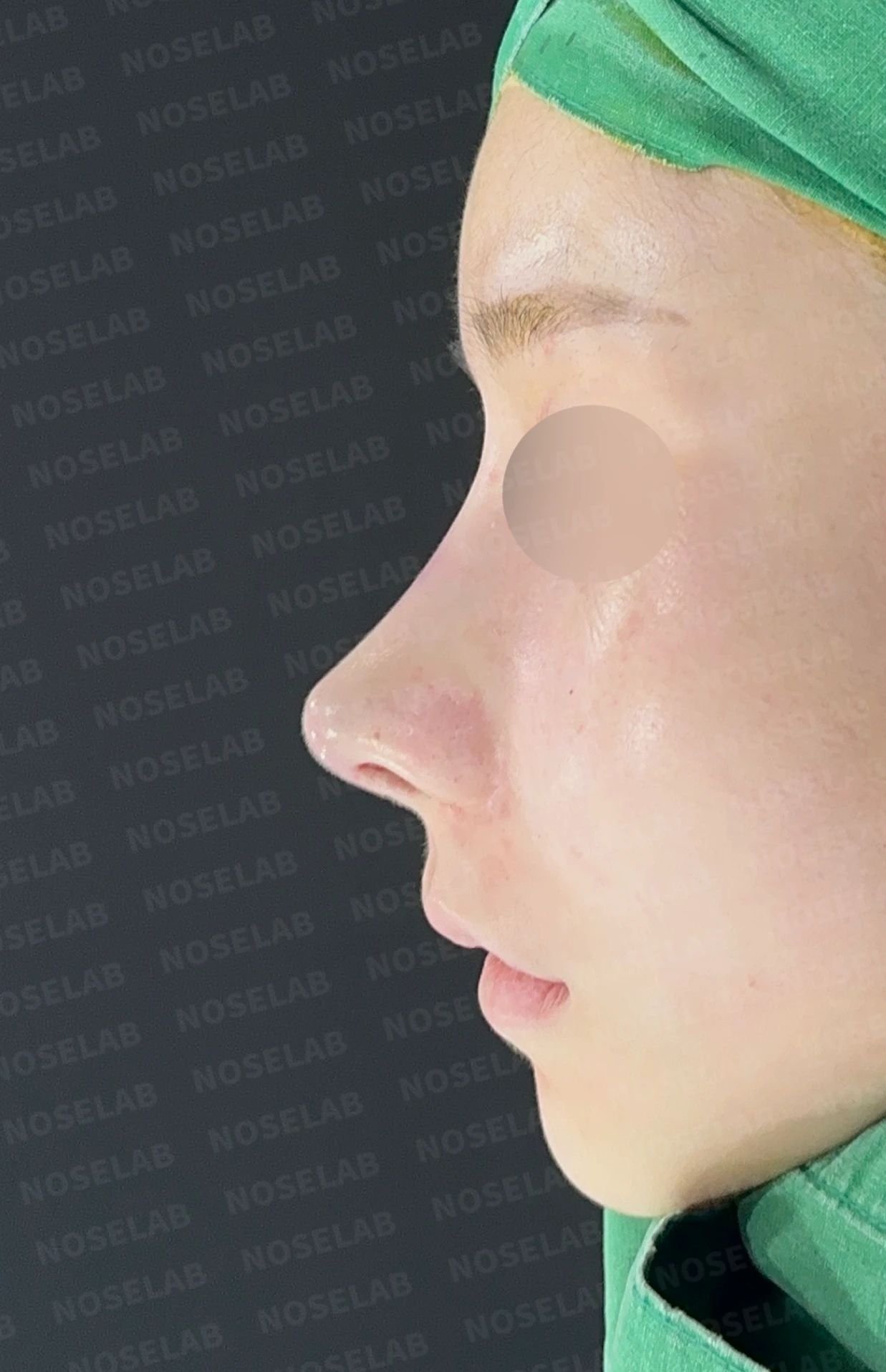
Front, oblique, and profile views on day 0 immediately after surgery. Photos taken immediately after surgery show swelling and may differ from the final result.
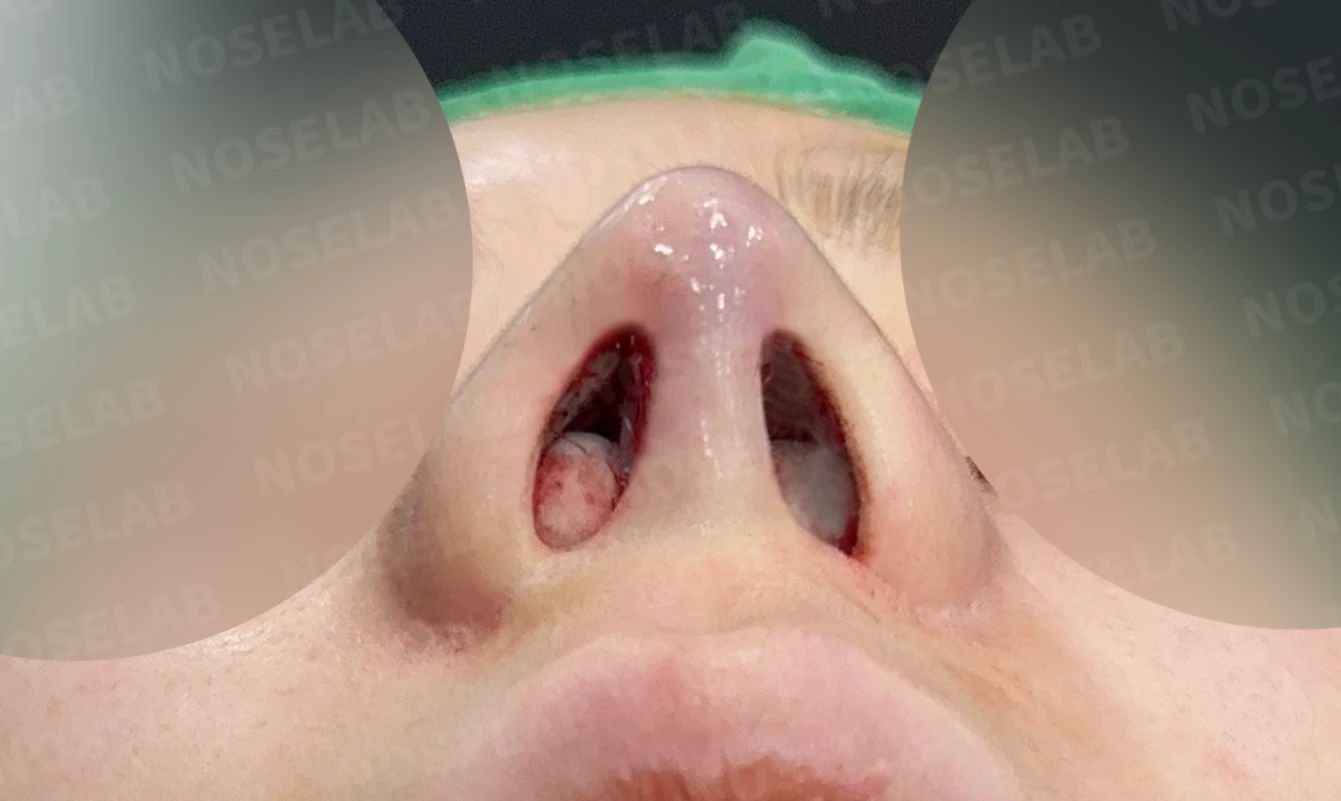
Nostril view on day 0 immediately after surgery. Photos taken immediately after surgery show swelling and may differ from the final result.
Lowering the columella is not simply pulling the nasal pillar downward; it is an intricate procedure that redesigns the entire structure and angle of the nasal tip. Particularly in revision rhinoplasty, the tissues have been altered and scarred by prior surgery, requiring a far more delicate approach.
In this patient's case, the nasal tip was excessively upturned and the columella was formed short during previous surgery. As a result, excessive tip was visible on the frontal view, creating an artificial impression. To address these concerns, I performed septal extension using autologous rib cartilage. Septal extension is an effective technique to reinforce the central support structure of the nose while simultaneously controlling the position and angle of the nasal tip. Autologous rib cartilage provides sufficient strength and volume, making it a very suitable material to stably lower the columella and maintain it over the long term.
While lowering the columella, I also adjusted the angle of the nasal tip so that it would look open and defined without appearing excessively upturned on the frontal view. This requires a very delicate balance: lowering the columella too much can make the nose look elongated and droopy, while lowering it too little can leave the tip looking upturned.
For the nasal bridge, the previous silicone implant looked artificial, so I removed it and delicately hand-carved a new silicone implant to fit the shape of the patient's nasal bone precisely. In particular, to achieve a soft straight bridge line, I focused on creating a natural curve without overly straight or angular transitions.
The most important aspect of revision rhinoplasty is naturalness. While correcting the issues from previous surgery, one must avoid creating secondary problems from overcorrection. Lowering the columella, adjusting the tip angle, and refining the bridge line were all carried out in careful consideration of the balance of the patient's entire face.
I will continue to do my best to help patients considering revision rhinoplasty rediscover natural beauty through accurate analysis and meticulous surgical technique.
This was Dr. Peter C. Kang. Thank you.
#closedrhinoplasty #closedrevisionrhinoplasty #revisionrhinoplasty #loweringthecolumella #upturnedtipcorrection #naturalnose #septalextension #autologousribcartilage #siliconeimplantreplacement #artificialbridgecorrection #straightbridgeline #nasolabialanglecorrection #naturalrhinoplasty

Limitations and risks
When autologous rib cartilage is used, scarring and pain may remain at the donor site on the chest, and pneumothorax (pleural injury) can occur rarely. Over time, the grafted cartilage may warp or undergo partial resorption.
When revising after implant removal, contracture may progress again after removal, the nasal height and length may decrease, and staged surgery may be necessary depending on the skin condition.
When the septum is corrected at the same time, nasal obstruction may persist or recur, and in rare cases, septal perforation or changes in smell may occur.
Common potential risks include infection, bleeding, asymmetry, scarring, skin necrosis, and insufficient improvement; results vary depending on individual skin condition and previous surgical history.