Hello, I am Dr. Peter C. Kang.
Today, I would like to introduce a revision rhinoplasty case of a female patient.
Through this case, we will look at side effects of silicone implants and how to approach rhinoplasty with safety in mind.
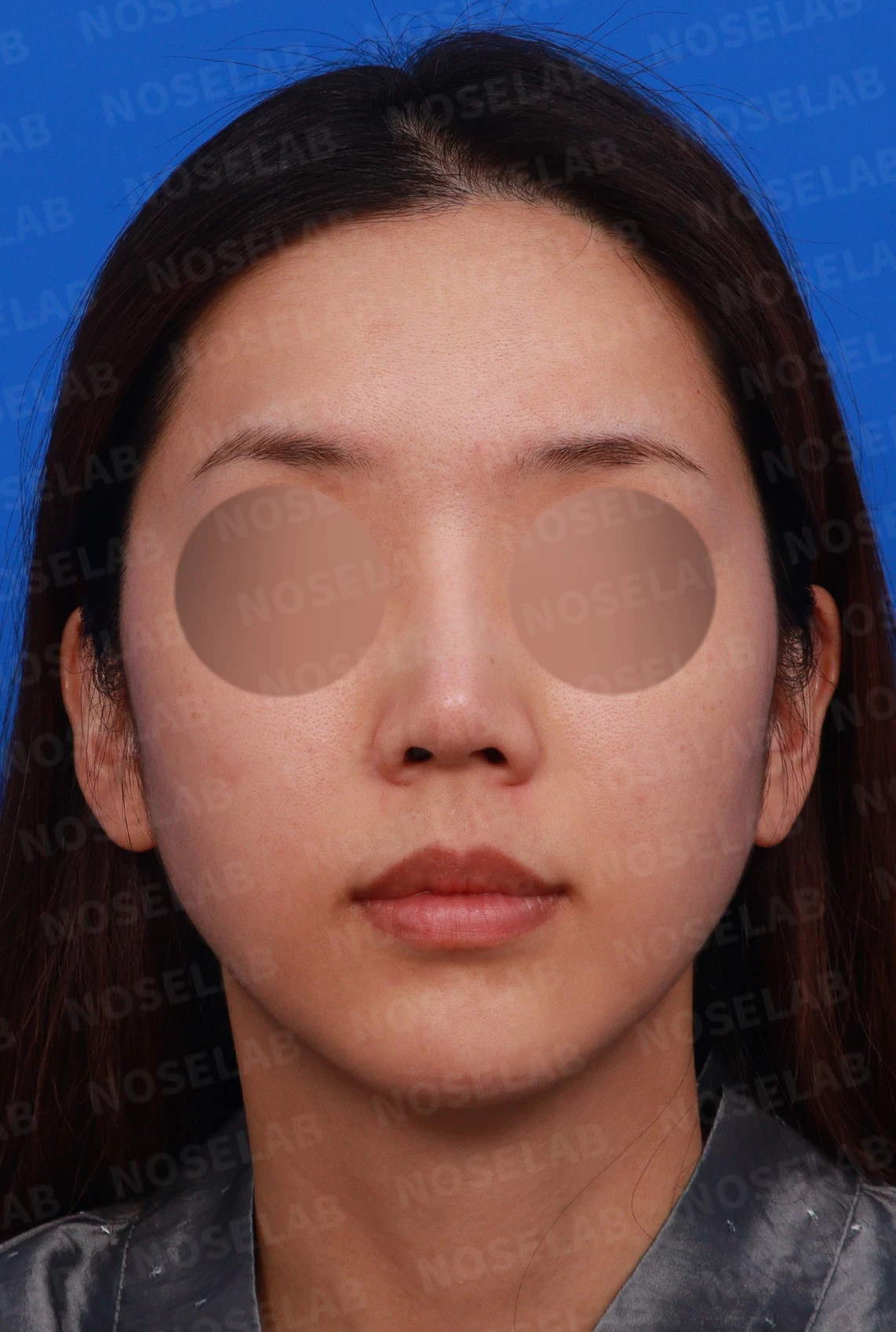
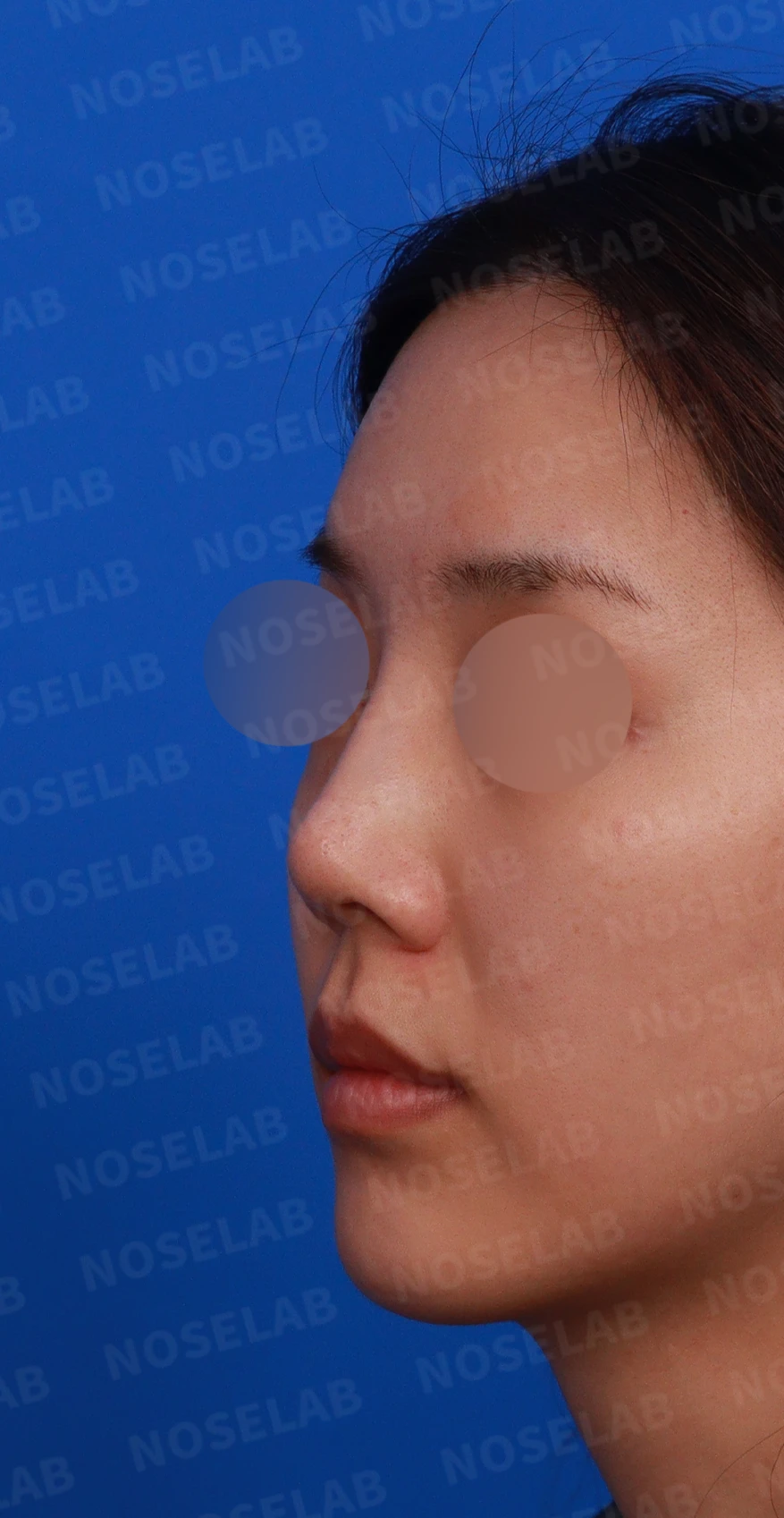
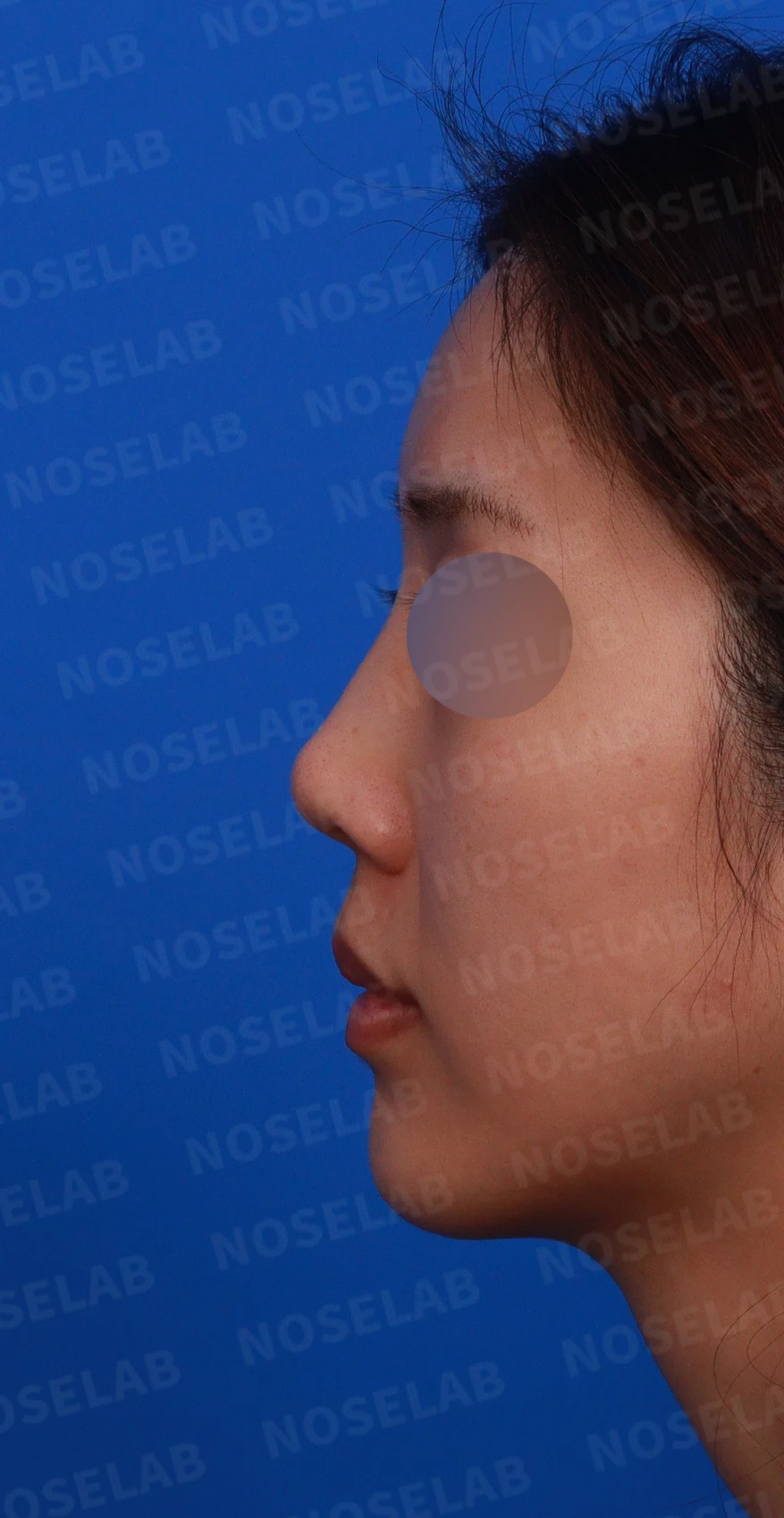
Design consultation: front, left oblique, and profile views
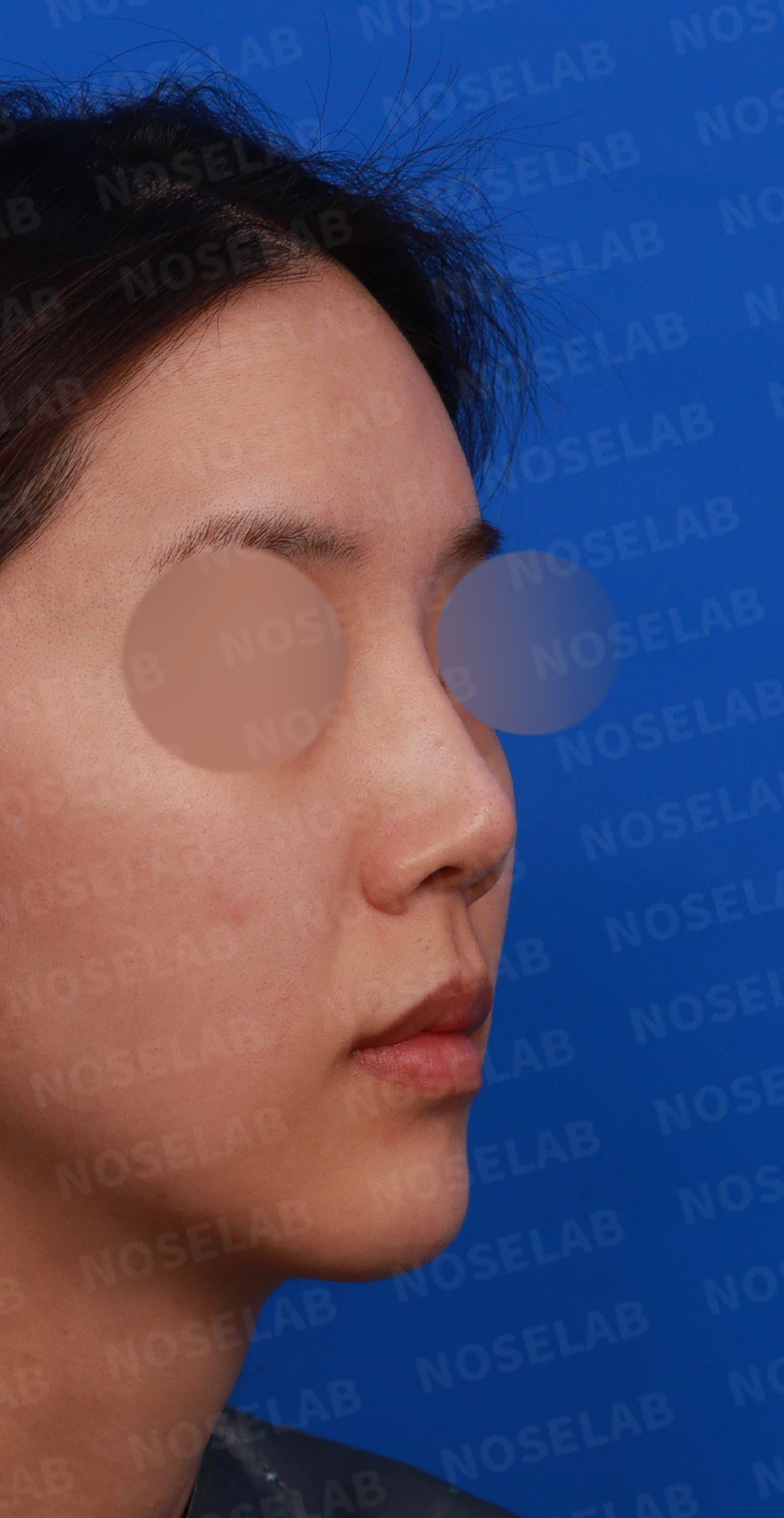
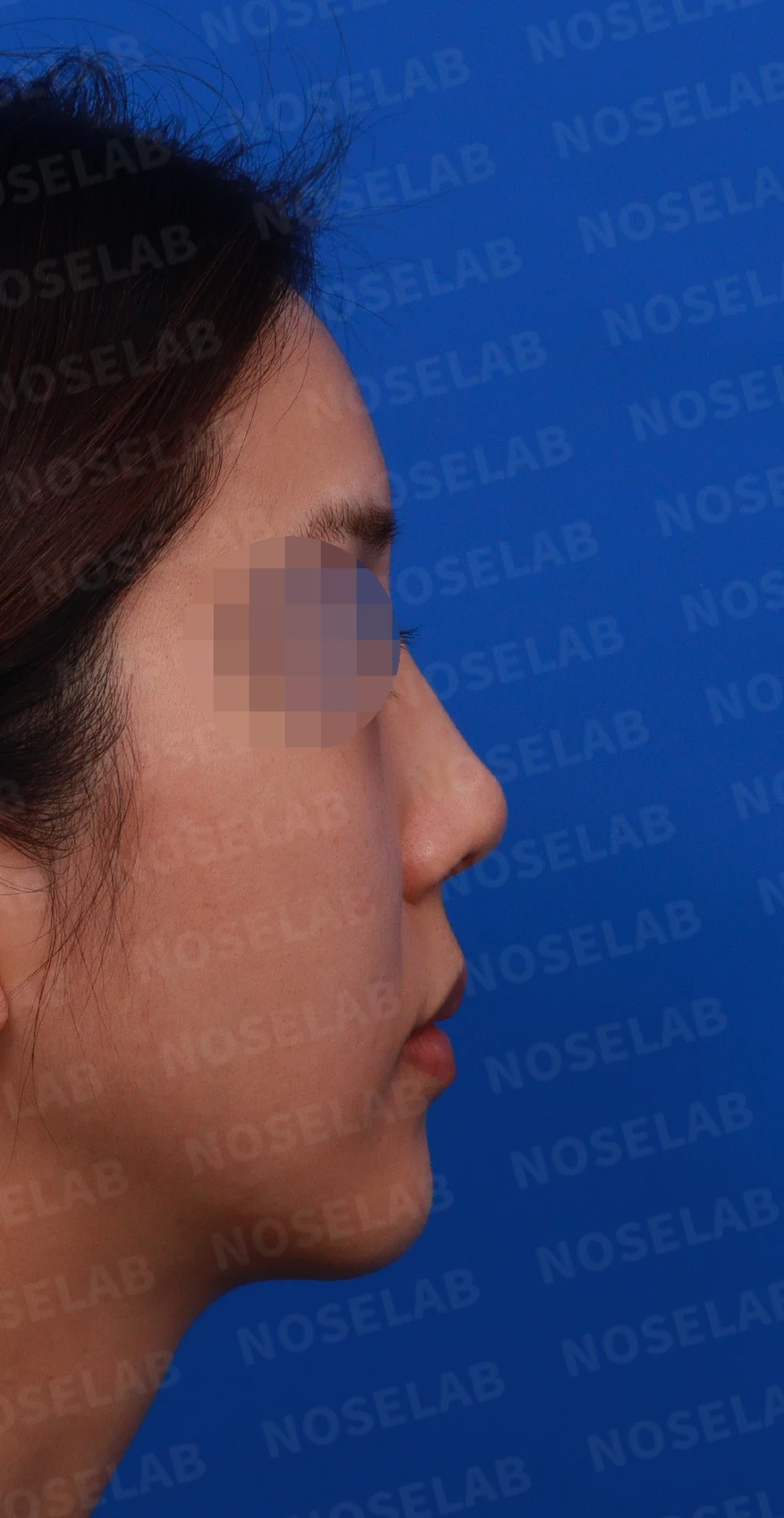
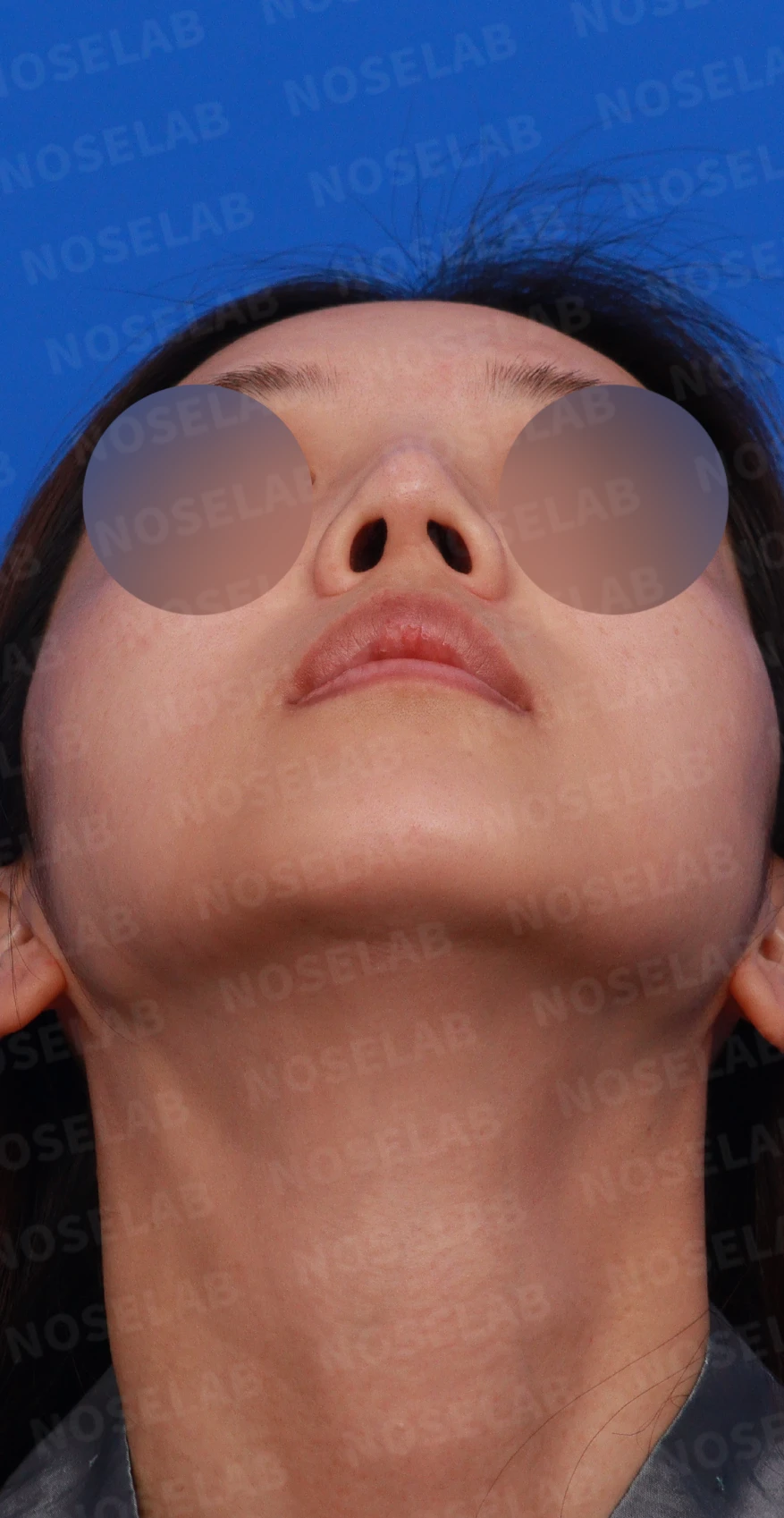
Right oblique, profile, and basal (nostril) views
Patient information and symptoms
Surgical history: Silicone implant and osteotomy in 2009
Main symptoms: Nasal tip redness and swelling starting 4 years ago, worsening with fatigue, nasal obstruction
Diagnostic findings On the CT scan taken at our clinic, the following findings were observed:
The silicone implant was positioned directly beneath the nasal tip skin
Deviated septum
Hypertrophic rhinitis
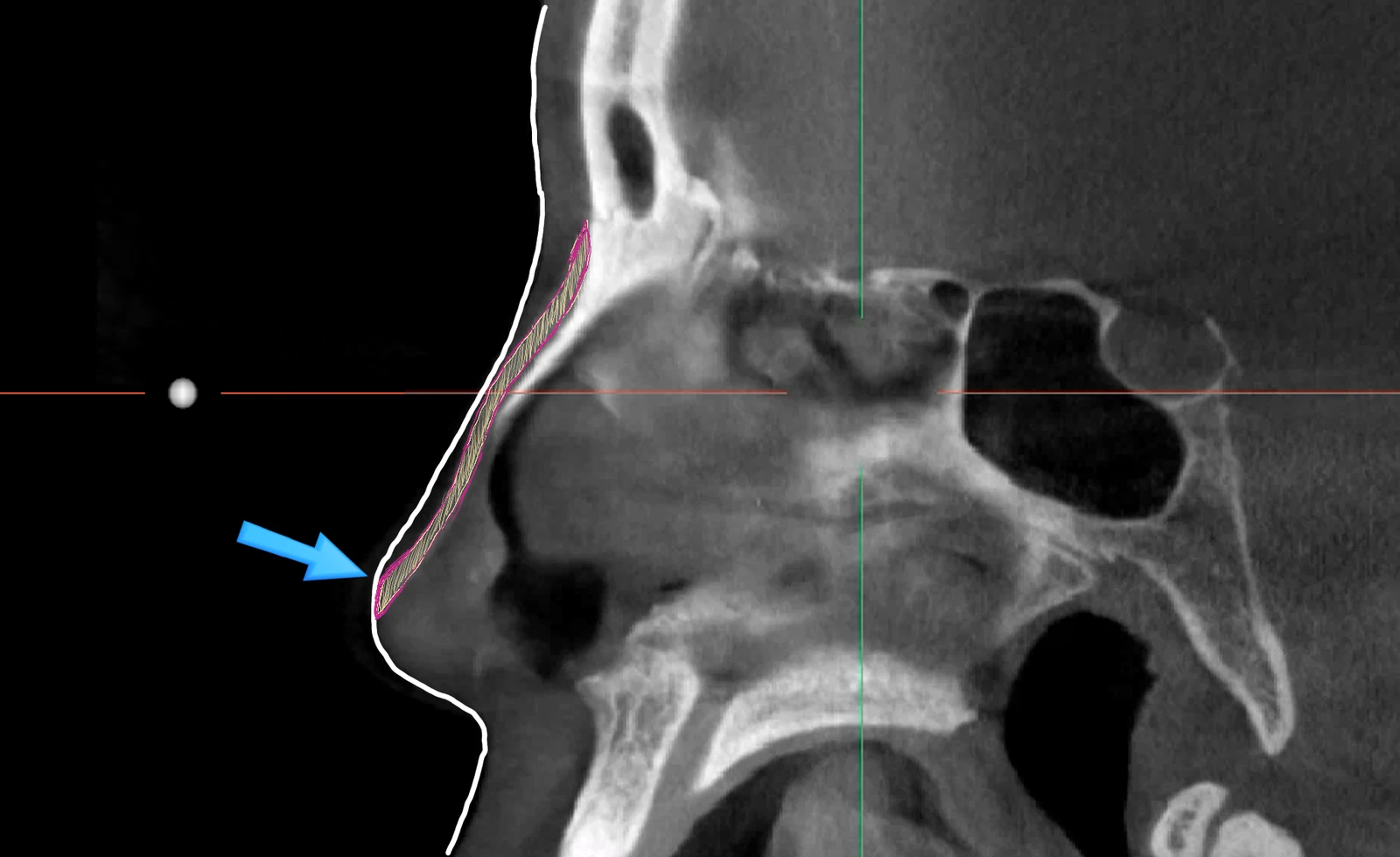
Image showing the silicone implant extending down to the nasal tip, causing problems.
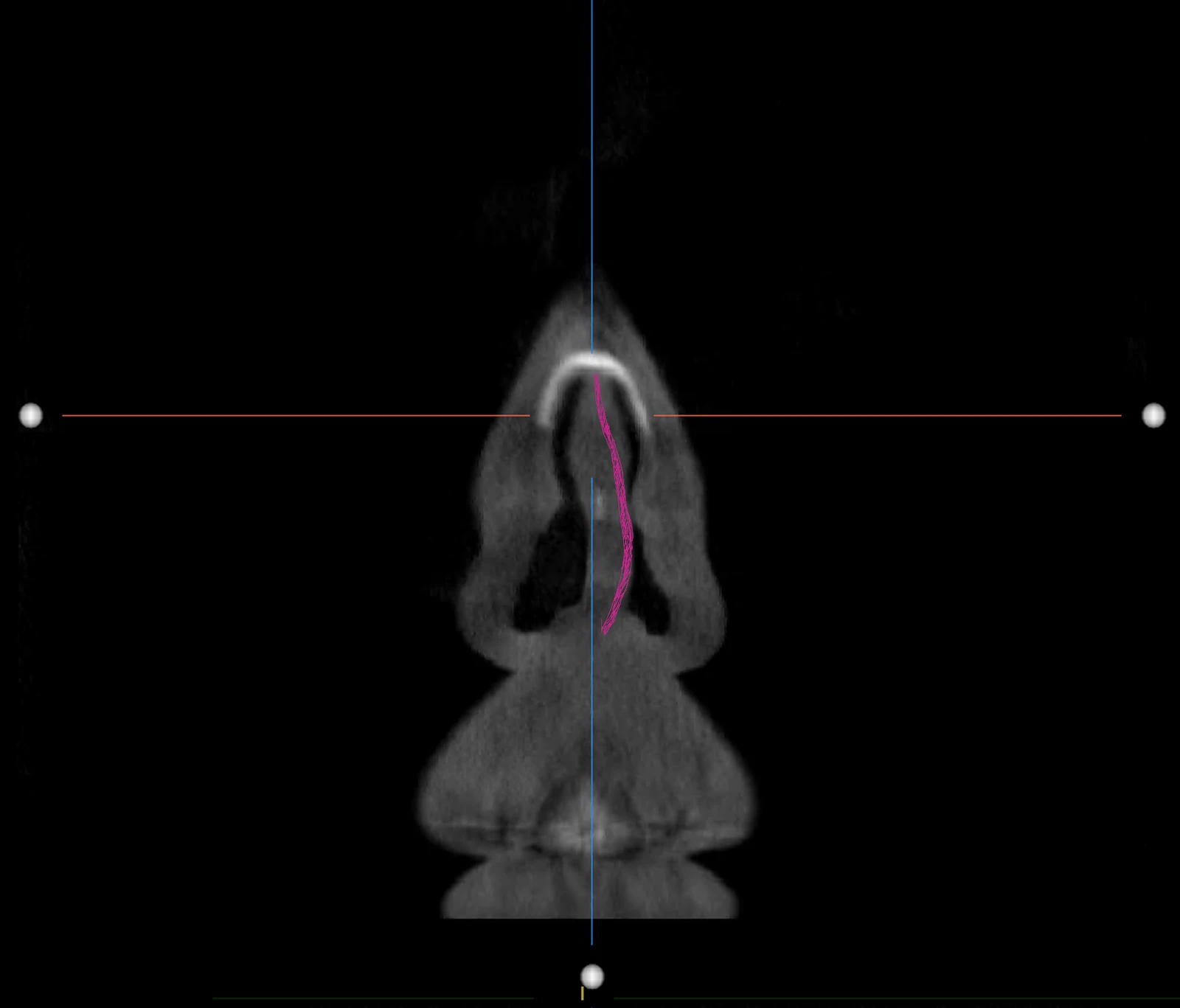
Septal deviation to the left side was observed
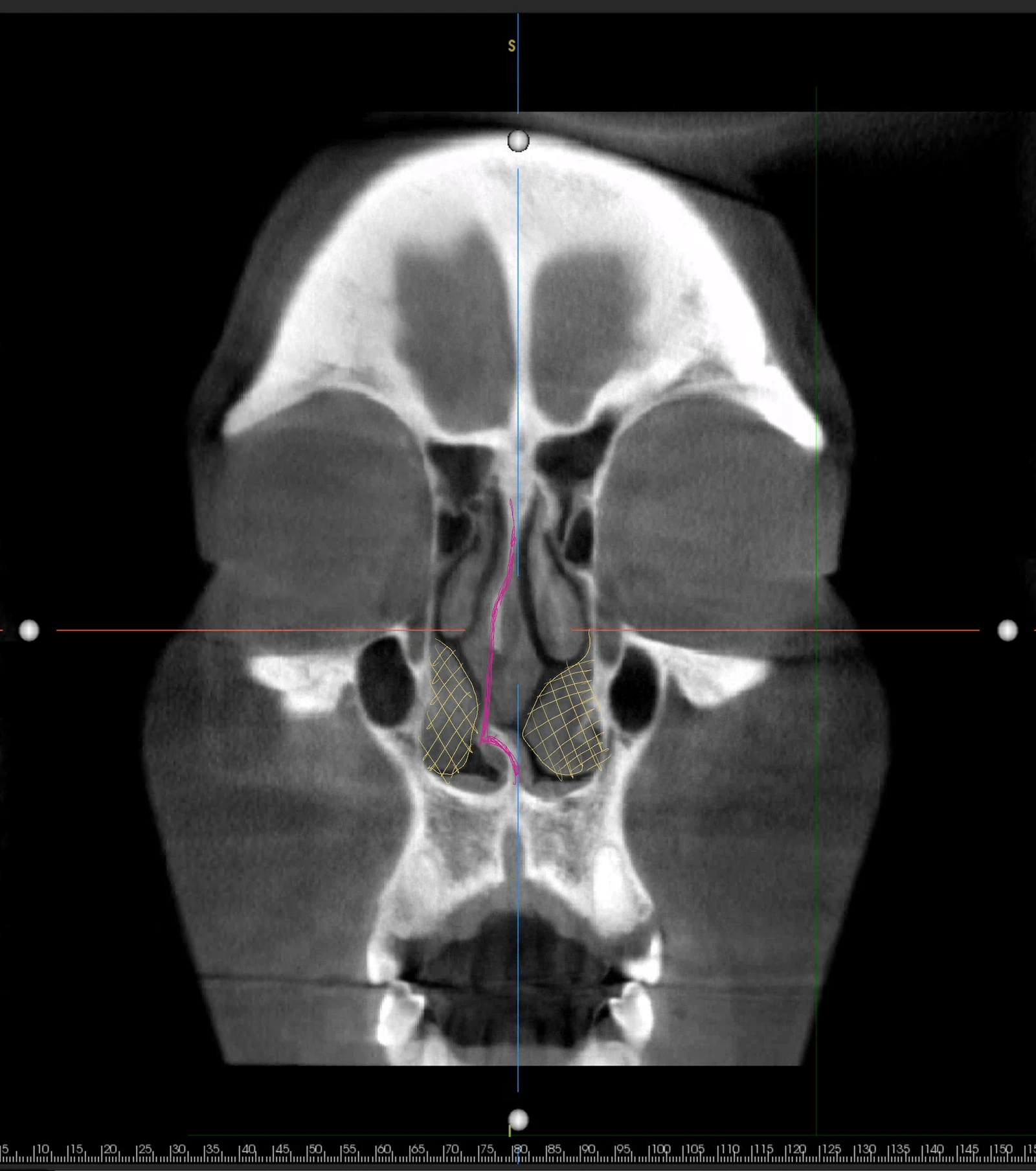
Septal deviation to the right and bilateral inferior turbinate hypertrophy are observed.
The redness and swelling at the nasal tip were judged to be a foreign body reaction to the silicone implant; if left unaddressed, this can lead to severe complications such as implant extrusion through the skin.
🔧 Surgical plan
Septal extension and nasal reconstruction using autologous rib cartilage
Removal of the existing silicone implant followed by placement of a new implant (lowering the radix starting point and placing it short, strictly on the nasal bridge)
Septoplasty
Radiofrequency-assisted submucosal resection of the inferior turbinates
The intraoperative findings and surgical process were as follows:
Due to the previous surgery, the septal cartilage was severely damaged, making reconstruction unavoidable.
Owing to the chronic foreign body reaction at the nasal tip, parts of the tip cartilage and septal cartilage had undergone resorption.
The deficient cartilage framework was reconstructed using autologous rib cartilage.
Reflecting the patient's preferences, the upturned look and retracted columella were corrected without deviating significantly from her existing shape.
The nasolabial angle was adjusted to create a more natural shape.
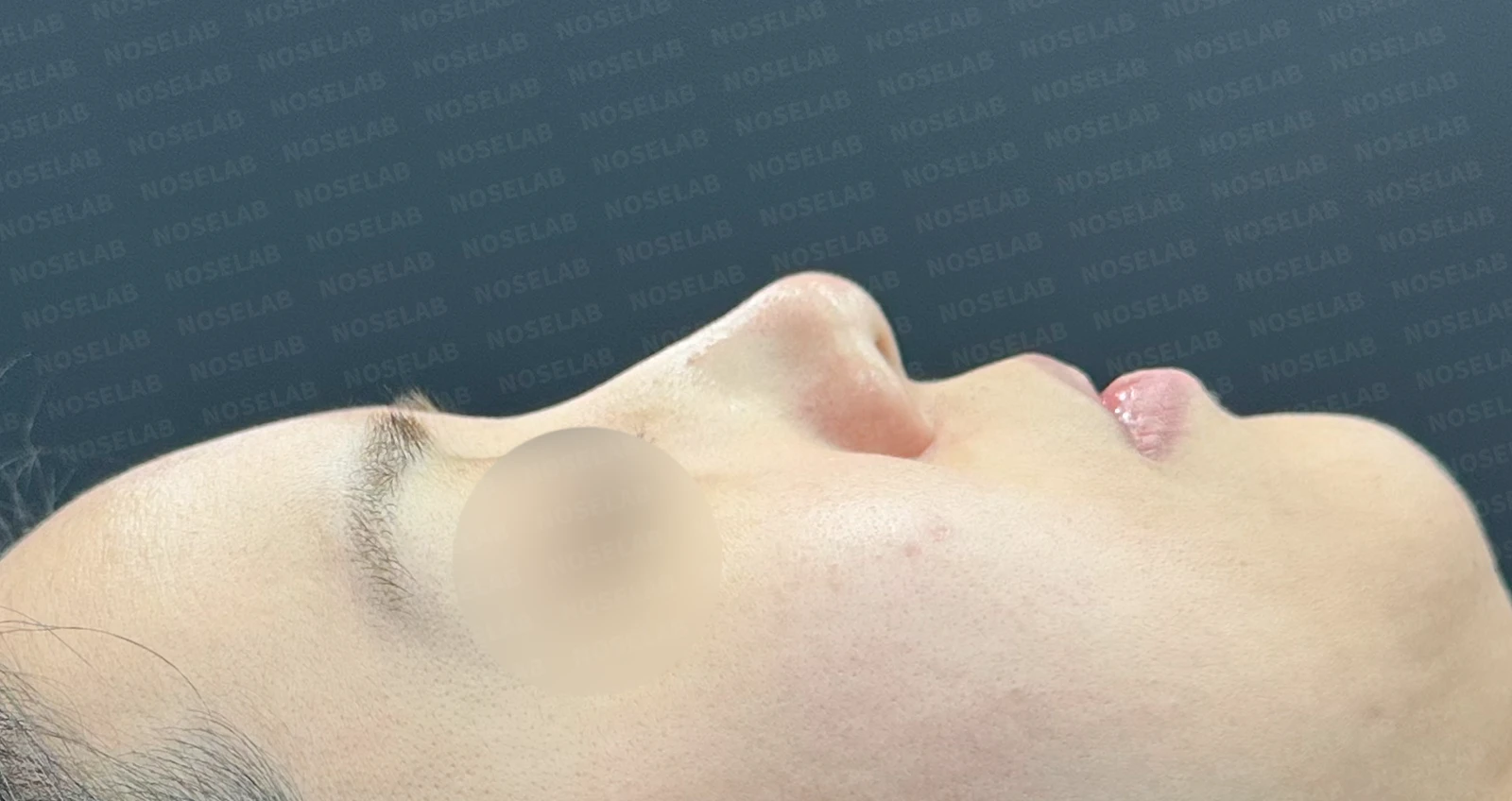
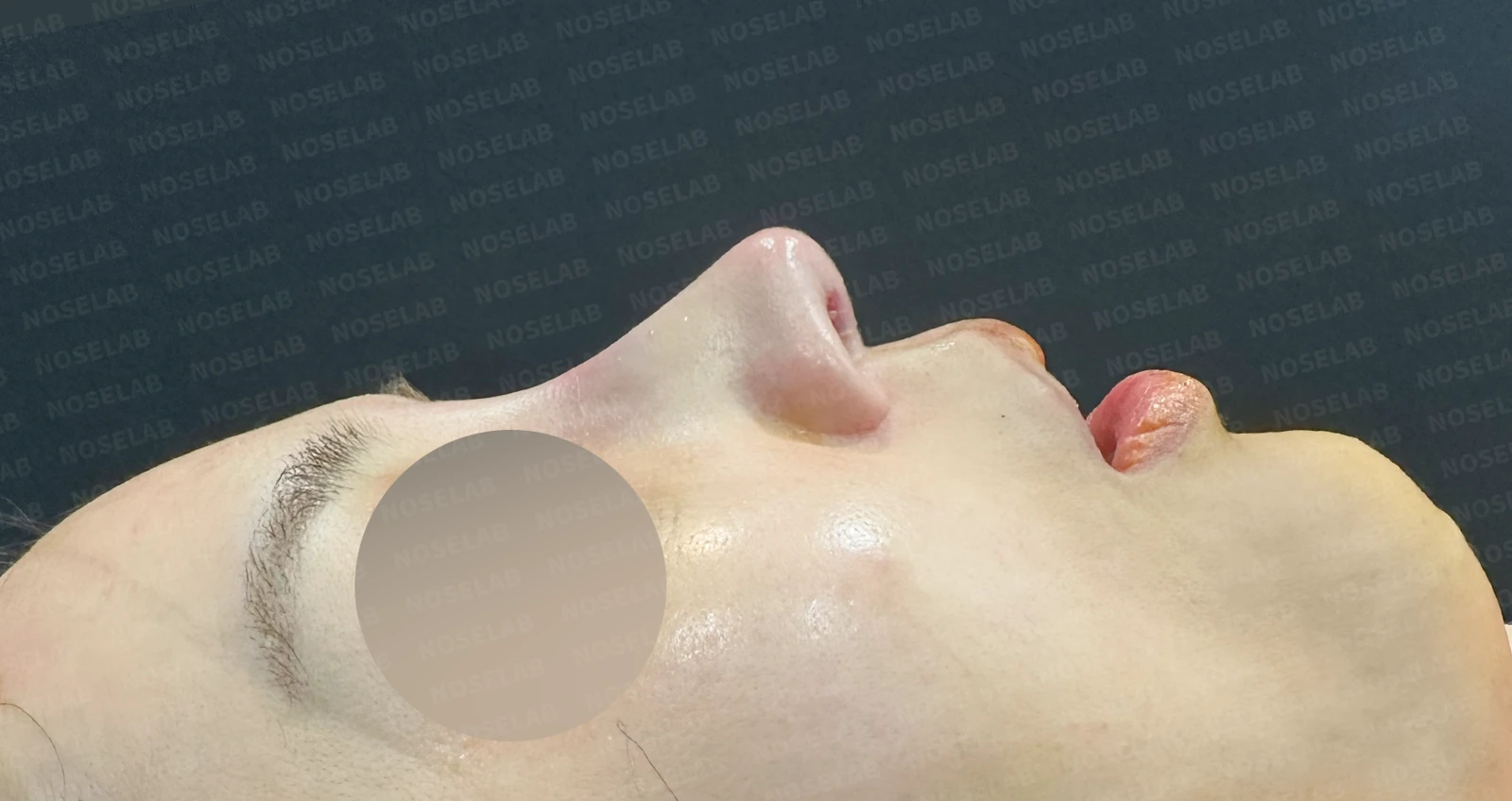
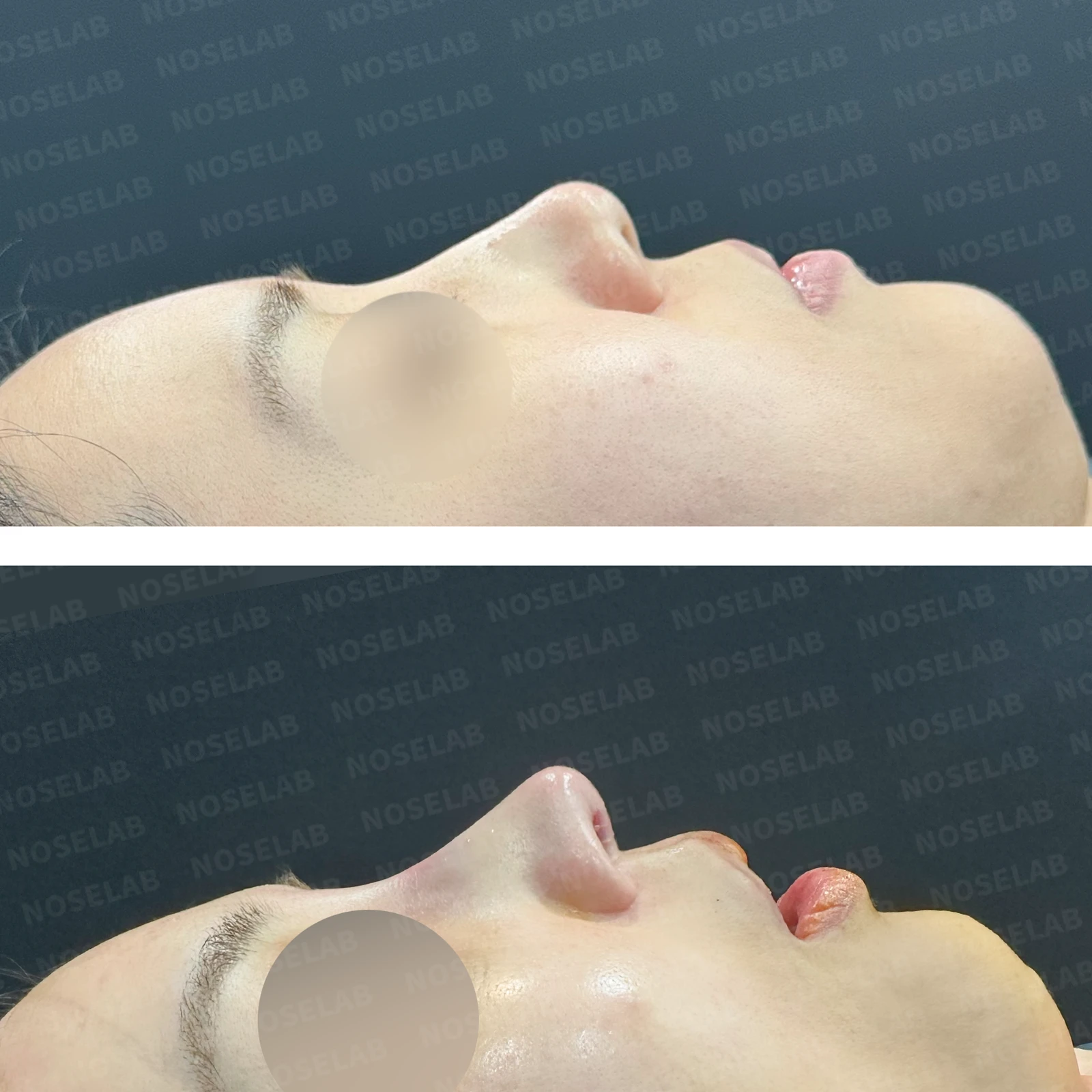
Before surgery / Day 0 immediately after surgery Photos taken immediately after surgery show swelling and may differ from the final result.
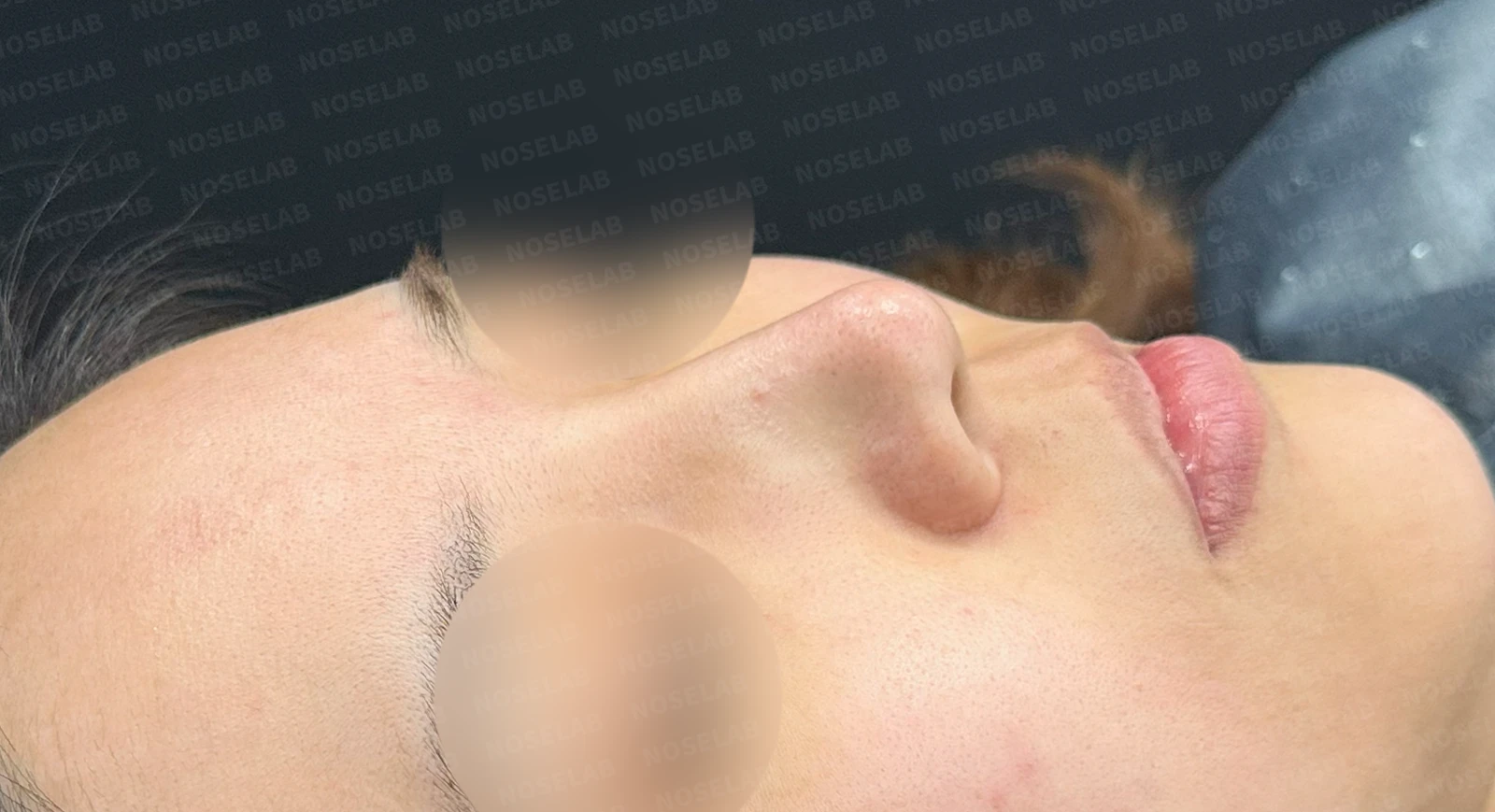
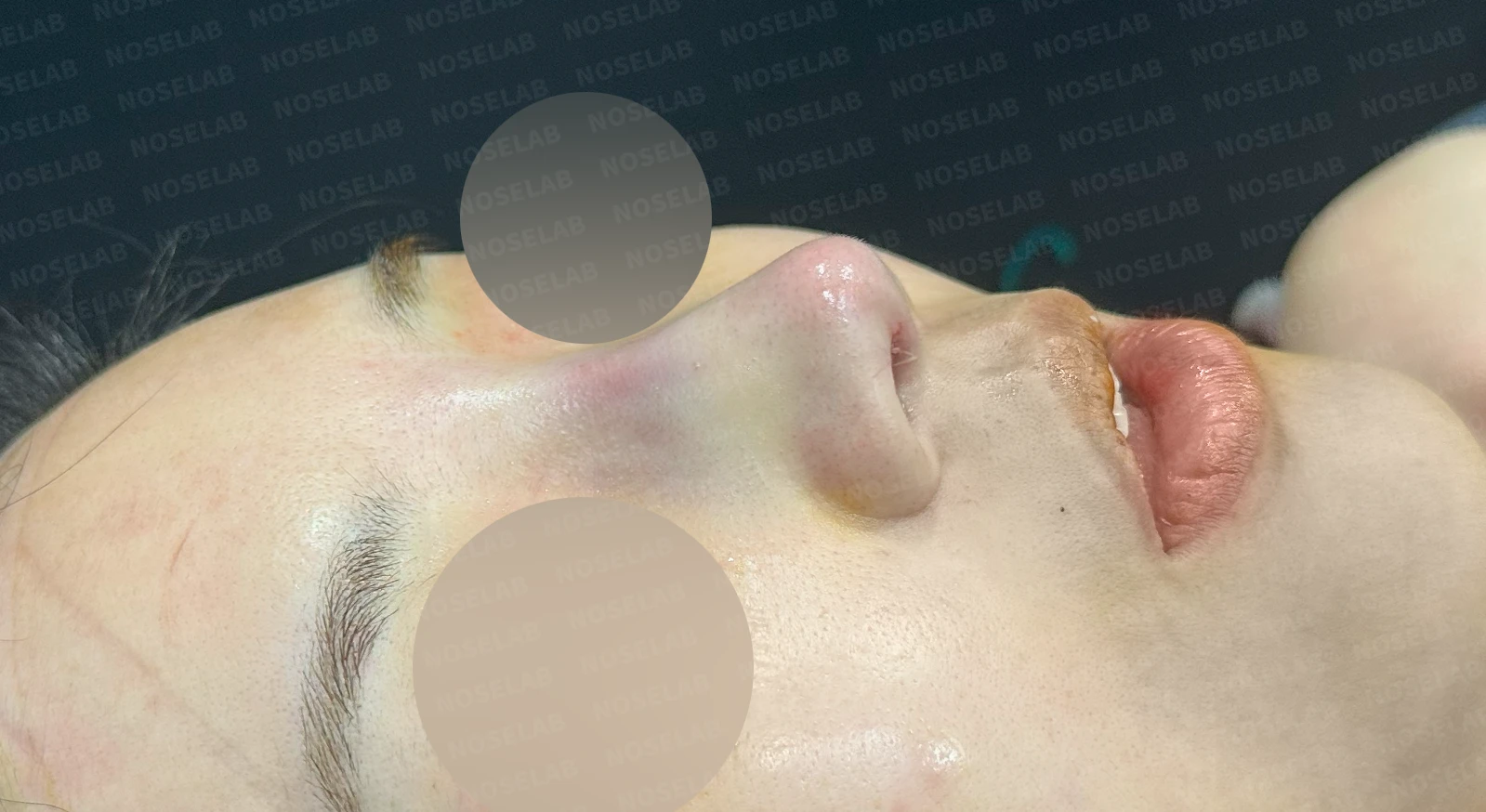
Before surgery / Day 0 immediately after surgery Photos taken immediately after surgery show swelling and may differ from the final result.
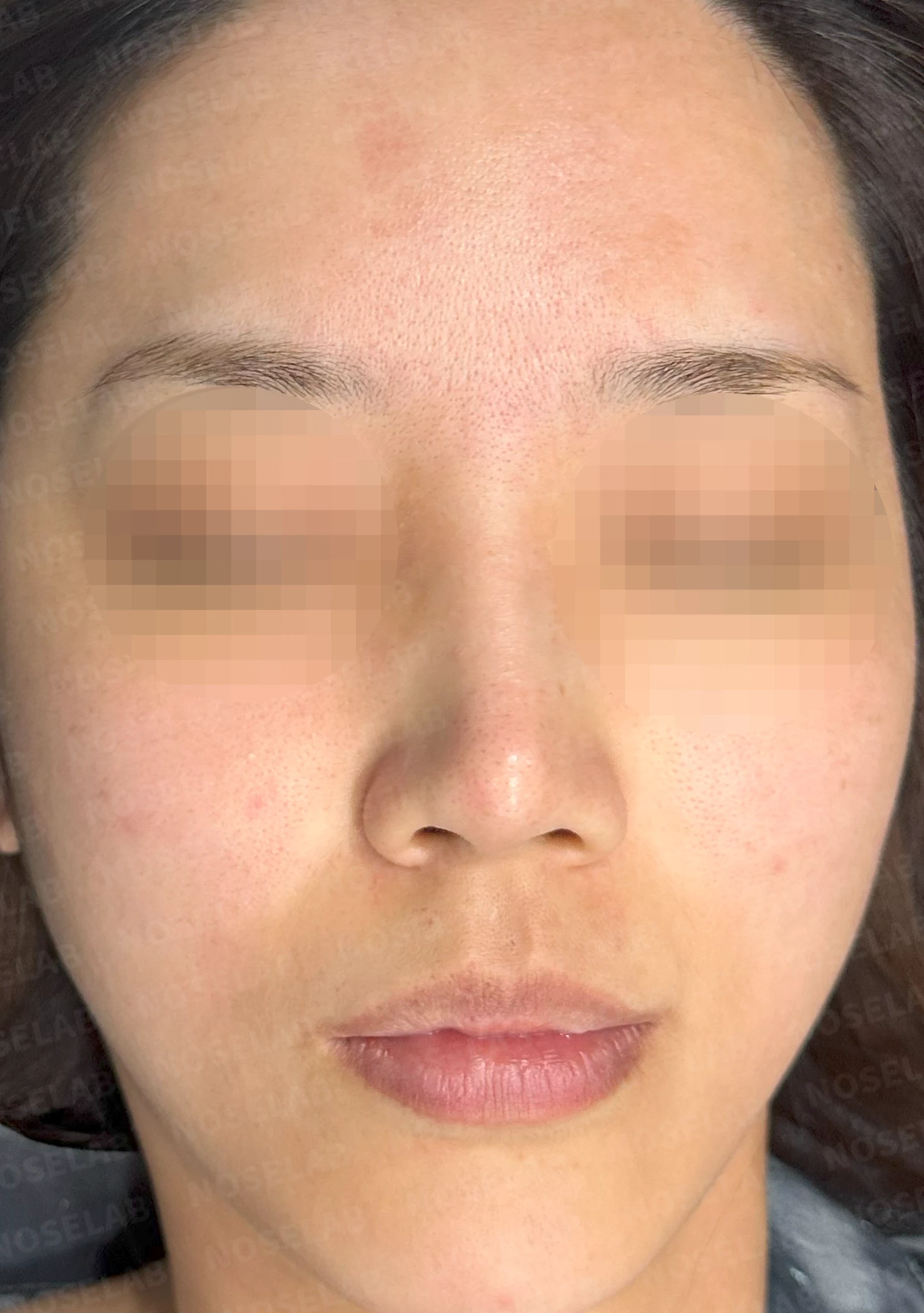
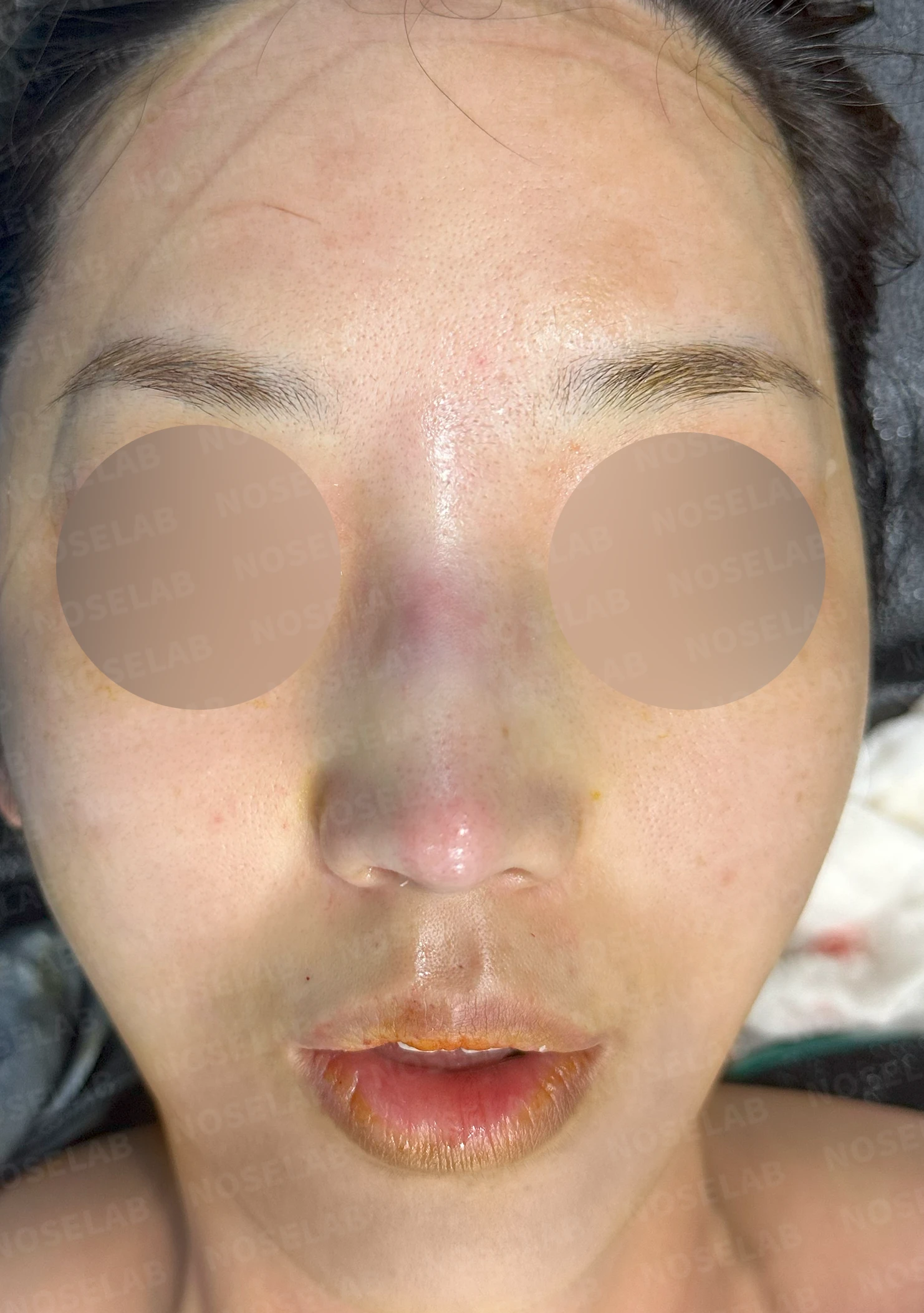
Before surgery / Day 0 immediately after surgery Photos taken immediately after surgery show swelling and may differ from the final result.
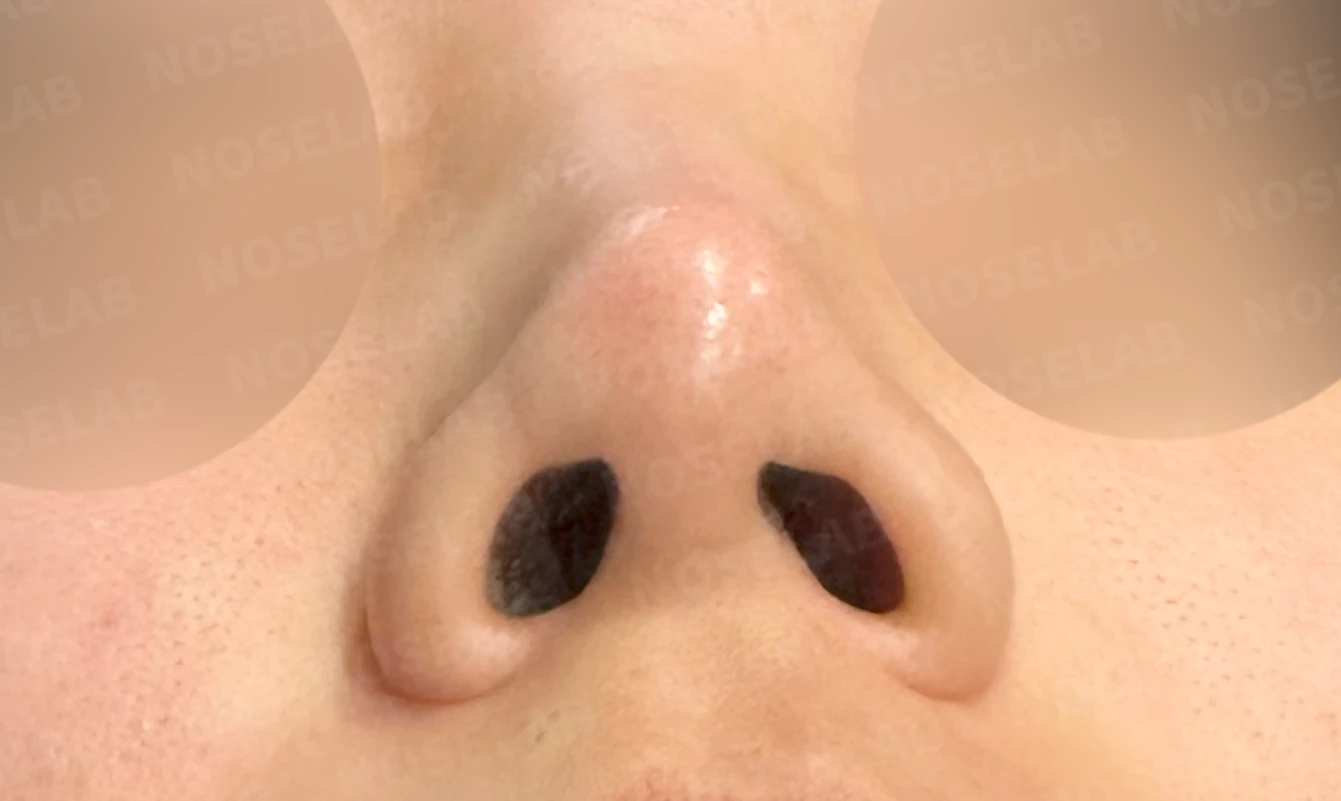
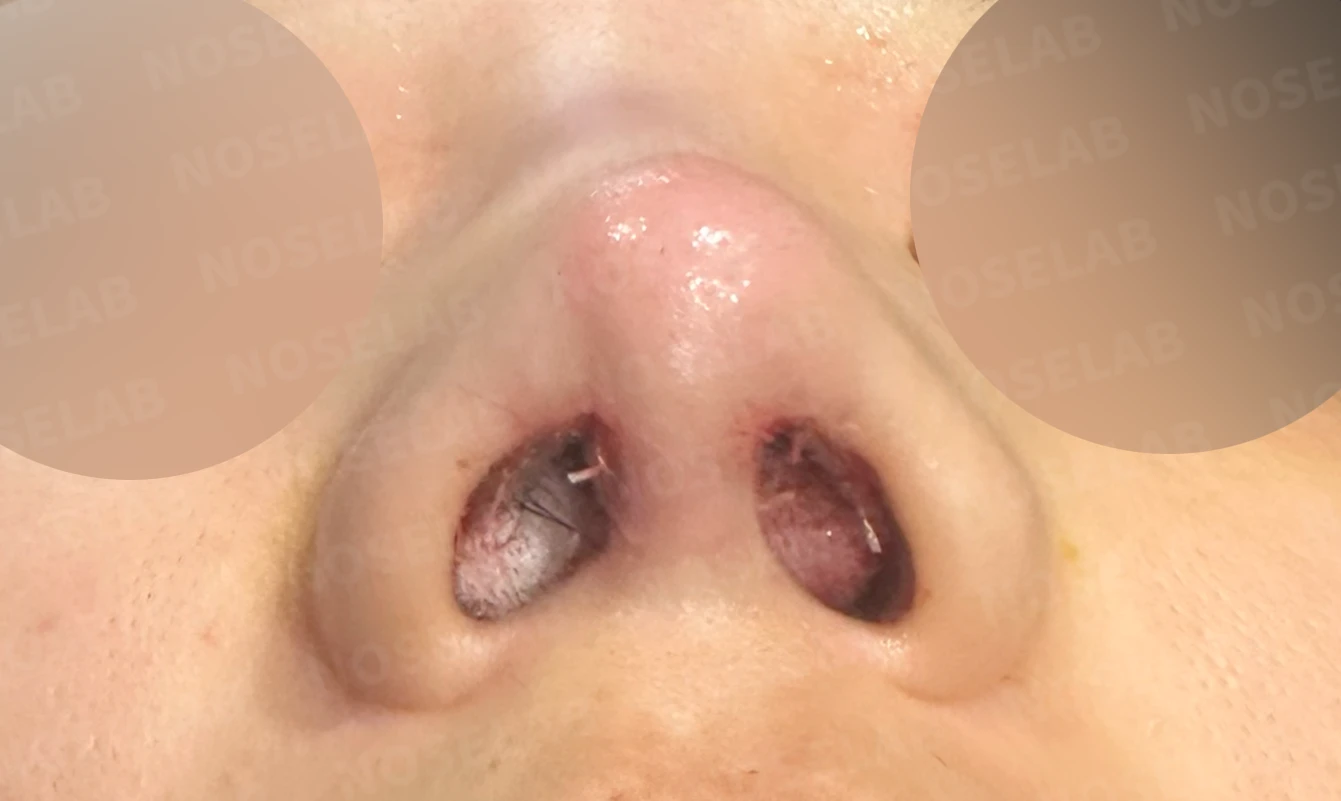
Before surgery / Day 0 immediately after surgery Photos taken immediately after surgery show swelling and may differ from the final result.
🌟 Surgical results
Resolution of nasal tip redness and swelling
Improvement of nasal obstruction
Maintenance of a natural nasal contour
Repositioning the implant with safety in mind
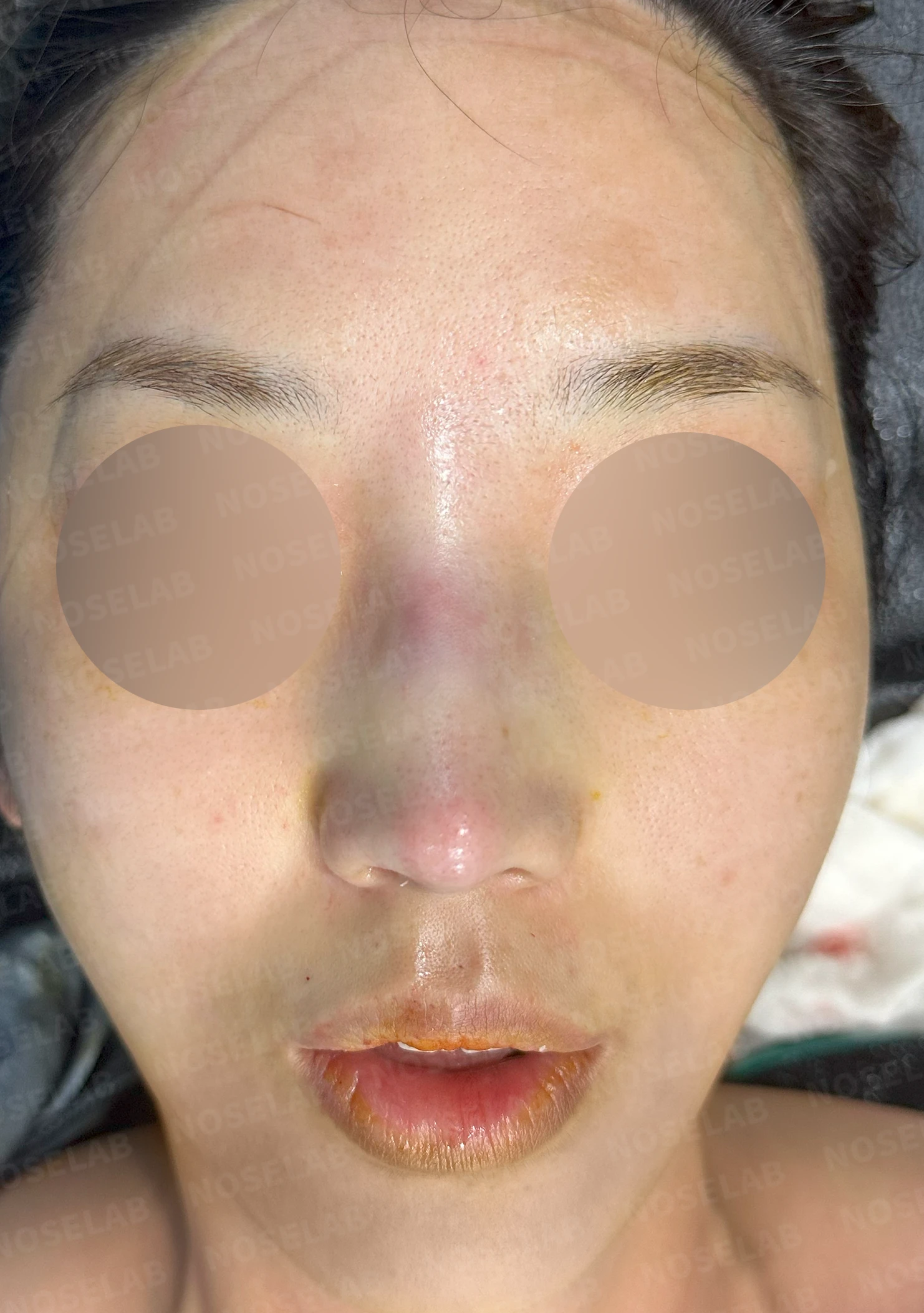
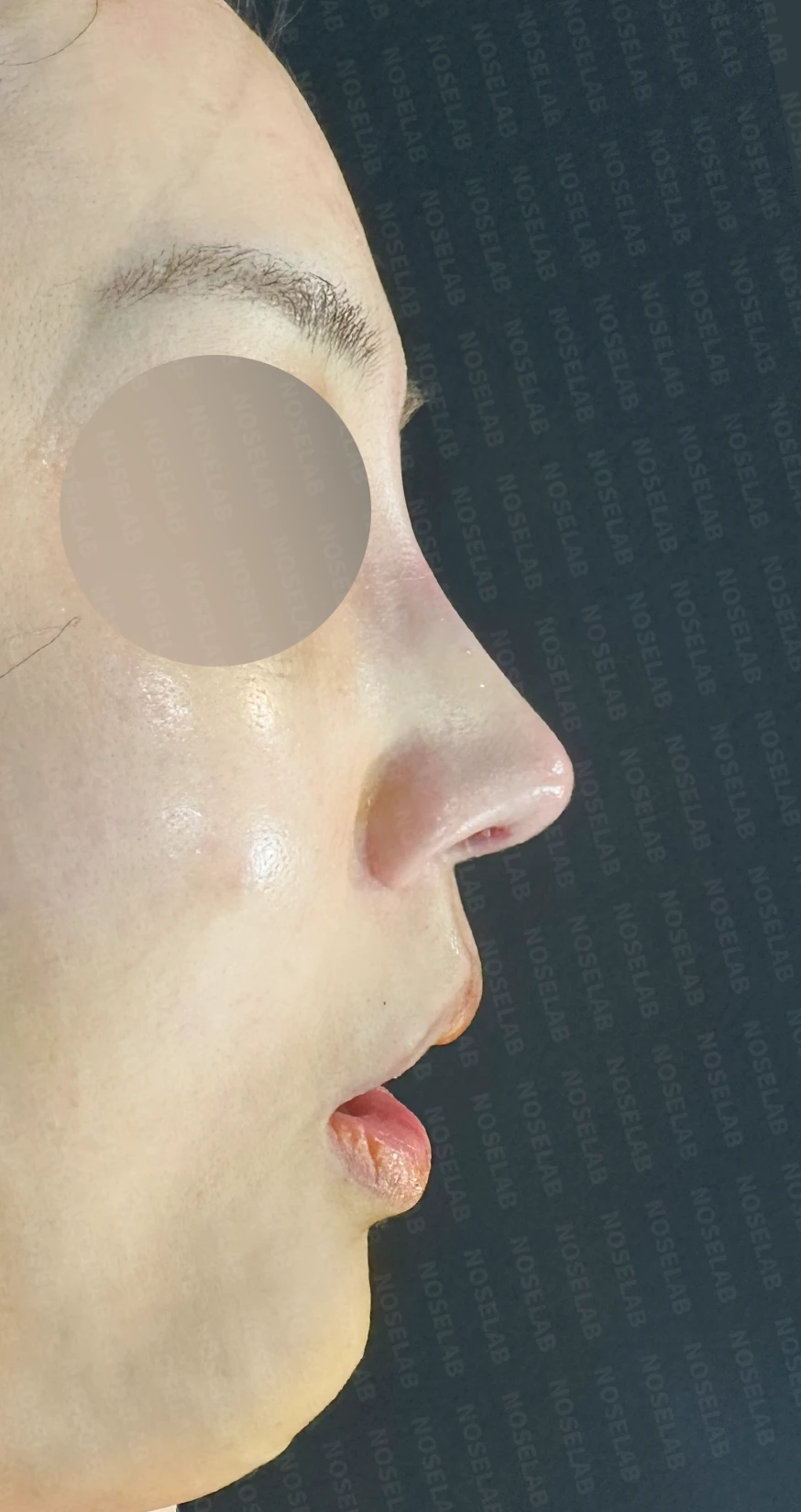
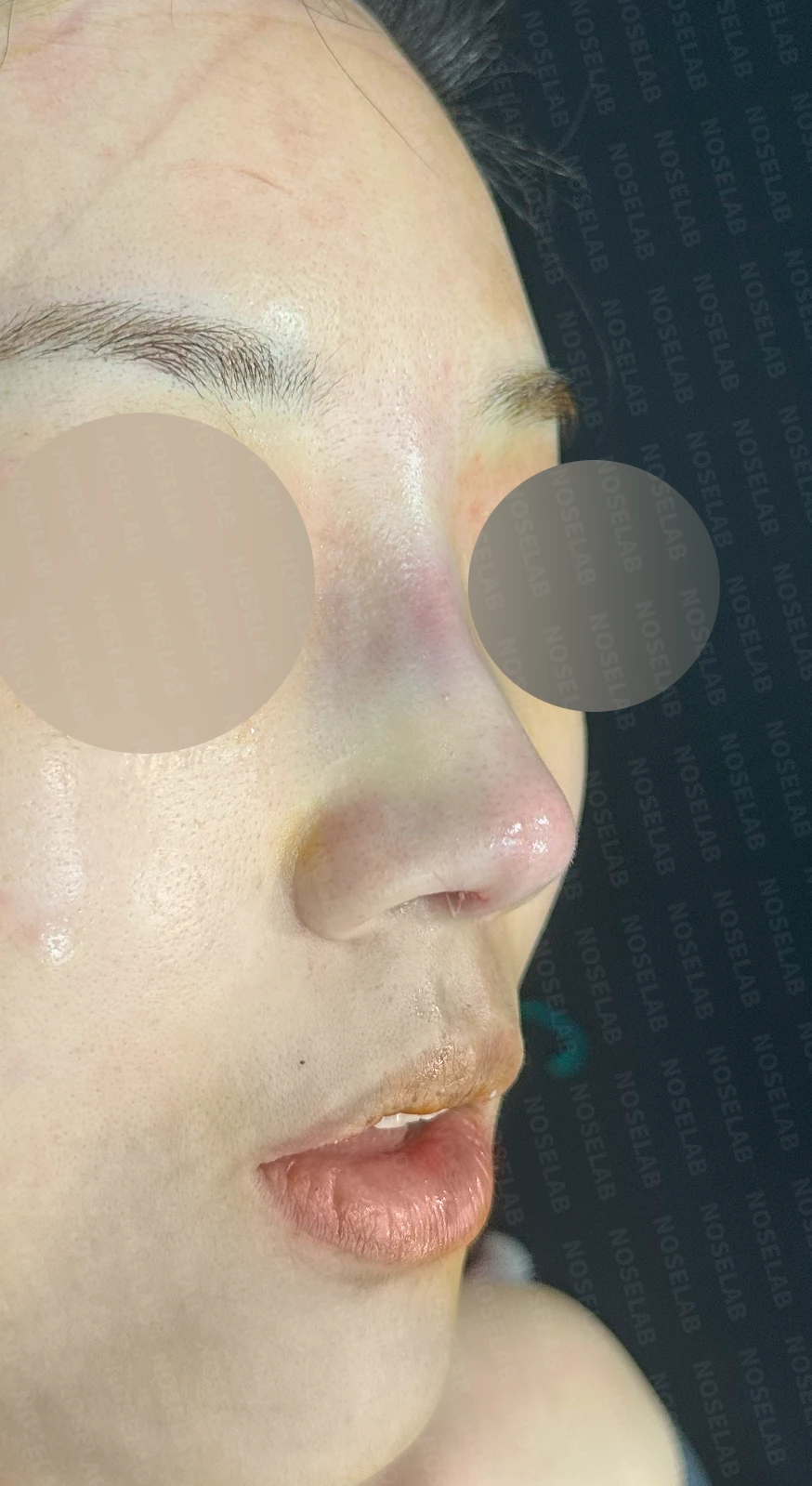
Immediately after surgery (Day 0) front, profile, and oblique viewsImmediate postoperative photos show swelling and may differ from the final result.
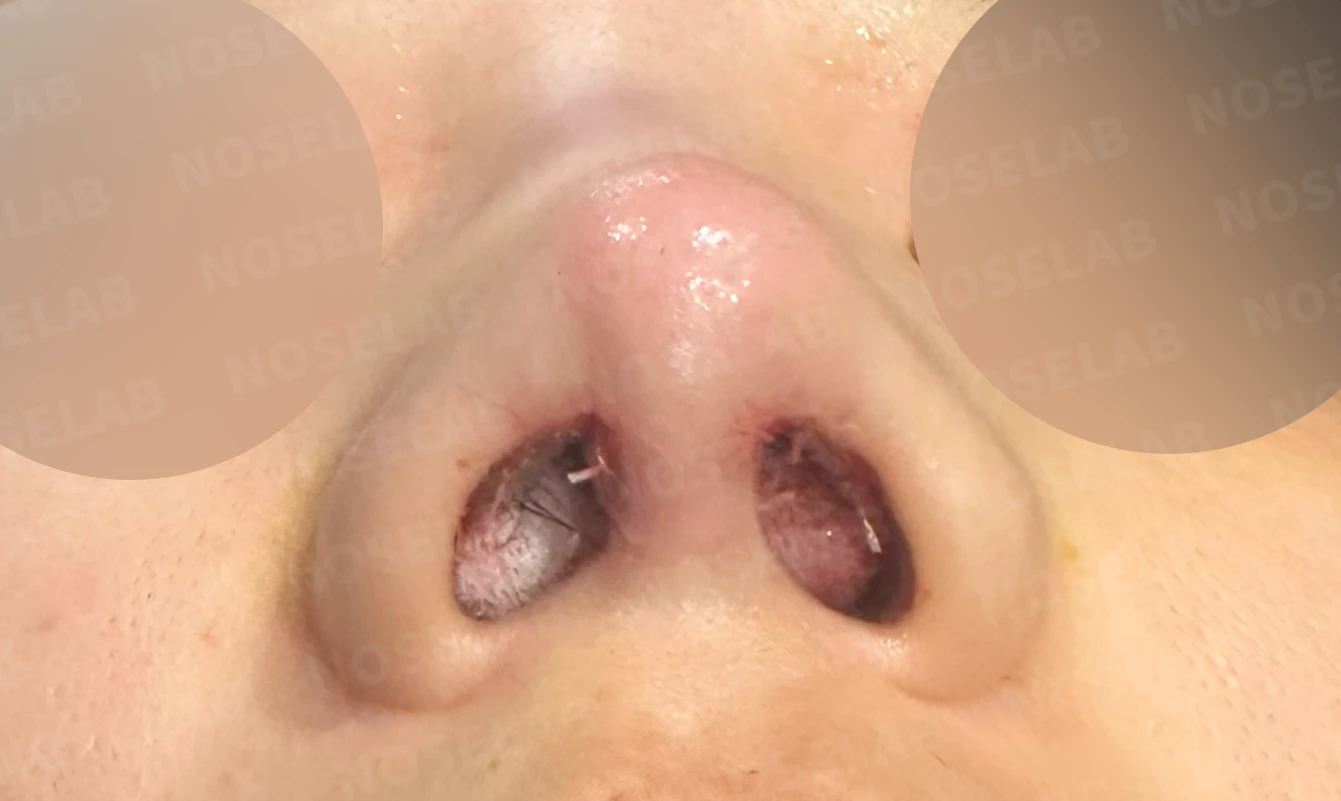
Nostrils
Caution: When a silicone implant is placed all the way down into the nasal tip, serious complications can occur in the tip area.
To support a stable rhinoplasty result, it is most appropriate to limit the silicone implant strictly to the nasal bridge and use only the amount necessary.
I always prioritize patient safety and satisfaction.
If you are considering rhinoplasty, please be sure to consult with a specialist to choose a method that is suitable for you and planned with safety in mind.
If you have any questions, please feel free to leave a comment. I will do my best to answer thoroughly.
This was Dr. Peter C. Kang. Thank you.
Thank you.
#revisionrhinoplasty #siliconeimplantsideeffects #nasaltipredness #autologousribcartilagegraft #nasalobstructionrelief #deviatedseptum #hypertrophicrhinitis #saferhinoplasty #naturalnose #preventingrhinoplastycomplications

Limitations and risks
When autologous rib cartilage is used, scarring and pain may remain at the donor site on the chest, and pneumothorax (pleural injury) can occur rarely. Over time, the grafted cartilage may warp or undergo partial resorption.
When revising after implant removal, contracture may progress again after removal, the nasal height and length may decrease, and staged surgery may be necessary depending on the skin condition.
When the septum is corrected at the same time, nasal obstruction may persist or recur, and in rare cases, septal perforation or changes in smell may occur.
Common potential risks include infection, bleeding, asymmetry, scarring, skin necrosis, and insufficient improvement; results vary depending on individual skin condition and previous surgical history.