Hello, I am Dr. Peter C. Kang.
Today, I would like to share the story of a patient who suffered through repeated rhinoplasty procedures and recurrent infections over a span of 5 years.
This case clearly illustrates the risks of multiple revision surgeries and infectious complications, as well as the recovery process made possible through appropriate, staged management.
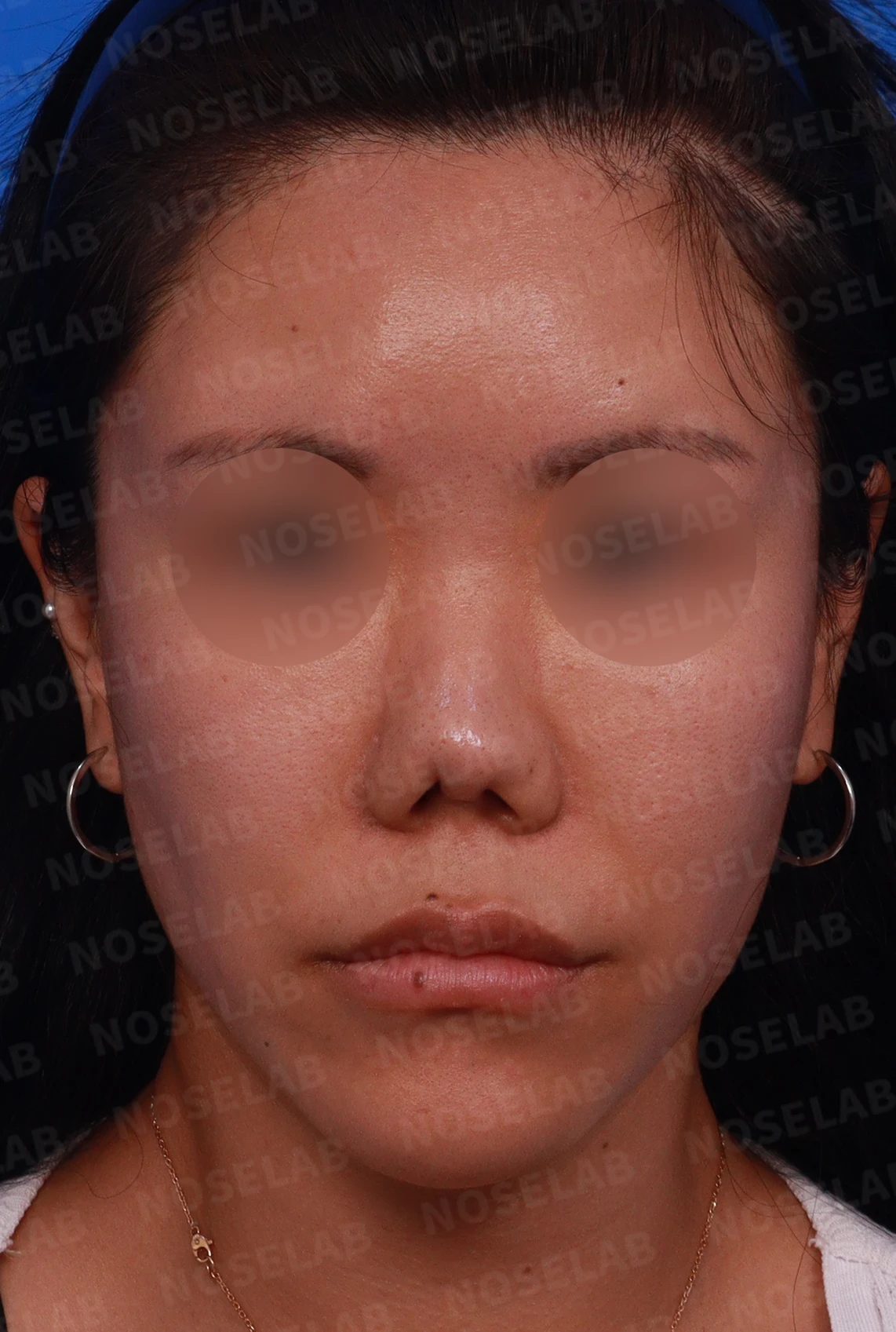
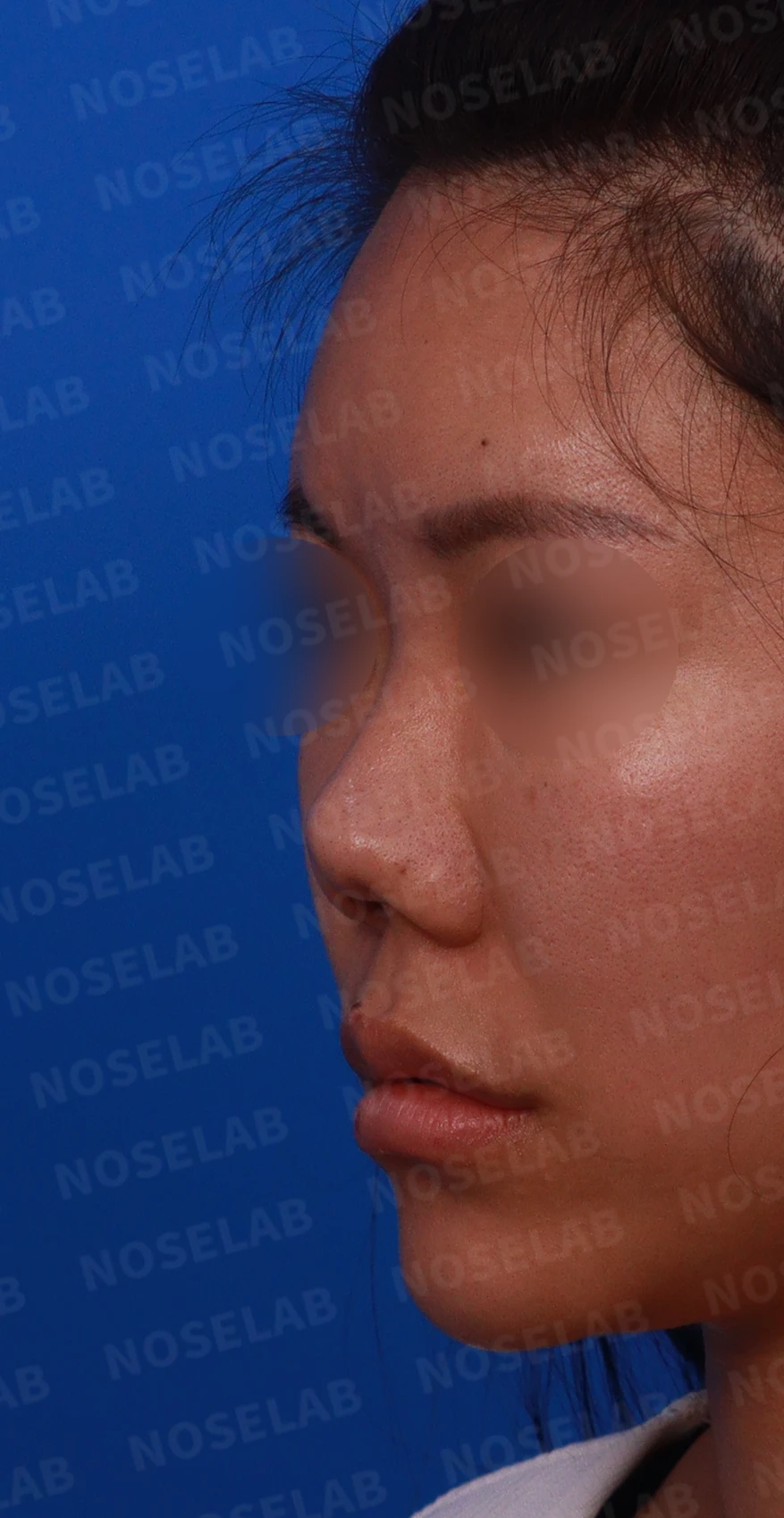
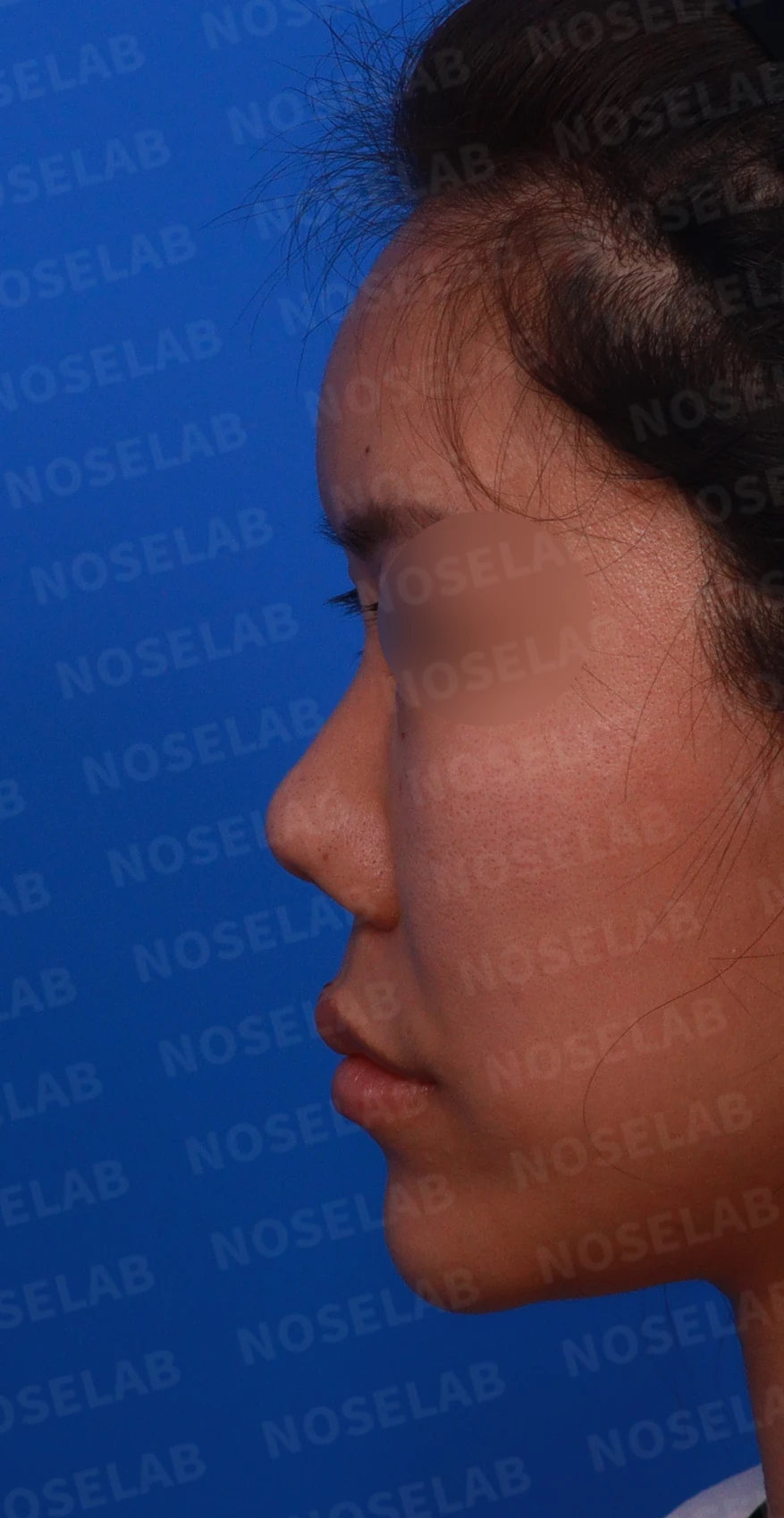
Design consultation: front, left oblique, and profile views.
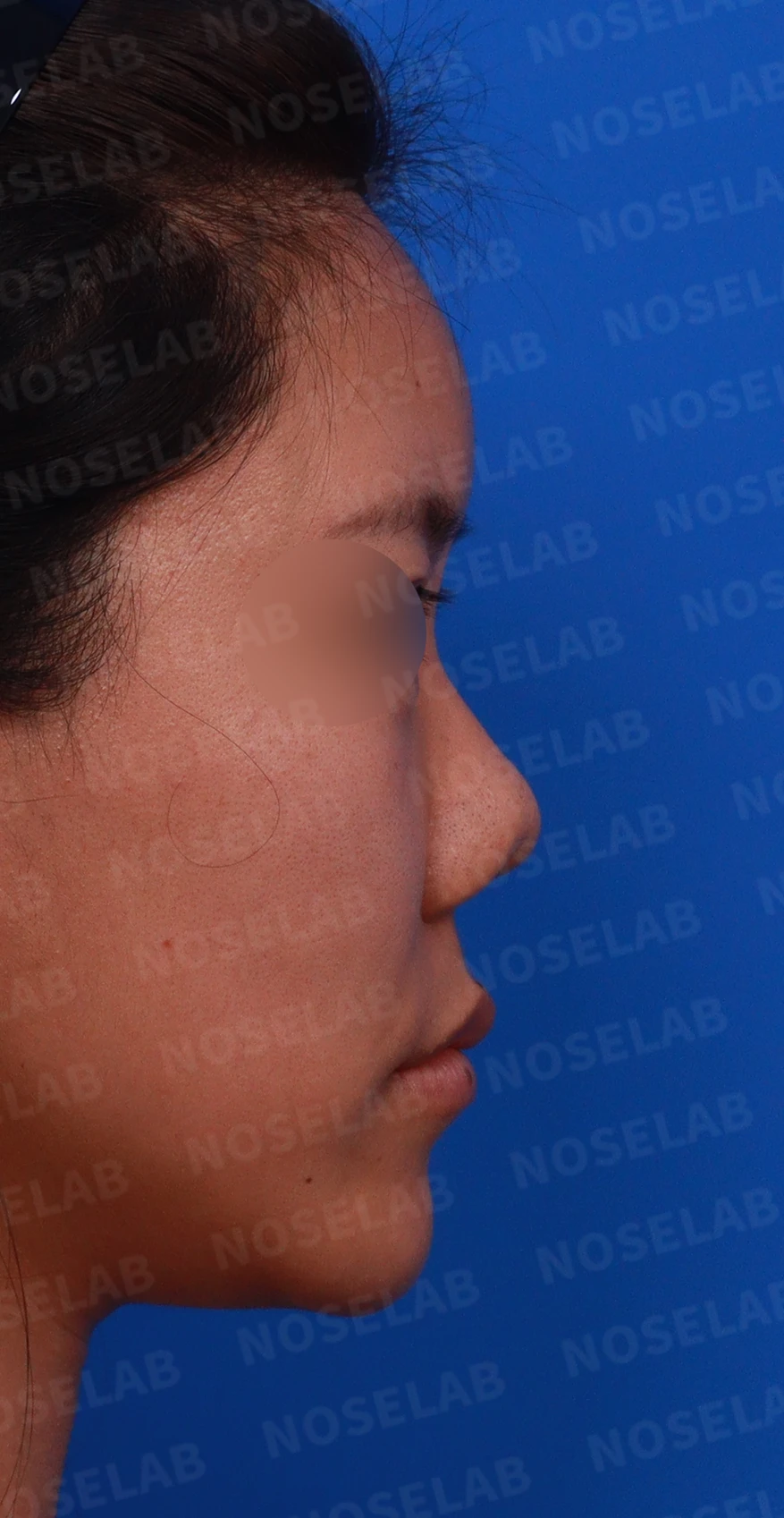
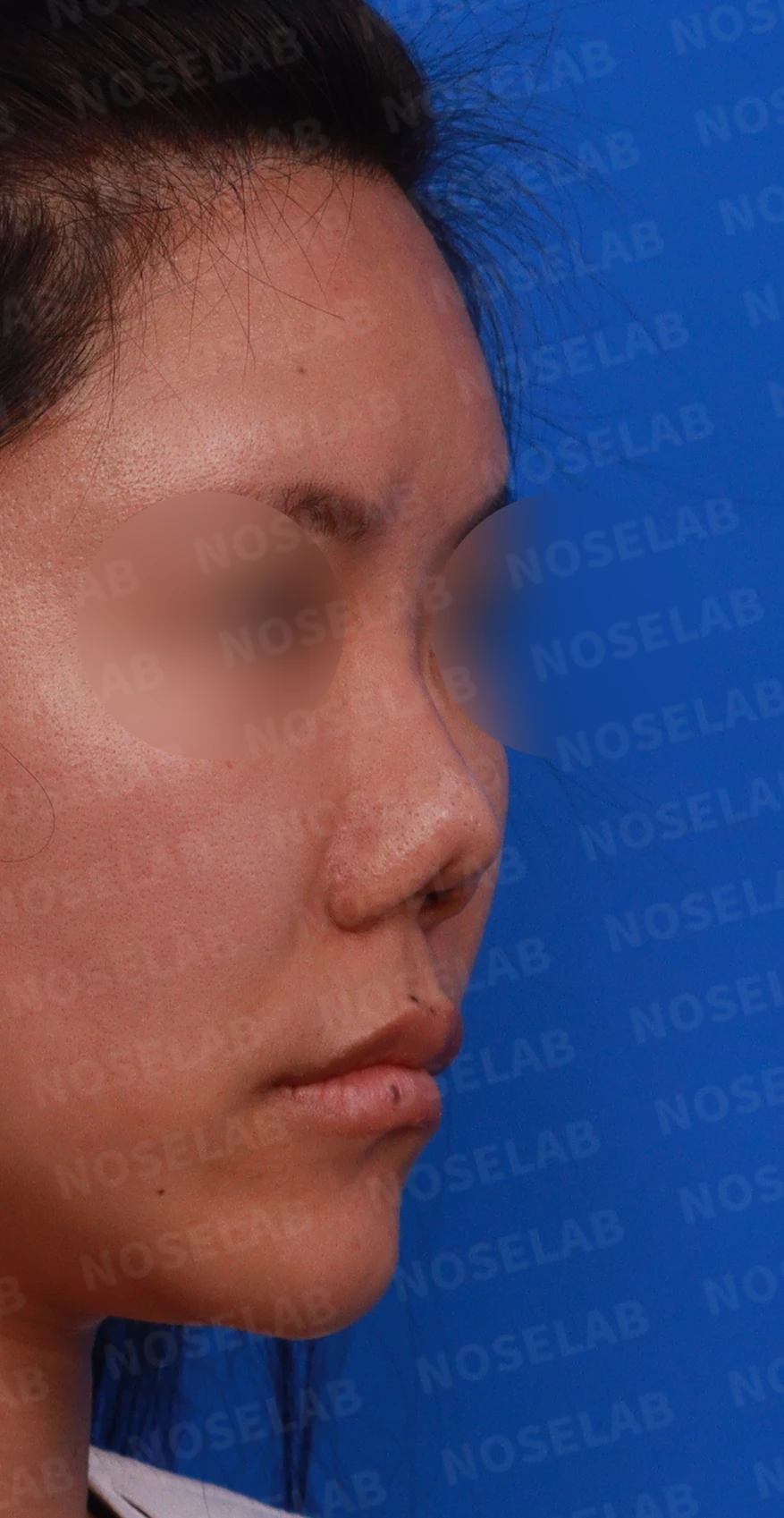
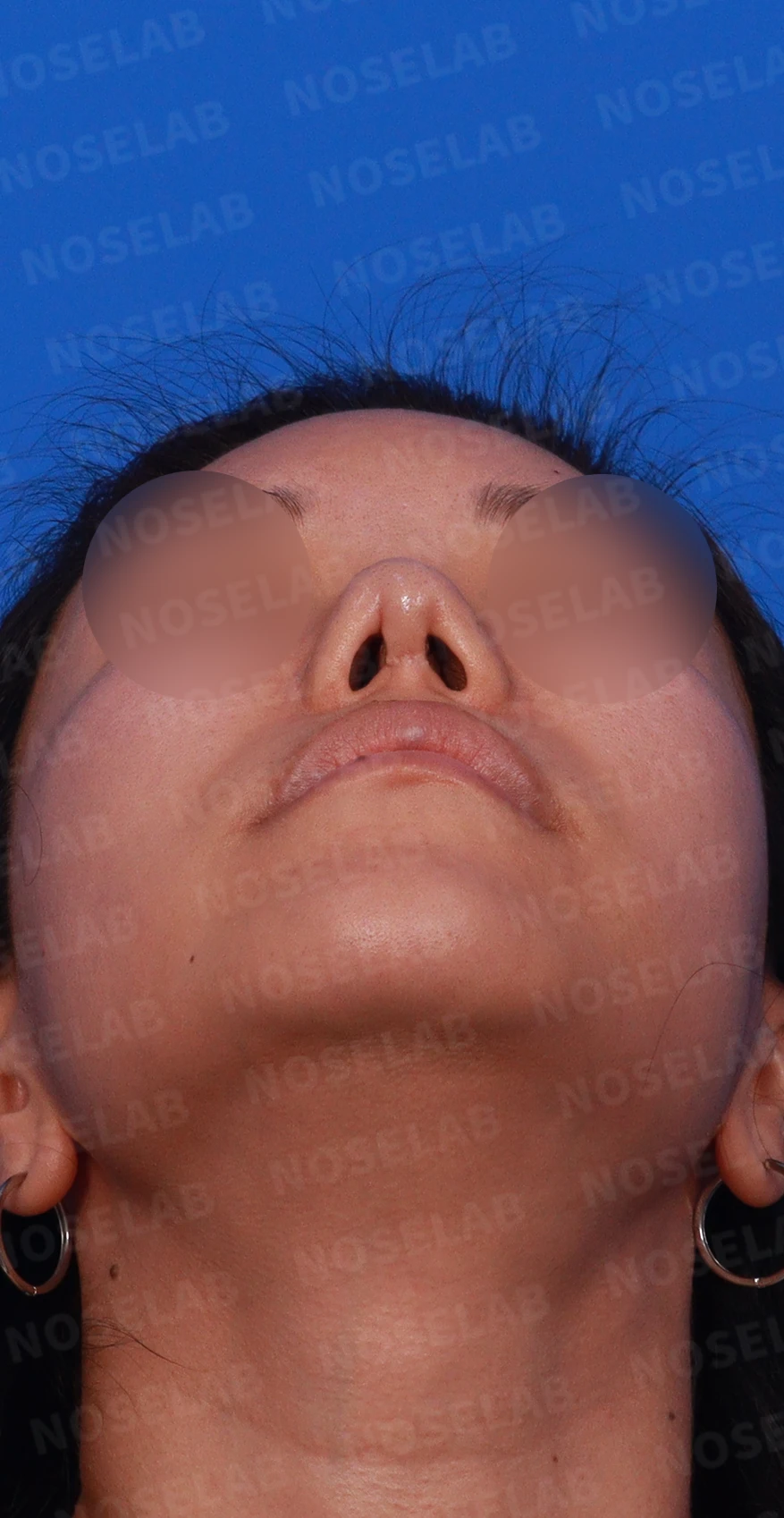
Design consultation: right profile, oblique, and nostril views.
📍 The patient's surgical history
Beginning and complications at the first clinic:
September 2020 - First surgery
- Ear cartilage + silicone implant used
- Dissatisfaction with the result
April 2021 - First revision surgery (at the same clinic)
- Additional ear cartilage harvested
- Severe complications occurred after surgery:
- Swelling over the silicone implant area
- Intravenous/intramuscular antibiotic treatments administered 3 times
- Excessive nostril show
- Upward retraction of the nasal tip began to develop
Treatment and recurrence at the second clinic:
January 2024 - Revision surgery
- Autologous rib cartilage + silicone implant used
March 2024 - Infection treatment
- Irrigation and antibiotic therapy administered
February 7, 2025 - Complete silicone implant removal
- Inevitable removal due to persistent infection
- Medical dispute compensation proceeded
Condition upon initial visit to NOSELAB
When the patient visited our clinic, the situation was very challenging:
1. Ongoing acute inflammation
- Implant had been removed due to acute inflammation
- Inflammatory reaction had not yet fully subsided
2. Severe structural deformity
- Advanced contracture deformity of the nasal tip
- Right nostril severely pinched and retracted upward
- A 1.5 mm perforation on the medial mucosa of the right columella
- Persistent purulent discharge draining from this site
3. Internal tissue damage
- Near-total loss of septal cartilage
- Severe damage to lower lateral cartilages
- Markedly weakened mucosa in the right nasal cavity
🔎 Staged treatment process
Stage 1: Urgent inflammatory management (removal + irrigation):
- Complete removal of internal cartilage fragments and inflamed granulation tissue
- Copious irrigation with saline containing antibiotics
- Primary correction of the pinched area
- Emergency intervention to prevent progressive tip retraction
- Combined antibiotic therapy and stem cell therapy
Stage 2: Structural reconstructive surgery
The surgical goals were established as follows:
- Reconstruction of damaged cartilages
- Correction of upturned nose
- Correction of the retracted columella
Surgical findings and procedure:
- Confirmed internal damage that was more extensive than anticipated
- Almost no viable septal cartilage remained
- Focused on safe reconstruction rather than excessive height
- Secured structural stability through septal reconstruction
✅ Treatment outcomes and improvements
Key improvements achieved:
1. Functional improvement
- Substantial improvement in nostril asymmetry
- Correction of the pinched and upturned appearance
- Overall improvement in breathing function
2. Cosmetic improvement
- Correction of the retracted columella
- Restoration of a natural nasal contour
- Improved overall facial balance
3. Structural stability
- Successful completion of septal reconstruction
- Stability established across the entire nasal structure
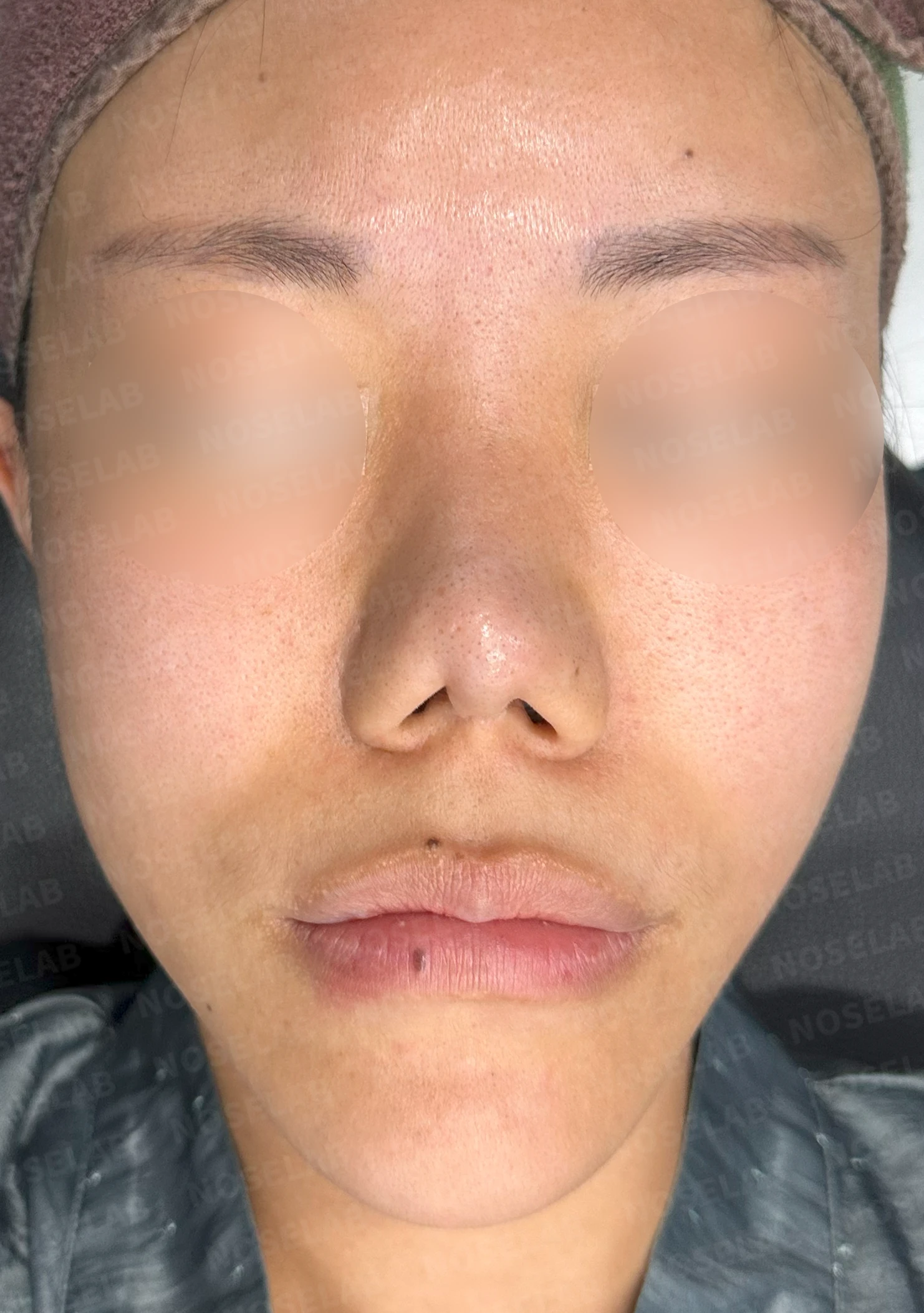
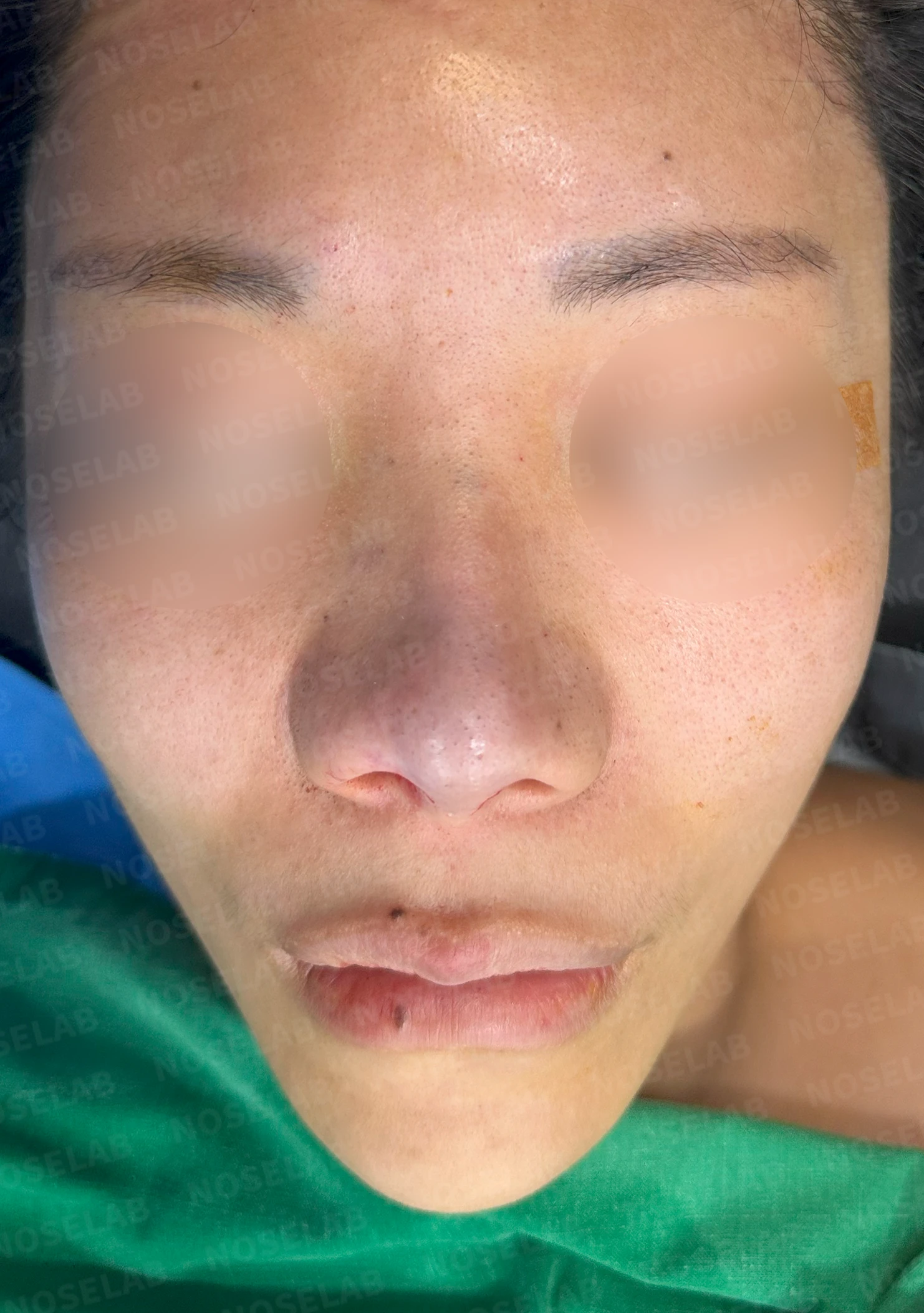
Before surgery / Day 0 immediately after surgery Photos taken immediately after surgery show swelling and may differ from the final result.
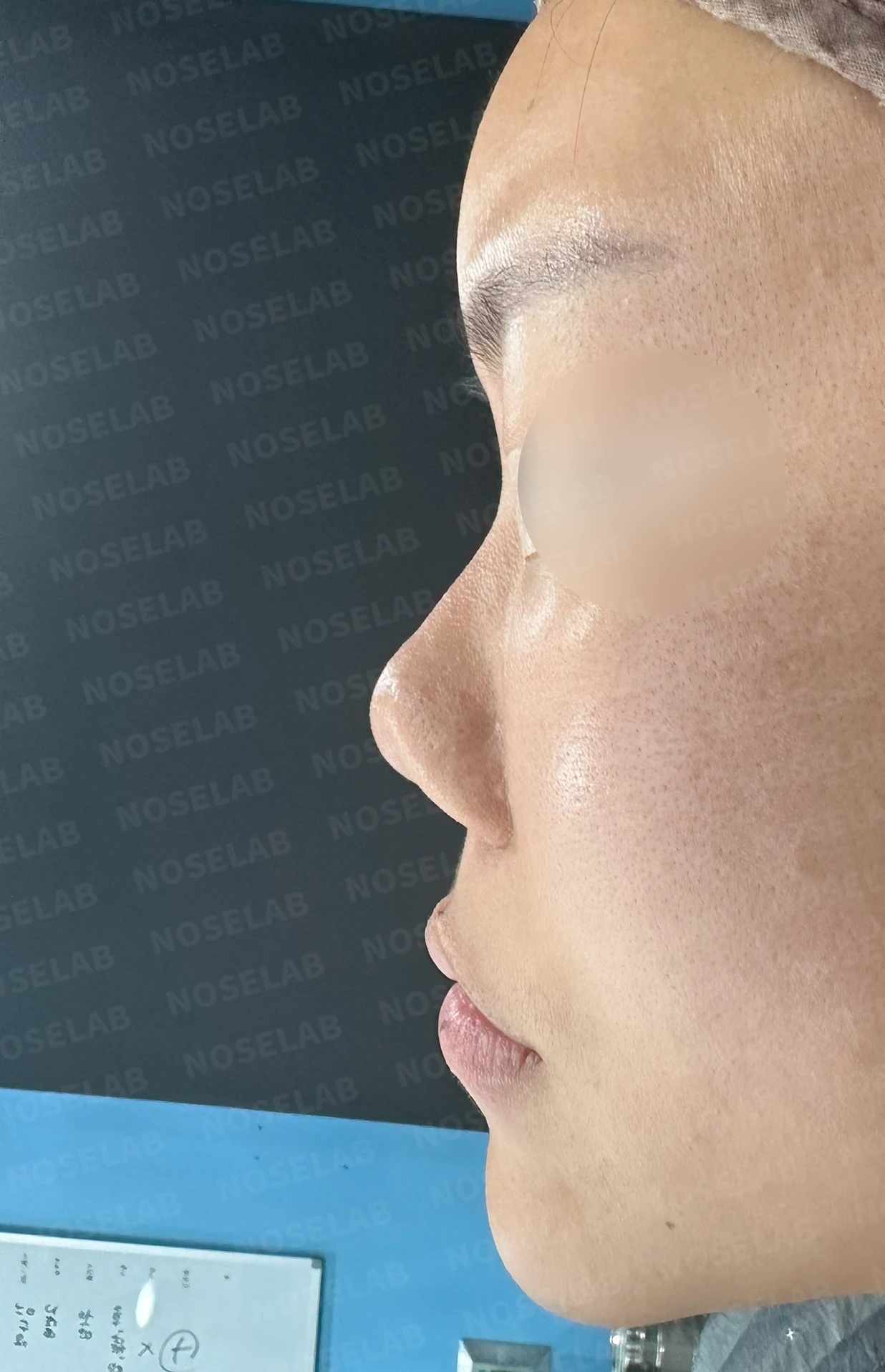
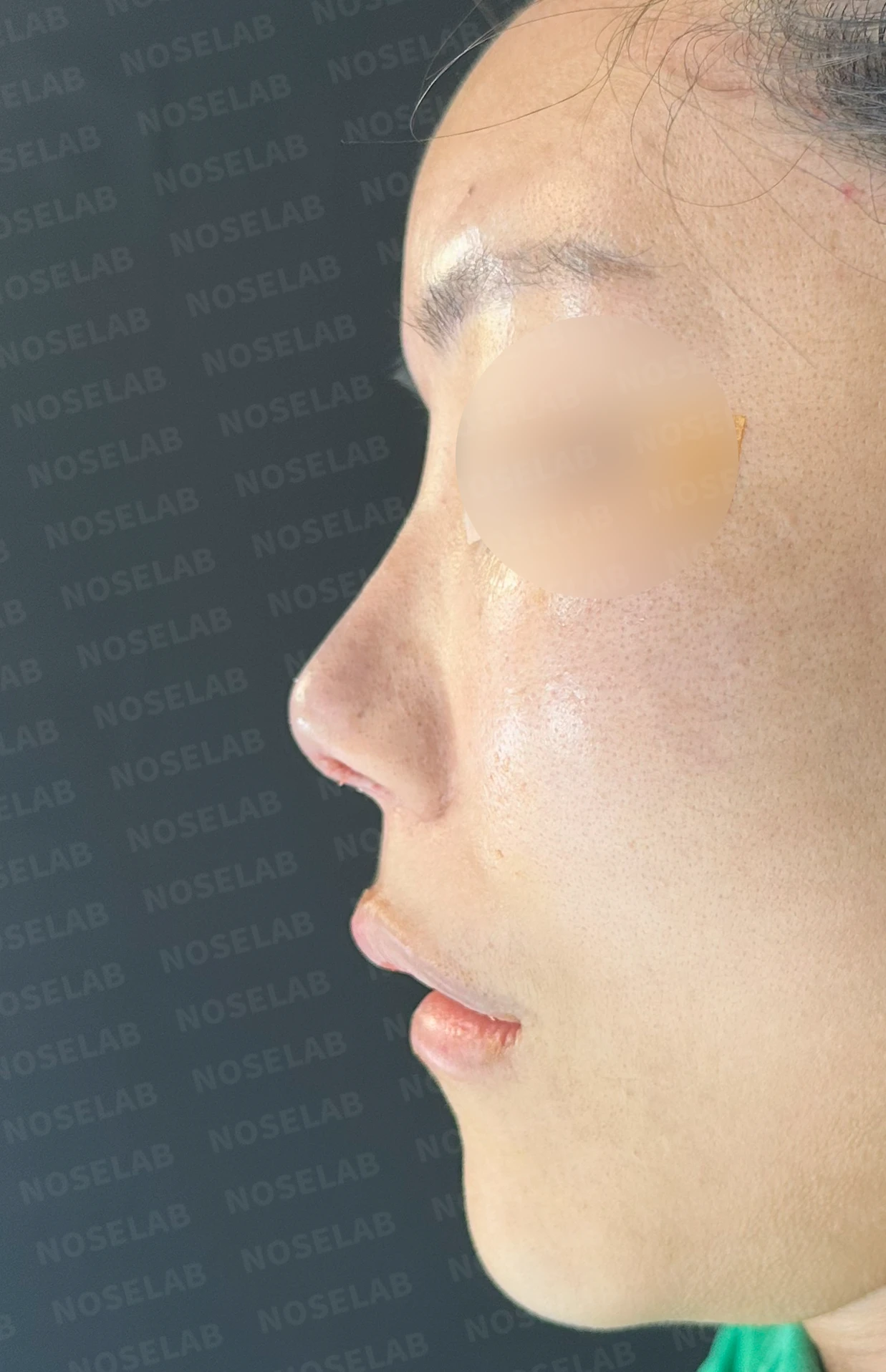
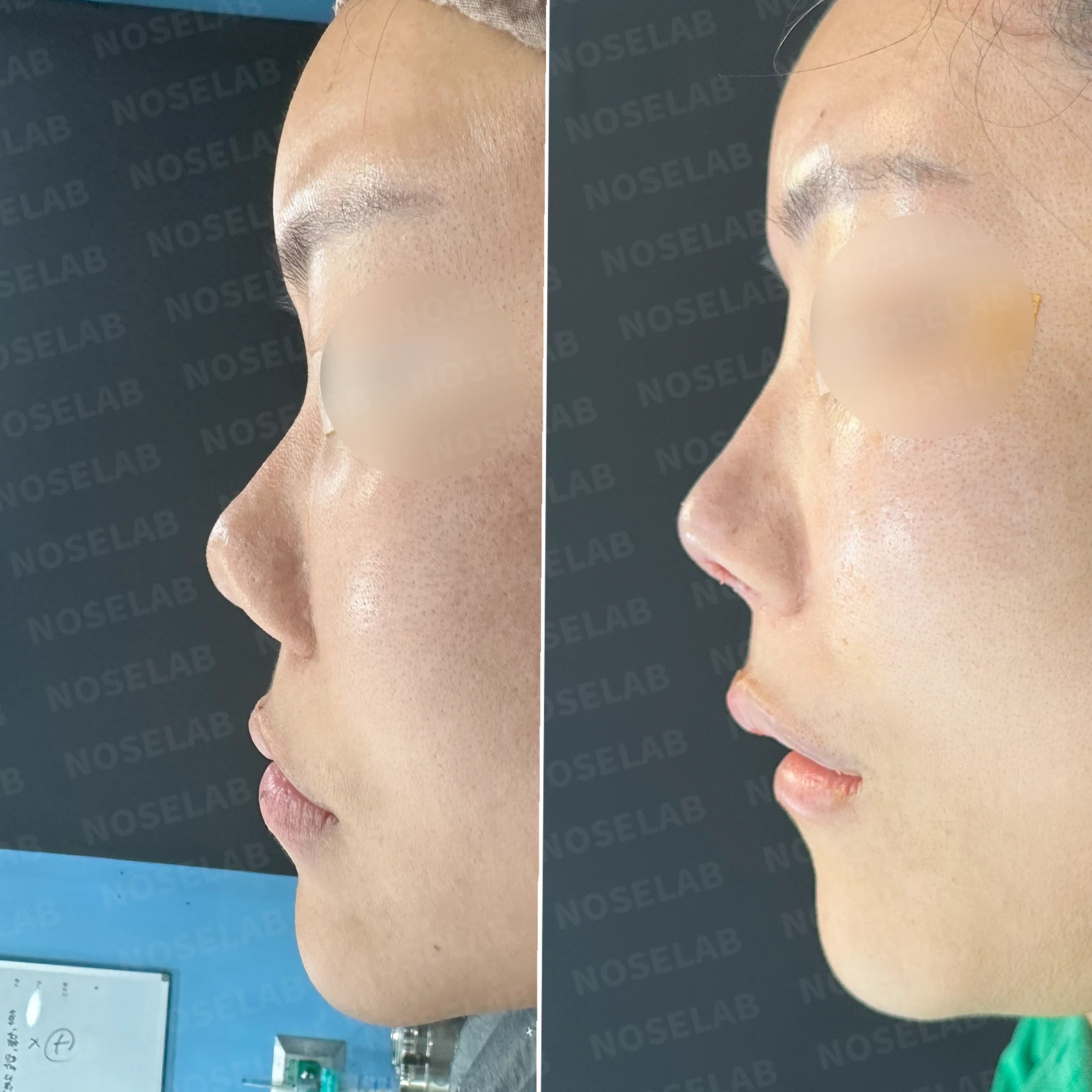
Before surgery / Day 0 immediately after surgery Photos taken immediately after surgery show swelling and may differ from the final result.
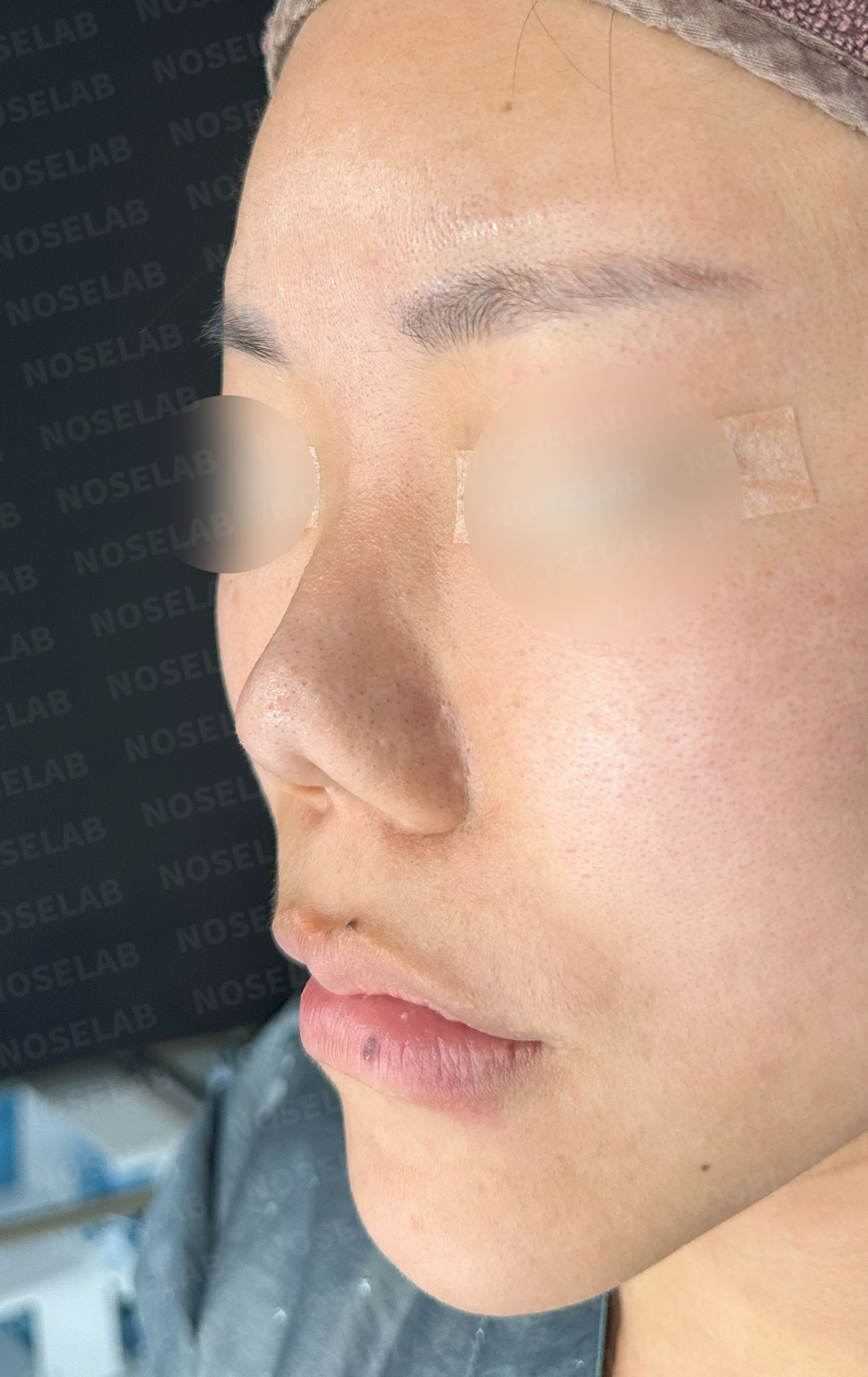
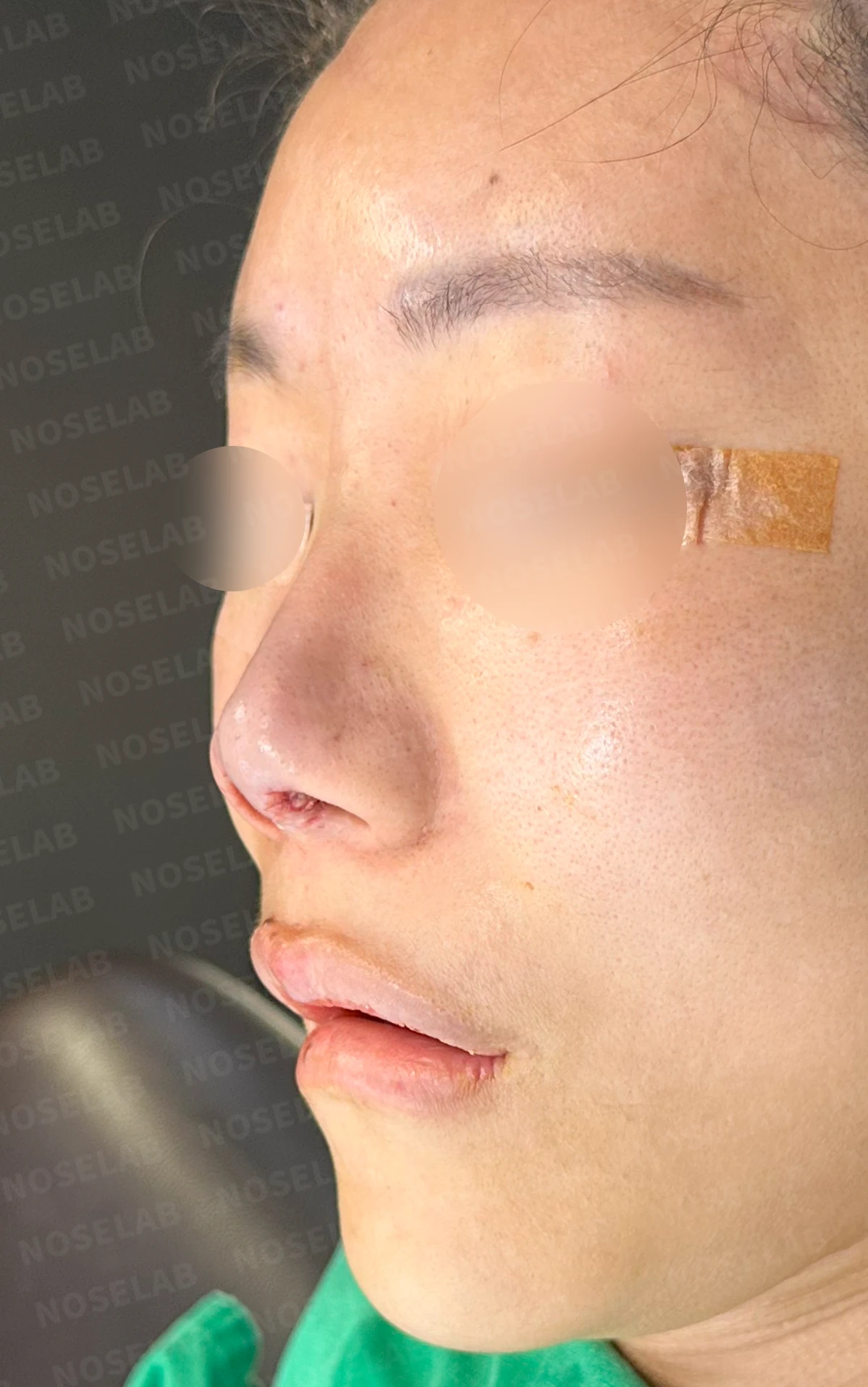
Before surgery / Day 0 immediately after surgery Photos taken immediately after surgery show swelling and may differ from the final result.
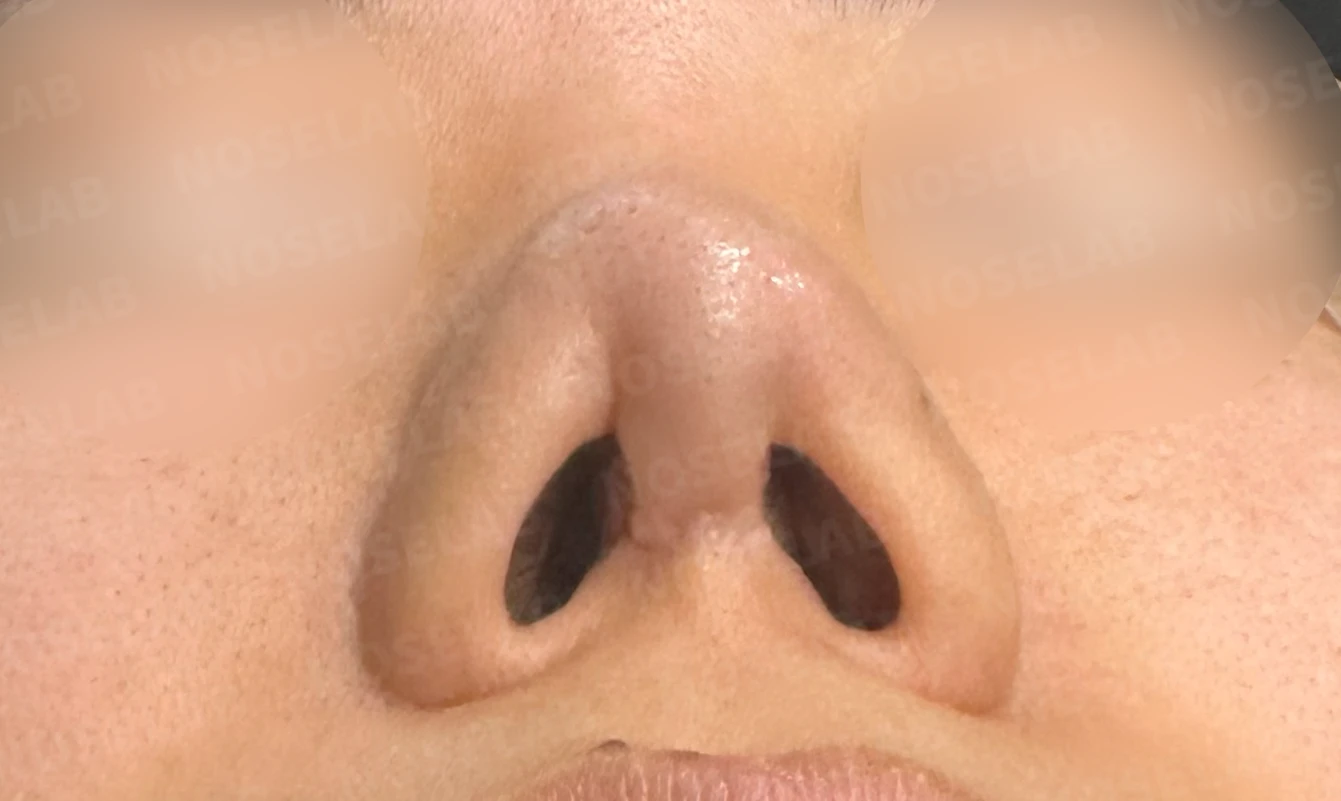
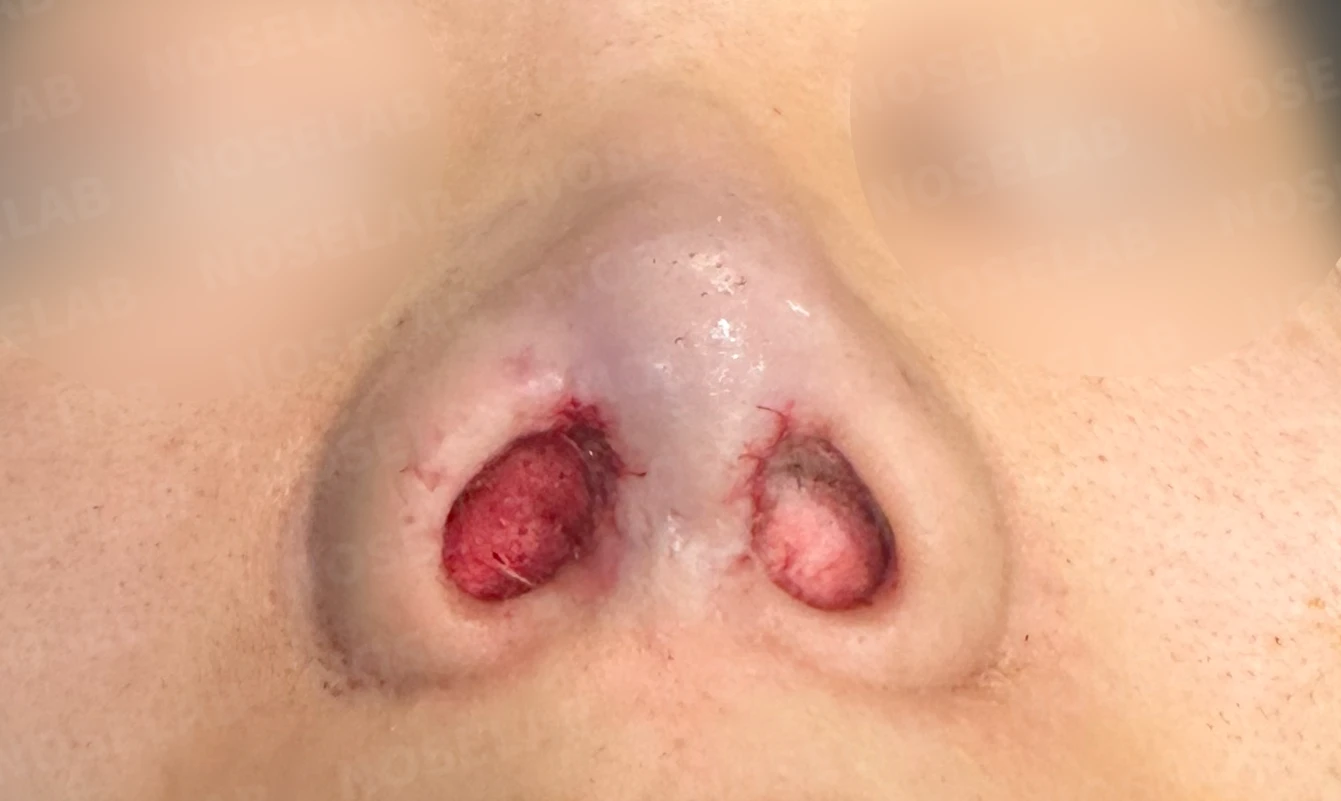
Before surgery / Day 0 immediately after surgery Photos taken immediately after surgery show swelling and may differ from the final result.
A message to patients
Key points I would like to emphasize through this case:
1. The risks of revision surgery
- Repeated surgeries cause cumulative tissue damage.
- In particular, artificial implants such as silicone can increase the risk of infection.
- Careful and deliberate decision-making from the very first surgery is essential.
2. Responding to an infection
- Early detection and prompt treatment are key.
- At times, removing the implant may be unavoidable.
- Reconstructive surgery should only be considered after inflammation has completely resolved.
3. The importance of a staged treatment approach
- Avoid rushing to resolve every issue in a single operation.
- A staged approach that prioritizes safety is required.
- Adequate recovery time must be allowed.
Closing remarks
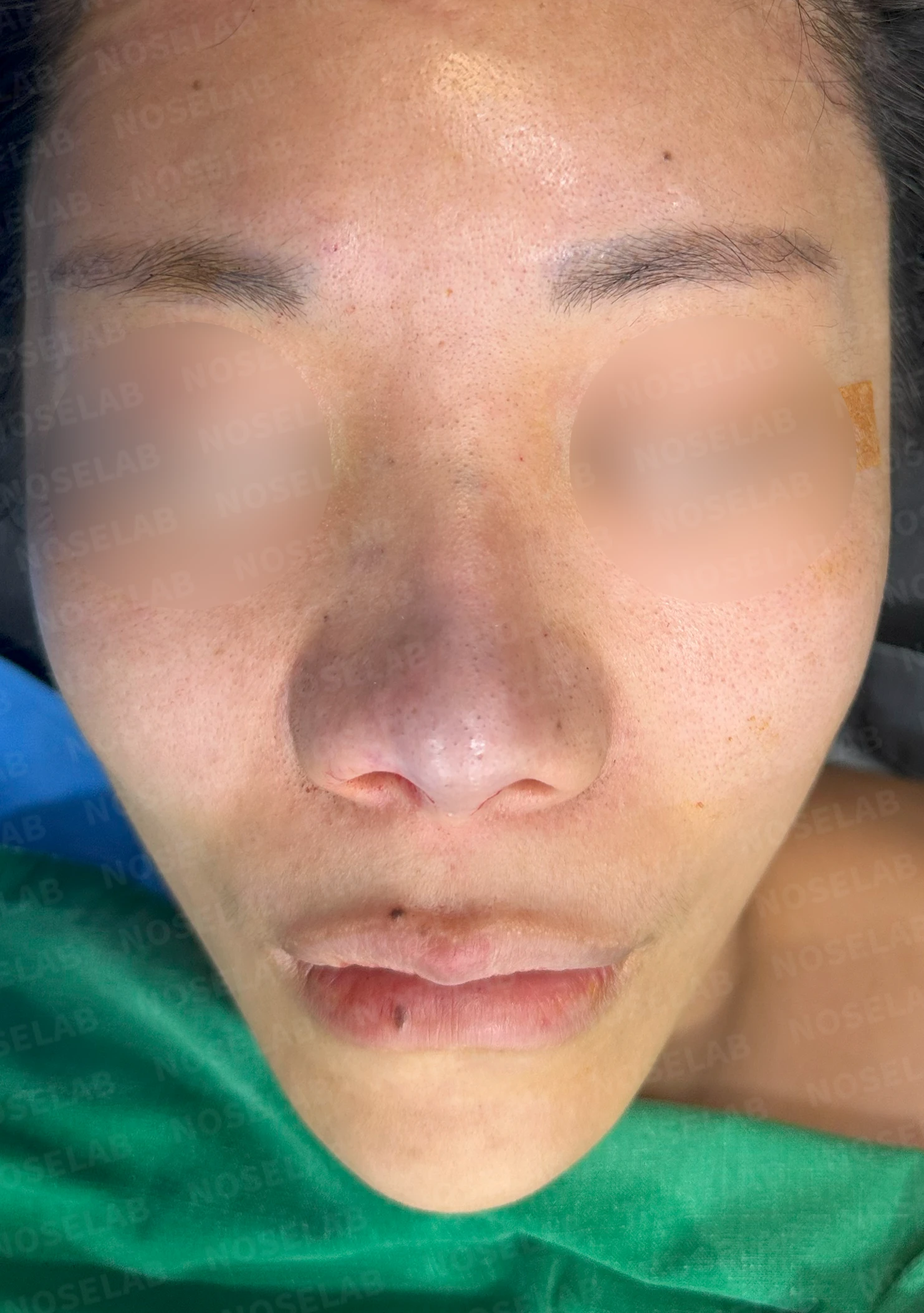
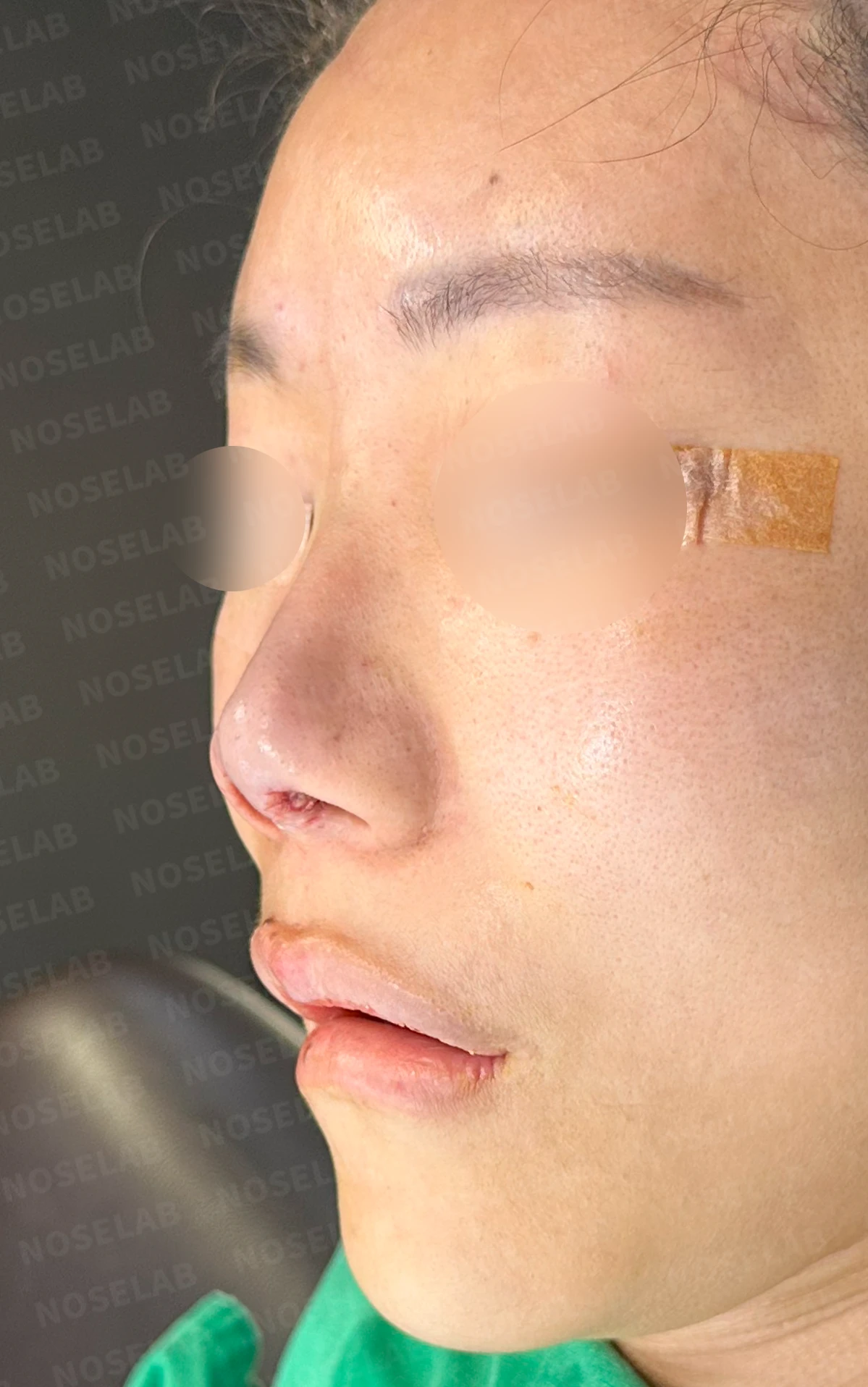
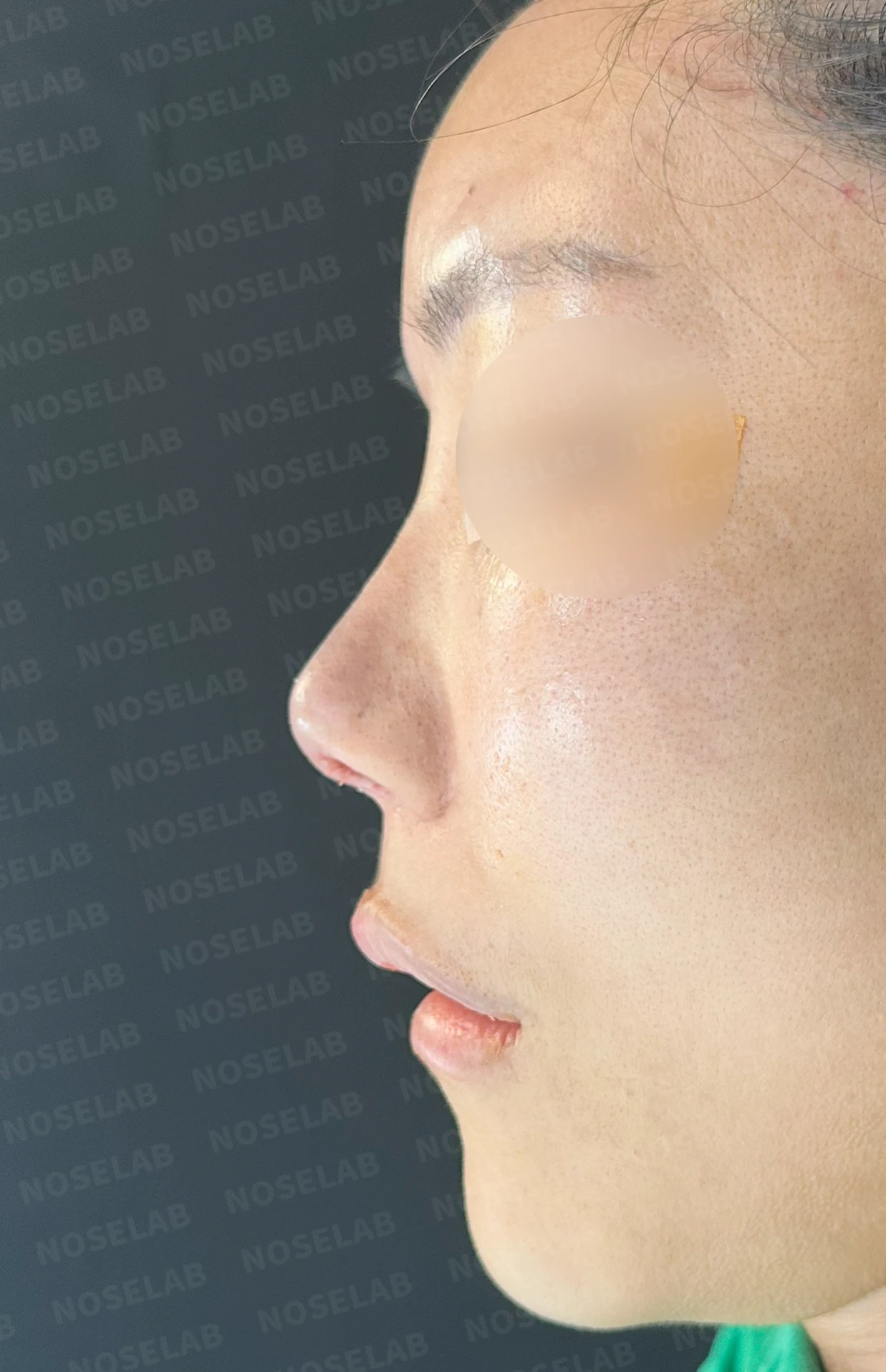
Immediately after surgery (day 0): front, oblique, and profile views. Immediate postoperative photos show swelling and may differ from the final result.
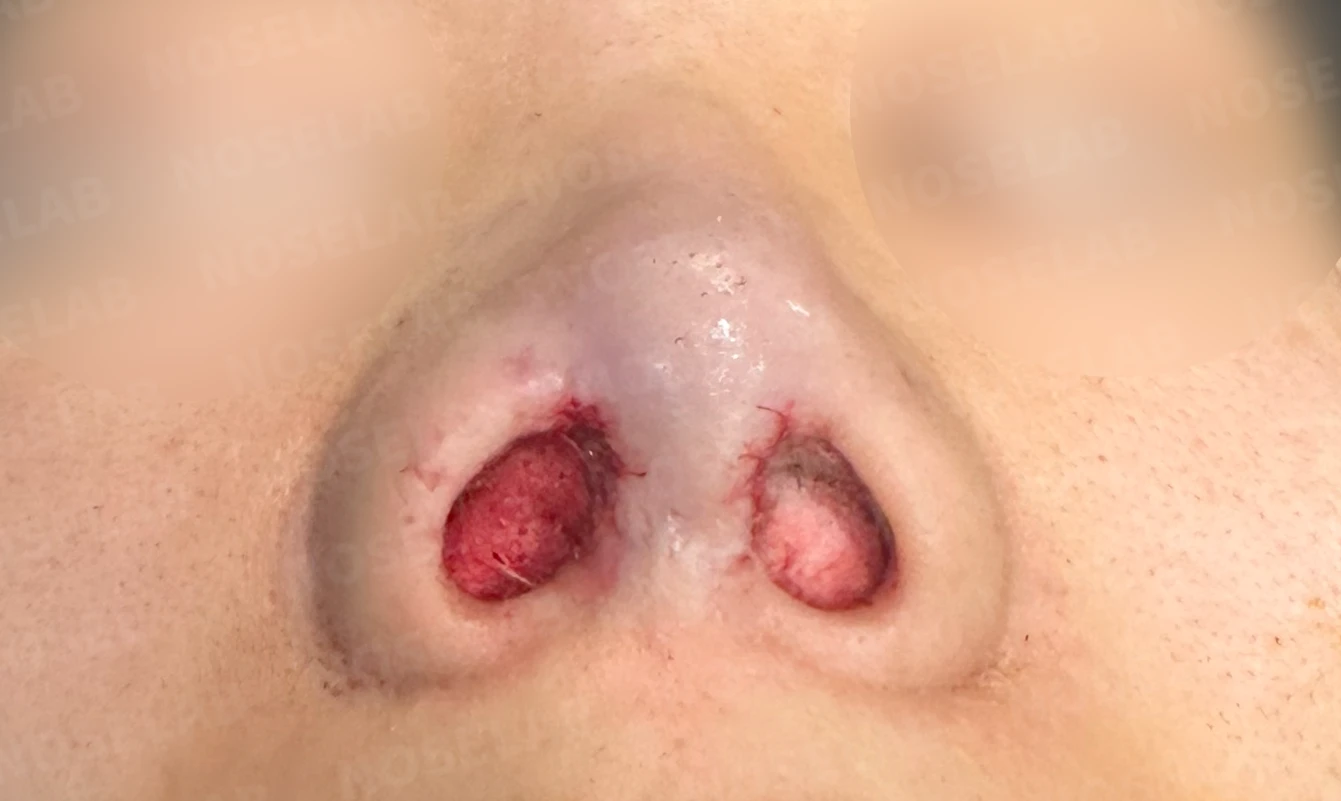
Nostril view on day 0 immediately after surgery. Photos taken immediately after surgery show swelling and may differ from the final result.
Even when severe complications and structural damage are present, as in this case, satisfactory results can be achieved through systematic evaluation and staged treatment.
Patient safety is always the highest priority, followed by nasal function and aesthetic appearance.
For those considering rhinoplasty, I advise you to fully understand the risks through thorough consultation and to choose an experienced surgical team.
If you are already experiencing complications, please do not lose hope and seek specialized medical evaluation.
---
This post is based on an actual clinical case, and individual results may vary.
An accurate diagnosis and treatment plan are determined through an in-person consultation.

Limitations and risks
When autologous rib cartilage is used, scarring and pain may remain at the donor site on the chest, and pneumothorax (pleural injury) can occur rarely. Over time, the grafted cartilage may warp or undergo partial resorption.
When revising after implant removal, contracture may progress again after removal, the nasal height and length may decrease, and staged surgery may be necessary depending on the skin condition.
When the septum is corrected at the same time, nasal obstruction may persist or recur, and in rare cases, septal perforation or changes in smell may occur.
Common potential risks include infection, bleeding, asymmetry, scarring, skin necrosis, and insufficient improvement; results vary depending on individual skin condition and previous surgical history.