Hello, I am Dr. Peter C. Kang.
Today, I would like to share the case of a patient with limited nasal tip skin resulting from multiple previous surgeries, alar reduction, and philtrum reduction, for whom we restored refined three-dimensional projection.
🔍 Surgical history
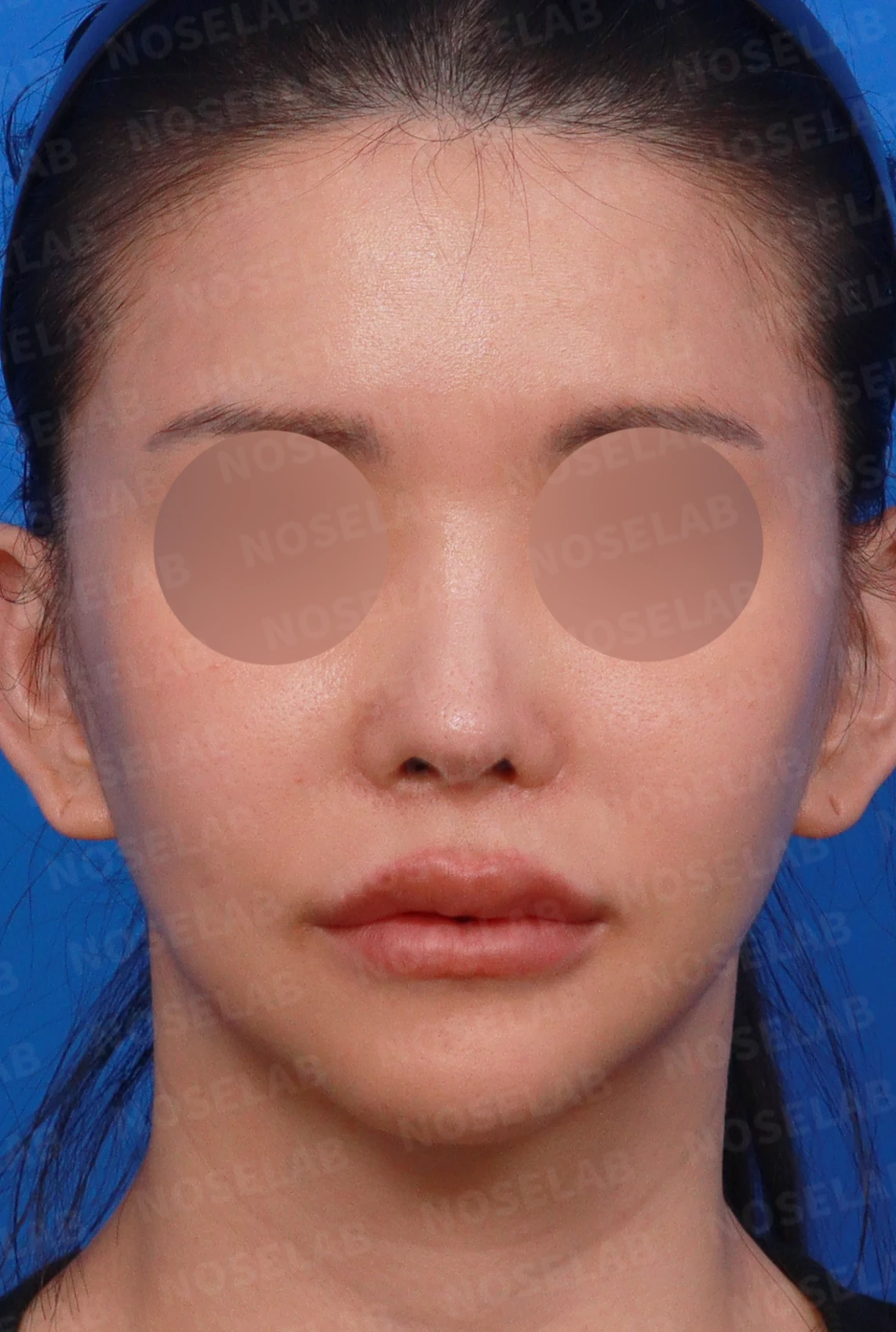
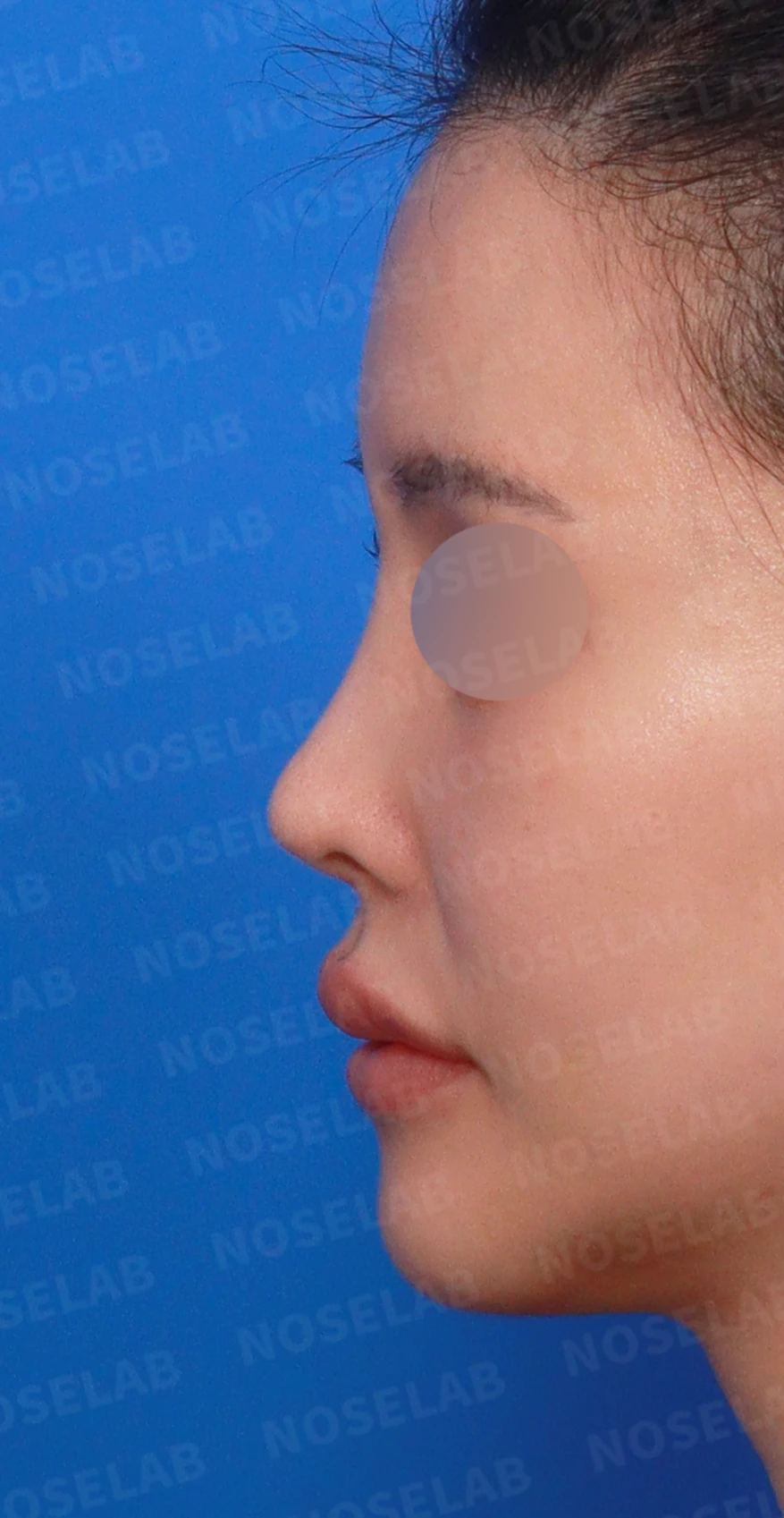
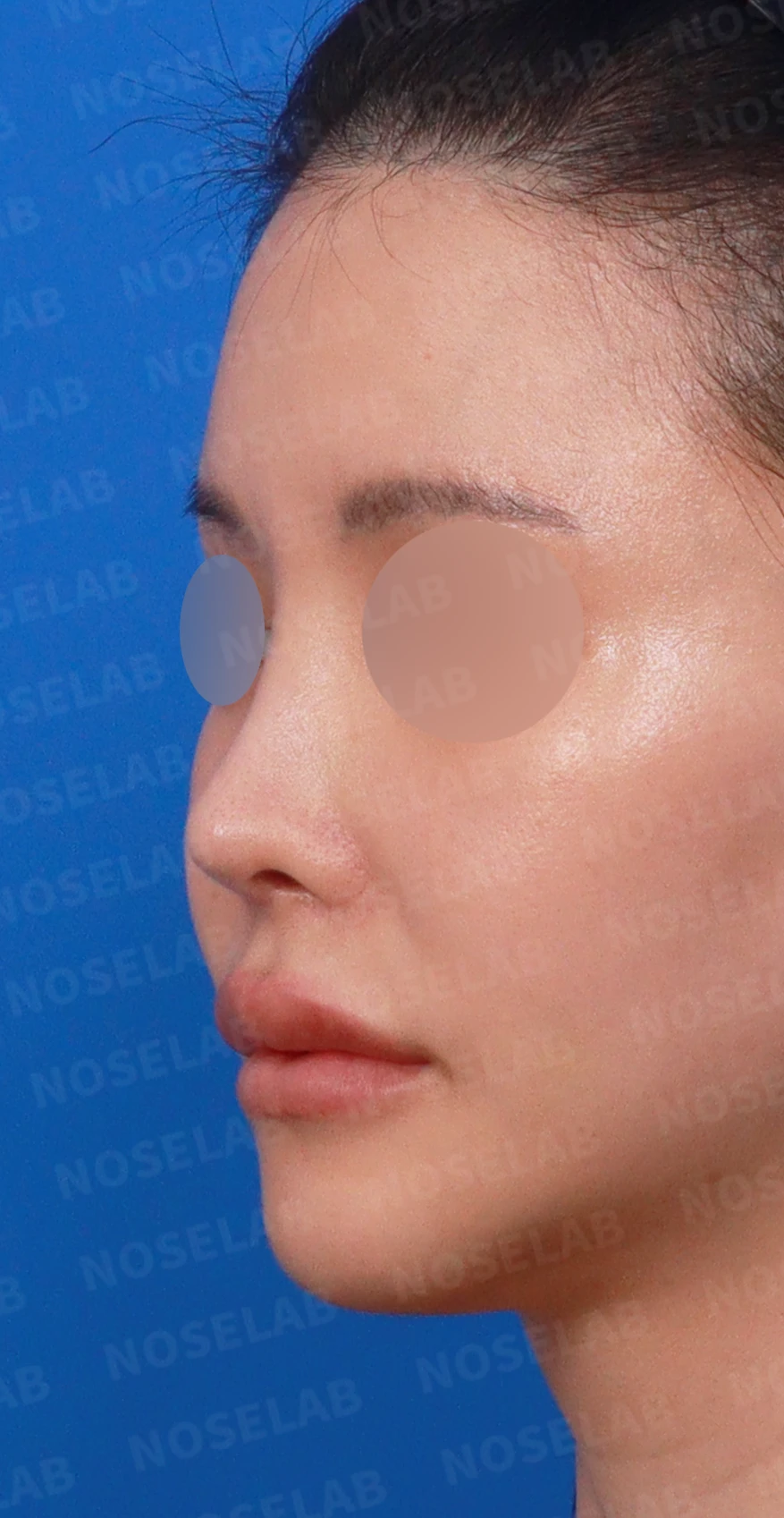
Front, left profile, and oblique views during design consultation.
Past history:
10 years ago: Primary rhinoplasty
9 years ago: Rhinoplasty with autologous rib cartilage
2 years ago: Ear cartilage + silicone implant
1 year ago: Alar reduction
May of last year: Autologous rib cartilage + gluteal dermis + silicone implant
2 weeks ago: Ear cartilage + gluteal dermis (nasal tip only)
Main concerns:
Lacking nasal tip skin due to previous alar and philtrum reductions
A short columella with an undefined junction at the philtrum
An obtuse nasolabial angle with insufficient definition
Nasal obstruction caused by left nasal mucosal adhesions
Weakened structural support from septal damage
Nostril asymmetry
Key notes: Limited skin laxity from multiple surgeries, requiring meticulous height adjustment
💉 Patient requests
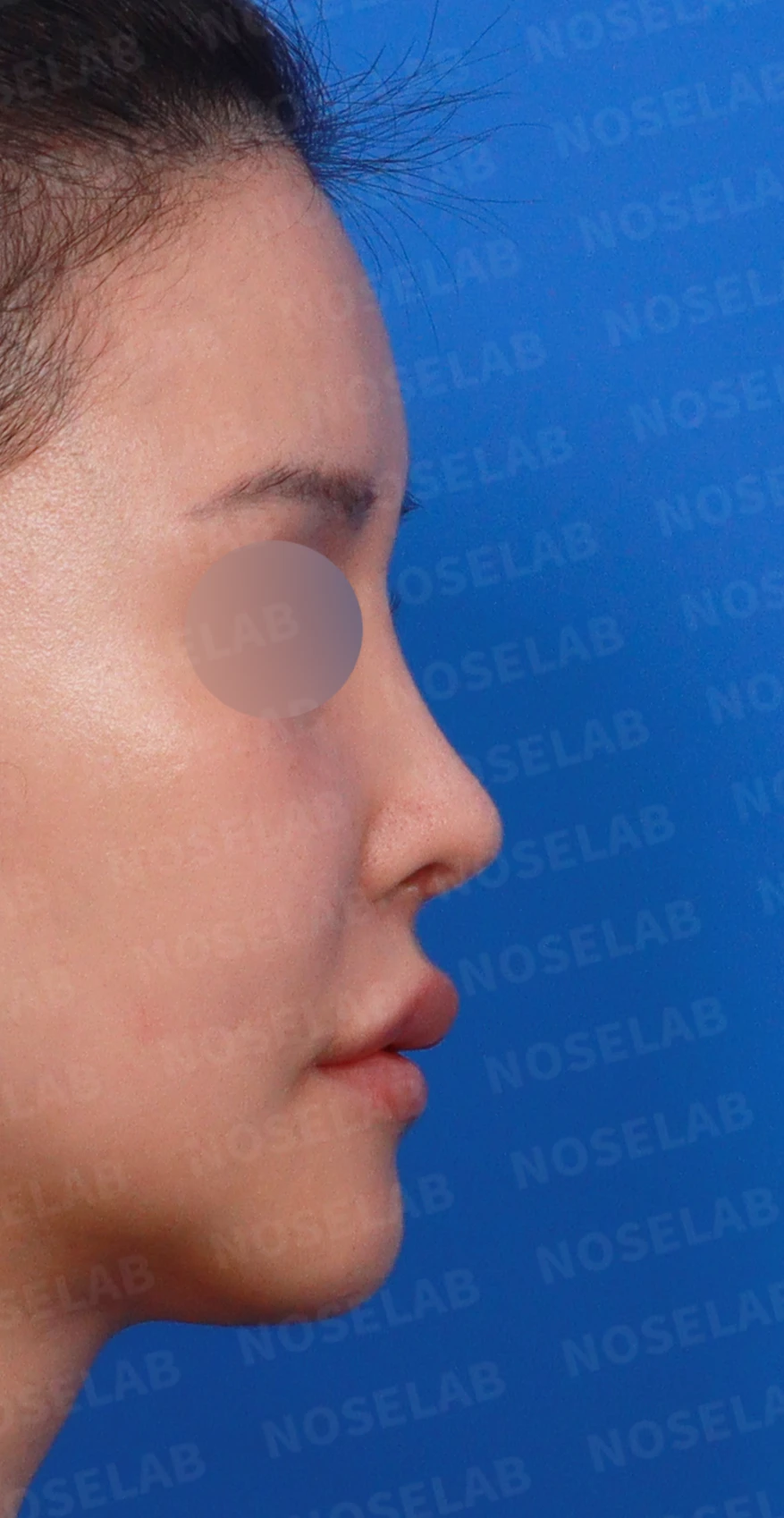
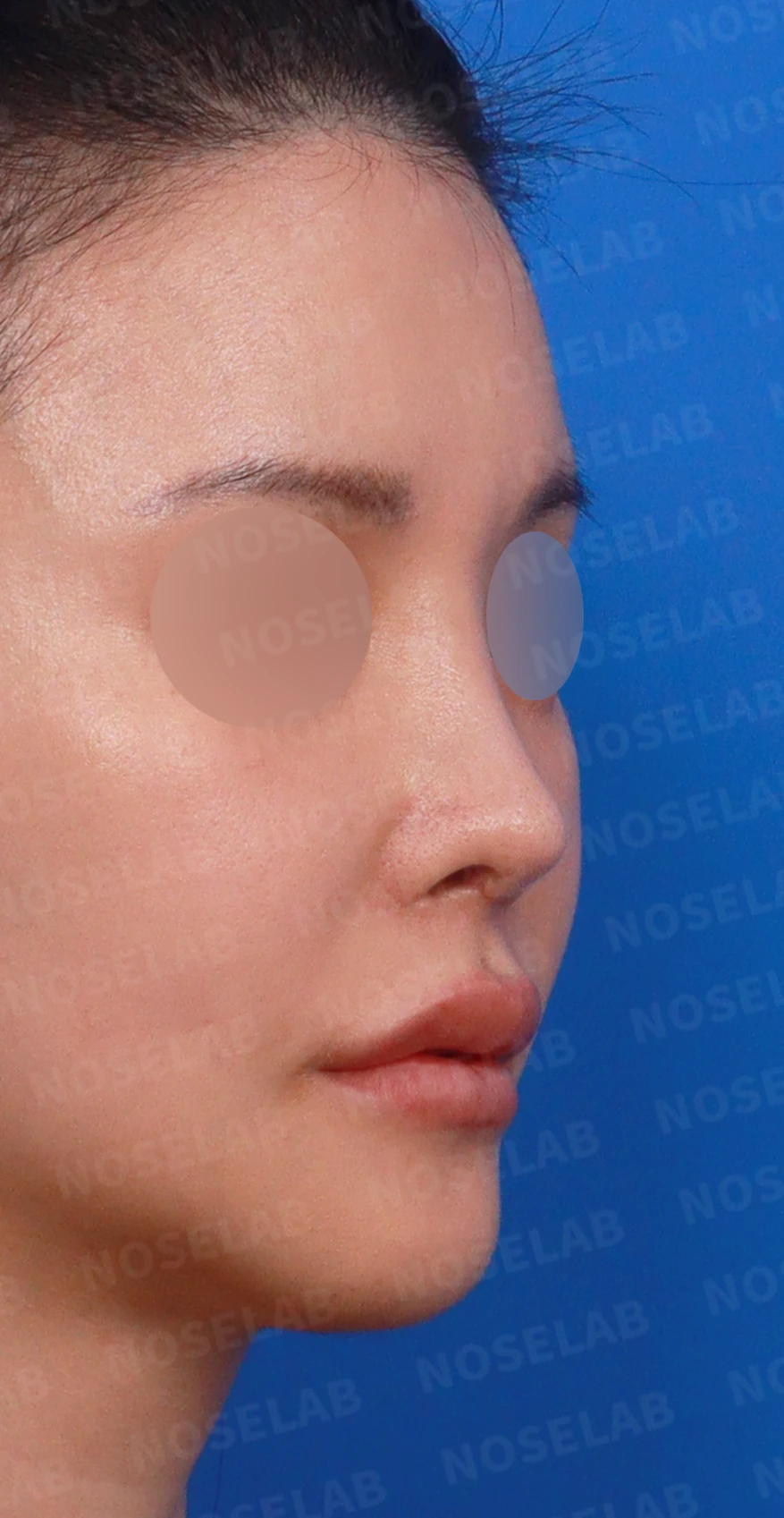
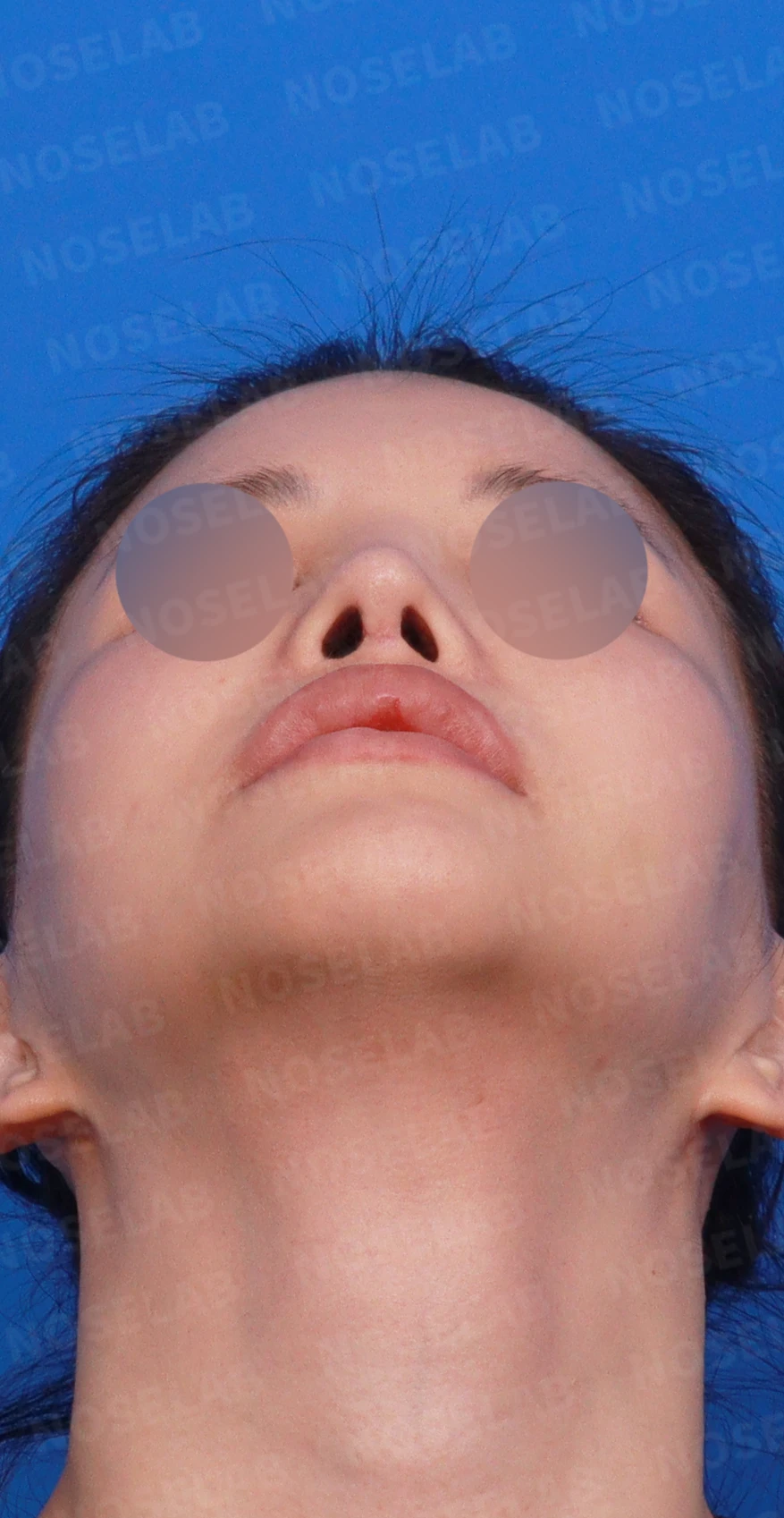
Right profile, oblique, and nostril views during design consultation.
Elevate the nasal tip further with greater definition
Lower the columella distinctly to clearly define the border with the philtrum
Sharpen and correct the nasolabial angle
Functional improvement: Relief of nasal obstruction
🔧 Surgical plan and procedure
1. Securing a firm foundation through septal reconstruction
The septum, which had been damaged from previous procedures, was reconstructed using autologous rib cartilage to create solid structural support.
2. Safe elevation planned according to tissue conditions
Skin laxity was limited due to alar and philtrum reductions. Overly aggressive elevation could cause excessive tension and lead to complications, so the tip was projected as much as possible within a safe, stable range.
3. Nasolabial angle correction and columellar extension
The columella was lowered distinctly to clearly delineate the border with the philtrum. Precise correction with autologous rib cartilage created refined definition along the lateral profile.
4. Left nasal adhesiolysis and improvement of nostril asymmetry
Adhesions on the left side were causing nasal obstruction. We performed meticulous adhesiolysis to re-establish the airway passage, and repositioned the nasal alae to naturally improve nostril asymmetry.
🌟 Surgical results
Secured a firm foundation through reconstruction
Maximal tip elevation achieved within a safe range
Refined profile completed through nasolabial angle correction and columellar extension
Resolved nasal obstruction through adhesiolysis
Naturally improved nostril asymmetry
Achieved an overall sophisticated and well-defined appearance
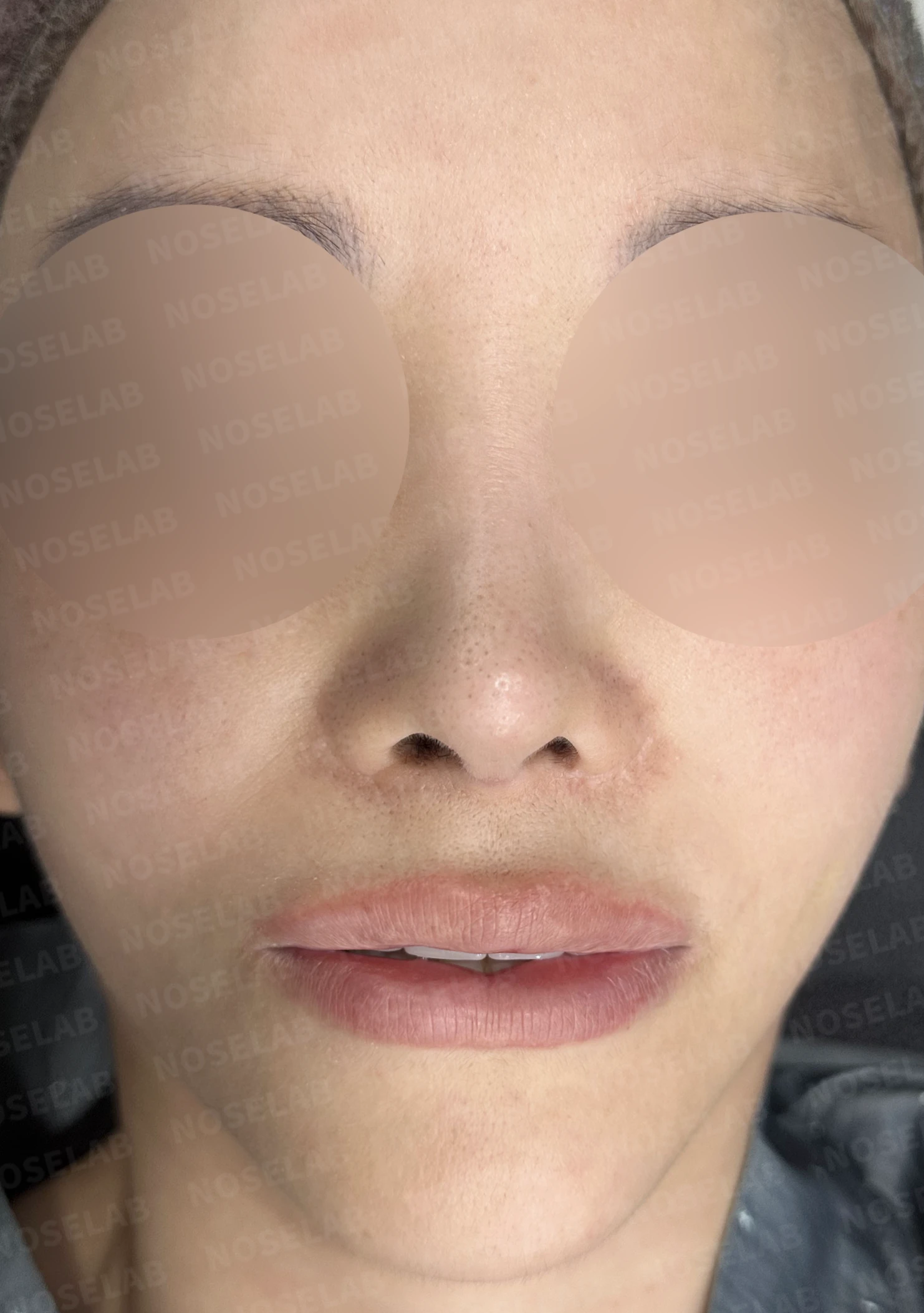
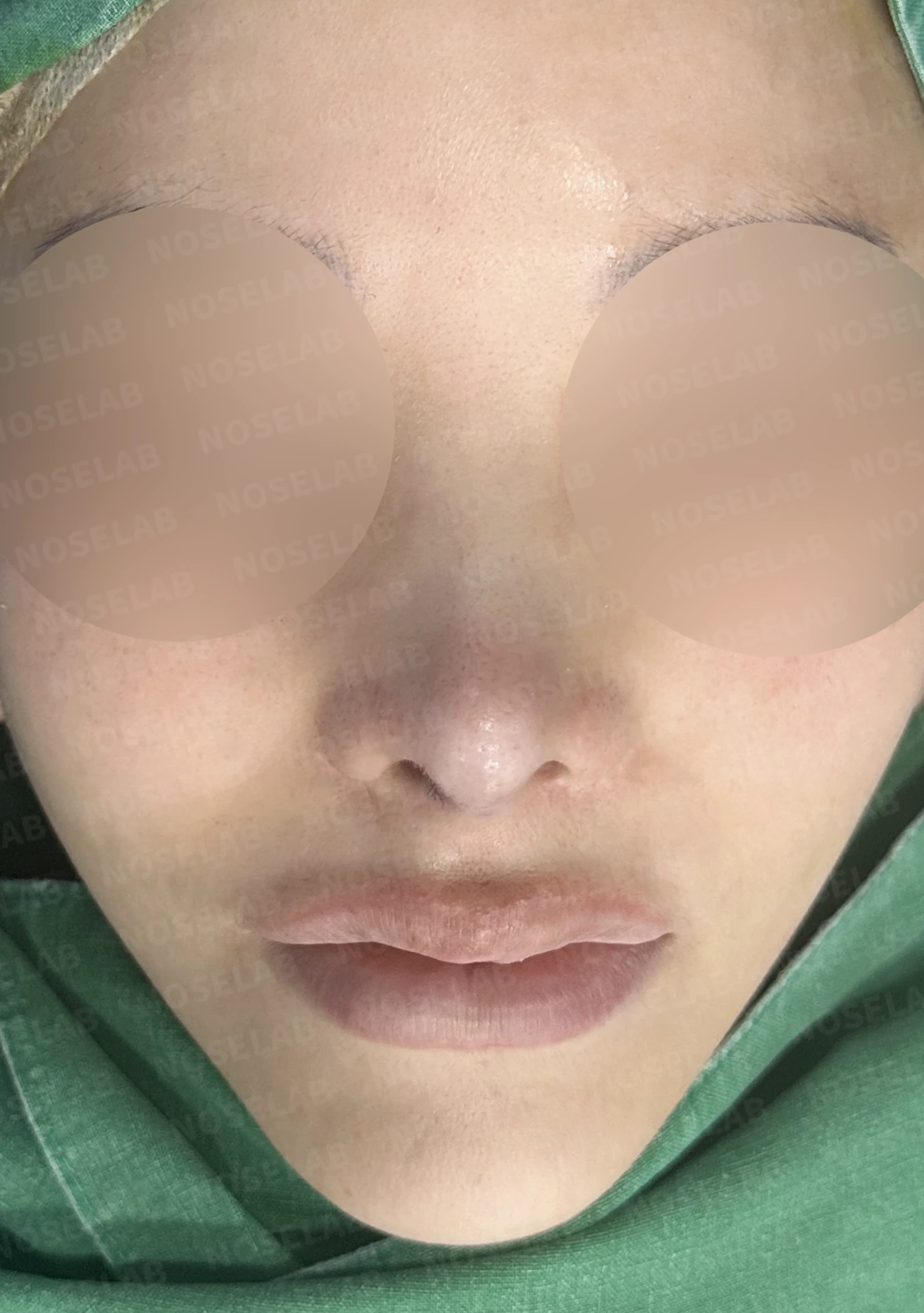
Before surgery / Day 0 immediately after surgery Photos taken immediately after surgery show swelling and may differ from the final result.
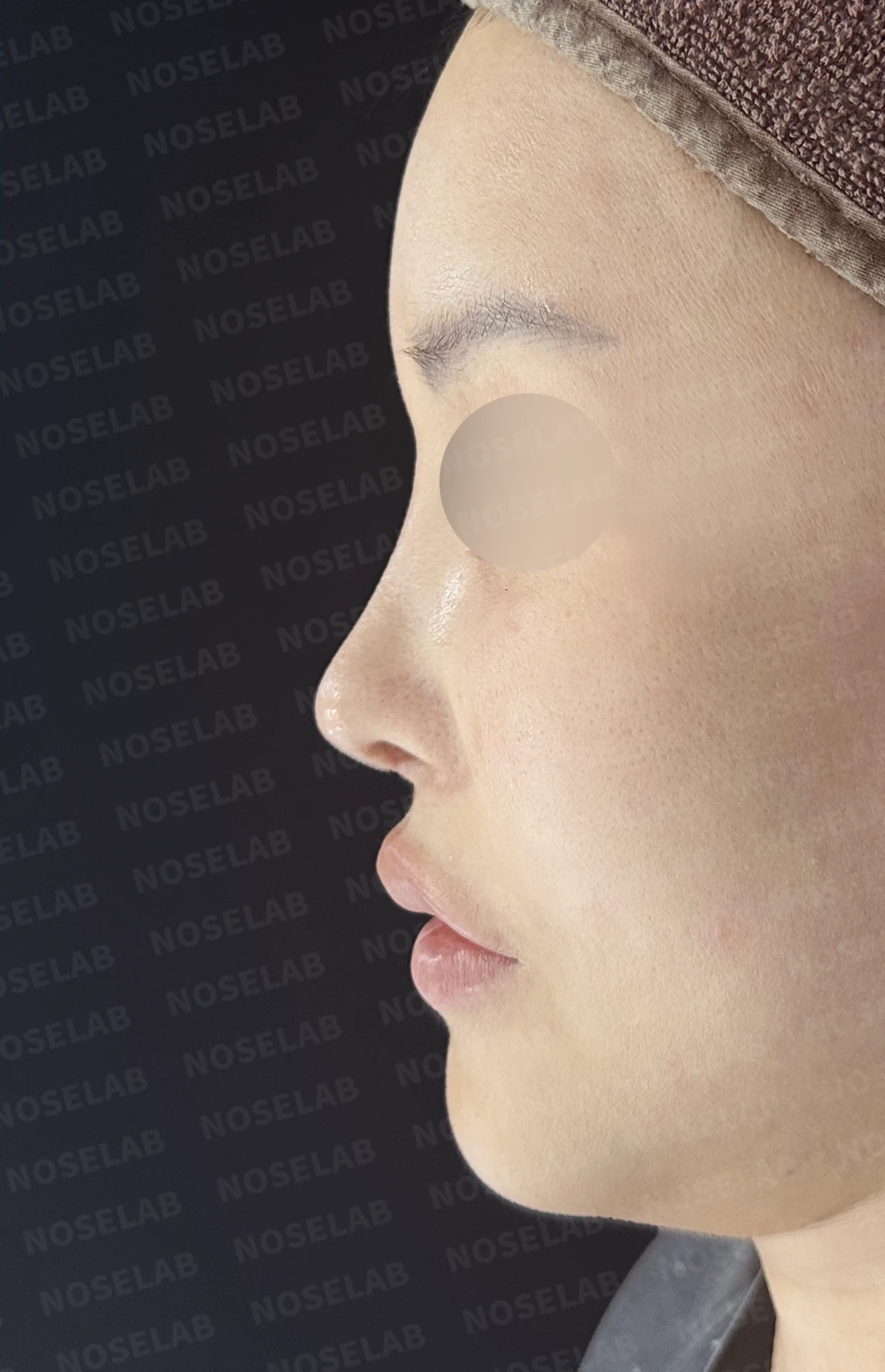
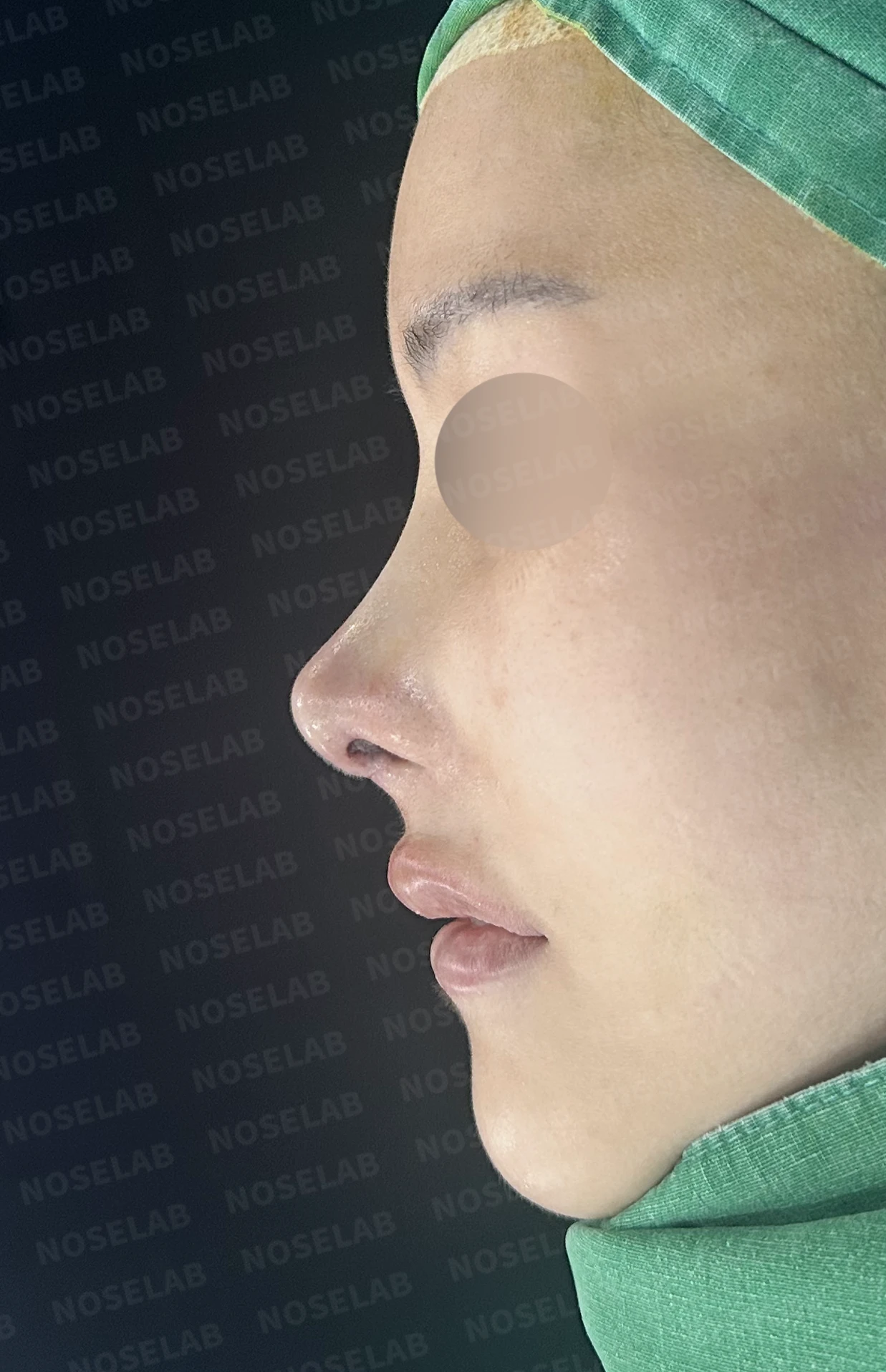
Before surgery / Day 0 immediately after surgery Photos taken immediately after surgery show swelling and may differ from the final result.
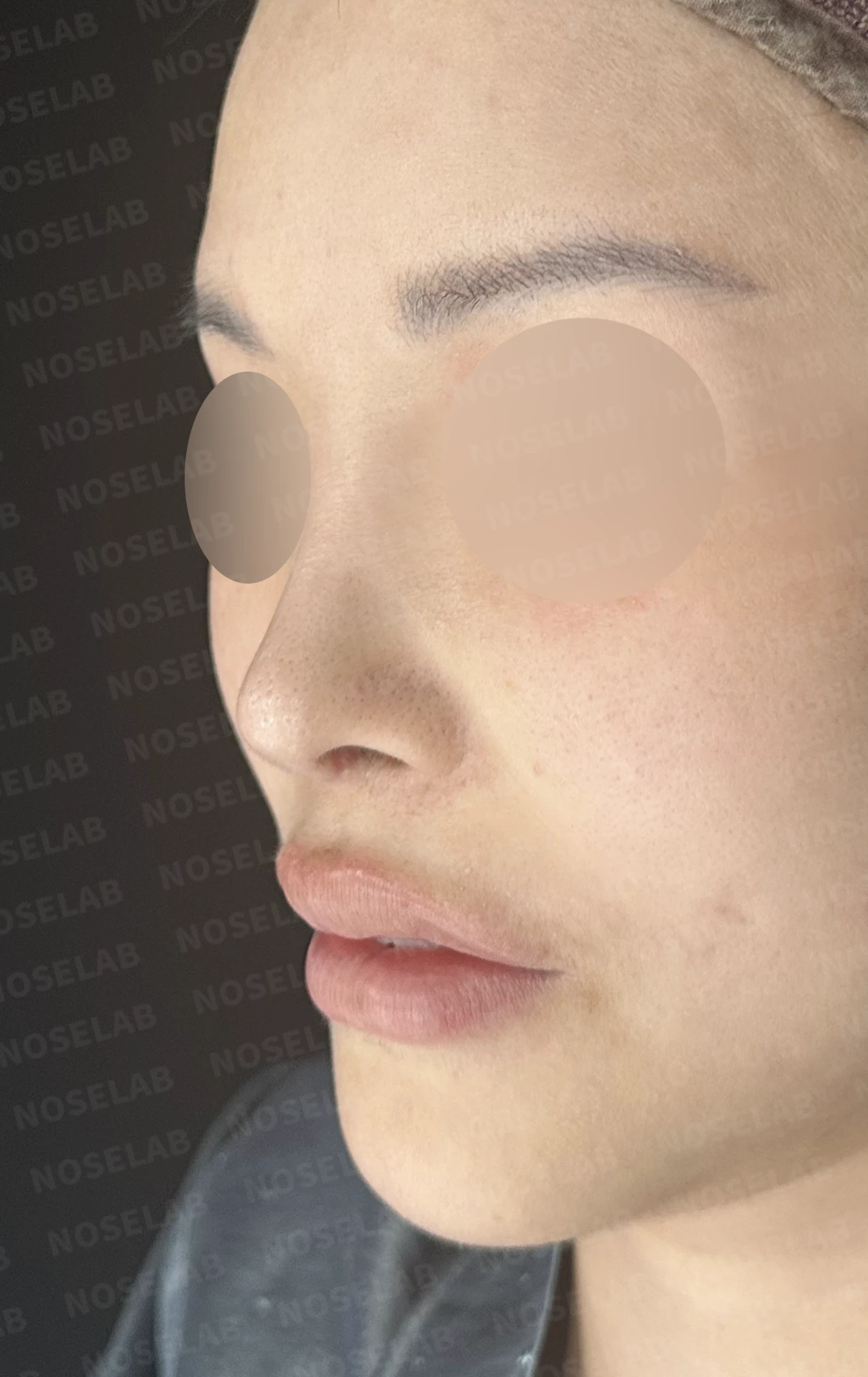
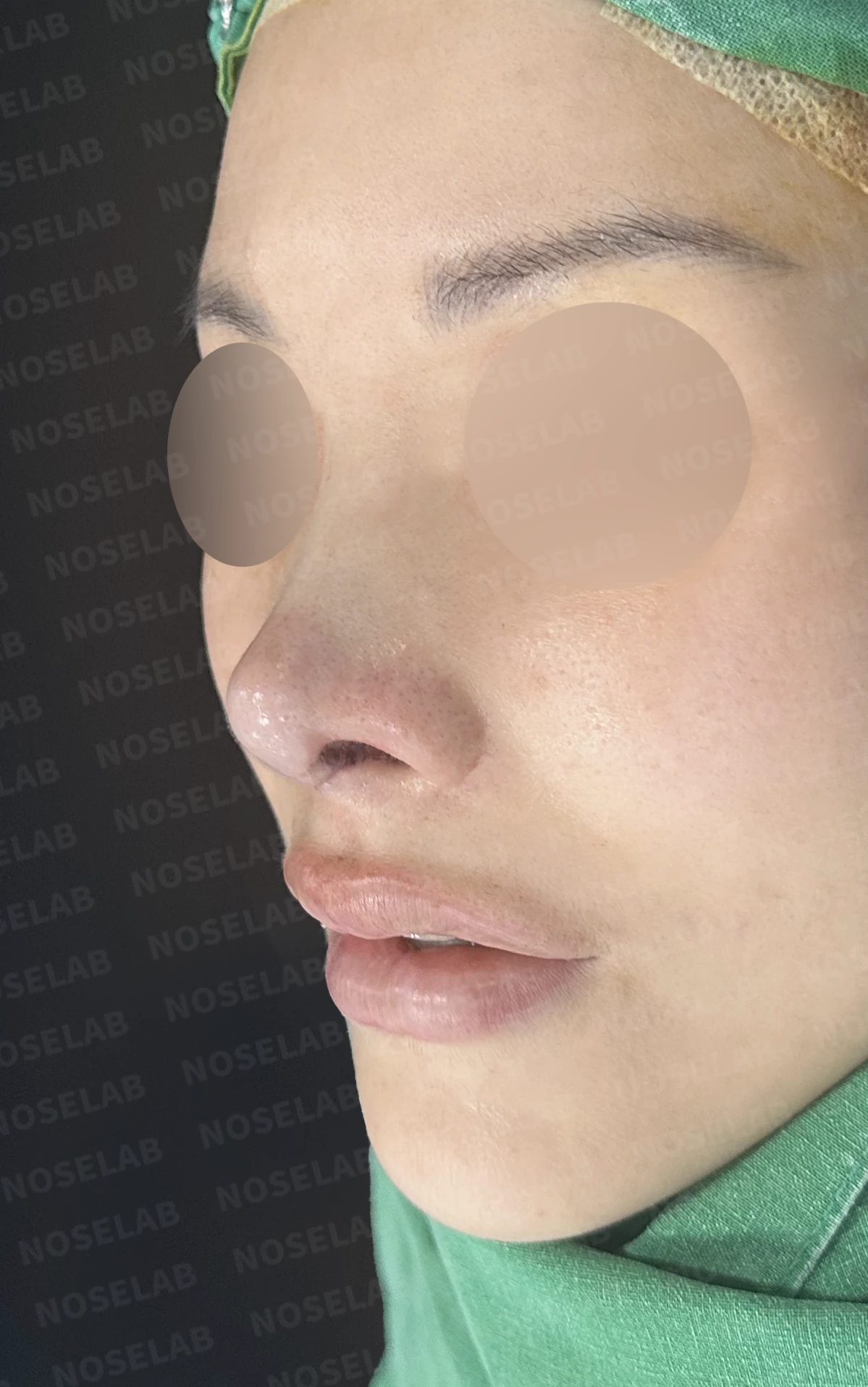
Before surgery / Day 0 immediately after surgery Photos taken immediately after surgery show swelling and may differ from the final result.
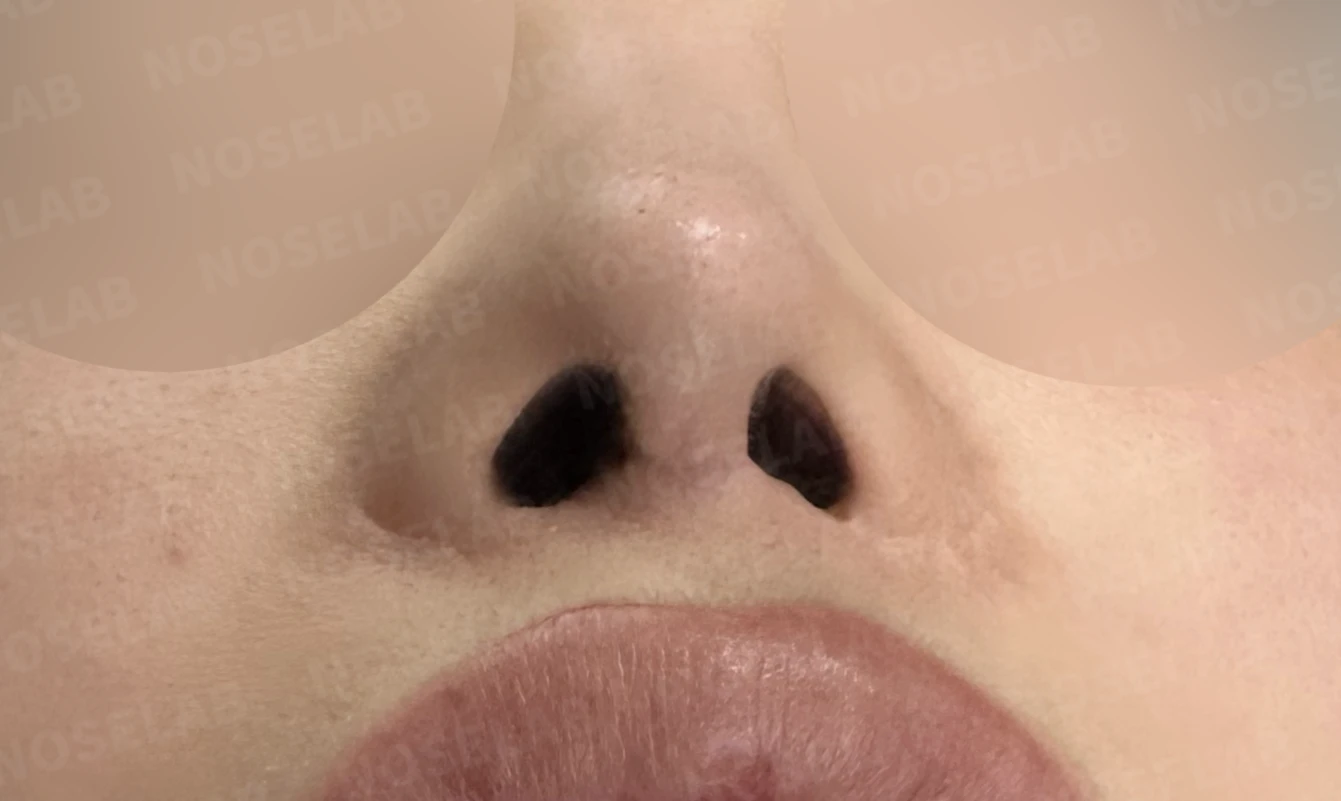
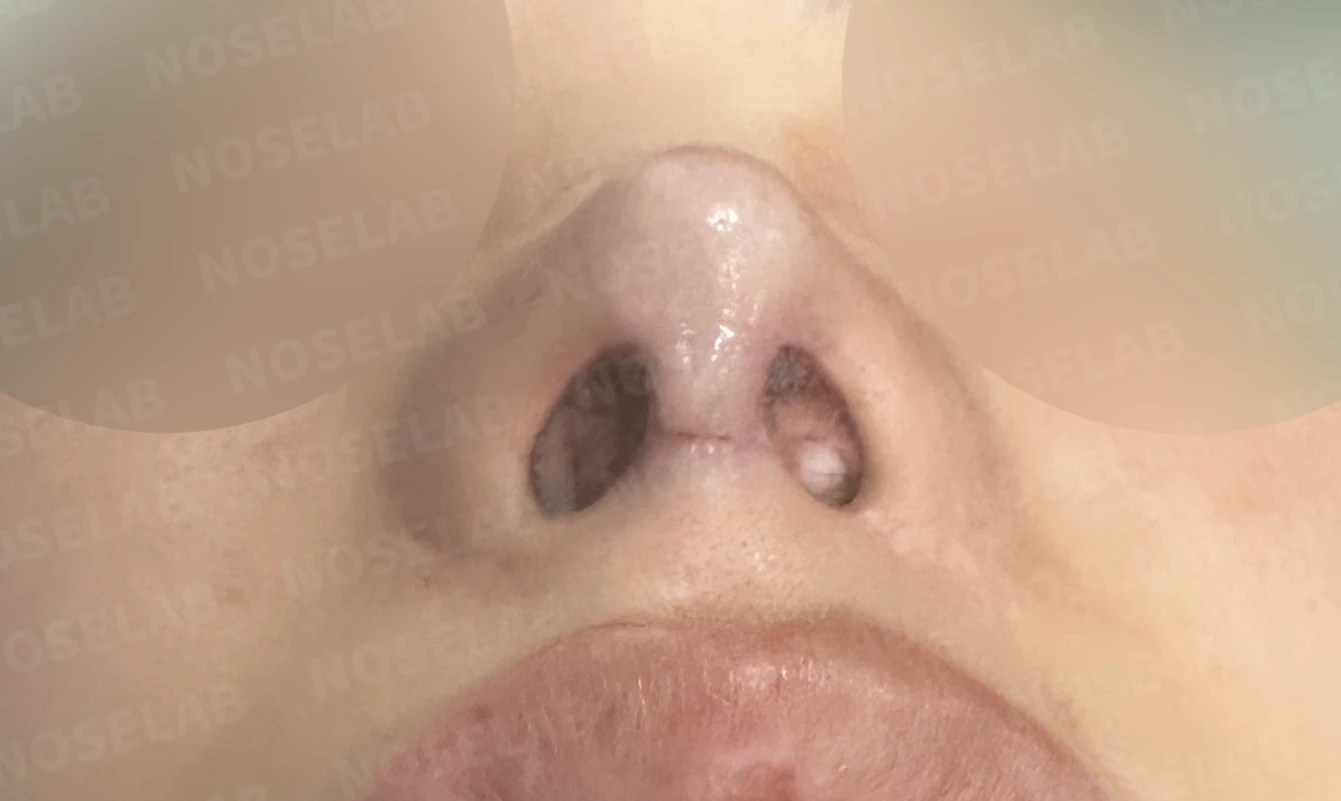
Before surgery / Day 0 immediately after surgery Photos taken immediately after surgery show swelling and may differ from the final result.
💡 Specialist opinion
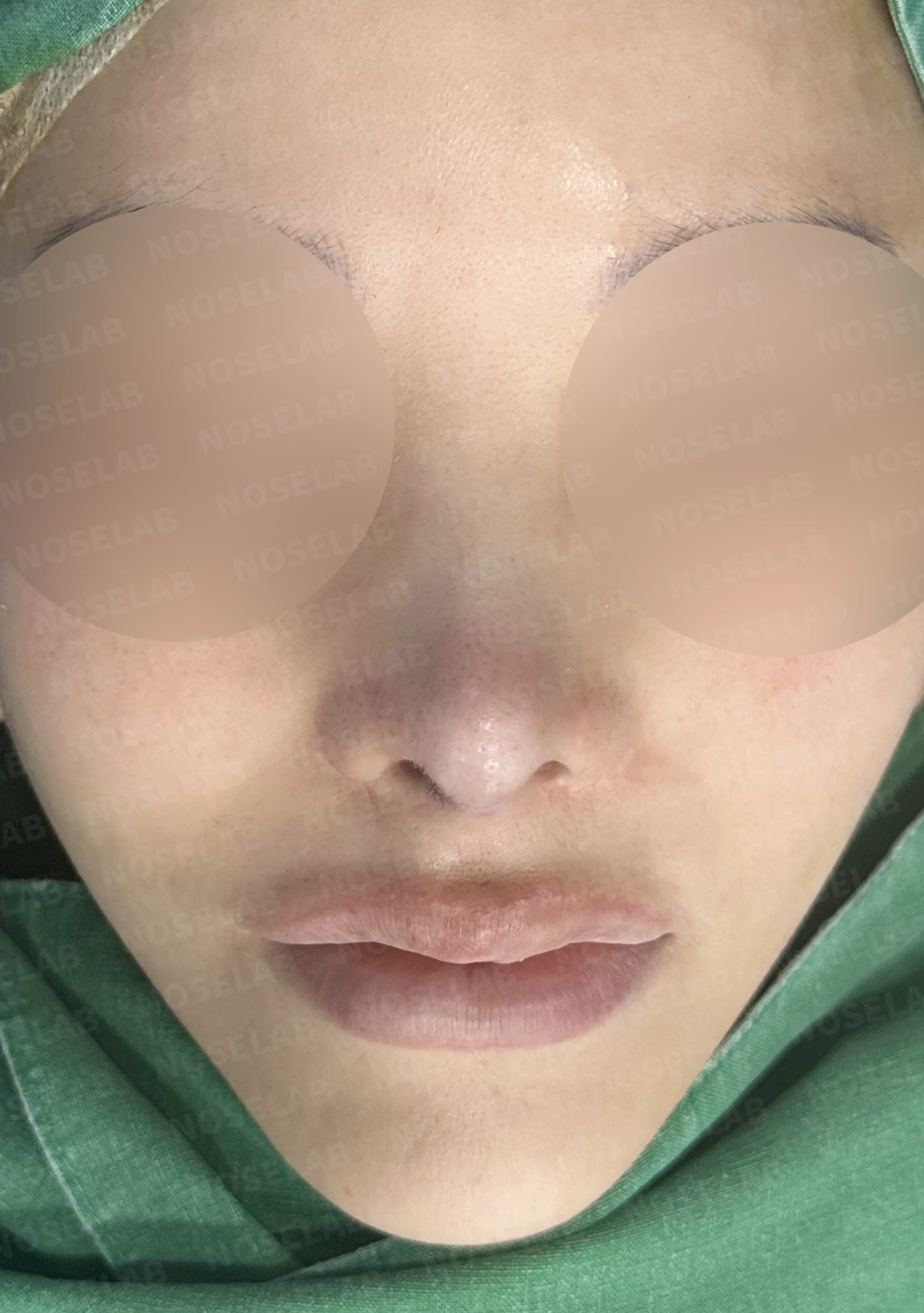
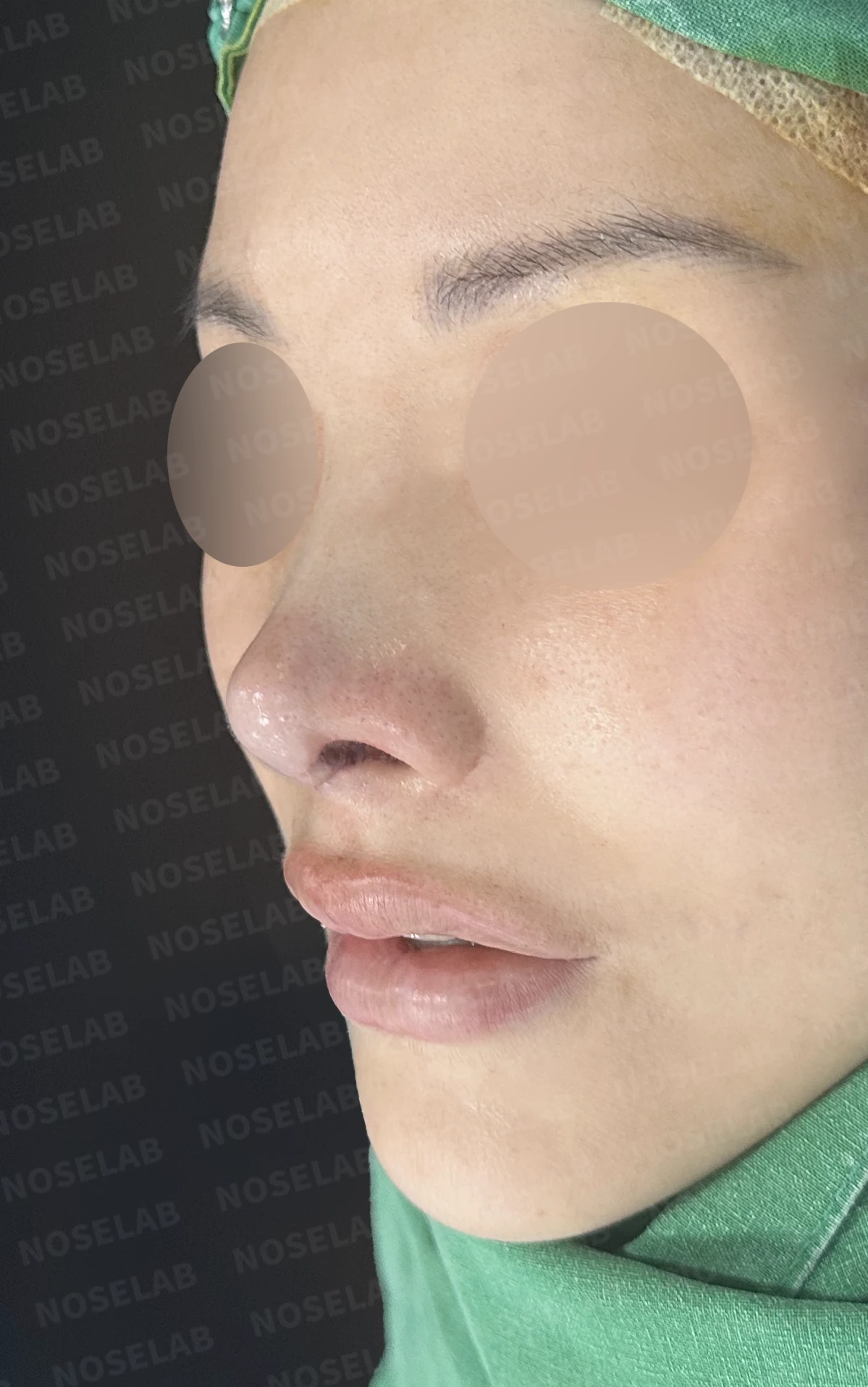
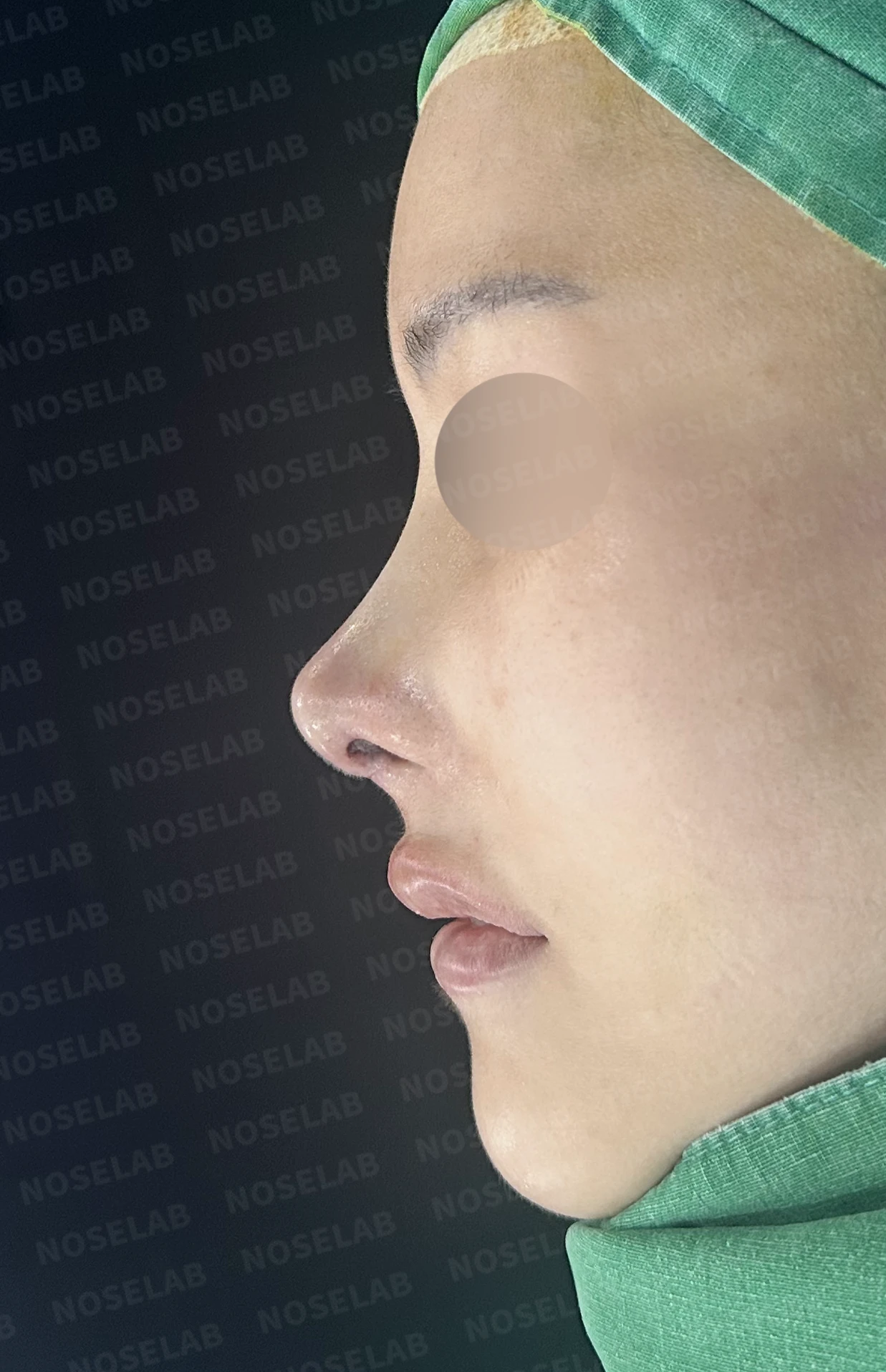
Front, oblique, and profile views on day 0 immediately after surgery. Photos taken immediately after surgery show swelling and may differ from the final result.
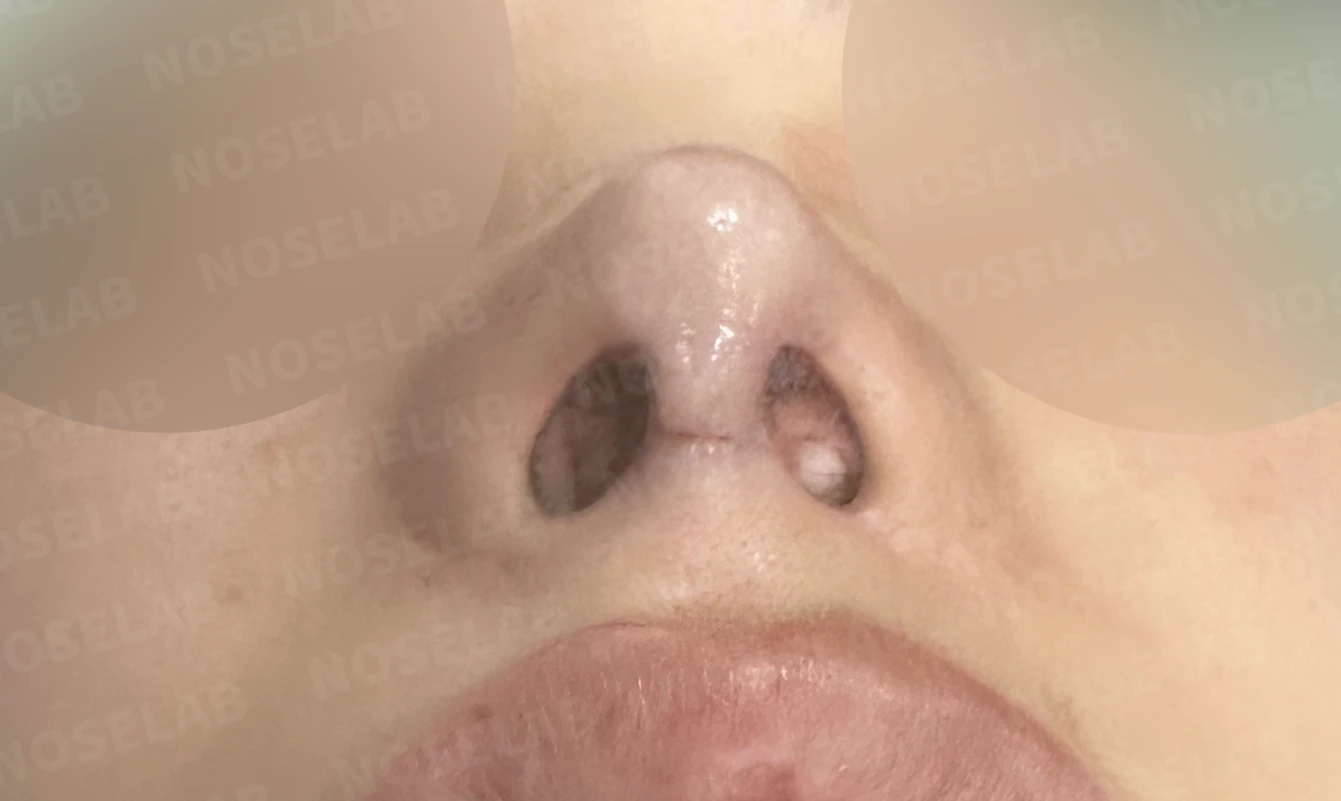
Nostril view on day 0 immediately after surgery. Photos taken immediately after surgery show swelling and may differ from the final result.
This case required safely creating projection in a setting where skin laxity was severely limited after multiple surgeries and reduction procedures.
Importance of anatomical conditions:
Having undergone alar or philtrum reduction reduces available skin laxity, imposing limits on how much the nose can be elevated. Forcing excess height can cause excessive tension, resulting in compromised circulation or necrosis. Accurately assessing safe limits is essential to achieving the intended result.
The impact of nasolabial angle correction:
The nasolabial angle is the angle where the nose meets the upper lip. If this angle is obtuse, the area can appear flat; when precisely corrected, it imparts a refined, three-dimensional look. Calibrating this area accurately with autologous rib cartilage significantly improves the profile view.
The hidden problem of adhesions:
Adhesions are not visible from the outside, yet they are a primary cause of nasal obstruction. Opening the airway through meticulous adhesiolysis provides immediate breathing improvement.
We will continue to closely analyze each patient's unique anatomical conditions to deliver safe and optimal results as a specialized revision clinic.
This was Dr. Peter C. Kang. Thank you.
#closedrhinoplasty #closedrevisionrhinoplasty #septalreconstruction #autologousribcartilage #nasolabialanglecorrection #columellarextension #mucosaladhesiolysis #nasalobstructionrelief #nostrilasymmetrycorrection #revisionspecialist

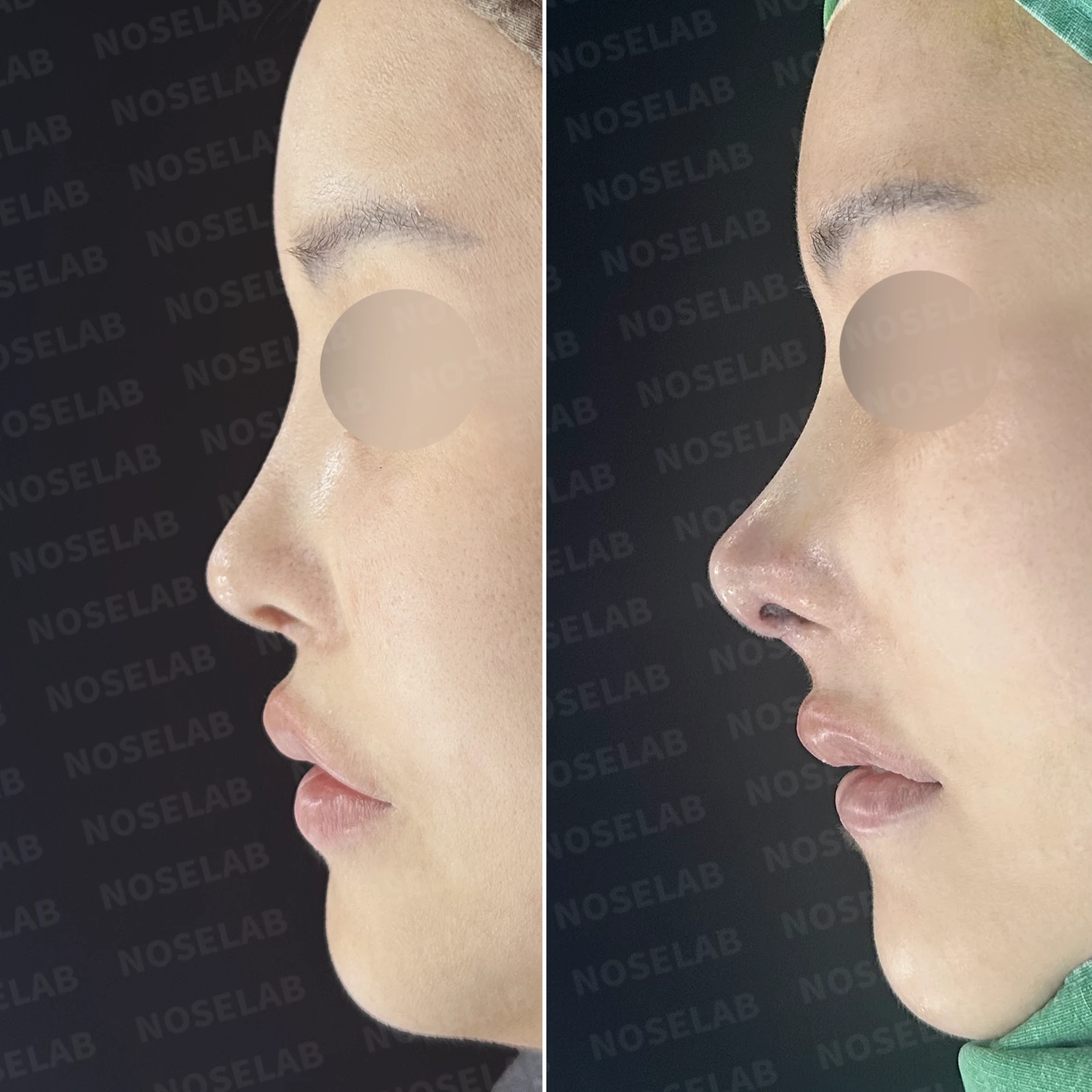
Limitations and risks
When autologous rib cartilage is used, scarring and pain may remain at the donor site on the chest, and pneumothorax (pleural injury) can occur rarely. Over time, the grafted cartilage may warp or undergo partial resorption.
When the septum is corrected at the same time, nasal obstruction may persist or recur, and in rare cases, septal perforation or changes in smell may occur.
Common potential risks include infection, bleeding, asymmetry, scarring, skin necrosis, and insufficient improvement; results vary depending on individual skin condition and previous surgical history.