Hello, I am Dr. Peter C. Kang.
Today, I would like to share the story of a patient who went through a truly difficult time. Over the course of 10 years, the patient underwent a total of five nasal procedures and surgeries, yet had not achieved the intended result before visiting us. Hearing about the difficulties endured during our consultation was deeply moving, and I could feel how challenging the journey had been.
🔍 Surgical history
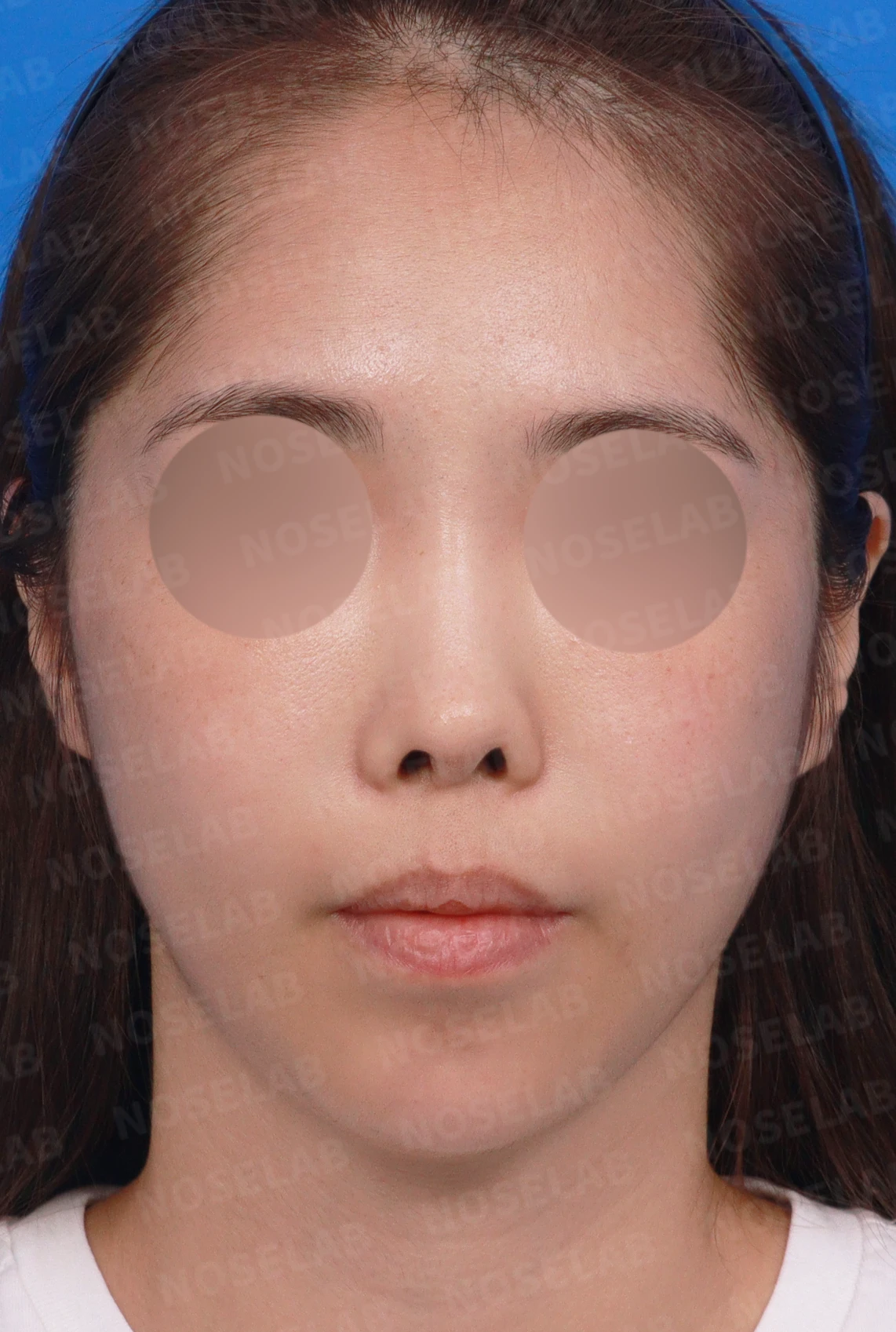
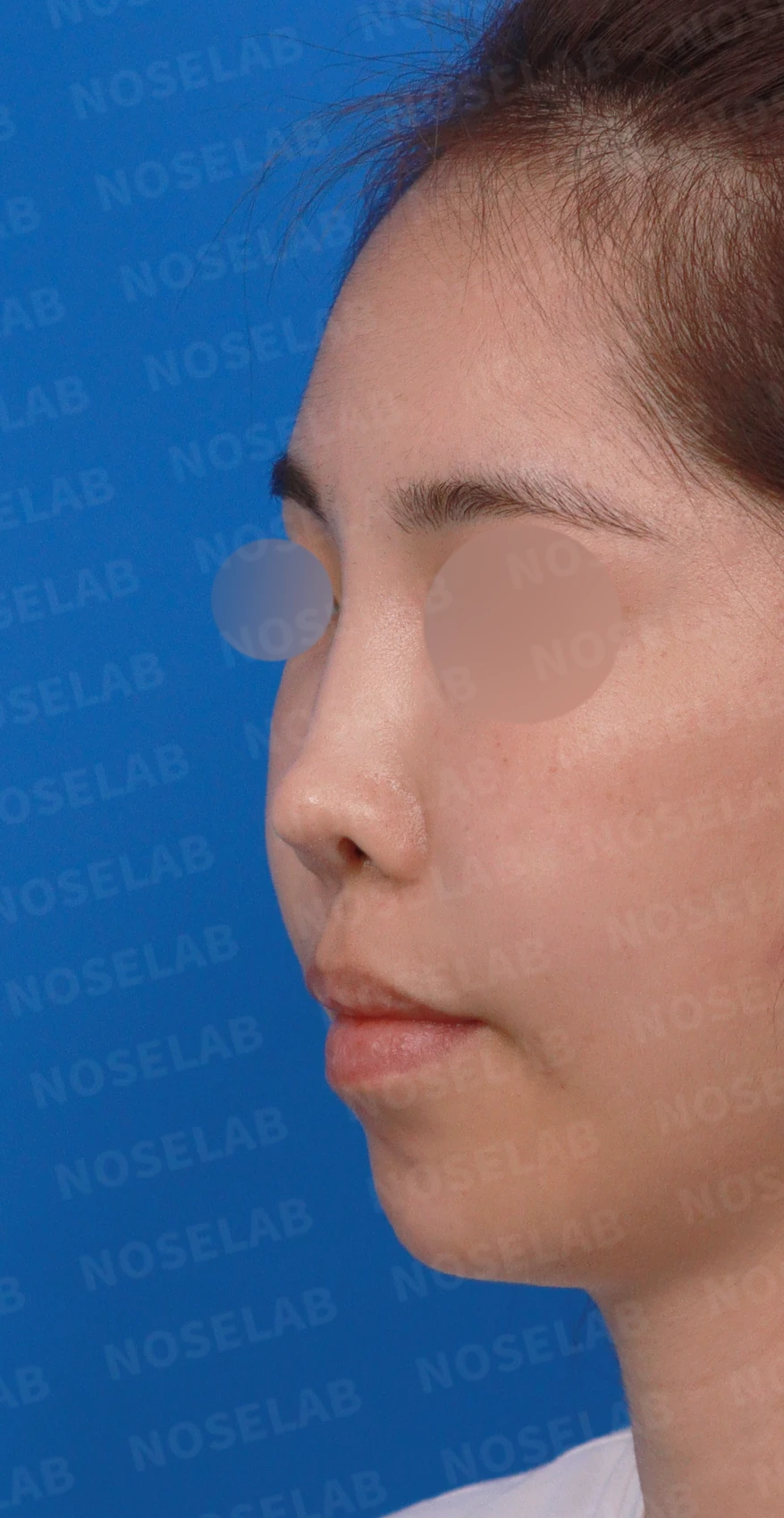
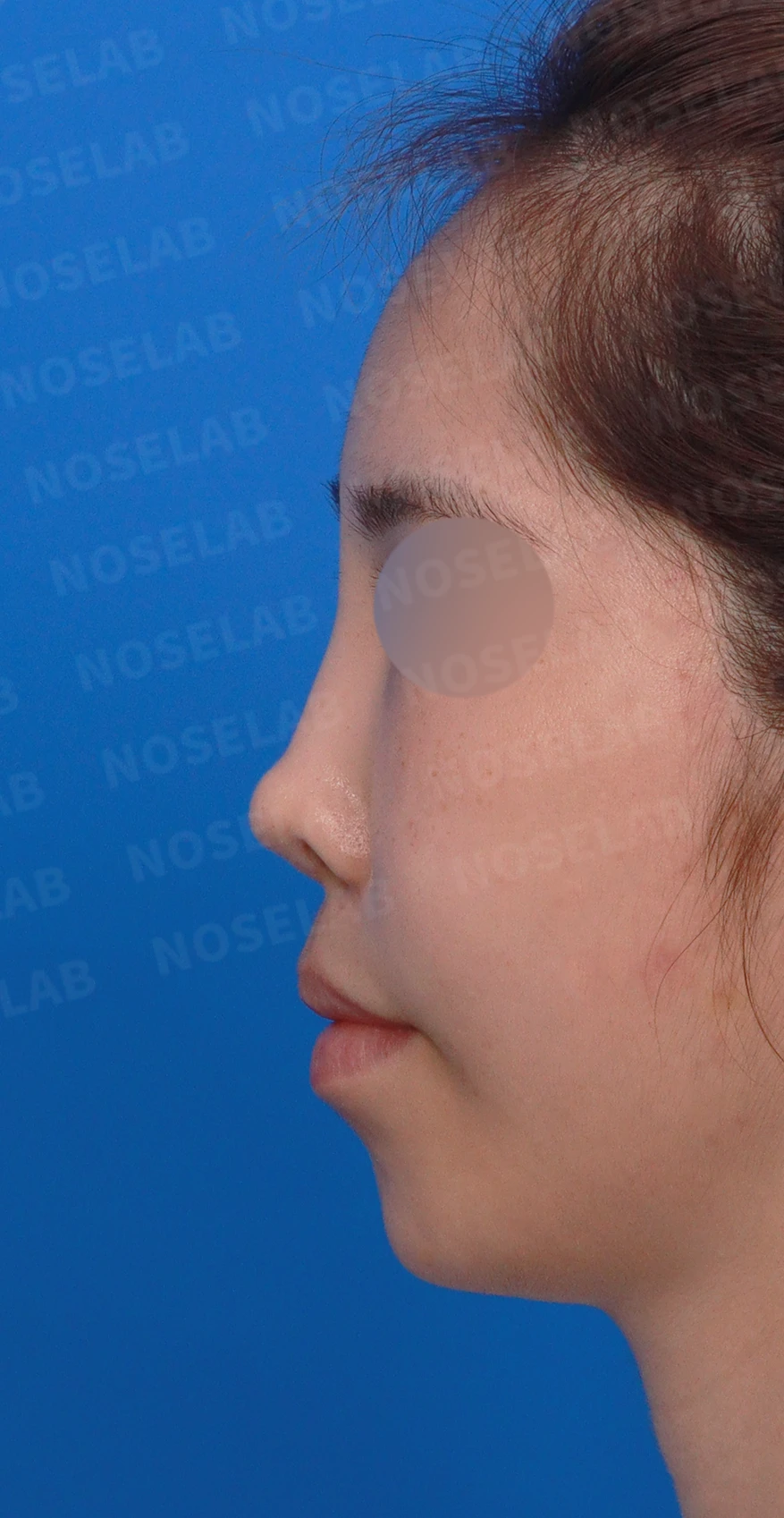
Design consultation: front, left oblique, and profile views.
10 years ago: Nasal filler injection, later dissolved
7 years ago: Septoplasty + silicone implant; the patient wished to return to the original nose due to an upturned feeling
6 years ago: Total removal at the same clinic; disappointed that the nose did not fully return to its original shape
4 years ago: Ear cartilage + silicone implant; dissatisfied with the shape and experienced an upturned feeling again
2 years ago: Total removal at the same clinic
1 year ago: Silicone implant + ear cartilage; severe swelling developed in the glabella area one week later
- CT evaluation revealed an excessively high placement of the silicone implant; nasal obstruction also developed
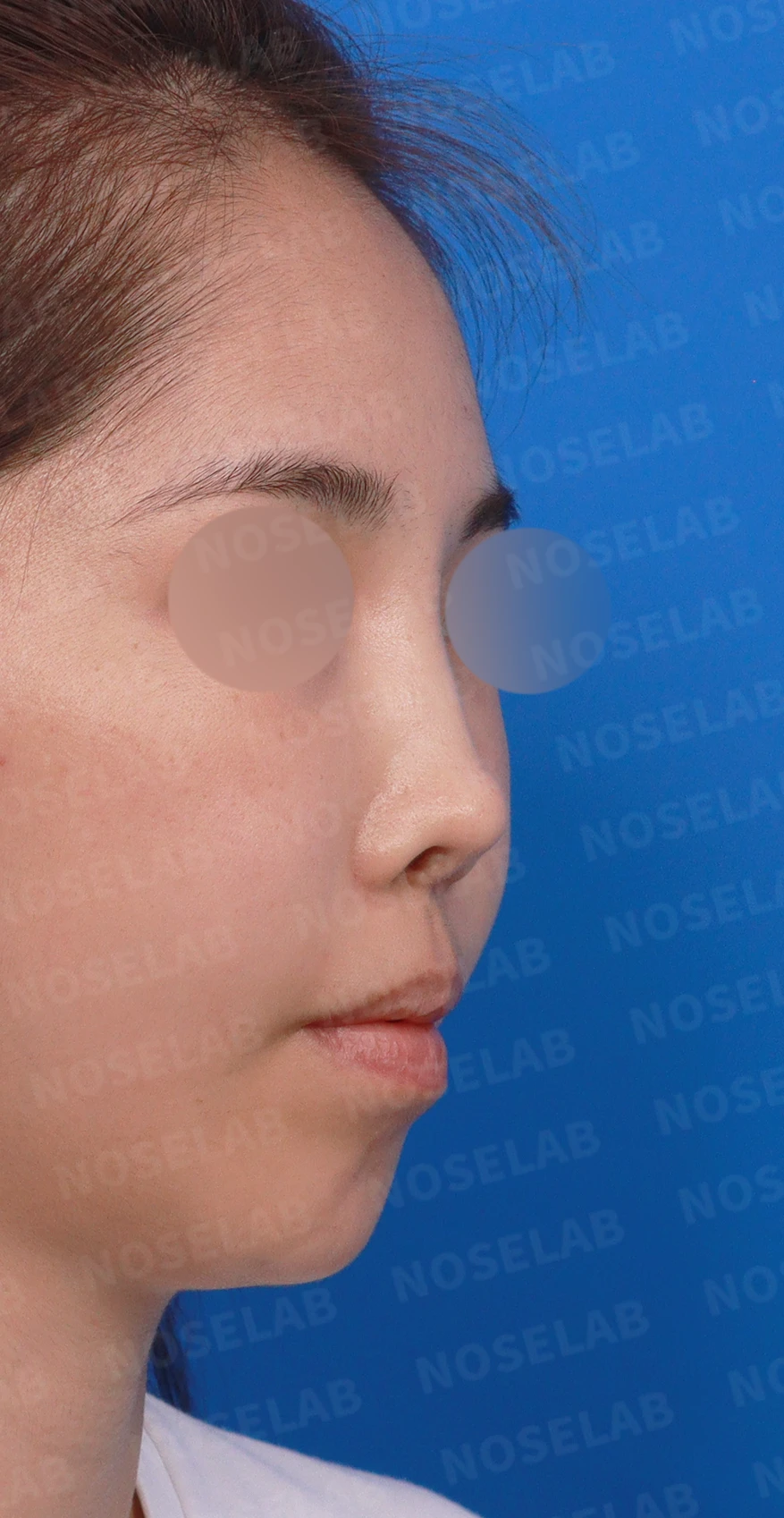
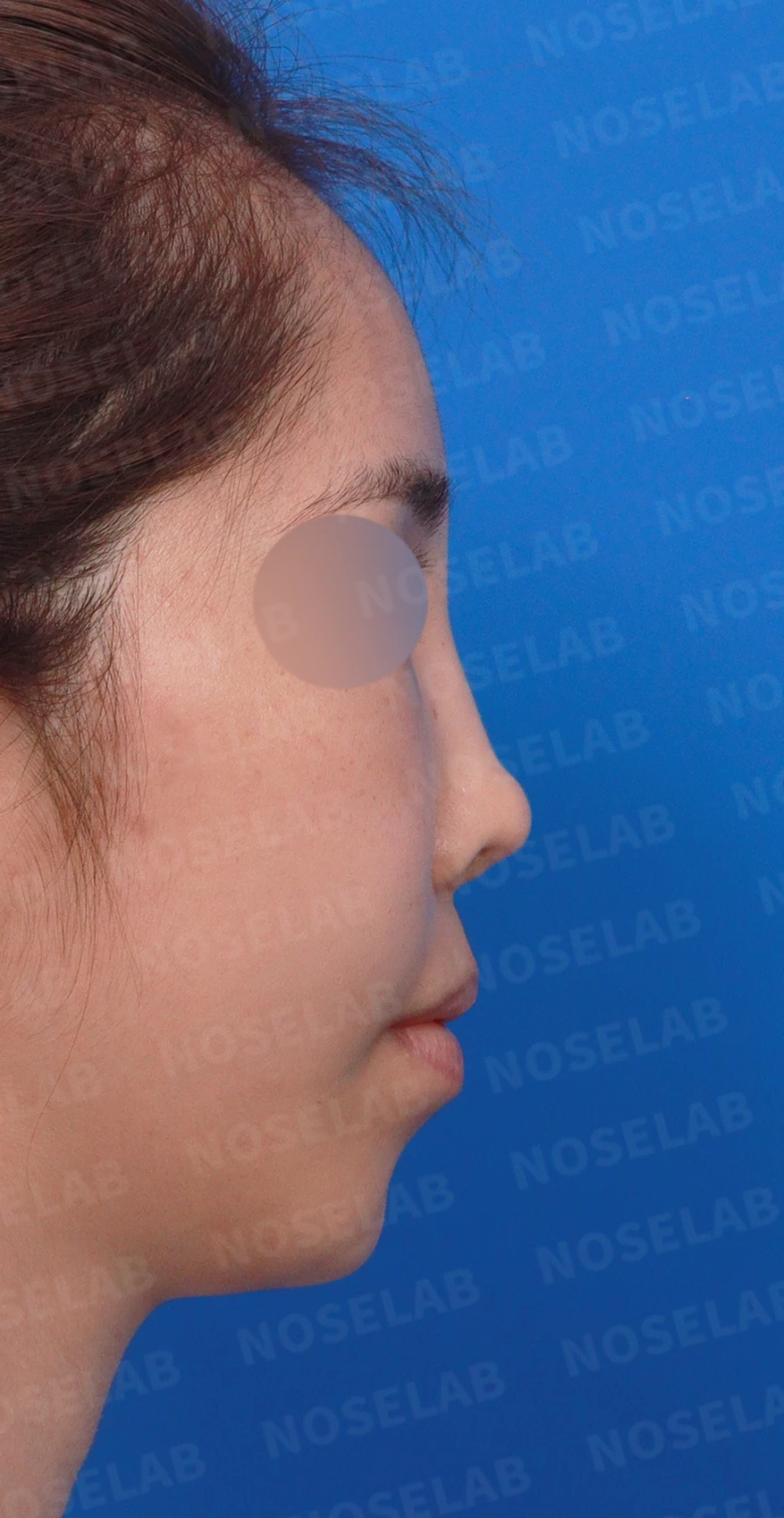
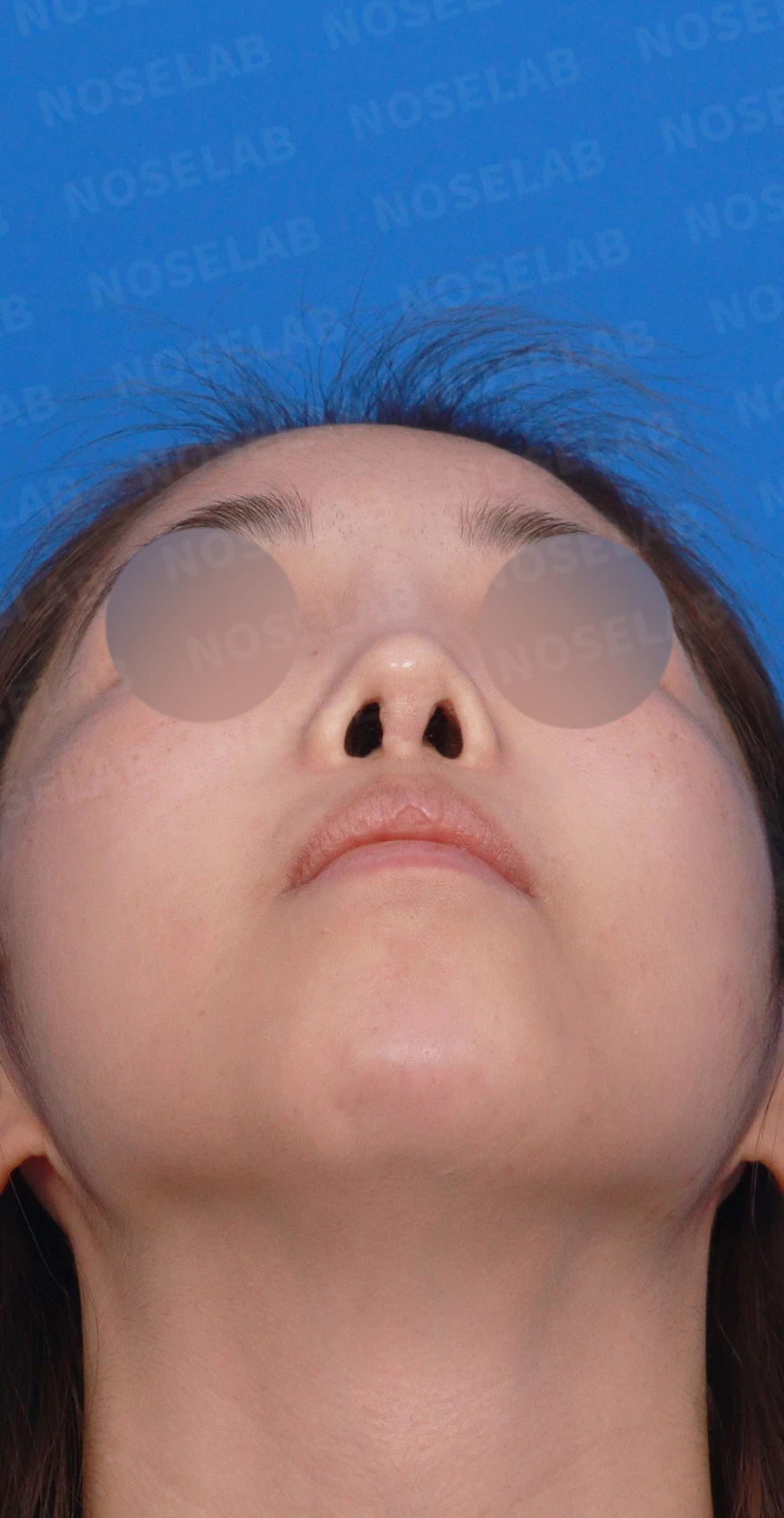
Design consultation: right oblique, profile, and nostril views.
💉 Patient requests
During the consultation, the patient thoroughly explained the primary concerns:
Improvement in nostril asymmetry
Improvement of scarring at previous incision sites
Correction of a depression along the mid-portion of the nasal bridge
Natural improvement of the upturned appearance of the nasal tip
During the consultation, I vividly recall the patient saying, "I truly hope this will be my last surgery."
🔧 Surgical plan and procedure
In this surgery, we focused on resolving the underlying structural issues:
Step 1: Adjusting the height of the radix
Naturally lowering the excessively high starting point of the nasal bridge
Pursuing overall harmony of the nasal profile
Step 2: Structural approach to correct the upturned nasal tip
Partial reconstruction of the septal cartilage
Securing reliable, stable structural support through septal extension using autologous rib cartilage
Step 3: Improving nostril asymmetry
Restoring symmetry through precise cartilage sculpting
Correcting the nostrils toward a natural shape
Step 4: Simultaneous chin correction
Improving overall facial balance affected by a relatively small chin
Harmonious balance between the nose and chin
🌟 Surgical results
Even on day 0 immediately after surgery, the patient was noticeably pleased with the outcome: Immediate postoperative photos show swelling and may differ from the final result.
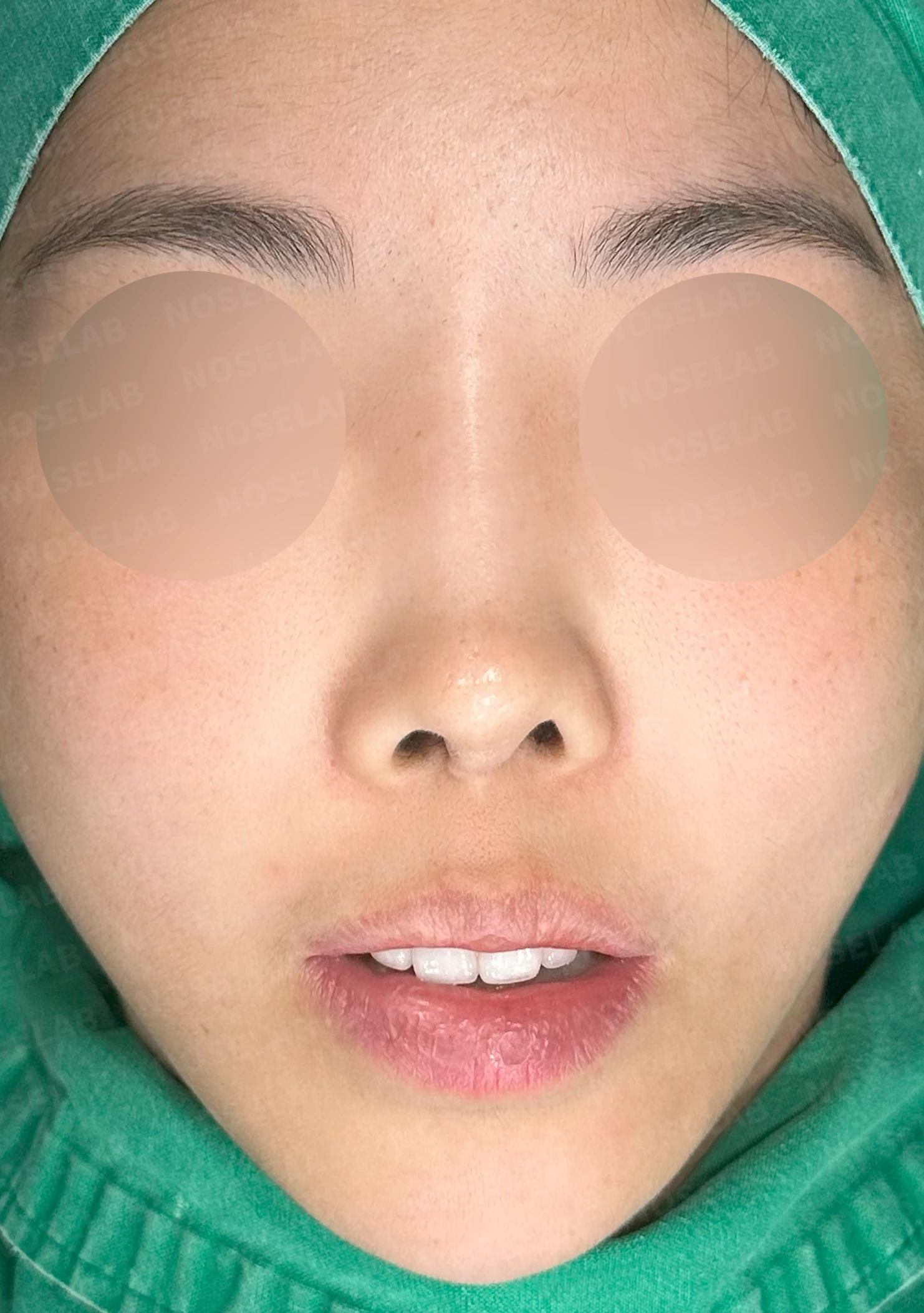
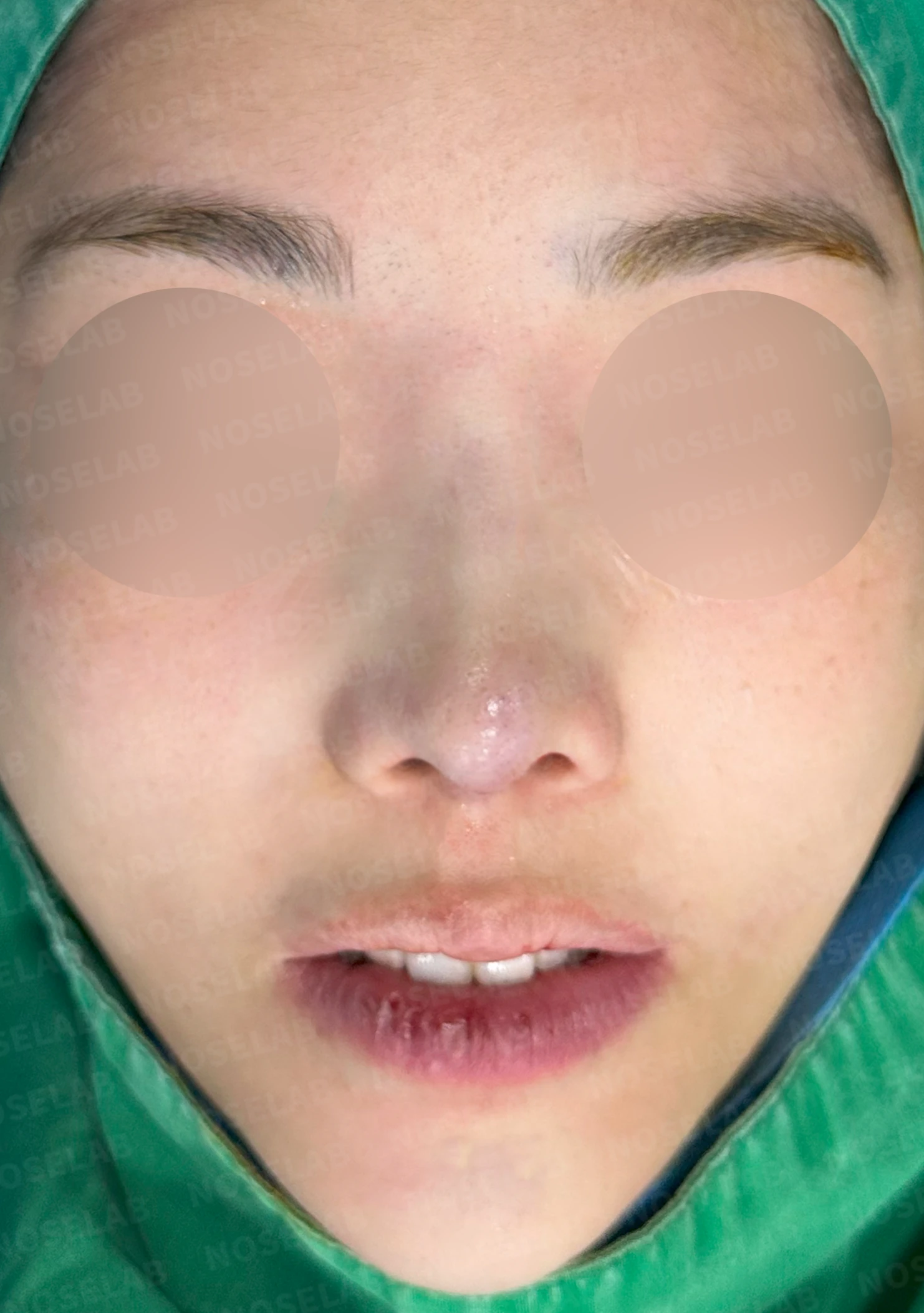
Before surgery / Day 0 immediately after surgery Photos taken immediately after surgery show swelling and may differ from the final result.
Changes seen on the front view:
Nostril asymmetry has noticeably improved, presenting a natural appearance
The depressed area of the nasal bridge connects smoothly into a continuous line
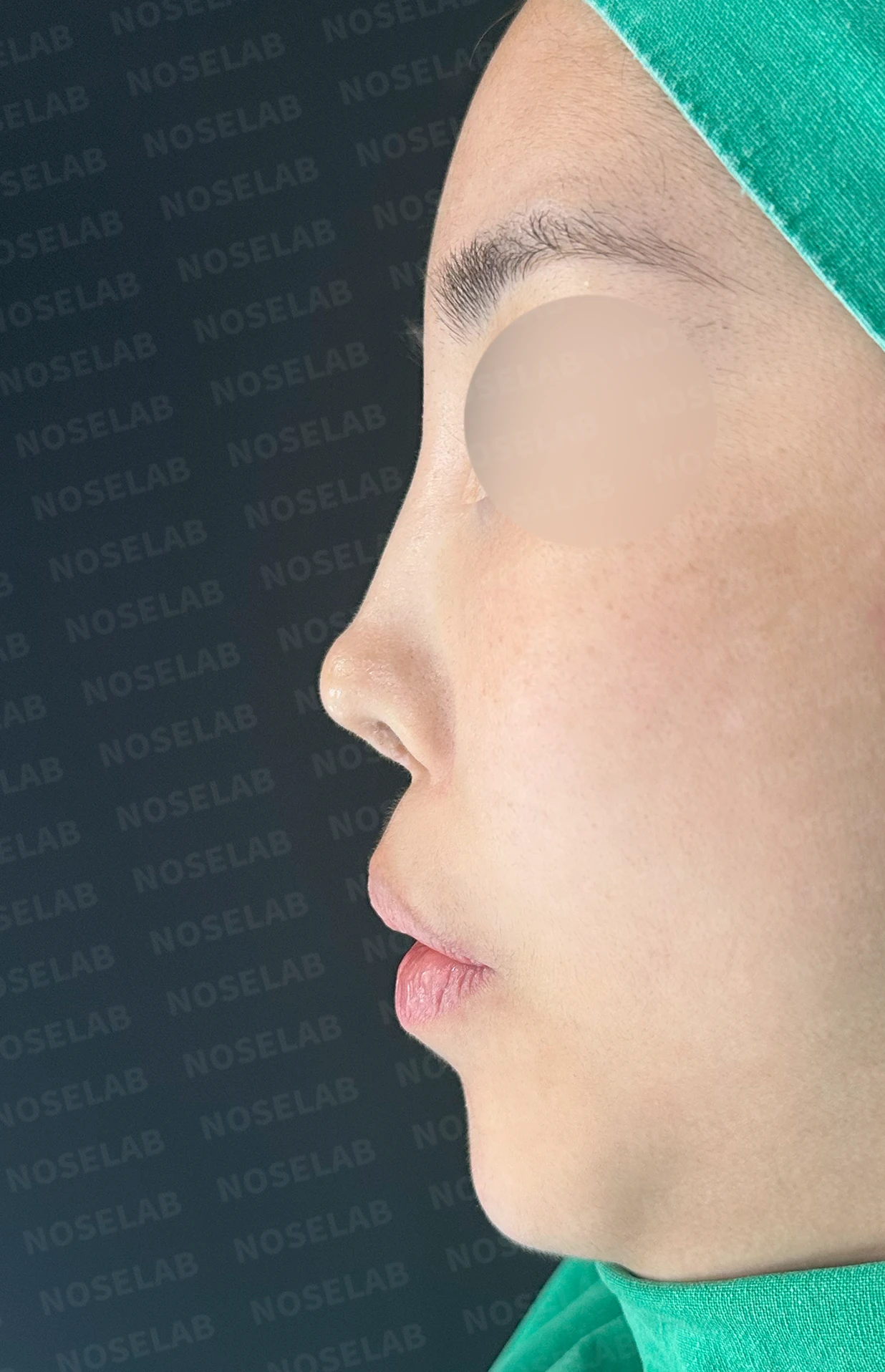
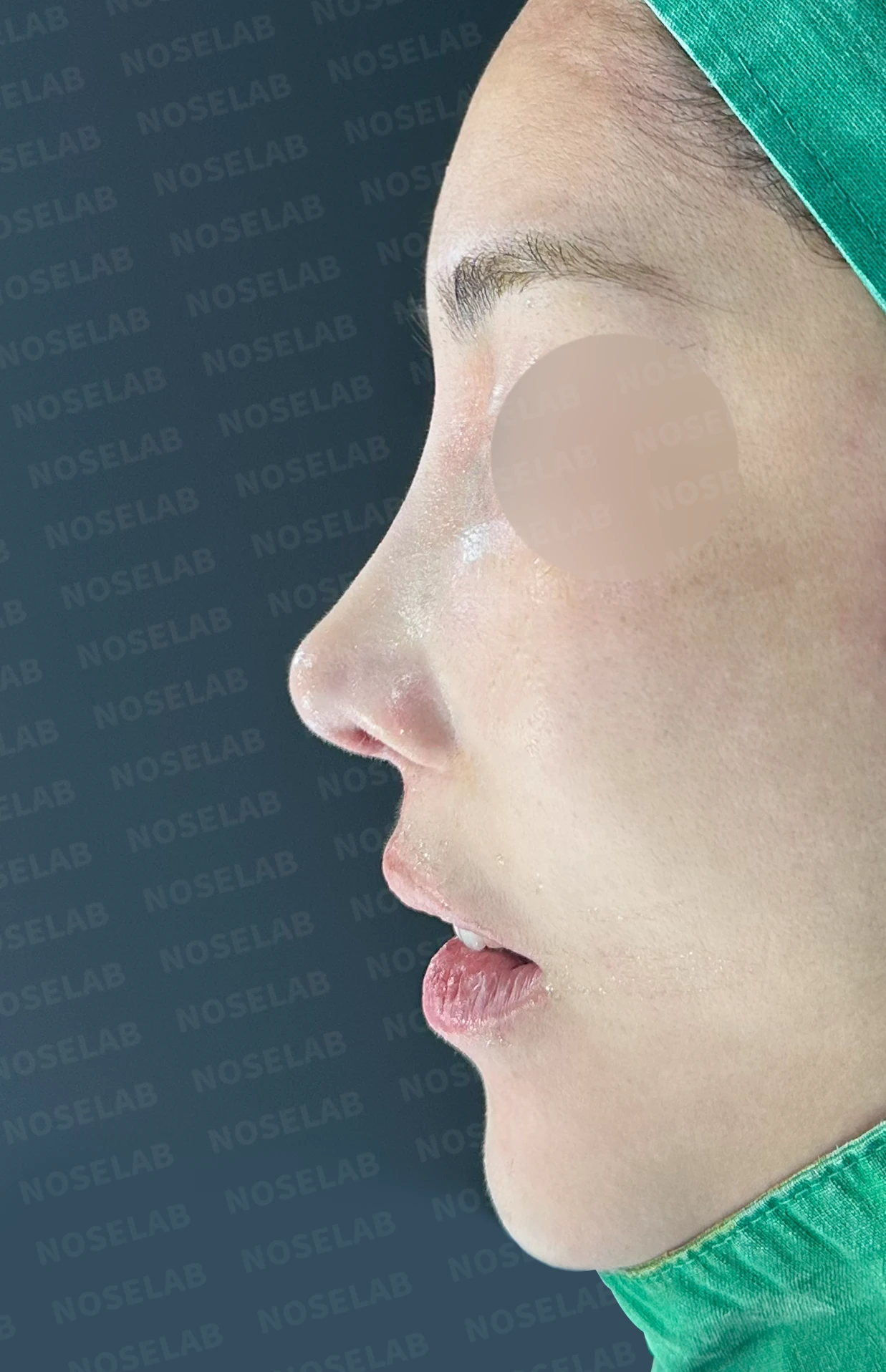
Before surgery / Day 0 immediately after surgery Photos taken immediately after surgery show swelling and may differ from the final result.
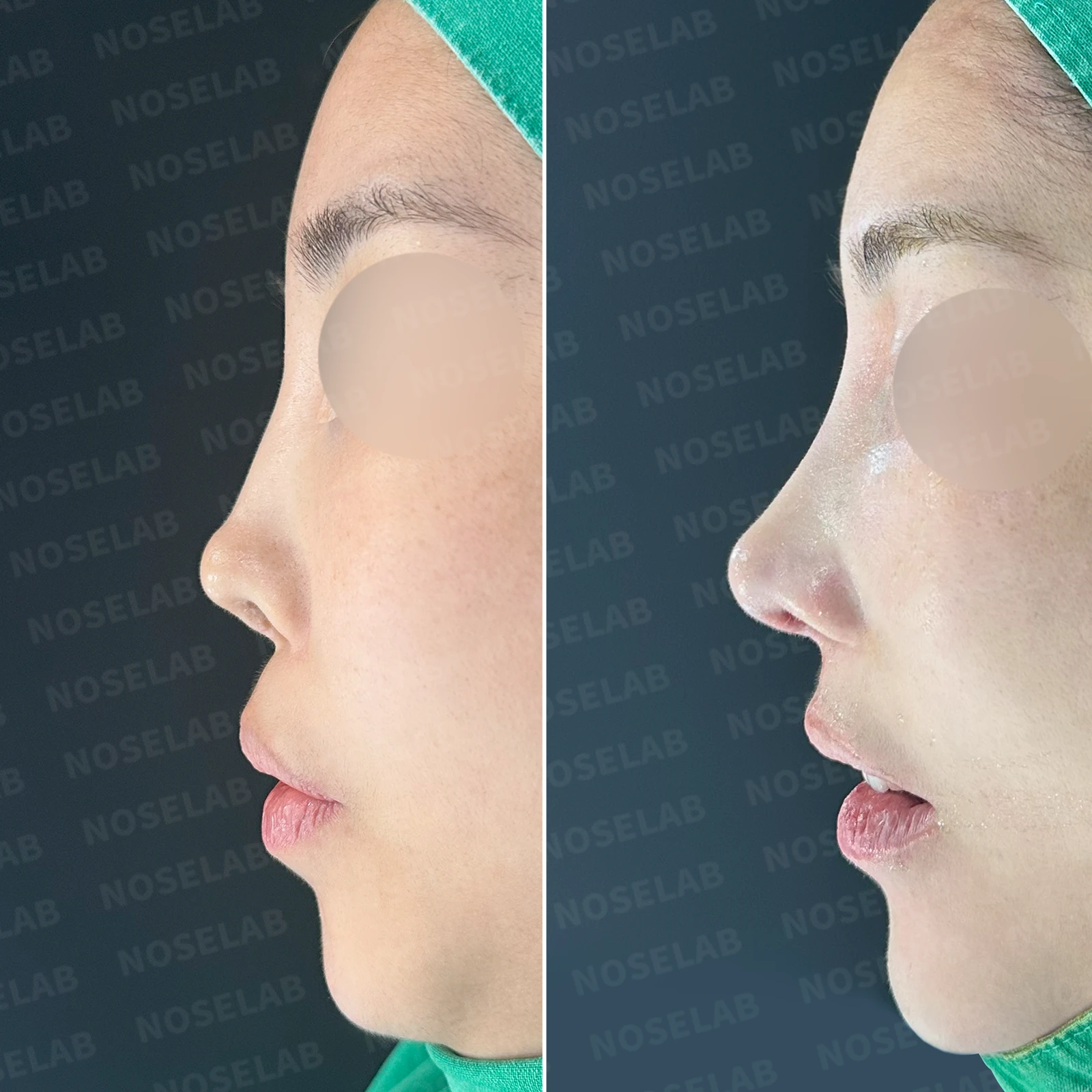
Changes seen on the profile view:
The upturned nasal tip is lowered to an appropriate angle, forming a refined silhouette
A natural contour from the glabella to the nasal tip
Improvement in overall facial proportions through chin correction
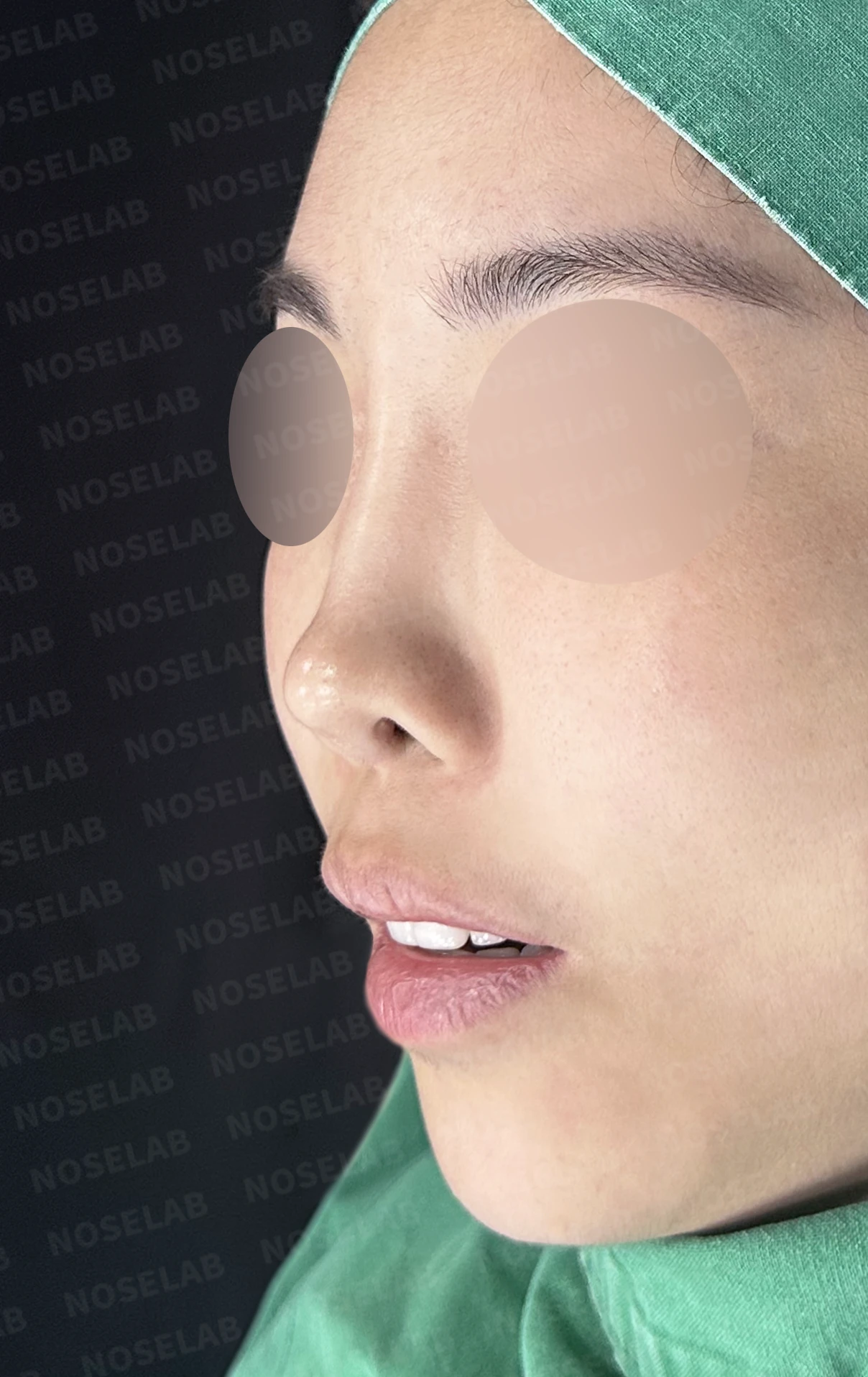
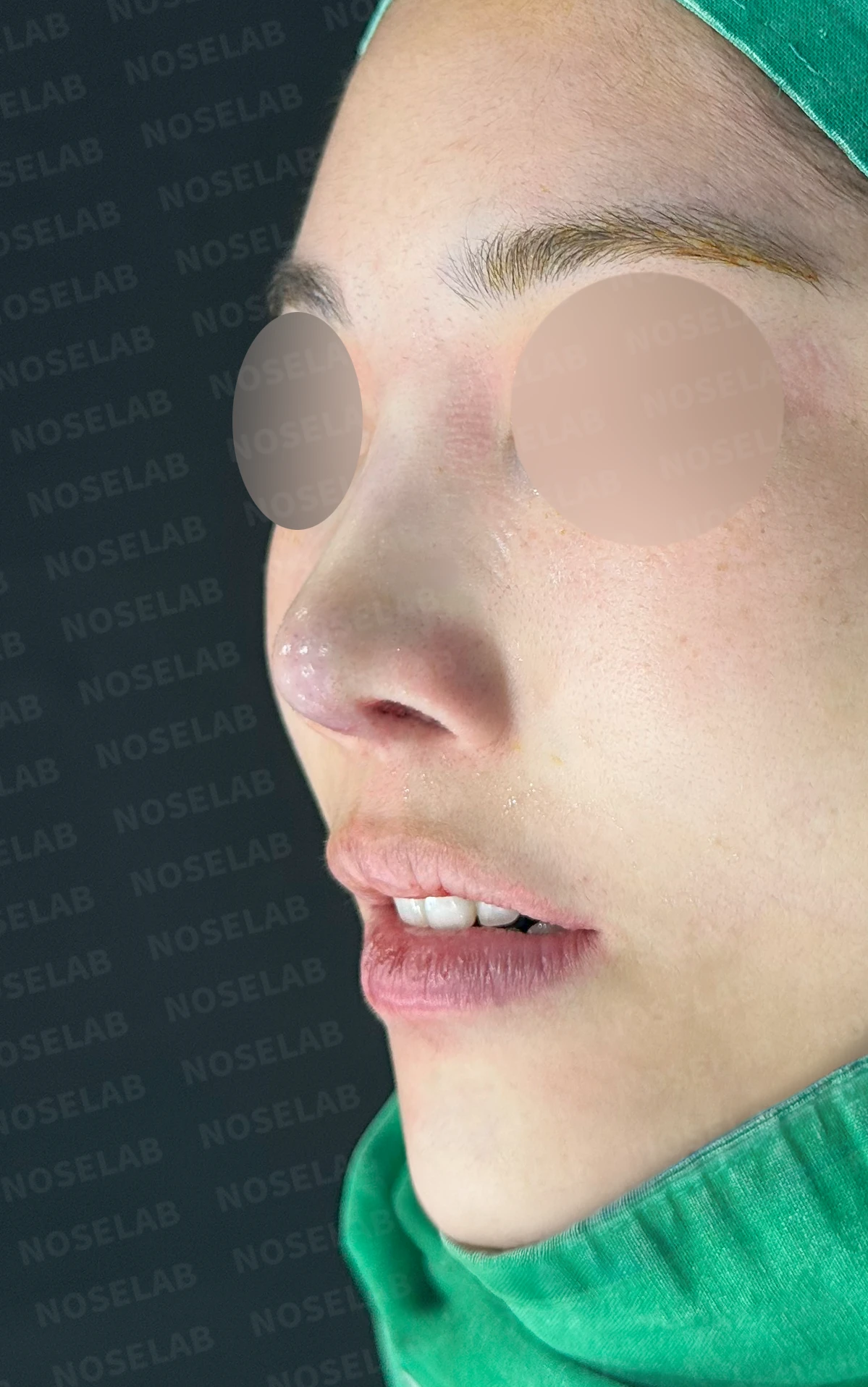
Before surgery / Day 0 immediately after surgery Photos taken immediately after surgery show swelling and may differ from the final result.
Functional improvements:
Complete relief of nasal obstruction symptoms
A comfortable state without any upturned tension
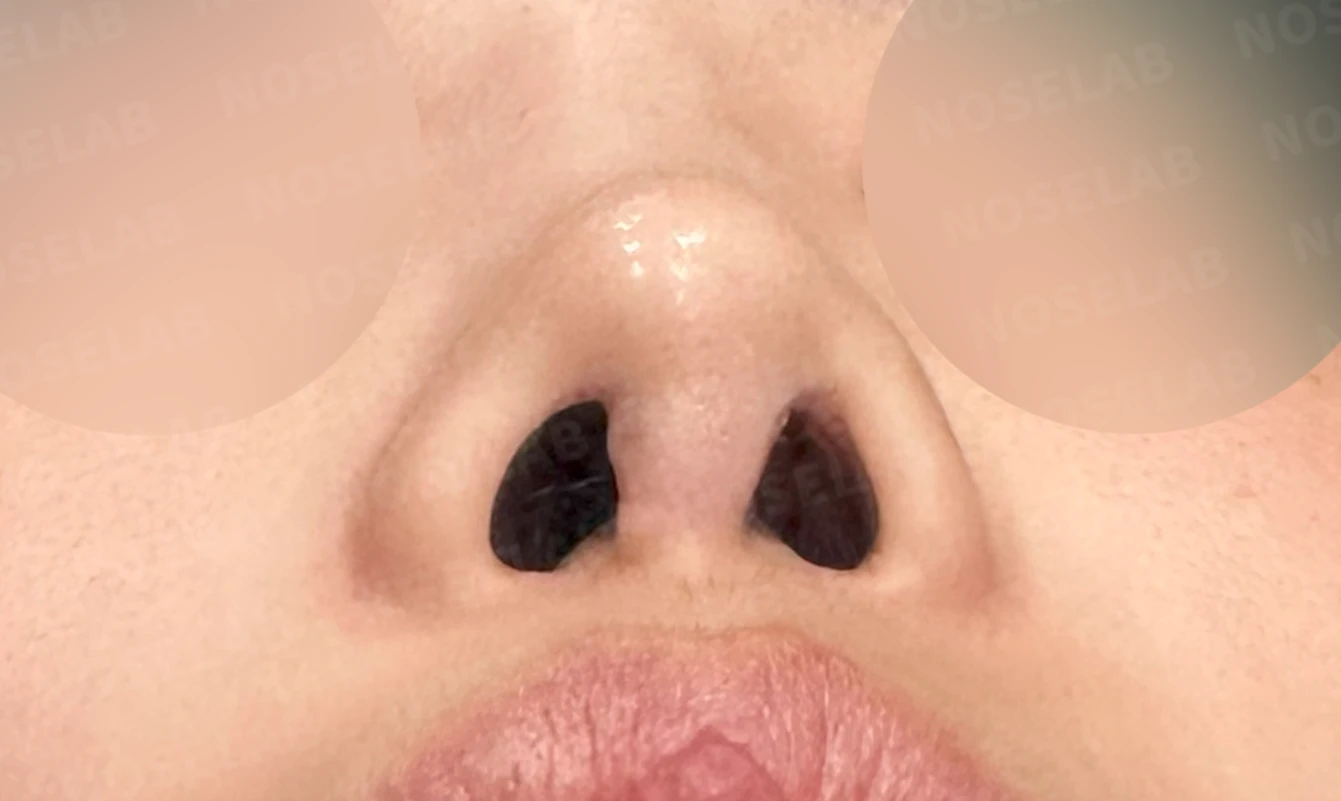
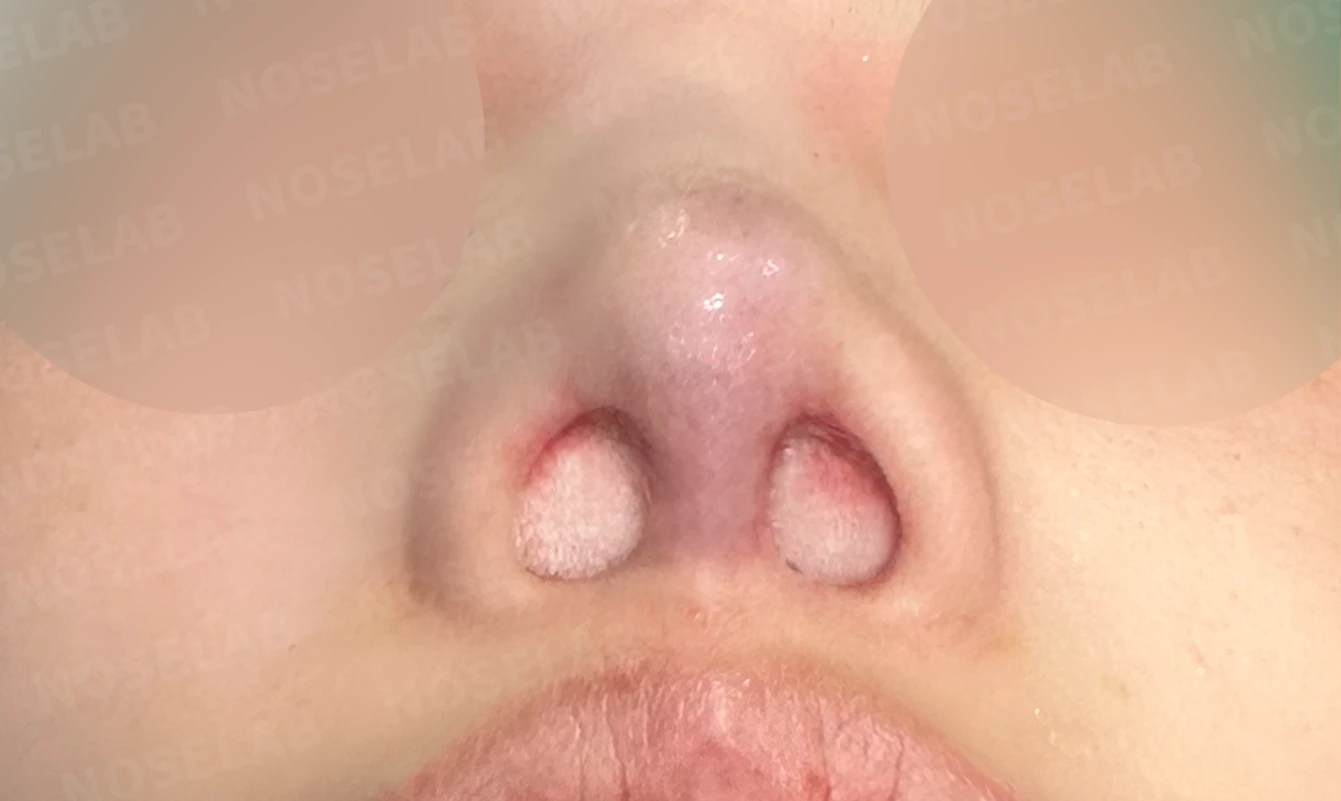
Before surgery / Day 0 immediately after surgery Photos taken immediately after surgery show swelling and may differ from the final result.
💡 Specialist opinion
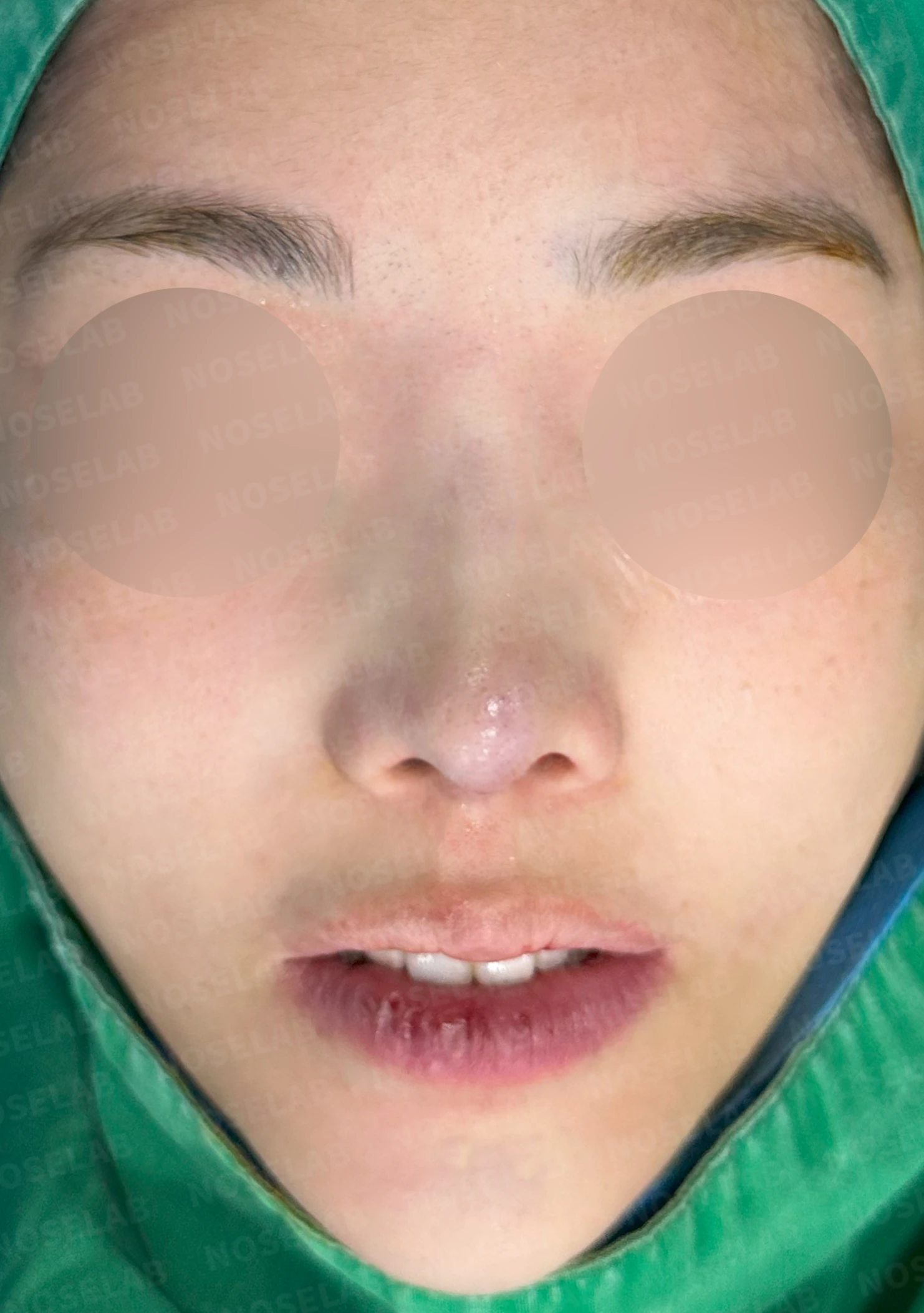
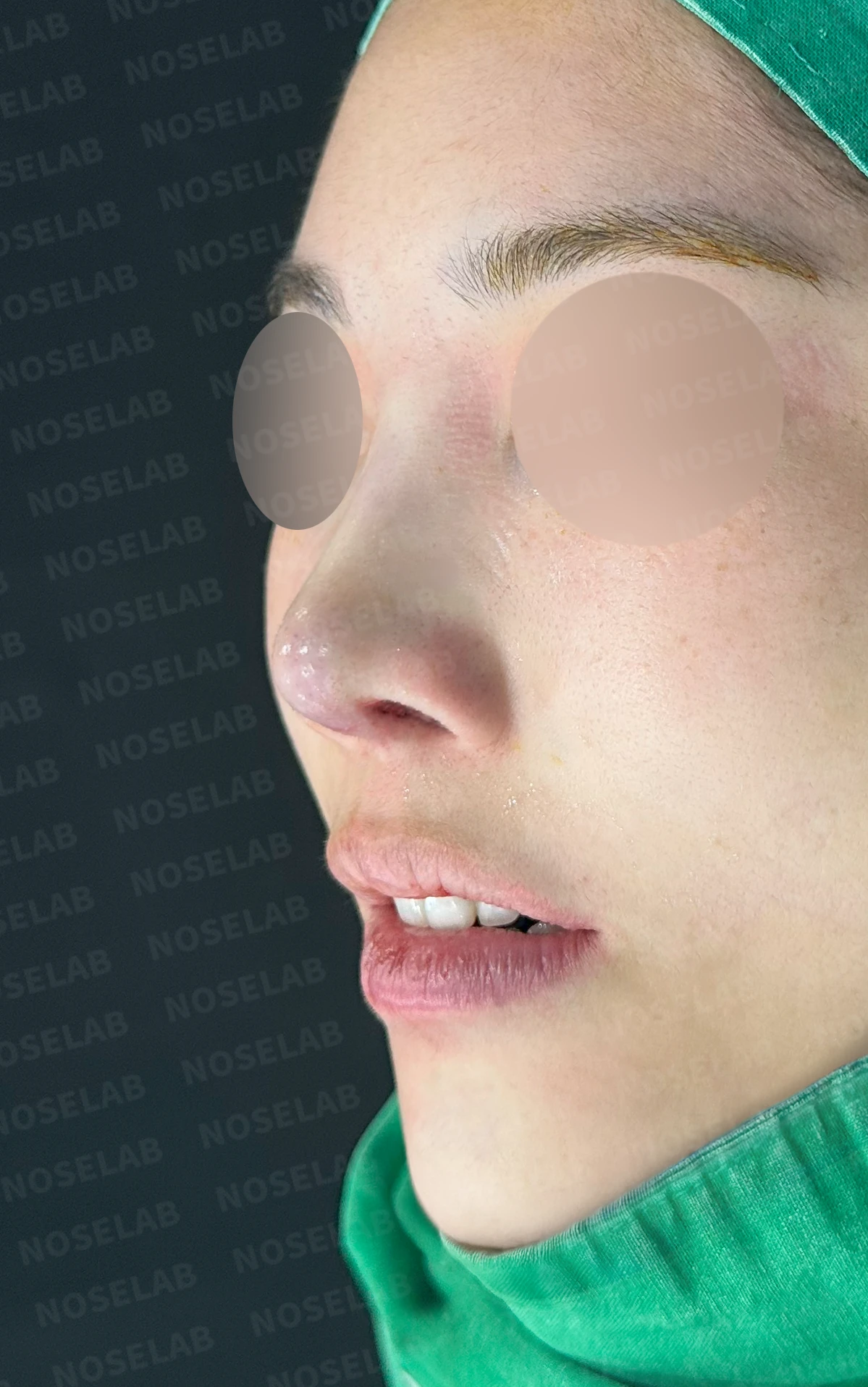
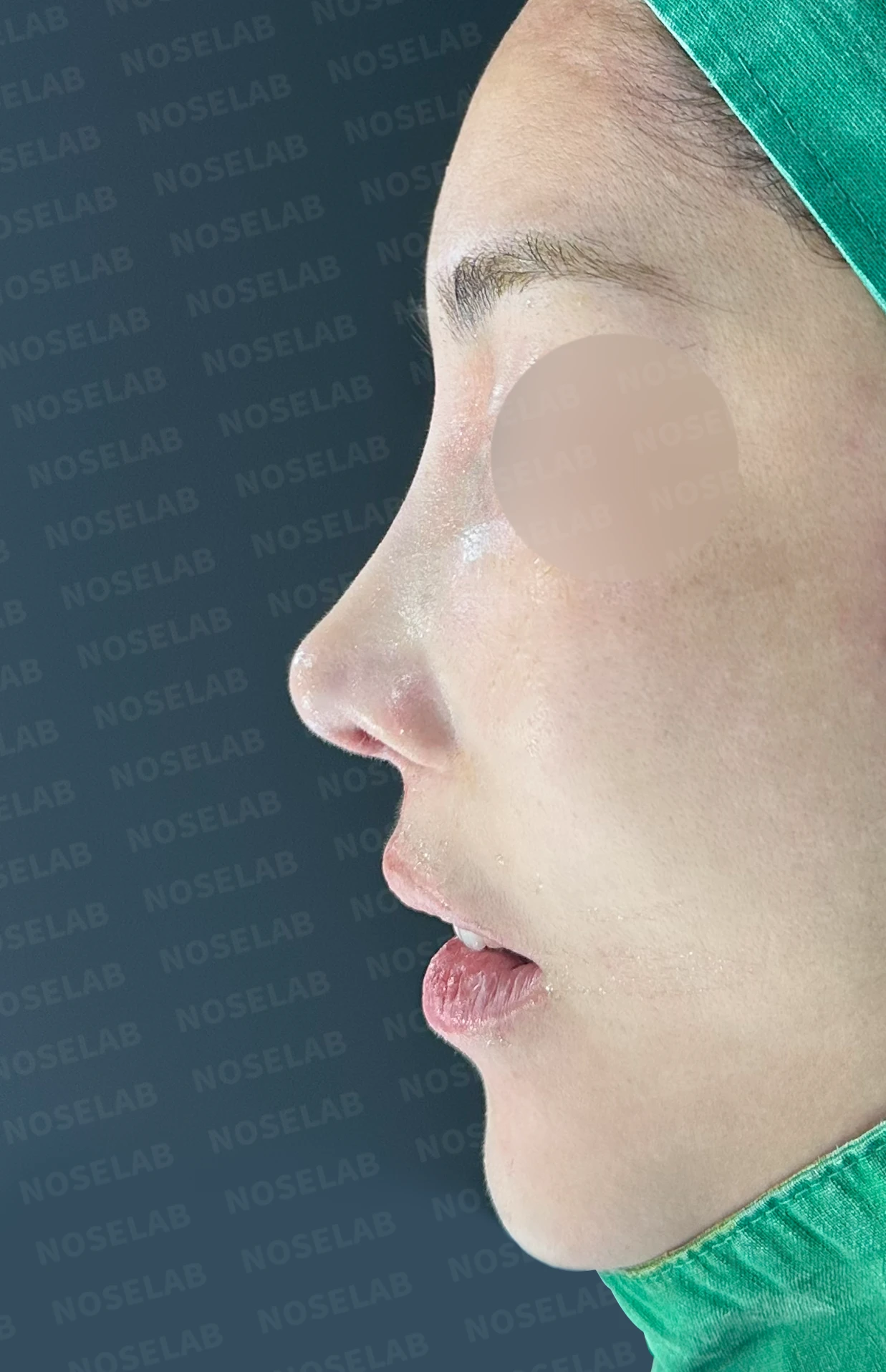
Front, oblique, and profile views on day 0 immediately after surgery. Photos taken immediately after surgery show swelling and may differ from the final result.
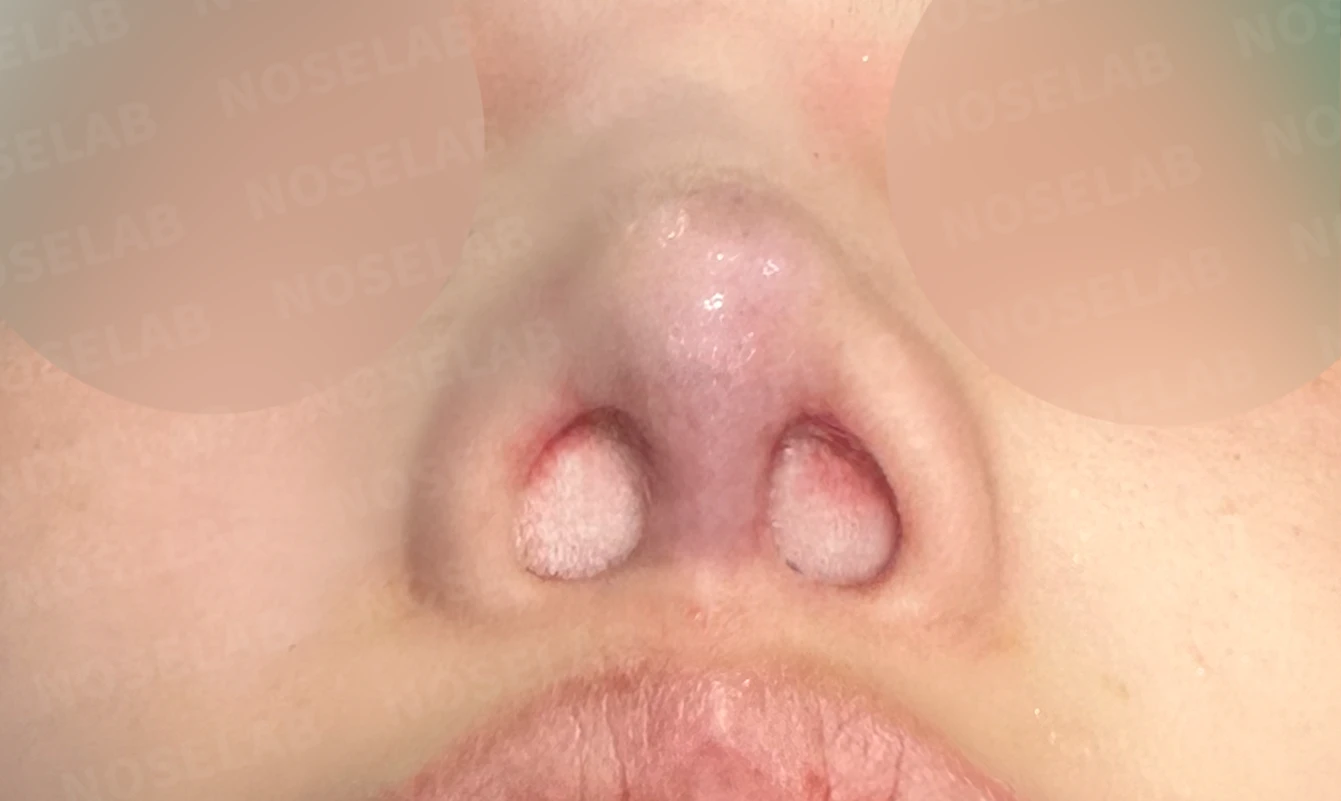
Nostril view on day 0 immediately after surgery. Photos taken immediately after surgery show swelling and may differ from the final result.
For patients who have undergone revision surgery multiple times, the condition of the tissues becomes a critical variable. Because scar tissue had formed and remaining cartilage was limited from repeated surgeries, a particularly cautious approach was required.
Autologous rib cartilage was chosen for this surgery to prioritize stability and longevity. Rather than ear cartilage, which had already been harvested and used repeatedly, building a dependable framework with an ample volume of rib cartilage was determined to offer a more stable long-term result.
In correcting an upturned nose, it is essential not merely to pull down the tip, but to extend the septum and reinforce the underlying structural support. This approach allowed us to achieve a stable outcome that resists postoperative changes over time.
Performing chin correction at the same time was also aimed at overall facial balance. Even if the nose appears balanced on its own, it may look awkward if it does not harmonize with the rest of the face.
I am truly glad that the patient, after enduring so much for such a long time, has finally achieved a satisfying result. I will continue to do my best to help patients facing challenging cases like this one. This was Medical Director Dr. Peter C. Kang. Thank you.
#closedrhinoplasty #closedrevisionrhinoplasty #revisionspecialist #autologousribcartilage #upturnednosecorrection #nostrilasymmetry #chincorrection #facialproportions

Limitations and risks
When autologous rib cartilage is used, scarring and pain may remain at the donor site on the chest, and pneumothorax (pleural injury) can occur rarely. Over time, the grafted cartilage may warp or undergo partial resorption.
When revising after implant removal, contracture may progress again after removal, the nasal height and length may decrease, and staged surgery may be necessary depending on the skin condition.
When the septum is corrected at the same time, nasal obstruction may persist or recur, and in rare cases, septal perforation or changes in smell may occur.
Common potential risks include infection, bleeding, asymmetry, scarring, skin necrosis, and insufficient improvement; results vary depending on individual skin condition and previous surgical history.