Hello, I am Dr. Peter C. Kang.
Today, I would like to introduce a very complex and demanding revision rhinoplasty case. This is the story of a patient who required both nasal bridge foreign material removal and a complete reconstruction of the septum from scratch.
🔍 Surgical history
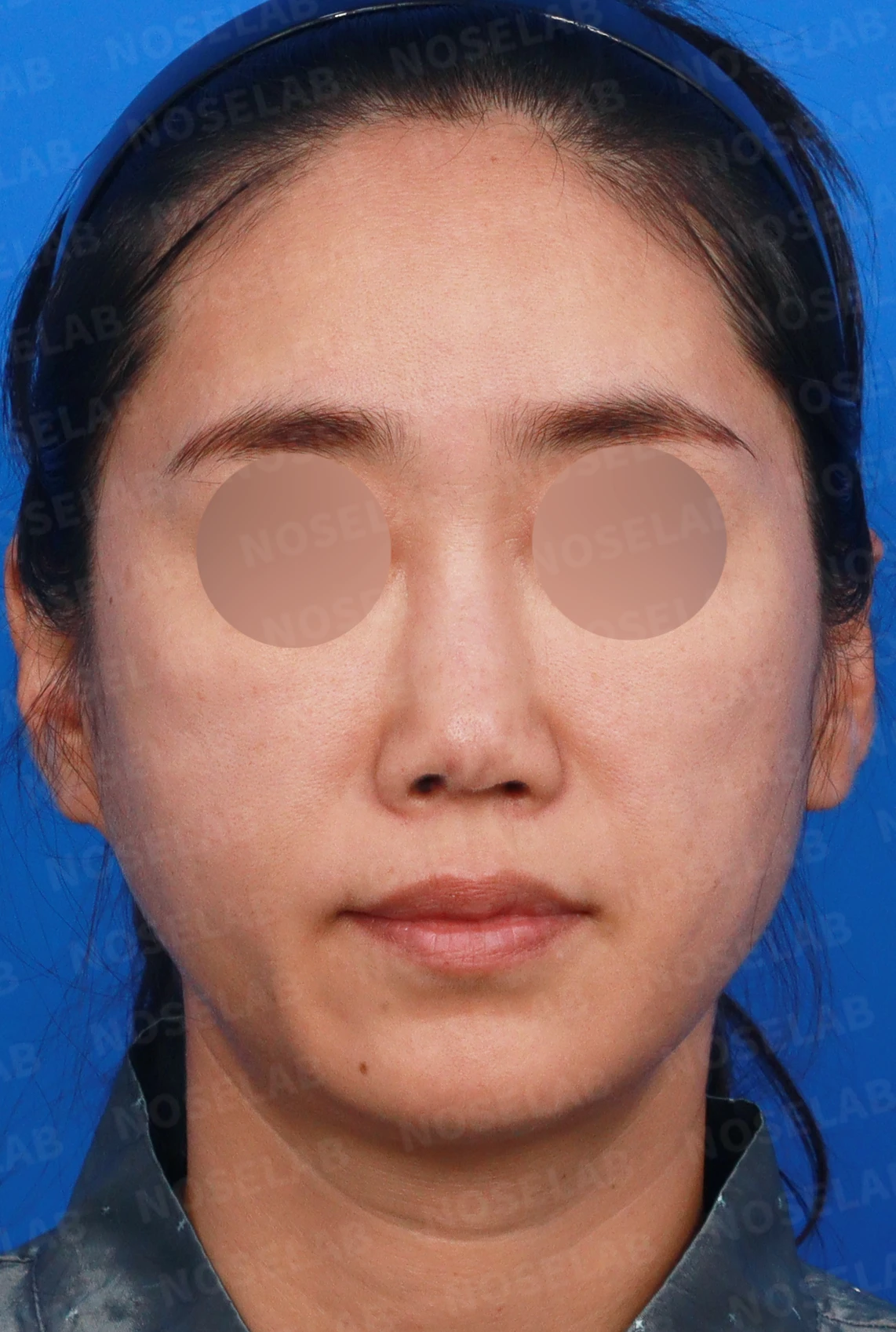
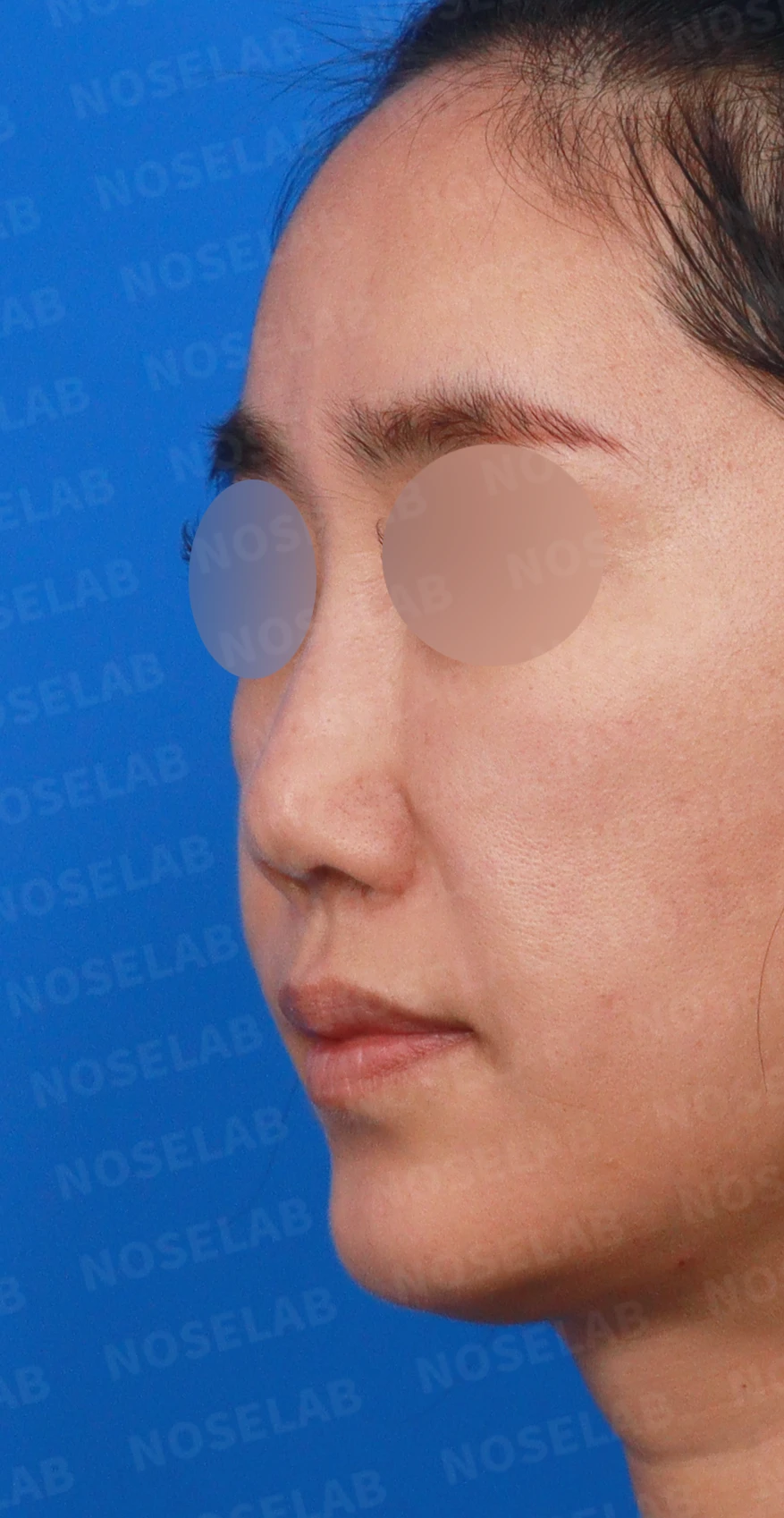
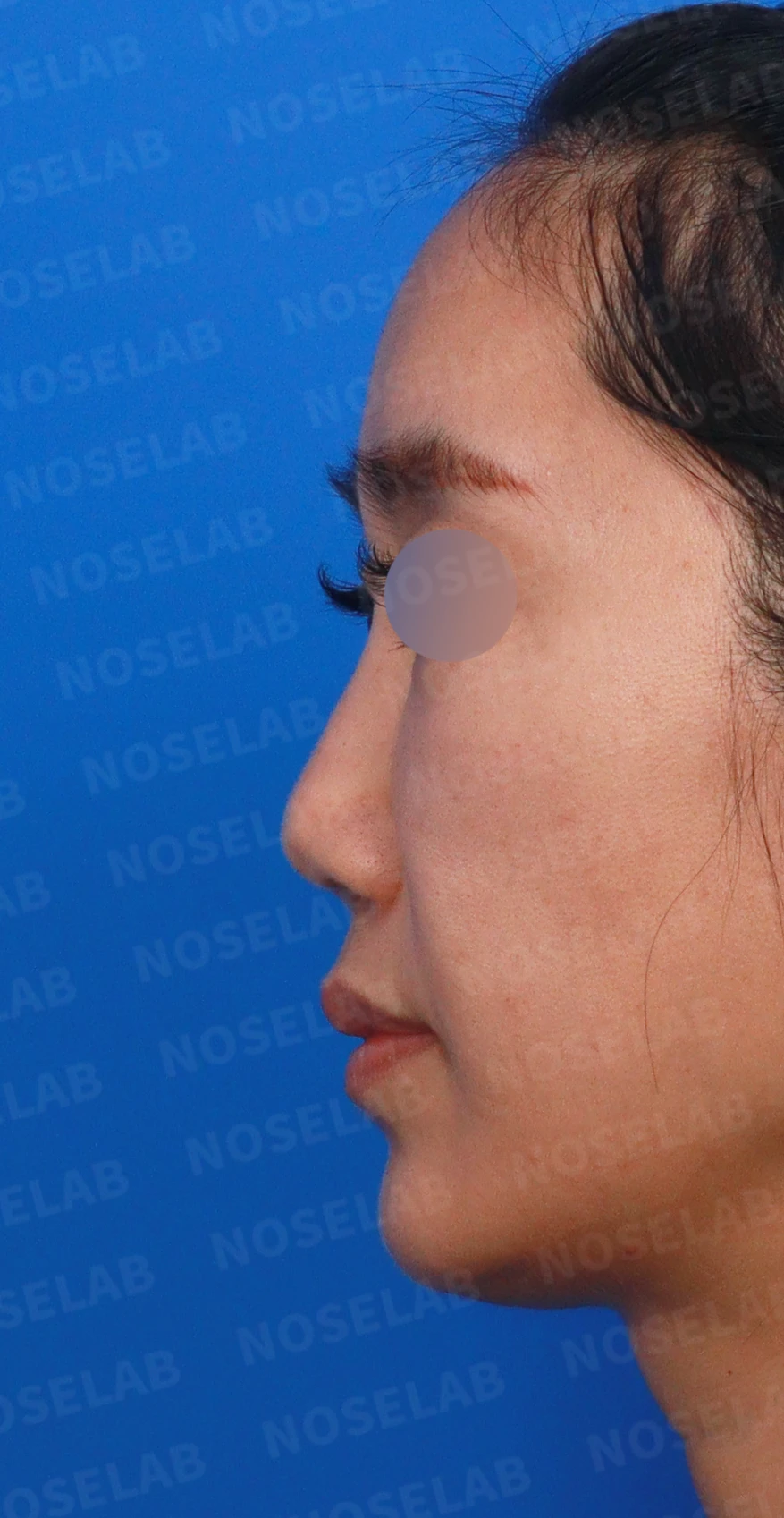
Design consultation: front, left oblique, and profile views.
Past surgical history:
9 years ago: Surgery using a silicone implant and septal cartilage
4 to 5 years ago: Revision rhinoplasty
In between: Illegal injection procedure on the nasal bridge
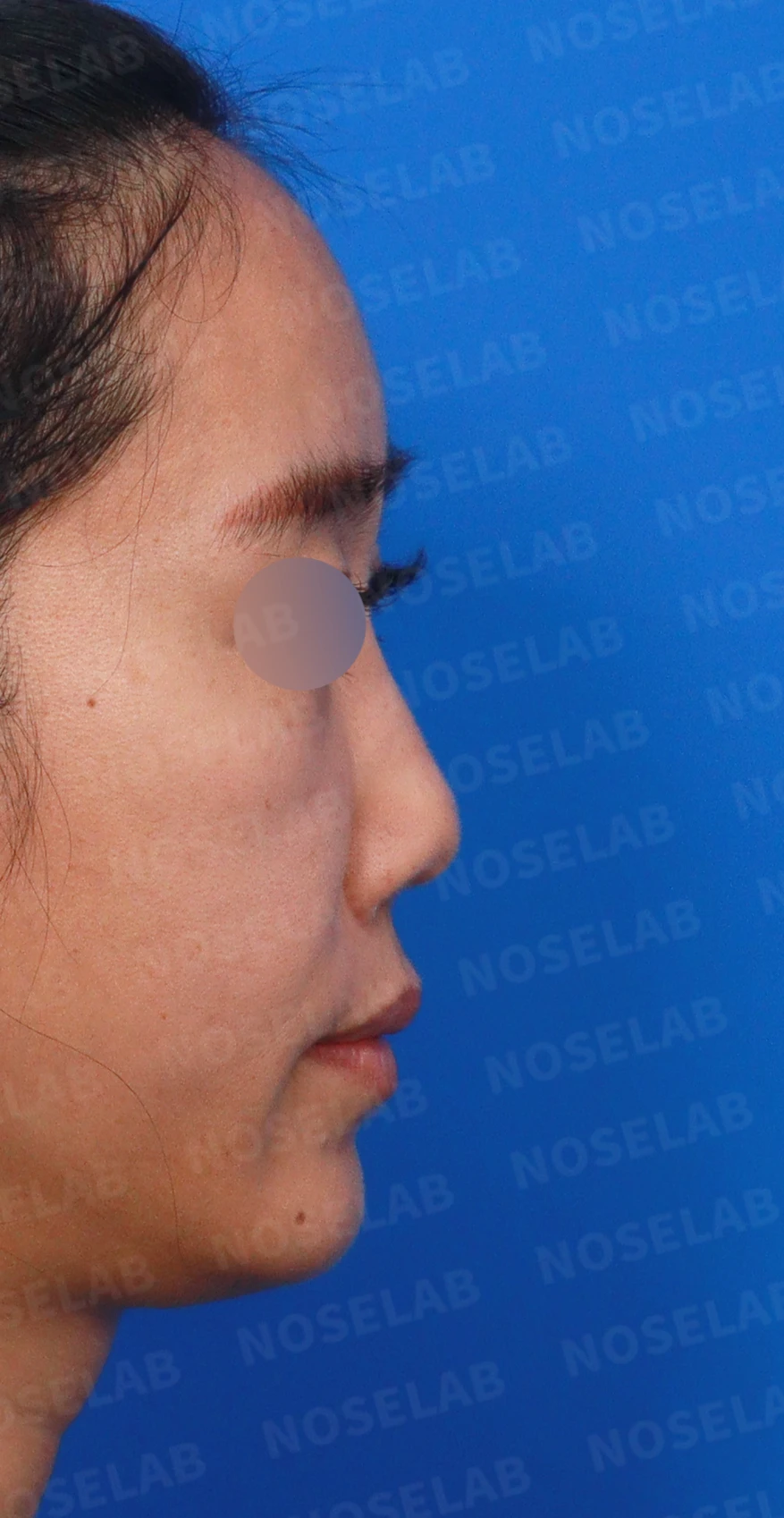
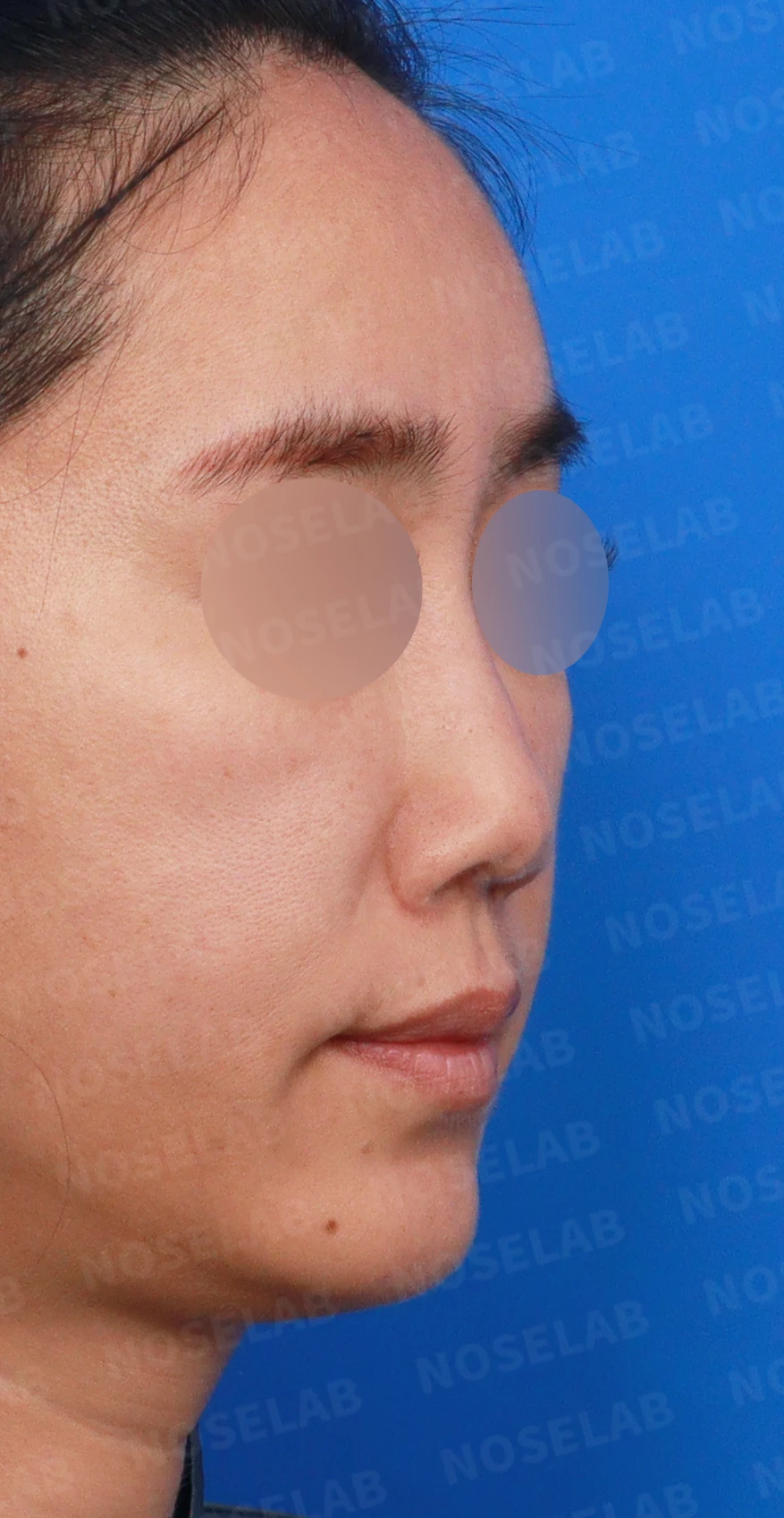
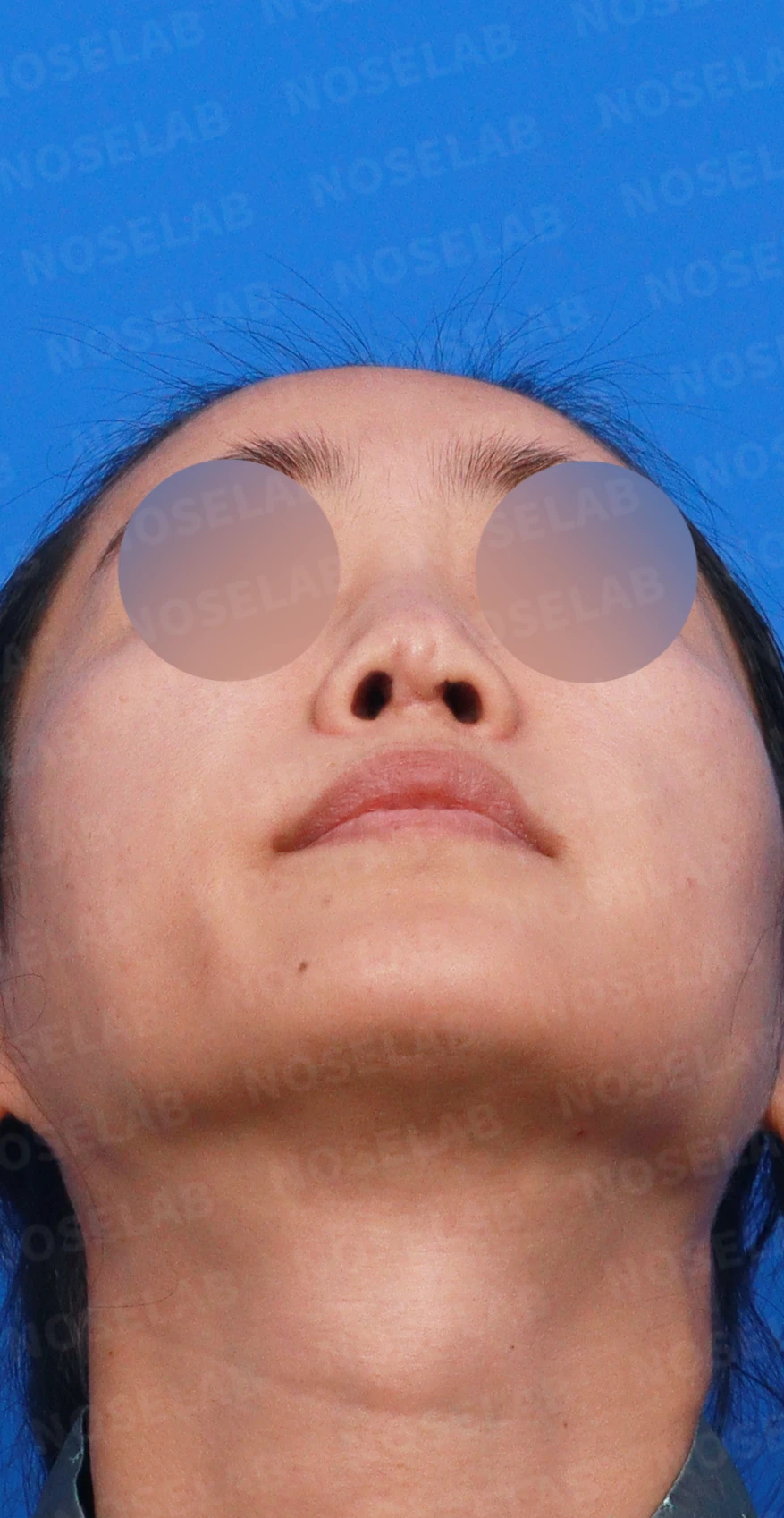
Right profile, oblique, and nostril views during design consultation.
💉 Patient requests
The patient had the following concerns:
Discomfort and anxiety caused by the foreign material in the nasal bridge
An unnatural nasal shape
Skin tension and tightness caused by contracture
A desire for a structurally stable, improved overall nasal appearance
Surgical plan and procedure
This type of case involves highly complex revision surgery, requiring a careful step-by-step approach.
Step 1: Complete foreign material removal
We completely removed the illegal substance injected into the nasal bridge. Because such materials can cause serious problems over time, including inflammation, deformity, and migration, removal is essential.
Step 2: Assessing the condition of the septum
Due to the two previous surgeries, almost no septal cartilage remained. This meant that the central support structure of the nose was absent, requiring total reconstruction.
Step 3: Total septal reconstruction using autologous rib cartilage
To rebuild the septum from the foundation up, we harvested and used the patient's own rib cartilage. This method provides the most stable and strong support framework.
Step 4: Addressing skin issues
Severely thinned skin: The skin had become very thin due to previous surgeries
Severe contracture: The skin was distorted and adhered
Dermal reinforcement: Dermis was grafted to reinforce the thinned skin
Release of adhesions: Meticulous dissection to free adhesions in indented areas
Step 5: Structural reconstruction
Septal extension: Providing nasal tip support using the newly reconstructed septum
Reconstruction of the lower lateral cartilages: Establishing a stable nasal tip framework
Conservative approach: Prioritizing stability while defining appropriate height and shape
🌟 Surgical results
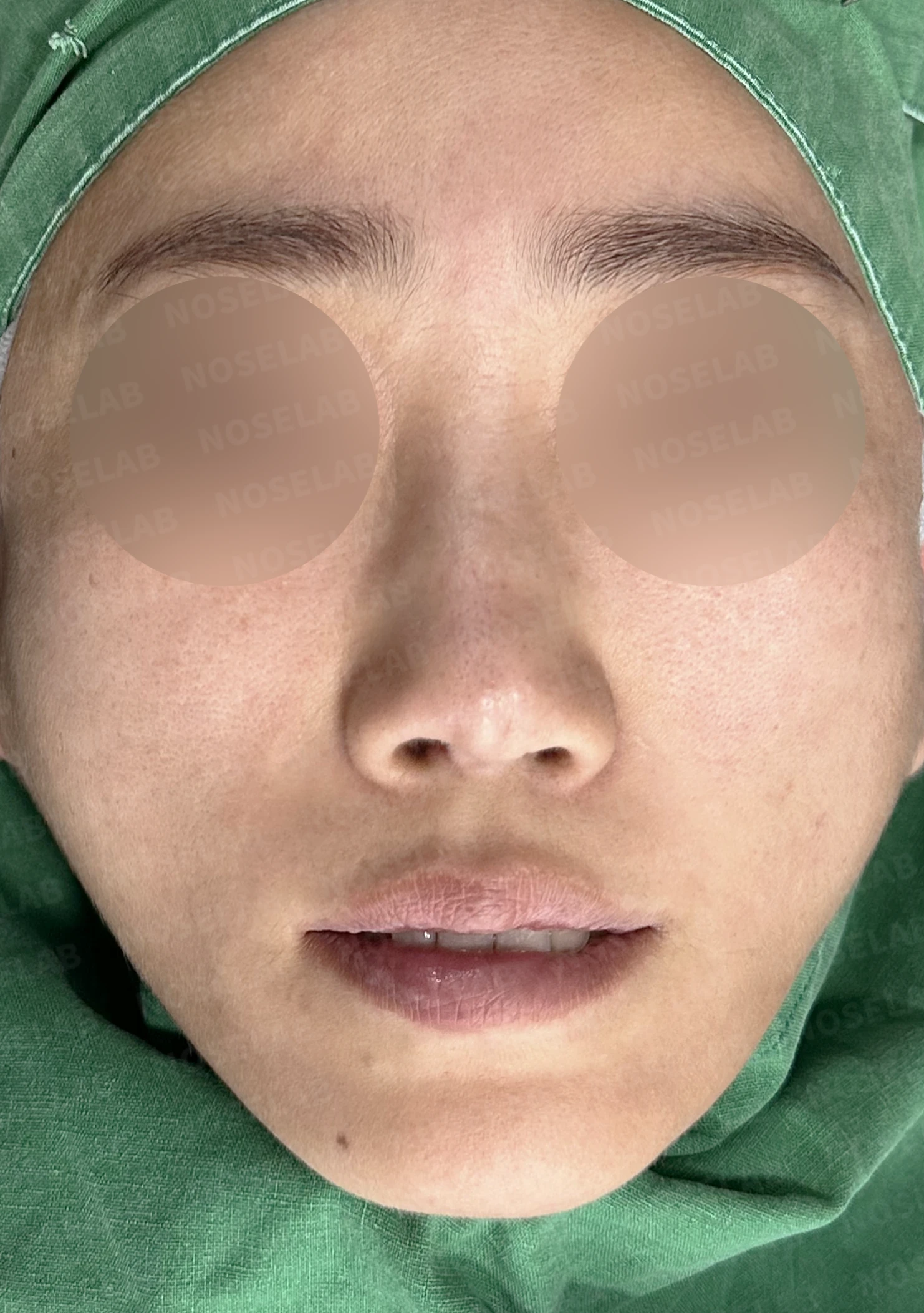
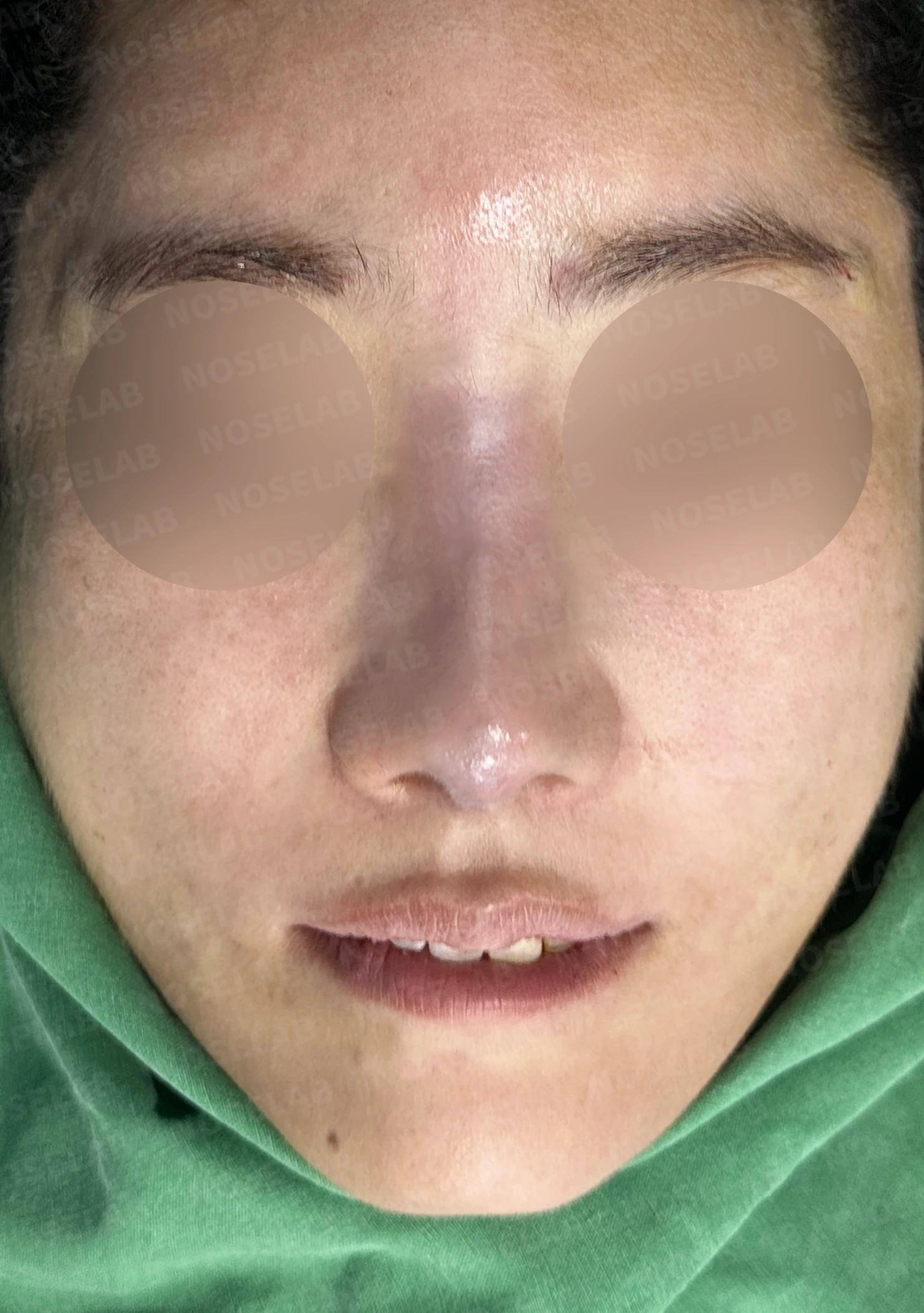
Before surgery / Day 0 immediately after surgery Photos taken immediately after surgery show swelling and may differ from the final result.
Frontal changes:
Formation of a natural bridge line
A stable nasal tip shape
A balanced overall profile
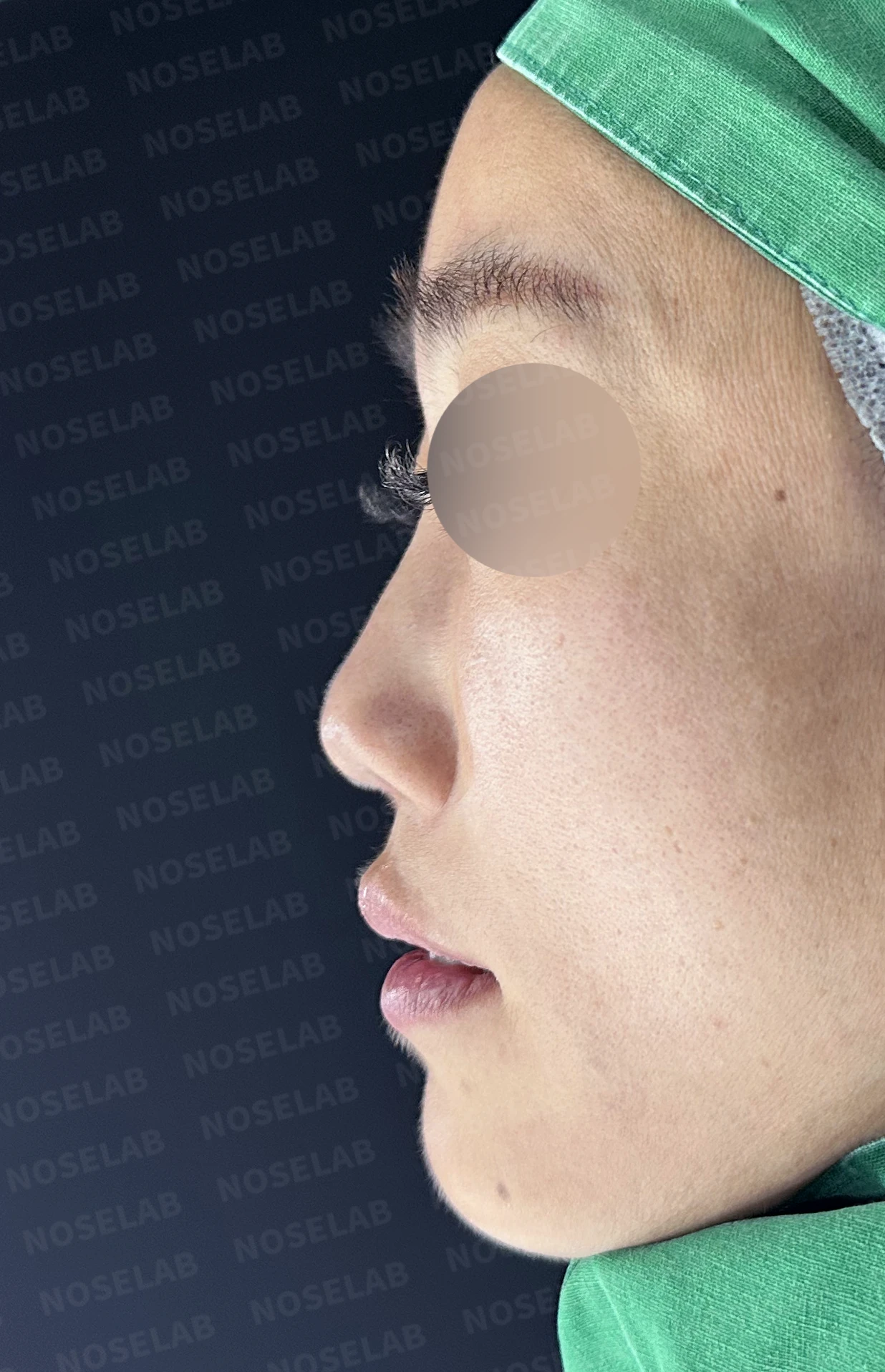
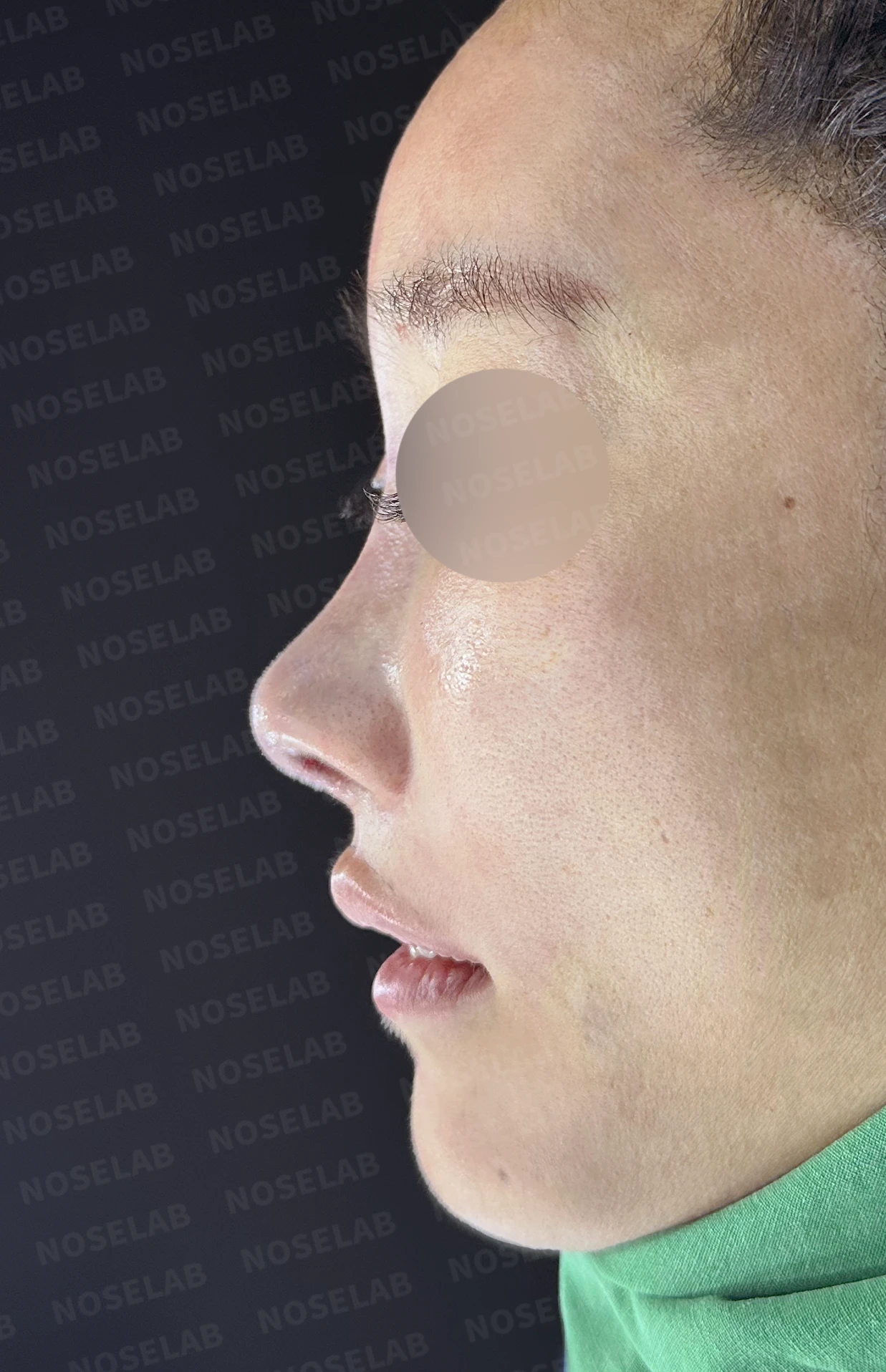
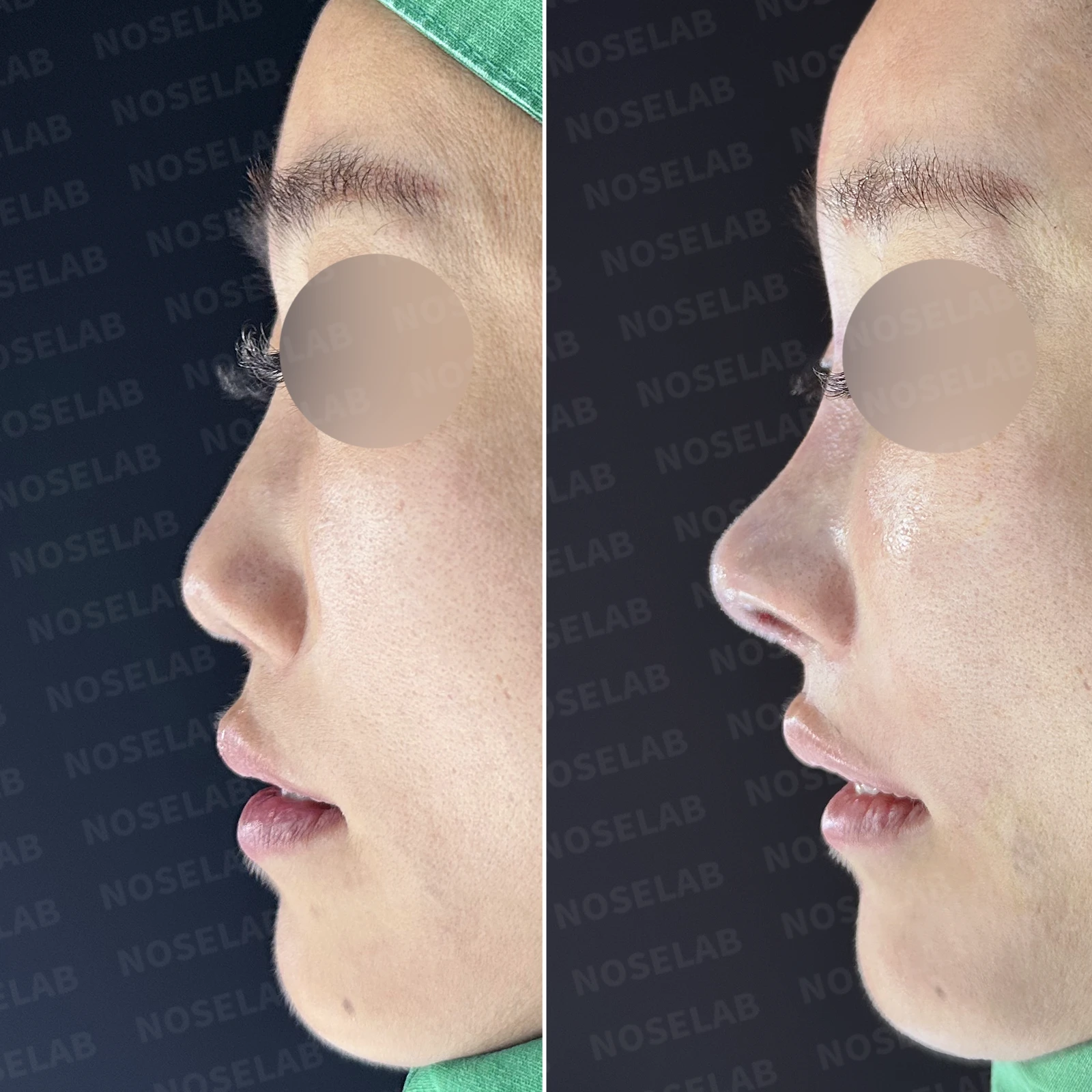
Before surgery / Day 0 immediately after surgery Photos taken immediately after surgery show swelling and may differ from the final result.
Profile changes:
A smooth nasal bridge line
An appropriate nasal tip angle
Natural nasolabial angle
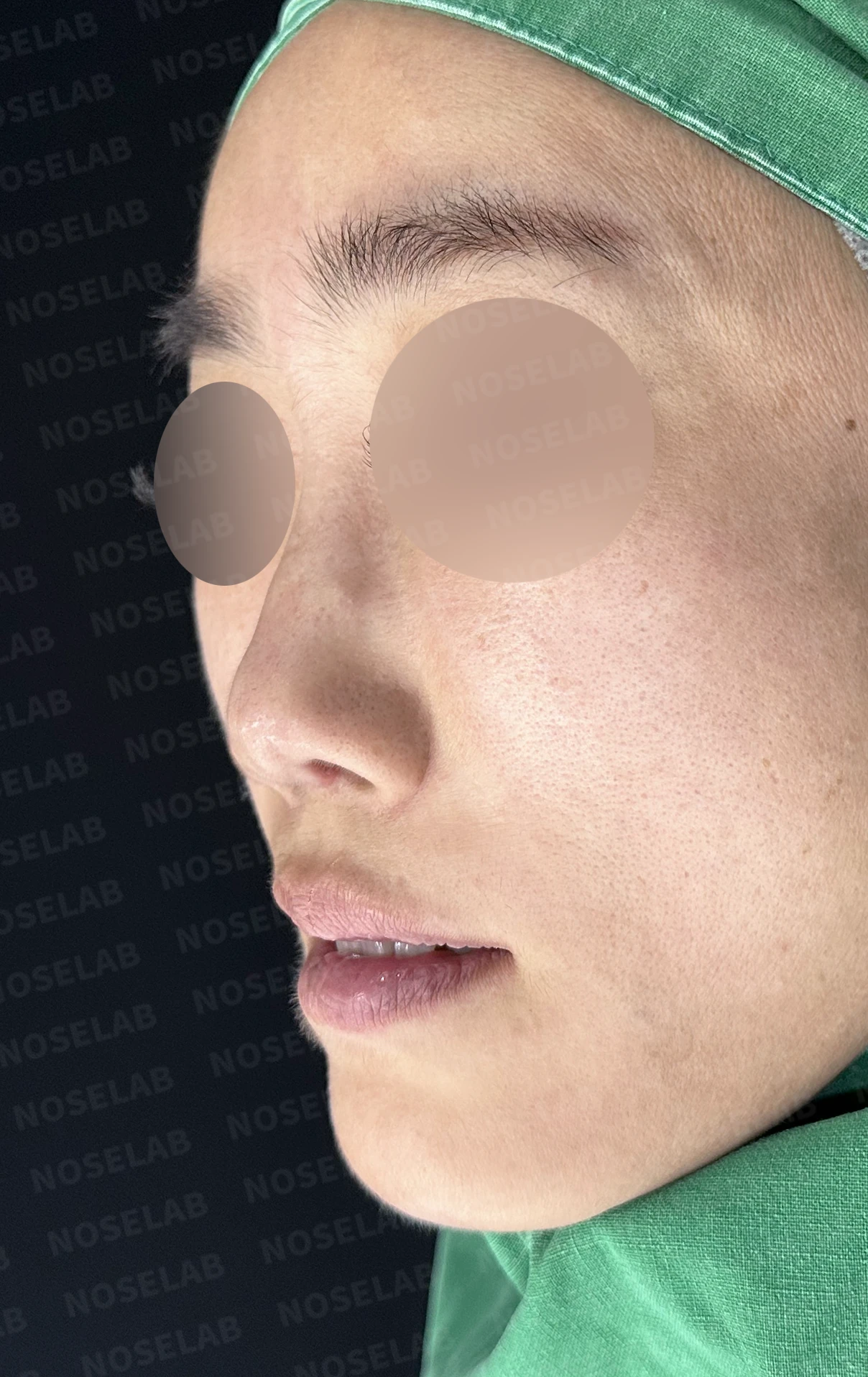
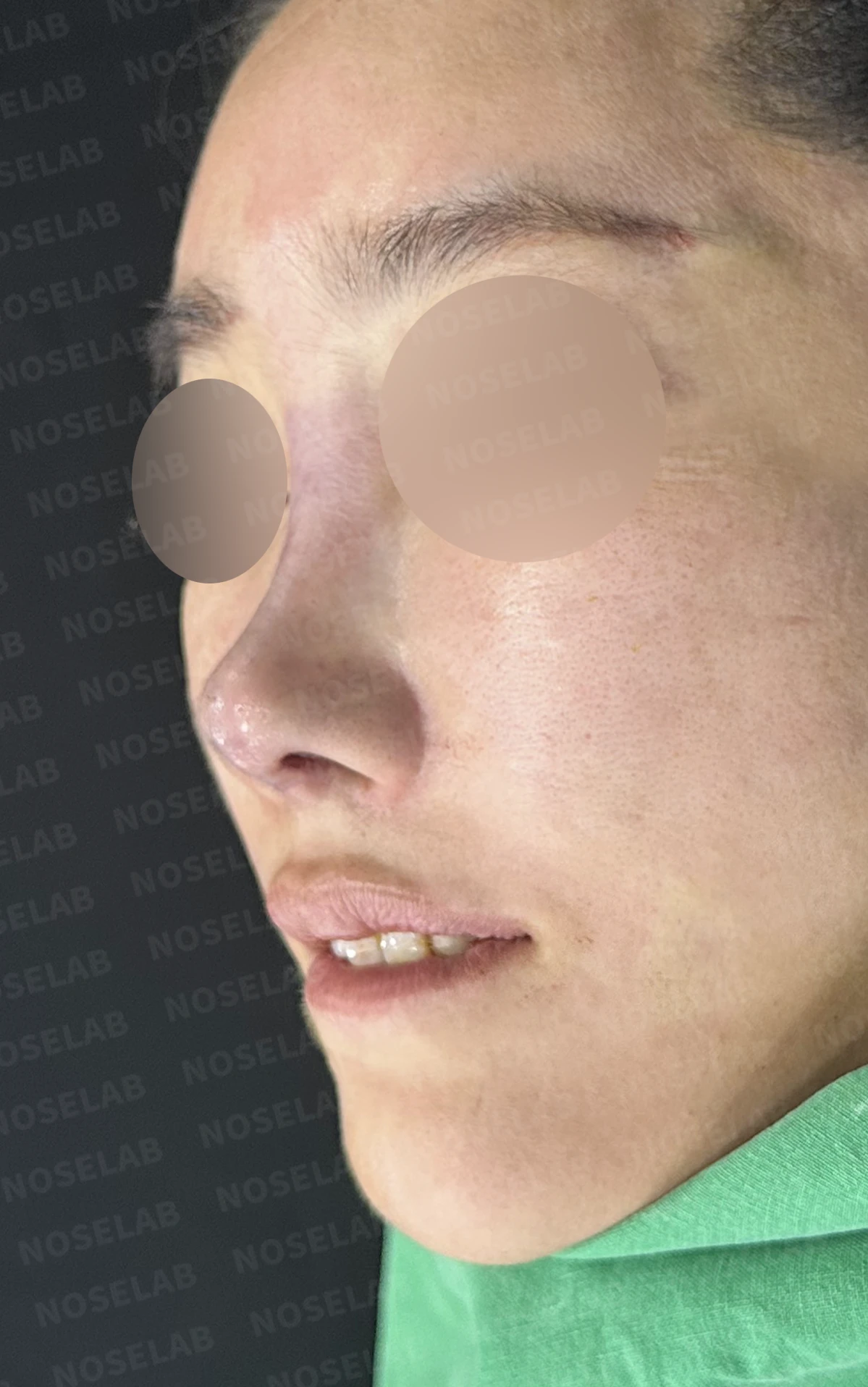
Before surgery / Day 0 immediately after surgery Photos taken immediately after surgery show swelling and may differ from the final result.
Nostril changes:
Symmetric nostril shape
A stable columella line
A well-balanced nasal tip structure
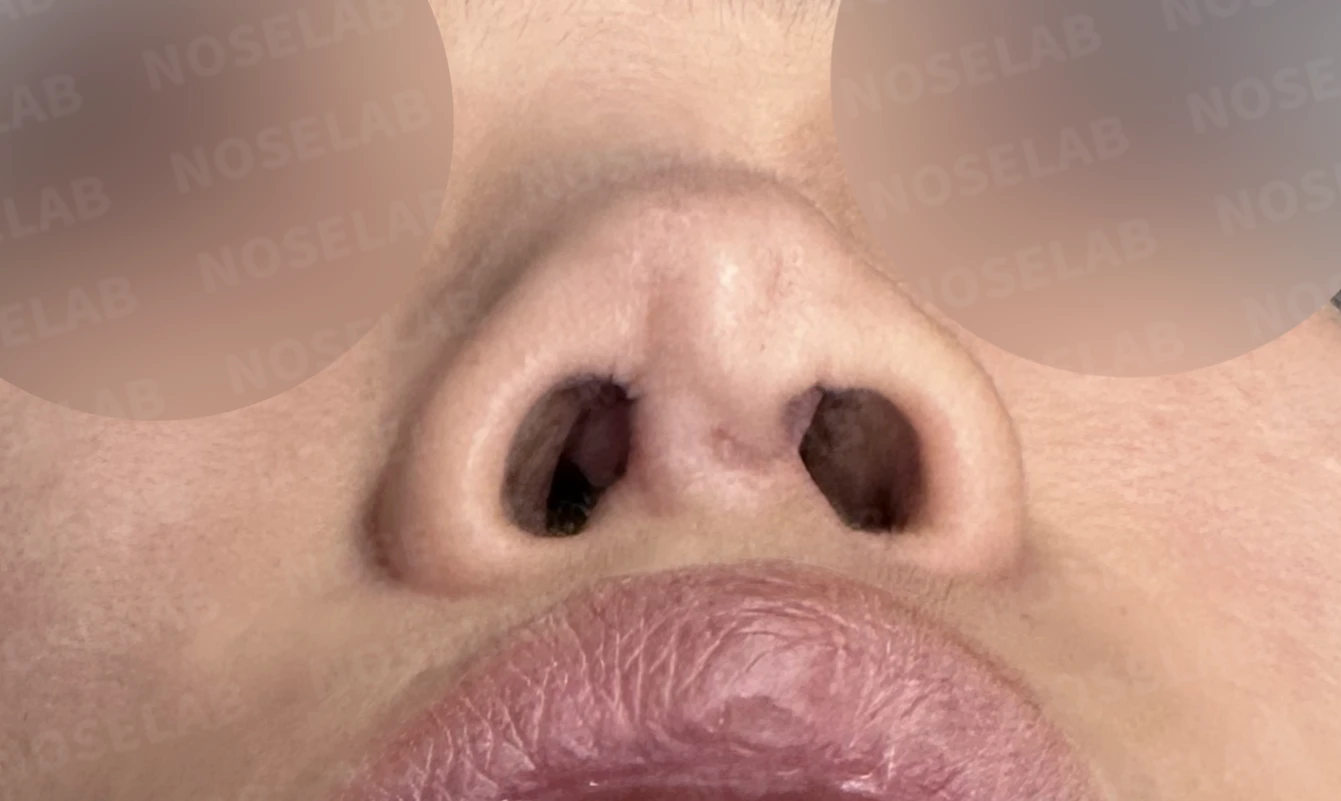
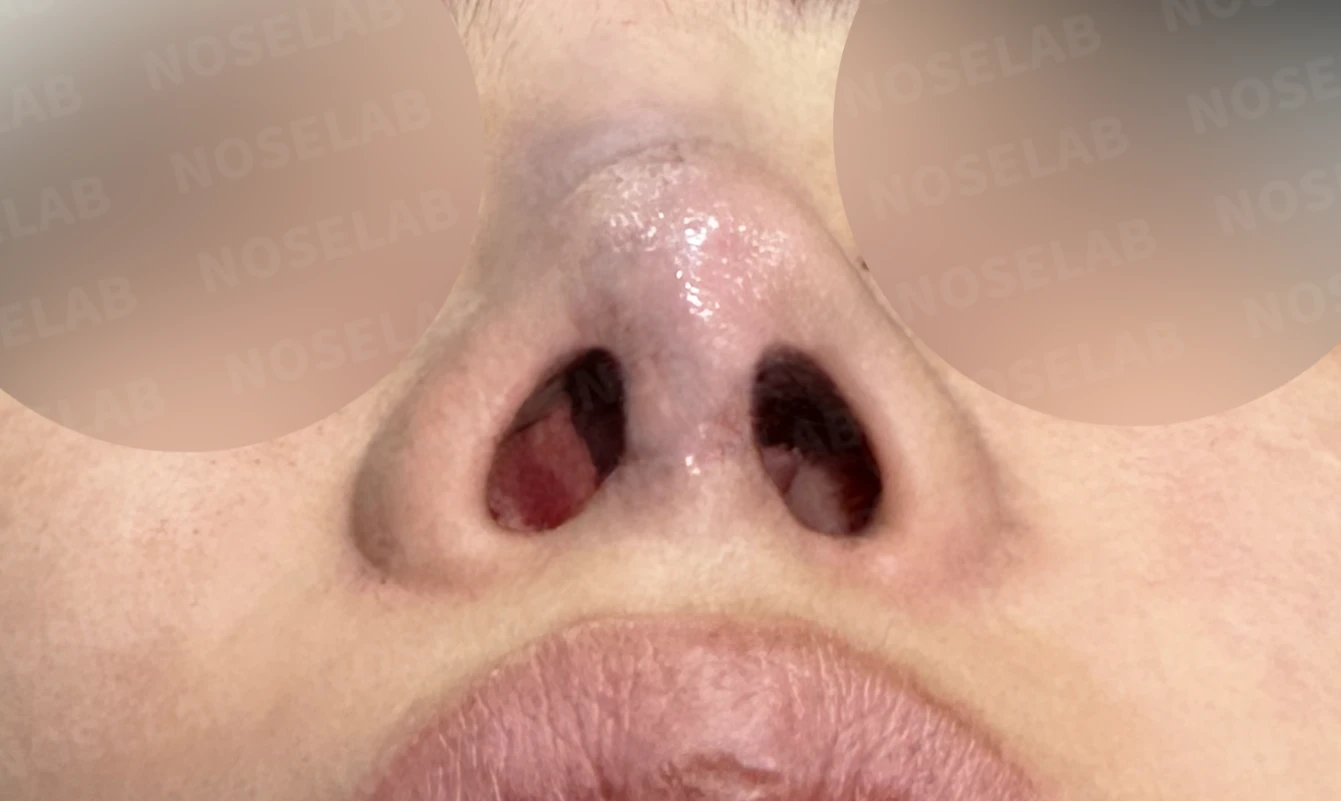
Before surgery / Day 0 immediately after surgery Photos taken immediately after surgery show swelling and may differ from the final result.
💡 Specialist opinion
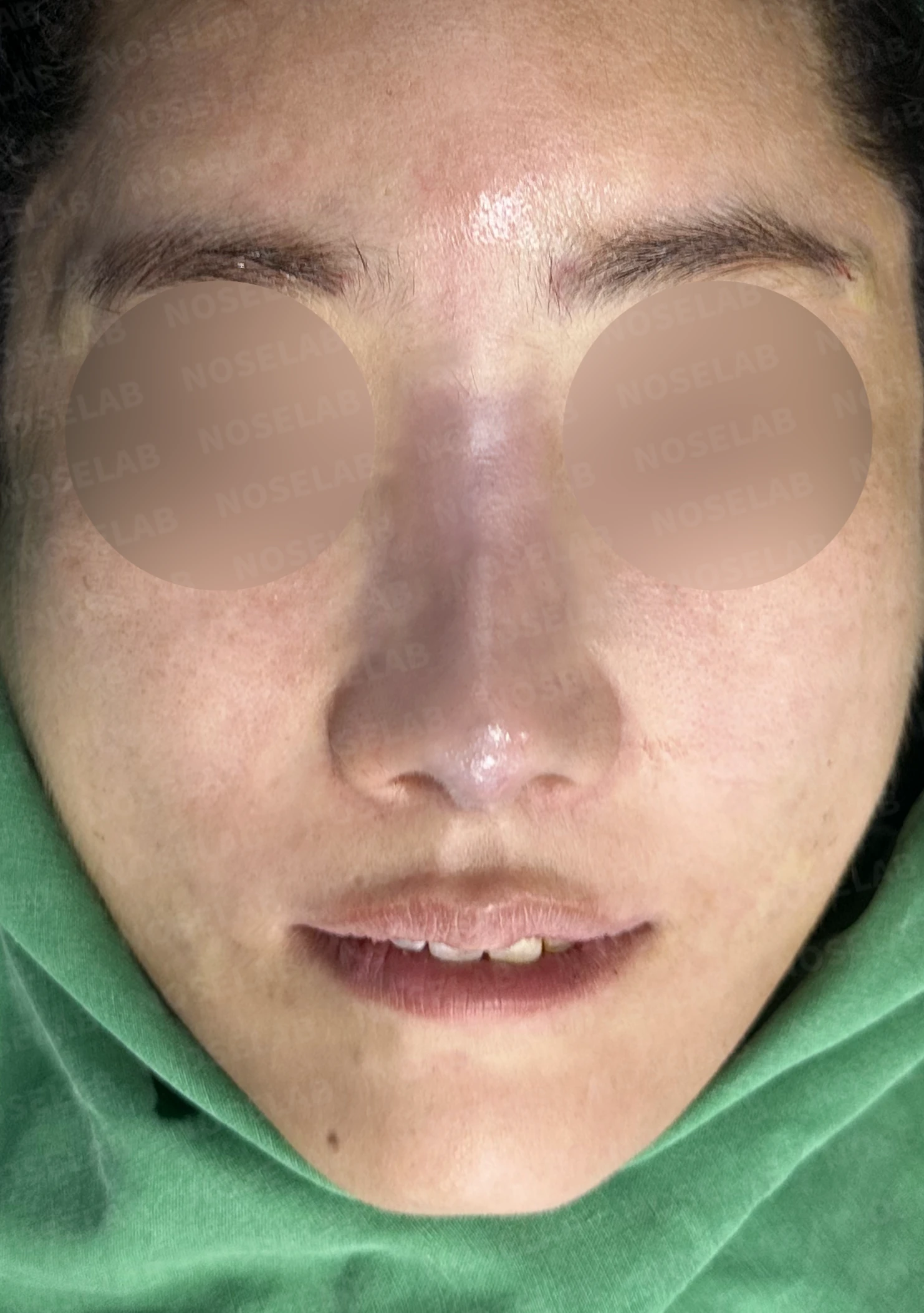
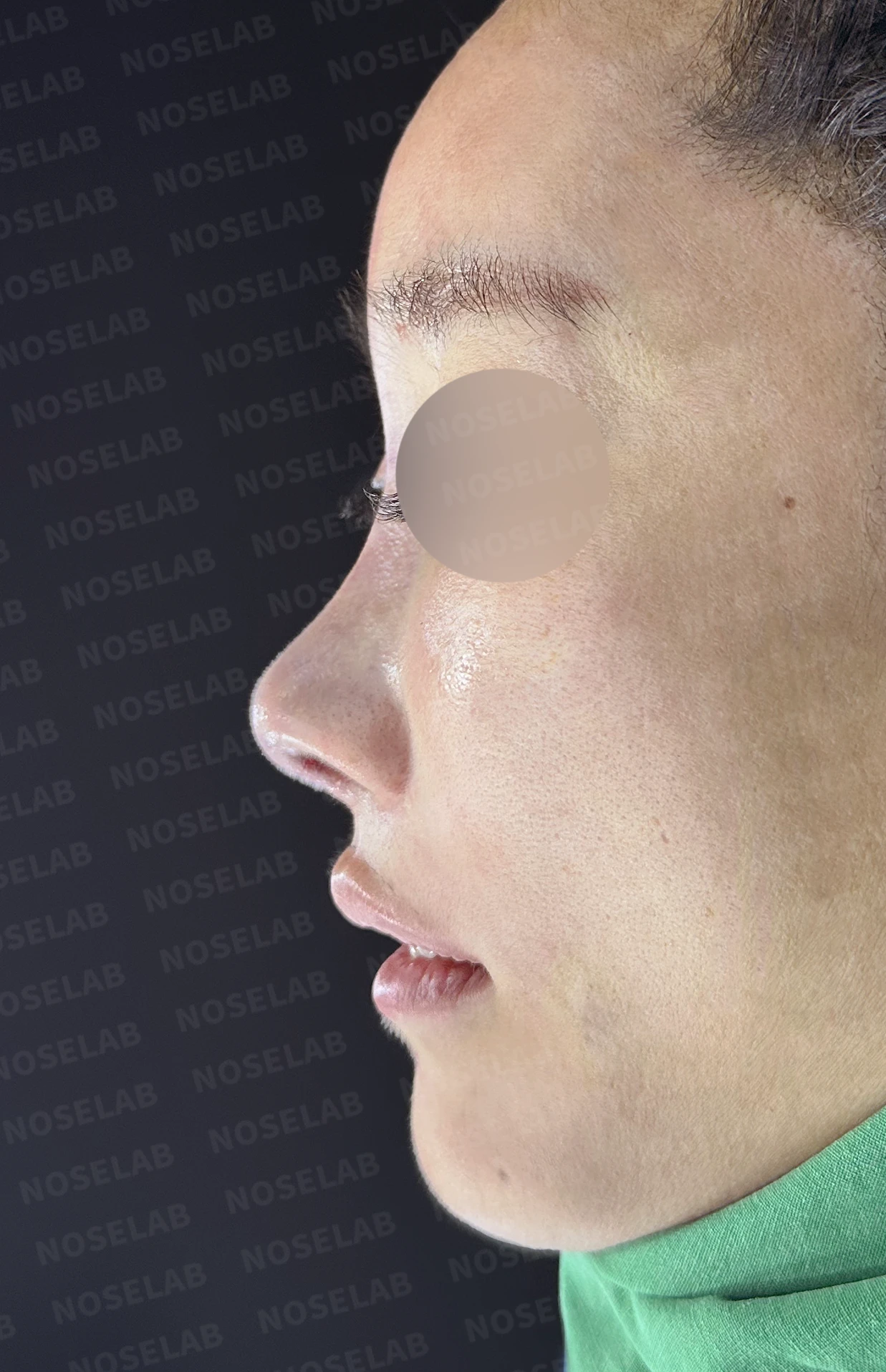
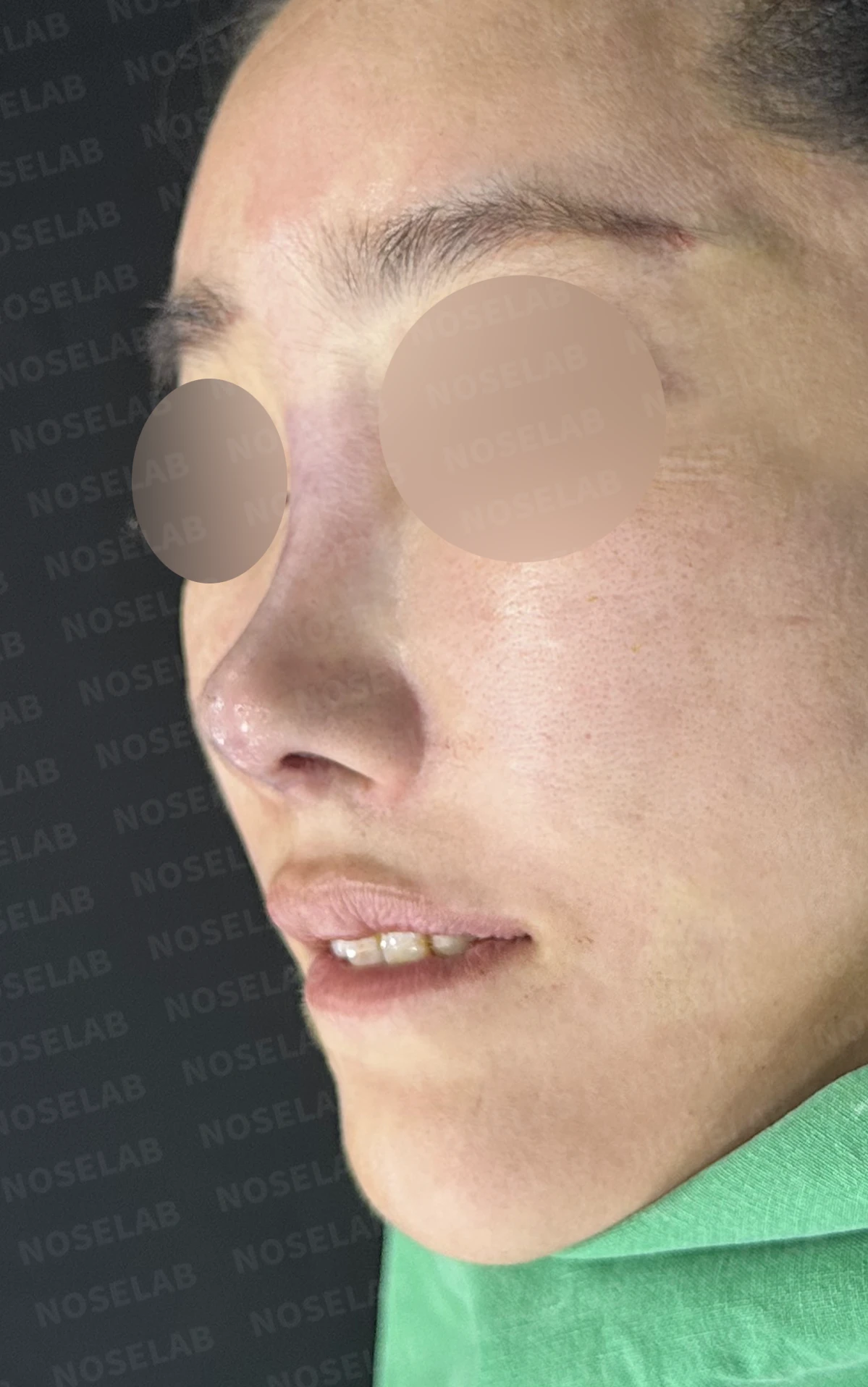
Front, oblique, and profile views on day 0 immediately after surgery. Photos taken immediately after surgery show swelling and may differ from the final result.
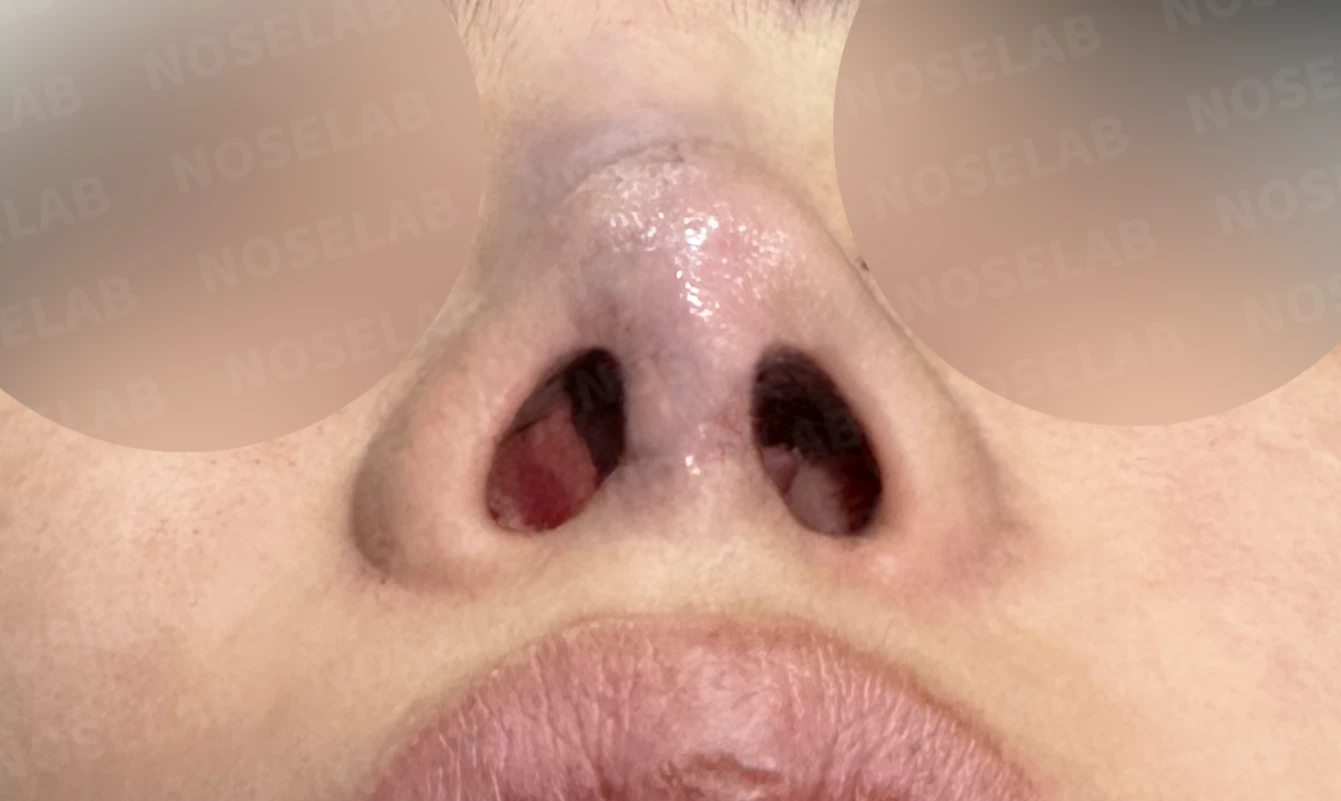
Nostril view on day 0 immediately after surgery. Photos taken immediately after surgery show swelling and may differ from the final result.
Cases of this nature represent highly demanding revision rhinoplasty in many respects.
The greatest challenges:
1. Removal of illegal foreign materials
Substances from unauthorized injections in the nasal bridge must be removed. If left untreated, they can lead to severe complications such as inflammation, skin necrosis, and nasal deformity. Complete removal was the top priority.
2. Depletion of septal cartilage
After two previous surgeries, almost no septal cartilage remained. The septum acts like the central pillar of the nose; losing it is like having a house without its central support pillar. Therefore, it had to be rebuilt from scratch using autologous rib cartilage.
3. Extremely thin and compromised skin
Due to repeated operations and foreign material injections, the skin was very thin and severely contracted. In such cases, one must respect the limits of what the skin envelope can tolerate, as attempting excessive height can cause greater complications.
4. The importance of a staged approach
In this surgery, we prioritized stability and took a conservative approach. Allowing the newly reconstructed septum and supporting structures to heal securely is paramount.
If the patient desires a higher profile in the future, further refinements can be considered after 6 months once the reconstructed tissues have completely stabilized. This strategy is far safer and yields better results than attempting an overly aggressive single operation.
The dangers of illegal cosmetic procedures:
Through cases like this, I want to emphasize once again the serious risks of illegal procedures. Unauthorized injections and illegal fillers may not seem problematic initially, but complications inevitably arise over time.
Inflammation and infection
Migration and deformation of the foreign substance
Skin damage and necrosis
Considerations during removal surgery
Procedures should only be performed at officially licensed medical institutions using materials approved by the Ministry of Food and Drug Safety.
A systematic approach is the answer for complex revision rhinoplasty:
Accurate diagnosis: Understanding the precise current condition
Setting priorities: Determining what to resolve first
Safety first: Placing structural stability ahead of pure aesthetics
A staged approach: Dividing treatment into stages when necessary
Adequate recovery period: Allowing sufficient time for tissues to stabilize
I will continue to address my patients' concerns with this systematic approach planned with safety in mind. I hope this helps those with similar concerns. This was Dr. Peter C. Kang, Medical Director. Thank you.
#closedrhinoplasty #closedrevisionrhinoplasty #revisionrhinoplasty #foreignmaterialremoval #septalreconstruction #autologousribcartilage #contracturecorrection #illegalinjectionremoval #complexrevisionrhinoplasty #safelyplannedrhinoplasty

Limitations and risks
When autologous rib cartilage is used, scarring and pain may remain at the donor site on the chest, and pneumothorax (pleural injury) can occur rarely. Over time, the grafted cartilage may warp or undergo partial resorption.
When revising after implant removal, contracture may progress again after removal, the nasal height and length may decrease, and staged surgery may be necessary depending on the skin condition.
When foreign materials such as injected fillers are removed and reconstructed, contracture may recur, nasal height and length may decrease, and staged surgery may be necessary depending on the skin condition.
When the septum is corrected at the same time, nasal obstruction may persist or recur, and in rare cases, septal perforation or changes in smell may occur.
Common potential risks include infection, bleeding, asymmetry, scarring, skin necrosis, and insufficient improvement; results vary depending on individual skin condition and previous surgical history.