Hello, I am Dr. Peter C. Kang.
Today, I would like to introduce a complex case involving a patient with a history of a nasal fracture sustained during soccer in military service and multiple subsequent revision surgeries.
🔍 Surgical history
- During military service: nasal bone fracture during a soccer match
- 6 years ago: nasal tip and dorsal hump correction using ear cartilage
- 2 years ago: nasal bone fracture reconstruction
- 8 months ago: dorsal hump reduction, silicone implant placement, functional improvement (excluding nasal tip)
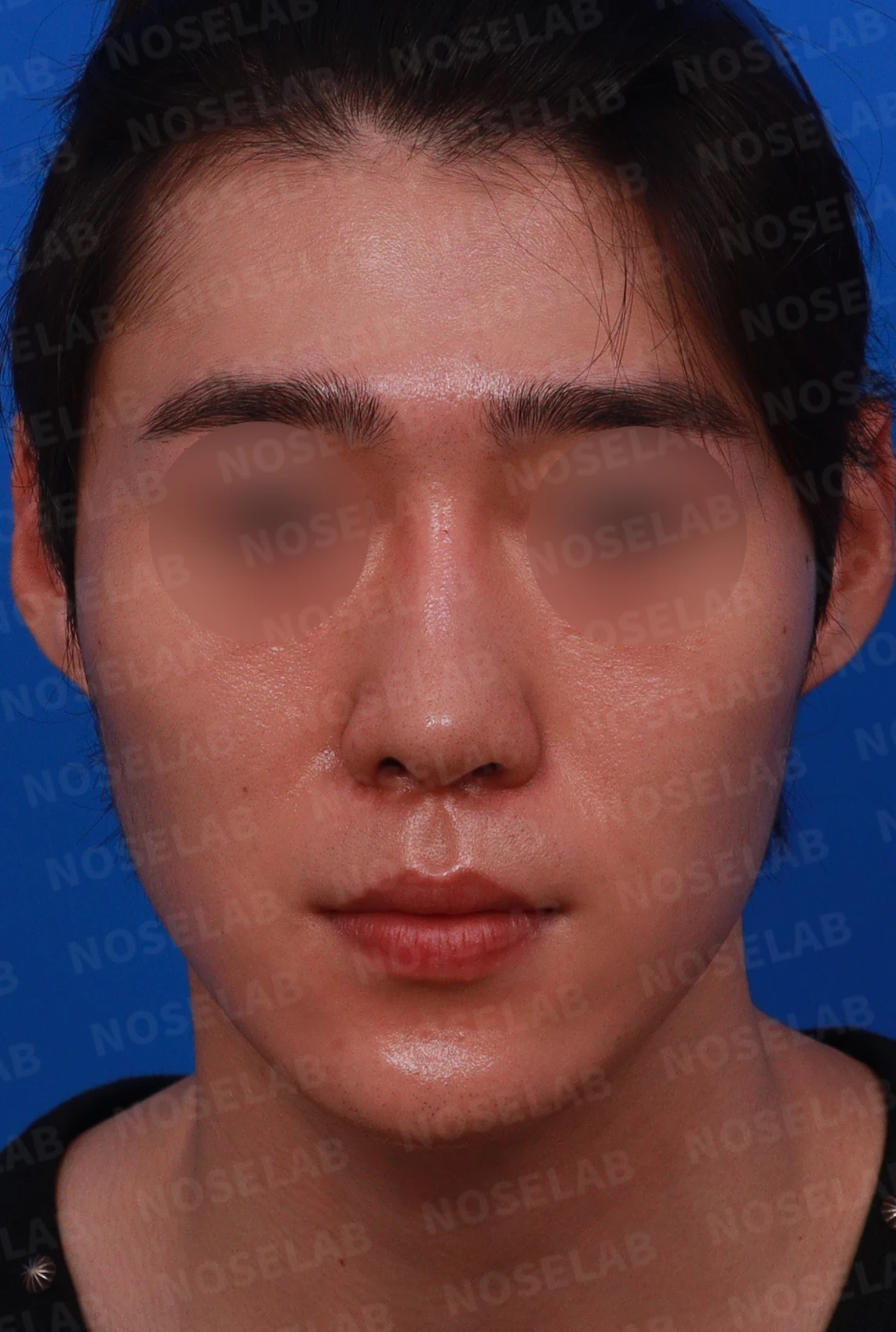
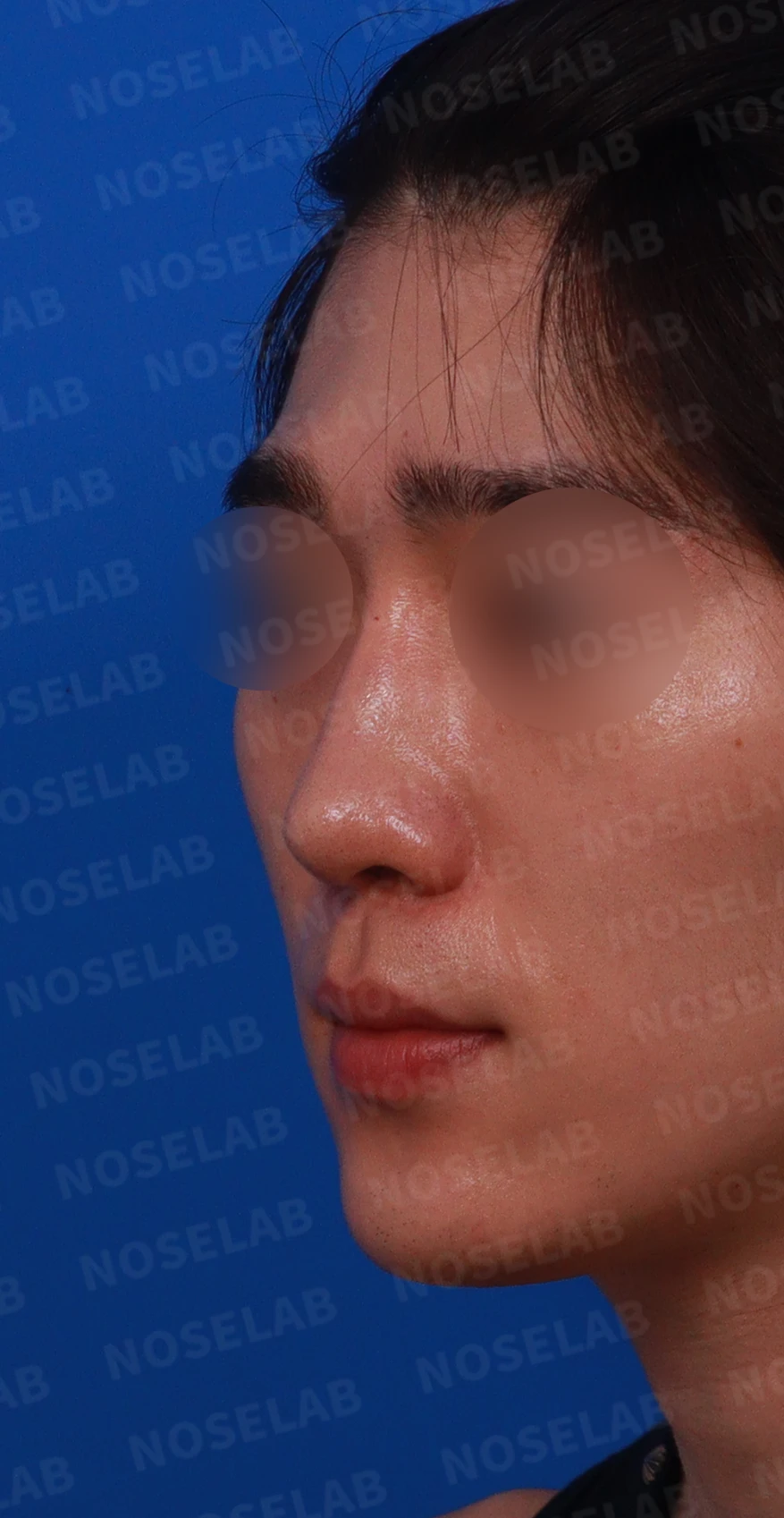
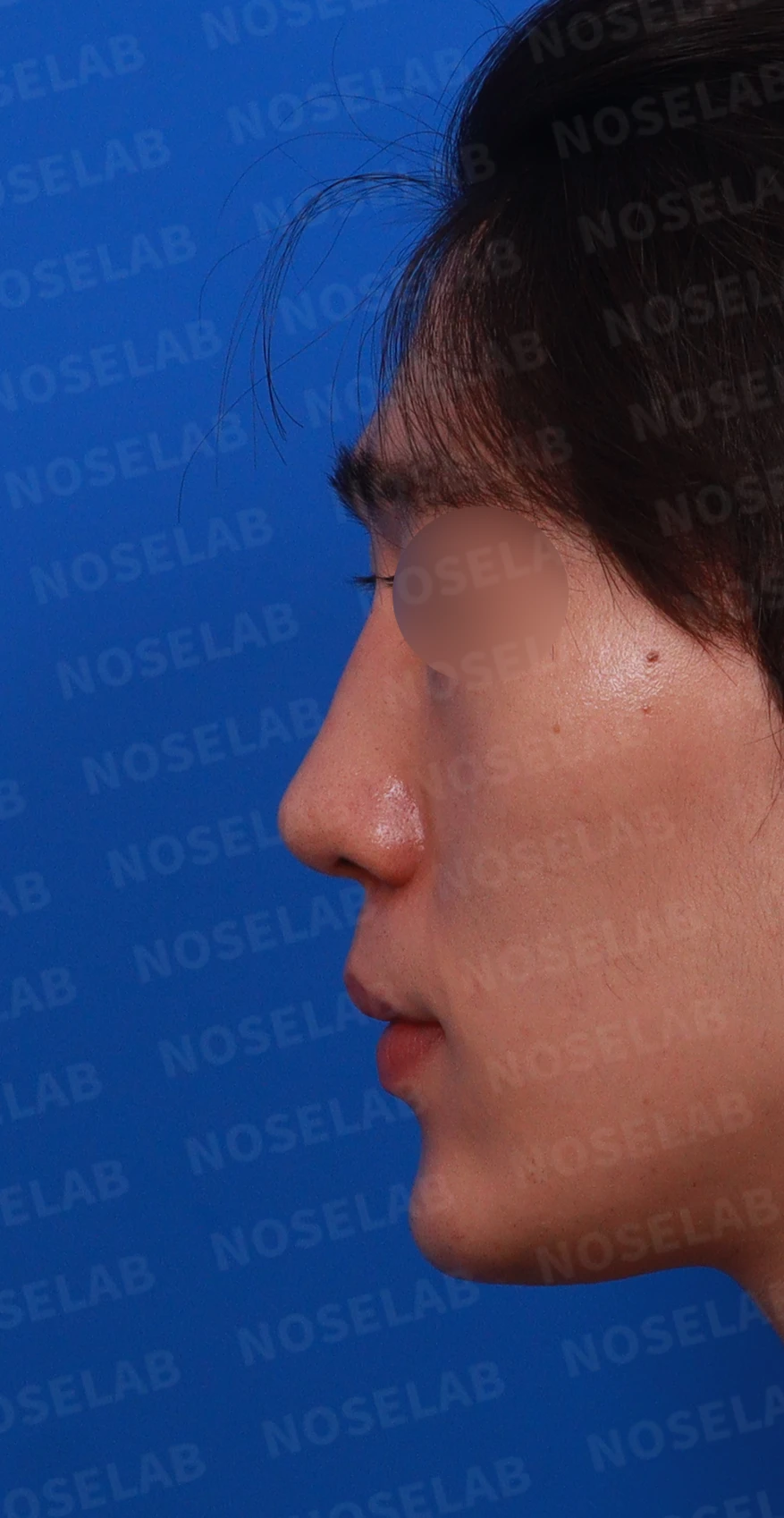
Design consultation: front, left oblique, and profile views.
Patient's requests
- Improvement of internal nasal scar tissue
- Correction of asymmetric nostril shape and an overall increase in nasal height
- Formation of a well-defined nasal bridge line visible from the front view
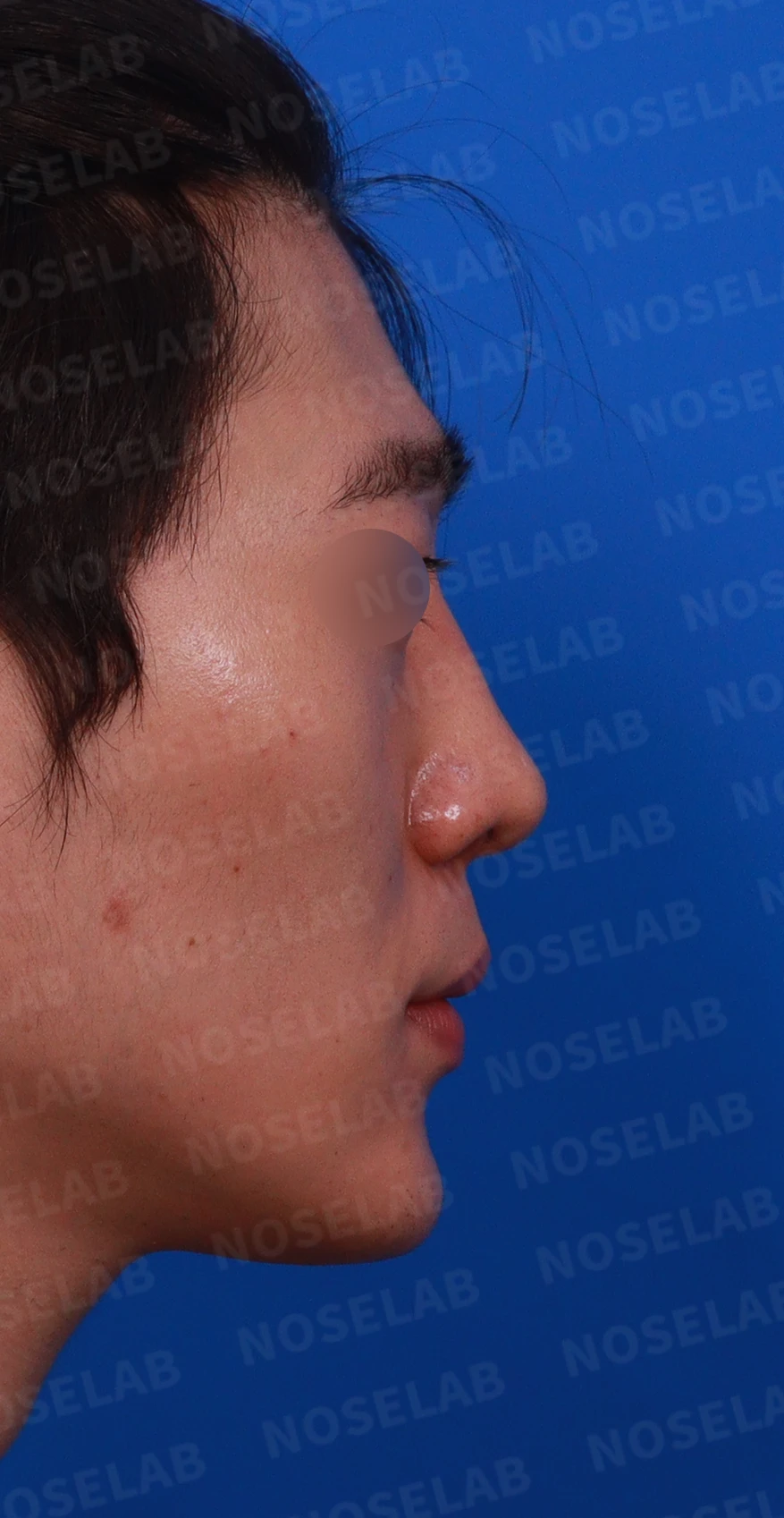
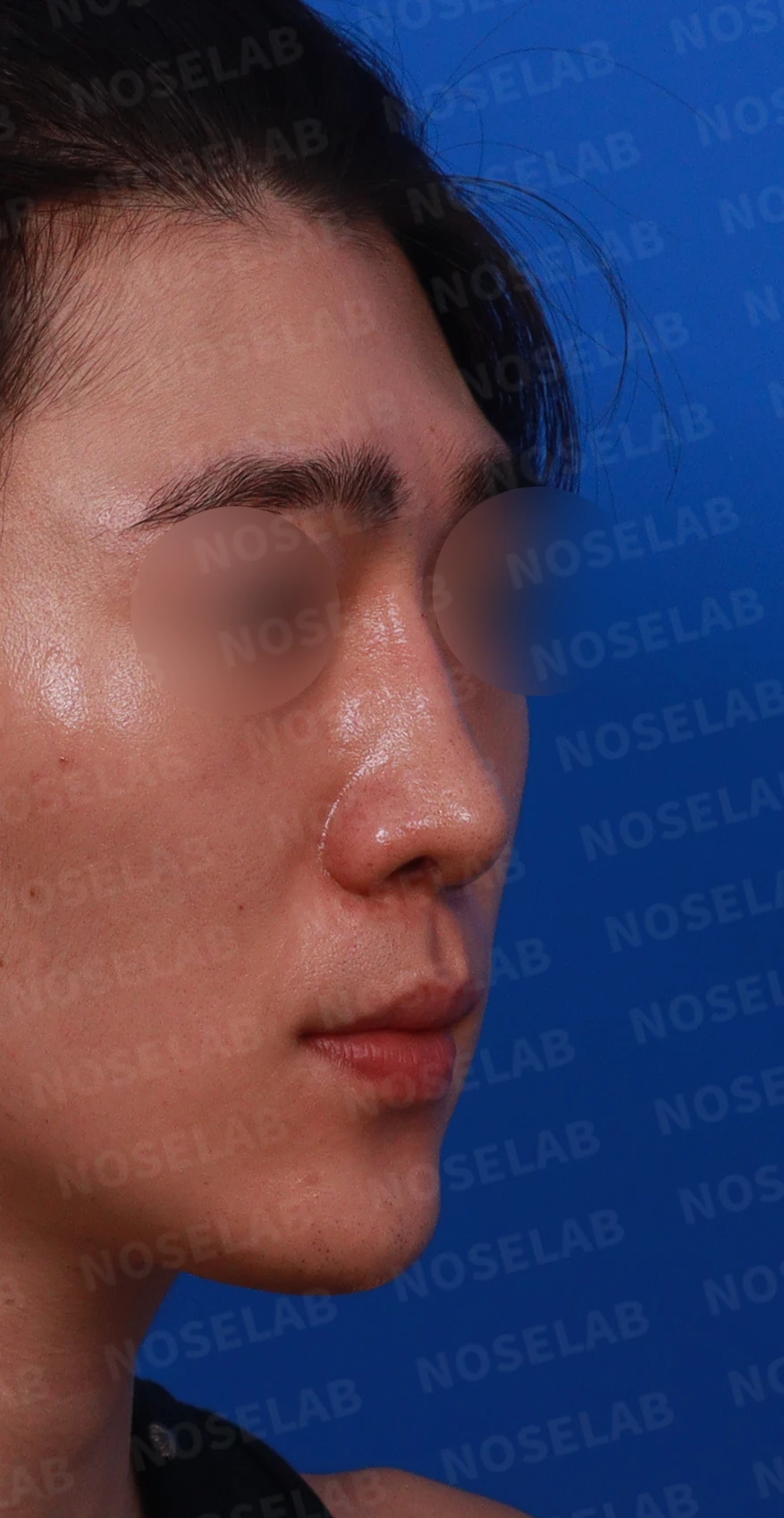
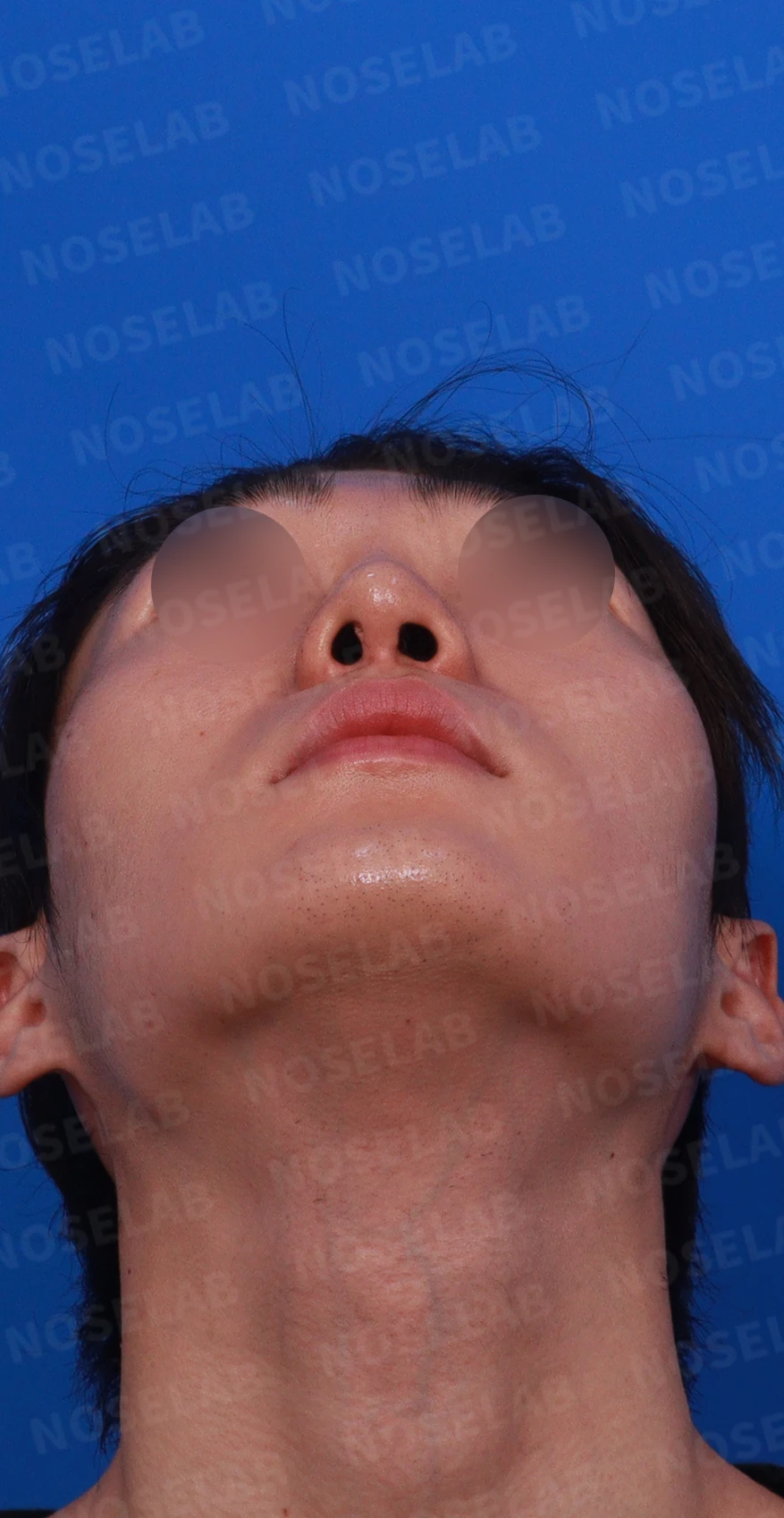
Design consultation: right profile, oblique, and nostril views.
🔧 Surgical plan and procedure
1. Nasal reconstruction using autologous rib cartilage
Removal of the existing silicone implant and replacement with autologous rib cartilage
Reinforcement of the structure weakened by repeated trauma and revisions
Achieving stable and lasting height
2. Septoplasty and reconstructive surgery
Improvement of nasal obstruction caused by a deviated septum
Relief of nasal obstruction symptoms
Restoration of nostril symmetry
3. Nasolabial angle correction
Improvement of the protruding philtrum area
Creation of a natural profile silhouette
Harmony with overall facial proportions
4. Clearing internal scar tissue
Removal of fibrotic tissue caused by repeated revision surgeries
Restoration of normal blood circulation
Minimizing the possibility of future deformities
🌟 Surgical results
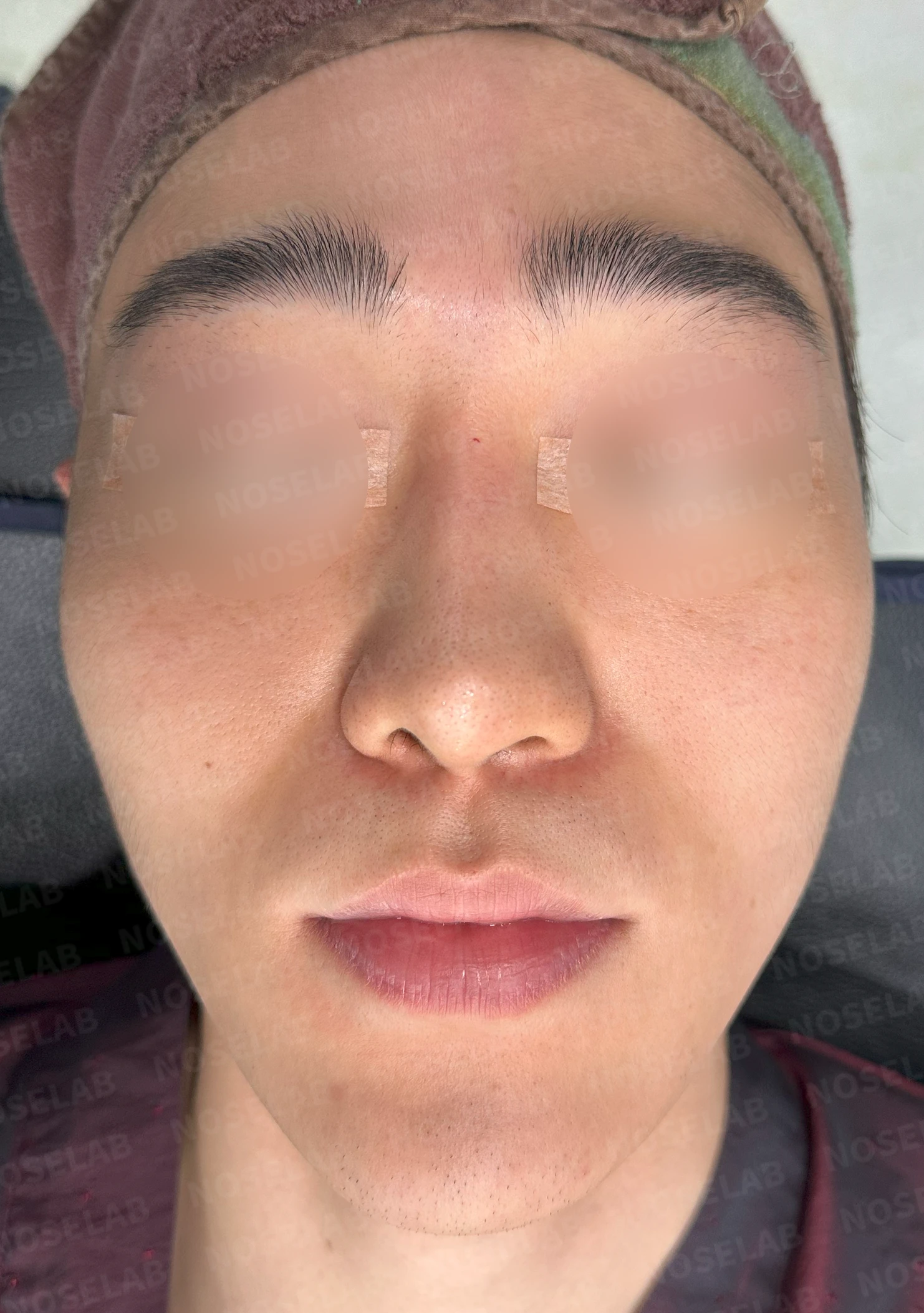
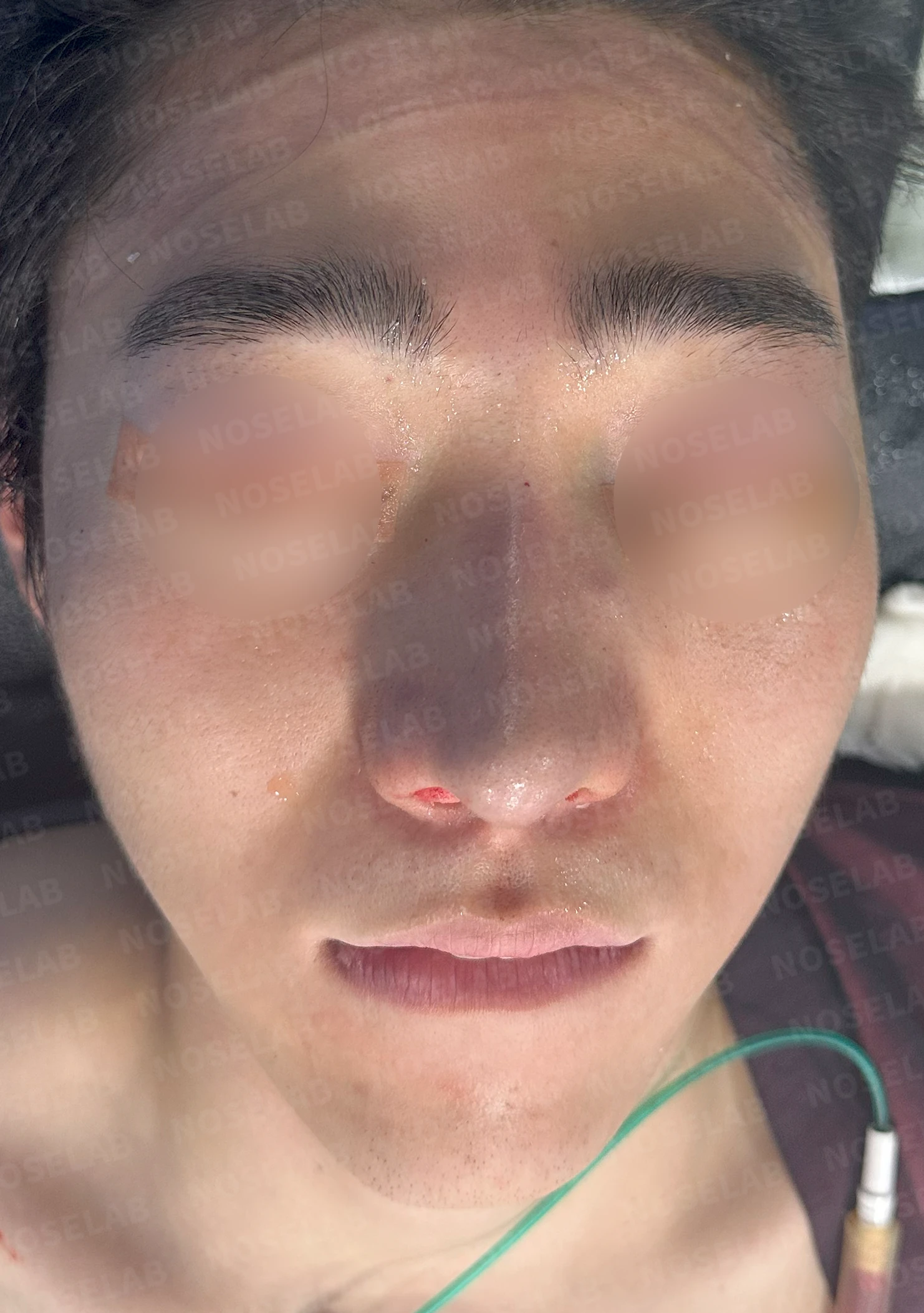
Before surgery / Day 0 immediately after surgery Photos taken immediately after surgery show swelling and may differ from the final result.
1. Securing structural stability
Achieving long-term stability using autologous rib cartilage
Resolution of silicone implant complication risks
Establishing a natural yet distinct height
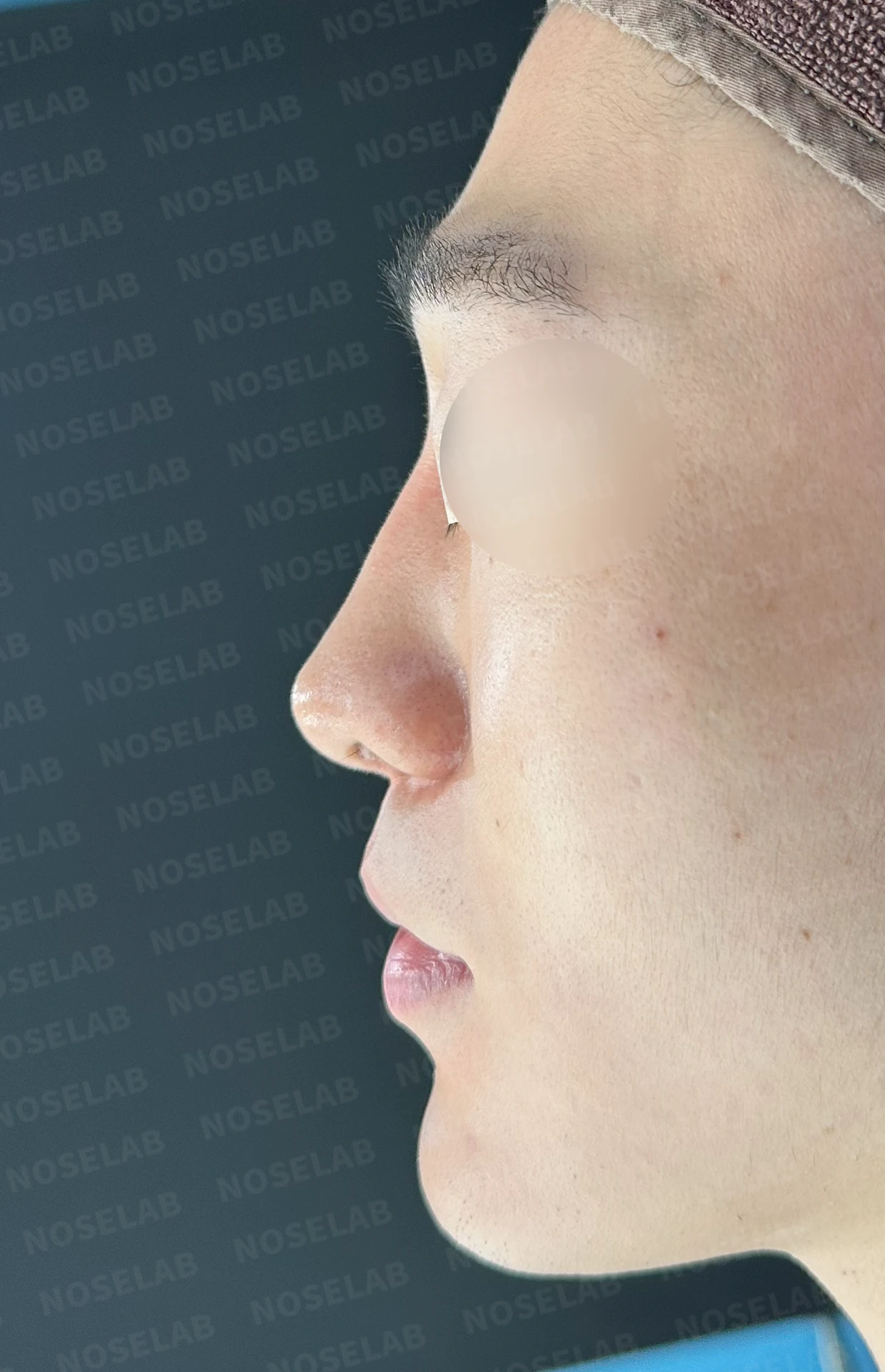
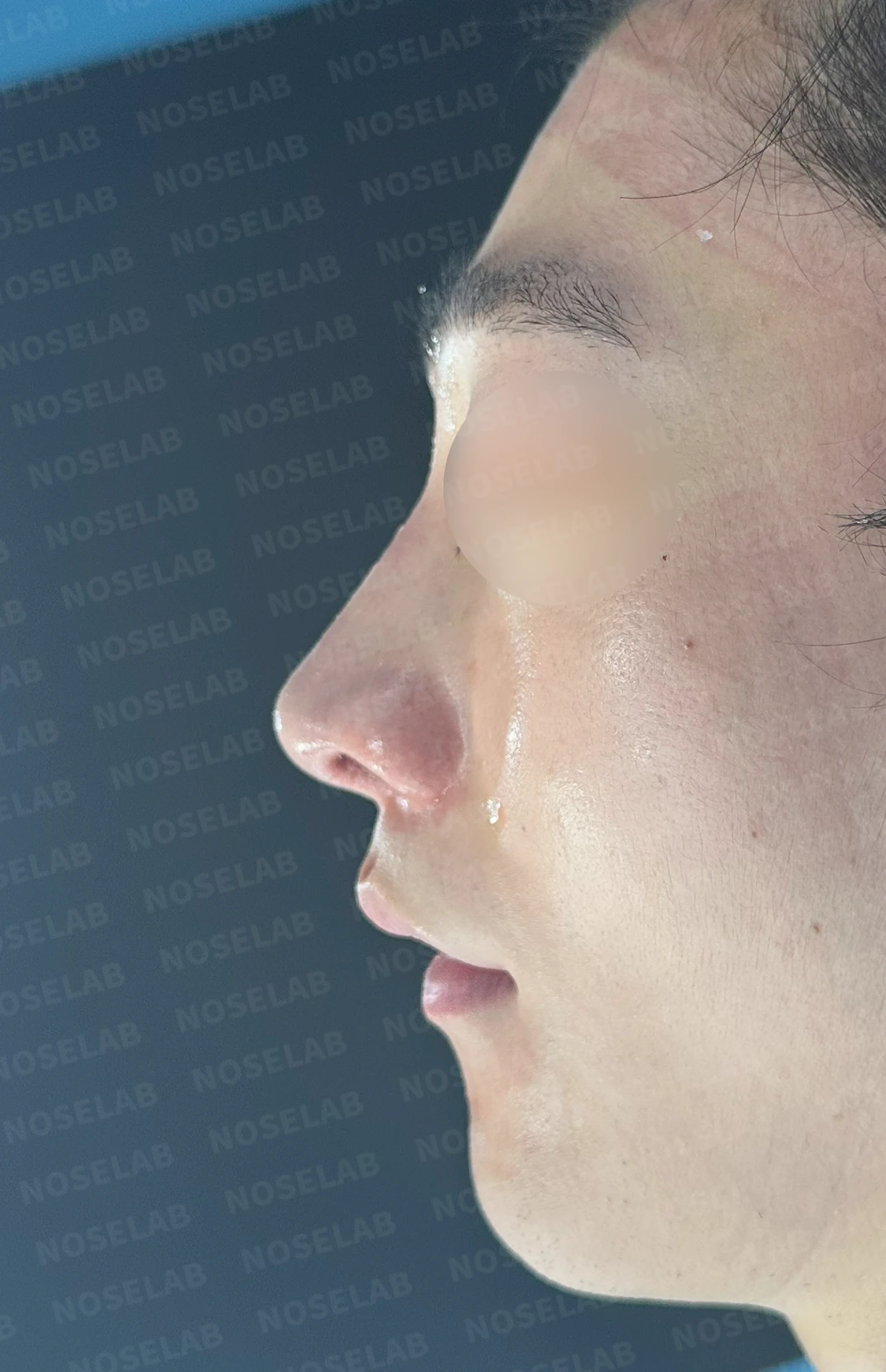
Before surgery / Day 0 immediately after surgery Photos taken immediately after surgery show swelling and may differ from the final result.
2. Functional improvement
Marked improvement in nasal obstruction symptoms
Restoration of nostril symmetry
Overall enhancement of respiratory function
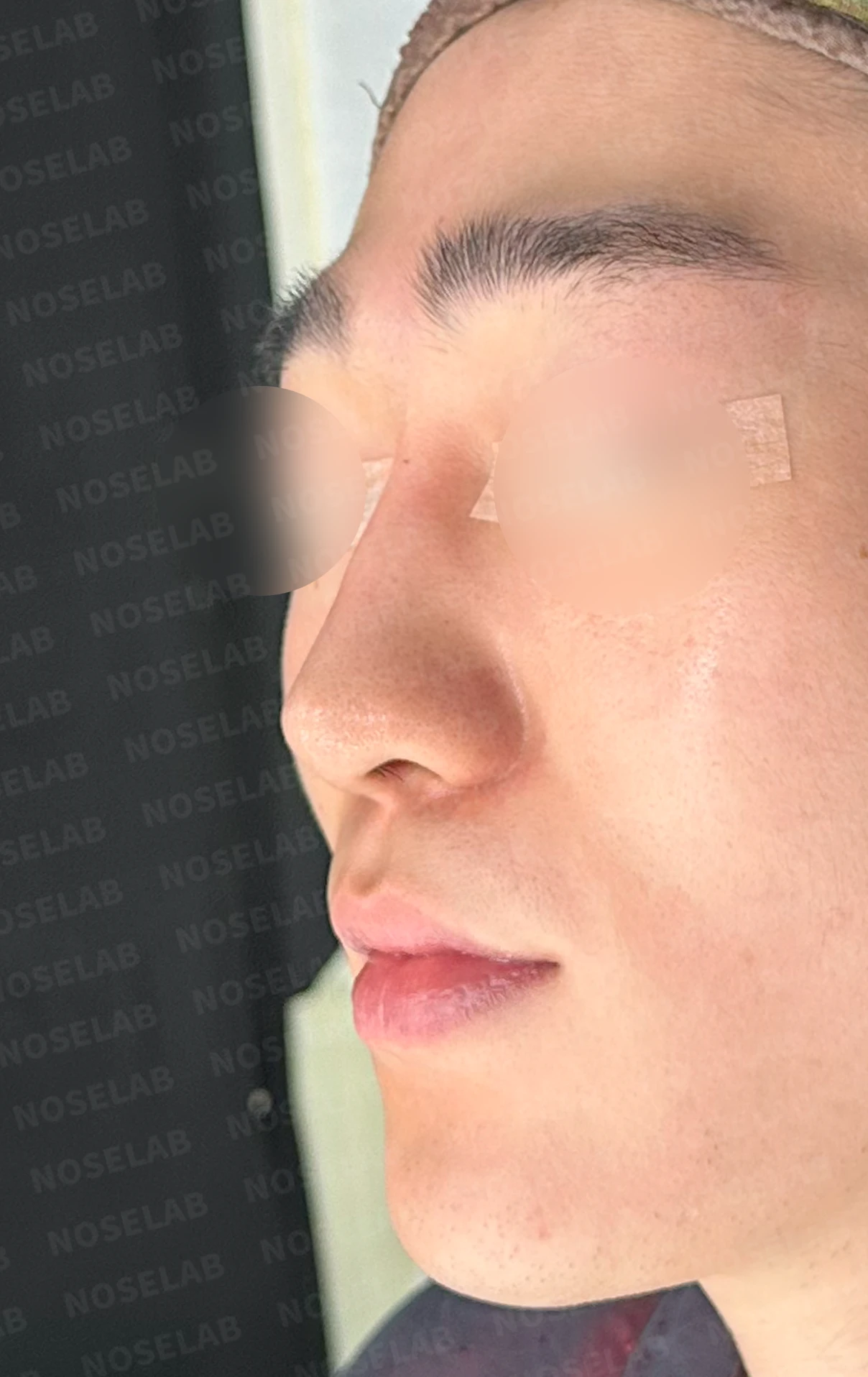
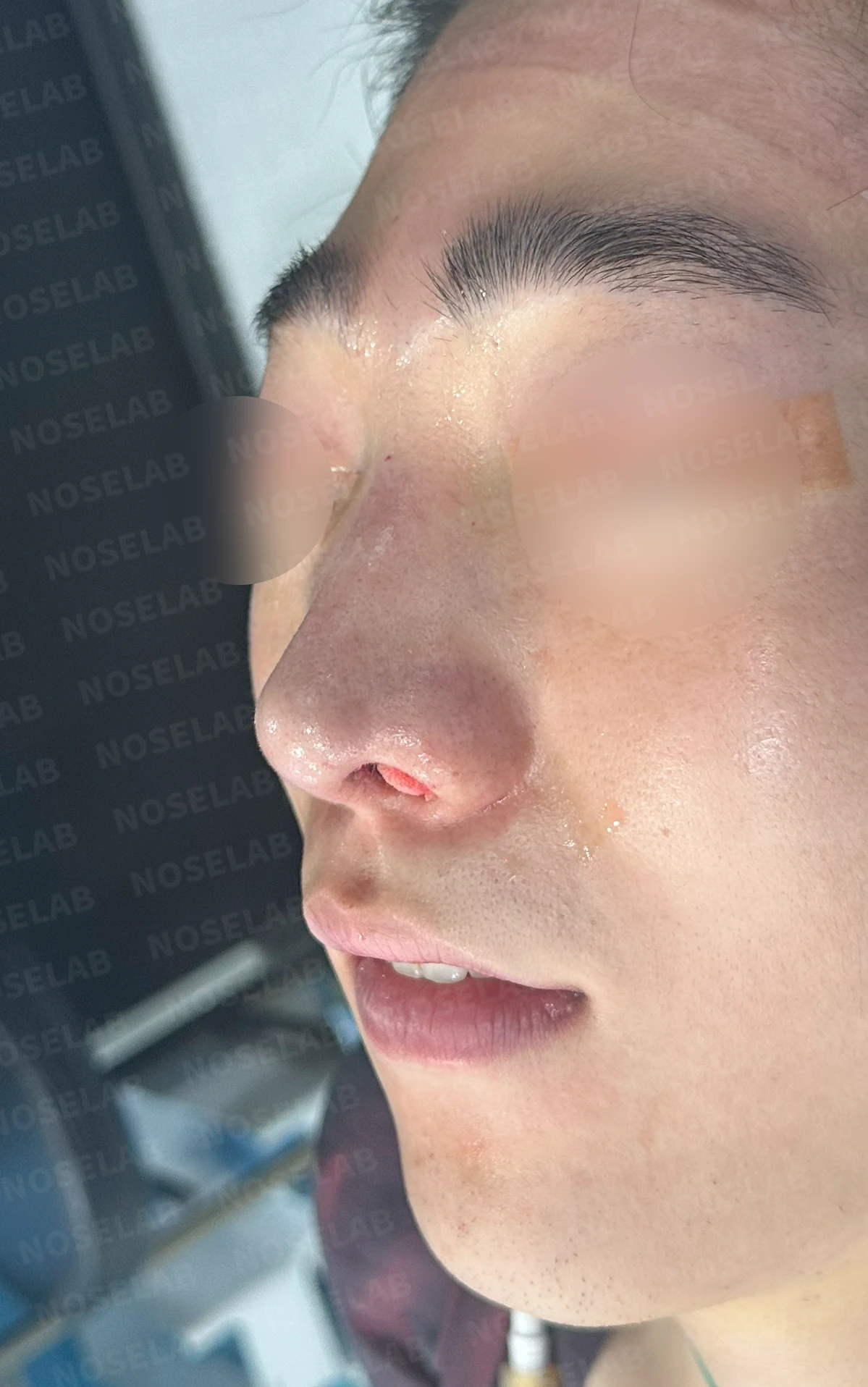
Before surgery / Day 0 immediately after surgery Photos taken immediately after surgery show swelling and may differ from the final result.
3. Aesthetic refinement
A clearly defined nasal bridge line from the front view
A natural curve on the profile view
Harmony with the overall face
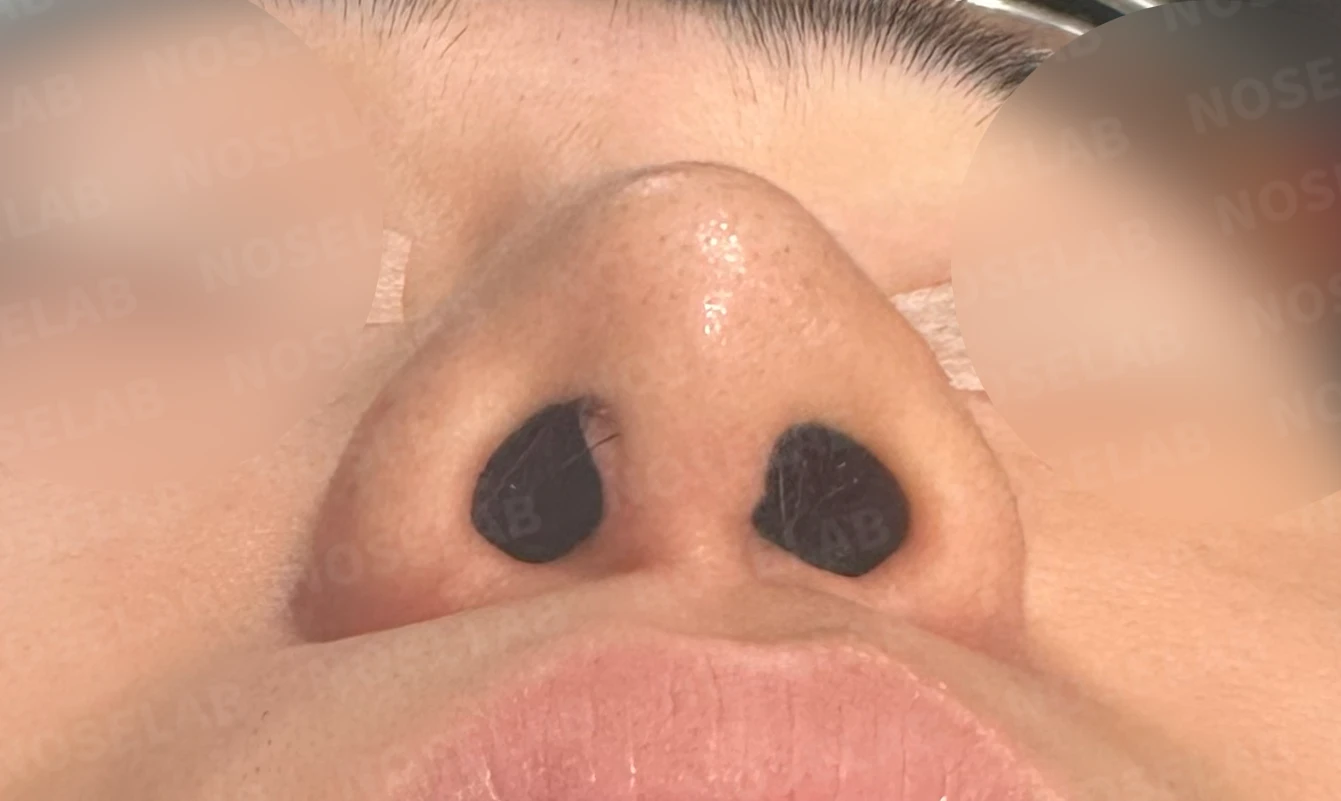
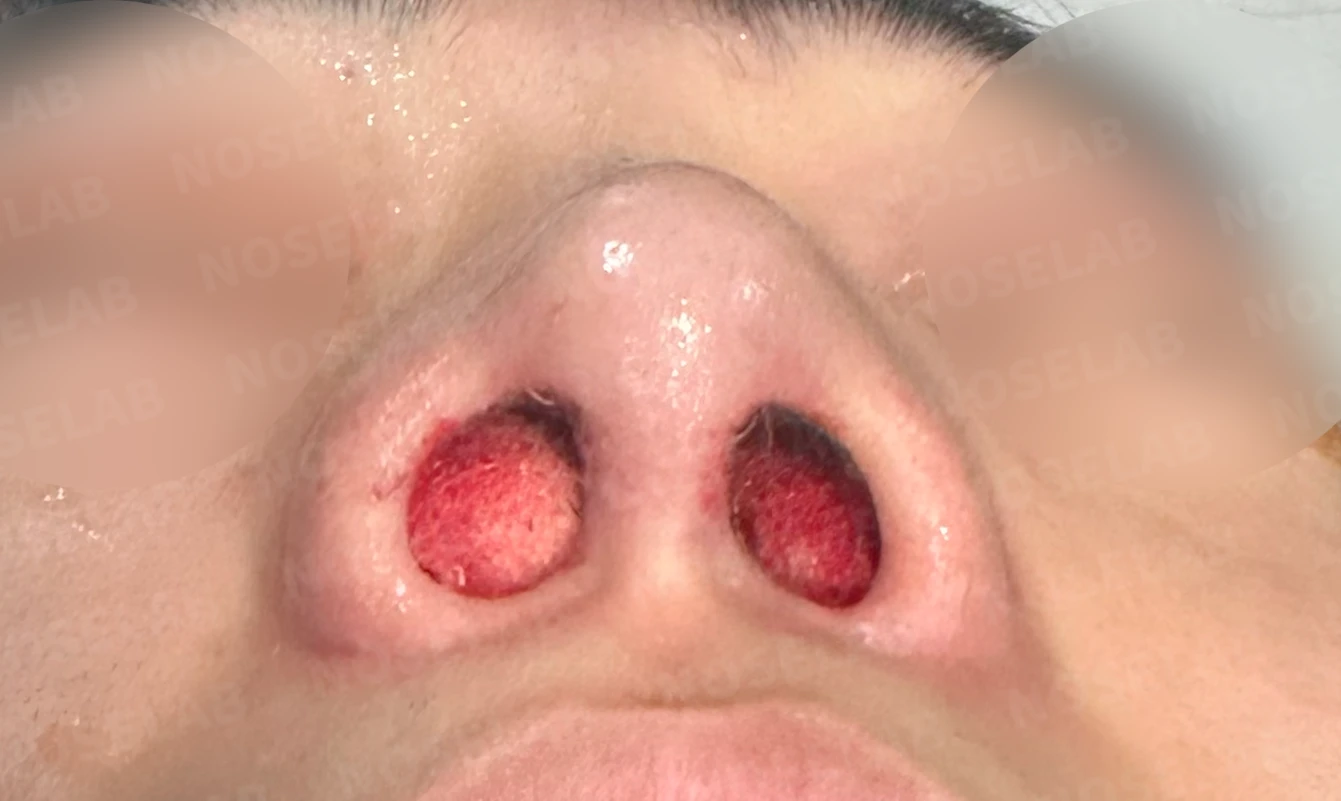
Before surgery / Day 0 immediately after surgery Photos taken immediately after surgery show swelling and may differ from the final result.
💡 Specialist opinion
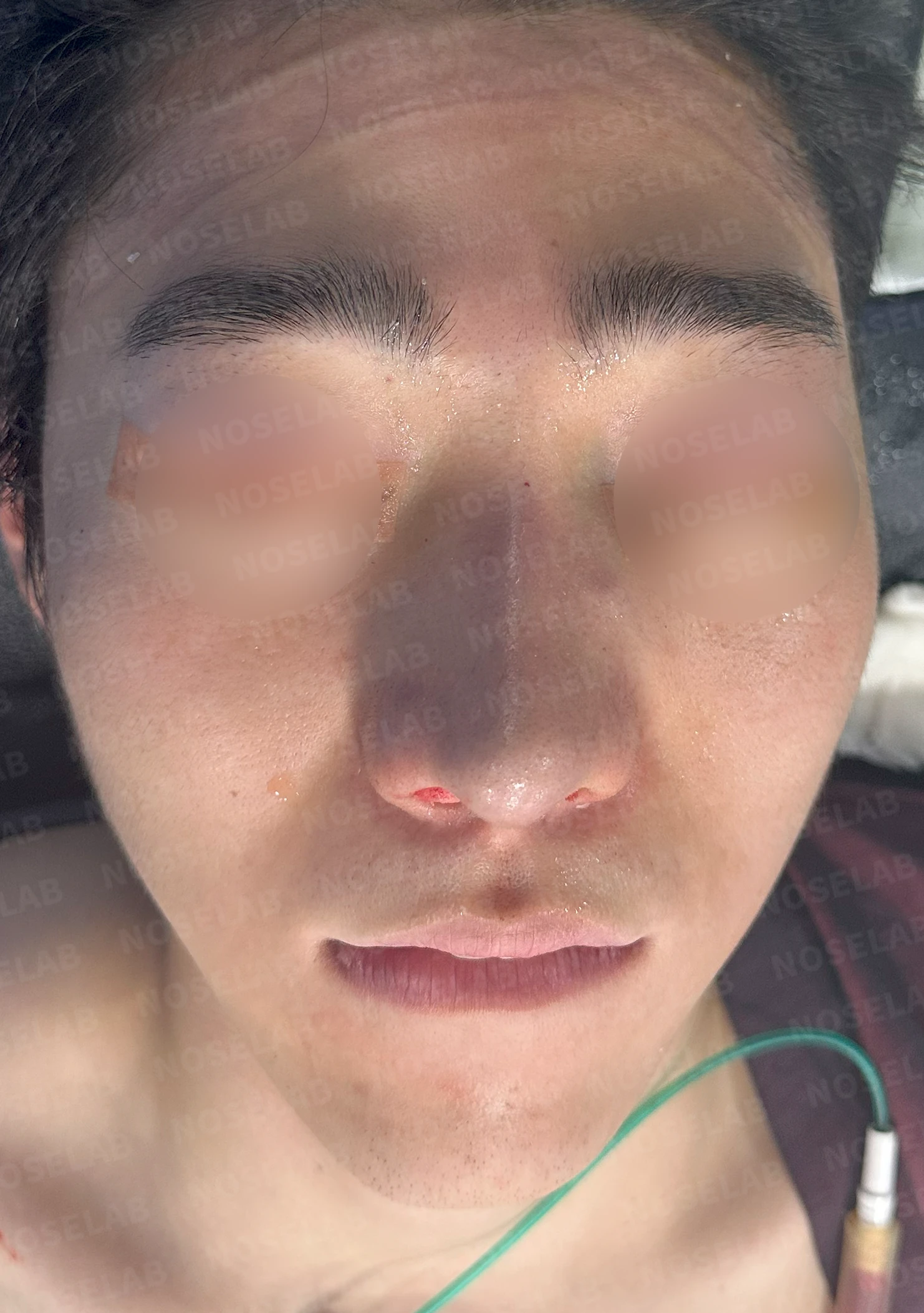
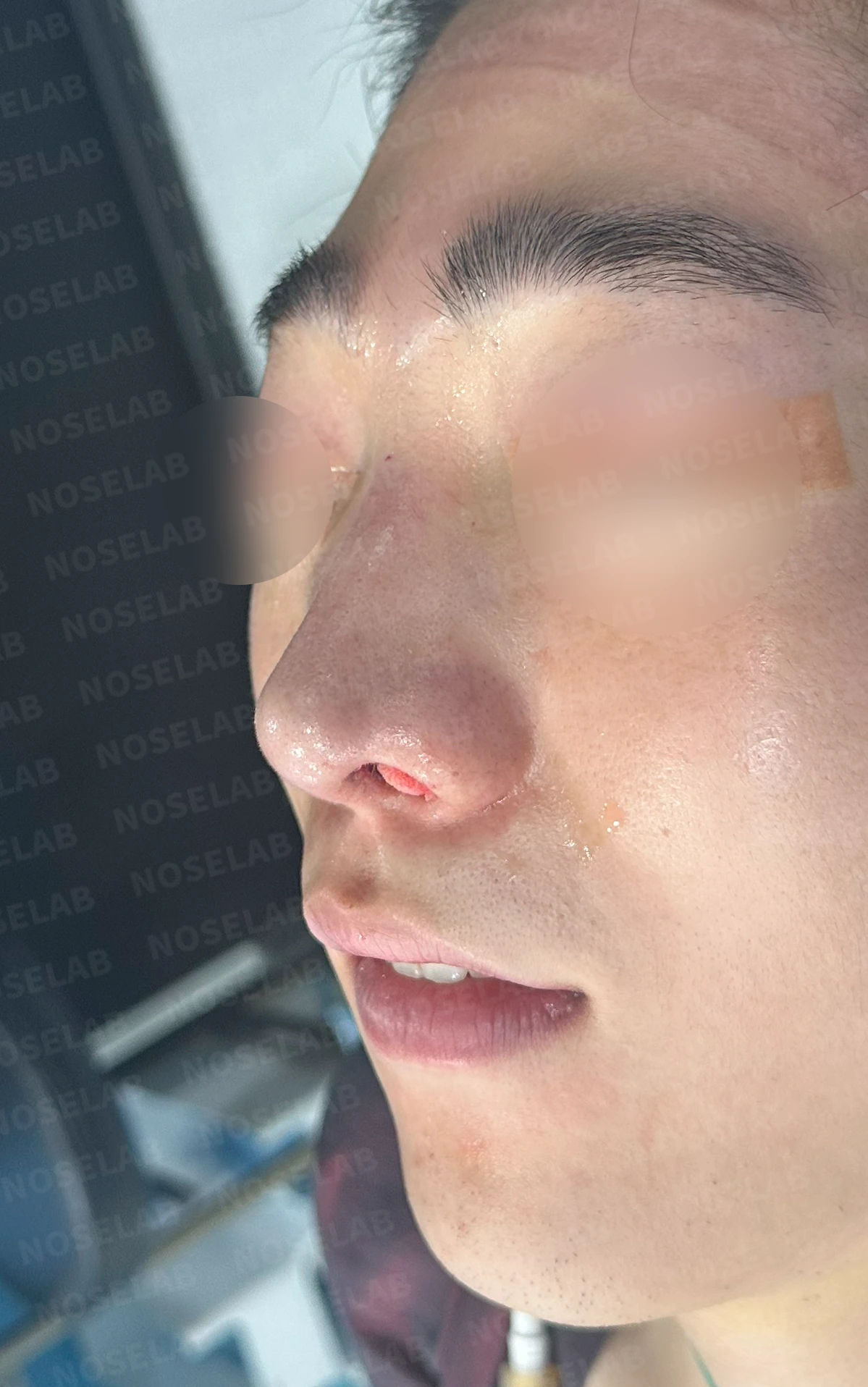
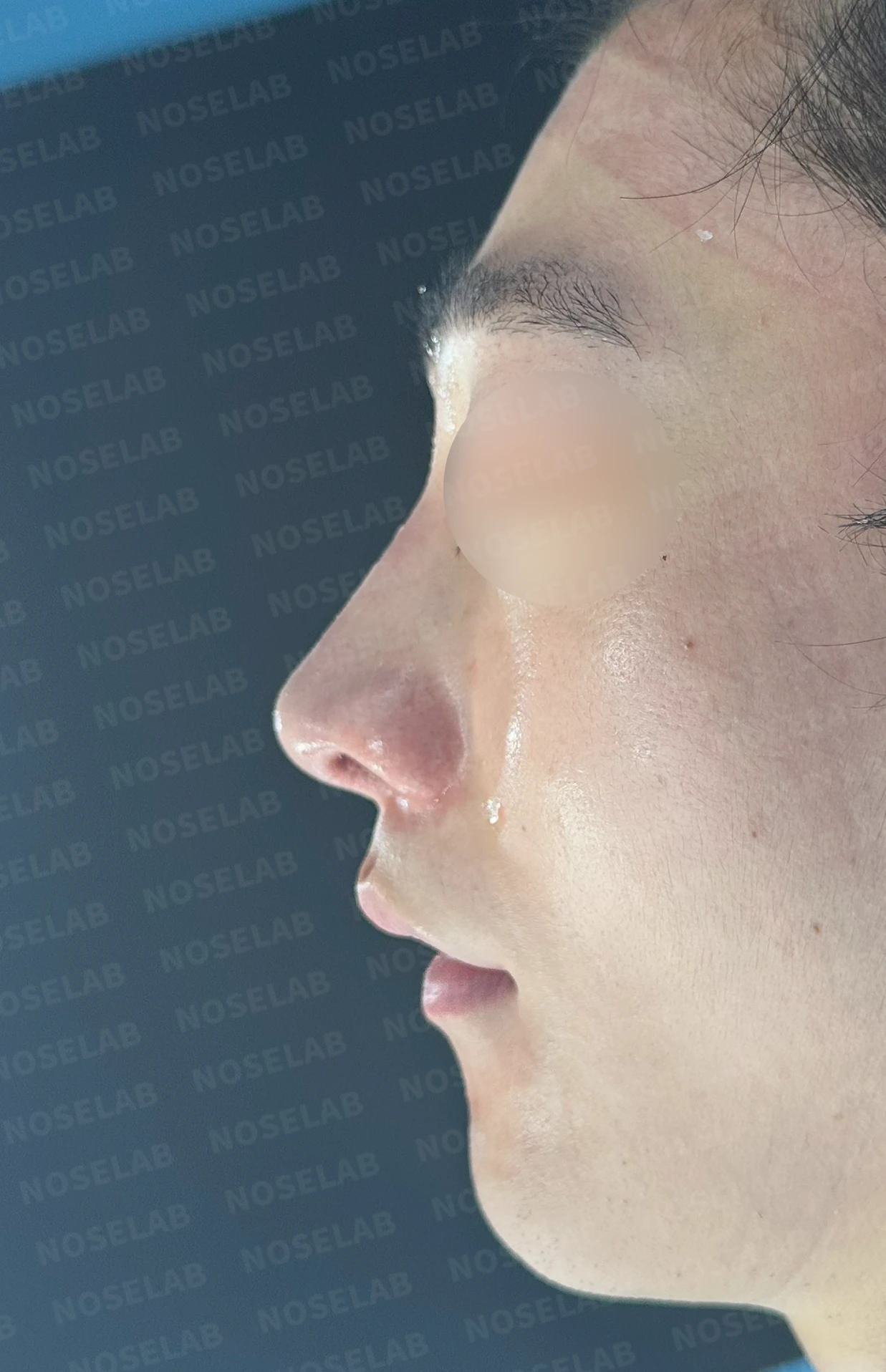
Immediately after surgery (day 0): front, oblique, and profile views. Immediate postoperative photos show swelling and may differ from the final result.
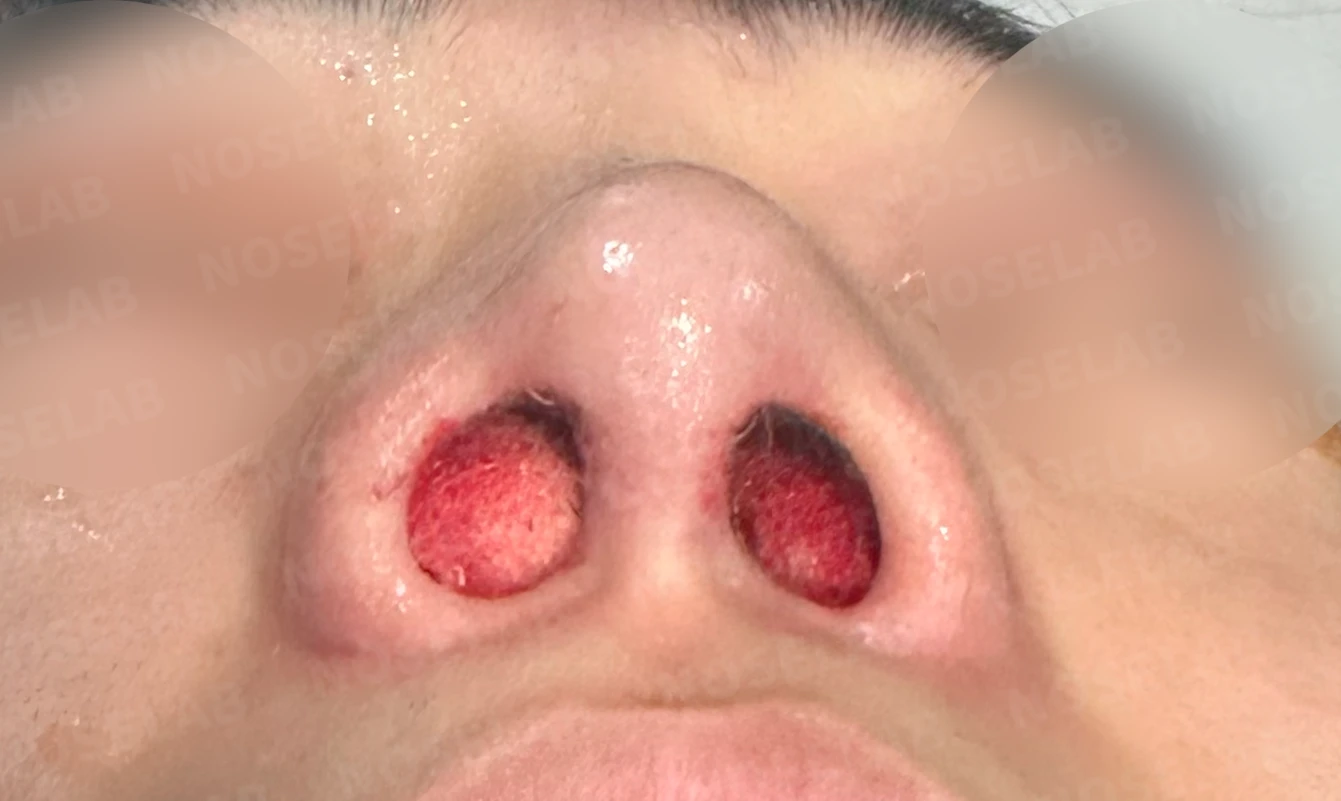
Nostril view on day 0 immediately after surgery. Photos taken immediately after surgery show swelling and may differ from the final result.
Nasal reconstruction for patients with a history of multiple revision surgeries requires a very careful approach. In particular, when multiple revisions follow trauma, internal scarring, impaired blood flow, and structural instability can occur concurrently, making simple correction insufficient.
In this type of case, structural stability was secured by completely removing the existing implant and performing full reconstruction using autologous rib cartilage. At the same time, functional problems were addressed, substantially improving the patient's quality of life.
Particularly in nasal reconstruction, an integrated approach that considers both respiratory function and long-term stability is essential rather than merely changing the shape. Although reconstruction using autologous tissue involves a somewhat longer initial recovery period, it supports a stable and natural result over the long term.
The more complex the revision case, the more critical extensive experience and a systematic approach become. Tailored treatment that comprehensively considers the patient's individual situation and needs is the key to success.
This was Dr. Peter C. Kang. Thank you.
#closedrhinoplasty #closedrevisionrhinoplasty #nasalreconstruction #autologousribcartilage #nasalfracturereconstruction #revisionrhinoplasty #septoplasty

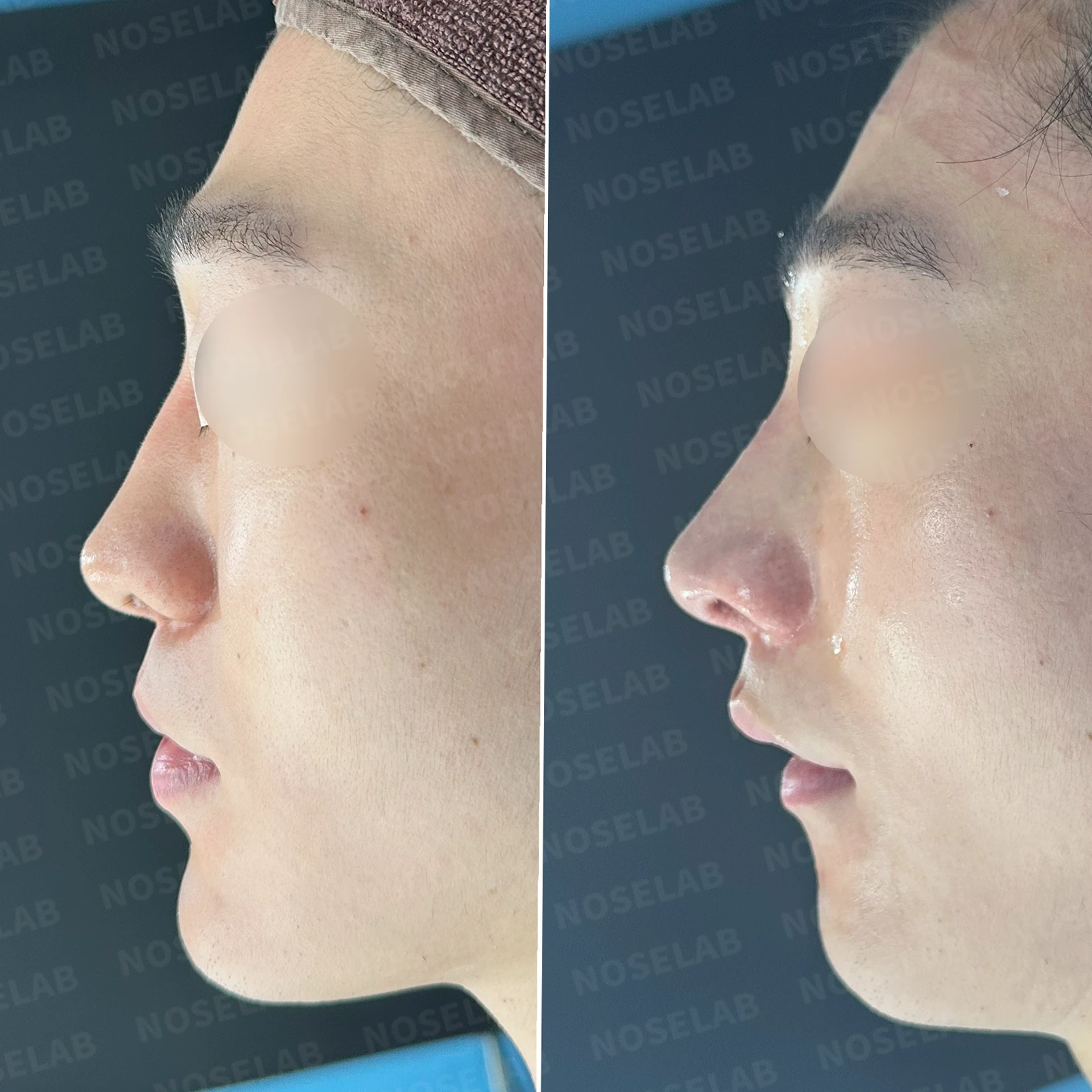
Before surgery / Day 0 immediately after surgery Photos taken immediately after surgery show swelling and may differ from the final result.
Limitations and risks
When autologous rib cartilage is used, scarring and pain may remain at the donor site on the chest, and pneumothorax (pleural injury) can occur rarely. Over time, the grafted cartilage may warp or undergo partial resorption.
When revising after implant removal, contracture may progress again after removal, the nasal height and length may decrease, and staged surgery may be necessary depending on the skin condition.
When the septum is corrected at the same time, nasal obstruction may persist or recur, and in rare cases, septal perforation or changes in smell may occur.
Common potential risks include infection, bleeding, asymmetry, scarring, skin necrosis, and insufficient improvement; results vary depending on individual skin condition and previous surgical history.