English日本語简体中文
Skip to main content
Dr. Peter C. Kang's Rhinoplasty Stories
PrologueBlogMy thoughtsNasal obstructionSurgical journalSurgical photos
About the surgeon

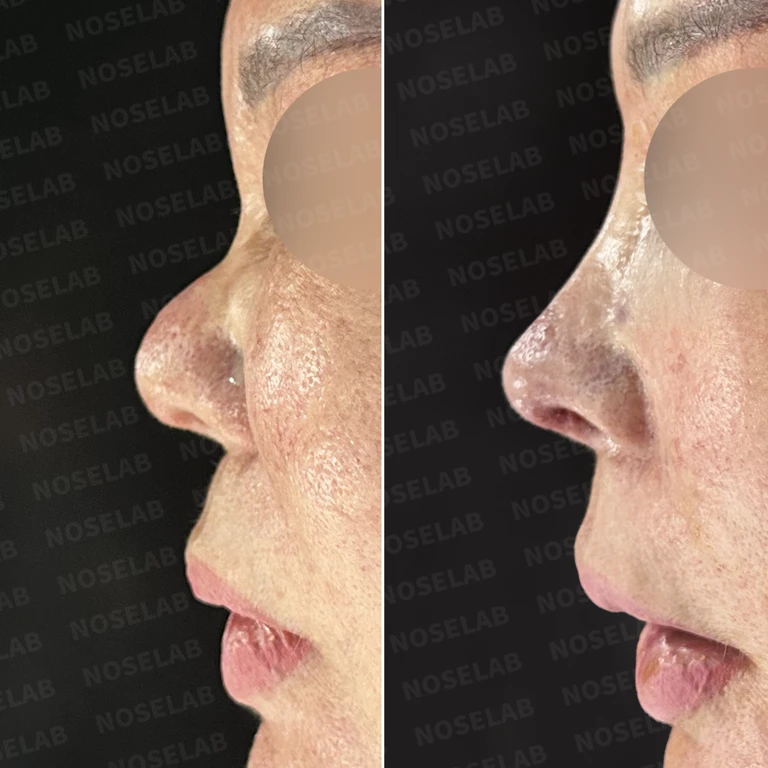
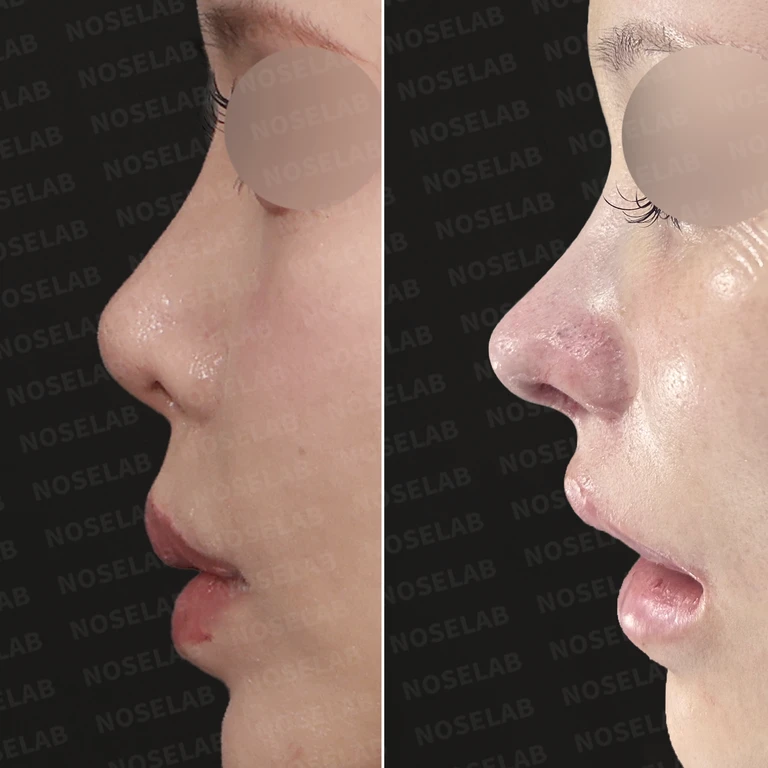
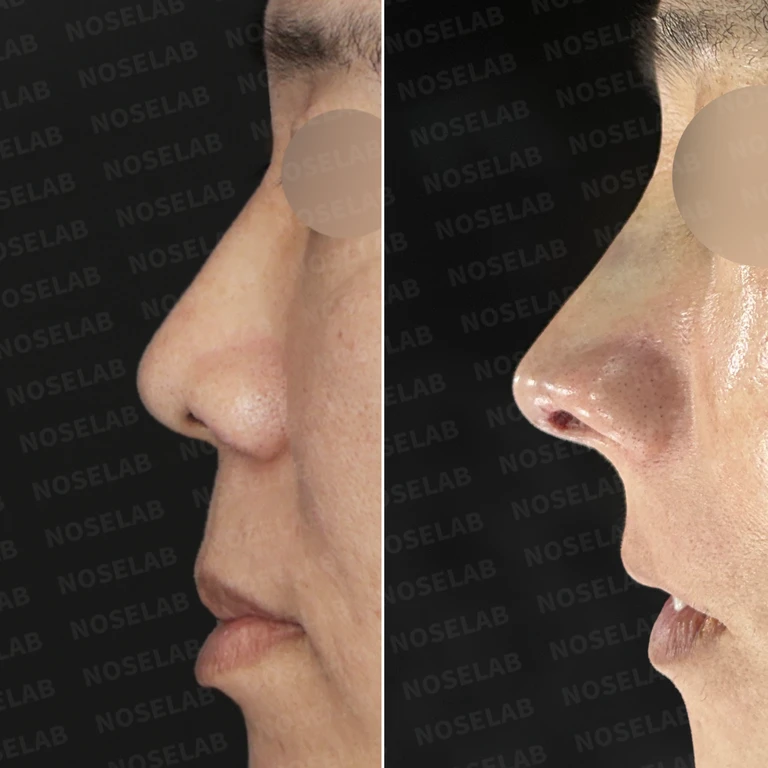
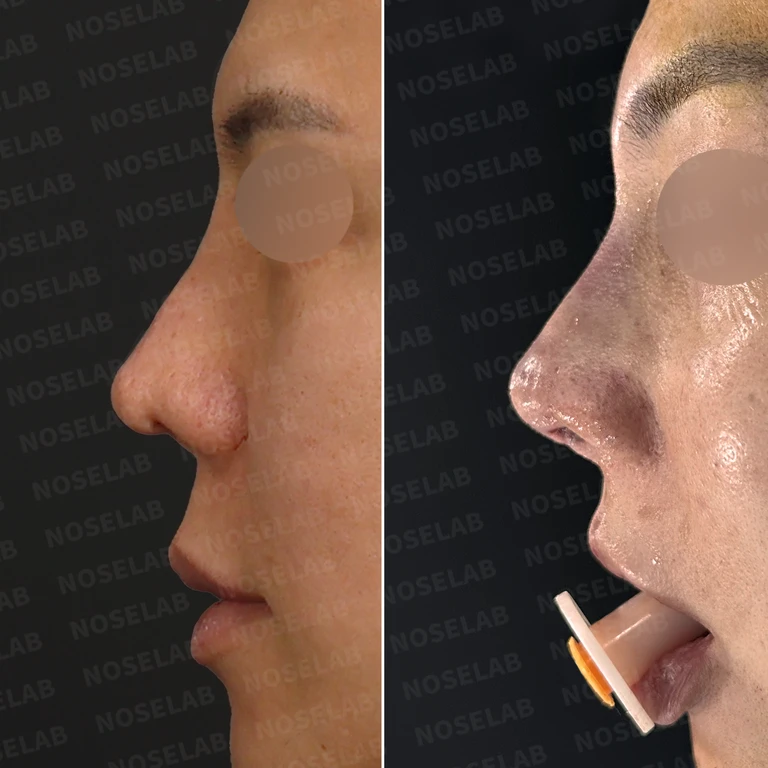
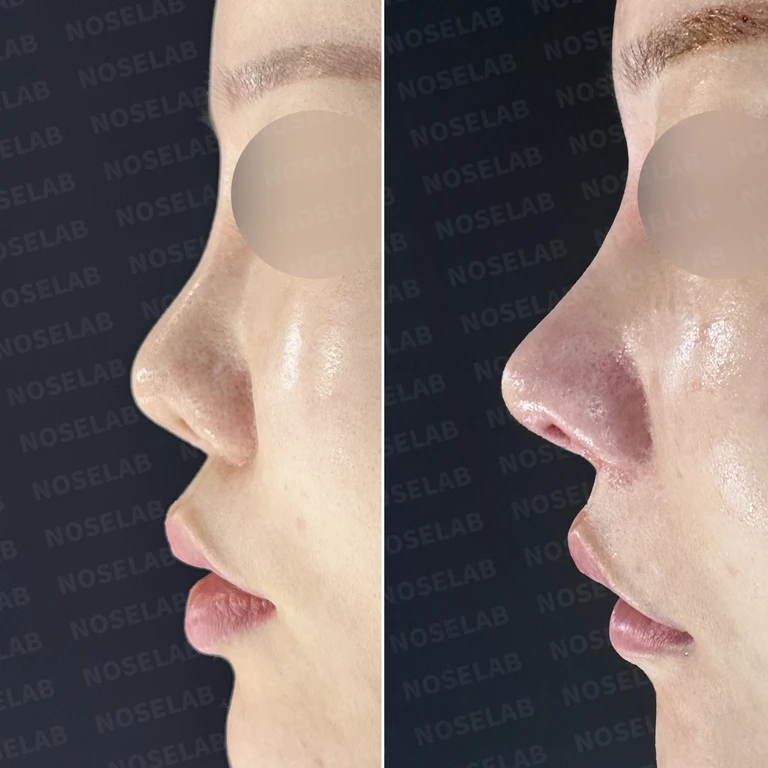
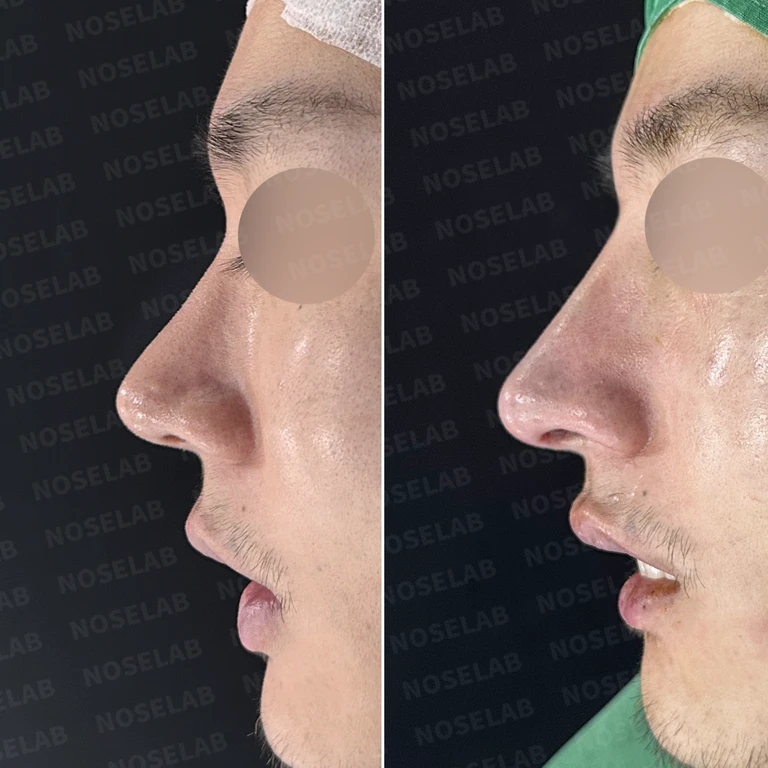
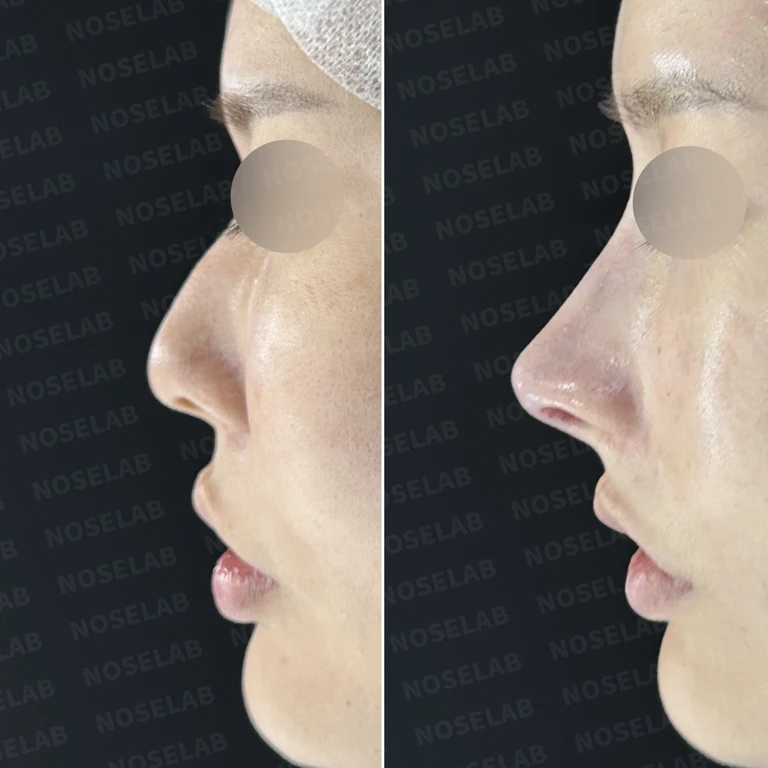
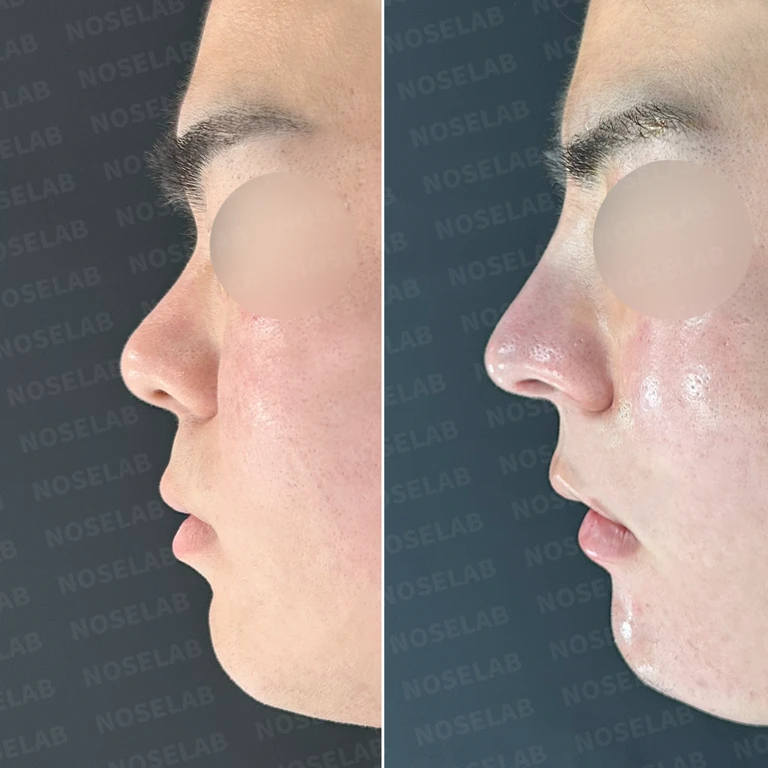
Short nose cases: assessing length alongside available skin elasticity

In articles addressing a short nose, not only the position of the nasal tip is discussed, but also skin elasticity and the condition of the cartilage. The original records document cases where skin contraction just above the nasal tip shortened the tip, as well as cases that appeared short and upturned after repeated surgeries.

When reading these cases, it is advisable not to summarize the surgery simply as lengthening the nose. For one patient, the goals included both reconstructing the damaged cartilage and addressing the shortened skin. Another record describes the surgical difficulties encountered in a nose with limited skin laxity, so please review these limitations alongside the photos taken immediately after surgery.

View before-and-after cases ↓Comprehensive rhinoplasty guide

Searching for surgical cases matching your criteria.
Why the nasal tip turns up and the columella droops, and how septal extension is performed — Before-and-after comparison
Before-and-after comparison

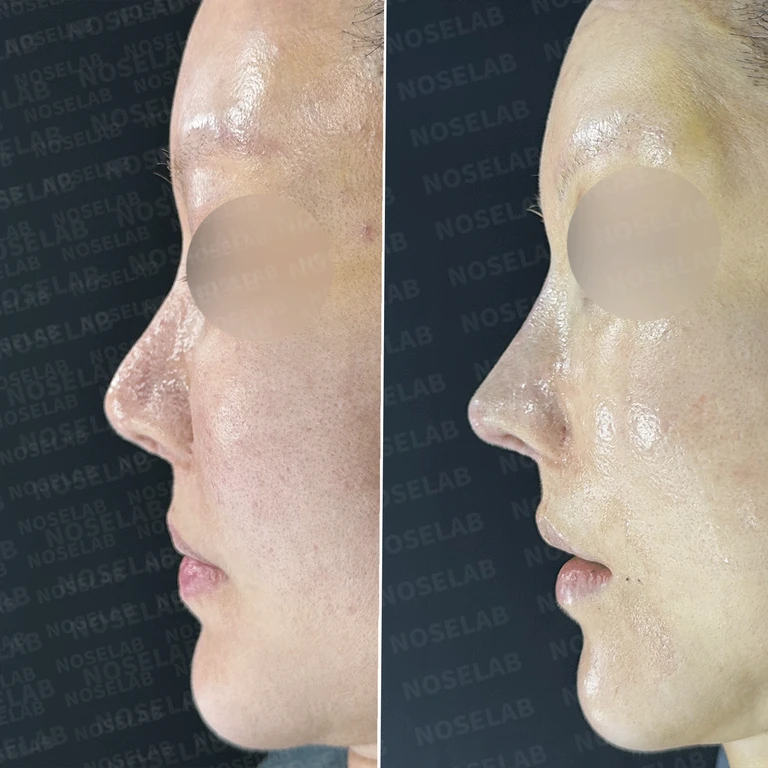
Why the nasal tip turns up and the columella droops, and how septal extension is performed

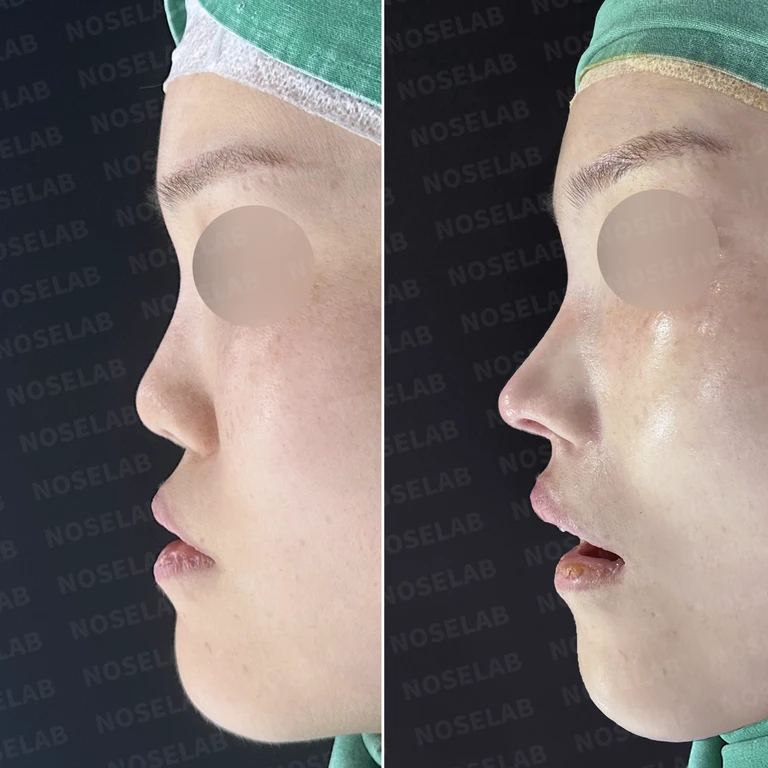
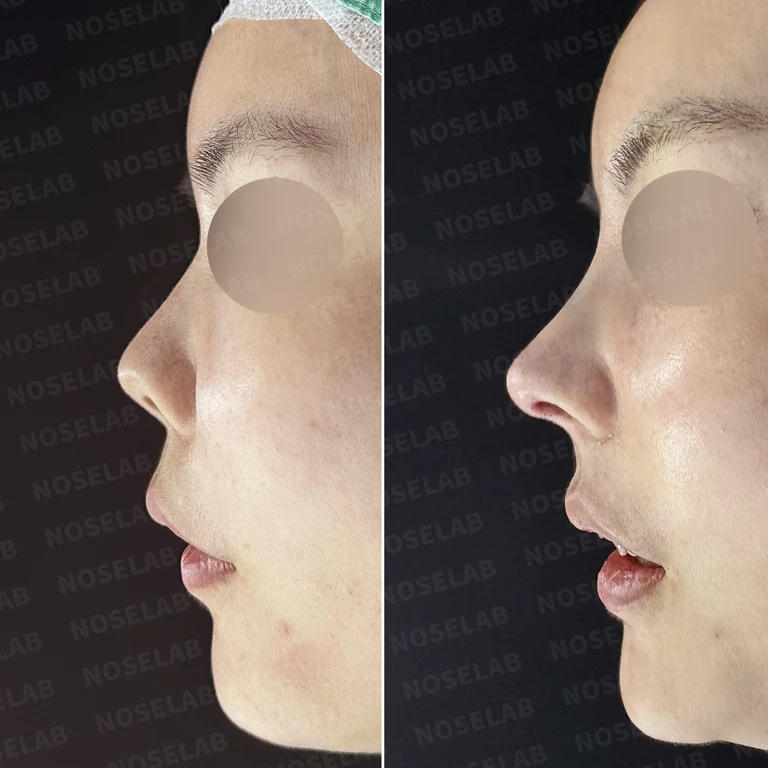
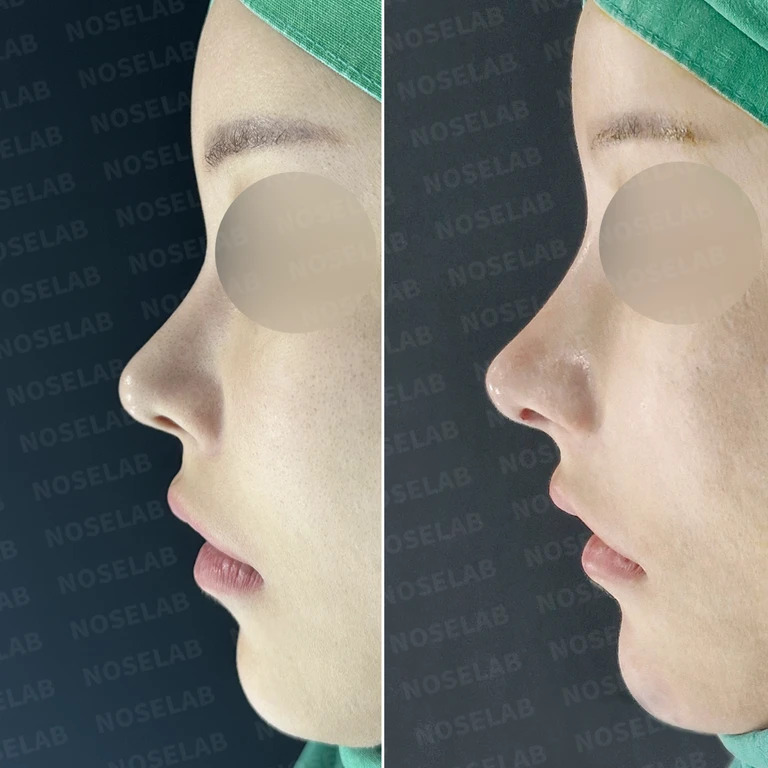
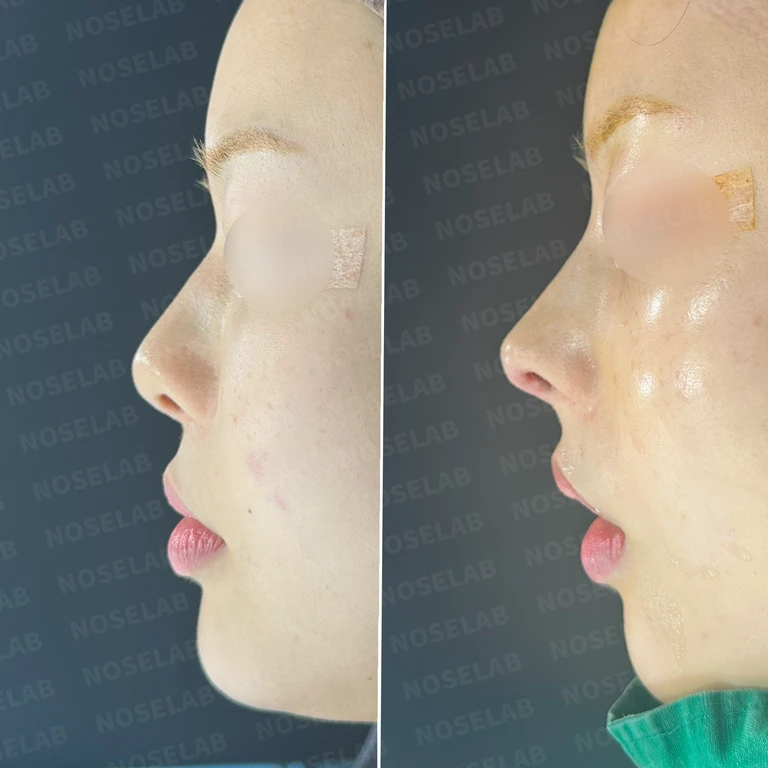
A case where a short, upturned nasal tip and a drooping columella in an unoperated nose were corrected through septal extension. A strut was built using donor rib cartilage and septal cartilage, accompanied by columellar elevation and silicone implant placement.

Preoperative condition
Why noses become short and upturned after multiple revision surgeries, and methods for reconstruction — Before-and-after comparison
Before-and-after comparison

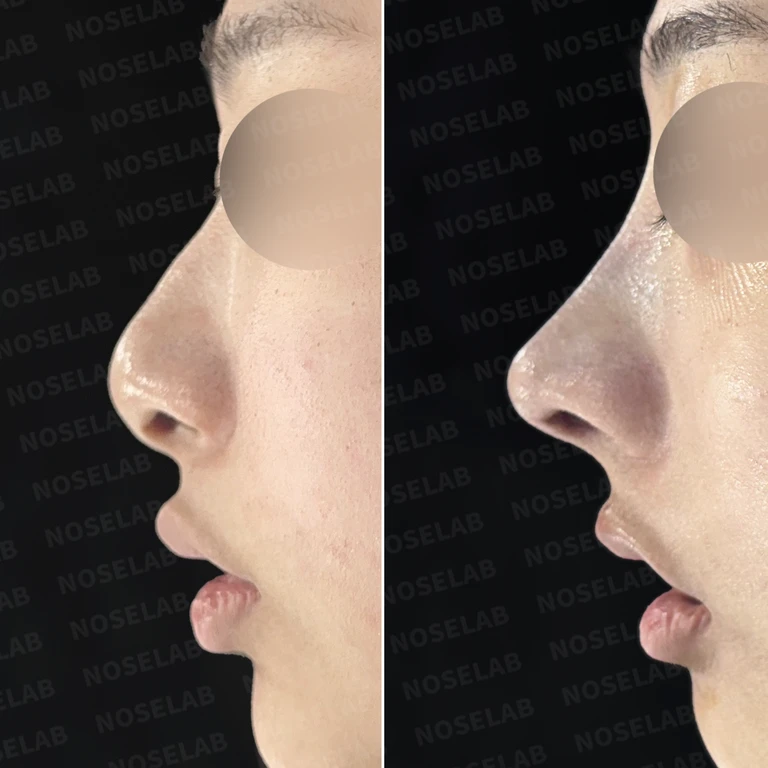
Why noses become short and upturned after multiple revision surgeries, and methods for reconstruction

A case correcting an upturned nasal tip caused by loss of the septum from repeated revision surgeries. Autologous rib cartilage septal reconstruction, nasal mucosal advancement flap, silicone implant adjustment, and rhinitis surgery were performed concurrently.

Preoperative condition · Postoperative record

Why implant inflammation recurs, and how staged reconstruction with a resting period is performed — Before-and-after comparison
Before-and-after comparison

Why implant inflammation recurs, and how staged reconstruction with a resting period is performed

A case of staged nasal reconstruction for a nose damaged by recurrent implant inflammation. After foreign body removal, a 2-year resting period, and stem cell therapy, the structure was rebuilt using donor rib cartilage and an implant was inserted.

Preoperative condition · Postoperative record

Why rib cartilage reconstruction is needed when the septum is weak, even in primary rhinoplasty — Before-and-after comparison
Before-and-after comparison

Why rib cartilage reconstruction is needed when the septum is weak, even in primary rhinoplasty

A case of correcting a short, upturned nasal tip and a pinched nostril caused by congenital septal cartilage weakness. Autologous rib cartilage was used to reconstruct the septum and lower lateral cartilage, combined with lowering the nostril rim and lateral osteotomy.

Preoperative condition · Postoperative record

Why a short, upturned nose makes the philtrum look long and septal extension graft — Before-and-after comparison
Before-and-after comparison

Why a short, upturned nose makes the philtrum look long and septal extension graft

We extended the septum with autologous rib cartilage and corrected the nasolabial angle to improve an upturned nasal tip and a long philtrum. Lateral osteotomy, a custom silicone implant, and rhinitis surgery were performed concurrently.

Preoperative condition

Why contracture remains in multiply operated noses: Reconstructing the columella and support framework — Before-and-after comparison
Before-and-after comparison

Why contracture remains in multiply operated noses: Reconstructing the columella and support framework

Contracture and septal defect resulting from repeated surgeries were reconstructed using autologous rib cartilage. For the retracted columella, retroauricular free skin flap grafting and perichondrium grafting were performed to restore its shape.

Previous surgeries and procedures

Why the nose looks short and the columella retracts after revision rhinoplasty, and how to reconstruct the septum — Before-and-after comparison
Before-and-after comparison

Why the nose looks short and the columella retracts after revision rhinoplasty, and how to reconstruct the septum

To correct septal cartilage loss from 3 prior surgeries, a short nose appearance, and a bulbous tip, the septum was reconstructed using autologous rib cartilage and the radix was lowered.

Preoperative condition · Postoperative record

Why a nose can look short and upturned after repeated surgeries, and how rib cartilage tip extension works — Before-and-after comparison
Before-and-after comparison

Why a nose can look short and upturned after repeated surgeries, and how rib cartilage tip extension works

Through a closed approach, a nose that became low, upturned, and showed excessive nostril exposure after silicone implant removal was refined using autologous rib cartilage tip extension, nasal bridge height restoration, and correction of the nasolabial angle to 90 degrees.

Preoperative condition

How to correct a small, drooping nose accompanied by nasal obstruction — Before-and-after comparison
Before-and-after comparison

How to correct a small, drooping nose accompanied by nasal obstruction

To improve a small, drooping nose along with nasal obstruction from a deviated septum and rhinitis, autologous rib cartilage was used to firmly elevate the nasal tip, adjust the nasolabial angle, and correct the septum and inferior turbinates at the same time.

Preoperative condition · Postoperative record

A small, short, and upturned nose: why it should not be raised excessively — Before-and-after comparison
Before-and-after comparison

A small, short, and upturned nose: why it should not be raised excessively

A case of a short, upturned, small nose with no prior rhinoplasty. Considering the skin tension, septal extension was performed using autologous rib cartilage, combined with functional surgery for the septum and turbinates.

Preoperative condition · Postoperative record

Why nasal tip skin thins and cartilage shows through, and how skin reinforcement is done — Before-and-after comparison
Before-and-after comparison

Why nasal tip skin thins and cartilage shows through, and how skin reinforcement is done

A case of skin thinning, cartilage show-through, and an upturned nose following contracted nose surgery. The skin was reinforced with dermis and autologous rib perichondrium, along with septal extension.

Preoperative condition

Why short, upturned noses and crooked noses occur together, and how to correct them with septal extension — Before-and-after comparison
Before-and-after comparison

Why short, upturned noses and crooked noses occur together, and how to correct them with septal extension

A short, upturned, crooked nose following an L-shaped silicone implant was lowered using septal extension with autologous rib cartilage, and the airway was improved through nasal valve reconstruction and septal correction.

Preoperative condition · Postoperative record

Why an L-shaped silicone implant can nearly perforate the columellar mucosa: removal and reconstruction with autologous rib cartilage — Before-and-after comparison
Before-and-after comparison

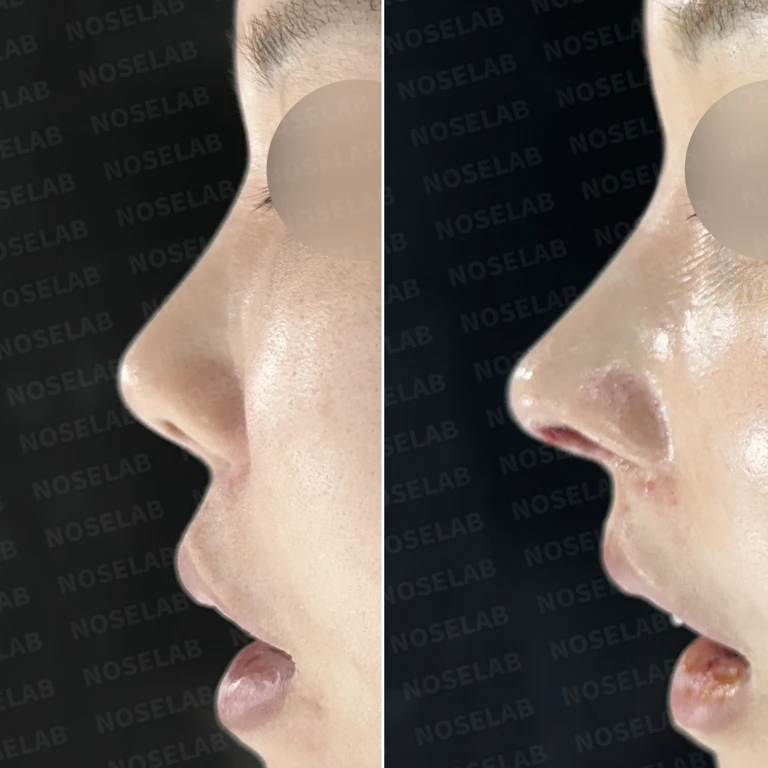
Why an L-shaped silicone implant can nearly perforate the columellar mucosa: removal and reconstruction with autologous rib cartilage

We removed an L-shaped silicone implant that was at imminent risk of perforating the left columellar mucosa, then reconstructed the contracted nose using autologous rib cartilage for septal extension and autologous dermis for tip reinforcement.

Preoperative condition
Short and upturned nose with insufficient septal cartilage: how to lengthen it with rib cartilage reinforcement — Before-and-after comparison
Before-and-after comparison

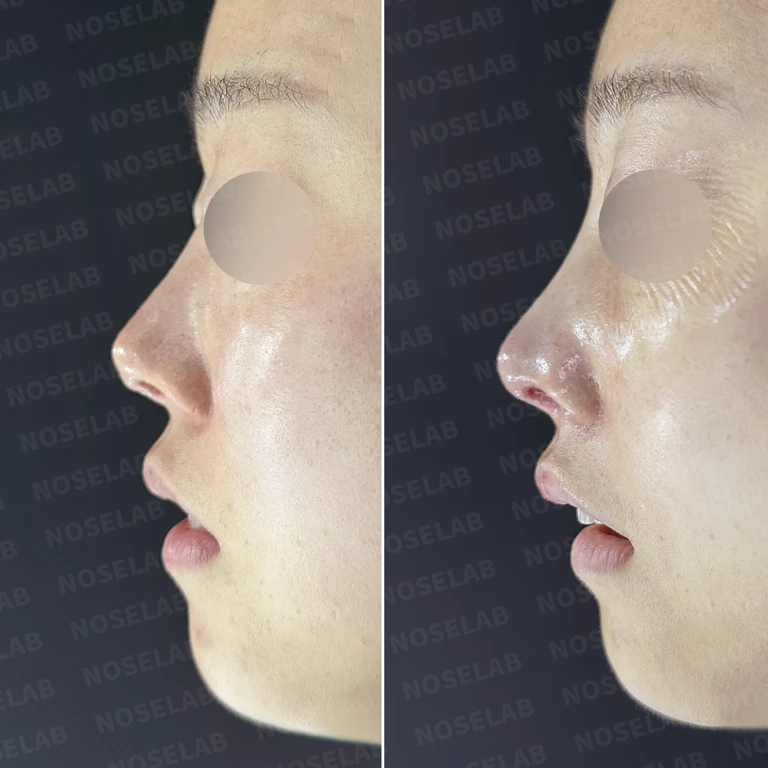
Short and upturned nose with insufficient septal cartilage: how to lengthen it with rib cartilage reinforcement

A short, upturned nose caused by septal cartilage deficiency from a previous surgery was corrected with septal reconstruction using autologous rib cartilage, combined with chin filler removal and receding chin correction.

Preoperative condition · Postoperative record
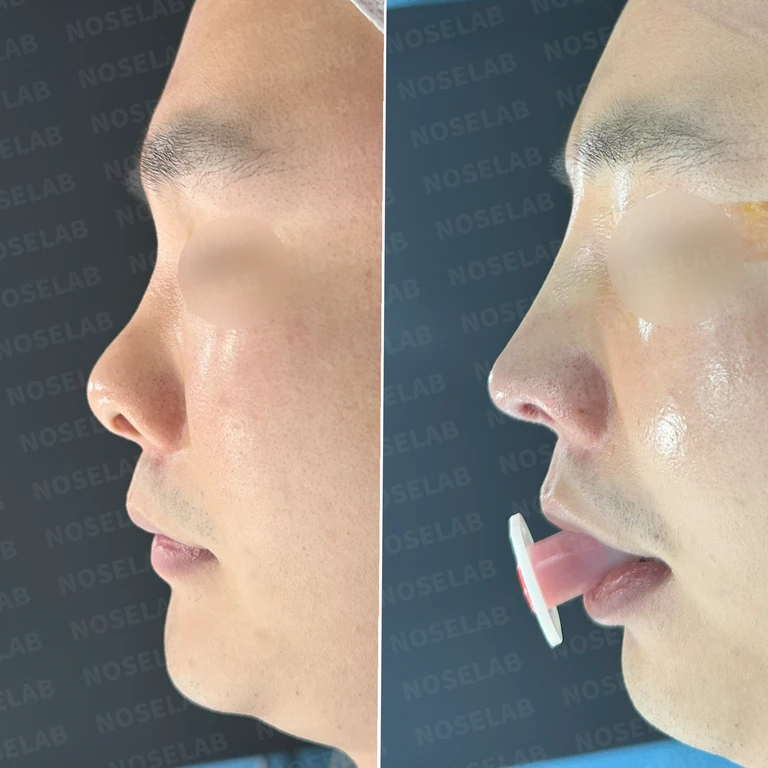
Why nostrils look different when tilting the head up and cause nasal obstruction: septal reconstruction — Before-and-after comparison
Before-and-after comparison

Why nostrils look different when tilting the head up and cause nasal obstruction: septal reconstruction

To correct nostril asymmetry, a short nose, and nasal obstruction that developed after previous implant-free rhinoplasty and alar rim lowering, autologous rib cartilage septal reconstruction and functional nasal surgery were performed.

Preoperative condition · Postoperative record
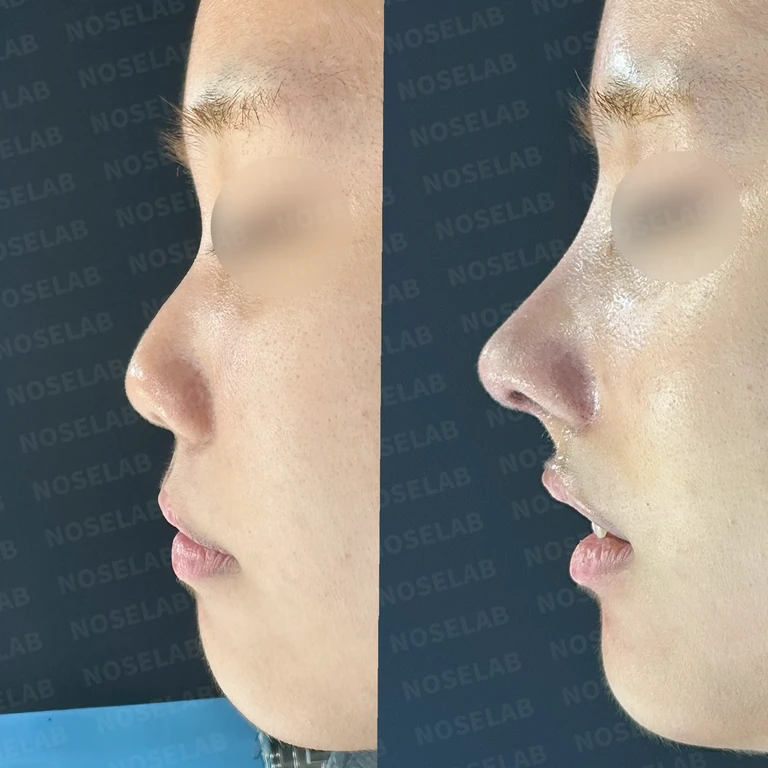
How to perform reconstruction when multiple revision surgeries leave no nasal cartilage behind — Before-and-after comparison
Before-and-after comparison

How to perform reconstruction when multiple revision surgeries leave no nasal cartilage behind

This is a case where the septum was damaged and both lower lateral cartilages were removed following multiple rhinoplasties. The support structure was reconstructed using autologous rib cartilage, concurrently correcting the upturned nose, deviated columella, and nasolabial angle.

Preoperative condition

Why a nose with excessive septal cartilage harvest becomes upturned and blocked, and how to reconstruct it — Before-and-after comparison
Before-and-after comparison

Why a nose with excessive septal cartilage harvest becomes upturned and blocked, and how to reconstruct it

A case where a septum weakened and deviated to the left from a previous surgery was reconstructed with autologous rib cartilage. Addressing both nasal obstruction and an upturned nose, the nasal tip was elongated, and the depressed nasal dorsum and nasolabial angle were corrected.

Preoperative condition

How high can a small, blunt nose be raised? — Skin limitations and reconstruction methods — Before-and-after comparison
Before-and-after comparison

How high can a small, blunt nose be raised? — Skin limitations and reconstruction methods

A primary rhinoplasty case for a patient with a small, wide nasal tip, drooping, a minor dorsal hump, and chronic nasal obstruction, treated through gradual expansion accounting for skin elasticity, autologous rib cartilage reconstruction, and septal correction.

Preoperative condition

No search results found

Please try searching with different keywords.

Scroll to keep reading

1 / 5Next case

Common questions before reading the cases

Why is the skin discussed when addressing a short nose?

One original record explains that the nasal tip shortened due to contraction of the skin just above the tip, noting that reconstructing the damaged cartilage and stretching the skin were the primary goals of the surgery. Another record notes that surgery is challenging when a nose has limited skin. In such cases, changes in length cannot be separated from the skin's condition.

Can I also review cases where the nose became shorter after surgery?

Yes. There is a record of a nose appearing short and upturned after a primary surgery using a silicone implant and donor rib cartilage, followed by revision rhinoplasty to remove the silicone implant and use donor rib cartilage again. Reviewing not only the materials used, but also the sequence of surgeries and the exact point at which the patient felt the nose had shortened, allows for a more detailed comparison of related cases.

Related topics to explore

Upturned noseThick nasal skinScars and adhesionsSeptal damage and defect

Surgical records referenced in this guide

  • A staged correction method for a severely upturned contracted nose
  • Correction methods for a small and bulbous nose
  • Why a nose can look short and upturned after repeated surgeries, and how rib cartilage tip extension works
Original article

Read more records

Planning a visit to Seoul?Prepare your consultation with the NOSELAB team.

International patient guideWhatsApp ↗
Dr. Peter C. Kang's Rhinoplasty Stories
Rhinoplasty guideCases by topicDr. Peter C. KangNaver Blog ↗
View original photo
Enlarged photo
WhatsAppChat with NOSELAB↗