Hello, I am Dr. Peter C. Kang.
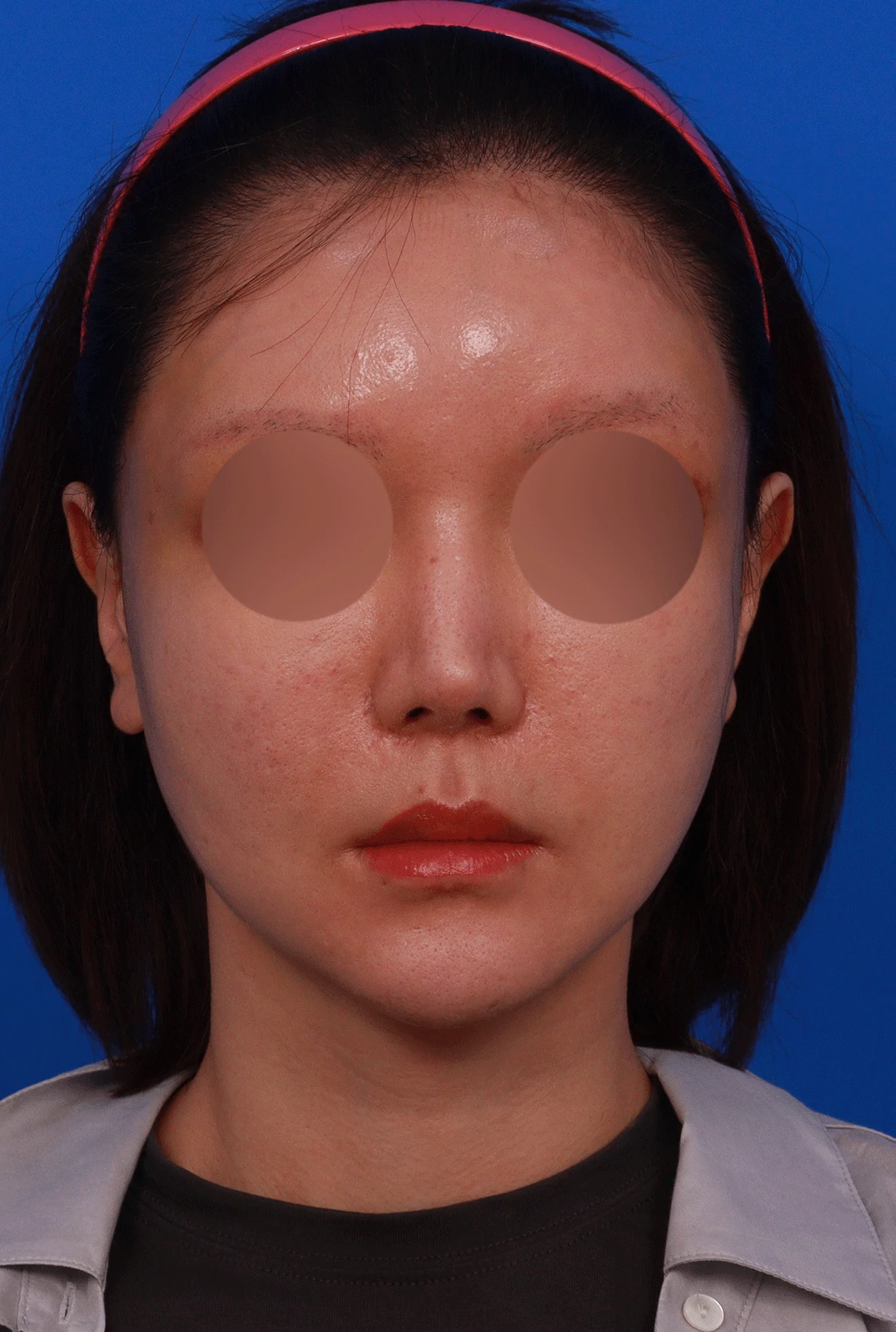
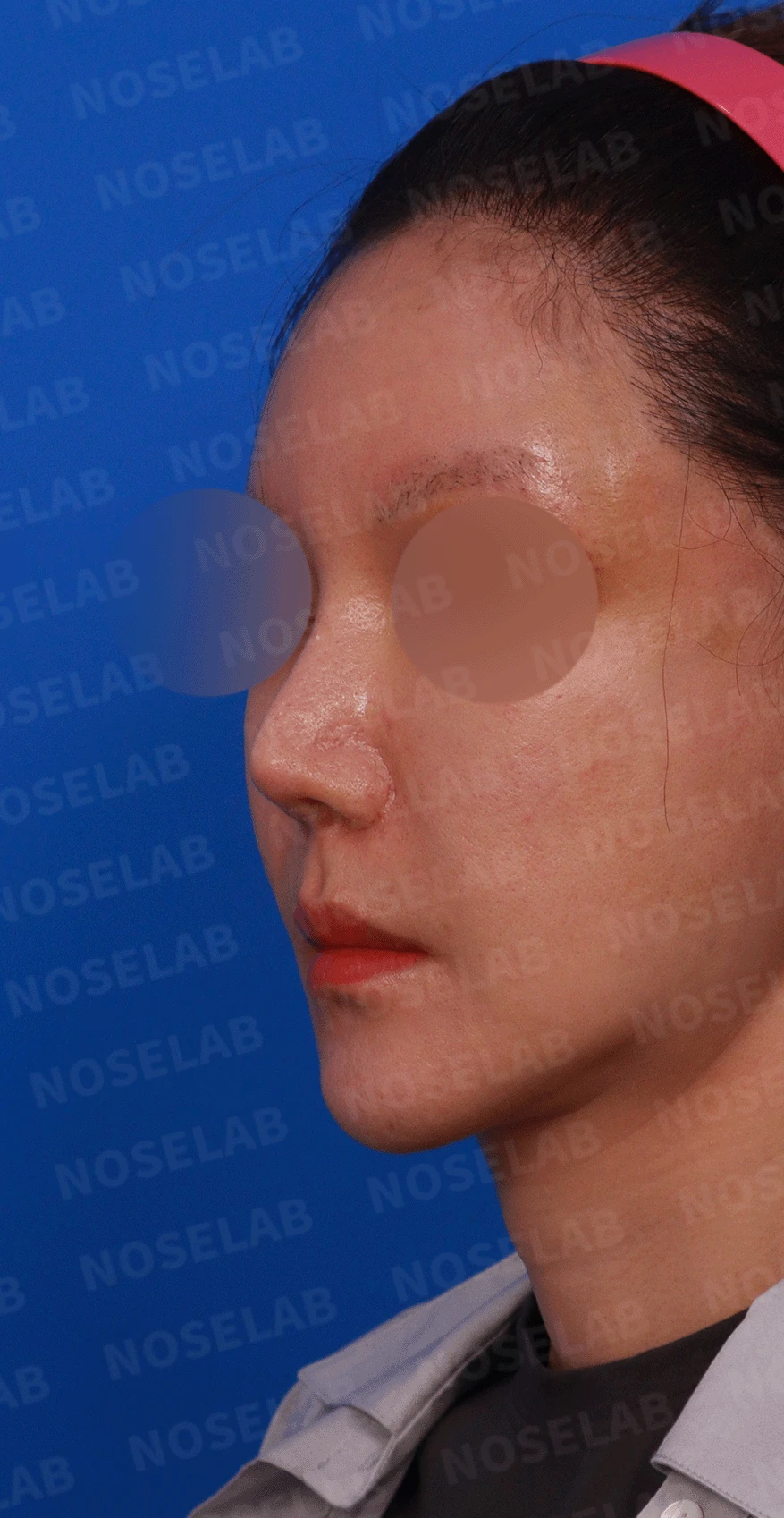
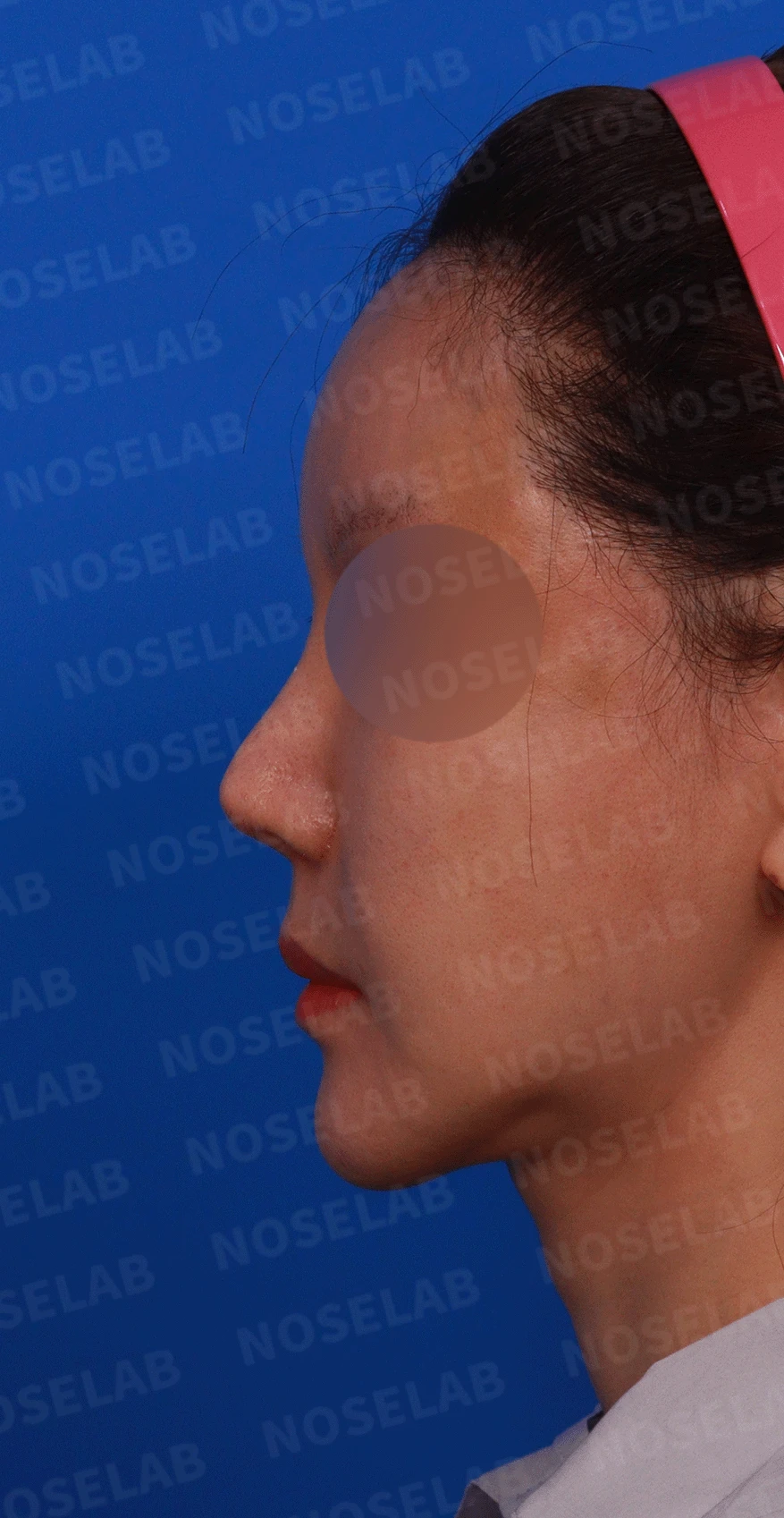
Front, left oblique, and profile views from the design consultation.
📍 Surgical history
In this type of case, the patient started with double jaw surgery 12 years ago and underwent several rhinoplasty procedures beginning in their teens. At age 23, due to redness of the nose, everything was removed, followed by revision rhinoplasty 6 months later; after that, additional surgery was performed for a visibly crooked nose.
In August 2020, the patient underwent surgery using a silicone implant and rib cartilage, having a surgical history that included 1 alar reduction and 3 rib cartilage harvests. Finally, in 2025, the patient received nasal filler, but being dissatisfied with the shape, visited our clinic.
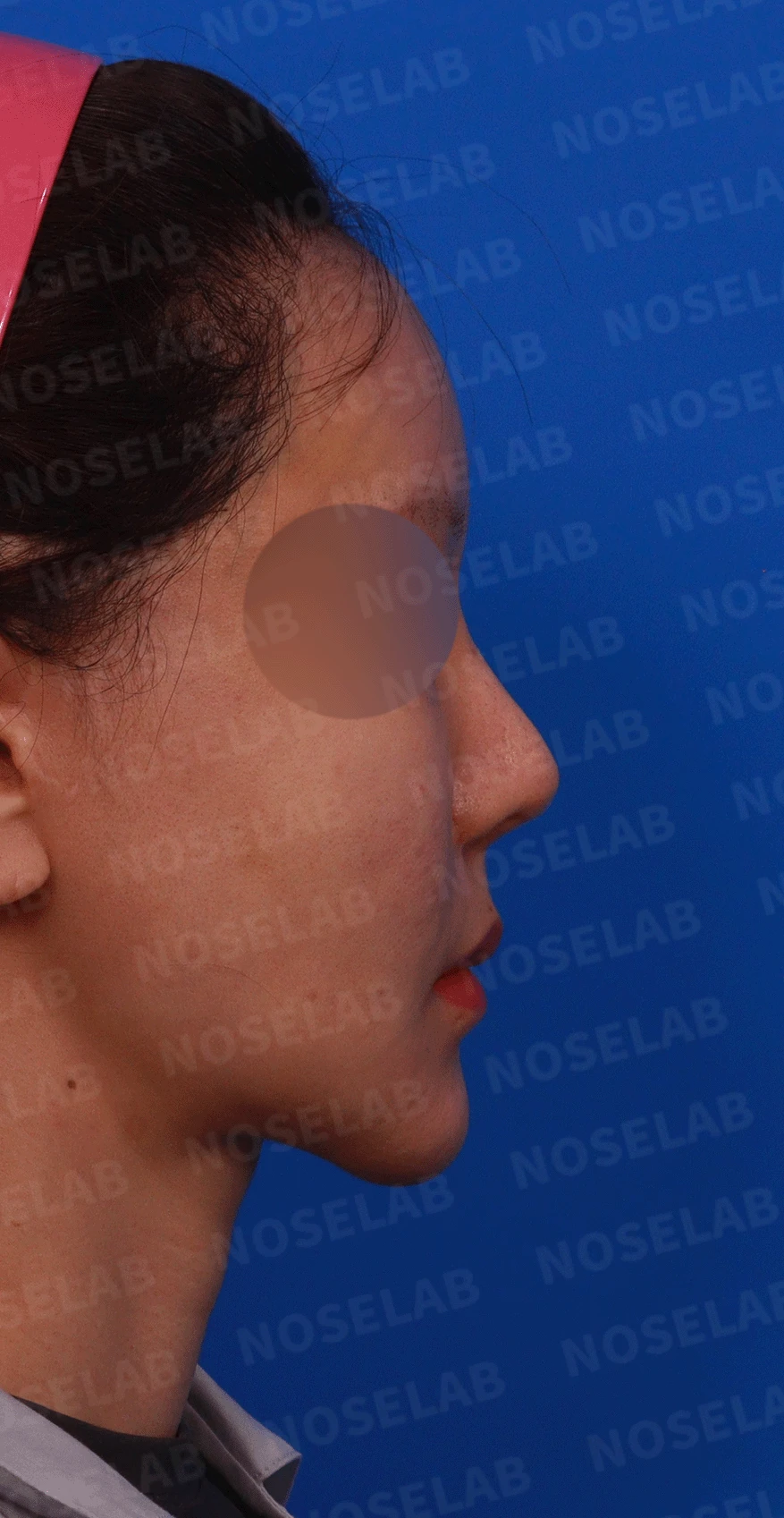
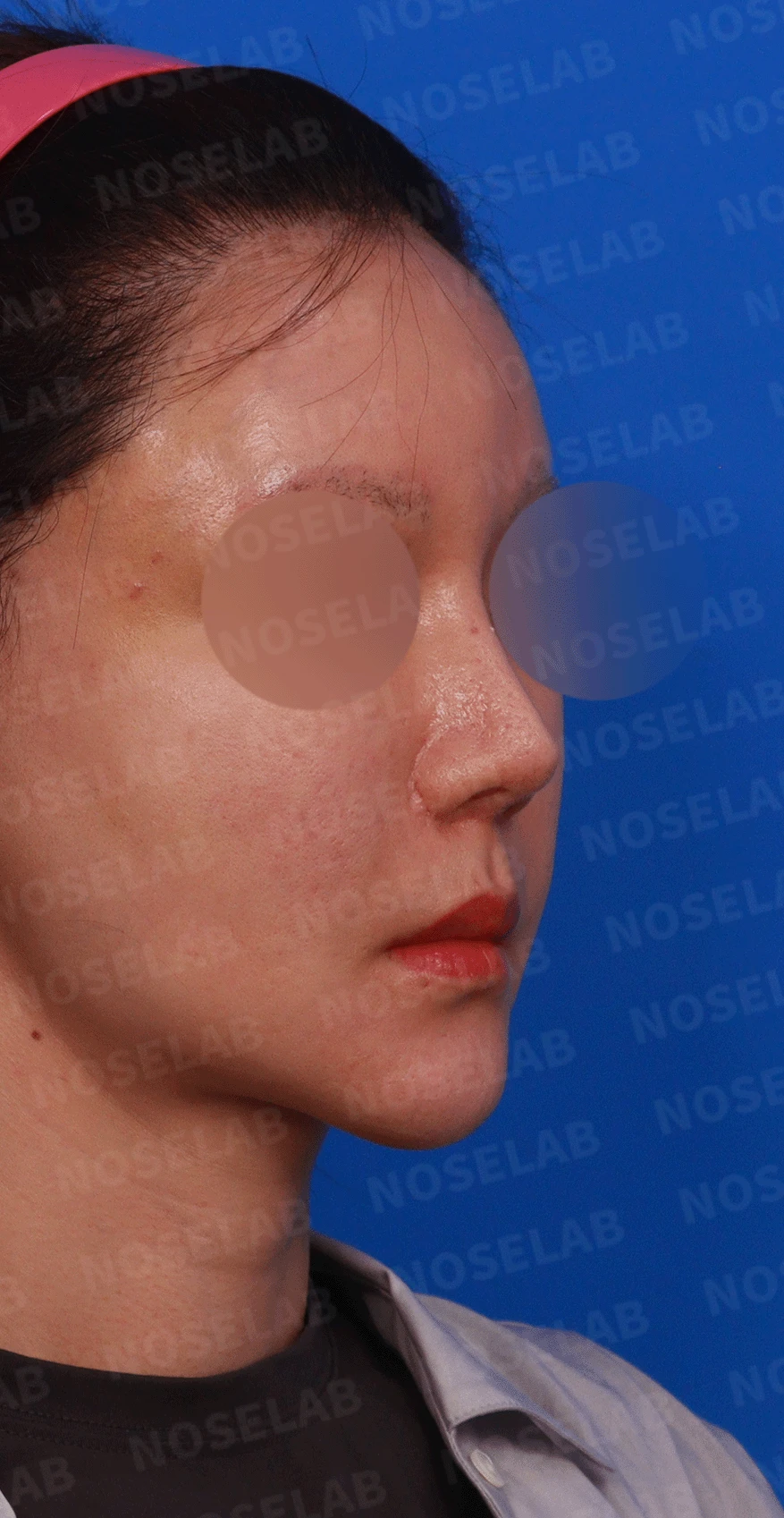
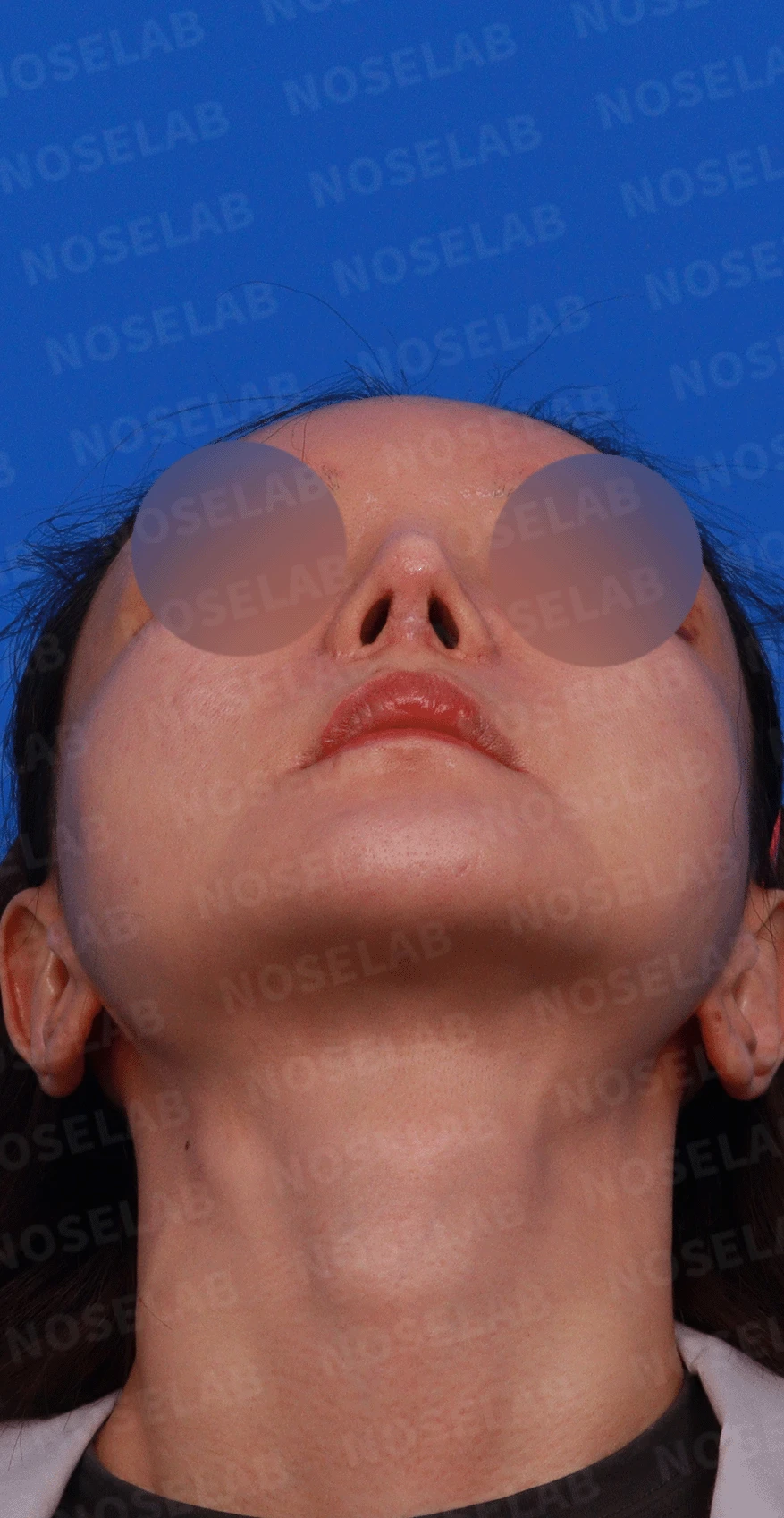
Design consultation: right profile, oblique, and nostril views.
🔎 Initial consultation findings
During the initial evaluation, the patient's nose appeared short and upturned from the front, while the profile showed an obtuse nasolabial angle and a drooping tip. The nostrils and columella were tilted to the left, and the nostrils were small and markedly asymmetrical due to prior alar reduction. The septal cartilage was severely damaged, and both lower lateral cartilages had been removed in previous operations.
The patient's goals
The patient wished to straighten the crooked nose, lengthen the upturned nose naturally, and reduce nostril show. Above all, achieving a natural shape was the highest priority.
Surgical plan and procedure
Because almost no cartilage remained due to multiple prior surgeries, comprehensive reconstruction using autologous rib cartilage was necessary. The damaged septal cartilage was fully reconstructed with autologous rib cartilage, and the upturned nose was corrected through septal extension. The deviated columella was straightened, and the nasolabial angle was adjusted naturally to create a smooth contour. Because the bilateral lower lateral cartilages had been removed, both sides were reconstructed using autologous rib cartilage, while also correcting depressed areas of the alae.
✅ Surgical results
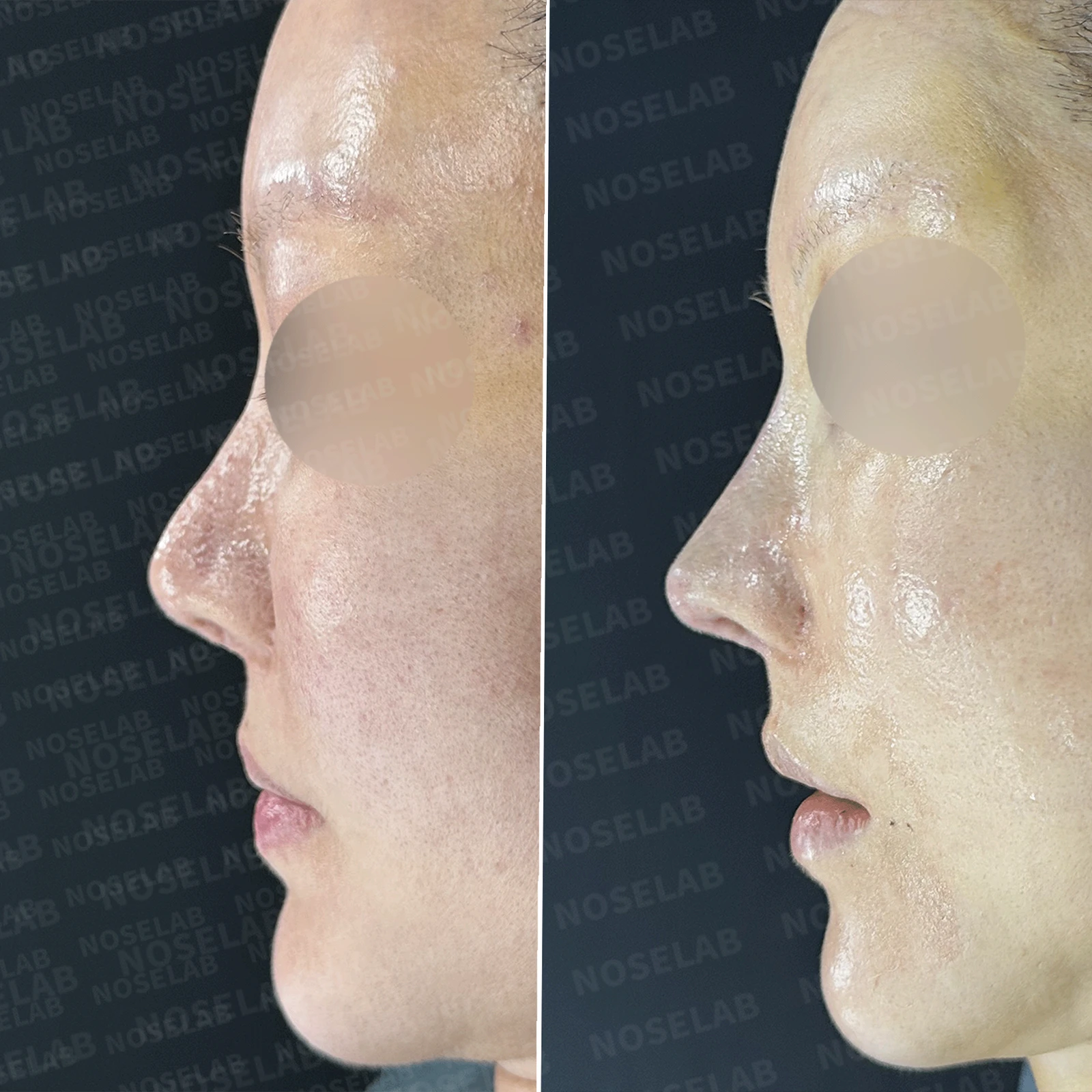
As the patient desired, the crooked nose was straightened, and the upturned tip was lowered into a natural position. Nostril show on the frontal view was reduced, establishing an overall balanced and natural nasal contour. While complete symmetry of the nostrils was difficult to achieve due to structural limitations from previous operations, it was improved as much as possible to achieve a satisfying result for the patient.
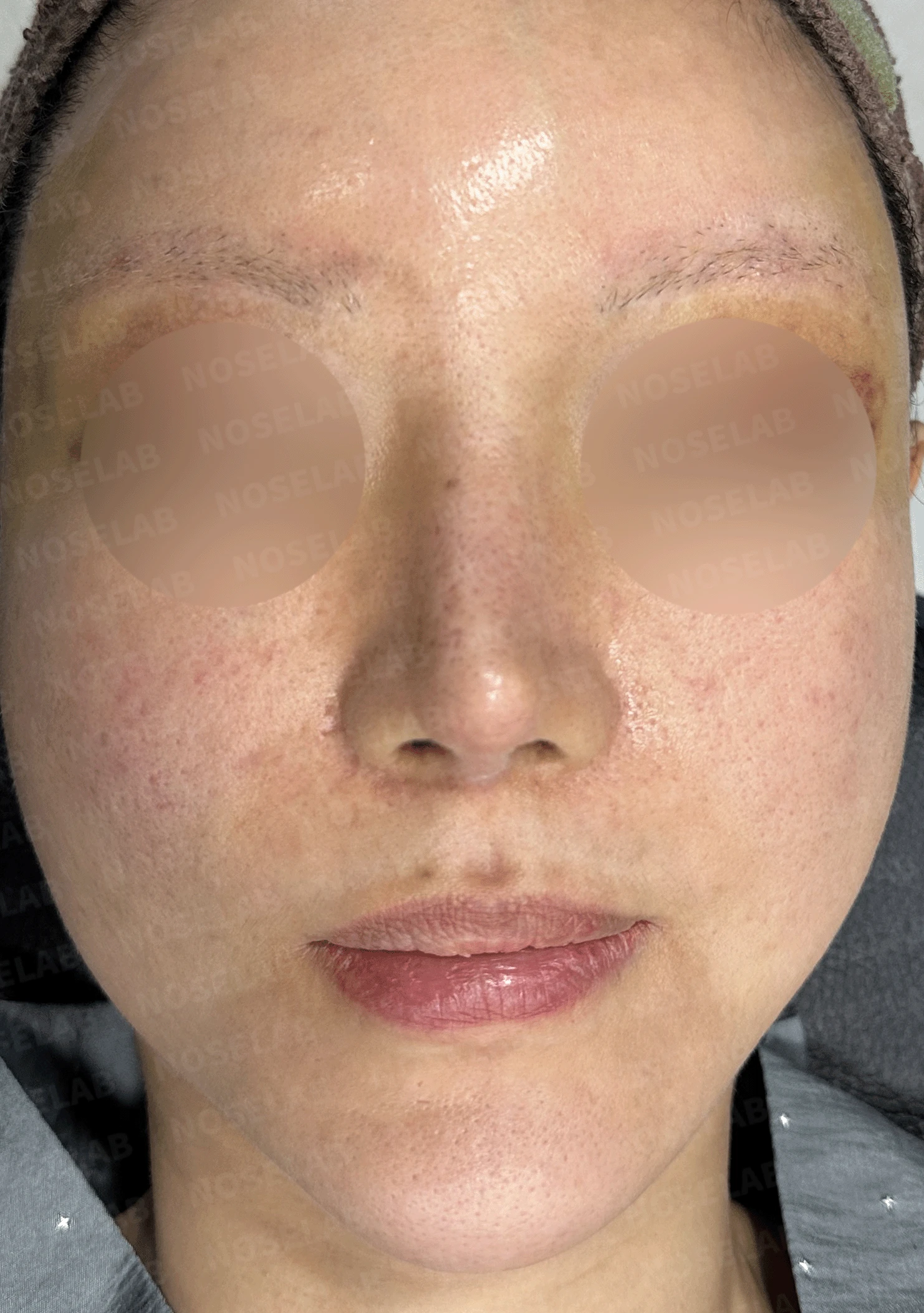
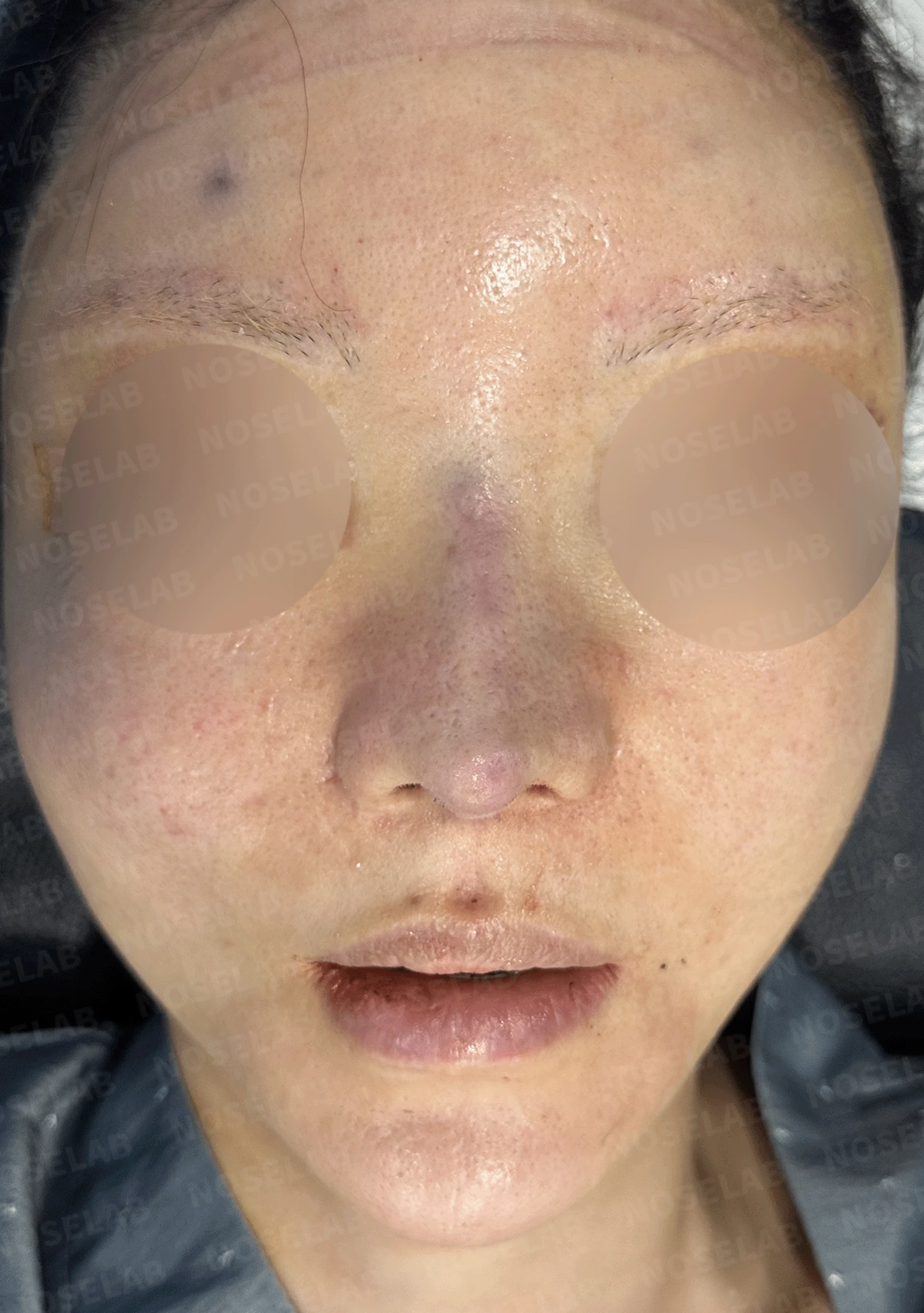
Before surgery / Day 0 immediately after surgery Photos taken immediately after surgery show swelling and may differ from the final result.
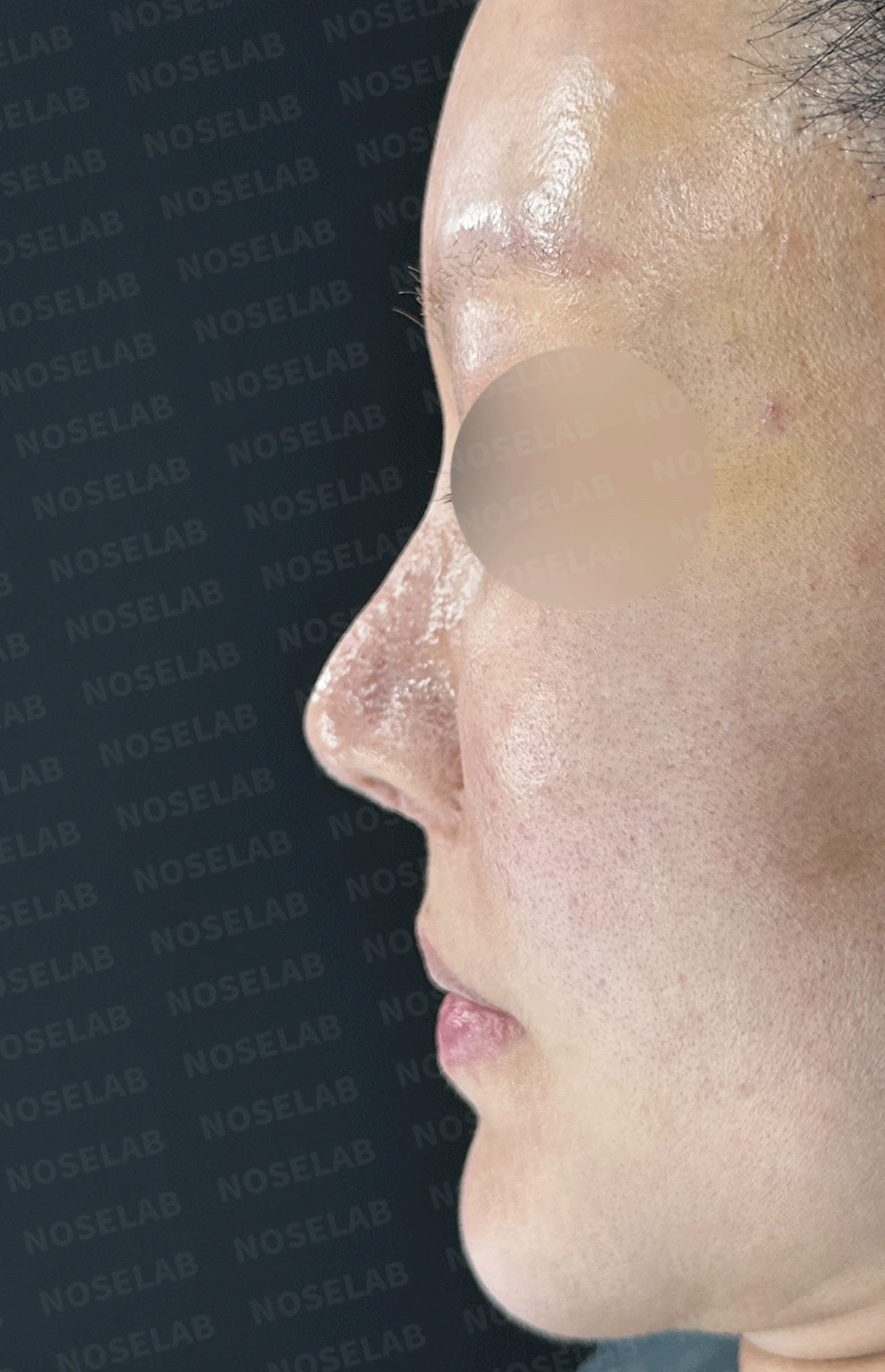
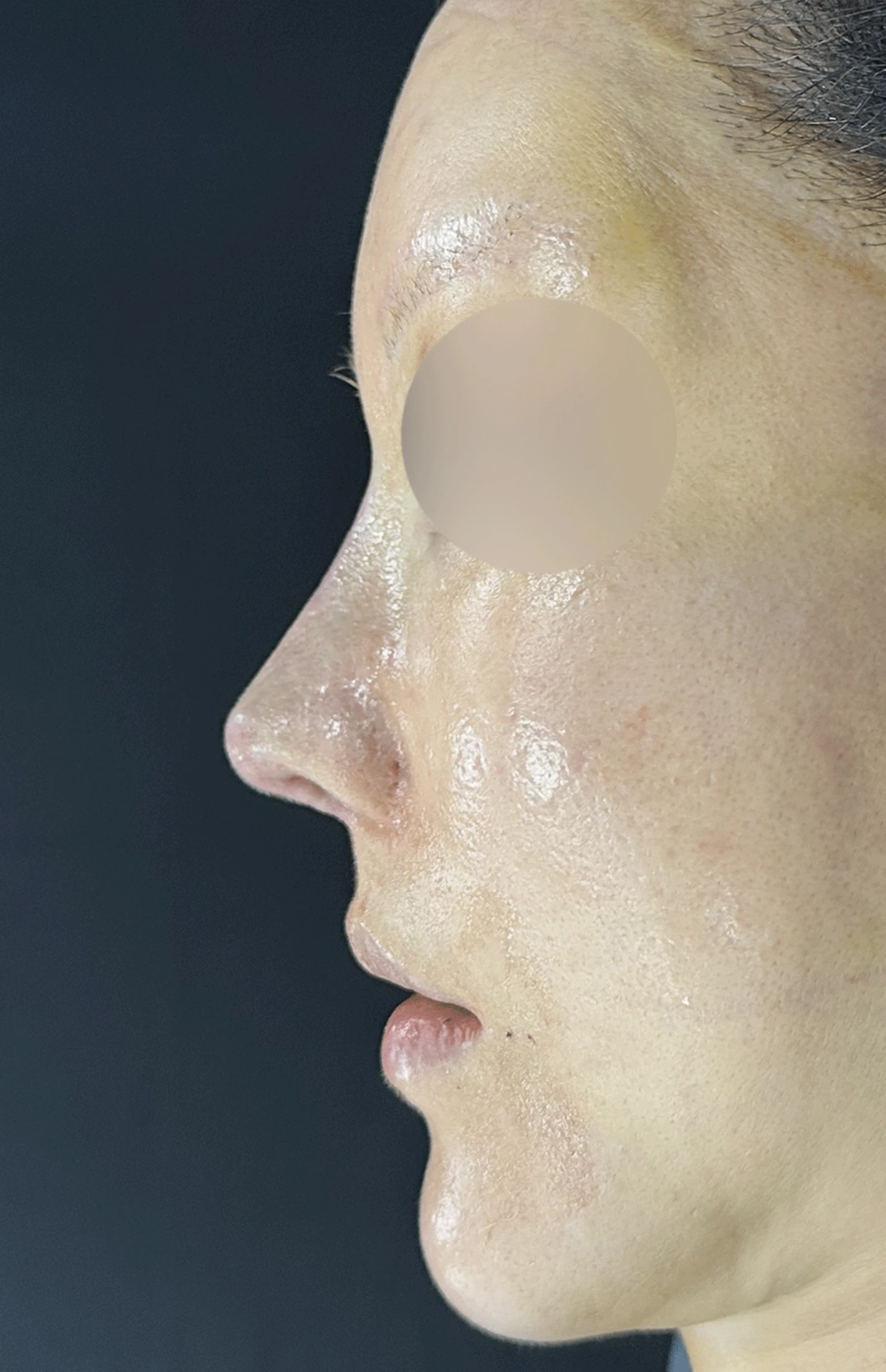
Before surgery / Day 0 immediately after surgery Photos taken immediately after surgery show swelling and may differ from the final result.
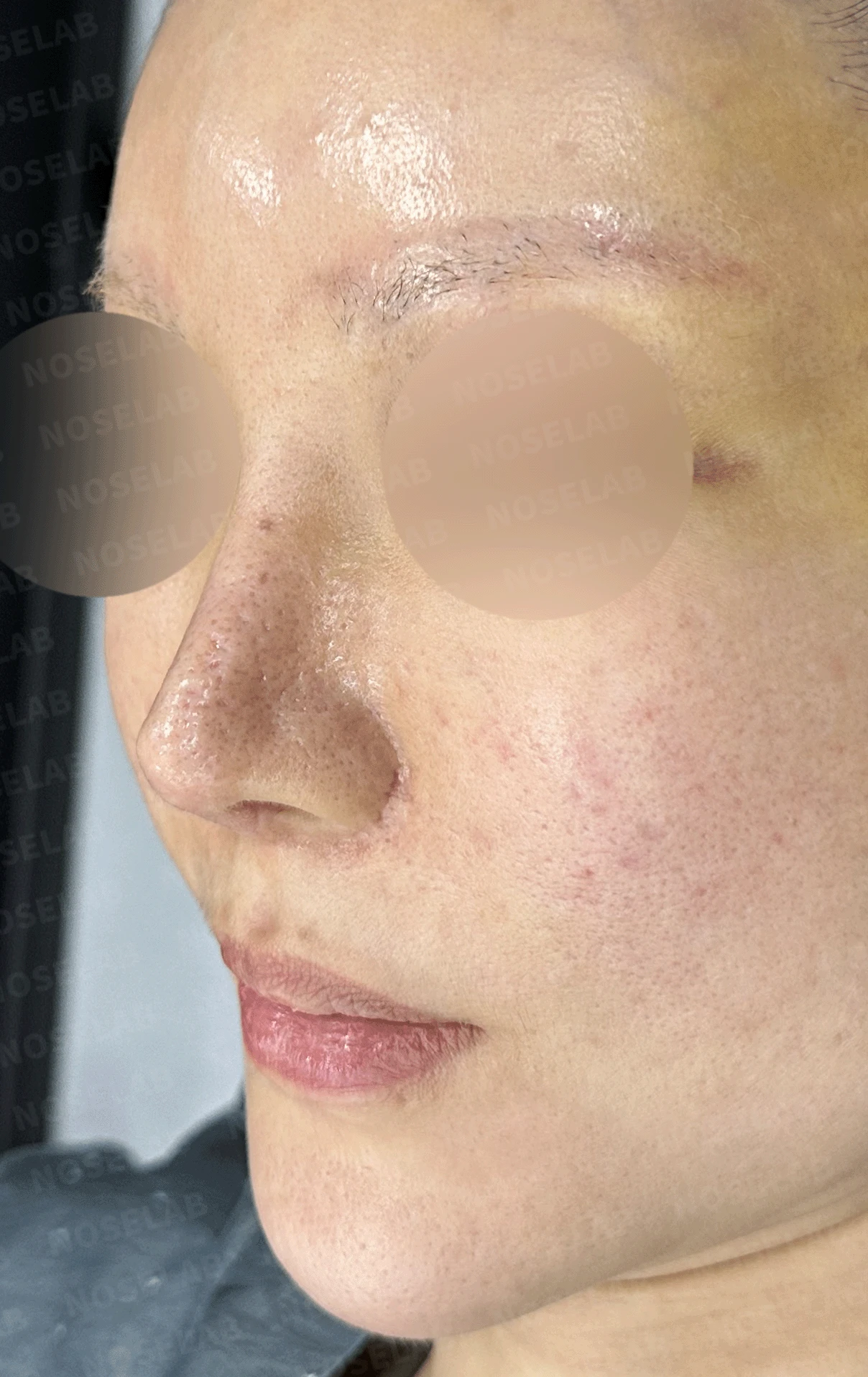
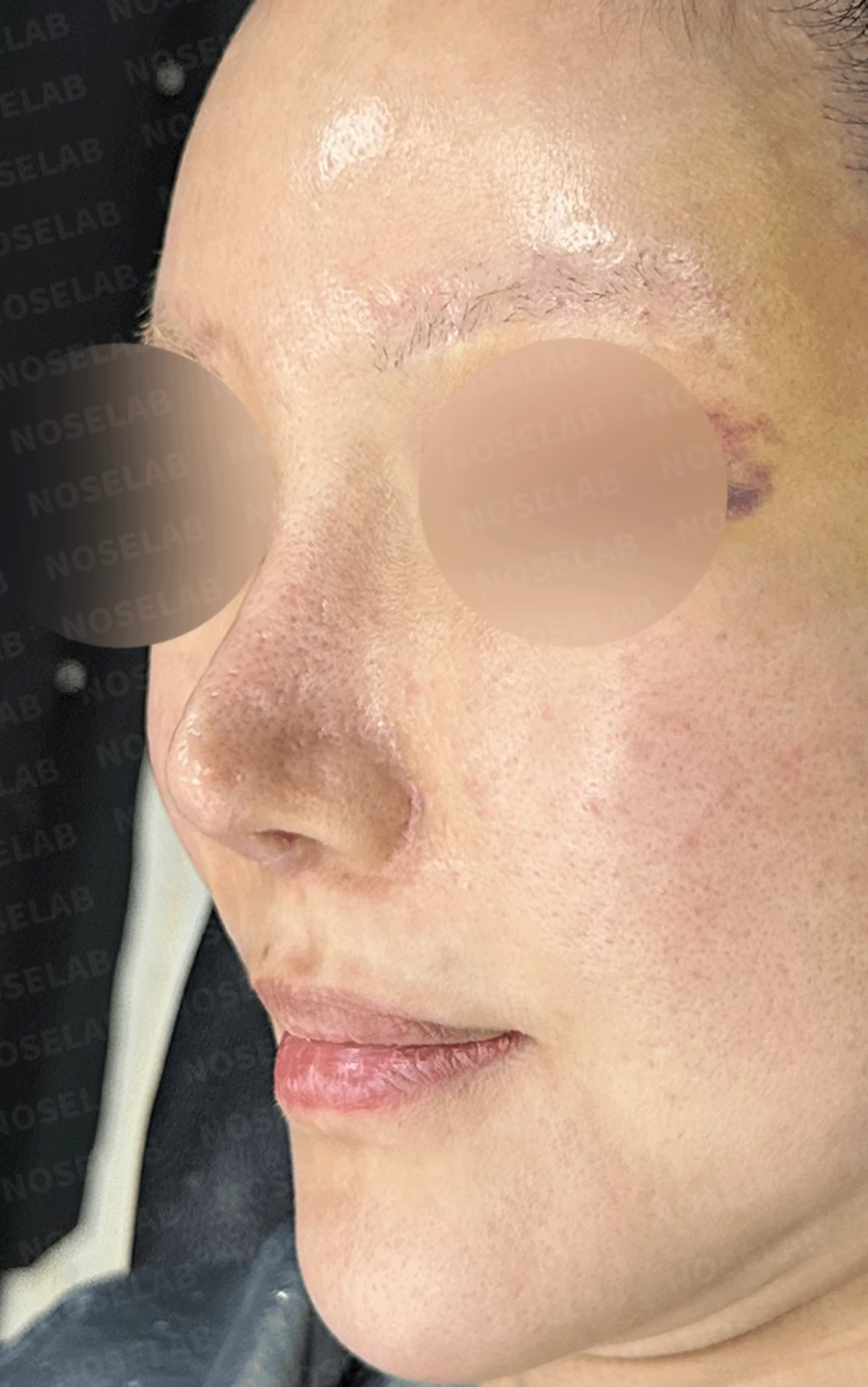
Before surgery / Day 0 immediately after surgery Photos taken immediately after surgery show swelling and may differ from the final result.
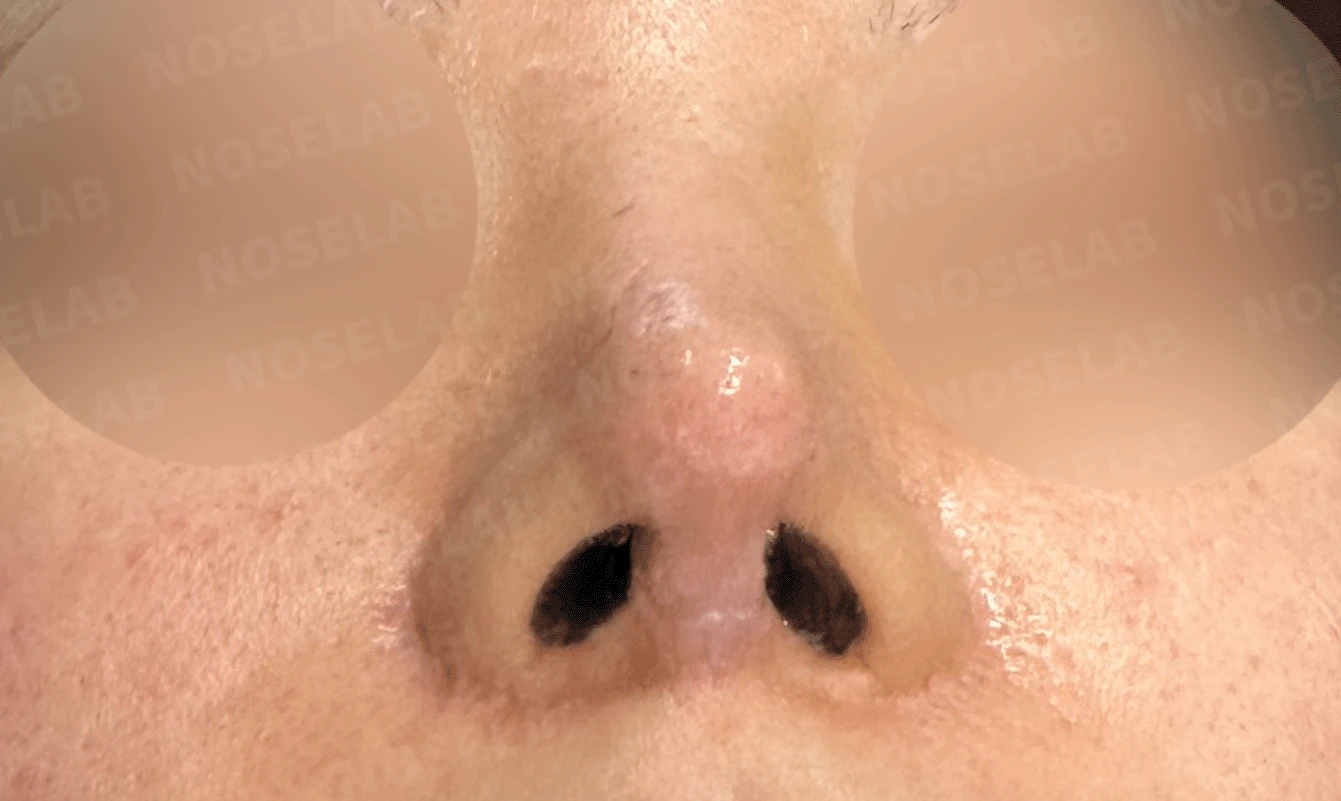
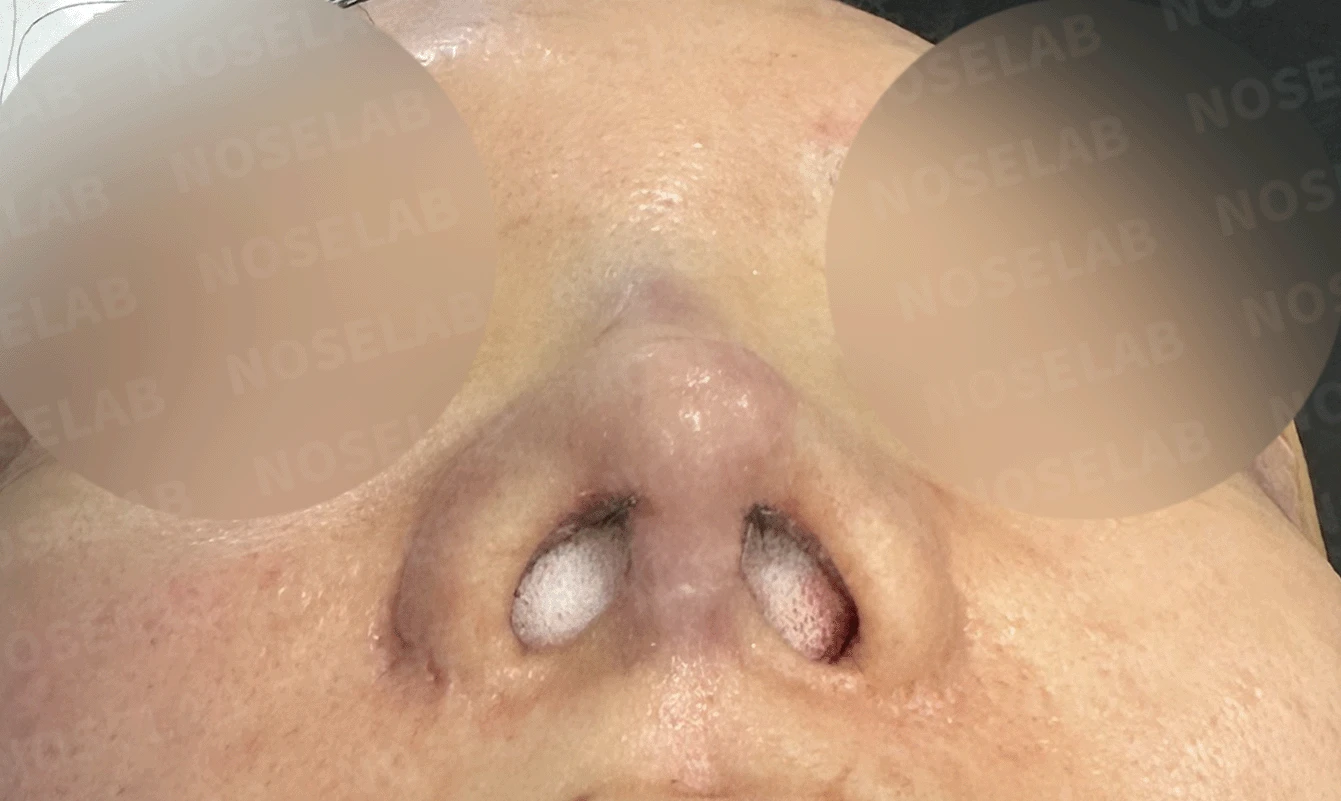
Before surgery / Day 0 immediately after surgery Photos taken immediately after surgery show swelling and may differ from the final result.
👨⚕️ Specialist's assessment
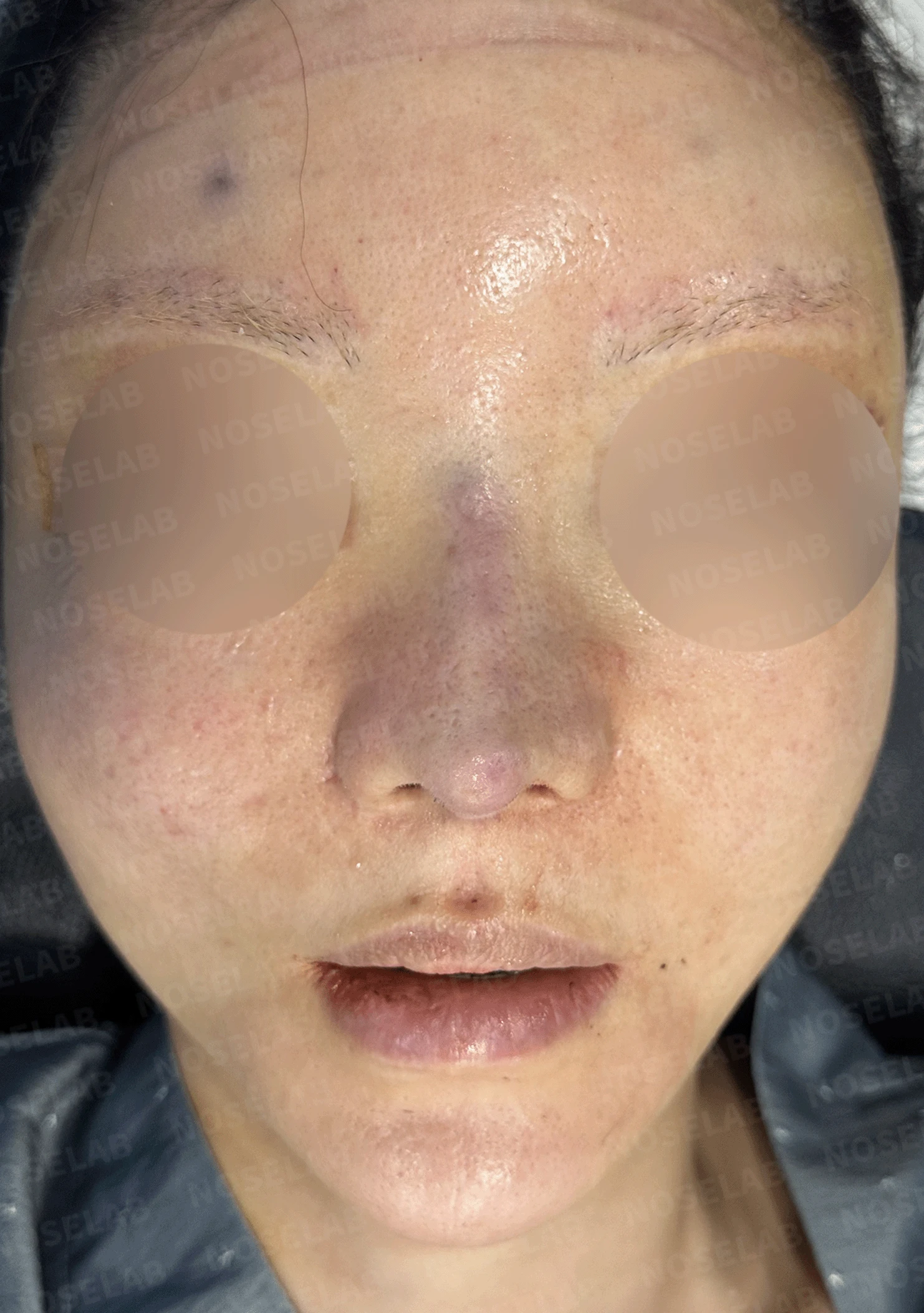
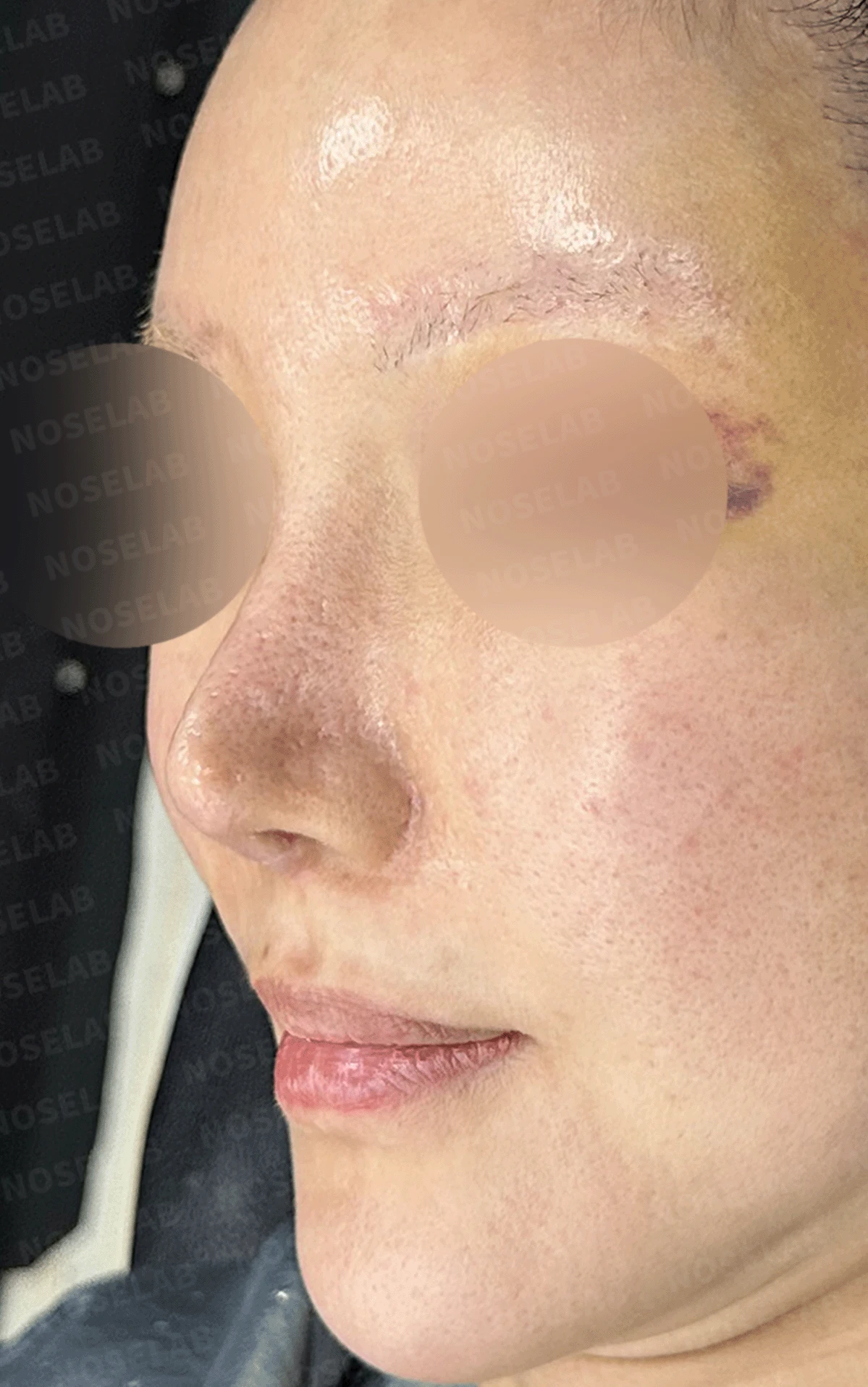
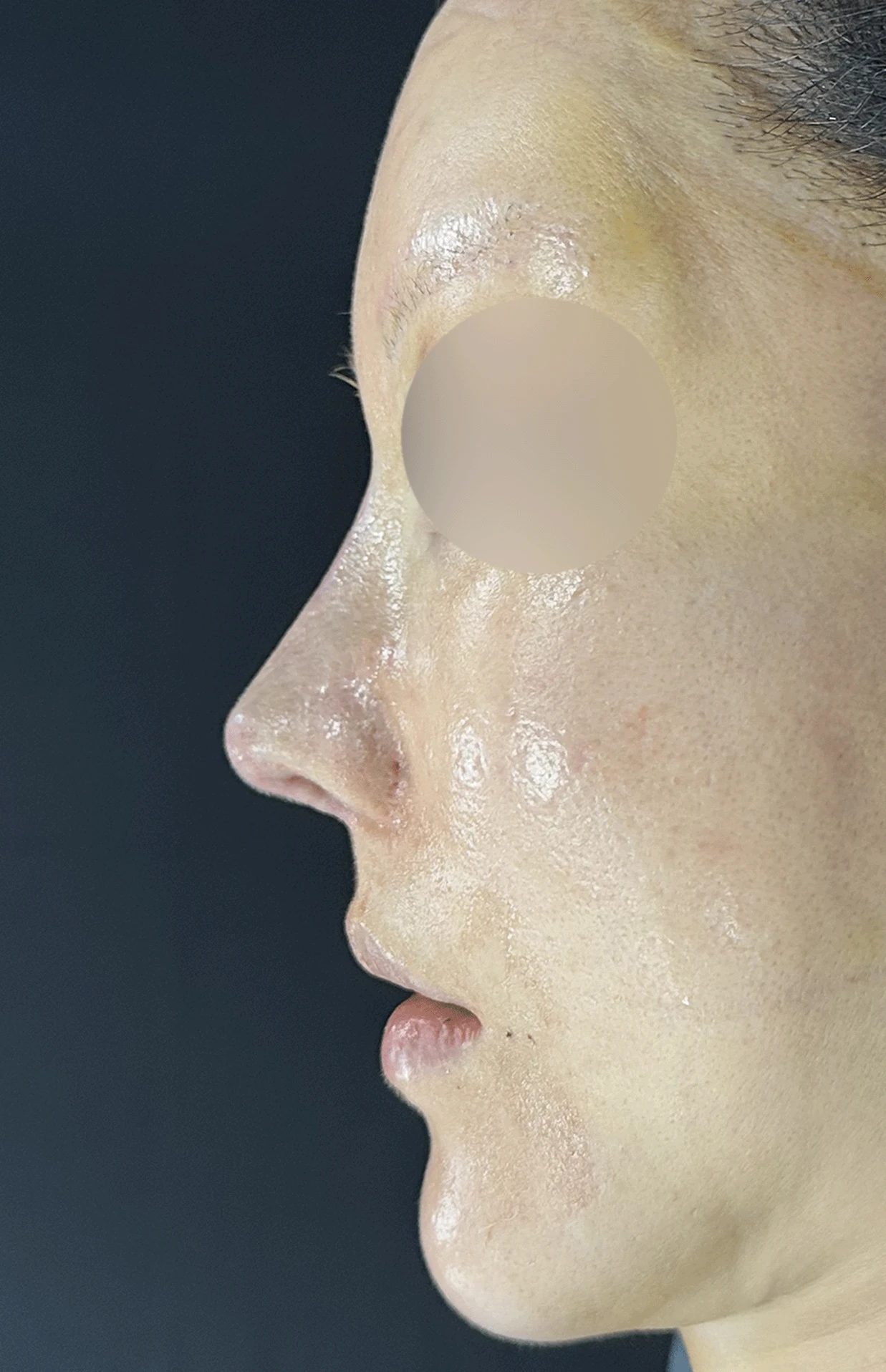
Immediately after surgery (day 0): front, oblique, and profile views. Immediate postoperative photos show swelling and may differ from the final result.
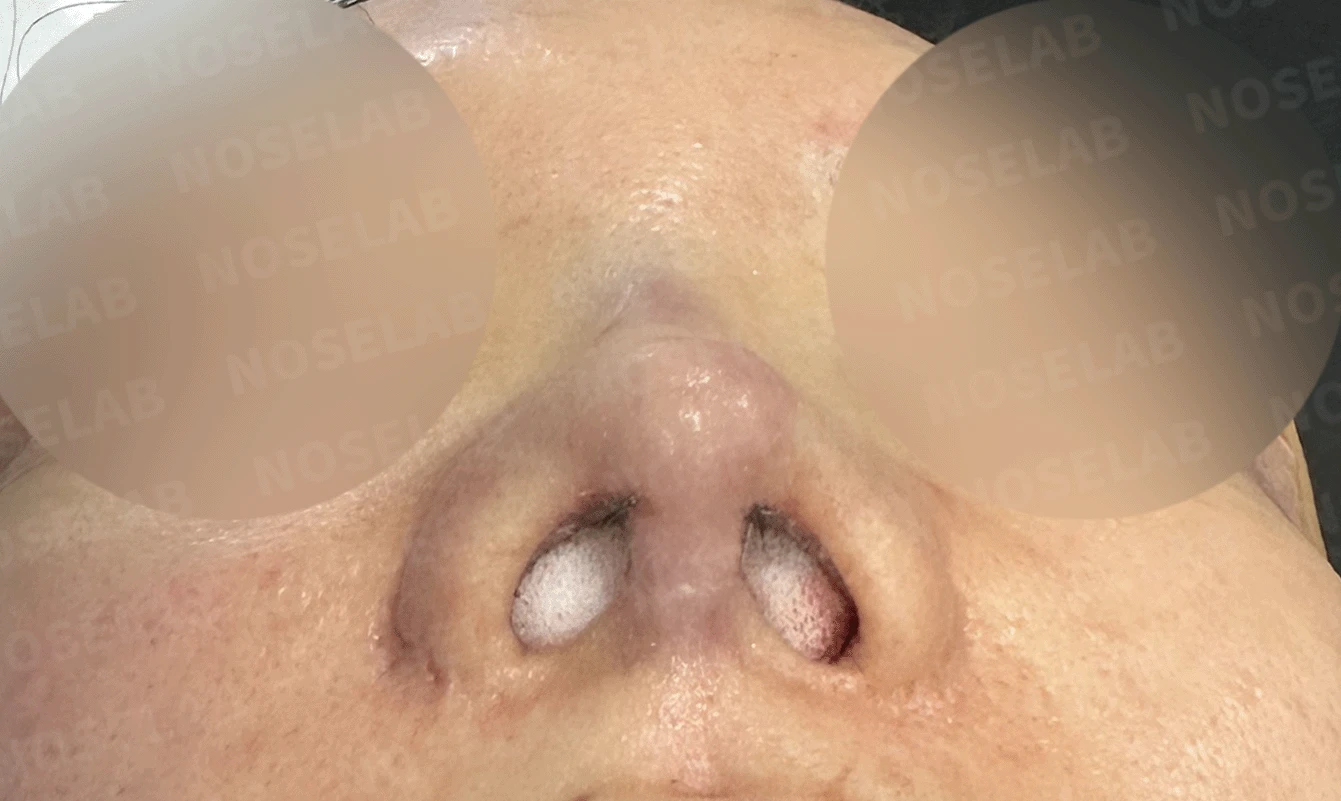
Nostril view on day 0 immediately after surgery. Photos taken immediately after surgery show swelling and may differ from the final result.
Multiple revision surgeries present truly challenging cases. This is especially true when almost no septal cartilage remains and the alar cartilages have been resected. In revision surgery, the most important principle is to pursue a natural result rather than overcorrection. It is essential to accurately assess the patient's current anatomical status and achieve the intended outcome within safe, achievable limits.
I sincerely hope this surgery provides the patient with a comfortable, natural nose without the need for further revisions.
If you have any questions, please feel free to reach out at any time.
#closedrhinoplasty #closedrevisionrhinoplasty #closedautologousribrhinoplasty
Limitations and risks
When autologous rib cartilage is used, scarring and pain may remain at the donor site on the chest, and pneumothorax (pleural injury) can occur rarely. Over time, the grafted cartilage may warp or undergo partial resorption.
When the septum is corrected at the same time, nasal obstruction may persist or recur, and in rare cases, septal perforation or changes in smell may occur.
Common potential risks include infection, bleeding, asymmetry, scarring, skin necrosis, and insufficient improvement; results vary depending on individual skin condition and previous surgical history.