Hello, I am Dr. Peter C. Kang.
Today, I would like to introduce the case of a patient who visited our clinic concerned about a small, drooping nose. Along with aesthetic refinement, the patient also wished to resolve nasal obstruction caused by a deviated septum and rhinitis.
🔍 Surgical history
No prior nasal surgery history (primary surgery)
Rhinitis present
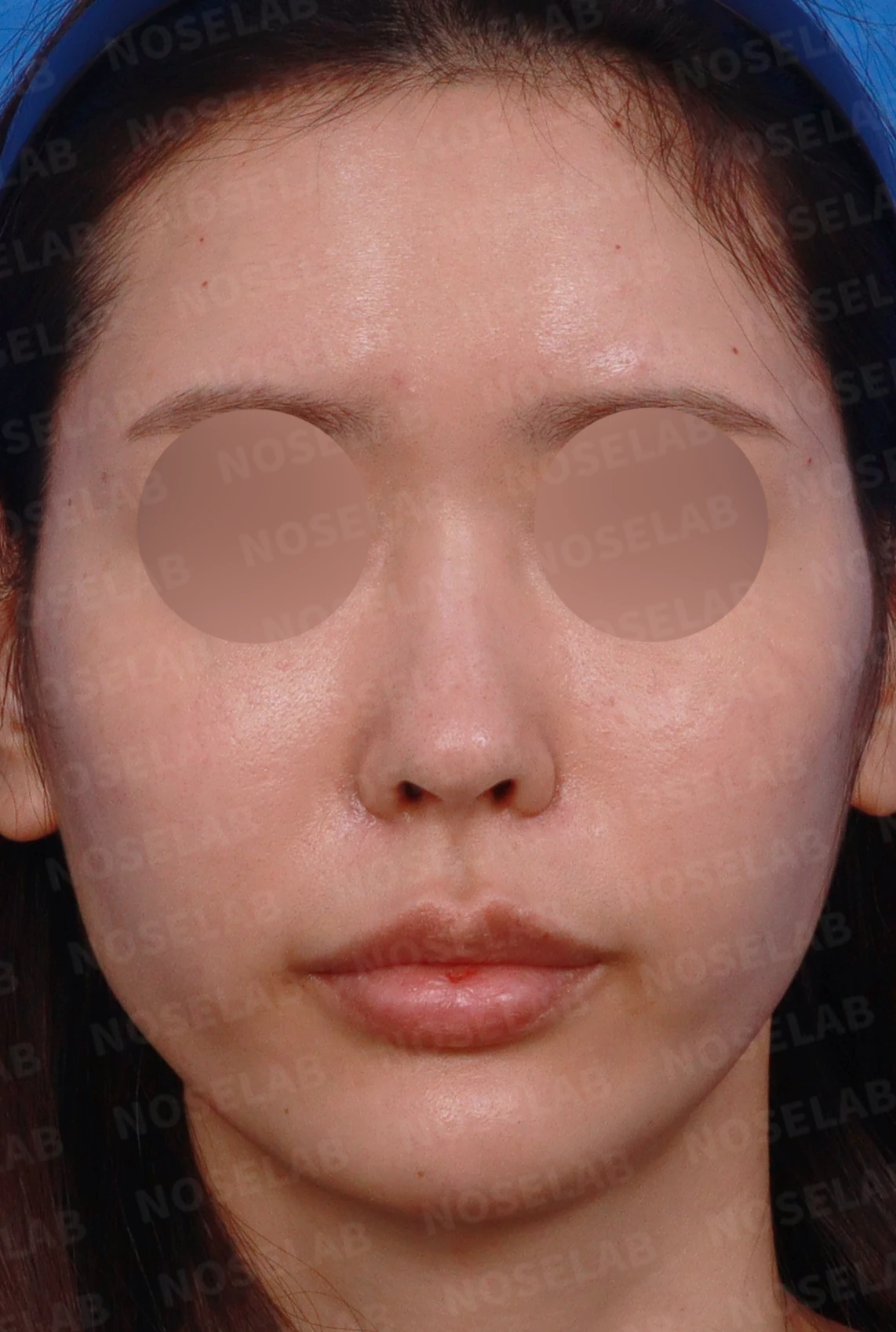
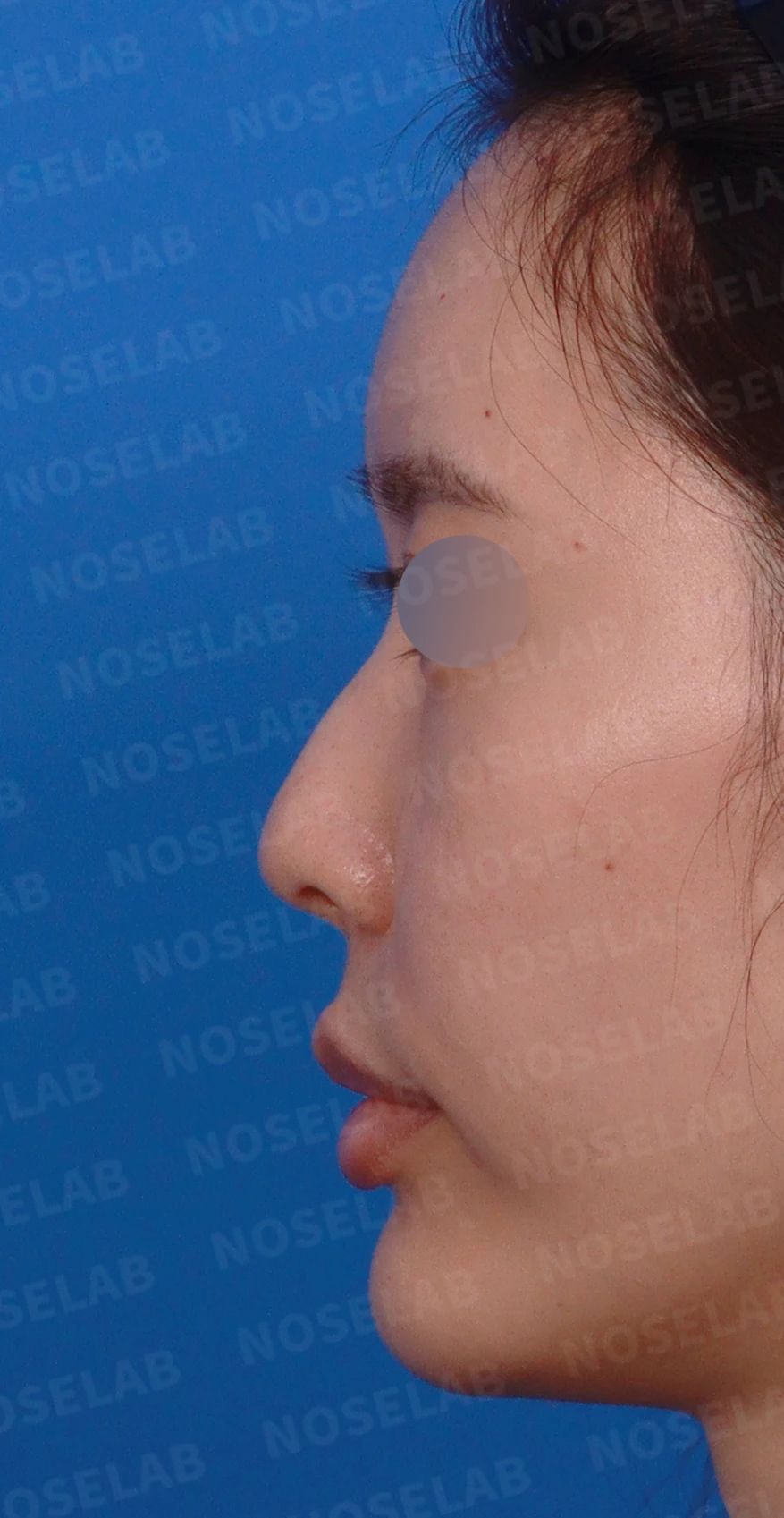
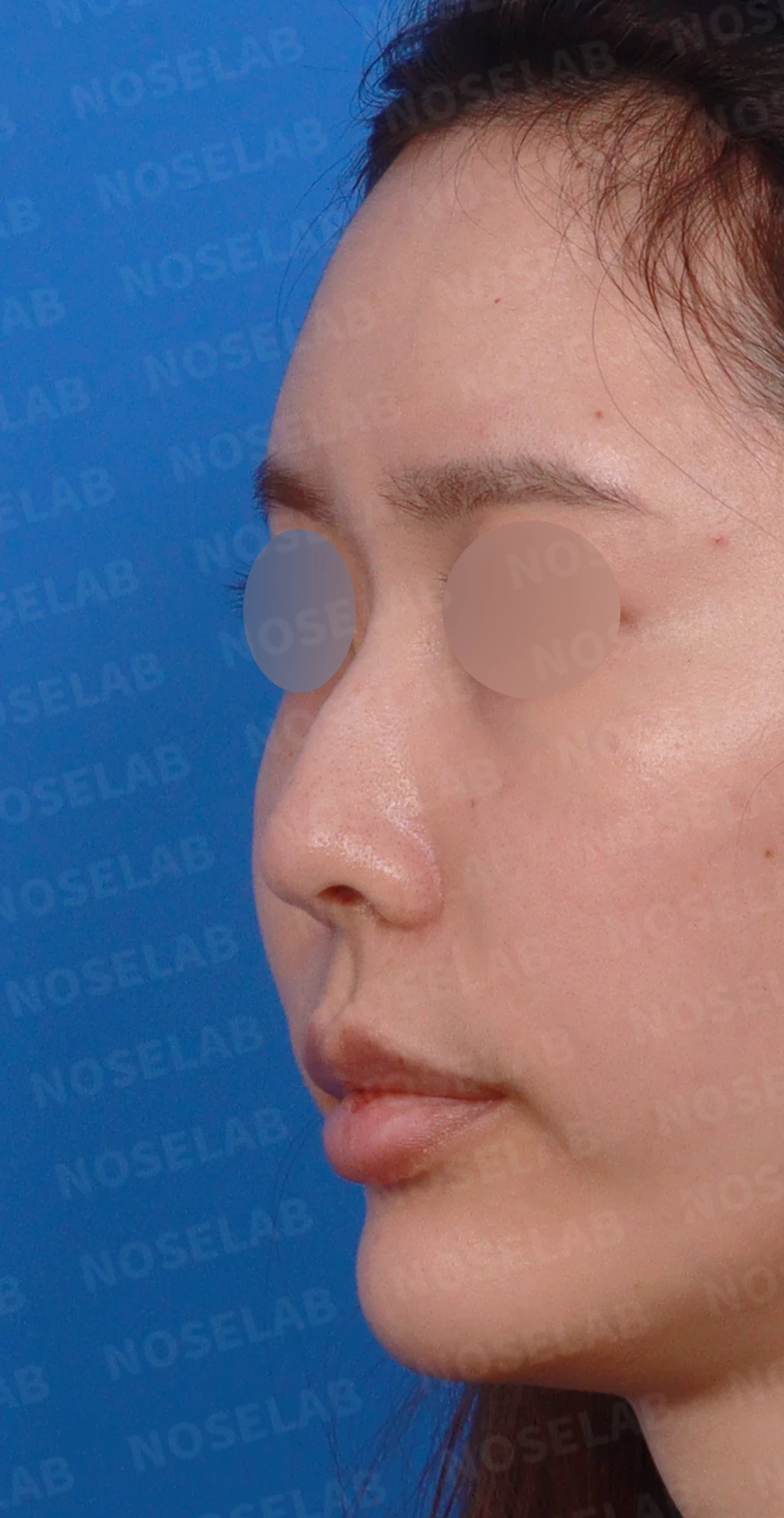
Design consultation photos: front, left profile, and oblique views
💉 Patient requests
Desire to naturally elevate a small, drooping nose
Relief of nasal obstruction (deviated septum + rhinitis)
Simultaneous resolution of functional and aesthetic concerns
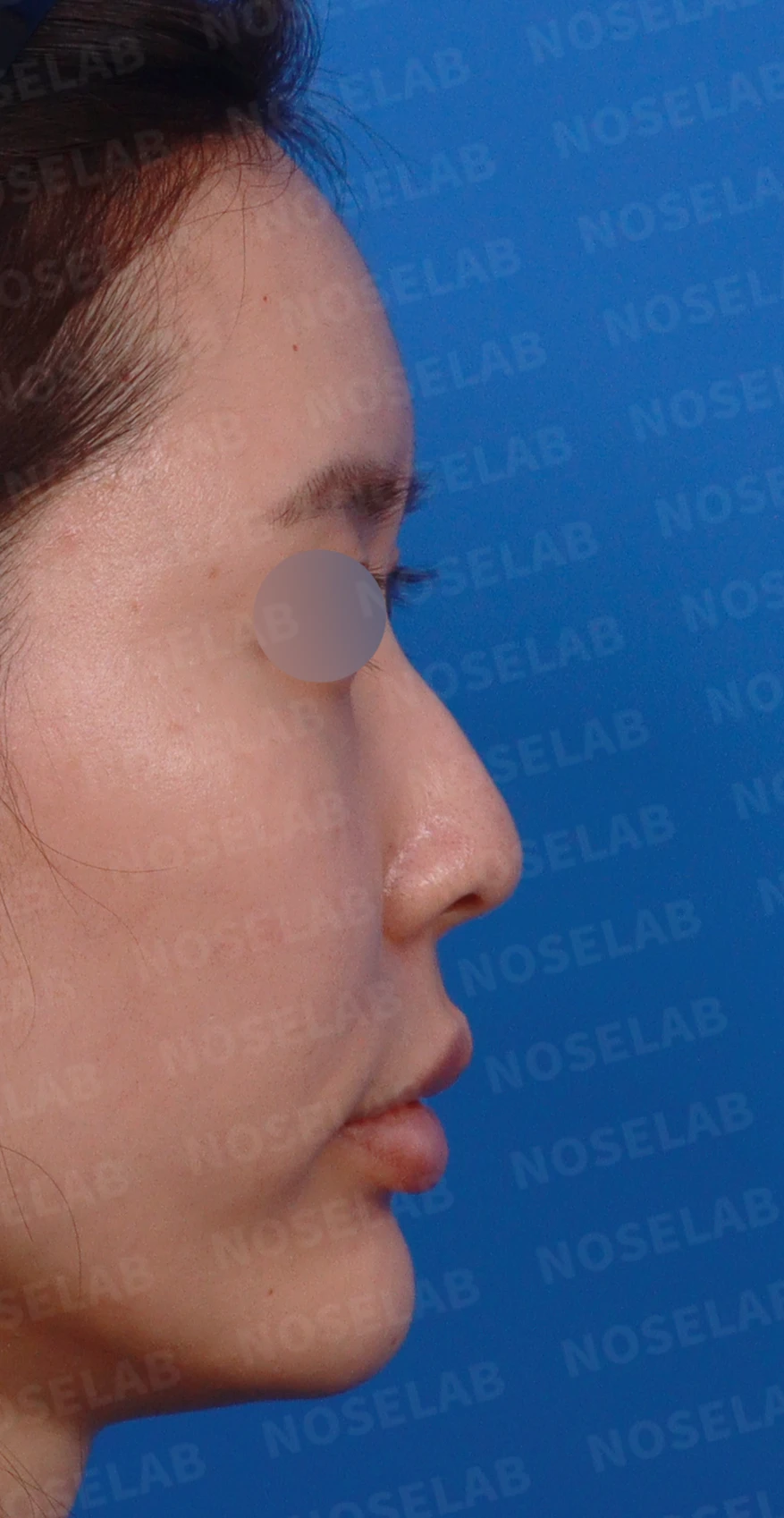
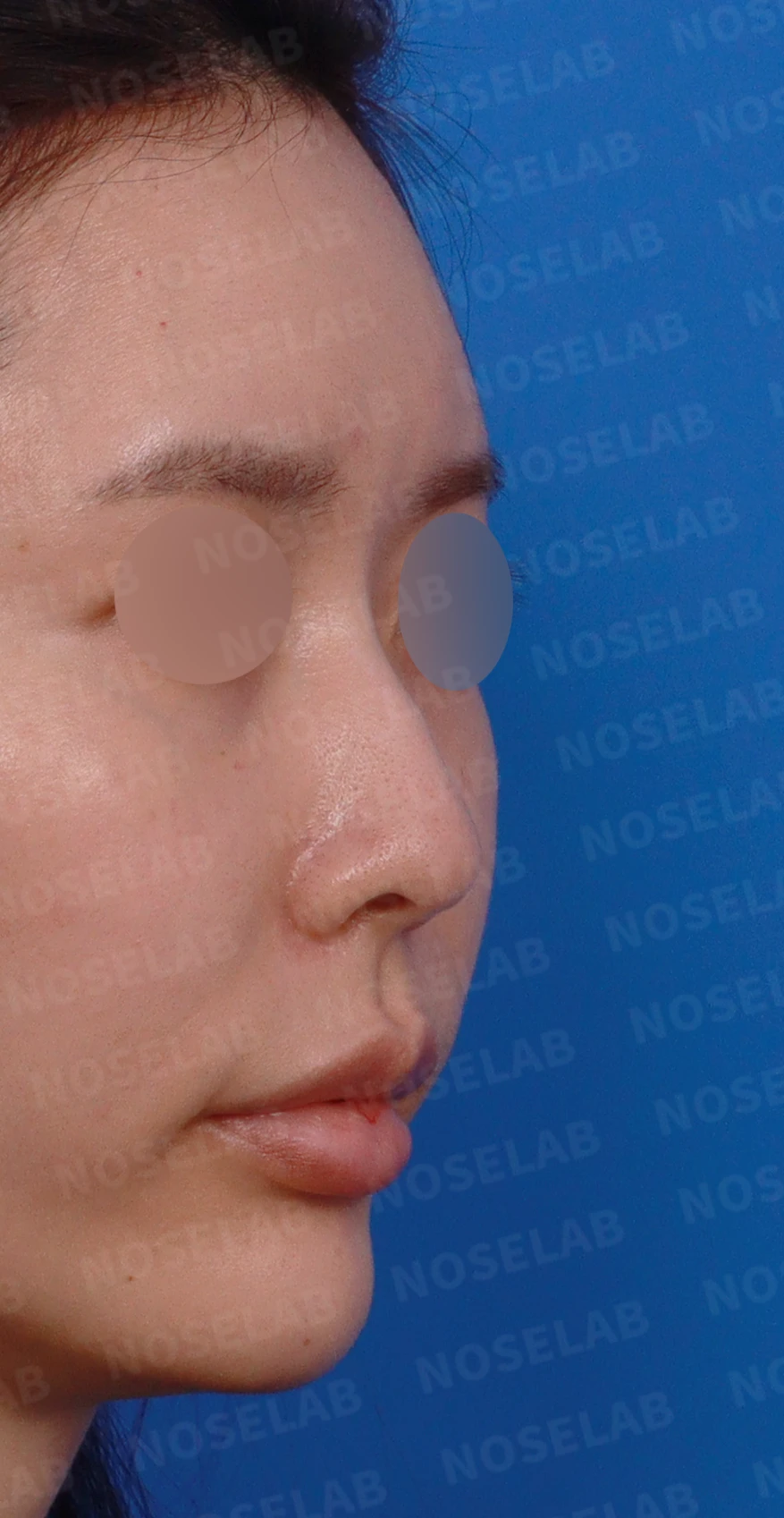
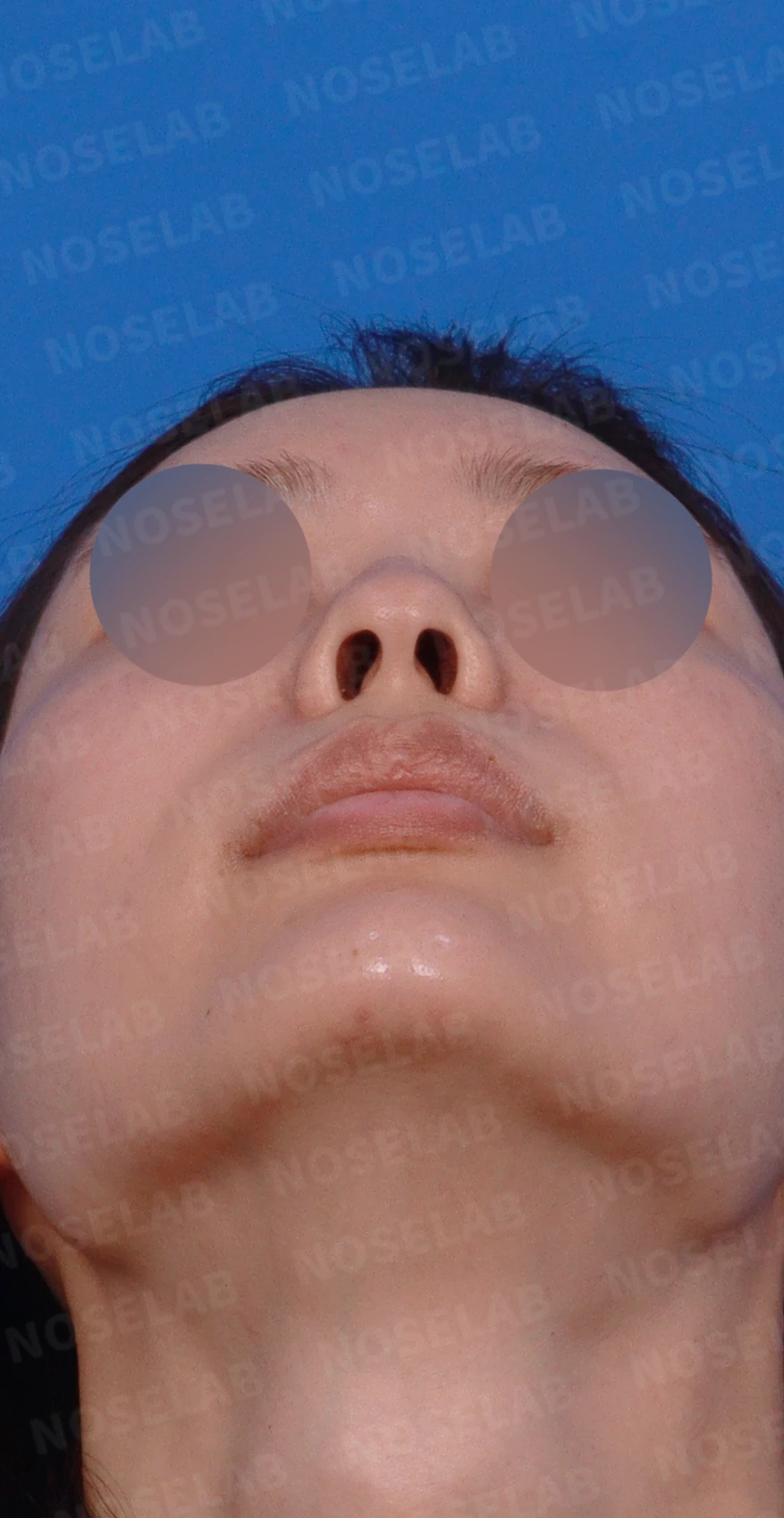
Design consultation photos: right profile, oblique, and nostril views
🔧 Surgical plan and procedure
1. Elevating the nasal tip using autologous rib cartilage
Correcting the drooping nasal tip with solid structural support
Creating a defined yet natural nasal tip contour
A stable structure that maintains its result over time
2. Nasolabial angle correction
Improving the drooping appearance
Achieving a refined profile silhouette
3. Correction of deviated septum
Relieving nasal obstruction by straightening the deviated septum
Restoration of breathing function
4. Rhinitis surgery
Inferior turbinate reduction
Relieving chronic nasal obstruction symptoms
🌟 Surgical results
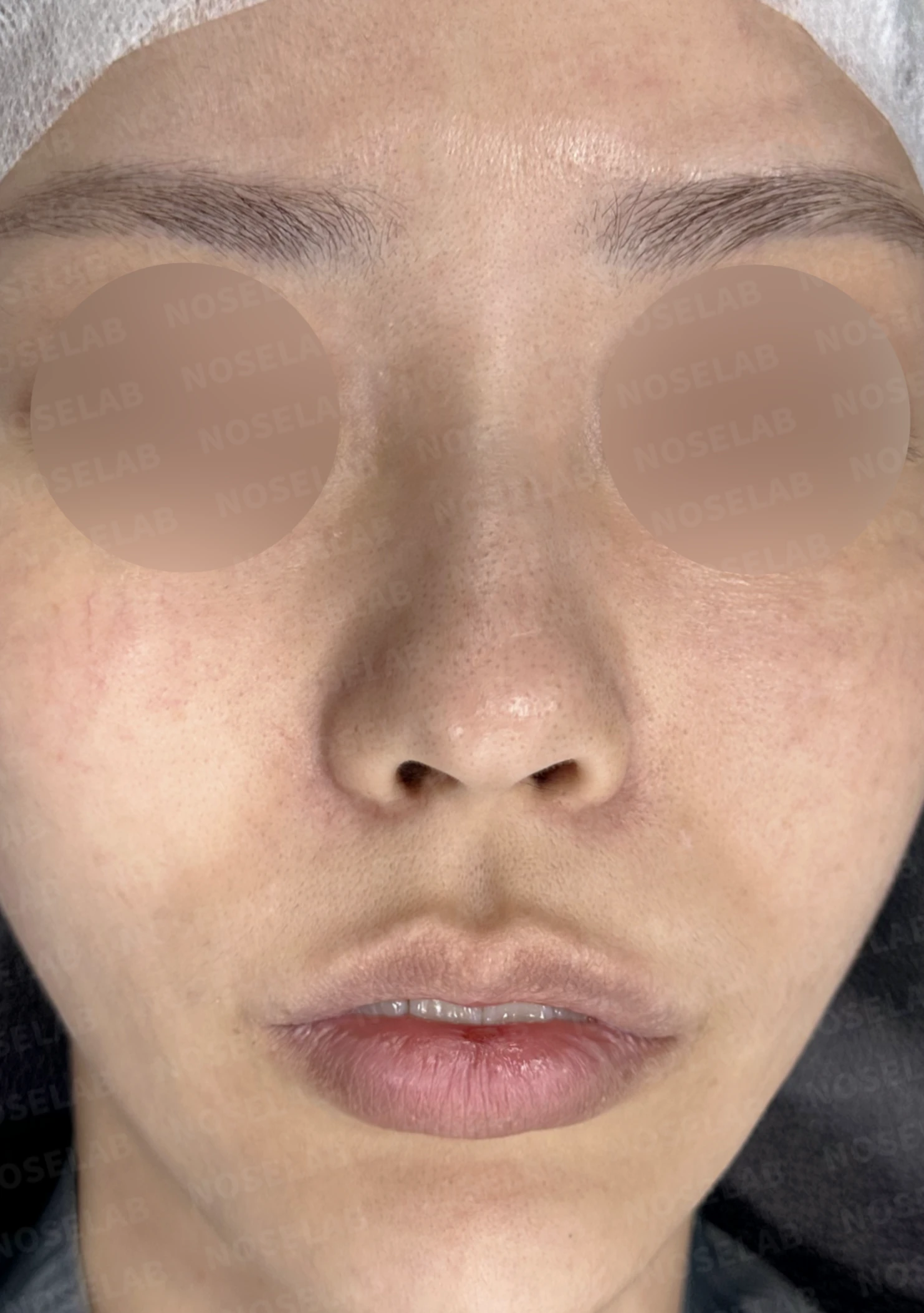
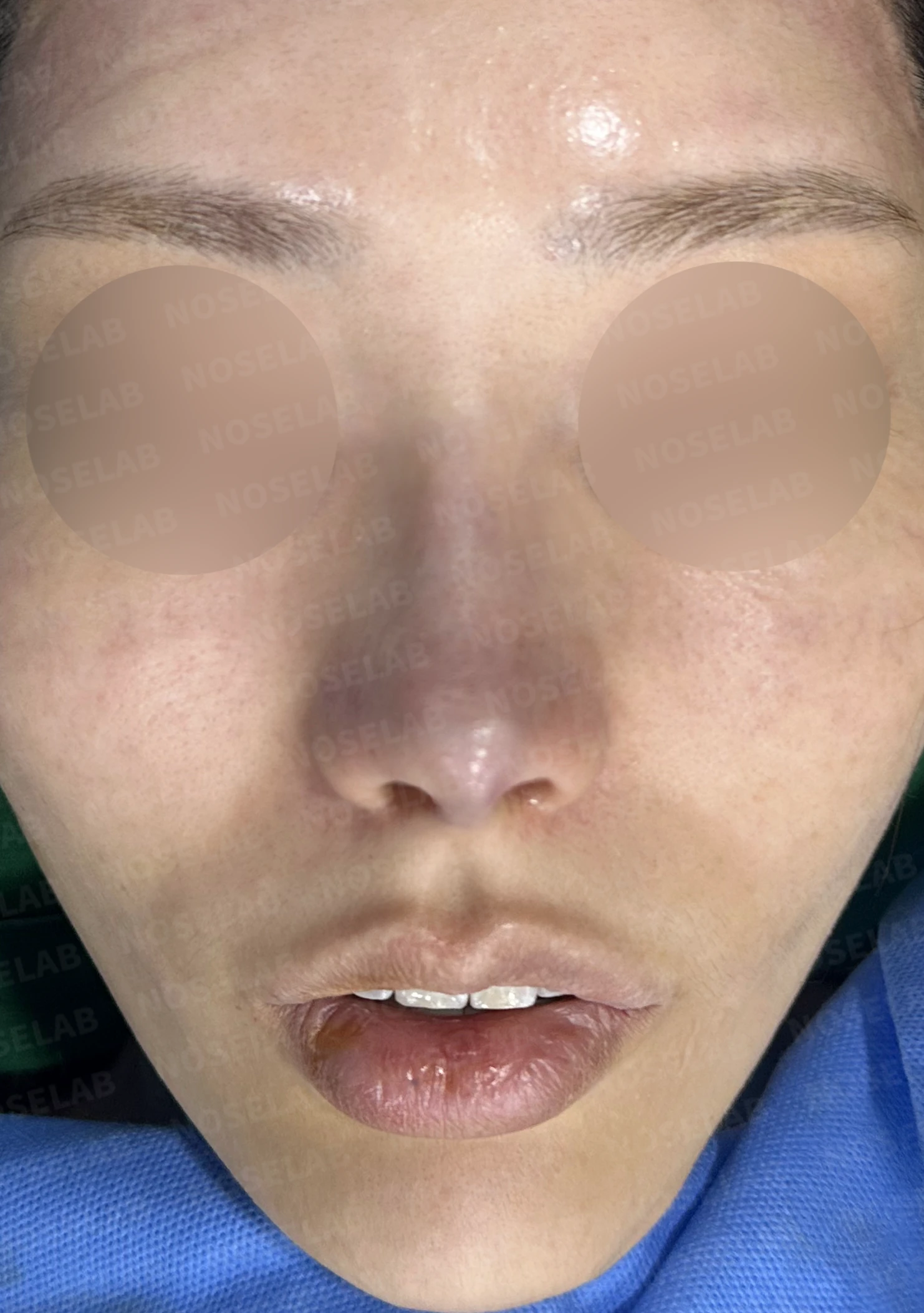
Before surgery / Day 0 immediately after surgery Photos taken immediately after surgery show swelling and may differ from the final result.
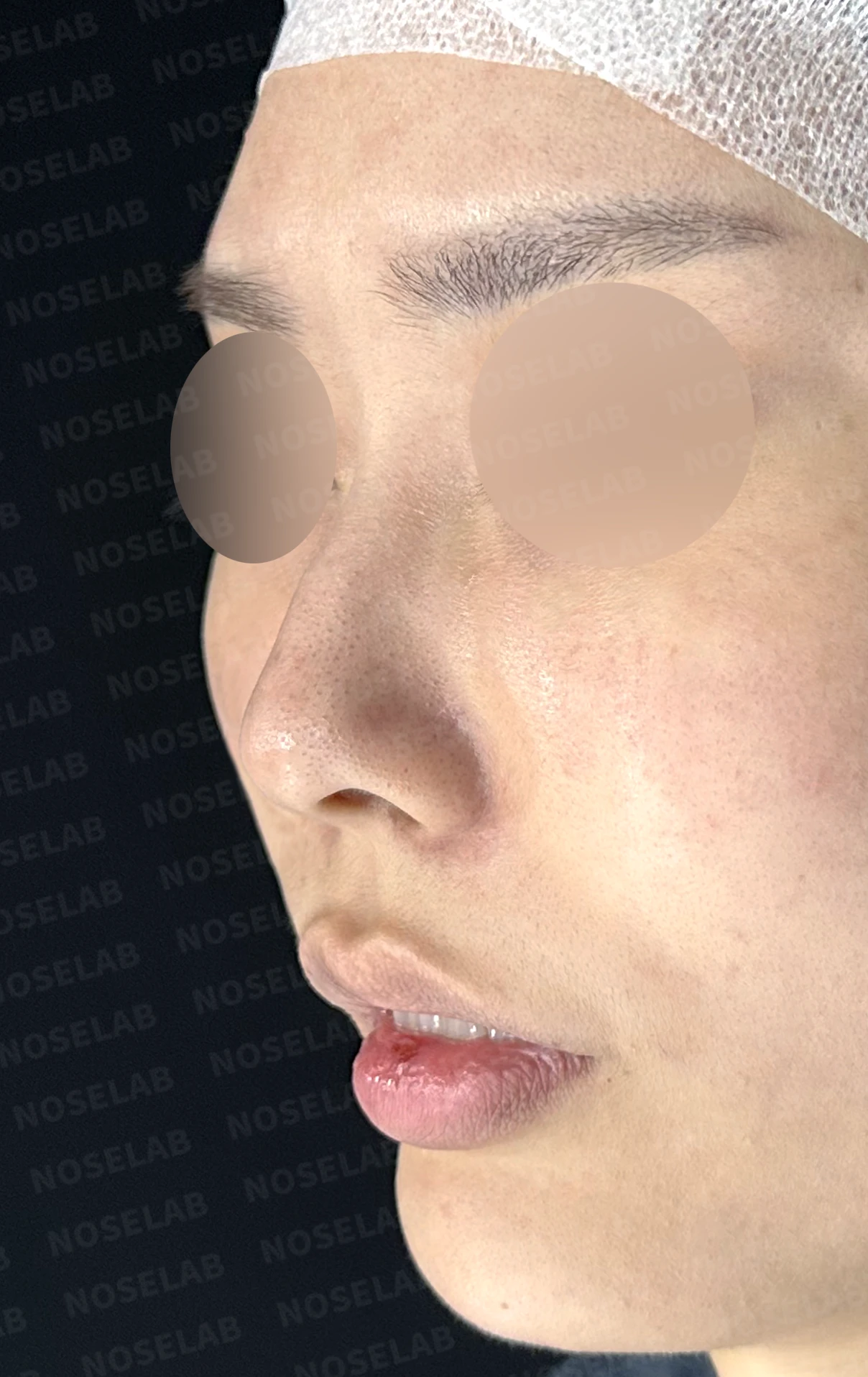
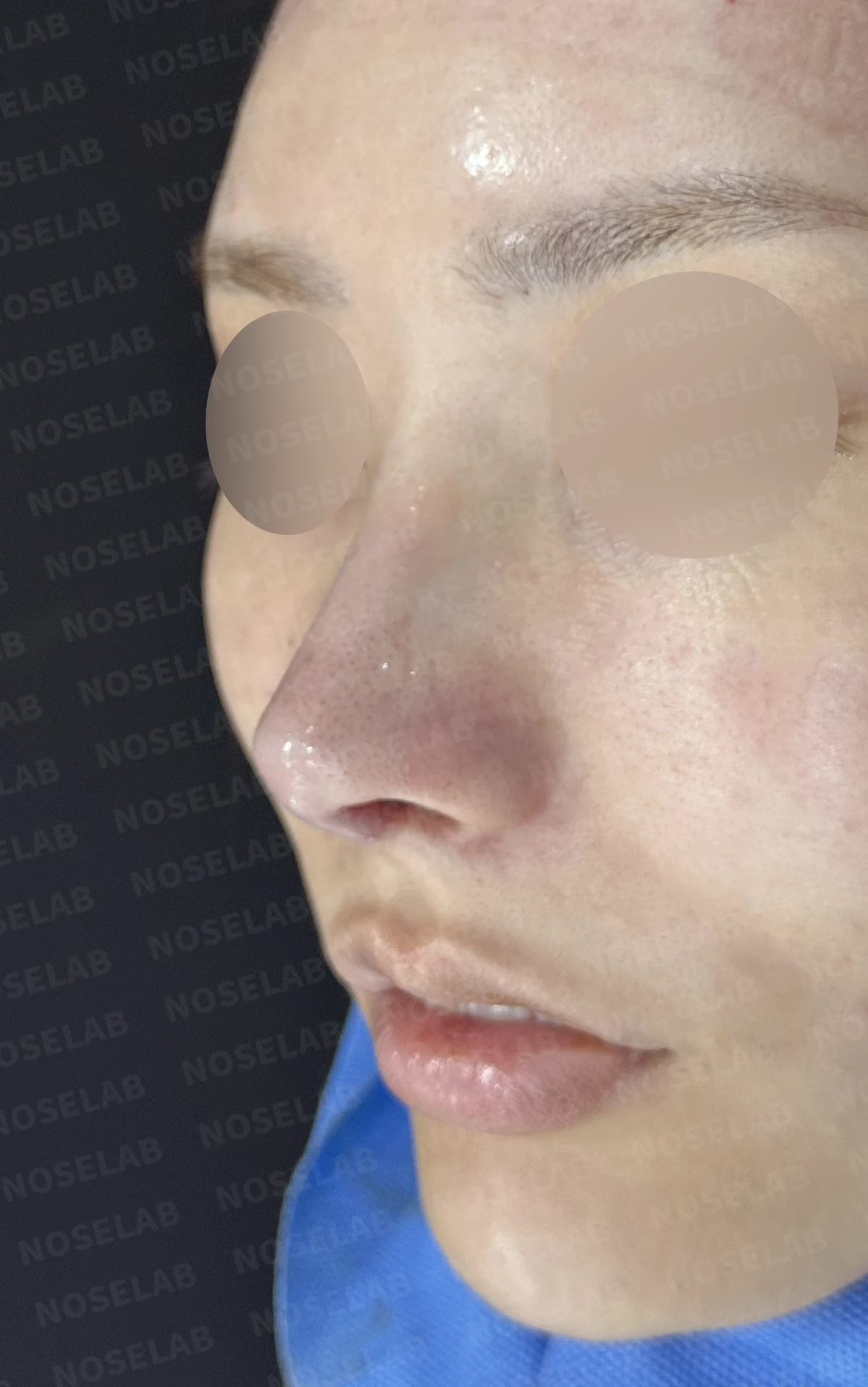
1. Frontal changes
Elevating the nasal tip enhanced overall facial three-dimensionality
The previously small nose was improved to harmonize with the face
A refined, well-balanced impression
Before surgery / Day 0 immediately after surgery Photos taken immediately after surgery show swelling and may differ from the final result.
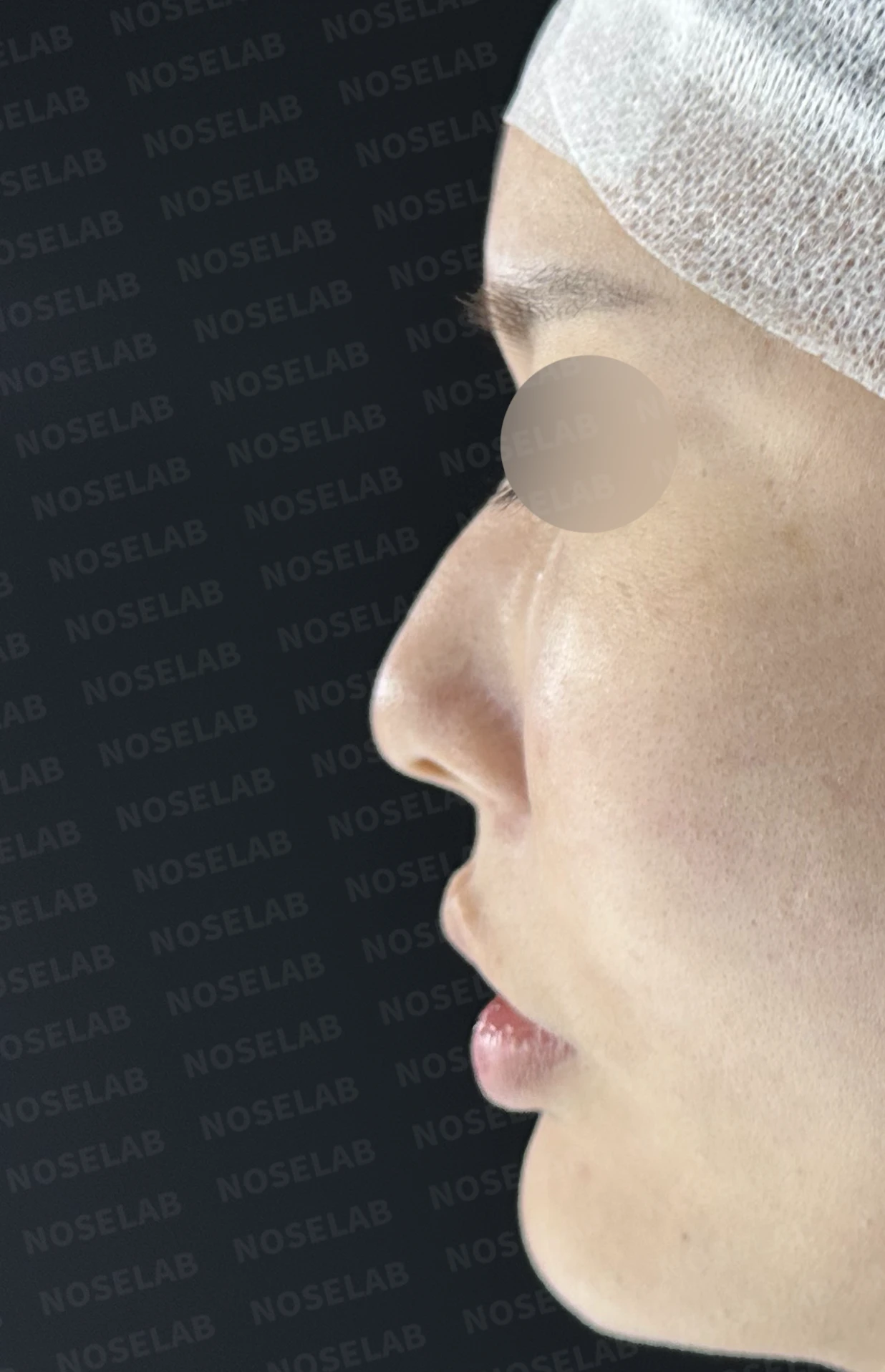
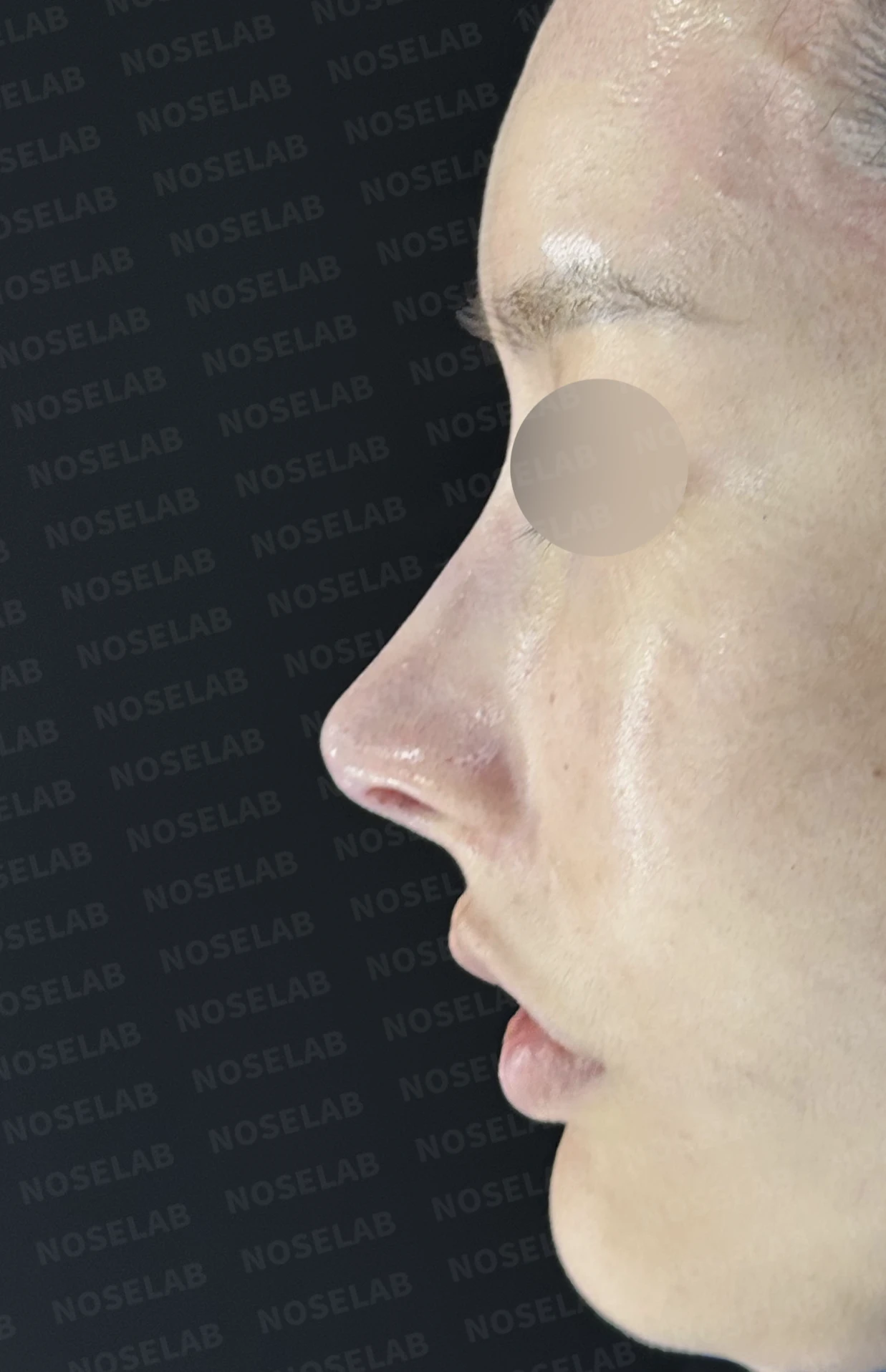
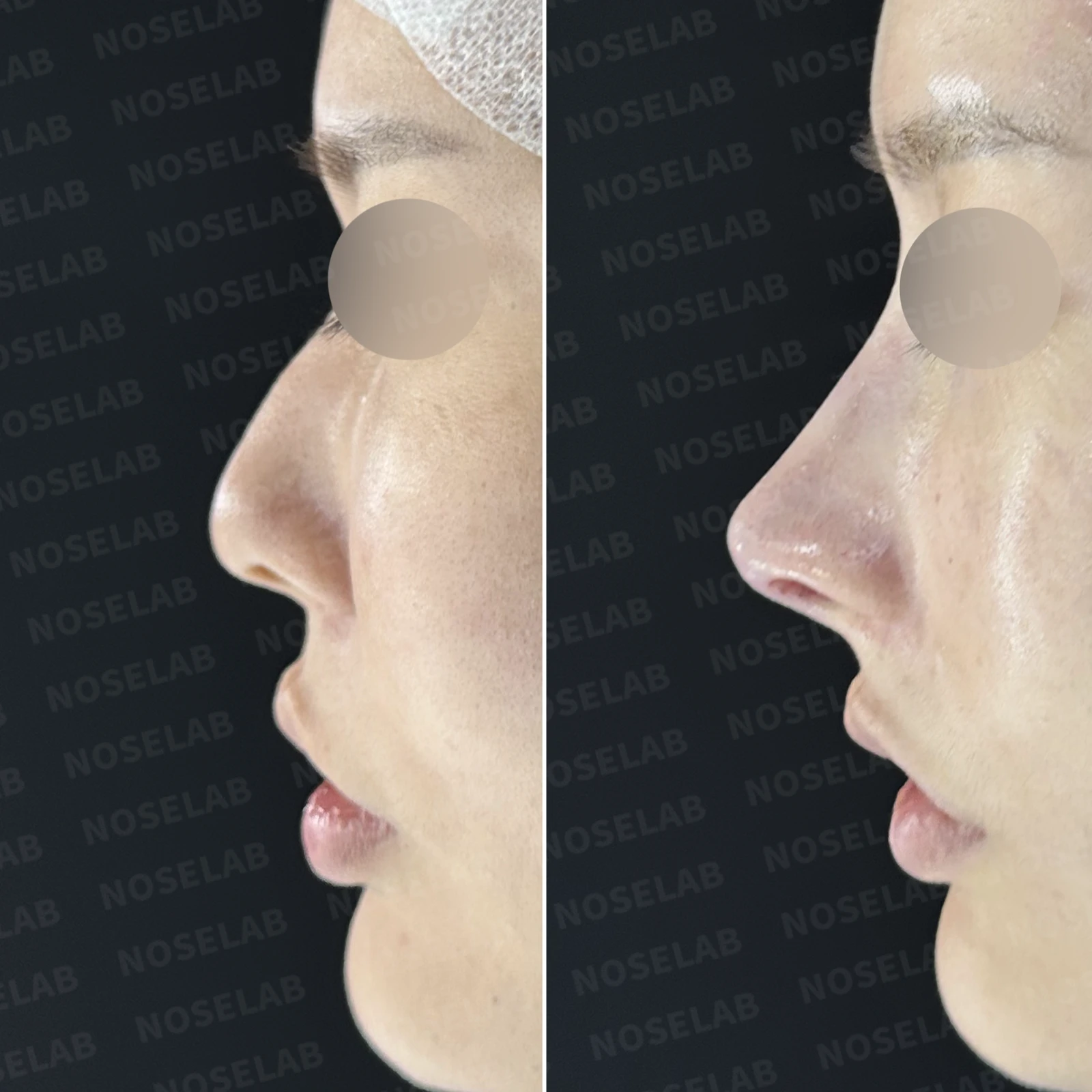
2. Profile changes
The drooping tip was naturally elevated
A defined yet natural profile line through nasolabial angle correction
Enhancing overall facial balance
Before surgery / Day 0 immediately after surgery Photos taken immediately after surgery show swelling and may differ from the final result.
3. Nostril changes
Balanced nostril shape following the increase in tip height
An overall neat and organized appearance
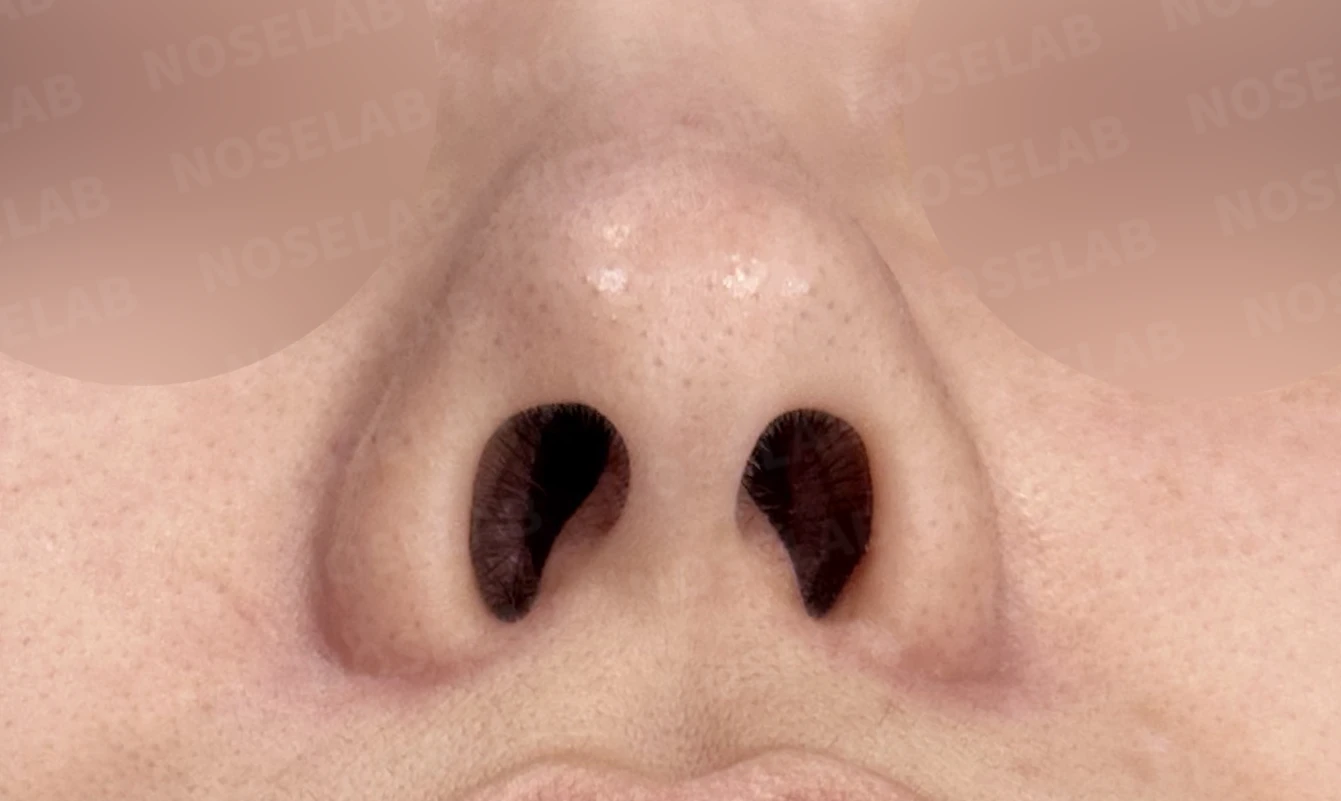
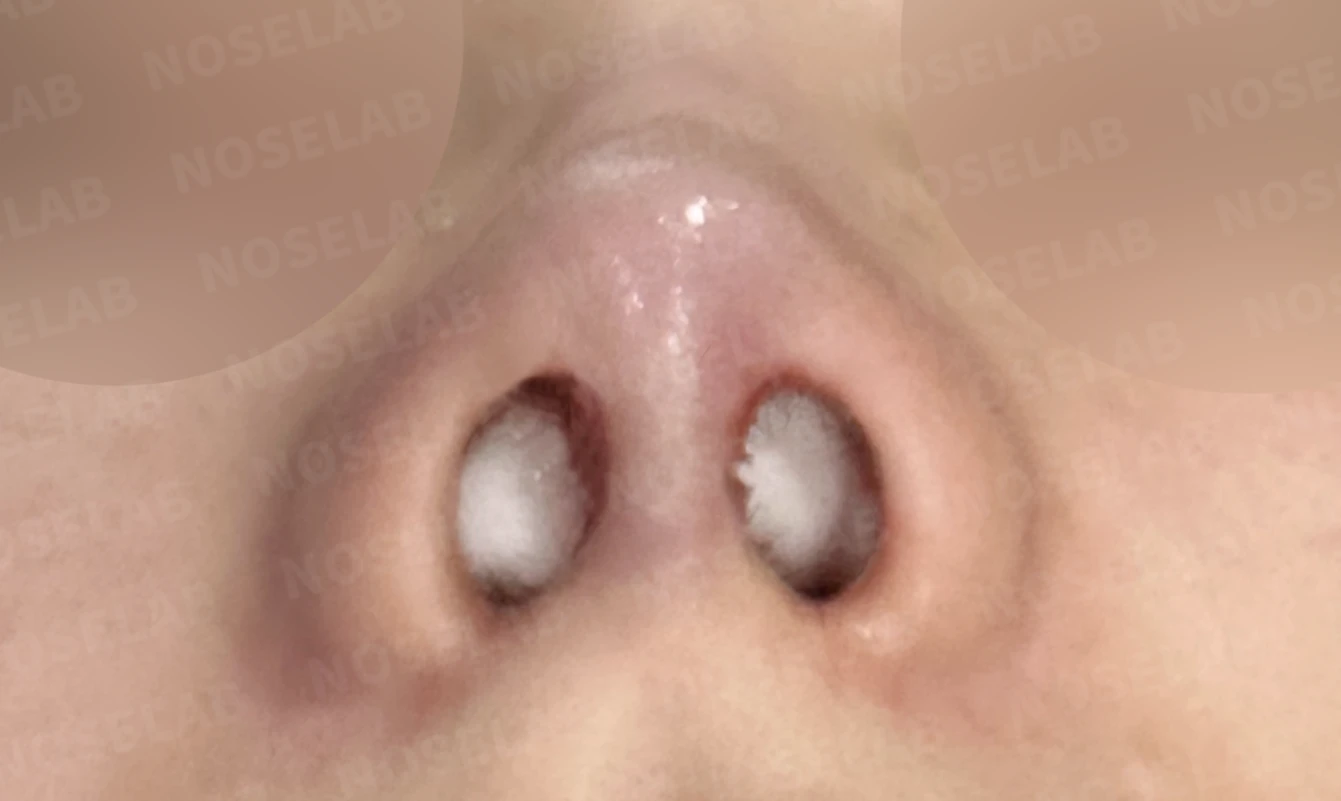
Before surgery / Day 0 immediately after surgery Photos taken immediately after surgery show swelling and may differ from the final result.
💡 Specialist opinion
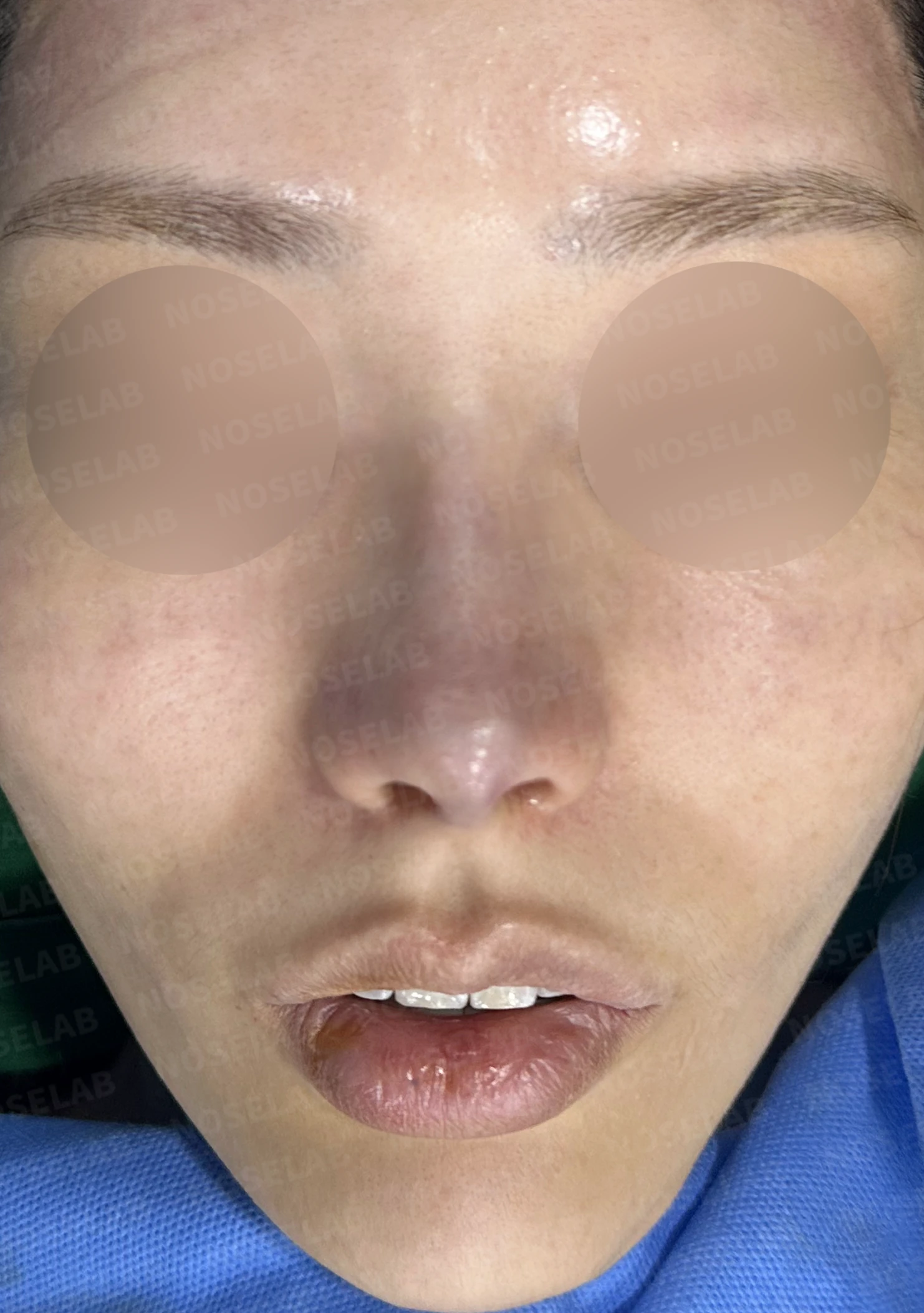
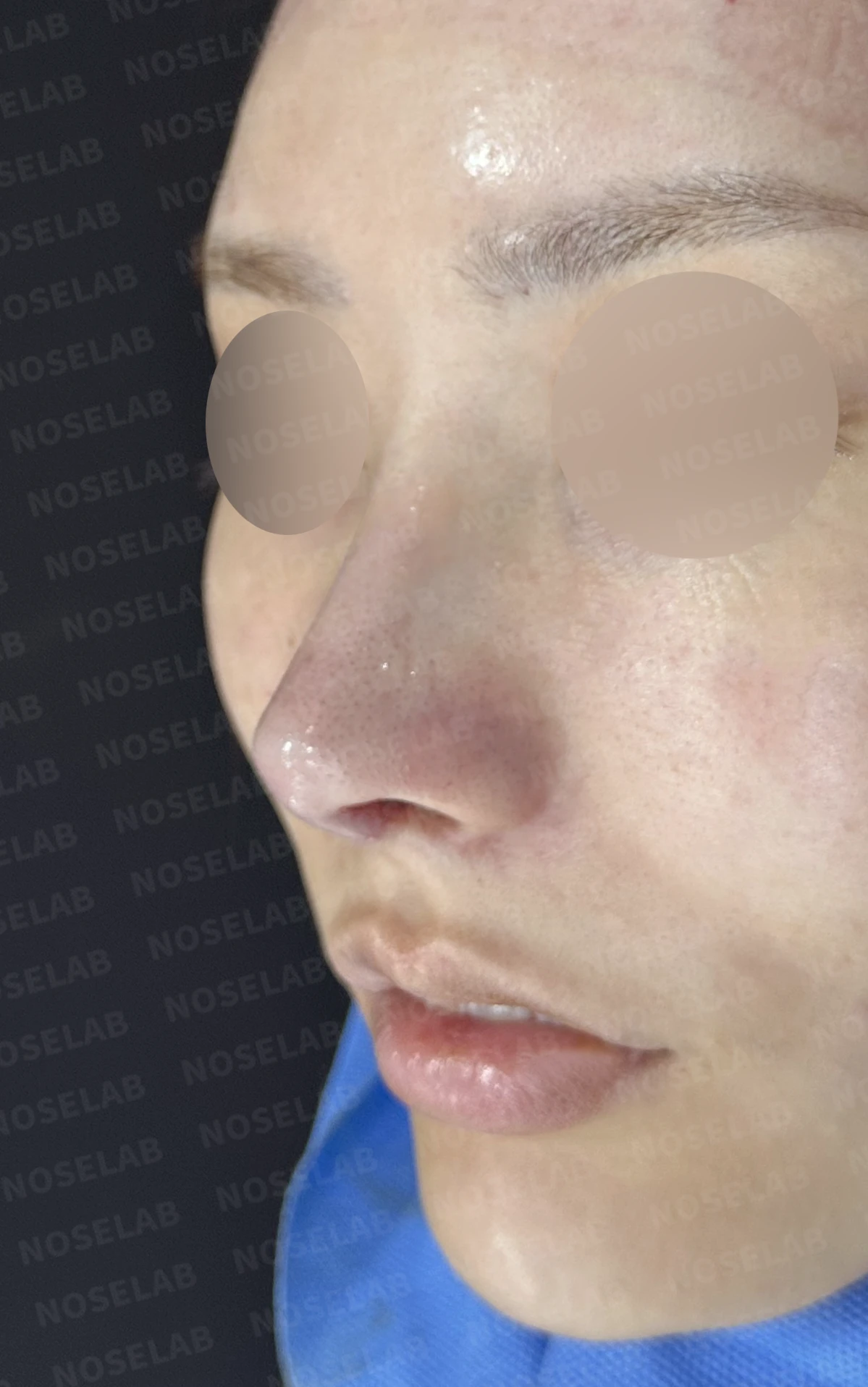
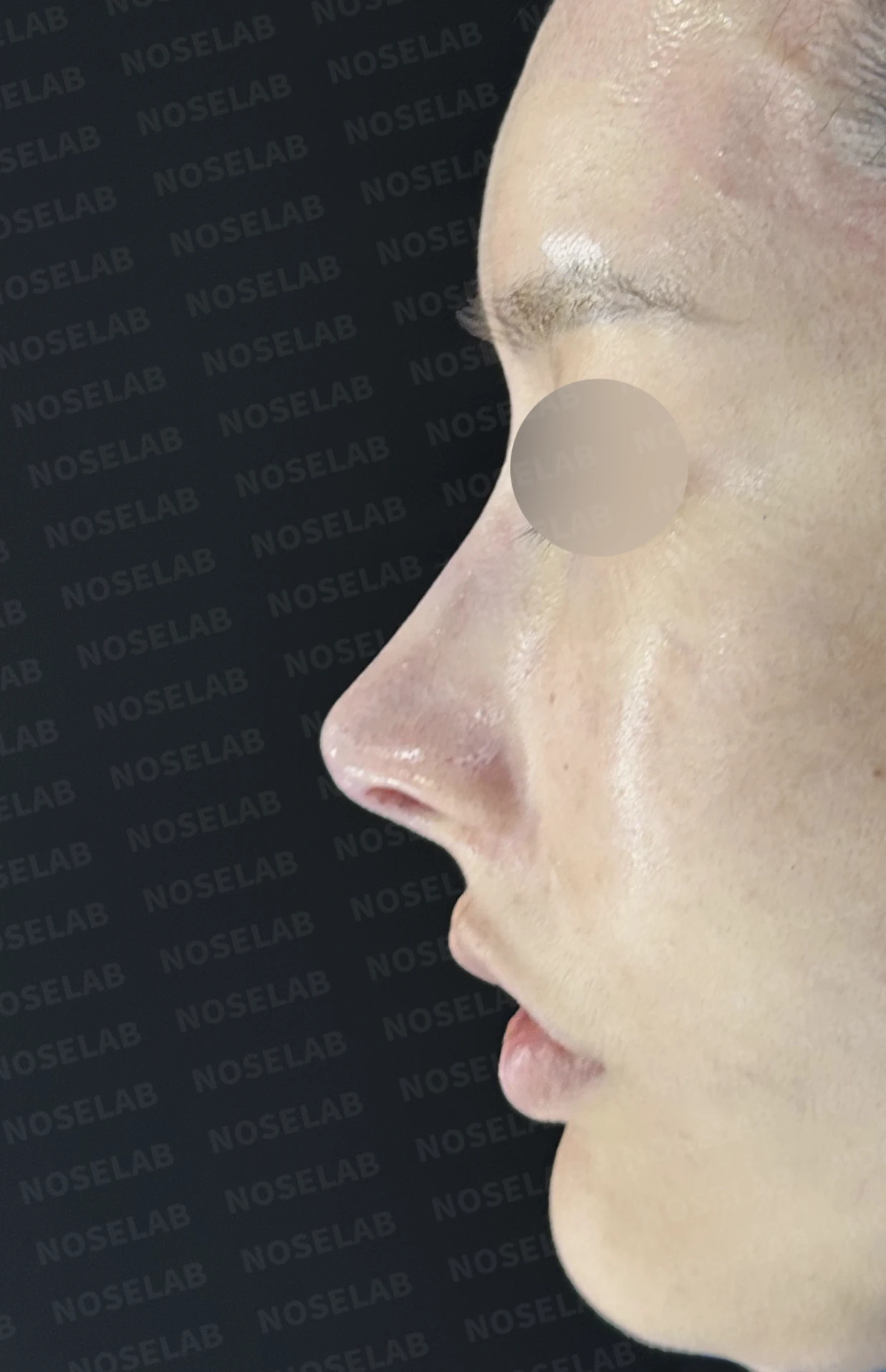
Day 0 immediately after surgery: front, oblique, and profile viewsPhotos taken immediately after surgery show swelling and may differ from the final result.
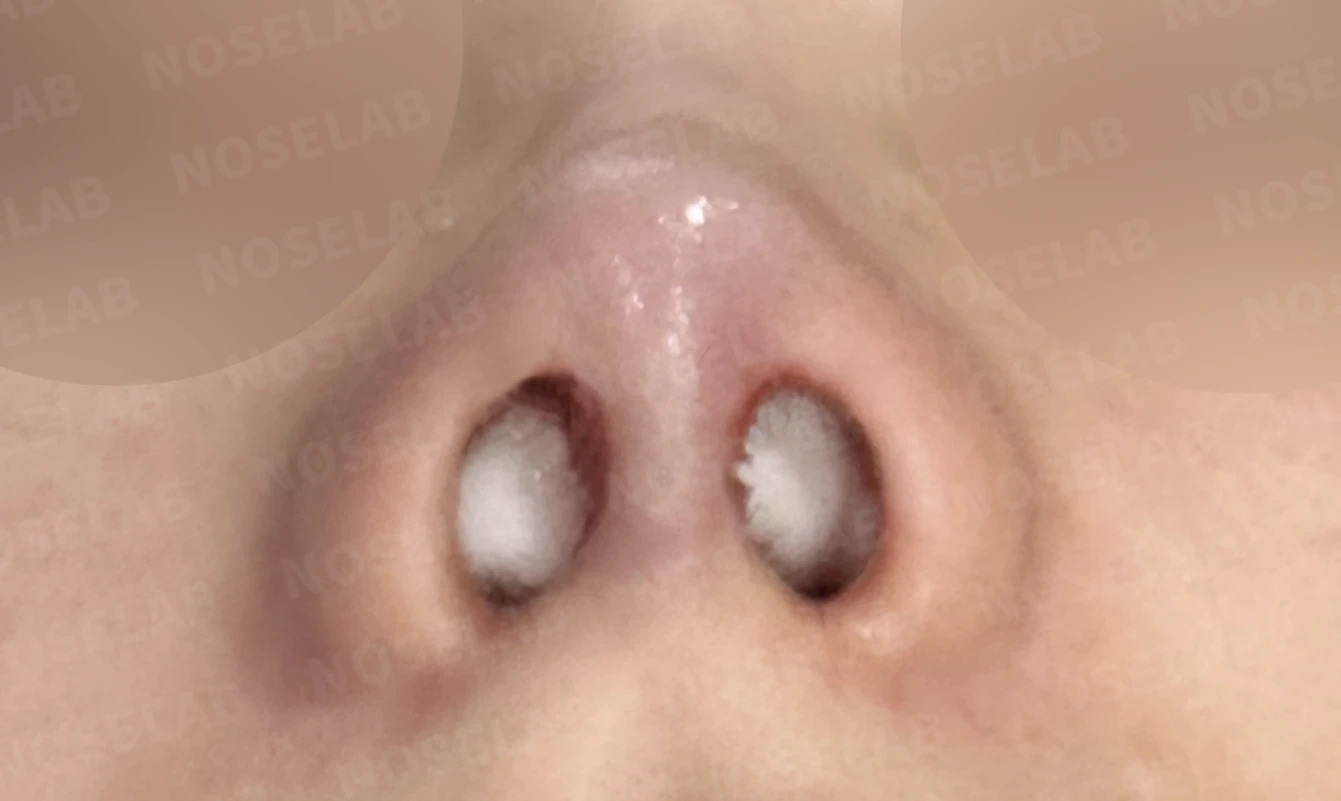
Day 0 immediately after surgery: nostril viewPhotos taken immediately after surgery show swelling and may differ from the final result.
When correcting a small, drooping nose, one must consider overall nasal balance and harmony with the face rather than simply increasing height. In cases like this, autologous rib cartilage was used to provide firm support and naturally elevate the nasal tip.
In this particular case, the patient also suffered from nasal obstruction due to a deviated septum and rhinitis. By addressing these functional issues alongside rhinoplasty, comfortable breathing was restored. This serves as a good example of achieving aesthetic and functional improvements simultaneously.
Some patients experiencing nasal obstruction hesitate to undergo rhinoplasty; however, in these instances, combining functional nasal surgery with aesthetic rhinoplasty allows both issues to be addressed in a single surgical procedure.
I hope this case is informative for anyone concerned about a small, drooping nose or looking to resolve nasal obstruction at the same time. This has been Medical Director Dr. Peter C. Kang. Thank you.
#closedrhinoplasty #closedrevisionrhinoplasty #droopingtipcorrection #autologousribcartilage #deviatedseptum #rhinitissurgery #nasalobstruction #functionalrhinoplasty #femalerhinoplasty

Limitations and risks
When autologous rib cartilage is used, scarring and pain may remain at the donor site on the chest, and pneumothorax (pleural injury) can occur rarely. Over time, the grafted cartilage may warp or undergo partial resorption.
When the septum is corrected at the same time, nasal obstruction may persist or recur, and in rare cases, septal perforation or changes in smell may occur.
Common potential risks include infection, bleeding, asymmetry, scarring, skin necrosis, and insufficient improvement; results vary depending on individual skin condition and previous surgical history.